Saga Food: 6 Local Specialties from Yobuko Squid to Saga Beef
This guide is translated from the Japanese edition. Read the Japanese edition
Six Saga food specialties and where to eat them: see-through Yobuko squid sashimi, marbled Saga beef, Takezaki crab, onsen tofu, Sicilian rice and Ogi yokan.
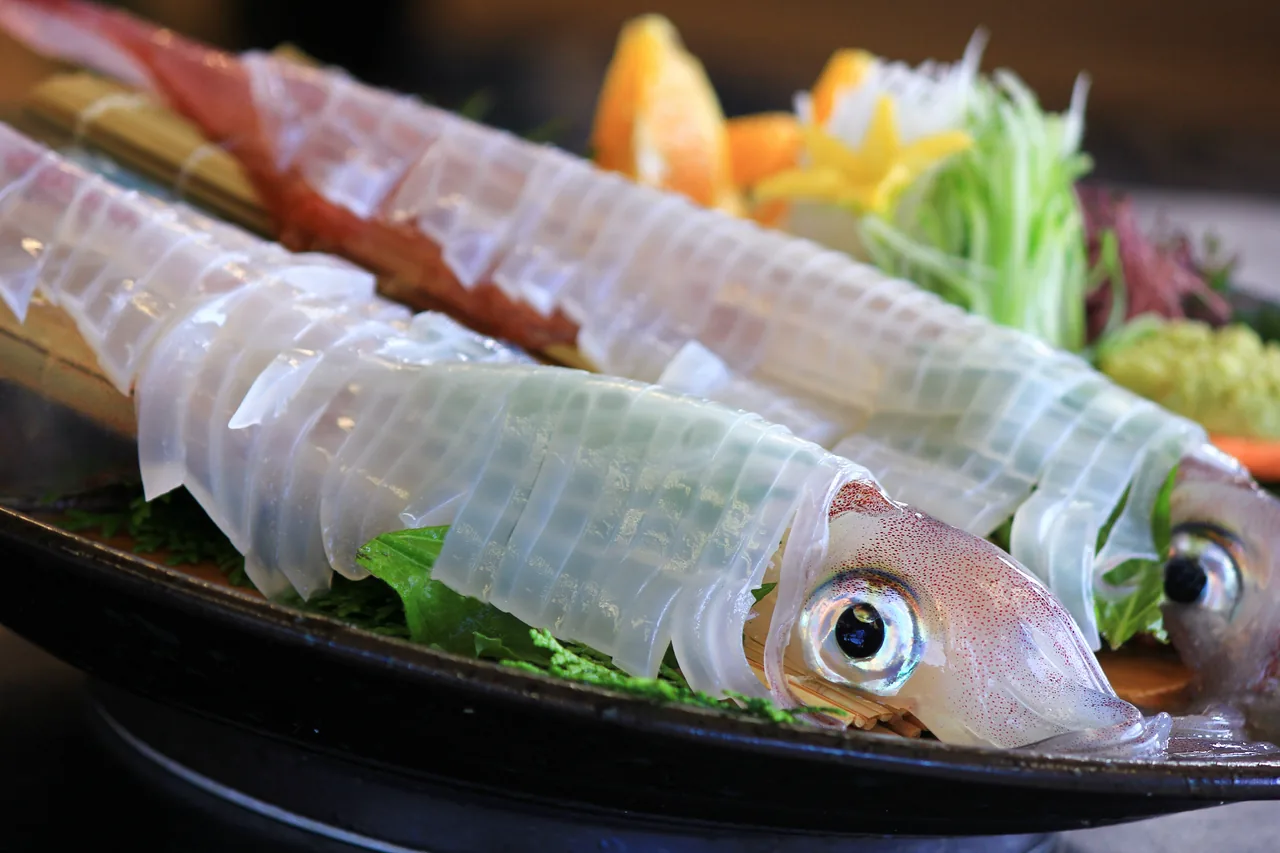
The squid on the plate is see-through, and now and then its legs still move. When talk turns to food in Saga, the first name that comes up is Yobuko's ikizukuri, squid served live as sashimi. Saga Prefecture faces two very different seas, the Genkai Sea and the Ariake Sea, and inland it has cattle country and hot spring towns. From Yobuko on the Genkai Sea in the north to Takezaki on the Ariake Sea in the south, the local specialties are spread across the prefecture.
Yobuko Squid Ikizukuri: Translucent Sashimi
Yobuko, a fishing port in northern Karatsu City, is known for squid caught in the Genkai Sea. Its signature ikizukuri is made by preparing a live squid on the spot and arranging it on the plate in its original shape. The translucent flesh is a sign of freshness, with a crisp bite and natural sweetness.
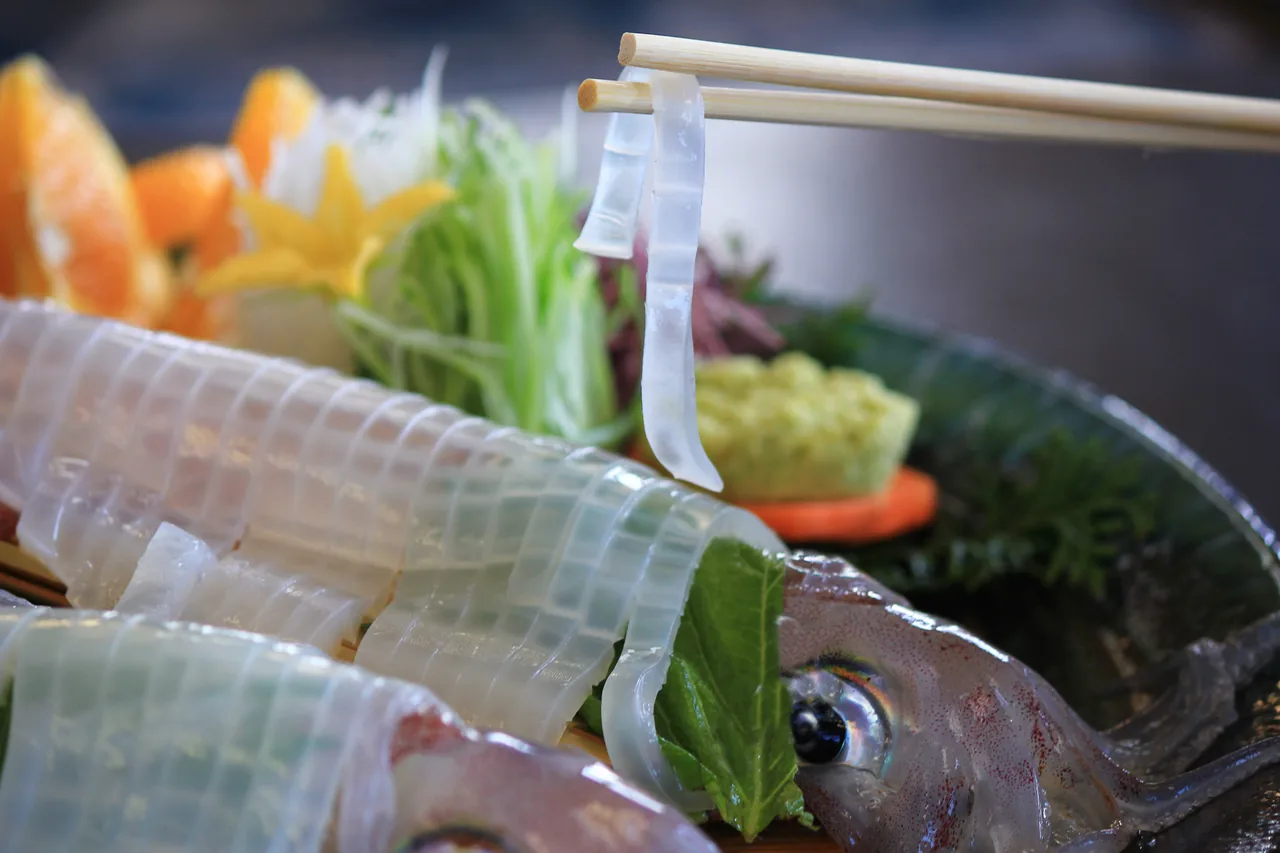
Photo: ©Saga Prefectural Cultural Tourism Federation
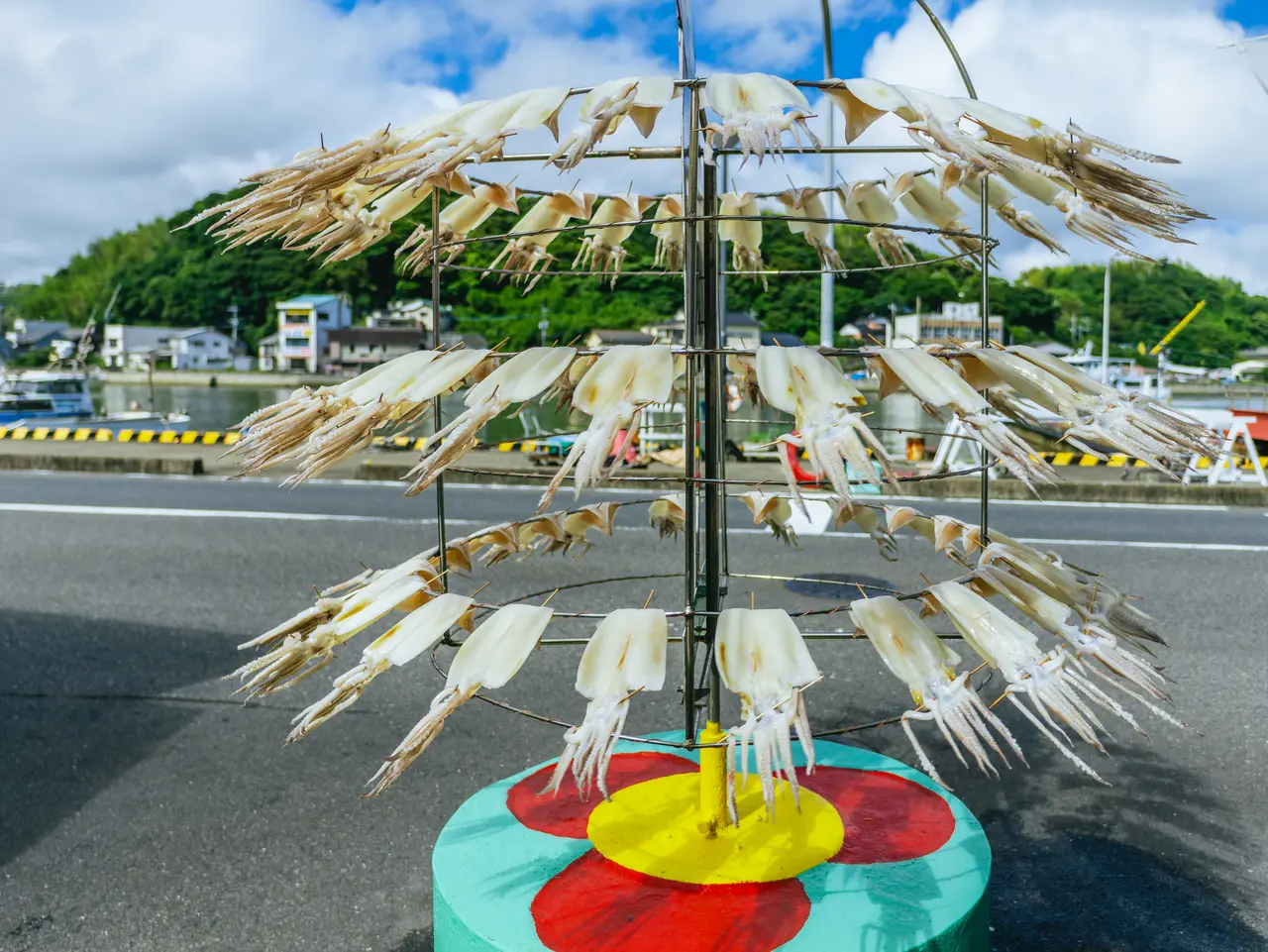
Once you finish the sashimi, many restaurants turn the remaining legs into tempura or a similar dish, so you get two ways to enjoy it. The type of squid changes with the season, and depending on the catch, some days ikizukuri may not be available. Squid restaurants cluster along Yobuko's harbor, and in the morning you can buy overnight-dried squid along the street of the Yobuko Morning Market. It is about 30 minutes by Showa Bus from the Oteguchi Bus Center near Karatsu Station.
Saga Beef: Finely Marbled Japanese Black Cattle
Saga beef is a name given only to the finest Japanese Black cattle raised by fattening farmers in the JA Group Saga network. The standard requires a meat quality grade of 5 or 4 and a marbling score (BMS) of No. 7 or higher; beef that falls short is sold separately as "Saga-produced wagyu."
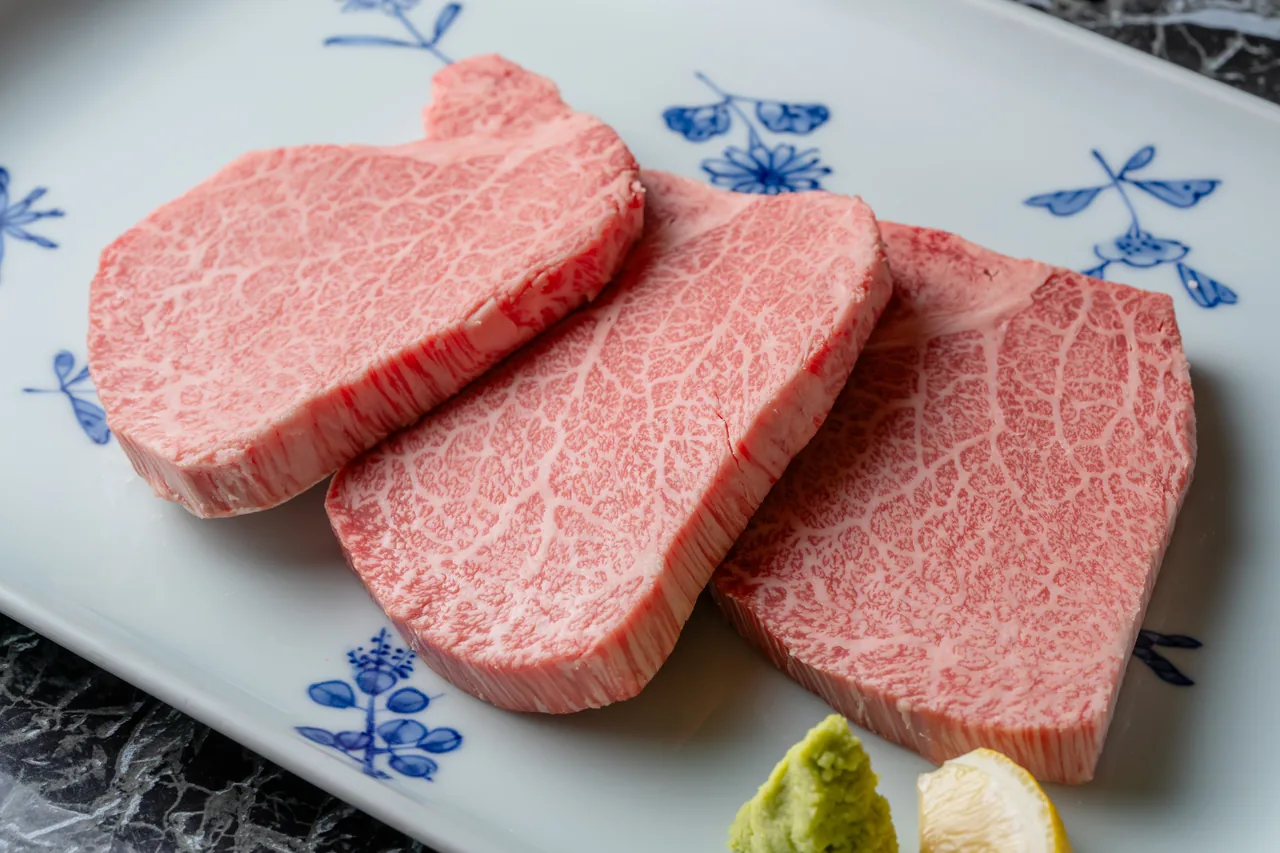
Photo: ©Saga Prefectural Cultural Tourism Federation
Restaurants serving it as steak, yakiniku, shabu-shabu and sukiyaki can be found in Saga City, Karatsu, Takeo and elsewhere. Yakiniku and steak places can be fully booked at dinnertime, so if you have a restaurant in mind, it is safer to reserve.
Takezaki Crab: Swimming Crab from the Ariake Sea
Takezaki, in the town of Tara facing the Ariake Sea, is home to "Takezaki crab." Takezaki crab is gazami, a type of swimming crab, raised on the tidal flats of the Ariake Sea, where the difference between high and low tide is very large. Besides simply boiled crab, restaurants and inns in Takezaki serve grilled crab and crab course meals.
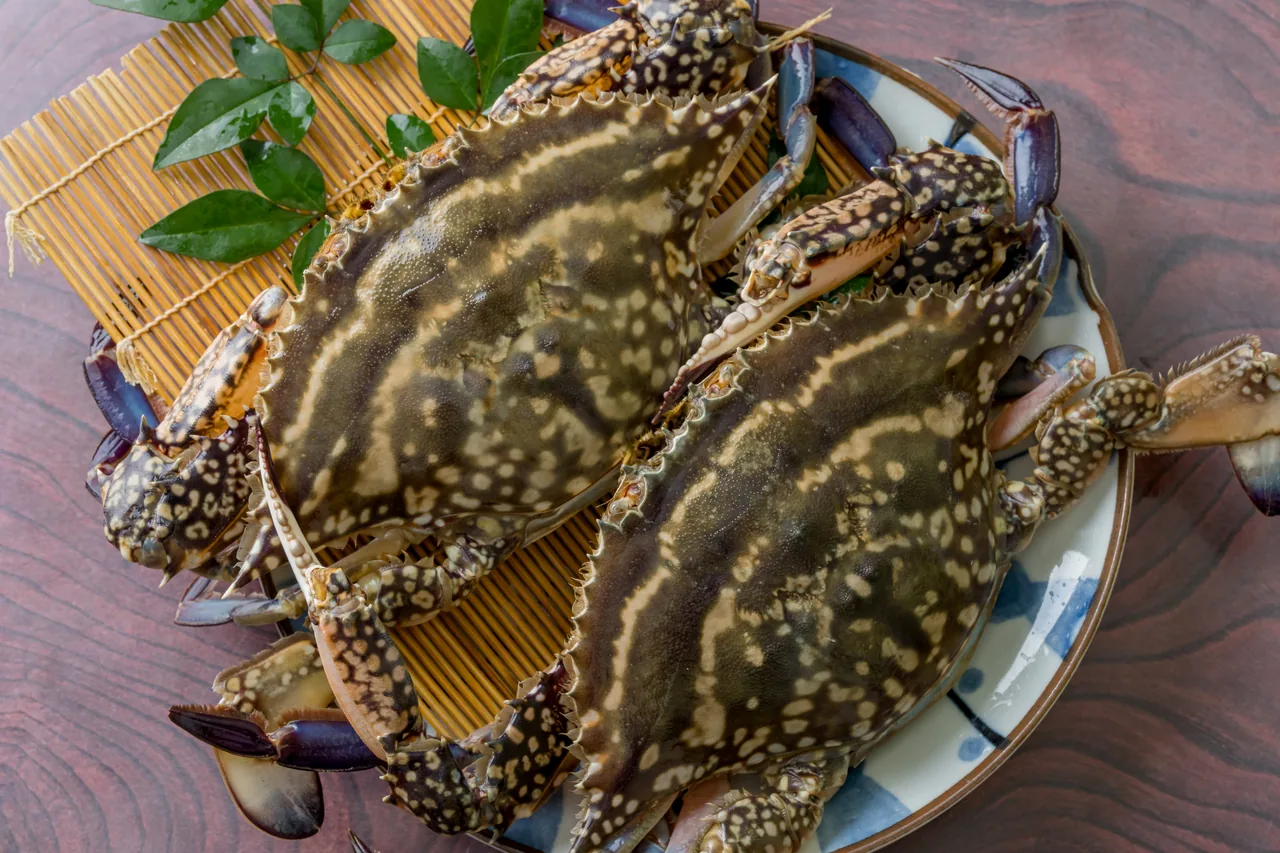
Photo: ©Saga Prefectural Cultural Tourism Federation
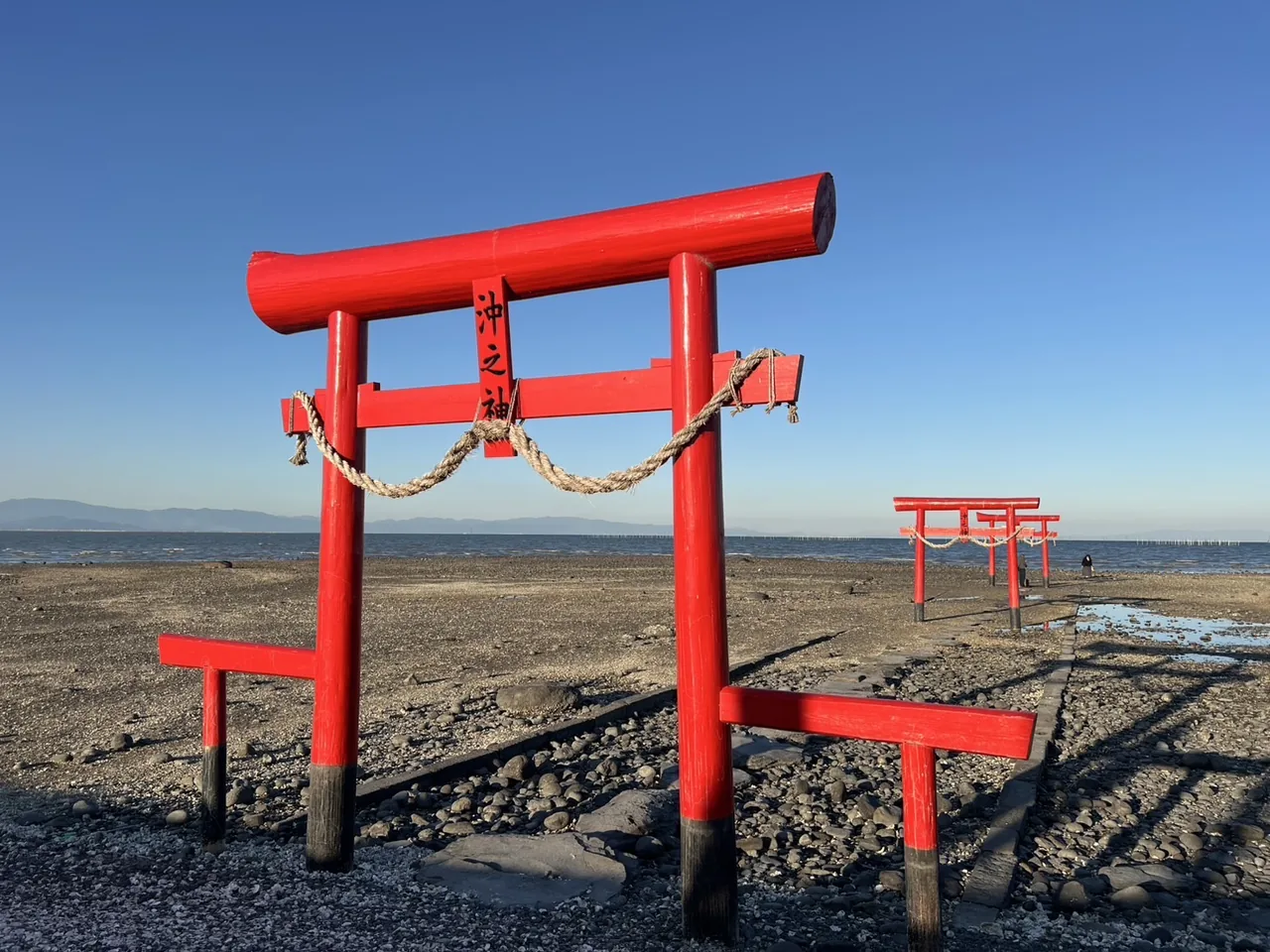
Near Takezaki is the sea torii of Ouo Shrine, which appears to stand in the sea at high tide. Check the tide times and combine it with a crab meal.
Ureshino Onsen Yudofu: Tofu That Melts in Spring Water
When tofu is simmered in the hot spring water of Ureshino Onsen, the minerals make its surface melt and the broth turns milky white. This is Ureshino's specialty, onsen yudofu. The tofu is soft and seems to dissolve in your mouth. Scoop it up with the broth and eat it with the restaurant's dipping sauce.
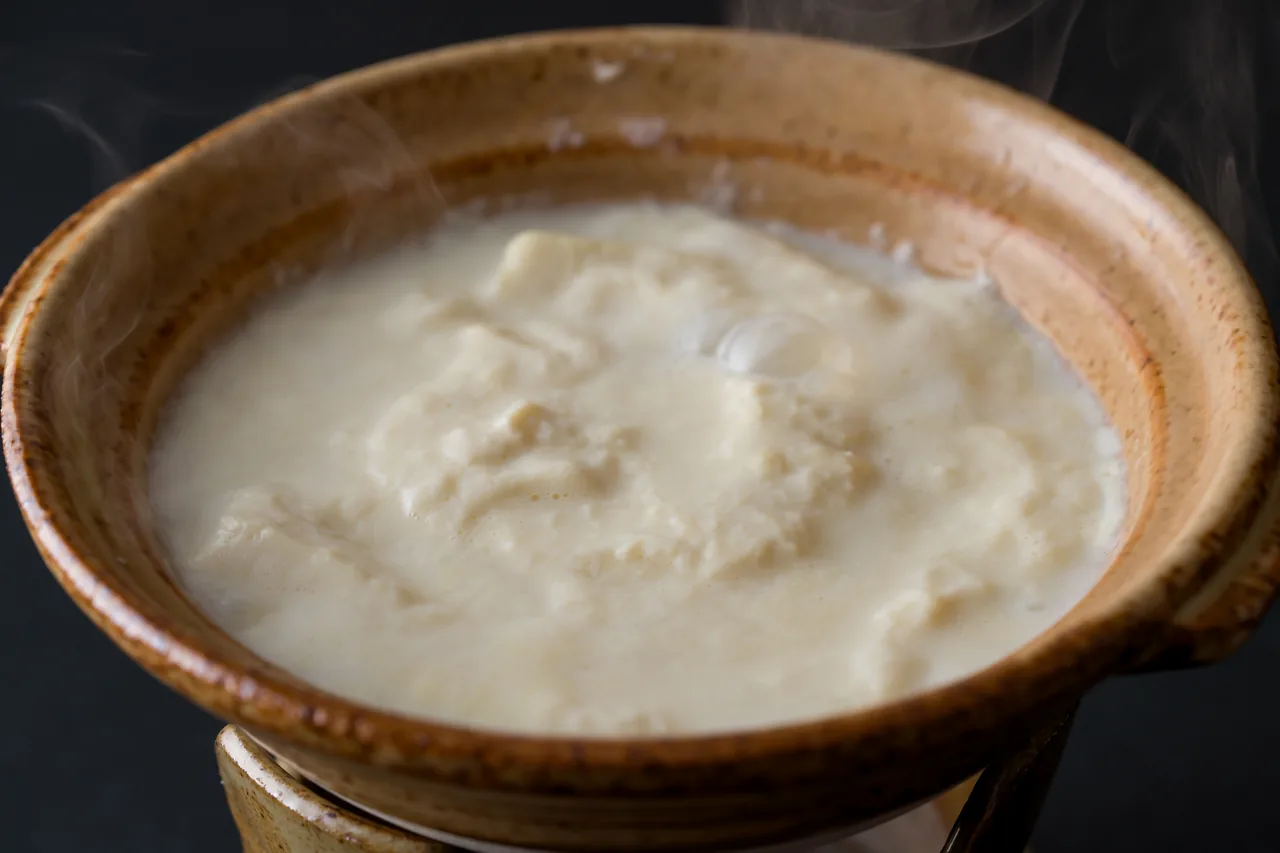
Photo: ©Saga Prefectural Cultural Tourism Federation
You can try it at restaurants and ryokan in Ureshino's hot spring town. How to get around the hot spring town is covered in Takeo Onsen and Ureshino Onsen.
Sicilian Rice: A Plate Born in a Saga City Café
Sicilian rice is a Saga City specialty of warm rice topped with stir-fried meat and fresh raw vegetables, finished with mayonnaise. It is said to have been created around 1975 at a café in central Saga City, and the origin of the name is unclear. Today cafés and restaurants around the city serve it, each arranging it in its own way.
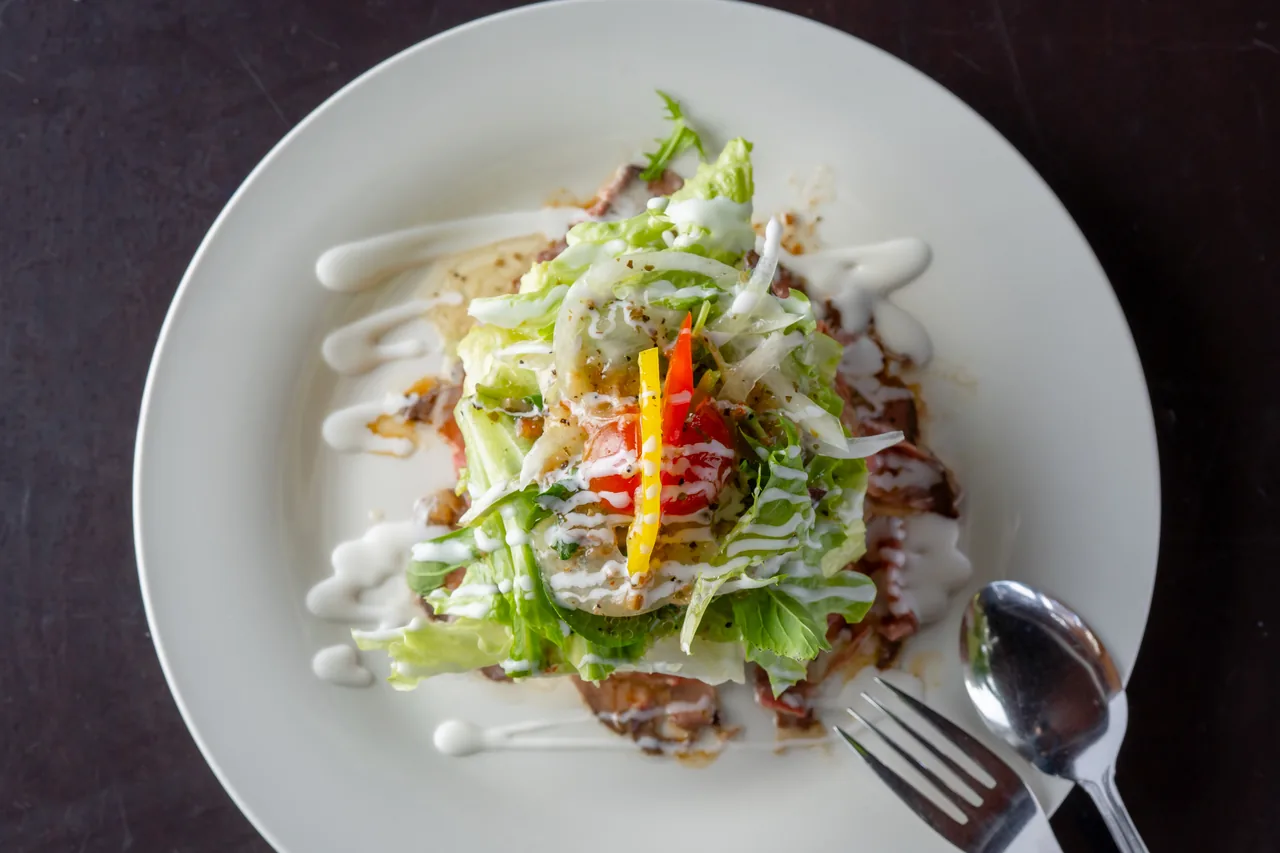
Photo: ©Saga Prefectural Cultural Tourism Federation
Ogi Yokan: The Crunch of Crystallized Sugar
Ogi City, just west of Saga City, is a town of yokan, a sweet jelly made from red bean paste. Yokan making is said to have started there in the Meiji period, and yokan shops still line the town. Traditional kiri-yokan is known for its texture: over time the sugar on the surface crystallizes, so it is crisp outside and moist inside. Besides red bean yokan, there are yokan in other colors made with tea or white bean paste.
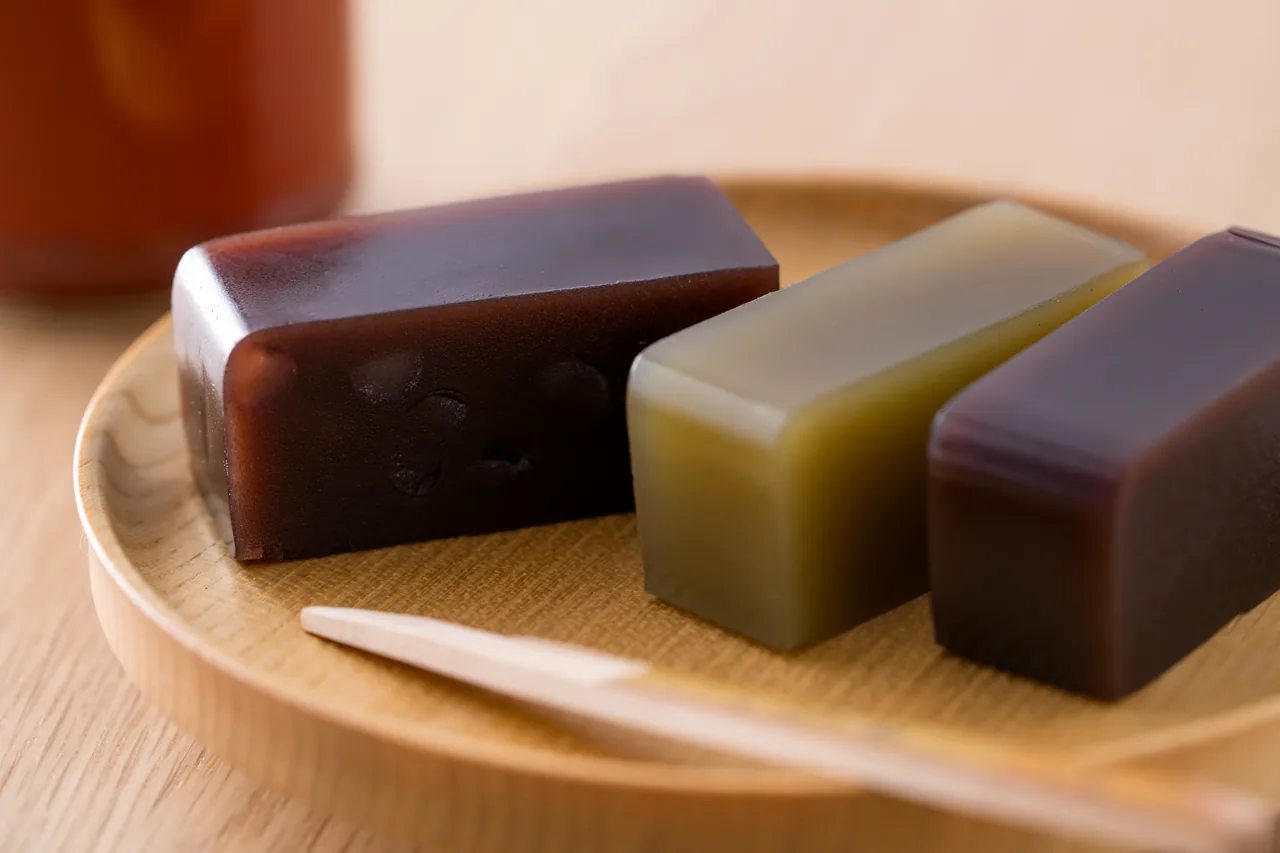
Photo: ©Saga Prefectural Cultural Tourism Federation
The Nagasaki Kaido, the old road that ran from Nagasaki to Kokura, carried imported sugar and is known as the "Sugar Road"; it has been recognized as a Japan Heritage. Ogi yokan is one of the sweets that grew out of that sugar culture.
Before You Go
- Some squid restaurants in Yobuko and crab restaurants in Takezaki mainly open for lunch. If you are planning dinner, check first that they are open in the evening.
- Ogi yokan keeps well, so it makes a good souvenir. Check the best-before date of each product.
- On a map of Saga Prefecture, Yobuko is in the north, Takezaki in the south, and Ureshino and Ogi near the middle. Covering them all in one day is hard, so choose the specialties closest to where you are staying.