Takeo Onsen and Ureshino Onsen: Saga Hot Springs One Stop Apart
This guide is translated from the Japanese edition. Read the Japanese edition
Takeo Onsen and Ureshino Onsen sit one stop apart on the Nishi-Kyushu Shinkansen. Where to bathe, a footbath, onsen tofu, Ureshino tea and a garden.
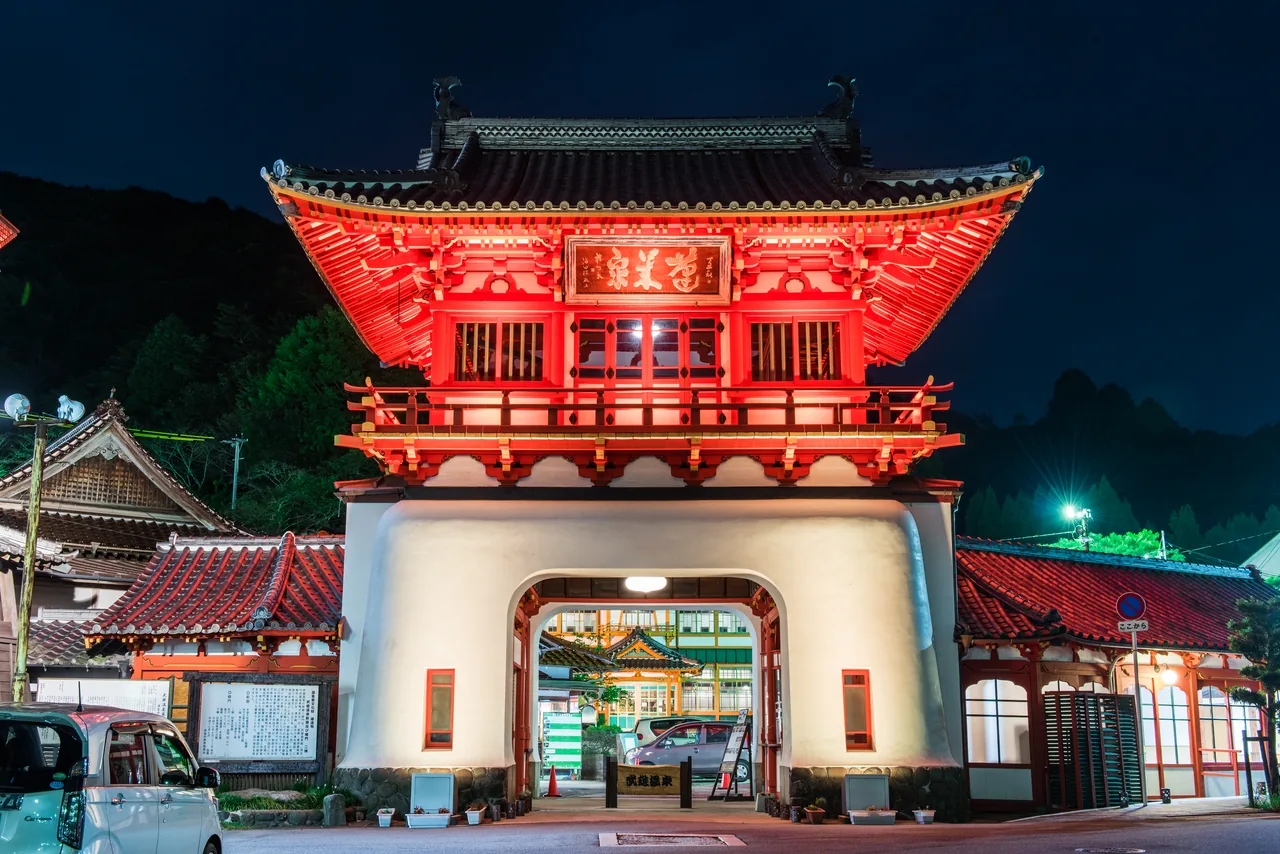
As night falls, the lights come on at Takeo Onsen's Romon Gate and its vermilion upper story glows against the dark sky. Western Saga Prefecture has two hot spring towns side by side, each with its own character: Takeo Onsen, where you bathe in historic buildings, and Ureshino Onsen, known for its silky water and its signature onsen tofu. On the Nishi-Kyushu Shinkansen, which opened in 2022, they are neighboring stations, so you can stay a night and see both on the way to or from Hakata or Nagasaki.
Getting to Takeo Onsen and Ureshino Onsen
From Hakata, take the limited express "Relay Kamome" on the conventional line to Takeo-Onsen Station, where you switch to the Nishi-Kyushu Shinkansen "Kamome" across the same platform. The next station after Takeo-Onsen is Ureshino-Onsen, and the line continues to Nagasaki. Coming from Nagasaki, the shinkansen reaches Ureshino-Onsen first and then Takeo-Onsen.
From the north exit of Takeo-Onsen Station, the Romon Gate at the entrance to the hot springs is about a 15-minute walk. From Ureshino-Onsen Station to the center of the hot spring town, where Siebold-no-Yu stands, is about 5 minutes by car, and buses also run from the station. Once you have decided where to stay, work backward from that evening's dinner and the next morning's travel to plan the order.
Takeo Onsen: Through the Romon Gate to a Meiji-Era Bath
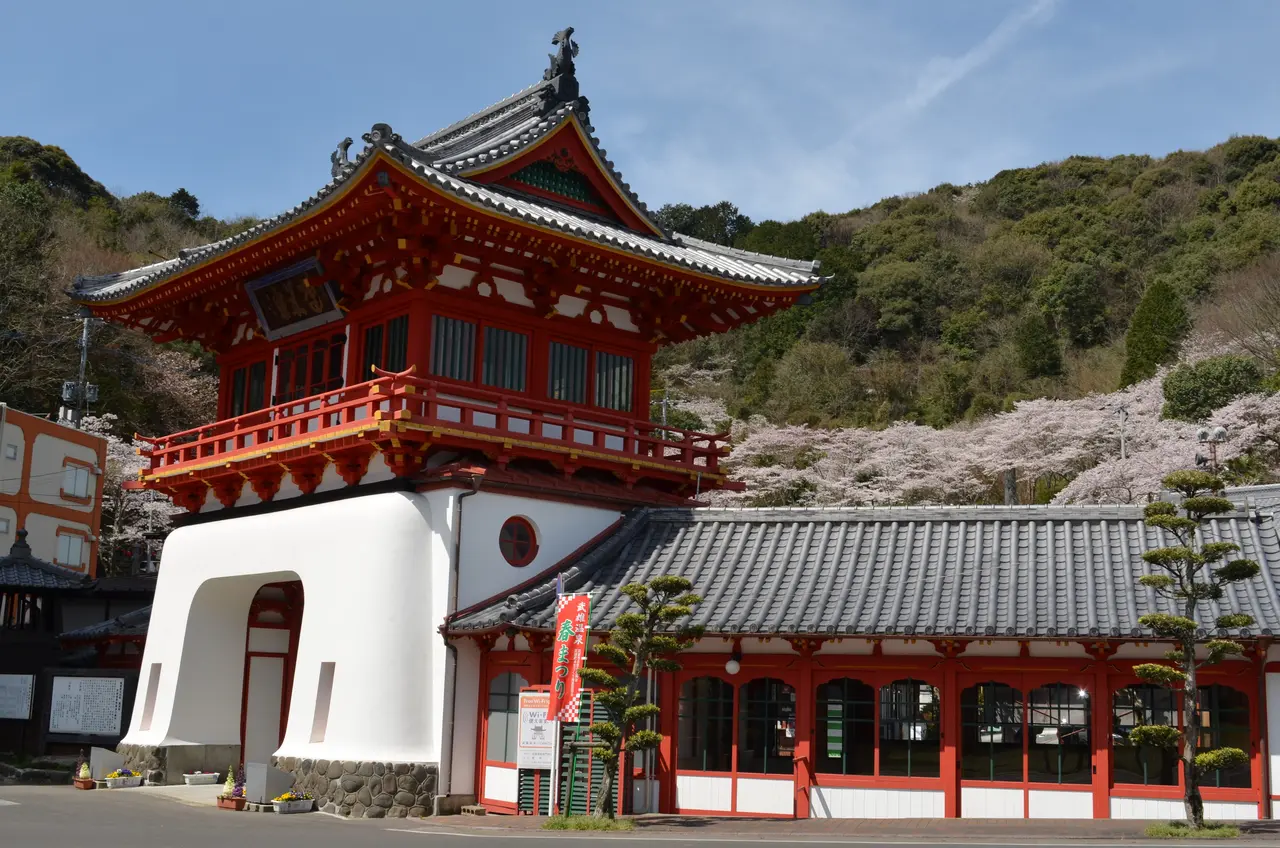
The Romon Gate at the entrance to Takeo Onsen was designed by Tatsuno Kingo, architect of Tokyo Station, and completed in 1915. It is a wooden gate with a vermilion upper story on a white plaster base, rather like the gate of a sea god's palace. Together with the Shinkan building from the same period, it is designated an Important Cultural Property of Japan, and in the Shinkan you can see tiled bathtubs and more.
Beyond the gate are public baths you can use as a day visitor. Among them, Motoyu is housed in a building from 1876 and is said to be the oldest hot spring building in Japan still in use. A high ceiling rises over wide baths, and you can choose between tubs of different temperatures.
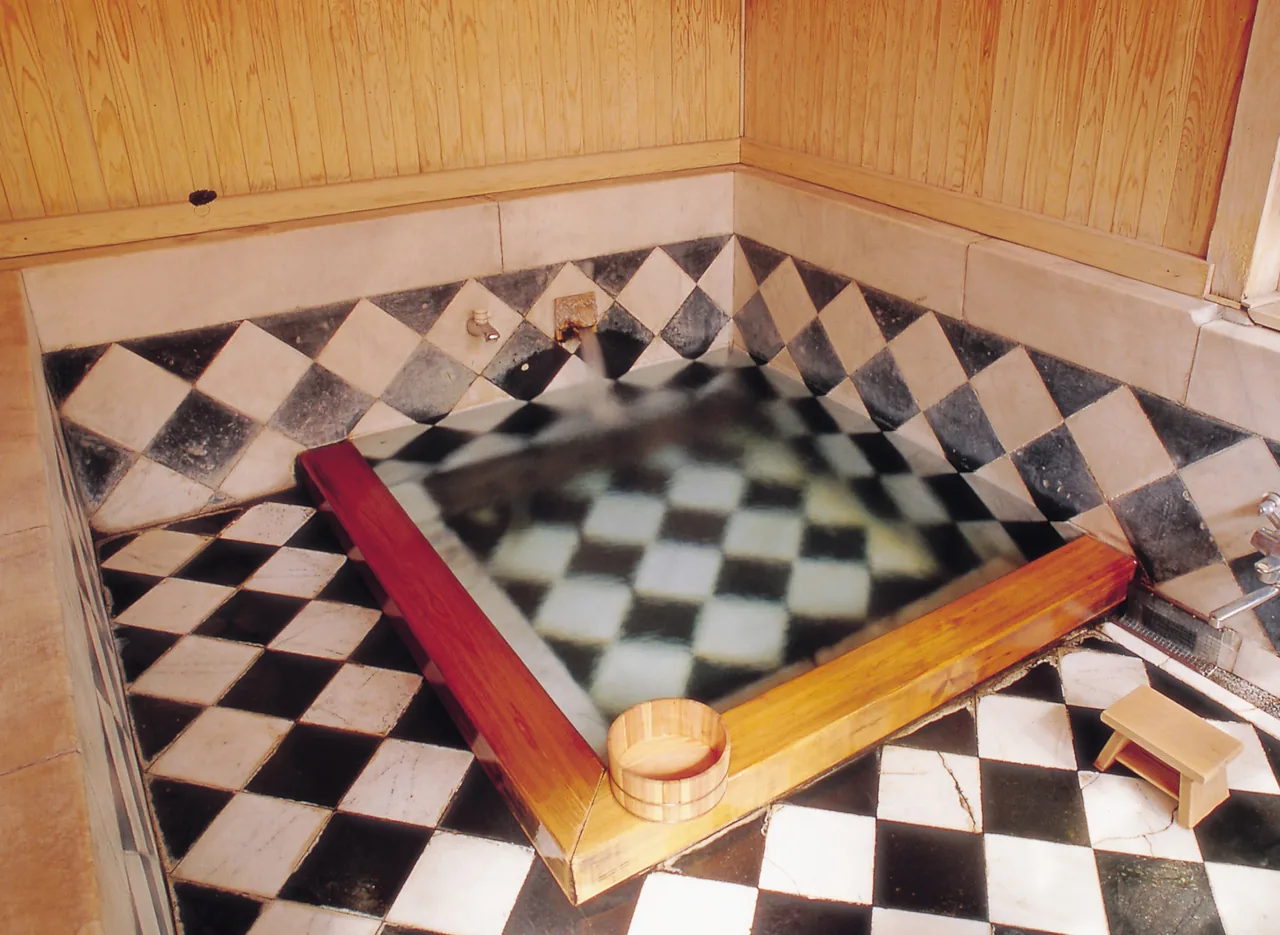
Photo: ©Saga Prefectural Cultural Tourism Federation
Keishuen: A Japanese Garden Borrowing Mt. Mifune
Keishuen, next to the Yoko Museum, is a Japanese stroll garden around a pond, designed by the garden designer Nakane Kinsaku. It takes in the sheer cliffs of Mt. Mifune as borrowed scenery, and the views change as you walk around the pond. An autumn leaves festival is held in autumn, when the contrast between red maples and the green of a tea field is the highlight. It is about 7 minutes by bus from Takeo-Onsen Station toward Ureshino.
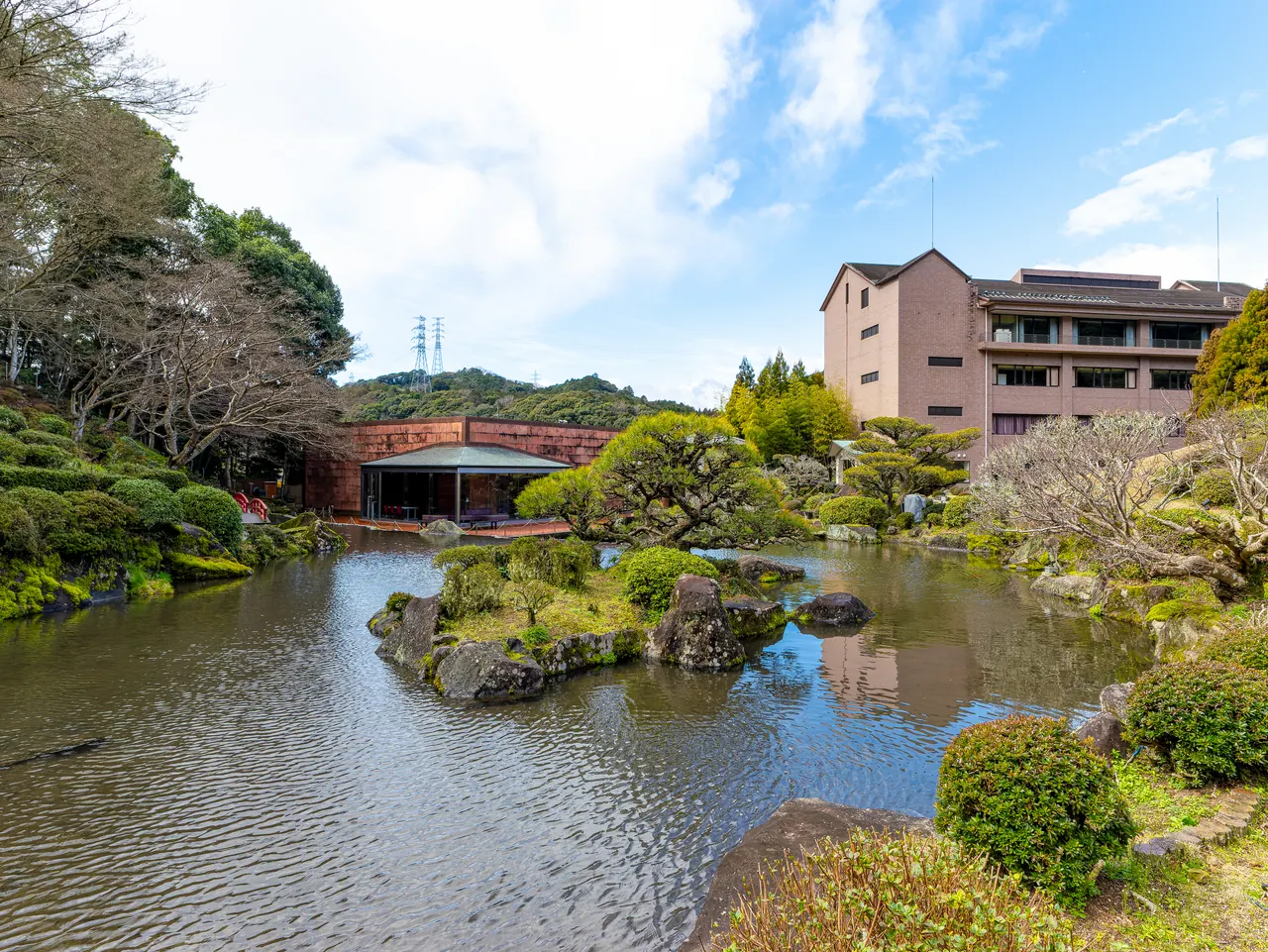
Photo: ©Saga Prefectural Cultural Tourism Federation
Takeo Shrine, home to the Great Camphor of Takeo, said to be 3,000 years old, is also within walking distance of the baths.
Ureshino Onsen: The Siebold-no-Yu Public Bath
Ureshino Onsen's water has a reputation for leaving skin silky smooth and is known as a "bath of beautiful skin." On the bank of the Ureshino River, which runs through the middle of the hot spring town, stands the public bath Siebold-no-Yu. It is a Western-style building with an orange roof and a spire, opened in 2010. The name comes from a record that Siebold, the German doctor stationed at Dejima in Nagasaki in the Edo period, visited Ureshino. Besides the large baths, there are private baths for rent.
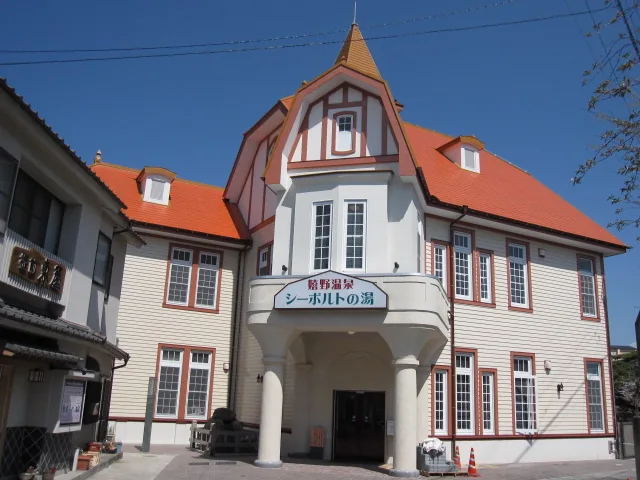
Photo: ©Saga Prefectural Cultural Tourism Federation
The building sometimes closes fully or partly for renovation work, so check the Ureshino Onsen Tourism Association's notices before you go.
The Yuyado Hiroba Footbath: A Break for Tired Feet
Yuyado Hiroba, on the hot spring town's main street, has a footbath and a foot steam bath that warms your feet with steam. You can enjoy the hot spring without undressing, so it is a good stop right after you arrive or before hotel check-in. Bring a small towel and you will have something to dry your feet with.
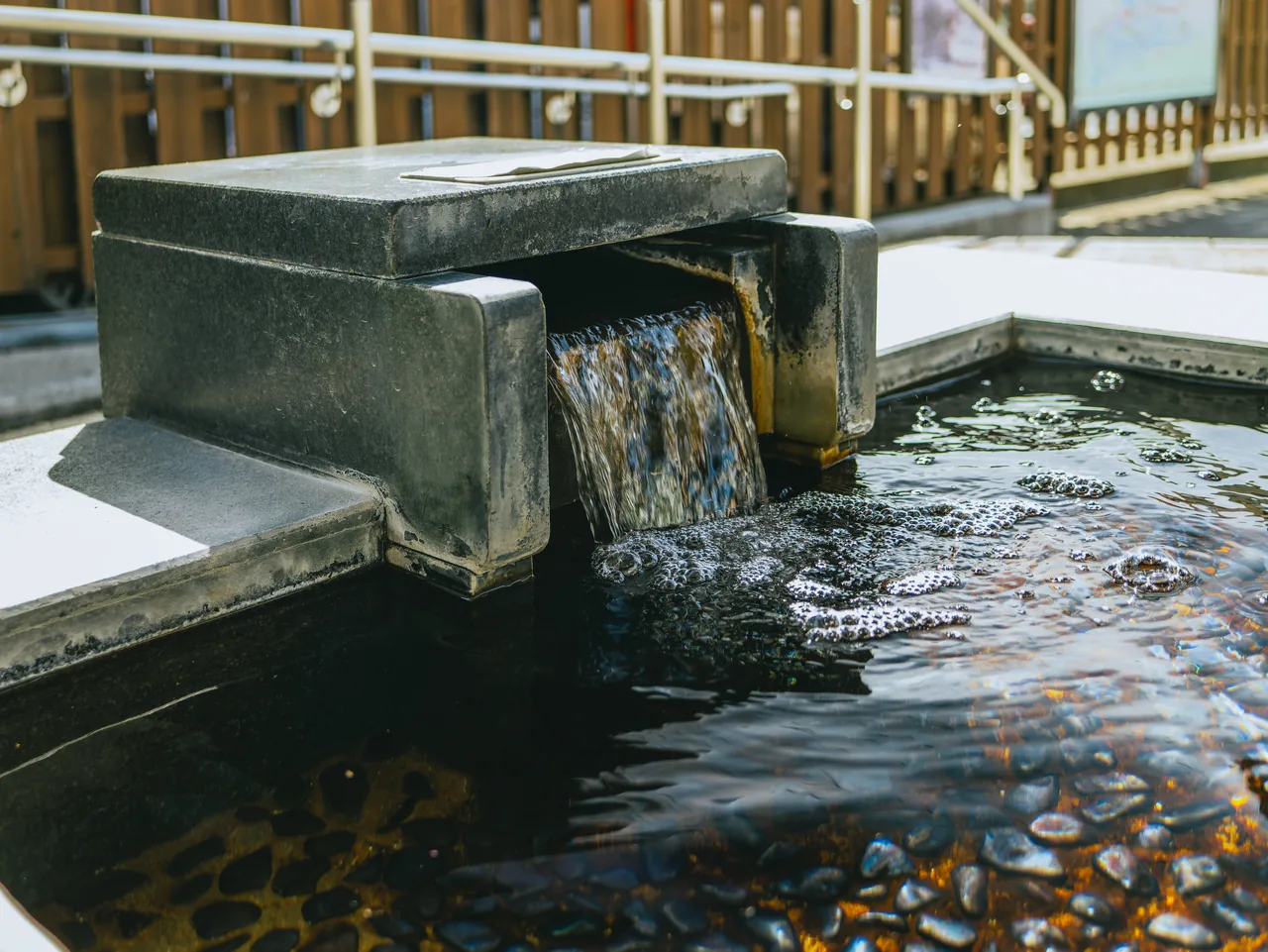
Photo: ©Saga Prefectural Cultural Tourism Federation
Ureshino Specialties: Onsen Tofu and Ureshino Tea
The dish to try in Ureshino is onsen yudofu, tofu simmered in hot spring water. When tofu is cooked in Ureshino's spring water, the minerals make its surface melt and the broth turns milky white. You eat the silky tofu together with the broth, and it is served at restaurants and ryokan in the hot spring town.
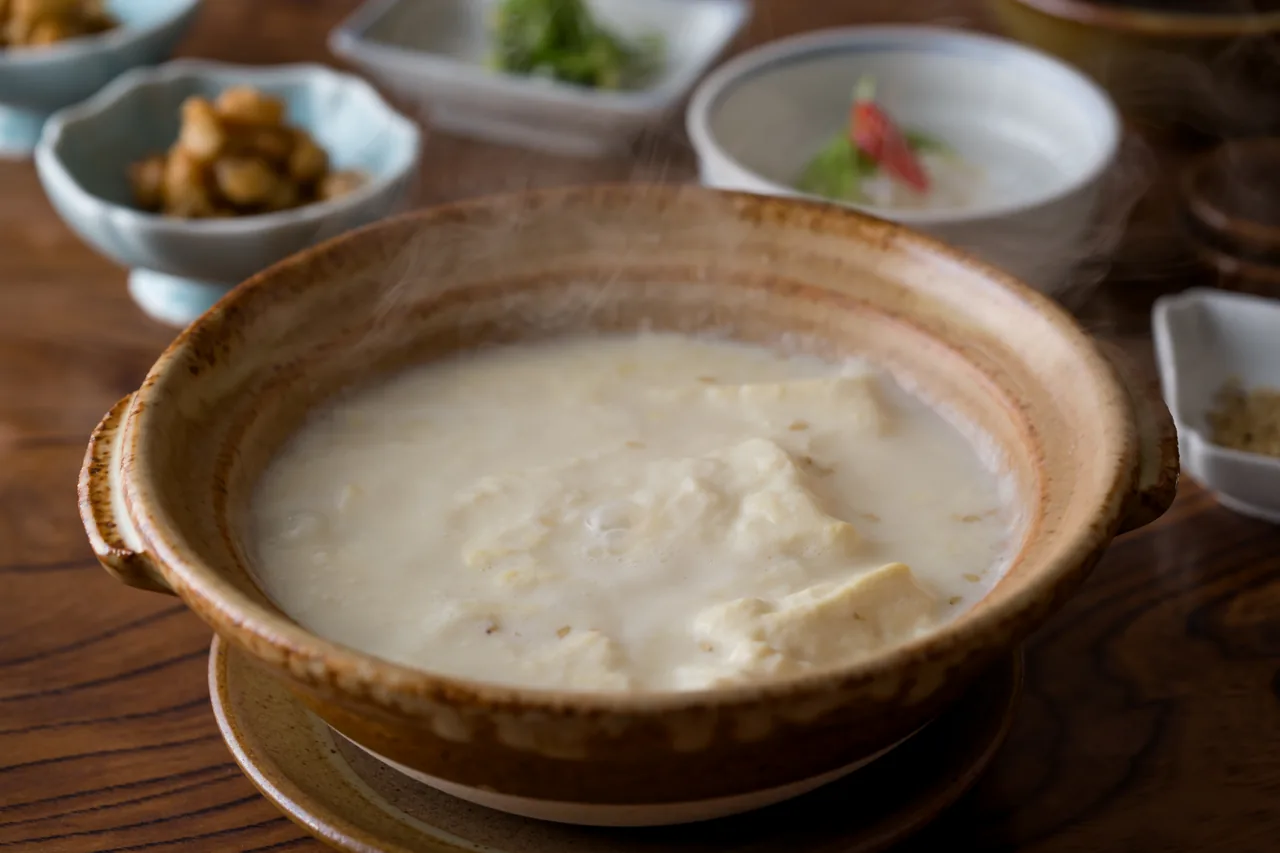
Photo: ©Saga Prefectural Cultural Tourism Federation
Ureshino is also a tea-growing area. Ureshino tea is tamaryokucha, green tea with leaves curled like comma-shaped magatama beads, made either by steaming ("mushisei tamaryokucha") or by pan-firing in an iron pot ("kamairicha"). Tea fields cover the hills around the hot spring town, and you can buy tea leaves to take home at the tea shops in town.
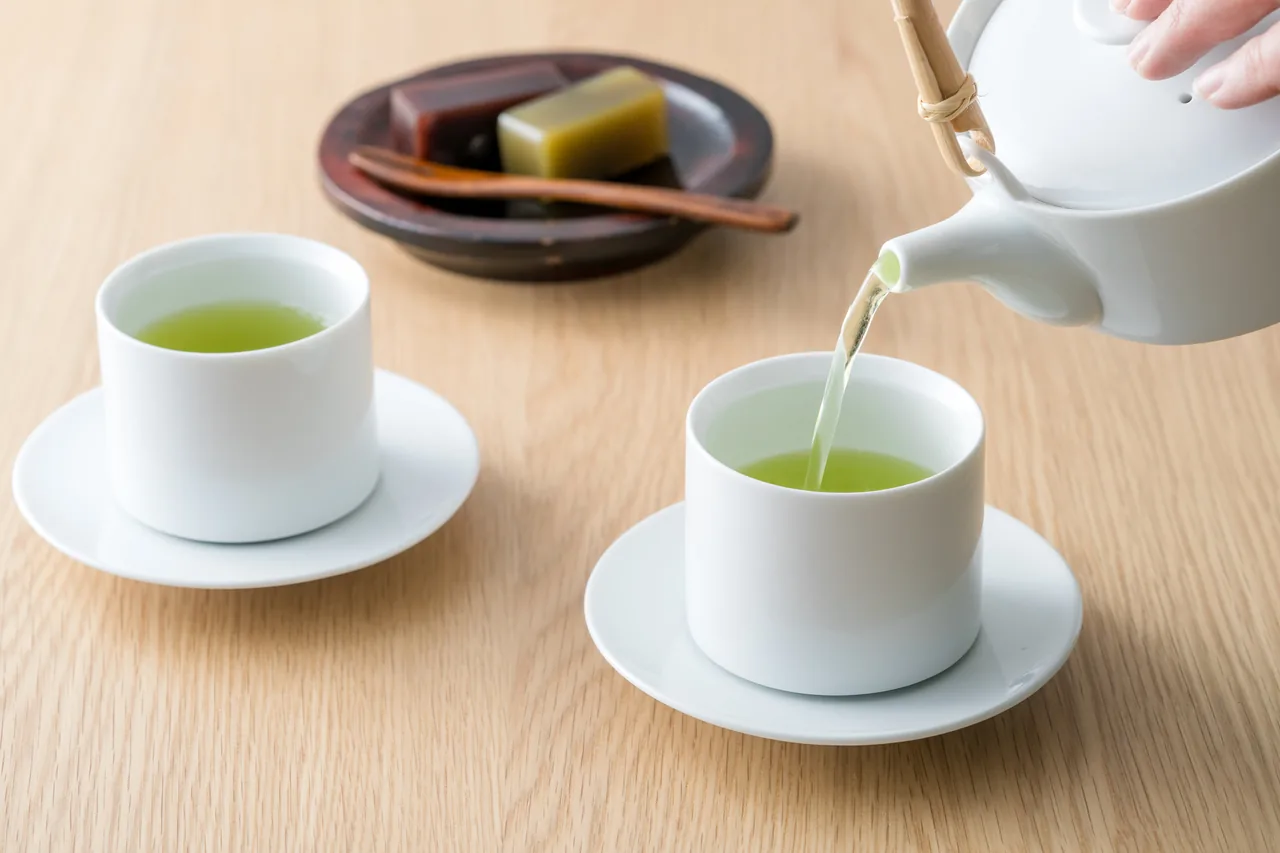
Photo: ©Saga Prefectural Cultural Tourism Federation
Good to Know Before You Bathe
- At public baths, check in advance whether to bring a towel or whether you can buy or rent one at the counter.
- Washing your body before getting in and keeping your towel out of the water are the basics of Japanese hot springs. The details are in how to use an onsen and onsen etiquette.
- Policies on bathers with tattoos differ from facility to facility. Choosing a private bath lets you soak without worrying about others.
- If you are not staying overnight, the day-use public baths at Takeo Onsen and Siebold-no-Yu in Ureshino are the places to aim for. For day bathing at ryokan, check with each inn whether they accept day visitors.