Omiya Bonsai Village and Iwatsuki Dolls in Saitama City
This guide is translated from the Japanese edition. Read the Japanese edition
Omiya Bonsai Village and the world's first public bonsai museum, plus the Iwatsuki doll museum in Saitama City. What to see, how to look at bonsai and dolls, and access.
North of Omiya Station, behind the hedges of a residential neighborhood, carefully trimmed pines and maples in pots sit on wooden shelves. Omiya Bonsai Village in Saitama City was founded by bonsai growers who moved out from Tokyo about 100 years ago. A few stops east on the Tobu Urban Park Line is Iwatsuki, a "doll town" that has long made hina dolls and samurai dolls. Each has a dedicated city museum, and you can see both in a day. It's an easy day trip by train from Tokyo, suited to anyone who wants a quiet look at crafts handed down through everyday Japanese life.
Omiya Bonsai Village: a bonsai community born after the great earthquake
Omiya Bonsai Village began in 1925, when bonsai growers from around Sendagi and Komagome in Tokyo resettled here after the Great Kanto Earthquake. Even today, a short walk from the station brings you to bonsai gardens dotted among hedges.
The gardens are privately run, and whether they accept visitors, and on which days they close, varies from garden to garden. Before going in, read the sign at the gate or ask. As a rule, don't touch the trees on the shelves, and ask the staff before taking photos. Many of the trees are for sale, and you can buy a small one to take home, but bringing plants into your own country means meeting its plant quarantine rules.
Every year from May 3 to 5, the Great Bonsai Festival (Dai Bonsai Matsuri) fills the village streets with stalls.
Omiya Bonsai Art Museum: masterpiece bonsai through the seasons
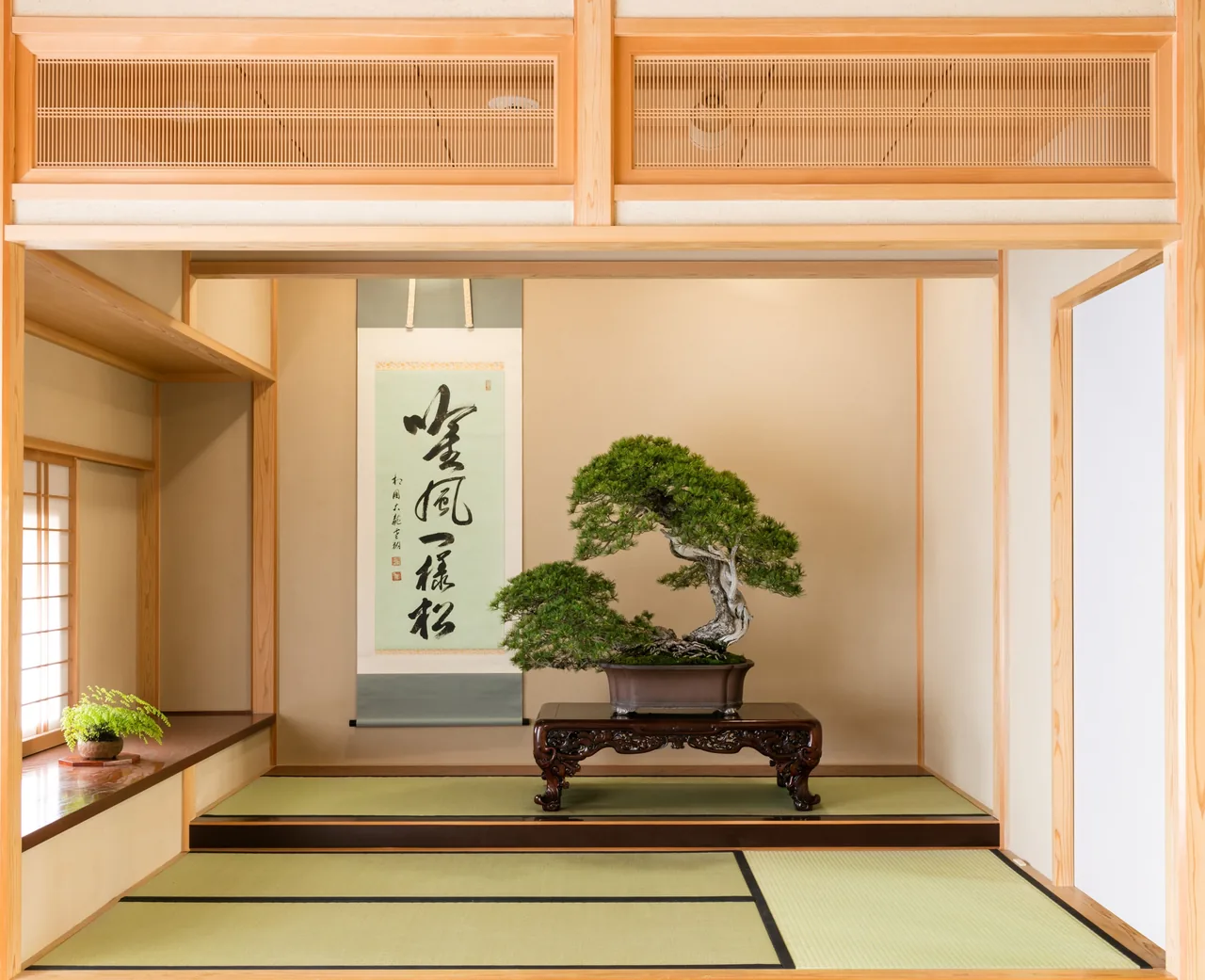
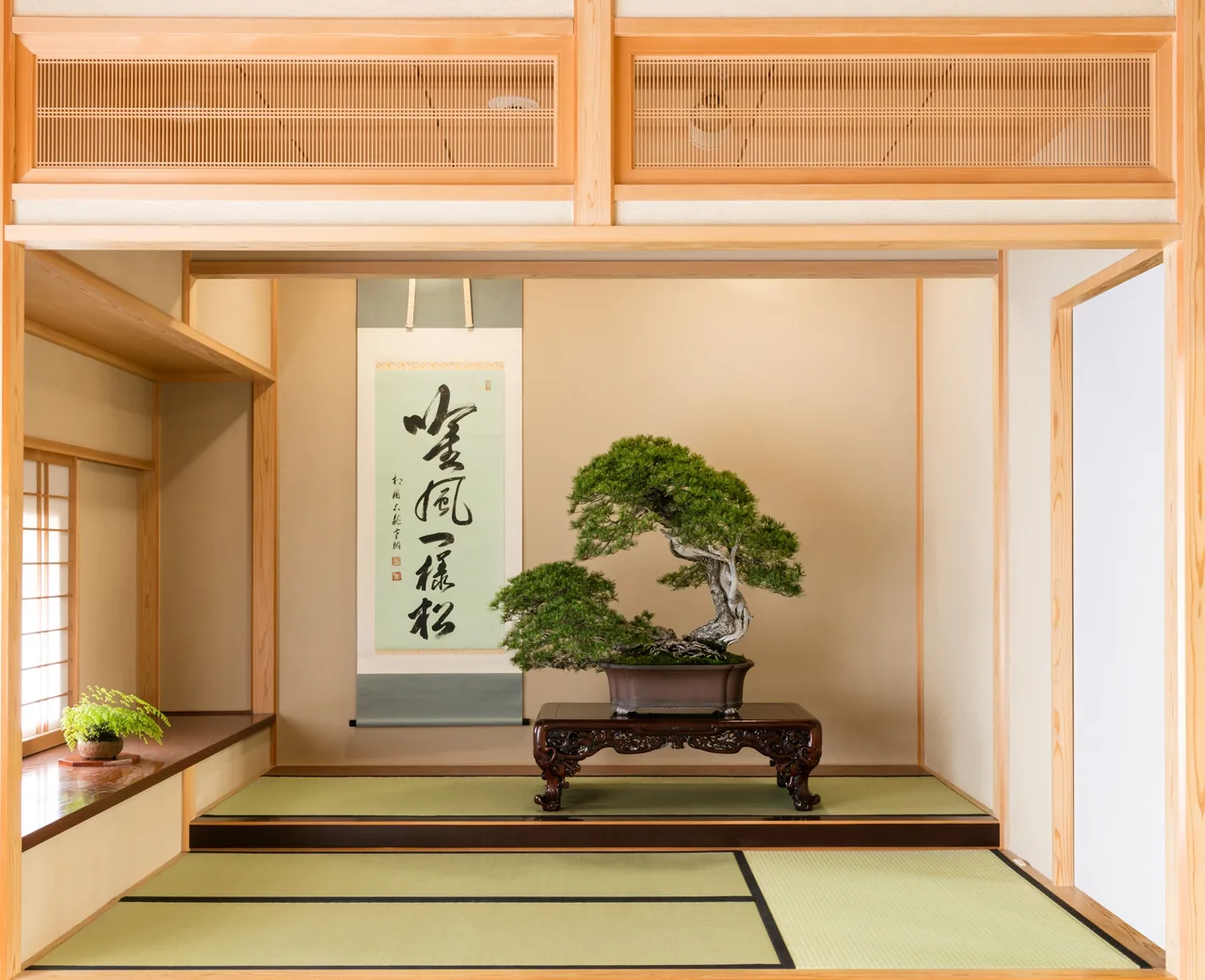
The Omiya Bonsai Art Museum, Saitama opened in 2010 as the world's first public museum dedicated to bonsai. Besides masterpiece trees, its collection includes bonsai pots, suiseki (stones appreciated for resembling mountains or landscapes), and paintings and other materials depicting bonsai.
The indoor Collection Gallery changes its displays with the seasons. In the zashiki-kazari (formal room display) corner, bonsai are set in a tokonoma alcove with a hanging scroll, showing how they were traditionally displayed in a room. The outdoor bonsai garden shows around 60 trees at their seasonal best. Spring buds, summer green, autumn color and the bare branch structure of winter: the same tree looks different with each season, so every visit offers something new.
The basic way to view bonsai is from the front, standing back a little. Look at how the trunk rises, how the branches spread and how the tree balances with its pot, and you'll see how the grower uses a single tree to suggest a great tree or a mountain landscape. Check opening hours, closing days and admission on the official site before you go.
Getting there: About a 5-minute walk from the east exit of Toro Station on the JR Utsunomiya Line, or about 10 minutes on foot from Omiya-koen Station on the Tobu Urban Park Line (Noda Line).
Iwatsuki: the "doll town" that makes hina dolls
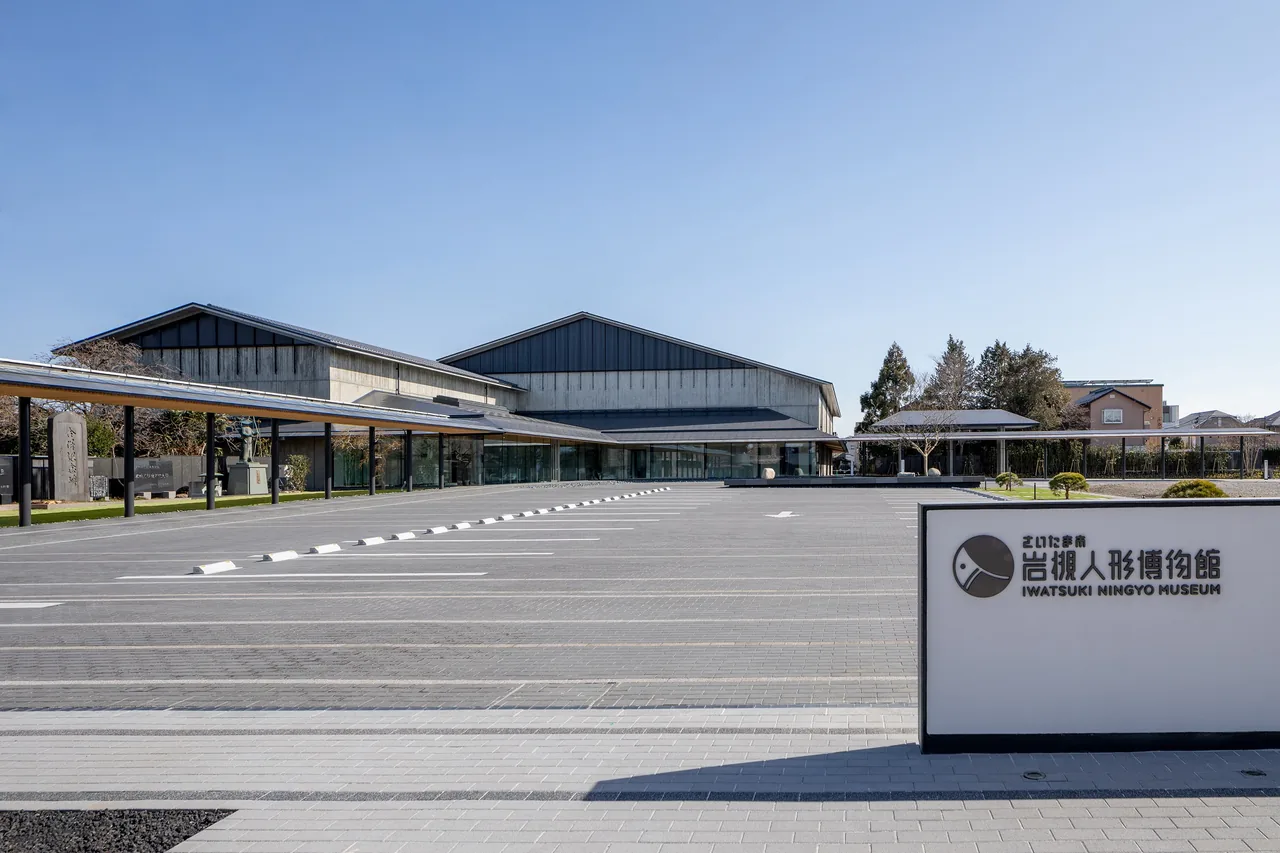
Photo: Saitama Prefecture Products & Tourism Association / Reproduction/Reprint prohibited
Iwatsuki is known for making hina dolls and May dolls. In Japan, families display hina dolls for Hinamatsuri on March 3 to wish for their daughters' growth, and May dolls or warrior dolls on Tango no Sekku on May 5 for their sons, and dolls have long been chosen as gifts from family to child. Doll shops line the area from the station into town, and as the festivals approach, dolls fill the shop fronts.
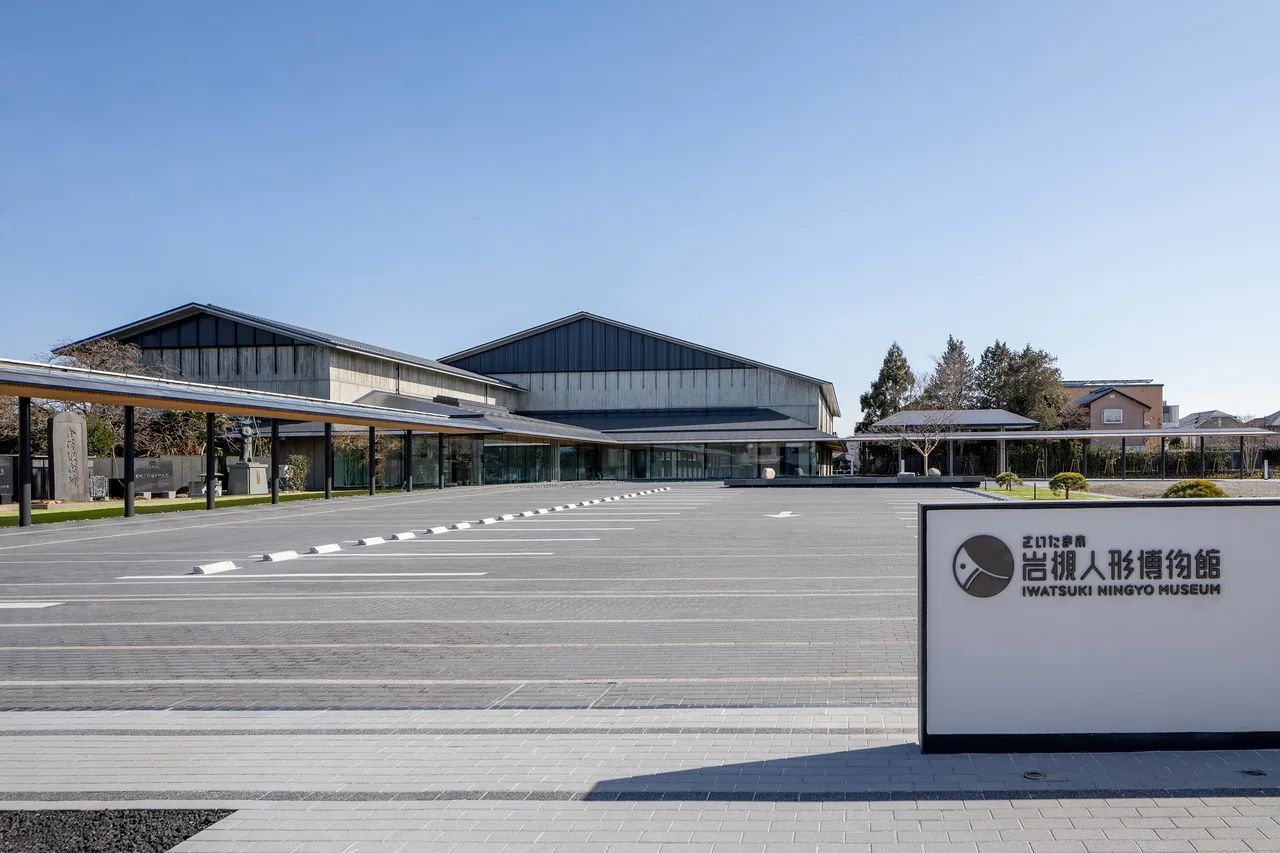
The Iwatsuki Ningyo Museum, Saitama opened in 2020 as Japan's first public museum devoted to dolls. Its core is the collection of Nishizawa Tekiho, a Japanese-style painter and scholar of dolls and toys, and it holds dolls and related materials. From Edo-period hina dolls to folk dolls from around Japan, you can trace how dolls were given to wish children well and displayed for seasonal festivals. Exhibits change with each special exhibition, so if there's something you want to see, check the dates before you go.
Getting there: About a 10-minute walk from the east exit of Iwatsuki Station on the Tobu Urban Park Line (Noda Line). You can also take a community bus from the east exit to the Iwatsuki Ningyo Hakubutsukan-mae stop.
Inubako: a dog-shaped box to wish a child well
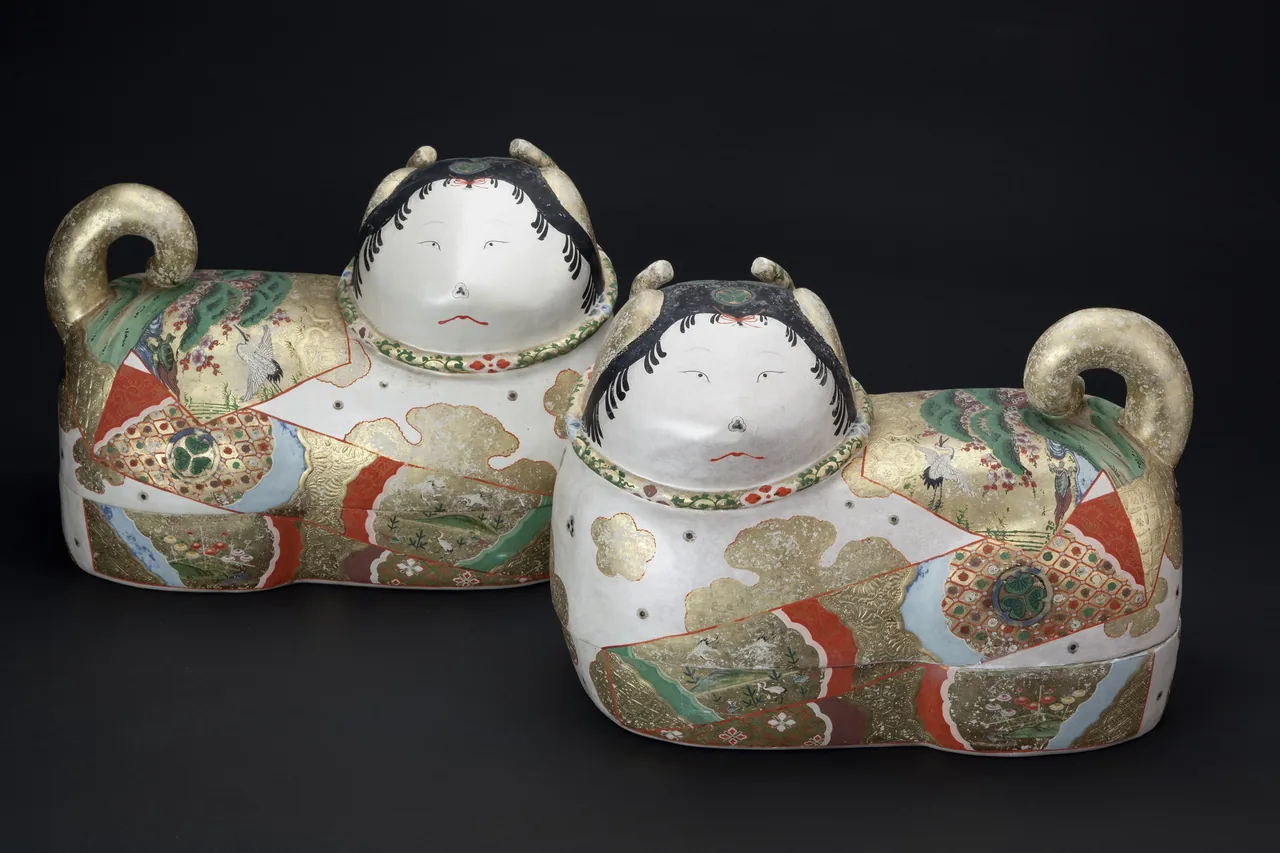
Photo: Saitama Prefecture Products & Tourism Association / Reproduction/Reprint prohibited
One of the Iwatsuki Ningyo Museum's signature pieces is an inubako, a box shaped like a dog. Dogs have long been considered lucky because they give birth easily, and in the Edo period it was customary to give an inubako when a child was born, to wish for its healthy growth. The museum's inubako is known for its size and the beauty of its form. It isn't always on display, so check the exhibition schedule on the official site if you want to see it.
From Omiya to Iwatsuki: a one-day route
Omiya-koen and Iwatsuki are both stations on the Tobu Urban Park Line. Spend the morning at the bonsai museum and village, then ride from Omiya-koen to Iwatsuki for the doll museum in the afternoon, with no transfers.
- Morning: Toro or Omiya-koen Station → Omiya Bonsai Art Museum → bonsai gardens in the village
- Afternoon: Omiya-koen Station → Iwatsuki Station → Iwatsuki Ningyo Museum → doll shops near the station
With extra time, there's more around Omiya Station. Rail fans can ride the New Shuttle one stop from Omiya to the Railway Museum. Northeast of Omiya Station is Hikawa Shrine, Musashi Ichinomiya, known for its long approach.
Saitama City is also close to Kawagoe; to add its old warehouse district to the same trip, see the Kawagoe day trip from Tokyo. For more of the prefecture, browse sights in Saitama.