Shimokita Peninsula Guide: Osorezan, Hotokegaura and Cape Oma
This guide is translated from the Japanese edition. Read the Japanese edition
Shimokita Peninsula travel guide: Osorezan Bodaiji Temple, Hotokegaura by boat, Cape Oma, the Kandachime horses of Shiriyazaki, Wakinosawa's monkeys and Shimofuro Onsen.
Look at Aomori Prefecture on a map and the Shimokita Peninsula is the axe-shaped landmass jutting out at the top right. Cape Oma, the northernmost point of Honshu, sits at its northern tip, Shiriyazaki at the northeastern corner and Hotokegaura on the west coast, so the sights are scattered to the far edges of the peninsula. From the sacred mountain of Osorezan to a hot spring town on the strait and the pastures of the Kandachime horses, here are six places worth visiting on the Shimokita Peninsula and what to know as you plan your route.
How Do You Get Around the Shimokita Peninsula?
The sights are split between the northern, eastern and western ends of the peninsula, with long distances in between. A good way to plan is to base yourself in central Mutsu, roughly in the middle of the peninsula, and cover one direction per day. If you want to see several places, a rental car makes it much easier.
You can also arrive from Hokkaido. Tsugaru Kaikyo Ferry runs between Oma Port and Hakodate Port, taking about 1 hour 30 minutes.
The other thing that matters is the season. Osorezan closes for the winter. At Shiriyazaki the gate is closed in winter and the Kandachime horses move to another pasture. To see the peninsula's main sights, plan your trip between spring and autumn.
Osorezan: A Sacred Site on the Shore of a Caldera Lake
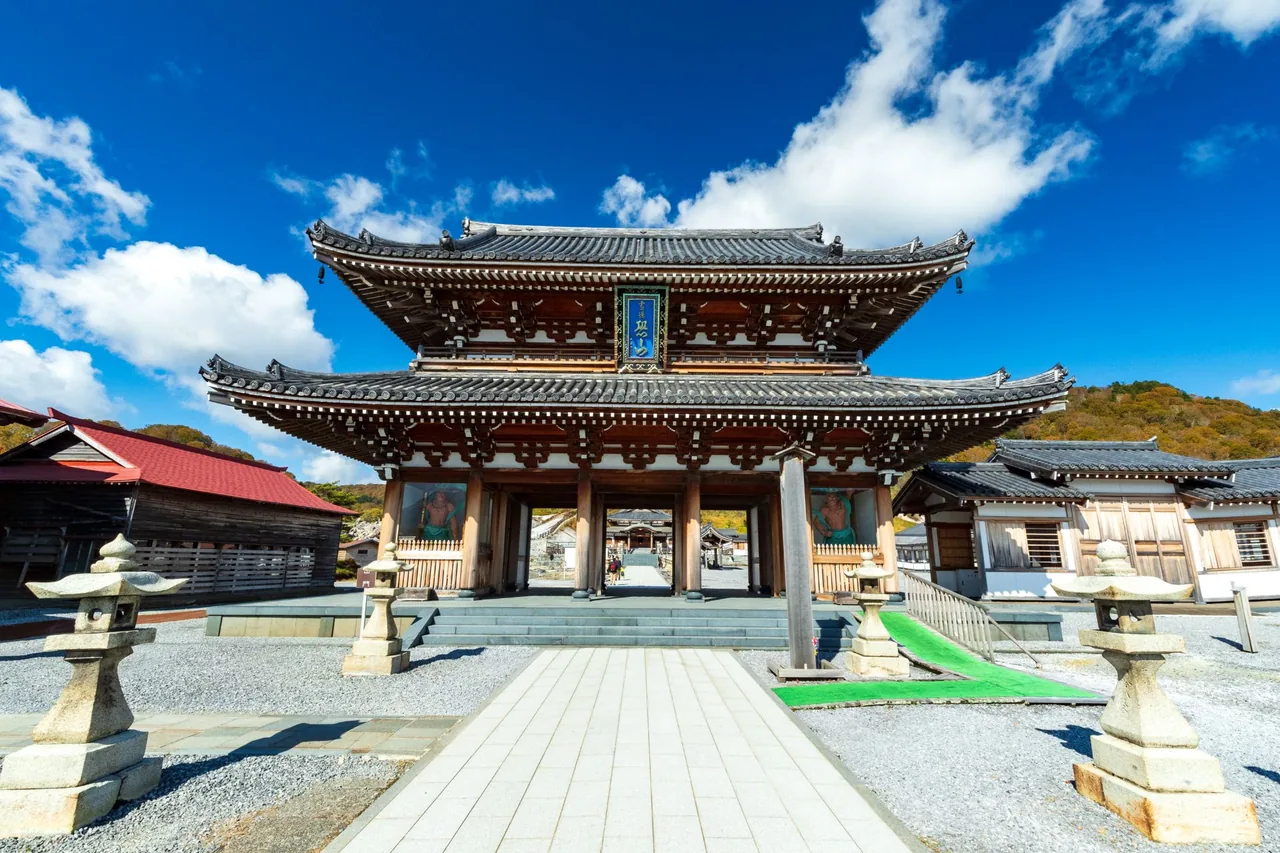
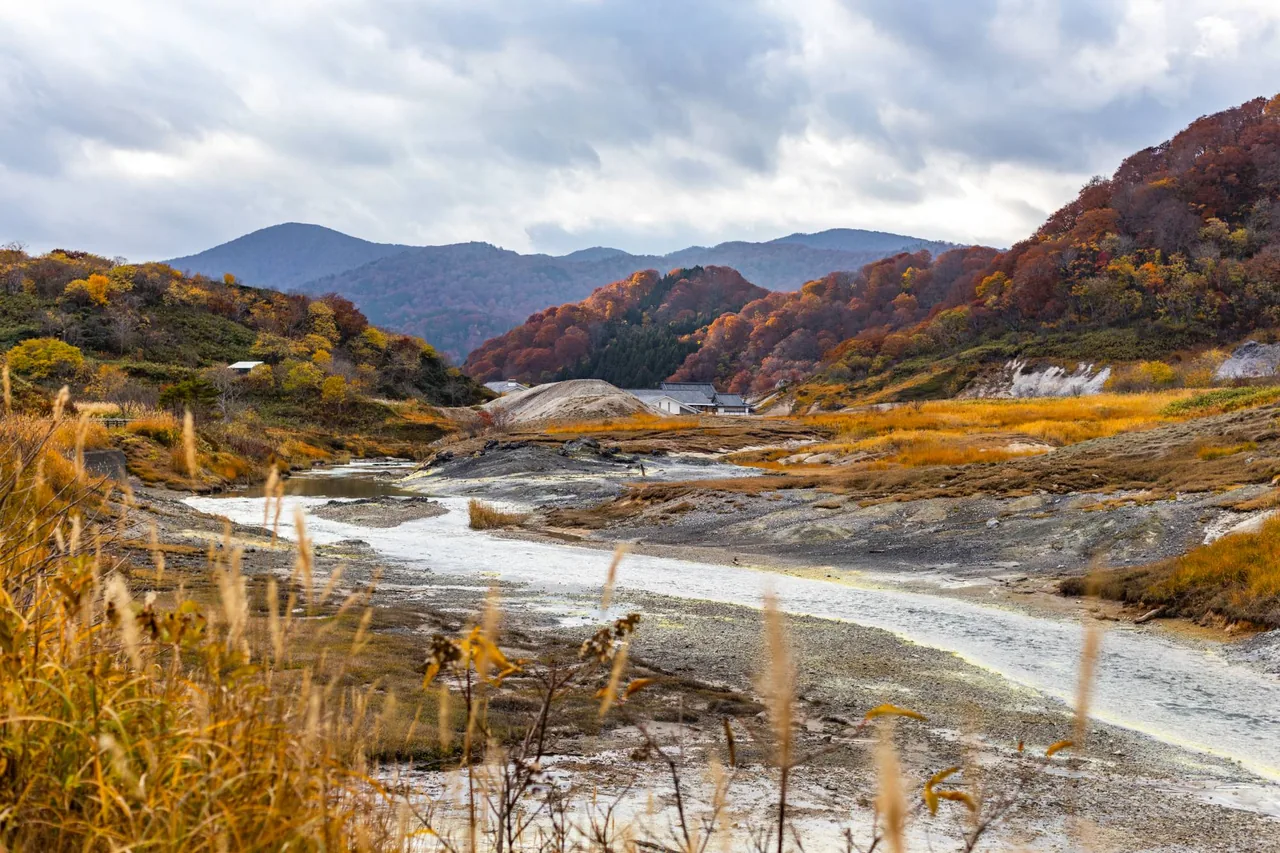
Osorezan is formally Osorezan Gadarasan Bodaiji, a temple of the Soto Zen school whose head temple is Entsuji in the Shinmachi district of Mutsu. It is said to have been founded in 862 by the monk Jikaku Daishi Ennin.
The temple stands on the shore of Lake Usoriyama, a caldera lake formed by the Osorezan volcano. It is open every year from May 1 to October 31 and closed in winter.
Osorezan's Summer Grand Festival (Kaki Reitaisai) is held every year from July 20 to 24, and the autumn pilgrimage over the Saturday, Sunday and Monday ending on Sports Day in October, when many visitors come.
Hotokegaura: Green Tuff Rock Formations Approached from the Sea
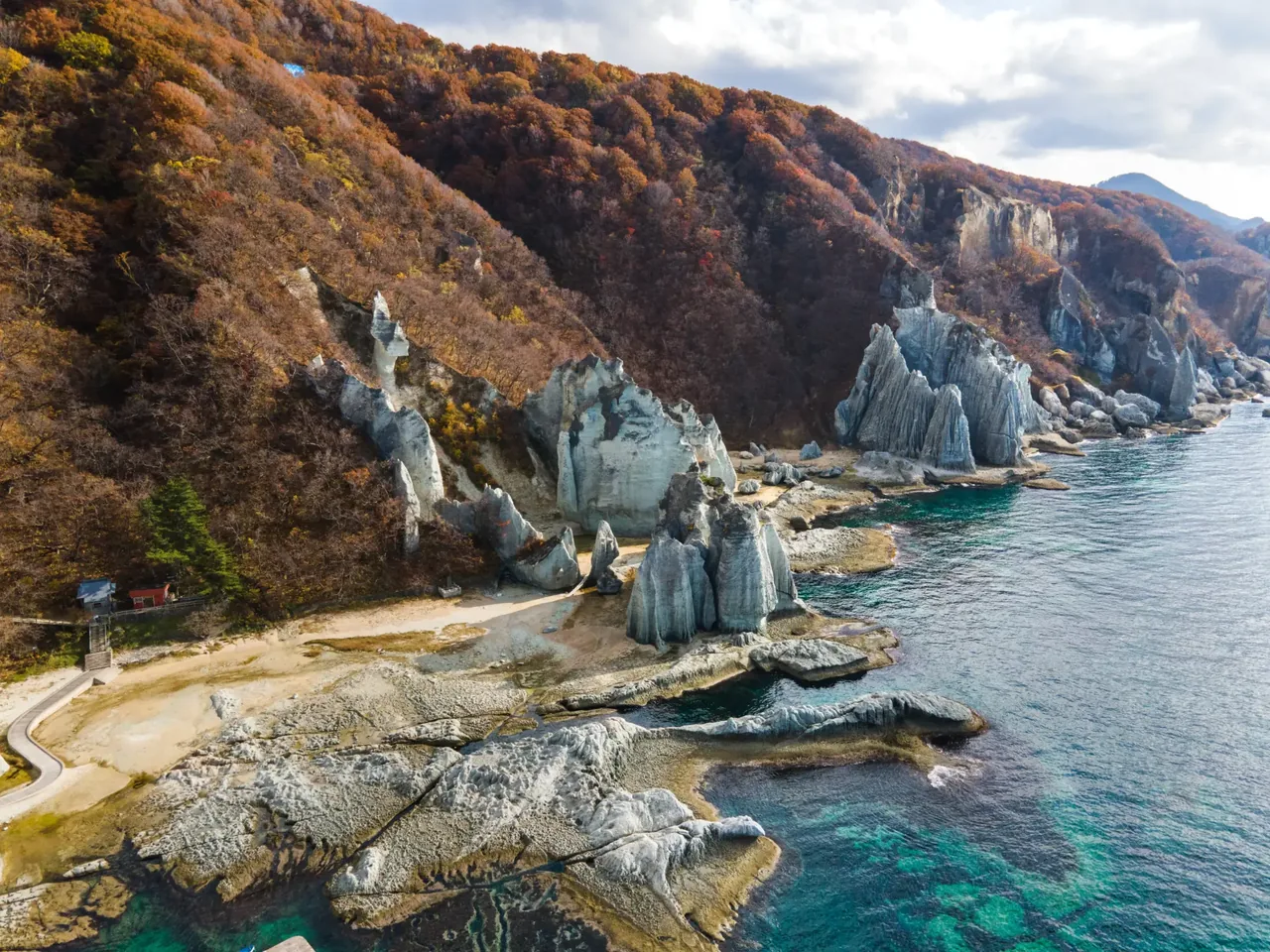
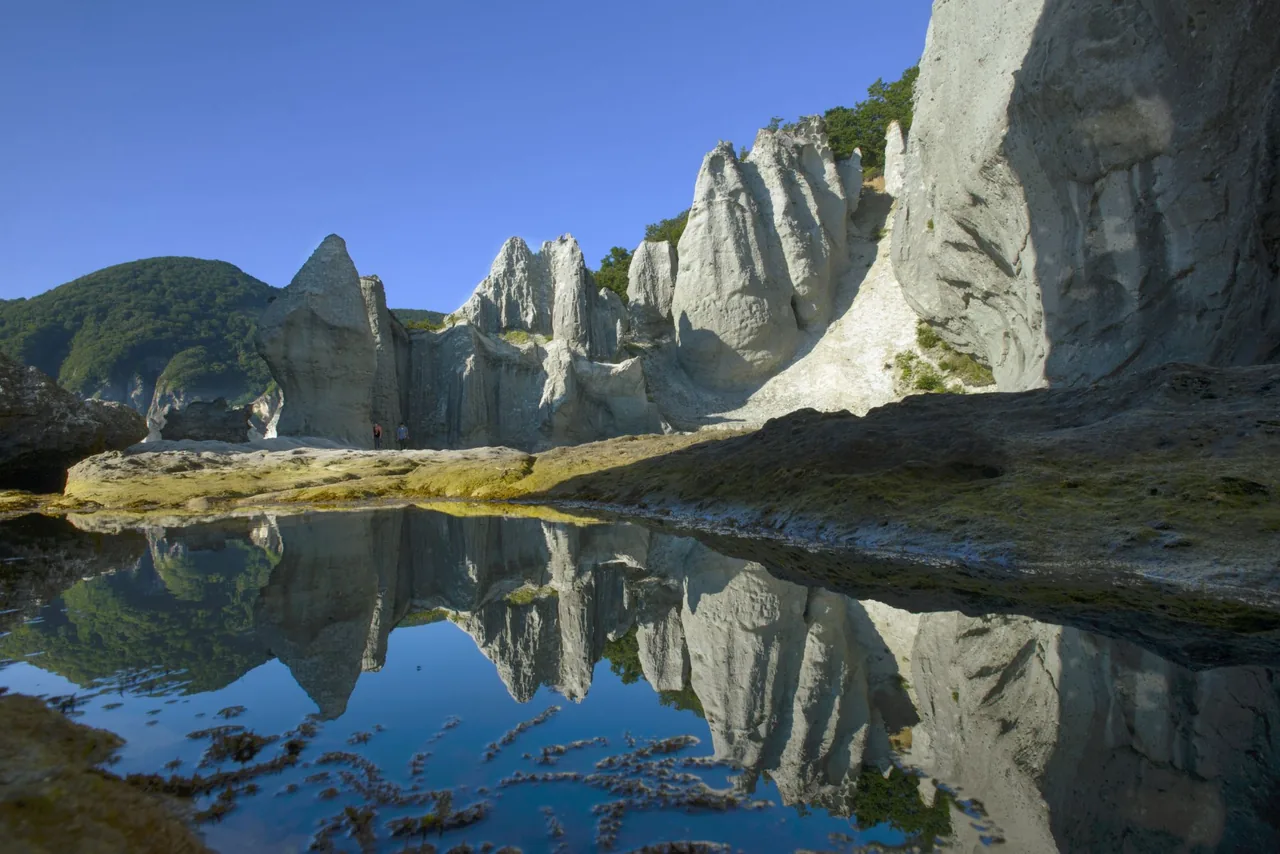
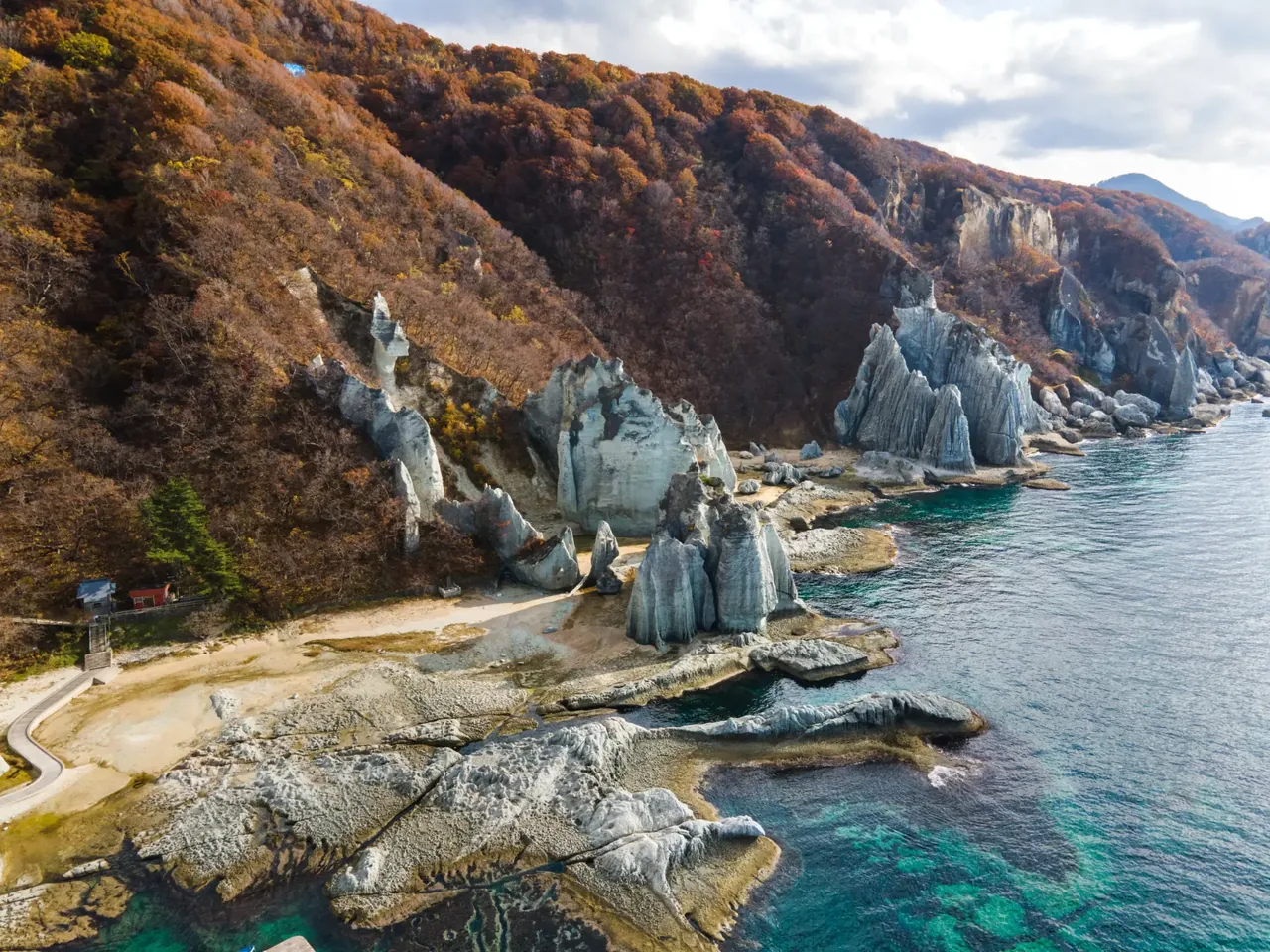
Hotokegaura is a line of strangely shaped green tuff rocks stretching about 2 kilometers from north to south along the west coast of Sai Village. It was designated a National Place of Scenic Beauty and Natural Monument in 1941 and is part of Shimokita Hanto Quasi-National Park.
To see it from the sea, take a sightseeing boat from Sai Port. The boat runs south for about 40 minutes, and you can land at Hotokegaura and walk among the rocks. Check the operating season and weather cancellations with the boat operators before you go.
Cape Oma: Honshu's Northernmost Point and a Tuna Town
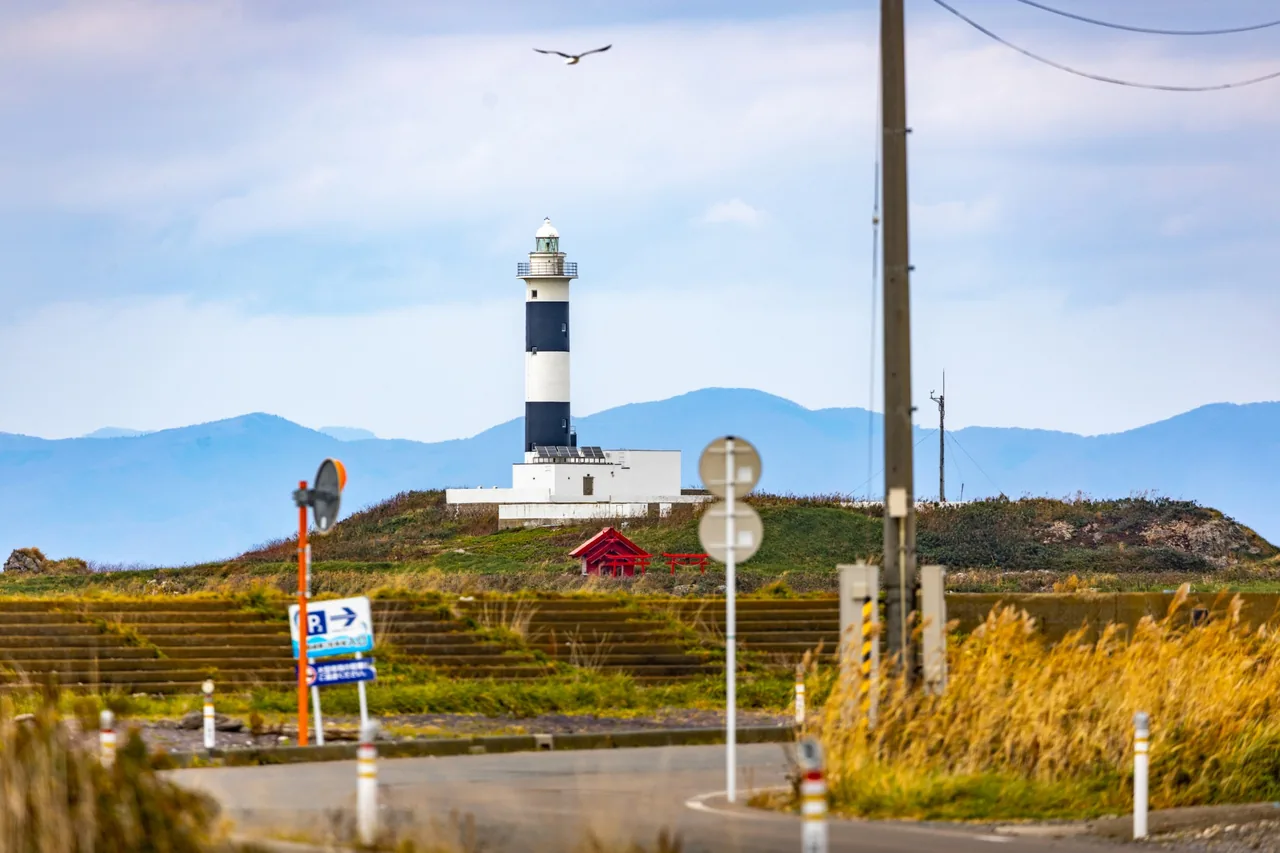
Cape Oma is the northernmost point of Honshu. A stone monument at the cape reads "Here is the northernmost point of Honshu," and next to it stands a monument to single-line tuna fishing. Oma is a fishing town known for line-caught bluefin tuna.
On Bentenjima, the island just off the cape, stands the black-and-white Omazaki Lighthouse.
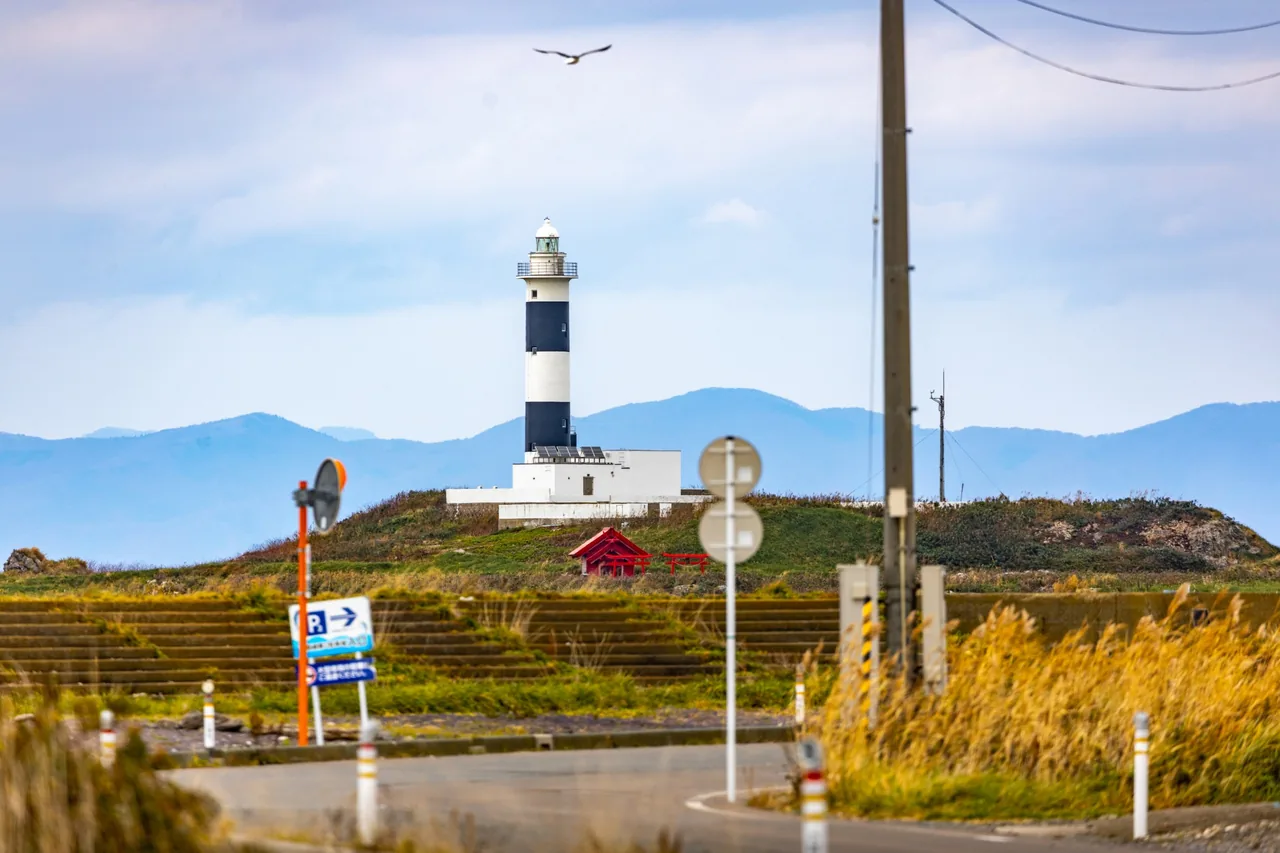
Shiriyazaki: Kandachime Horses and Tohoku's First Western-Style Lighthouse
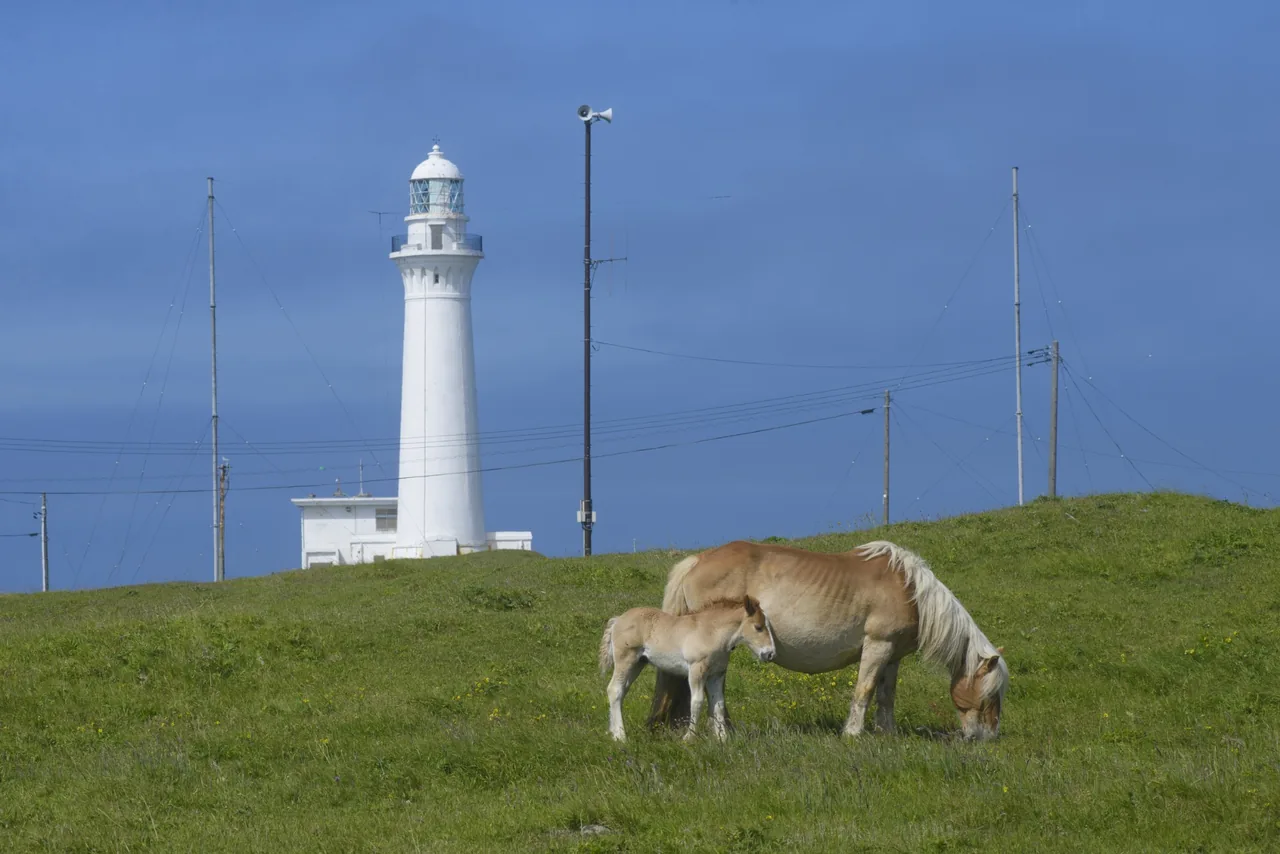
Shiriyazaki in Higashidori Village is the cape at the northeastern tip of Honshu. This is where the Kandachime horses, a Natural Monument of Aomori Prefecture, are put out to graze. From April to November they are on the pasture at Shiriyazaki, and from January to March on Ataka, their winter pasture. The gate to the cape is closed from December to March.
Shiriyazaki Lighthouse at the end of the cape was built in 1876 as the first Western-style lighthouse in Tohoku. Made of brick, it was designated a National Important Cultural Property in 2022.
If you meet the Kandachime horses, do not get too close or feed them; watch them from a distance.
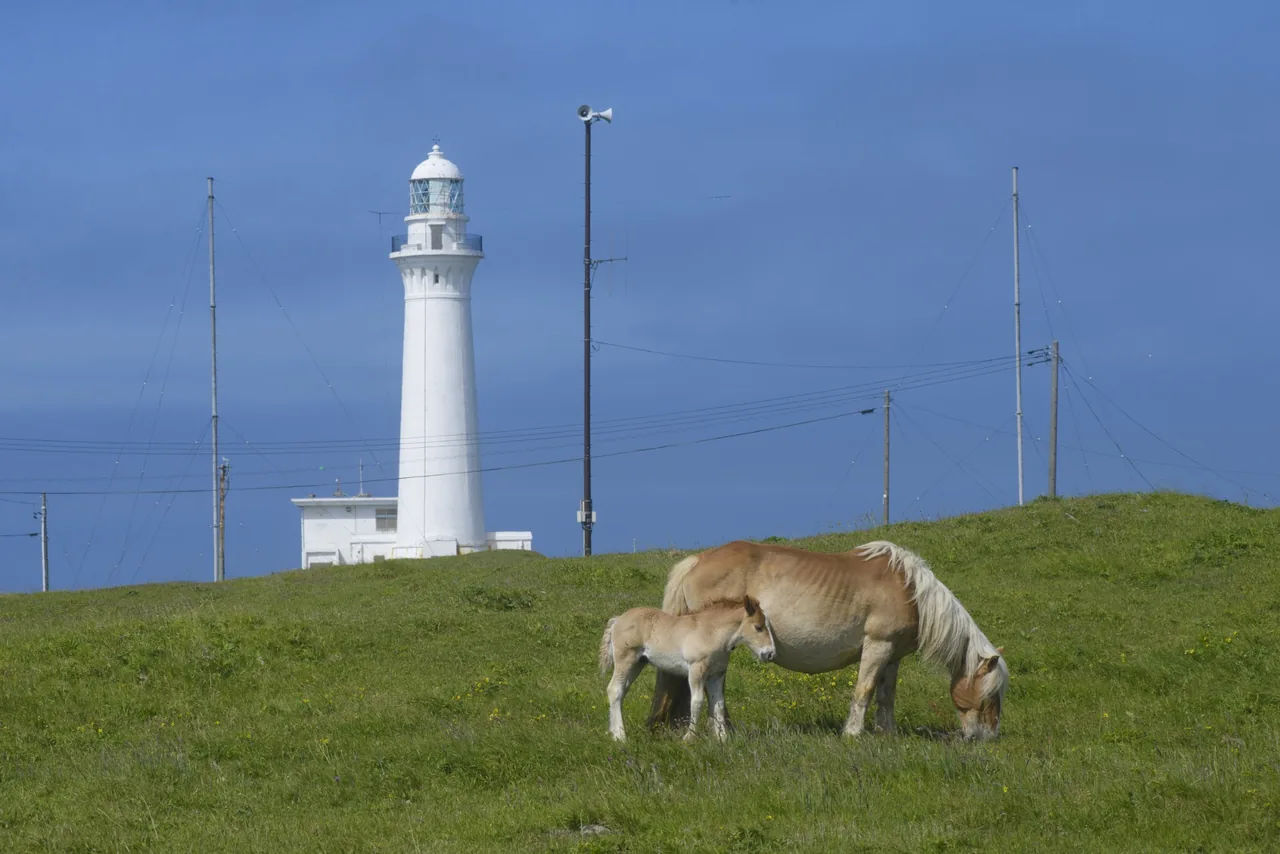
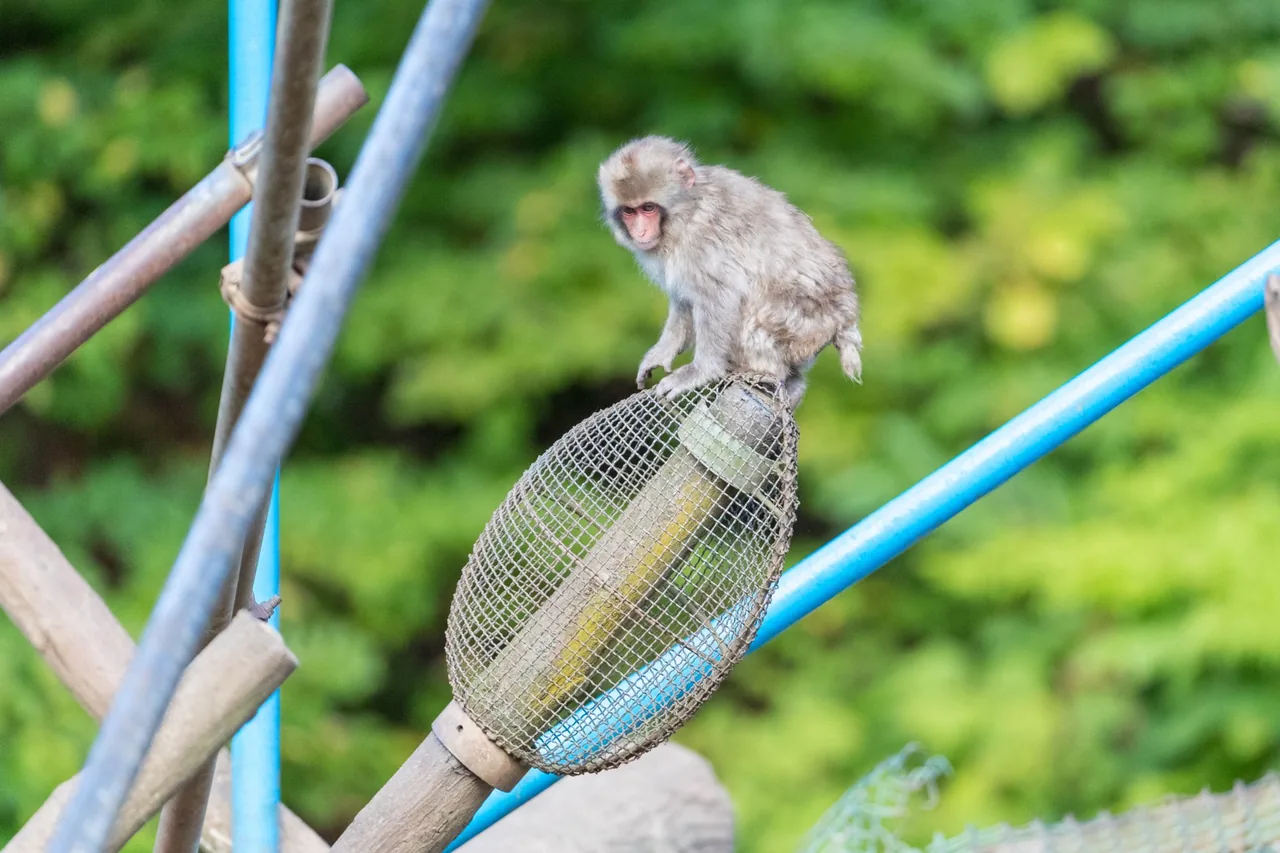
Wakinosawa Monkey Park: Monkeys at Their Northern Limit
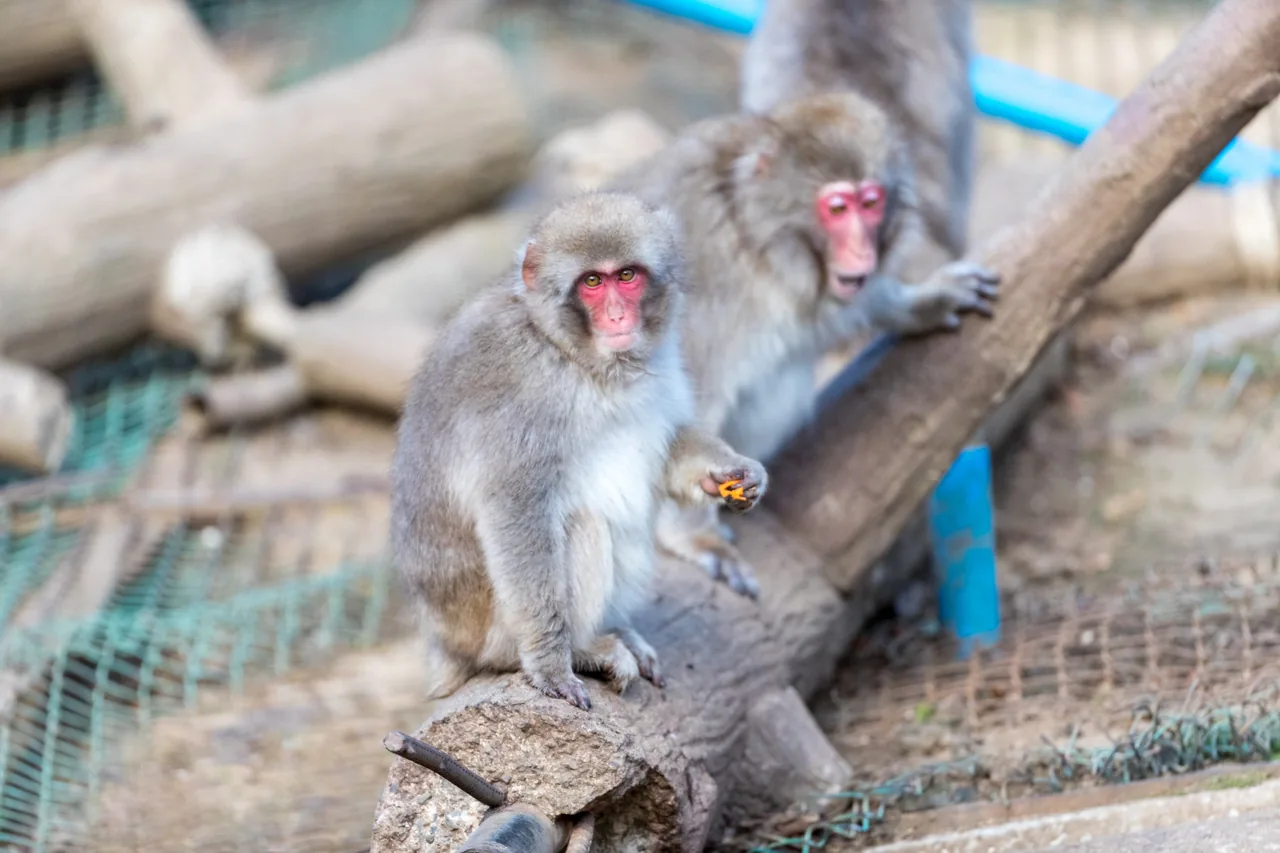
At the Wakinosawa Monkey Park in the Wakinosawa district of Mutsu, at the southwestern tip of the peninsula, you can see Japanese macaques. The Shimokita Peninsula marks the northern limit of wild Japanese macaques, and it was designated a National Natural Monument in 1970 as "the monkeys of the Shimokita Peninsula and the northern limit of their habitat."
The park has regular closing days, so check Mutsu City's facility information before you go.
Shimofuro Onsen: Honshu's Northernmost Hot Spring Town on the Strait
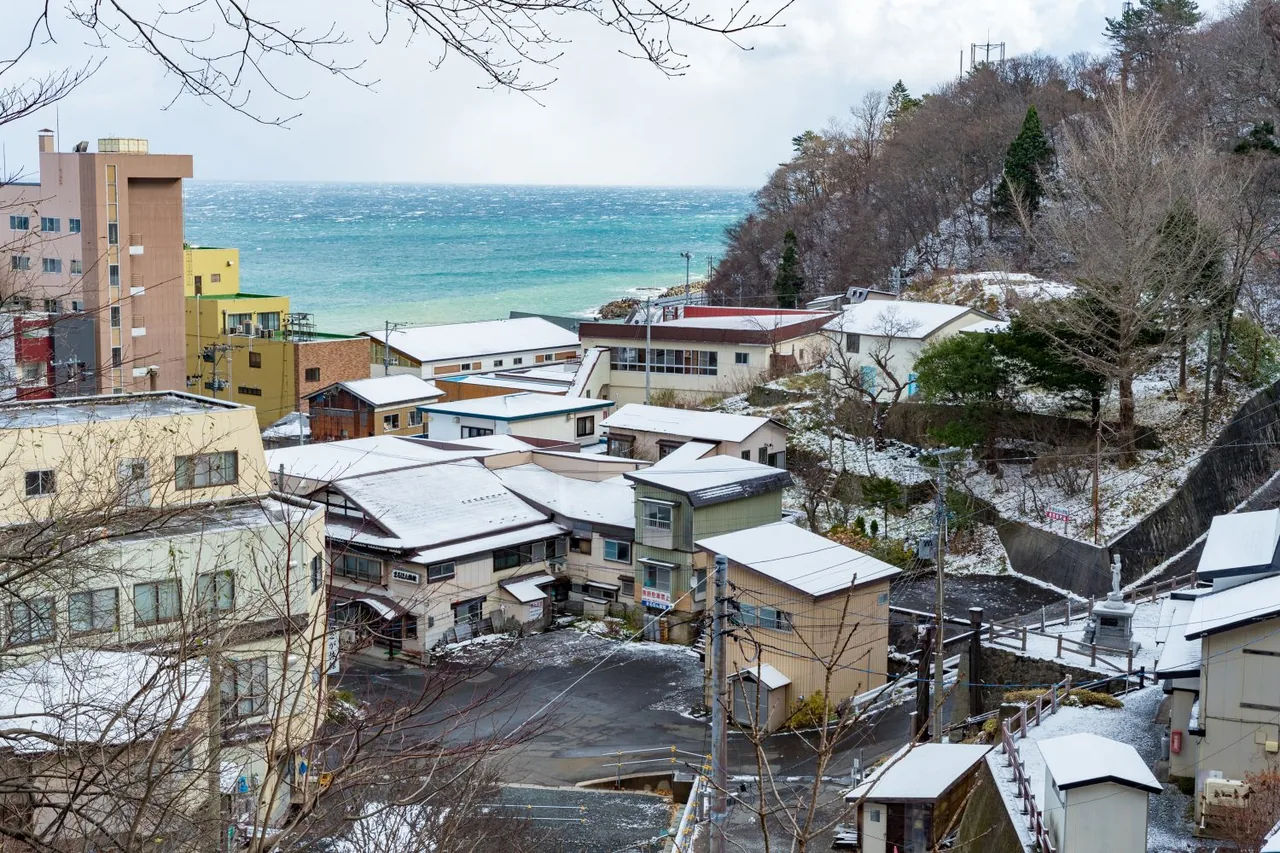
Between Cape Oma and Mutsu, on the Tsugaru Strait coast of Kazamaura Village, lies Shimofuro Onsen, said to be the northernmost hot spring town on Honshu. Its water is known for its sulfur scent, and the area became widely known through Yasushi Inoue's novel "Kaikyo" (The Strait).
For a day visit, there is Kaikyo no Yu, a public bathhouse that opened in December 2020. One way to plan is to stand at Honshu's northernmost point at Cape Oma, stay the night here and spend another day exploring the peninsula.
Before You Go
The main sights of the Shimokita Peninsula and how to get around are also covered on Aomori Prefecture's Shimokita Peninsula sightseeing course page. For travel information on the whole prefecture, see Amazing AOMORI. Osorezan's opening period, the boat schedules and lighthouse visiting periods change from year to year, so check the latest information for each before you set out.