Tokugawa Ieyasu in Shizuoka: Sunpu Castle, Kunozan and Hamamatsu
This guide is translated from the Japanese edition. Read the Japanese edition
Tokugawa Ieyasu sites in Shizuoka in life order: Sunpu Castle, Kunozan Toshogu, Shizuoka Sengen Shrine, Hamamatsu Castle and the castles fought over with the Takeda.
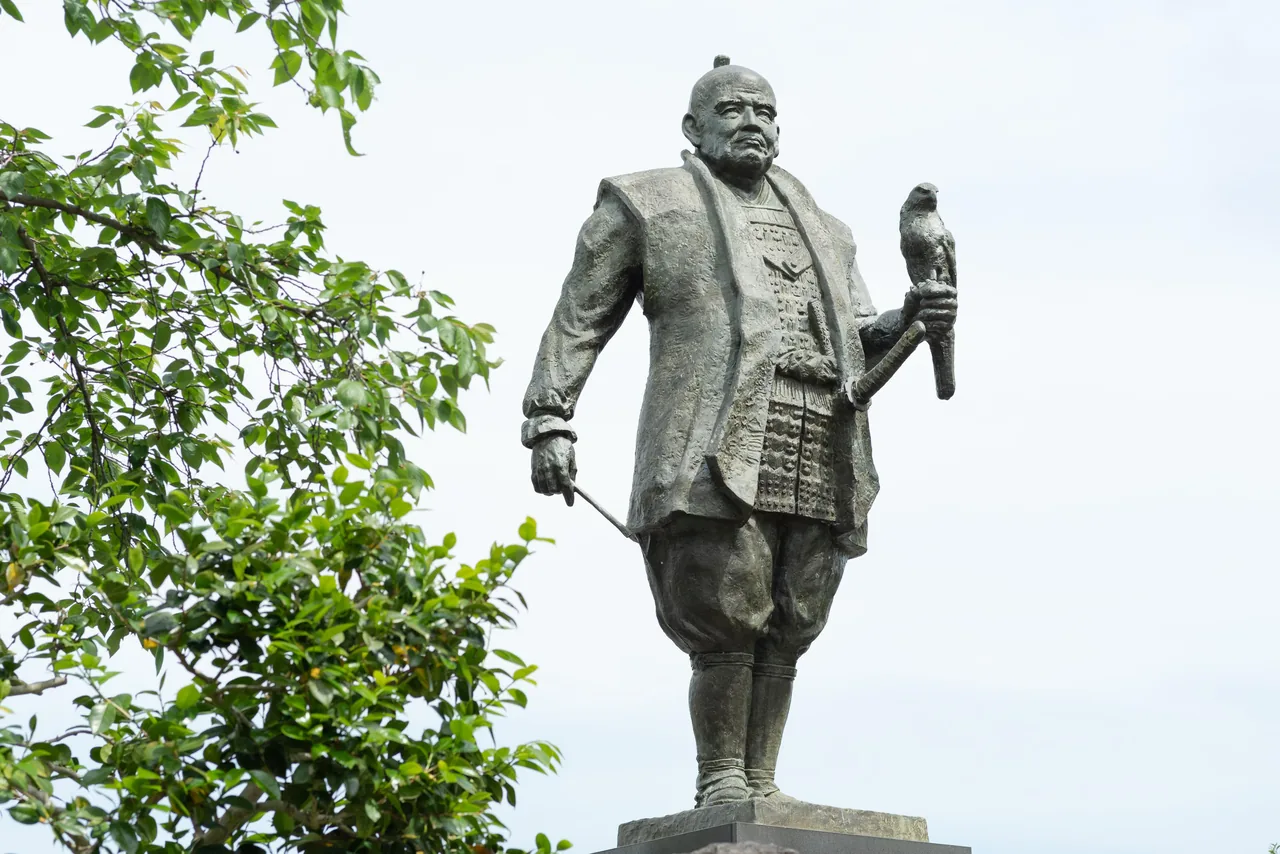
Walk about ten minutes north from Shizuoka Station and you reach Sunpu Castle Park, ringed by moats and stone walls. Inside stands a bronze statue of Tokugawa Ieyasu with a hawk on his hand. The founder of the Edo shogunate was born in Okazaki, in today's Aichi Prefecture, but spent much of his life in Shizuoka: his boyhood as a hostage in Sunpu (today's Shizuoka City), his late twenties to mid-forties in Hamamatsu, and his final years, after stepping down as shogun, back in Sunpu.
Boyhood in Sunpu: Rinzaiji and Shizuoka Sengen Shrine
As a child, Ieyasu was sent as a hostage to the Imagawa, the lords of Suruga, and grew up in Sunpu.
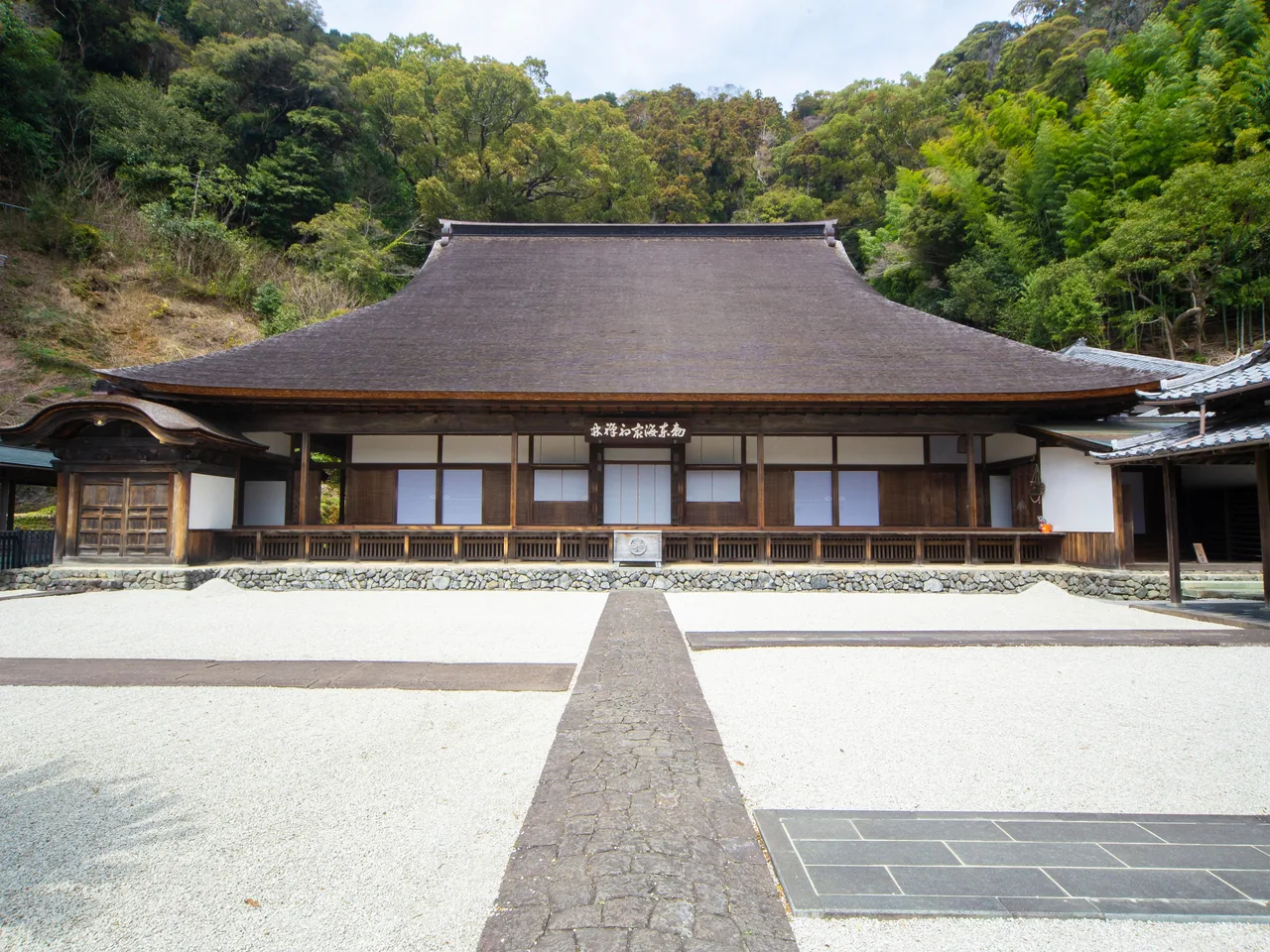
Rinzaiji in Shizuoka City's Aoi Ward is a Zen temple tied to the Imagawa. Ieyasu is said to have studied here under Taigen Sessai, a monk who was also the Imagawa's military advisor. It's a working training temple and normally isn't open to visitors; public openings are limited to certain days.
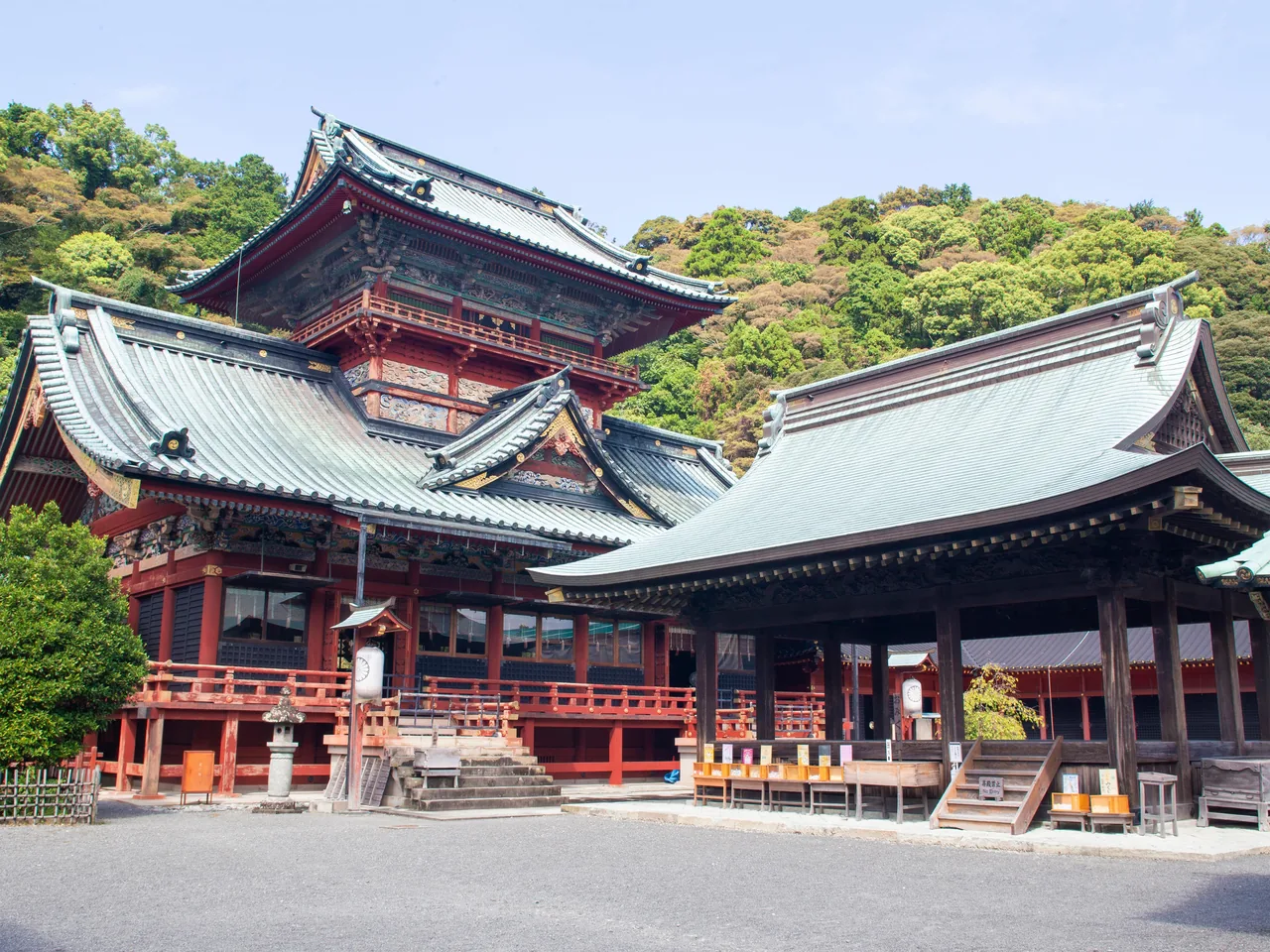
Shizuoka Sengen Shrine, also in Aoi Ward, is said to be where Ieyasu held his genpuku coming-of-age ceremony. The present buildings were rebuilt at the end of the Edo period, decorated with vermilion pillars and richly colored carvings, and are National Important Cultural Properties. The tall two-story Ohaiden worship hall, built like a tower, is the first thing you notice on entering the grounds. A major restoration of the buildings is under way, so some may be under covers.
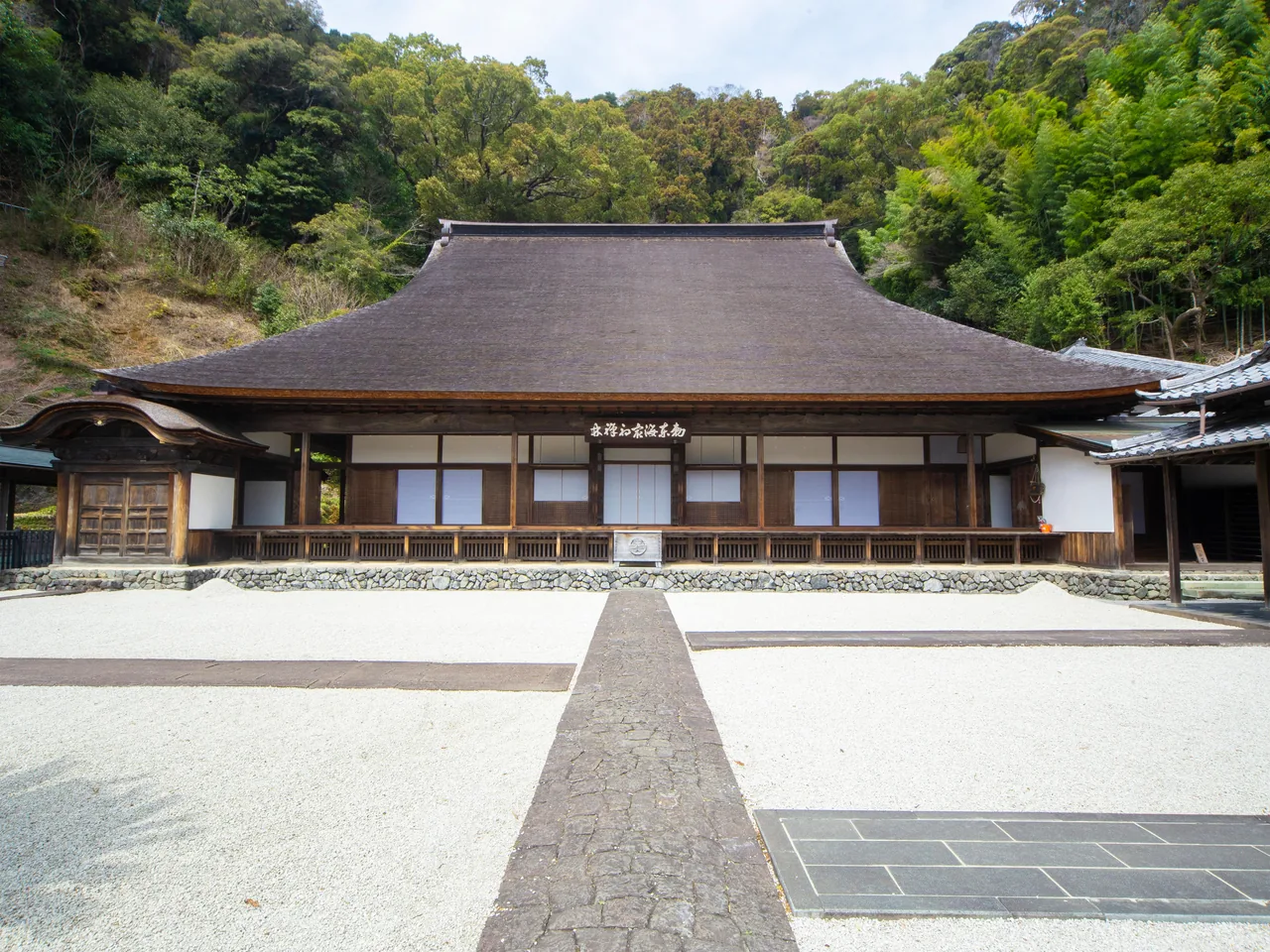
Photo: copyright© Shizuoka Prefectural Tourism Association.
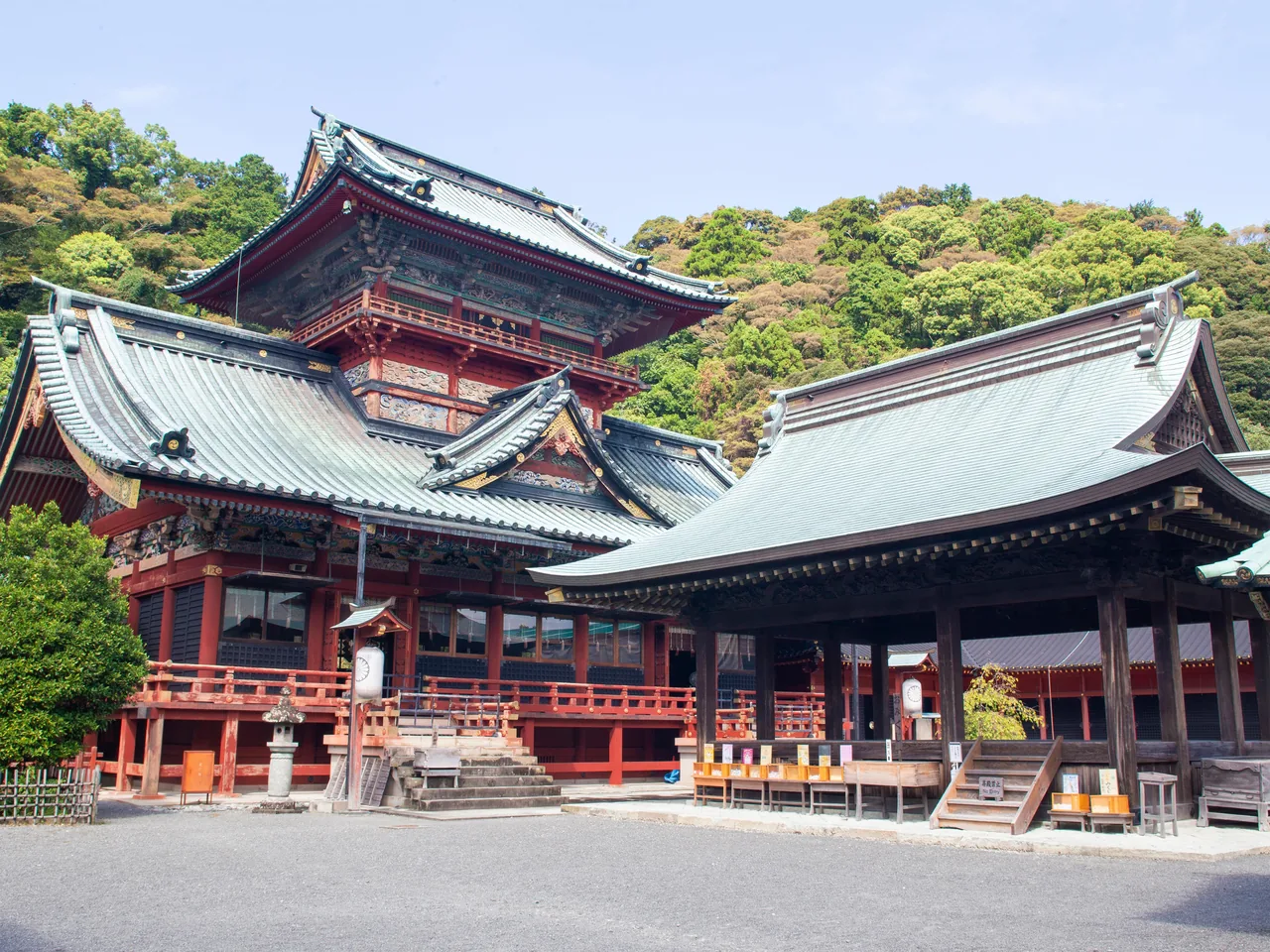
Photo: copyright© Shizuoka Prefectural Tourism Association.
Hamamatsu Castle: Ieyasu's base for 17 years
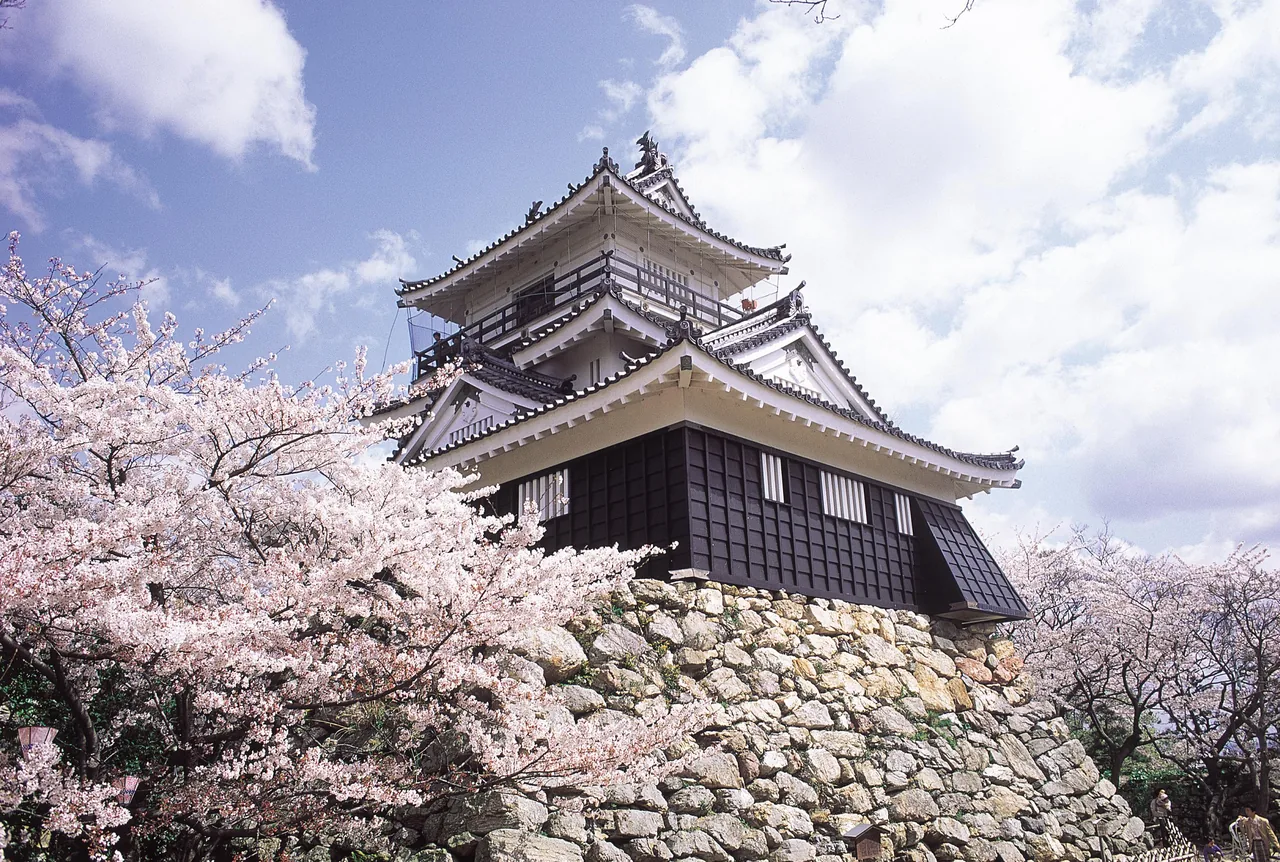
After breaking away from the Imagawa, Ieyasu moved his base to Hamamatsu in Totomi (western Shizuoka today) in 1570 and stayed until his mid-forties. Hamamatsu Castle is nicknamed the "castle of success", because many later lords also went on to high office in the shogunate.
The current keep was rebuilt after the war, but the nozura-zumi stone walls, built from natural stones stacked as found, are thought to date from the time of Horio Yoshiharu, the lord after Ieyasu, and preserve the look of that era. It's about 20 minutes on foot from Hamamatsu Station (about 5 minutes by bus), and the castle park is a cherry blossom spot in spring (Shizuoka cherry blossoms).
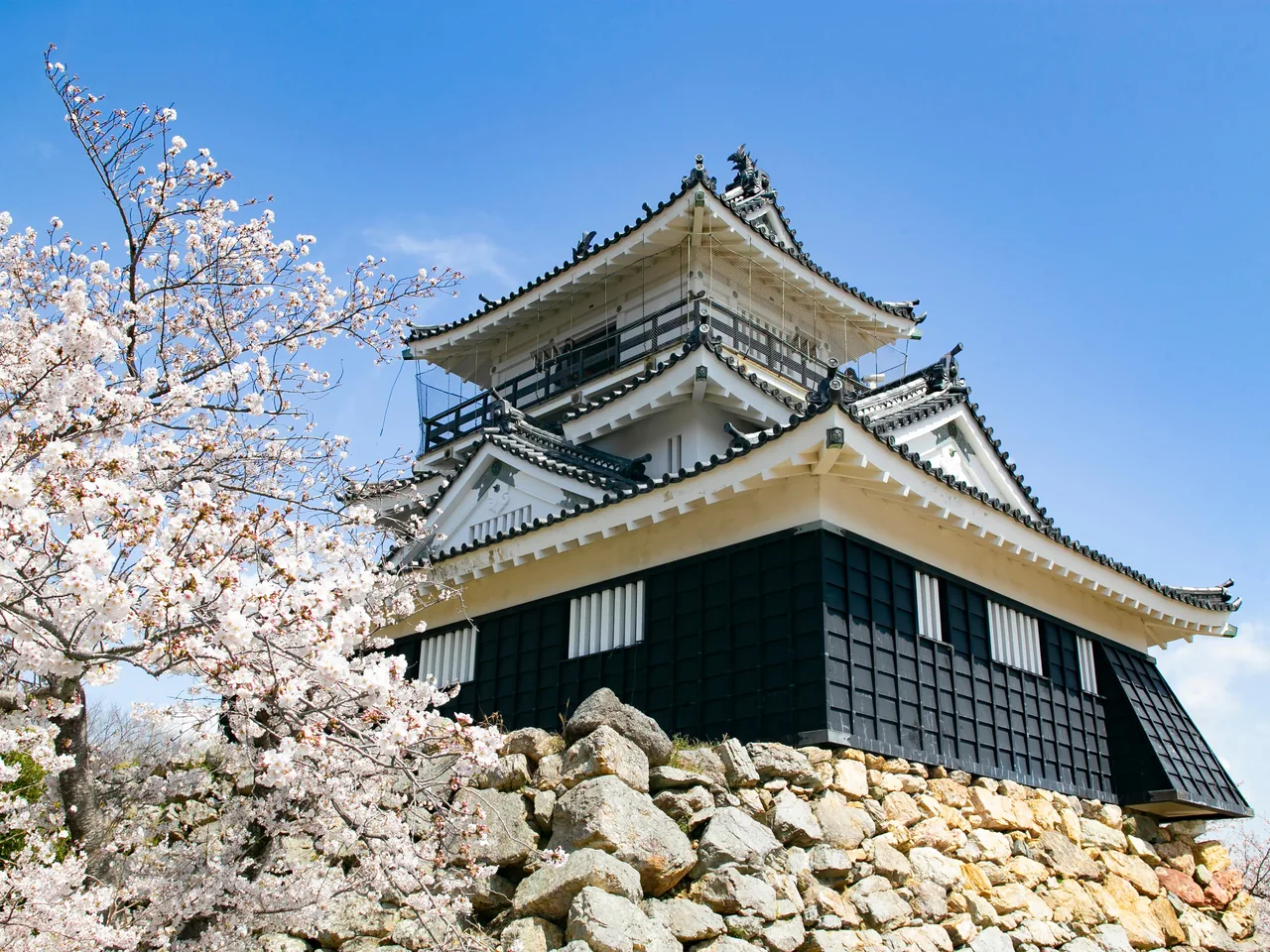
Photo: copyright© Shizuoka Prefectural Tourism Association.
Castles fought over with the Takeda: Takatenjin, Futamata and Yokosuka
In his Hamamatsu years, Ieyasu fought the Takeda clan of Kai (today's Yamanashi) for control of the castles of Totomi. Western Shizuoka still has the ruins of castles at the center of that struggle.
Takatenjin Castle ruins in Kakegawa sit on a mountaintop. The castle changed hands between the Tokugawa and the Takeda several times and was seen as the key to holding Totomi. A path climbs through the trees past the remains of enclosures (kuruwa) and an old well.
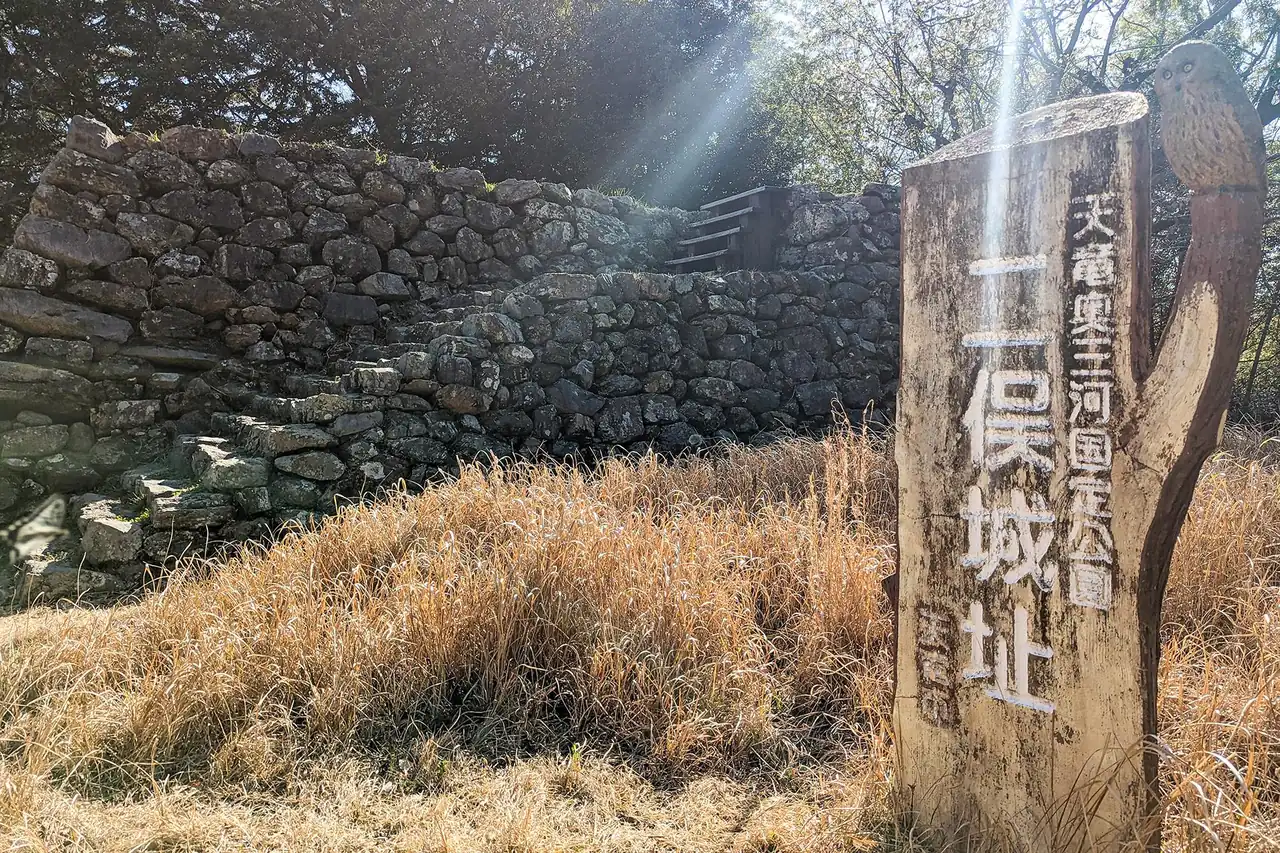
Futamata Castle ruins in Tenryu Ward, Hamamatsu, stand on high ground between the Tenryu River and the old course of the Futamata River. Besides falling to the Takeda, it's known as the castle where Ieyasu's eldest son, Nobuyasu, took his own life. Stone walls still remain.
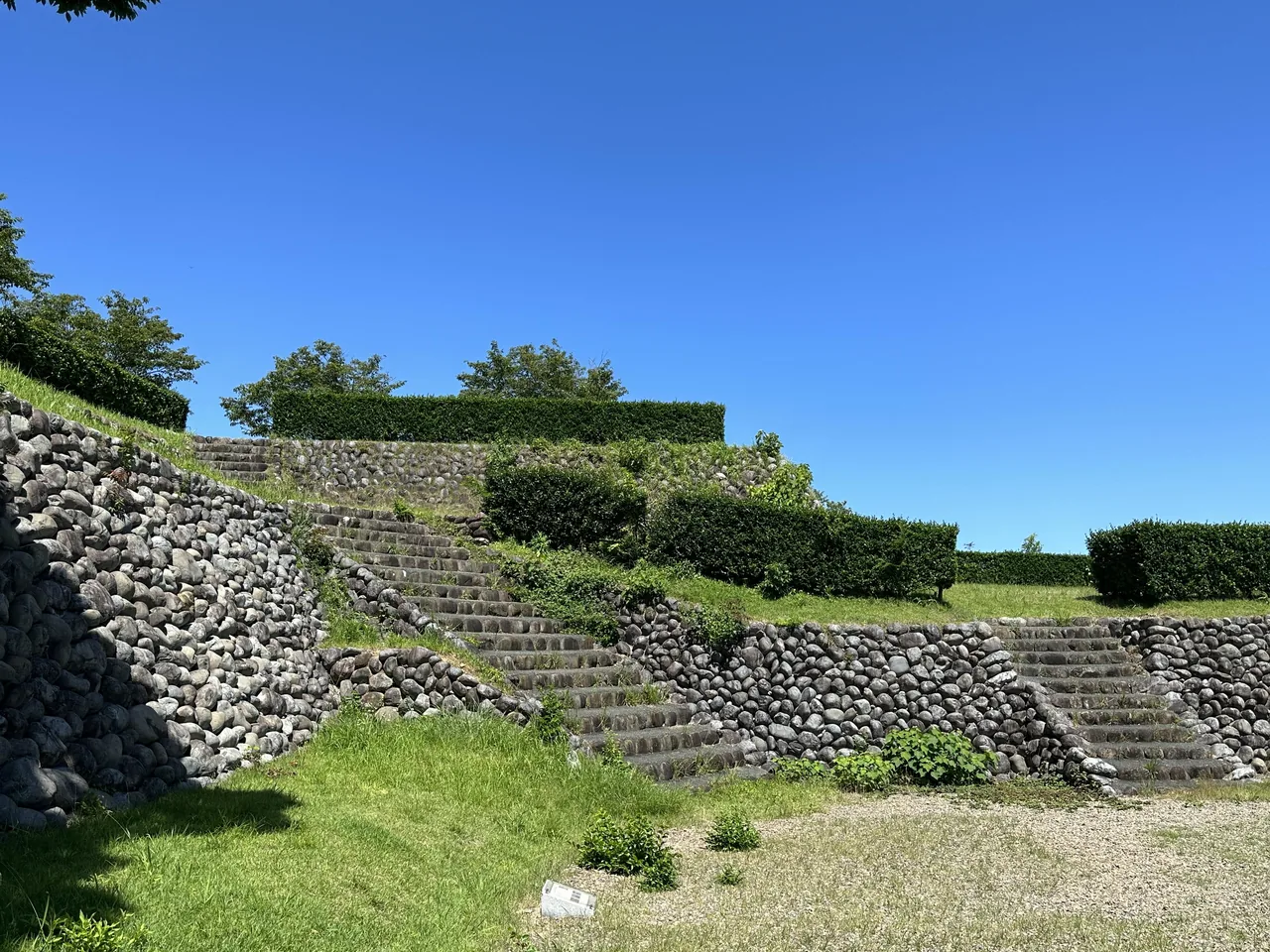
Yokosuka Castle ruins in Kakegawa were built on Ieyasu's orders to win back Takatenjin. Its walls of rounded river stones survive, a style rarely seen at other castles.
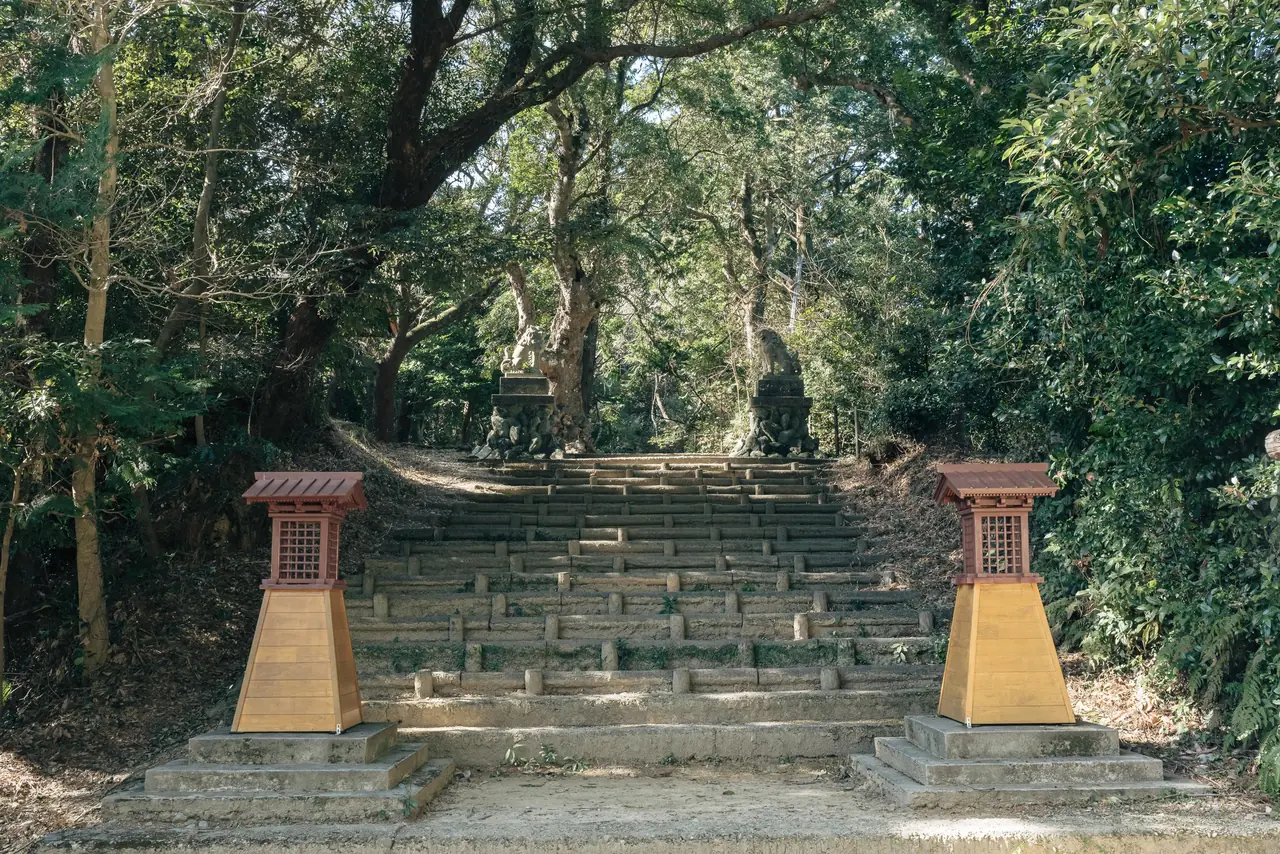
Photo: copyright© Shizuoka Prefectural Tourism Association.
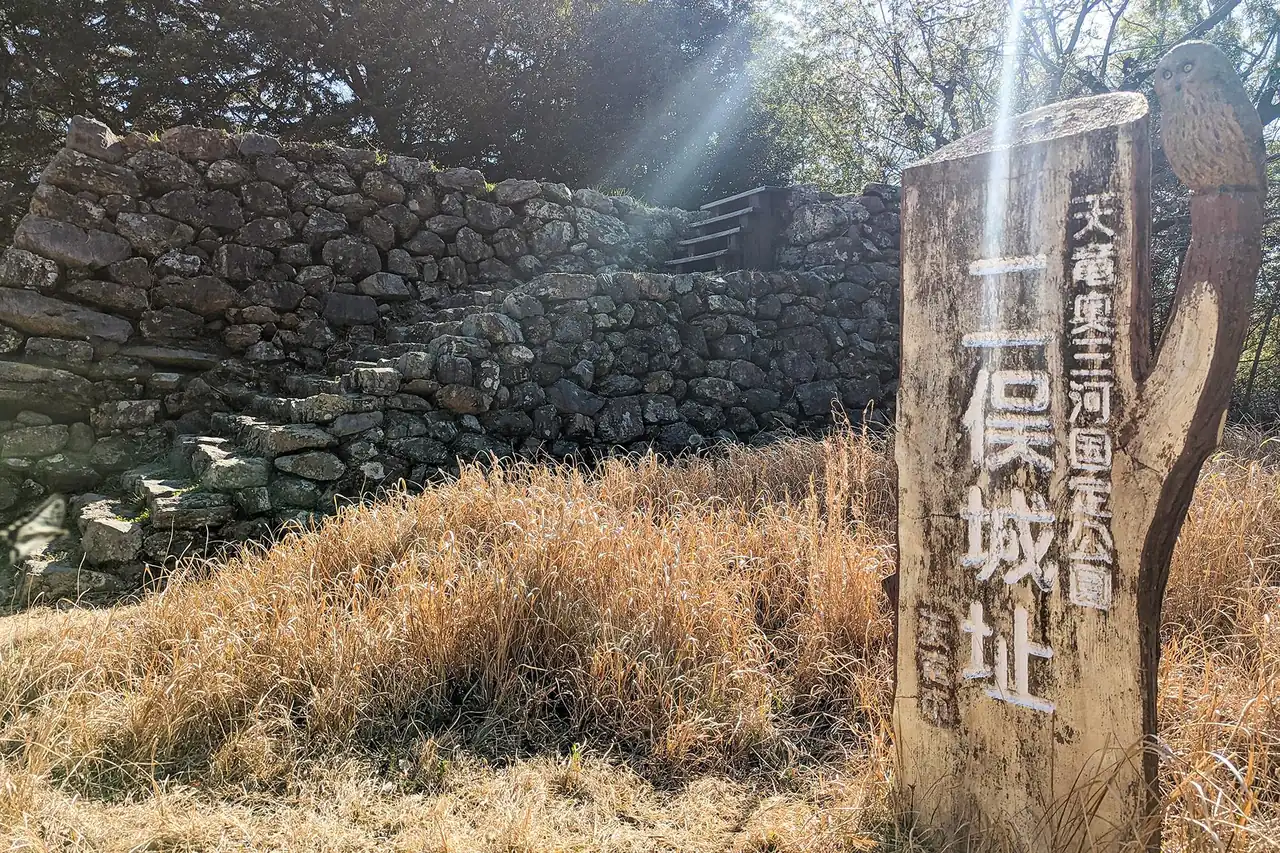
Photo: copyright© Shizuoka Prefectural Tourism Association.
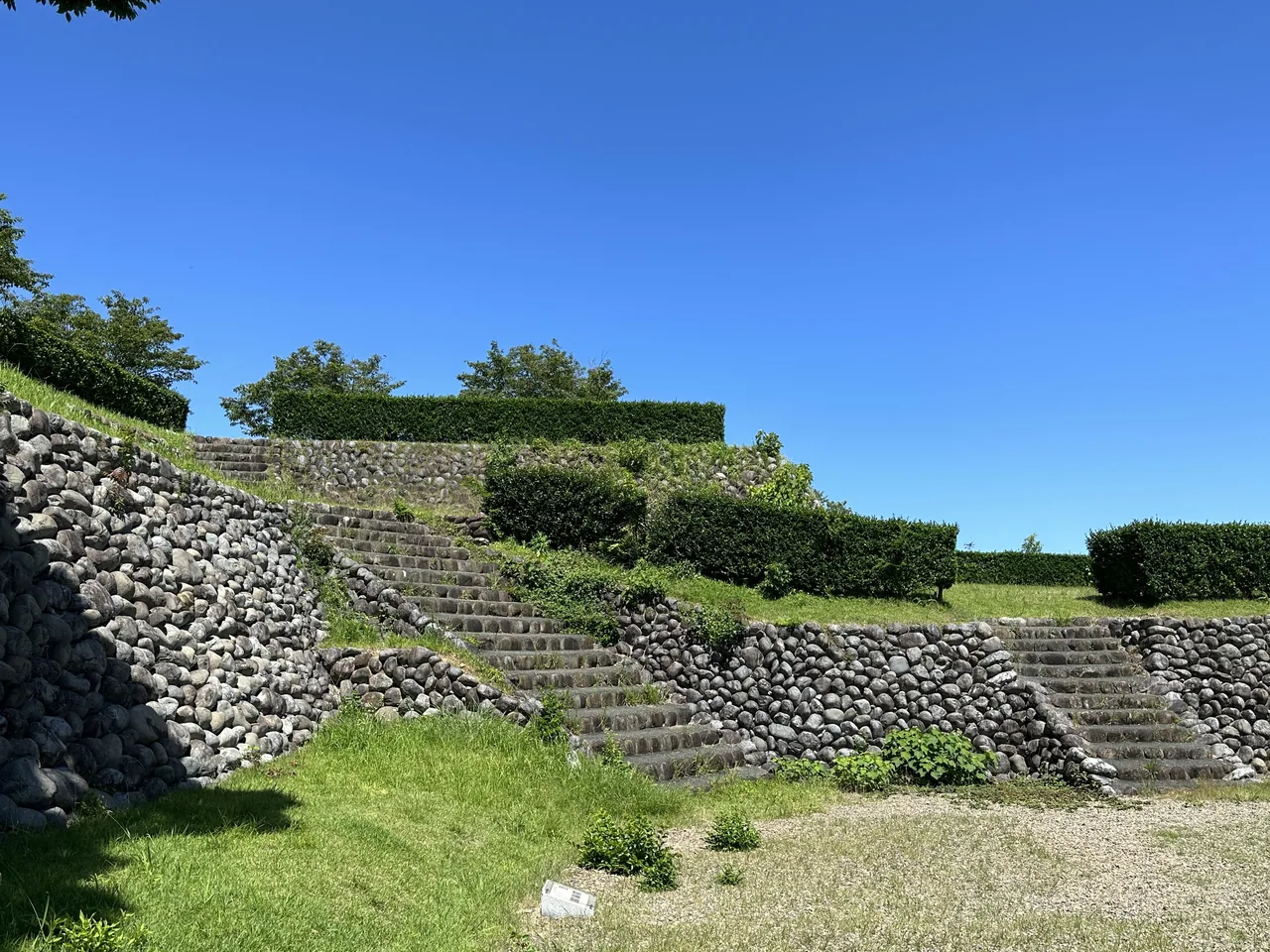
Photo: copyright© Shizuoka Prefectural Tourism Association.
Final years: Sunpu Castle and Kunozan Toshogu
After handing the title of shogun to his son Hidetada, Ieyasu moved to Sunpu Castle in 1607 and, as the retired "Ogosho", directed politics from here until his death in 1616.
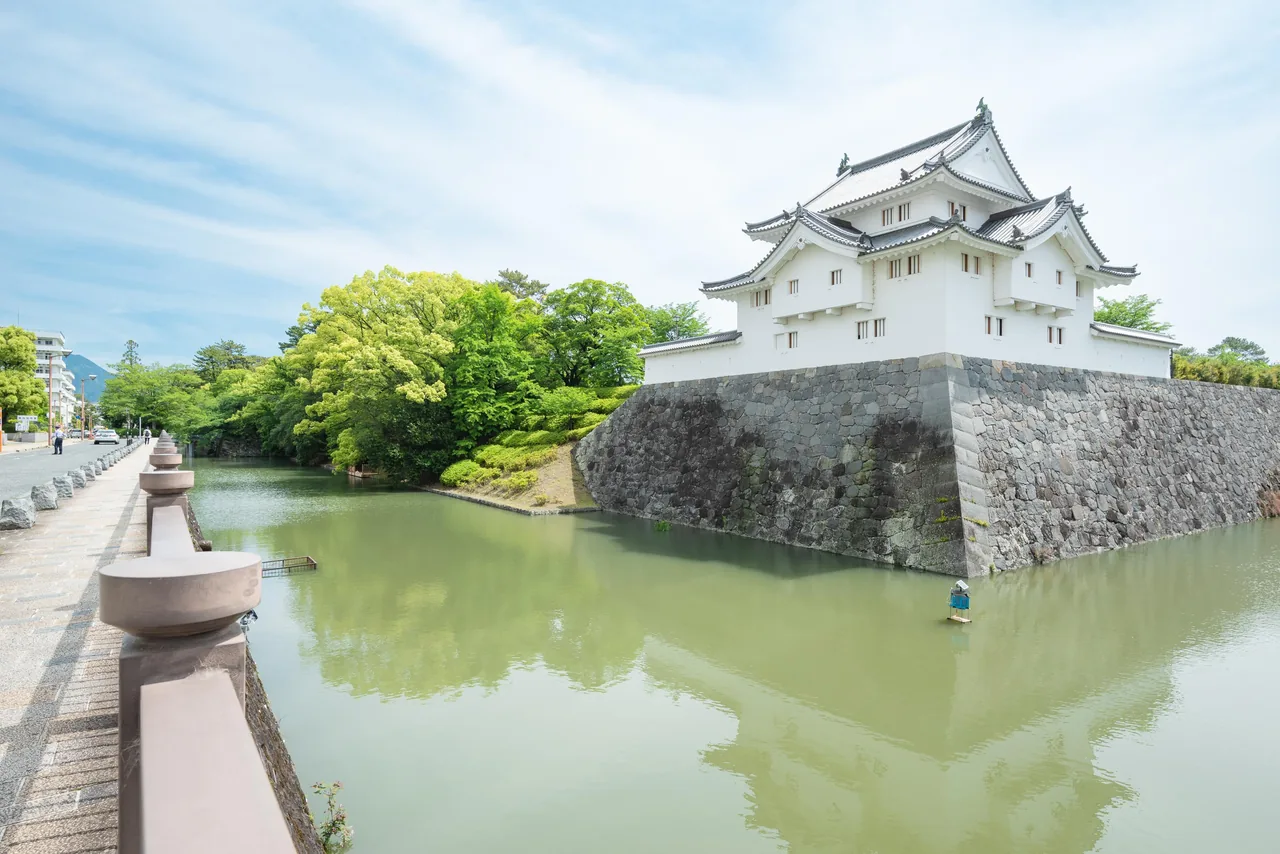
Sunpu Castle Park is the site of that castle. No keep remains, but the reconstructed Tatsumi Yagura and Hitsujisaru Yagura turrets and the Higashi Gomon gate stand along the moats and walls, and you can go inside. The Ieyasu statue in the park shows him as a keen falconer.
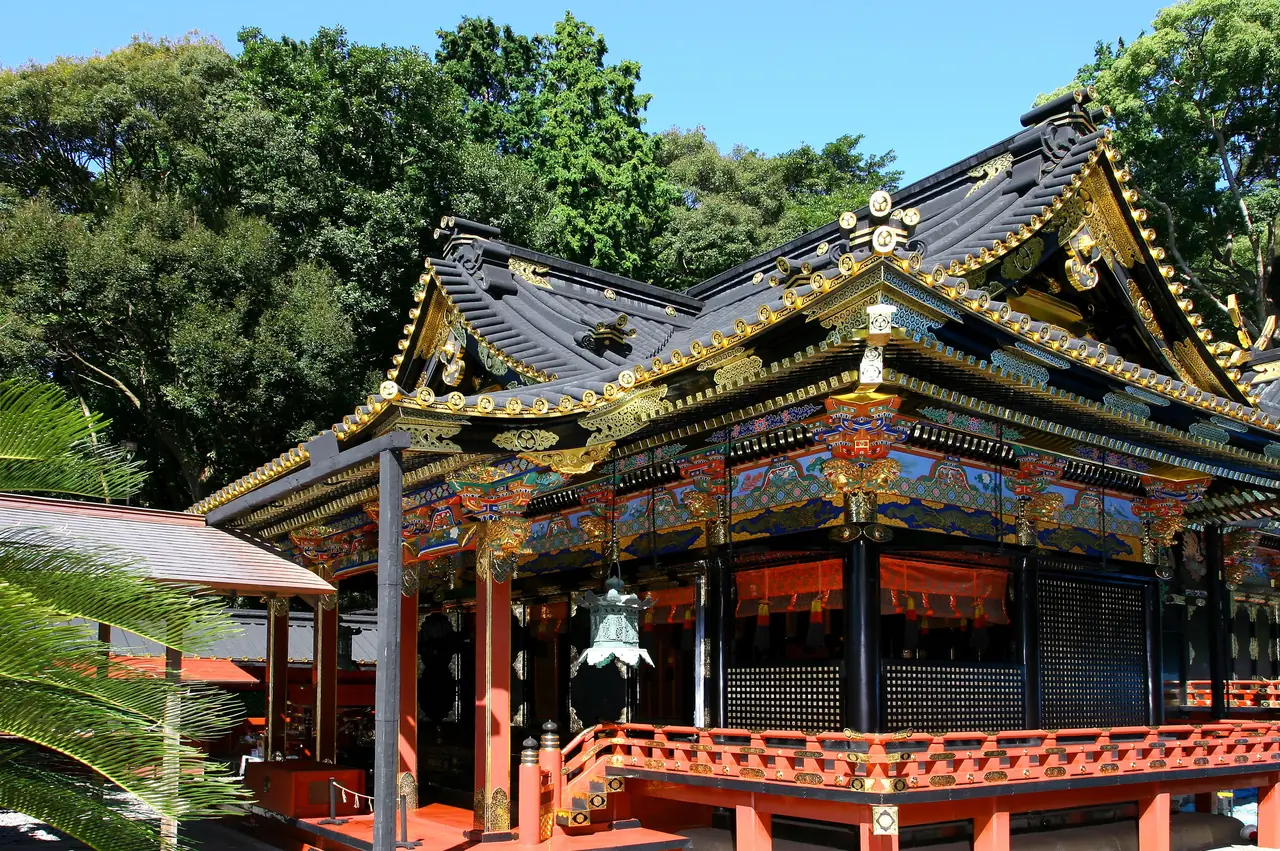
After his death, Ieyasu was buried, as he had wished, on Mt Kuno, southeast of Sunpu overlooking the sea. Kunozan Toshogu is the shrine built at that time; its richly colored main hall is a National Treasure. Behind the shrine buildings stands the mausoleum where Ieyasu was laid to rest.
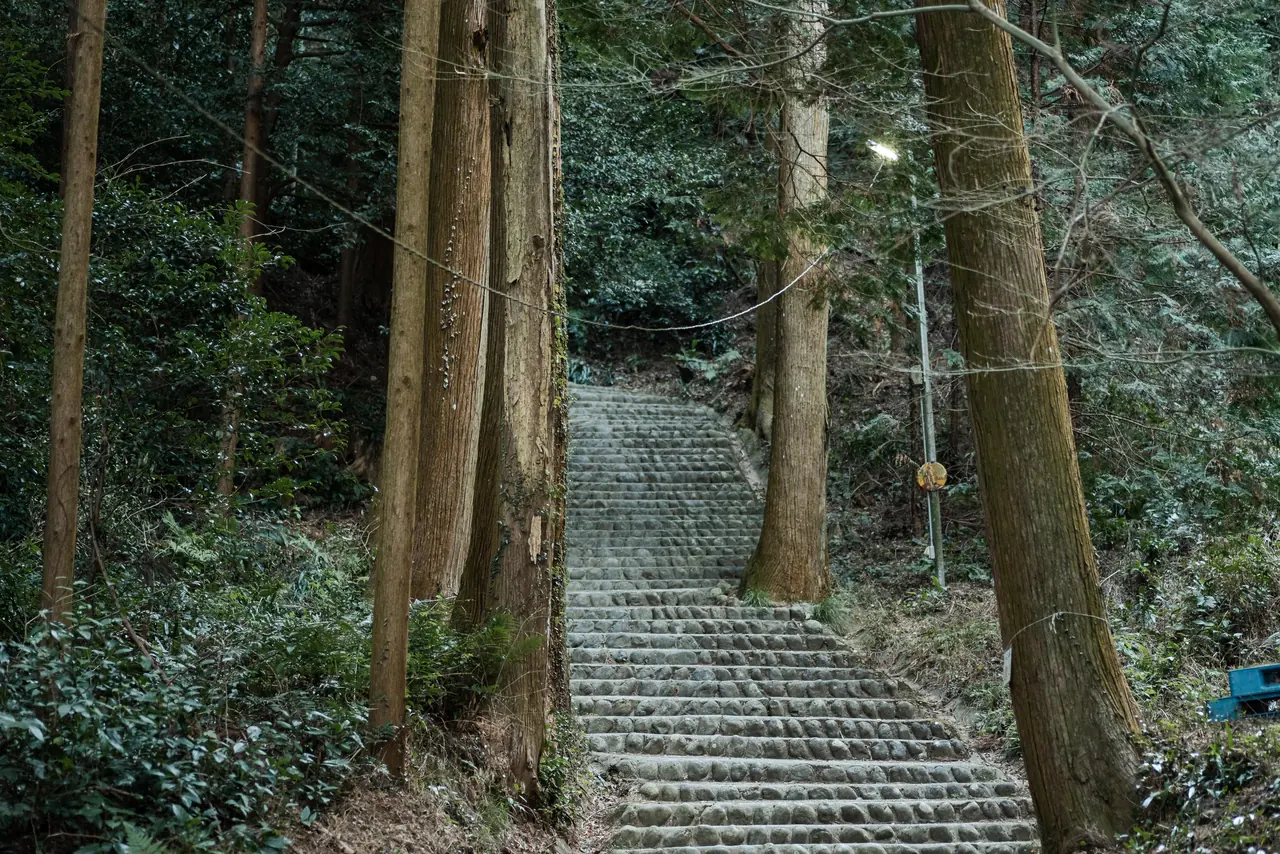
To reach Kunozan Toshogu, climb the 1,159 stone steps from the coast-side entrance (about 20 minutes), or take the Nihondaira Ropeway from Nihondaira, about 5 minutes with views over Suruga Bay. Buses run from Shizuoka Station to Nihondaira.
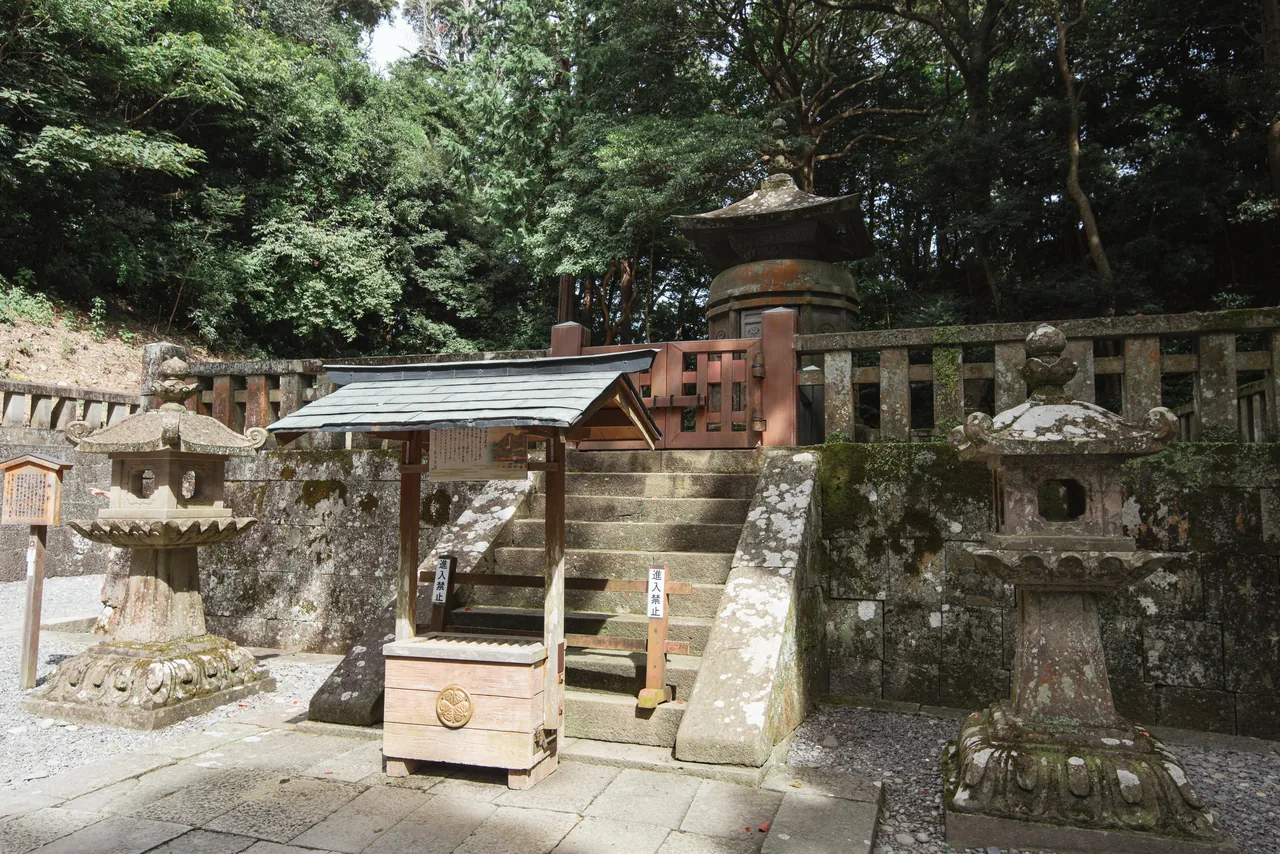
Photo: copyright© Shizuoka Prefectural Tourism Association.
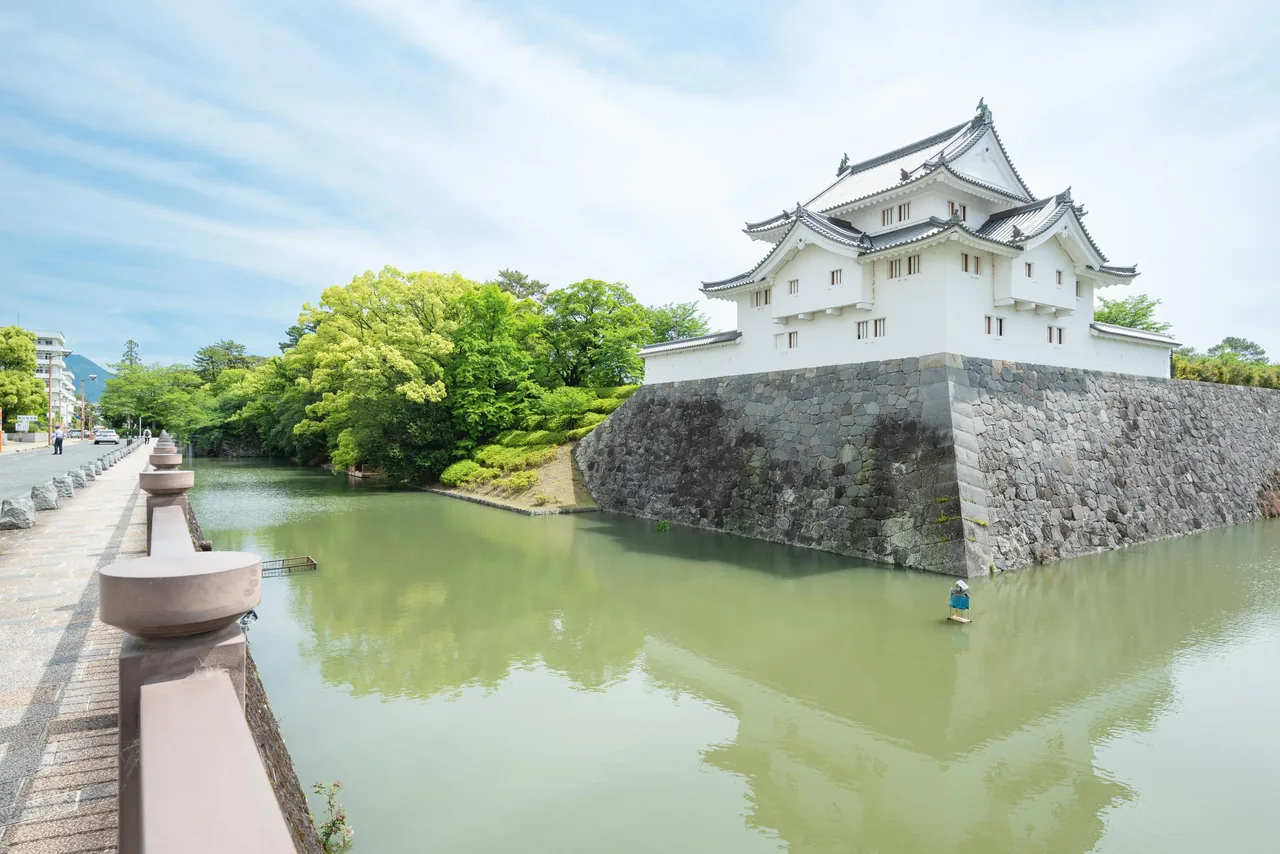
Photo: copyright© Shizuoka Prefectural Tourism Association.
Getting around
| Site | Nearest | How |
|---|---|---|
| Sunpu Castle Park | Shizuoka Station | About 10–15 min on foot |
| Shizuoka Sengen Shrine | Shizuoka Station | About 15 min on foot, or bus |
| Kunozan Toshogu | Shizuoka Station | Bus to Nihondaira, then ropeway |
| Hamamatsu Castle | Hamamatsu Station | About 20 min on foot, or bus |
| Takatenjin and Yokosuka castle ruins | Kakegawa Station | A car is easiest |
| Futamata Castle ruins | Futamata-Honmachi Station (Tenryu Hamanako Railway) | About 20 min on foot |
Sunpu Castle Park, Shizuoka Sengen Shrine and Kunozan Toshogu in Shizuoka City fit into one day. Hamamatsu Castle is walkable from the Shinkansen station, so you can stop off on the way. The Kakegawa castle ruins are far from the station, so use a rental car or taxi. To follow Ieyasu from Sunpu, where he spent his last years, to Nikko, where he is enshrined, see our Nikko day trip guide.