Tokushima Food Guide: Ramen, Tarai Udon, Iya Soba and Sudachi
This guide is translated from the Japanese edition. Read the Japanese edition
Tokushima food to try: ramen with sweet-savory pork belly, tarai udon, Iya soba, Handa somen, curry-flavored fish katsu, sudachi citrus and Naruto sea bream.
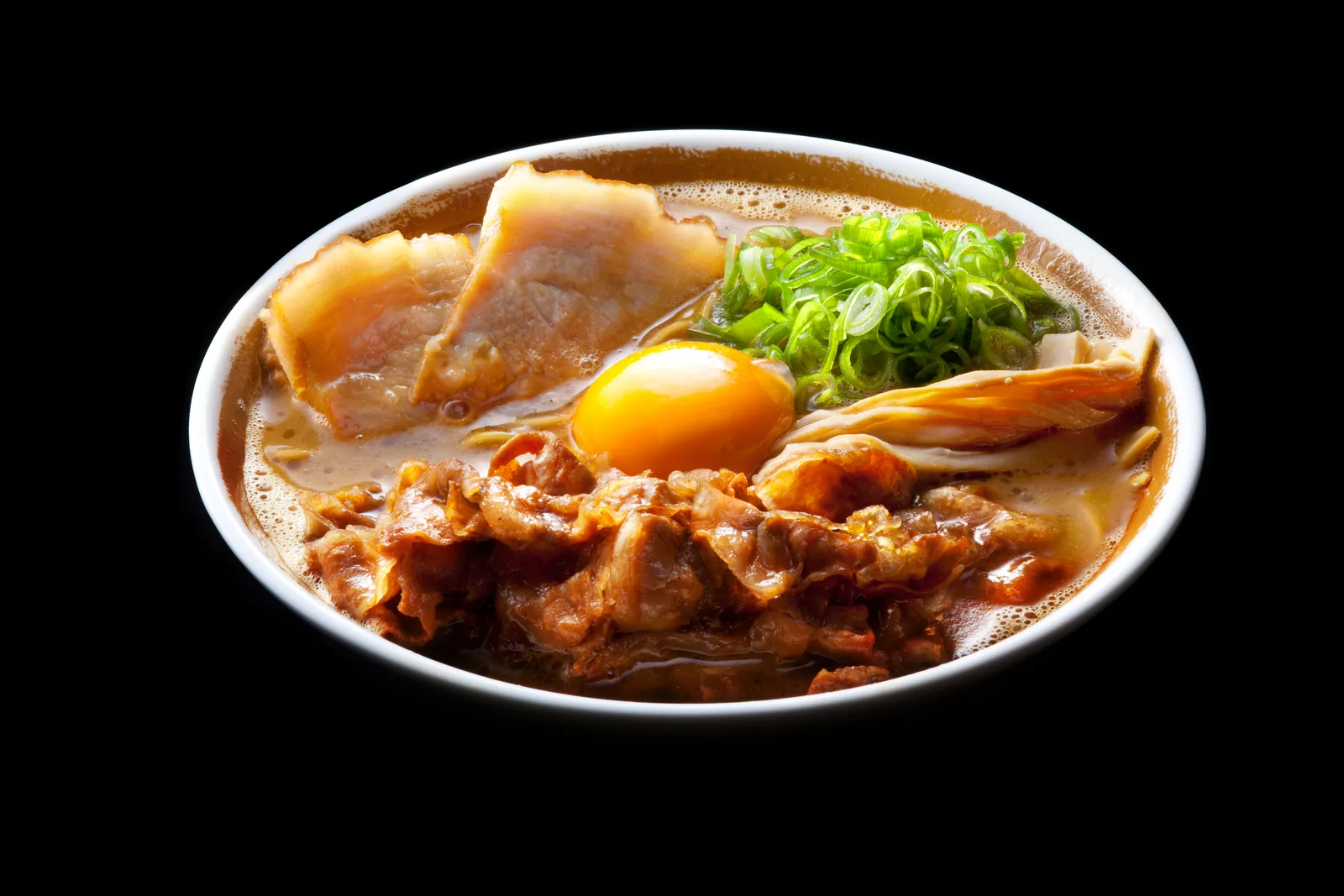
A dark brown broth, pork belly simmered until sweet and savory, and a raw egg on top: this is Tokushima ramen. Beyond this bowl, Tokushima has noodles, fish cakes, fruit and seafood that each belong to a particular place, from Naruto in the north to the mountain valleys of Iya and the coast of the far south.
Tokushima ramen: a bowl to eat with rice
Tokushima ramen is typically a broth made from pork bones and other stock, seasoned with soy sauce and topped with pork belly simmered in a sweet-savory sauce. Many shops let you add a raw egg, which you break and stir through the broth and meat as you eat.
People sometimes sort the soups by color into "brown," "yellow" and "white" styles. The best known is the brown style, finished with a strong dark soy sauce. The yellow and white styles have paler broths, and their flavor varies from shop to shop. Because the taste is fairly rich, it is common to order a bowl of plain rice alongside.
Udon, soba and somen: noodles that change by region
In Tokushima, the shape of the noodles and the way you eat them change completely from one area to the next.
Tarai udon (Donari, Awa City)
A local dish from Donari in Awa City: boiled udon is served in a large wooden tub (tarai), and everyone gathers around it to dip the noodles in a broth. The area once thrived on forestry, and the dish is said to have started with workers sharing a tub of udon after a day in the mountains. Some shops still use a small river fish called jinzoku in their broth.
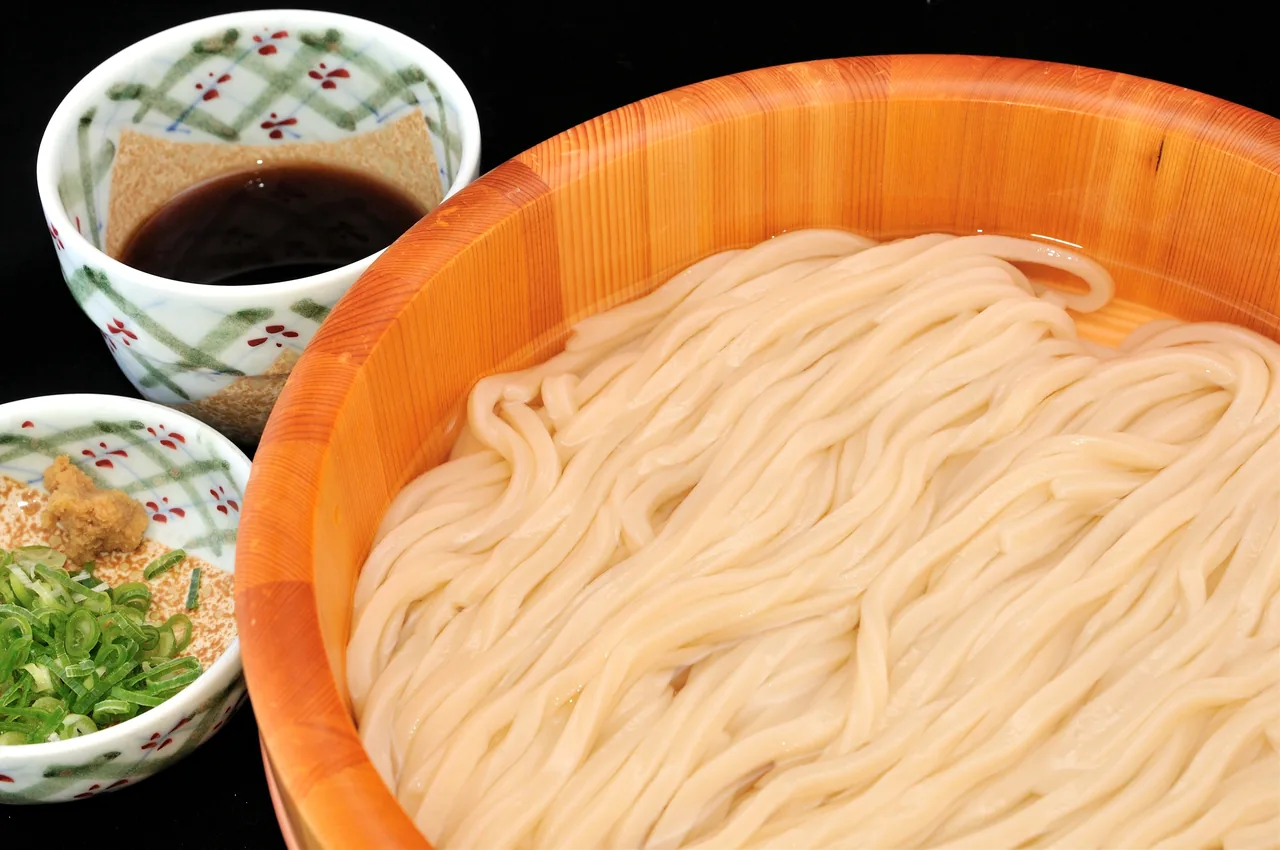
Courtesy of Tokushima Prefecture and the Tokushima Prefecture Tourism Association
Naruchuru udon (Naruto City)
A style of udon loved in Naruto. The noodles are thin, soft and uneven in thickness, served in a light broth. Where Sanuki udon is all about firm chewiness, Naruchuru udon is the opposite: soft noodles that slip down easily.
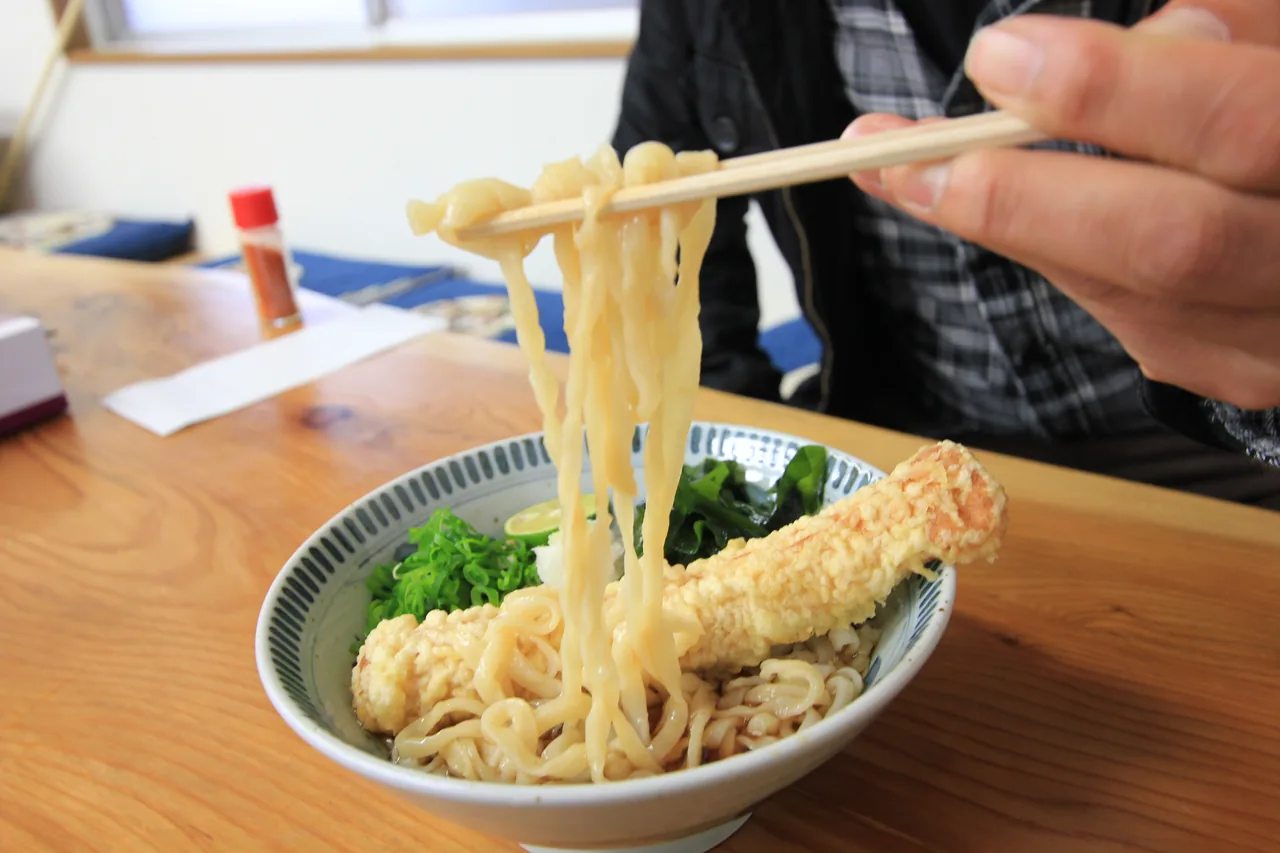
Courtesy of Tokushima Prefecture and the Tokushima Prefecture Tourism Association
Iya soba and soba-gome zosui
In the deep mountains of Iya, where rice was hard to grow, buckwheat became part of daily life. Iya soba is made with local buckwheat flour alone and no binder, so the noodles are thick, fairly short and break easily.
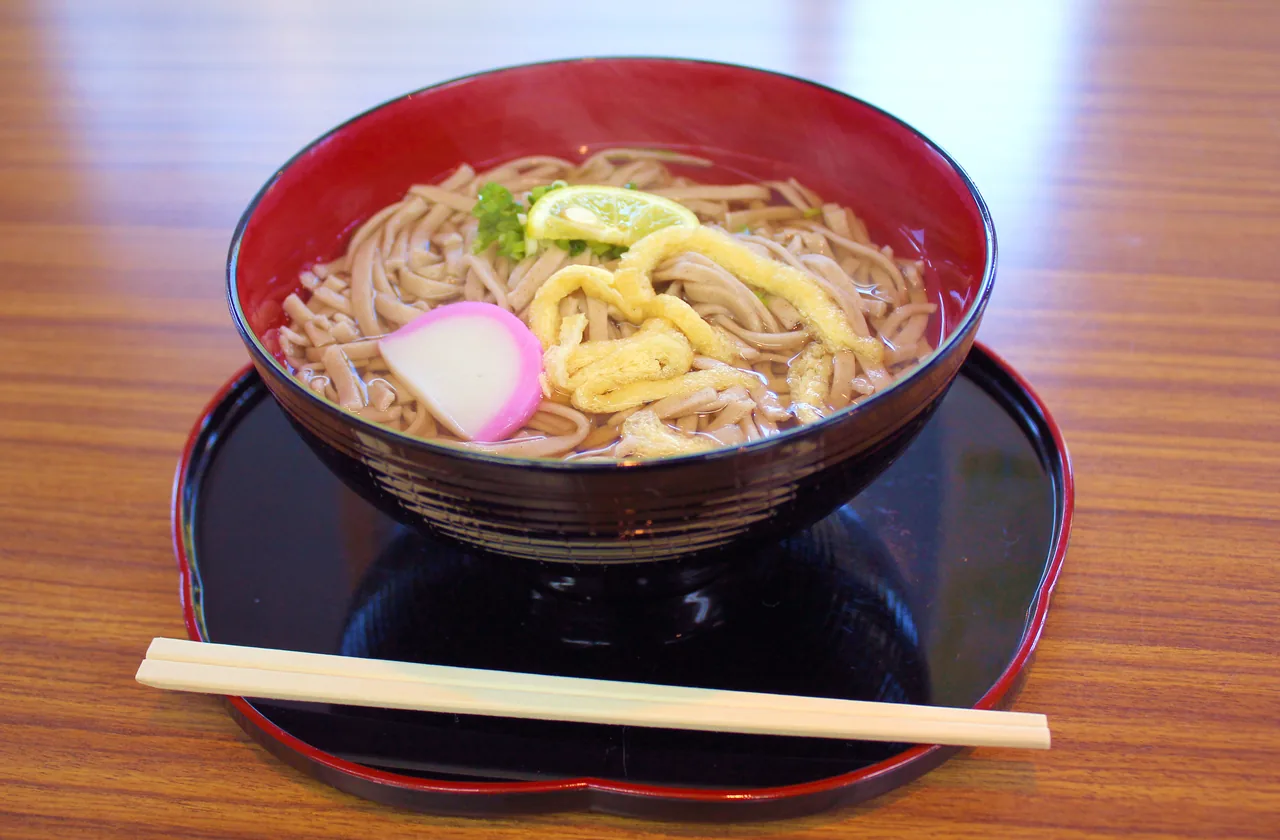
Courtesy of Tokushima Prefecture and the Tokushima Prefecture Tourism Association
Buckwheat grains that have been boiled in salted water, hulled and then dried are called soba-gome. Simmered in broth with vegetables and chicken, they become soba-gome zosui (or soba-gome jiru), a porridge-like soup. Today it is eaten across the prefecture, not only in Iya.
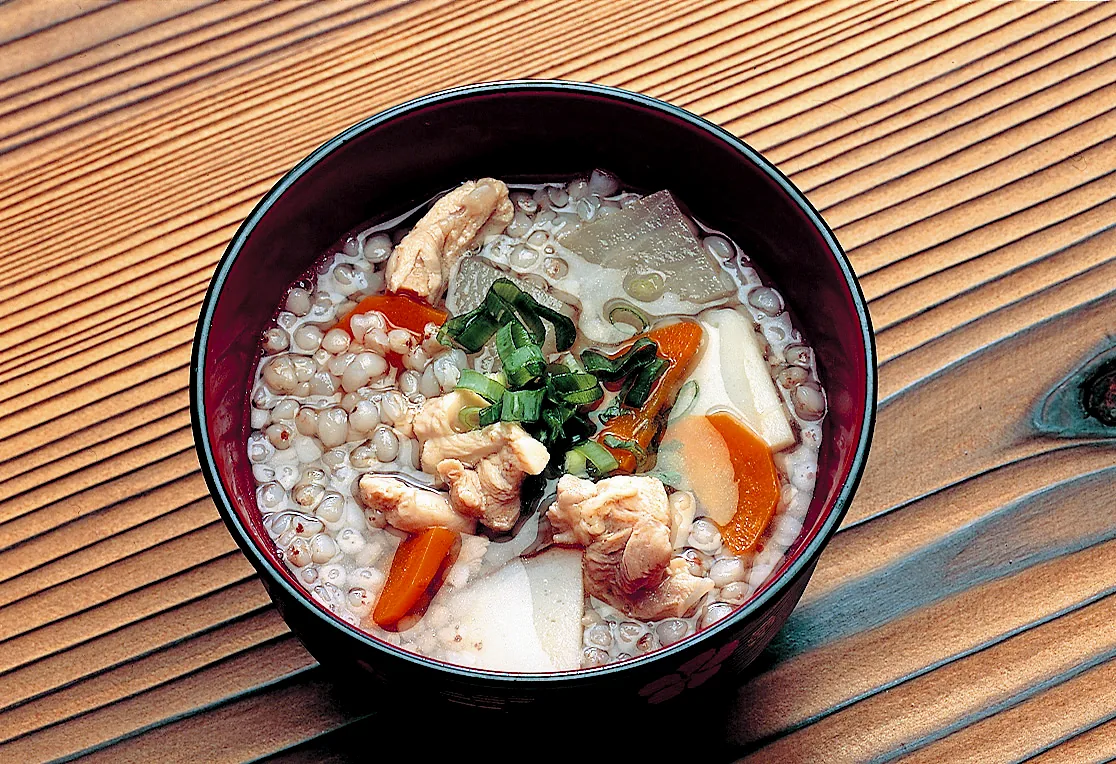
Courtesy of Tokushima Prefecture and the Tokushima Prefecture Tourism Association
Handa somen (Tsurugi Town)
Hand-stretched somen noodles made in Handa, Tsurugi Town, on the middle reaches of the Yoshino River. They are a little thicker than ordinary somen, with a firm bite that makes them more filling. They were traditionally made in the cold months from November to March, but today they are produced all year round. On clear days you may see noodles hung on poles to dry.
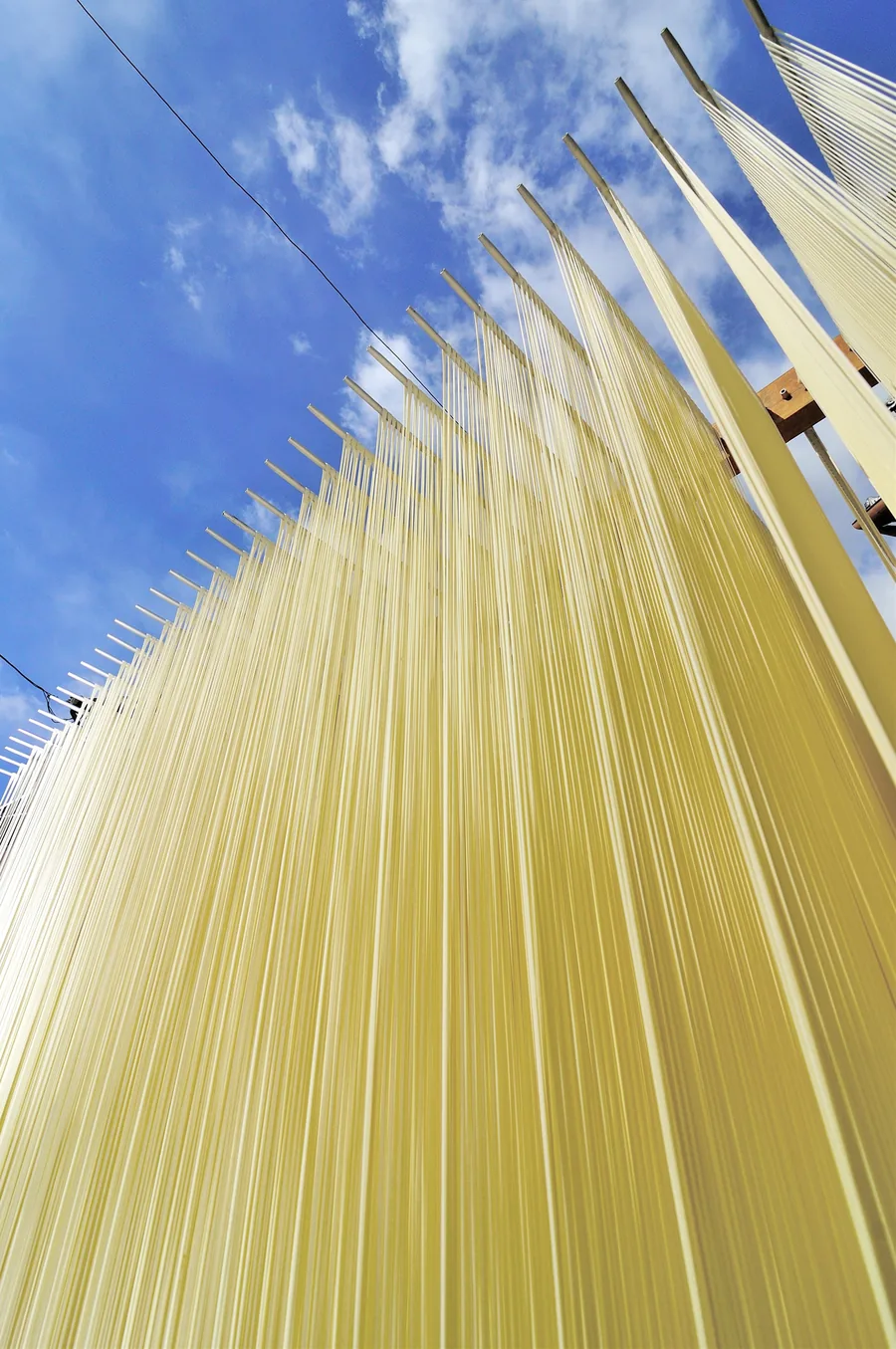
Courtesy of Tokushima Prefecture and the Tokushima Prefecture Tourism Association
Port-town fish cakes: fish katsu and take-chikuwa
Fish katsu is a staple side dish in Tokushima. It is white fish paste seasoned with spices such as chili and curry powder, then breaded and deep-fried, and the curry flavor is what makes it distinctly Tokushima. It works as a snack on its own or as a side with rice.
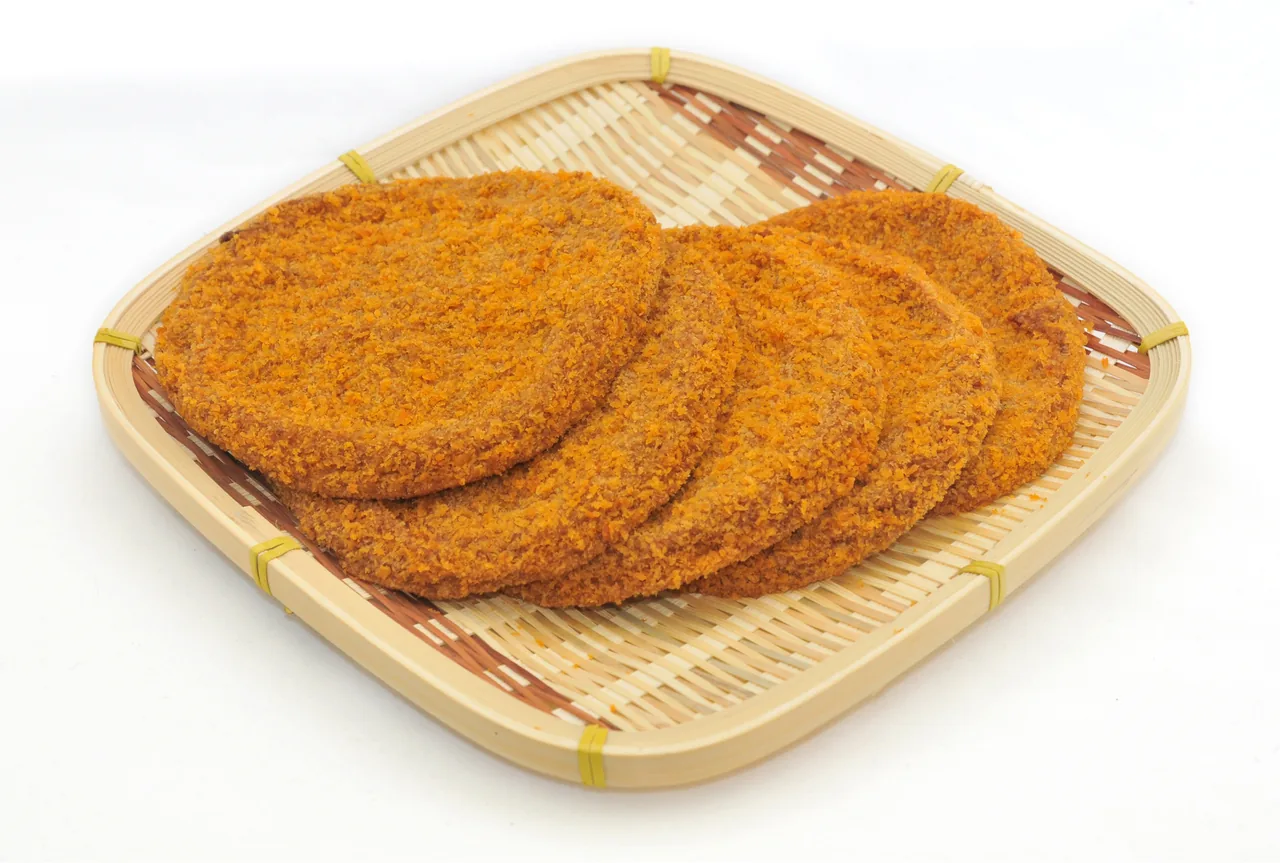
Courtesy of Tokushima Prefecture and the Tokushima Prefecture Tourism Association
Take-chikuwa is fish paste wrapped around a length of bamboo and grilled, a specialty of the port town of Komatsushima. The bamboo stays in, so you can hold it and bite straight in.
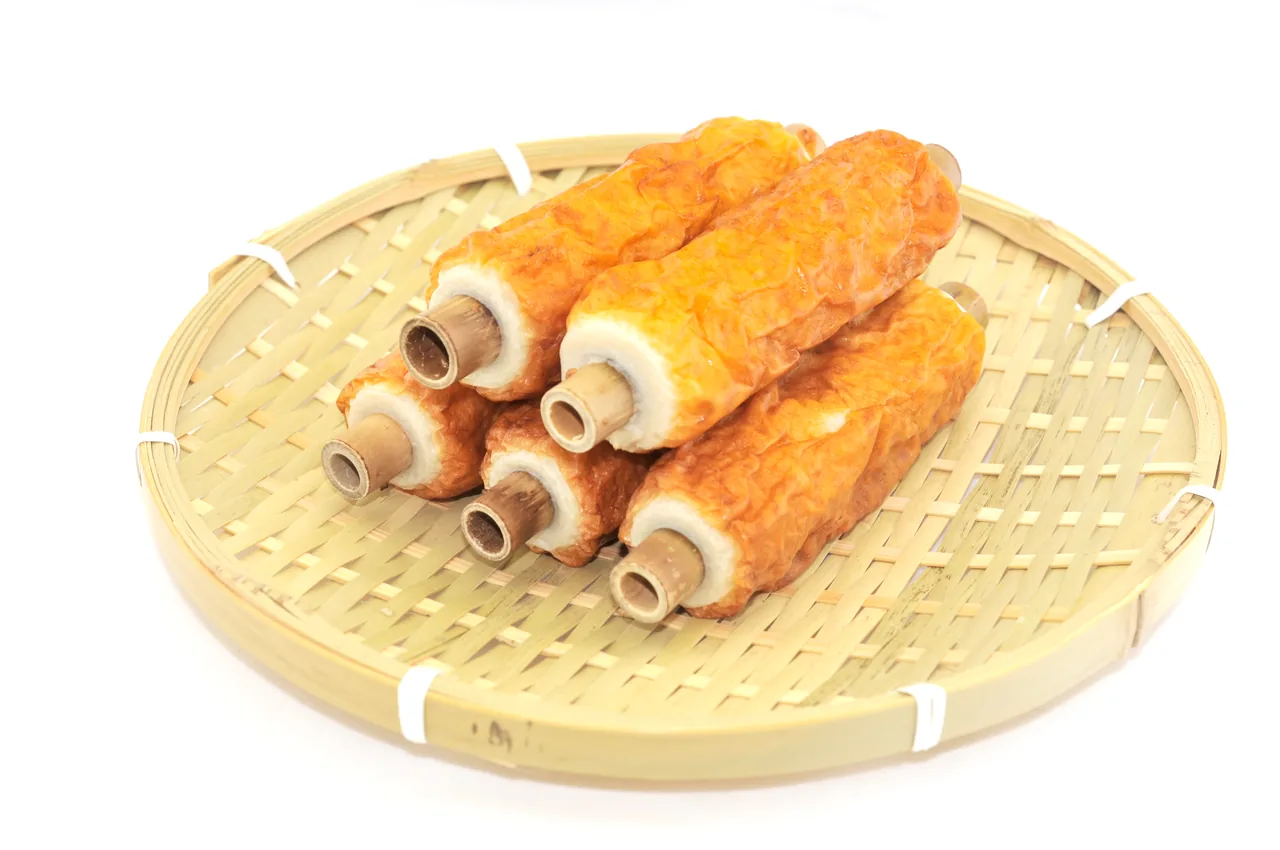
Courtesy of Tokushima Prefecture and the Tokushima Prefecture Tourism Association
Dekomawashi, a skewer from Iya
Dekomawashi is a skewered dish handed down in Iya. The skewers are stood upright in the ashes of an irori hearth and turned round and round so everything cooks evenly. The name is said to come from the way this resembles a deku, a puppet of Awa's ningyo joruri puppet theater, turning its head.
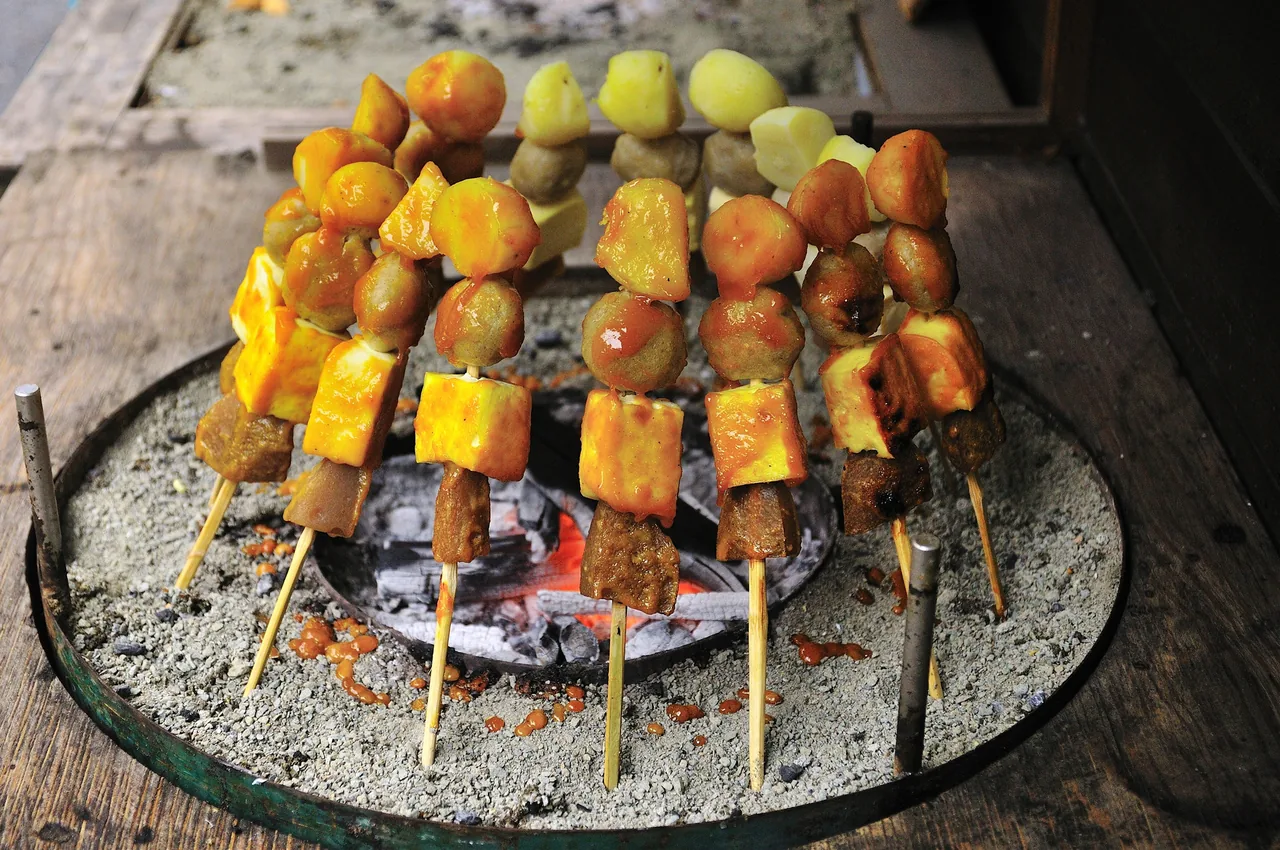
Courtesy of Tokushima Prefecture and the Tokushima Prefecture Tourism Association
Sudachi and Naruto Kintoki
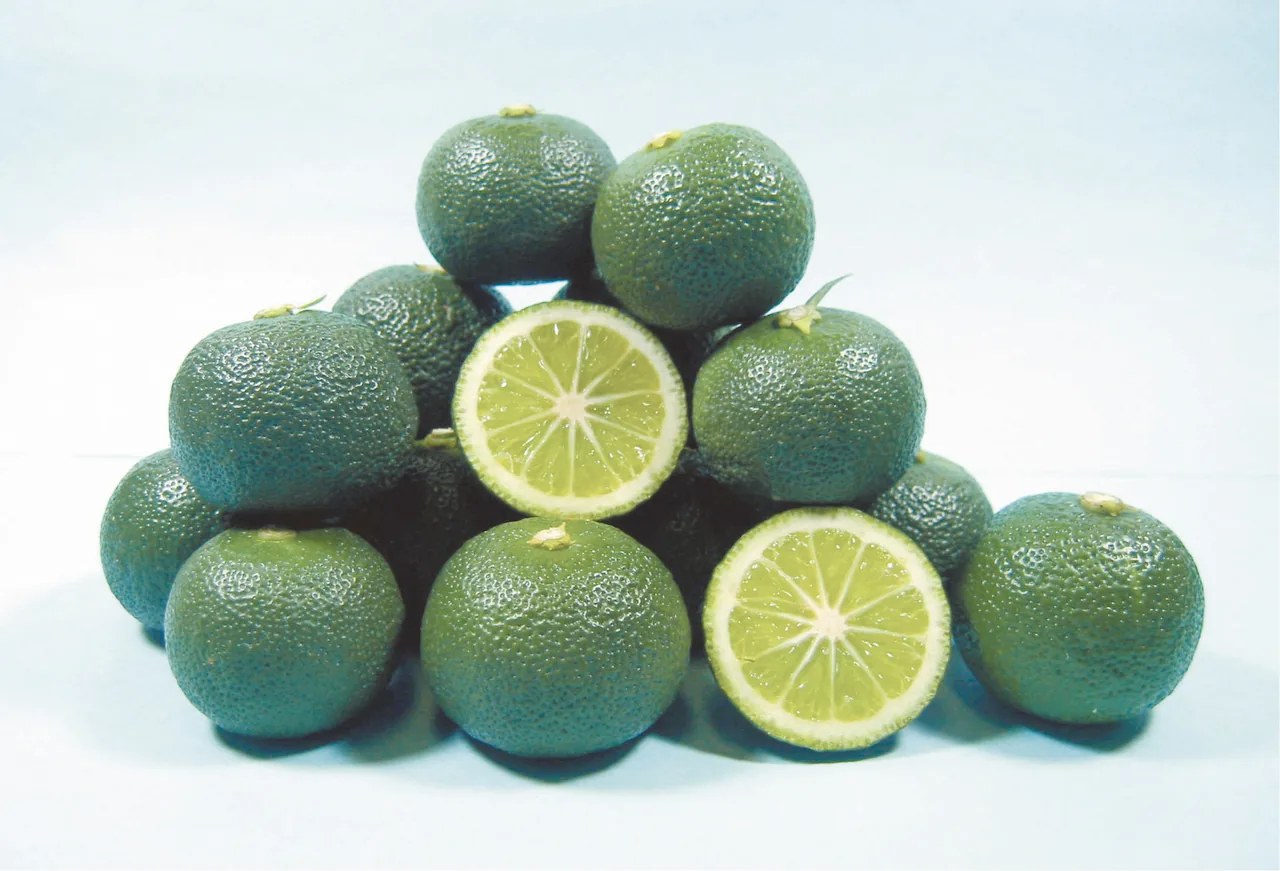
Sudachi is Tokushima's signature sour citrus, and the prefecture grows most of Japan's crop. The classic way to use it is to cut it in half and squeeze it over grilled fish, sashimi or noodles. It is in season from summer into autumn. In the south, Roadside Station Hiwasa even sells sudachi soft-serve ice cream.
Courtesy of Tokushima Prefecture and the Tokushima Prefecture Tourism Association
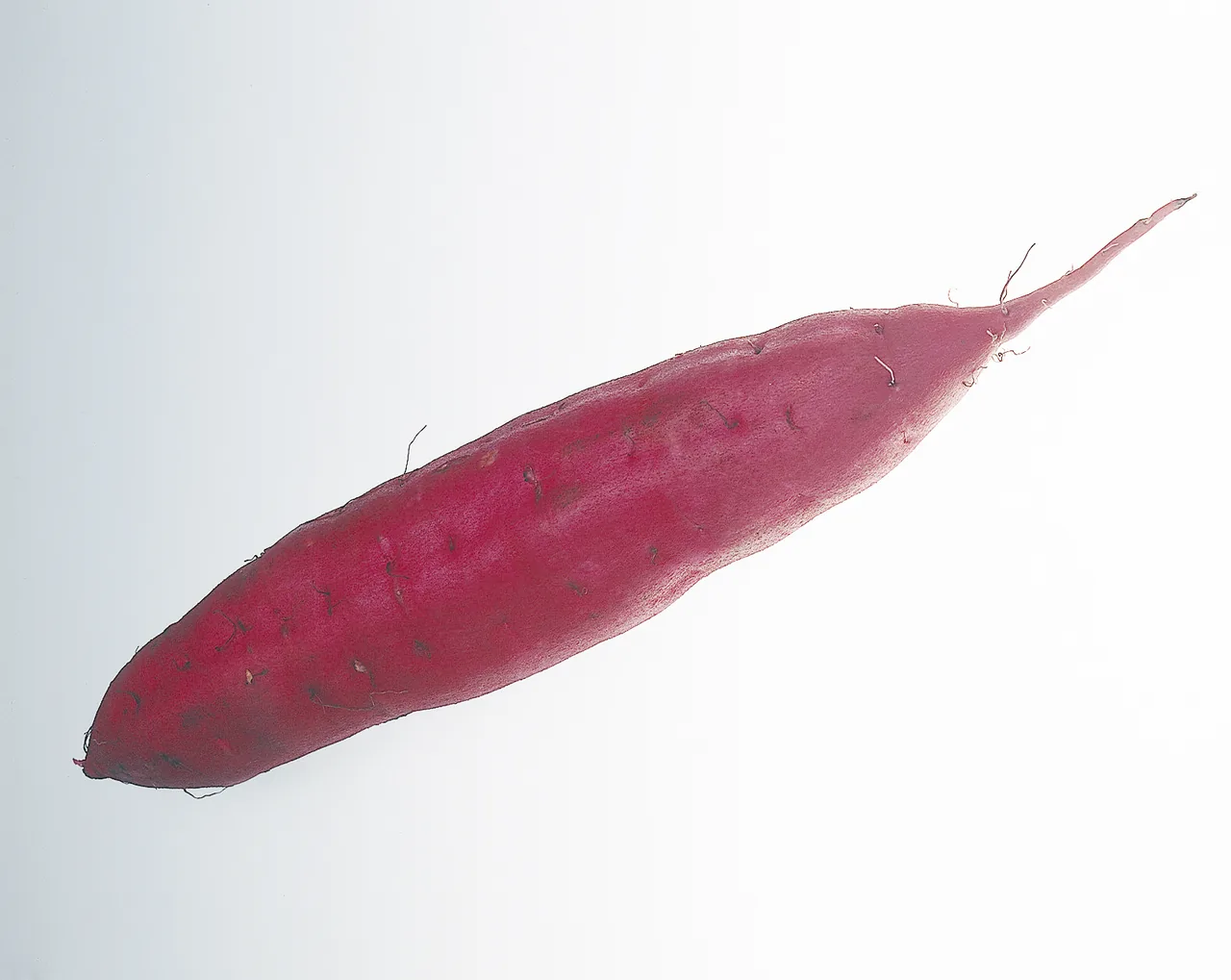
Naruto Kintoki is a sweet potato grown in sandy fields in Naruto City, Kitajima Town, Matsushige Town, Tokushima City and nearby. It is used for roasted sweet potatoes, Japanese confectionery and desserts, and you will often see sweets made with it sold as souvenirs.
Courtesy of Tokushima Prefecture and the Tokushima Prefecture Tourism Association
From the sea: Naruto sea bream and hamo
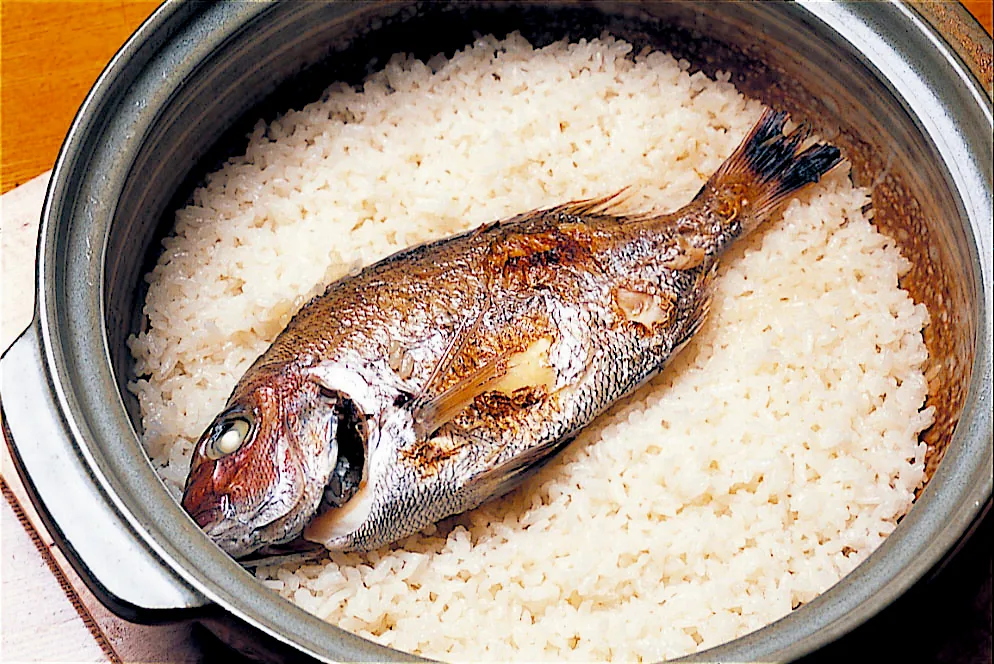
The Naruto Strait has currents fast enough to create whirlpools. Sea bream raised in these waters is called Naruto-dai (Naruto sea bream) and has firm, springy flesh. Try it as sashimi or in dishes such as tai-meshi, rice cooked with sea bream.
Courtesy of Tokushima Prefecture and the Tokushima Prefecture Tourism Association
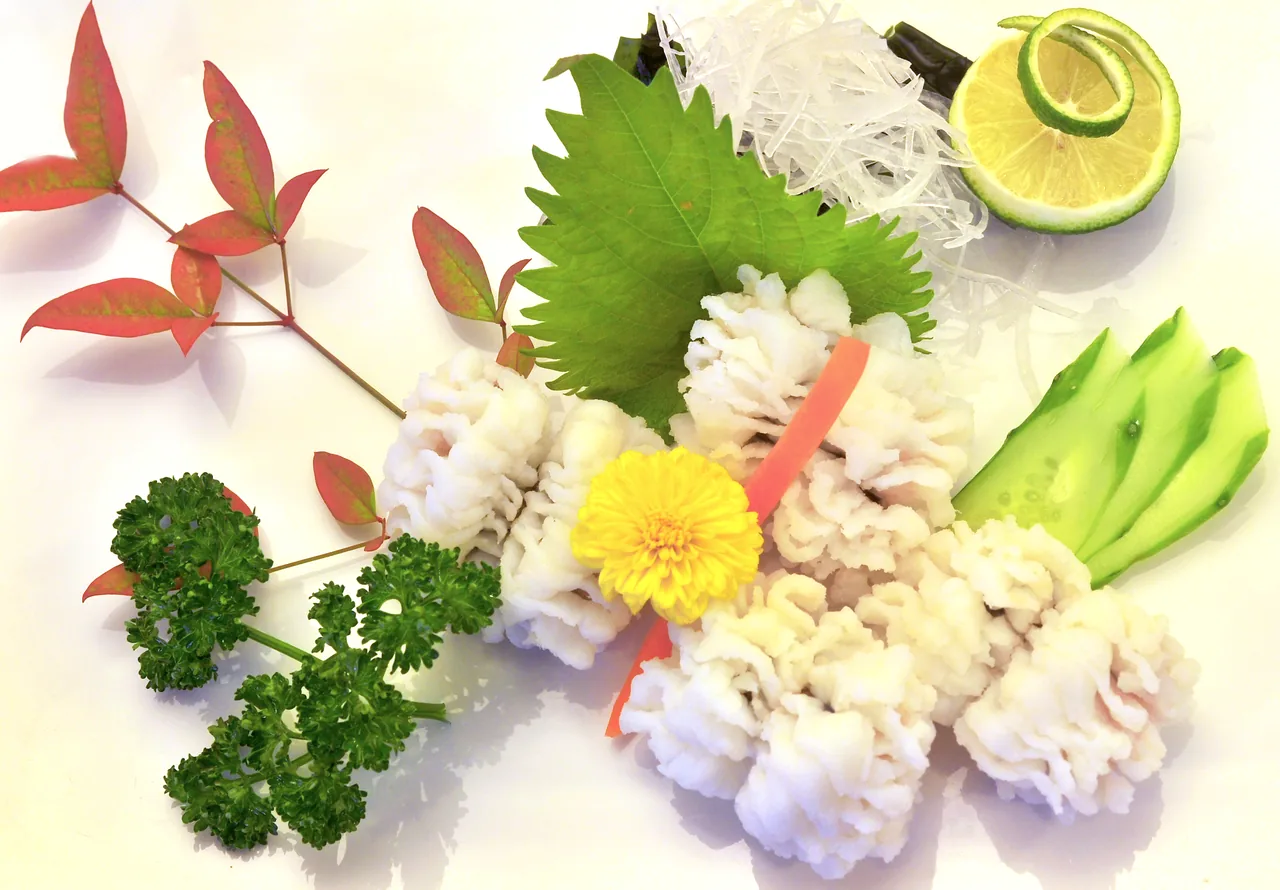
Hamo (pike conger), known as a taste of summer in the Kansai region, is also one of Tokushima's main catches. When the finely scored fish is dipped briefly in hot water, the flesh opens out like a flower.
Courtesy of Tokushima Prefecture and the Tokushima Prefecture Tourism Association
Where to try them on your trip
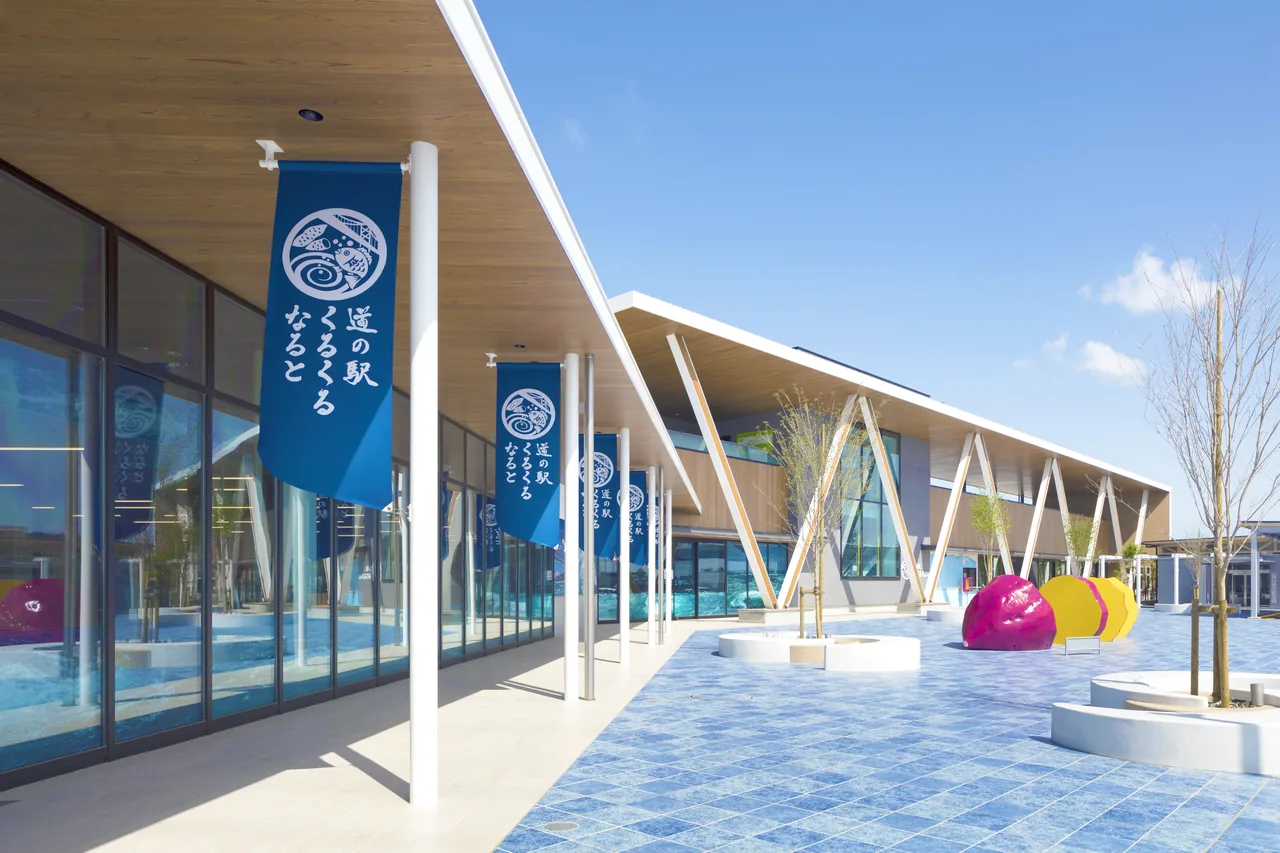
In Naruto, Roadside Station Kurukuru Naruto on Route 11 is a roadside station themed on local ingredients such as Naruto Kintoki and Naruto sea bream. If you are heading down the southern coast, see also our guide to the southern coast of Tokushima.
For recipes and background, Japan's Ministry of Agriculture, Forestry and Fisheries has pages on soba-gome zosui and Handa somen in its regional cuisine series (in Japanese). Opening hours and closing days differ from shop to shop, so check before you go.