Tokushima Indigo Dyeing: Ai no Yakata, Awa Washi and Otani Ware
This guide is translated from the Japanese edition. Read the Japanese edition
Indigo dyeing and traditional crafts in Tokushima: why Awa indigo grew along the Yoshino River, dyeing at Ai no Yakata, papermaking at the Awa Washi hall, and Otani ware.
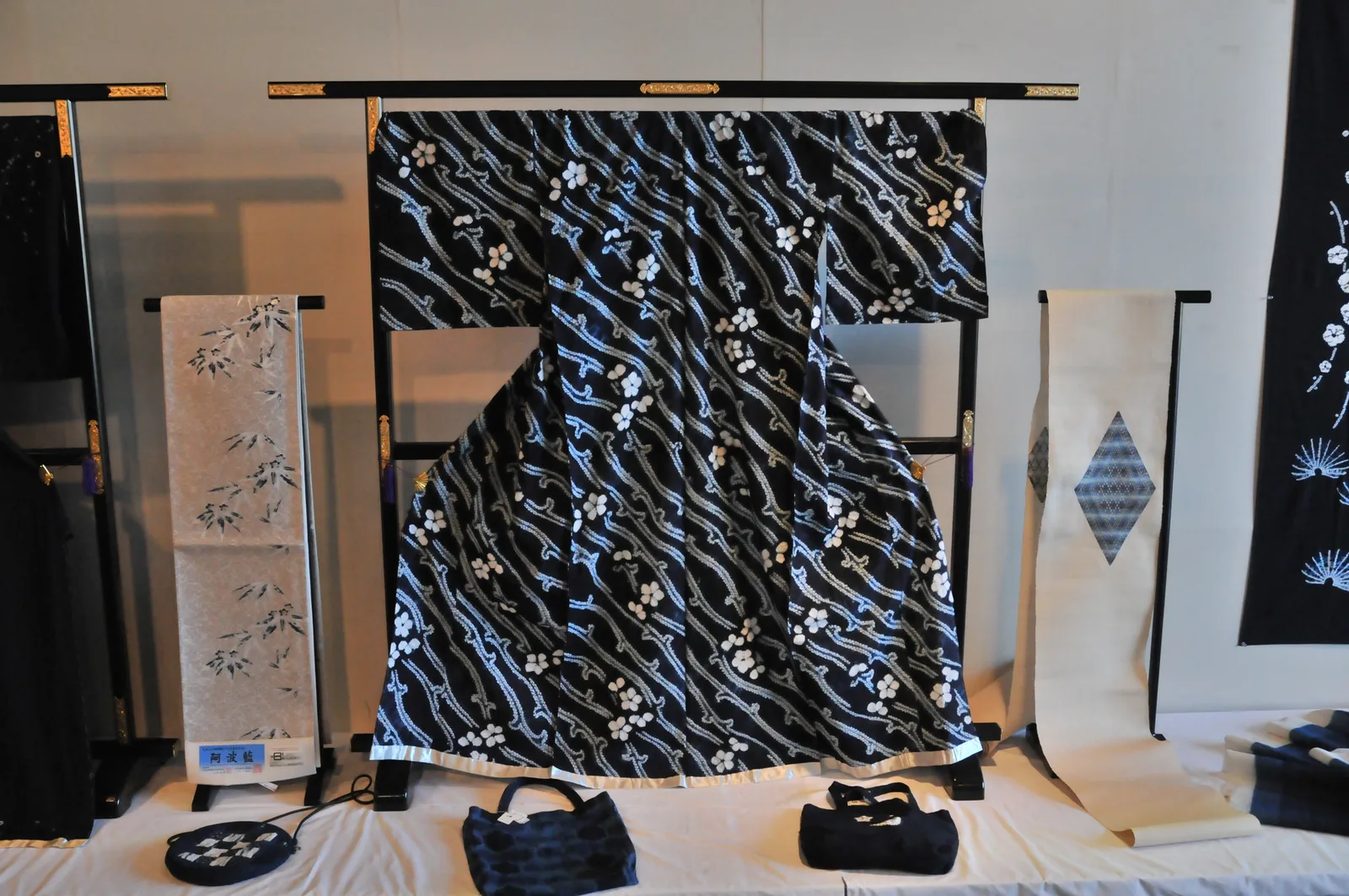
White patterns stand out against the deep blue of this kimono and obi sash, both dyed with indigo. Tokushima has made indigo dye since the Edo period, and crafts tied to that indigo still survive across the prefecture: dyeing, papermaking and pottery. For each of them there is a place where visitors can try it themselves.
Awa indigo: a dye grown along the Yoshino River
The indigo dye made in Tokushima is called Awa indigo (Awa-ai). Indigo leaves are dried, piled on a bed and fermented while being sprinkled with water, then finished as a dye called sukumo. The fermentation alone takes around 100 days, and the work runs from sowing the seeds in spring until the sukumo is ready around the time of the first frost.
There were good reasons why indigo spread along the Yoshino River. The Yoshino River flooded often, but the floods carried fresh soil that enriched the fields. The indigo leaves are cut in early summer, chopped and dried, and then fermented. In the Edo period Awa indigo was shipped across Japan, and the trade made Tokushima rich.
Indigo dyeing at Ai no Yakata
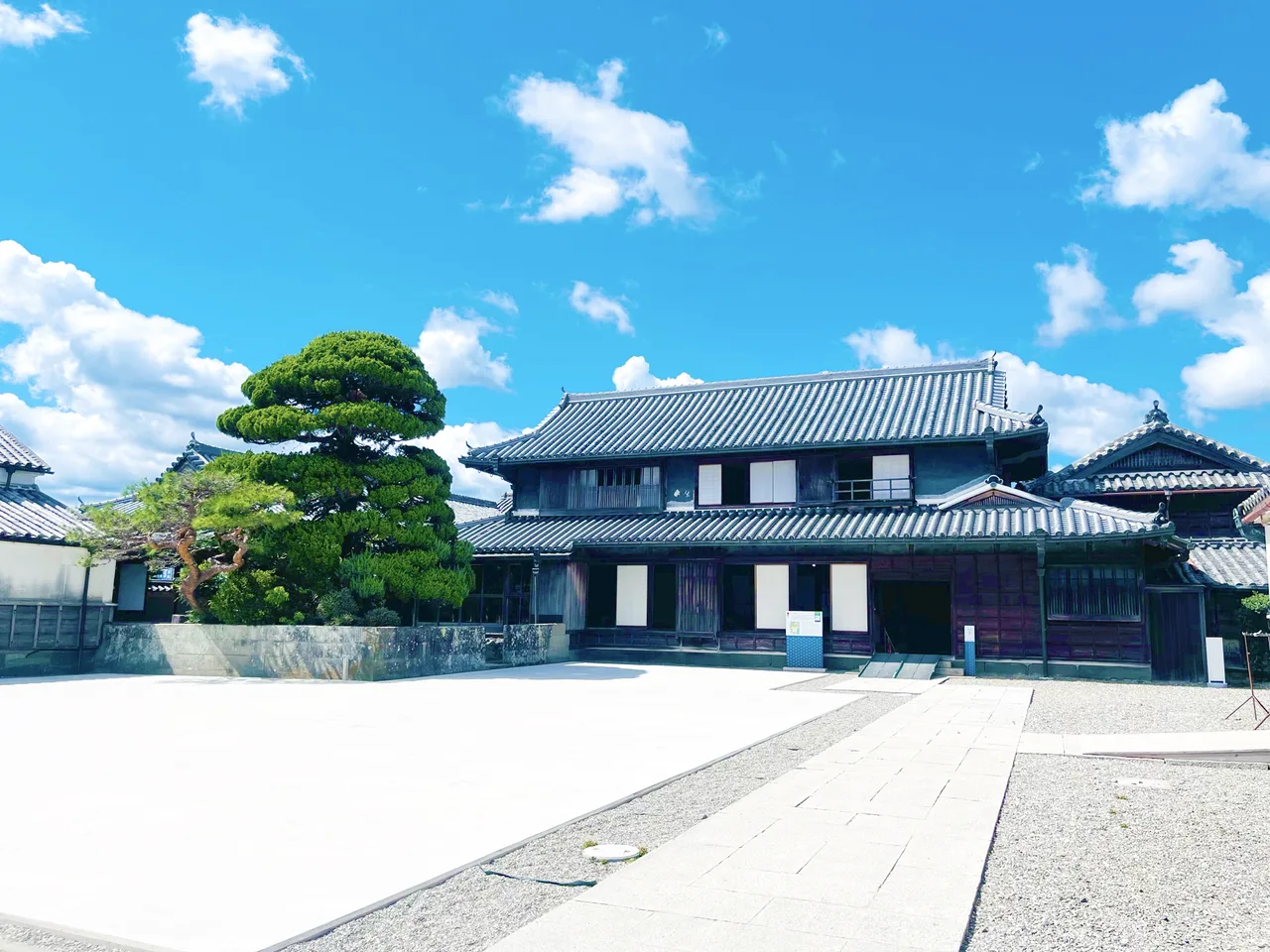
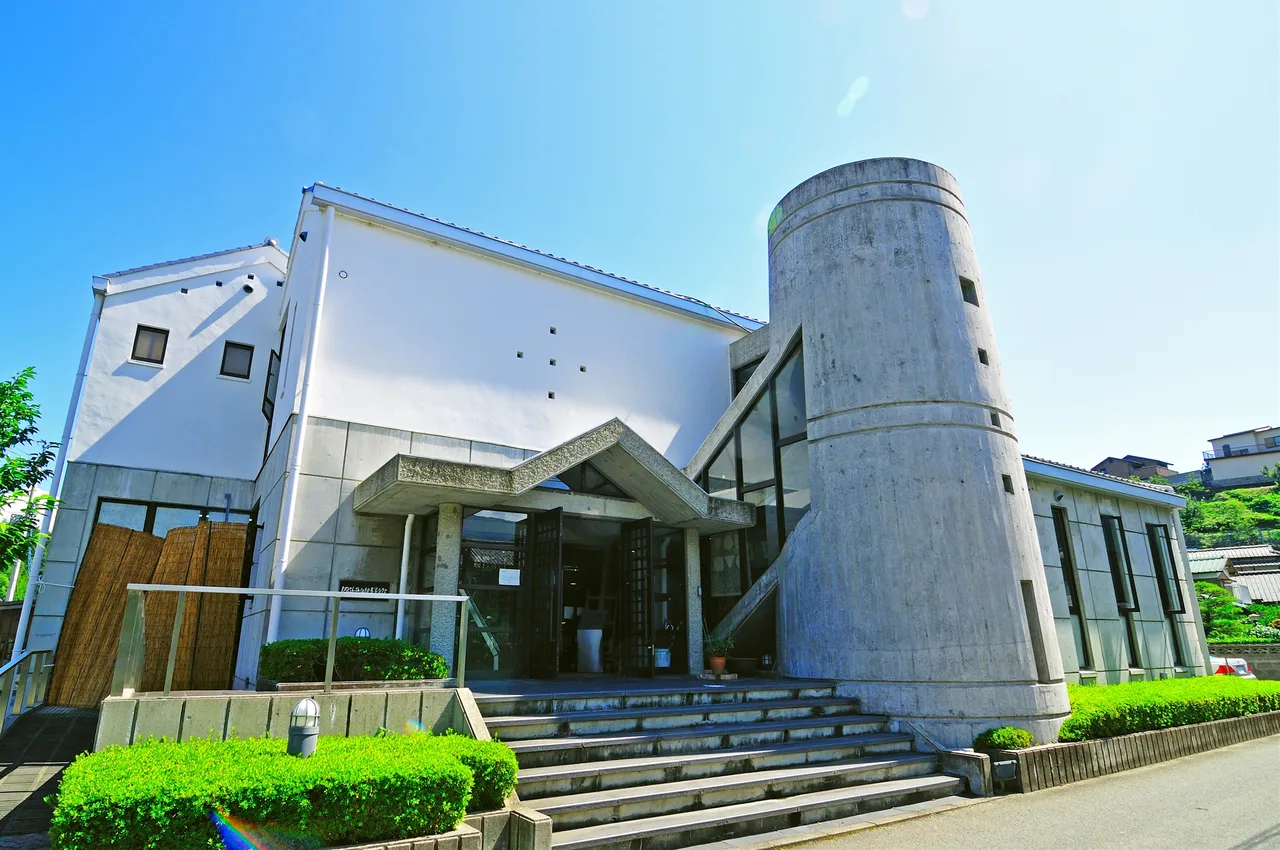
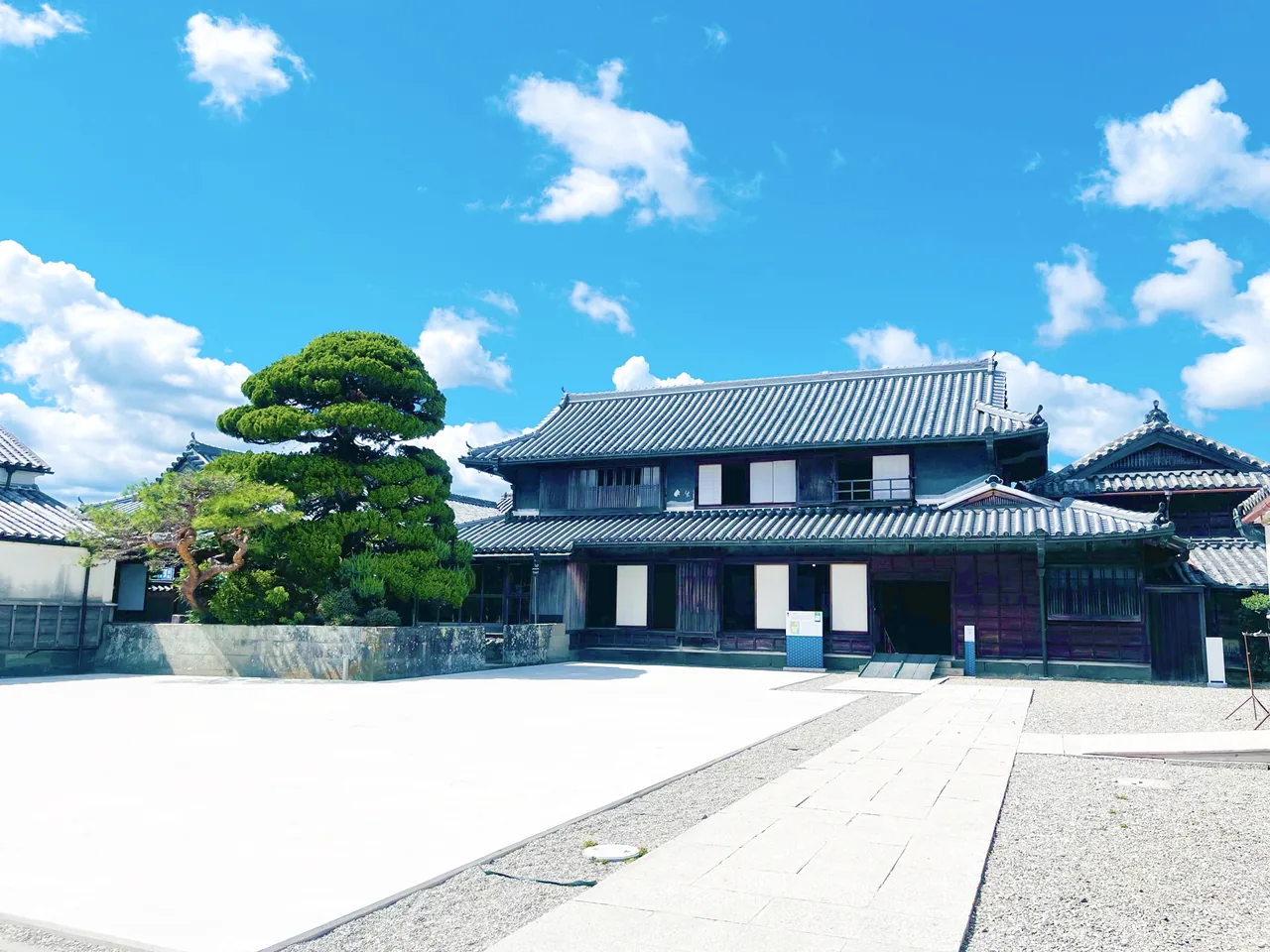
Ai no Yakata (Aizumi Indigo Museum) in Aizumi Town is a history museum set in the former residence of the Okumura family, major indigo merchants from the 1830s to the Meiji era. The family's 13 buildings were donated to the town in 1987, and the museum opened in 1989. Displays recreate the process of making indigo dye.
Courtesy of Tokushima Prefecture and the Tokushima Prefecture Tourism Association
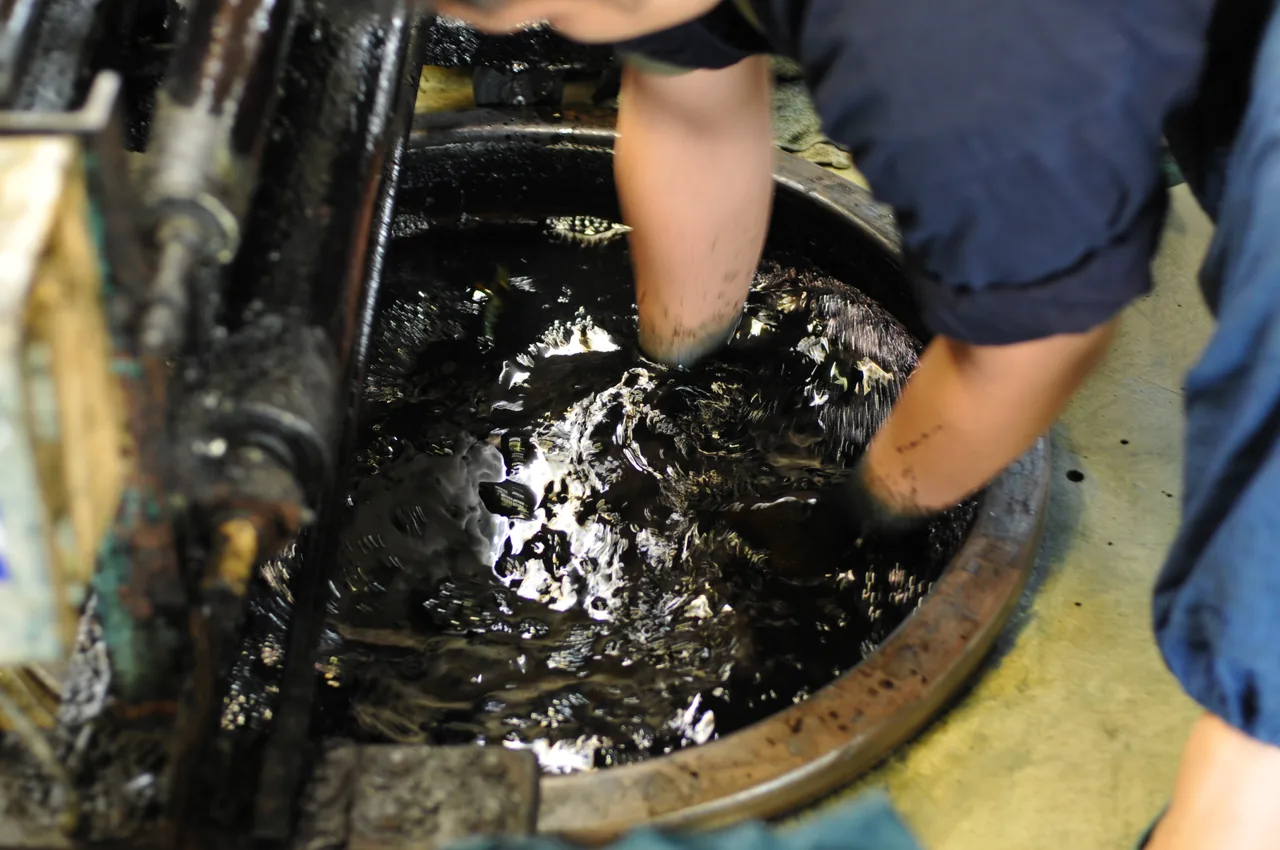
At Ai no Yakata you can dye a handkerchief or similar item in natural indigo dye fermented with lye.
Courtesy of Tokushima Prefecture and the Tokushima Prefecture Tourism Association
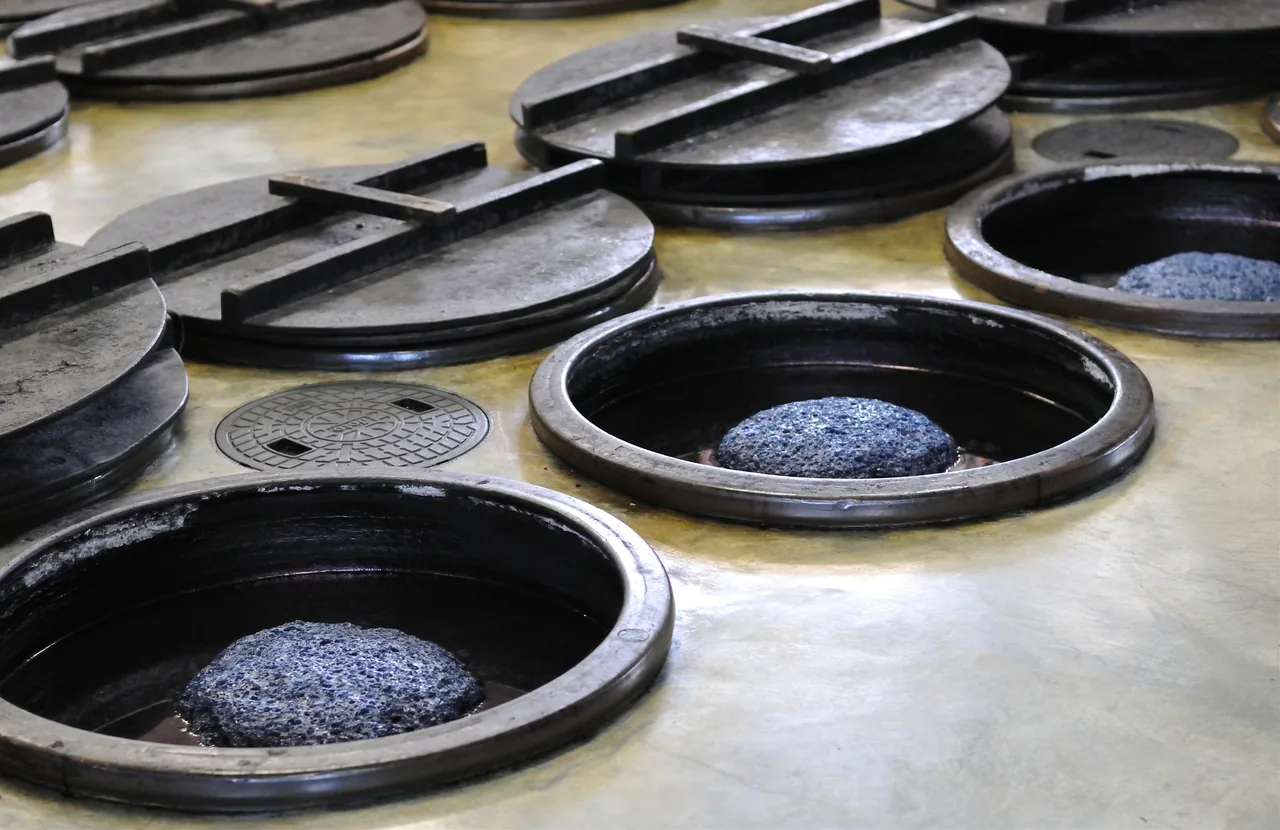
The dyeing room is lined with indigo vats under wooden lids. Lift a lid and you see the deep blue liquid, its surface flecked with foam.
Courtesy of Tokushima Prefecture and the Tokushima Prefecture Tourism Association
Check the Ai no Yakata website for the current workshop options and reception hours.
Indigo-dyed cloth and Awa shoai shijira-ori
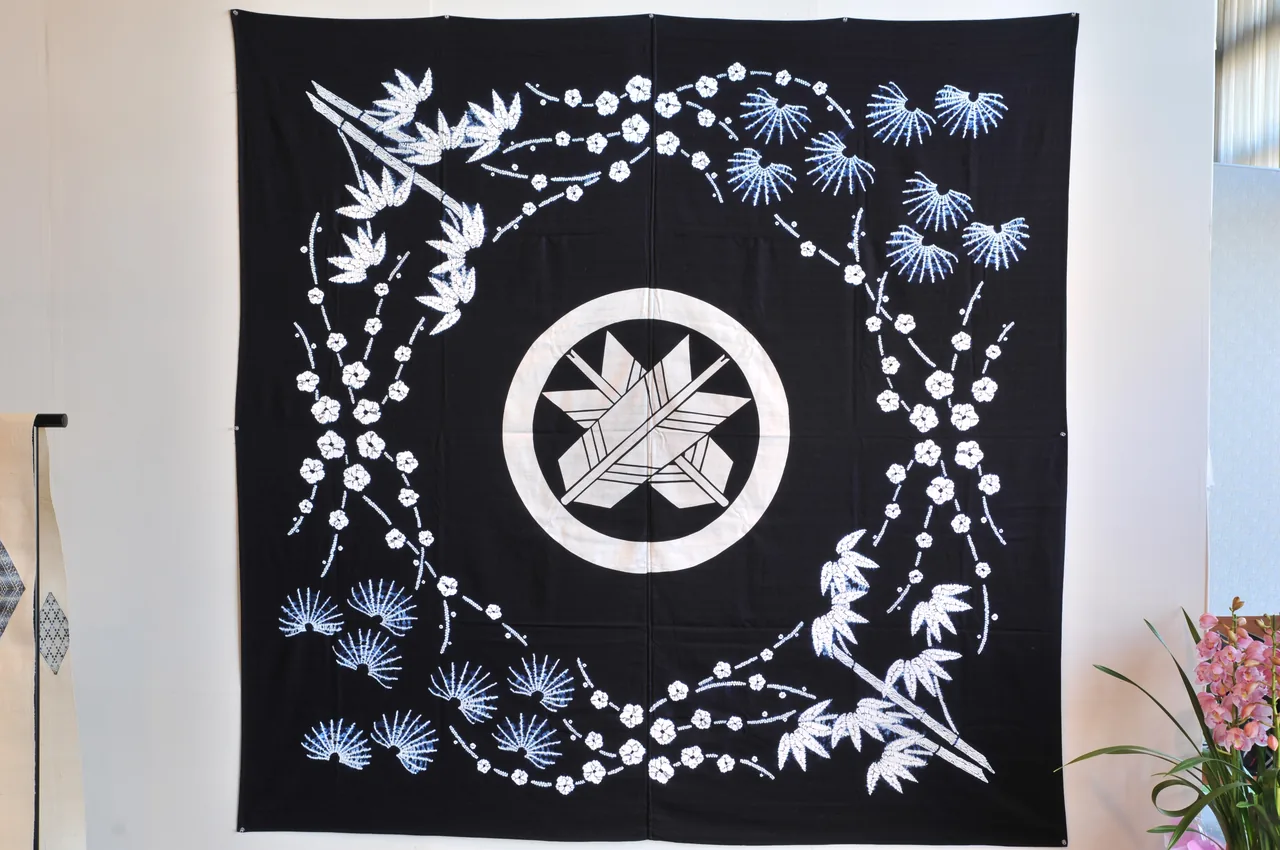
Indigo-dyed cloth turns up in shops around the prefecture as noren curtains, furoshiki wrapping cloths and tenugui towels. On a large piece like the one below, a family crest is left white in the center, framed by plum, pine and bamboo motifs.
Courtesy of Tokushima Prefecture and the Tokushima Prefecture Tourism Association
Awa shoai shijira-ori, an indigo-dyed woven fabric, is designated a national Traditional Craft of Japan, as are Awa washi and Otani ware. If you are looking for indigo goods, these names are a useful guide.
Awa washi: try making paper
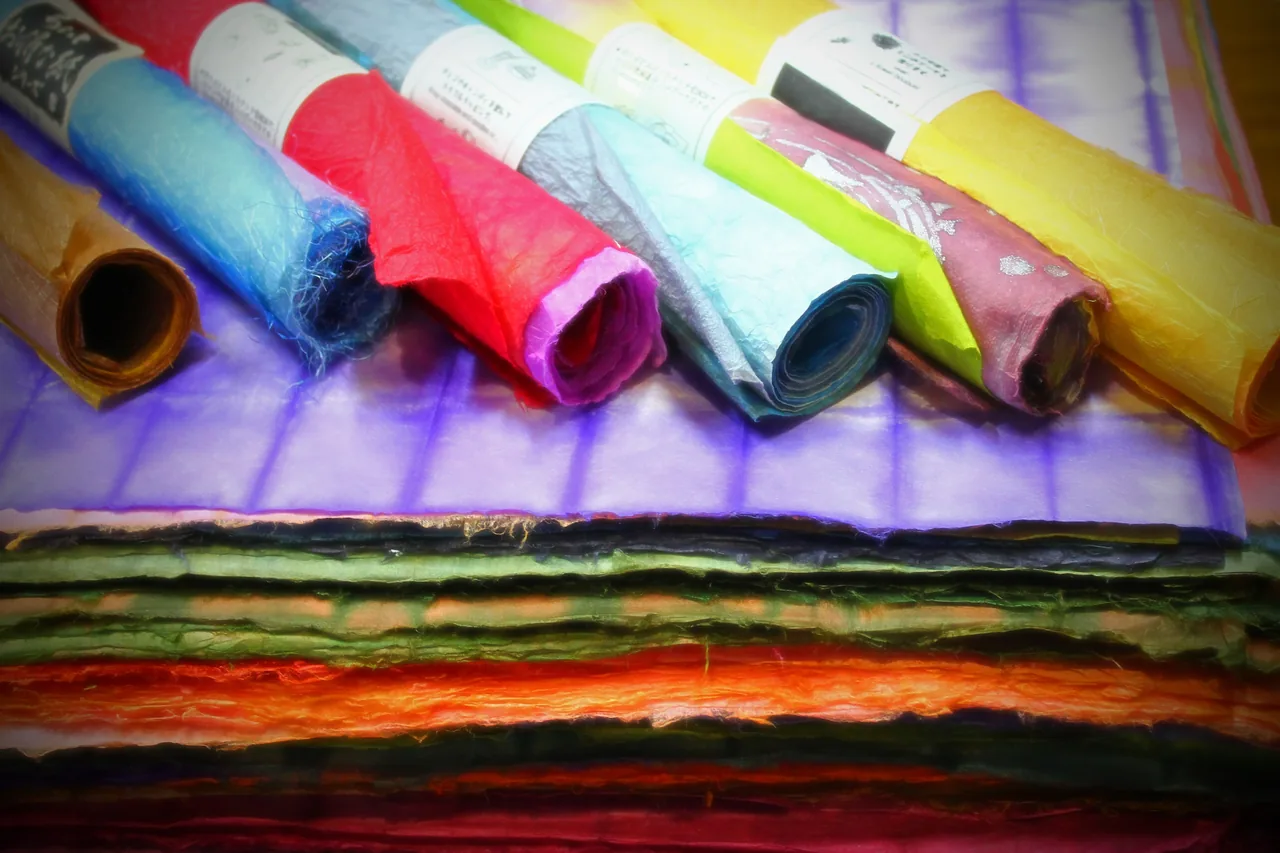
Awa washi is said to date back about 1,300 years. The paper is thin and light yet resists water and tearing, and it is also a national Traditional Craft.
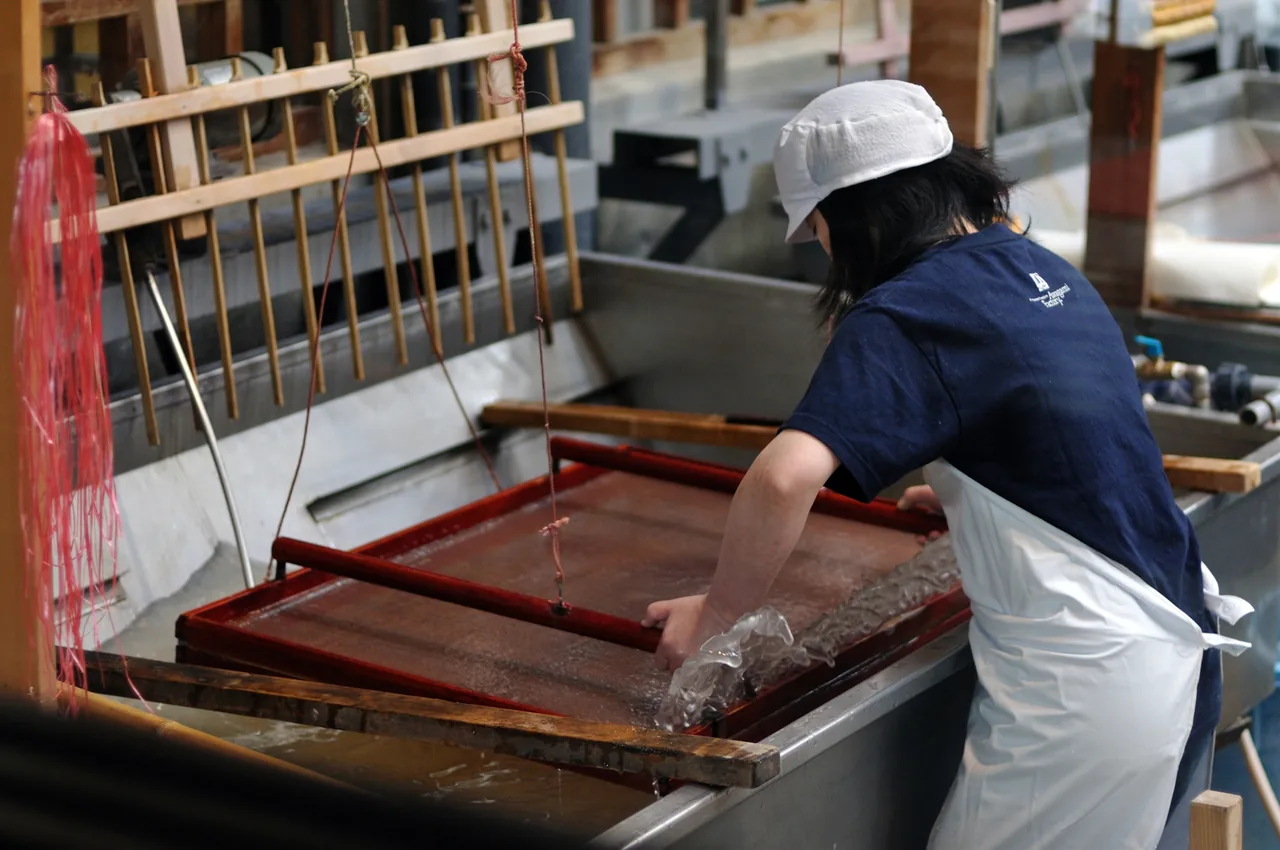
The Awa Washi Traditional Industry Hall in Yamakawa, Yoshinogawa City, houses the hand-papermaking section of the washi maker Awagami Factory. You can watch papermakers rock a wooden frame to form sheets, and visitors can make their own in postcard or hanshi size.
Courtesy of Tokushima Prefecture and the Tokushima Prefecture Tourism Association
The hall recommends booking ahead, and groups must reserve. Check the Awa Washi Traditional Industry Hall website for the current program and how to apply. The hall is about 15 minutes on foot from Awa-Yamakawa Station on the JR Tokushima Line.
Courtesy of Tokushima Prefecture and the Tokushima Prefecture Tourism Association
Otani ware: big pottery born of indigo vats
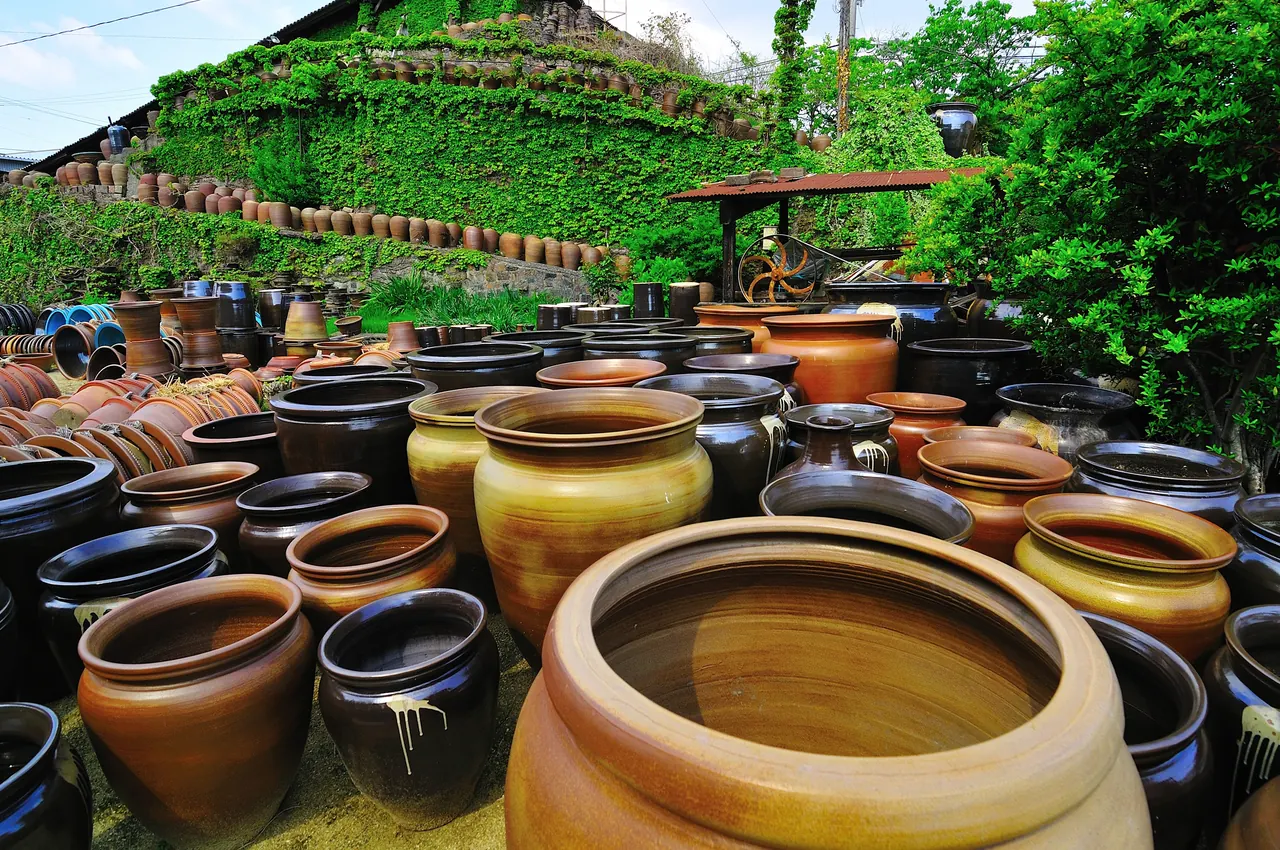
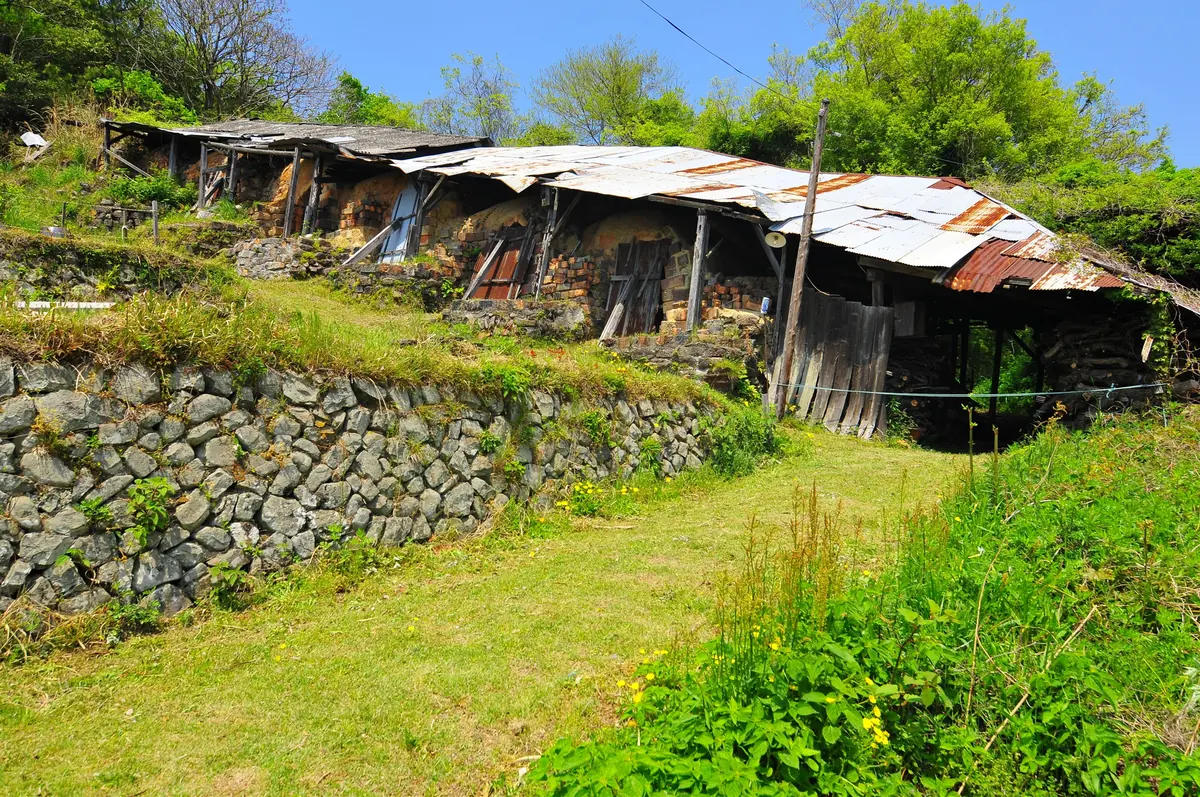
Otani ware, from Oasa in Naruto City, is said to have begun in 1780. It grew with the demand for vats to hold indigo dye, and is known for large pieces such as jars and basins, and for the climbing kilns used to fire them. It was designated a national Traditional Craft in 2003.
Courtesy of Tokushima Prefecture and the Tokushima Prefecture Tourism Association
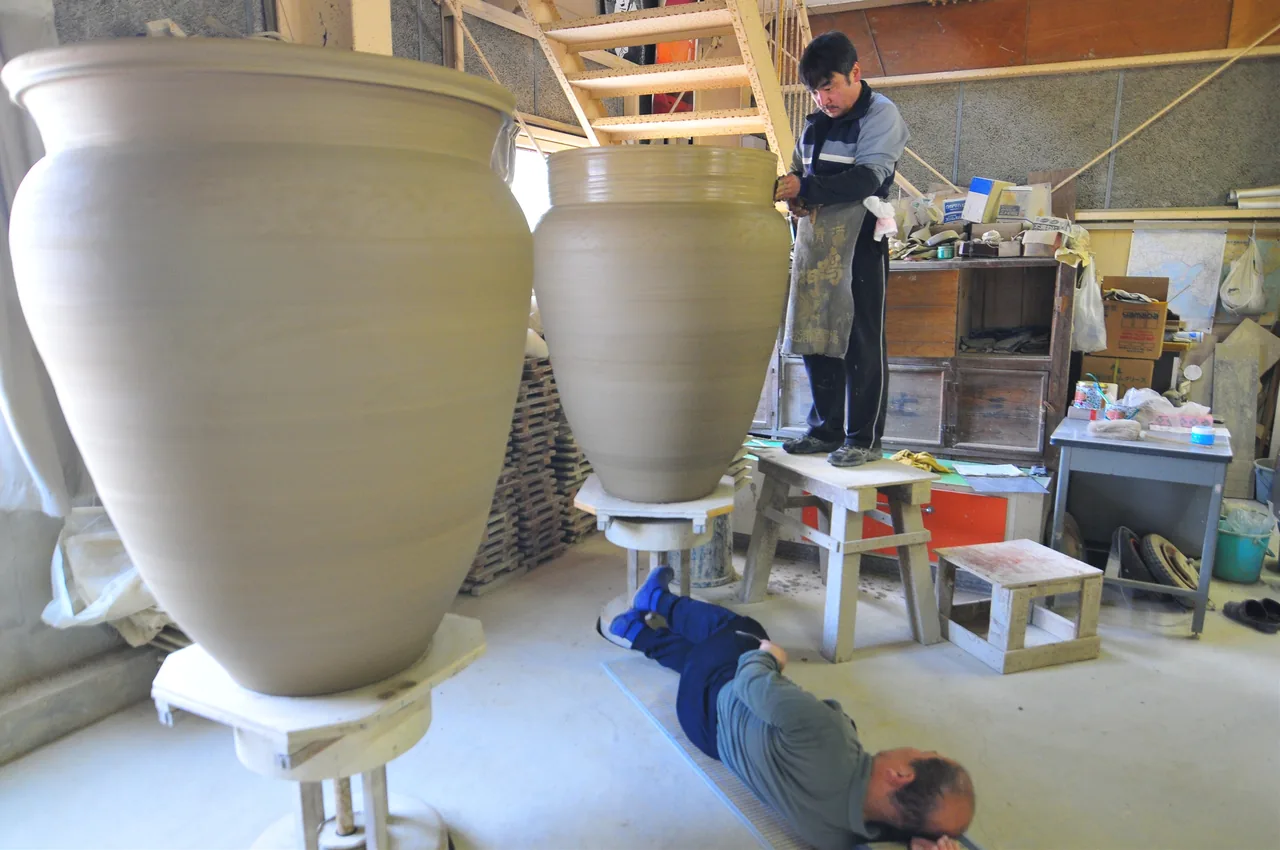
Large pieces are made on a "nerokuro," a lying-down wheel. One person lies beneath the wheel and turns it with their feet, while another shapes the clay above. It takes two people to throw a big jar this way, a technique particular to Otani ware.
Courtesy of Tokushima Prefecture and the Tokushima Prefecture Tourism Association
Potteries are scattered around the village of Otani, and some still have a climbing kiln. Some potteries offer pottery-making sessions, but most require a reservation, so contact the pottery before you go. Every November the potteries hold the Otani-yaki Kama Matsuri pottery festival.
Courtesy of Tokushima Prefecture and the Tokushima Prefecture Tourism Association
Visiting all three crafts
Aizumi Town (Ai no Yakata) and Oasa in Naruto City (the Otani potteries) lie north of Tokushima City, while Yamakawa in Yoshinogawa City (the washi hall) is west of Tokushima City, up the Yoshino River. If you want to combine workshops, check reception hours and whether you need to book first, and the day will be easier to plan.
The Tokushima Prefecture page on Otani ware covers its history and techniques (in Japanese). For local dishes, see our Tokushima food guide.