
Shikoku Pilgrimage in Tokushima: Temples 1 to 23 and How to Visit
This guide is translated from the Japanese edition. Read the Japanese edition
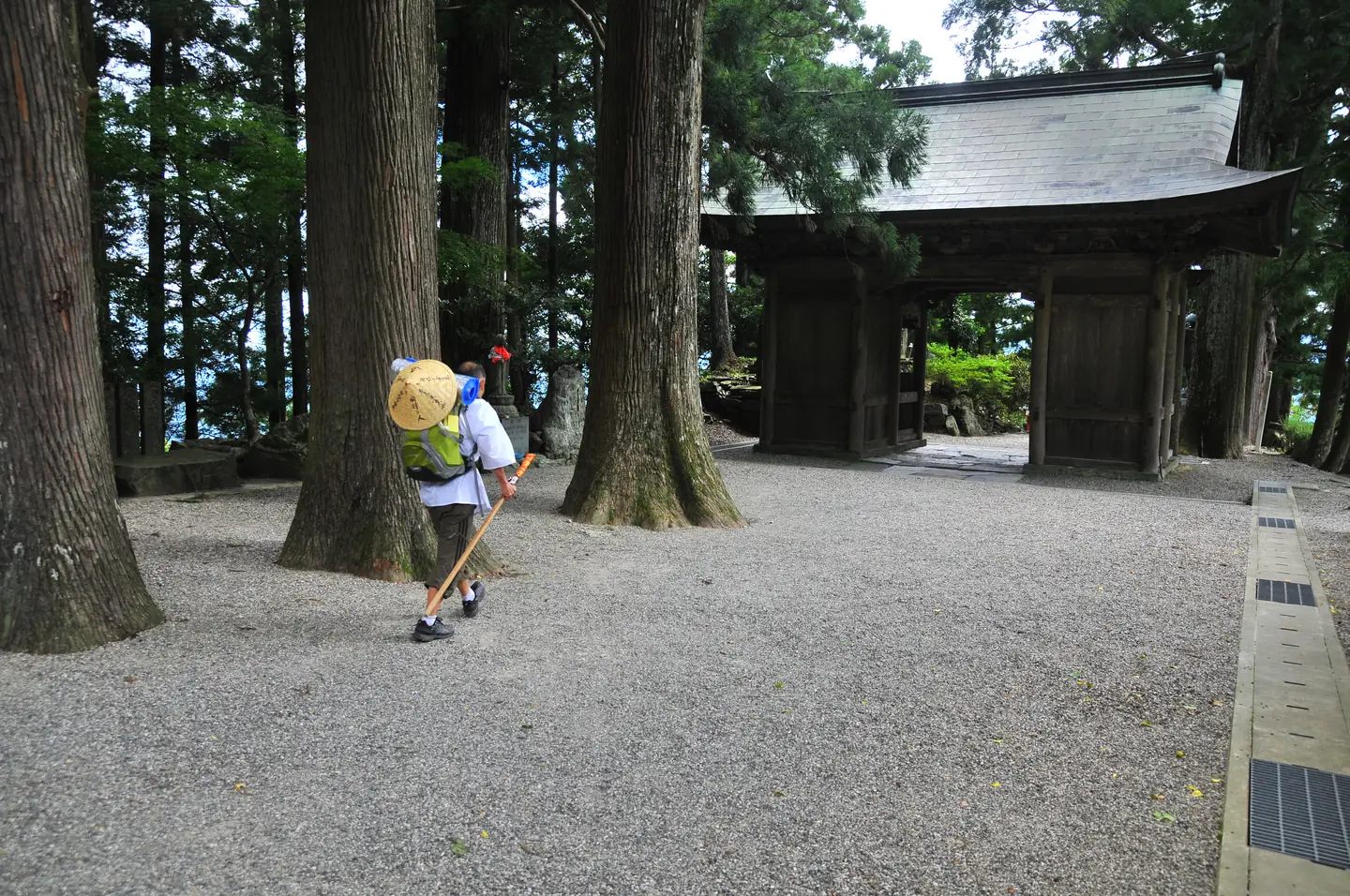
Temples 1 to 23 of the Shikoku pilgrimage in Tokushima, from Ryozen-ji to Tairyu-ji and Yakuo-ji, with how to pray and how to get around on foot, by train or by car.
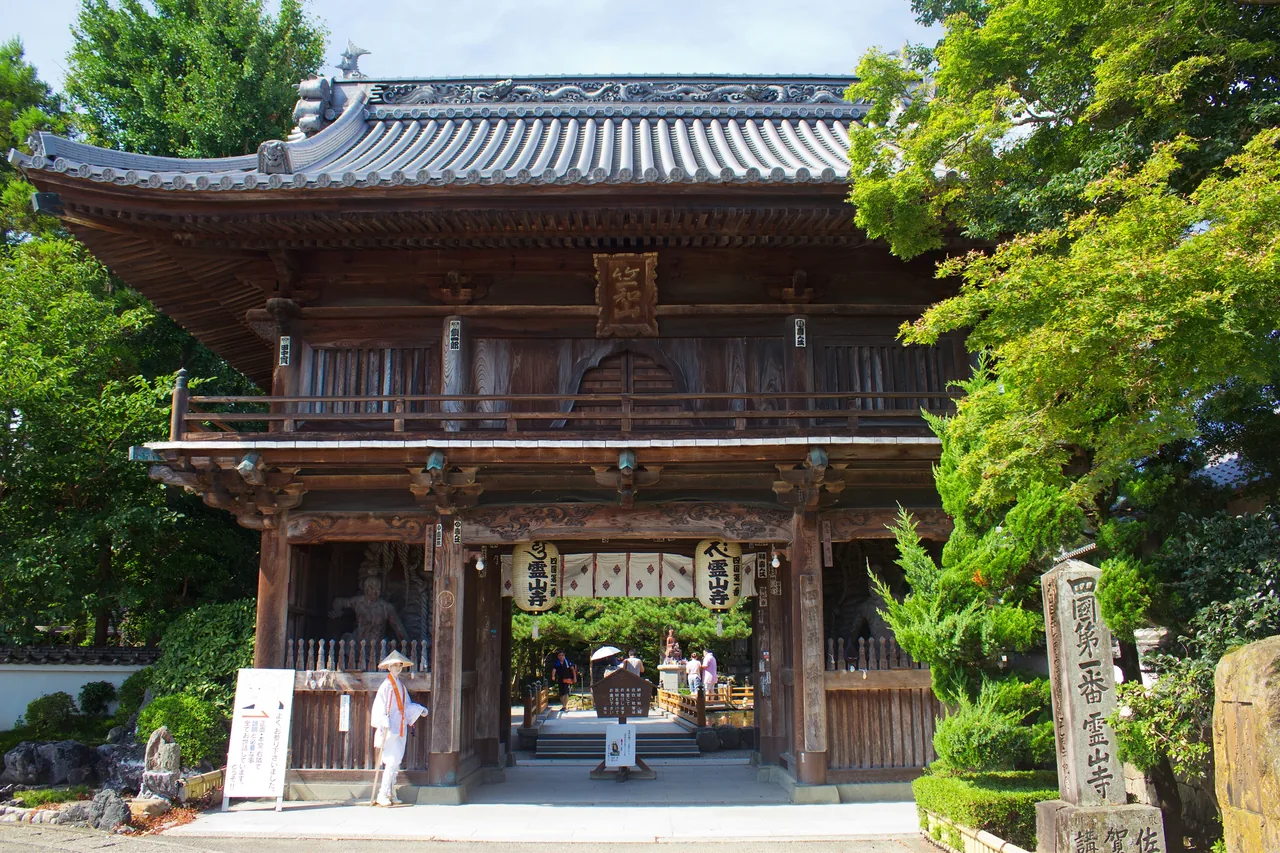
In the grounds of Ryozen-ji Temple in Naruto, a person in a white robe and sedge hat stands with palms together, facing the main hall. The Shikoku 88-temple pilgrimage links 88 temples associated with Kobo Daishi (Kukai), and Temple No. 1 is here in Tokushima. Shikoku's four prefectures are likened to stages of spiritual practice, and Tokushima (Awa) is called the "dojo of awakening." Its 23 temples, from Ryozen-ji (No. 1) to Yakuo-ji (No. 23), run from the north of the prefecture to the south.
Pilgrimage basics and the "dojo of awakening"
The Japanese word hosshin means resolving to follow the Buddhist path. Since most pilgrims set out from here, Tokushima's temples live up to the name: they are where the journey begins.
Visiting a temple on the route is called "utsu," and the kindness of people who help pilgrims is called "settai." The words "dogyo ninin" written on hats and staffs mean that Kobo Daishi always walks with you. Some people visit in numerical order ("jun-uchi") and some in reverse ("gyaku-uchi"), and many split the route into sections and do it over several trips ("kugiri-uchi").
You can buy pilgrim gear such as the white robe, wooden staff and stamp book at the shop in Ryozen-ji's grounds or at stores outside the gate. That said, you can pray without the outfit, and it's fine to visit just one temple during your trip.
How to pray at a temple
The Japan Tourism Agency's multilingual commentary describes the flow of a visit like this:
- Stop in front of the gate, put your palms together and bow
- Purify your hands and mouth at the water basin
- If the temple allows it, ring the bell as you enter (not when you leave)
- At the main hall, offer a candle and incense, put a name slip in the box and recite a sutra (such as the Heart Sutra)
- Pray in the same way at the Daishi hall
- At the temple office (stamp office), have your book stamped with red seals and written in calligraphy
- When you leave through the gate, turn toward the main hall and bow
Lighting your candle from another candle is considered bad manners, so use a lighter or matches. If you are visiting as a sightseer, you don't need to recite a sutra; quietly putting your palms together is enough. Stamp offices keep set hours, so if you want the stamps, avoid arriving late in the afternoon.
Temples to visit in Tokushima
No. 1 Ryozen-ji: where the pilgrimage begins
Ryozen-ji, in the Oasa area of Naruto, is the first temple of the 88. Past the gate is a pond ringed by vermilion railings, with the main hall and Daishi hall beyond it. Countless lanterns hang from the ceiling of the main hall, and when they are lit the interior glows gold. Gokuraku-ji, Temple No. 2, is about 1 km away, roughly a 20-minute walk.
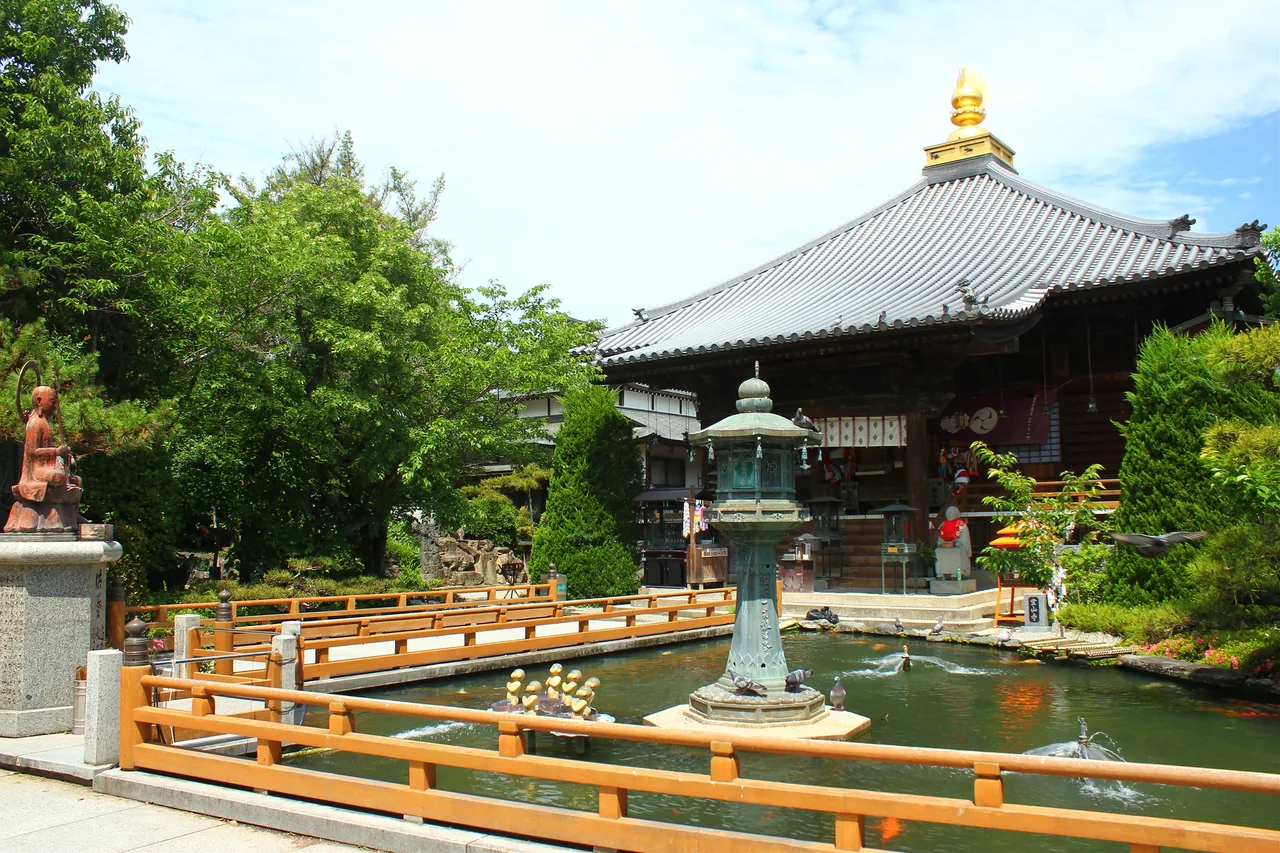
Courtesy of Tokushima Prefecture and the Tokushima Prefecture Tourism Association
No. 10 Kirihata-ji: 333 steps and a great pagoda
Kirihata-ji, in Awa City, sits at the top of 333 stone steps, about 800 m from the foot of the mountain to the main hall. From the grounds you look out over the plain below and the mountains in the distance. The temple's great pagoda is a National Important Cultural Property.
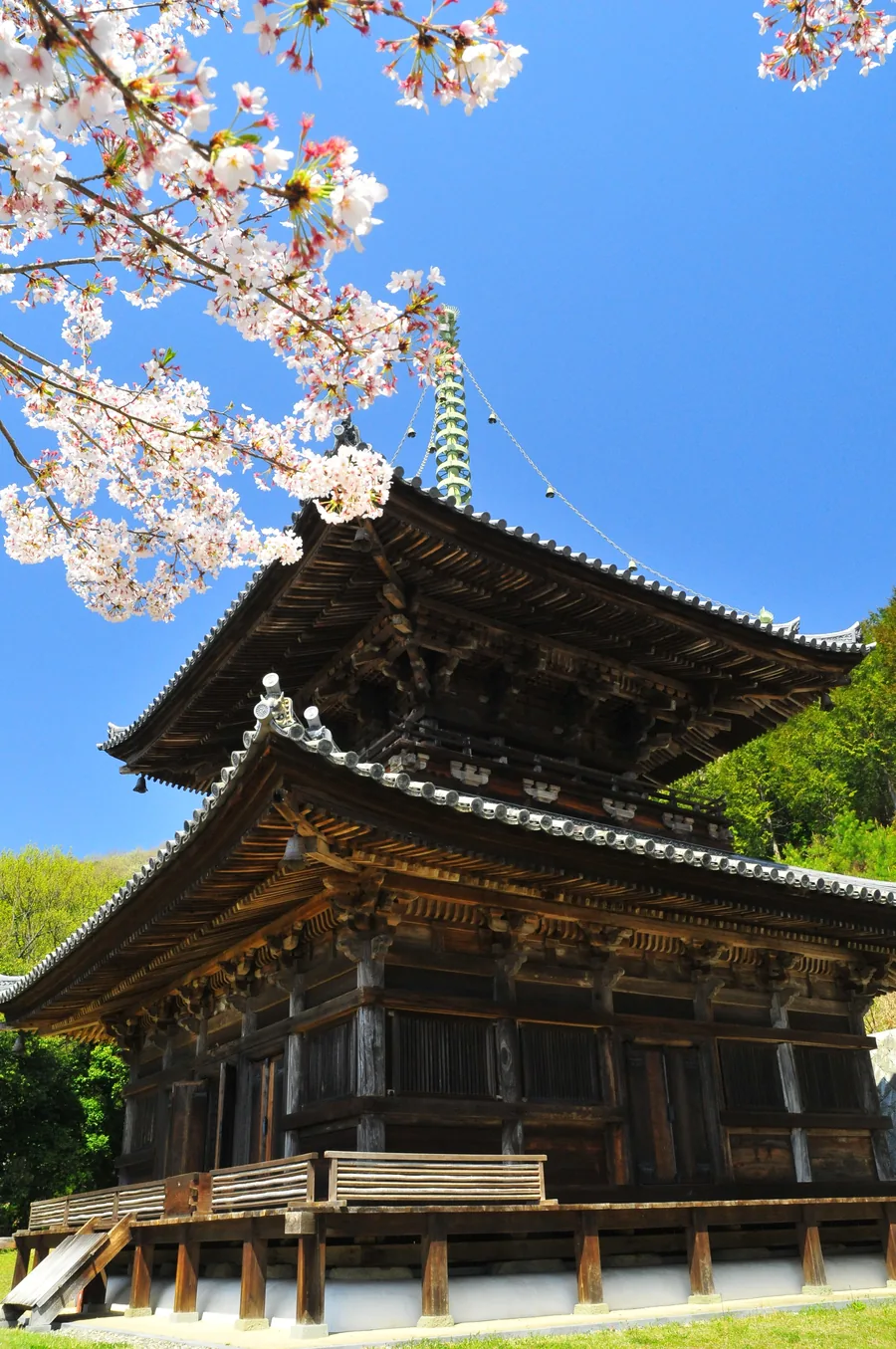
Courtesy of Tokushima Prefecture and the Tokushima Prefecture Tourism Association
No. 12 Shosan-ji: the mountain temple past the "pilgrim tumbler"
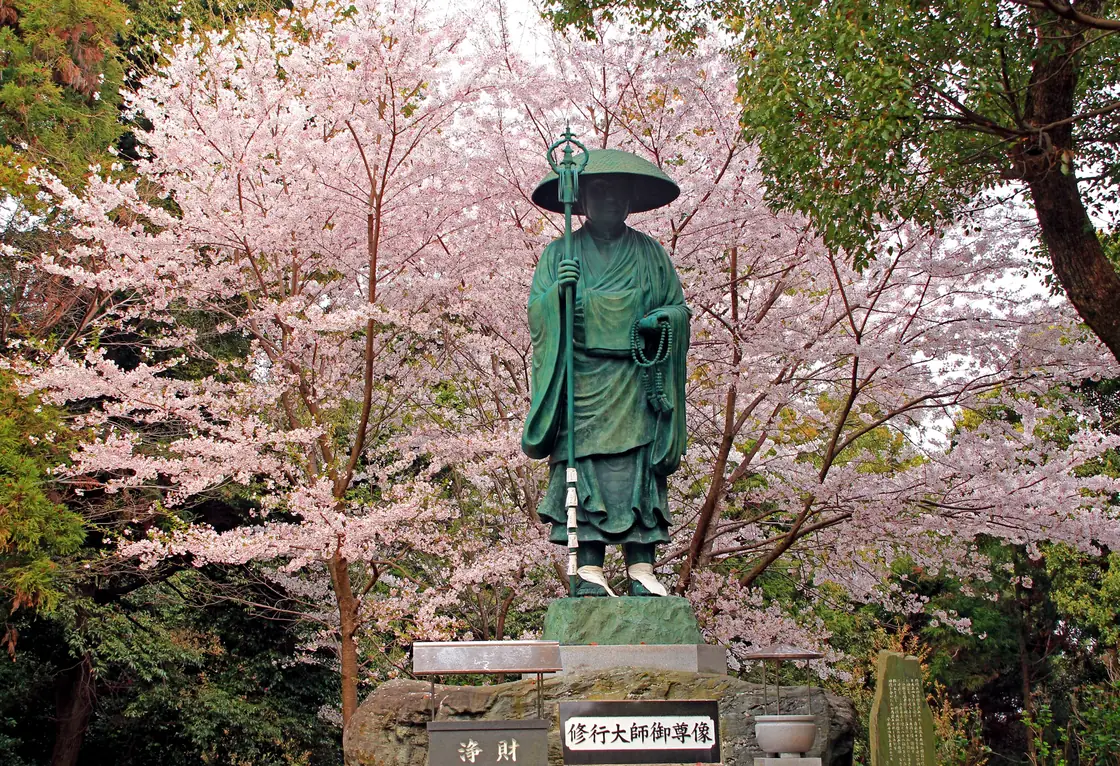
To reach Shosan-ji, deep in the mountains of Kamiyama, walking pilgrims follow a mountain path of about 12 km from Fujii-dera, Temple No. 11. With its steep climbs and descents, this path is called "henro korogashi" (where pilgrims tumble) and is one of the hardest stretches in Tokushima. A road now reaches the top, so you can also visit by car. The grounds are surrounded by giant cedars, and a statue of a monk in a sedge hat stands near the gate. The temple also has pilgrim lodgings that take reservations.
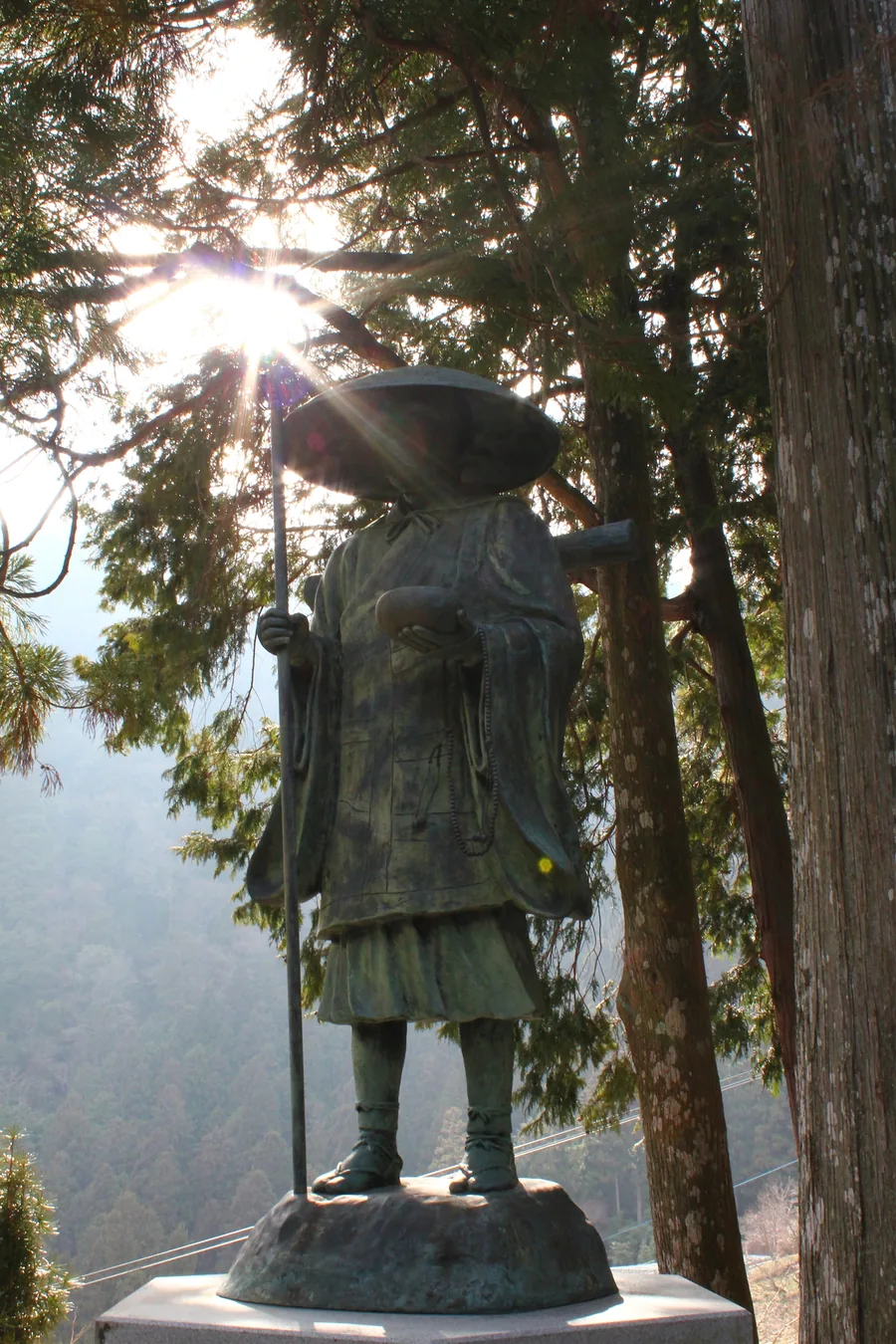
Courtesy of Tokushima Prefecture and the Tokushima Prefecture Tourism Association
No. 20 Kakurin-ji: a three-story pagoda on the mountain
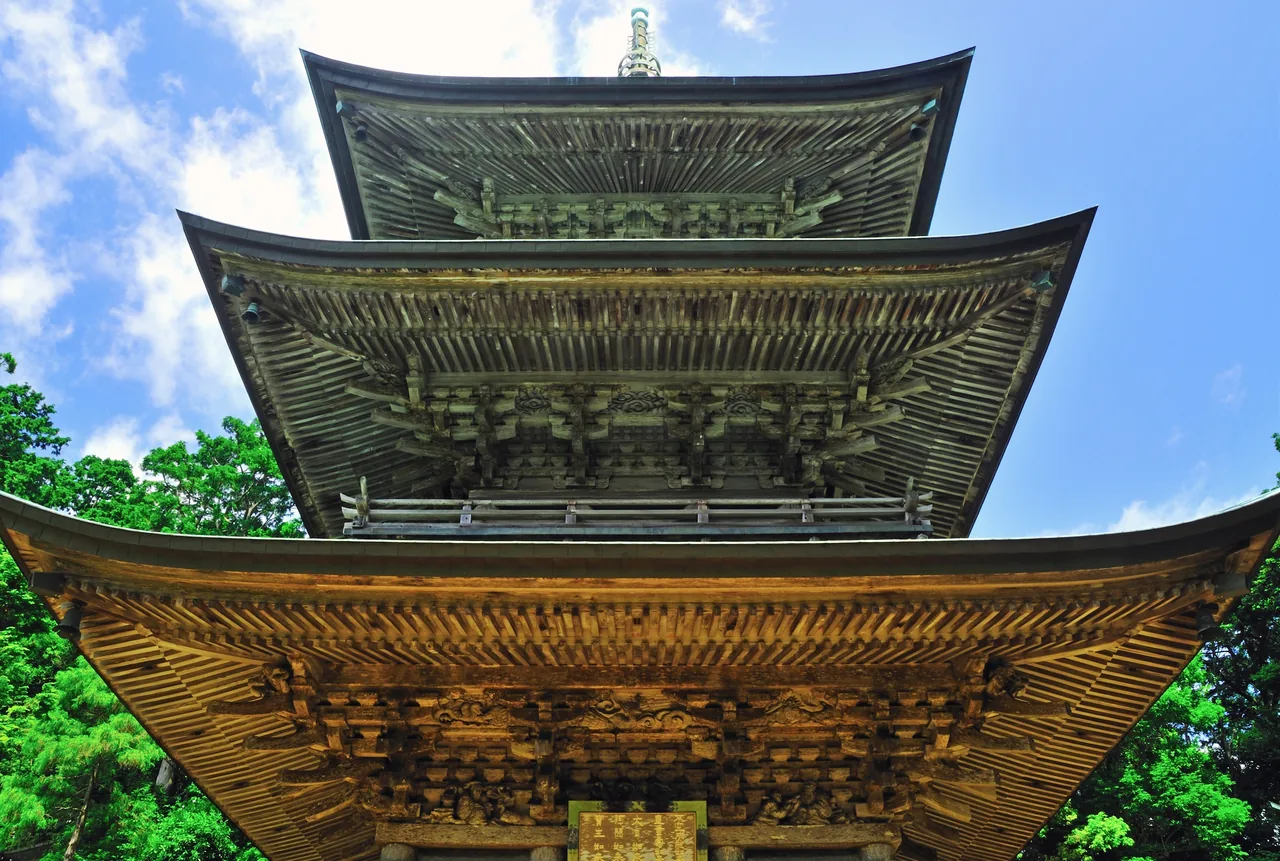
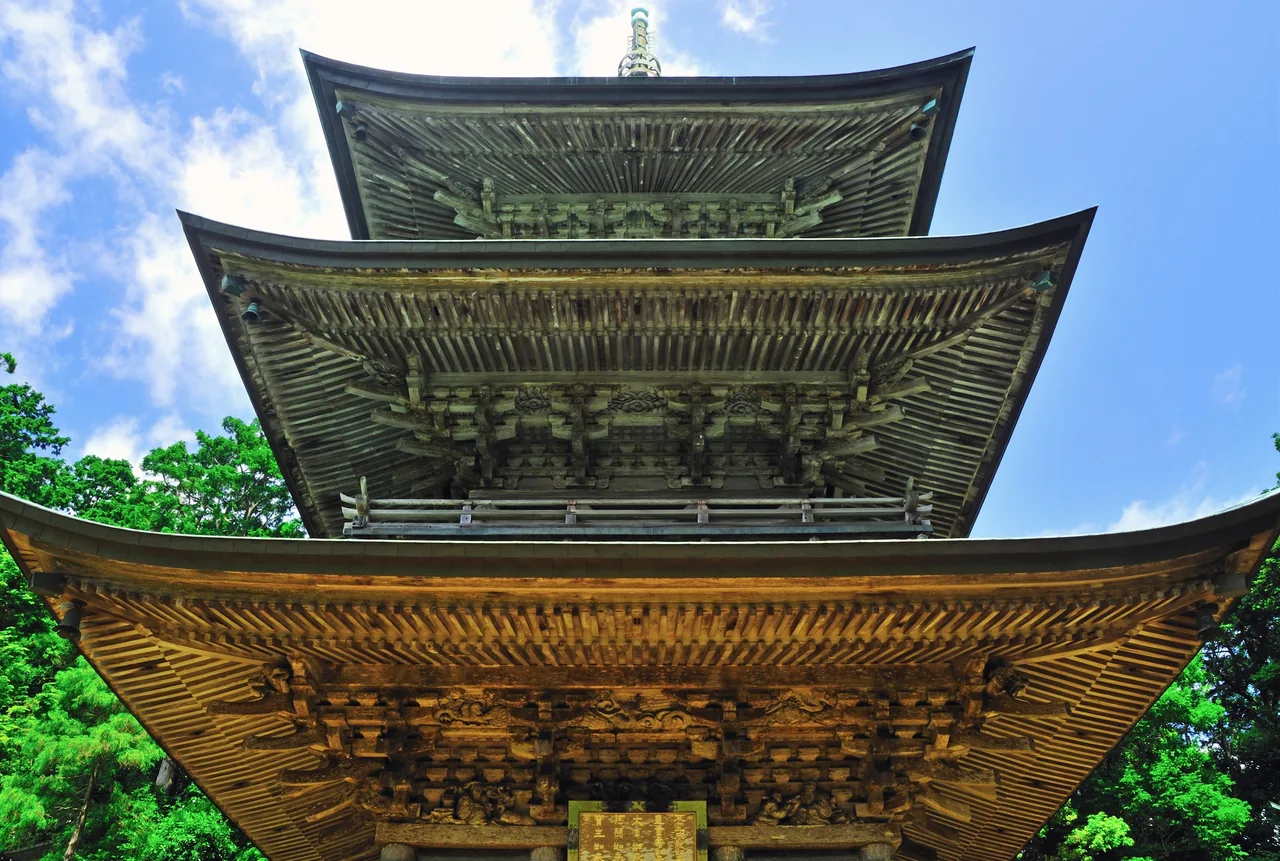
Kakurin-ji, in Katsuura, stands on a mountain about 470 m above sea level. An approach lined with giant cedars leads to a three-story pagoda among the trees. The old pilgrim paths around the temple were designated a National Historic Site, the "Awa Henro-michi," in 2010.
Courtesy of Tokushima Prefecture and the Tokushima Prefecture Tourism Association
No. 21 Tairyu-ji: the "Koya of the West," reached by ropeway
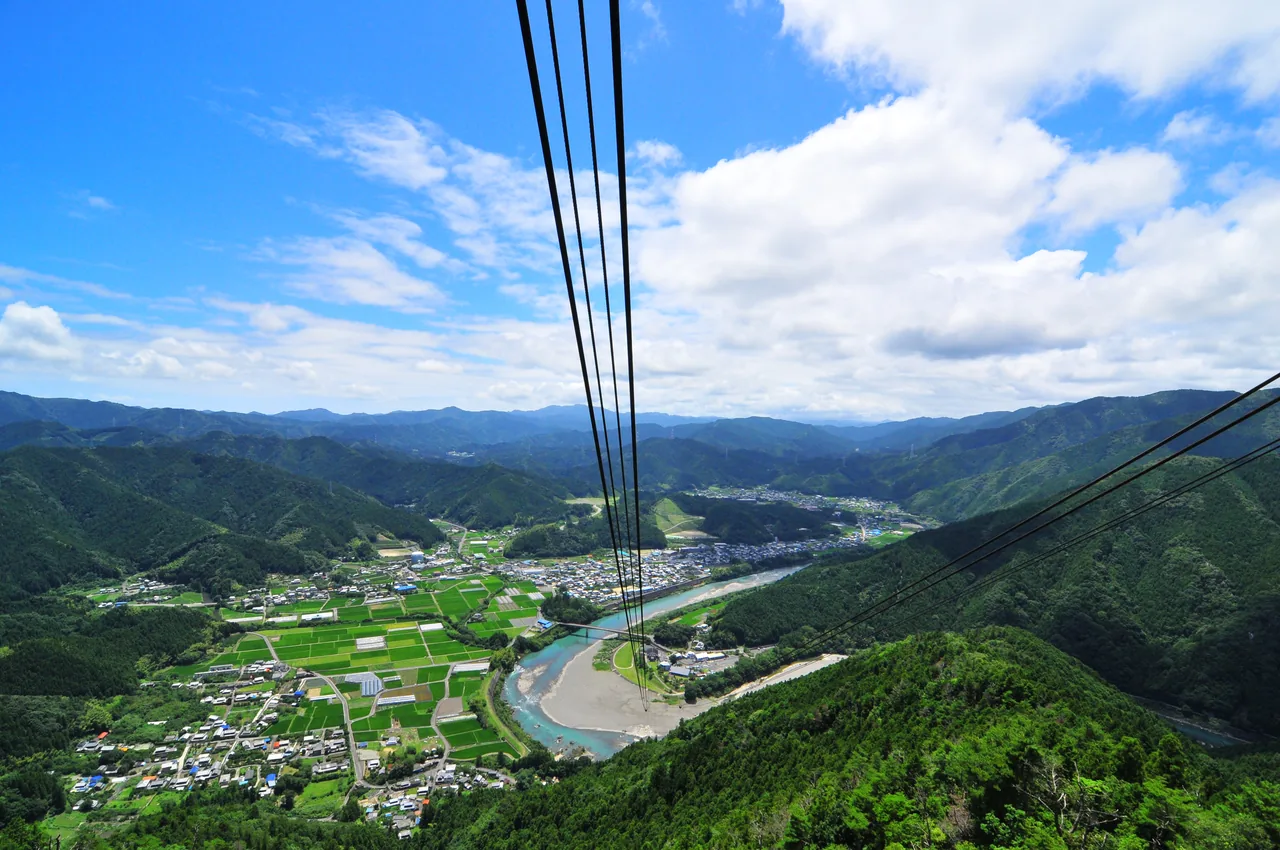
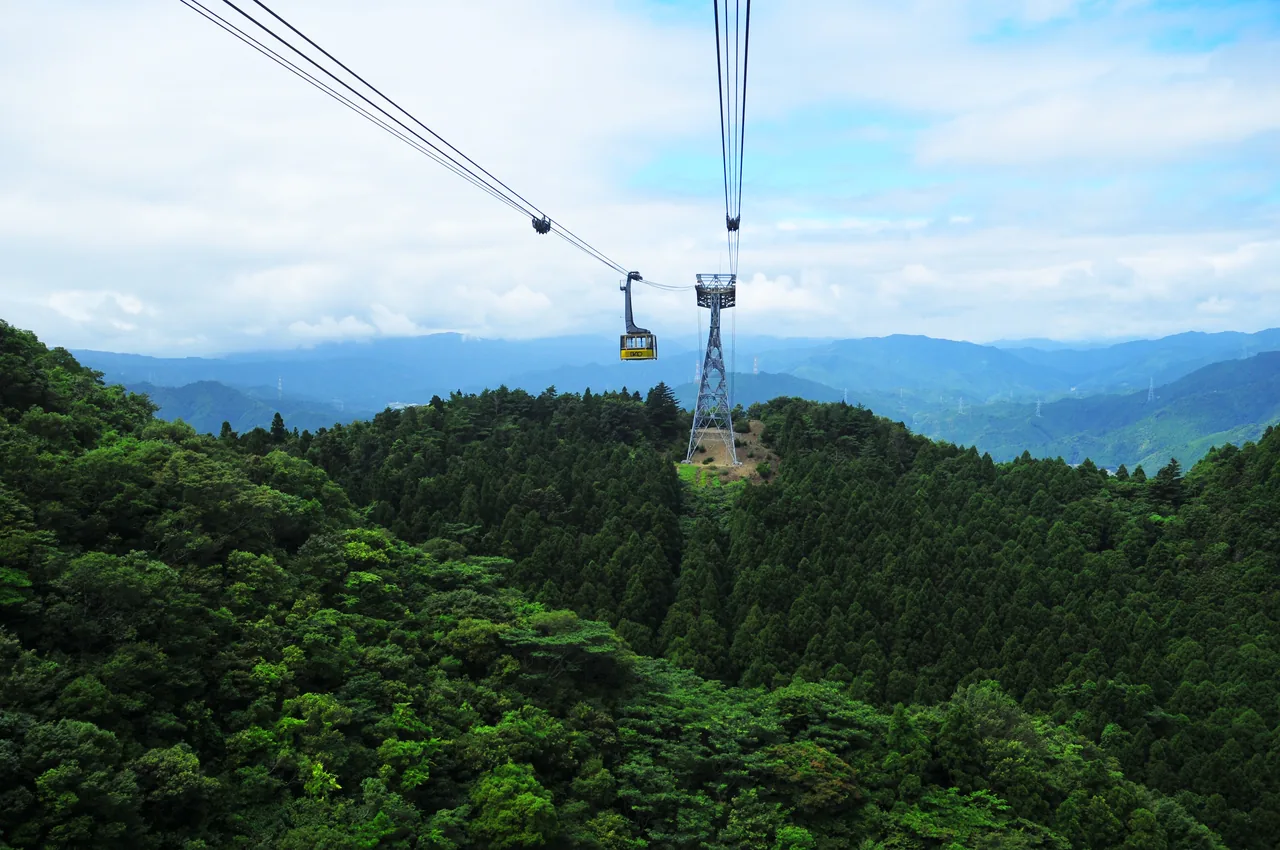
Tairyu-ji, in Anan, sits near a summit about 600 m above sea level. Its layout resembles the Okunoin of Mt. Koya, so it is called the "Koya of the West." From the foot of the mountain, the 2,775 m Tairyuji Ropeway takes about 10 minutes to reach the temple. From the gondola you look down on a river and small mountain villages. Operations can change on windy days.
Courtesy of Tokushima Prefecture and the Tokushima Prefecture Tourism Association
No. 23 Yakuo-ji: the last temple in Awa
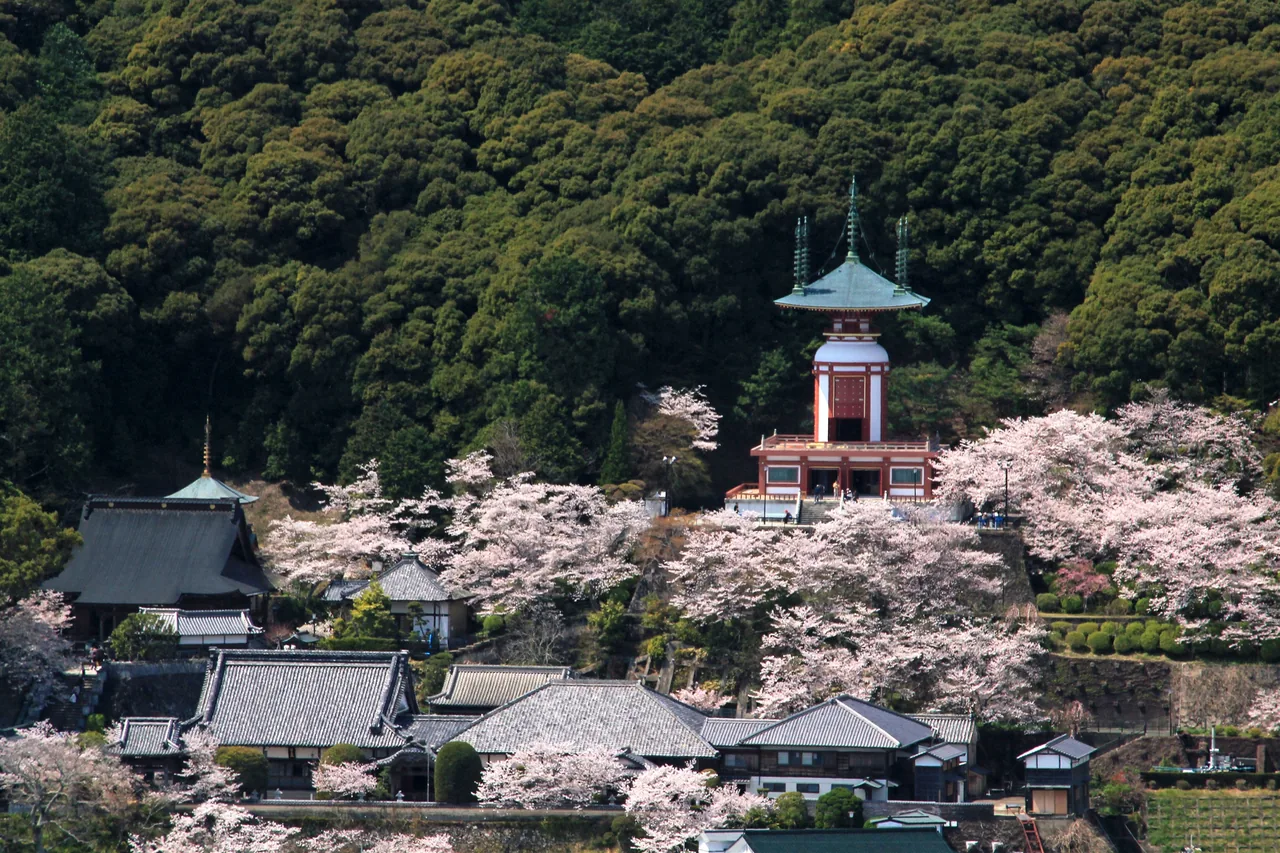
Yakuo-ji, in Hiwasa in the town of Minami, is the last of Tokushima's temples and is known for protection from misfortune, so local people often come to pray too. At the top of the stone steps stands the Yugito Pagoda, with views over the town of Hiwasa and the sea. It is about a 10-minute walk from Hiwasa Station on the JR Mugi Line, so it is close to the station. From here it is a long way to Temple No. 24 in Kochi Prefecture.
Courtesy of Tokushima Prefecture and the Tokushima Prefecture Tourism Association
Getting around
Tokushima's 23 temples start at No. 1 in Naruto and head west along the Yoshino River, cross the mountains to Tokushima City, then run south to Anan and Minami in the south of the prefecture.
- On foot: Temples 1 to 5 are close together and a good stretch for trying the pilgrimage. See the model course "Shikoku Pilgrimage Walk: Temples 1 to 5 in One Day"
- By train: Ryozen-ji is about a 10-minute walk from Bando Station on the JR Kotoku Line, and Konsen-ji is about a 10-minute walk from Itano Station. In Tokushima City, Temples 13 to 17 cluster around Fuchu Station on the JR Tokushima Line: Kannon-ji is about 800 m from the station and Ido-ji about 1.2 km to the north. Tatsue-ji (No. 19) is about 300 m from Tatsue Station on the JR Mugi Line, and Yakuo-ji is about a 10-minute walk from Hiwasa Station
- By car: Shosan-ji, Kakurin-ji and Tairyu-ji are on or in the mountains. Unless you are walking, a car or taxi is the practical choice. For Tairyu-ji, drive to the ropeway's base station and ride the gondola up
At the mountain temples there are steps or slopes even between the car park or ropeway station and the main hall. Don't try to fit in too many temples a day, and leave plenty of time. Temples 66 to 88 in Kagawa Prefecture are covered in "Shikoku Pilgrimage in Kagawa."
Places in this guide
Ryozen-ji Temple (Temple 1 of the Shikoku Pilgrimage)
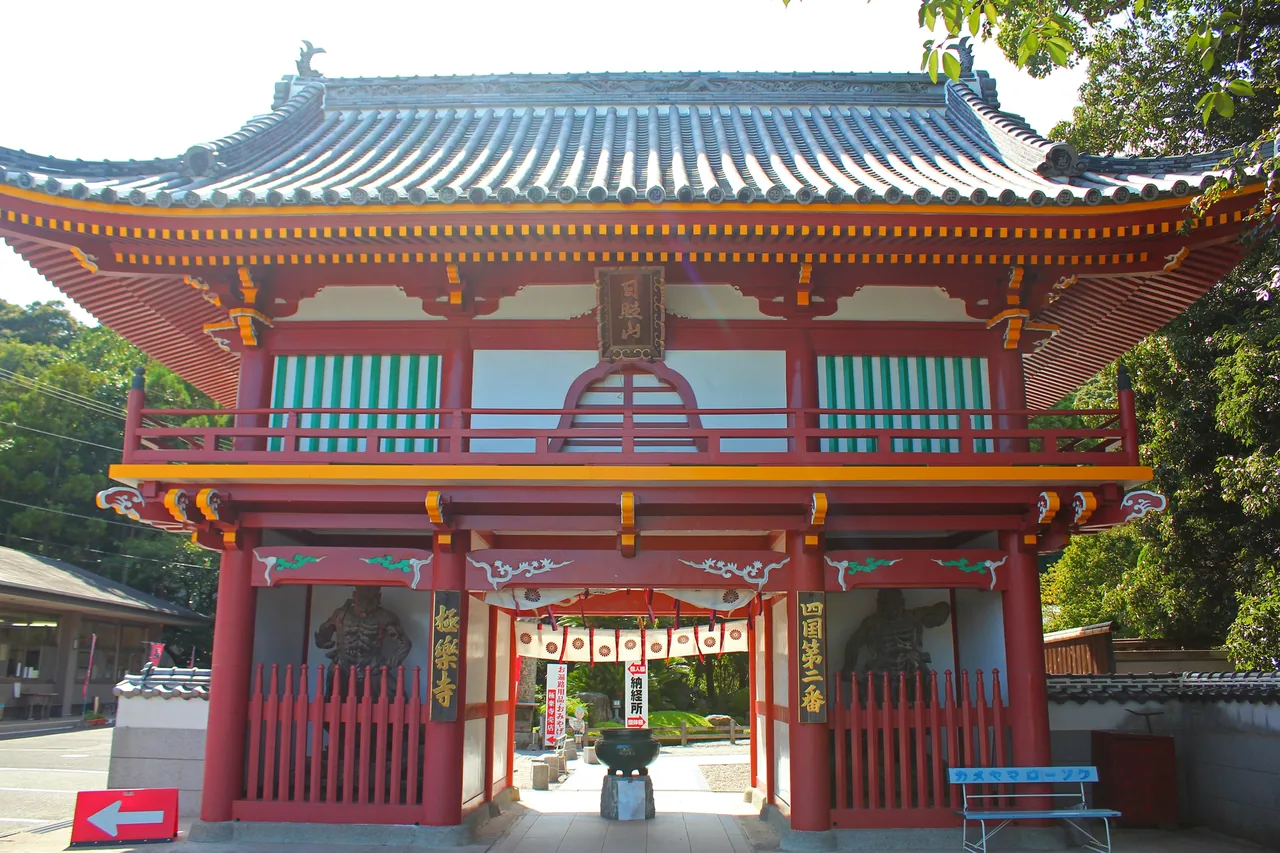
Gokuraku-ji Temple (Temple 2 of the Shikoku Pilgrimage)
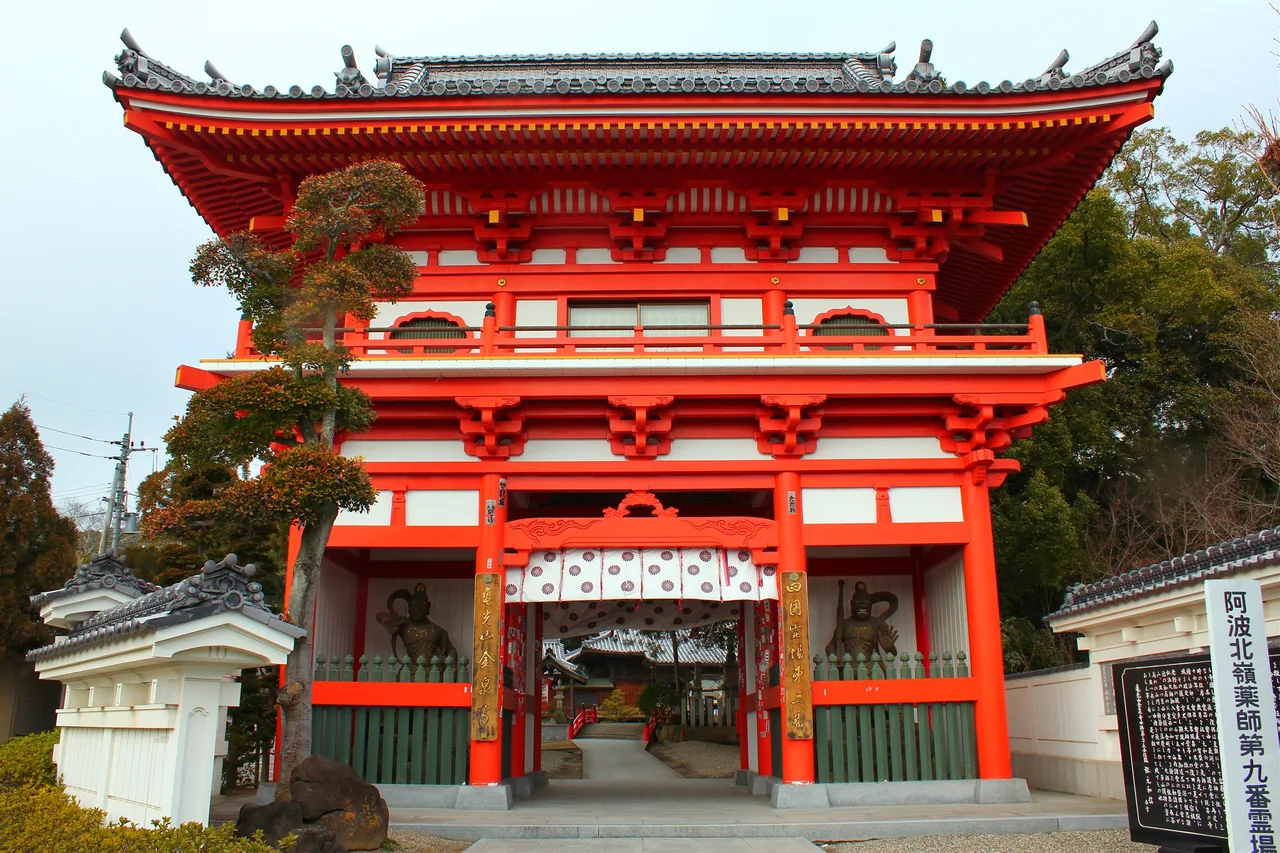
Konsen-ji Temple (Temple 3 of the Shikoku Pilgrimage)
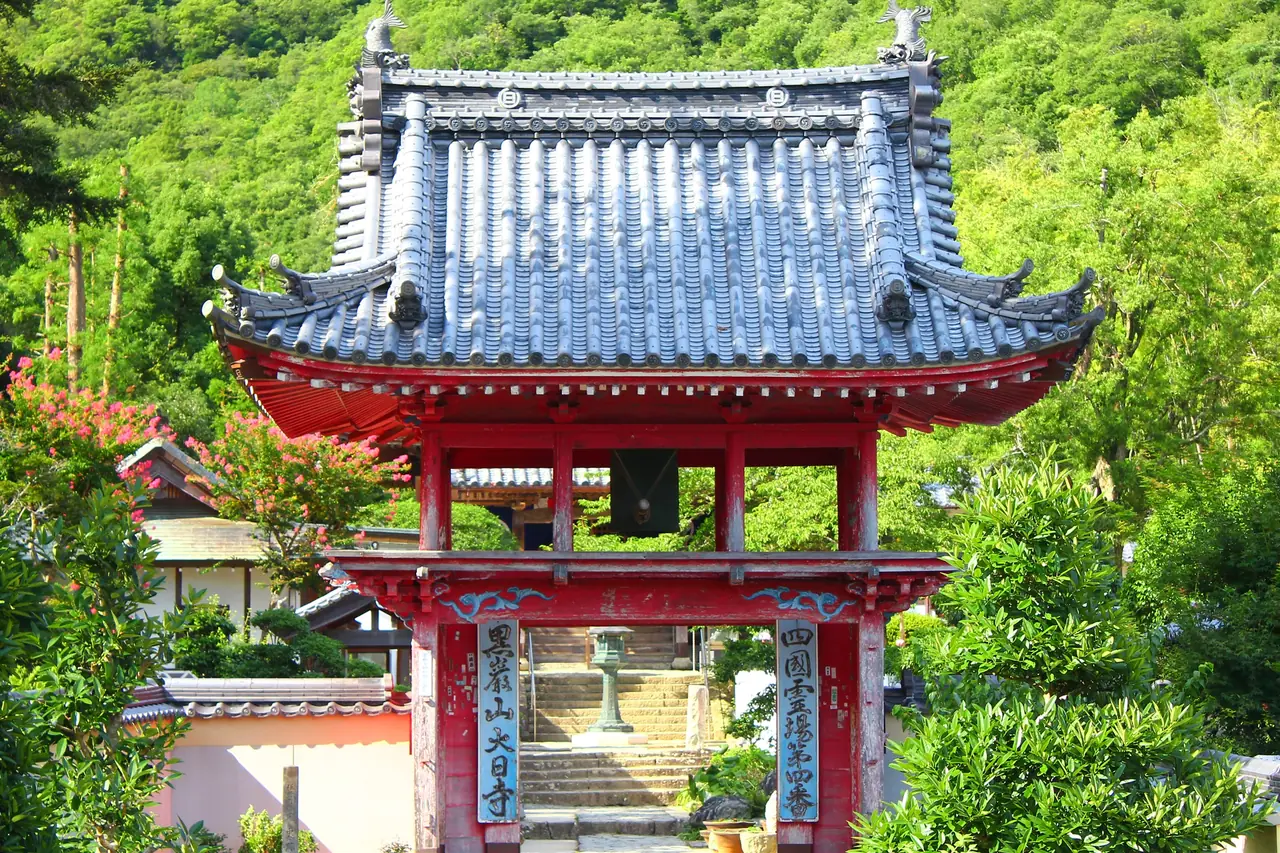
Dainichi-ji Temple (Temple 4 of the Shikoku Pilgrimage)
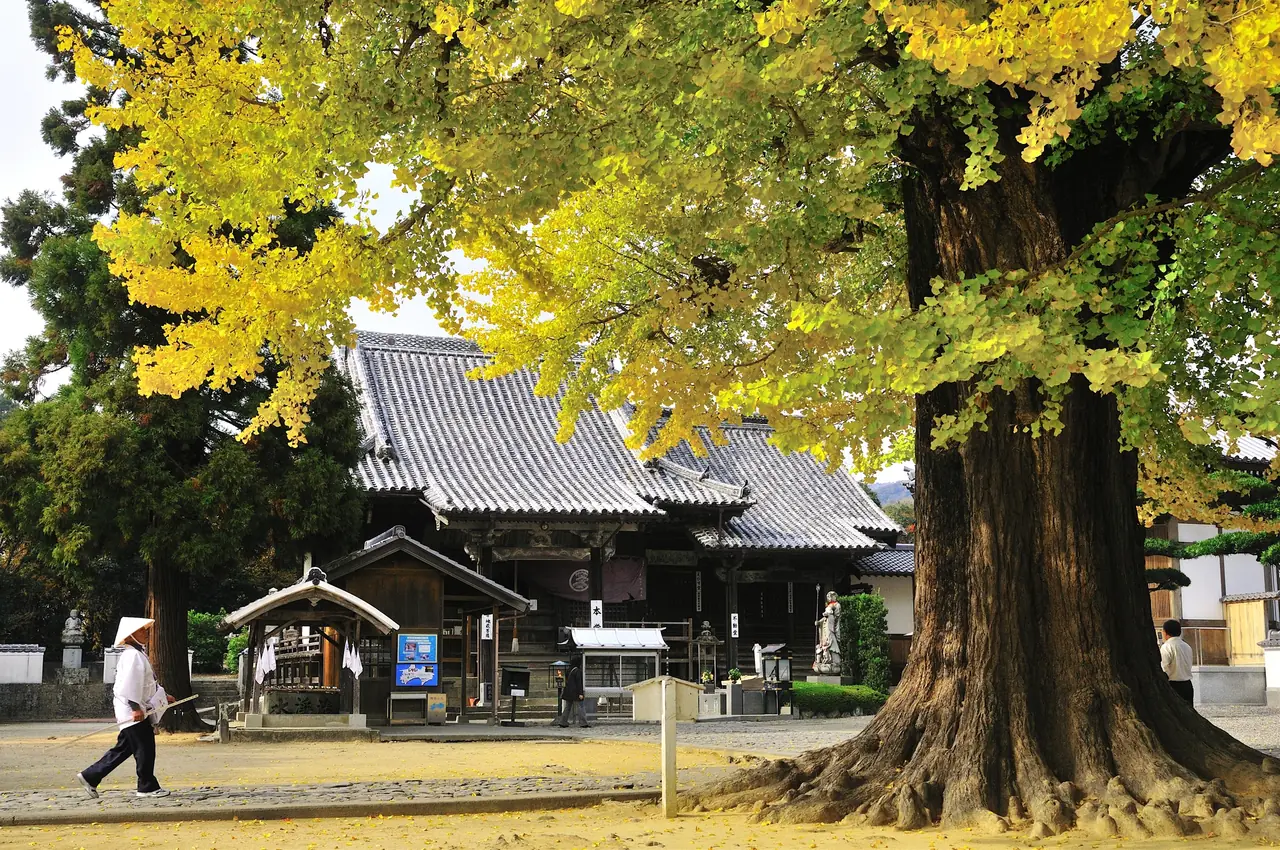
Jizo-ji Temple (Temple 5 of the Shikoku Pilgrimage)
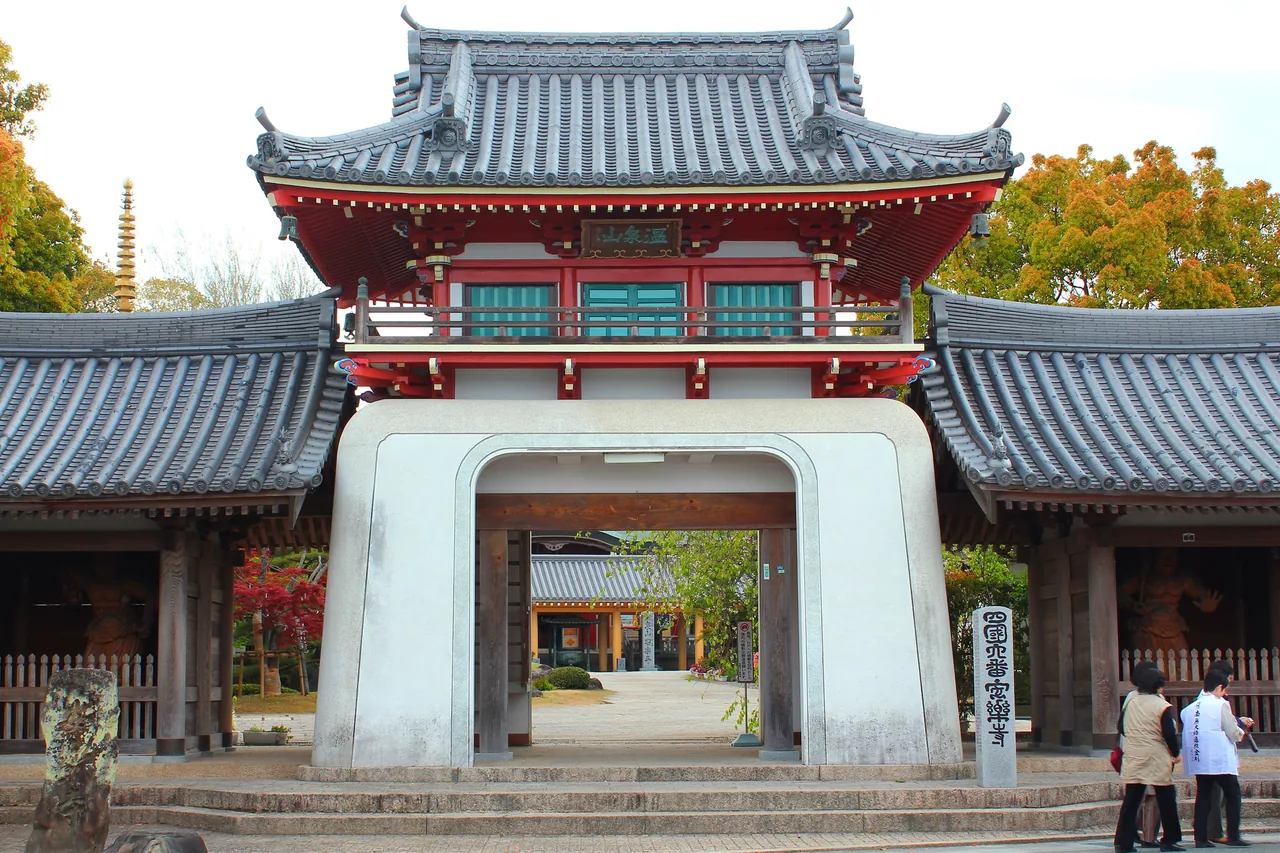
Anraku-ji Temple (Temple 6 of the Shikoku Pilgrimage)
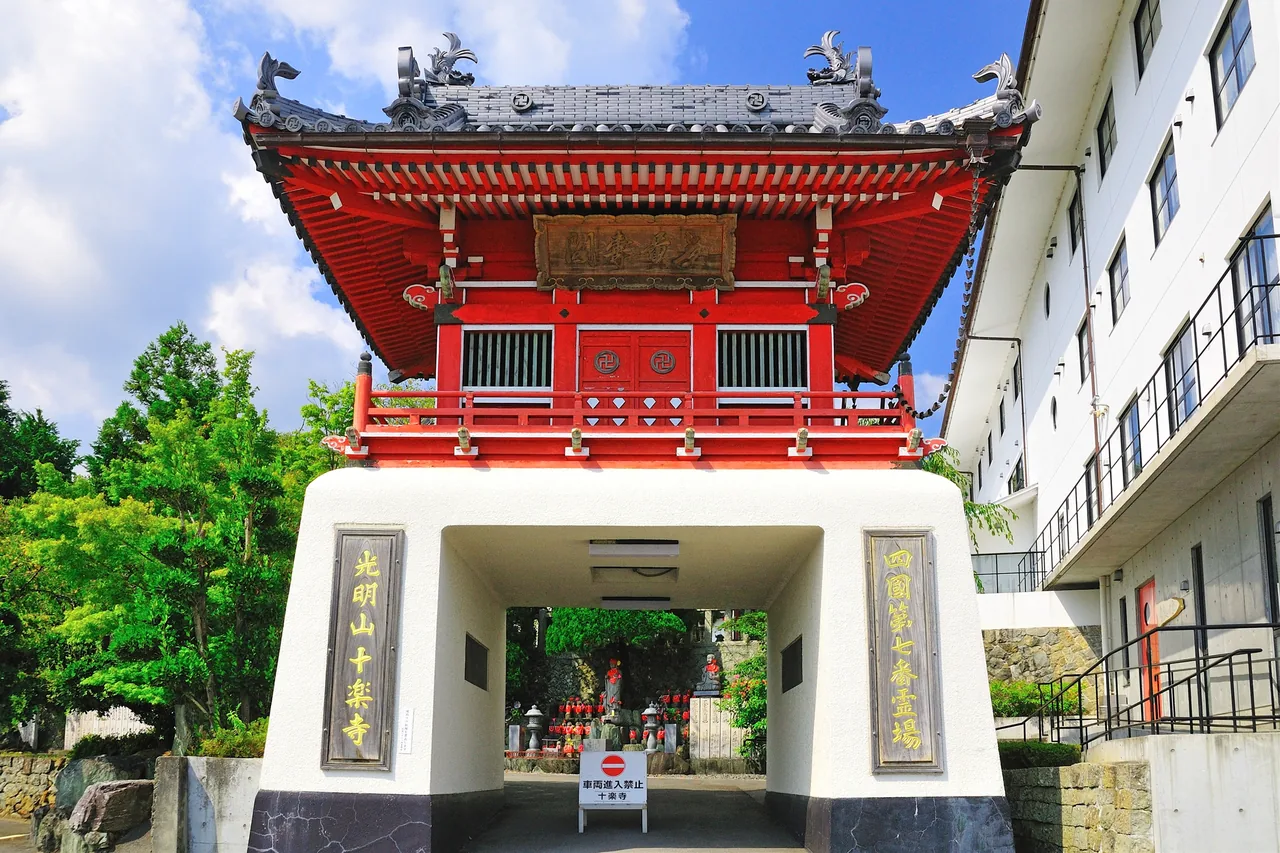
Juraku-ji Temple (Temple 7 of the Shikoku Pilgrimage)
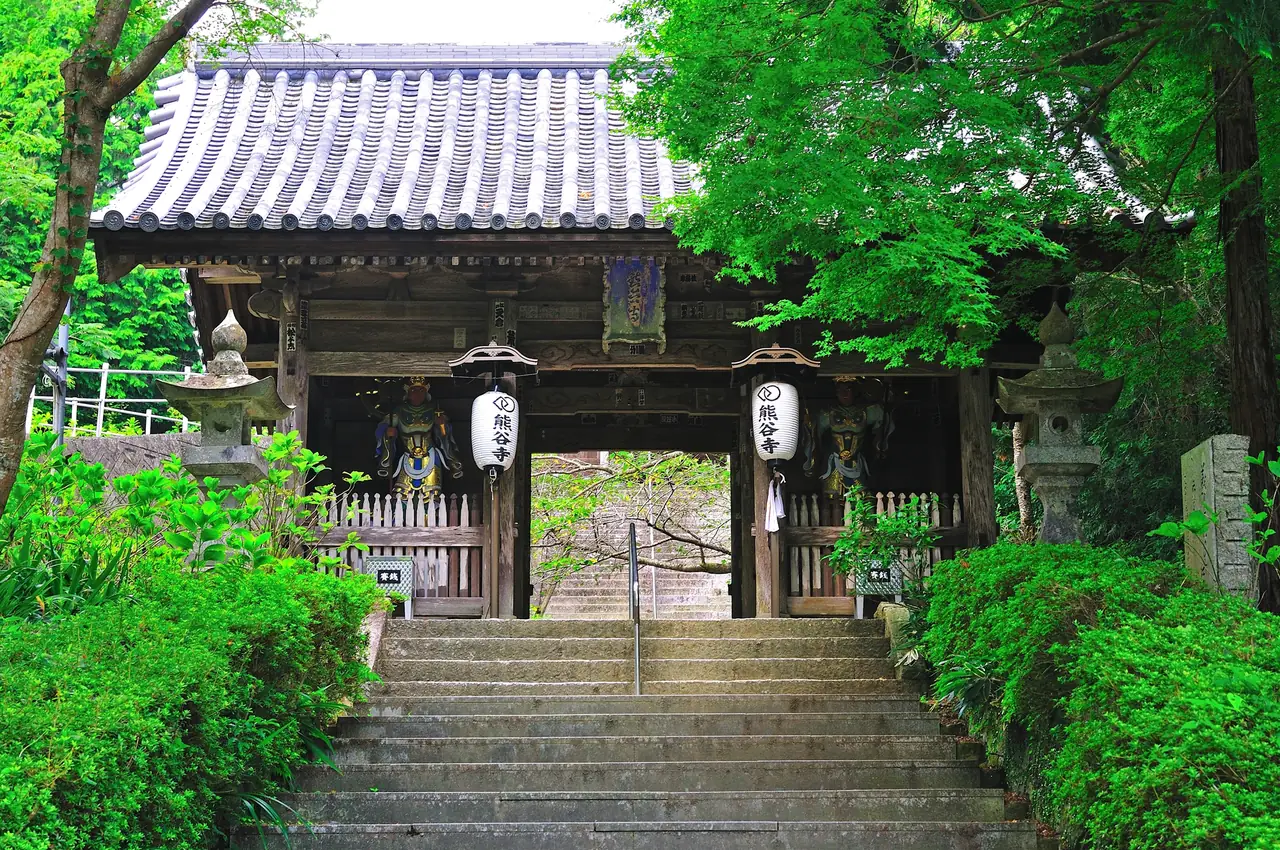
Kumadani-ji Temple (Temple 8 of the Shikoku Pilgrimage)
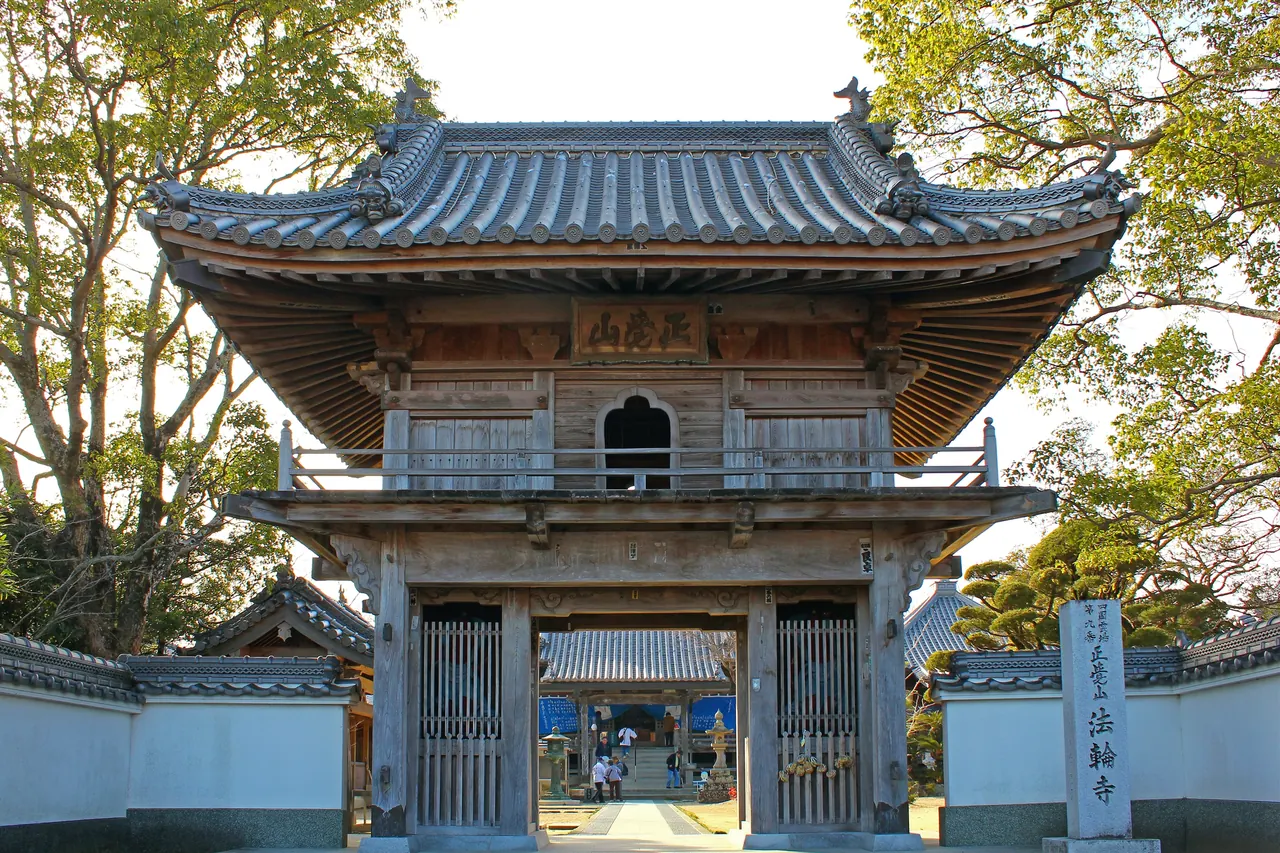
Horin-ji Temple (Temple 9 of the Shikoku Pilgrimage)
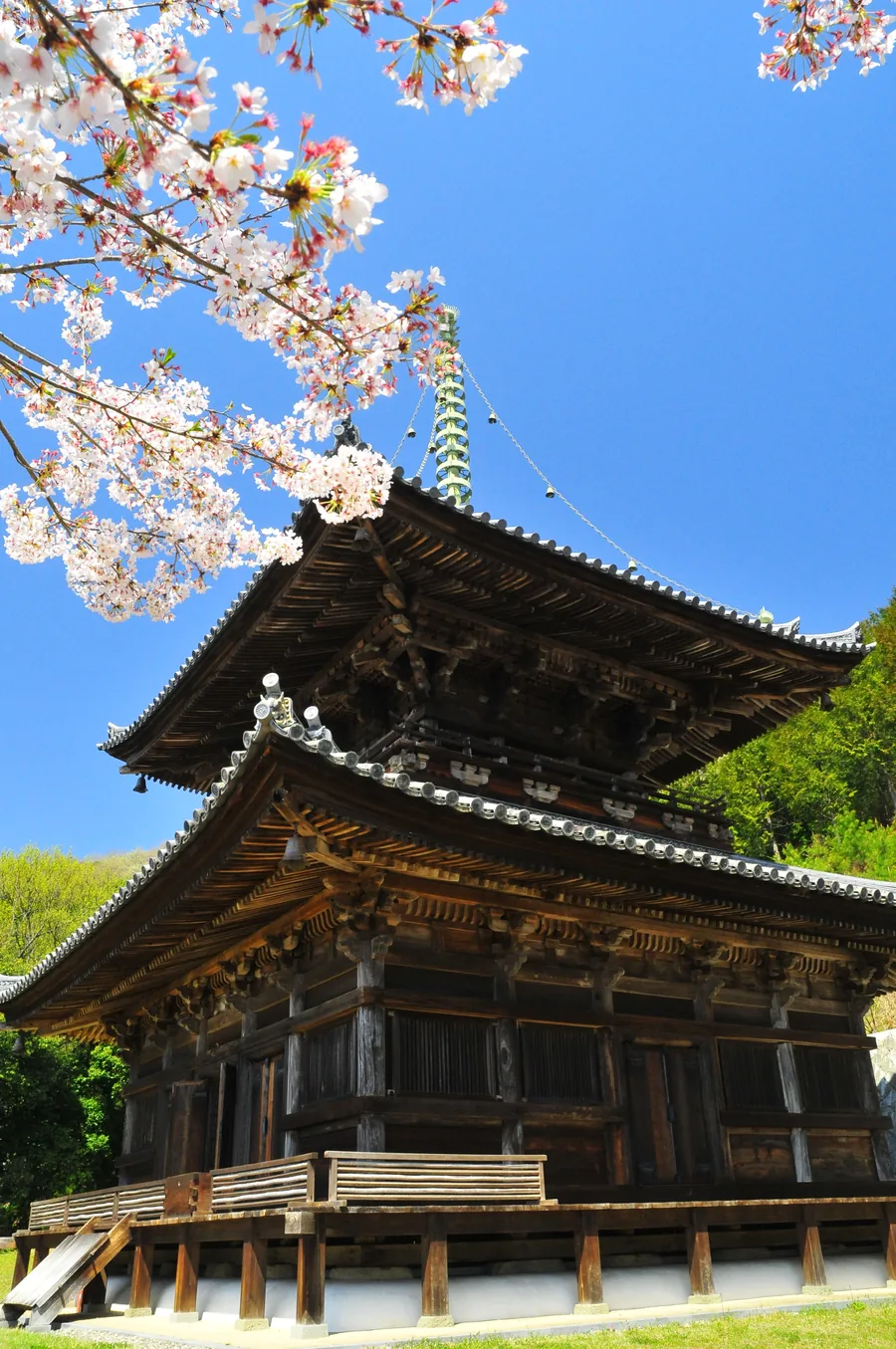
Kirihata-ji Temple (Temple 10 of the Shikoku Pilgrimage)
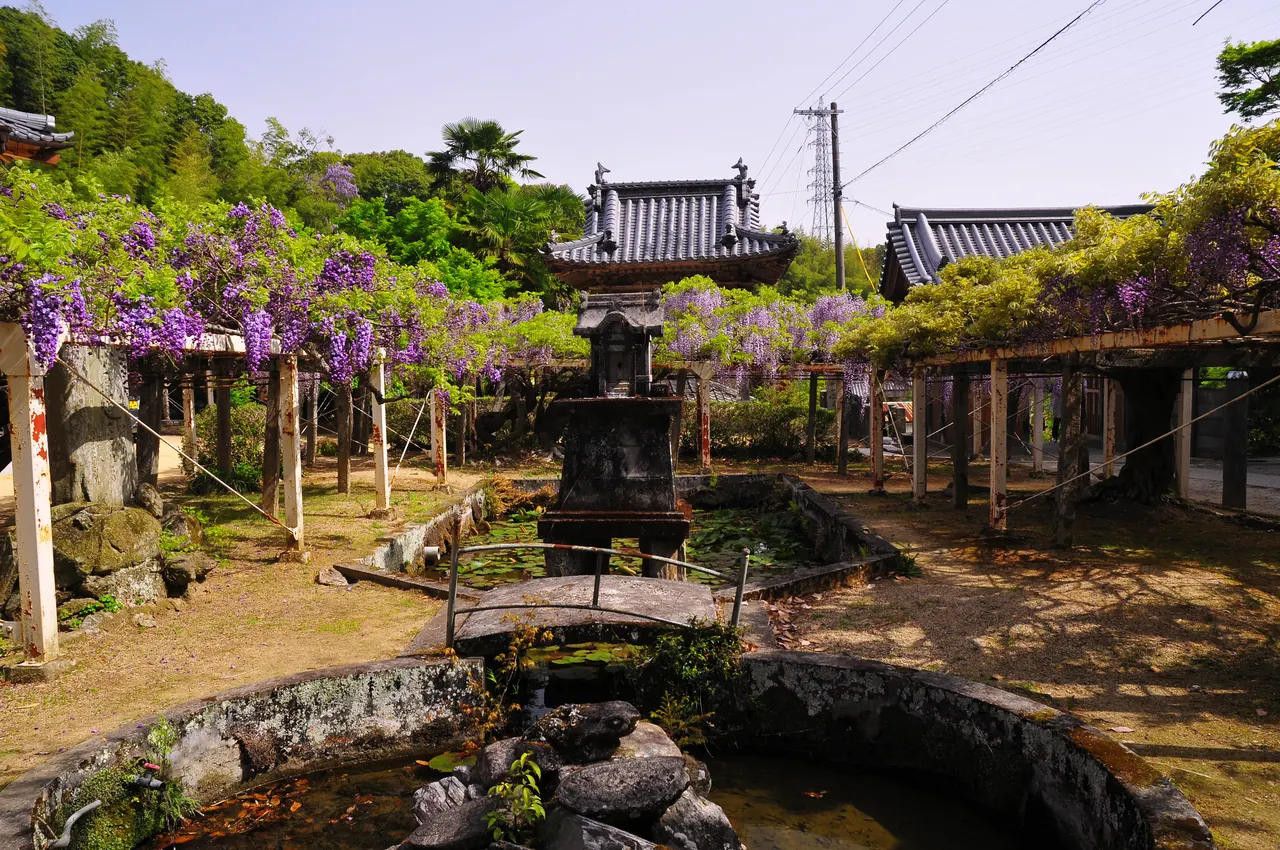
Fujii-dera Temple (Temple 11 of the Shikoku Pilgrimage)
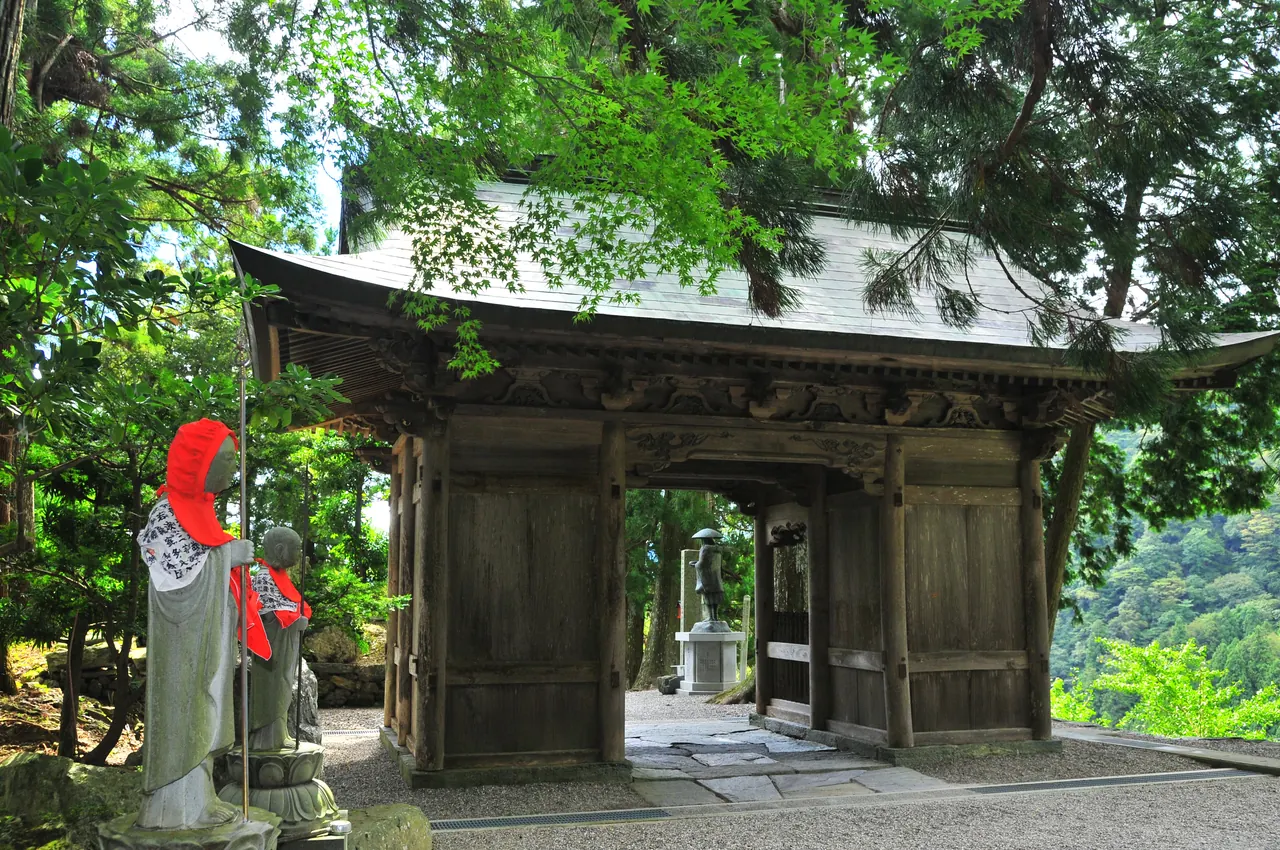
Shosan-ji Temple (Temple 12 of the Shikoku Pilgrimage)
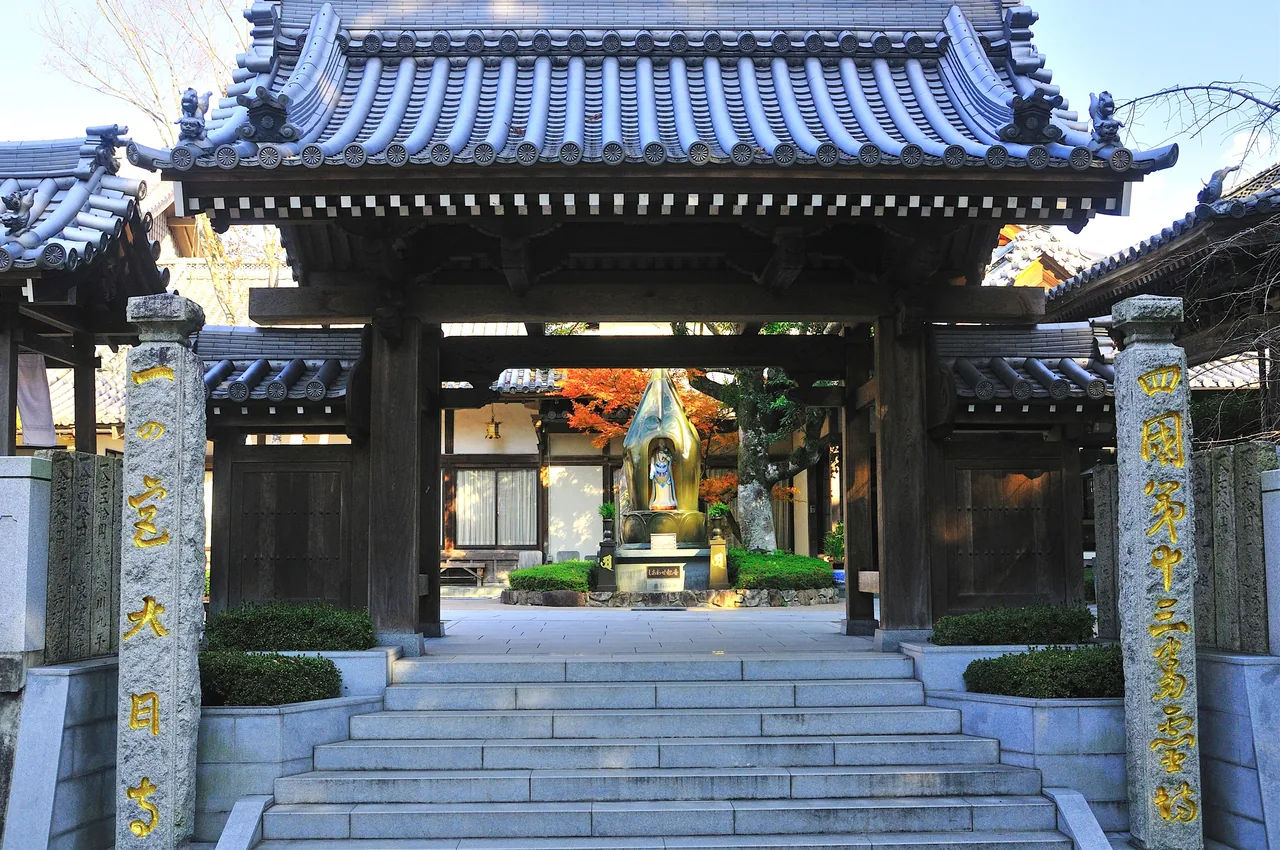
Dainichi-ji Temple (Temple 13 of the Shikoku Pilgrimage)
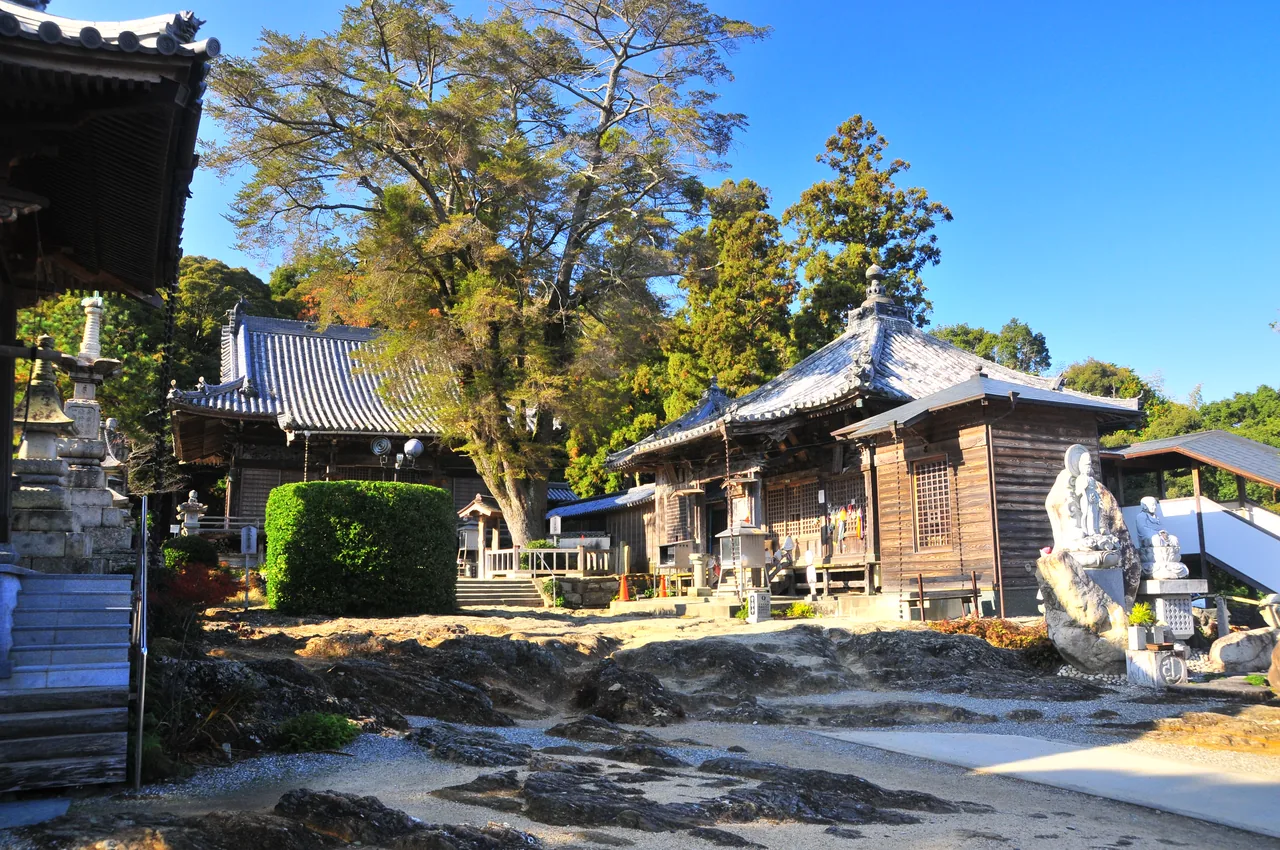
Joraku-ji Temple (Temple 14 of the Shikoku Pilgrimage)
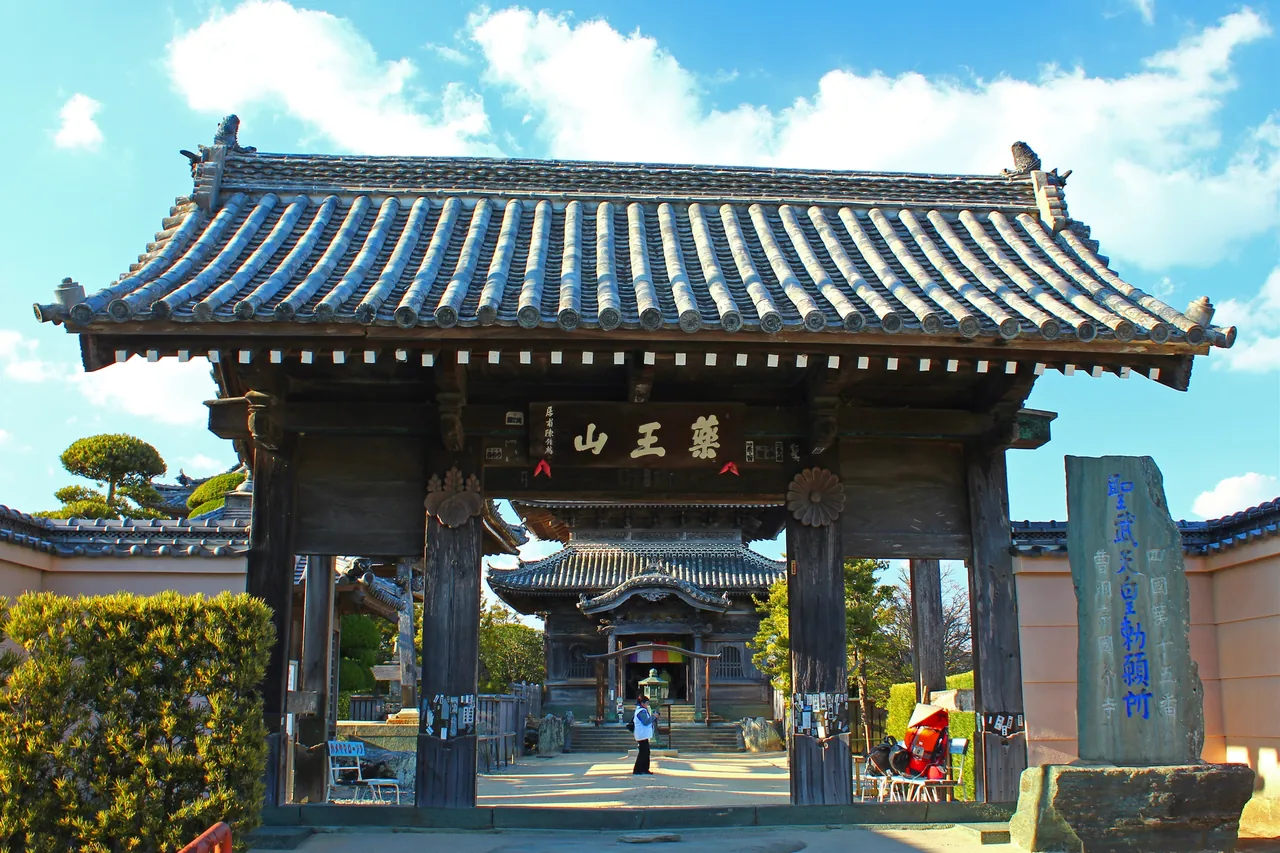
Kokubun-ji Temple (Temple 15 of the Shikoku Pilgrimage)
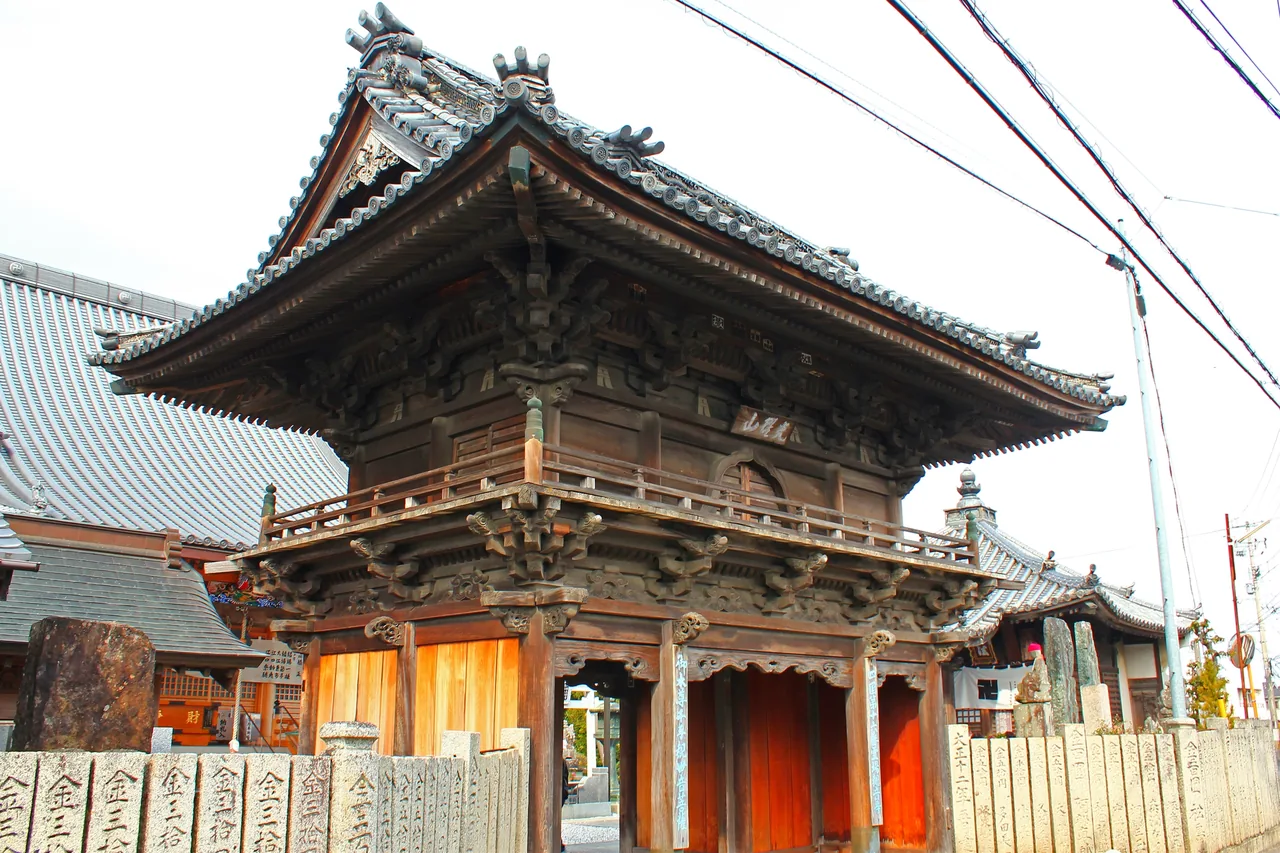
Kannon-ji Temple (Temple 16 of the Shikoku Pilgrimage)
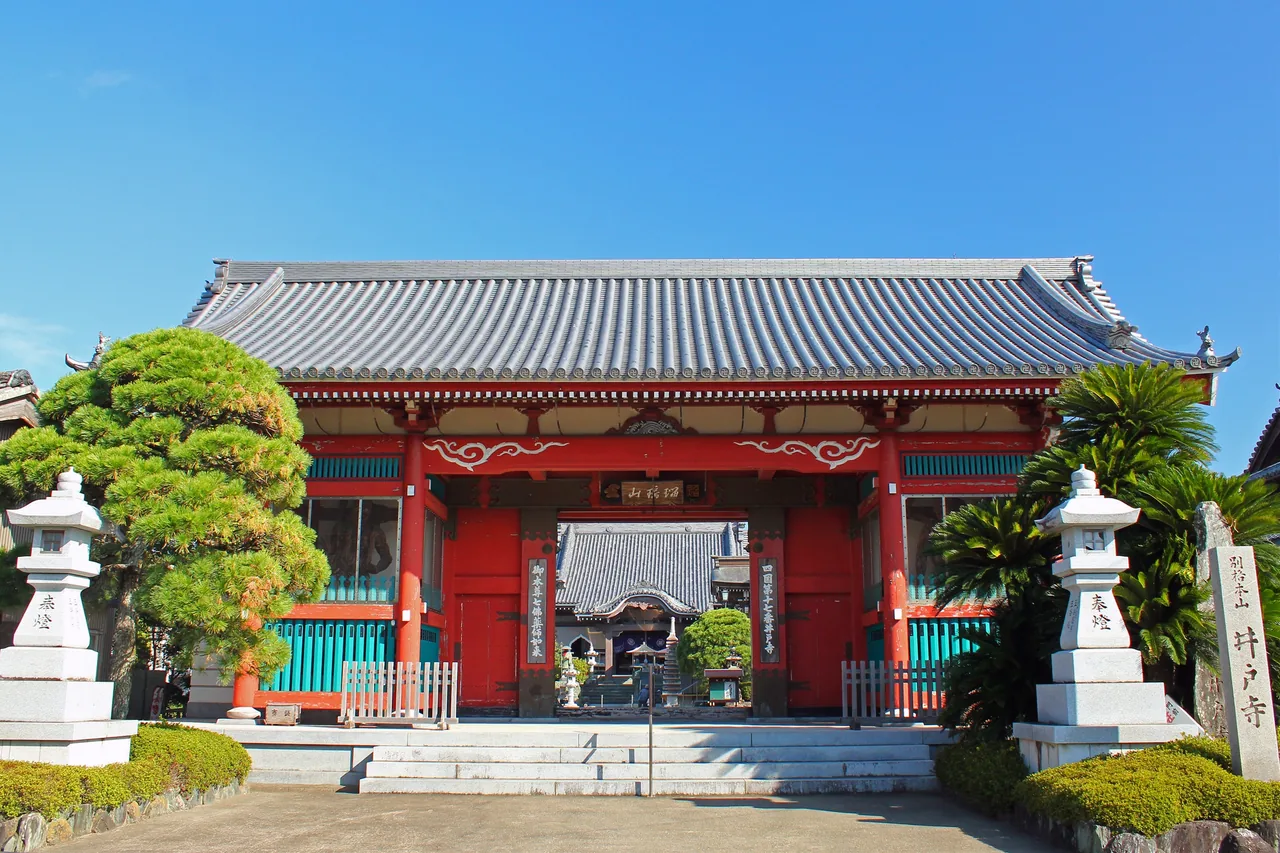
Ido-ji Temple (Temple 17 of the Shikoku Pilgrimage)
Onzan-ji Temple (Temple 18 of the Shikoku Pilgrimage)
Tatsue-ji Temple (Temple 19 of the Shikoku Pilgrimage)
Kakurin-ji Temple (Temple 20 of the Shikoku Pilgrimage)
Tairyu-ji Temple (Temple 21 of the Shikoku Pilgrimage)
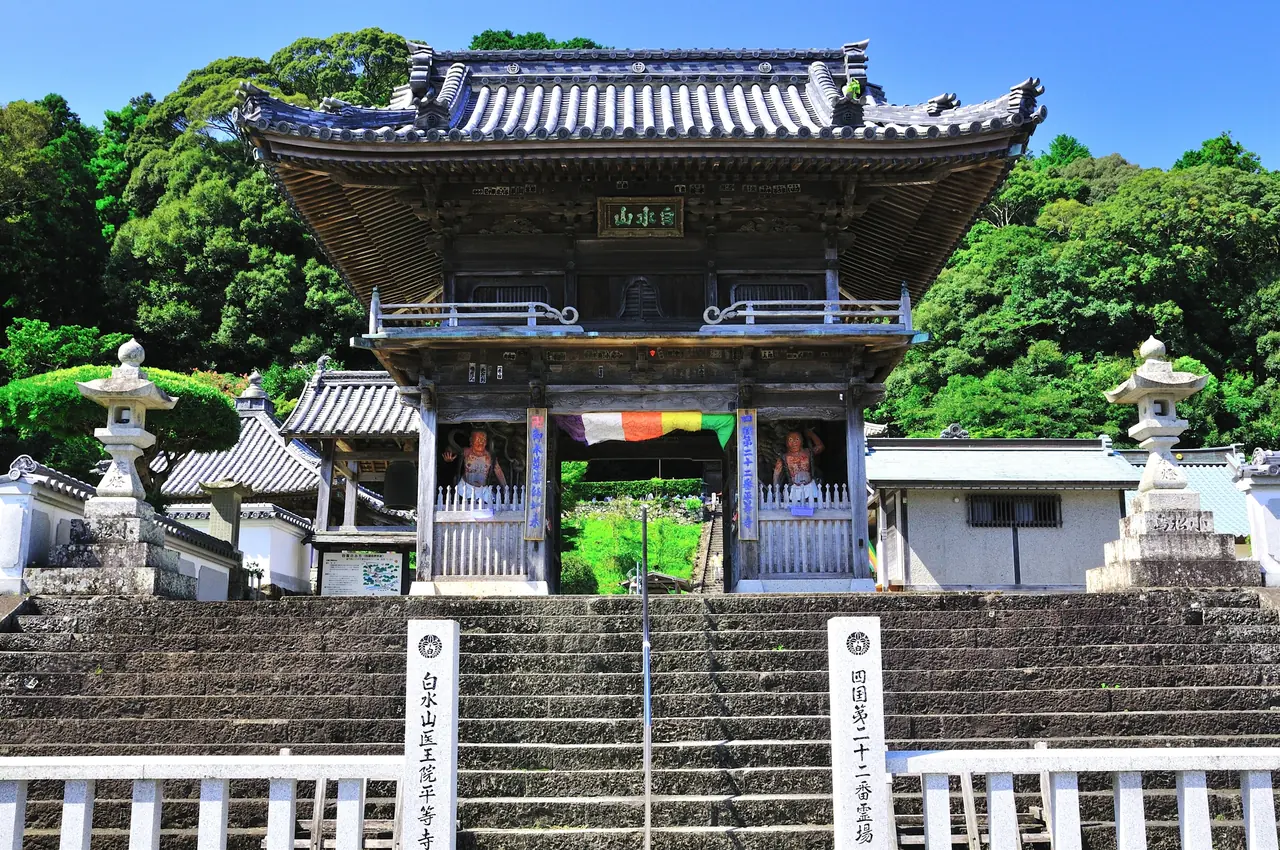
Byodo-ji Temple (Temple 22 of the Shikoku Pilgrimage)
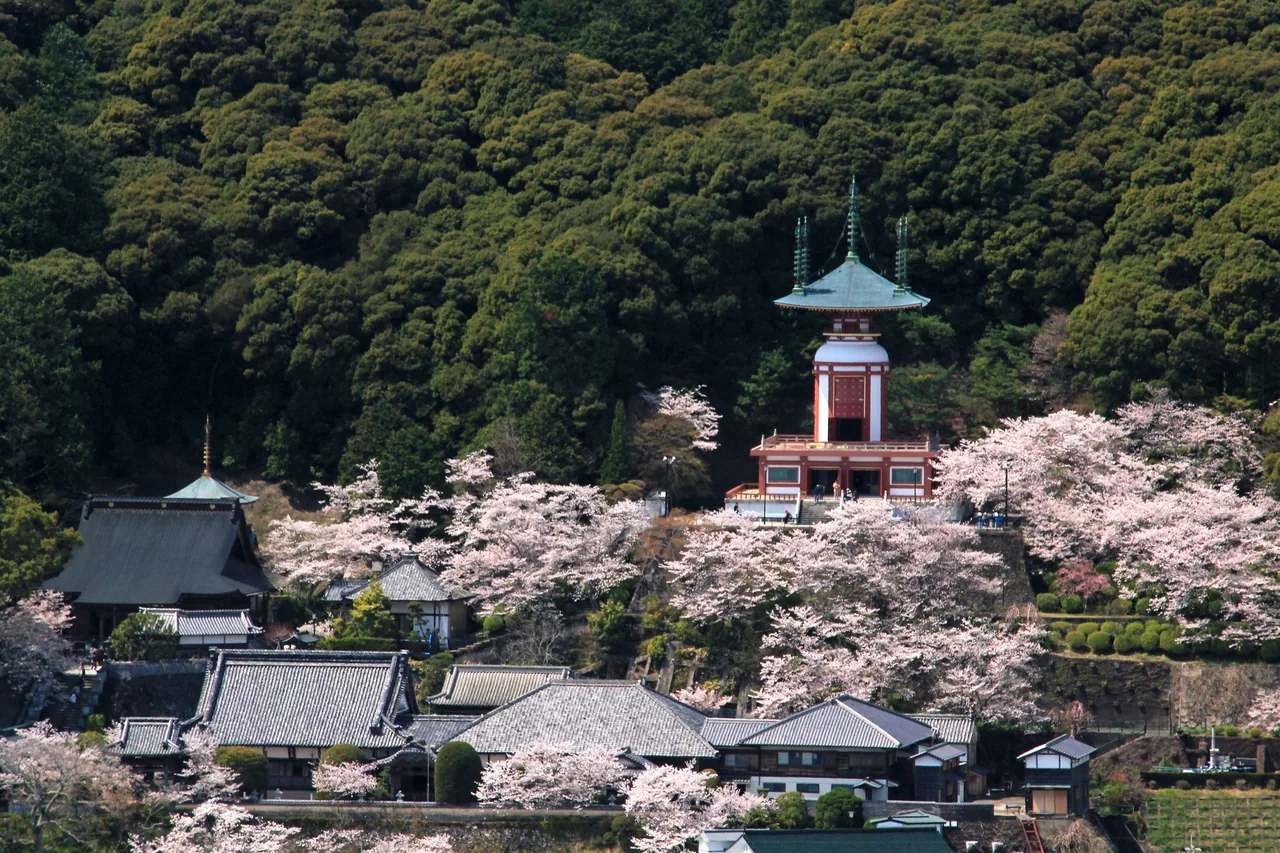
Yakuo-ji Temple (Temple 23 of the Shikoku Pilgrimage)