
Tokyo's Islands: How to Get to the Izu Islands and Ogasawara
This guide is translated from the Japanese edition. Read the Japanese edition
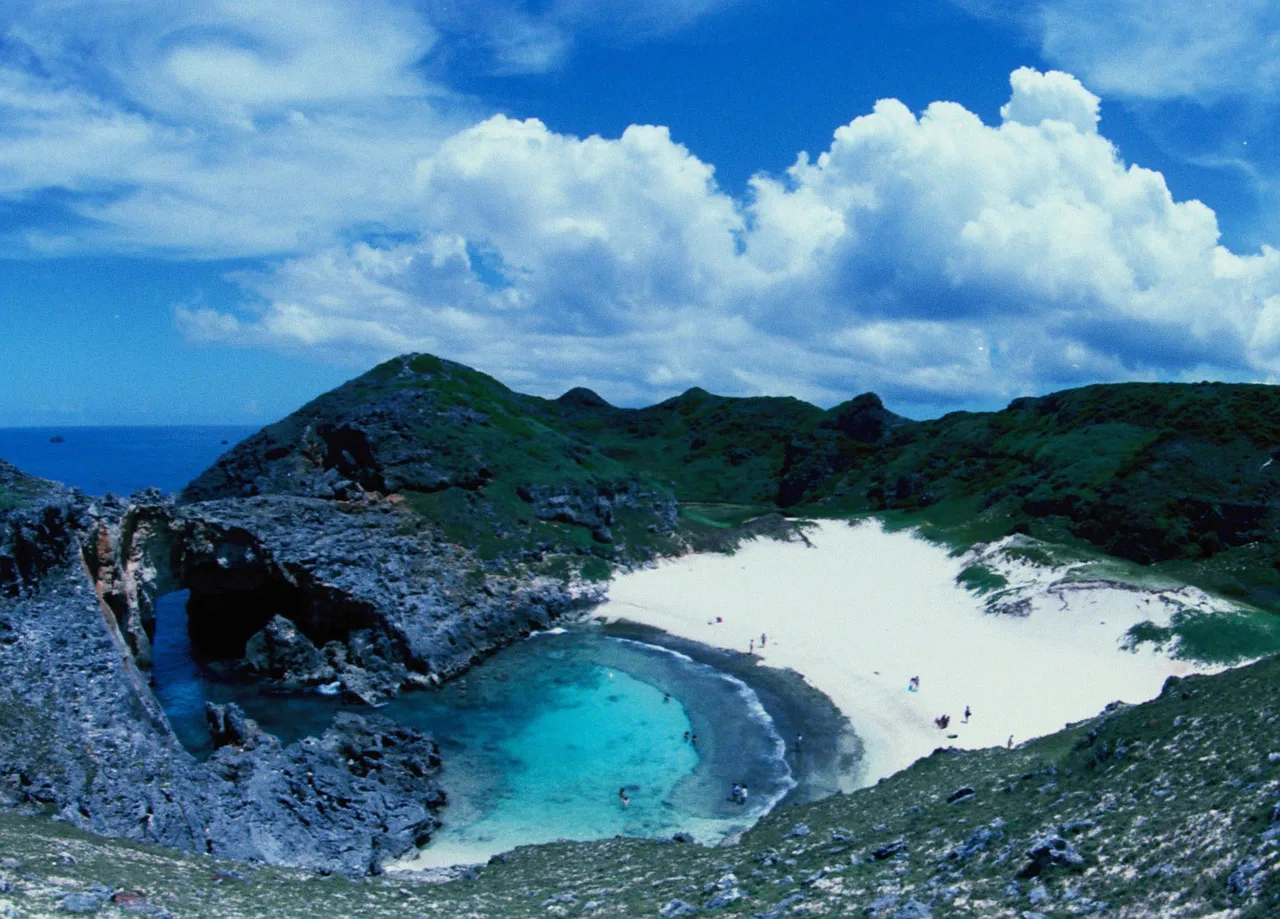
How to reach the Tokyo islands (Izu and Ogasawara) by ferry from Takeshiba or by plane, what to see on each island, and tips on cancellations and cash.
Board a large passenger ship at Takeshiba Pier in the evening, and by morning you're on a volcanic island. Tokyo Metropolis also takes in the Izu Islands and the Ogasawara Islands, scattered across the Pacific south of Honshu. Eleven of them are inhabited: Oshima, Toshima, Niijima, Shikinejima, Kozushima, Miyakejima, Mikurajima, Hachijojima and Aogashima in the Izu Islands, and Chichijima and Hahajima in the Ogasawara Islands. Every one has a Tokyo address. If you're adding a night or two on the islands to a stay in central Tokyo, the first choice is ship or plane.
How do you get to Tokyo's islands?
By ship: from Takeshiba Passenger Ship Terminal
Ships to the Izu Islands are run by Tokai Kisen from Takeshiba Passenger Ship Terminal, about 1 minute on foot from Takeshiba Station on the Yurikamome line, or about 8 minutes from the North Exit of JR Hamamatsucho Station.
- High-speed jet ships: to Oshima, Toshima, Niijima, Shikinejima and Kozushima. Oshima is as little as 1 hour 45 minutes away.
- Large passenger ships (overnight): they leave Takeshiba at night and reach the islands the next morning. Besides the Oshima route (Oshima to Kozushima), there is a route to Miyakejima, Mikurajima and Hachijojima. The shortest times from Takeshiba are 6 hours to Oshima, 6 hours 30 minutes to Miyakejima and 10 hours 20 minutes to Hachijojima.
Chichijima in the Ogasawara Islands is linked to Takeshiba Pier by Ogasawara Kaiun's Ogasawara-maru, a trip of about 24 hours each way. Chichijima has no airport, and this ship is the only scheduled service. It sails roughly once every six days, so the ship's schedule decides how long you stay. Hahajima is about 2 hours from Chichijima's Futami Port on the Hahajima-maru.
By plane and helicopter
- From Chofu Airport: New Central Air Service flies daily to Oshima, Niijima, Kozushima and Miyakejima.
- From Haneda Airport: ANA flies to Hachijojima in about 55 minutes.
- By helicopter: Toho Air Service's Tokyo Ai-Land Shuttle links the islands. Aogashima is about 20 minutes from Hachijojima on a small aircraft that seats nine.
Timetables and fares change with the season, so check each operator's official website.
Izu Oshima and Toshima
Izu Oshima is the closest island, under two hours from Takeshiba by jet ship. Mt. Mihara, at its center, erupted in 1986, and all the islanders were evacuated off the island. Lava flows and the line of fissure craters from that eruption can still be seen near the summit. On the road from Motomachi Port to Habu Port, the Great Stratum Cross-Section shows the ash and scoria laid down by eruption after eruption as stripes running along the roadside. Fudeshima, a slender rock standing in the sea off the southeast coast, is what remains of an old volcano worn down by the waves. Booking a rental car or bicycle in advance makes getting around the island much easier.
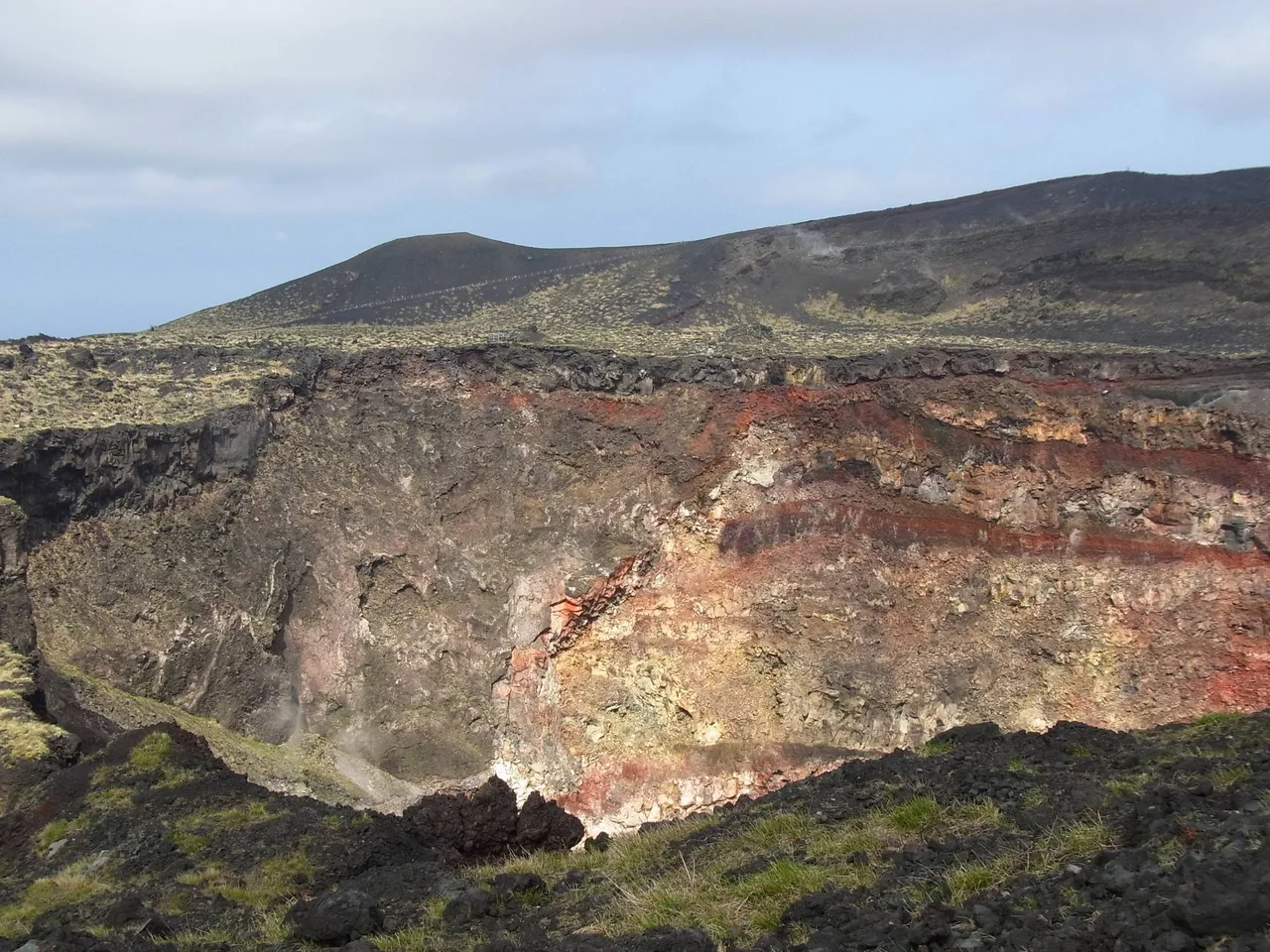
Photo: © TCVB
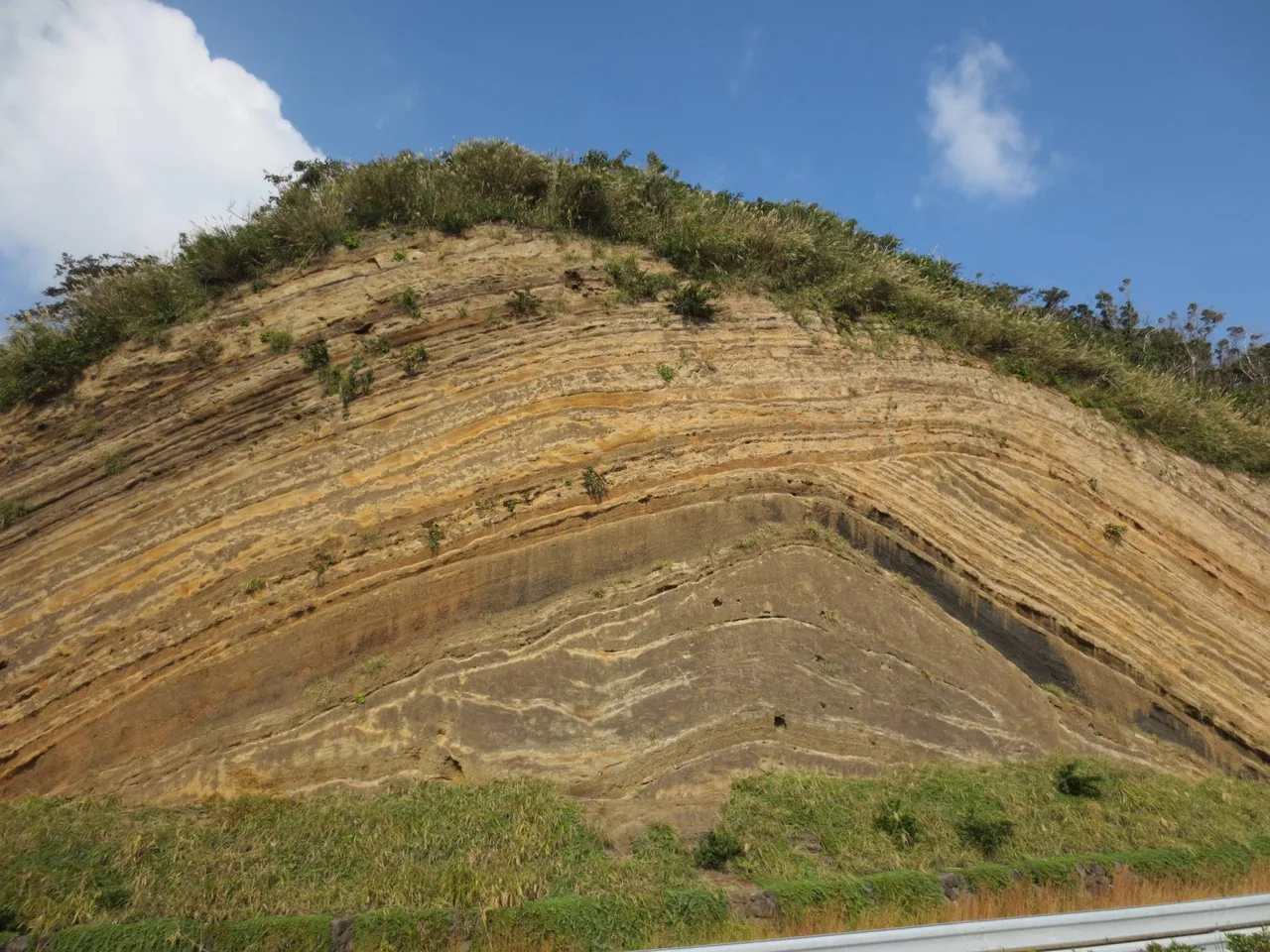
Photo: © TCVB
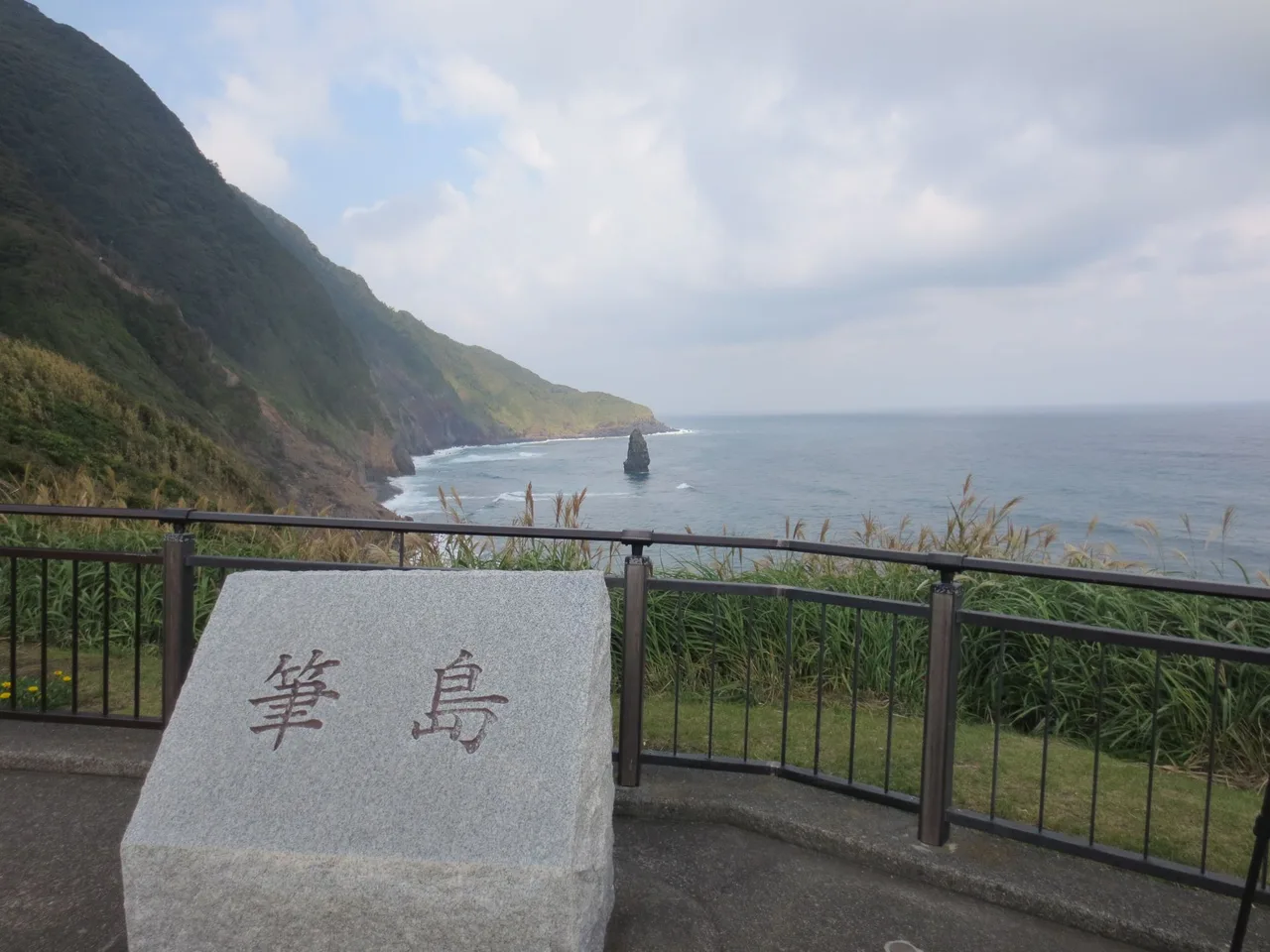
Photo: © TCVB
Toshima is a cone-shaped island that looks like 508 m Mt. Miyatsuka rising straight out of the sea. Most of the trees covering it are wild camellias; in winter they bloom all over the island, which is known for its camellia oil. Indo-Pacific bottlenose dolphins live in the surrounding waters, and some operators run dolphin swims (seasons and details vary by operator). The island has no buses or taxis, so ask your accommodation about getting around.
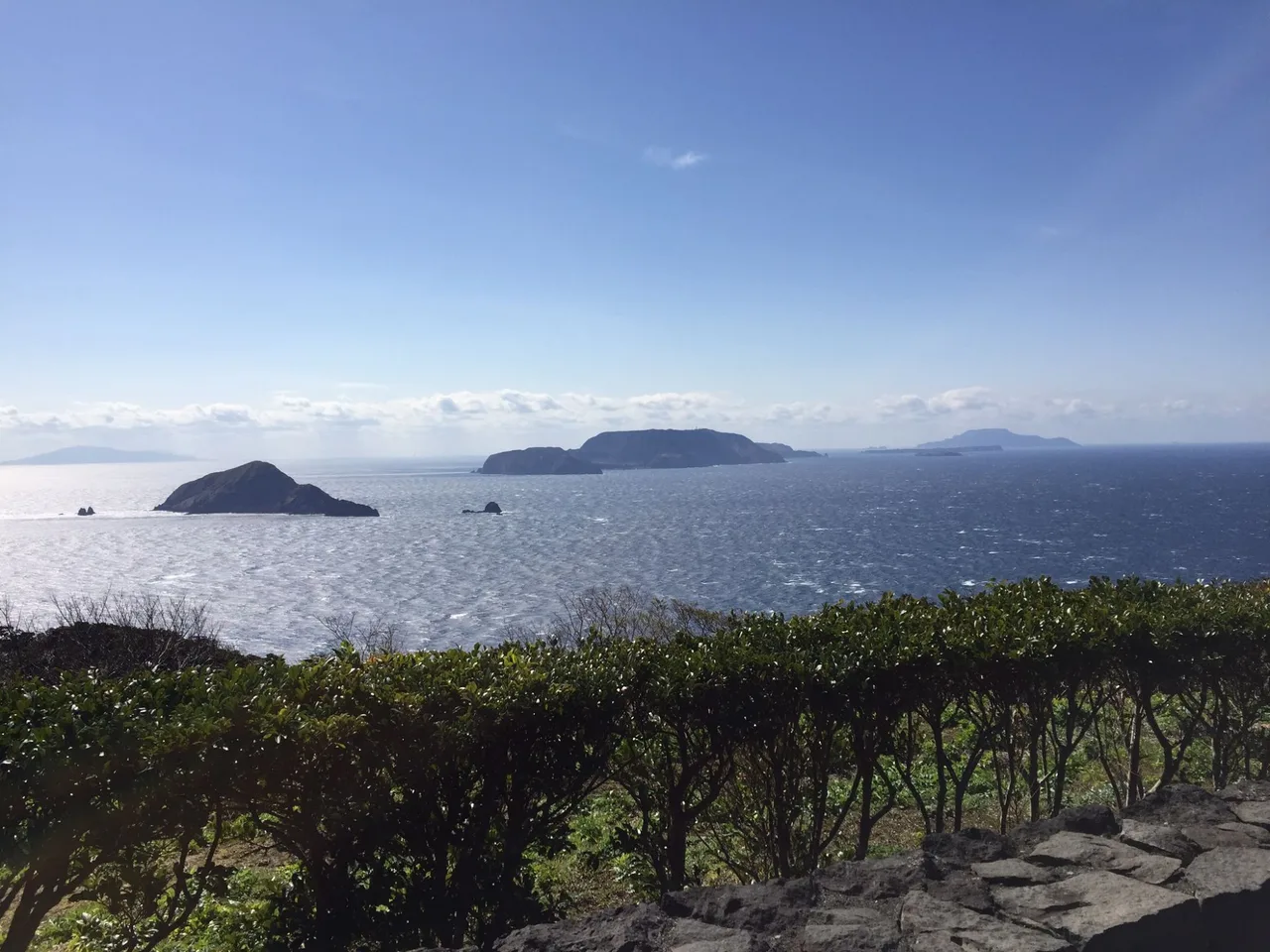
Photo: © TCVB
Niijima, Shikinejima and Kozushima
On the east side of Niijima, Habushiura Beach is a long stretch of white sand facing the Pacific swell and a well-known surf spot.
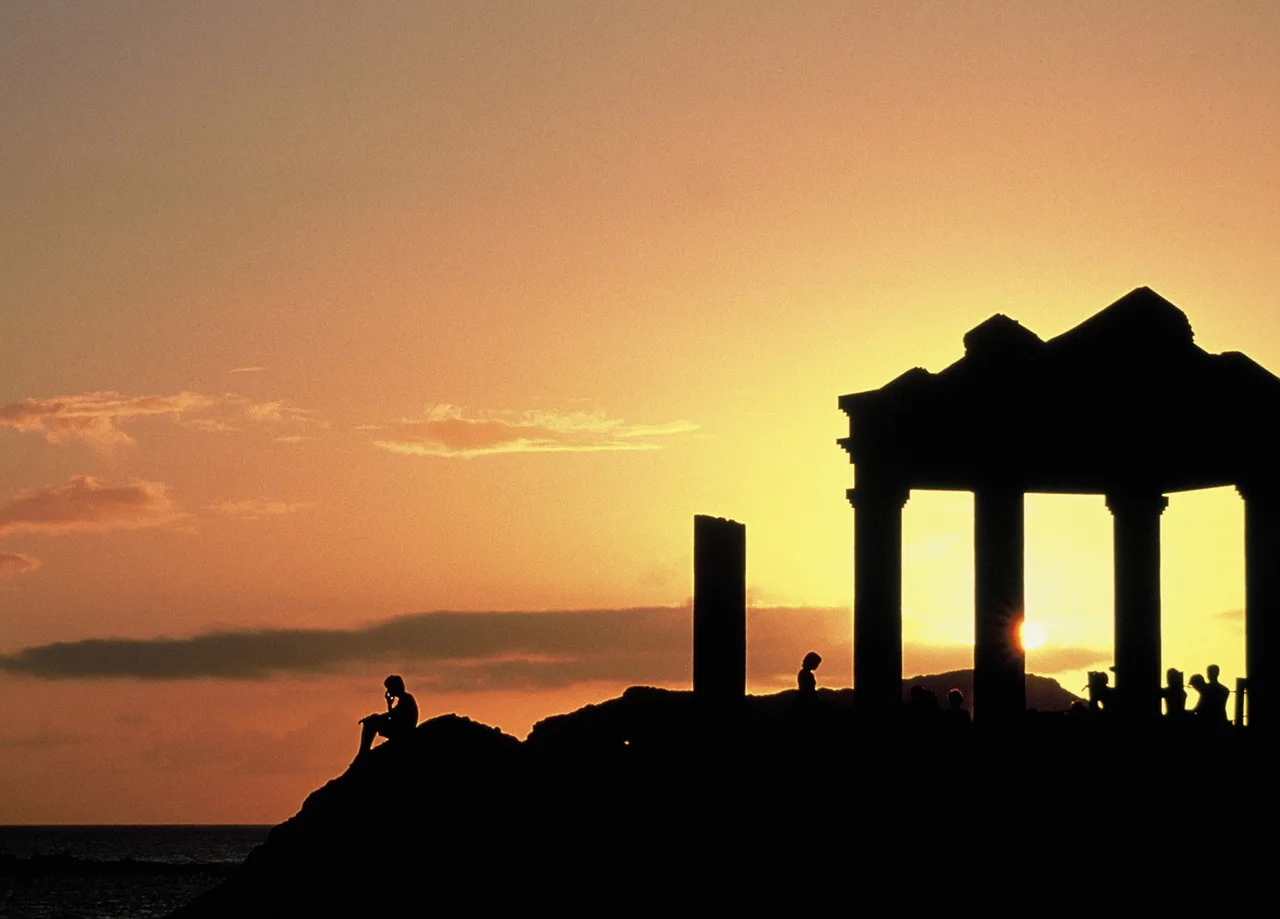
Photo: © TCVB
Neighboring Shikinejima has free open-air hot springs welling up among the rocks by the sea. Jinata Onsen is a brownish spring whose temperature shifts with the tide; nearby are the clear water of Ashitsuki Onsen and Matsugashita Miyabiyu, which you can drive close to. At all of them you bathe in a swimsuit.
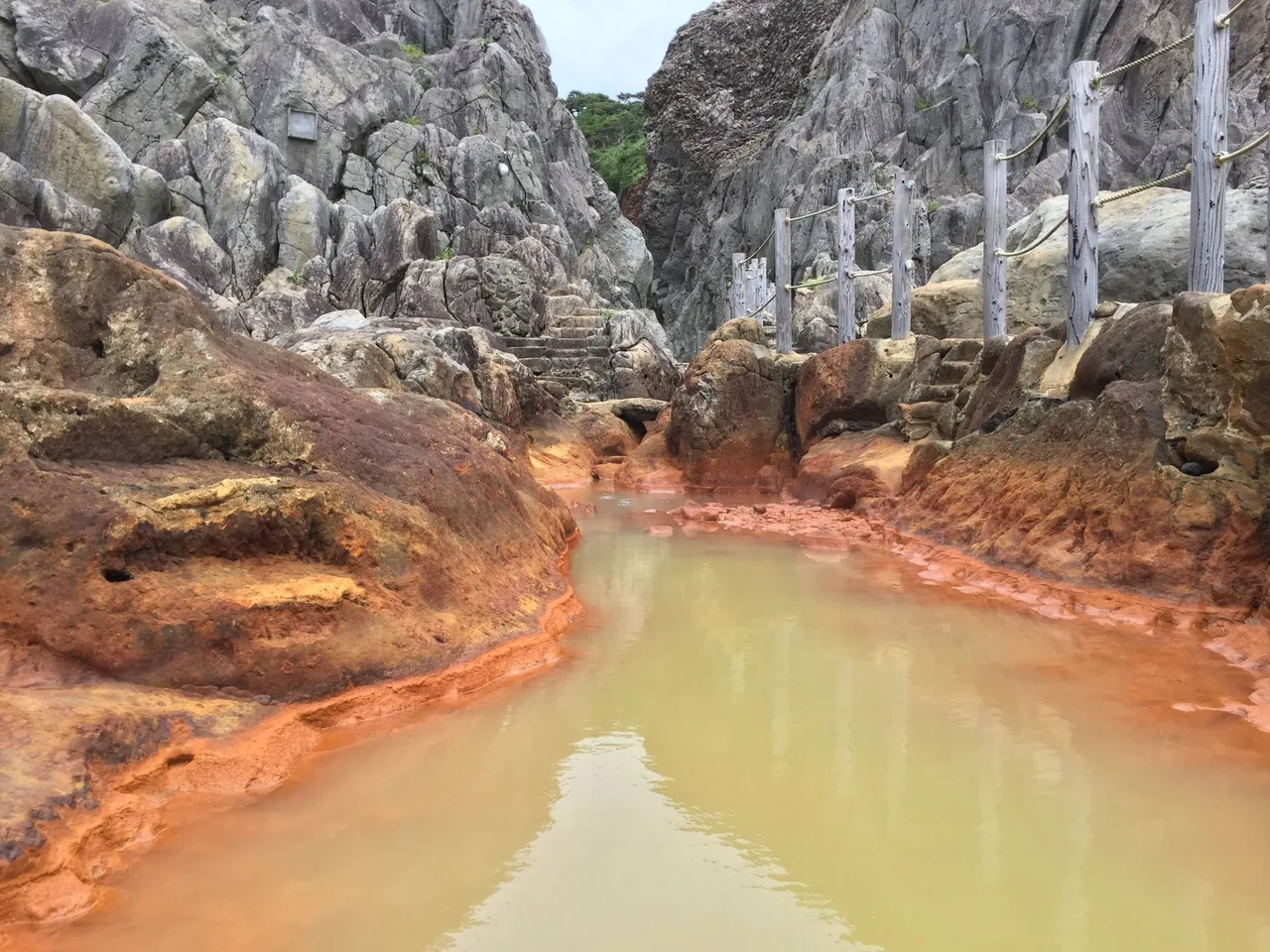
Photo: © TCVB
Kozushima has 572 m Mt. Tenjo rising from its center. On Akasaki Beach in the north, a wooden boardwalk about 500 m long serves as a swimming spot in summer and a place to watch the stars at night. The island is certified as a dark sky place, and with few streetlights a flashlight is useful after dark. Don't climb Mt. Tenjo at night.
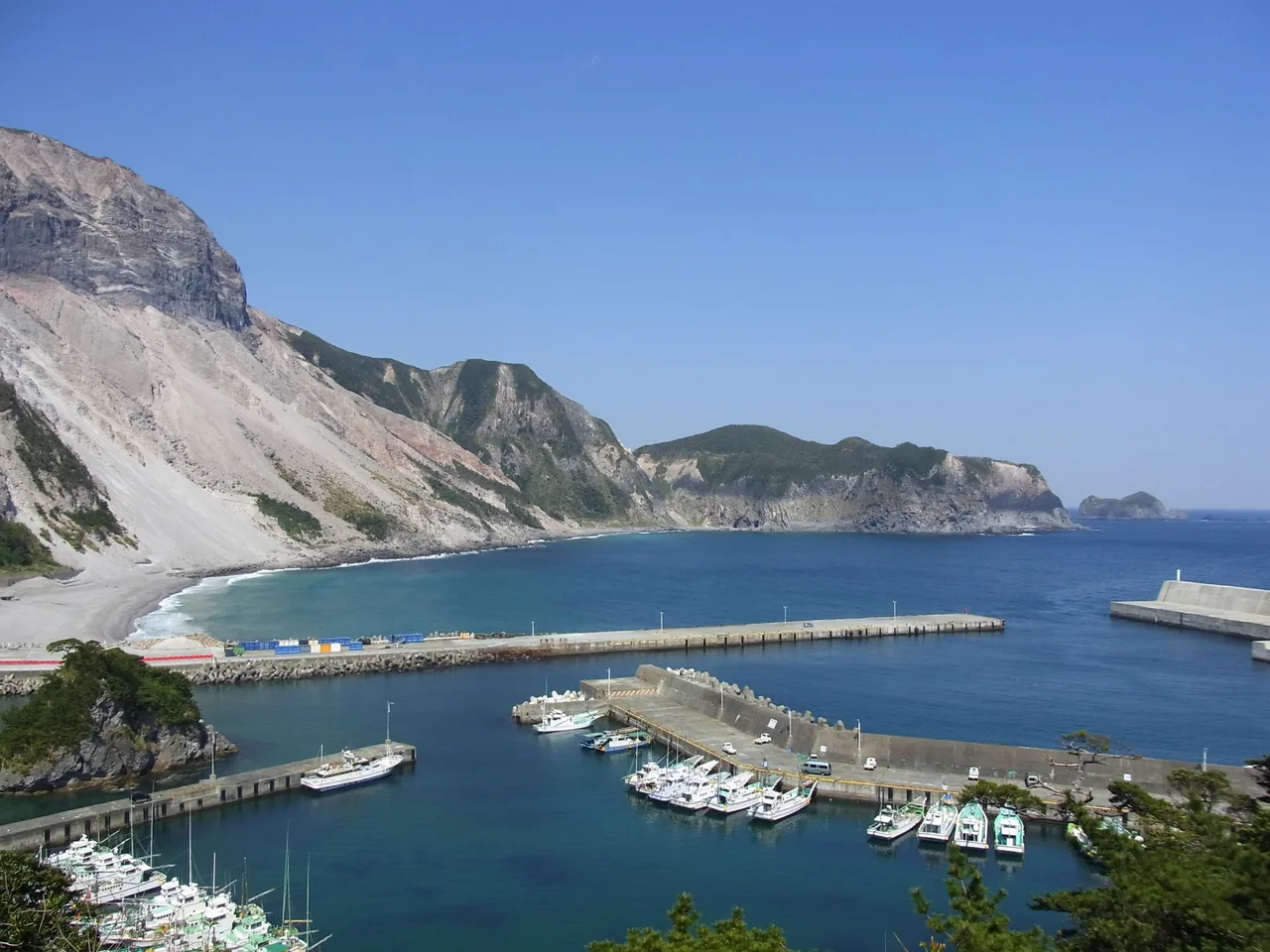
Photo: © TCVB
Miyakejima, Hachijojima and Aogashima
Miyakejima is a volcanic island where an eruption that began in 2000 created a caldera at the summit. Megane-iwa (Spectacles Rock), a lava flow carved by the waves, once had two arches side by side until one collapsed in the Isewan Typhoon of 1959. At Izu-misaki Cape stands a white, square-columned lighthouse built in 1909. Some areas around the summit are still off limits.
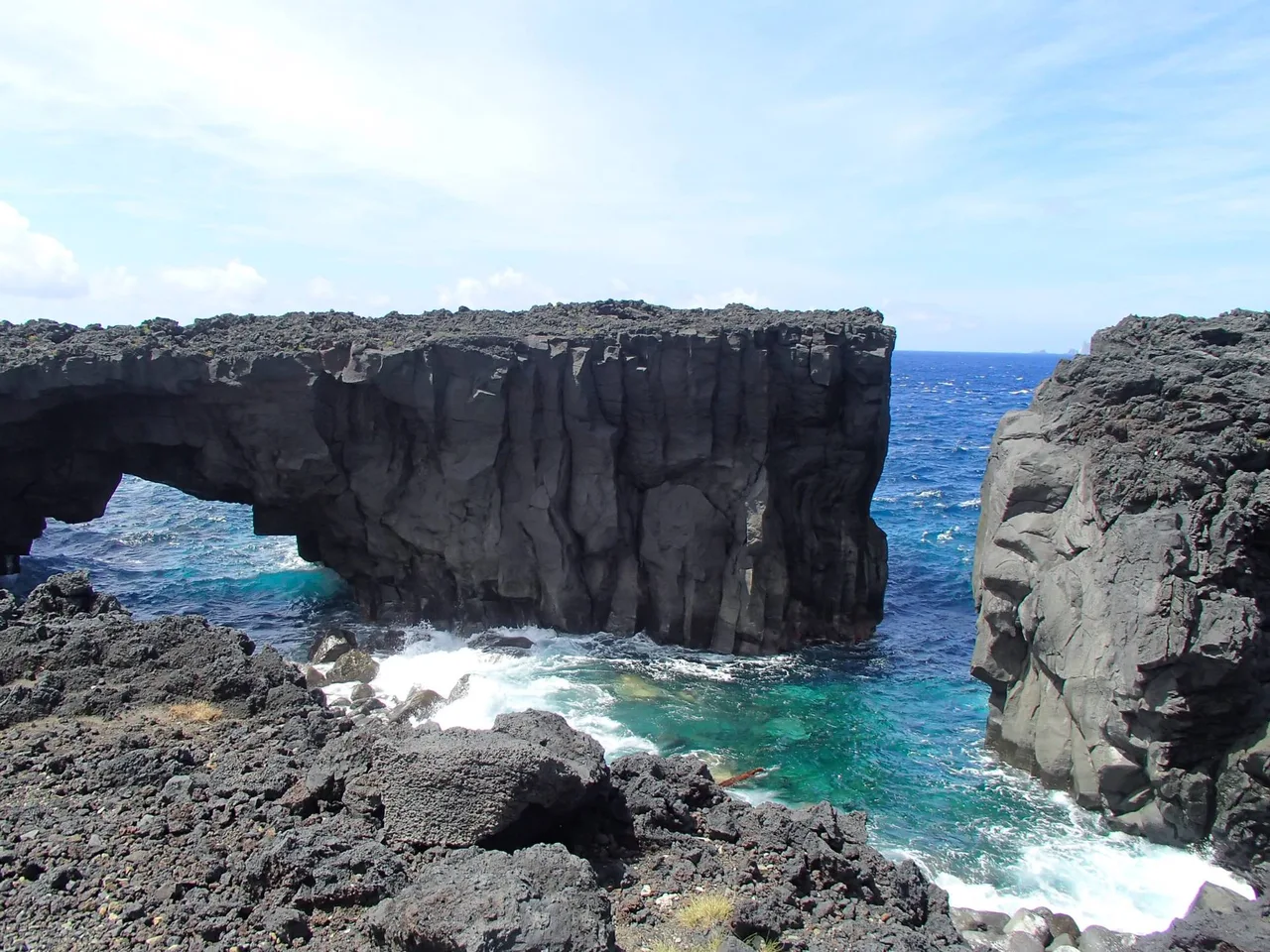
Photo: © TCVB
Hachijojima is about 55 minutes from Haneda by plane. At 854 m, Hachijo-Fuji is the highest mountain in the Izu Islands, and the walk around its summit crater, called Ohachi-meguri, is popular. Hot springs are scattered across the island, including open-air baths overlooking the ocean, and Kihachijo, silk woven from threads dyed yellow, reddish brown and black, is the island's traditional craft. Typhoons No. 22 and 23 in October 2025 caused heavy damage on Hachijojima and Aogashima, and some facilities and roads were closed, so check the Hachijojima Tourism Association's facility updates before you go.
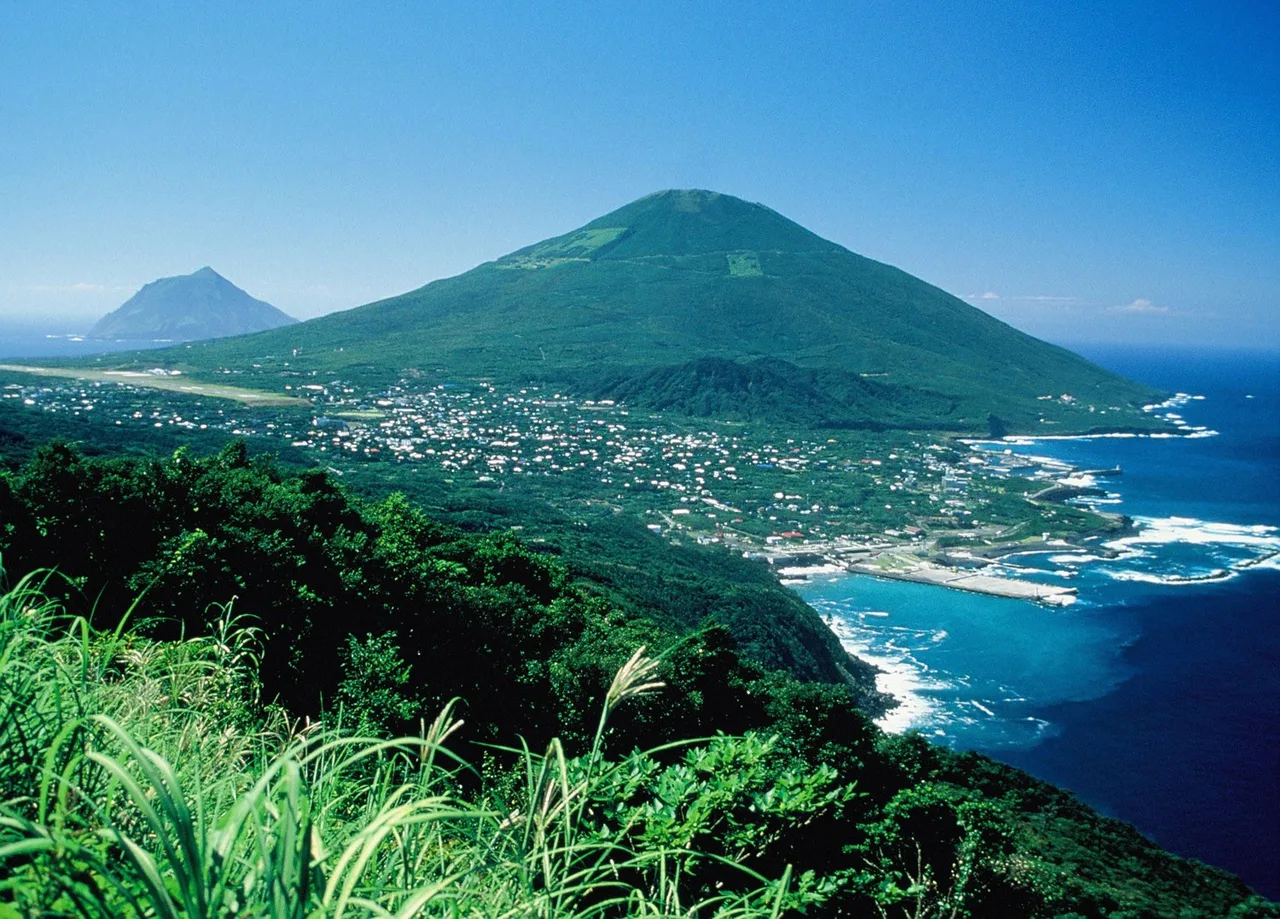
Photo: © TCVB
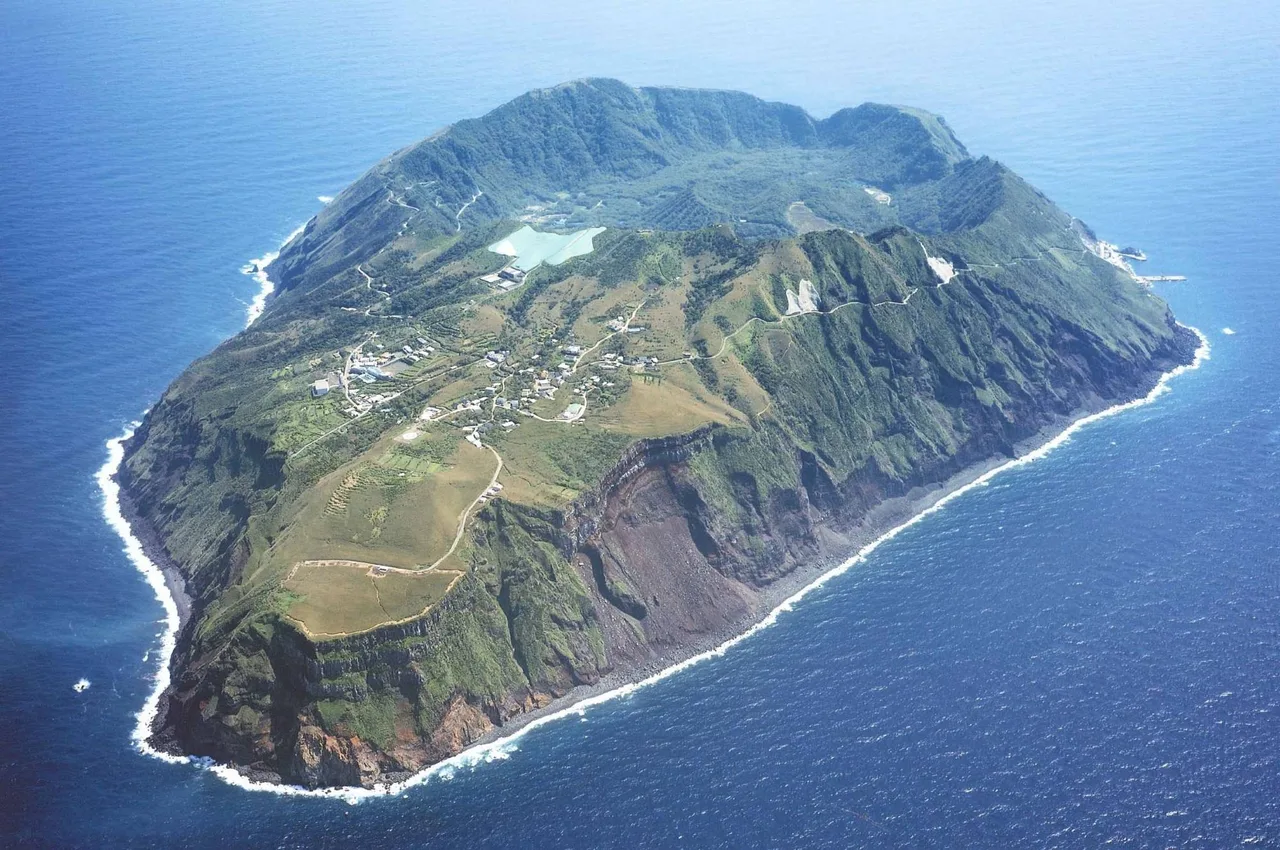
Photo: © TCVB
Aogashima is a double caldera island, with a smaller cone, Maruyama, inside the outer crater rim. Steam rises from vents in Ikenosawa on the caldera floor; islanders call it hingya. You reach the island from Hachijojima by helicopter or ship, but the ship is often cancelled and the helicopter has few seats, so book early. You also need to reserve accommodation before you arrive, and there are no buses or taxis on the island.
The Ogasawara Islands: Chichijima and Minamijima
The Ogasawara Islands were inscribed as a World Natural Heritage site in 2011. To keep non-native species out, Ogasawara Village asks visitors to check for mud on their shoes and for seeds or insects on clothing and bags before boarding ships and before heading into the hills.
Landing on Minamijima, off Chichijima, requires an accompanying Tokyo Nature Guide. There is a limit on how many people one guide can take, and each fiscal year sets a period, mainly in winter, when landing is not allowed. When you book a Minamijima tour, check whether landing is possible at that time.
What to know before you go
- Book early: Tokai Kisen tickets go on sale two months before the sailing date. During summer holidays and long weekends, ships, flights and accommodation all fill up, and if you arrive without a place to stay you may not find one.
- Plan around cancellations: ships, helicopters and planes are all cancelled for wind, waves and fog. Don't pack your return day, and build in enough slack that one extra day won't be a problem. Each operator posts the day's service status on its official website.
- Bring plenty of cash: credit cards are accepted at places like ticket counters at ports and airports, but many island shops and guesthouses take cash only. Foreign currency can't be exchanged on the islands, so bring yen with you. For paying in Japan in general, see Payment methods in Japan.
- Sort out transport on the island: some islands have only a few buses a day, and some have no buses or taxis at all. Ask about rental cars or pickups when you book your accommodation.
Official information
- Tokai Kisen (ships to the Izu Islands, service status)
- Ogasawara Kaiun (Ogasawara-maru)
- New Central Air Service (flights from Chofu Airport)
- ANA (Haneda to Hachijojima)
- Tokyo Islands Tourism Federation (sightseeing and access for each island)
- Ogasawara Village
To combine the islands with sights in central Tokyo, browse the list of Tokyo spots.