
Jimbocho Tokyo Walk: Book Town, Ochanomizu and Kanda Myojin
This guide is translated from the Japanese edition. Read the Japanese edition
Walk from Jimbocho's secondhand book town to Ochanomizu's Hijiribashi Bridge, Manseibashi, Kanda Myojin and Yushima Tenmangu, plus 2026 Kanda Used Book Festival dates.
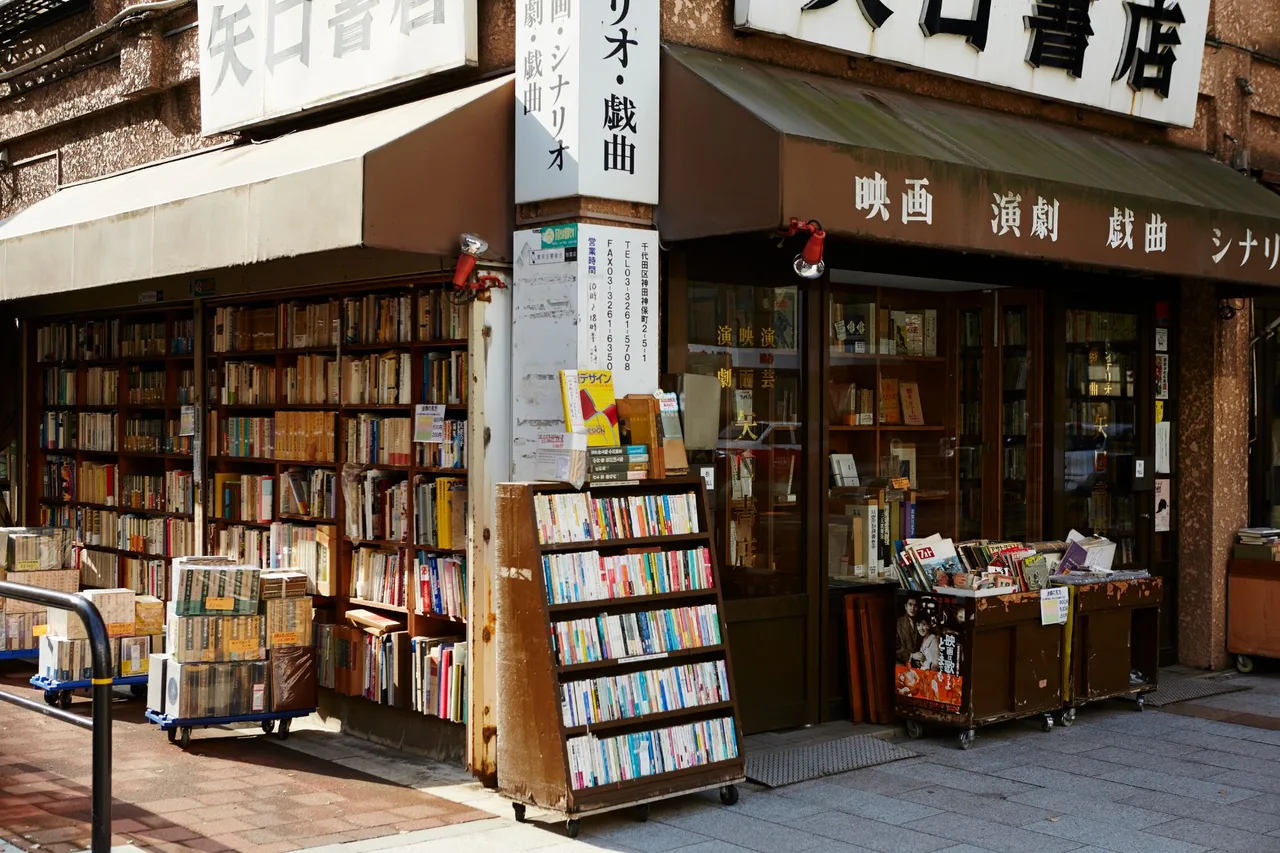
Walk along Yasukuni-dori in Jimbocho and there is always someone stopped in front of a bookshop's sidewalk cart, scanning the spines. Between Jimbocho, Ochanomizu and Kanda, a secondhand book district, a bridge over the Kanda River valley, a red-brick Meiji-era railway viaduct and shrines dating back to the Edo period all sit within walking distance of each other. It is an area for book lovers, but also for anyone who enjoys old buildings and train views. With half a day, cover Jimbocho and Ochanomizu; with a full day, carry on to Kanda Myojin and Yushima Tenmangu.
Where to start: half-day and full-day routes
The easiest order is from Jimbocho in the west, heading east.
- The Jimbocho book town (morning to midday)
- Nikolai-do Cathedral and Hijiribashi Bridge in Ochanomizu
- East along the Kanda River to mAAch ecute Kanda Manseibashi
- Up the hill to Kanda Myojin Shrine, then north to Yushima Tenmangu
For a half day, do 1 and 2 and head home from JR Ochanomizu Station. Ochanomizu's Surugadai district sits on high ground, and there are slopes between it and Surugadai-shita on the Jimbocho side and the Kanda River below. Wear comfortable shoes.
Jimbocho Station is served by the Toei Mita and Shinjuku Lines and the Tokyo Metro Hanzomon Line; Ochanomizu Station by the JR Chuo and Sobu Lines and the Tokyo Metro Marunouchi Line. An IC card (Suica, PASMO and so on) makes getting around simpler.
Jimbocho book town: pick a subject first
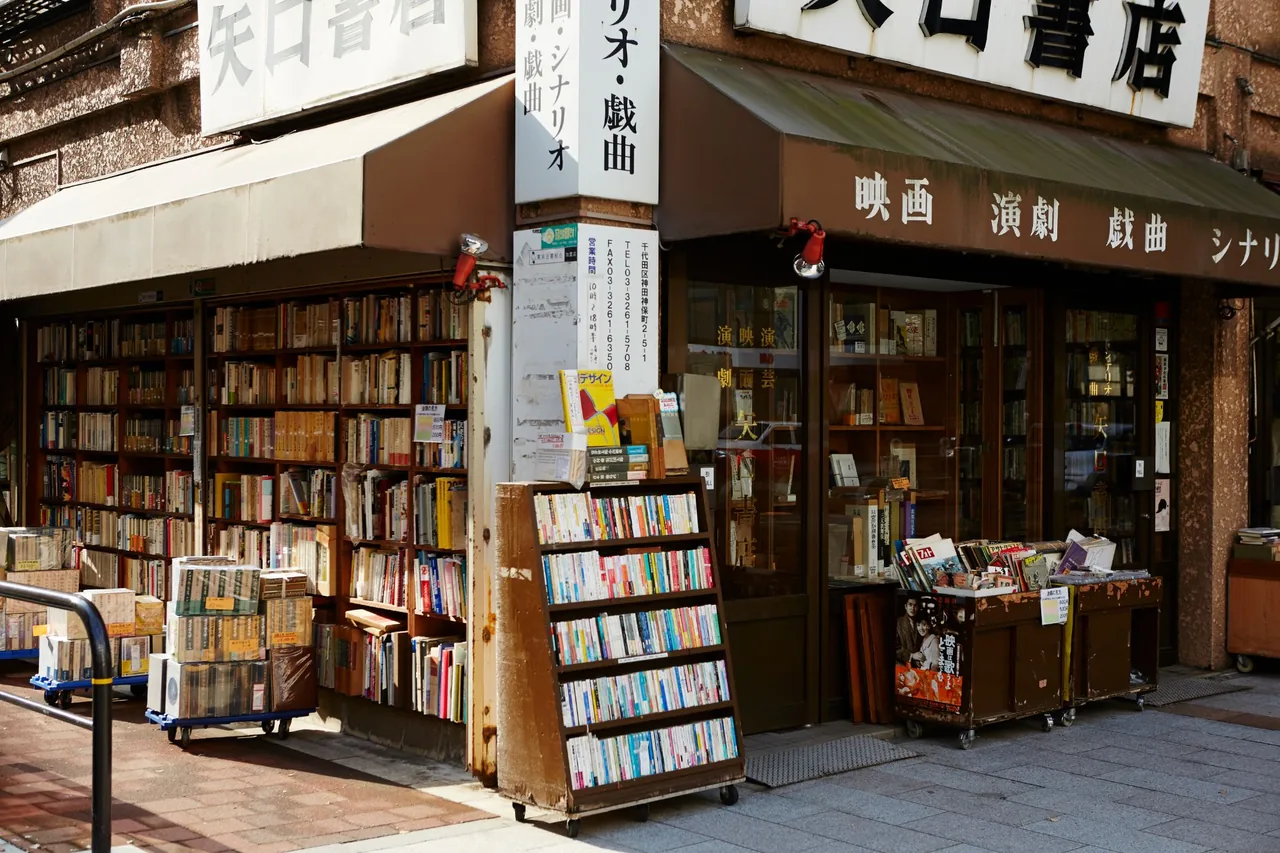
Kanda Used Book Town (Jimbocho) has around 130 bookshops. Many of the secondhand shops have a specialty, such as literature, history, art books, old maps, ukiyo-e prints or foreign-language books, so deciding what you're after helps you plan your route. Even if you can't read Japanese, ukiyo-e, old maps, photo books and design books are easy to enjoy.
The carts outside the shops hold inexpensive books, and browsing them can easily fill an hour.
- Old books and prints are fragile. Handle them gently and put them back where you found them.
- Shops have different policies on photography inside. Ask the staff before taking pictures.
- Small shops may take cash only, so carry some with you.
- Opening days and hours vary from shop to shop. If there's a particular shop you want to visit, check ahead.
When is the Kanda Used Book Festival? 2026 dates
Jimbocho is at its busiest during the autumn Kanda Used Book Festival (Tokyo Meibutsu Kanda Furuhon Matsuri). It is usually held from late October into early November, when book carts line Yasukuni-dori.
The 66th festival in 2026 runs from Friday, October 23 to Sunday, November 1, from 10:00 to 18:00 (until 17:00 on the last day), with about 120 shops taking part. This year part of the venue differs from usual because of building work. The outdoor Aozora Horidashi-ichi (open-air bargain market) is cancelled in rain, so on a wet day check the official website before you set out.
Sidewalks get crowded on festival weekends. If you want to browse at leisure, aim for a weekday morning.
A break in Jimbocho: curry and coffee
Jimbocho is also known for its many curry restaurants and coffee shops. Opening a book you've just bought over coffee, or stopping for curry at lunchtime, is part of the neighborhood's routine.
Popular places have lines at lunch. Arriving a little before or after the noon hour cuts the wait. Small places have few seats and aren't suited to lingering, so when it's busy, be ready to give up your seat for the next customer.
Ochanomizu: Nikolai-do and the view from Hijiribashi
Climb the slope from Surugadai-shita on Yasukuni-dori and you reach Ochanomizu. South of the station stands Nikolai-do (Holy Resurrection Cathedral), with its large dome. Completed in 1891, the Orthodox cathedral is an Important Cultural Property of Japan. It is still a working church, and the days and hours when visitors can go inside are limited, so check the visiting information on its official website.
A short walk north of Nikolai-do is Hijiribashi Bridge over the Kanda River. Built in 1927 as part of the rebuilding after the Great Kanto Earthquake, it takes its name ("bridge of the holy halls") from the two places of worship it links: Nikolai-do to the south and Yushima Seido to the north.
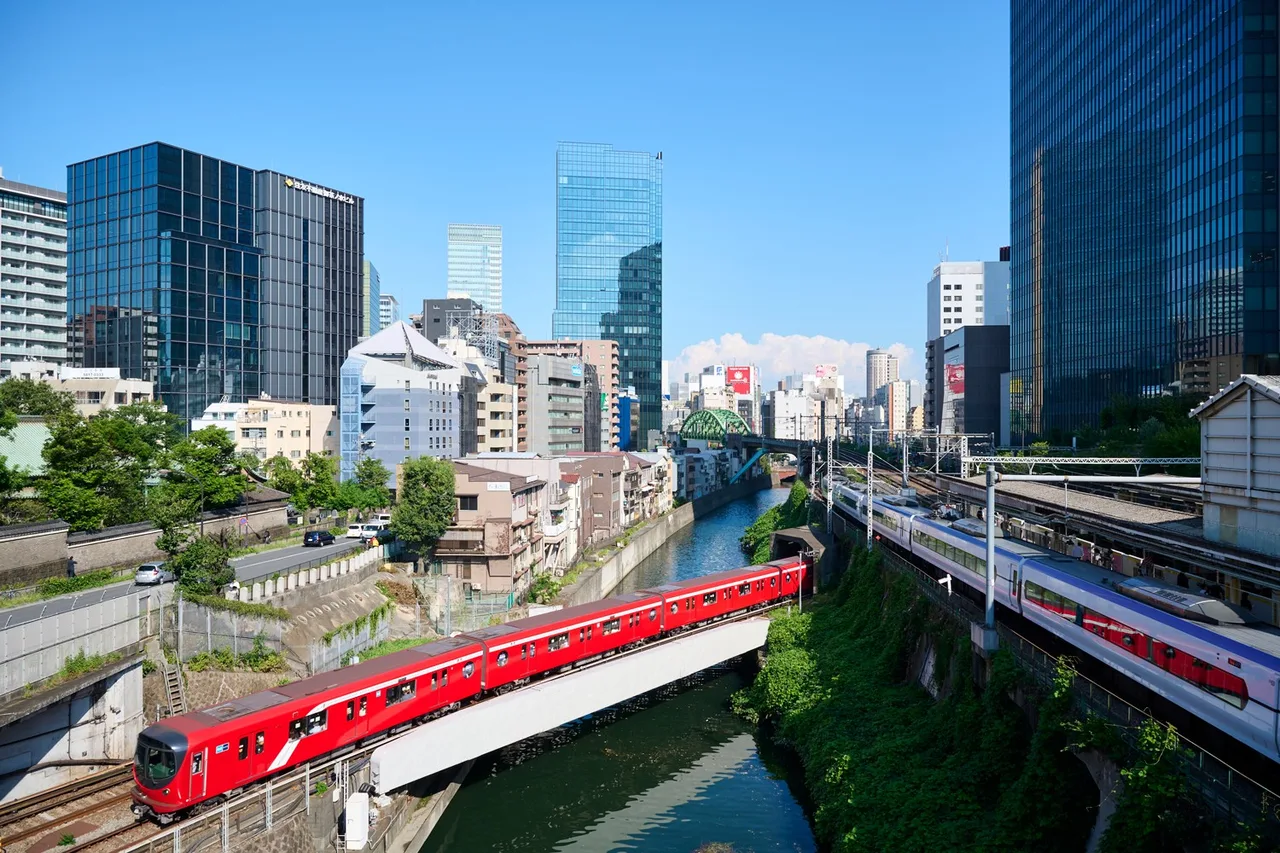
Photo: © TCVB
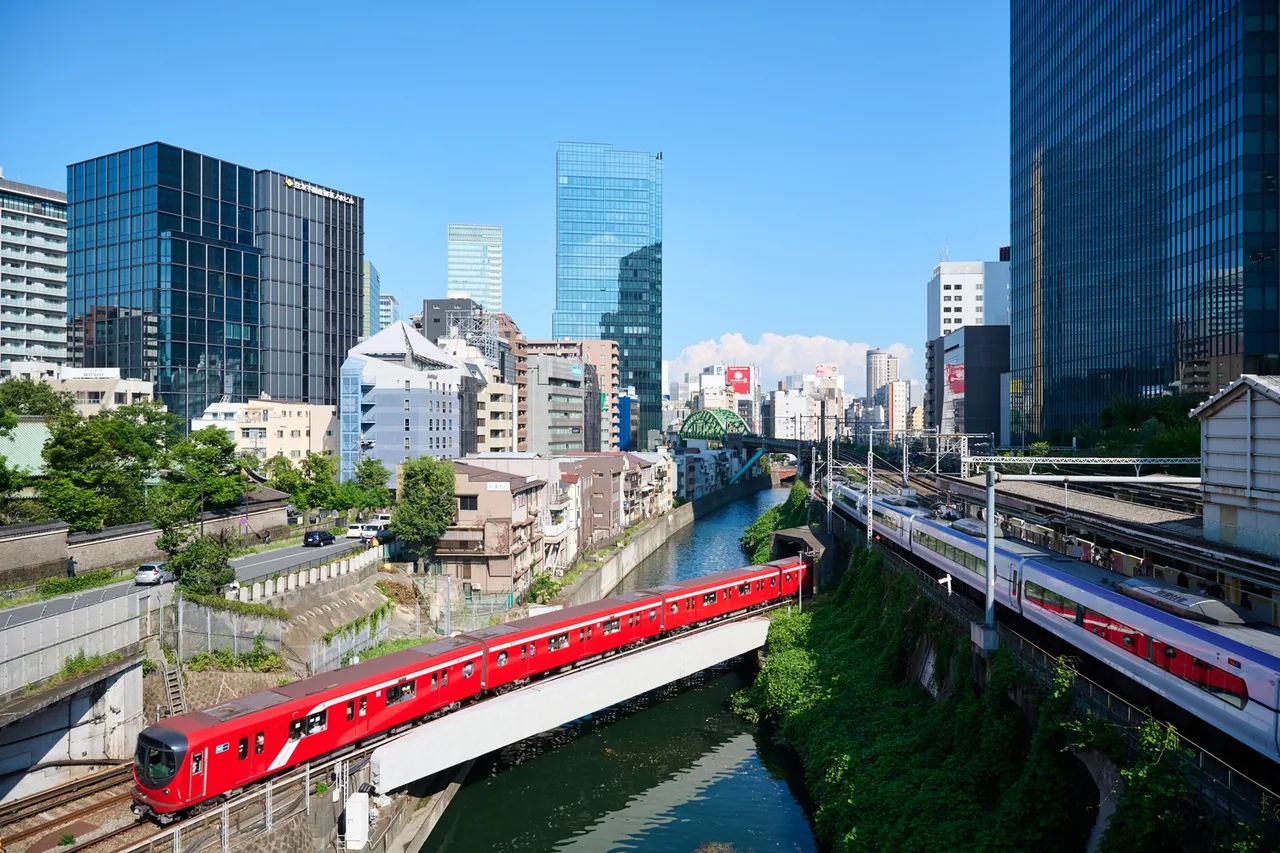
Look west from the bridge and the Kanda River runs through a tree-lined valley, with JR trains along its bank. Above them, Marunouchi Line trains emerge from underground and cross the river. The Marunouchi Line's Ochanomizu bridge is a Registered Tangible Cultural Property. The sidewalk is busy, so if you wait for a train shot, pick a spot where you won't block other people.
On the north side of Hijiribashi is Yushima Seido. It began as a Confucian temple built in 1690 by Tokugawa Tsunayoshi, the fifth Tokugawa shogun, and later housed the shogunate's academy, the Shoheizaka Gakumonsho. The present Taiseiden hall was rebuilt in 1935 after the Great Kanto Earthquake. The interior of the Taiseiden is open only on certain days, so check the official website.
East along the Kanda River: mAAch ecute Kanda Manseibashi
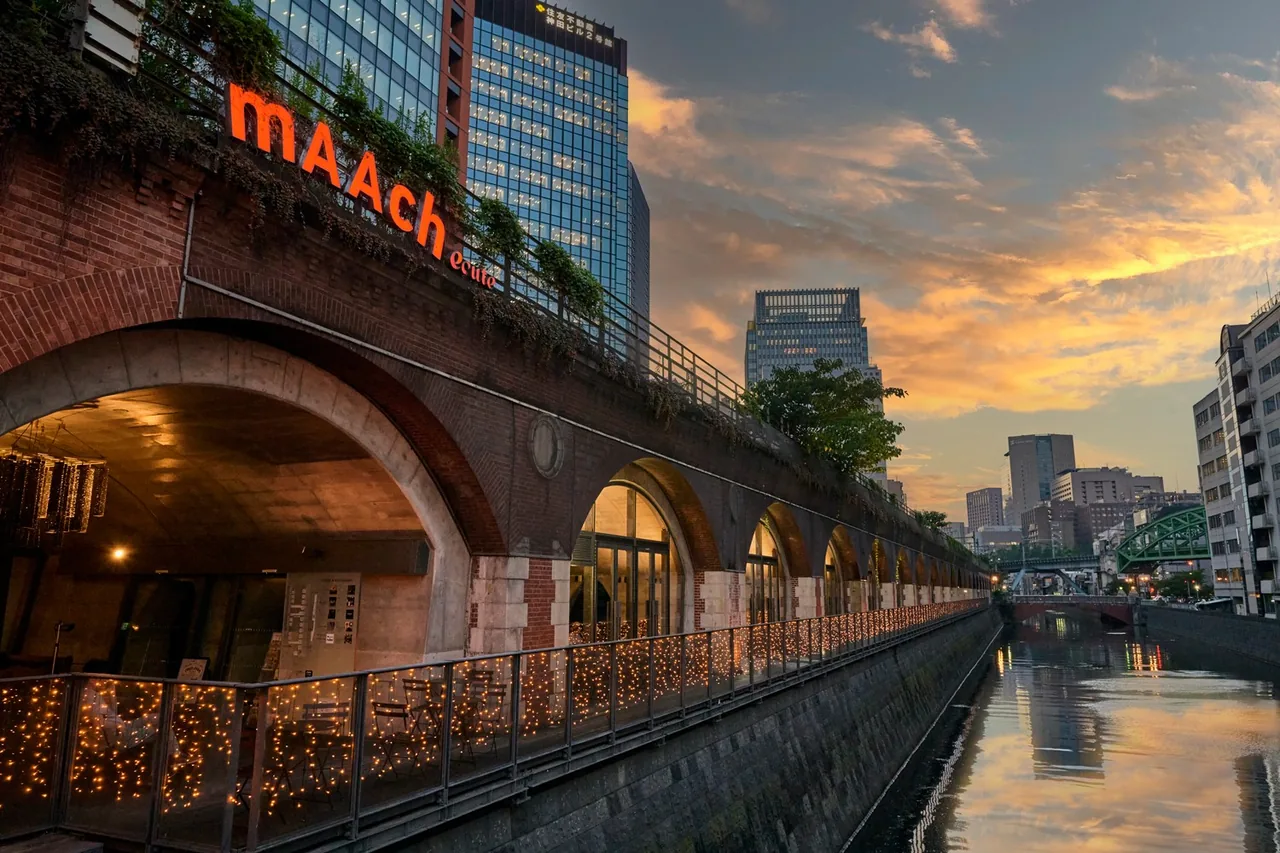
Follow the Kanda River east and a red-brick viaduct comes into view. mAAch ecute Kanda Manseibashi makes use of the viaduct of the former Manseibashi Station, completed in 1912, with cafés and shops under the arches.
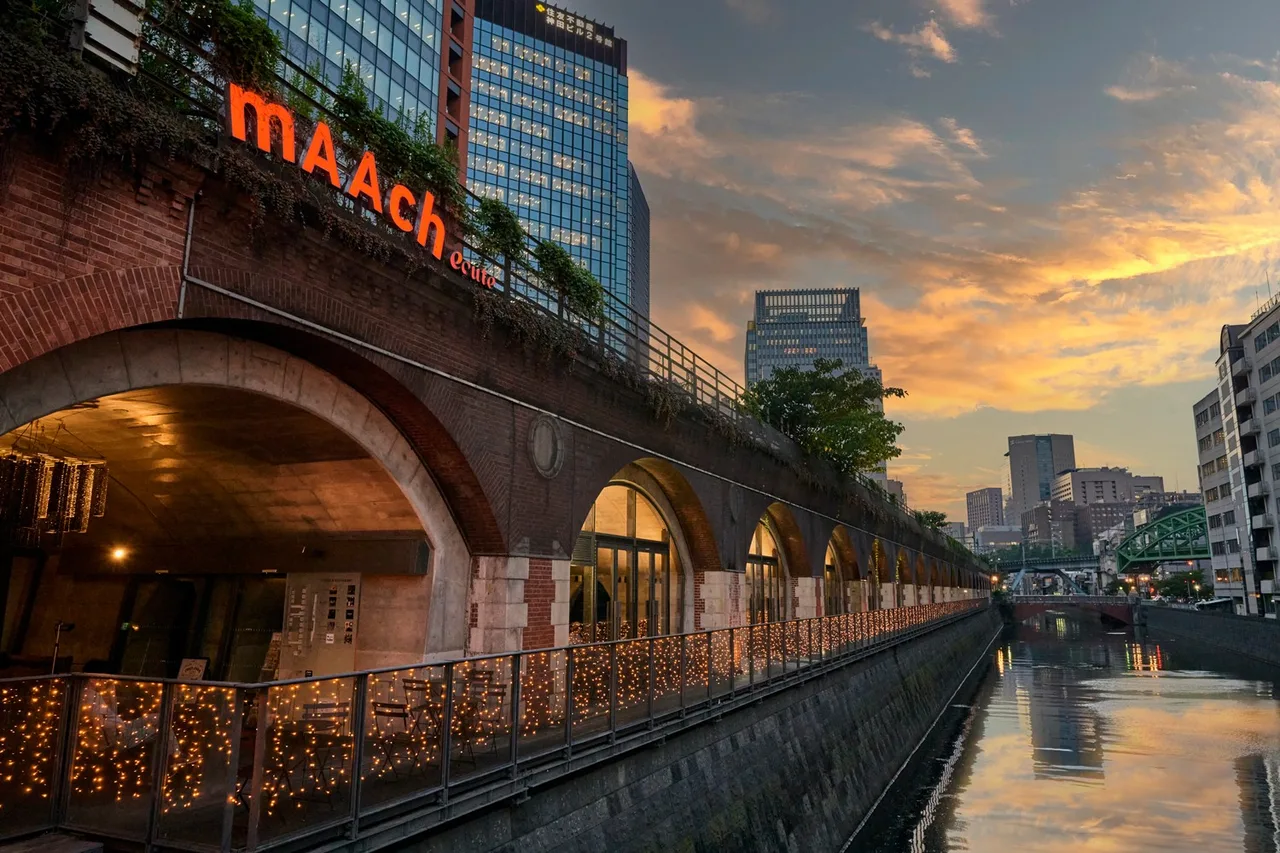
Photo: © TCVB
Climb the station's surviving 1912 Staircase to the 2013 Platform, a deck built on the site of the old platform. Chuo Line trains pass on both sides just beyond the glass, a different angle on the trains from the one at Hijiribashi. Check the facility's official website for the deck and shop hours.
Akihabara's Electric Town is just around the corner. If you'd like to add electronics and anime shops to the day, read our Akihabara guide to help plan it.
Kanda Myojin and Yushima Tenmangu: two shrines on the hill
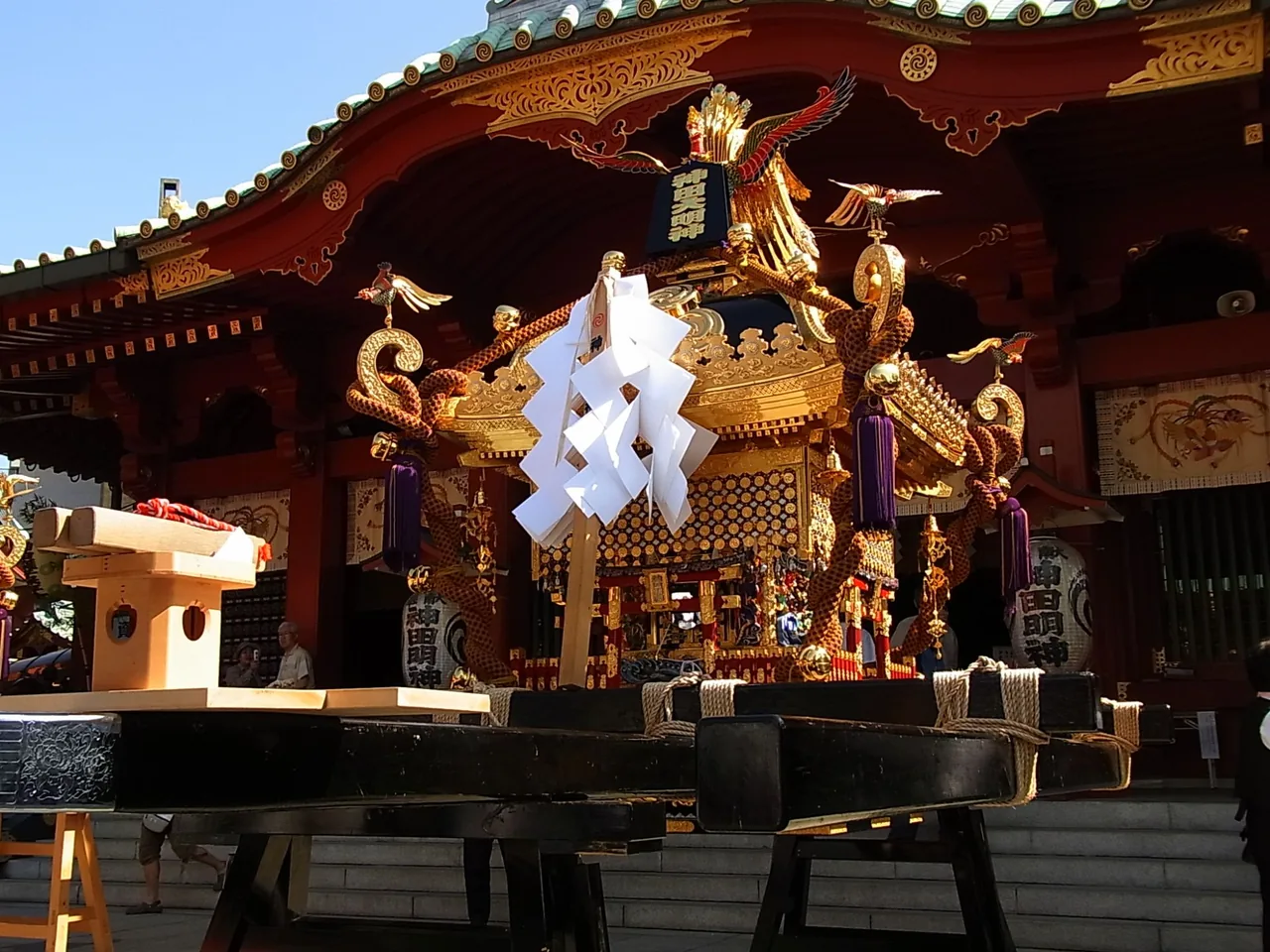
Head north and uphill from Manseibashi to reach Kanda Myojin Shrine. Revered in the Edo period as the guardian of all Edo, it is said to have moved in 1616 to its present site, guarding the unlucky northeast "demon's gate" of Edo Castle. Its festival, the Kanda Matsuri, holds its full honmatsuri every other year in May. The Kanda Myojin section of our Akihabara guide covers the shrine and the festival in more detail.
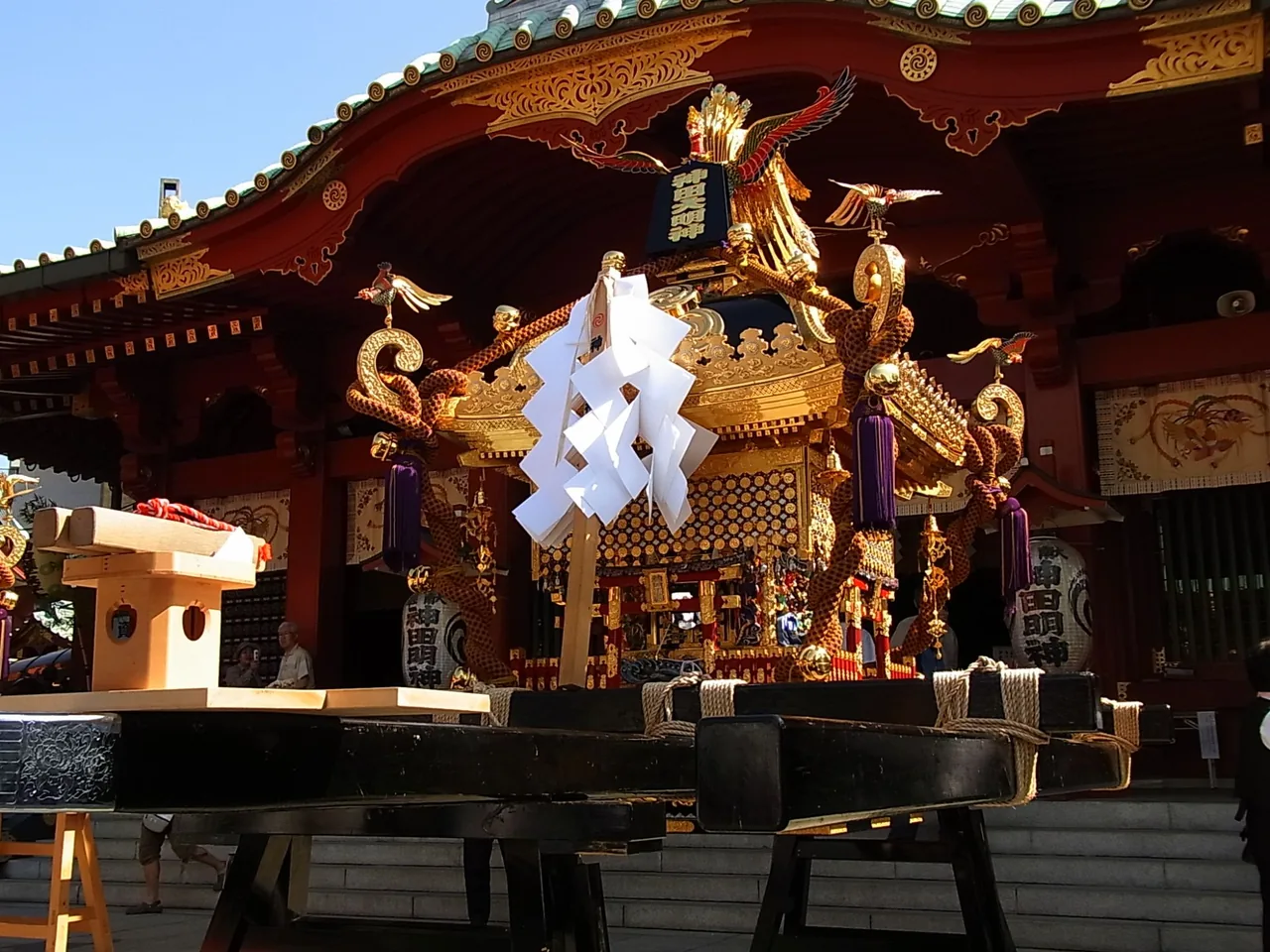
Photo: © TCVB
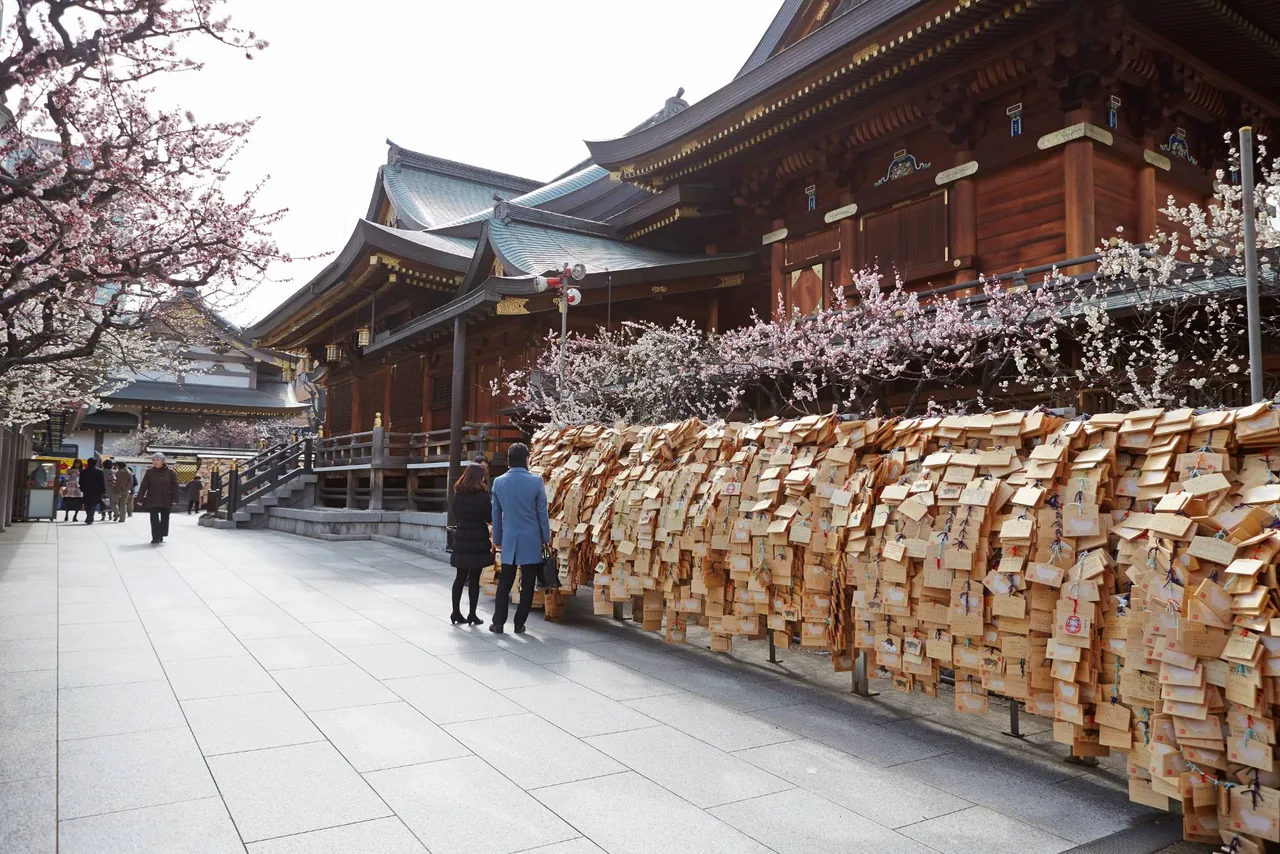
Walk north from Kanda Myojin to Yushima Tenmangu, dedicated to Sugawara no Michizane, the god of learning. Many people visit to pray for success in their studies and exams. It is also known for its plum blossoms, and the Bunkyo Plum Festival is held from early February to early March in a typical year.
At shrines, the usual custom is to bow once before passing through the torii gate and to avoid walking down the very center of the approach. Yushima Station on the Tokyo Metro Chiyoda Line is close to Yushima Tenmangu, and Ueno is within walking distance. If you continue on foot to Ueno, you can combine this walk with our Asakusa and Ueno one-day itinerary.
If you have time: Nihonbashi
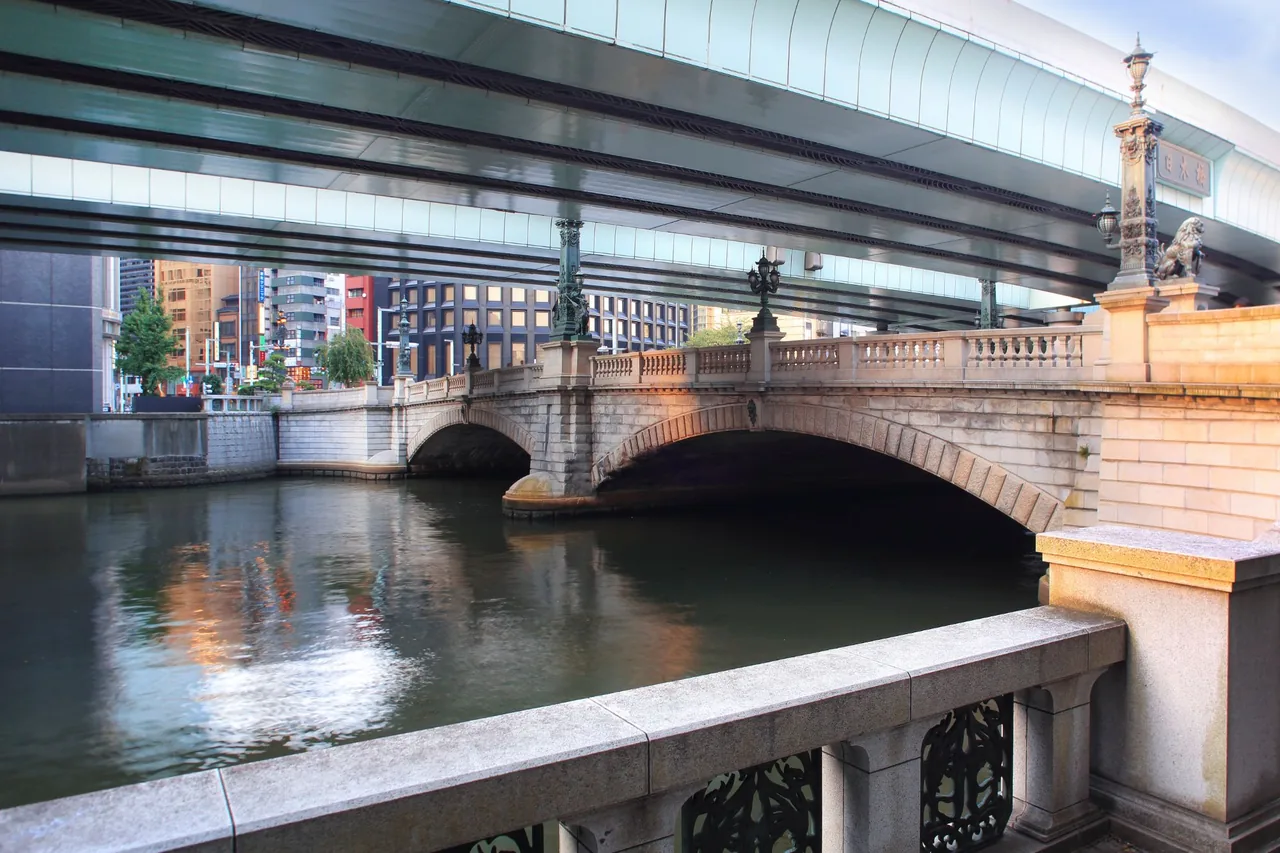
On a day when you feel like walking further, head south to Nihonbashi Bridge. The current twin-arched stone bridge was completed in 1911 and is an Important Cultural Property of Japan. Set into the middle of the roadway is the Zero Kilometer Marker for Japan's national roads. Mitsukoshimae Station on the Tokyo Metro Ginza Line is close to the bridge.
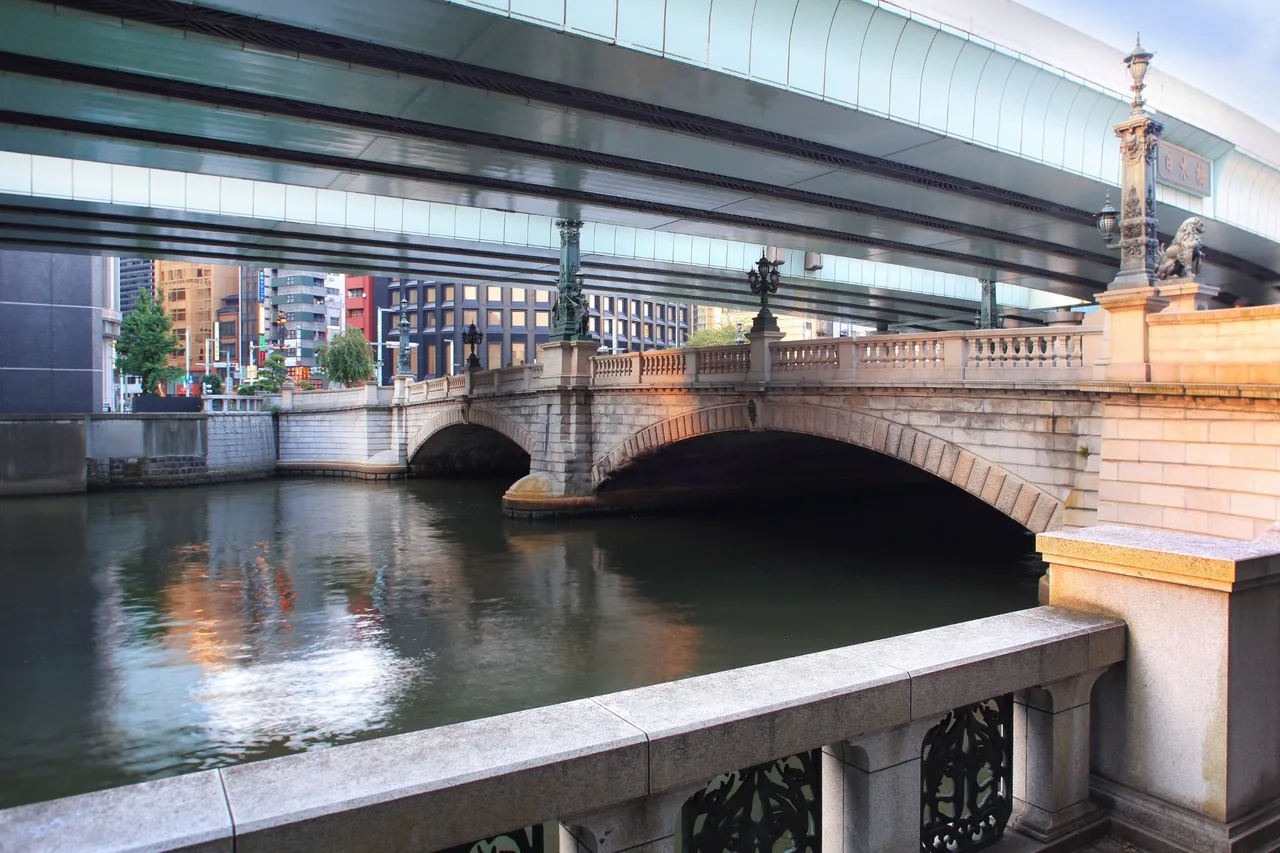
Photo: © TCVB
Official information to check before you go
- BOOKTOWN Jimbou (Kanda Used Booksellers Association): the book town and the Kanda Used Book Festival
- Nikolai-do (Holy Resurrection Cathedral)
- Yushima Seido (Shibunkai)
- mAAch ecute Kanda Manseibashi
- Kanda Myojin Shrine
- Yushima Tenmangu
Opening days and hours can change, so check each official website for the latest information before you go. Find more places to visit in Tokyo sights.
Places in this guide
Hotels nearbyPR
See prices and availability for hotels in Tokyo and book on our partner Trip.com.
See hotels in Tokyo on Trip.com