
Tokyo Yokocho Alleys: Golden Gai and Omoide Yokocho Etiquette
This guide is translated from the Japanese edition. Read the Japanese edition
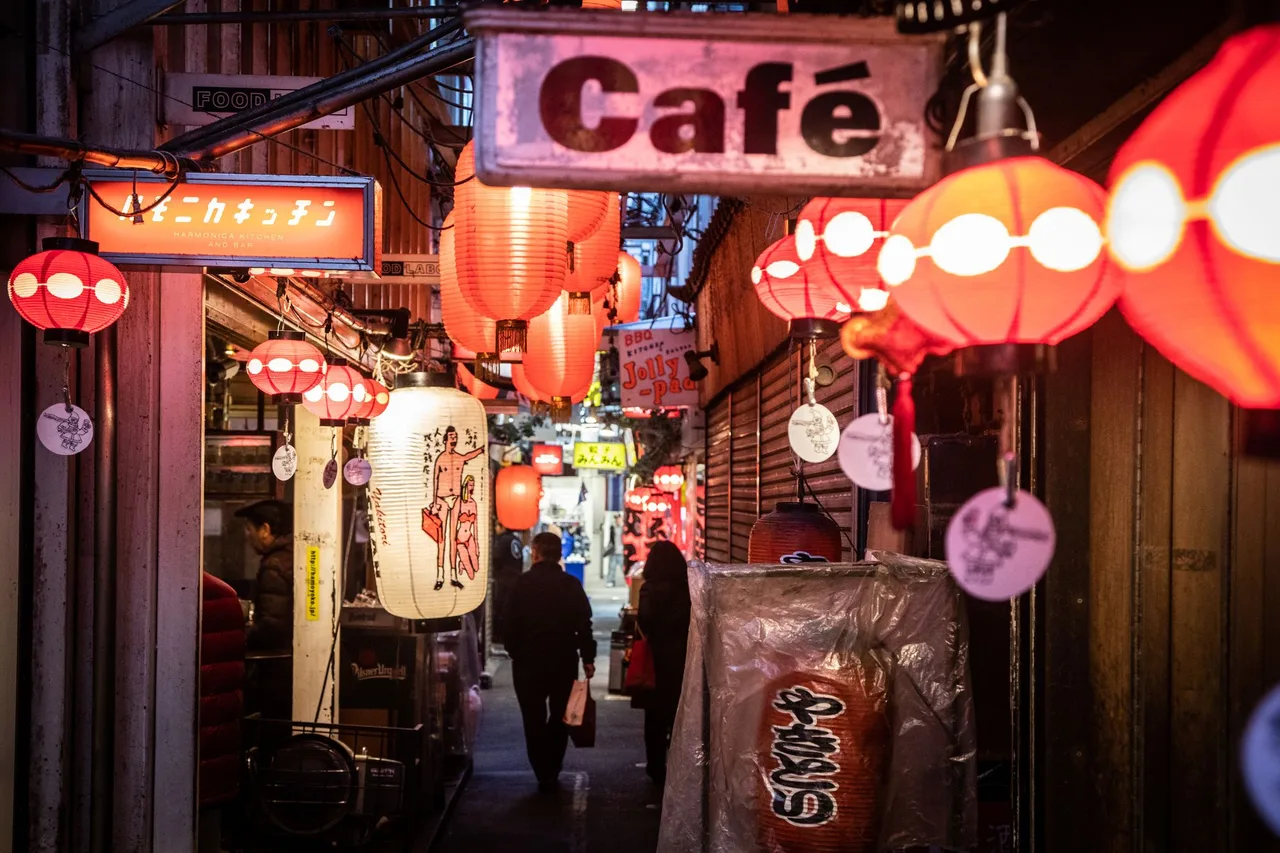
How to drink in Tokyo's yokocho alleys (otoshi and cover charges, cash, seats, photos, smoking) and how Golden Gai, Omoide Yokocho and other alleys differ.
Step out of the West Exit of Shinjuku Station, walk a little way along the tracks, and yakitori smoke drifts out from both sides of a narrow lane. Dozens of bars stand wall to wall, many of them full once a handful of people sit at the counter. Tokyo's yokocho, or drinking alleys, are the classic example of a place travelers are curious about but hesitant to walk into. Every bar has its own way of doing things, but there's plenty you can know beforehand that will save you from confusion.
What are yokocho and gado-shita?
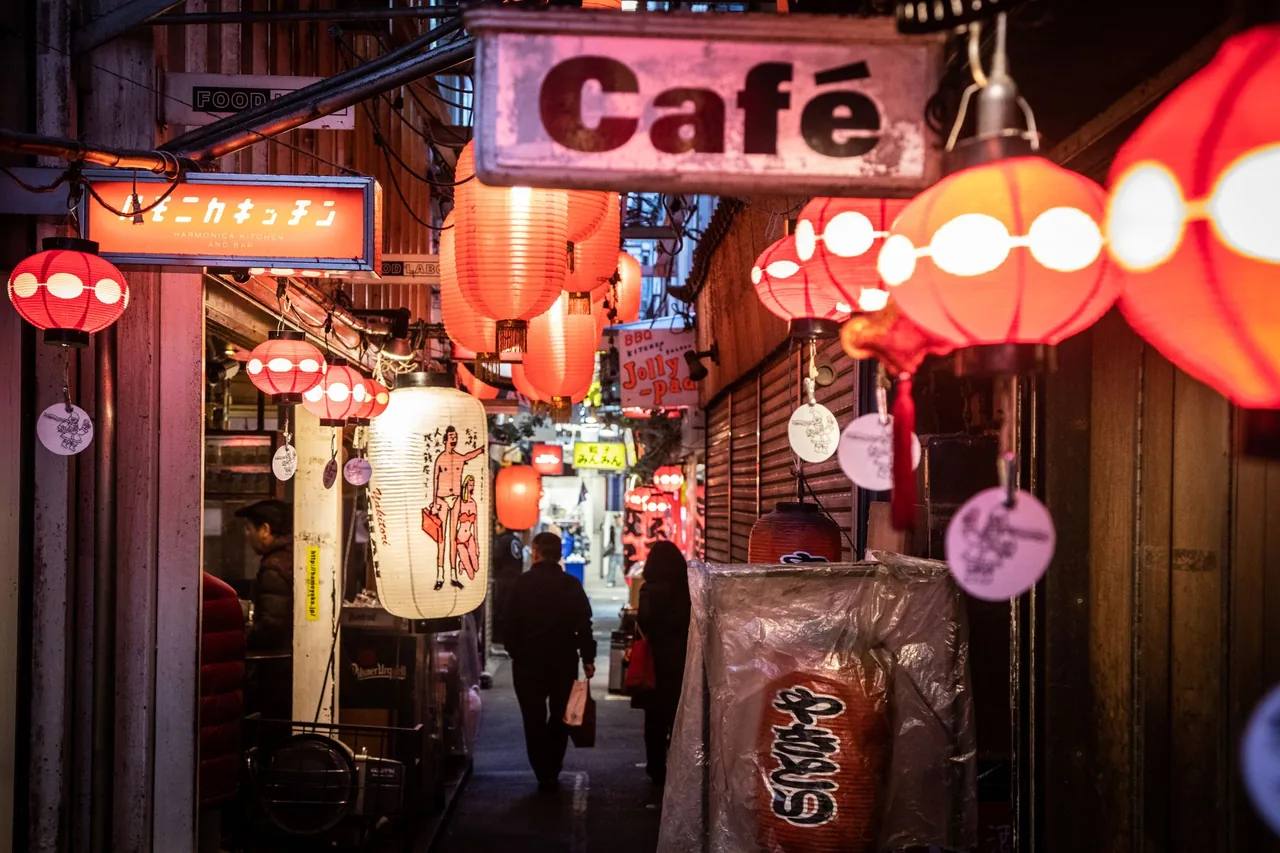
A yokocho is a cluster of small eateries and bars in a narrow lane just off a main street. Many of Tokyo's older yokocho began as black markets and street markets on the burned-out ground left after the war. Omoide Yokocho in Shinjuku, Harmonica Yokocho in Kichijoji and Ameyoko in Ueno all share that background.
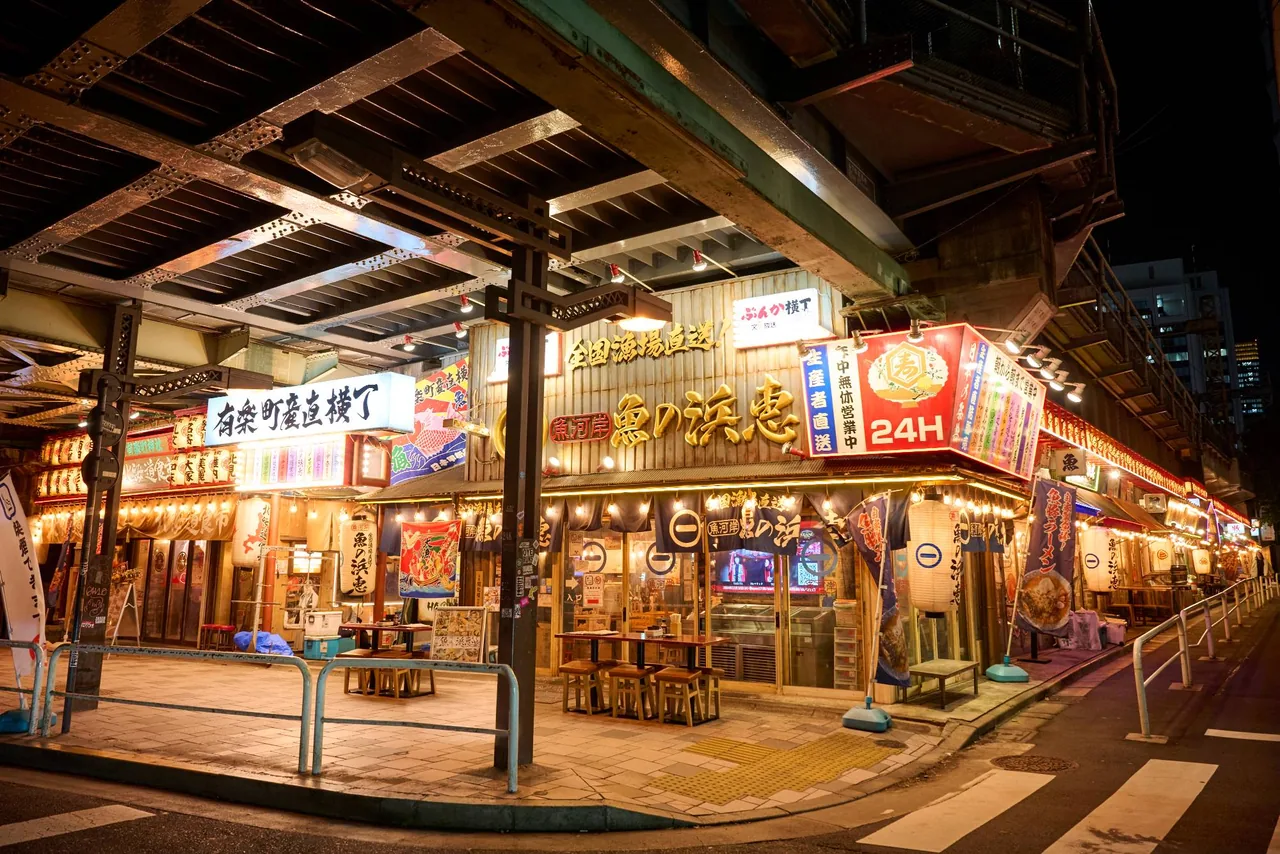
Gado-shita means "under the girders": bars and restaurants built into the space beneath elevated railway tracks. The stretch under the tracks from Yurakucho toward Shimbashi is the best known, and you drink to the sound of trains passing overhead.
More recently, new food halls have recreated the yokocho atmosphere inside commercial buildings. They have more seats and easier menus, which makes them good practice before you try a tiny bar in an older alley.
Before you walk in: otoshi, cash and group size
Bars with only about ten seats are common in the older yokocho. A few things are worth knowing before you go in.
- Keep your group to about two: Larger groups often can't be seated together and get turned away. Tokyo's official travel site also recommends visiting the small bars in yokocho in as small a group as possible.
- Otoshi and seating charges: At some places a small dish arrives when you sit down, and it's charged per person. Otoshi itself is explained in our guide to Japanese restaurant etiquette. Some yokocho bars also add a separate seating (cover) charge, so if you're unsure, ask before you sit down.
- House rules: The official Omoide Yokocho website notes that some shops require each person to order at least one dish and one drink, some serve skewers automatically, some cap the number of drinks, and some have time limits such as 90 minutes. Reading the notice out front before you go in is the quickest way to find out.
- Bring cash: According to the official Omoide Yokocho website, about 60% of its shops were cash only as of April 2021. More places now take cards or e-money, but having a few 1,000-yen notes on you avoids trouble.
- Don't linger: With so few seats, giving up your seat to the next customer once you've finished is part of yokocho manners. Plan to visit a few bars and keep each stop fairly short.
The shops on Omoide Yokocho's middle lane have no restrooms inside; customers use a shared toilet. It can get busy, so go before you really need to.
Rules on photos and smoking
For Shinjuku Golden Gai, Tokyo's official travel site asks visitors not to take photos without permission, and not to smoke or drink in the street. Inside a bar, or when photographing staff or other customers, ask first. Peering into lanes just to take pictures also gets in the way of bars that are open for business.
Smoking rules depend on where you are.
- On the street: Shinjuku City bans smoking on the street throughout the ward, and since July 2025 the ban covers heated tobacco as well. If you smoke, use a public smoking area.
- Inside bars: Since April 2020, smoking has been banned in principle inside restaurants and bars in Tokyo. Some small bars that meet certain conditions may still allow it. Places where smoking is allowed must display a sign at the entrance, and people under 20 can't enter. If you dislike smoke or have children with you, check the sign at the door before going in.
Shinjuku: Omoide Yokocho and Golden Gai
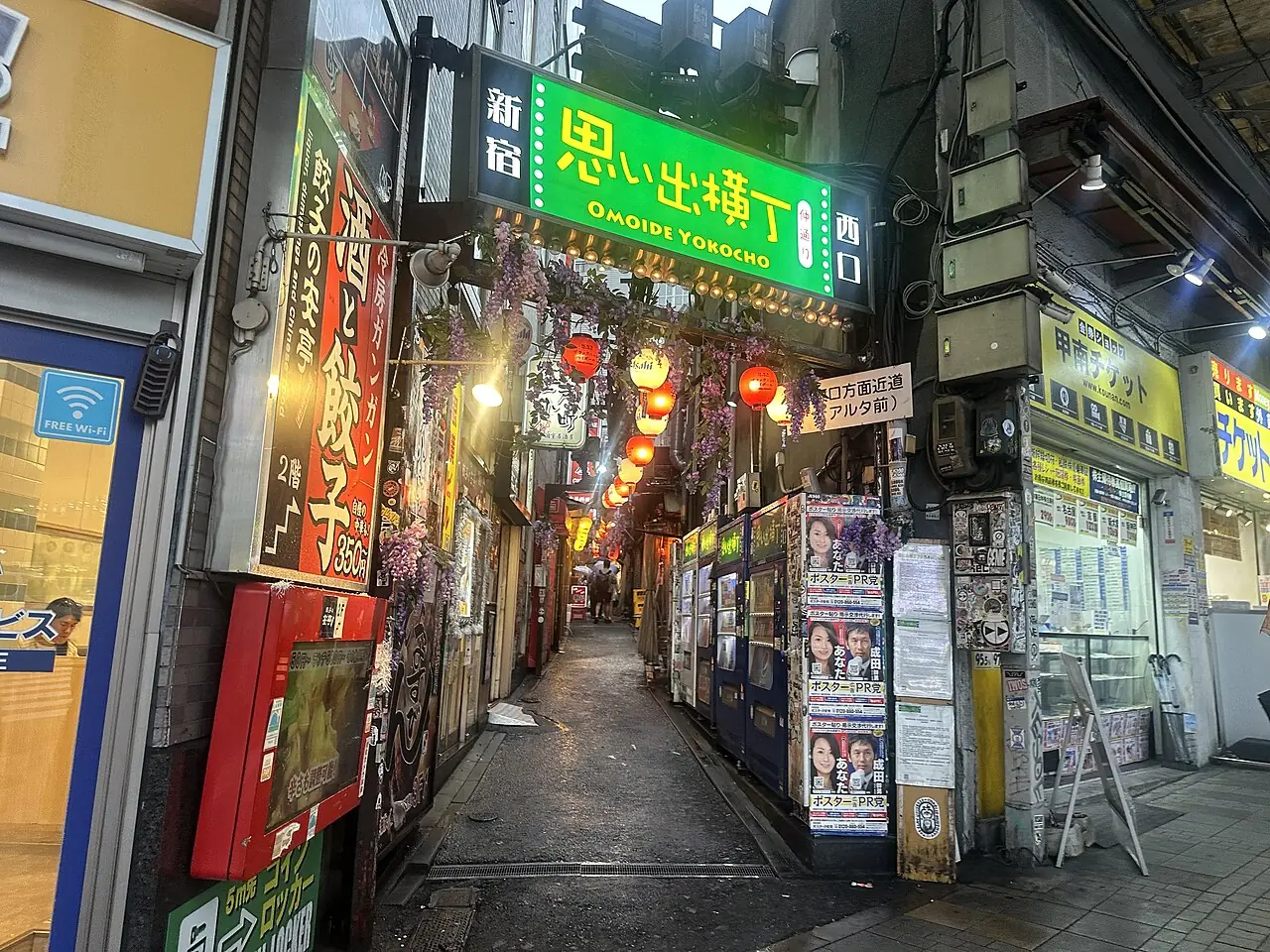
Omoide Yokocho sits right by the West Exit of Shinjuku Station. It began as a postwar black market, and today about 80 shops are packed in: eateries serving motsuyaki (offal skewers), yakitori and more, plus ticket shops and other stores. Being so close to the station, it works well for a single stop between trains or before dinner.
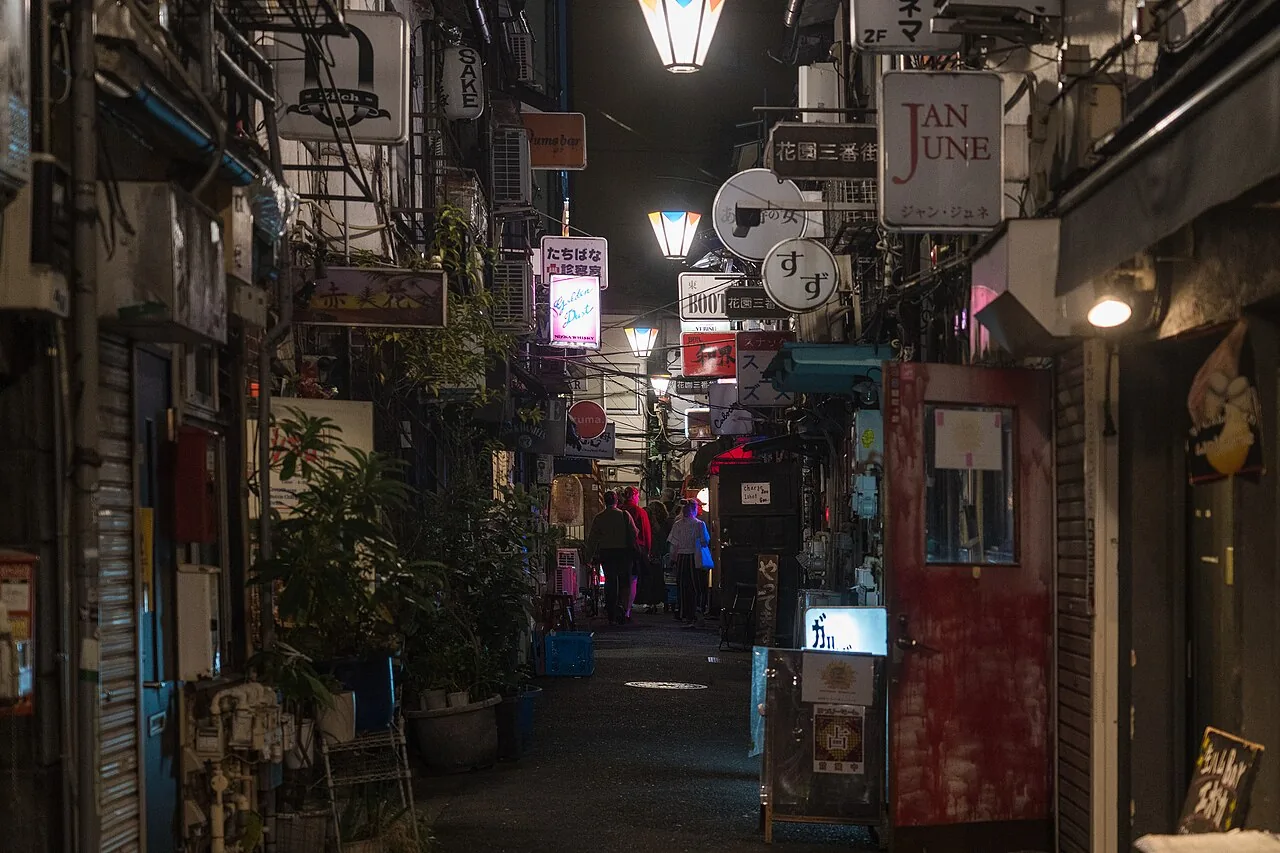
On the other side of the station, in a block east of Kabukicho, is Shinjuku Golden Gai. More than 200 tiny bars and drinking spots are crammed into lanes of low buildings. Golden Gai is about drinking rather than eating, and many bars have a regulars' feel. The way bars charge also varies. Some post their prices outside, so check what's displayed before you open the door.
Harmonica Yokocho in Kichijoji
Harmonica Yokocho lies in front of the North Exit of JR Kichijoji Station. It grew out of a market that appeared by the station in 1945, and about 100 shops fill its tangle of lanes. By day you'll find fishmongers and Japanese sweet shops; at night the crowds move to bars with only a few seats, so the alley changes character with the hour. Kichijoji is a straight ride from Shinjuku on the Chuo Line, so you could also stop here on the way back from a walk in Inokashira Park.
New yokocho that are easy for first-timers
If walking straight into a tiny bar feels daunting, start with a yokocho inside a commercial building.
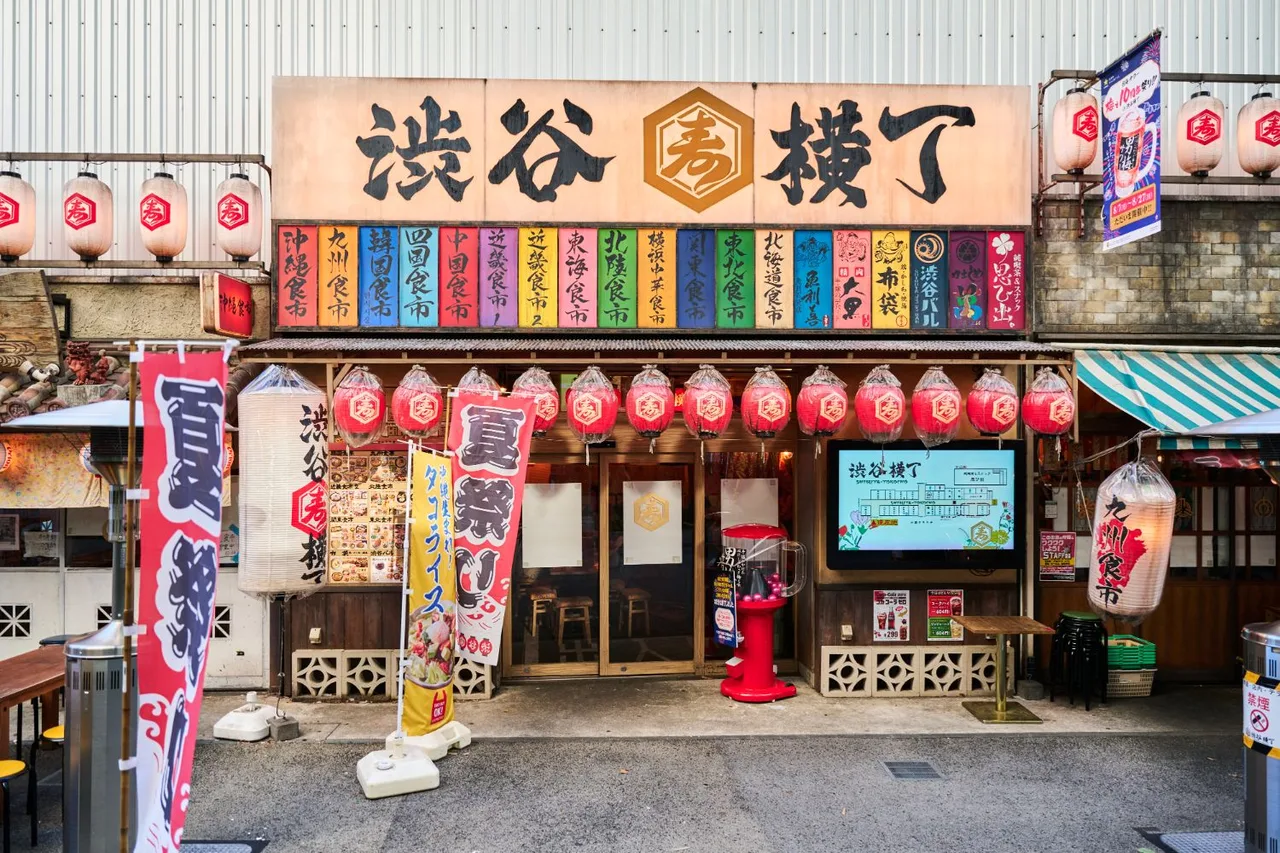
Photo: © TCVB
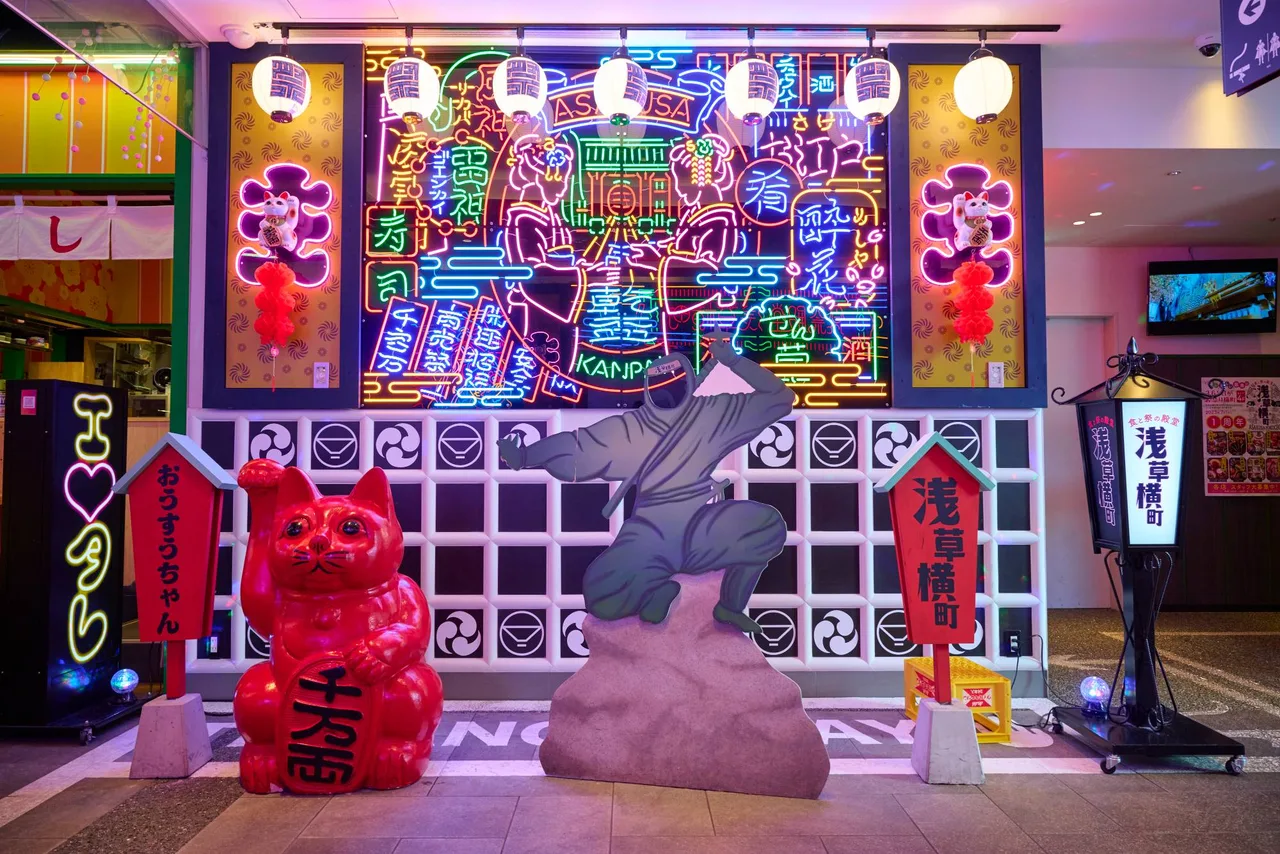
Photo: © TCVB
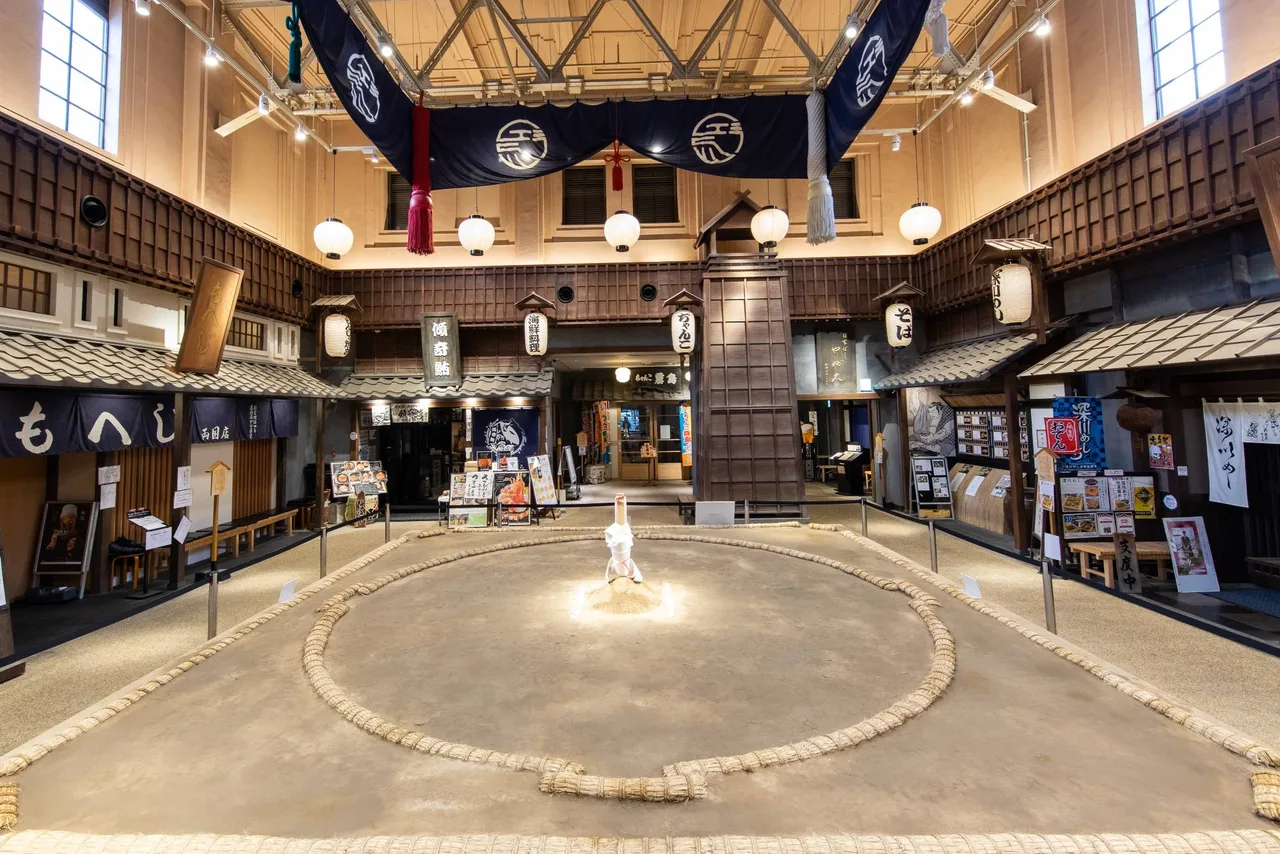
Photo: © TCVB
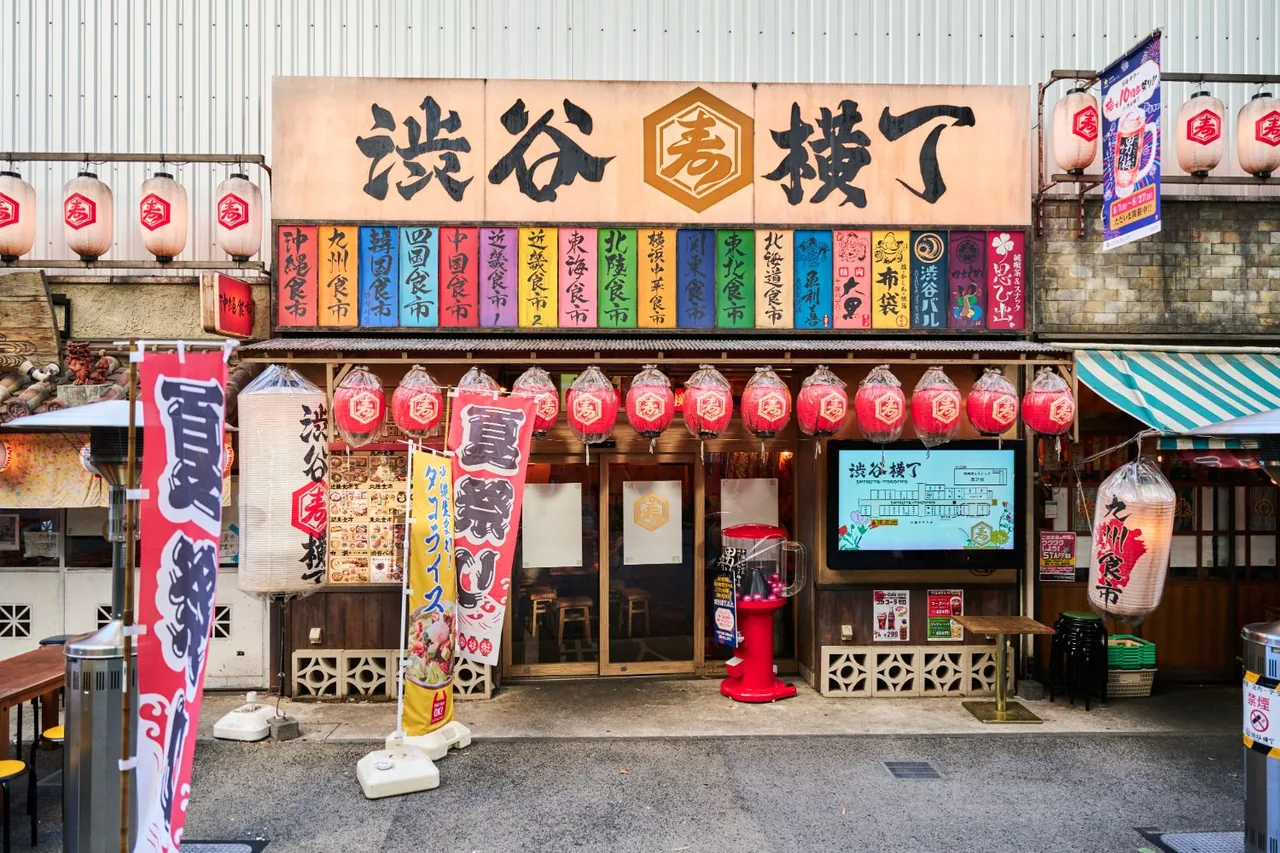
- Shibuya Yokocho: Opened in August 2020 on the ground floor of MIYASHITA PARK. Nineteen eateries serve regional food from Hokkaido to Kyushu and Okinawa, with seating in the aisles and on the terrace.
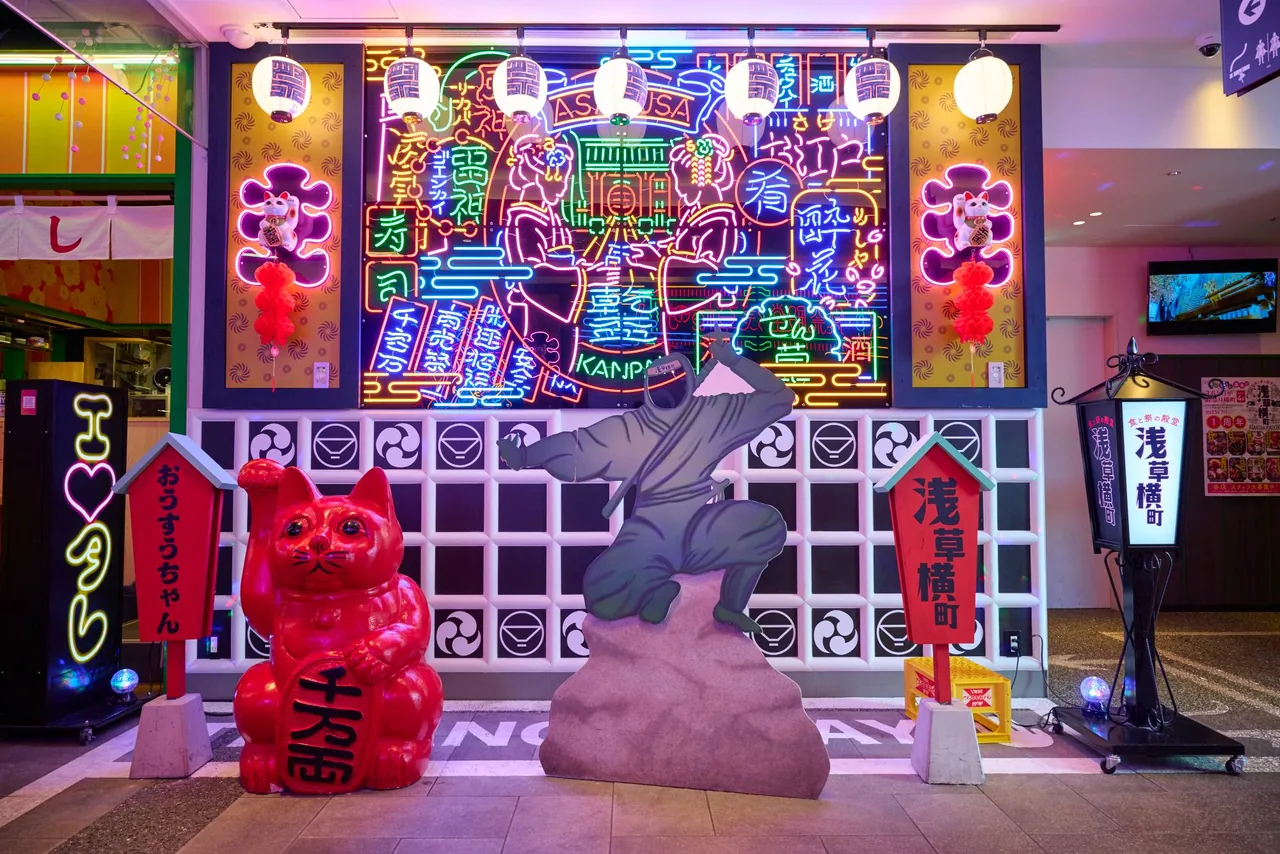
- Asakusa Yokocho: Opened in July 2022 on the fourth floor of the Tokyo Rakutenchi Asakusa Building in the Rokku district. Its theme is festivals and food from across Japan, and festival performances are held inside.
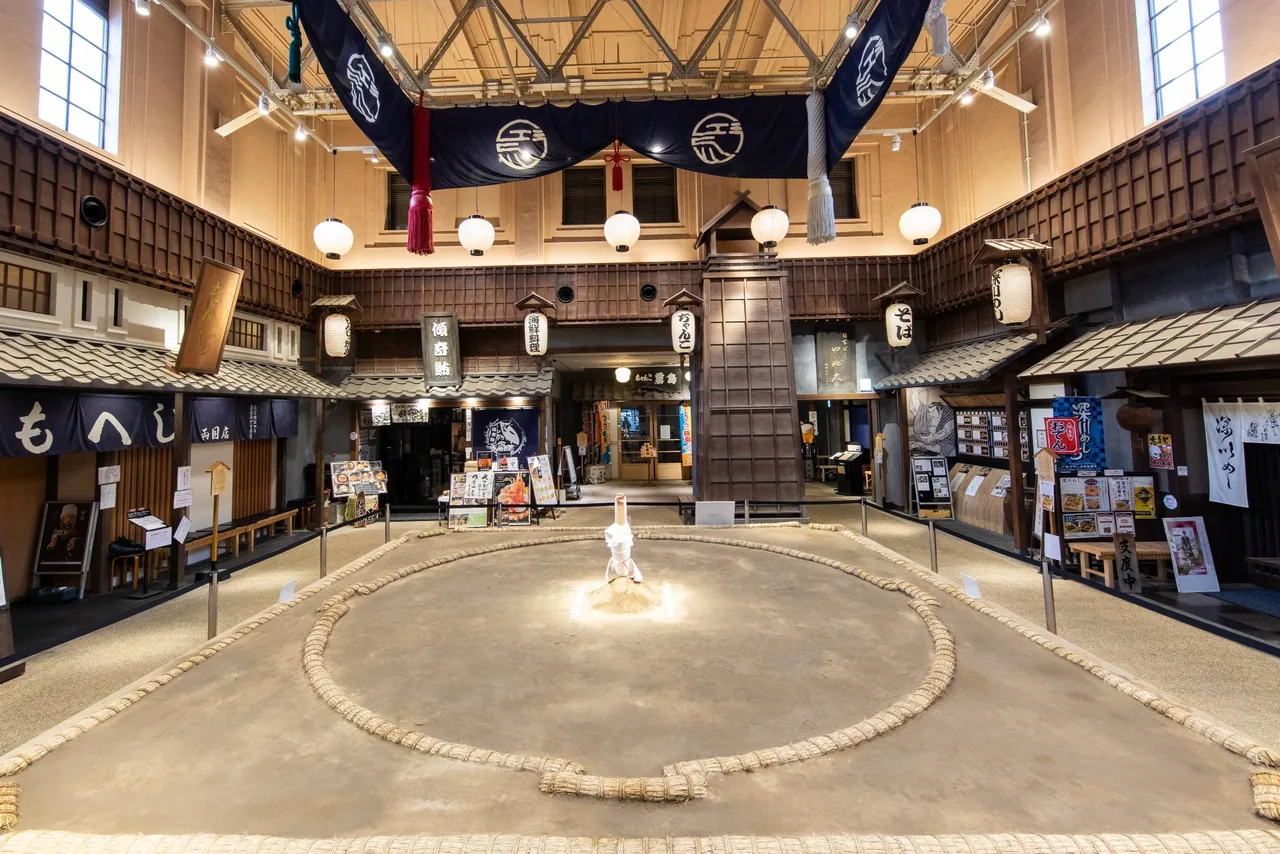
- Ryogoku Edo Noren: Opened in 2016 in the former JR Ryogoku Station building, built in 1929. A sumo ring supervised by the Japan Sumo Association stands in the middle, making it an easy stop before or after watching sumo.
All three have plenty of seats and menus displayed at each counter, so ordering shouldn't be a problem.
The Yurakucho arches and Ameyoko
Yurakucho Gado-shita is the cluster of drinking spots under the tracks at JR Yurakucho Station. Old-school bars with Showa-era signs and posters sit alongside newer bars, and it's where office workers gather after work. Under the tracks between Yurakucho and Shimbashi stations is also the Hibiya OKUROJI arcade.
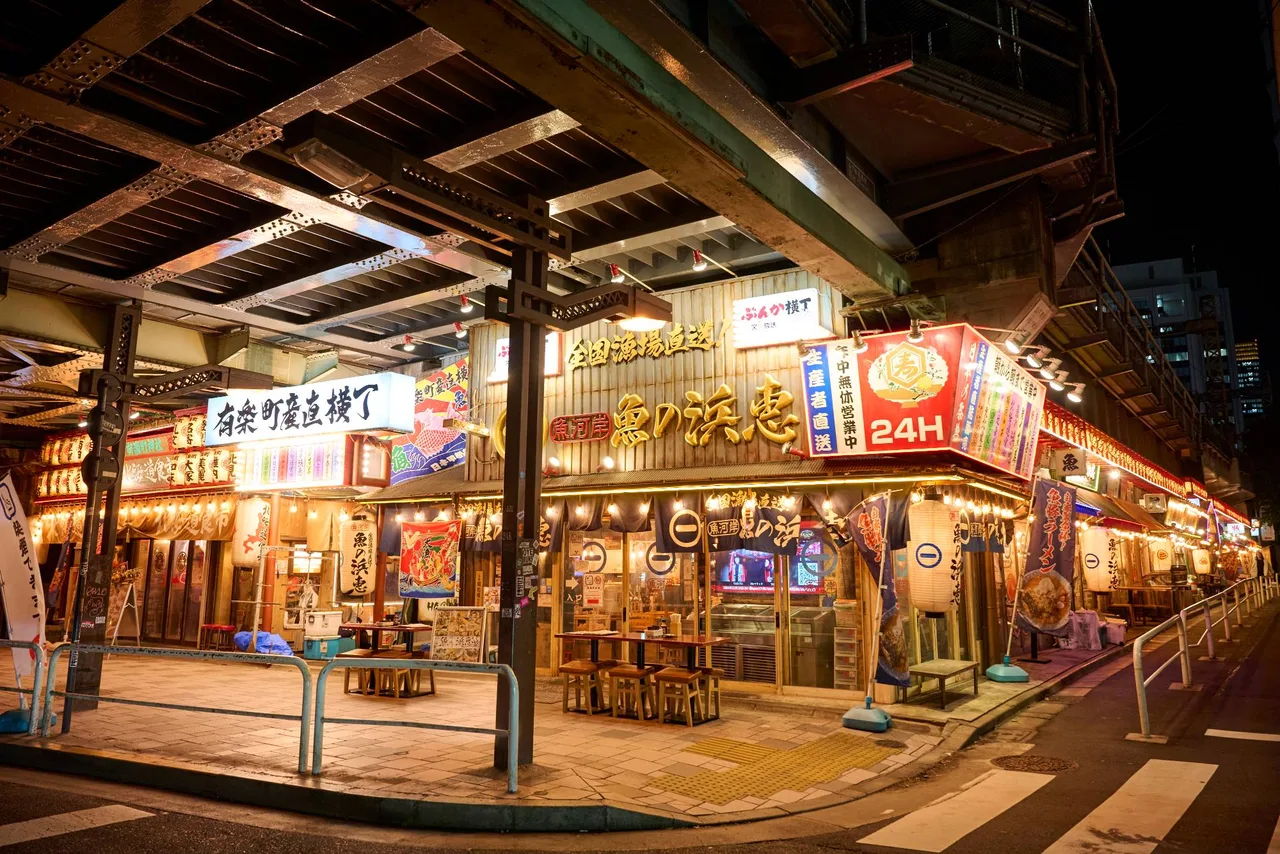
Photo: © TCVB
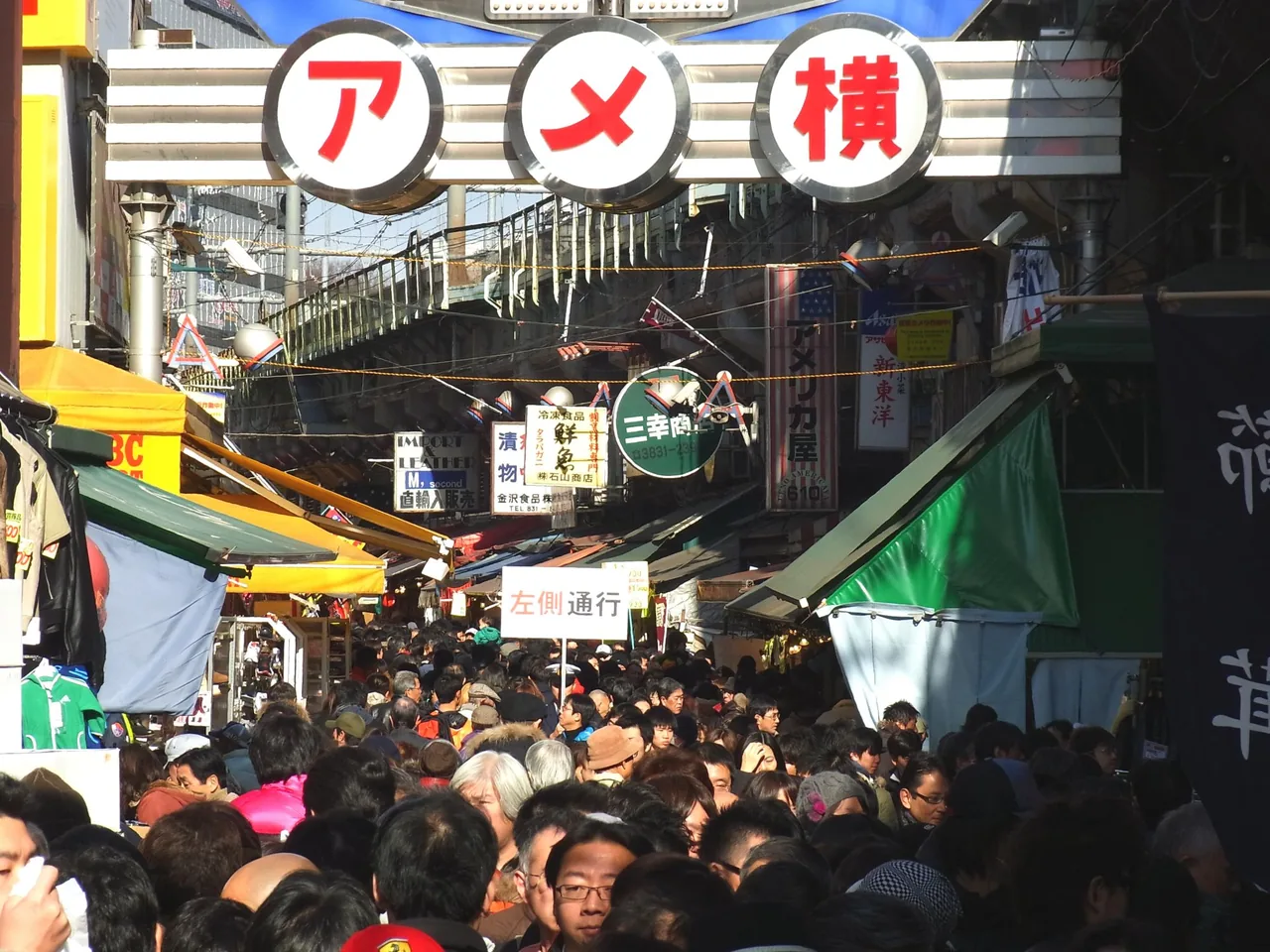
Ameyoko in Ueno is a shopping street with more than 400 shops along roughly 500 meters between Ueno and Okachimachi stations. By day it's busy with people buying dried food and snacks, but casual izakaya and diners line it too, and more people come for a drink from early evening. The street is crowded, so don't block the way when you eat or drink outside a shop.
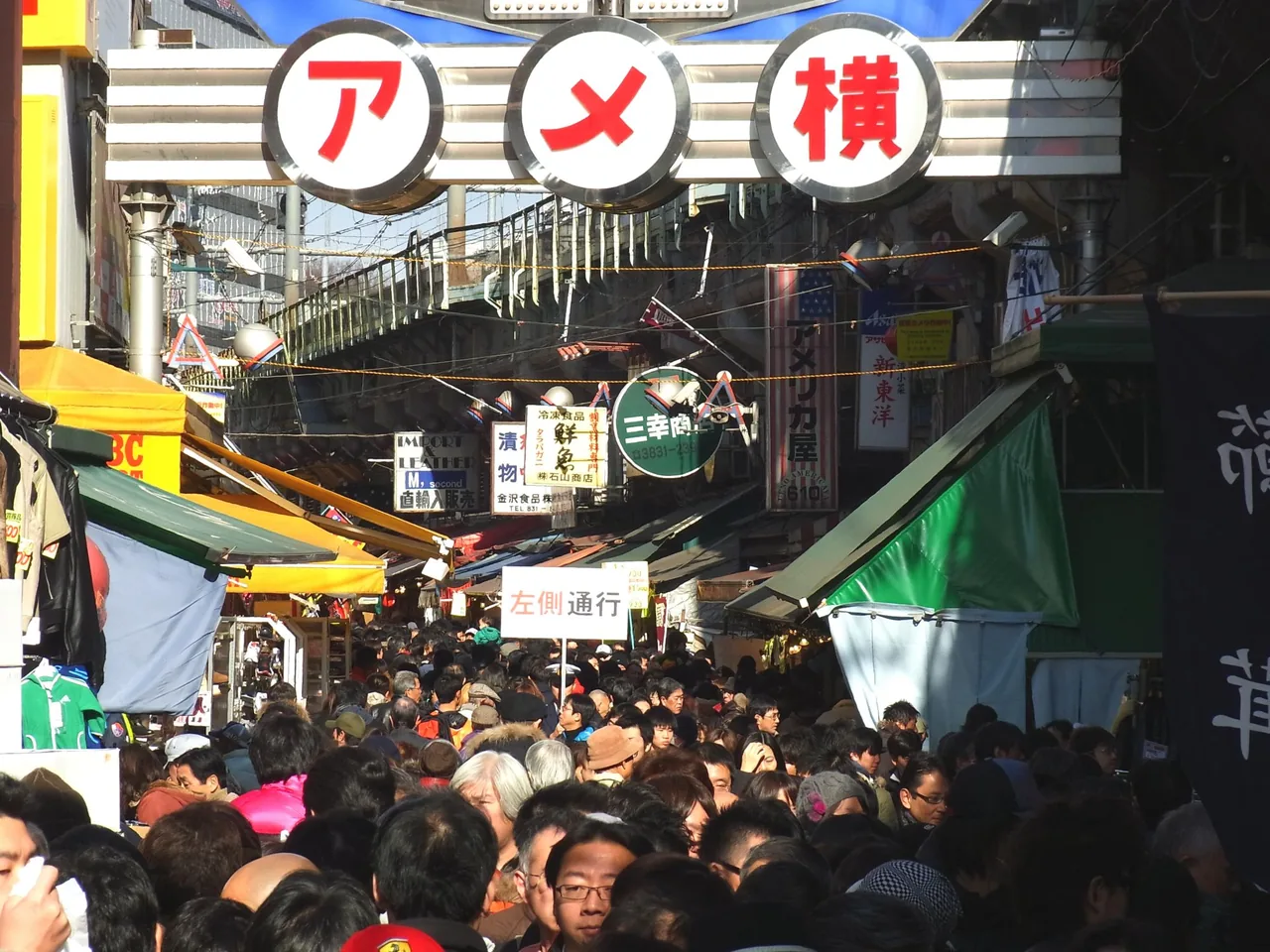
Photo: © TCVB
Official information to check before you go
- Yokocho alleyways guide (GO TOKYO, Tokyo's official travel site)
- Shinjuku Golden Gai (GO TOKYO)
- Shinjuku Nishiguchi Omoide Yokocho official website
- Ward-wide ban on littering and street smoking (Shinjuku City)
- Indoor smoking banned in principle from April 1, 2020 (Shinjuku City)
Check each venue's official website for opening hours and event schedules. You can find more places to visit in our list of Tokyo spots.
Places in this guide
Hotels nearbyPR
See prices and availability for hotels in Tokyo and book on our partner Trip.com.
See hotels in Tokyo on Trip.com