Tottori Food Guide: Matsuba Crab, Nijisseiki Pears and Rakkyo
This guide is translated from the Japanese edition. Read the Japanese edition
Tottori food by season: Matsuba crab from November 6, Nijisseiki pears grown since 1904, rakkyo from the dune fields, and seafood bowls in Sakaiminato.
On November 6, when the snow crab season opens at Tottori's fishing ports, winter begins on the San'in coast. Facing the Sea of Japan, Tottori Prefecture is known for winter crab and fresh fish from its harbors, pears at the end of summer, and rakkyo (Japanese scallions) grown in fields beside the sand dunes. Each of these has a clear season, so matching them to the time of your trip makes it much easier to decide what to eat.
Matsuba crab: the taste of winter from November 6
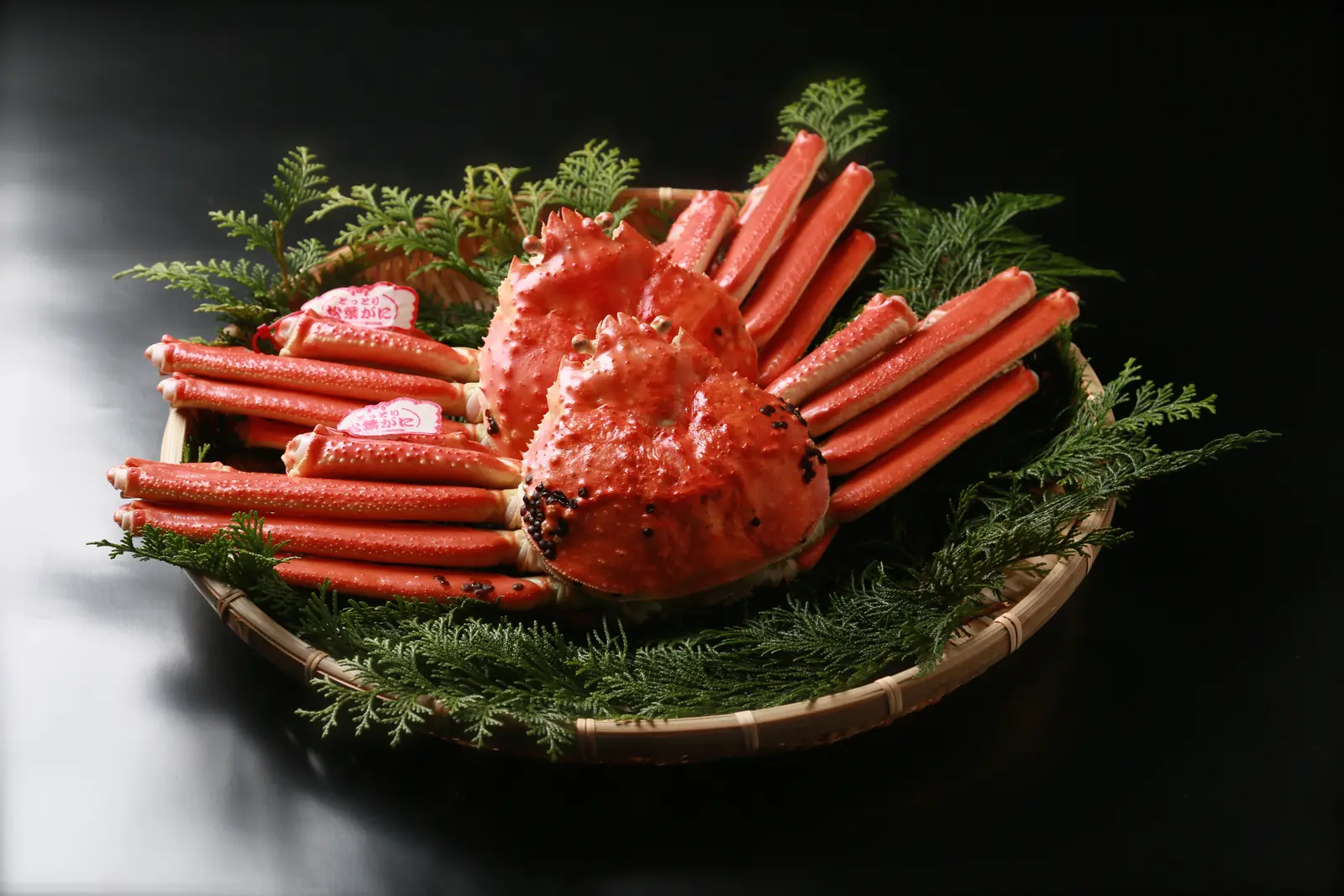
In Tottori, fully grown male snow crabs are called Matsuba-gani (Matsuba crab). The season runs from November 6 to March 20 of the following year. Female crabs, called Oya-gani, are only landed until December 31 under the fishers' own rules, so November and December are the months to try both.
Matsuba crabs with a shell at least 11 cm wide and of good quality, landed by Tottori's offshore trawlers, are shipped with a tag that proves they come from Tottori. Only those that meet strict standards for size, weight and meat earn the top brand, Itsukiboshi. For the different names, how to read the tags and the best ways to eat crab, see Matsuba crab in Tottori: season, Itsukiboshi and how to eat it.
Nijisseiki pears: Tottori's green pear since 1904
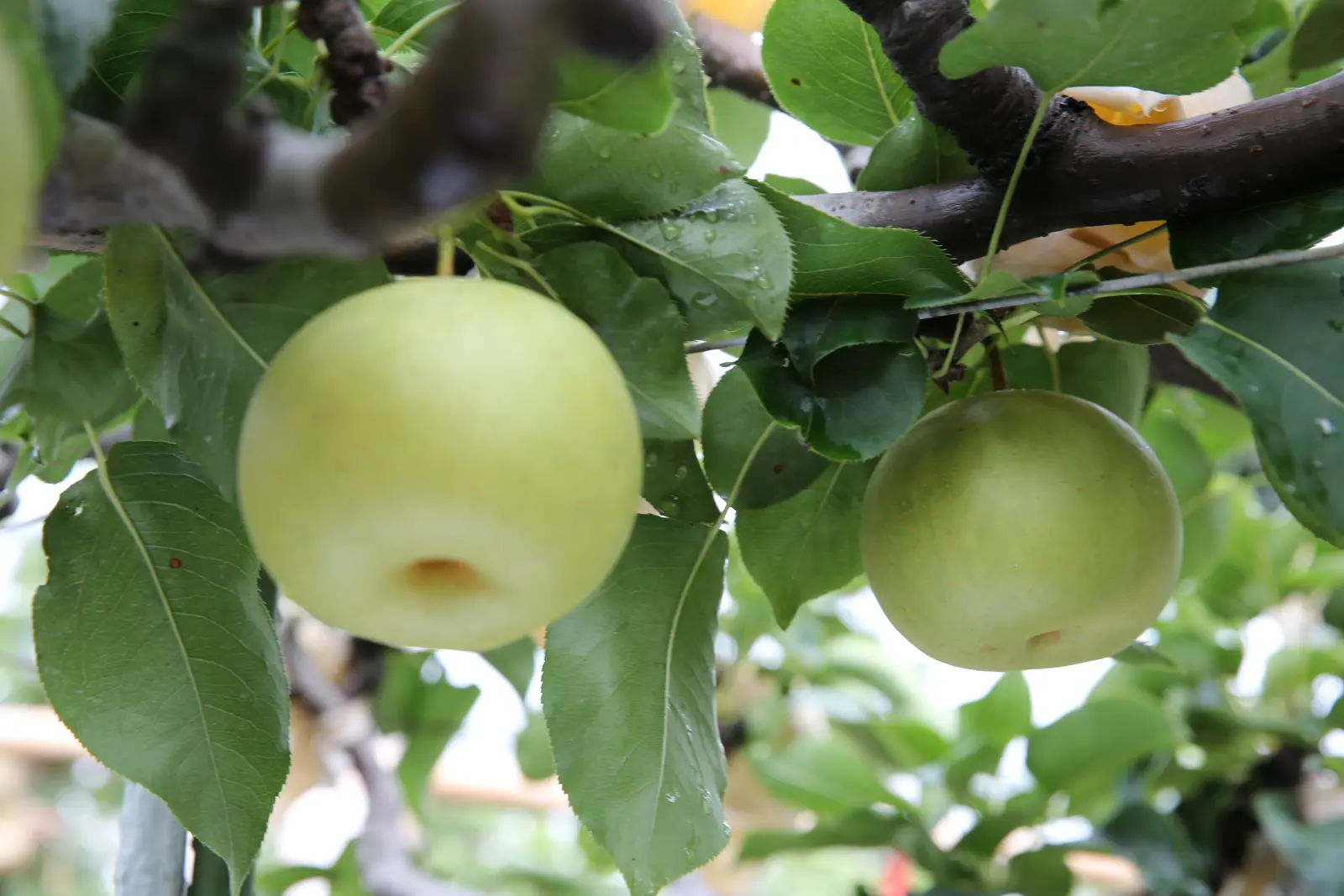
Photo: ©Tottori Pref.
The Nijisseiki ("20th Century") pear is a green Japanese pear first found in Matsudo, Chiba Prefecture, in 1888. In 1904, Kitawaki Eiji of Katsurami in Tottori City brought saplings to Tottori, and the pear grew into the prefecture's best-known fruit. The skin is yellowish green, and a bite gives a crisp texture, plenty of juice and a refreshing sweetness.
The harvest runs from around late August to mid-September (greenhouse pears from early August). Visit Tottori at the end of summer or in early autumn and you will see local pears at fruit shops and farm stands.
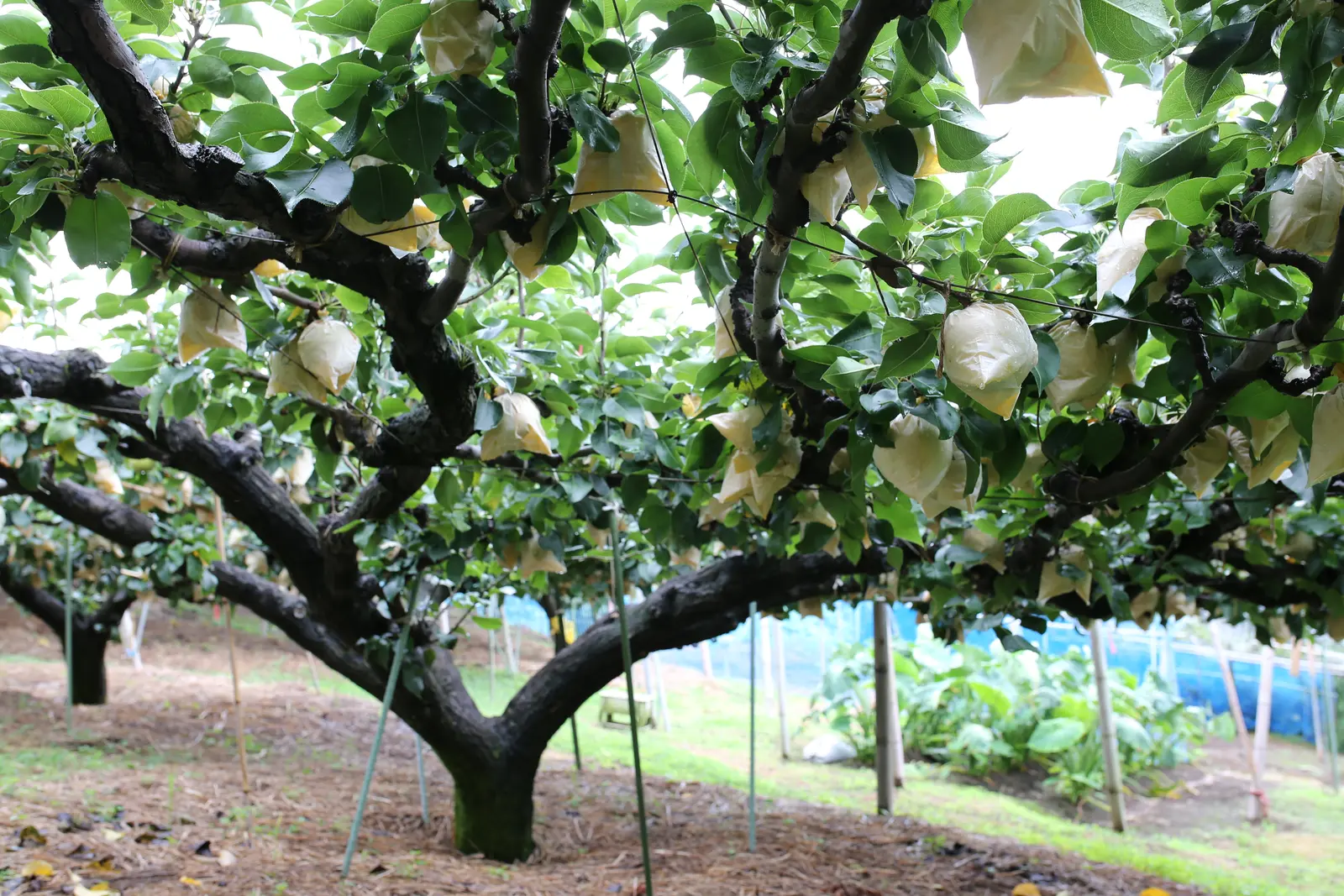
Photo: ©Tottori Pref.
In the orchards, the branches are trained low and wide, and each fruit hangs in its own paper bag. Nijisseiki pears are prone to black spot disease, so to protect them and keep the skin looking good, growers put a small bag on each fruit in May and a larger one over it in June. It is painstaking work, and orchards full of bagged pears are a typical sight of summer in Tottori.
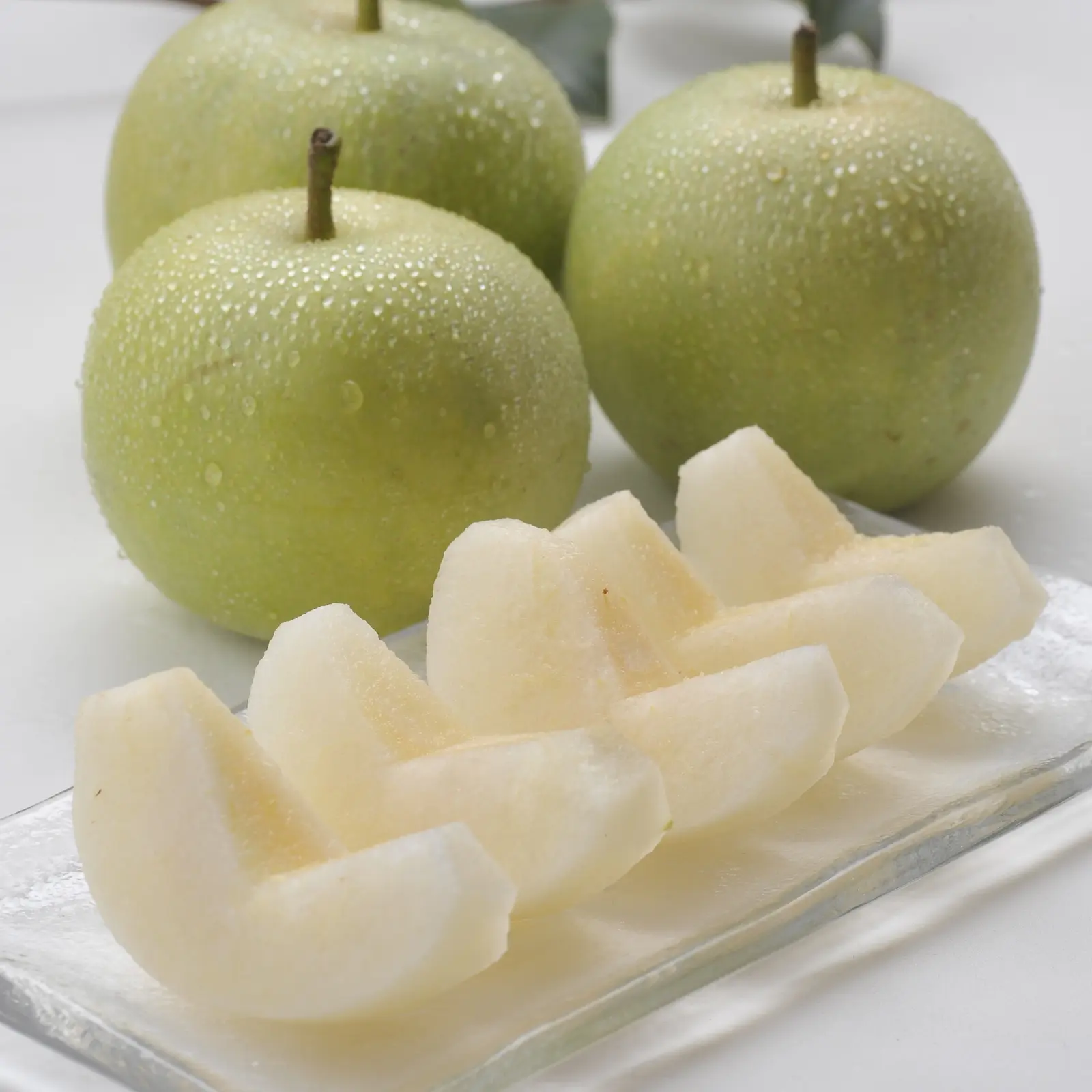
Photo: ©Tottori Pref.
To learn more about the history and varieties of pears, visit the Ace Pack Nashikkokan (Tottori Nijisseiki Pear Museum) in Kurayoshi, a museum devoted to the fruit. Many countries restrict bringing in fresh fruit, so if you want to take some home, juice, jelly and other processed products are easier to carry.
Sakyu rakkyo: sweet pickles from the sandy fields
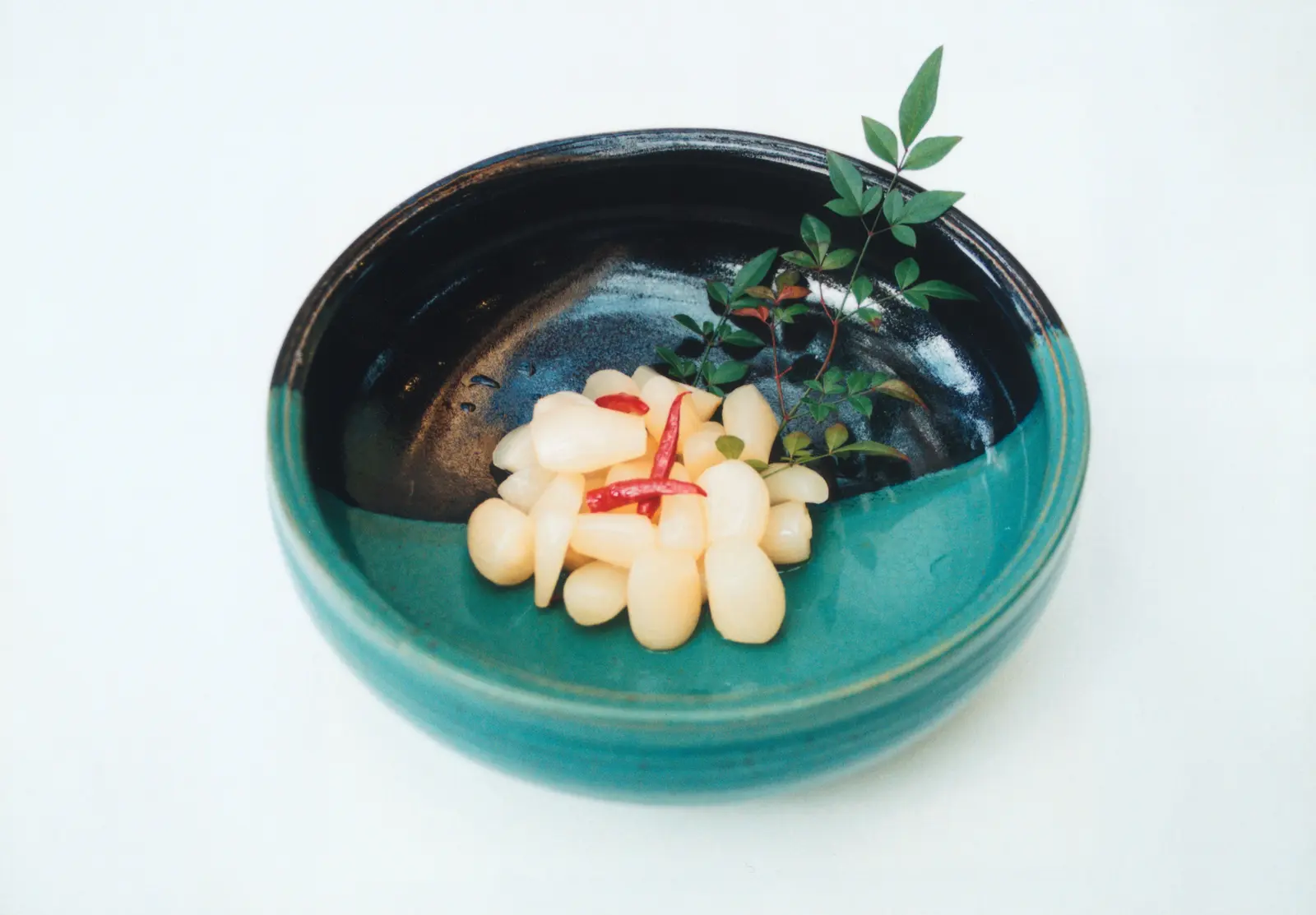
Photo: ©Tottori Pref.
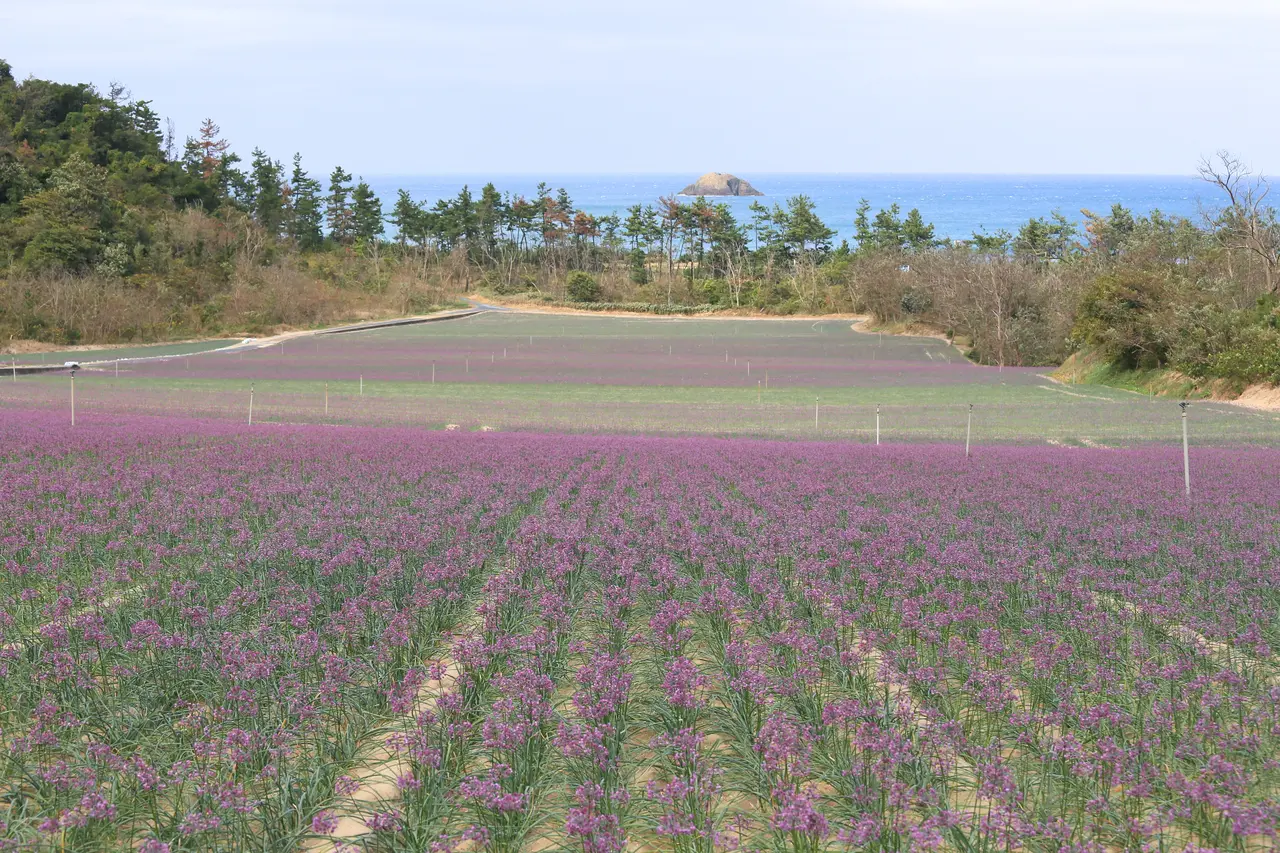
Right next to the Tottori Sand Dunes, in Fukube-cho in Tottori City, rakkyo fields spread across the sand. Together with Hokuei Town, this is the prefecture's main growing area. Rakkyo grown in the well-drained sand is white with a crisp bite. In 2016, it was registered under Japan's Geographical Indication (GI) system as "Tottori Sakyu Rakkyo" and "Fukube Sakyu Rakkyo".
It is usually eaten pickled in sweet vinegar, with rice or as a side to Japanese curry. Souvenir shops sell the pickles in jars and bags.
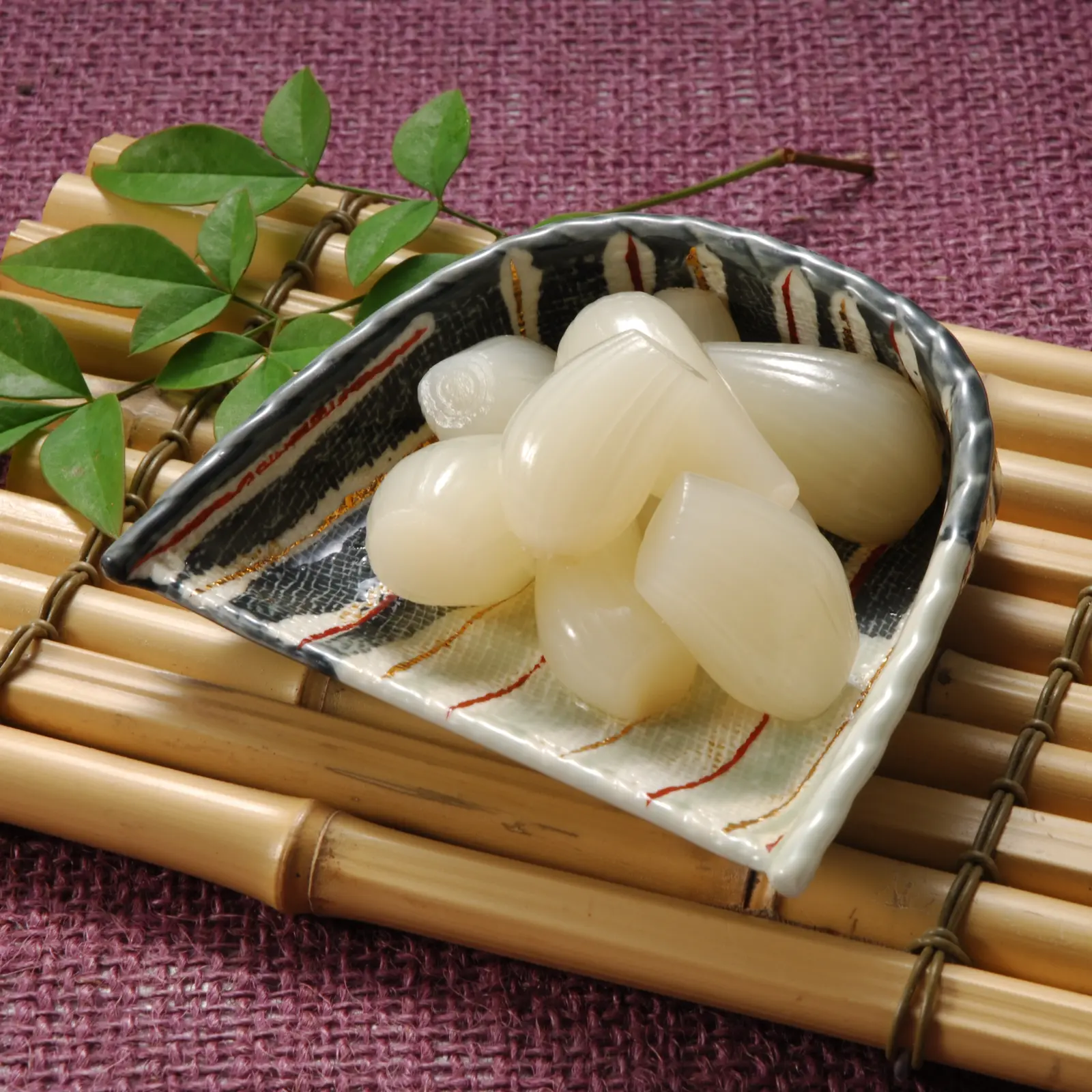
Photo: ©Tottori Pref.
The harvest runs from late May into June. In autumn the fields change: from late October to early November, purple rakkyo flowers cover the fields next to the dunes. These are working farms, so enjoy the flowers from the road and stay out of the fields. See Sakyu rakkyo flower fields for the flowers and Tottori Sand Dunes for the dunes themselves.
Seafood bowls: Sea of Japan fish in a port town
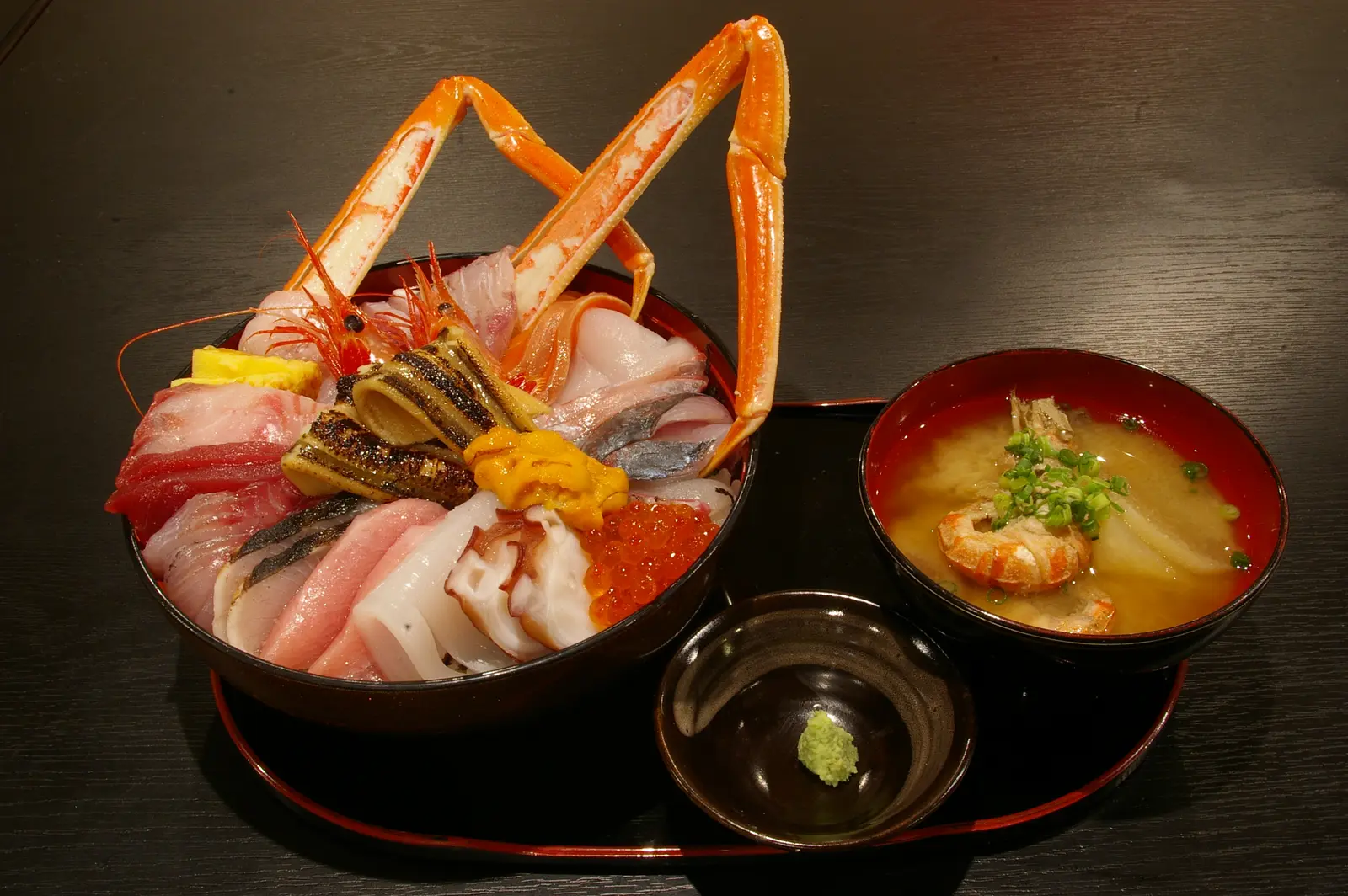
Photo: ©Tottori Pref.
The easiest way to taste the sea in Tottori's port towns is a kaisendon (seafood bowl): rice topped with sashimi, shrimp, salmon roe and more, and in winter sometimes crab meat or legs. The fish depend on the day's catch and the season.
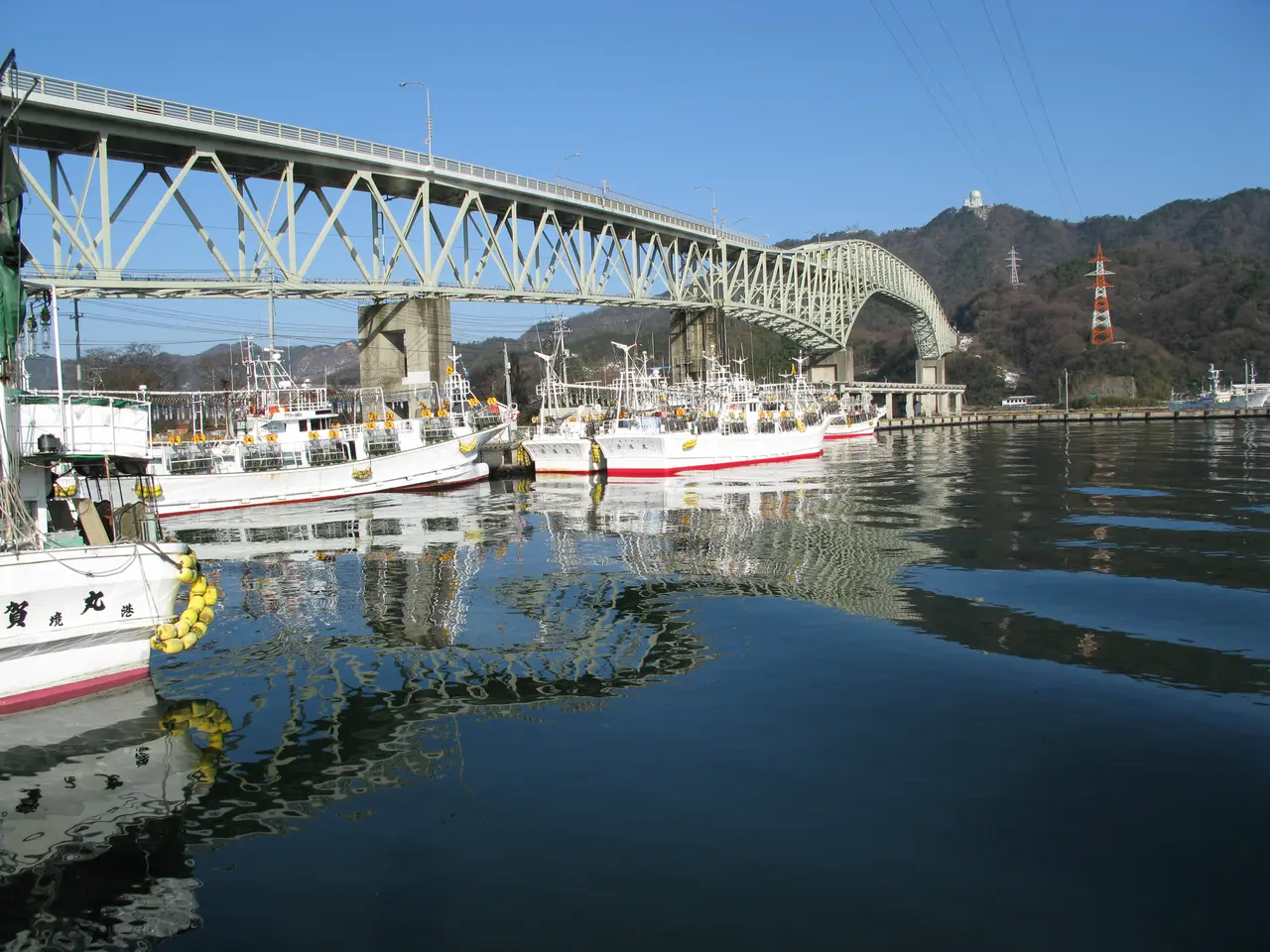
Sakaiminato, in the west of the prefecture, lands more red snow crab (beni-zuwaigani) than any other port in Japan. The red snow crab season is long, from September to June, so you can enjoy crab outside the Matsuba crab months too. Fish markets and casual restaurants gather around the port; check the Sakaiminato Port page before you go.
What to eat in Tottori, month by month
- November to March: Matsuba crab (Oya-gani in November and December). The star of a winter trip to Tottori.
- February: Wakamatsuba-gani, crabs that have recently molted (February 1 to 20 only).
- Late May to June: Sakyu rakkyo harvest.
- Late August to mid-September: Nijisseiki pear harvest.
- Late October to early November: rakkyo flowers, overlapping with the start of the crab season.
Find more places to visit in Tottori in the list of Tottori sights.