Tsugaru Peninsula Guide: Shayokan, Cape Tappi and Lake Jusan
This guide is translated from the Japanese edition. Read the Japanese edition
Tsugaru Peninsula travel guide: Dazai Osamu's birthplace Shayokan and the Shamisen Hall in Kanagi, Cape Tappi and the Route 339 stairway, Lake Jusan and Cape Takano.
North of Aomori City, the Tsugaru Peninsula stretches up along the western side of Mutsu Bay. In Kanagi, part of Goshogawara City near the base of the peninsula, the house where the writer Dazai Osamu was born still stands, while at Cape Tappi on the northern tip, Hokkaido draws close across the Tsugaru Strait. A writer's hometown, Tsugaru shamisen music, capes on the strait and a lake on the Sea of Japan side: here are six very different sights, along with tips on getting around.
How Do You Get Around the Tsugaru Peninsula?
It is a long way from Kanagi in the south to Cape Tappi in the north, and the roads split between the Sea of Japan side and the Mutsu Bay side. You can explore Kanagi on foot from Kanagi Station on the Tsugaru Railway, but Cape Tappi, Cape Takano and Lake Jusan are far from any station, so a rental car is the convenient choice if you want to see several.
In winter the Seikan Tunnel Museum is closed, and so is the Tappaku Line, the stretch of Route 339 that climbs to Cape Tappi from the Sea of Japan side. For the coastal scenery, plan your trip between spring and autumn.
Dazai Osamu Memorial Hall "Shayokan": The Mansion Where the Writer Was Born
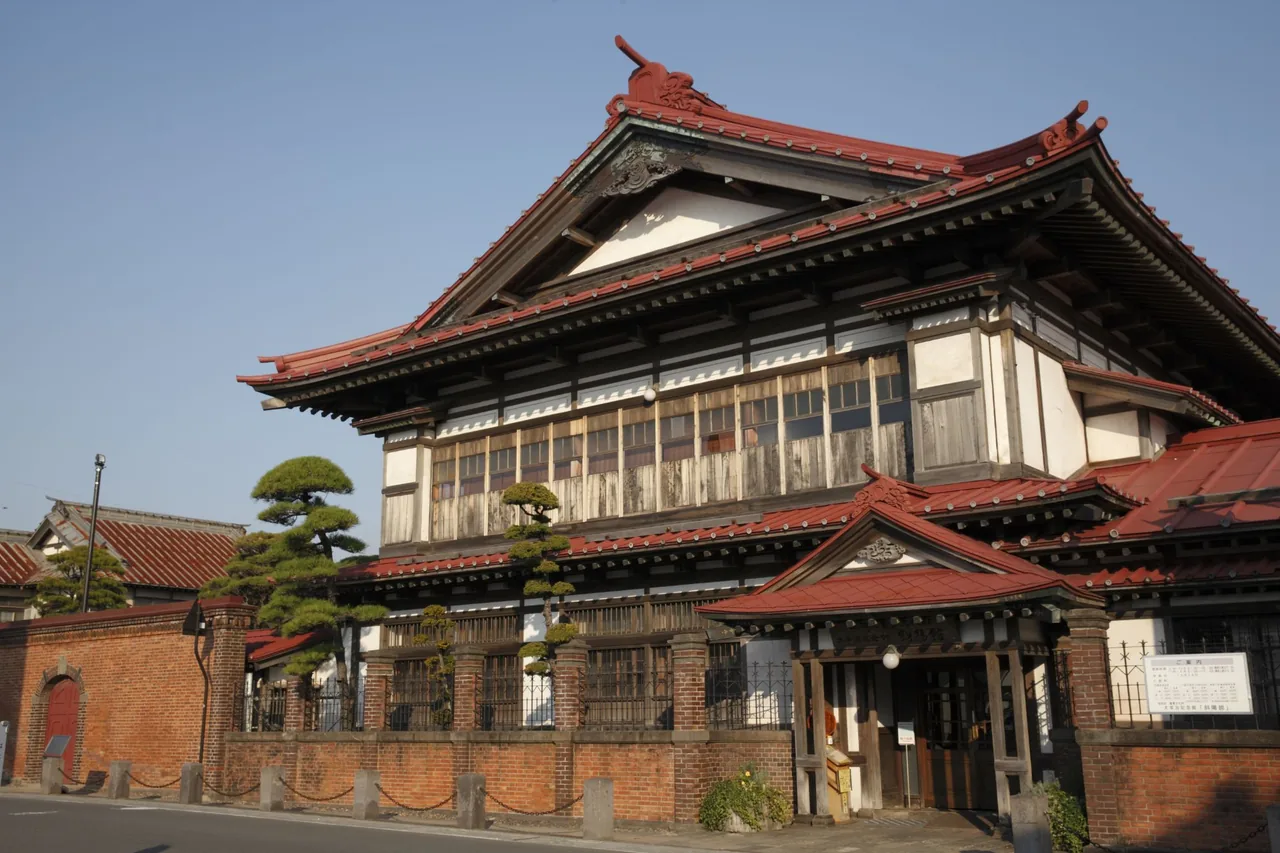
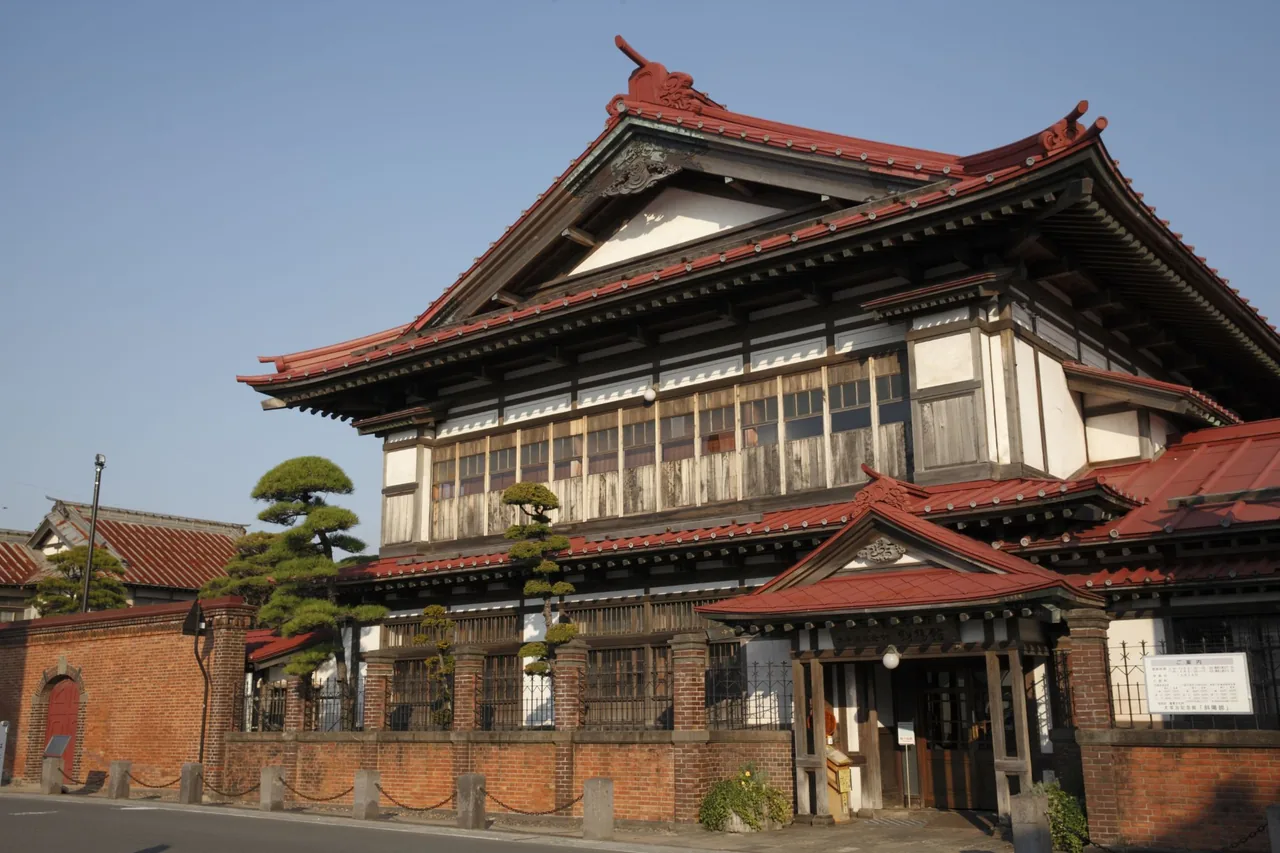
Shayokan, the Dazai Osamu Memorial Hall in Kanagi, is a mansion built in 1907 by Tsushima Gen'emon, Dazai's father and a member of the House of Representatives. It was designed and built by the master carpenter Horie Sakichi, who worked on many Western-style buildings in Hirosaki. The house covers about 2,200 square meters.
Dazai Osamu was born here in 1909 and lived in the house until he went on to middle school. After the war it operated as an inn called Shayokan; the former town of Kanagi bought it in 1996, and it has been a memorial hall since 1998. In 2004 the building was designated a National Important Cultural Property as the Former Tsushima Family Residence.
Tsugaru Shamisen Hall: Hear Tsugaru Music Played Live
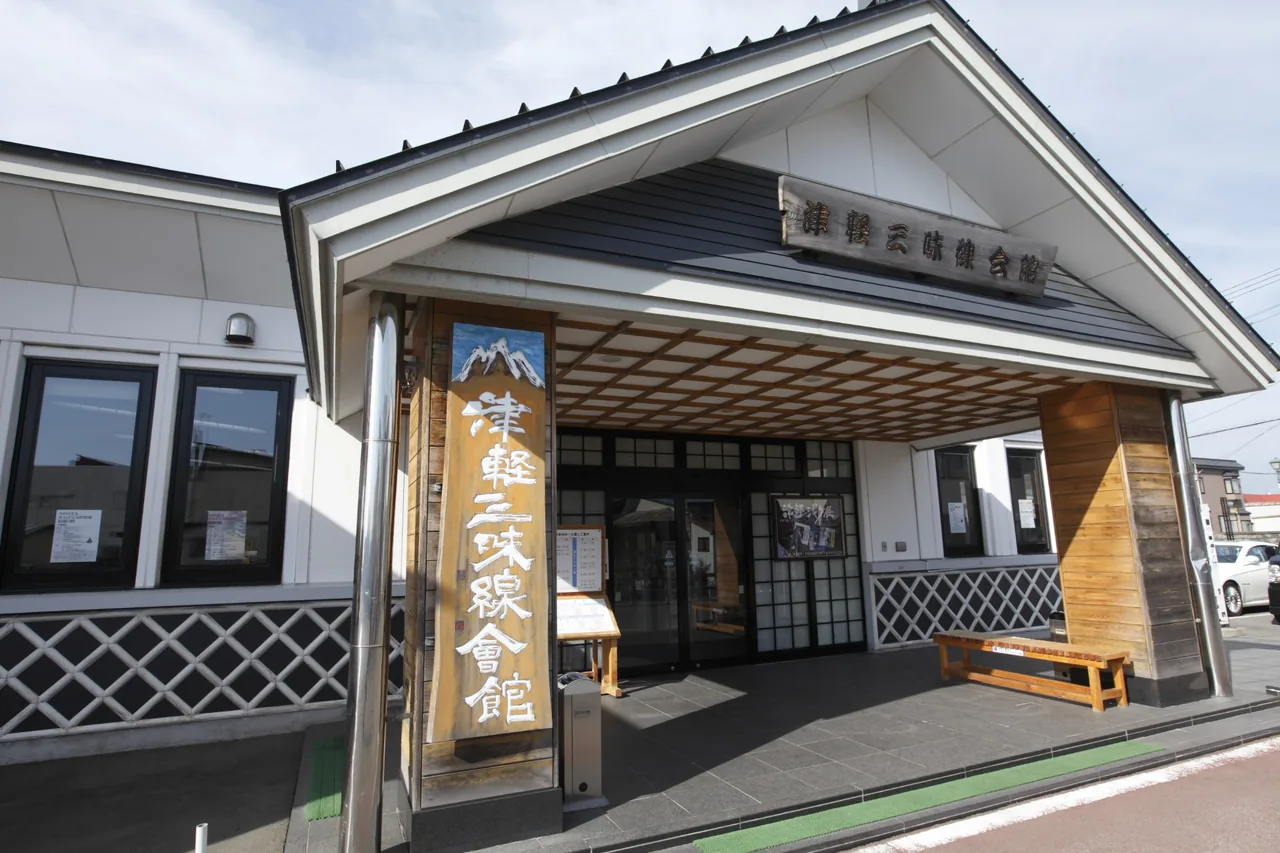
The Tsugaru Shamisen Hall is in the same Asahiyama area of Kanagi as Shayokan. Live Tsugaru shamisen performances are held on its stage several times a day.
A combined ticket also covers Shayokan.
Cape Tappi: A Headland Overlooking the Tsugaru Strait
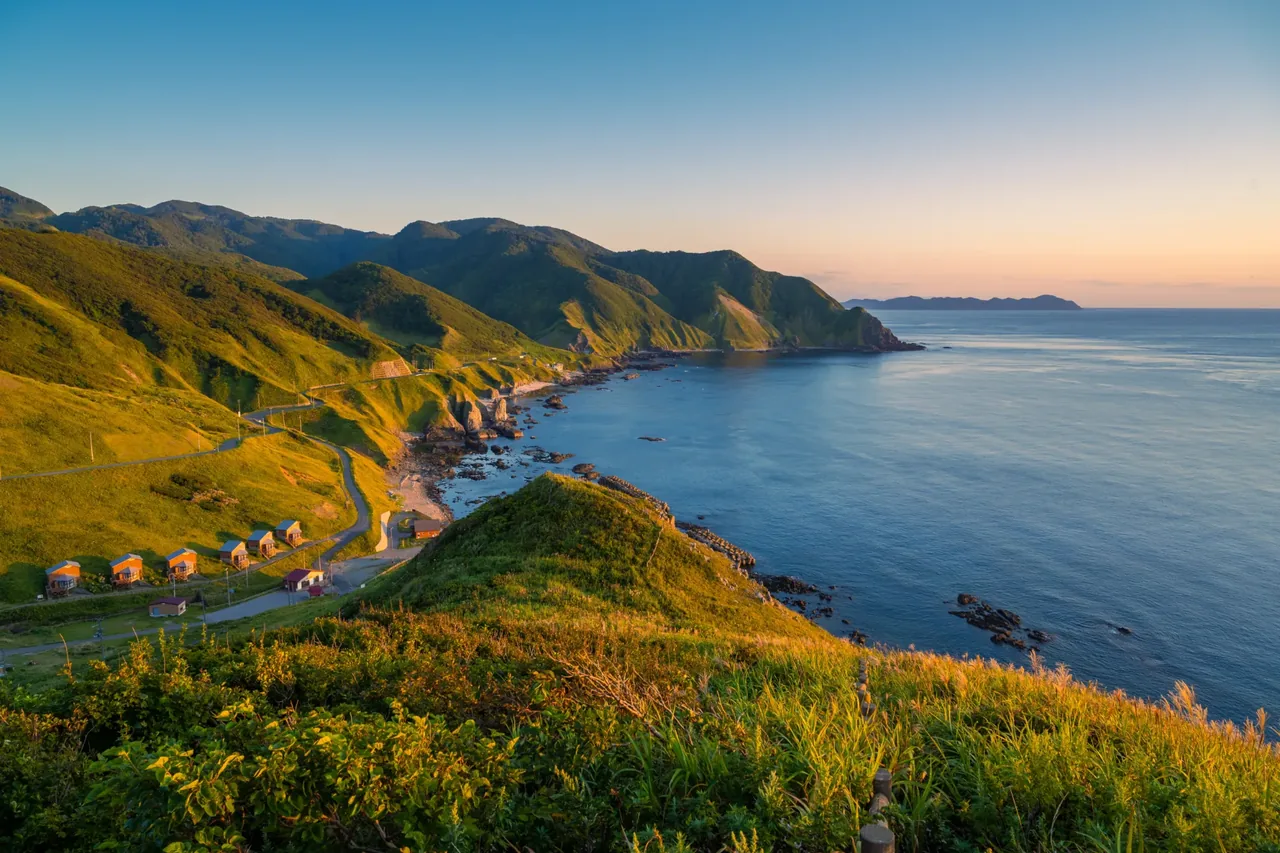
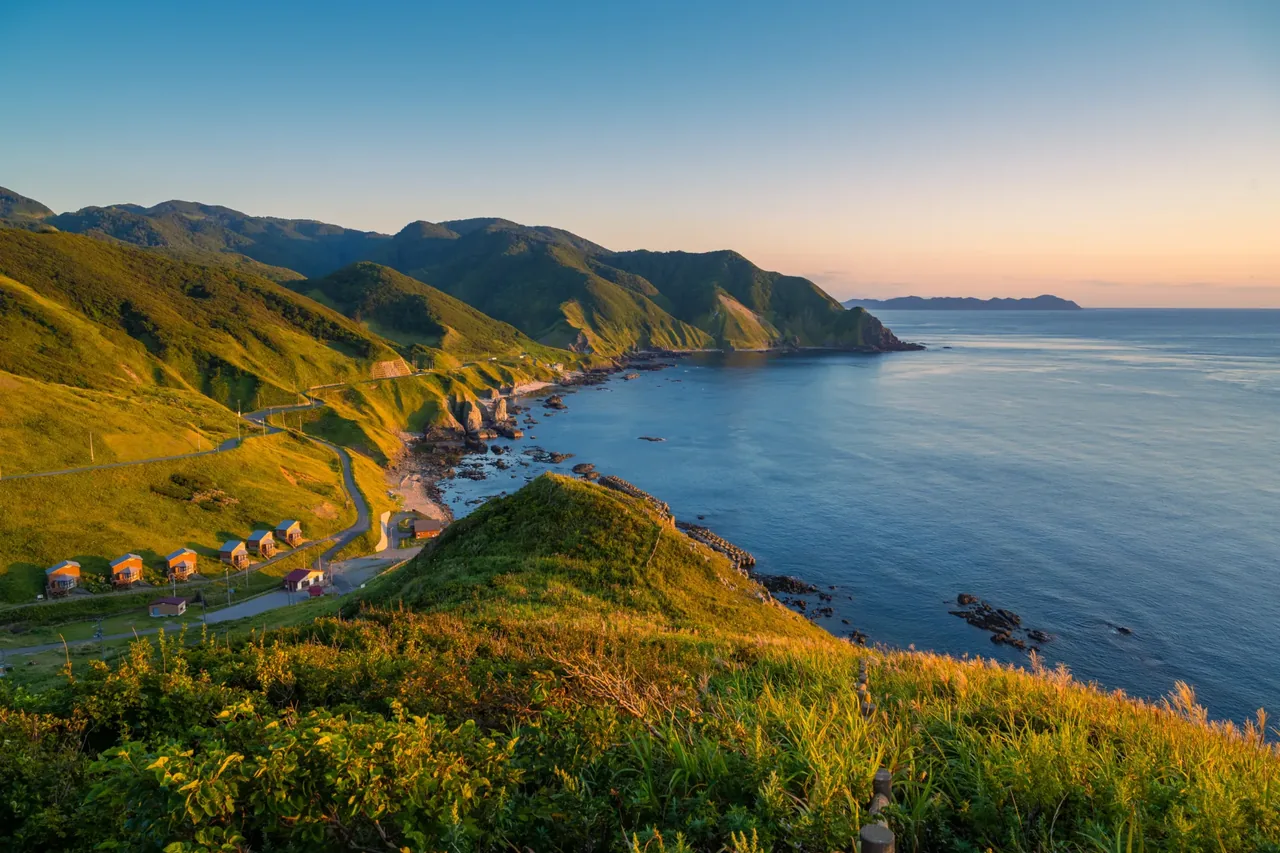
Cape Tappi in Sotogahama Town is the cape at the northern tip of the Tsugaru Peninsula. It has a song monument to Ishikawa Sayuri's "Tsugaru Kaikyo Fuyugeshiki" (Winter Scenery of the Tsugaru Strait).
Near the cape is the Seikan Tunnel Museum, which covers the history of the undersea Seikan Tunnel. A cable car takes you down to an experience tunnel 140 meters below sea level, but the museum's regular season in 2026 ran from April 17 to November 3 (only the exhibition hall stays open until November 30), and it closes in winter.
National Route 339 Stairway: A National Highway Cars Cannot Use
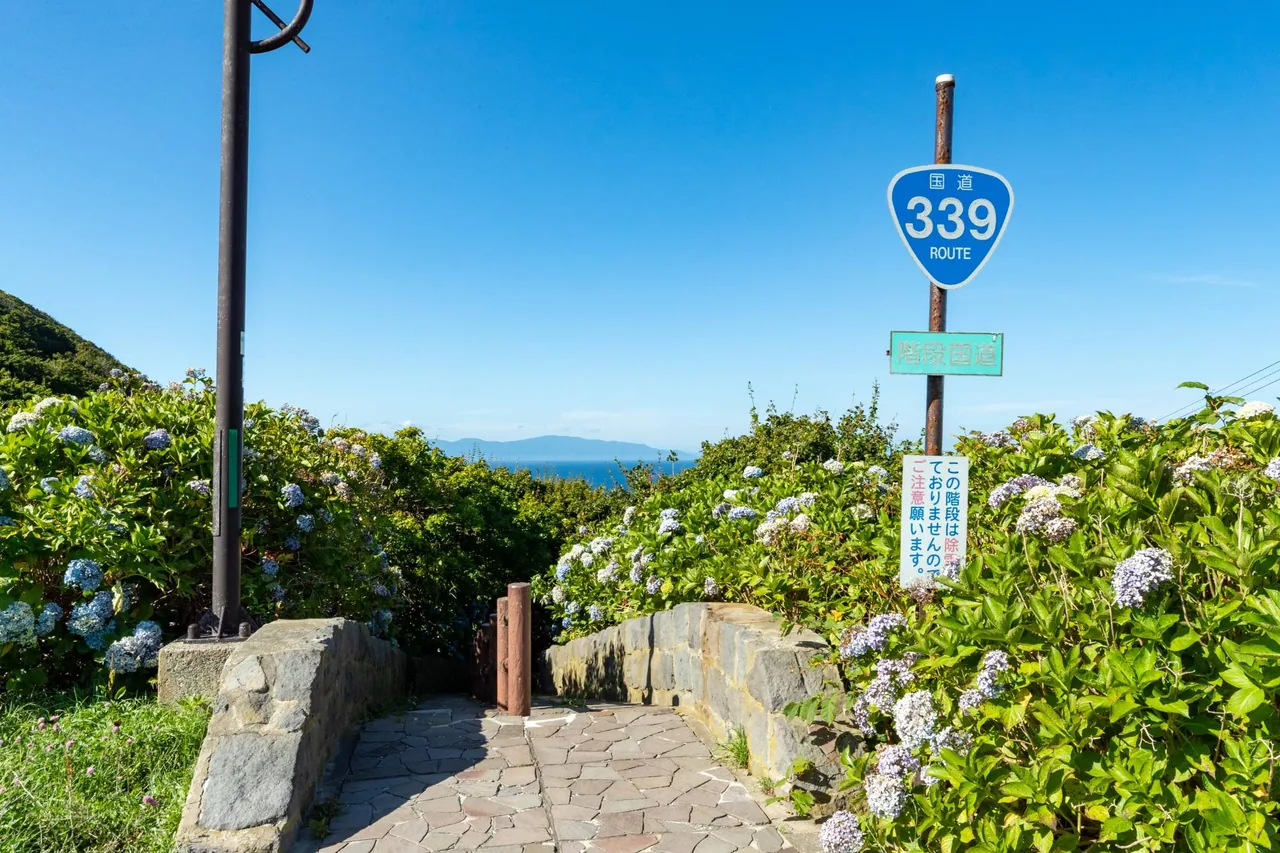
The path that runs down from the heights of Cape Tappi toward the shore is part of National Route 339. It is a flight of 362 steps with a total length of 388.2 meters. Cars cannot use it, and it is known as a national highway you can only walk.
The steps will leave you out of breath, and they get slippery on rainy or windy days.
Lake Jusan: A Shijimi Clam Lake on the Sea of Japan Side
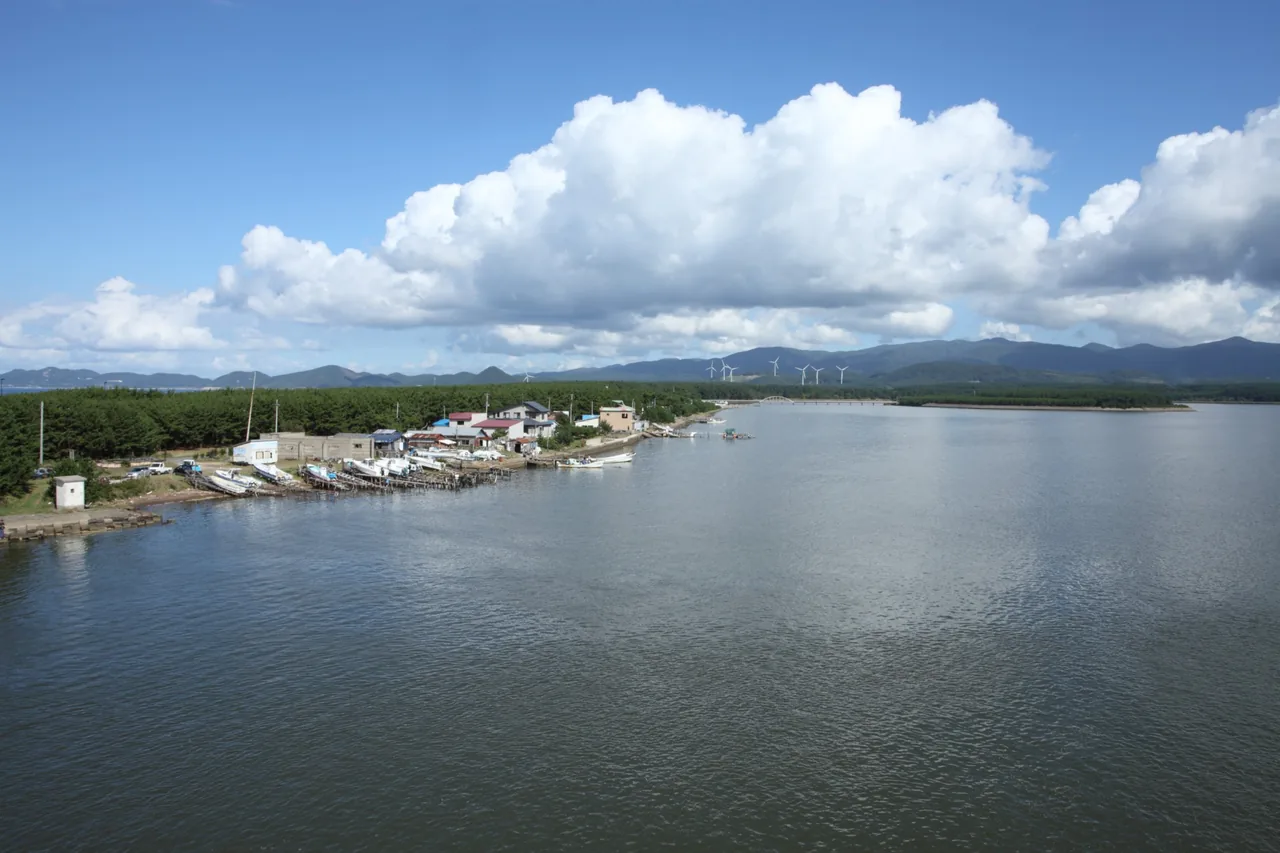
Lake Jusan, in Goshogawara City on the Sea of Japan side of the peninsula, is a shallow brackish lake about 1 meter deep at the mouth of the Iwaki River. Its Yamato shijimi clams were registered in 2016 as a Geographical Indication (GI) product, "Jusanko-san Yamato Shijimi." Jusanko shijimi ramen, made with these clams, is covered in our guide to Aomori ramen and local food.
On the lake's west shore is the Tosaminato Site, a National Historic Site. It is what remains of a port town that thrived from the early 13th to the late 15th century and was one of the key harbors of medieval northern Japan.
Cape Takano: Two Bridges over the Rocks of the Strait
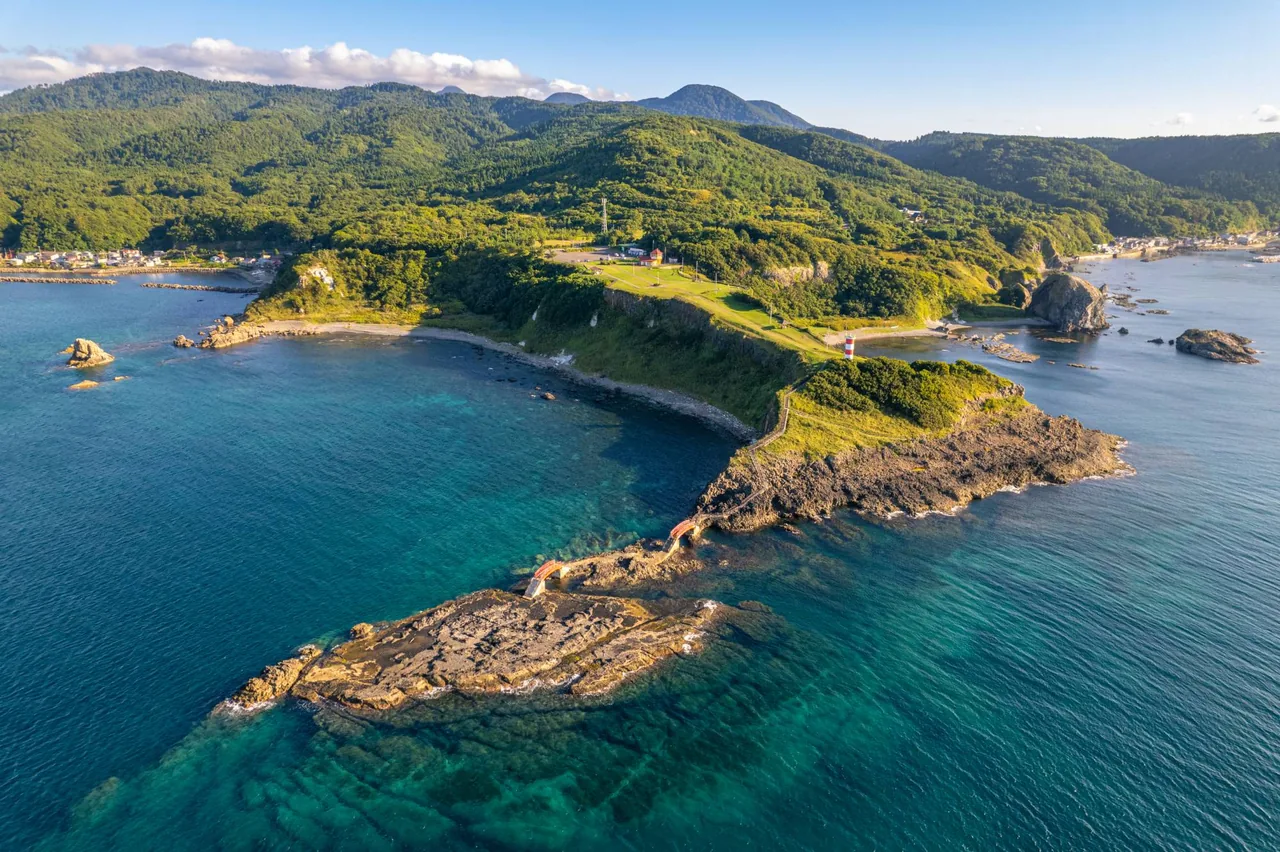
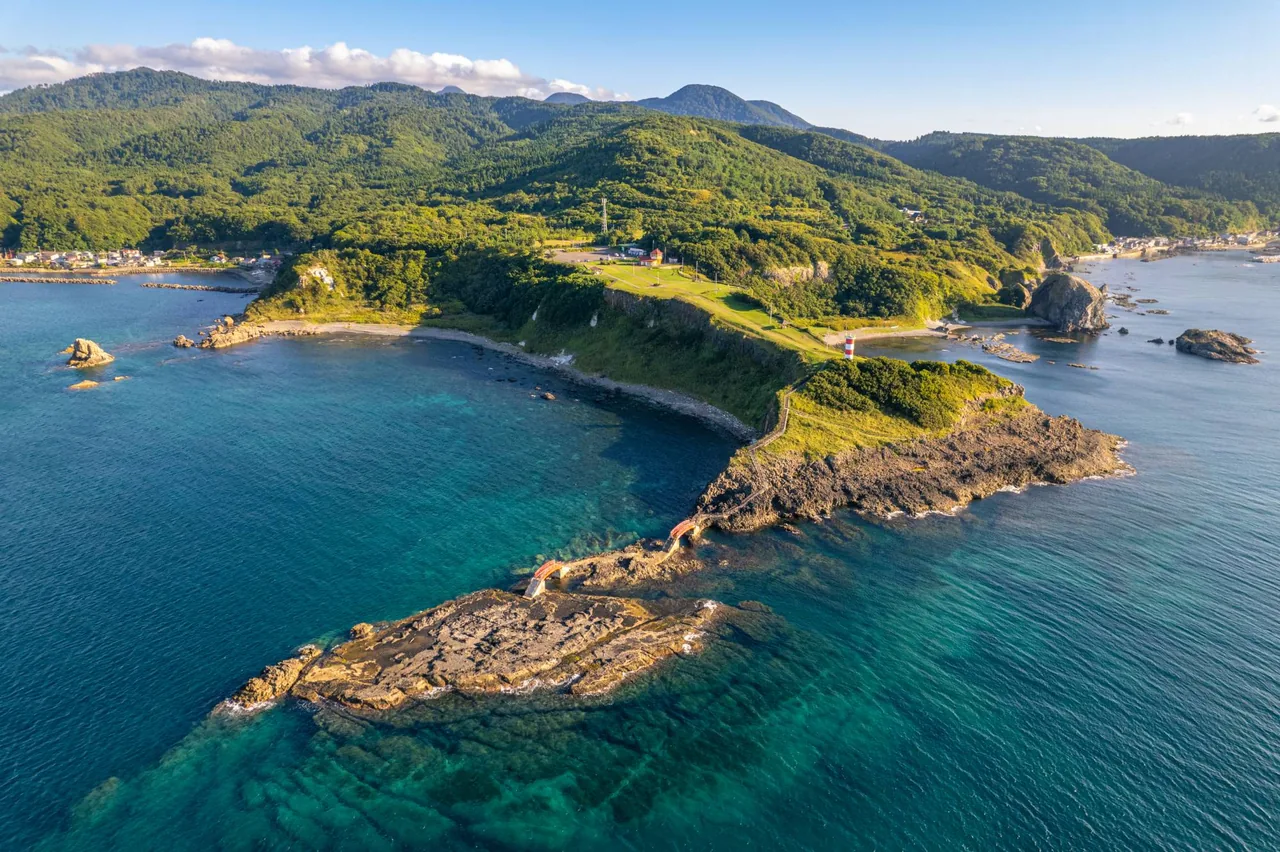
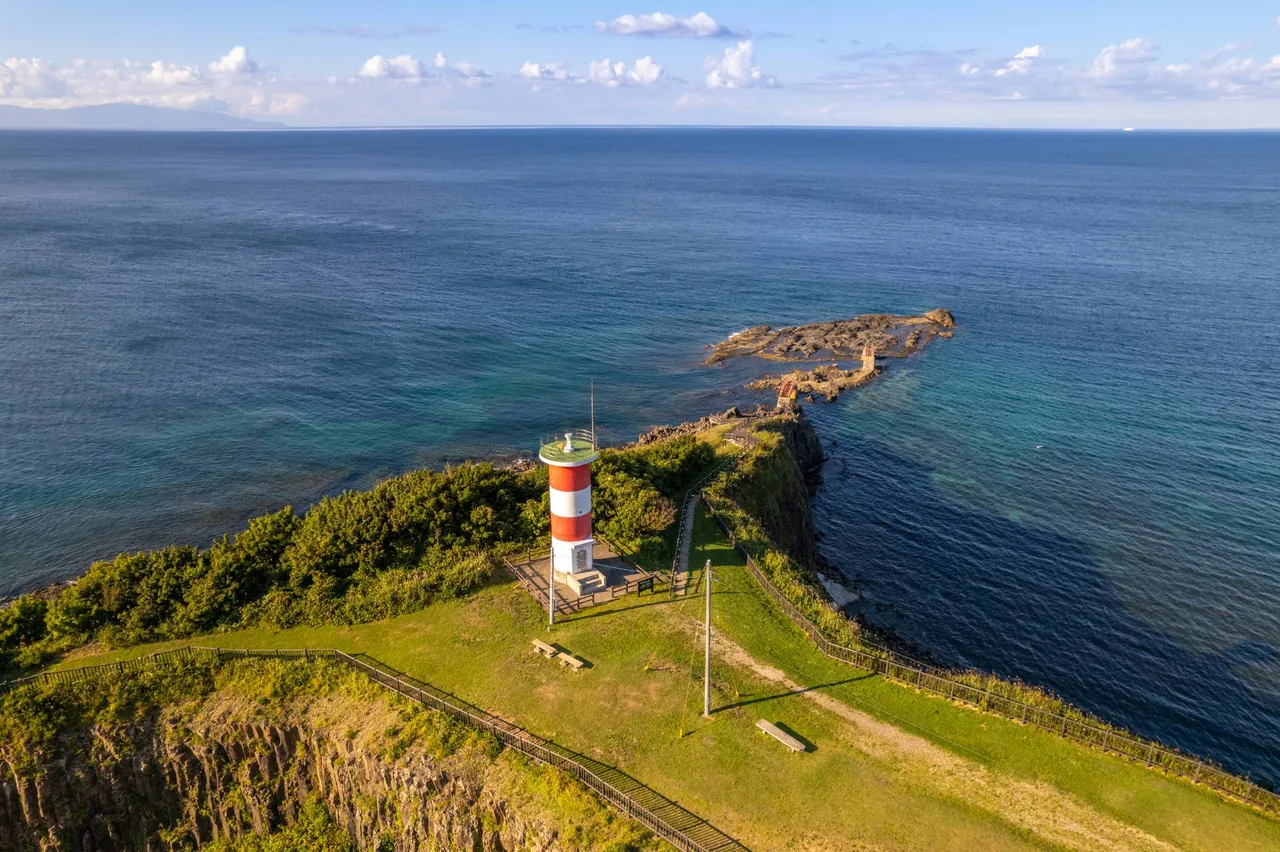
Cape Takano in Imabetsu Town is a headland facing the Tsugaru Strait. Head down from the lighthouse at its tip and two red bridges, Shiosai Bridge and Nagisa Bridge, link the rocks so you can walk out close to the water. On clear days you can see Hokkaido to the north, the Shimokita Peninsula to the east and Cape Tappi to the west.
The rocks become slippery when waves wash over them, so do not go out past the bridges on days when the sea is rough.
Where to Go Next
On the opposite side of Mutsu Bay is the Shimokita Peninsula, home to Osorezan and Cape Oma. If you plan to visit both, see our Shimokita Peninsula guide. For travel information on the whole prefecture, see Amazing AOMORI. Opening periods and winter closures change from year to year, so check the latest information before you set out.