
Goshikidai & Kokubunji
Courtesy of the Kagawa Prefecture Tourism Association
Areas of Kagawa
Goshikidai & Kokubunji
Goshikidai plateau and Kokubunji between Takamatsu and Sakaide: pilgrimage Temples 80 to 82, Inland Sea lookouts, a landmark museum and a leading pine bonsai district.
Find on the map
Choose a numbered circle to zoom in there; choose a name to open the area's page.
This page is translated from the Japanese edition. Read the Japanese edition
What is the area like?
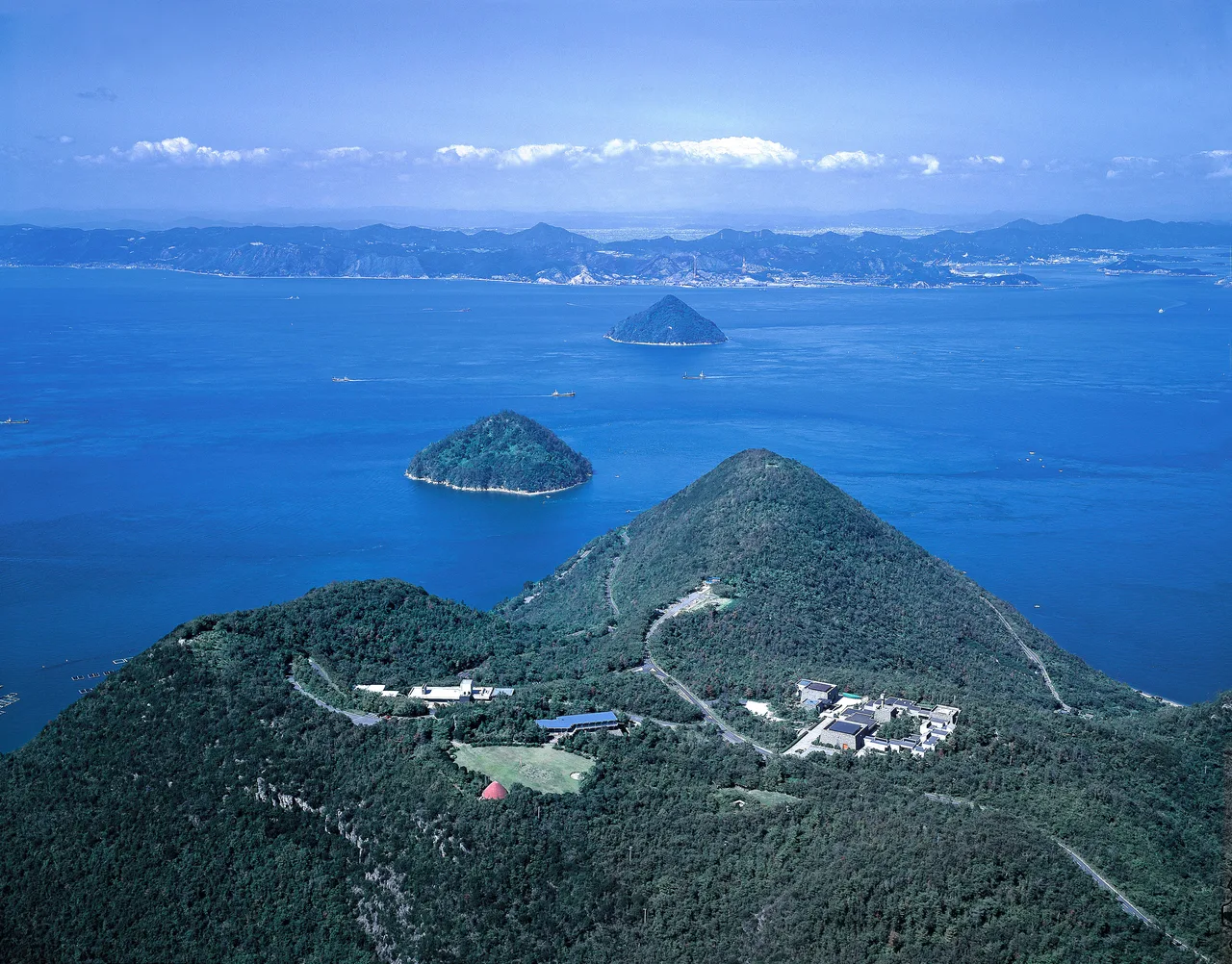
On the border of Takamatsu and Sakaide rises Goshikidai, a plateau of peaks about 200 to 400 meters high. The Goshikidai Skyline (Prefectural Road 281) runs along the top, with glimpses of the Inland Sea islands through the trees. Its five peaks are named for five colors, red, yellow, blue, white and black, said to come from the five colors of the Shingon esoteric Buddhism founded by Kobo Daishi.
On the plateau stand Shiromine-ji (Temple 81) and Negoro-ji (Temple 82) of the Shikoku 88-temple pilgrimage, with Kokubun-ji (Temple 80) at the foot, and a pilgrim trail links them in order. The Kinashi and Kokubunji districts below are one of Japan's leading pine bonsai producers.
Main sights
Goshikidai Plateau
Part of Setonaikai National Park, the plateau is dotted with lookouts and the Ministry of the Environment's Goshikidai Visitor Center. At the first lookout in Osakiyama Park, at the northern end of the Skyline, stands "Matakimai," a work by the sculptor Masayuki Nagare; the name means "please come again" in the Kagawa dialect. See Goshikidai Plateau for details. Official information: Sakaide City's official page on Goshikidai Plateau.
Kokubun-ji Temple (Sanuki Kokubun-ji)
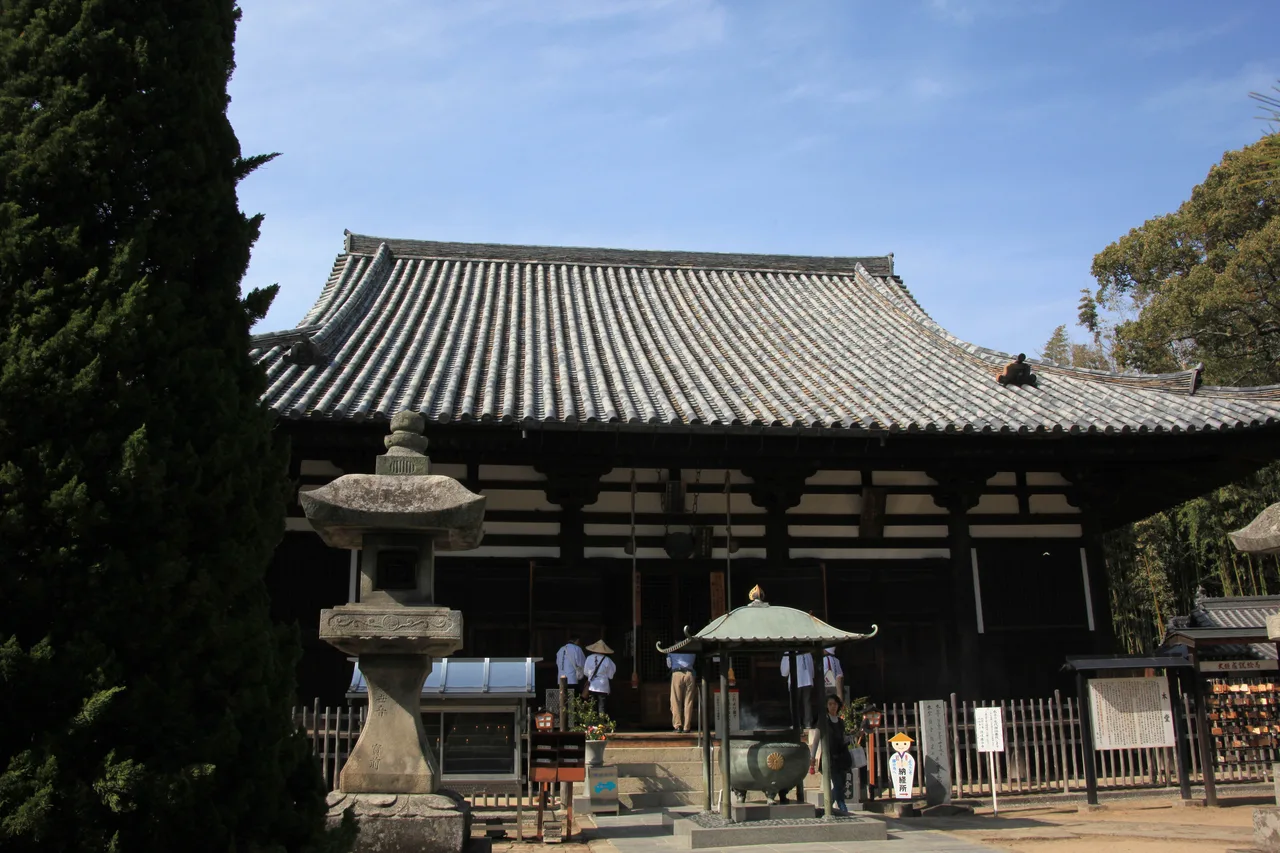
Temple 80. It is one of the provincial temples built in each province on the orders of Emperor Shomu in 741, and the area including the grounds is the Sanuki Kokubunji Ruins, a Special Historic Site of Japan. Today's temple stands on the site of the Nara-period temple. See Kokubun-ji Temple for details. Official information: Kokubun-ji Temple on the Kagawa Prefecture Tourism Association site.
Shiromine-ji Temple
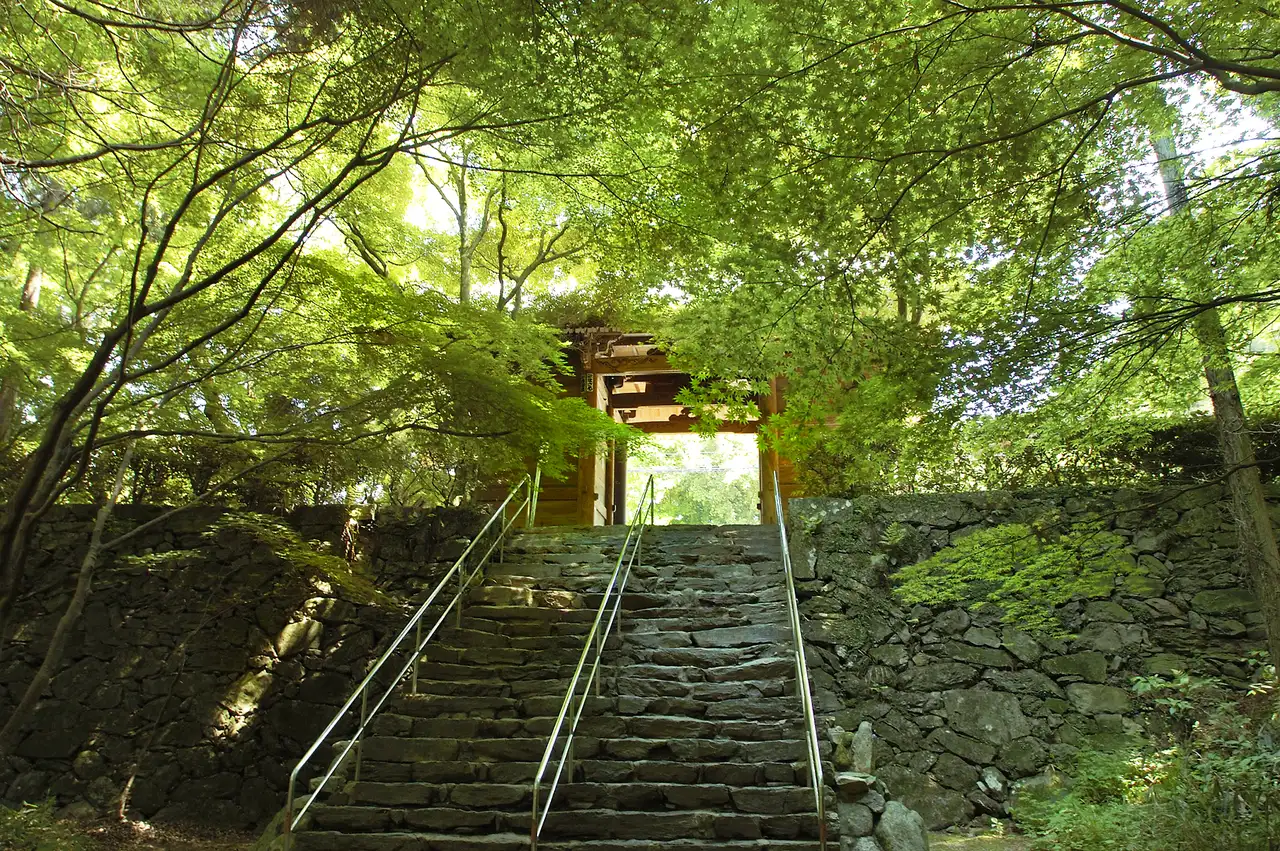
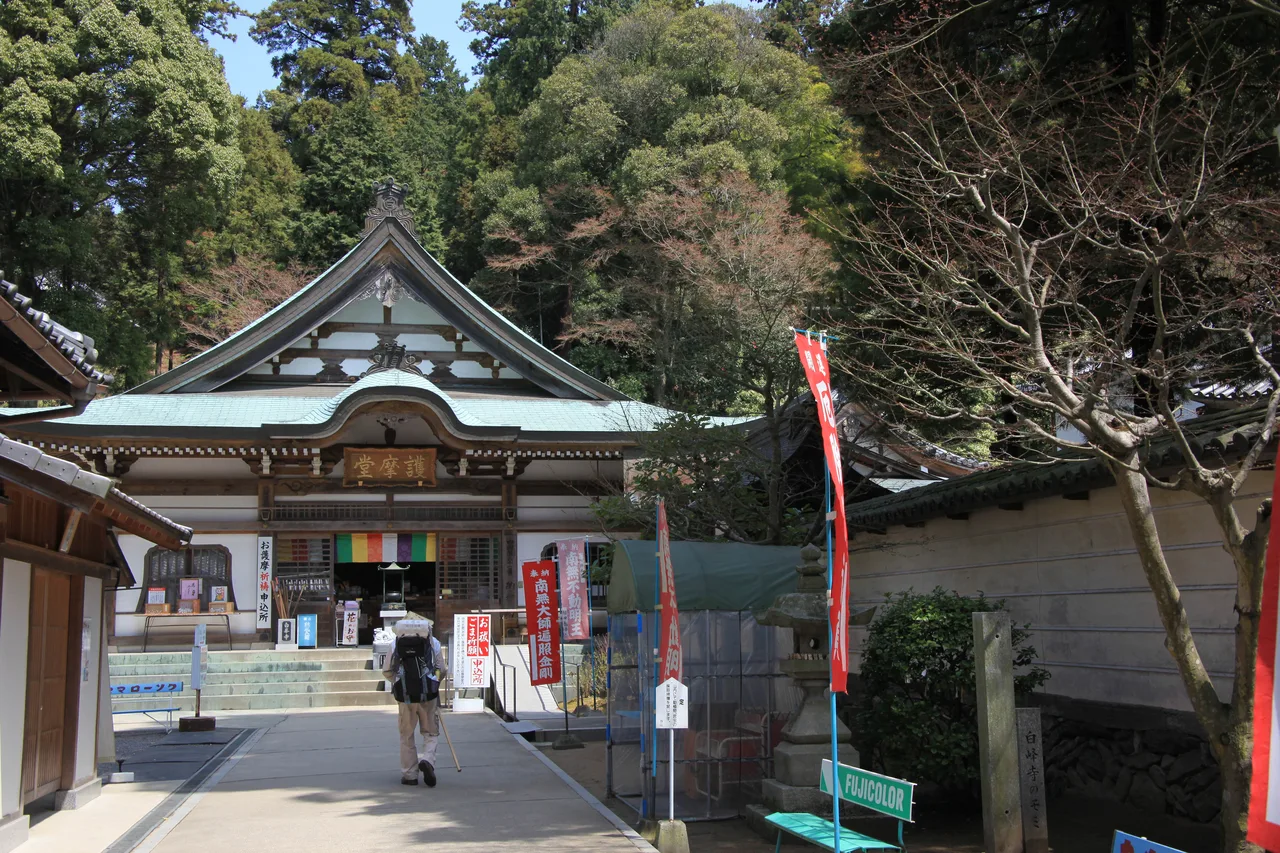
Temple 81, on Mt. Shiramine in Goshikidai. Emperor Sutoku, exiled to Sanuki after the Hogen Rebellion, died here, and his tomb, Shiramine-ryo, was built on this mountain. Cultural properties remain, including the Tonshoji-den hall built by Matsudaira Yorishige, lord of the Takamatsu domain, and two thirteen-story stone pagodas. See Shiromine-ji Temple for details. Official information: Shiromine-ji Temple on the Kagawa Prefecture Tourism Association site.
Negoro-ji Temple
Temple 82, halfway up Mt. Aomine, the main peak of Goshikidai. Around 33,000 small Kannon statues line the cloister in front of the main hall, and a legend tells of a master archer who slew the ox-demon "ushi-oni" and offered its horns to the temple. A pilgrim trail of about 5 km leads here from Shiromine-ji. See Negoro-ji Temple for details. Official information: Negoro-ji Temple on the Kagawa Prefecture Tourism Association site.
Seto Inland Sea Folk History Museum
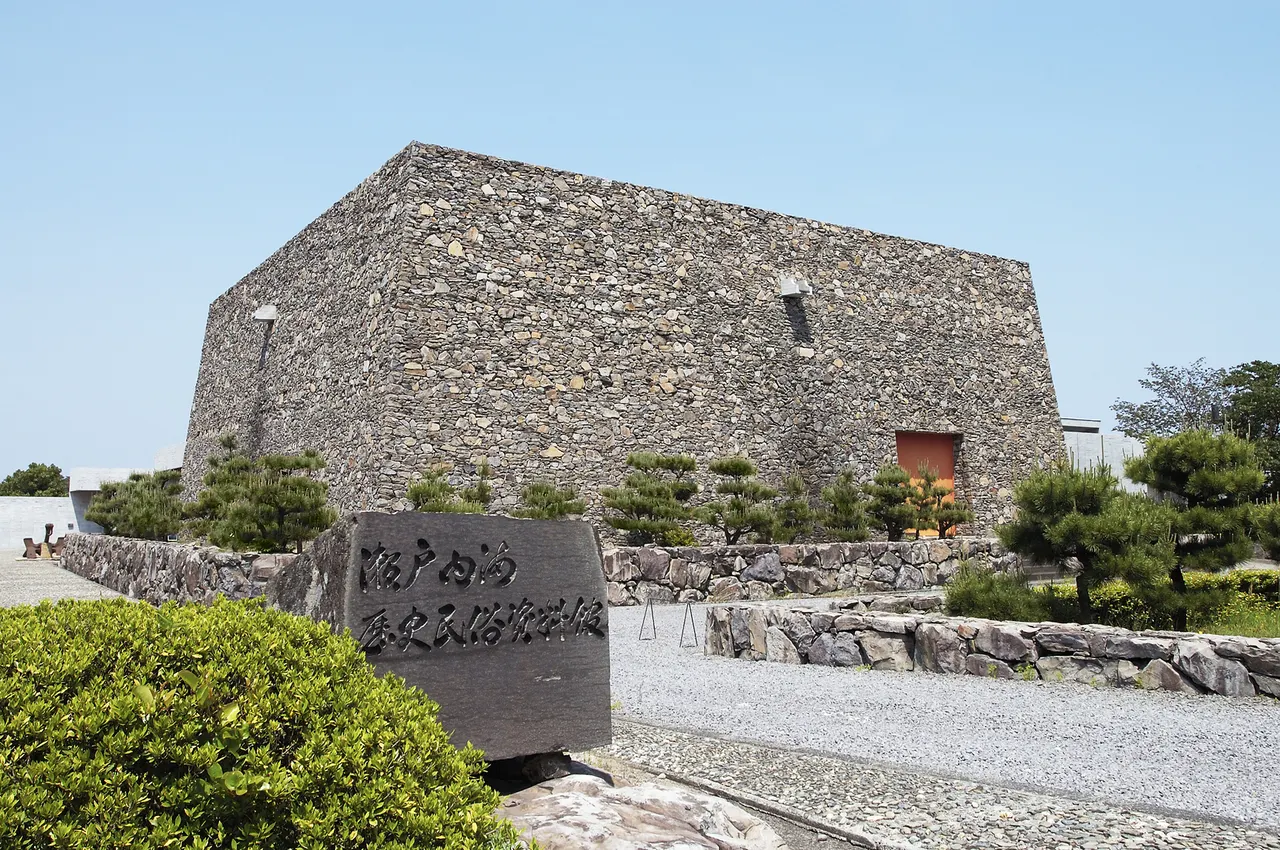
A prefectural museum on a hill overlooking the Inland Sea, collecting material on the history of the sea and the lives of the people around it. Designed by the Kagawa architect Tadashi Yamamoto and opened in 1973, its building of stacked stone and exposed concrete became, in December 2024, the first 1970s building designated an Important Cultural Property of Japan. See Seto Inland Sea Folk History Museum for details. Official information: the prefecture's page on Seto Inland Sea Folk History Museum.
Bonsai Nurseries of Kinashi and Kokubunji
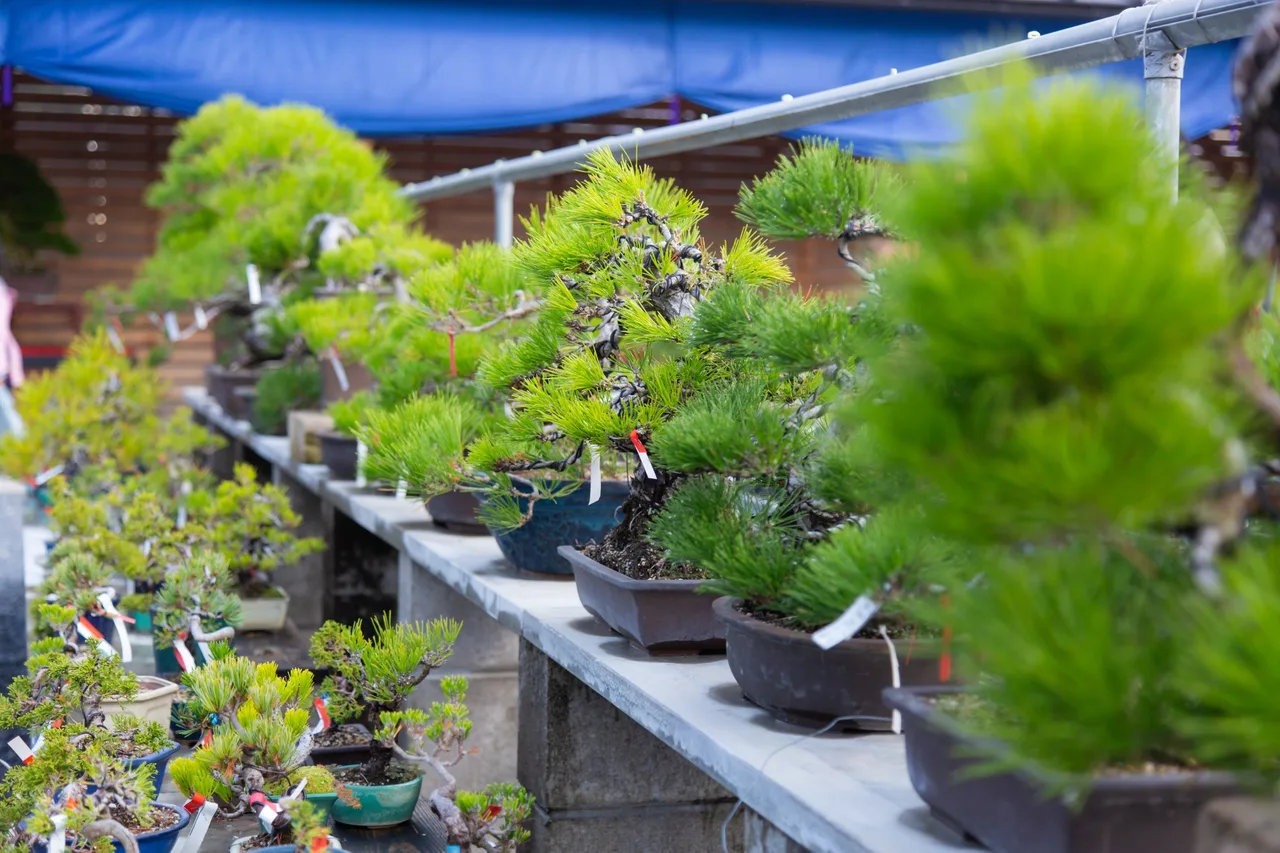
One of Japan's leading pine bonsai producers, the district has about 60 nurseries across the two areas. Pines shaped over many years line the shelves, and you can walk among them comparing how each trunk bends and how the branches spread. See Bonsai Nurseries of Kinashi and Kokubunji for details. Official information: Bonsai Nurseries of Kinashi and Kokubunji on the Kagawa Prefecture Tourism Association site.
Food and shopping
Some nurseries sell price-tagged bonsai. At Takamatsu Bonsai no Sato in Kokubunji-cho, a center for information and sales, you can compare bonsai and try activities such as making kokedama moss balls (reservations required). Each year from late October to early November, the Kinashi Bonsai and Garden Tree Festival is held at the Kinashi Ueki Bonsai Center.
Getting there
- Kokubun-ji Temple: the nearest station is Kokubu Station on the JR Yosan Line.
- Bonsai nurseries: clustered around Kinashi and Hashioka stations on the JR Yosan Line.
- The top of Goshikidai (Shiromine-ji, Negoro-ji, the museum and more): far from any station, and the visitor center notes there is no public transport, so a car is the practical choice. Negoro-ji is reached by car from the Takamatsu-Nishi Interchange; Shiromine-ji is about 20 minutes by car from JR Sakaide Station or from the Sakaide-Kita or Takamatsu-Danshi interchanges. The Folk History Museum is about 25 minutes (about 16 km) by car from JR Takamatsu Station.
Getting around the area
Kokubun-ji and the bonsai nurseries at the foot of the plateau can be reached on foot from JR Yosan Line stations. The top of Goshikidai assumes a car: visit Shiromine-ji and Negoro-ji, then stop at the lookouts along the Skyline and the museum, and you will spend about half a day up on the plateau.
Temple 79, Tenno-ji, is in Sakaide, and Temple 83, Ichinomiya-ji, is in southern Takamatsu. See the Southern Sakaide & Mt. Iino area guide and the Busshozan & Ichinomiya area guide.
Sights in Goshikidai & Kokubunji
Kagawa guides
See all


More areas of Kagawa
- Takamatsu Station & Sunport
- Ritsurin Garden
- Yashima
- Aji & Mure
- Busshozan & Ichinomiya
- Takamatsu Airport & Konan
- Shionoe
- Megijima & Ogijima
- Kotohira
- Zentsuji
- Tadotsu
- Iyadani-ji (Mino)
- Marugame
- Utazu
- Sakaide & Seto Ohashi Bridge
- Southern Sakaide & Mt. Iino
- Honjima
- Hiroshima Island (Shiwaku Islands)
- Sanagijima
- Ayagawa & Takinomiya
- Manno
- Eastern Manno (Miai)
- Takase
- Kanonji
- Toyohama (Ichinomiya Park)
- Onohara (Toyominike & Unpenji)
- Mitoyo (Chichibugahama & Shonai Peninsula)
- Shodoshima (Tonosho)
- Shodoshima (Kankakei & Nakayama)
- Shodoshima (Uchinomi & Sakate)
- Shido & Ogushi
- Nagao
- Tsuda (Sanuki City)
- Okubo-ji
- Hiketa
- Gomyo
- Shirotori