Hagi Castle Ruins (Shizuki Park)
About
Mori Terumoto, who was left with the two provinces of Suo and Nagato after the Battle of Sekigahara, built this castle in 1604. Set against 143-meter Mt. Shizuki, it served as the seat of 13 generations of the Mori clan for about 260 years until it was abandoned after the Meiji Restoration. The keep and turrets were all dismantled in 1874, but the moats and stone walls still keep their old shape. The site is a National Historic Site, and part of the former main bailey is now Shizuki Park, a popular cherry blossom spot in spring.
This text was translated automatically and may contain errors.
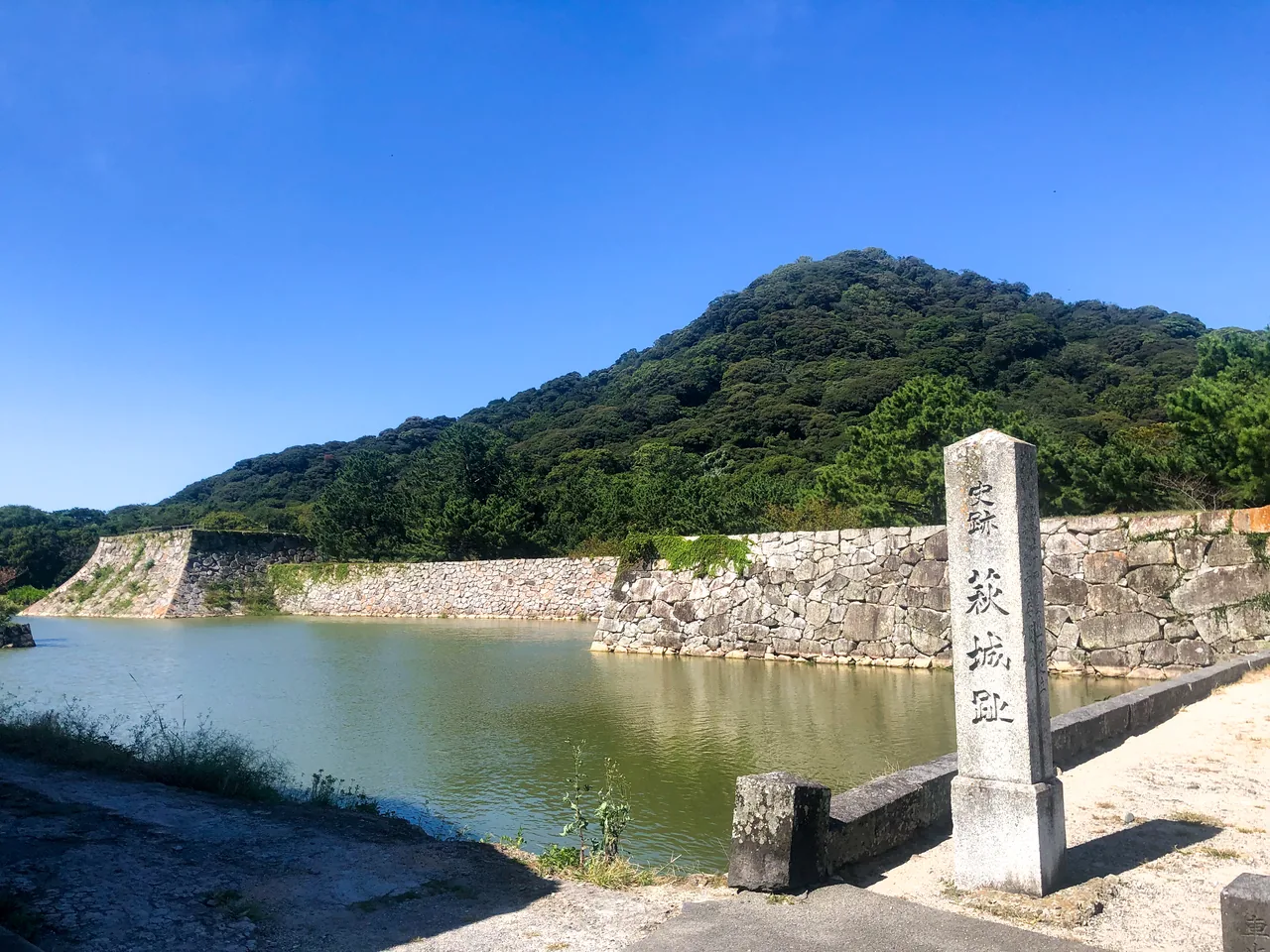
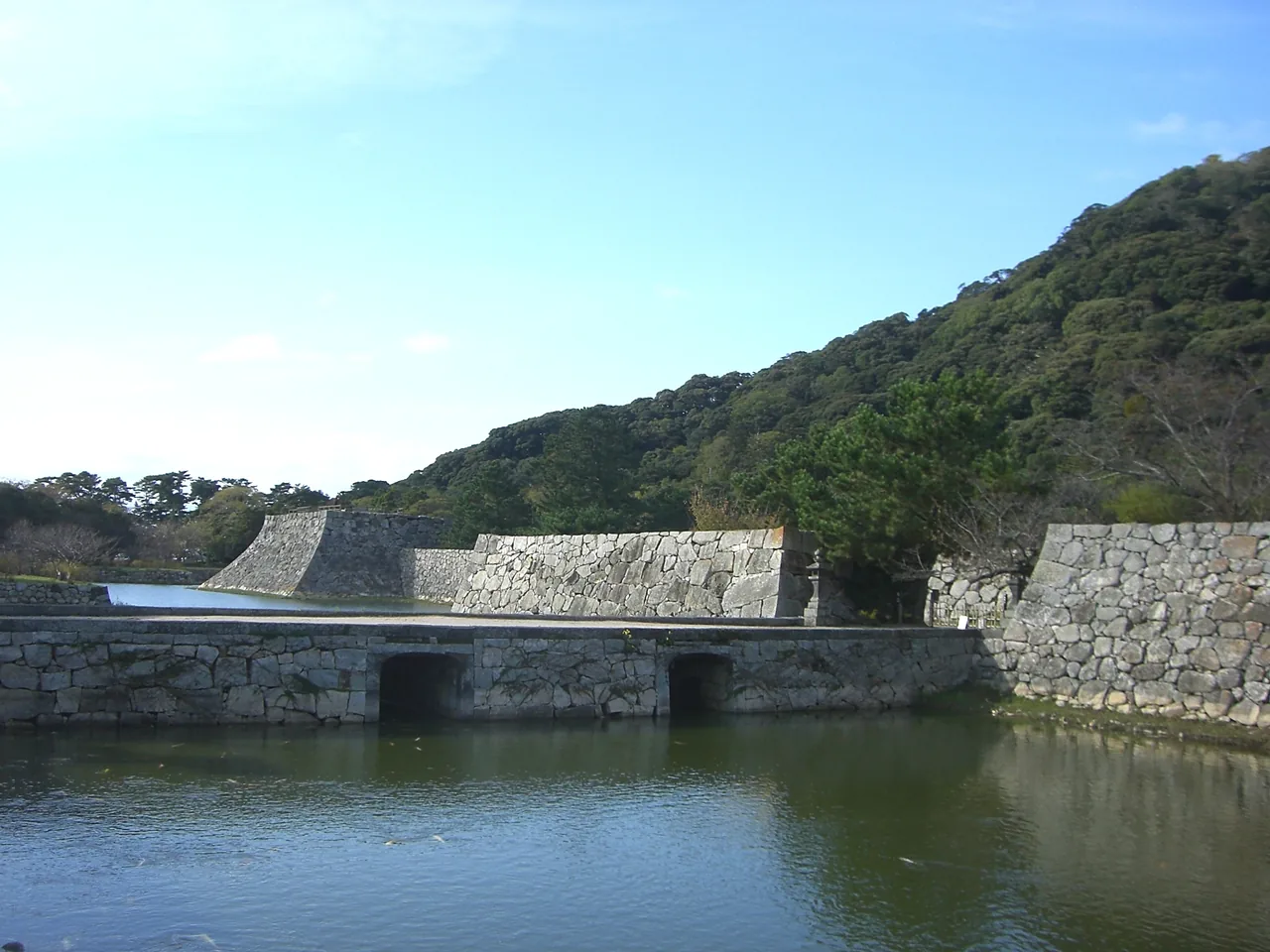
Moat, walls and Mt. Shizuki
The first thing you see on entering is the water-filled inner moat with the stone walls of the main bailey beyond. The green slopes of Mt. Shizuki rise right behind the walls, showing how the castle was built against the mountain. A five-story keep once stood on top of these walls.
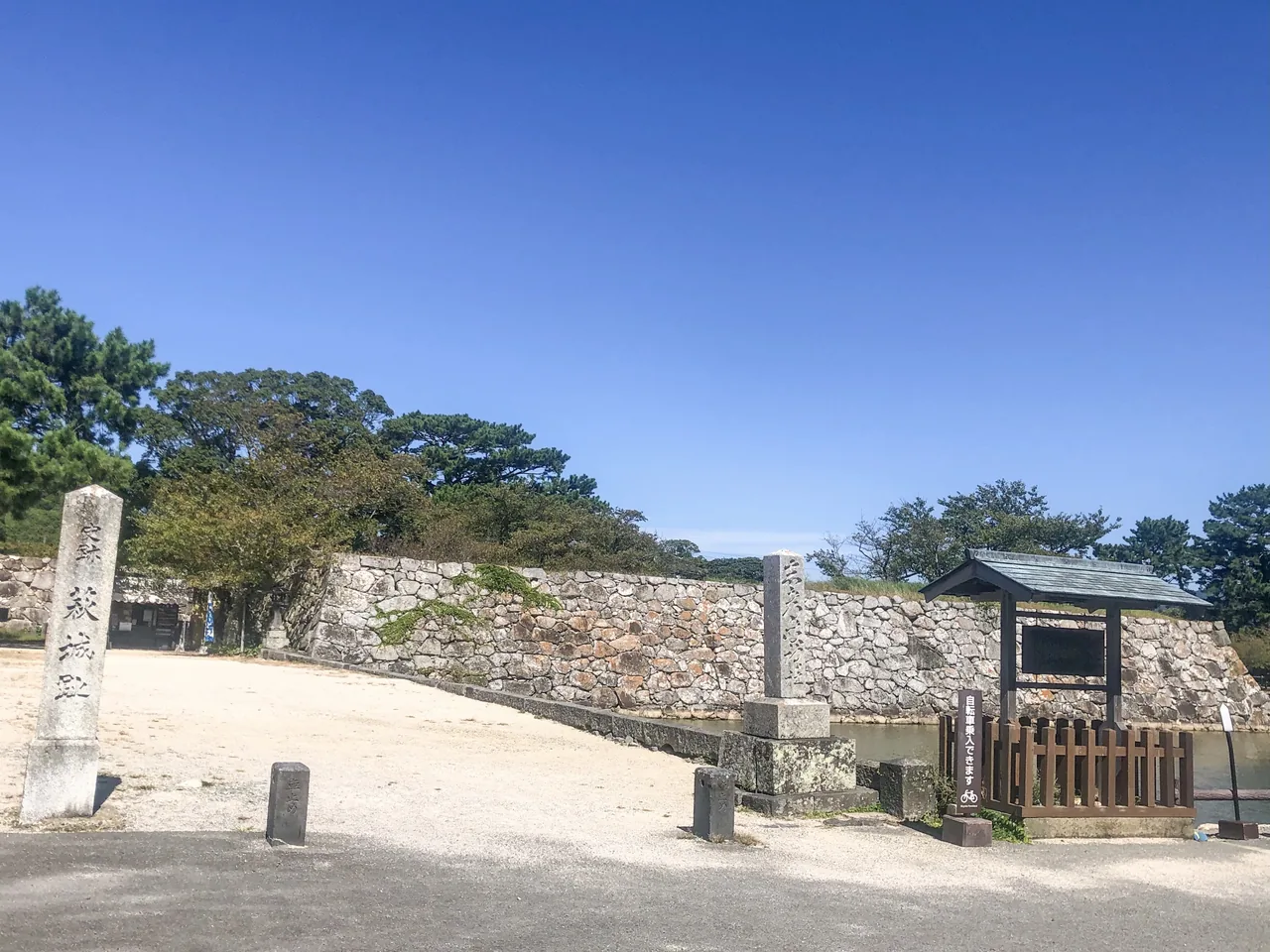
Into the former main bailey
Past the Hagi Castle Ruins stone marker, you cross the moat into the former main bailey. The castle ruins form part of the "Hagi Castle Town" component of the World Heritage Site "Sites of Japan's Meiji Industrial Revolution," and the samurai districts of Horiuchi and Hiyako are within walking distance. Buildings connected with the castle, such as the Hanae Teahouse, remain in the park.
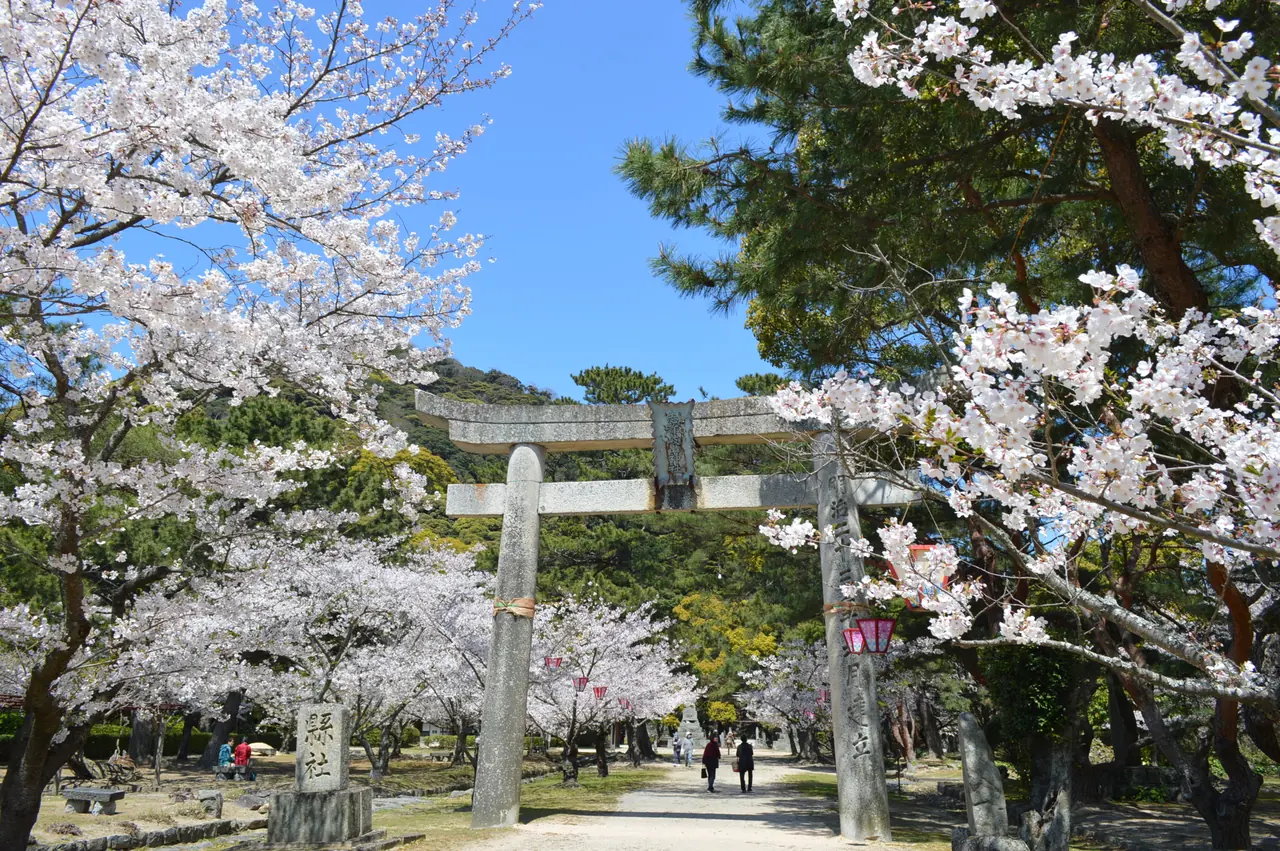
Shizuki Park in spring
Shizuki Park is one of Hagi's best-known places for cherry blossom viewing, and its trees all bloom together in spring. Cherries also line both sides of the path through the stone torii, so you can walk under the blossoms toward the back of the park.
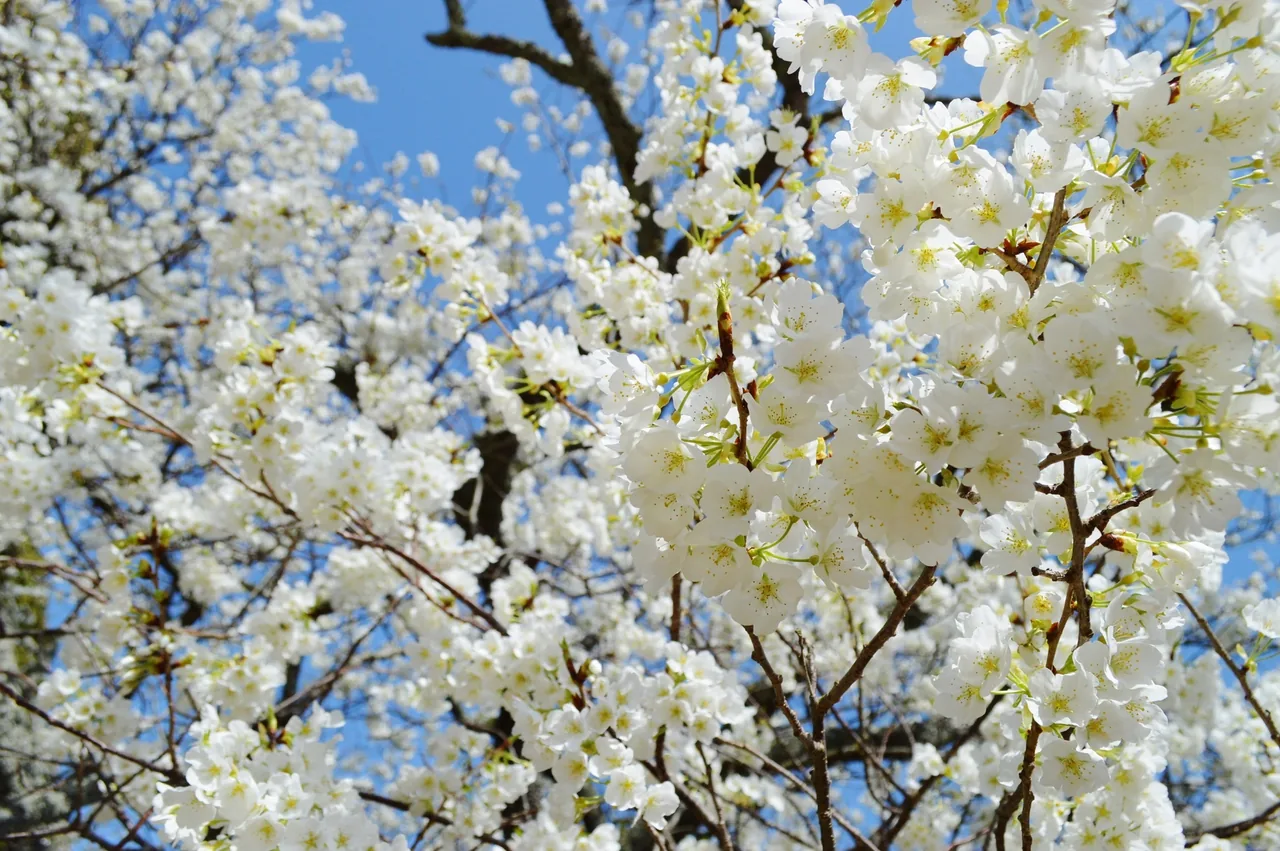
White blossoms
Some of the cherry trees in the park bear almost white flowers, which look especially bright under a blue sky. Bloom times vary from year to year, so check the blossom reports from Hagi City or the tourism association before you go.
- Access
- About a 3-minute walk from the "Hagijoato / Shizuki Koen Iriguchi, Hokumon Yashiki Iriguchi" stop on the Hagi Junkan Maaru Bus (west loop).