Hagi Castle Town
About
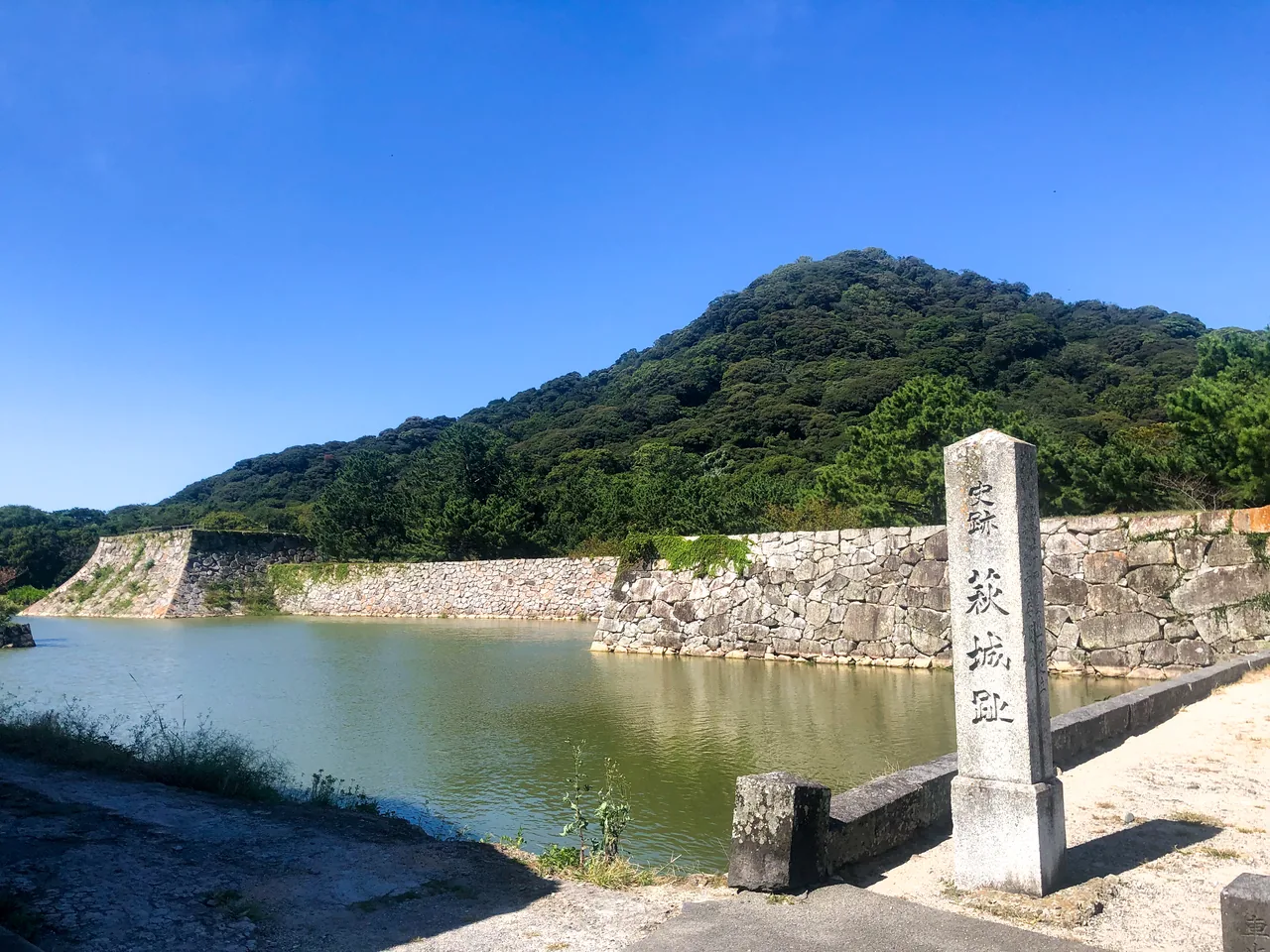
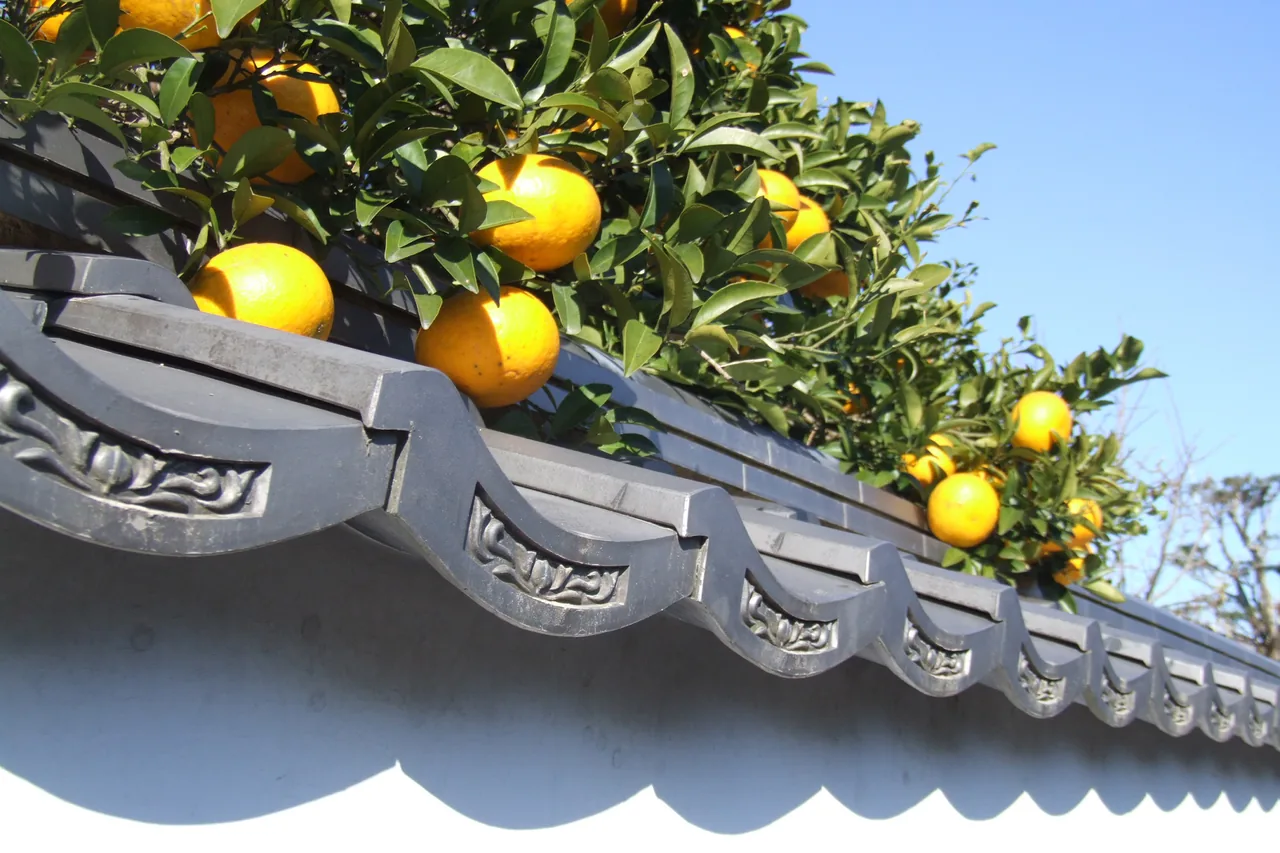
Hagi grew up as a castle town after Mori Terumoto built Hagi Castle in 1604. Three districts, the castle ruins, the old upper-samurai quarter including Horiuchi, and the old merchant quarter, became the "Hagi Castle Town" component of the World Heritage Site "Sites of Japan's Meiji Industrial Revolution" in 2015. The Edo-period street plan survives, with white walls, namako walls and summer oranges peeking over earthen walls. In the merchant quarter, the Kikuya Residence, an Important Cultural Property, stands by the three lanes of Kikuya, Iseya and Edoya Yokocho.
This text was translated automatically and may contain errors.
Samurai houses in Horiuchi and the Kuchiba Residence
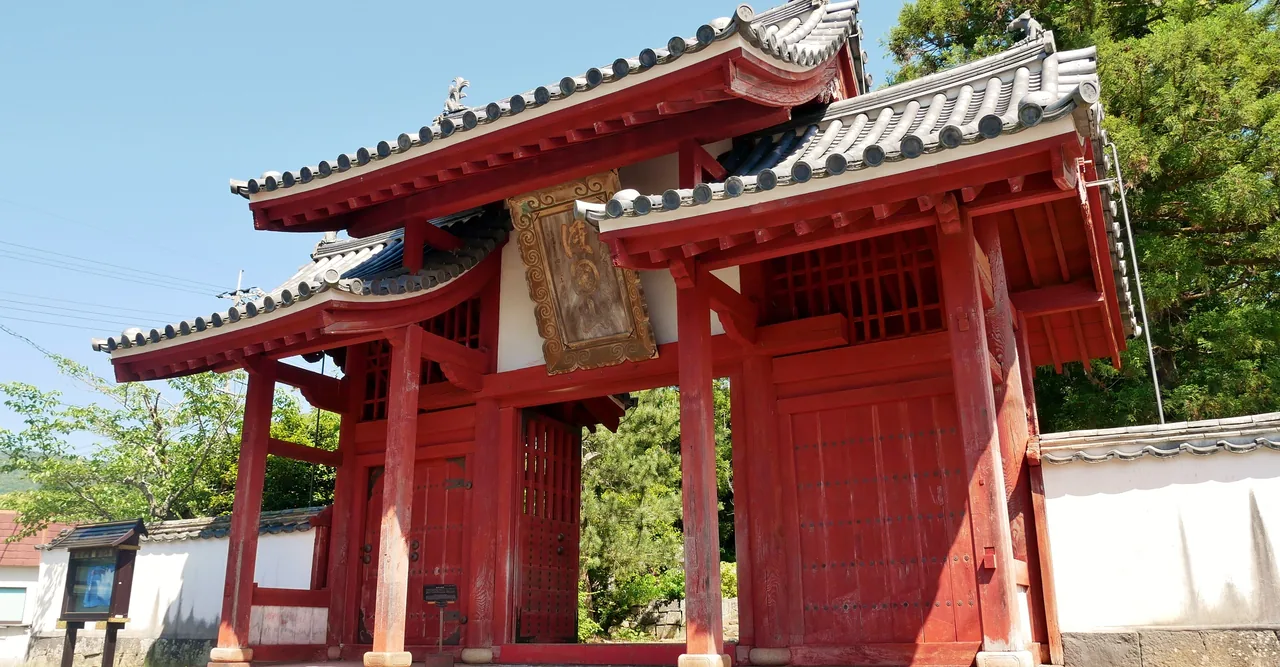
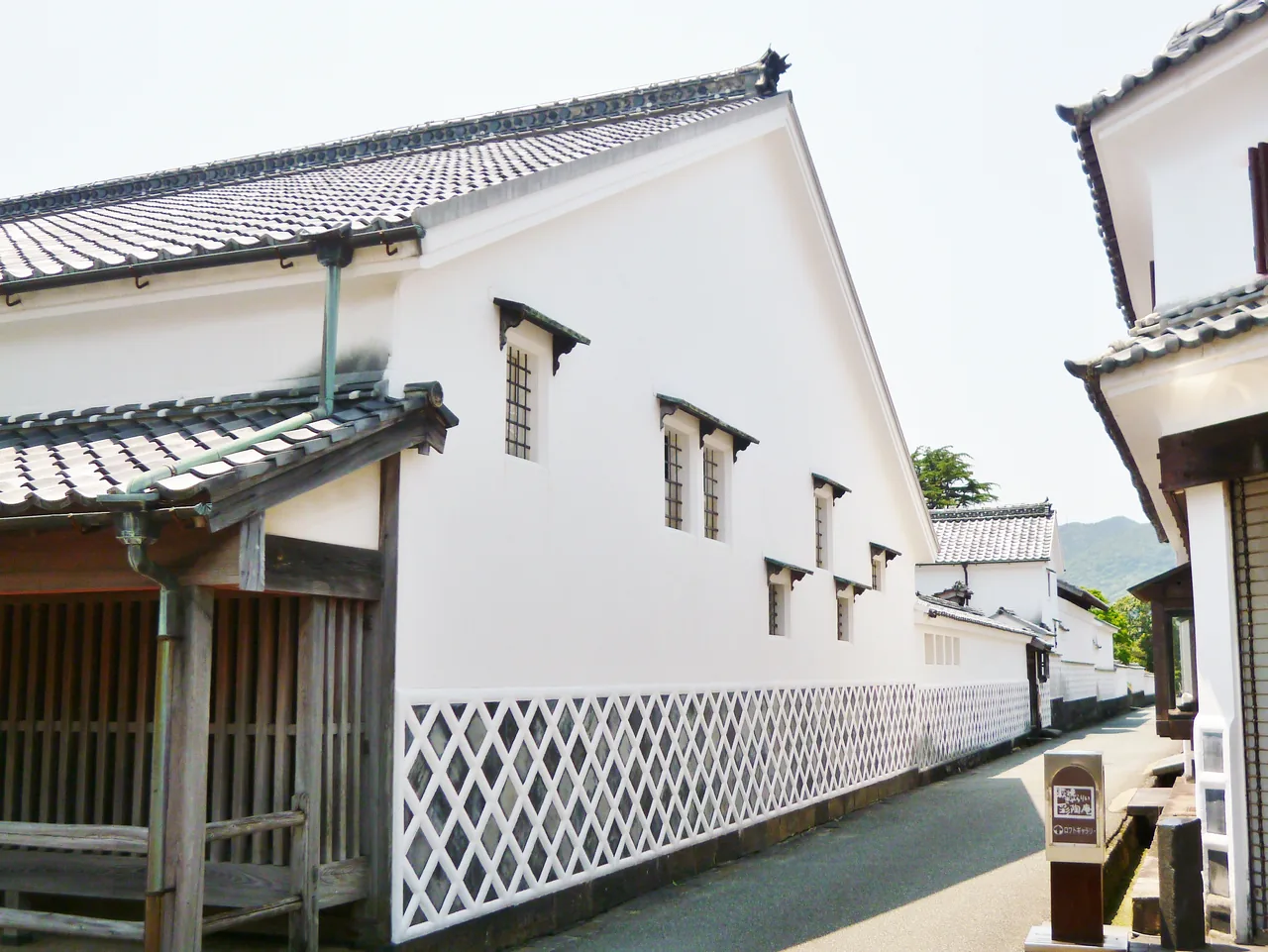
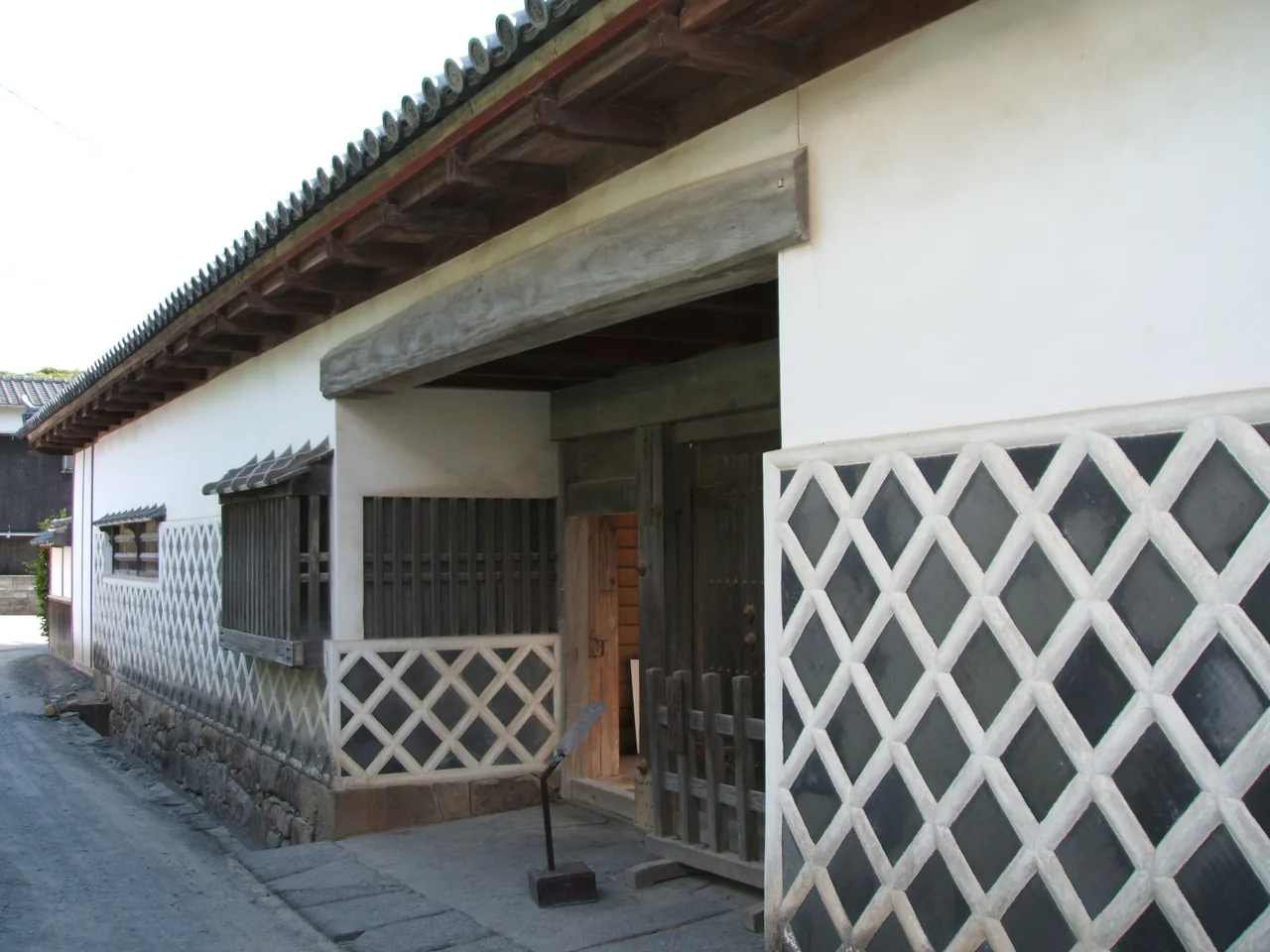
Horiuchi was the third bailey of Hagi Castle, named for its position inside the outer moat. Senior retainers of the domain lived here, and the main house and front gate of the Kuchiba Residence are designated Important Cultural Properties. Namako walls, with a lattice of white plaster, stretch out on both sides of the gate and show just how grand a samurai entrance could be.
Walking the merchant lanes
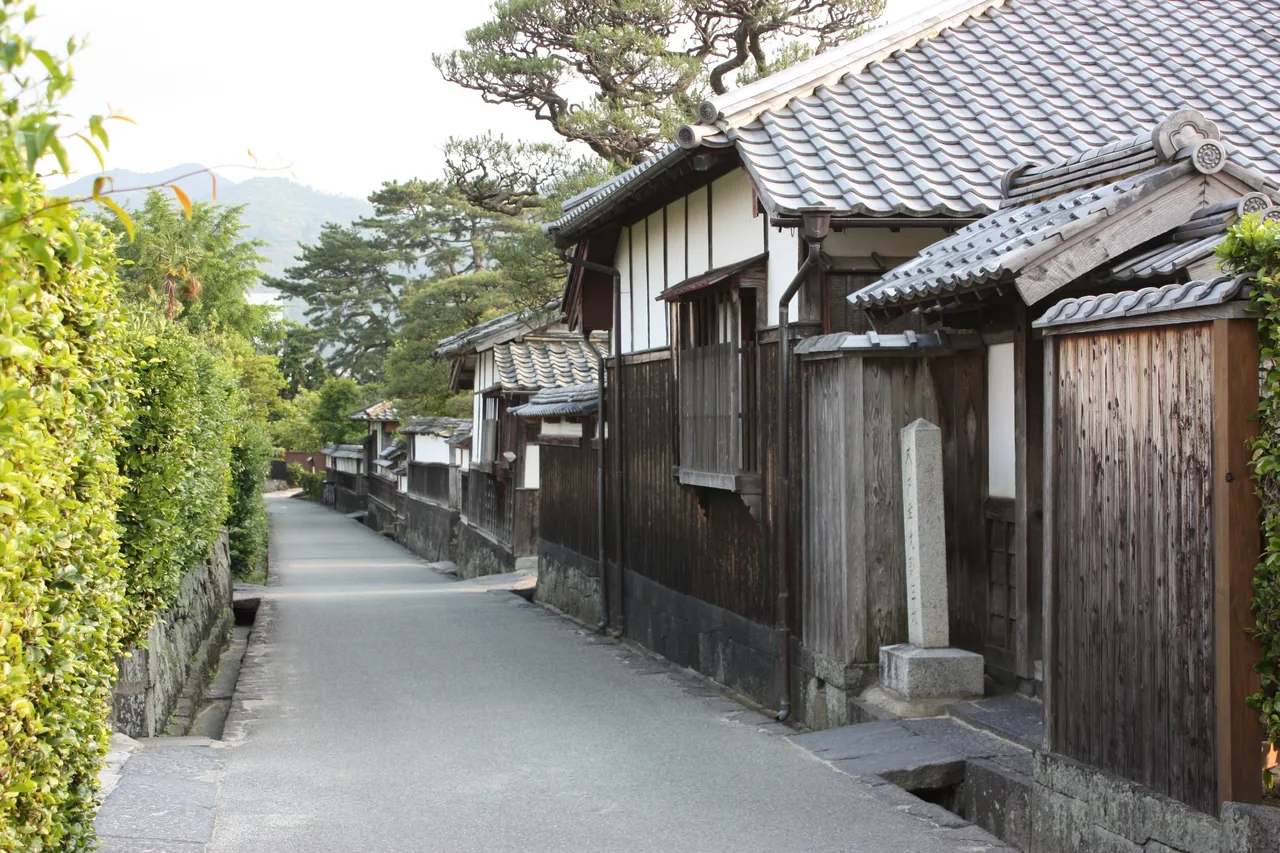
The former merchant quarter east of the castle was laid out in a grid, with Gofukumachi among its many neighborhoods. Beside the Kikuya Residence on the Onarimichi road run three lanes: Kikuya Yokocho, Iseya Yokocho and Edoya Yokocho. Edoya Yokocho is a quiet lane of wooden fences and tiled roofs, showing the townhouse side of the castle town rather than its samurai mansions.
The key-bend lanes of Hiyako
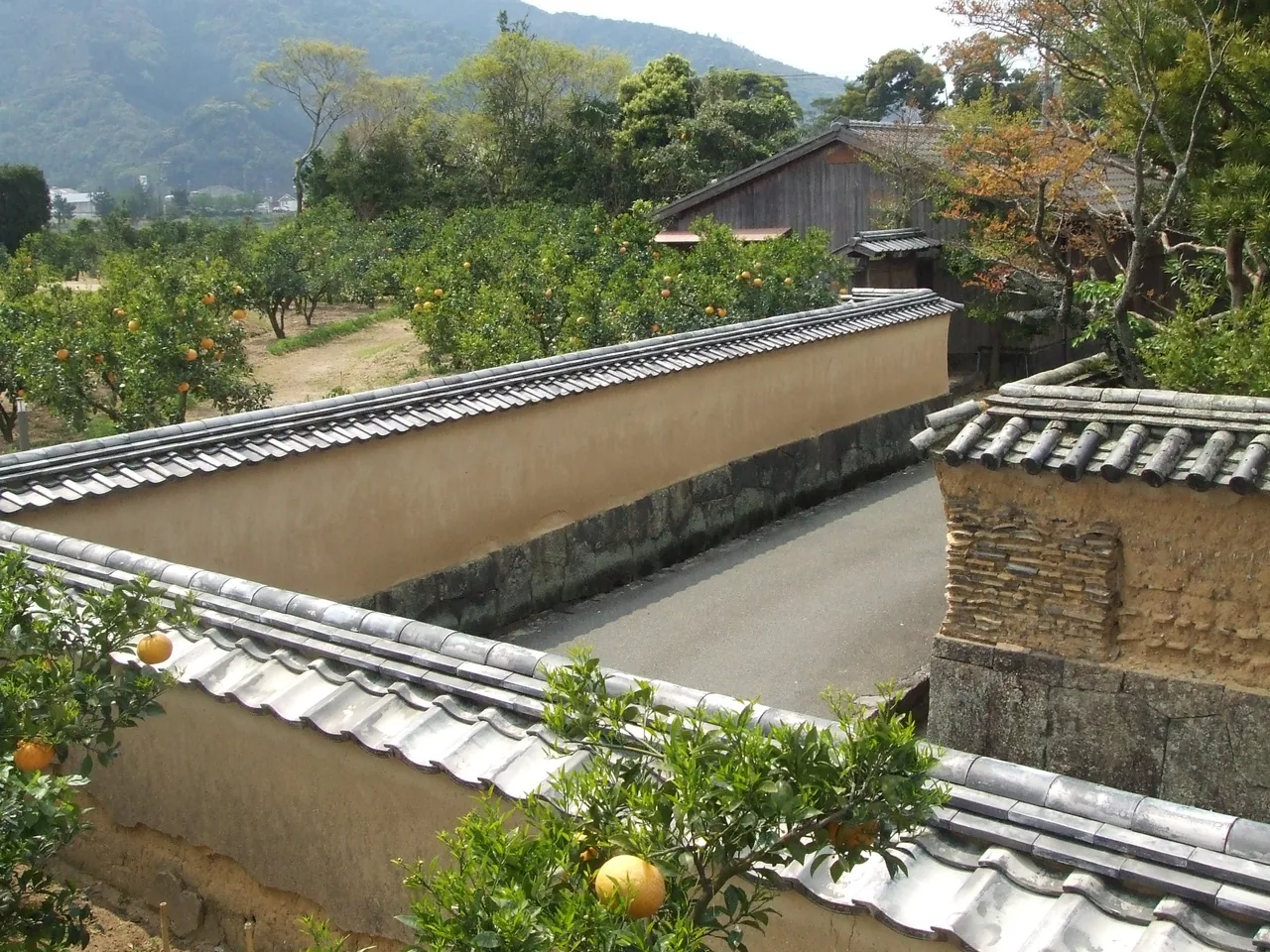
A "key-bend" lane (鍵曲) is a lane enclosed by tall earthen walls and bent at right angles, a layout typical of castle towns. In Hiyako, the long walls forming these lanes survive along with samurai main houses, nagaya gates and storehouses. Together with Horiuchi, the district was chosen in 1976 as one of Japan's first Preservation Districts for Groups of Traditional Buildings.
Earthen walls of Horiuchi
Horiuchi has its own key-bend lanes, with tiled earthen walls set on stone bases lining both sides of the lane. Each blind corner opens onto yet another stretch of wall, so you feel the age of the street plan as you walk. Come when there is little traffic and compare the height of the walls and the way the stones are laid.
Earthen walls and summer oranges
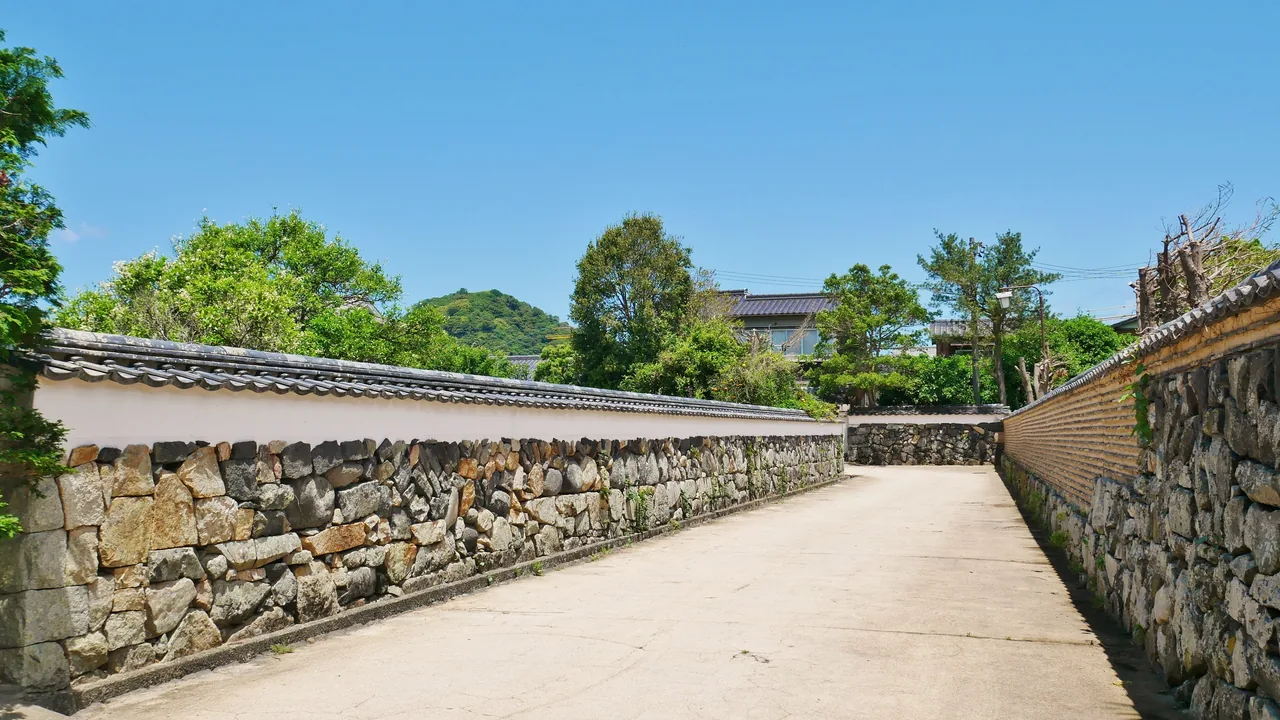
Summer oranges peeking over earthen walls are a sight that took shape after the Meiji Restoration. In 1876, former Hagi retainer Obata Takamasa founded the Taikyusha society to spread natsumikan cultivation among samurai who had lost their stipends. The walls left around samurai estates sheltered the wind-sensitive trees. When the fruit ripens, yellow oranges hang over the white walls and tiled roofs.
- Access
- Get off the Hagi Junkan Maaru Bus (west loop) at "Hagi Uragami Museum / Hagi Castle Town Entrance"; the merchant quarter is right there. The samurai districts of Horiuchi and Hiyako are within walking distance.