Horikawa Canal
About
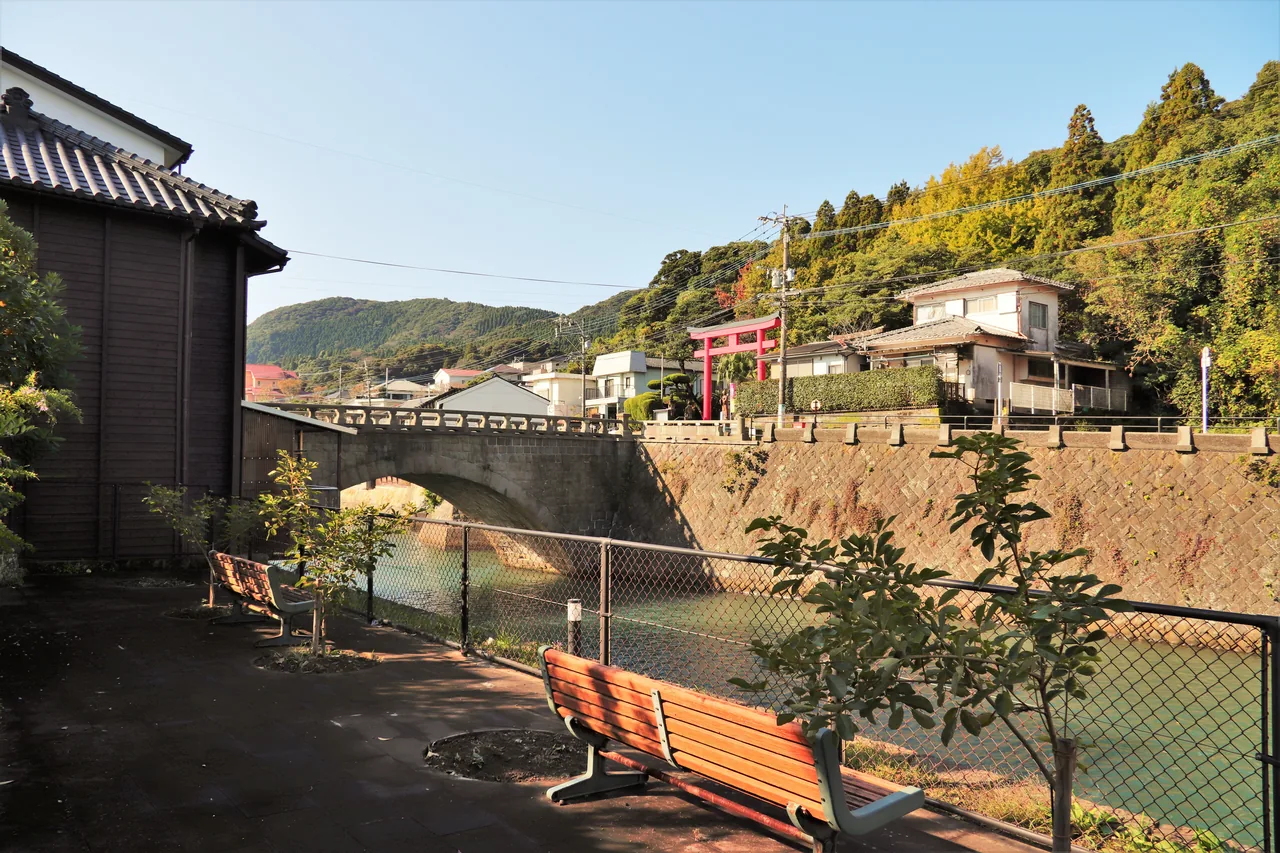
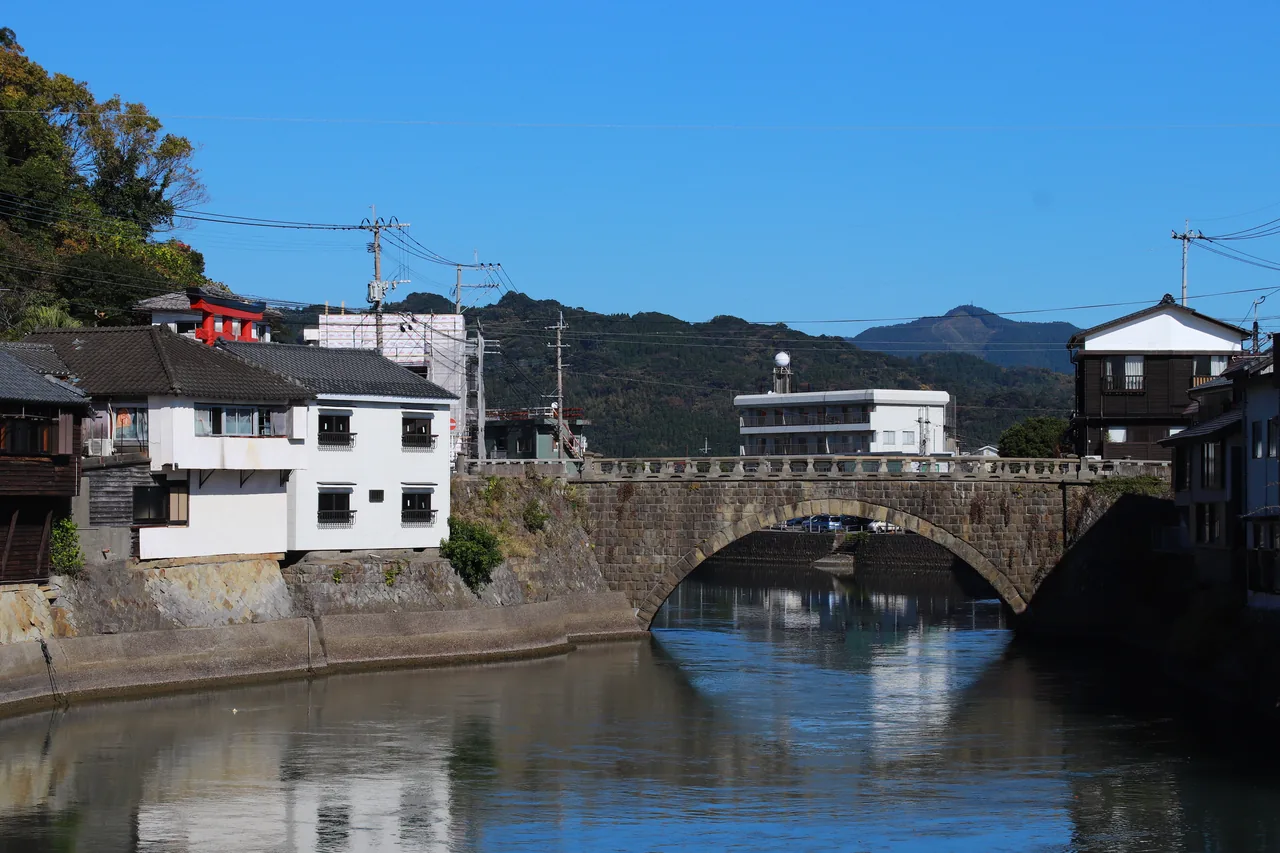
A canal in the port town of Aburatsu in Nichinan, dug in the Edo period by the Obi domain to carry its prized Obi cedar down to Aburatsu harbor. From the Meiji era both banks became storage yards for Obi cedar, and stone embankments and an old stone bridge still remain. A waterside path lets you take in the quiet scenery of this old harbor town on foot.
This text was translated automatically and may contain errors.
Horikawa Bridge (Otohime Bridge)
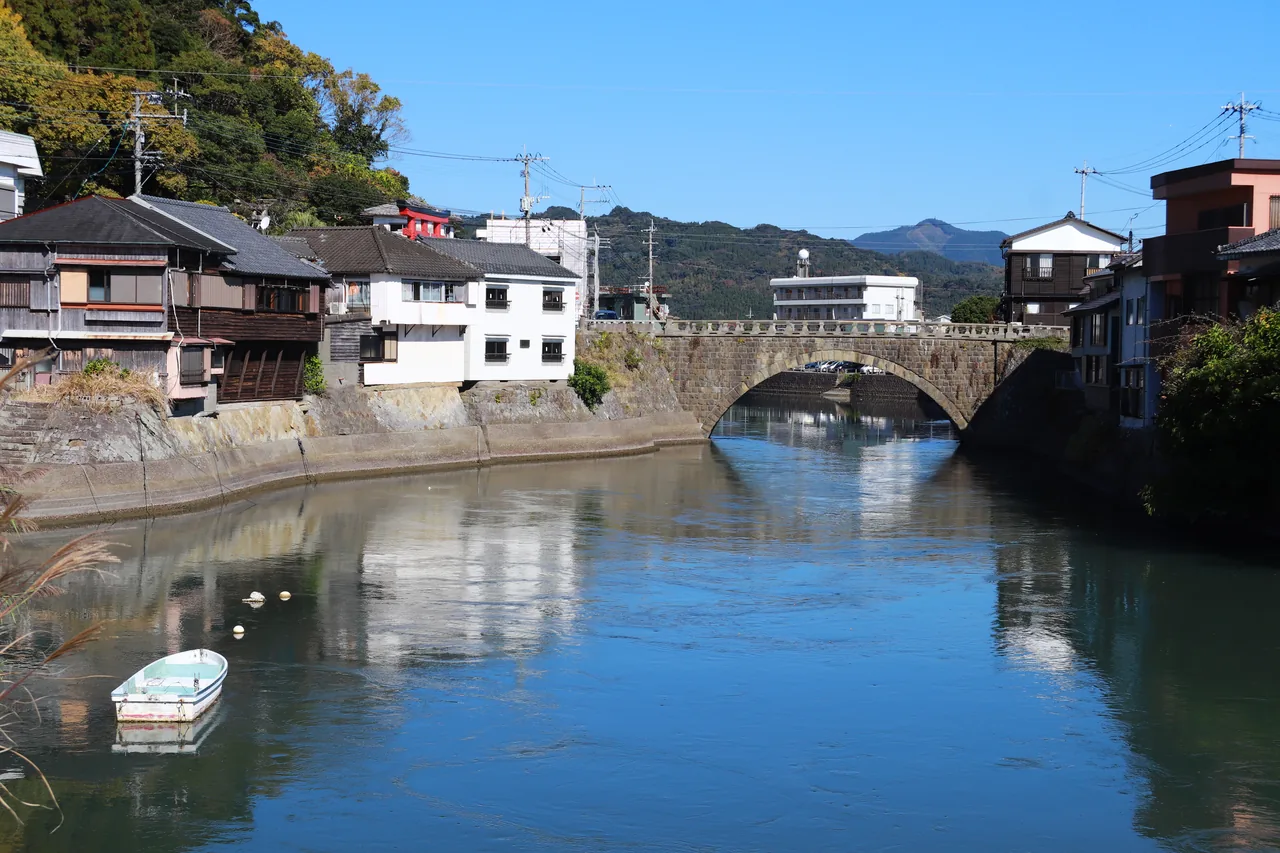
Horikawa Bridge, the stone arch across the canal, was built in 1903 by the stonemason Ishii Bunkichi. It also serves as the approach to Ahiratsu Shrine at its foot, and locals call it Otohime Bridge. It is 21 meters long and is a registered tangible cultural property of Japan. The bridge is still in everyday use, and its arch makes a lovely reflection on the water.
A harbor town built on Obi cedar
From around the Meiji era the canal became a major trading hub for Obi cedar, with timber yards and sawmills lining both banks. The stone embankments were built by timber merchants to reinforce those yards. Near the canal is the Aburatsu Red Brick Hall, set in a brick warehouse, which you can visit on the same walk.
- Access
- About a 10-minute walk from Aburatsu Station on the JR Nichinan Line to Horikawa Bridge.