Obi Castle Town
About
For about 280 years from 1588, Obi prospered as the castle town of the Ito family, lords of a domain rated at 51,000 koku. Stone walls of local Obi stone and samurai houses built with Obi cedar still stand, and in 1977 it became the first place in Kyushu to be selected as a national Preservation District for Groups of Traditional Buildings. The streets keep their Edo-period widths, and you can stroll past lines of stone walls, hedges and gates.
This text was translated automatically and may contain errors.
The Otemon gate and stone walls
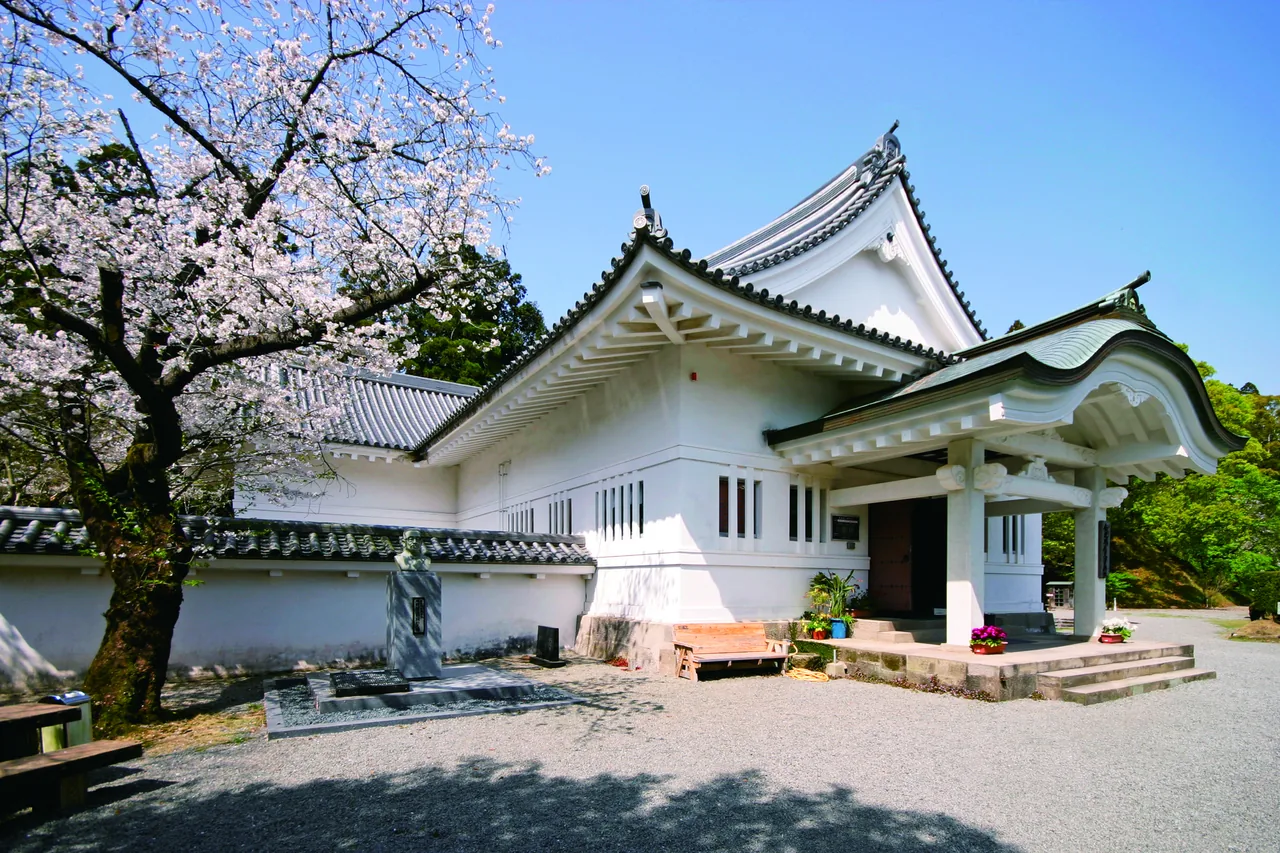
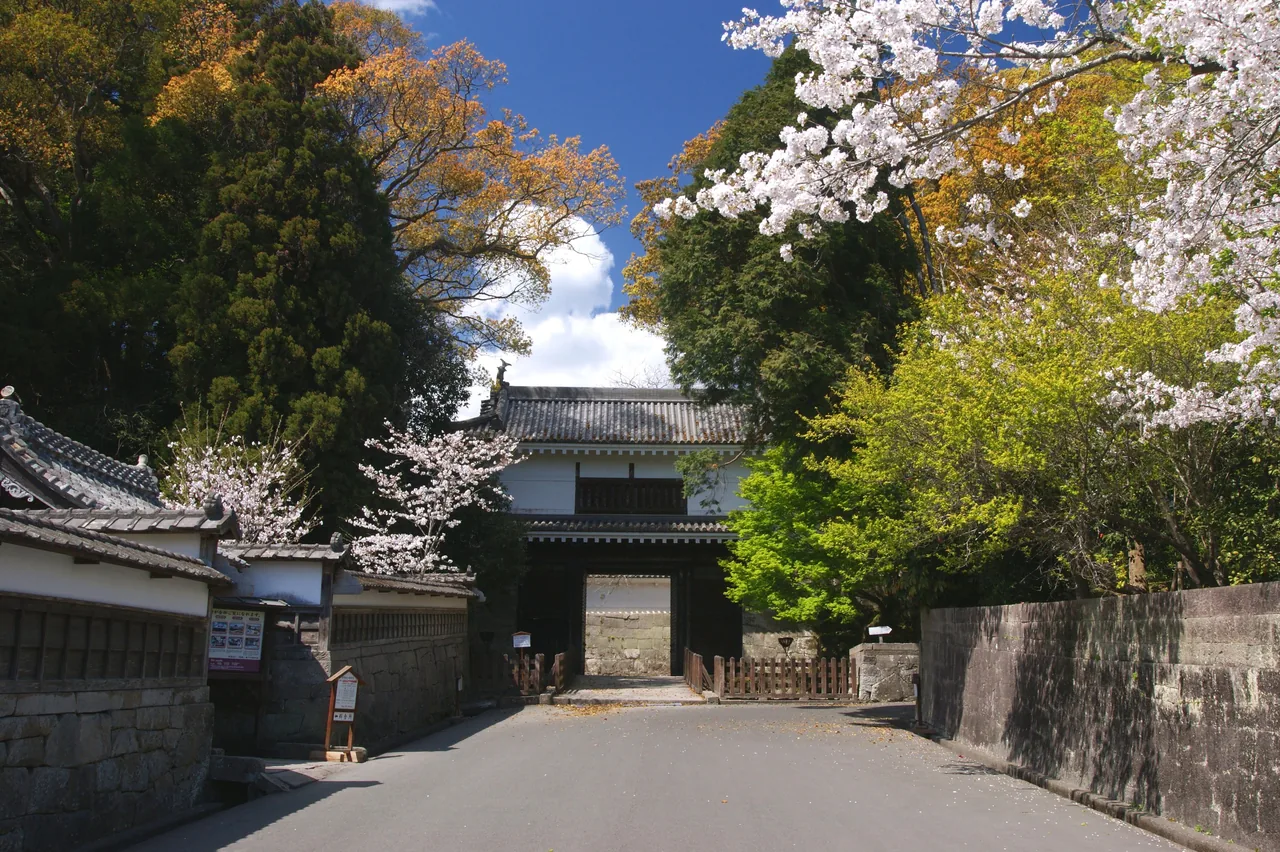
At the heart of the town are the ruins of Obi Castle. Its main Otemon gate, a wooden gate with a guardhouse spanning the top, was rebuilt during a restoration project in the Showa era. Mossy stone walls run out on both sides, framed by cherry blossoms in spring and colored leaves in autumn.
How the samurai district was laid out
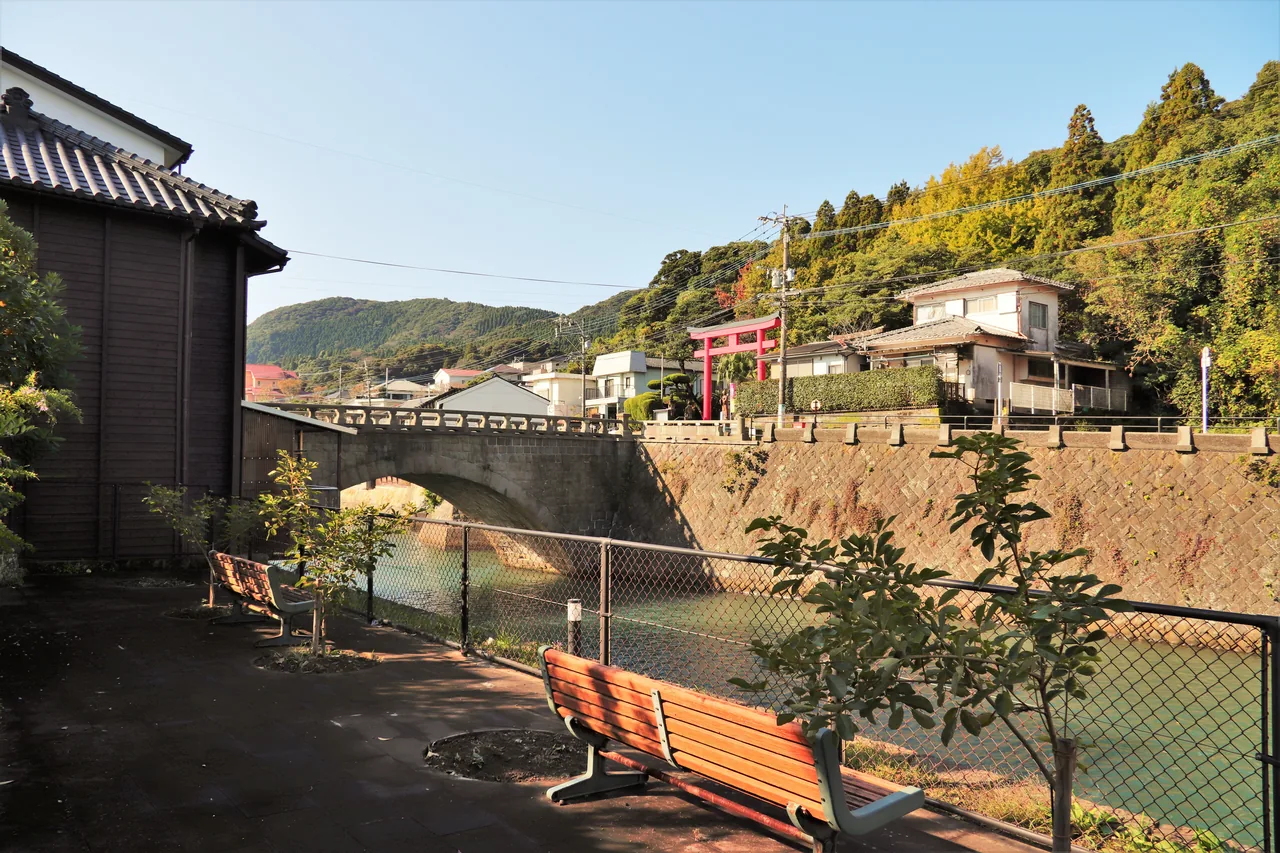
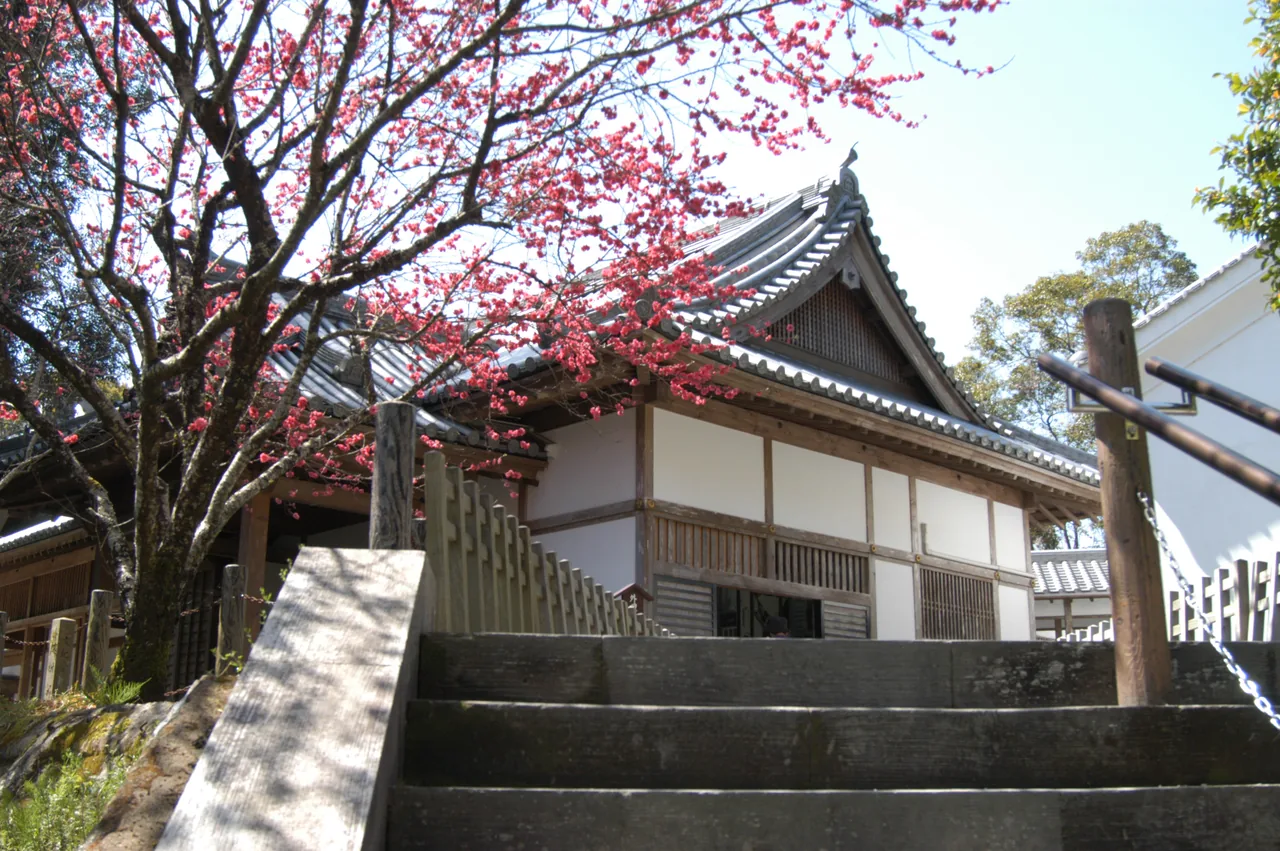
Surrounded on three sides by the Sakatani River, the castle town is divided into blocks that are almost square. Senior retainers lived closest to the castle, followed by middle-ranking retainers, townspeople and lower-ranking retainers. Many houses are enclosed by gateways and stone walls, and in early spring plum blossoms in the gardens stand out against white walls.
Walking the castle grounds
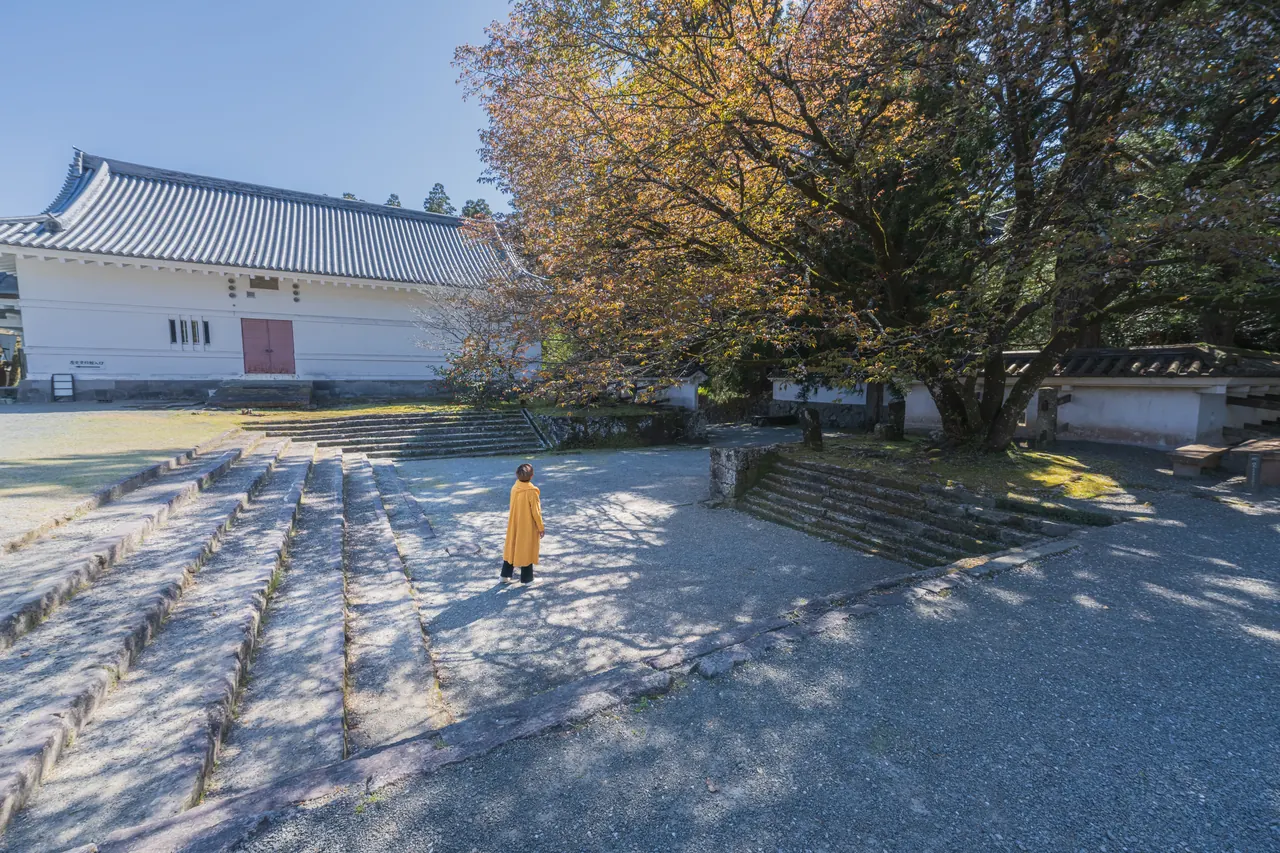
Through the Otemon gate, white-walled buildings and terraced open ground spread across the castle site. Further in, at the site of the old main enclosure, Obi cedars about 140 years old stand in rows over a carpet of moss. It is one of the quietest corners of the castle site.
Koi in the water
Walking around the town, you come across brightly colored koi swimming in the water. Between the stone-walled lanes you can hear running water, making it a good place to pause during your stroll.

Touring the lanes by rickshaw
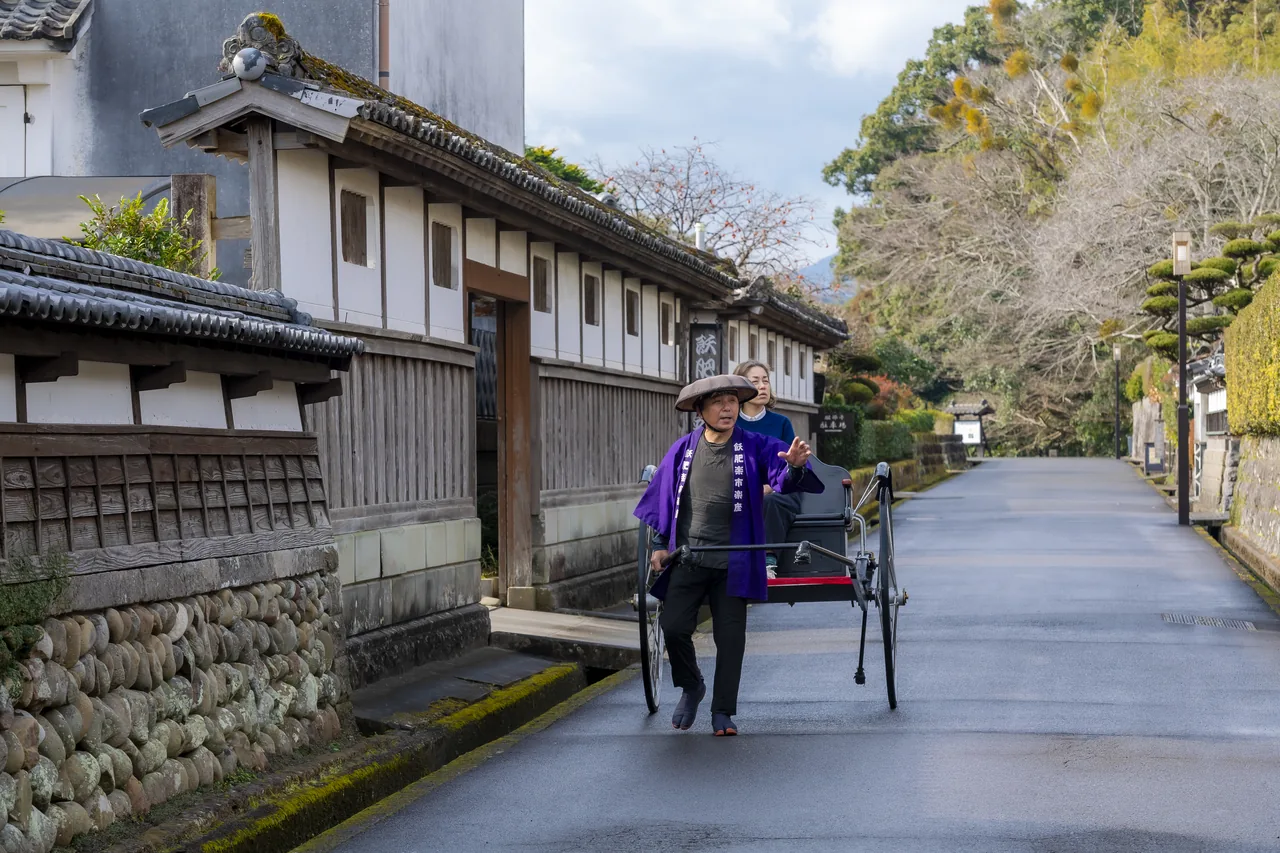
Rickshaws travel along the samurai lanes lined with stone walls and white walls. The town also keeps grand samurai residences such as Yoshokan, once the home of the ruling Ito family.
- Access
- About a 15-minute walk from Obi Station on the JR Nichinan Line. By car, it is about 10 minutes from the Nichinan-Togo interchange on the Higashi-Kyushu Expressway, with parking at the Obi Castle tourist car park.