Nanko Park
About
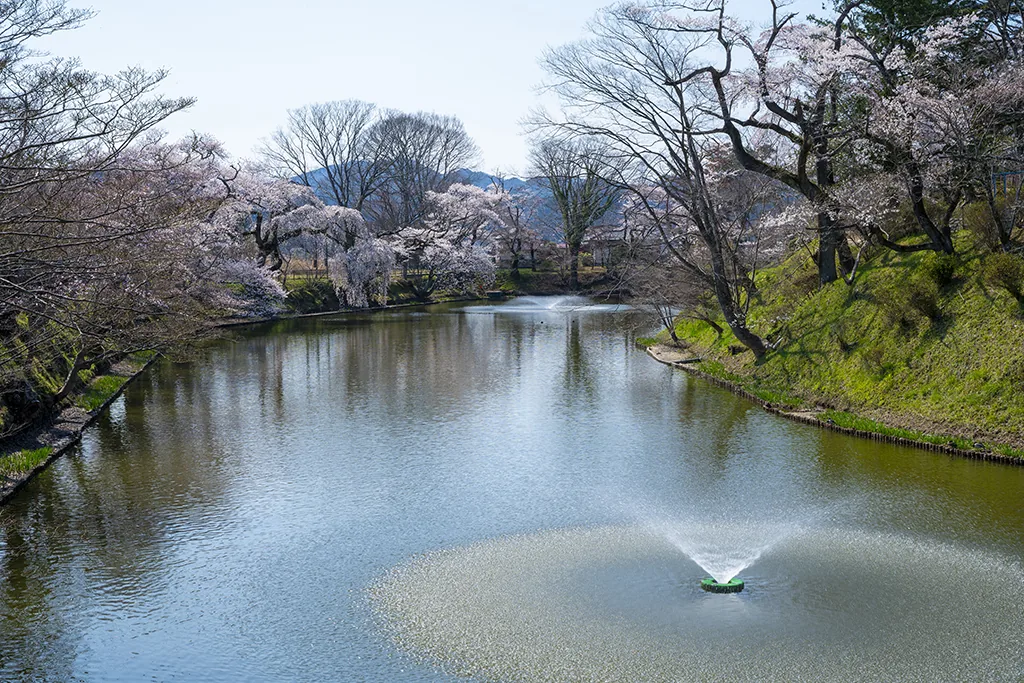
A lakeside park created in 1801 by Matsudaira Sadanobu, lord of the Shirakawa domain, who turned a marshy pond into a landscaped lake. It was laid out with no walls or fences, as a place where people of every class could enjoy themselves. It is known for the view of the Nasu mountains across the water and is designated a National Historic Site and Place of Scenic Beauty. Nanko Shrine, dedicated to Sadanobu, stands by the lake, and the park is busiest during the cherry blossom and autumn leaf seasons.
This text was translated automatically and may contain errors.
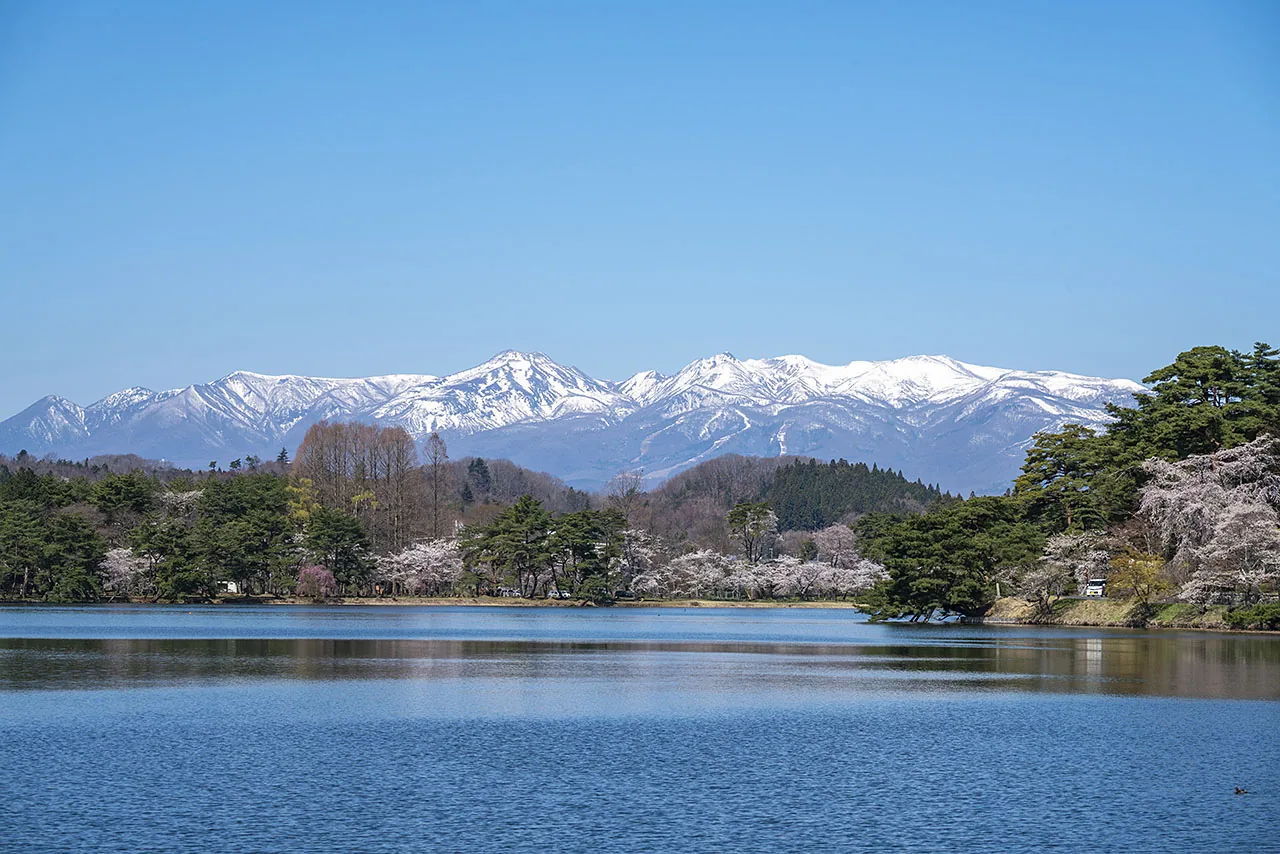
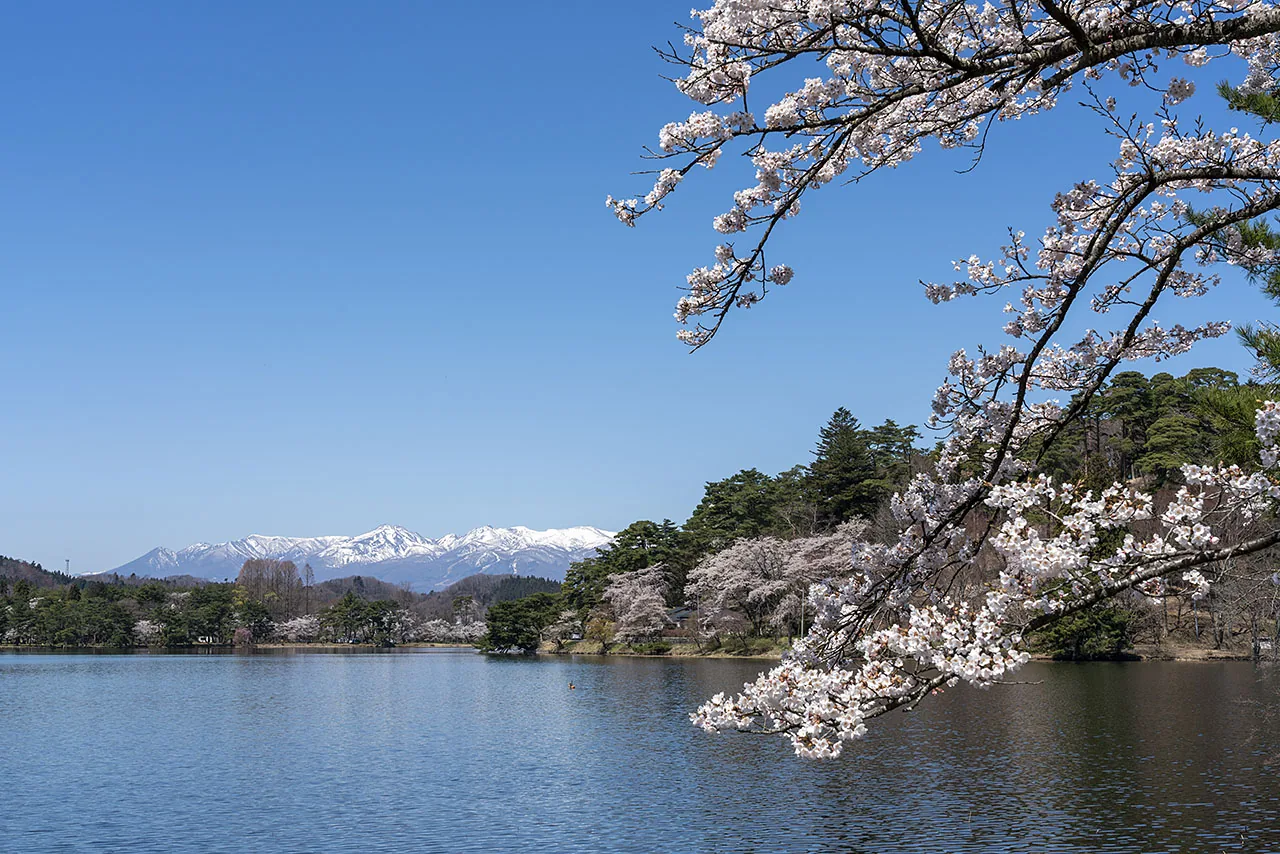
The Nasu mountains across the lake
Sadanobu shaped the lake so that the Nasu range to the west and Mt. Sekiyama to the east would form its backdrop, and planted pines, cherries and maples along the shore. On a clear spring day you can see the snow-capped Nasu peaks beyond the cherry trees on the bank. Walk along the shore and the way the mountains line up with the water changes from spot to spot.
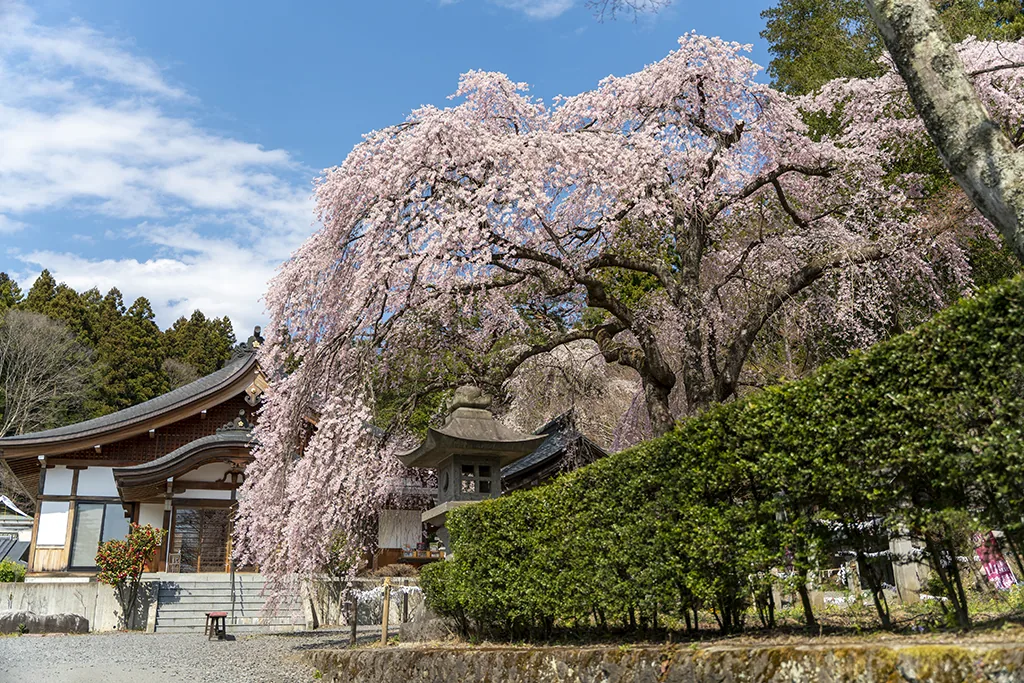
Nanko Shrine, dedicated to Sadanobu
Nanko Shrine, by the lake, was founded in 1922 and enshrines Matsudaira Sadanobu. The industrialist Shibusawa Eiichi, a great admirer of Sadanobu, gave major support to its founding. In spring, cherry trees surround the shrine buildings, and the grounds feel calmer than the lakeshore. A teahouse also stands in the grounds.
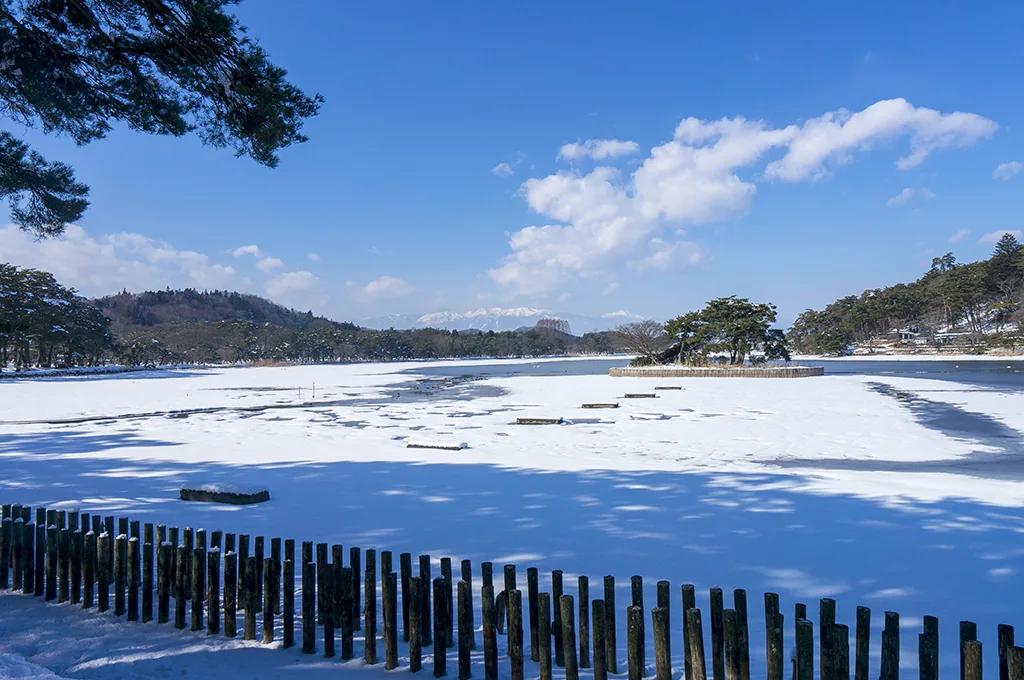
Nanko in the snow
Snow sometimes settles in Shirakawa in winter, turning the lake and the trees on its banks white. Unlike the crowds of blossom and foliage season, winter is the time to walk a quiet, almost empty shore. Paths can be slippery, so wear shoes with good grip on snowy days.
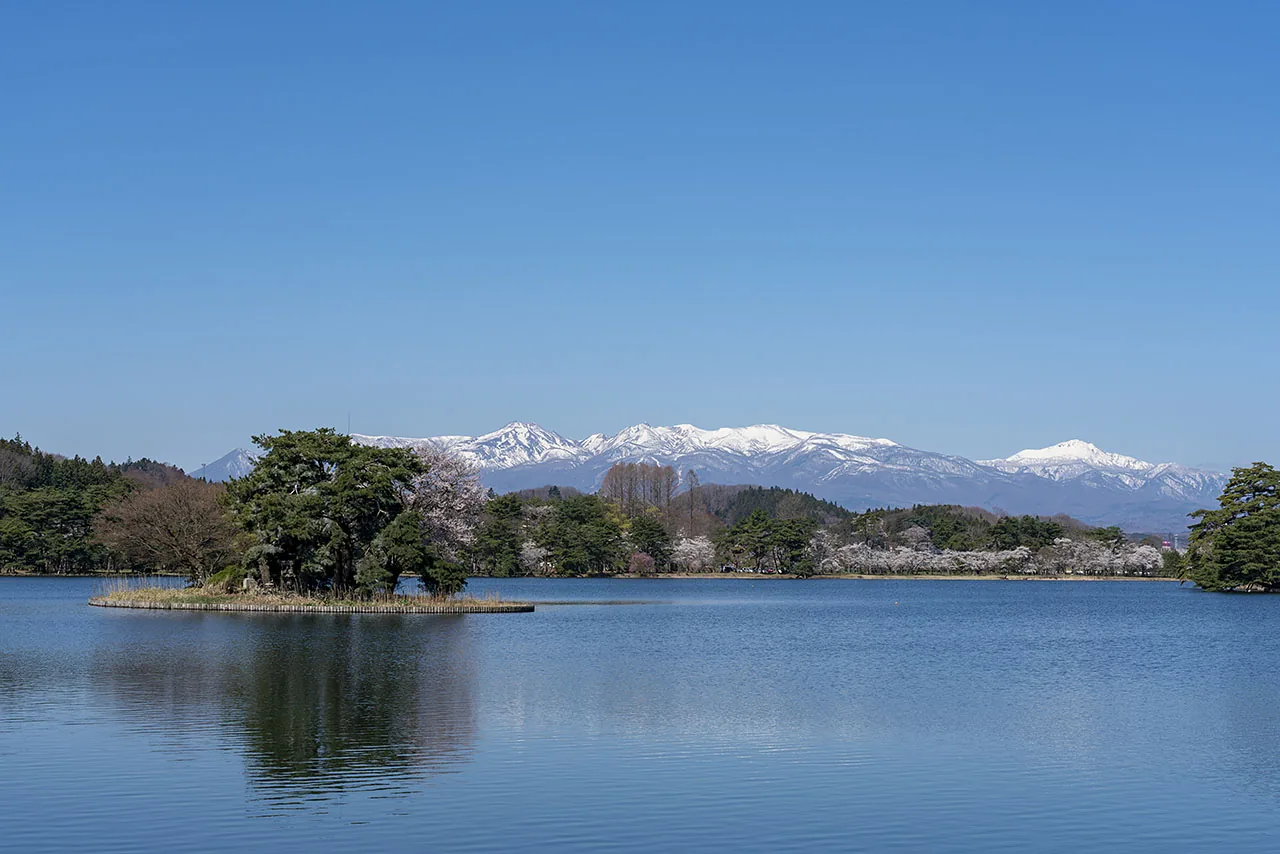
A garden for all and the Seventeen Views of Nanko
Most daimyo gardens of the Edo period were tucked inside castles or residences, but Nanko was open from the start under the idea of "shimin kyoraku" — samurai and commoners enjoying it together. Sadanobu picked 17 scenic spots around the lake and gave each a Japanese and a Chinese-style name. The Kyorakutei teahouse, linked to Sadanobu and designated a City Important Cultural Property, also remains, so you can trace the views people admired two centuries ago.
- Access
- From JR Shirakawa Station or Shin-Shirakawa Station, take the city's Kominet loop bus or a JR Bus Kanto route bus to the Nanko Koen stop. By car, use the free Nanko Park East Parking Lot, reached from National Route 289.