Seikenji Temple
About
An old Rinzai Zen temple in Okitsu, a post town on the former Tokaido highway. In the Edo period Korean diplomatic missions (Chosen Tsushinshi) lodged or rested here, and many name boards and calligraphy written by the envoys survive, so the precinct was designated a National Historic Site in 1994. The study garden, said to have been laid out with stones and trees placed under Tokugawa Ieyasu's direction, is a National Place of Scenic Beauty. There is also a plum tree, the Garyubai, said to have been planted by Ieyasu, and a group of five hundred stone arhats (Gohyaku Rakan).
This text was translated automatically and may contain errors.
Halls stepped up the hillside
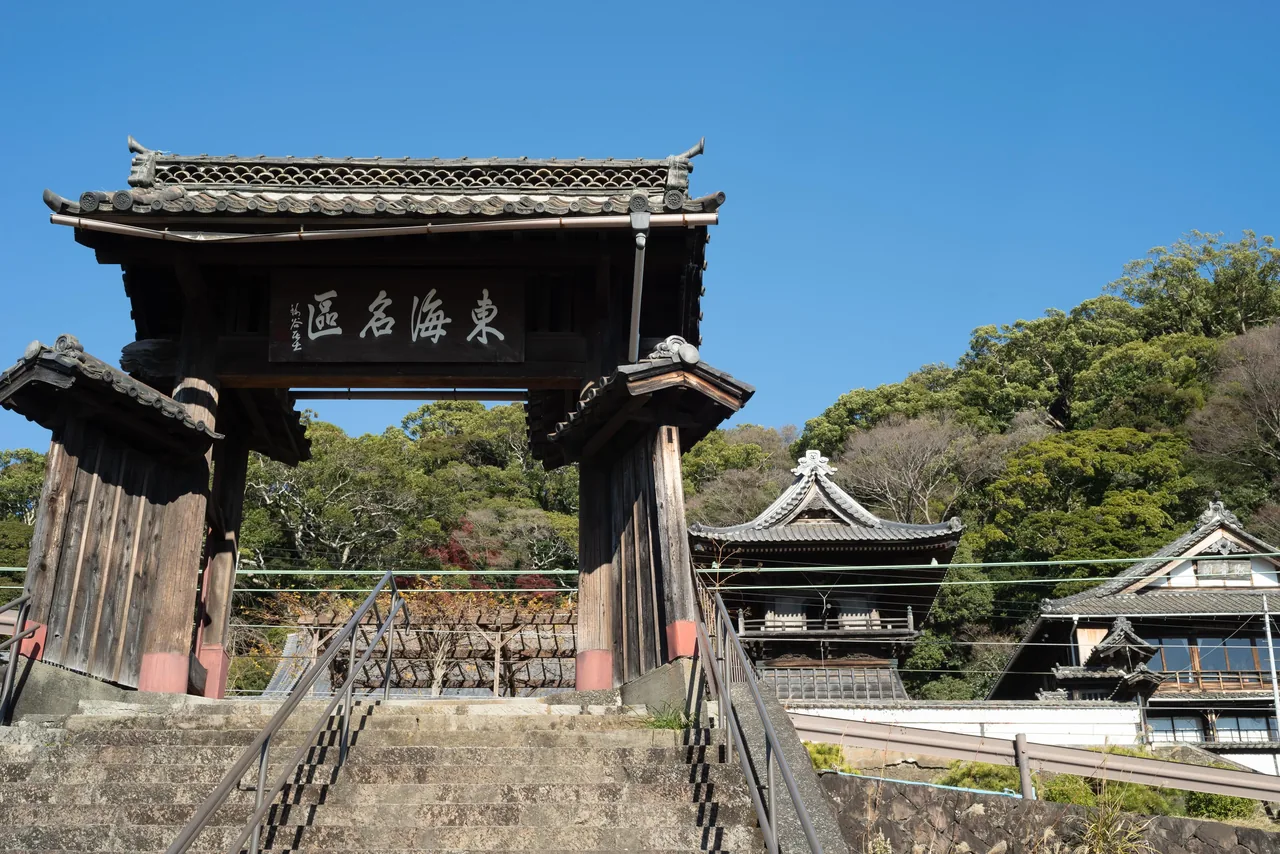
Pass through the gate hung with a board reading "Tokai Meiku" and climb the stone steps into the precinct, backed by the hill. The main hall, study hall and other buildings rise in tiers along the slope, with a stone path running deeper in.
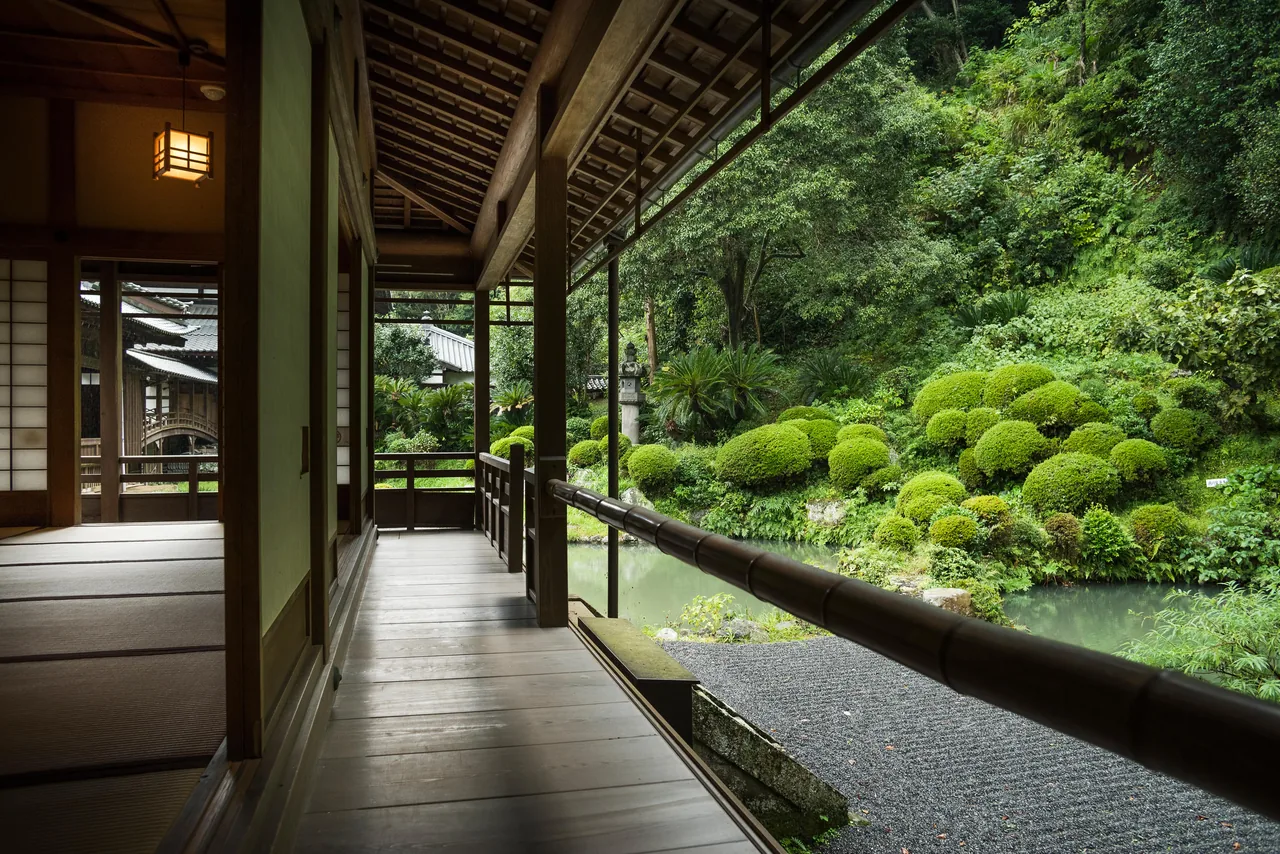
Ieyasu's study garden
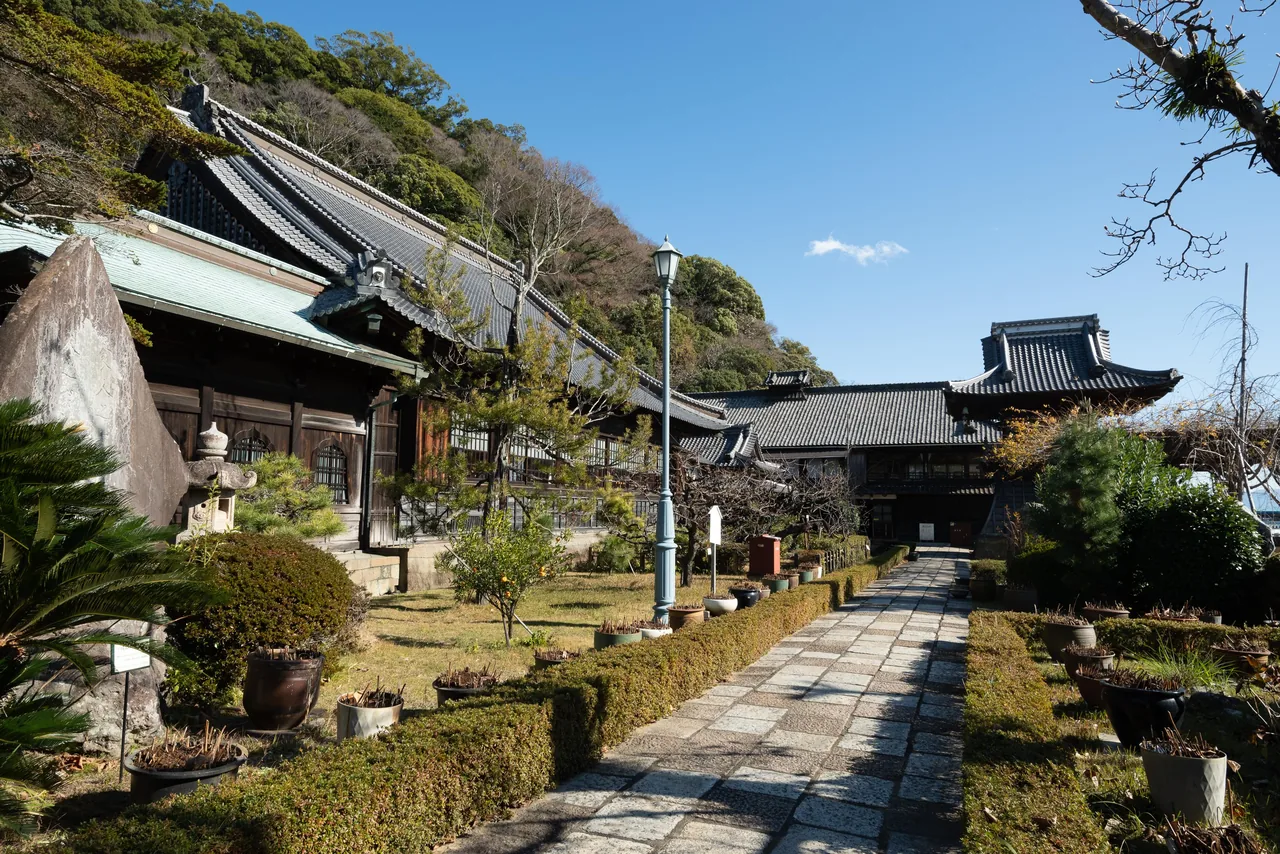
Sit on the veranda of the study hall and the pond, the clipped shrubs and the green hill behind come together like a single painting. Ieyasu is said to have directed the placement of its stones and trees, and the garden is a National Place of Scenic Beauty. There is a fee to view the temple, including the garden and the arhats.
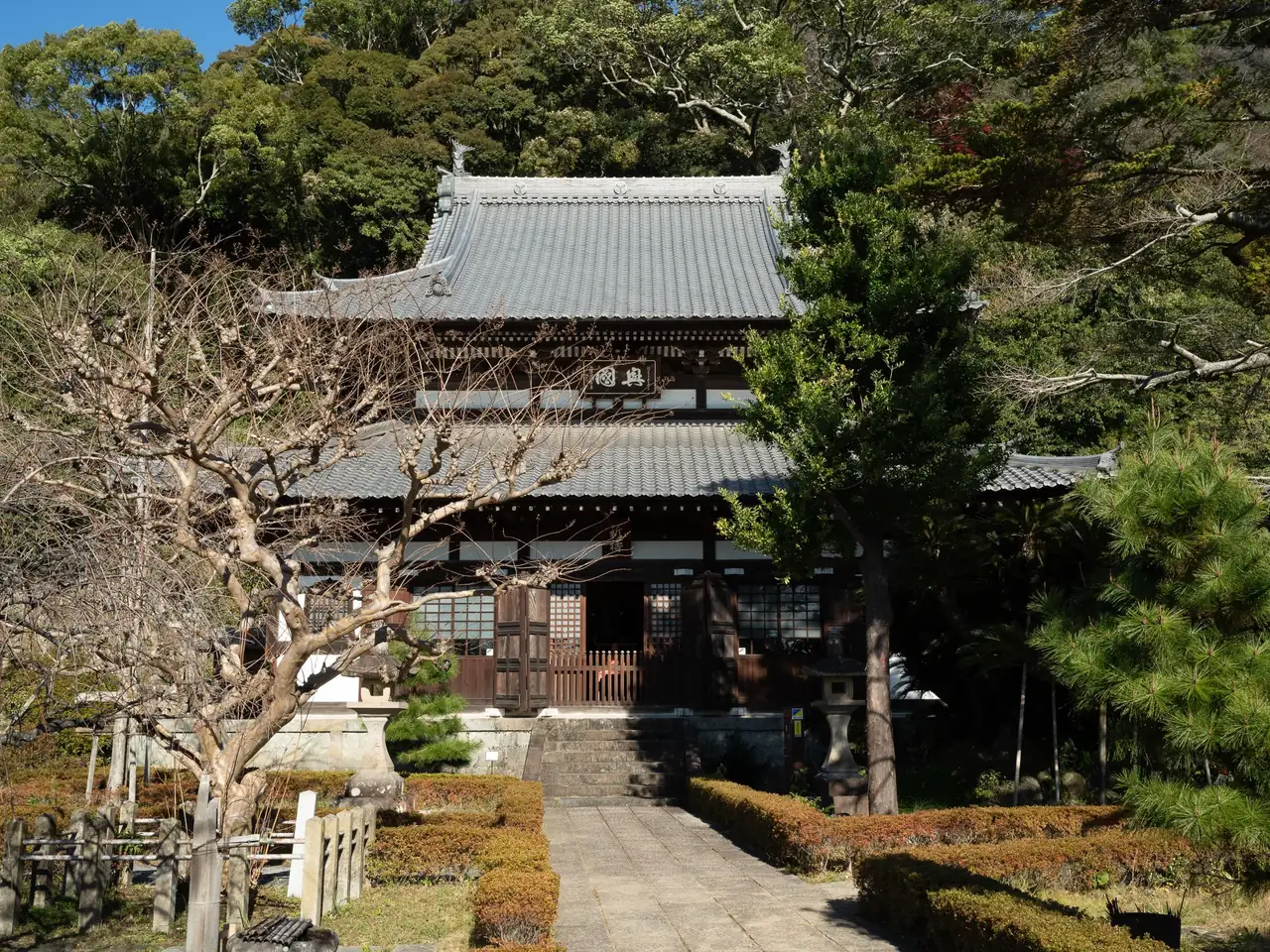
The main hall and the envoys' calligraphy
A name board written by a Korean envoy hangs on the main hall, and many works of calligraphy and painting left by the missions are kept at the temple. In the Edo period the envoys stopped here as they travelled along the Tokaido. The five hundred arhats appear in the writing of the novelist Shimazaki Toson.
- Access
- About 10 minutes on foot from Okitsu Station on the JR Tokaido Line. There is a small free car park.