Suzu Salt Farm Village
About
A roadside station on the coast of Suzu, where you can watch and try agehama salt making, a method handed down in Noto. "The technique of agehama salt making in Noto" was designated a National Important Intangible Folk Cultural Property in 2008. After the Noto Peninsula Earthquake, the facility reopened on April 1, 2025, and is open as of November 2026. It sometimes closes temporarily because of heavy rain or other conditions, so check the official website for opening hours and the latest news.
This text was translated automatically and may contain errors.
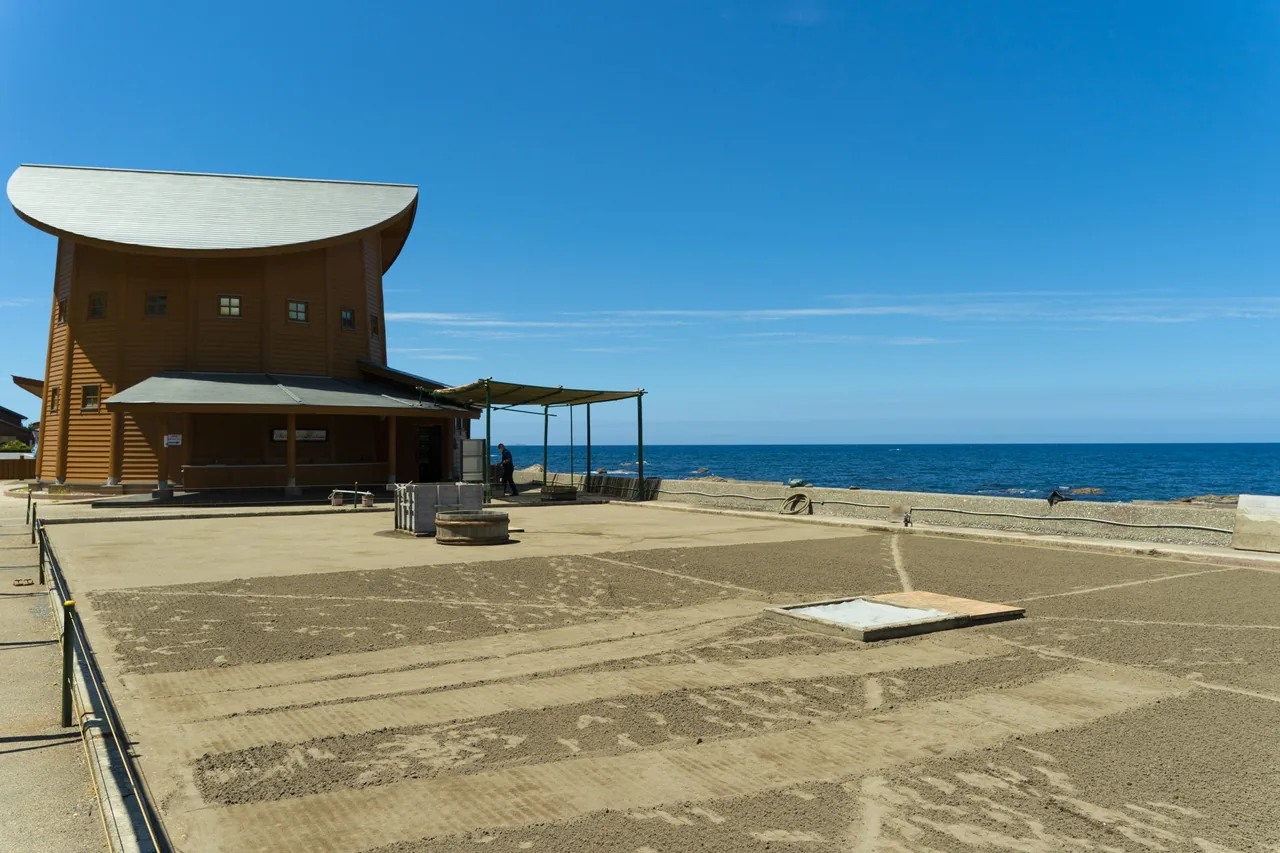
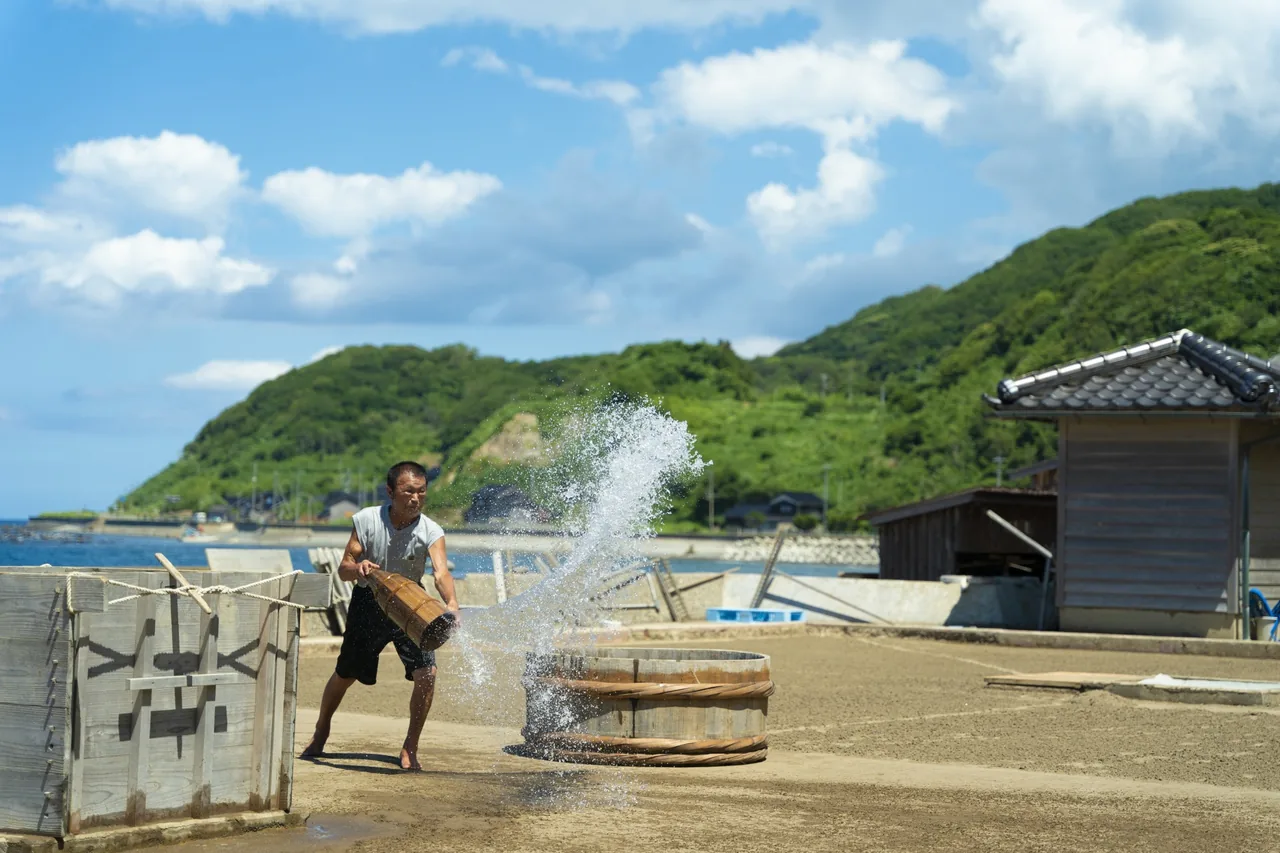
Spreading seawater on the salt field
In agehama salt making, seawater drawn from the sea is spread over a sand-covered salt field to make a concentrated brine called kansui, which is then boiled down into salt. On the salt field in summer, salt makers swing their buckets wide to fan the seawater out like mist. The Sea of Japan stretches out in front of the facility, so you see the salt field and the sea together.
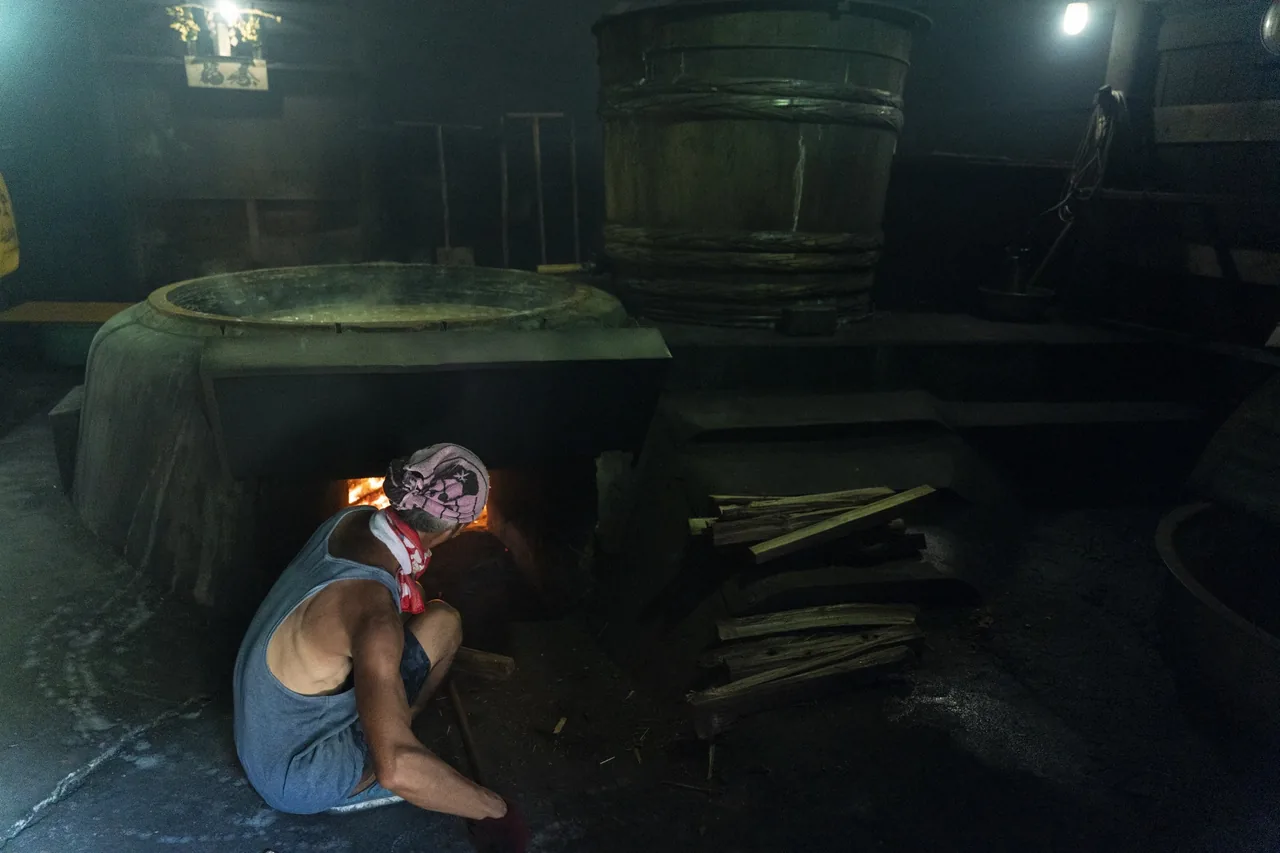
Boiling the brine down into salt
The collected brine is boiled down over a fire in the boiling house to finish the salt. Steam rising from the pan in the dim boiling house gives a glimpse of how much work goes into this salt. Allow about an hour for the tour and the shop.
Trying salt making yourself
From May to September, you can try salt making by reservation. Check the official website for details and booking deadlines, and reserve early. It is an easy stop on a drive along the coast of Oku-Noto.
- Access
- Take the Otani-Iida route of the Suzu Bus (run by Suzu City) to the "Suzu Enden Mura" stop; the village is a short walk away. The Otani-Iida route does not run on Saturdays or Sundays (as of November 2026).