
Akita Winter Festivals: Kamakura, Namahage Sedo, Paper Balloons
This guide is translated from the Japanese edition. Read the Japanese edition
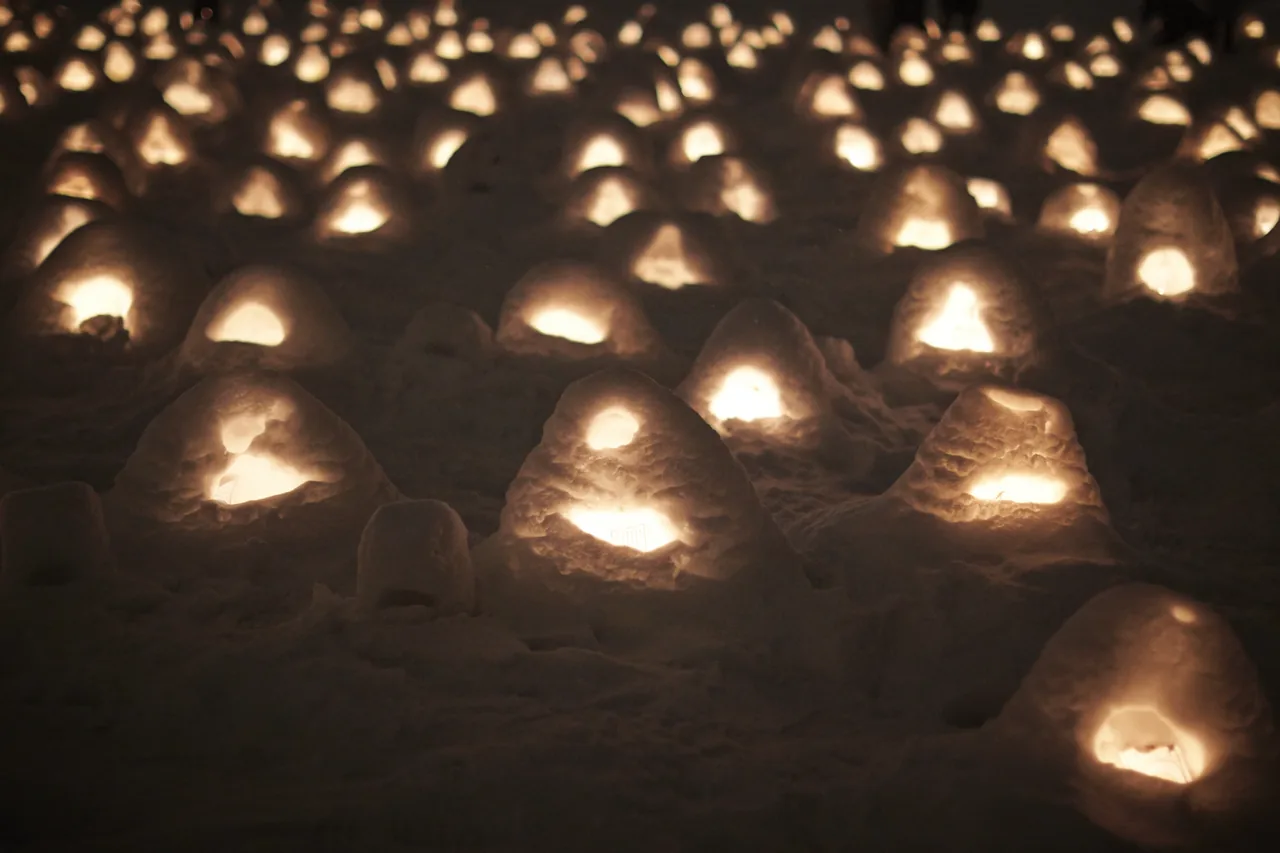
Akita's winter festivals in date order: Yokote Kamakura, the Namahage Sedo Festival, paper balloons, Rokugo bamboo fights, a giant tug-of-war, Amekko market and more.
From late January to mid-February, the snowbound towns and villages of Akita hold one fire-and-snow event after another. Lamps glow inside the snow huts of Yokote Kamakura, namahage descend a mountain with torches, and huge paper balloons rise into the night sky. Most of these events have long been held around Koshogatsu, the "Little New Year," to pray for good harvests and good health, and they cluster around February 10–14. By pairing events with nearby dates, you can see several in a stay of just a few days.
Late January: Hinai Tori no Ichi
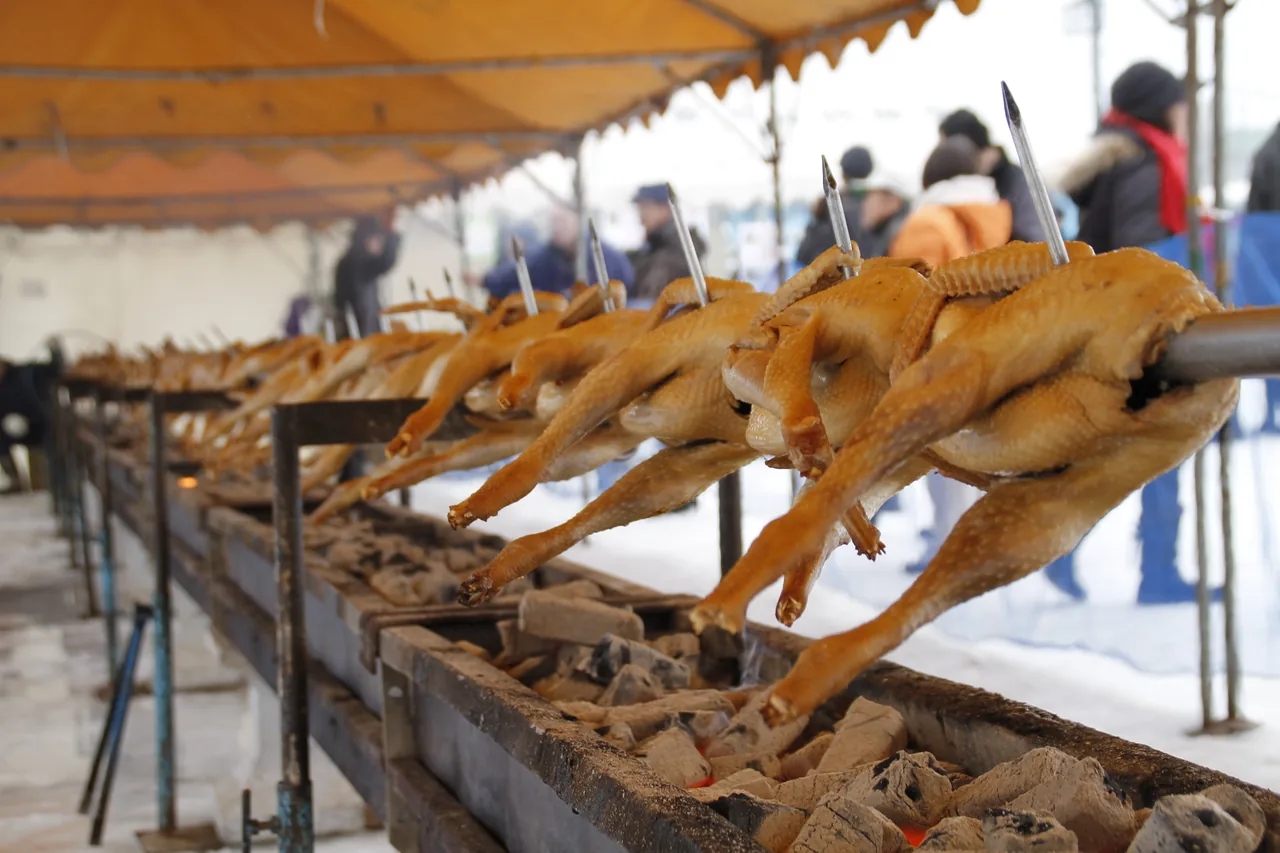
Hinai Tori no Ichi is held on a Saturday and Sunday in late January in Hinai, a district of Odate City famous for Hinai-jidori chicken. Its signature is "senba-yaki," in which Hinai-jidori chickens are skewered on a 15-meter iron bar and roasted whole, then sold at the venue. The next edition is scheduled for January 23–24, 2027. The venue can change from year to year; in 2026 it was the parking lot of the Odate City Hinai Branch Office.
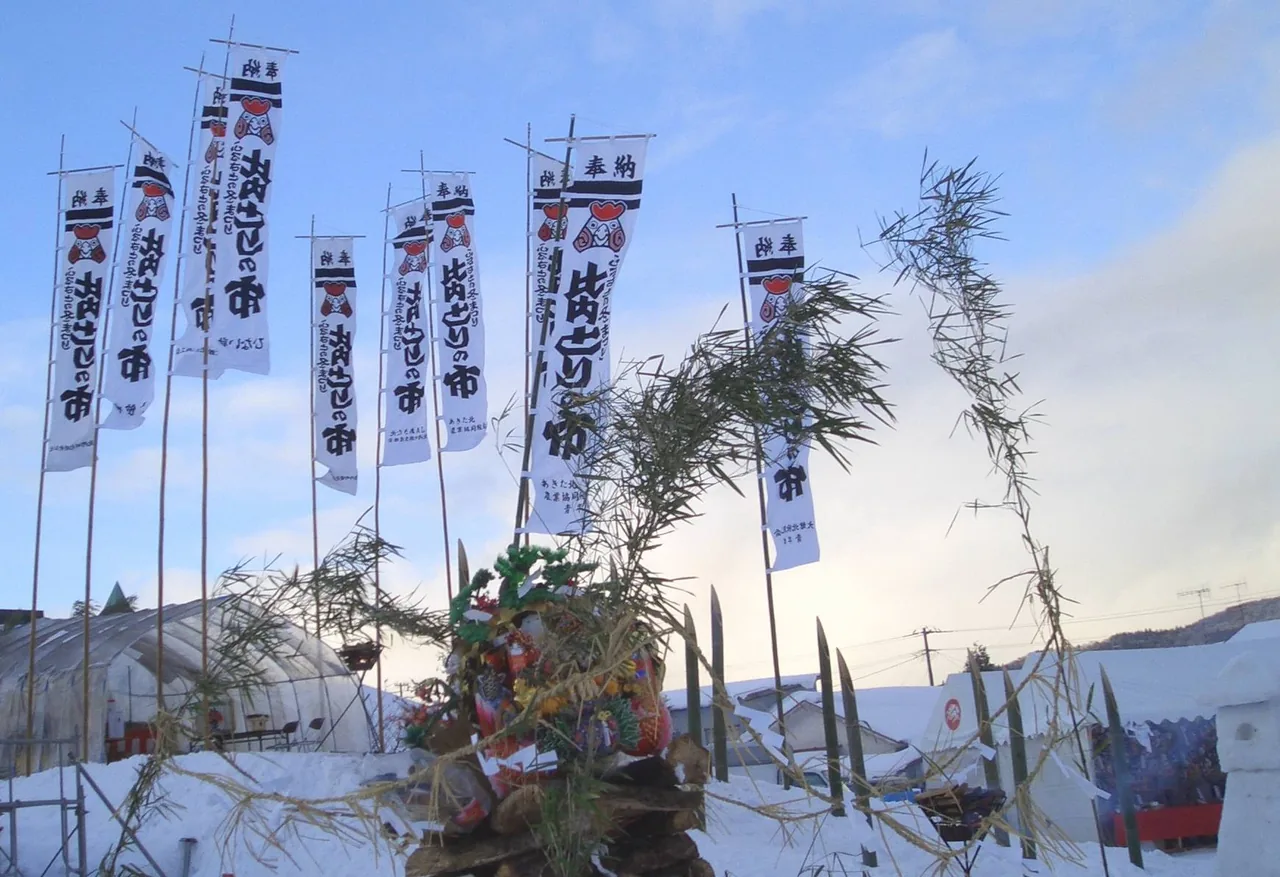
Photo: Akita Prefecture
February 10: Kamihinokinai Paper Balloon Festival
This event takes place every year on the night of February 10 in Kamihinokinai, in the Nishiki district of Semboku City. The washi paper balloons, painted with warriors and beautiful women, stand about 3 to 8 meters tall, and the largest reach 12 meters. A ball of oil-soaked cloth hung beneath each one is lit, and the heat carries the balloon up into the night sky. Legend says it was introduced by Hiraga Gennai, who visited the area in the Edo period, and it is an Intangible Folk Cultural Property of Semboku City.
From Kakunodate Station, the Akita Nairiku Line takes about 45 minutes to Kamihinokinai Station, and the venue is about a 7-minute walk from the station. The Nairiku Line is sometimes suspended, so check its service status before you set out. See the Kamihinokinai Paper Balloon Festival page for details.
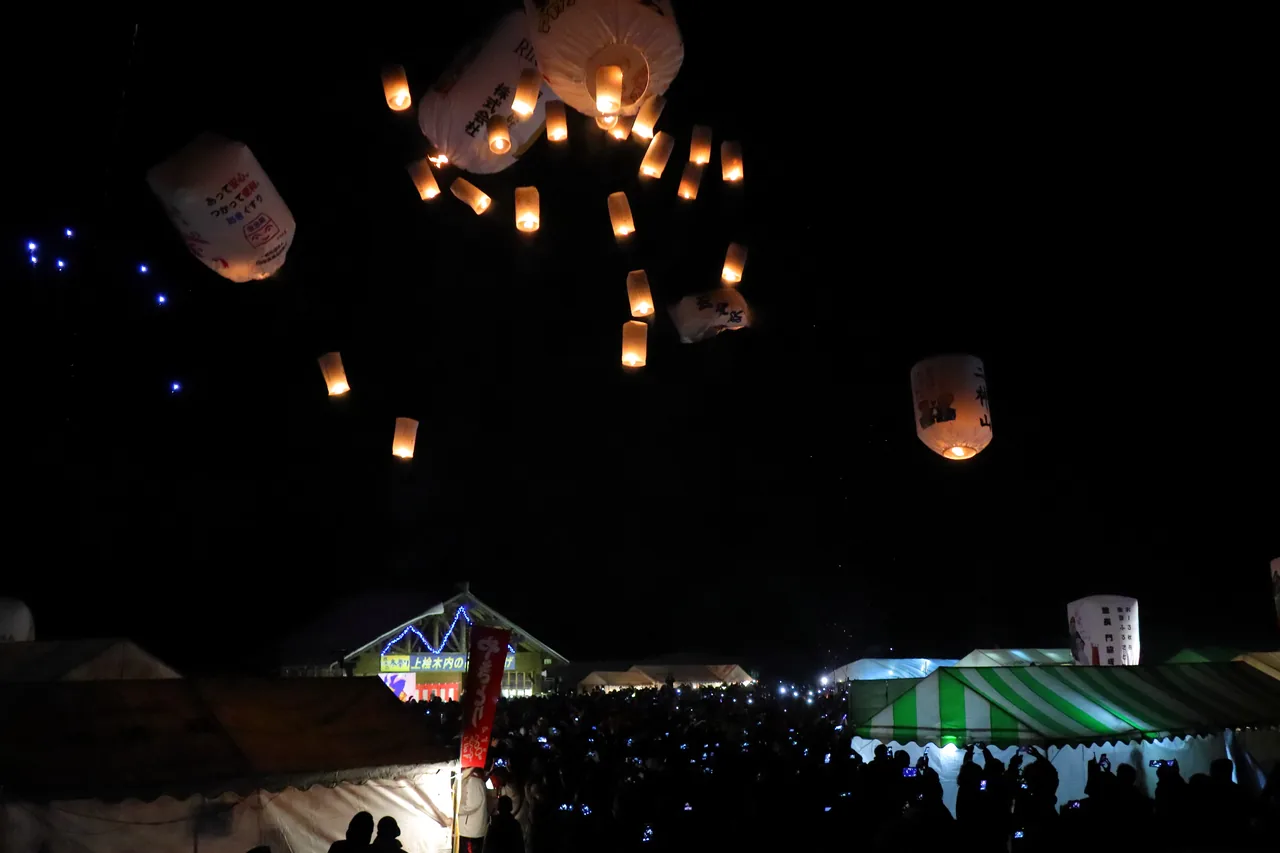
Photo: Akita Prefecture
February 10: Kariwano Giant Tug-of-War
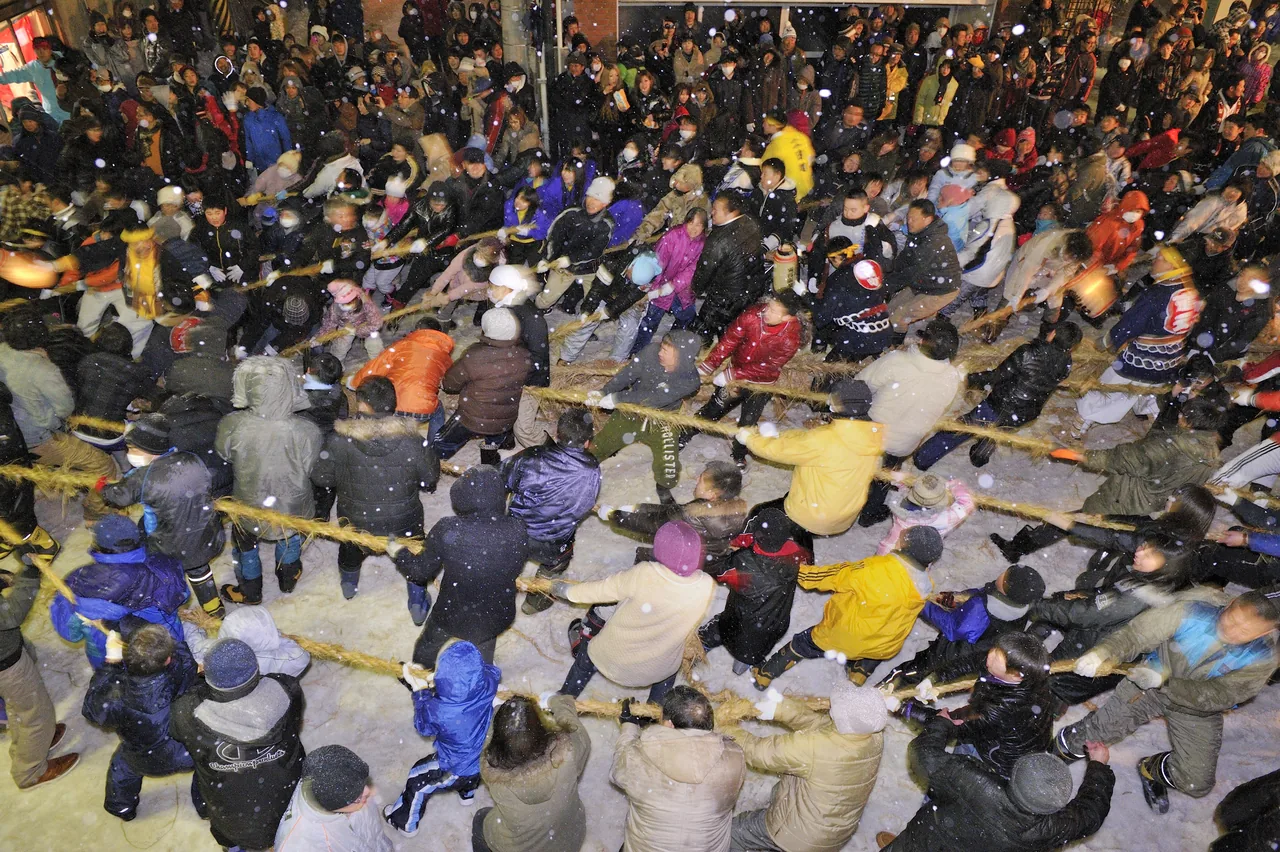
On the same day, February 10, the Kariwano Giant Tug-of-War is held in Kariwano, Daisen City. The town splits into the upper and lower districts, which join the upper district's "male rope" (about 64 m) and the lower district's "female rope" (about 50 m) and pull against each other on Kariwano Omachi-dori street. Each rope weighs about 10 tonnes. Said to have continued for more than 500 years since the Muromachi period, it is a national Important Intangible Folk Cultural Property; tradition holds that if the upper district wins, the price of rice will rise, and if the lower district wins, there will be a good harvest.
The venue is about a 10-minute walk from Kariwano Station on the JR Ou Main Line. Check Daisen City's announcements for the start time and road closures. On other days you can see a full-size replica of the great rope at the Kariwano Otsuna Exhibition Hall next to the station.
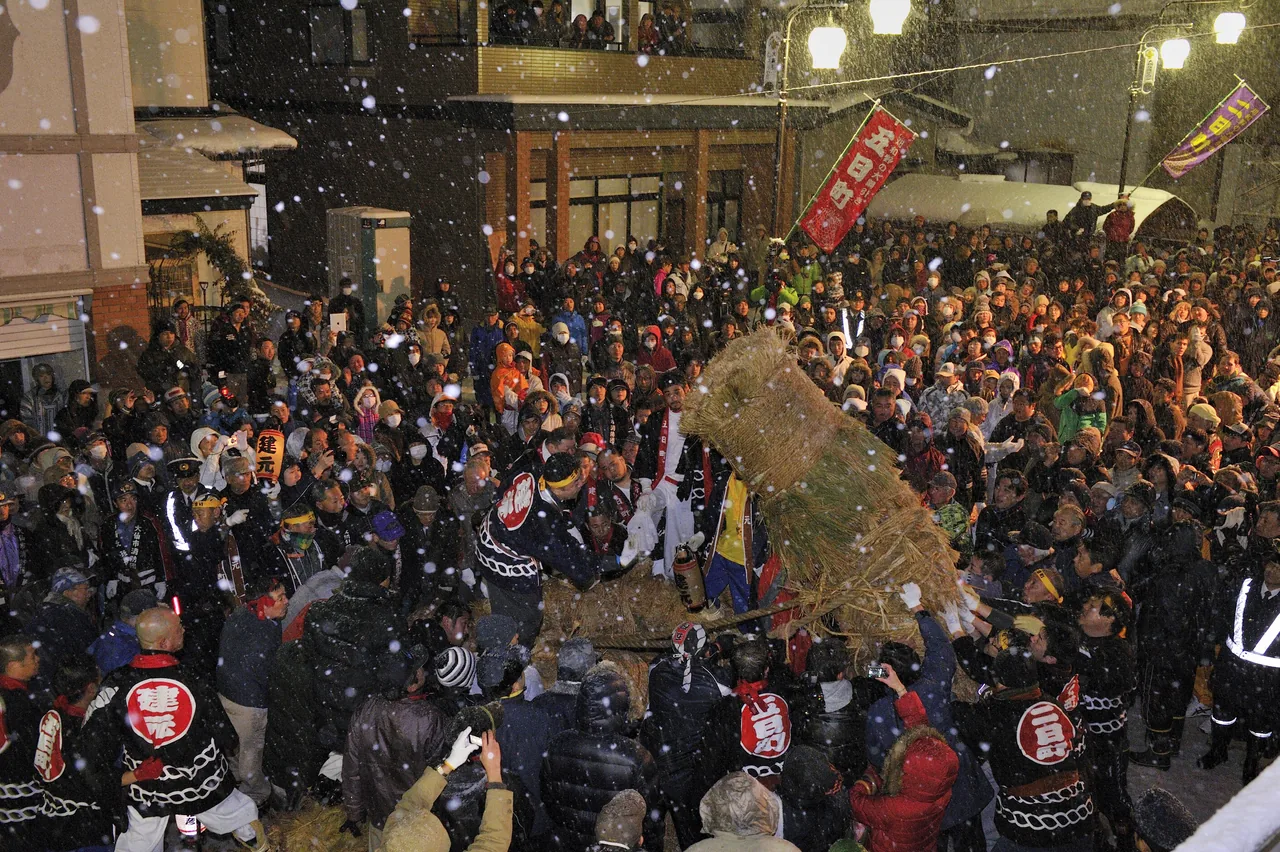
Photo: Akita Prefecture
Mid-February: Rokugo Kamakura and Takeuchi
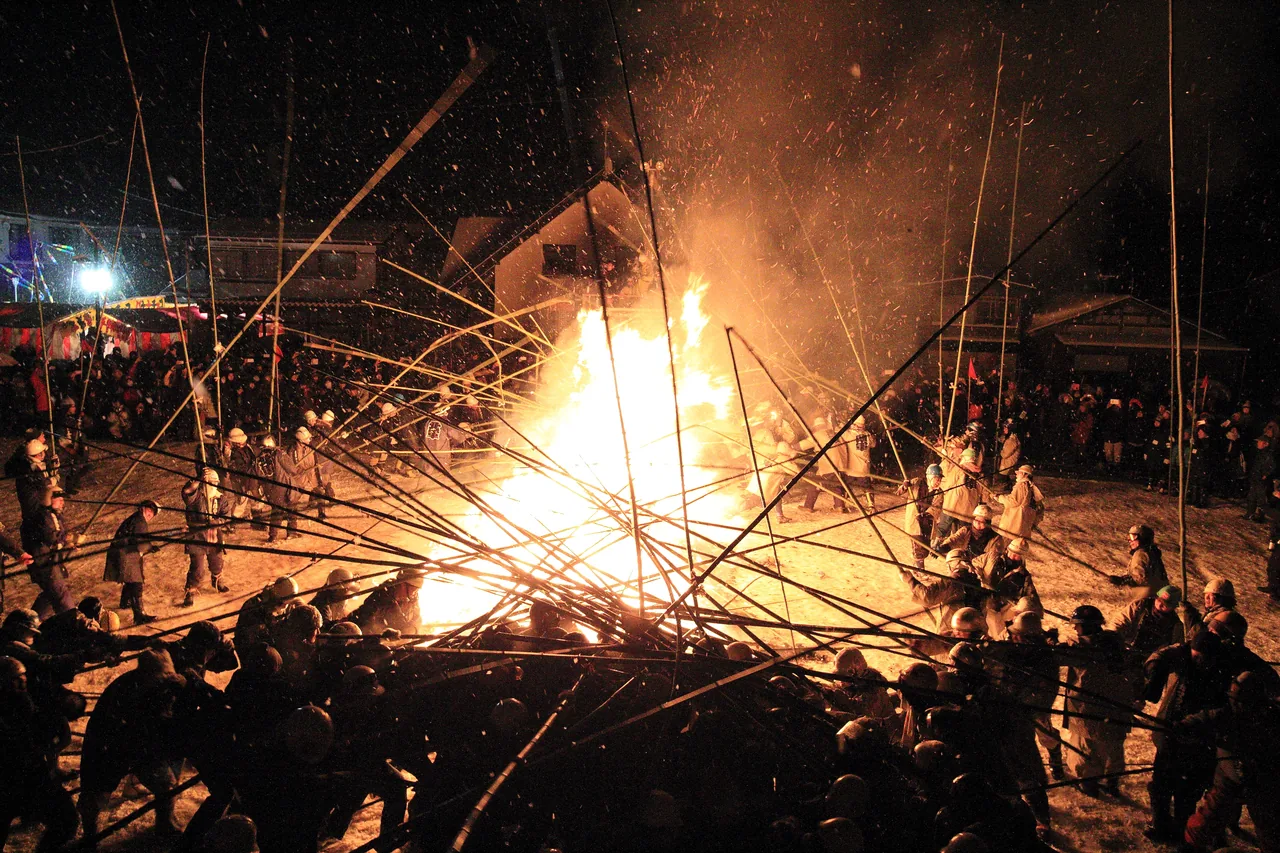
In Rokugo, Misato Town, Rokugo Kamakura and Takeuchi runs for five days in mid-February. In 2027 it is held February 9–13, and the night of the final day, the 13th, brings "takeuchi," when the town divides into a northern and a southern army along the old Ushu Kaido road and the two sides strike each other with long green bamboo poles. After the second round comes tenpitsu-yaki, the burning of colorful papers on which children have written their wishes, with flames rising higher than the bamboo. Tradition says a northern win means a good harvest and a southern win means higher rice prices, and the event is a national Important Intangible Folk Cultural Property.
Watch the takeuchi from the designated areas and stay out of reach of the bamboo tips. The venue is about a 5-minute walk from the "Rokugo Kamimachi" stop of the Ugo Kotsu bus.
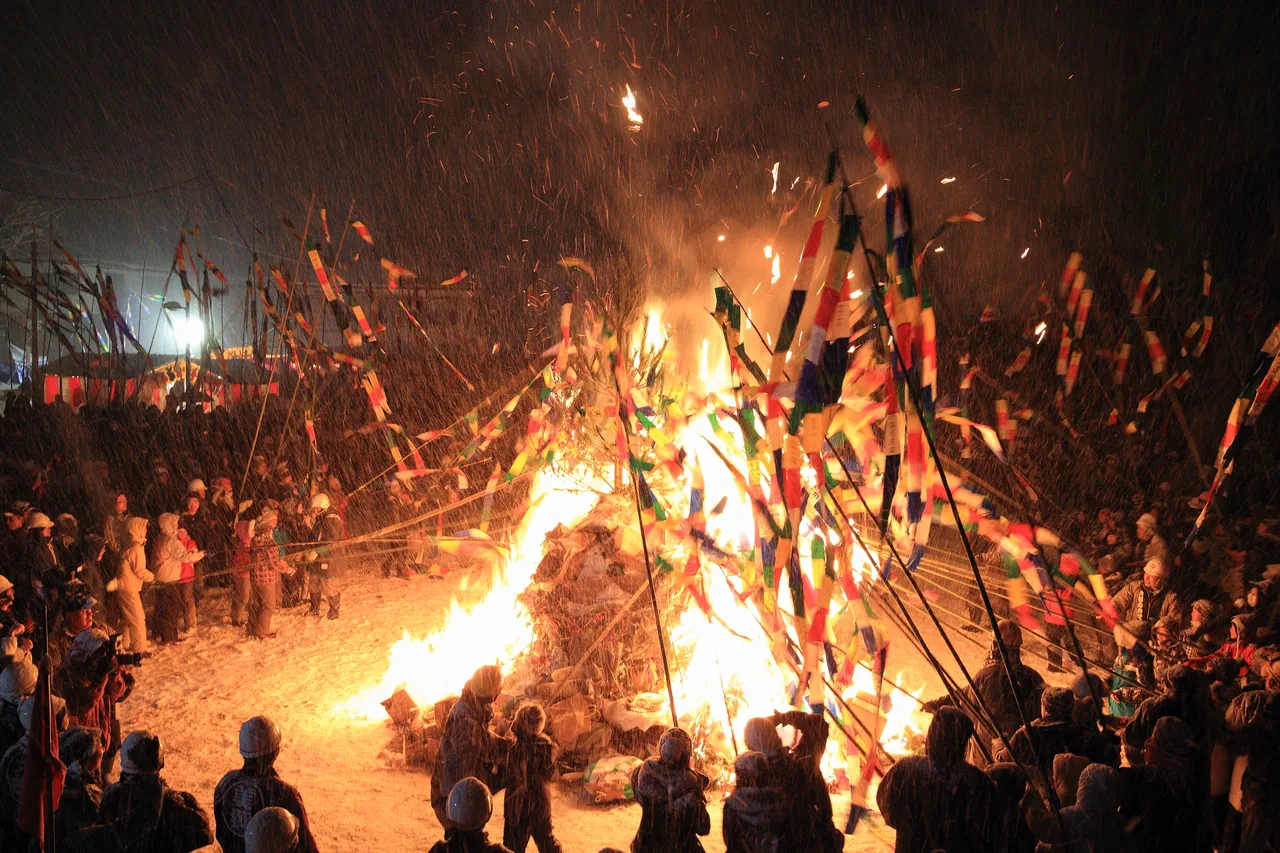
Photo: Akita Prefecture
Mid-February: Yokote Kamakura Festival
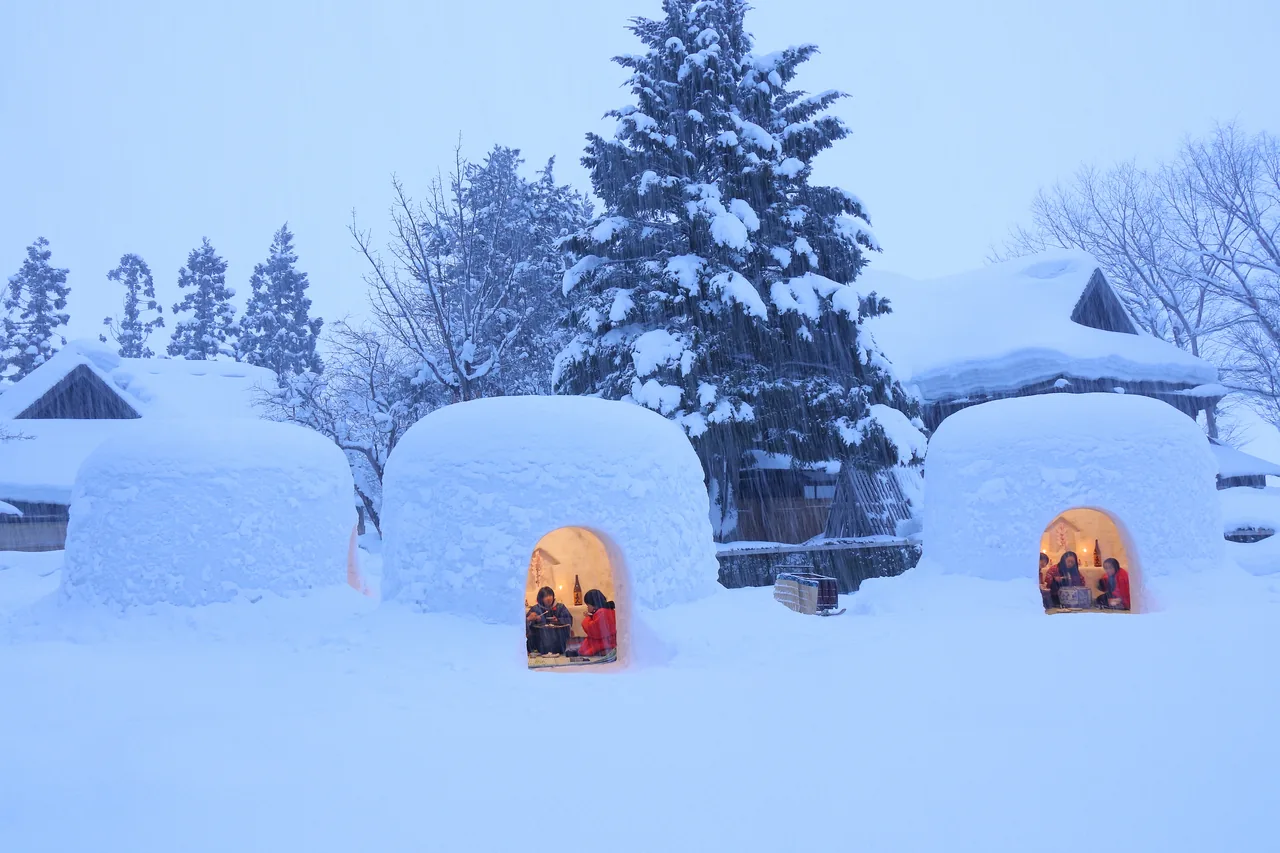
The best-known of Akita's winter festivals is the Yokote Kamakura Festival. In this Koshogatsu event, the water god is enshrined at the back of rooms built from snow, and it is said to have a history of about 450 years. After dark, children inside the lit kamakura call out "haitte tanse" ("please come in") and offer amaeko (sweet rice drink) and rice cakes. Once inside, first put your hands together before the water god at the back.
It used to be held every February 15–16, but from 2026 to 2029 it is being held on a trial basis on the second Friday and Saturday of February; in 2027 that is February 12–13. The main venue in front of the city hall's main building is about a 10-minute walk from JR Yokote Station. At Janosaki Kawara, small kamakura cover the snowy riverbank, with thousands of lights flickering.
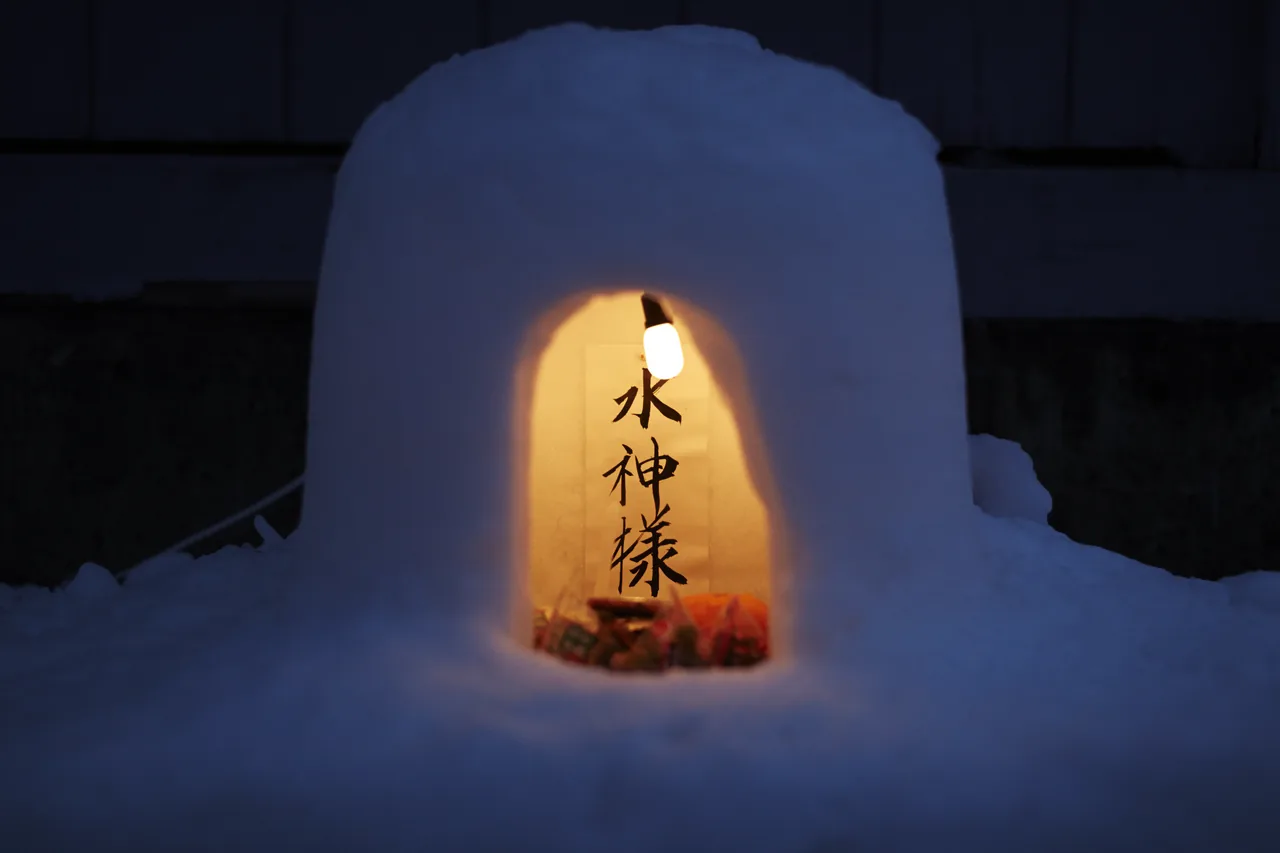
Photo: Akita Prefecture
Mid-February: Namahage Sedo Festival
The Namahage Sedo Festival is held at Shinzan Shrine in Oga City on the Friday, Saturday and Sunday that include the second Saturday of February; in 2027 it is scheduled for February 12–14. The highlight is the "namahage descent," when namahage holding torches come down the snowy mountain. Entry requires advance registration and an admission fee (a contribution). No regular bus runs near the venue; on festival days, paid temporary buses run from Oga Station and Oga Onsen. For other sights on the peninsula, see Oga namahage and the Oga Peninsula.
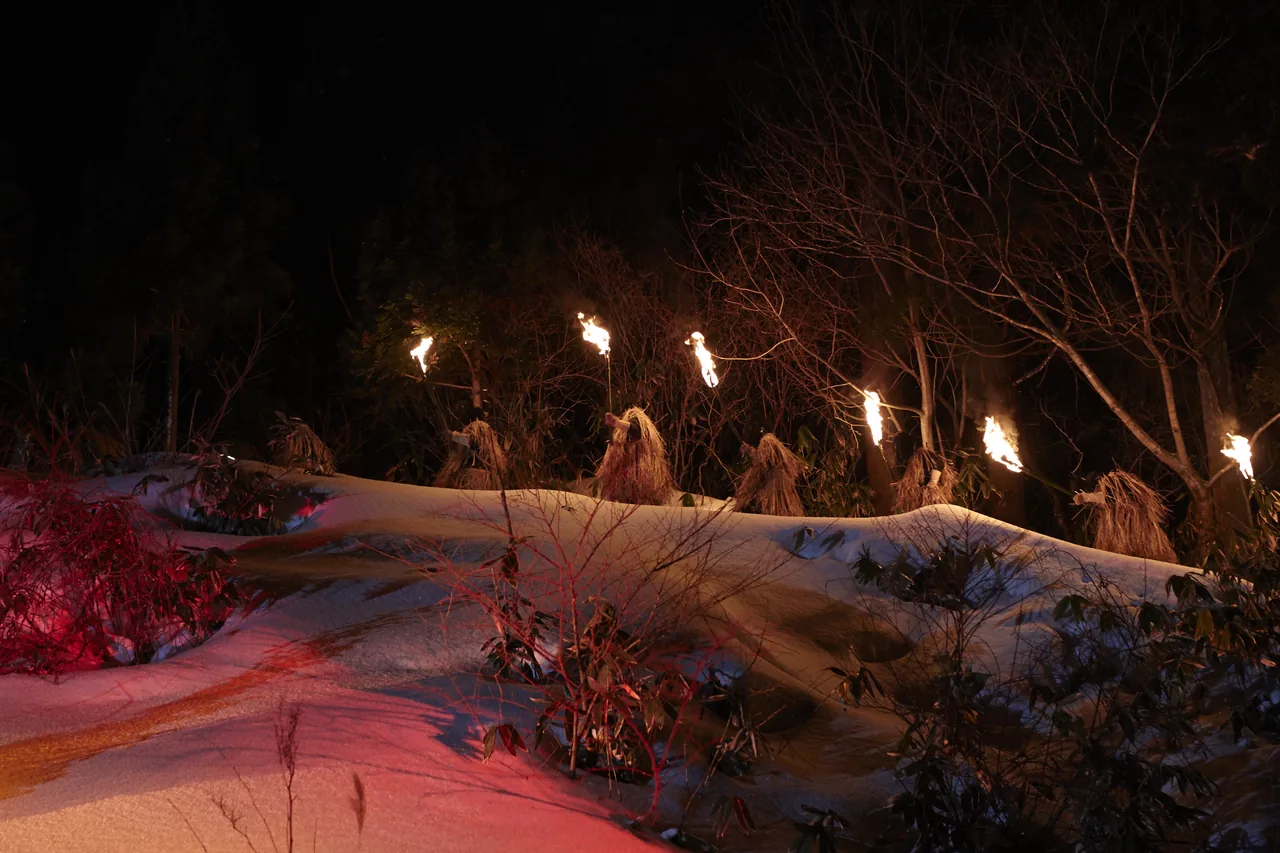
Photo: Akita Prefecture
Second Saturday of February and the Next Day: Inukko Matsuri and Odate Amekko Ichi
On the second Saturday of February and the following day, two events usually overlap, one in southern Akita and one in the north. Yuzawa City's Inukko Matsuri is a Koshogatsu event where snow shrines and snow dogs line the venue and lights glow at night. It is said to have begun with a legend of people making little dogs from rice flour and offering them to pray for good health. The main venue is around the Yuzawa City Gymnasium; there is no parking nearby, so a free shuttle bus is recommended.
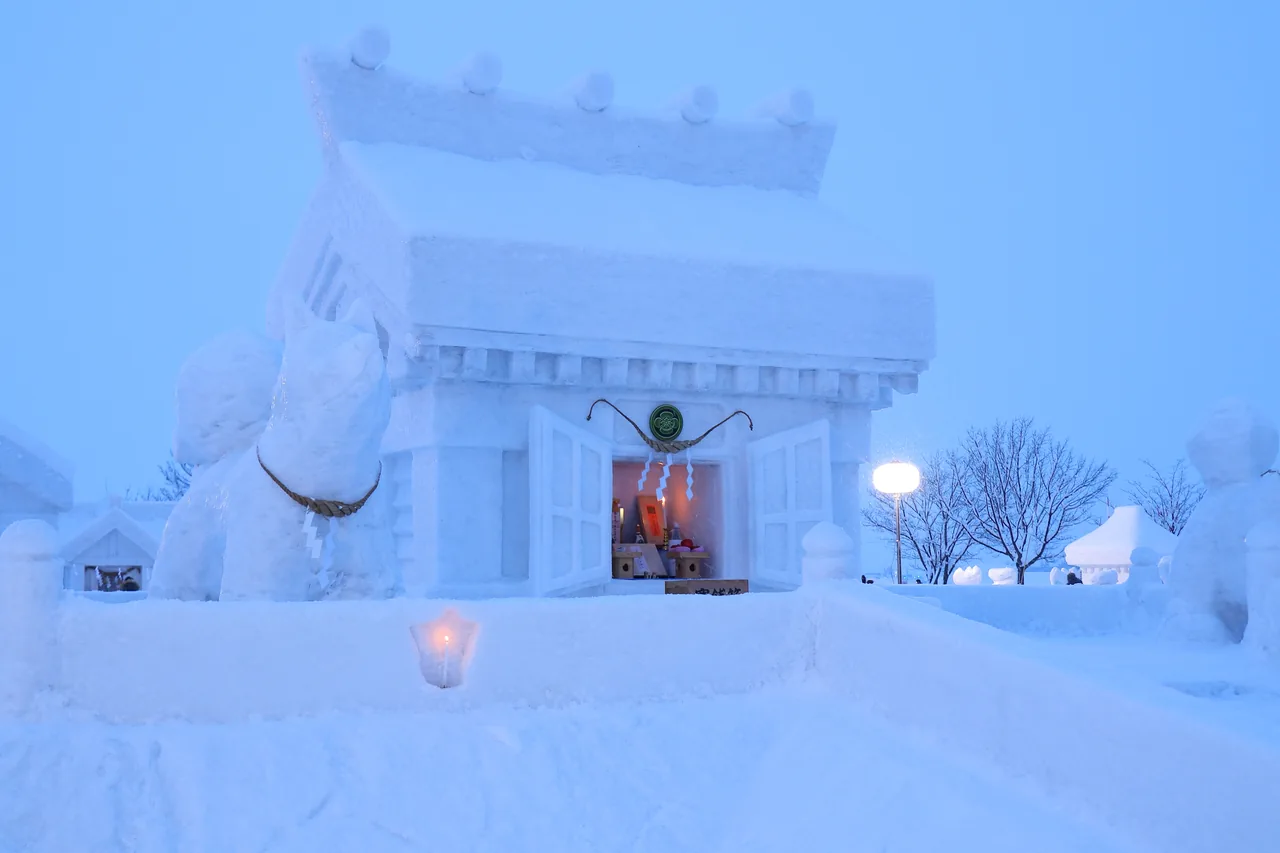
Photo: Akita Prefecture
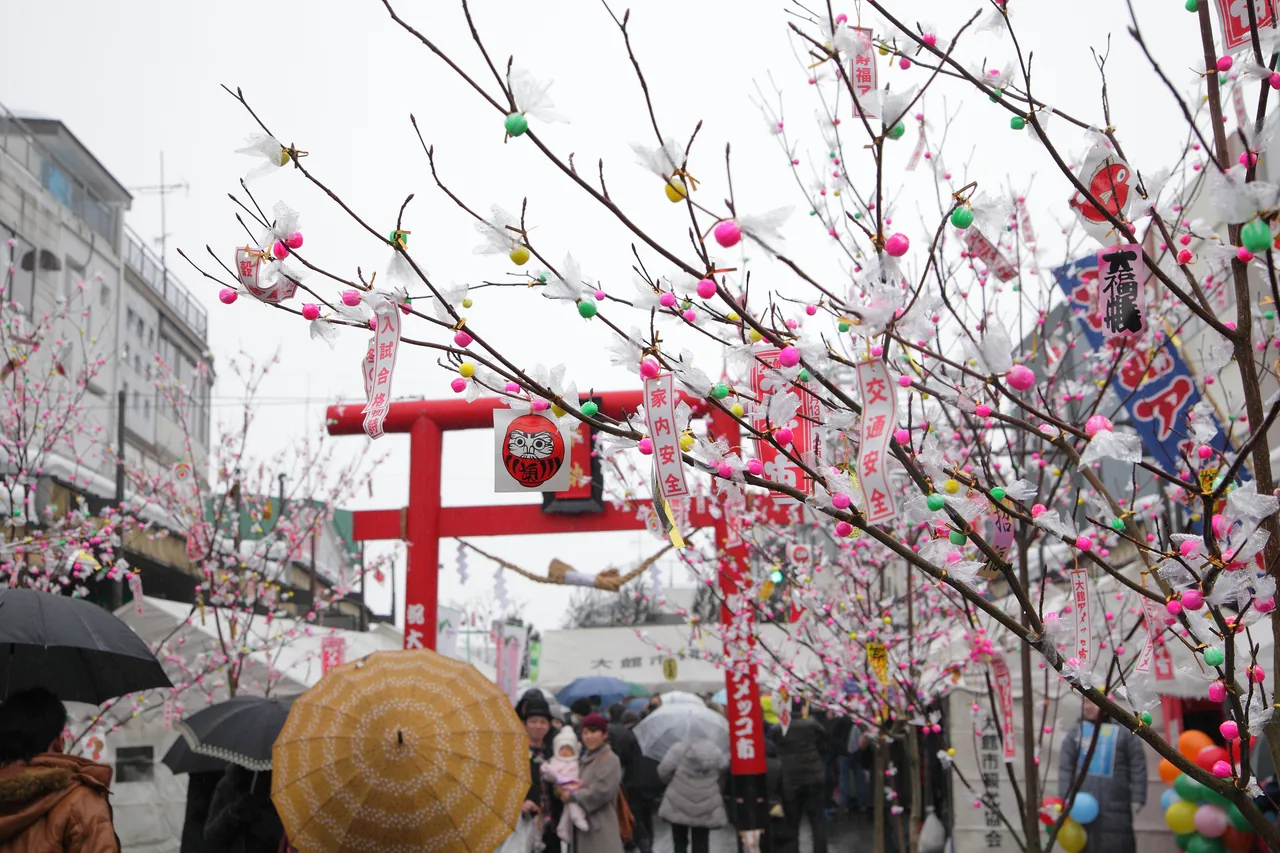
At Odate Amekko Ichi in Odate City, stalls line Omachi Hachiko-dori in the city center selling "eda-ame," lucky charms of colorful candies attached to tree branches. Legend says the white-bearded god Shirahige Okami comes down from the mountains to buy candy and raises a snowstorm on the way back to hide his footprints, and a procession of this god is held too. To get there, take a local bus from JR Odate Station to "Suehirocho"; there is no shuttle bus.
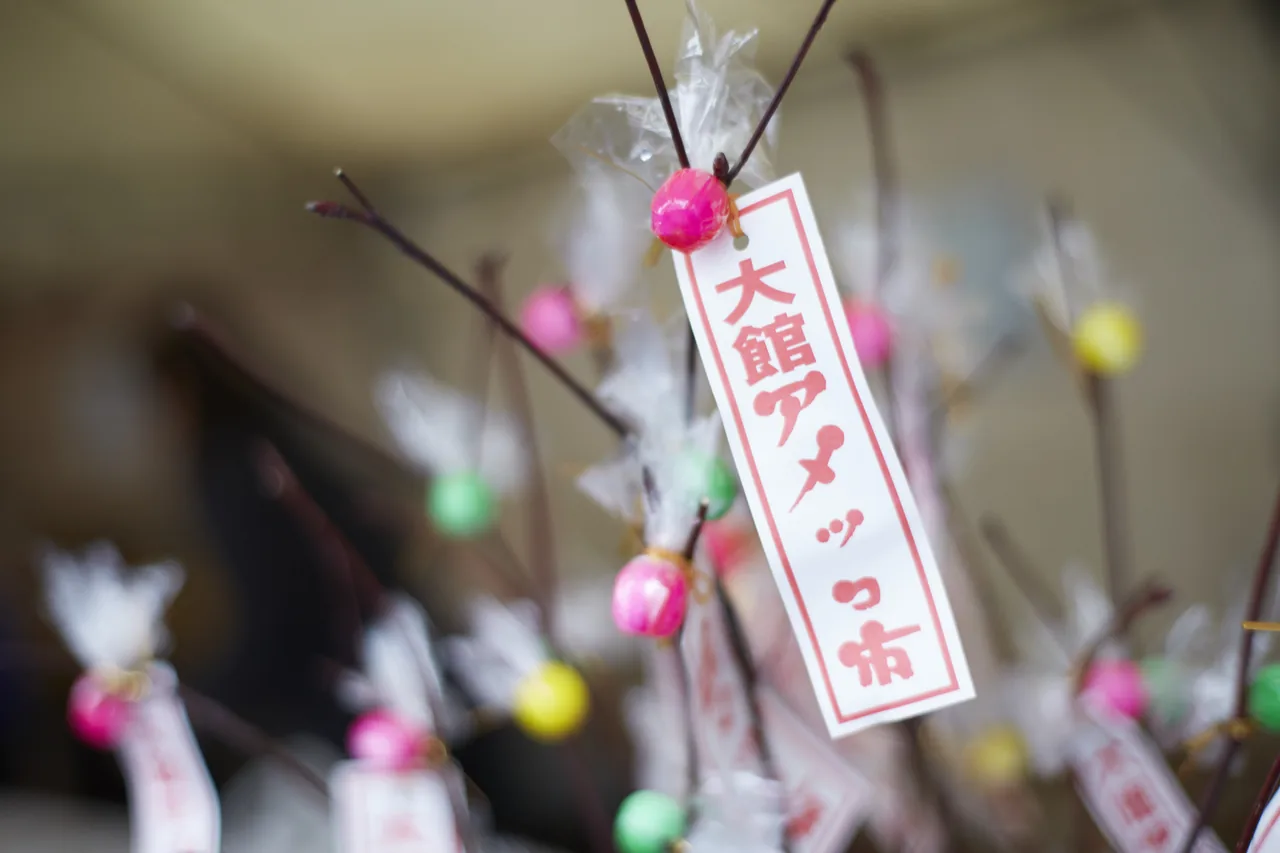
Photo: Akita Prefecture
The 2027 dates for both have not yet been announced, so check the Inukko Matsuri official website and Odate City's Amekko Ichi page.
February 14: Kakunodate Hiburi Kamakura
On the night of February 14, the town of Kakunodate holds Kakunodate Hiburi Kamakura. People tie a rope about a meter long to a straw bag of charcoal, set it alight and swing it around their bodies by the end of the rope, using the sacred fire to drive misfortune from the rice fields and to pray for their families' health. Rings of fire floating in the darkness are the sight that makes this event special. It is an Intangible Folk Cultural Property of Semboku City, and in 2026 visitors could also try swinging the fire at the main venue. Venues can change from year to year, so check the map on Semboku City's event page. Keep well back from the people swinging.
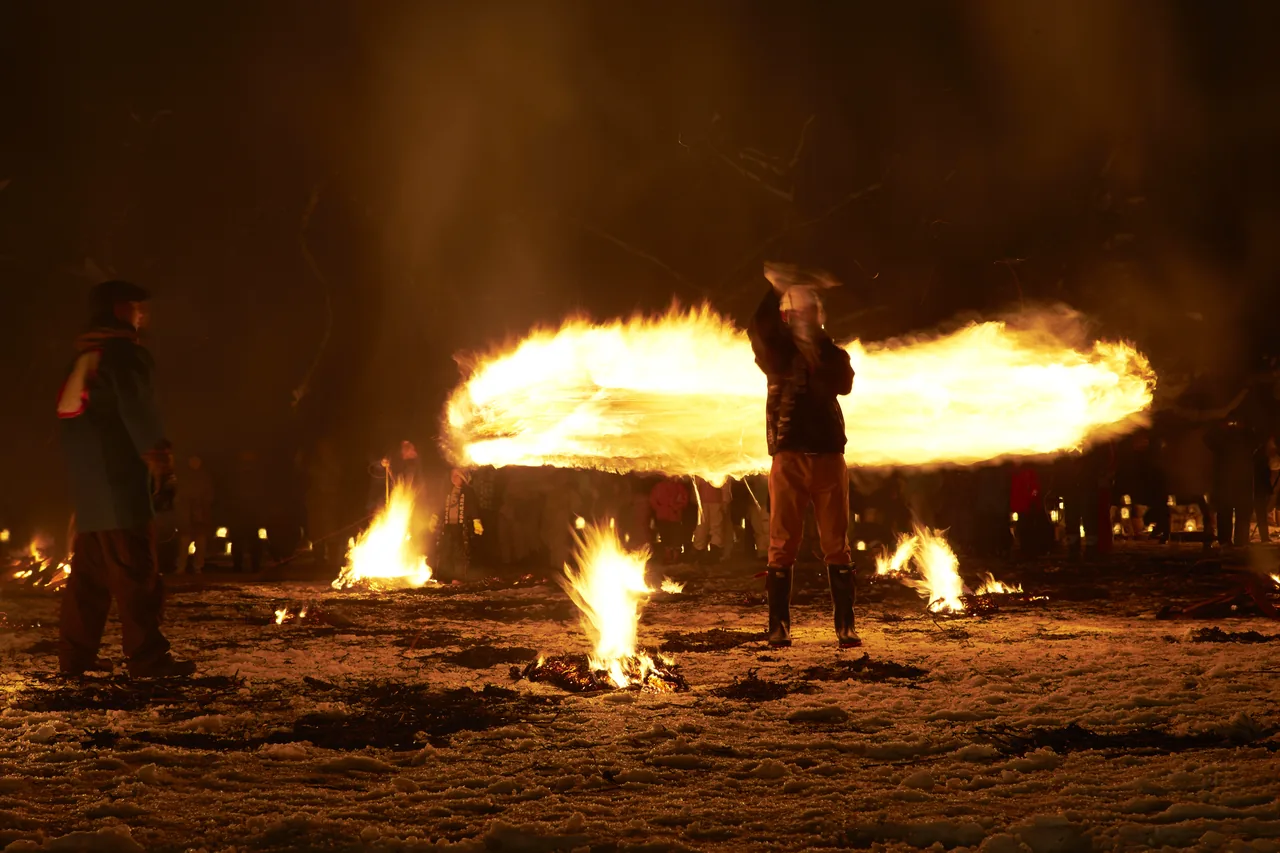
Photo: Akita Prefecture
Between Festivals: The Snow Monsters of Mount Moriyoshi
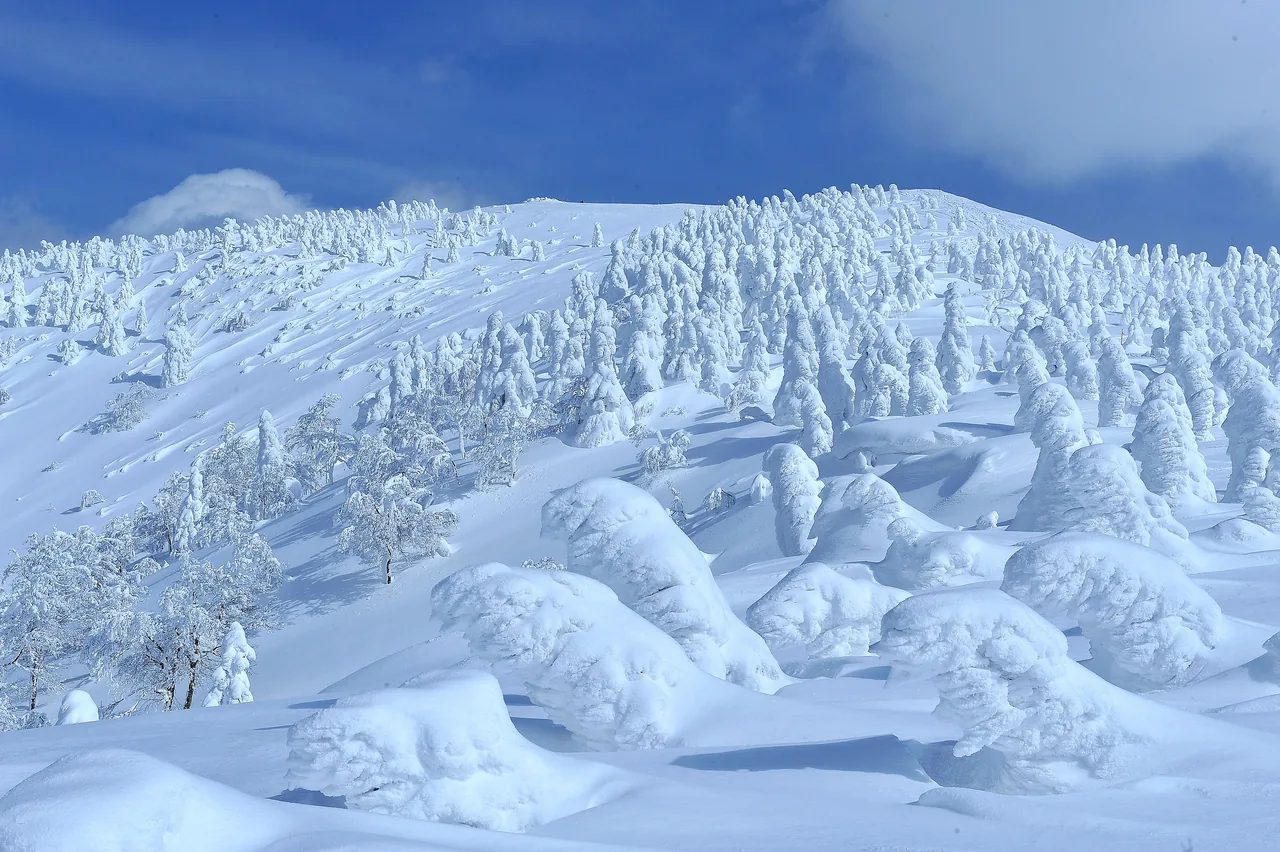
Worth a side trip around the festival dates are the snow monsters of Mount Moriyoshi in Kitaakita City. Trees near the summit are coated in snow and ice and take on shapes known as "snow monsters." Ride the Moriyoshi Ani Ski Area gondola to the summit station, and from there it is about a 5-minute walk into the frost-covered forest. The viewing season usually runs from early January to early March. Fog can hide everything up top, so check the gondola and snow monster conditions on the Moriyoshi Ani Ski Area official website before heading out.
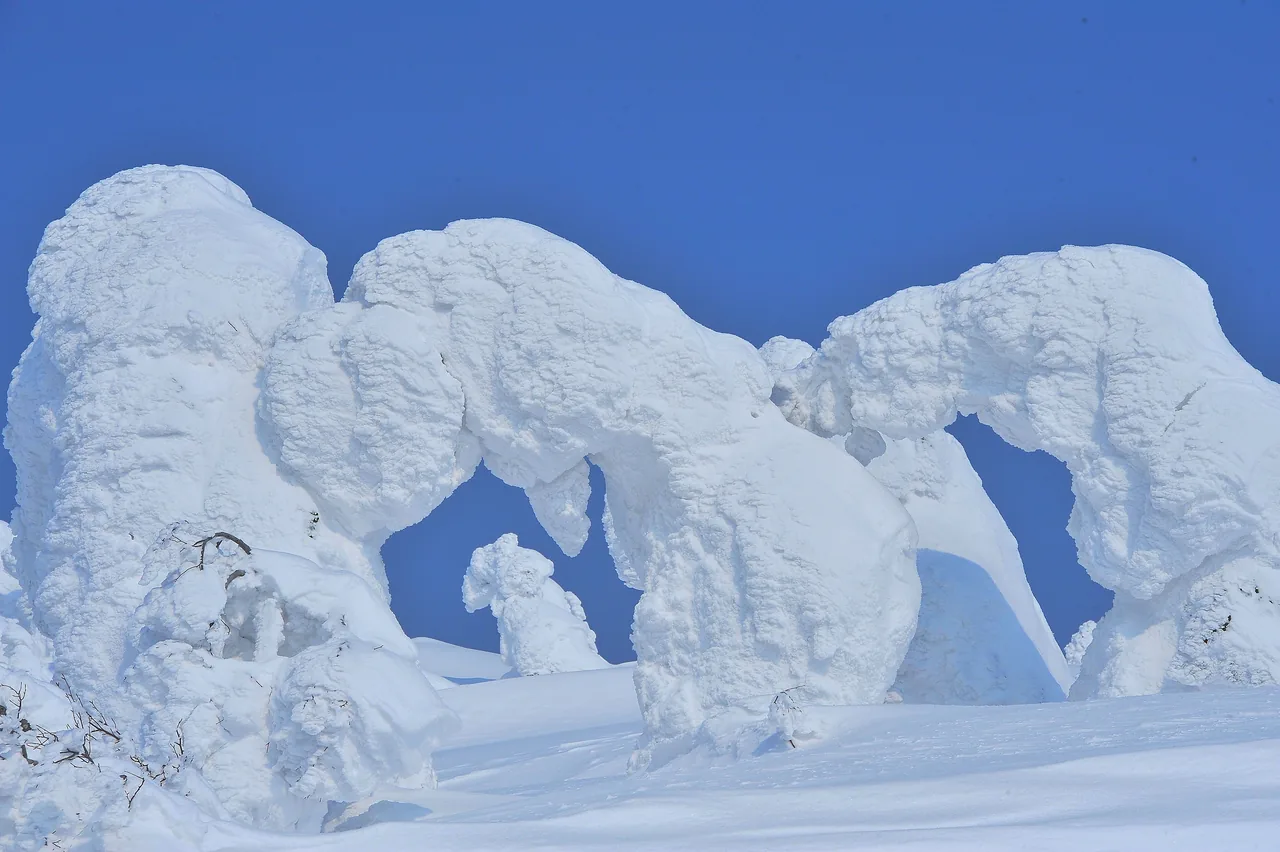
Photo: Akita Prefecture
Getting Ready for Akita's Winter Festivals
Nights in Akita in February are cold, and most venues are on snow. The climax of many events comes at night, after long waits outdoors. Footing is icy and slippery, so bring waterproof shoes with non-slip soles, gloves, a hat and layers of warm clothing. Disposable heat packs help too.
Snow can delay or stop trains and buses. Many venues have temporary buses or road closures on festival days, and the arrangements change every year, so look at each official announcement before you go. From the second Friday to Sunday of February, events in Yokote, Oga, Yuzawa and Odate overlap, and with travel time, one or two venues a day is realistic. For Akita's summer events, see Akita's summer festivals.
Places in this guide
Yokote Kamakura
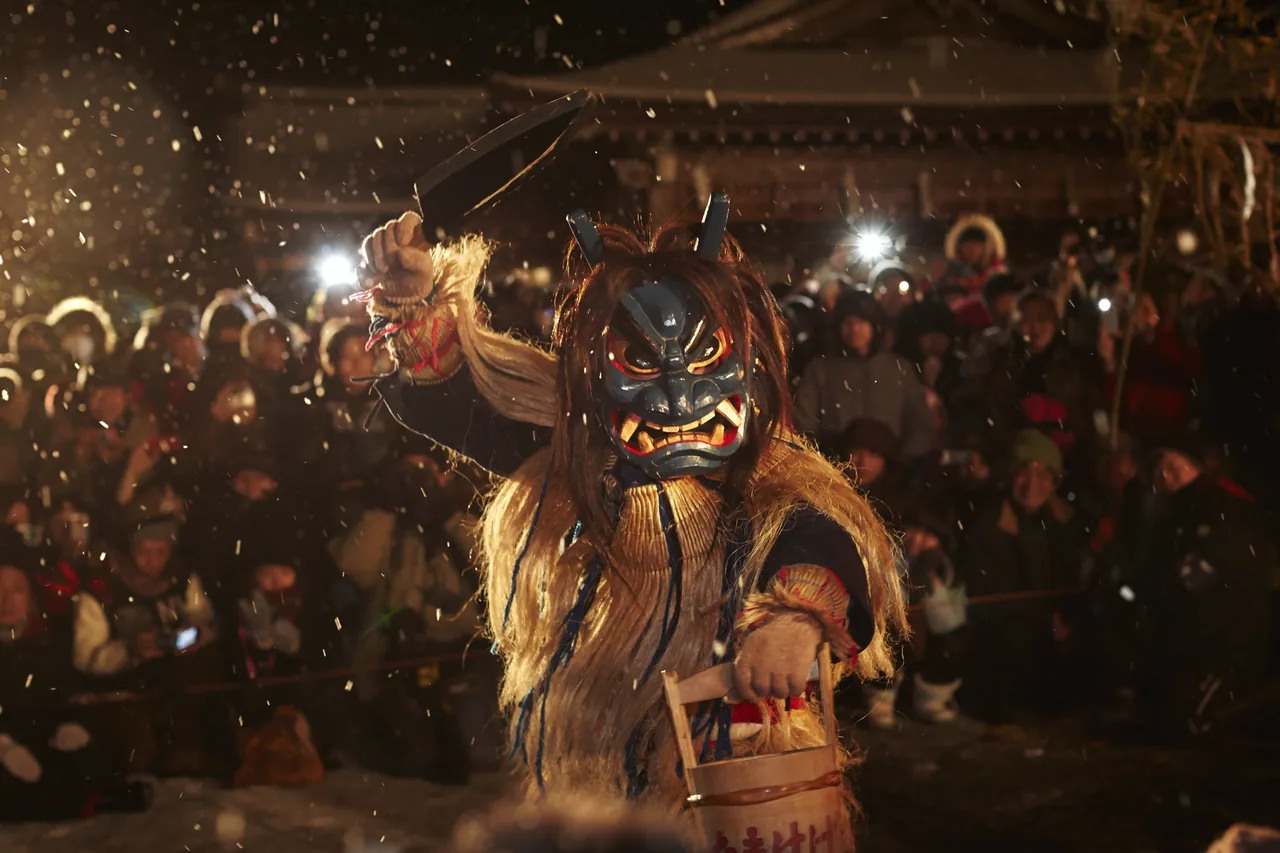
Namahage Sedo Festival
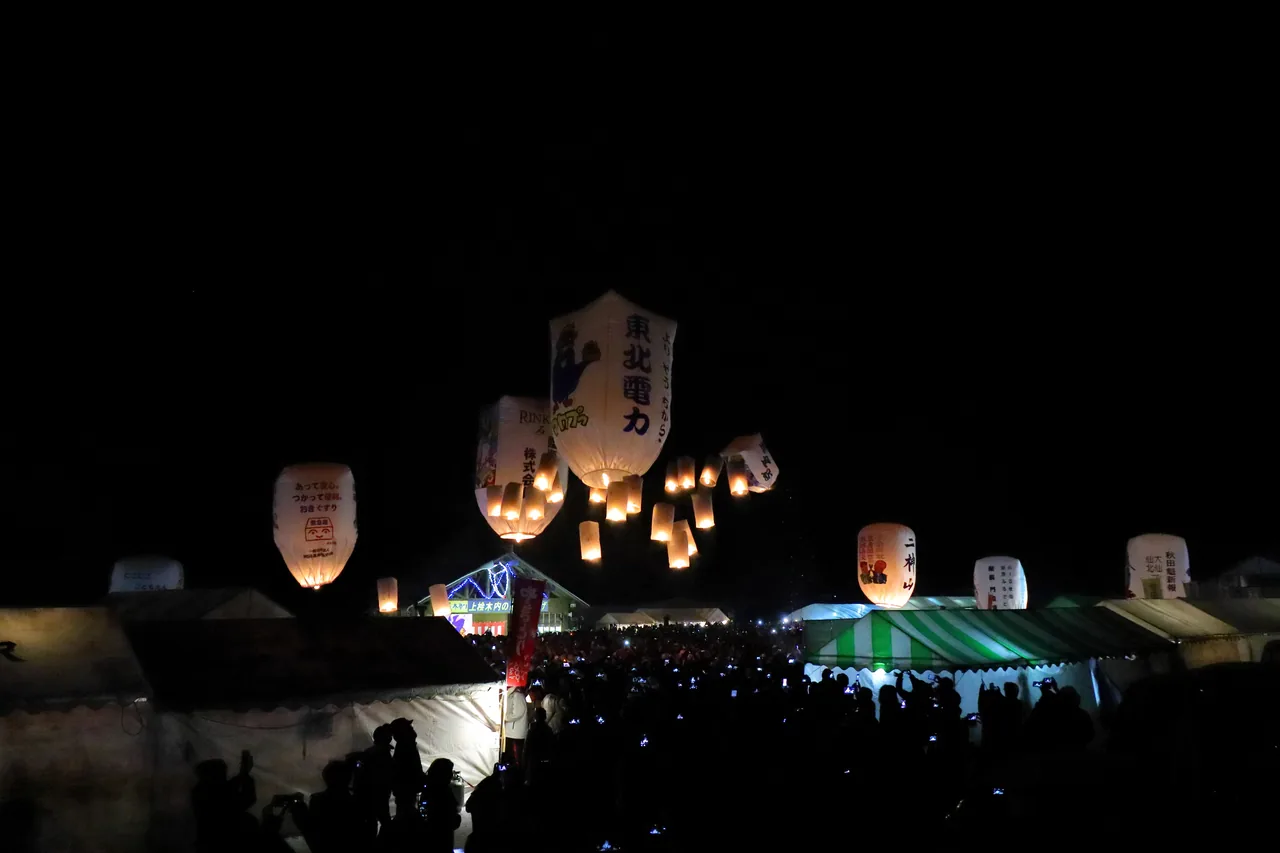
Kamihinokinai Paper Balloon Festival
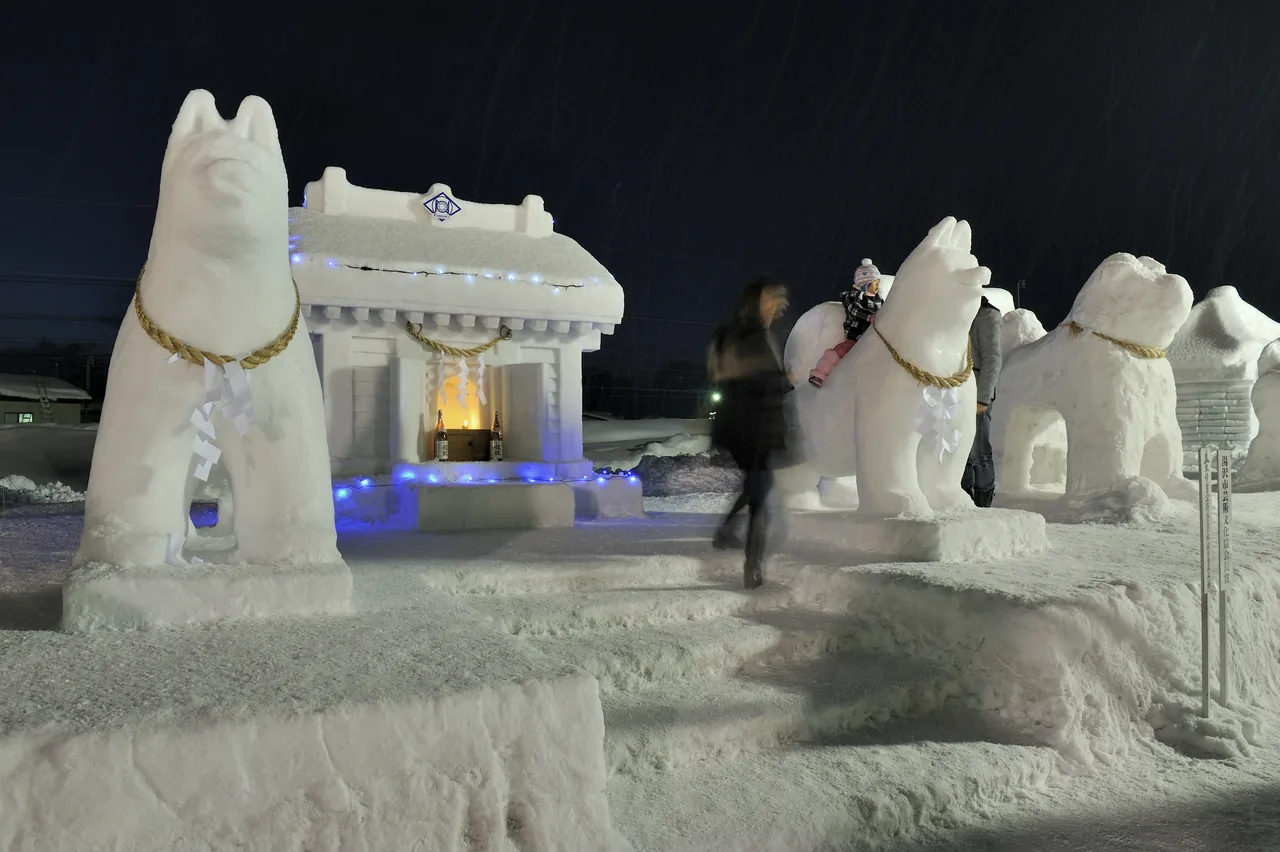
Inukko Matsuri (Yuzawa Dog Festival)
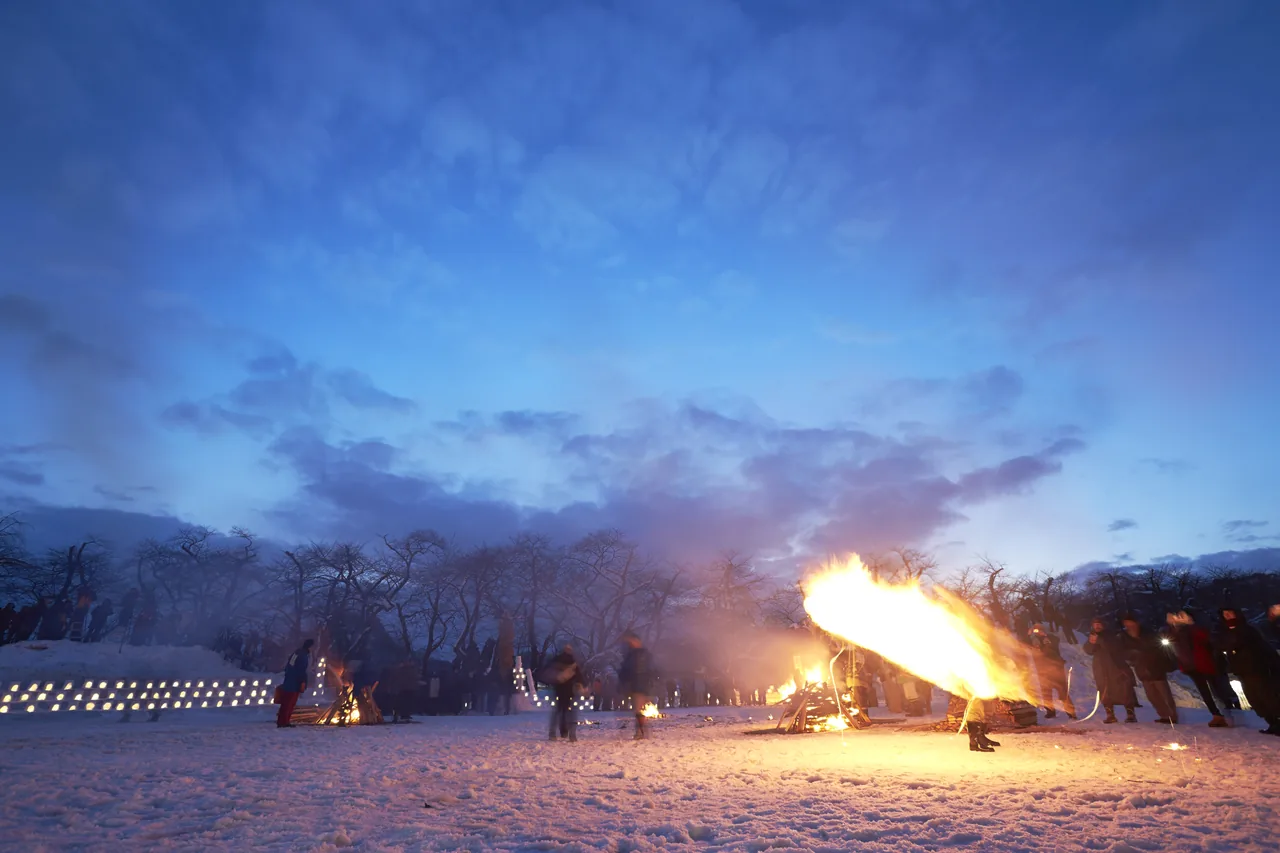
Kakunodate Hiburi Kamakura (Fire-Swinging Festival)
Rokugo Kamakura and Takeuchi (Bamboo Battle)
Kariwano Giant Tug-of-War (Kariwano no Otsunahiki)
Odate Amekko Ichi (Candy Market)
Hinai Tori no Ichi (Hinai Chicken Fair)
Snow Monsters of Mt. Moriyoshi