
Akita Summer Festivals: Kanto, Omagari Fireworks and Bon Dances
This guide is translated from the Japanese edition. Read the Japanese edition
Akita summer festivals in date order: Tsuchizaki floats, Noshiro's giant lanterns, the Kanto Festival, Yuzawa's e-doro, bon dances, Omagari fireworks and Kakunodate.
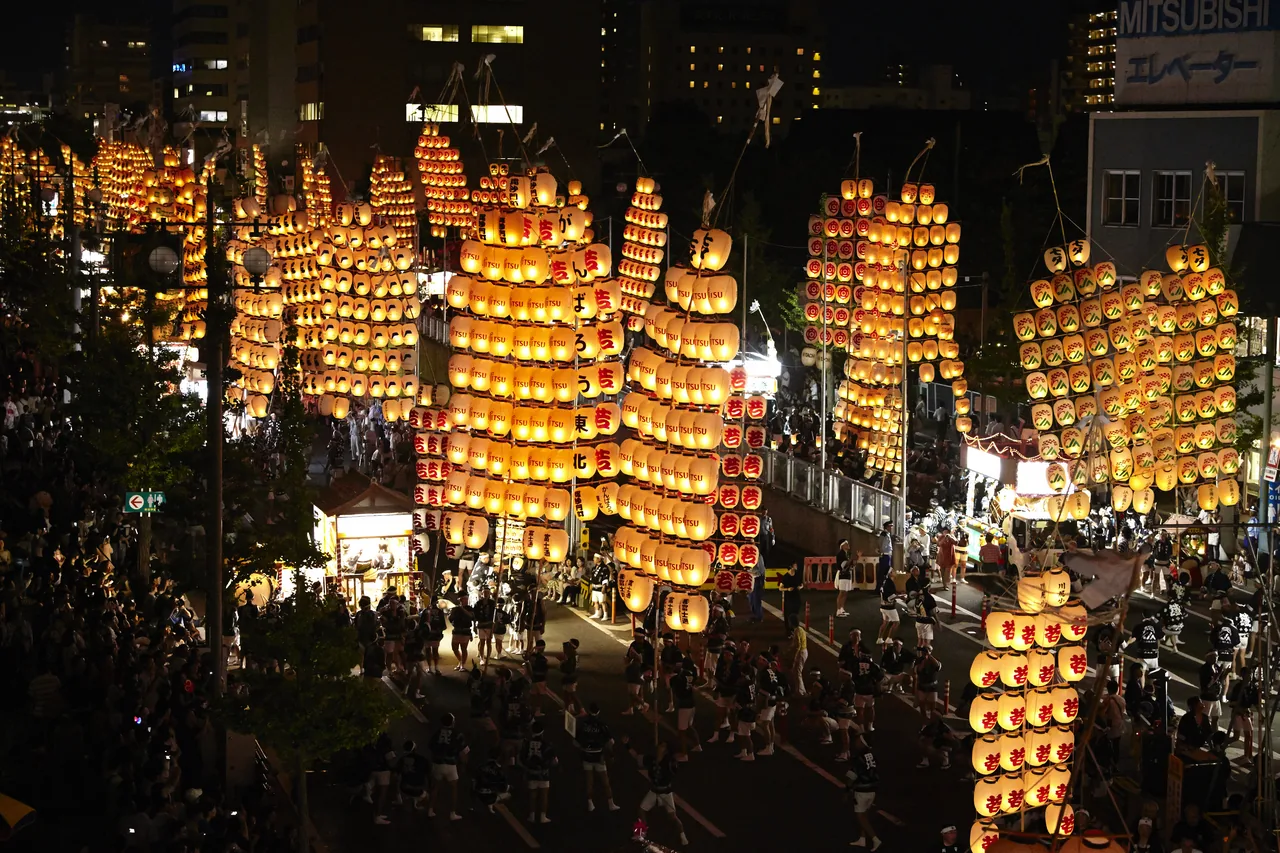
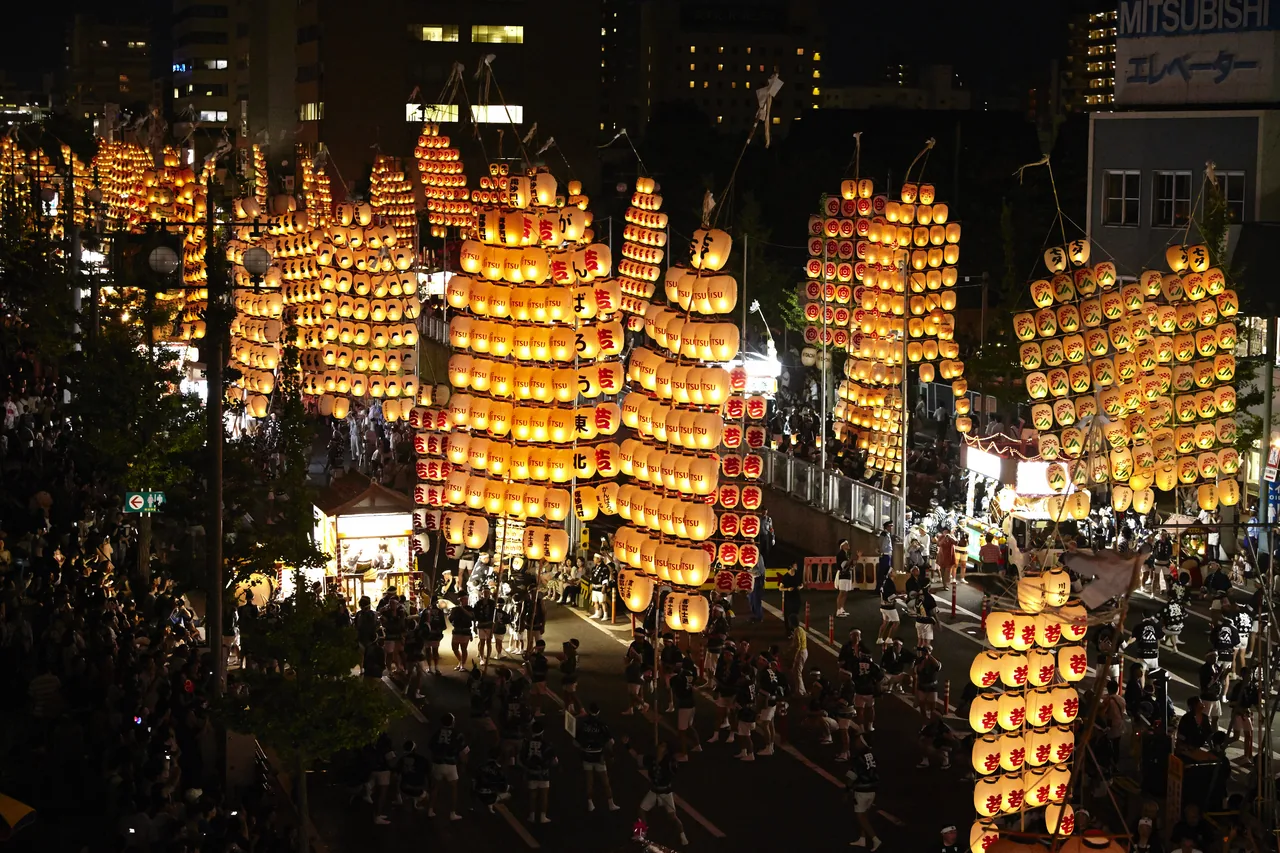
On August nights in Akita City, about 280 kanto poles rise along Kanto Odori avenue, their rows of lanterns swaying above the crowd. Akita's summer revolves around this Kanto Festival, but festivals continue across the prefecture, from the float parade of a port town in late July to the floats of Kakunodate in September. Some are about lanterns glowing in the dark, some are quiet bon dances with the dancers' faces hidden, and one is a fireworks competition for pyrotechnicians from all over Japan.
July 20–21: Tsuchizaki Shinmeisha Festival Float Parade
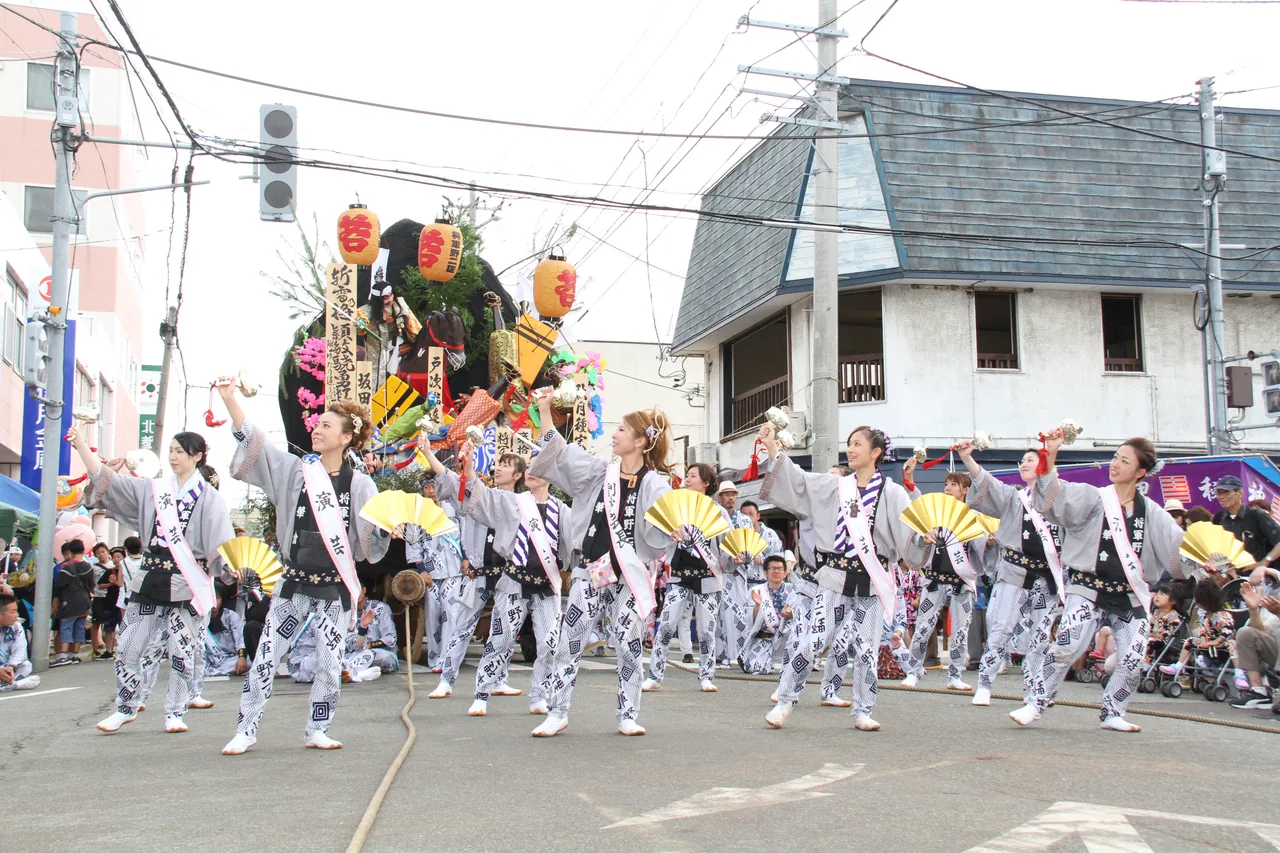
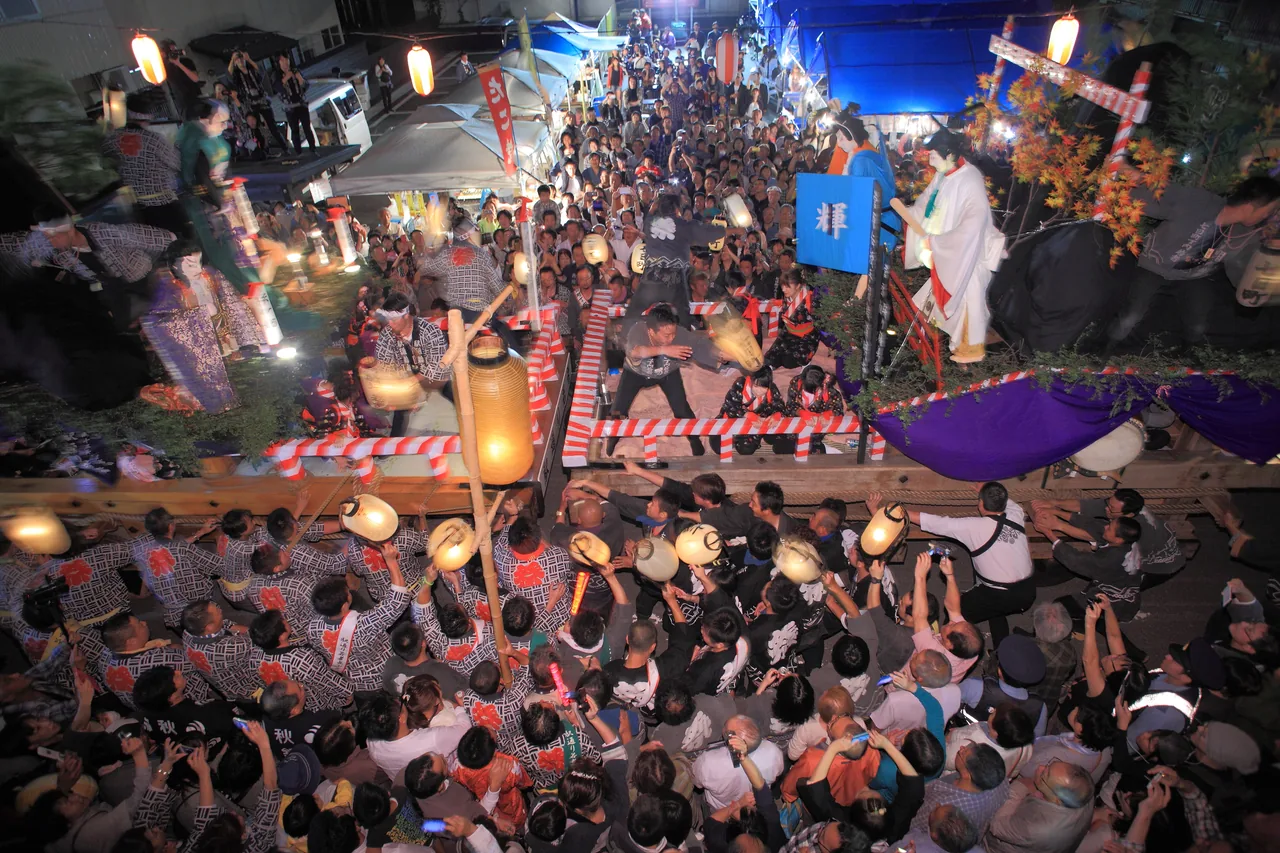
This is the annual festival of Tsuchizaki Shinmeisha Shrine, held every July 20 and 21 in Tsuchizaki, the port district of Akita City. Also called the Tsuchizaki Minato Hikiyama Festival, it sees large floats decorated with warrior figures pulled through town to the "Minato-bayashi" music. Satirical "mikaeshi" panels hang on the back of each float, and in front of it dancers in yukata perform the Akita Ondo and other dances. On the night of the 21st, the "modori hikiyama," when the floats return to their neighborhoods, is the high point of the festival. It is a national Important Intangible Folk Cultural Property and one of the UNESCO Intangible Cultural Heritage "Yama, Hoko, Yatai float festivals."
The nearest station is Tsuchizaki on the JR Ou Main Line. Outside festival time, you can see an 11.5-meter float at the Tsuchizaki Minato History Museum, about 10 minutes' walk from the station. See the Tsuchizaki Shinmeisha Festival Float Parade page for details.
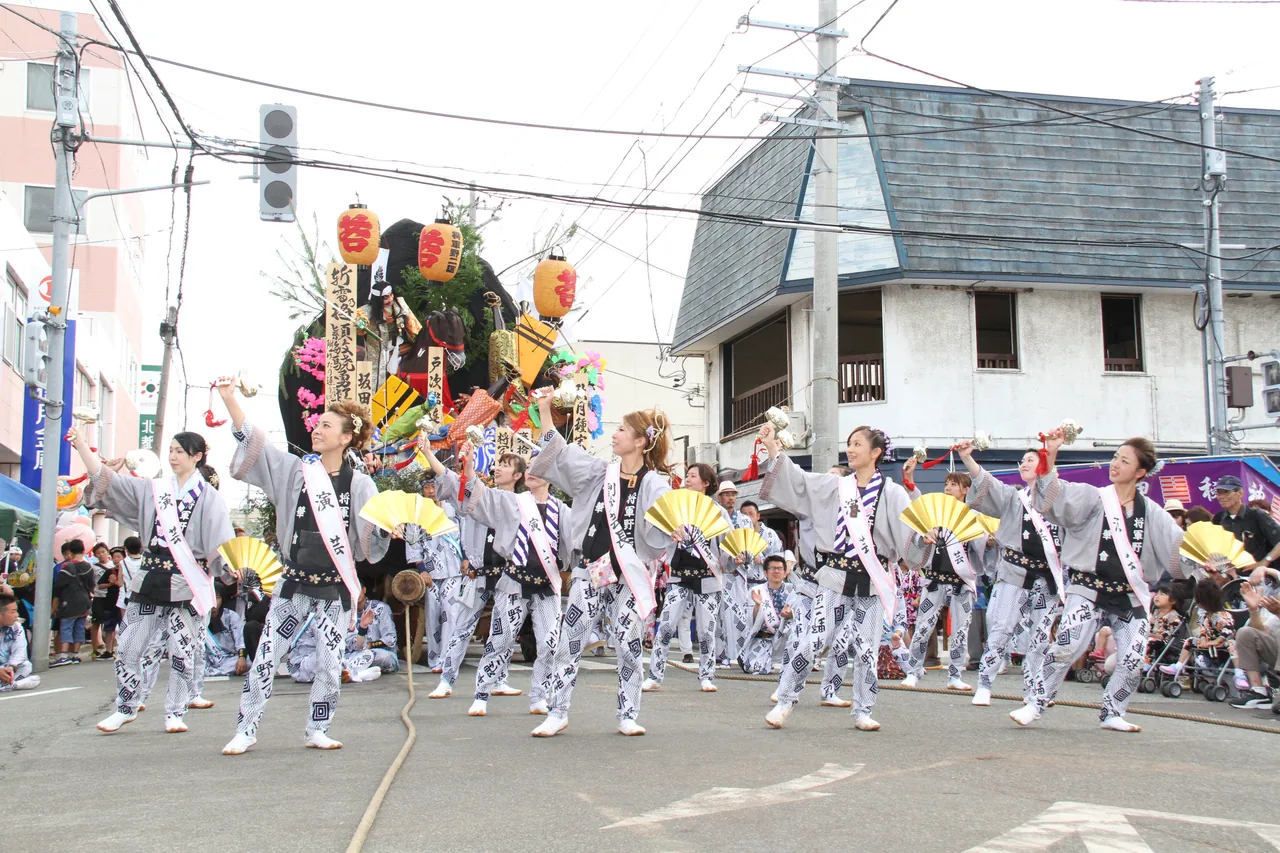
Photo: Akita Prefecture
August 2–3: Noshiro Tanabata "Tenku no Fuyajo"
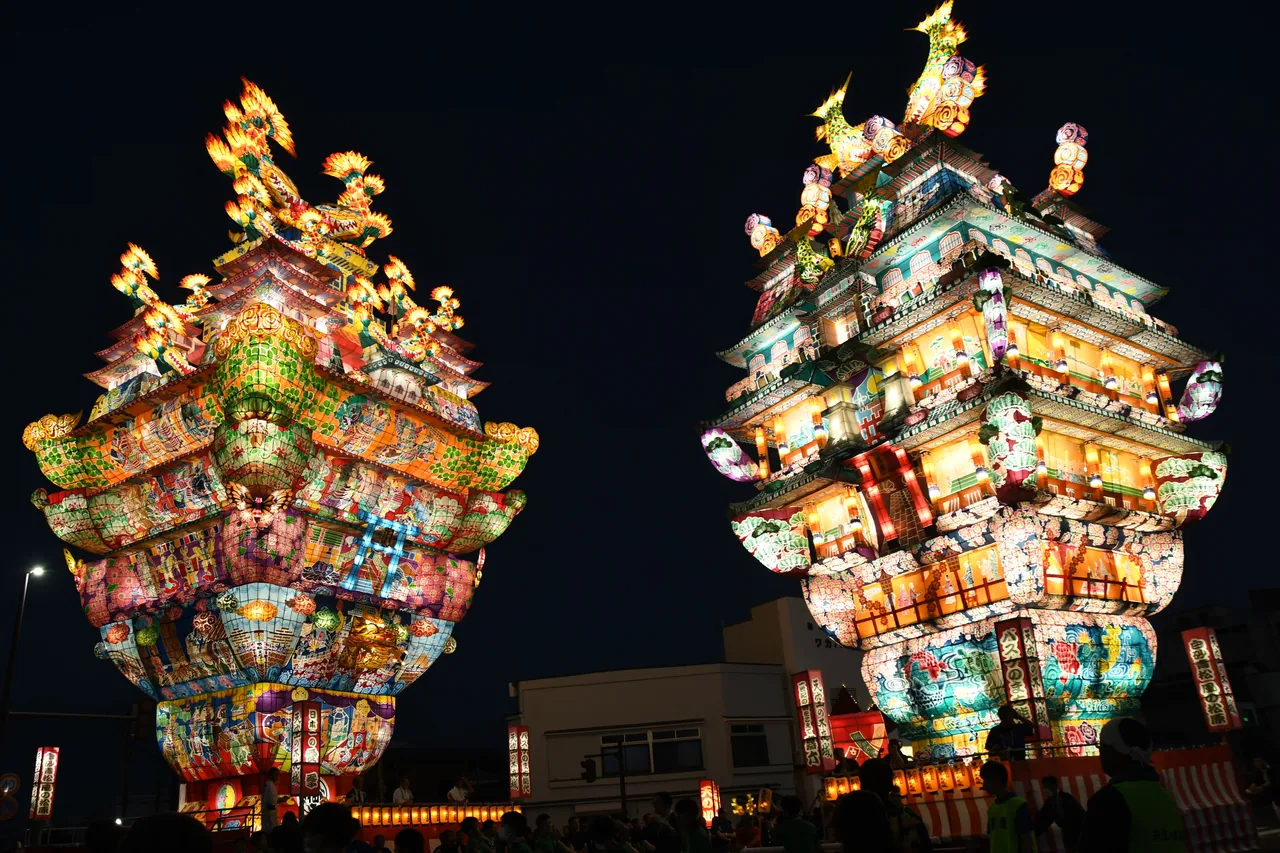
This Tanabata event is held every August 2 and 3 in central Noshiro. Giant castle-shaped lantern floats move along National Route 101, and the 24.1-meter "Chikasue" is the tallest castle-shaped lantern in Japan. The castle-shaped lanterns, first modeled on Nagoya Castle in the Tenpo era of the Edo period, were revived in 2013. Once lit, they glow far above the rooftops. The nearest station is Noshiro on the JR Gono Line, and roads around the venue are closed on festival days. See the Noshiro Tanabata "Tenku no Fuyajo" page for details.
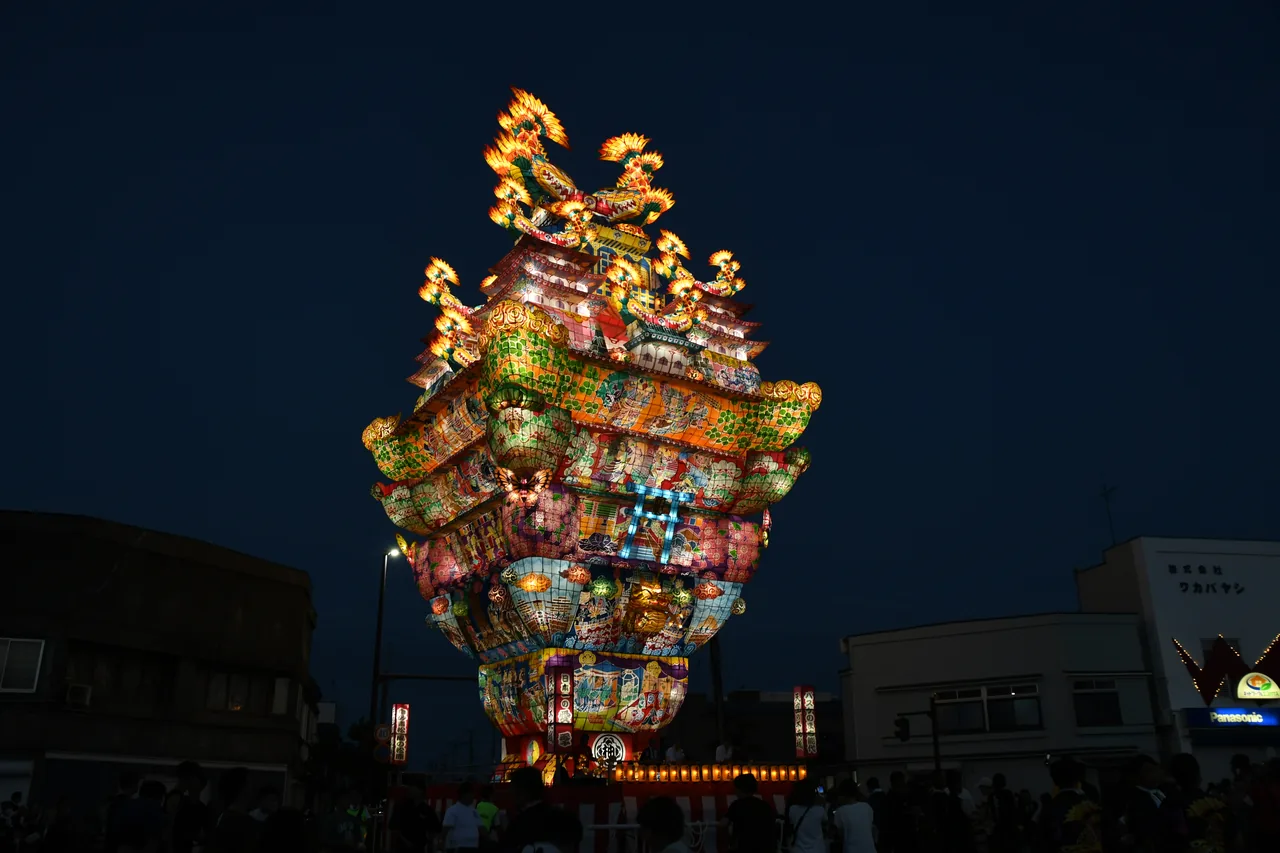
Photo: Akita Prefecture
August 3–6: Akita Kanto Festival
At the Akita Kanto Festival, performers balance kanto, long bamboo poles hung with many lanterns, on their palms, foreheads, shoulders and hips. It is held every year from August 3 to 6 and is a national Important Intangible Folk Cultural Property. The largest type, the "owaka," is about 12 m long, weighs about 50 kg and carries 46 lanterns. The lanterns are shaped like rice bales and carry wishes for a good harvest.
The evening performance takes place on Kanto Odori avenue, where paid seating is set up on the central median. During the day from August 4 to 6, the "Kanto Skill Competition" is held at Area Nakaichi Nigiwai Hiroba (about 10 minutes' walk from Akita Station), where you can watch the performers' technique up close. Roads around the venue close during the evening performance, so come by public transport or on foot. Check seating and times on the Akita City Kanto Festival Executive Committee's official website.
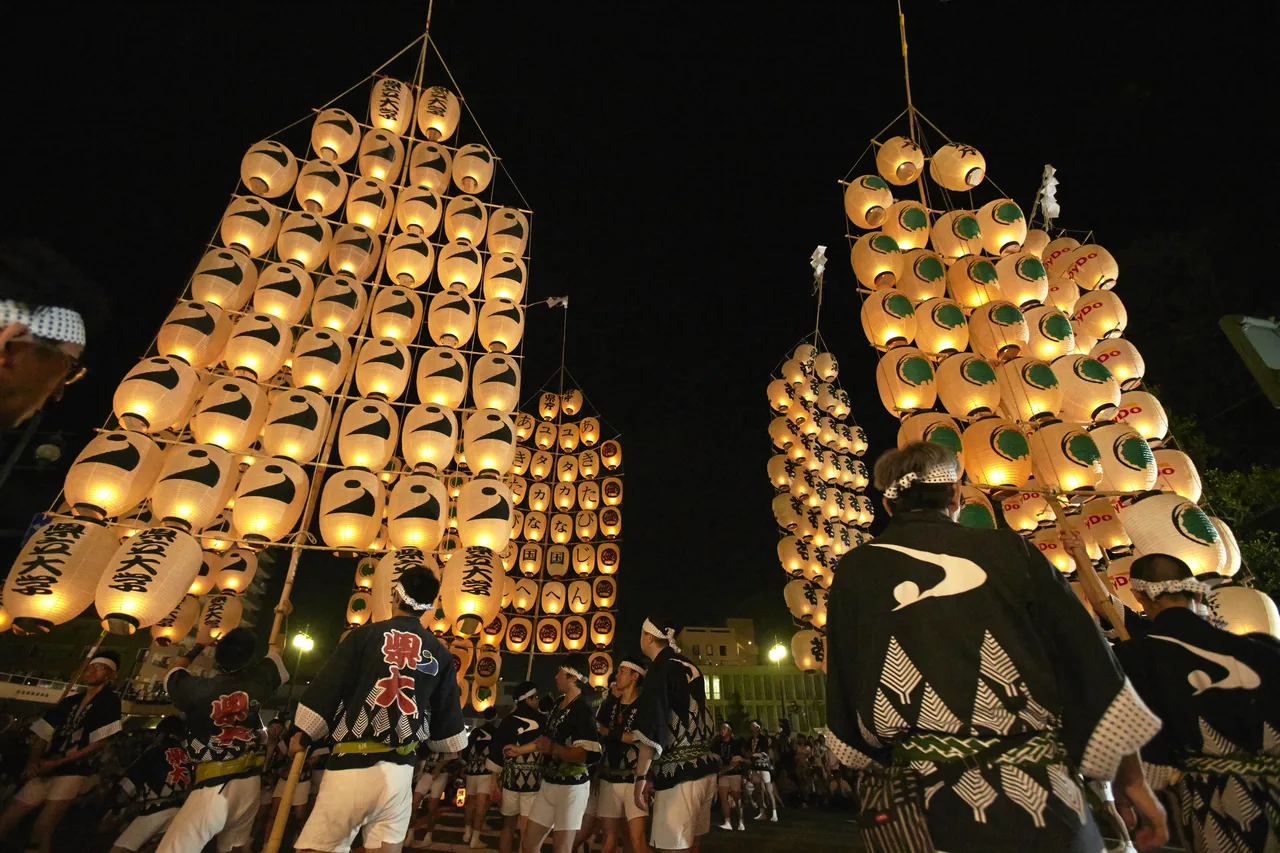
Photo: Akita Prefecture
Early August: Tanabata E-doro Festival (Yuzawa)
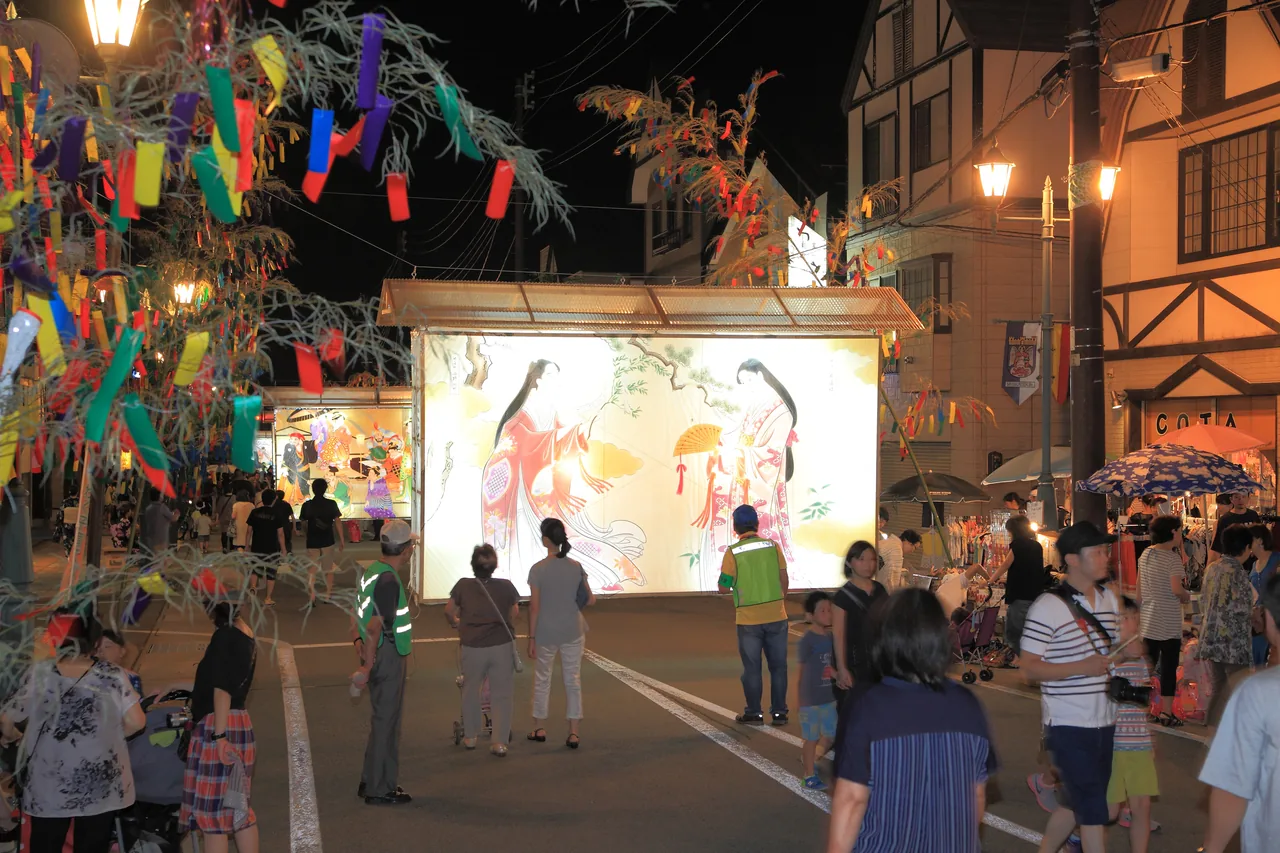
At the Tanabata E-doro Festival, held every year in early August in Yuzawa's central shopping streets, large "e-doro" lanterns painted with beautiful women line the street and are lit from early evening. It is said to have begun when a noblewoman from the Takatsukasa family of Kyoto, who married into the Satake Minami family of the Akita domain, hung five-colored paper strips on green bamboo out of longing for her hometown, and it has a history of about 300 years. The venue is right by Yuzawa Station. In daylight you can see the brushwork; after dark the lanterns glow, so arriving in the late afternoon and walking until sunset works well. Check Yuzawa City's announcements for each year's dates.
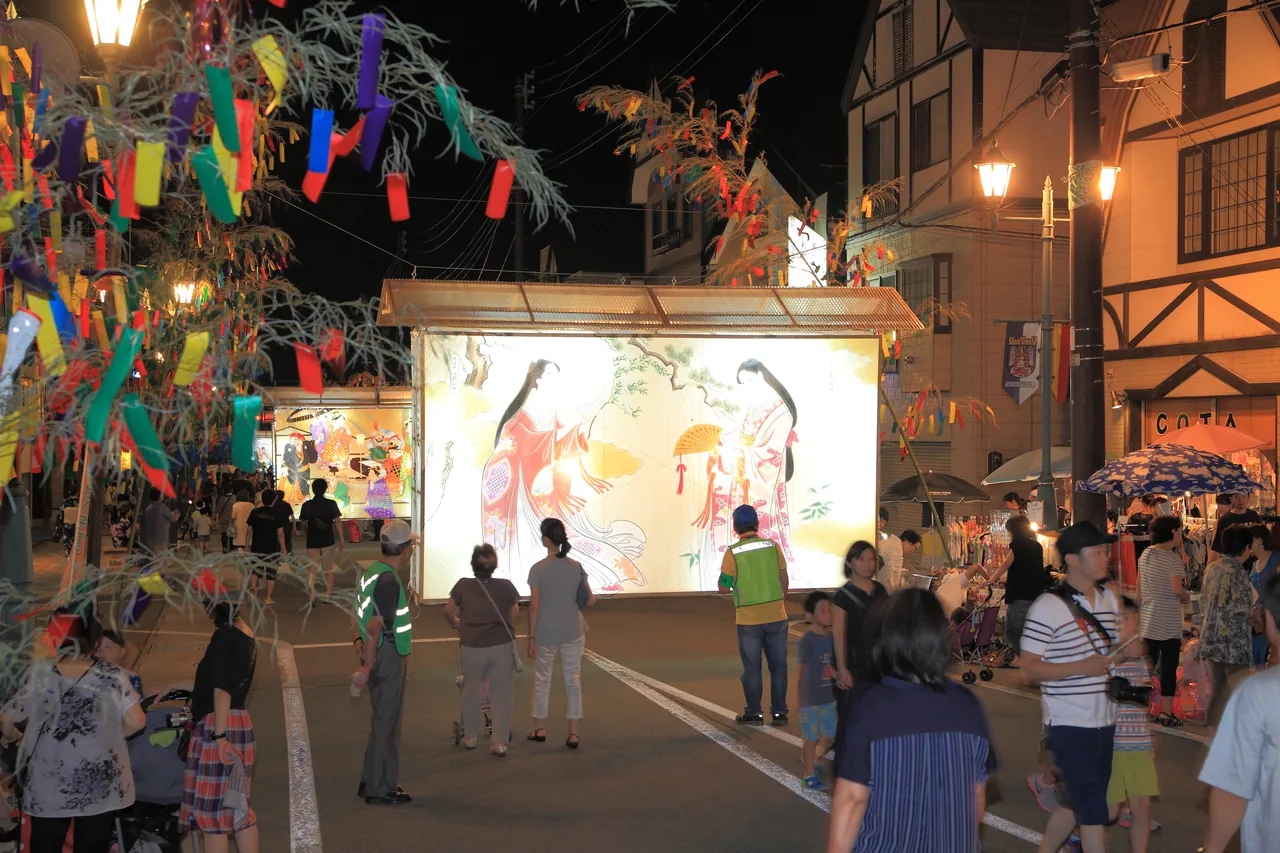
Photo: Akita Prefecture
August 16–18: Nishimonai Bon Odori
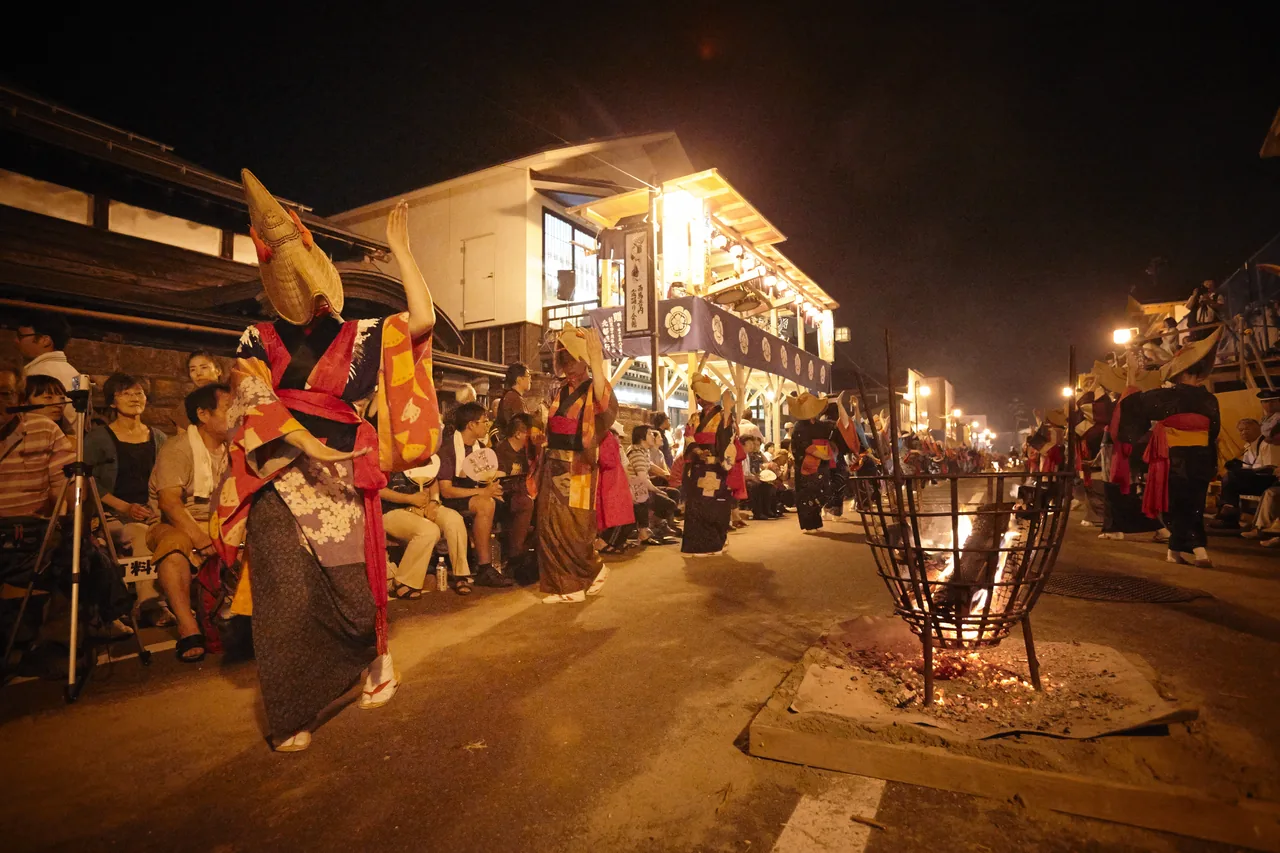
Held every year on the nights of August 16 to 18 in Nishimonai, Ugo Town, the Nishimonai Bon Odori became in 1981 the first bon dance in Japan designated a national Important Intangible Folk Cultural Property, and in 2022 it was inscribed on UNESCO's Intangible Cultural Heritage list as one of the "Furyu-odori" dances. Dancers hide their faces under deeply curved woven straw hats or black "hikosa zukin" hoods with eyeholes, and move quietly along Honcho-dori street. The "hanui" costumes worn by women are sewn from pieces of old silk.
Early in the evening the dancers perform the "ondo," switching to the "jinku" late at night. Paid seats are available, with reservations taken each year. The nearest station is Yuzawa on the JR Ou Main Line, and Ugo Kotsu buses run to Nishimonai. On rainy days the dance moves to the Ugo Town General Gymnasium.
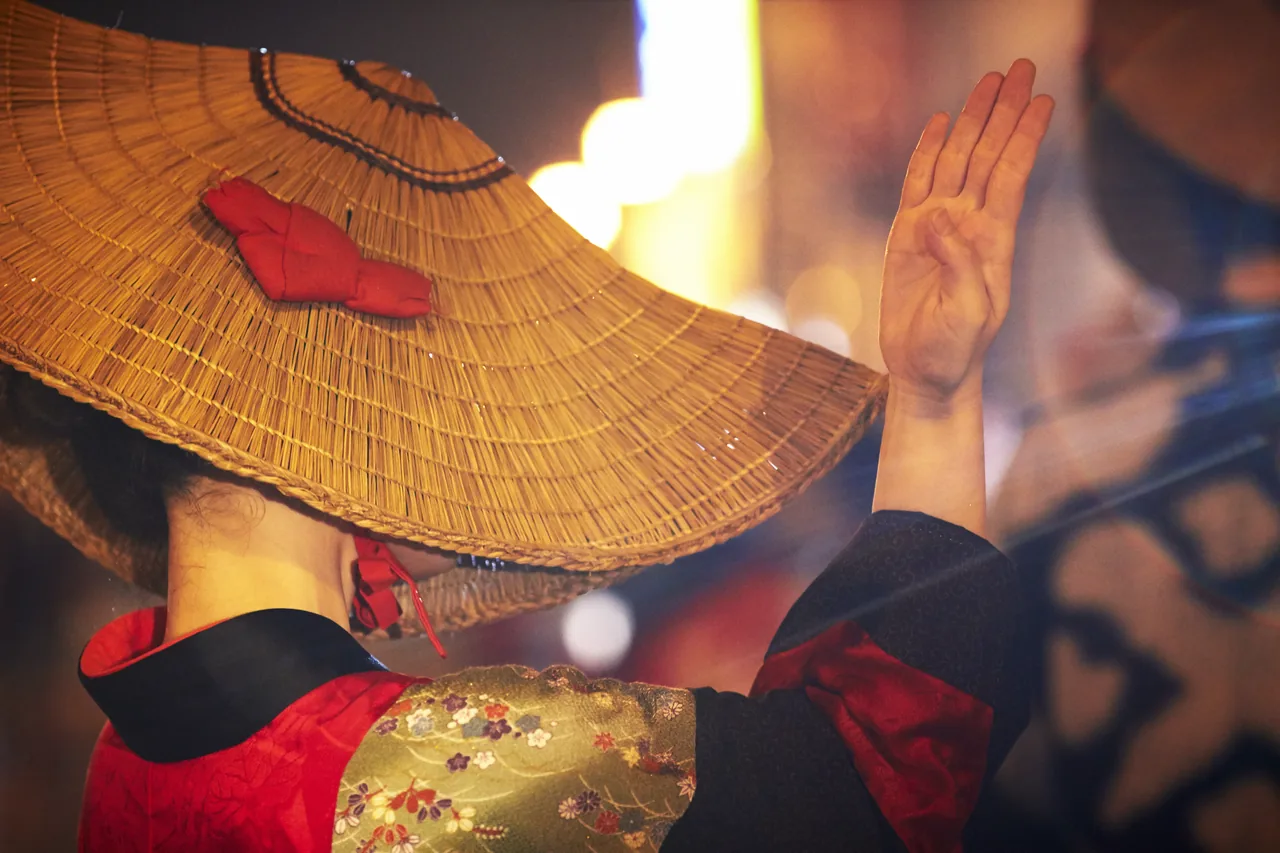
Photo: Akita Prefecture
August 21–23: Kemanai Bon Odori
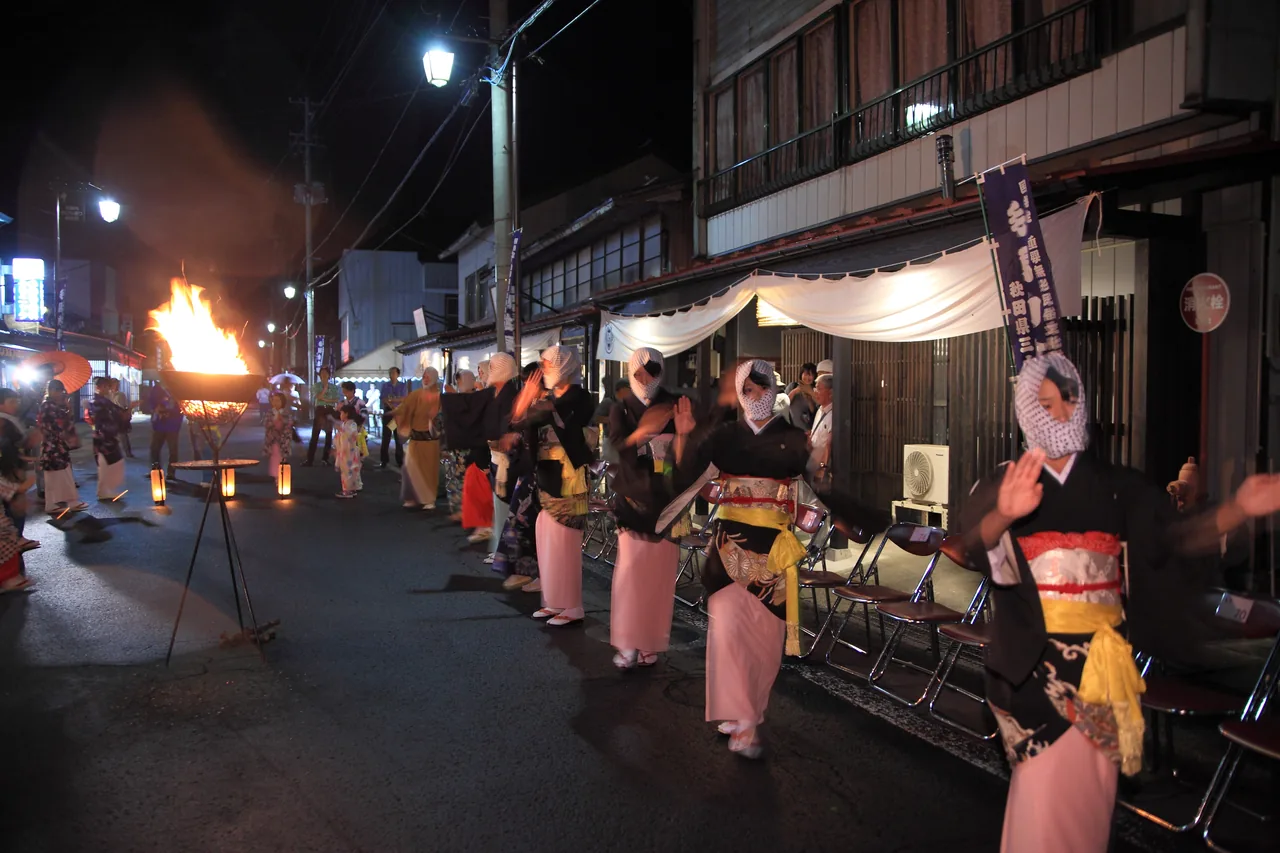
The Kemanai Bon Odori is danced every year from August 21 to 23 on Honcho-dori street in Kemanai, Kazuno City. Dancers wrap spotted tenugui towels over their heads and cheeks so that only their eyes show, and dance slowly in a ring around bonfires. There are two dances: the "Dainosaka," said to honor ancestors, and the "Jinku," danced for enjoyment. It is a national Important Intangible Folk Cultural Property and, like Nishimonai, was inscribed by UNESCO as a "Furyu-odori" dance in 2022. It is about a 20-minute walk from Towada-Minami Station on the JR Hanawa Line.
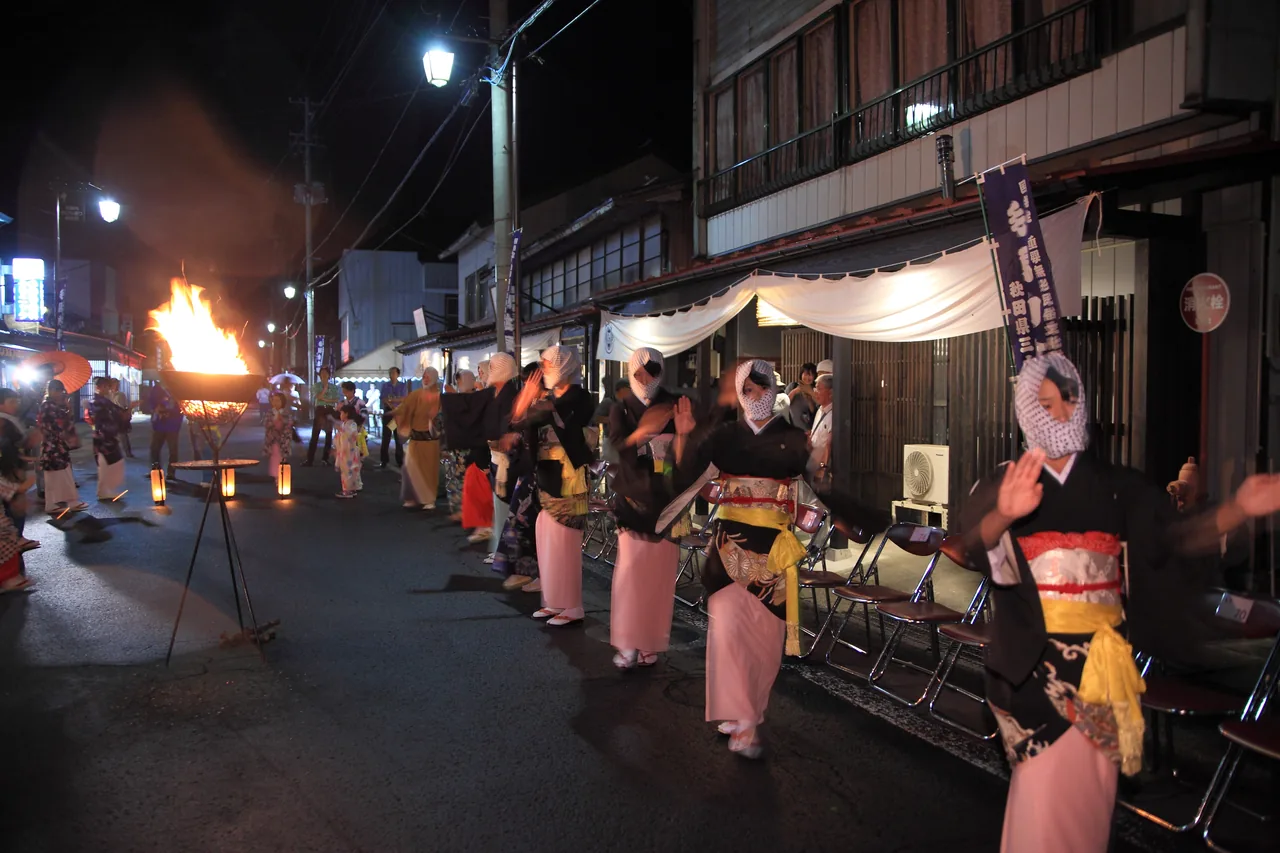
Photo: Akita Prefecture
Last Saturday of August: Omagari Fireworks (National Fireworks Competition)
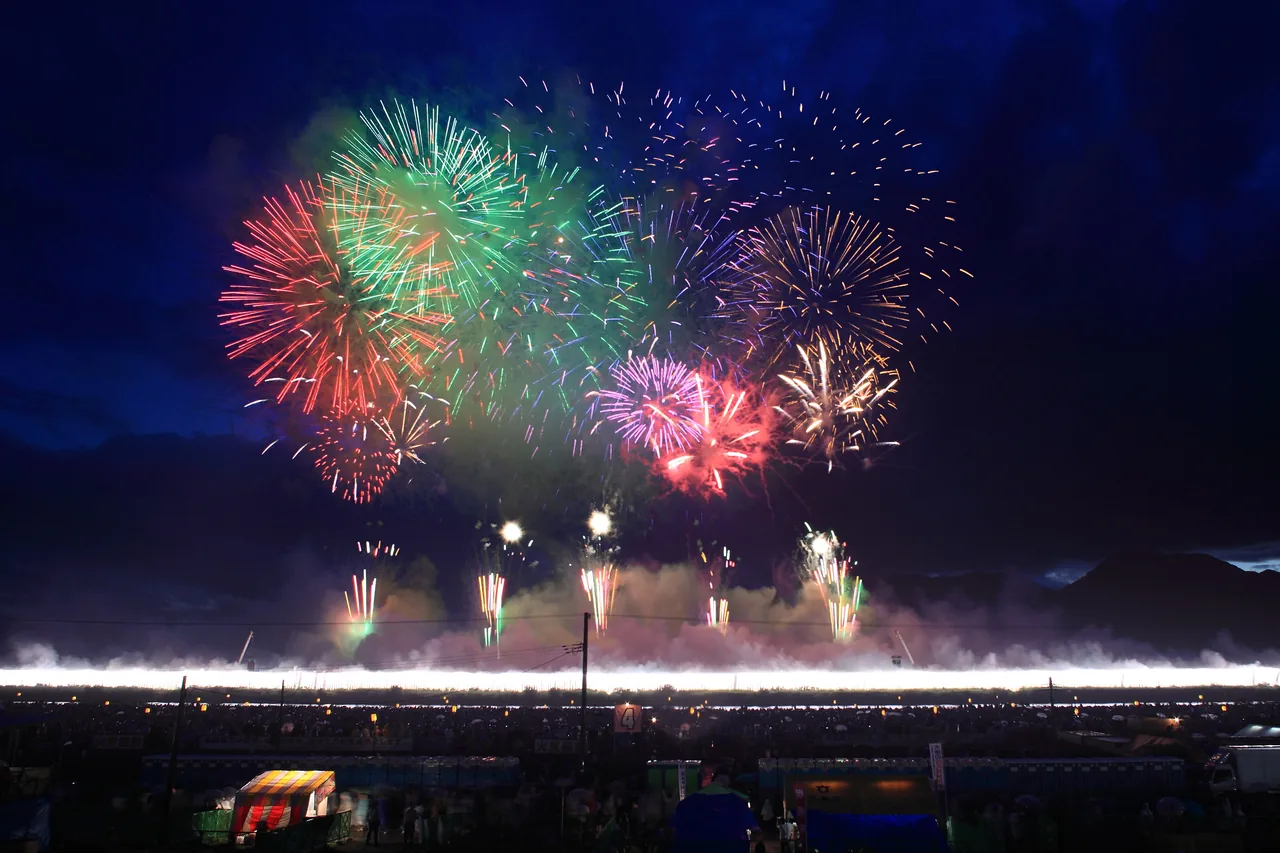
Held on the banks of the Omono River in Daisen City, usually on the last Saturday of August, the Omagari Fireworks is a competition in which pyrotechnicians from all over Japan launch their work. Both the early-evening "daytime fireworks" and the night fireworks are judged, and the top prize is the Prime Minister's Award. Seating is paid; on the day you walk from Omagari Station to the venue, and stations and roads are crowded on the way back. For choosing seats and planning the day, see How to see the Omagari Fireworks.
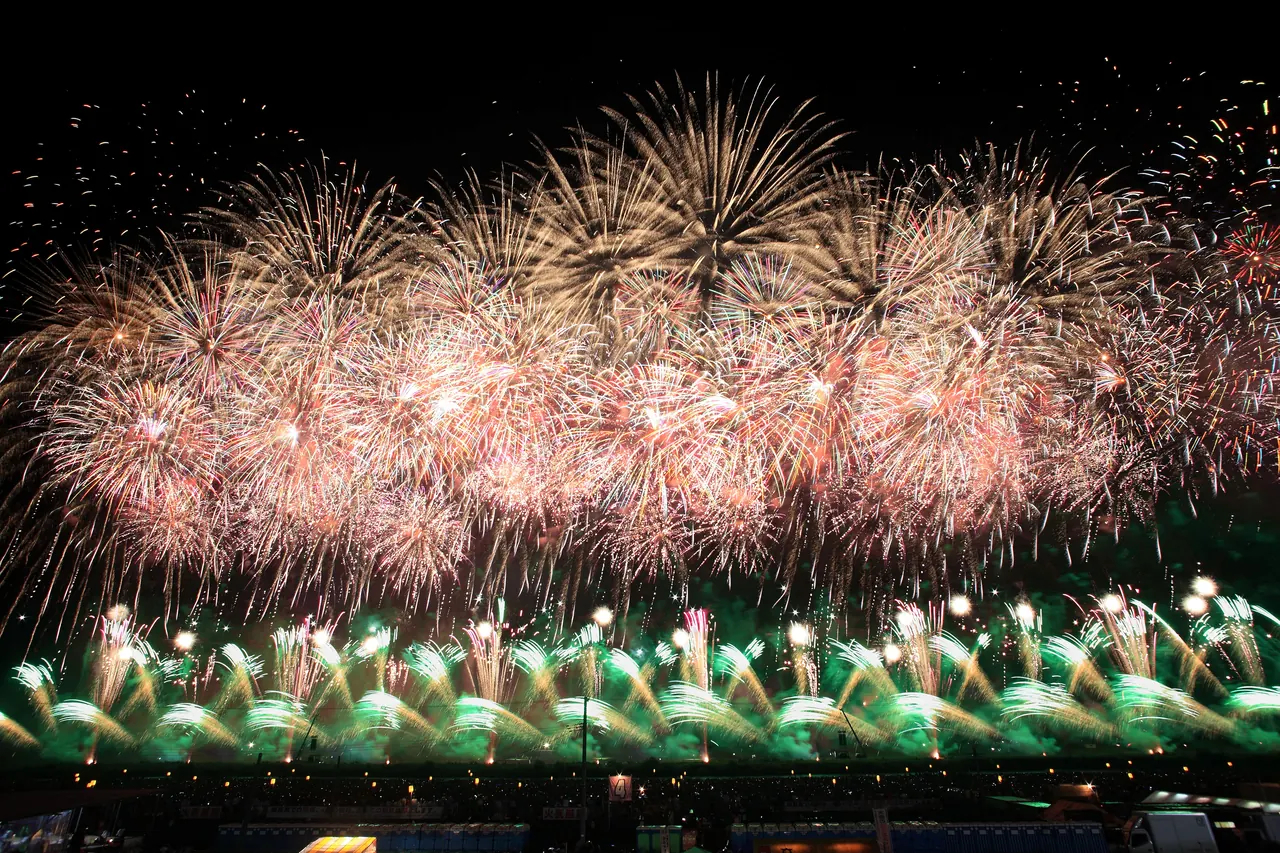
Photo: Akita Prefecture
September 7–9: Kakunodate Festival
Summer closes with the Kakunodate Festival, held every year from September 7 to 9 in the samurai town of Kakunodate. Timed with the festivals of Shinmeisha Shrine and Jojuin Yakushido Hall, floats decorated with warrior and kabuki figures are pulled through town with music and hand dances. When two floats meet on a narrow street, they negotiate which should give way; if talks fail, the floats ram each other in a "yama-buttsuke." It is a national Important Intangible Folk Cultural Property and one of the UNESCO "Yama, Hoko, Yatai float festivals." The nearest station is Kakunodate on the JR Akita Shinkansen.
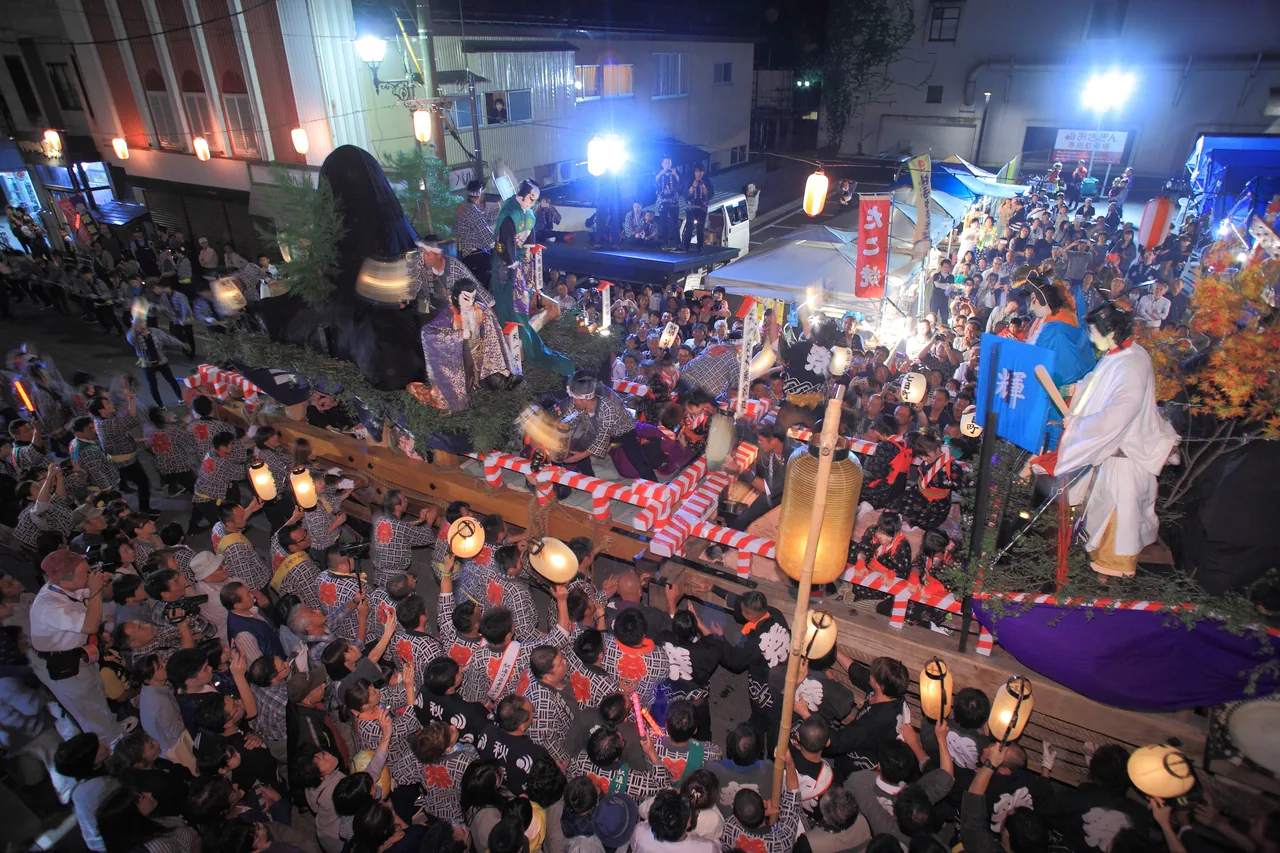
Photo: Akita Prefecture
Combining Festivals in August
Early August brings Noshiro's Tenku no Fuyajo on the 2nd and 3rd, followed by the Akita Kanto Festival from the 3rd to the 6th. Both fall on the 3rd, so decide in advance whether to spend that evening in Noshiro or Akita City. Yuzawa's Tanabata E-doro Festival is also in early August, so it can be paired with Kanto if the dates line up. After Obon come the bon dances, Nishimonai from the 16th to 18th and Kemanai from the 21st to 23rd, and the Omagari Fireworks on the last Saturday of the month.
Every festival comes alive at night, and roads near the venues are closed. Rooms can be hard to find during the popular festivals, so book as soon as your dates are set. Bring drinks for the heat and check the time of your train home. For Akita's winter events, see Akita's winter festivals.
Places in this guide
Tsuchizaki Shinmeisha Festival Float Parade
Noshiro Tanabata "Tenku no Fuyajo" (Castle Lanterns in the Sky)
Akita Kanto Festival
Tanabata E-doro Matsuri (Yuzawa Painted Lantern Festival)
Nishimonai Bon Odori
Kemanai Bon Odori (Kemanai Bon Dance)
Omagari Fireworks Competition (All-Japan Fireworks Competition)
Kakunodate Festival