Oga Namahage and the Oga Peninsula: Museums, Shrine and Capes
This guide is translated from the Japanese edition. Read the Japanese edition
Where to meet Oga namahage: the folklore museum, Namahage Museum and Shinzan Shrine, the February Sedo Festival, plus Kanpuzan, Nyudozaki and GAO aquarium.
On New Year's Eve, namahage in straw capes and fearsome masks stamp their way into homes. This tradition of Akita's Oga Peninsula takes place inside local households, so travelers almost never get to witness the real thing. Oga still offers plenty of ways in: a museum that reenacts the visit, a hall that collects the masks of each district, and a festival on a winter night. The western side of the peninsula adds volcanic landscapes and a cape jutting into the Sea of Japan, all easy to combine with the namahage sites.
What Is Oga's Namahage Tradition?
On the night of New Year's Eve, young men in villages across the Oga Peninsula put on masks and go from house to house as namahage. The head of the household welcomes them in, serves them a tray of food and talks with them. Masks and costumes vary by district: some have horns and some do not, and faces may be red or blue.
"Oga no Namahage" is a national Important Intangible Folk Cultural Property, and in 2018 it was inscribed on UNESCO's Intangible Cultural Heritage list as one of the "Raiho-shin, ritual visits of deities in masks and costumes." The New Year's Eve visits are a private event for local families, so for travelers the realistic options are the facilities that reenact the visits and the February festival.
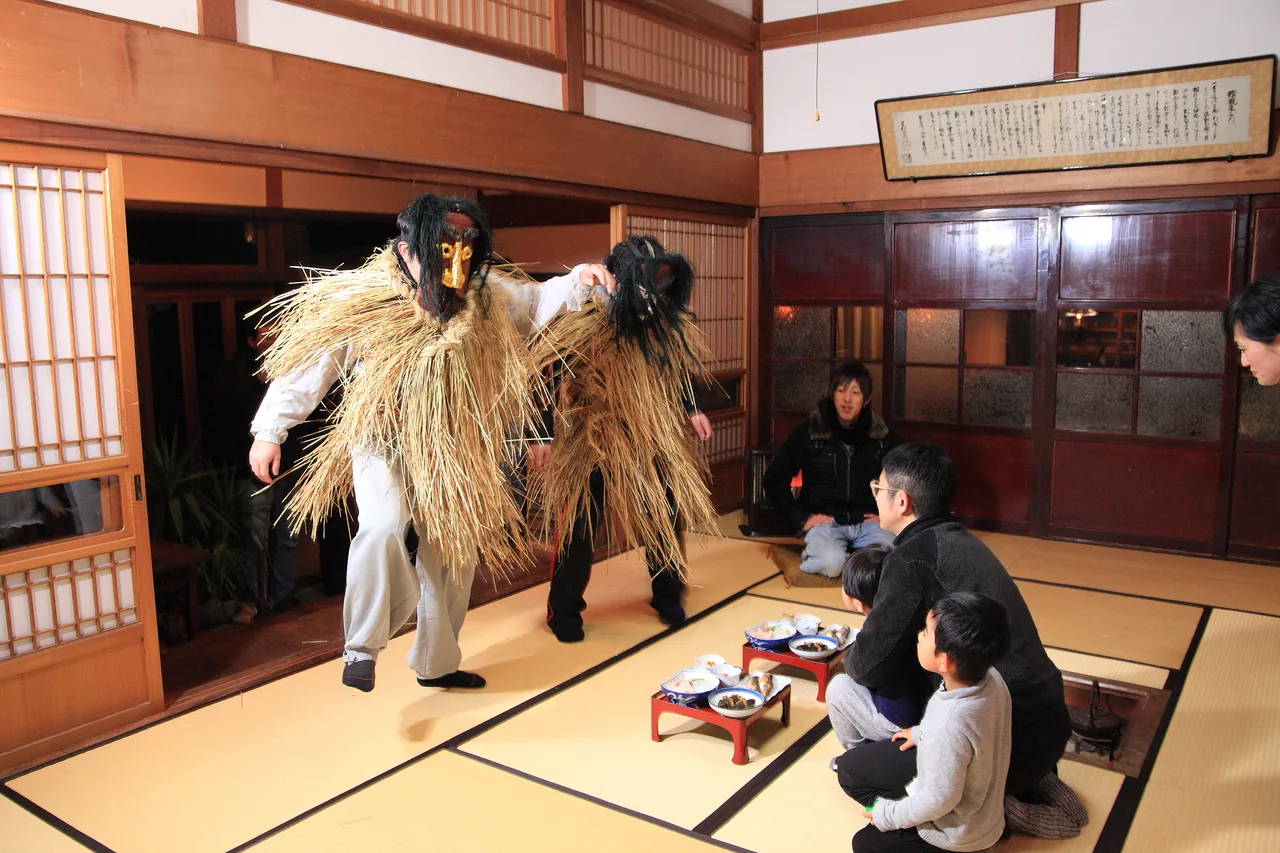
Photo: Akita Prefecture
Oga Shinzan Folklore Museum: New Year's Eve in a Tatami Room
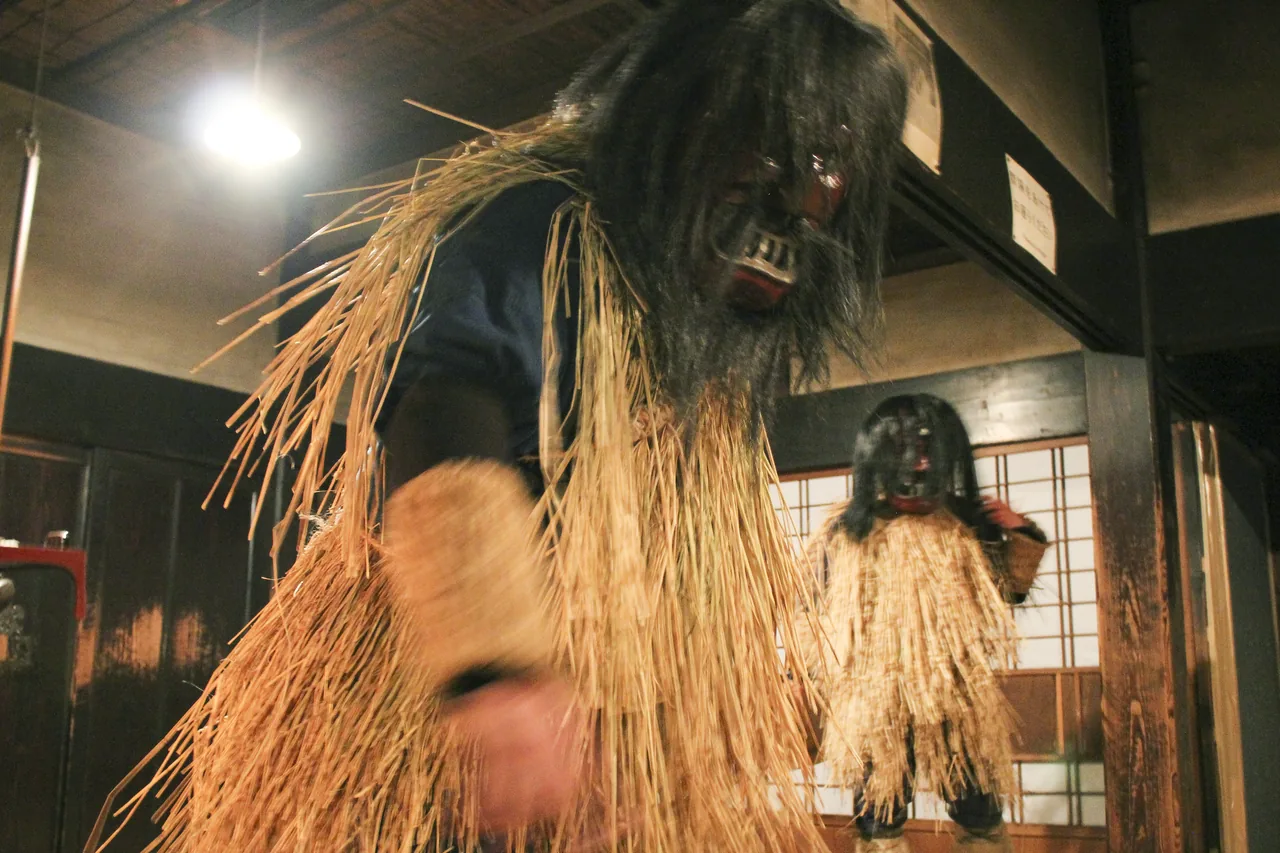
Oga Shinzan Folklore Museum reenacts the namahage visit of the Shinzan district inside an old farmhouse. In its "Namahage custom lecture," you watch from right beside the tatami room as the head of the household welcomes the namahage, serves them food and exchanges questions and answers with them, just as on New Year's Eve. Shinzan's namahage follow their own rules, such as "seven-five-three": seven times right after entering, five times before sitting at the tray and three times when standing up.
The building is a farmhouse built in Oganaka in 1907 and moved here in 1995, and it is a national Registered Tangible Cultural Property. Lecture times change with the season, so check the official website before you go.
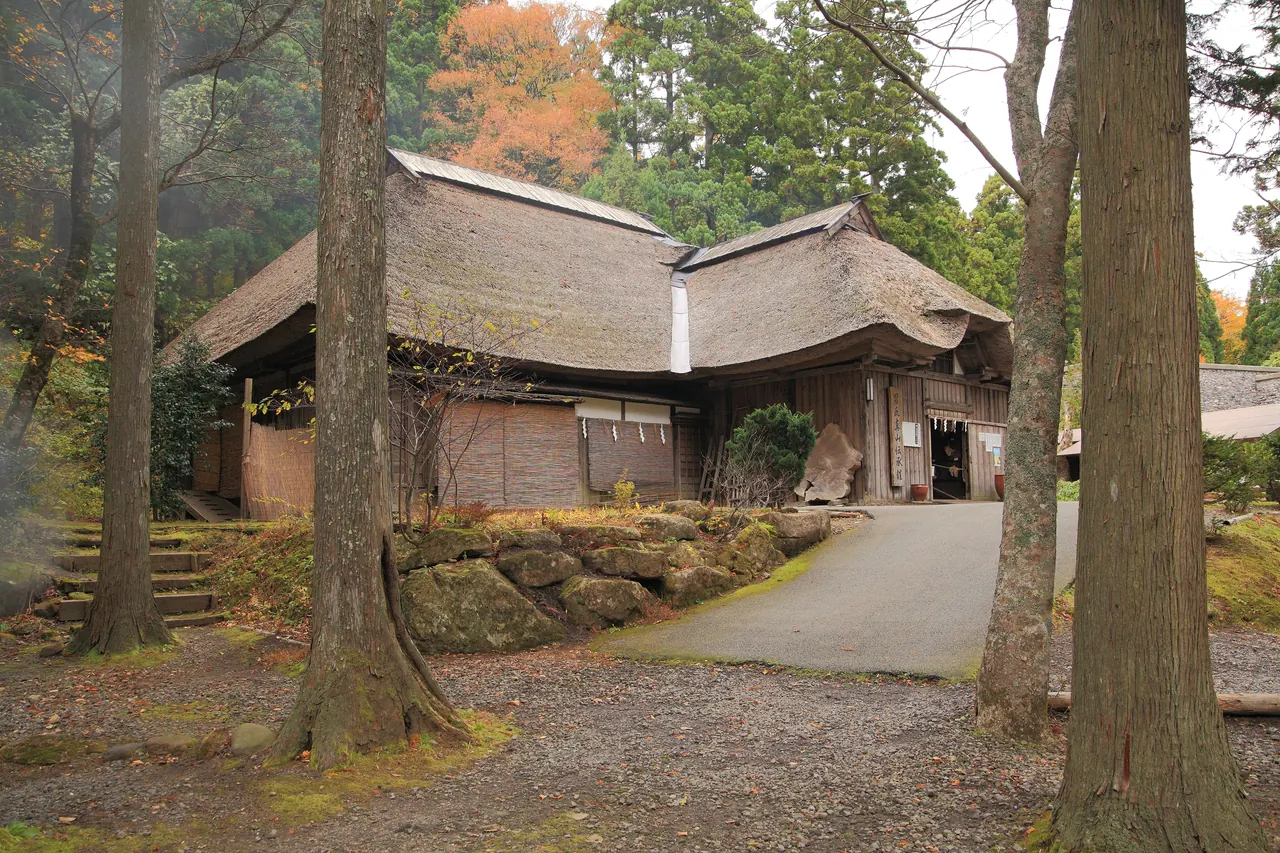
Photo: Akita Prefecture
Namahage Museum: Over 150 Masks, Each District Different
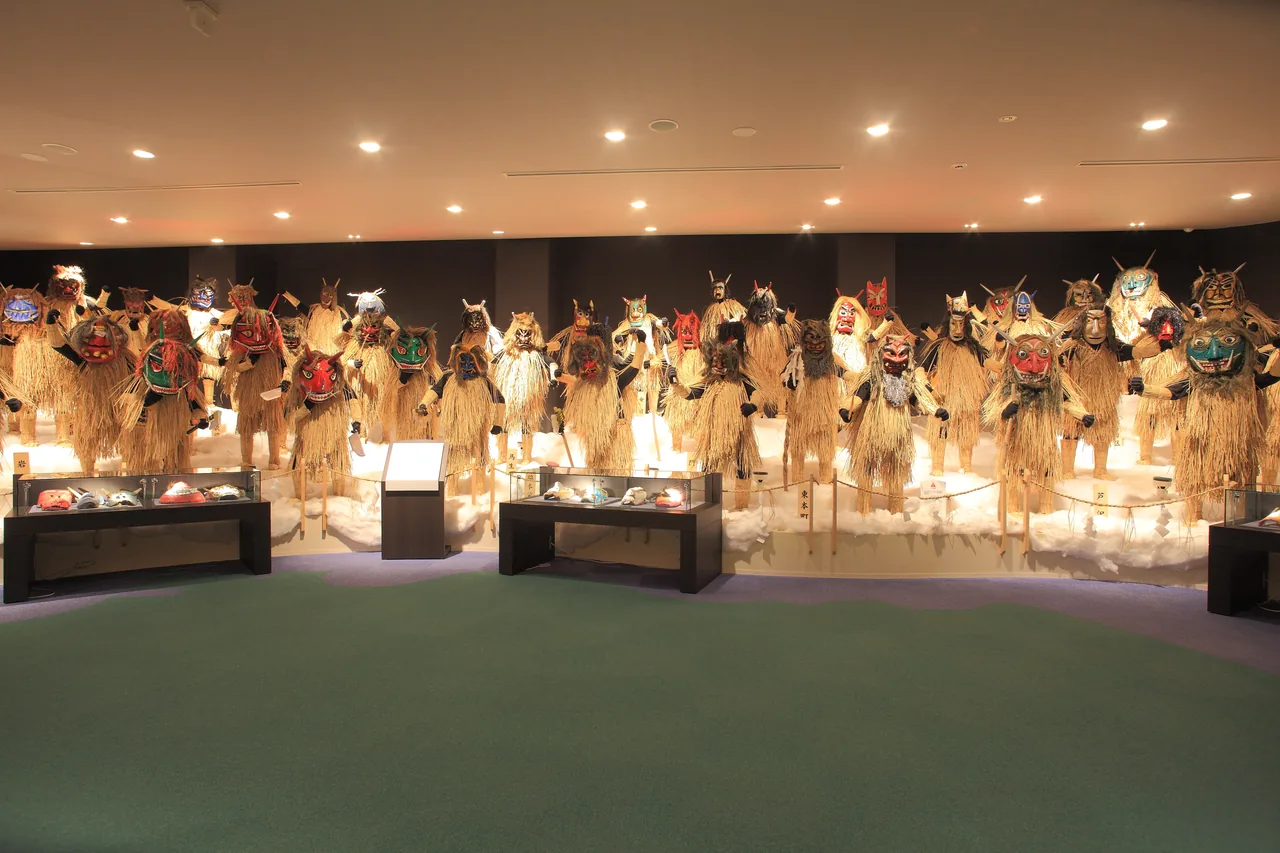
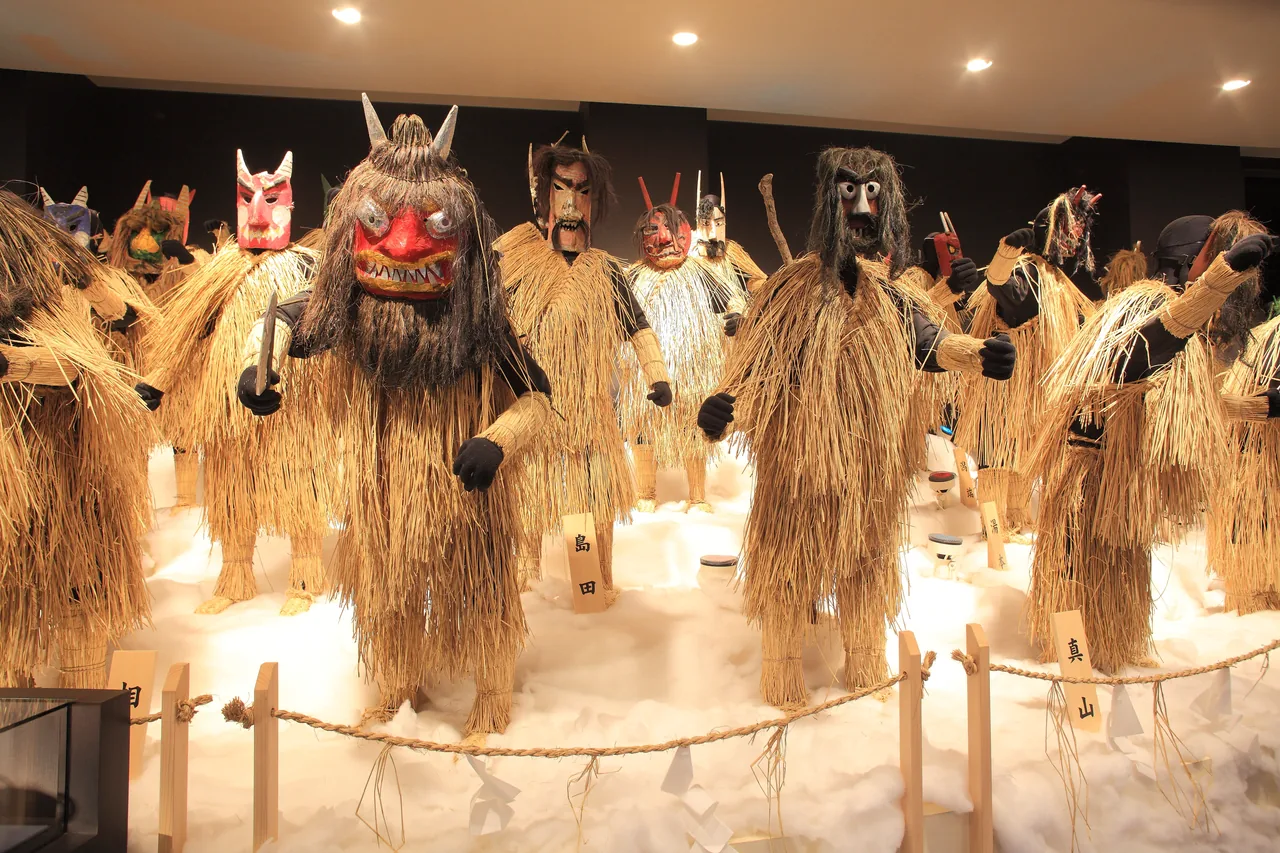
Next door to the folklore museum, the Namahage Museum lines the walls of its exhibition room with more than 150 namahage masks and costumes used in districts across Oga. Each figure carries a tag with its district name, and you can see how different the faces are even between neighboring villages. Watching the namahage move at the folklore museum and then comparing the masks here gives a clear picture of the tradition.
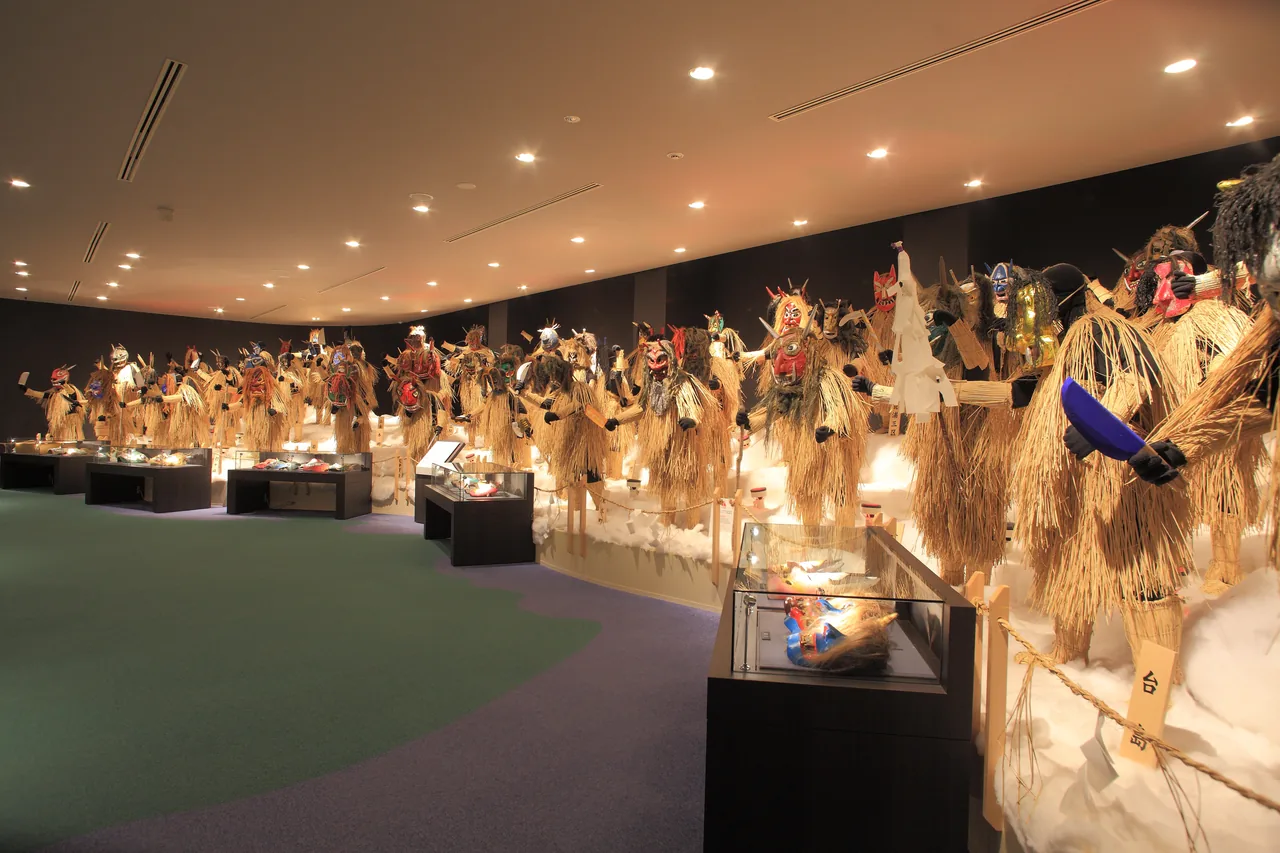
Photo: Akita Prefecture
Shinzan Shrine and Its Link to the Namahage
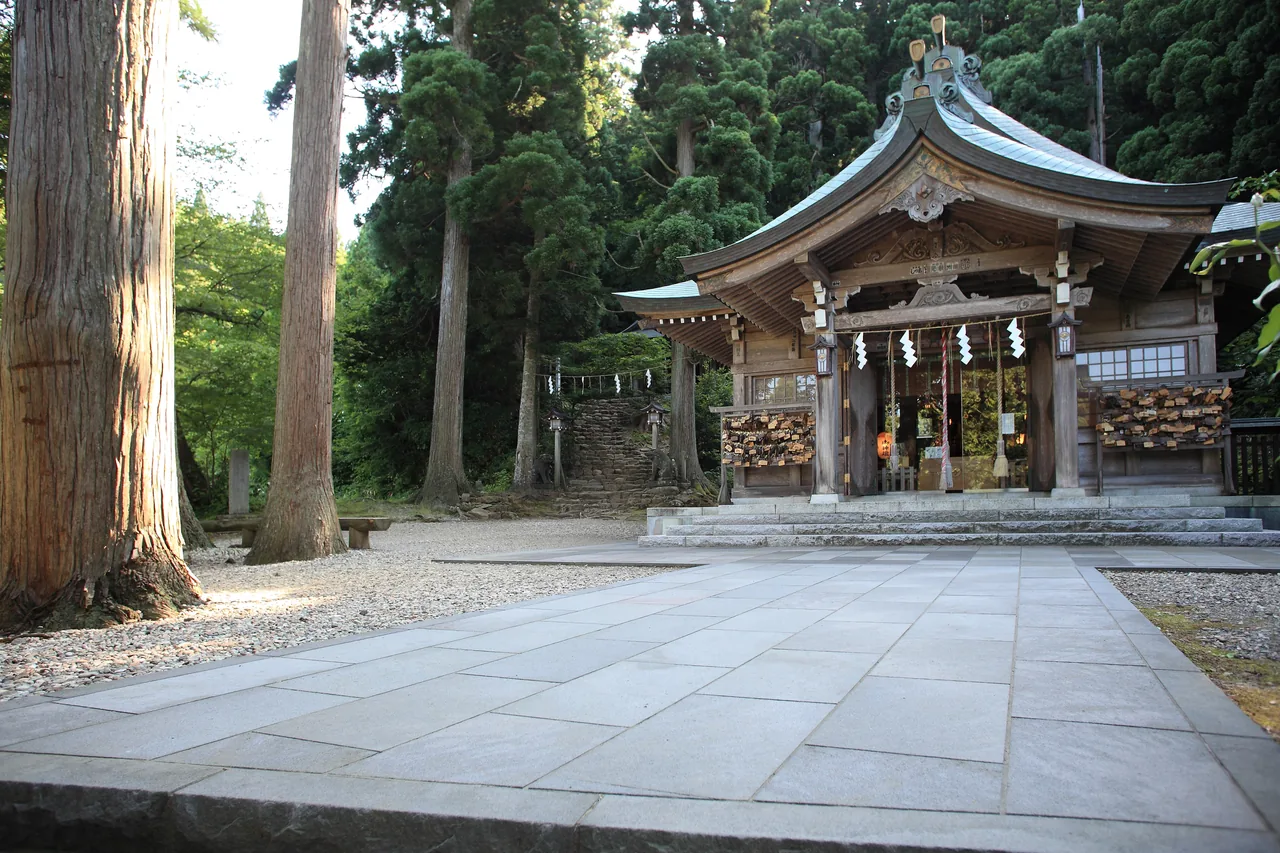
A short walk from the two museums, Shinzan Shrine stands halfway up Mount Shinzan. It is said to have been founded in the reign of Emperor Keiko, and in the Heian period the monk Ennin (Jikaku Daishi) made it a center of Shugendo mountain worship that honored both Shinto gods and Buddhas. In the Edo period it flourished as a place of prayer for the Satake lords of the Akita domain.
Partway along the approach is a wooden gate with vermilion statues on either side, and beyond it a long stone stairway leads up to the shrine buildings. Snow can linger in the grounds into early spring, so watch your footing.
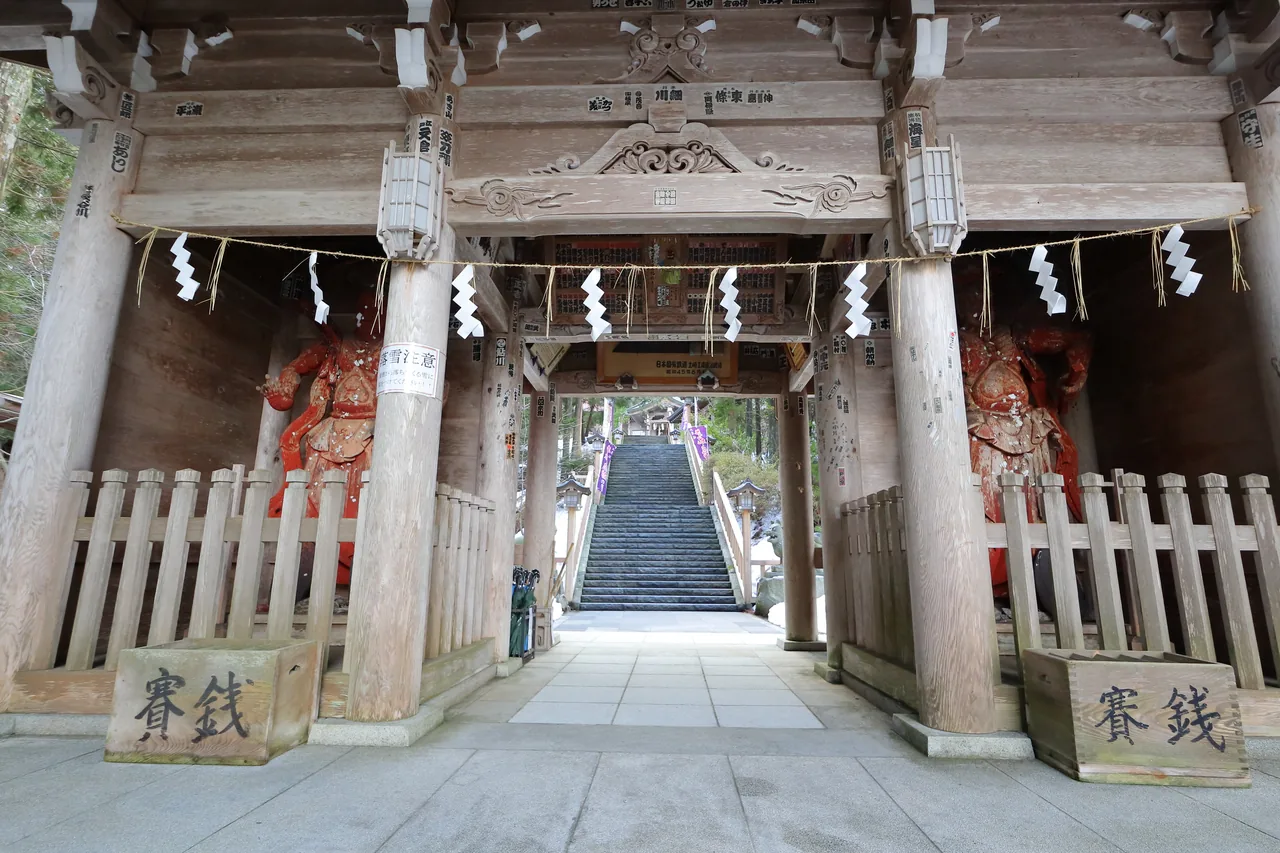
Photo: Akita Prefecture
The Namahage Sedo Festival in February
The biggest chance for travelers to see namahage is the Namahage Sedo Festival at Shinzan Shrine. It runs for three days, Friday to Sunday, over the second Saturday of February; in 2027 it is scheduled for February 12–14. The highlight is the "namahage descent," when young men who have received their masks on the shrine's stone steps carry torches down the snowy mountain. In the grounds, rice cakes toasted over the sacred sedo fire are offered to the namahage, and a "hot water dance" purifies with water from a large cauldron.
Space is limited, so entry requires advance registration and an admission fee (a contribution). No regular bus runs near the venue; on festival days, paid temporary buses run from JR Oga Station and Oga Onsen. Check the official website for how to apply and for bus details. You will be standing outdoors on a snowy night for a long time, so gloves, a hat and non-slip shoes are essential.
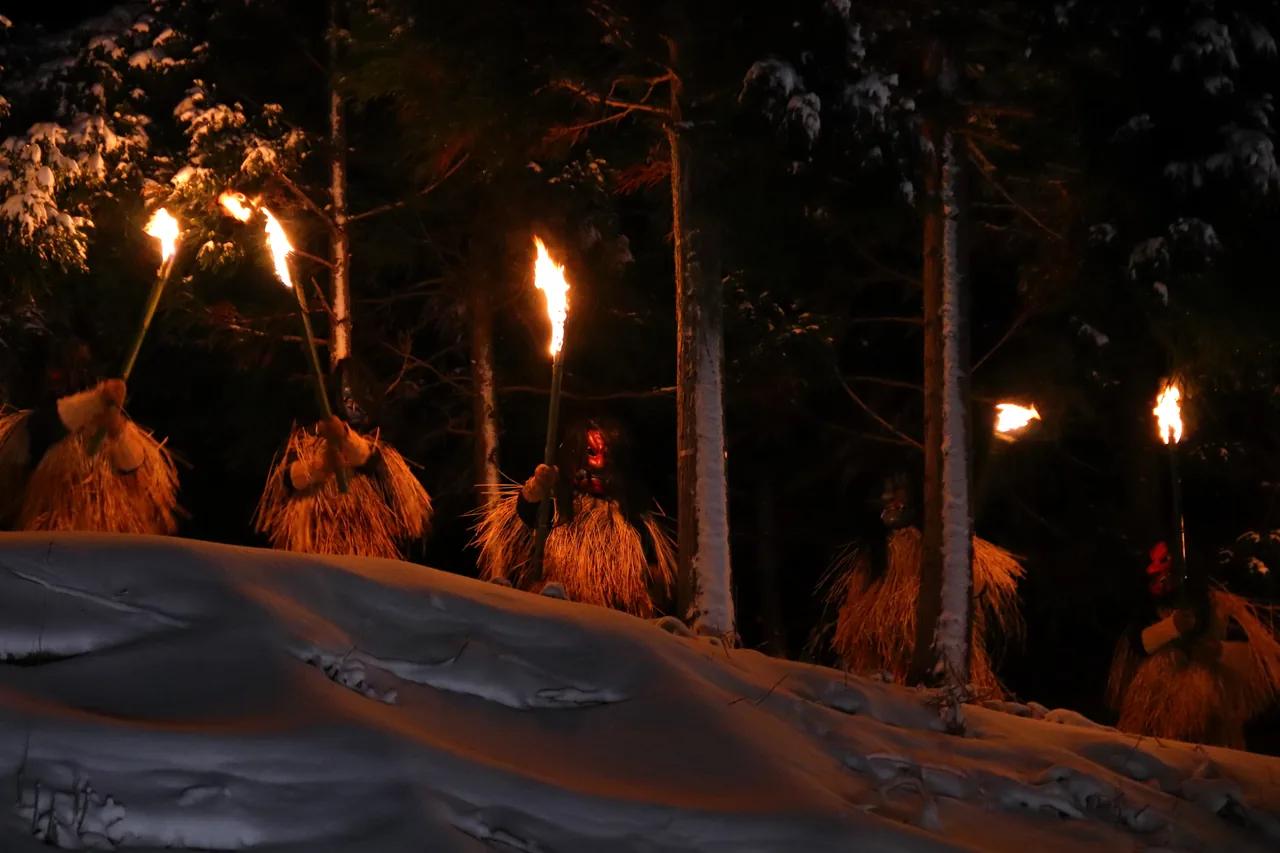
Photo: Akita Prefecture
Namahage Taiko at Oga Onsen
At Oga Onsen, on the north side of the peninsula, the Oga Onsen Koryu Kaikan "Gofu" hosts namahage taiko performances, in which drummers dressed as namahage pound Japanese drums. It is a stage show, separate from the traditional ritual, and an easy addition to an evening if you stay at Oga Onsen. Performance seasons and times change from year to year, so ask your inn or the venue.

Photo: Akita Prefecture
Kanpuzan and Hachibodai: Landscapes Made by Volcanoes
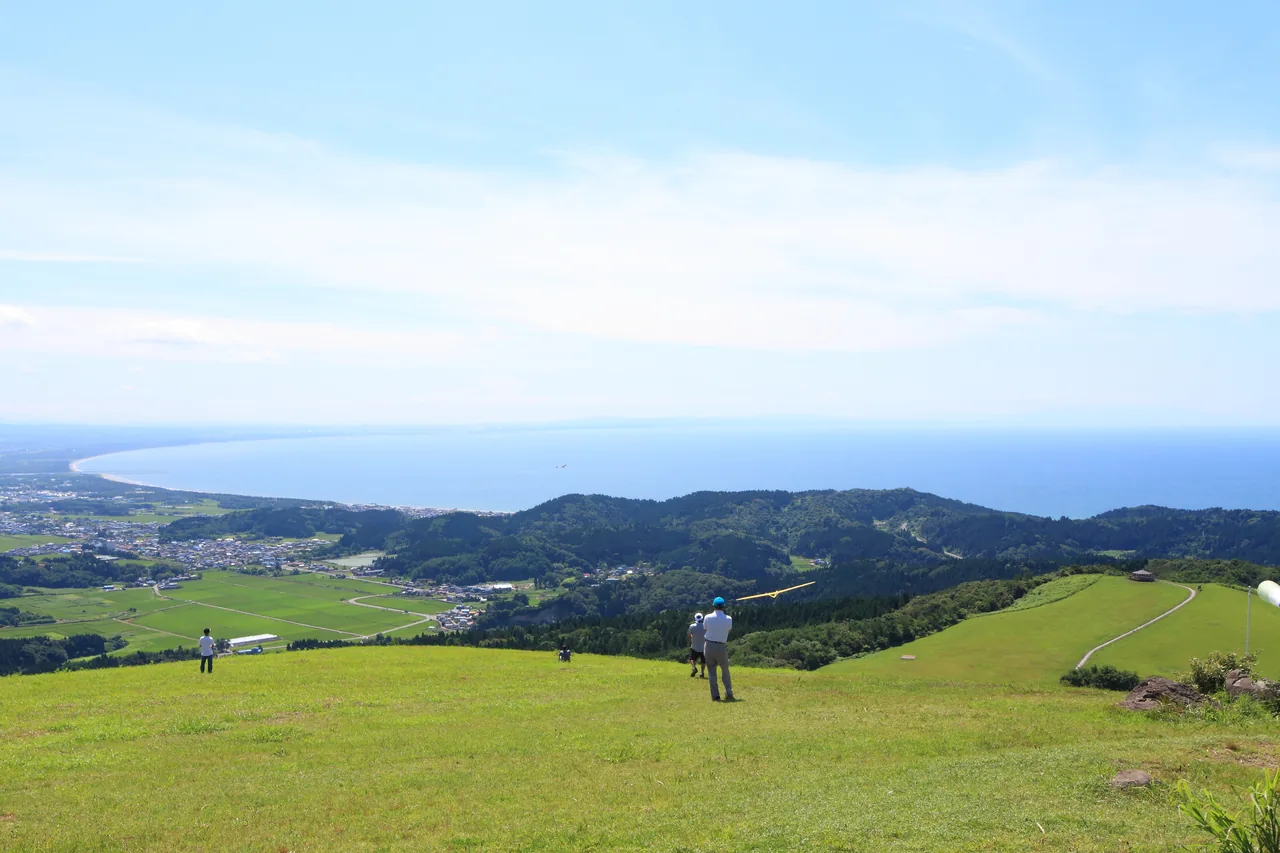
Kanpuzan, at the base of the peninsula, is a volcano covered entirely in grass. The observation room of the Kanpuzan Rotating Observatory on its summit turns slowly, making one full rotation in about 13 minutes, so from your seat you take in the rice fields of Ogata Village, the mountains of the peninsula and, on clear days, Mount Chokai and the Shirakami Mountains. The observatory closes in winter (from about early December to late March).
Hachibodai, on the western side of the peninsula, looks down on Toga Bay and the lakes Ichinomegata and Ninomegata. All are round craters (maars) formed by volcanic explosions, and you can see several of them from a single spot.
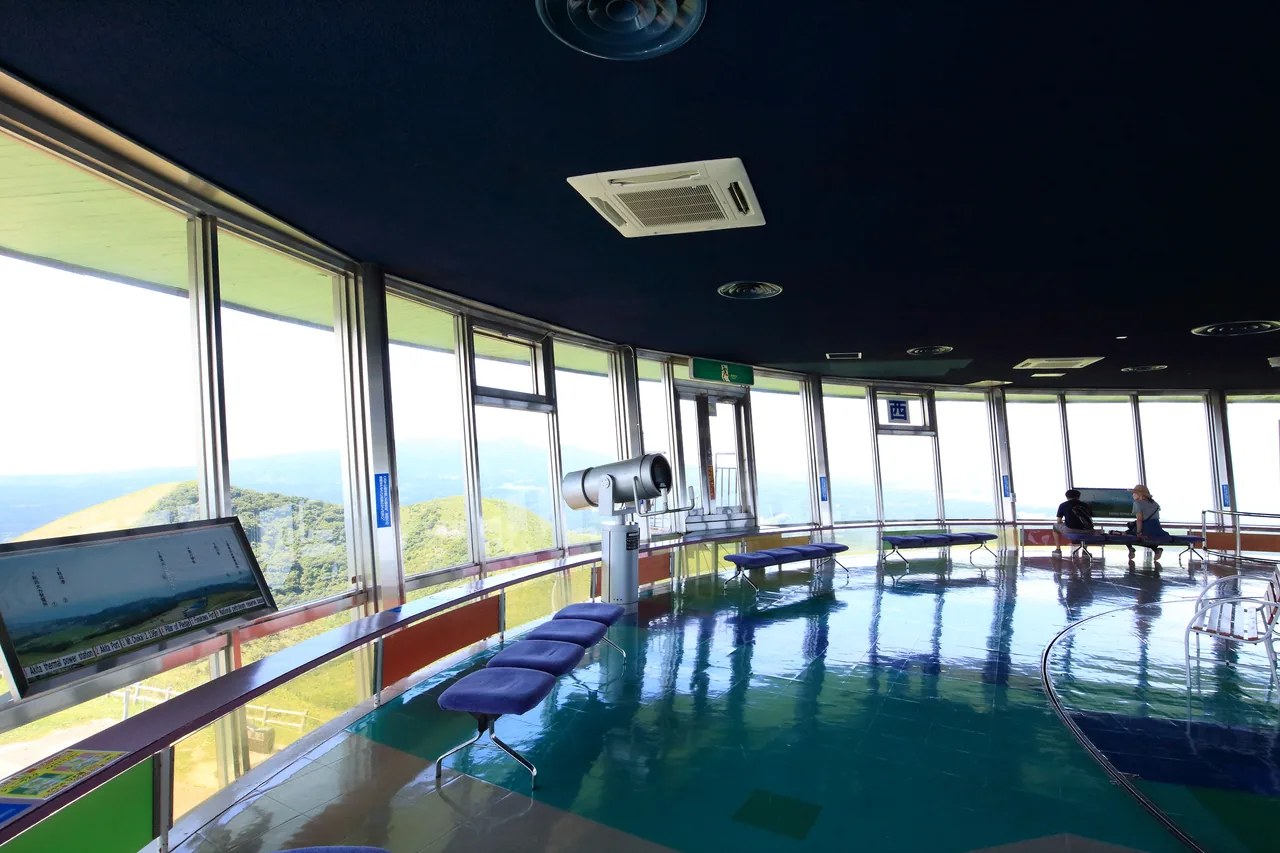
Photo: Akita Prefecture
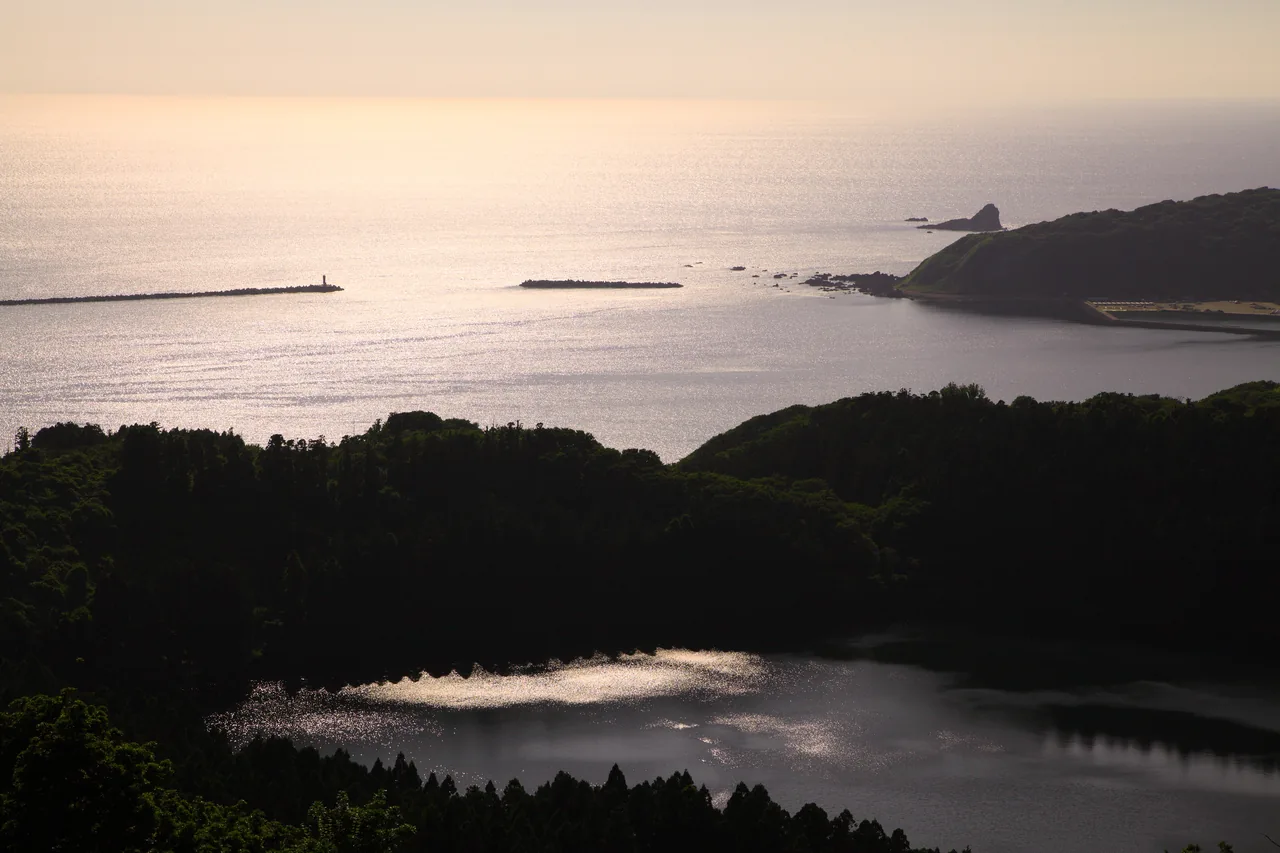
Photo: Akita Prefecture
Godzilla Rock and Nyudozaki Cape on the Sea of Japan
On the rocky shore of Shiosezaki, on the southwestern coast of the peninsula, stands Godzilla Rock, which looks like Godzilla when seen from the side. Some people come in the evening to photograph the setting sun lined up with its mouth.
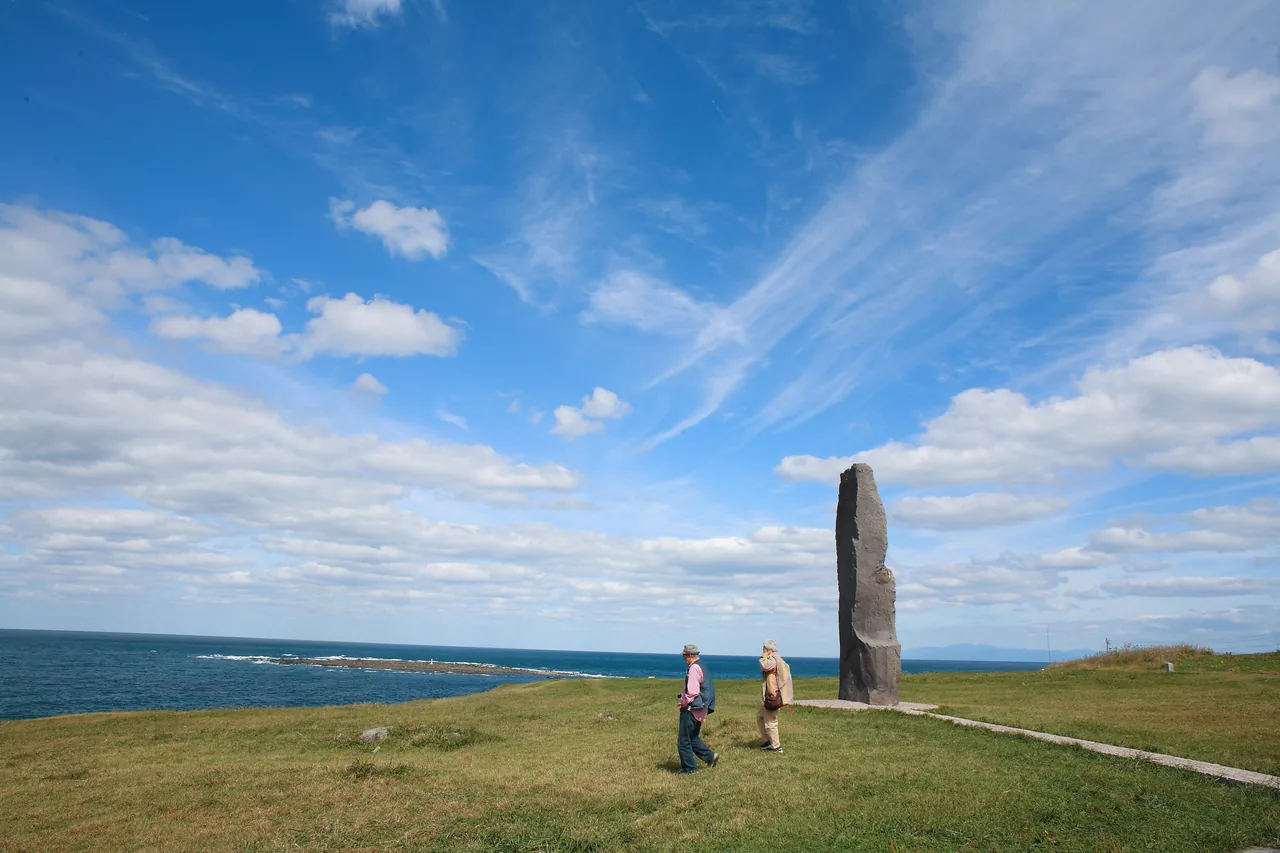
Nyudozaki, at the northwestern tip of the peninsula, is a cape where the black-and-white striped Nyudozaki Lighthouse stands beyond a grassy meadow. The 40th parallel north passes through here, and the meadow holds a 40°N monument built from stones of the Oga Peninsula. The lighthouse is one of those open to visitors who can climb to the top, but it may close in bad weather.
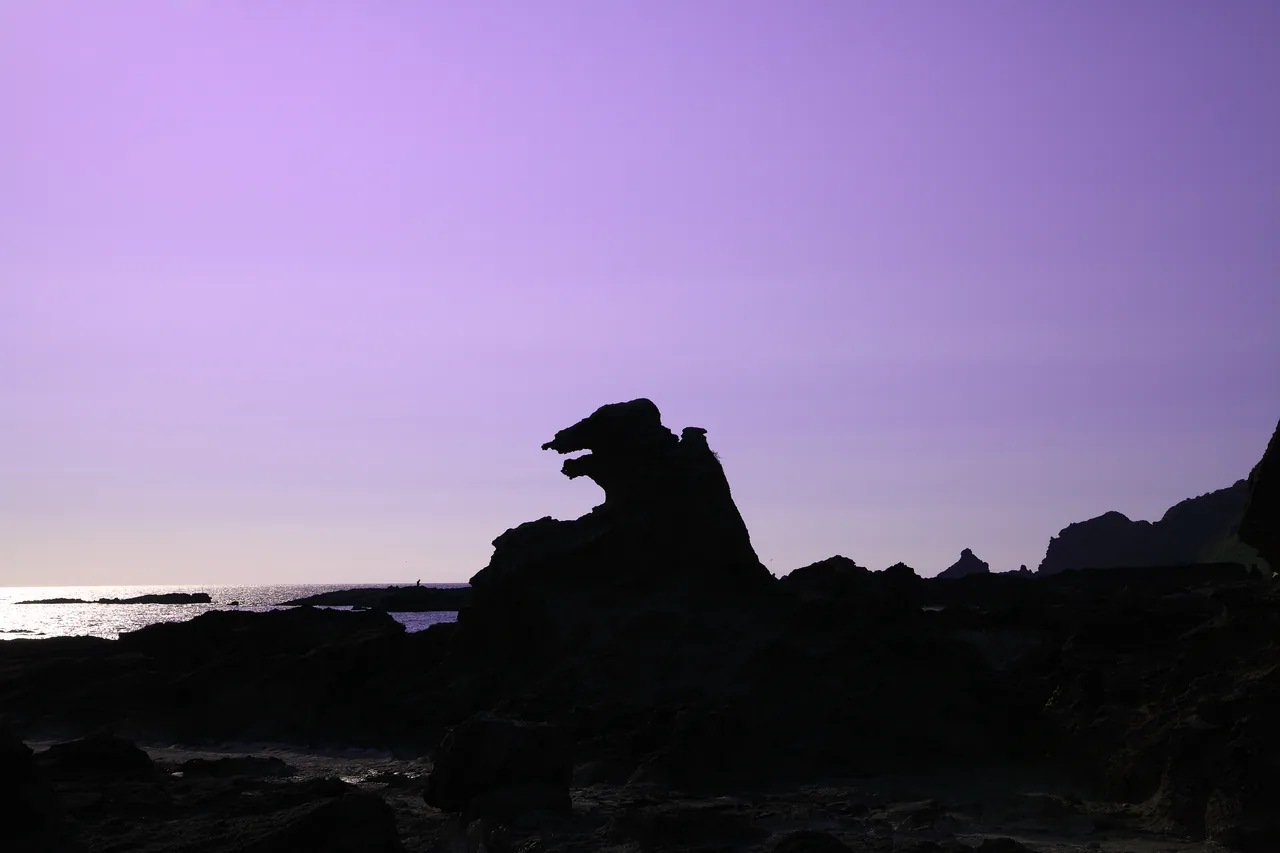
Photo: Akita Prefecture
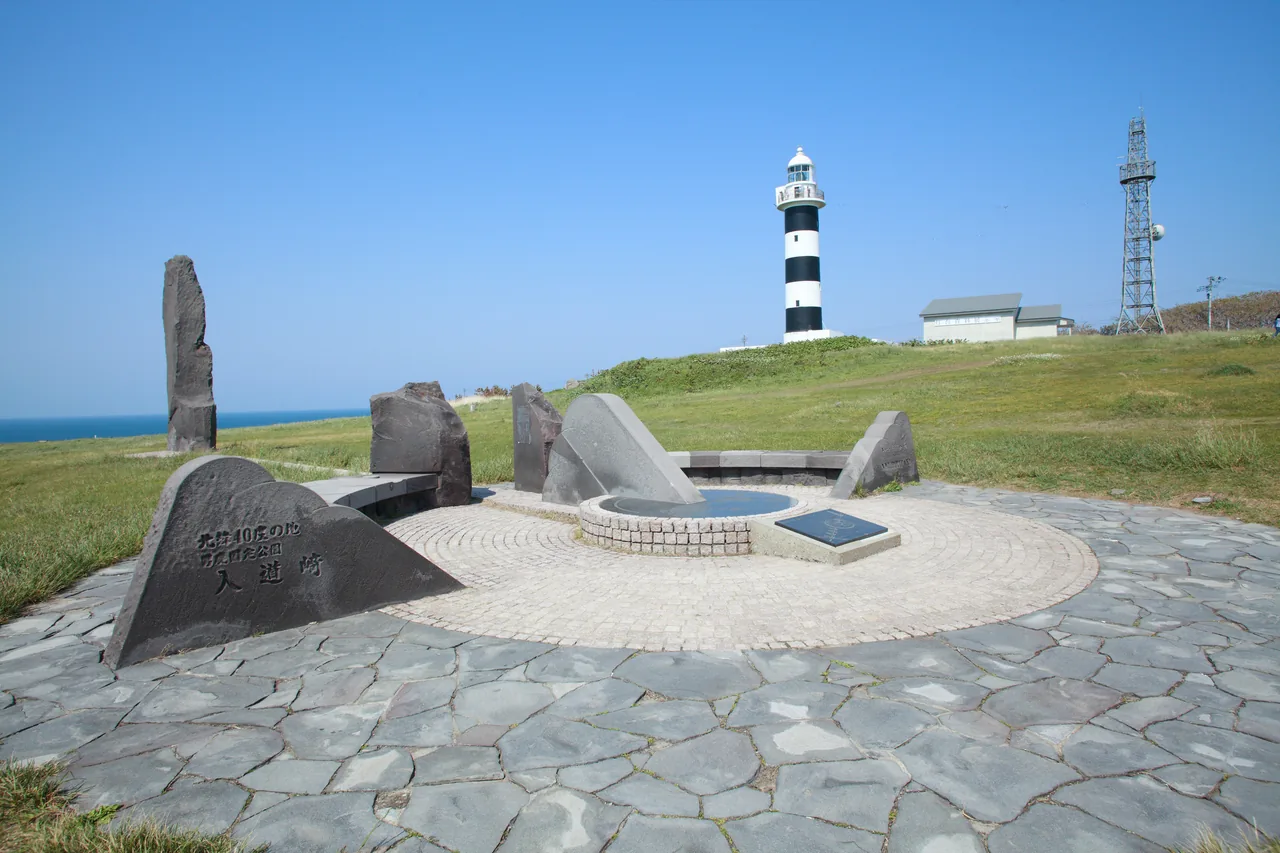
Photo: Akita Prefecture
Oga Aquarium GAO
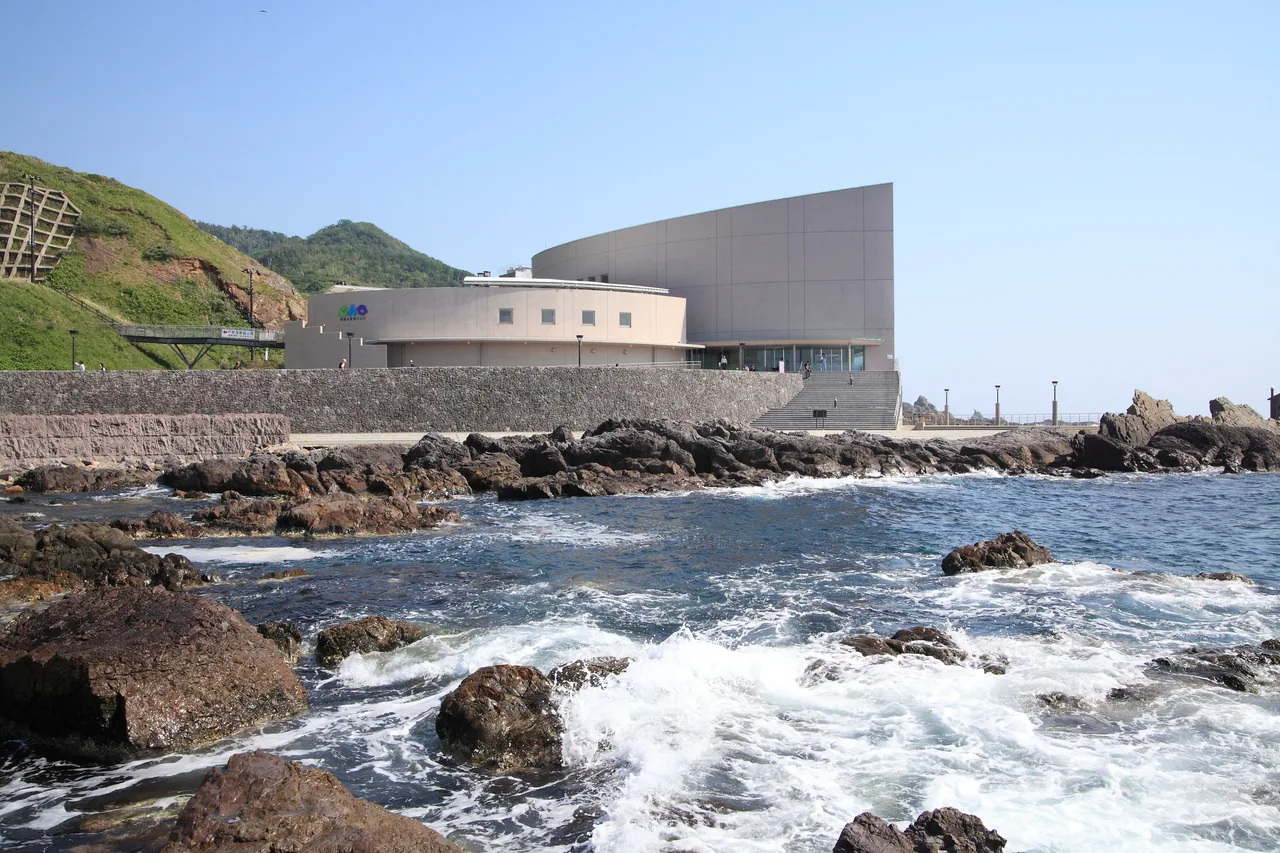
Facing Toga Bay, Oga Aquarium GAO is known for its wall-sized main tank and its polar bear exhibit. The whole building is barrier-free and easy to get around with a wheelchair or stroller, which also makes it a good choice on a rainy day. Opening hours and closing days change with the season, so check the official website.
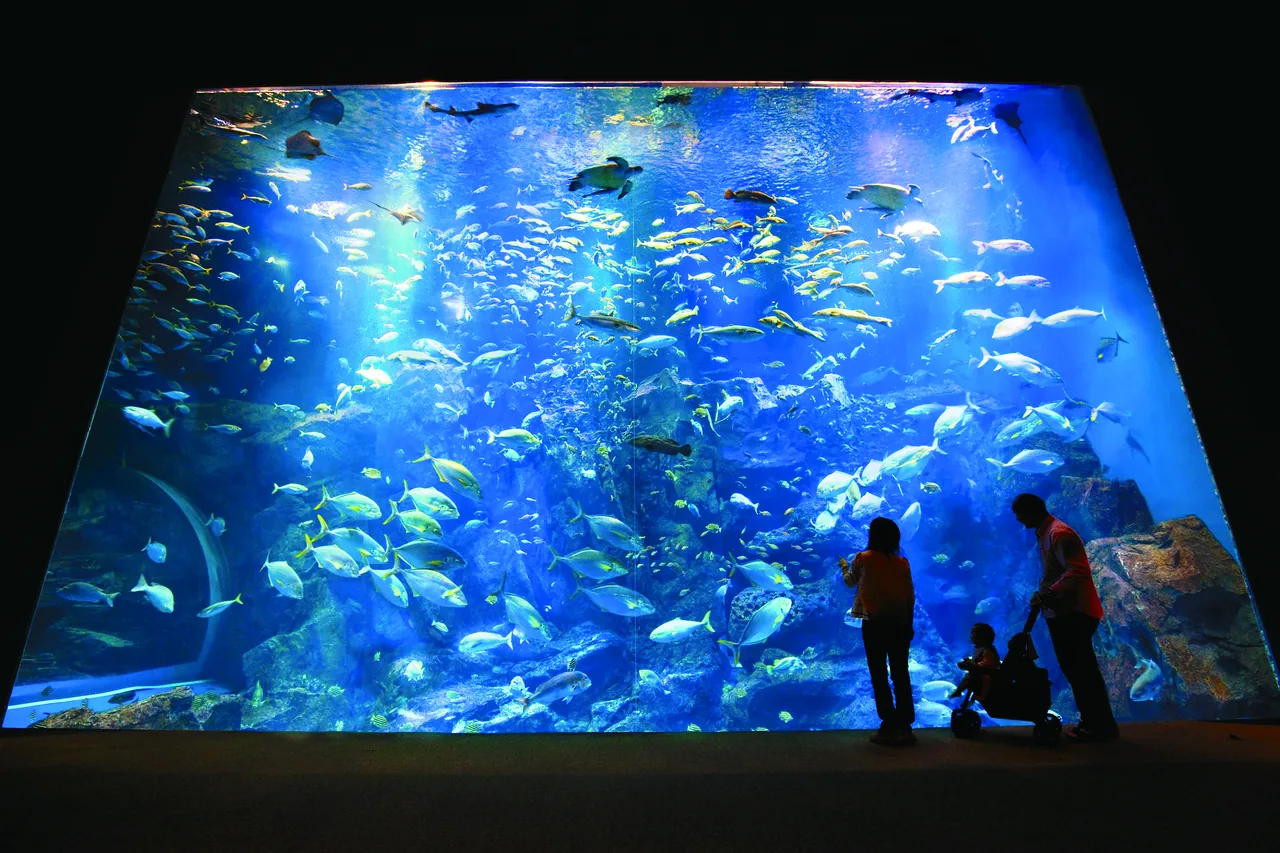
Photo: Akita Prefecture
Getting Around the Oga Peninsula
From Akita Station, the JR Oga Line takes about 55 minutes to its terminus at Oga Station. The sights are spread out and far from the station, and no regular bus serves the folklore museum, Namahage Museum and Shinzan Shrine in the Shinzan district. From Oga Station, the "Namahage Shuttle," a shared taxi that must be booked in advance, reaches the Shinzan area in about 25 minutes; bookings are handled by the Oga City Tourism Association. For Nyudozaki, take the Oga city bus "Nyudozaki Line" (some runs require reservations); for Oga Aquarium GAO, use the Oga Kita Line bus or the Namahage Shuttle.
Services are infrequent, so if you plan to cover the Shinzan district plus Nyudozaki and GAO in one day, work out the shuttle and bus times first. In summer the Namahage Shuttle also runs to the Kanpuzan Rotating Observatory. Check the latest schedules on the Oga City Tourism Association's Namahage Shuttle page. For more of Akita's winter events, see Akita's winter festivals.