Daisen Autumn Leaves and More: Mt. Daisen Through the Seasons
This guide is translated from the Japanese edition. Read the Japanese edition
Mt. Daisen in Tottori by season: autumn leaves at Kagikake Pass, the stone path to Ogamiyama Shrine, snow and skiing, a dairy farm and Hanakairo.
In late October, stand at the lookout on the pass and the yellows and reds of a beech forest spread out below a gray wall of rock. Mt. Daisen, in western Tottori Prefecture, is the highest mountain in the Chugoku region. You don't need to climb to the summit: from a mountain pass, a temple and shrine on its slopes, and a farm and flower park at its foot, Daisen looks different in every season. Starting from Yonago Station, here is where to go and when.
What kind of mountain is Daisen?
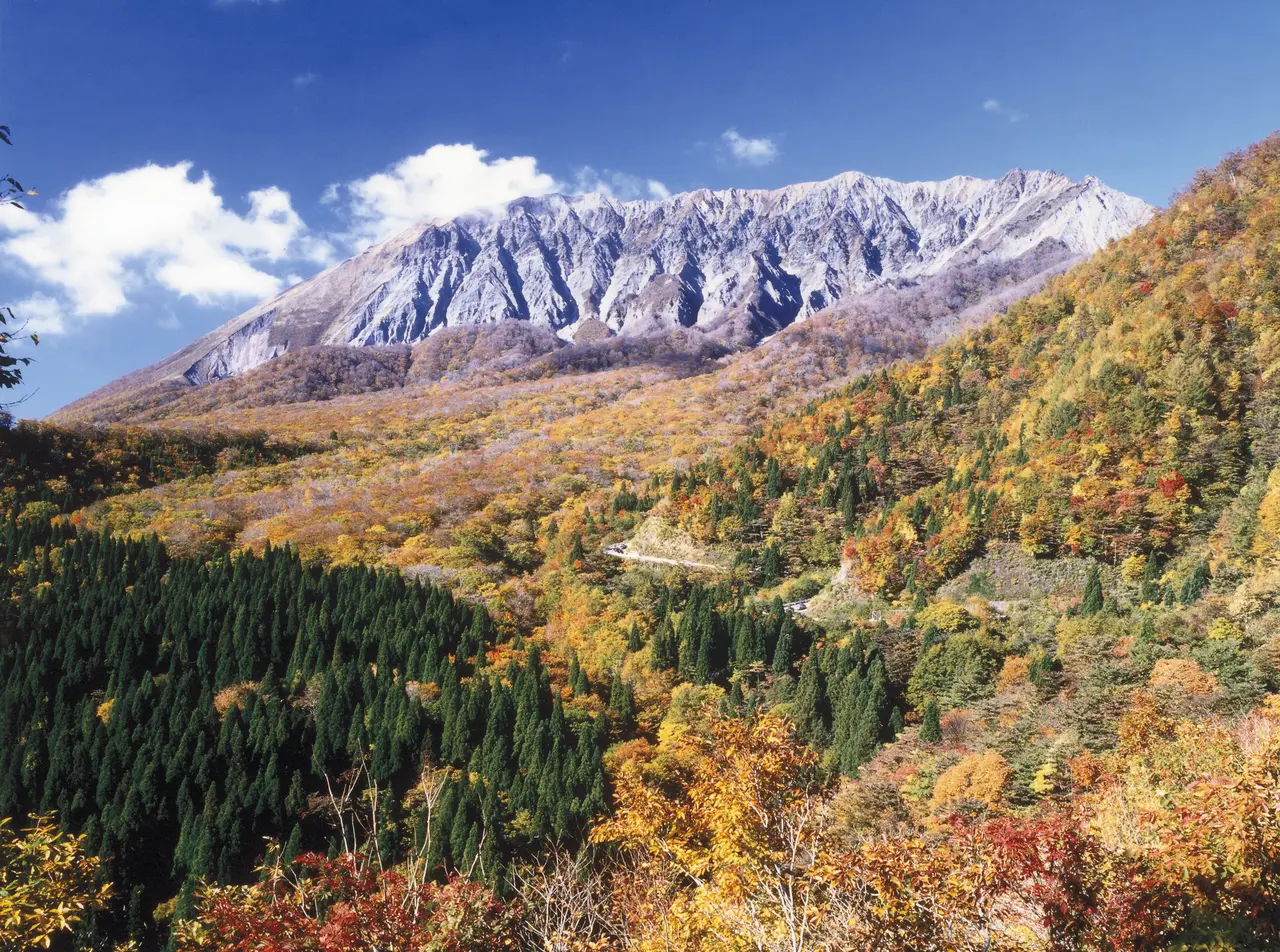
Daisen rises in the west of Tottori Prefecture and is the highest peak in the Chugoku region. It has long been a sacred mountain, and Daisen-ji Temple and the Okunomiya of Ogamiyama Shrine stand on its slopes.
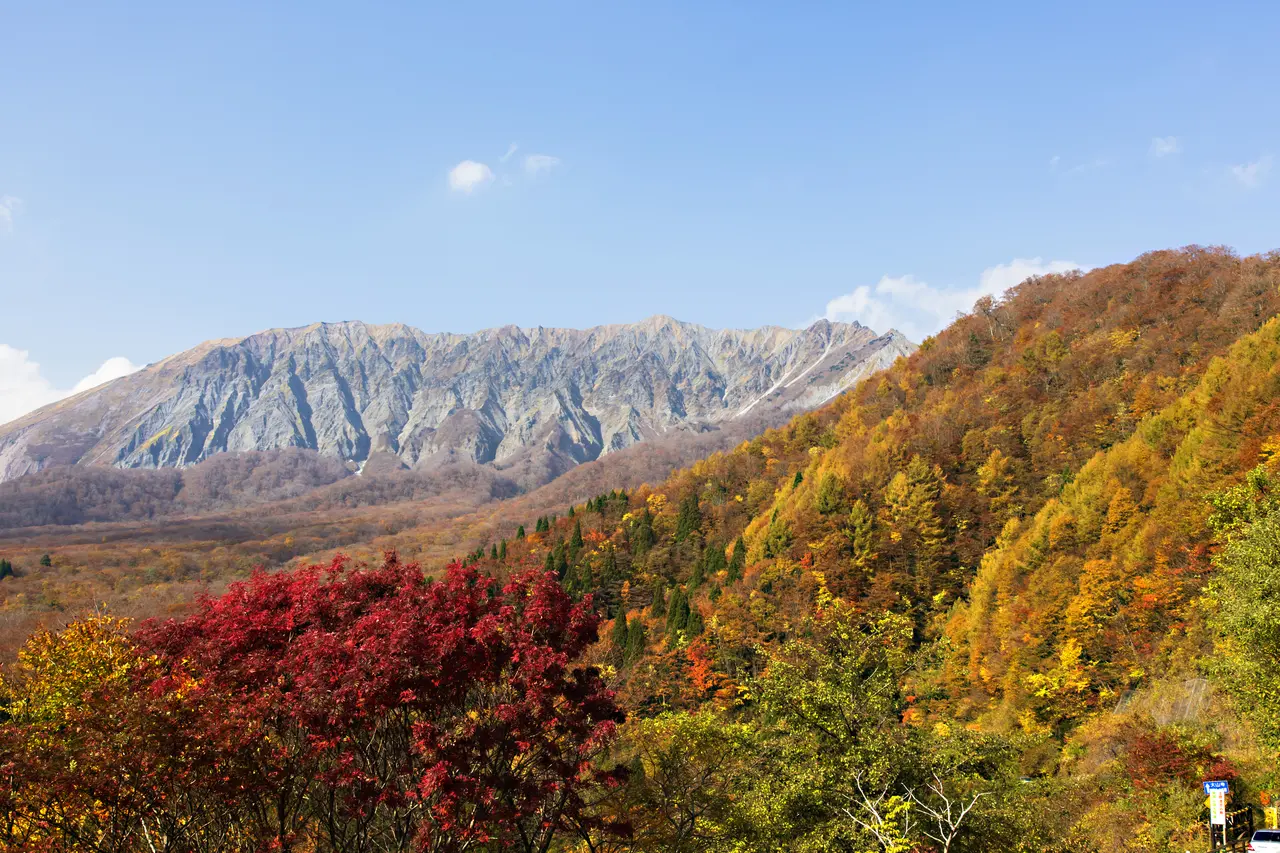
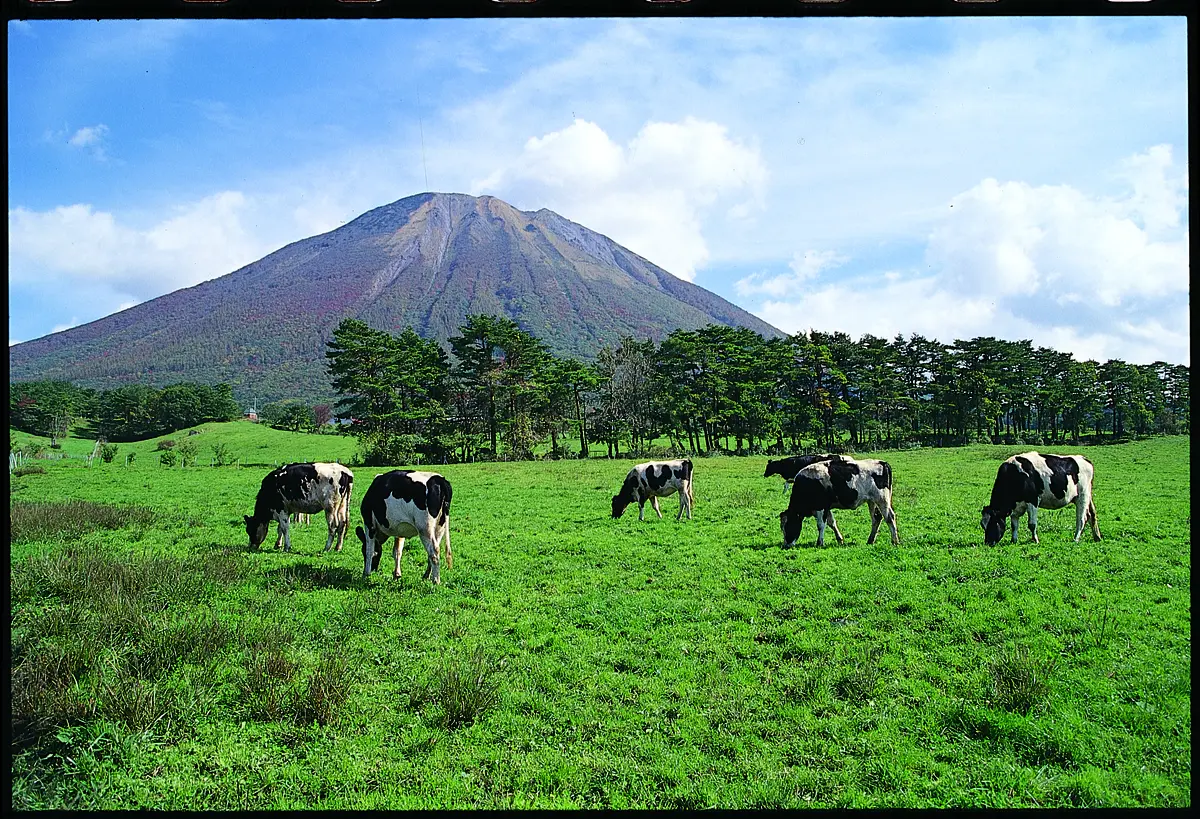
The mountain changes shape dramatically depending on where you look from. From Kagikake Pass on the south side you see a jagged rock wall; from the farmland on the west side, a broad cone with long, gentle slopes. The photo at the top shows Daisen in autumn from Kagikake Pass.
Autumn: the south face from Kagikake Pass
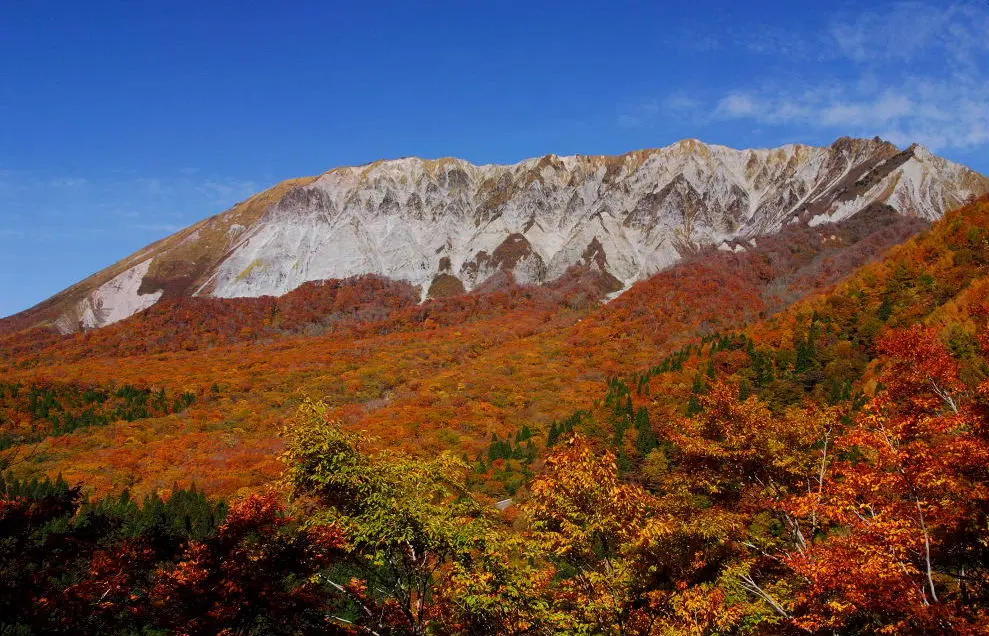
Photo: ©Tottori Pref.
The first place people name for Daisen's autumn leaves is Kagikake Pass in Kofu Town. From the pass, at about 900 meters above sea level, you look straight at the craggy south face of Daisen and the beech forest spread beneath it.
The leaves are usually at their best from late October to mid-November. Timing shifts from year to year, so check Tottori Prefecture's autumn leaves updates before you go.
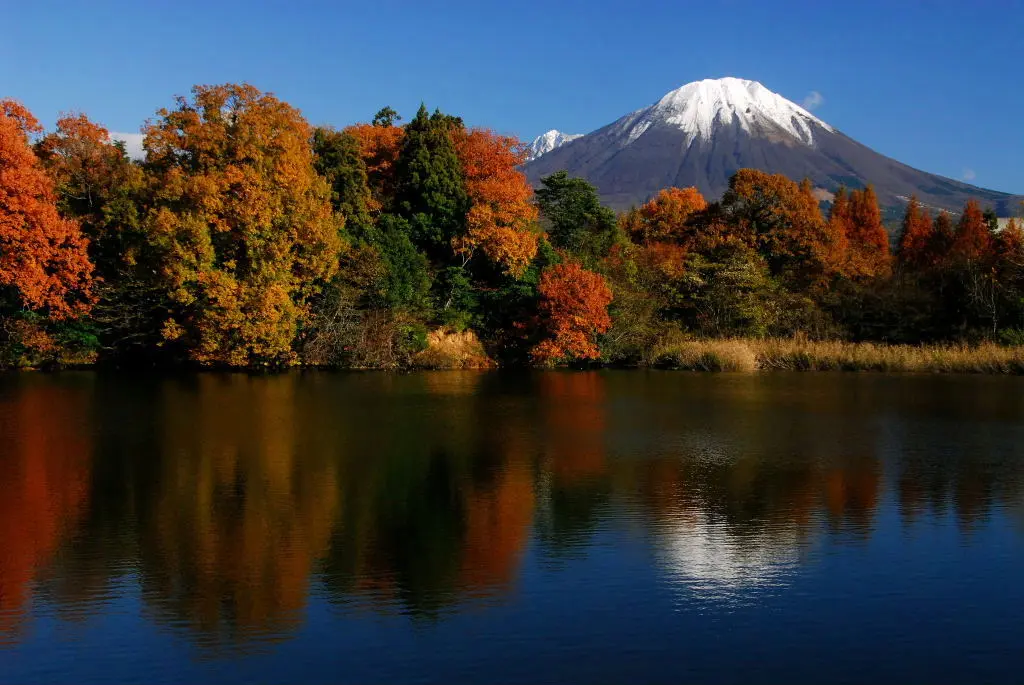
Photo: ©Tottori Pref.
As in this photo, you may even catch the autumn trees and a snow-capped Daisen together.
Daisen-ji Temple and Ogamiyama Shrine: walking the stone path
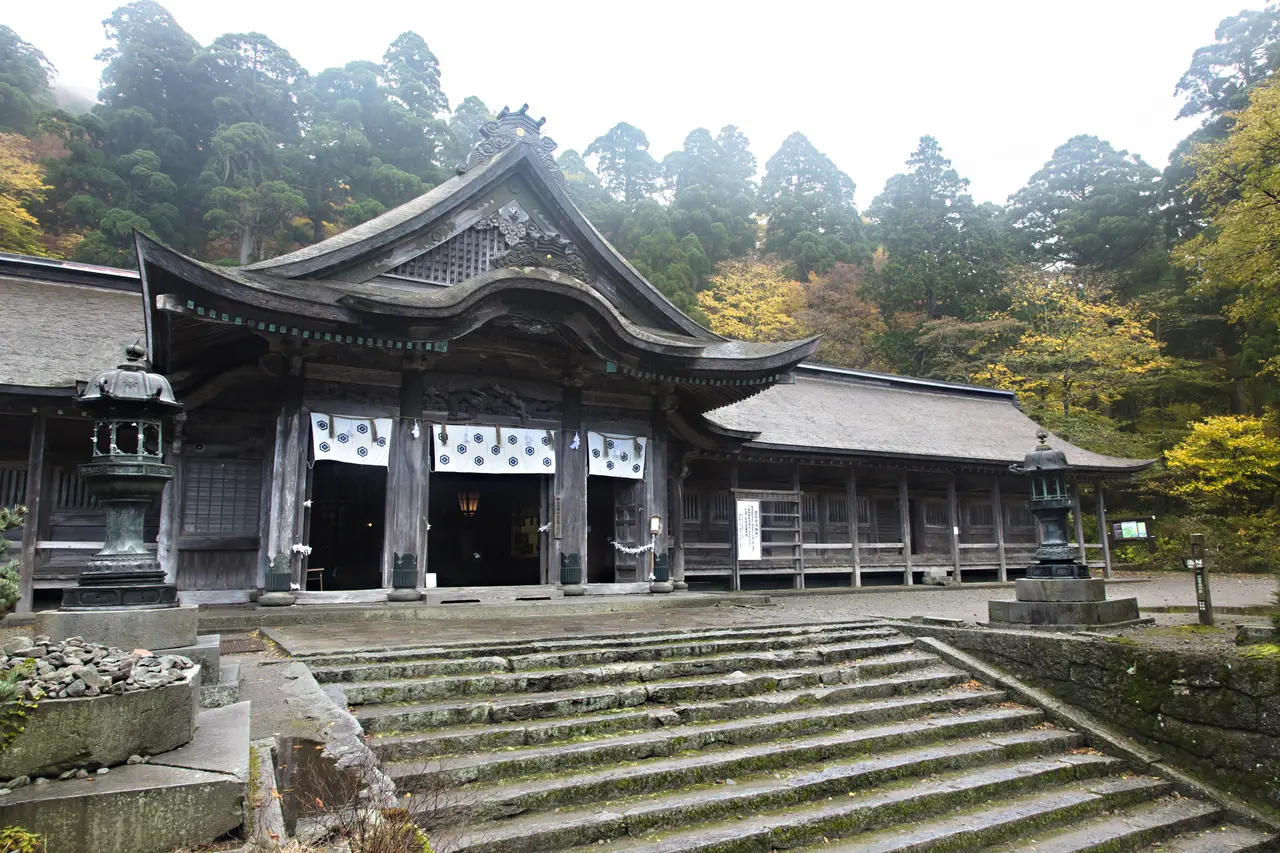
Partway up the mountain is Daisen-ji Temple, founded in 718 according to temple tradition. Beyond it, a path of natural stones about 700 meters long climbs to the Okunomiya (inner shrine) of Ogamiyama Shrine. The path is one of the longest natural-stone approaches in Japan, and the shrine building at the top, in the gongen-zukuri style, is a national Important Cultural Property.
From JR Yonago Station, take a local bus bound for Daisen-ji for about 50 minutes and get off at the "Daisenji" stop. In winter the path can be covered in snow; the shrine posts updates on its condition.
Winter: snowy Daisen and the ski slopes
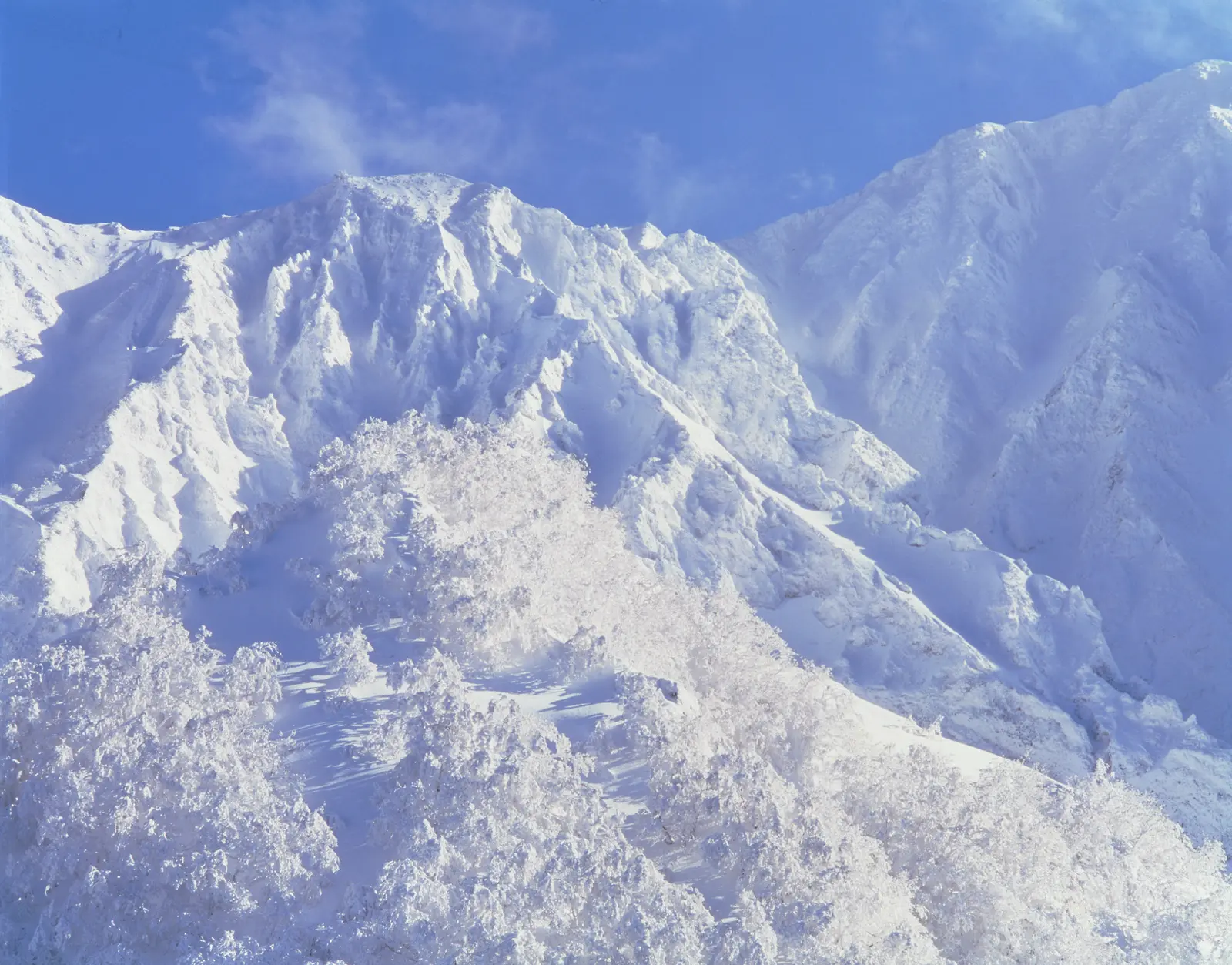
Photo: ©Tottori Pref.
In winter, Daisen's rock walls and forests turn white. The south face that glowed with color in autumn becomes a different mountain of snow and ice.
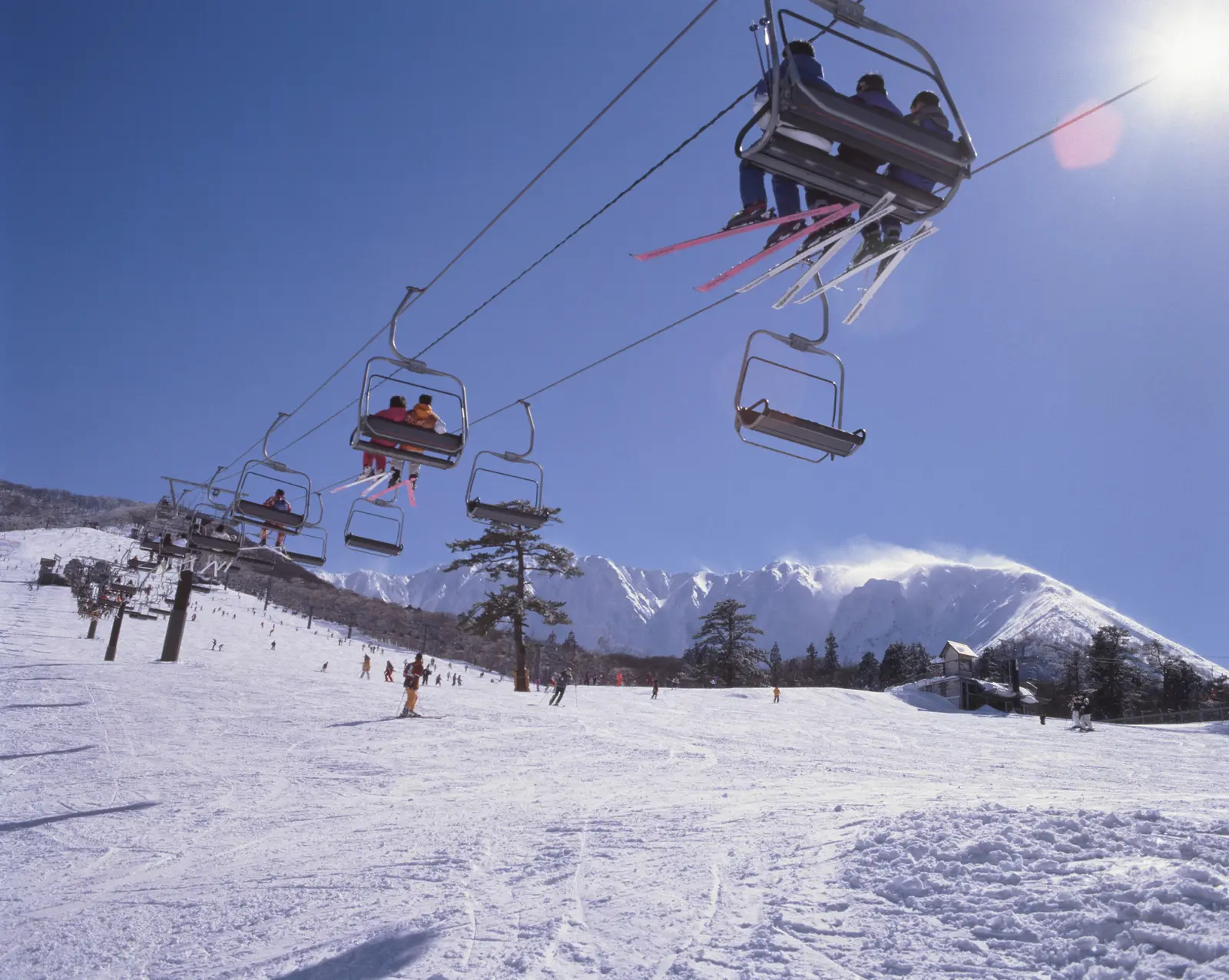
Photo: ©Tottori Pref.
The north slope, where Daisen-ji stands, has ski slopes that fill with skiers and snowboarders in winter. Mountain roads turn snowy in winter, so if you drive, you need winter tires. Check official information for the ski season and winter bus schedules.
Spring to autumn: Daisen Makiba Milk Village
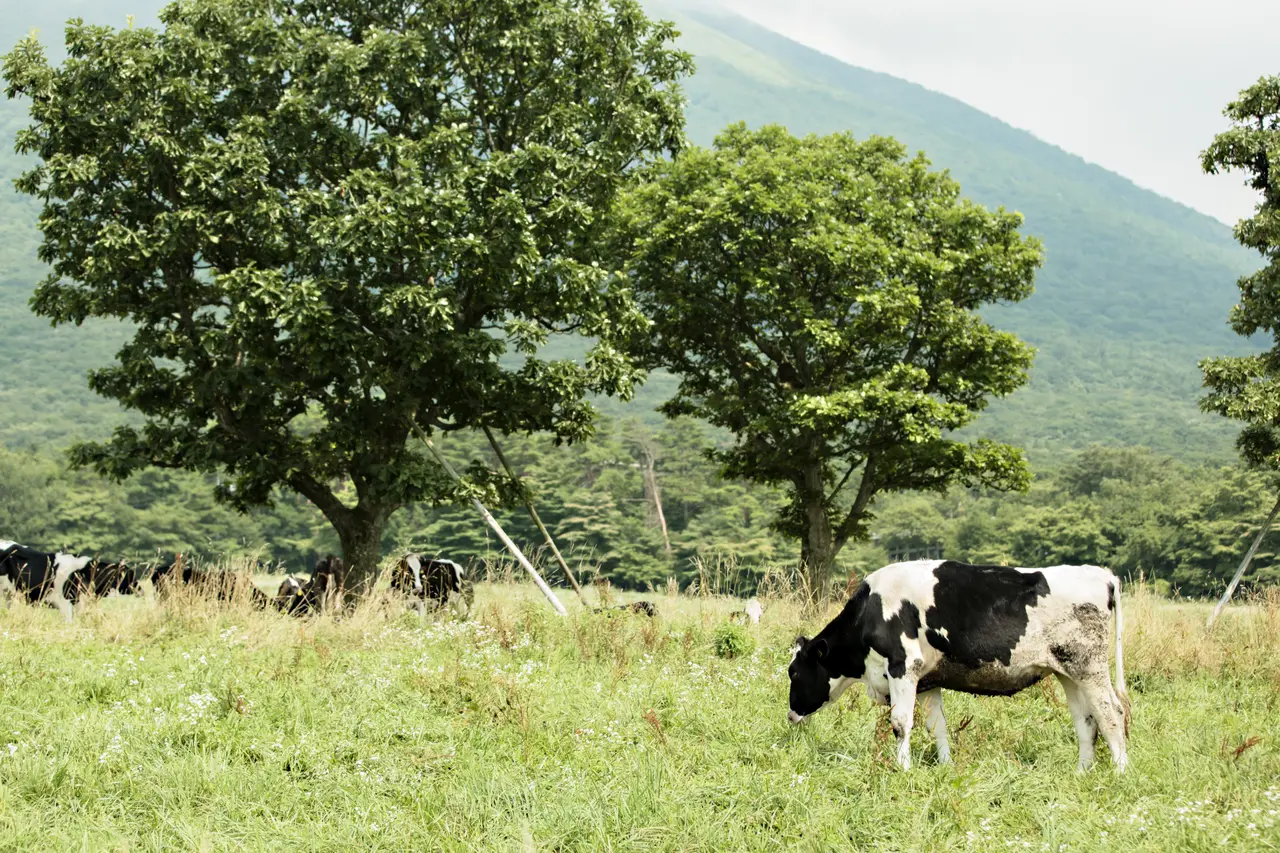
Photo: ©Tottori Pref.
Daisen Makiba Milk Village, on Daisen's western foothills in Hoki Town, is a farm where you can see Daisen beyond pastures full of grazing cows. You can also try dairy treats such as soft-serve ice cream made with the farm's milk.
There is a period in winter when it is not open, so check the season dates on the official website before you go.
Year-round: Tottori Hanakairo Flower Park
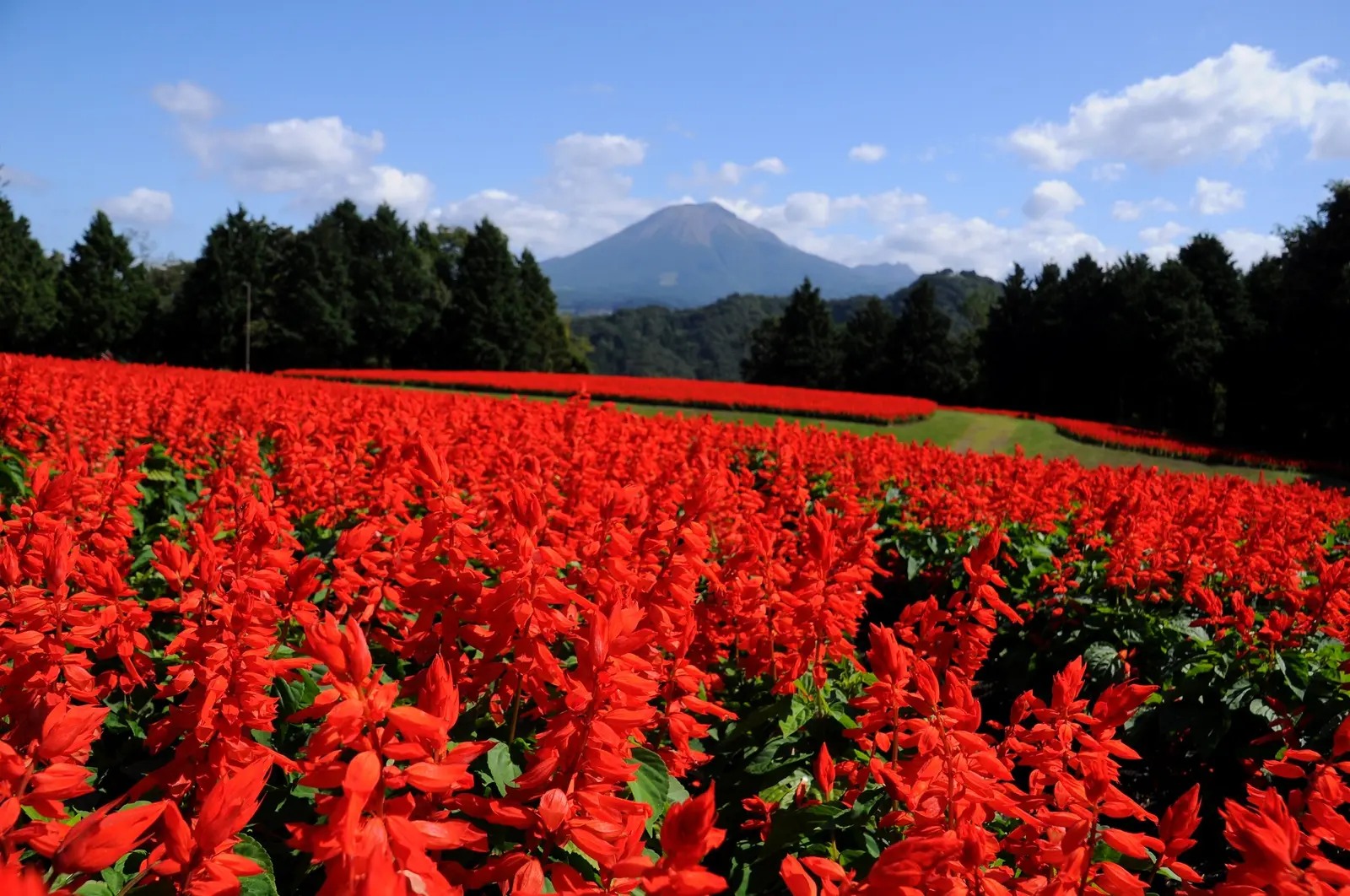
Photo: ©Tottori Hanakairo Flower Park
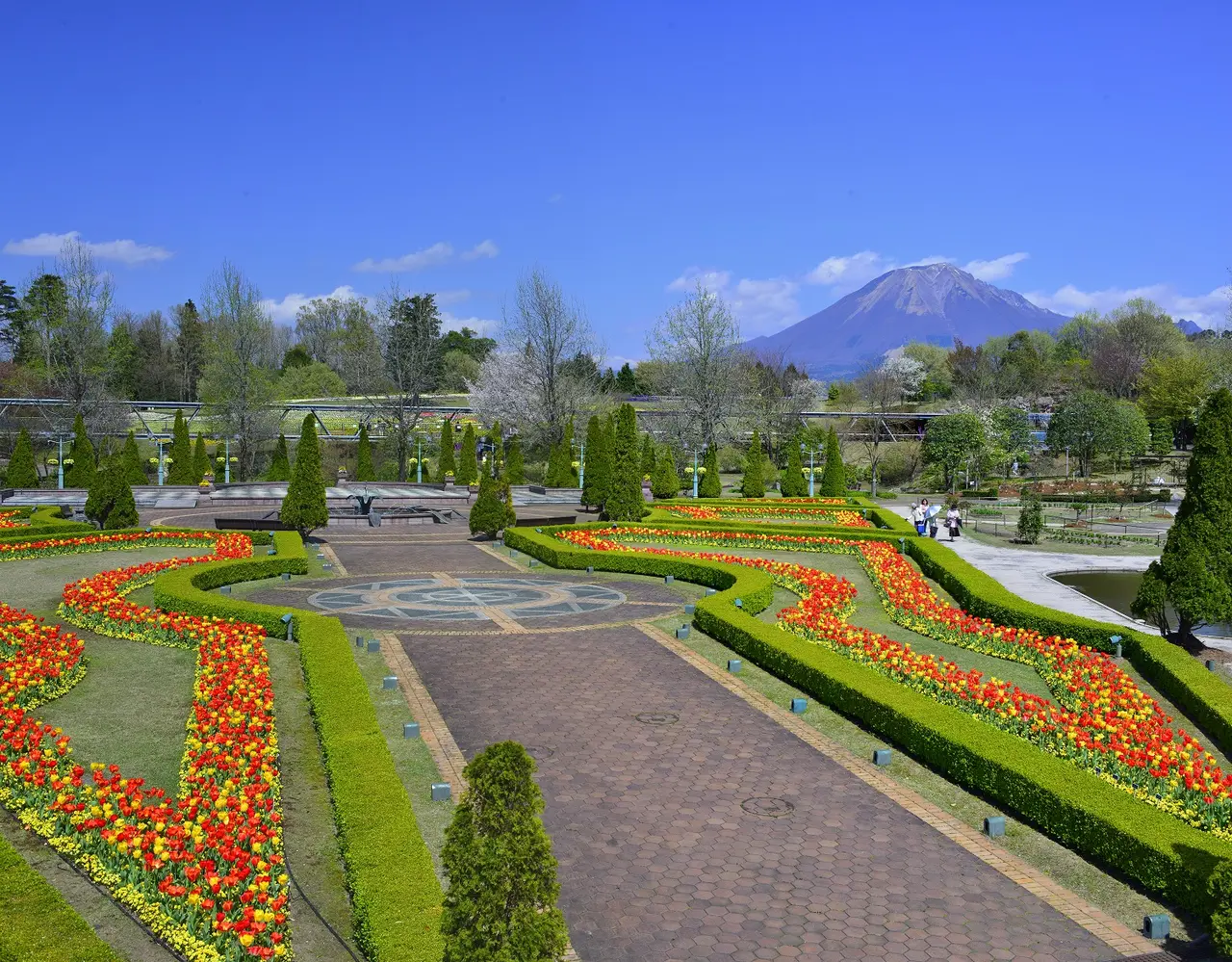
Tottori Hanakairo in Nanbu Town is one of the largest flower parks in Japan. A roofed walkway loops around the grounds, and a large glass greenhouse called the Flower Dome means there are flowers to see even on rainy days and in winter. The main flower changes with the seasons, from tulips in spring to salvia from summer into autumn and cosmos in autumn, and Daisen appears behind many of the flower fields. In winter the park also holds an illumination event, with dates announced each year.
A free shuttle bus runs from the JR Yonago Station bus terminal to Hanakairo, taking about 25 minutes direct. The number of buses changes with the season.
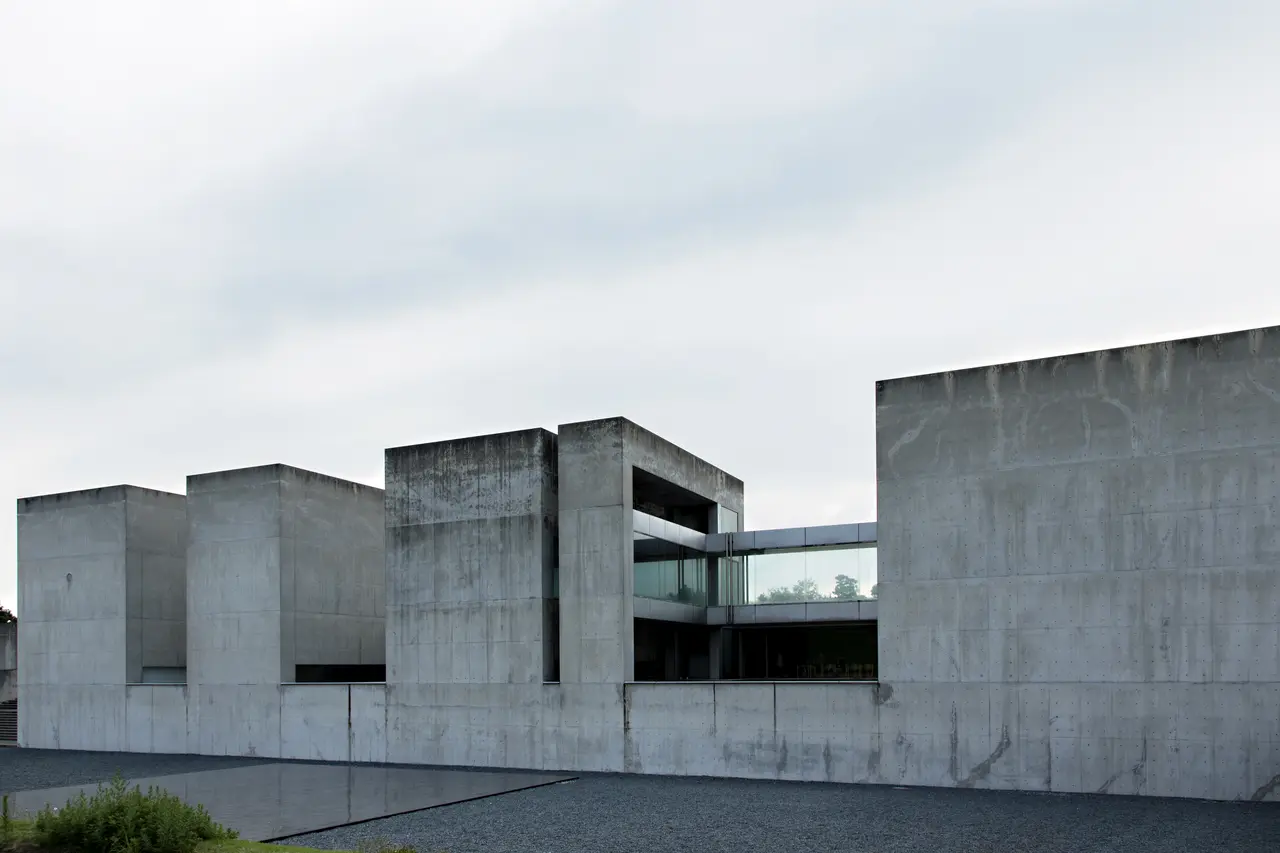
Shoji Ueda Museum of Photography: a building that frames Daisen
The Shoji Ueda Museum of Photography in Hoki Town shows the work of photographer Shoji Ueda. The building, designed by architect Shin Takamatsu, opened in 1995. Another highlight is "upside-down Daisen," the mountain reflected in the water in front of the museum.
The museum closes for a period in winter. If you plan a winter visit, be sure to check that it is open.
Getting around by season
- Autumn (late October to mid-November): the leaves at Kagikake Pass and the stone path to Daisen-ji and Ogamiyama Shrine.
- Winter: the ski slopes and snowy Daisen. The Flower Dome at Hanakairo has flowers even in winter.
- Spring to autumn: Milk Village, Hanakairo and the Shoji Ueda Museum, all on Daisen's west side.
For more, see the pages for Mt. Daisen, Ogamiyama Shrine Okunomiya, Daisen Makiba Milk Village, Tottori Hanakairo and the Shoji Ueda Museum of Photography. Kaike Onsen on the Sea of Japan is a convenient place to stay (Tottori onsen guide).