Tottori Onsen Guide: Misasa, Kaike, Hawai and Iwai Hot Springs
This guide is translated from the Japanese edition. Read the Japanese edition
Choosing a Tottori onsen: radon-rich Misasa, seaside Kaike, Hawai on Lake Togo and Iwai with its yukamuri custom, plus how to get to each.
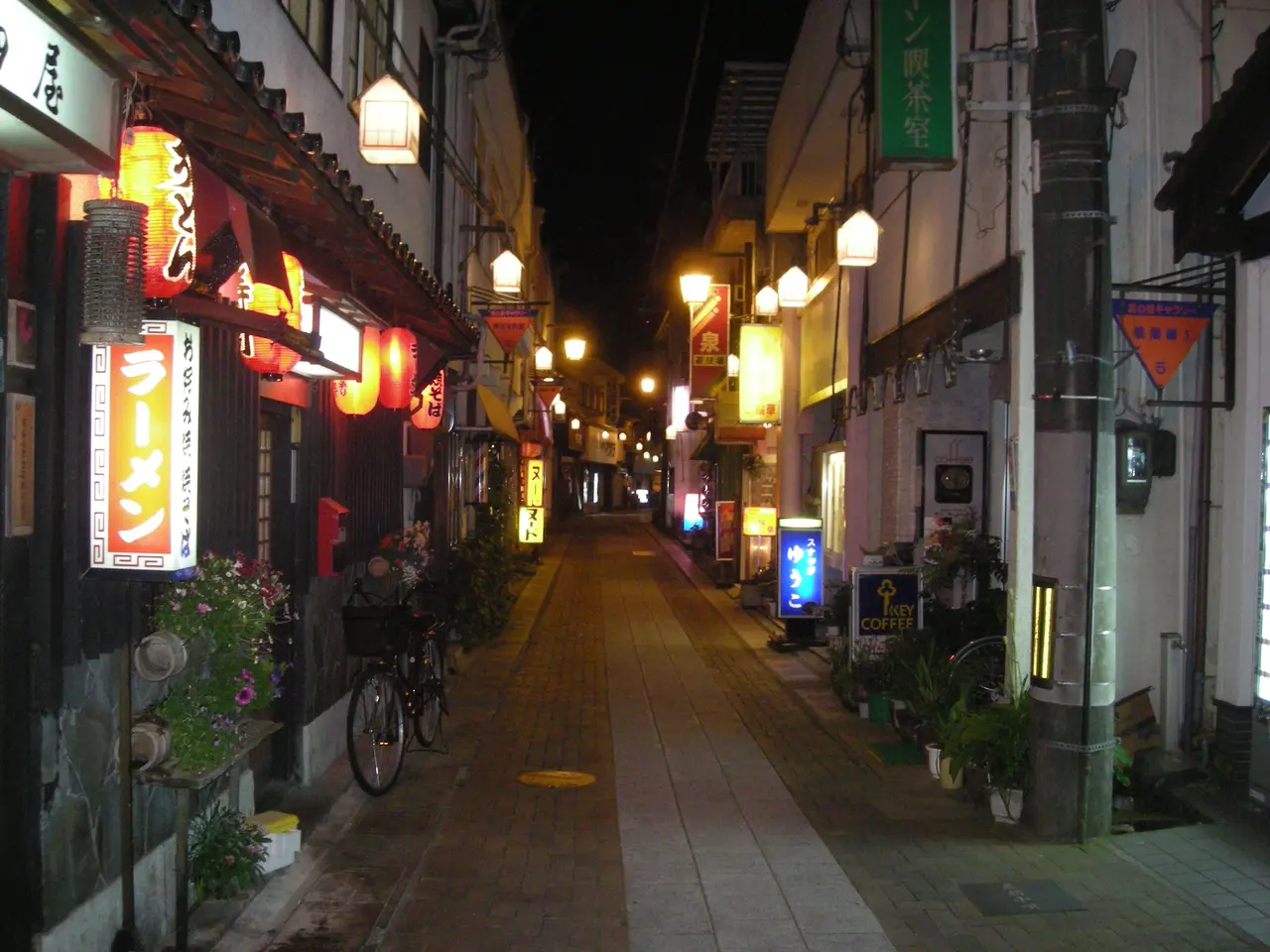
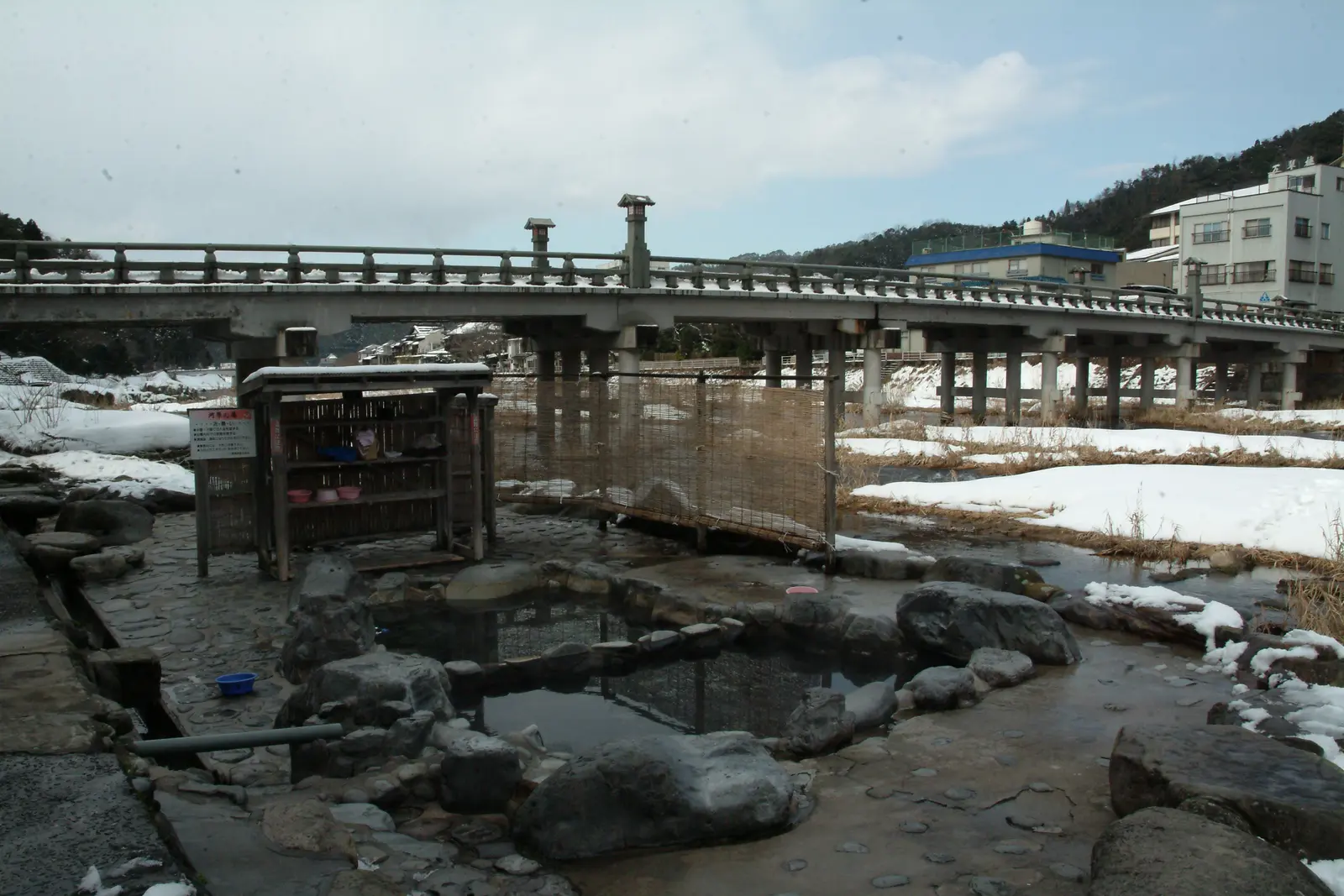
Steam rises from an open-air bath at the foot of a bridge, on a riverbank still patched with snow. Tottori Prefecture has hot spring towns in very different settings, by a river, on the sea, on a lakeshore and in a mountain valley, scattered from the east of the prefecture to the west. Misasa, Kaike, Hawai and Iwai can all be reached by bus or car from a JR station. The water and the feel of each town differ, so you can pick one to suit your route and how you want to spend your time.
Where are the four hot springs?
Tottori is long and narrow from east to west, and its onsen towns are spread across it.
| Onsen | Location | What it's like | Nearest station |
|---|---|---|---|
| Misasa Onsen | Central Tottori, Misasa Town | Ryokan along the Mitoku River; radon-rich water | JR Kurayoshi Station |
| Hawai Onsen | Central Tottori, Yurihama Town | West shore of Lake Togo; water rising from the lakebed | — |
| Kaike Onsen | Western Tottori, Yonago City | Onsen town facing the Sea of Japan | JR Yonago Station |
| Iwai Onsen | Eastern Tottori, Iwami Town | Small town in a mountain valley; yukamuri custom | JR Iwami Station |
If you are visiting the Tottori Sand Dunes, Iwai in the east is handy. For Mt. Daisen or Sakaiminato, stay at Kaike in the west. For Kurayoshi's white-walled storehouses or Mt. Mitoku, Misasa and Hawai in the center are the convenient choices.
Misasa Onsen: radon-rich water and a riverside bath
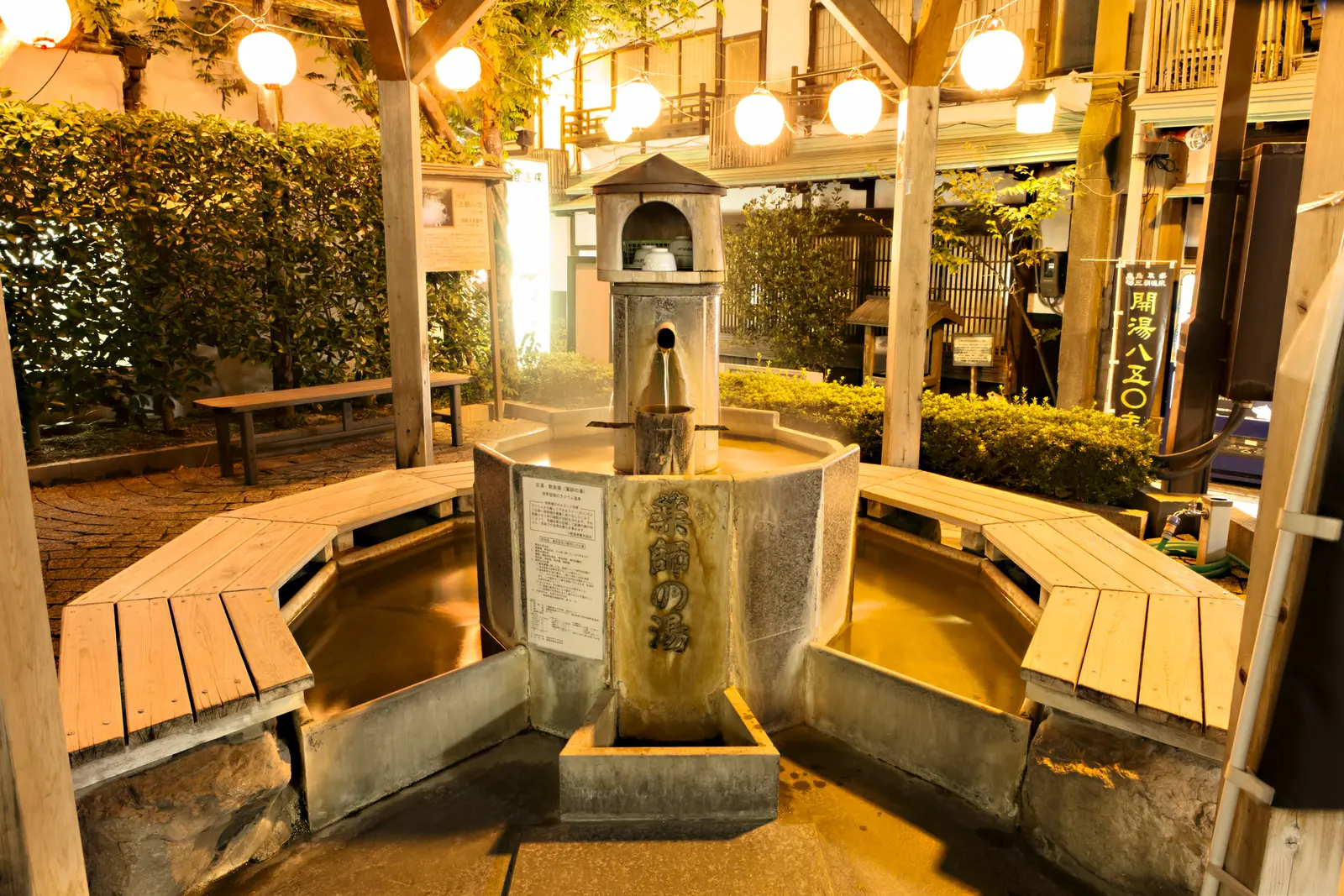
Photo: ©Tottori Pref.
Misasa Onsen is a hot spring town with ryokan lining both banks of the Mitoku River. Its water is known for its high content of radon, a radioactive gas.
The town's best-known sight is the Kawara-buro, an open-air bath on the riverbank at the foot of Misasa Bridge. It sits in the open, between the river and the bridge, and is mixed-gender. People cross the bridge overhead, so if that bothers you, start with one of the town's foot baths instead. There are several, including Kabuyu, Yakushi-no-yu and Kajika-no-yu.
From JR Kurayoshi Station, a local bus takes about 20 minutes to the last stop, "Misasa Onsen," in the middle of town. Mt. Mitoku, known for a temple hall built into a cliff, and Kurayoshi's white-walled storehouses are also in central Tottori.
Kaike Onsen: an onsen town on the Sea of Japan
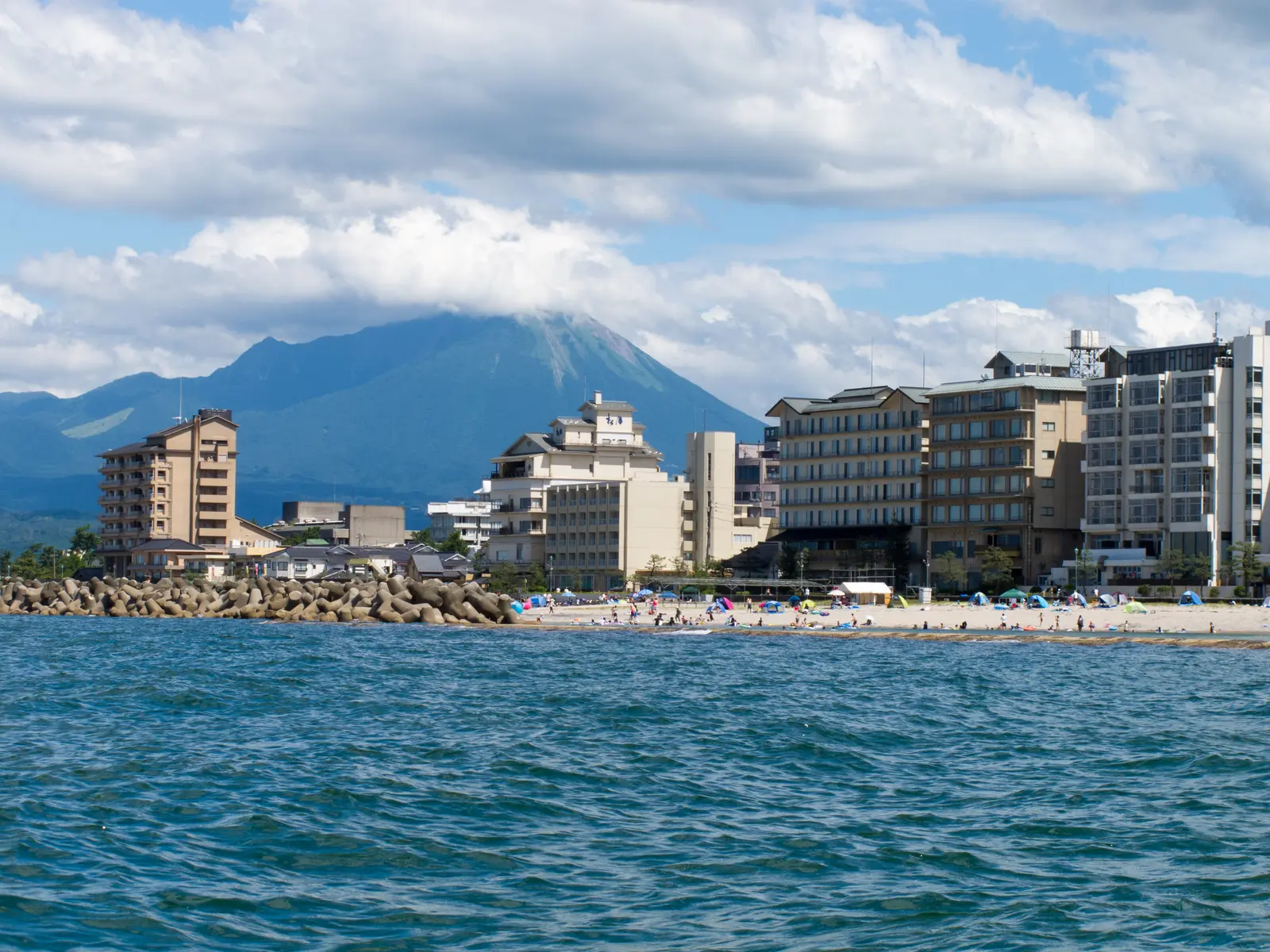
Photo: ©Tottori Pref.
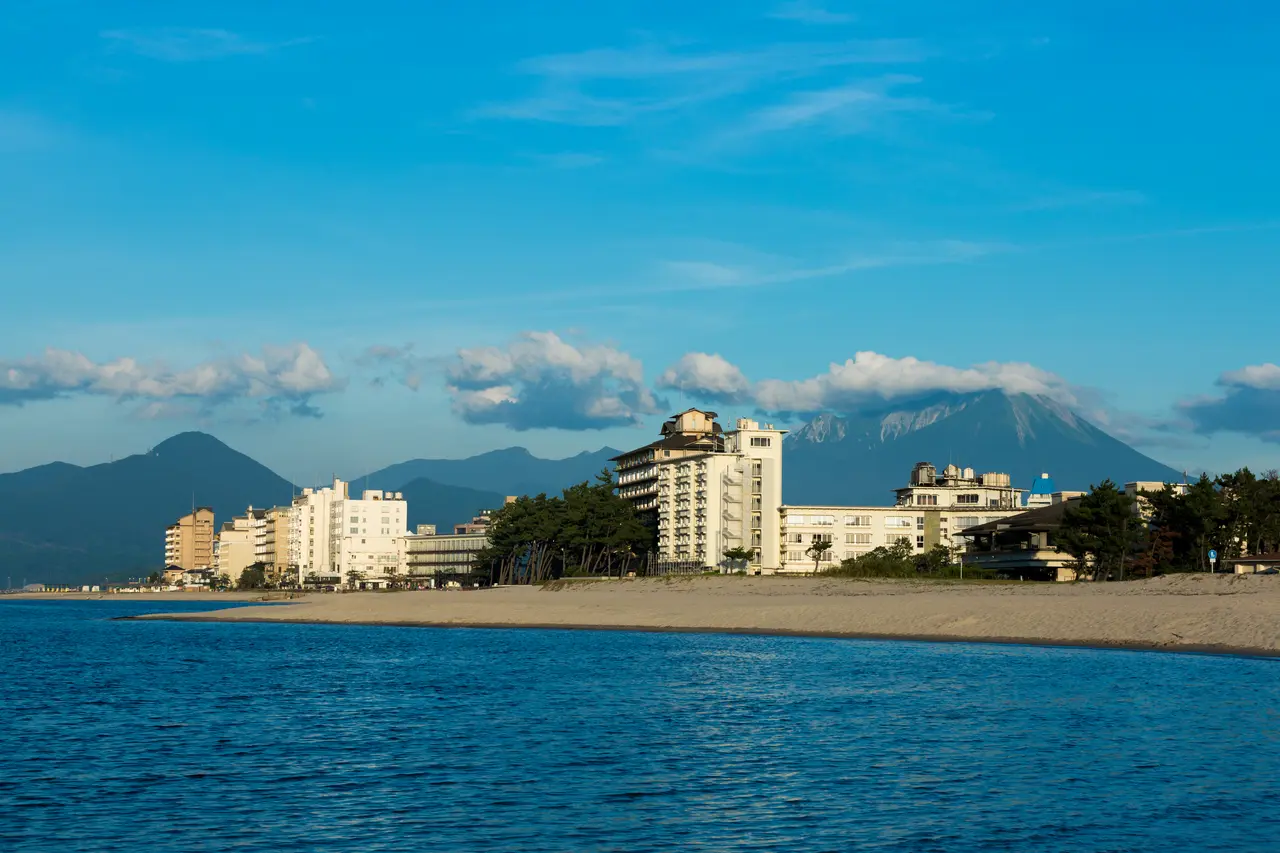
Kaike Onsen is a resort of ryokan and hotels along the coast of Yonago City. It dates to 1900, when local fishermen are said to have noticed hot water bubbling up in the sea.
Kaike is also known for its triathlon: the All Japan Triathlon Kaike Race takes place here every summer.
Local buses toward Kaike Onsen leave from the JR Yonago Station bus terminal and take about 20 minutes. Yonago Station is also the base for trips to Sakaiminato and Mt. Daisen, which makes Kaike an easy place to stay while touring western Tottori.
Hawai Onsen and Togo Onsen: hot springs on Lake Togo
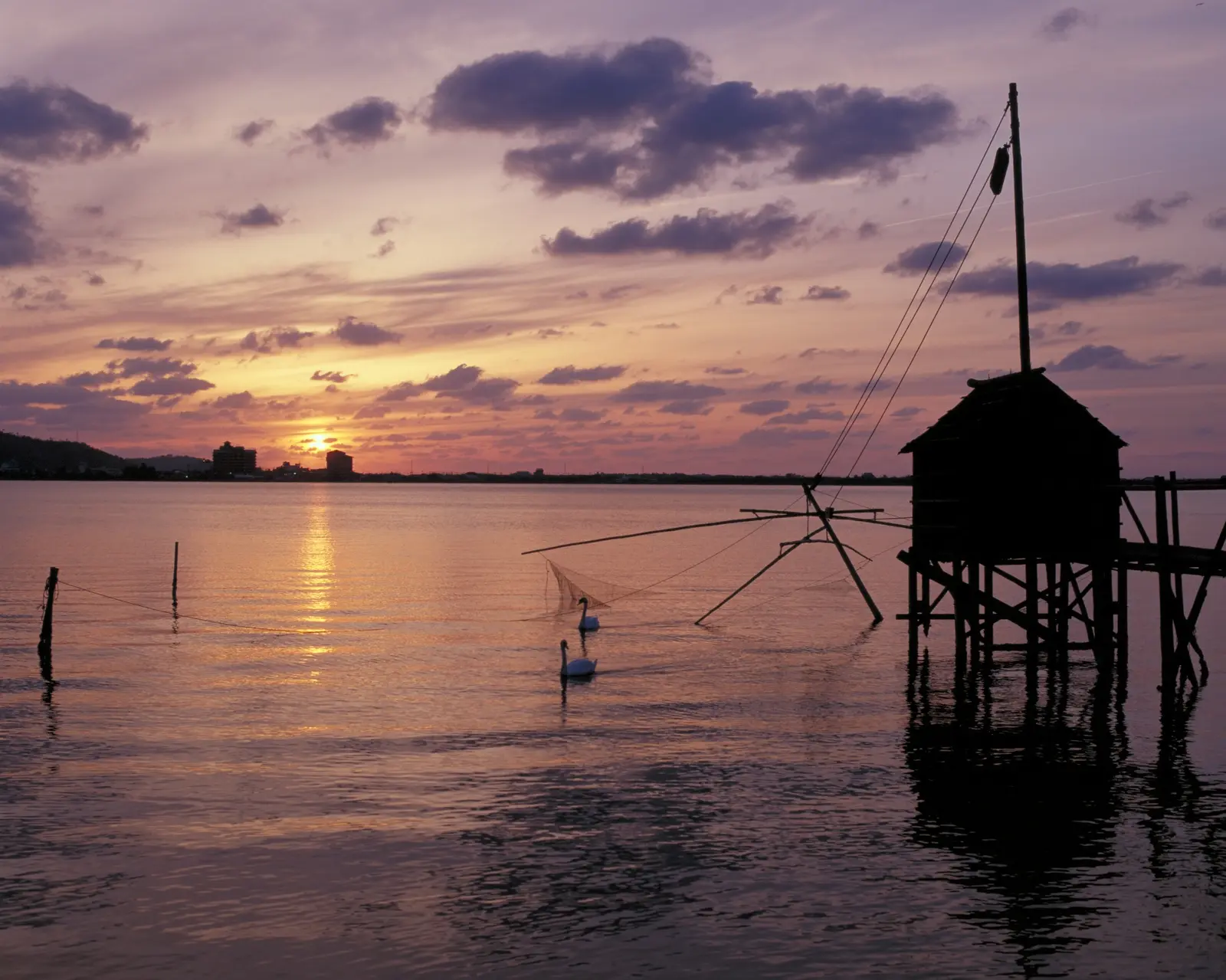
Photo: ©Tottori Pref.
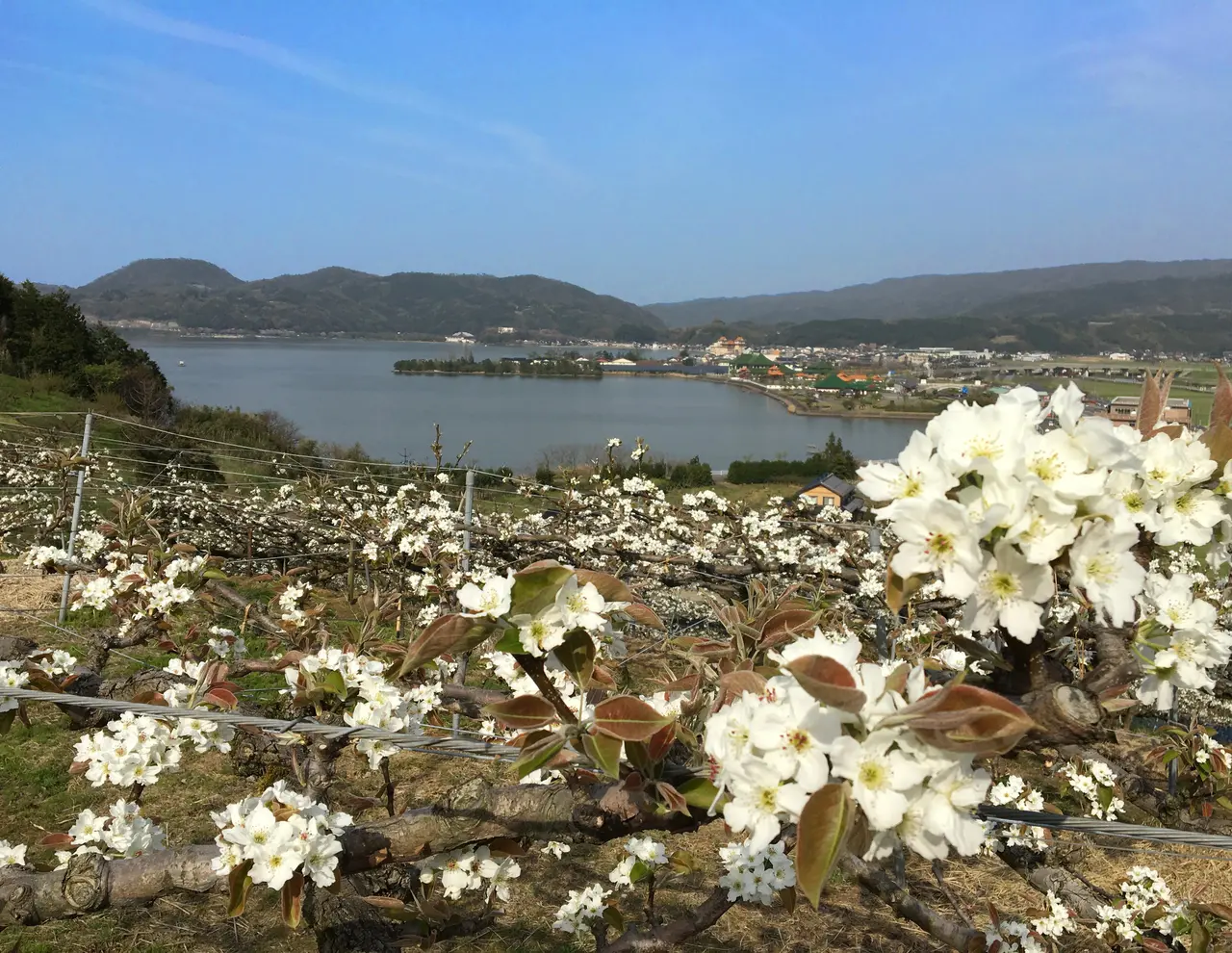
Lake Togo in Yurihama Town is a lake with hot springs rising from its bed. Hawai Onsen is on the west shore and Togo Onsen on the south shore. The ryokan line the water, and on fine evenings the lake turns gold at sunset.
On the south shore is Enchoen, a Chinese garden built as a symbol of friendship between Tottori Prefecture and Hebei Province in China.
Iwai Onsen: where the yukamuri custom lives on
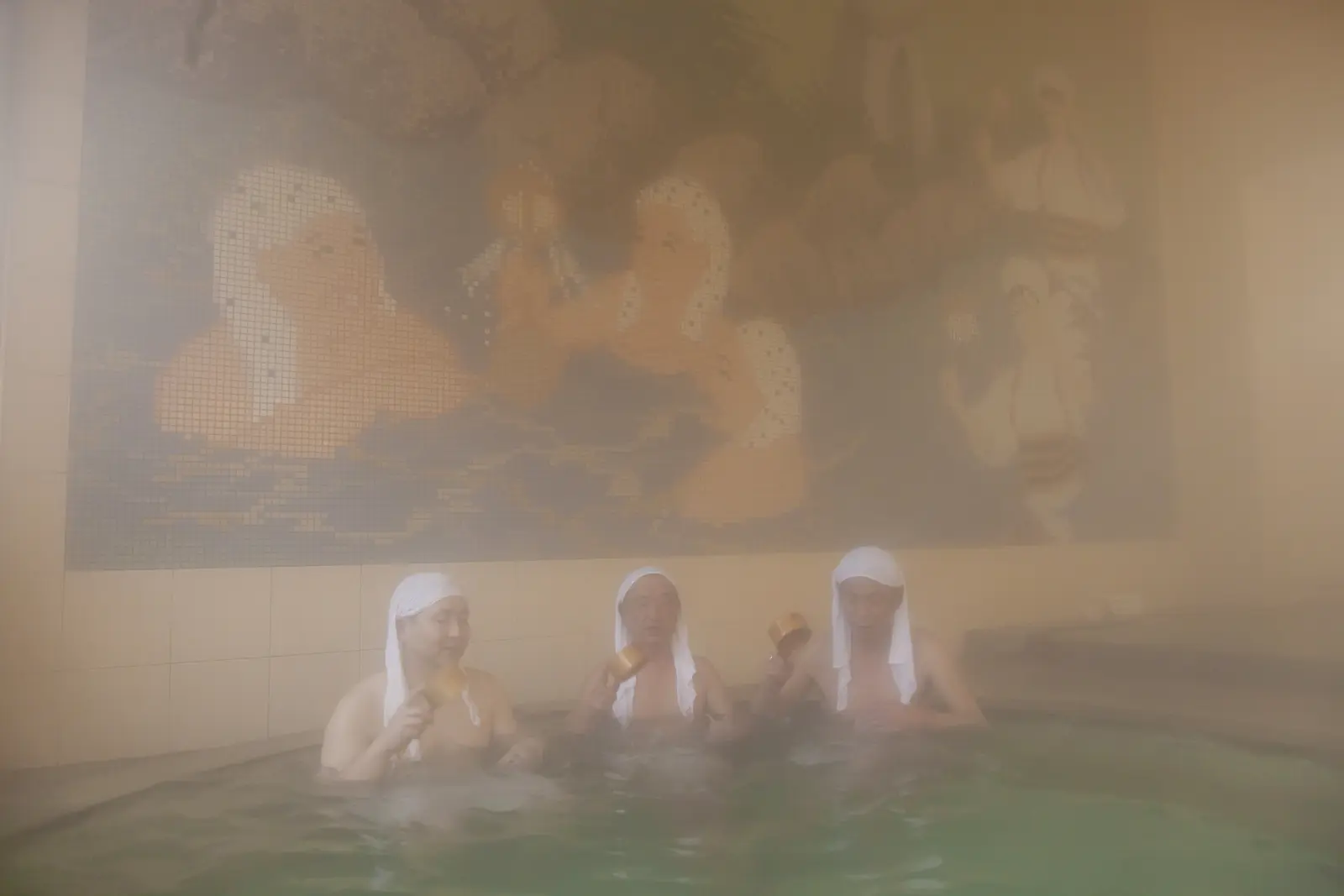
Photo: ©Tottori Pref.
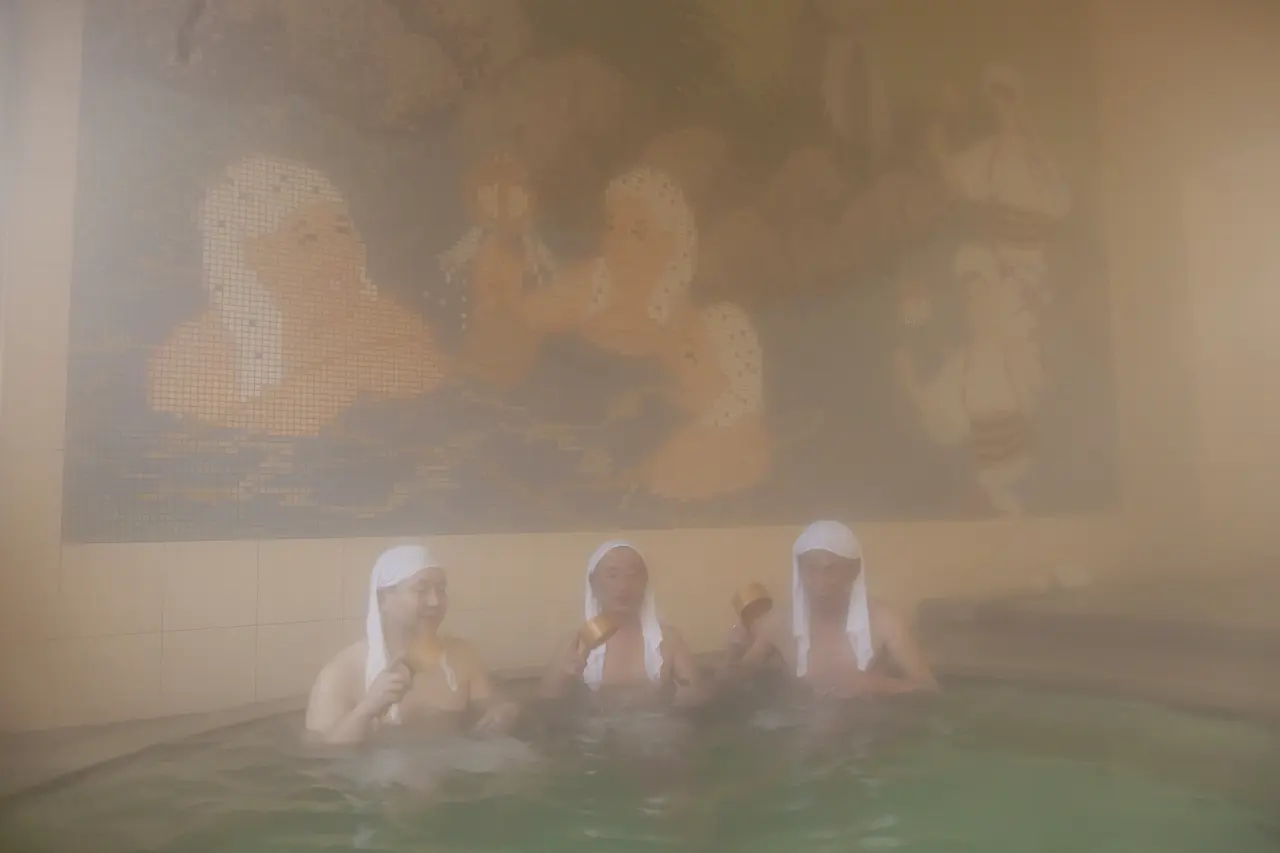
Iwai Onsen is a small hot spring town in a valley in Iwami Town, known as one of the oldest onsen in the San'in region. It has kept a custom called yukamuri: bathers place a towel on their heads, soak for a long time, beat the water with a wooden ladle while singing a counting song, and pour the water over their heads.
At the public bathhouse Iwai Yukamuri Onsen you can bathe without staying overnight. Take a local bus from JR Iwami Station for about 10 minutes to the "Iwai Onsen" stop; the bathhouse is right there. Uradome Coast and the Tottori Sand Dunes are close, so it works well as a place to stay after a day at the dunes.
Good to know before you bathe
- An outdoor mixed bath like the Kawara-buro works differently from the separate men's and women's baths at ryokan and public bathhouses. For the basic etiquette of Japanese hot springs, see Japan onsen etiquette.
- Hours and prices for day bathing differ from bath to bath and can change. Check each onsen town's information before you go.
For details on each, see the pages for Misasa Onsen, Kaike Onsen, Lake Togo, Hawai Onsen and Enchoen and Iwai Onsen. If you are combining your trip with the dunes, see Tottori Sand Dunes guide. Staying in winter? Read up on the local crab in Matsuba crab in Tottori.