Tottori Sand Dunes Guide: Camels, Sand Museum and Uradome Coast
This guide is translated from the Japanese edition. Read the Japanese edition
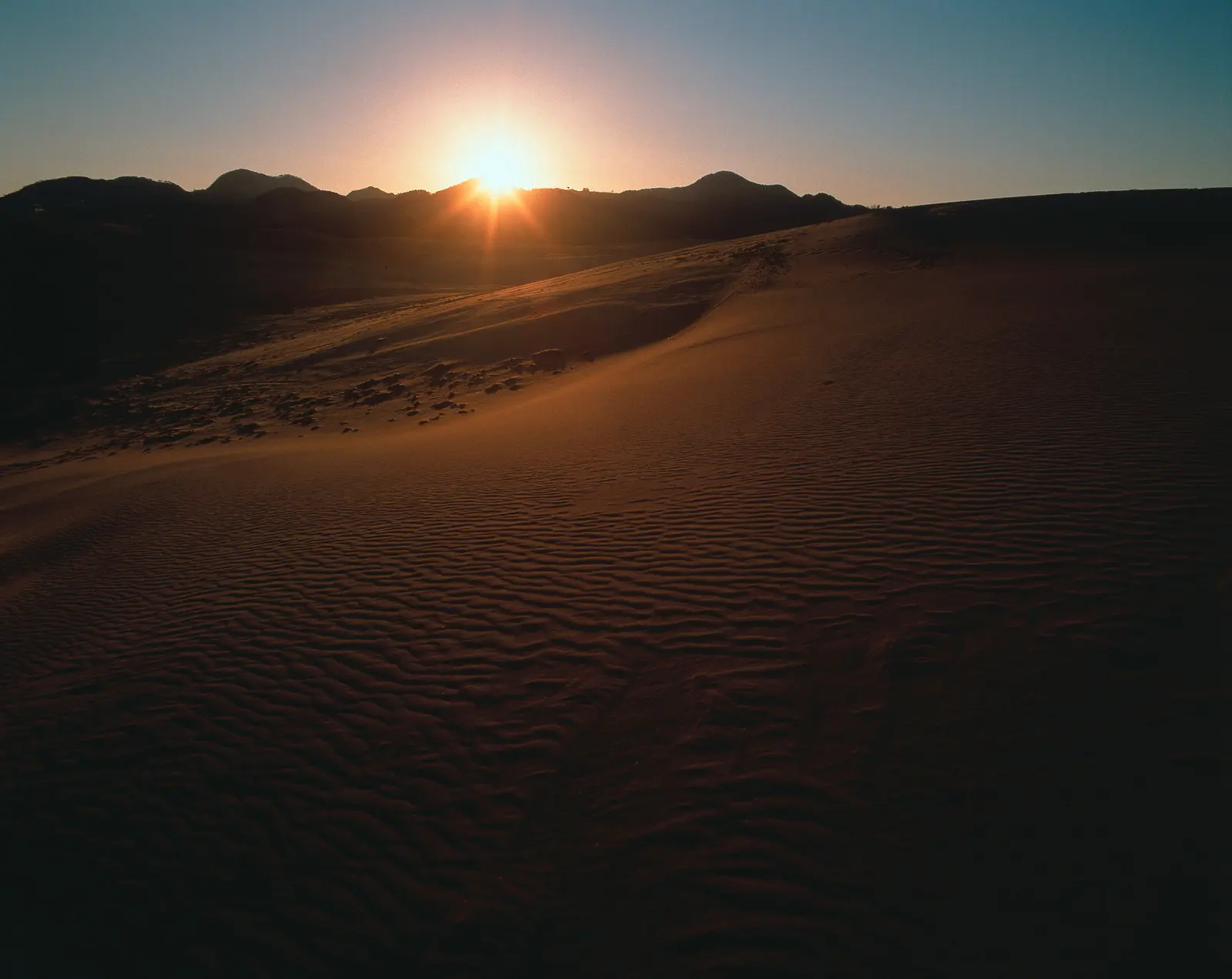
Visiting the Tottori Sand Dunes: the Umanose ridge, camel rides, the Sand Museum, seasonal events, Uradome Coast by boat or kayak, and buses from Tottori Station.
You climb the slope of sand step by step, and at the top the view suddenly opens onto the Sea of Japan. The Tottori Sand Dunes are coastal dunes about 20 minutes by bus from Tottori Station. Add a camel ride, the Sand Museum and Uradome Coast just to the east, and you can fill a whole day.
What are the Tottori Sand Dunes?
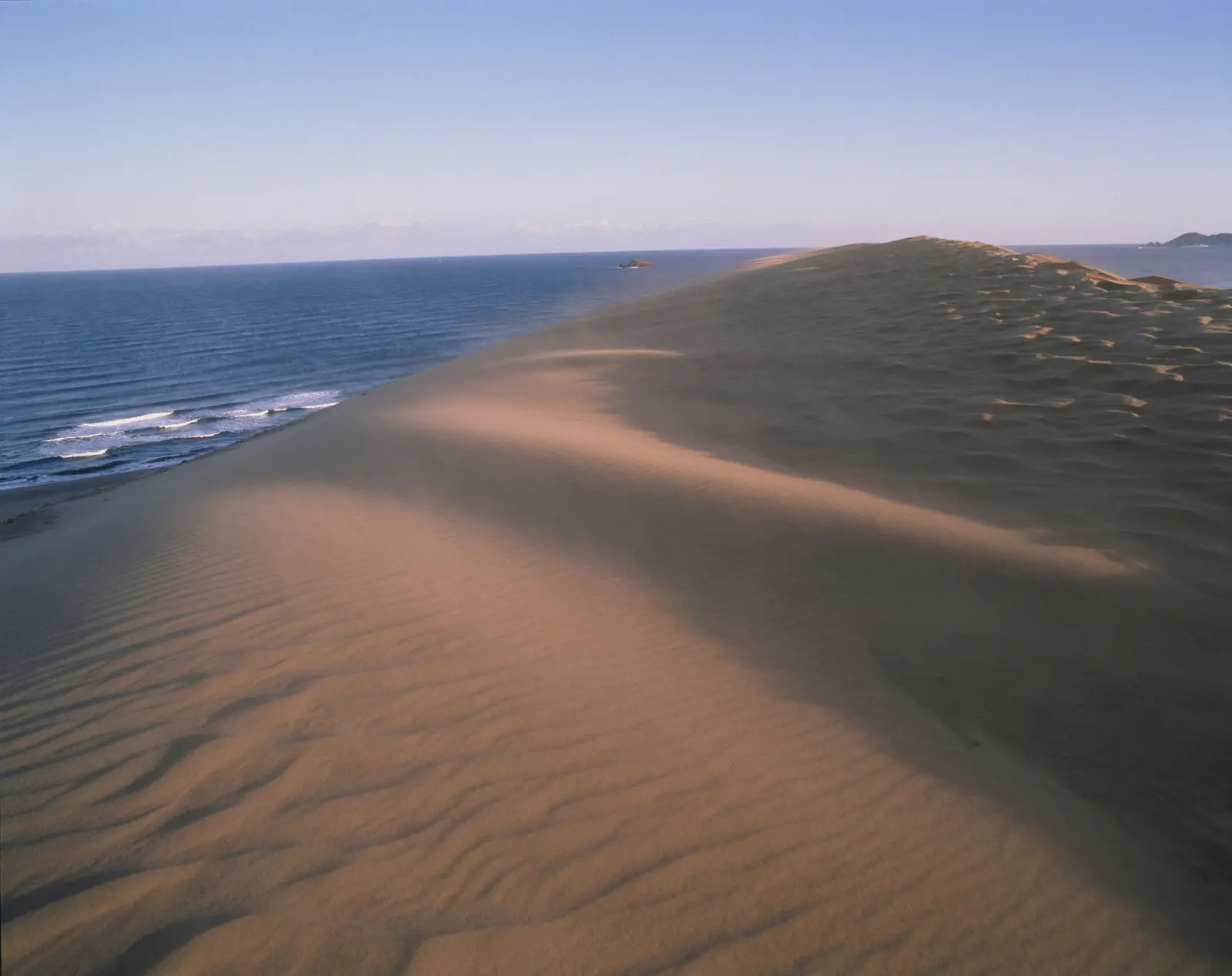
Photo: ©Tottori Pref.
The Tottori Sand Dunes stretch about 16 km east to west and about 2.4 km north to south along the Sea of Japan. About 145 hectares at the center are designated a national Natural Monument as coastal dunes. The area is also part of the San'in Kaigan UNESCO Global Geopark.
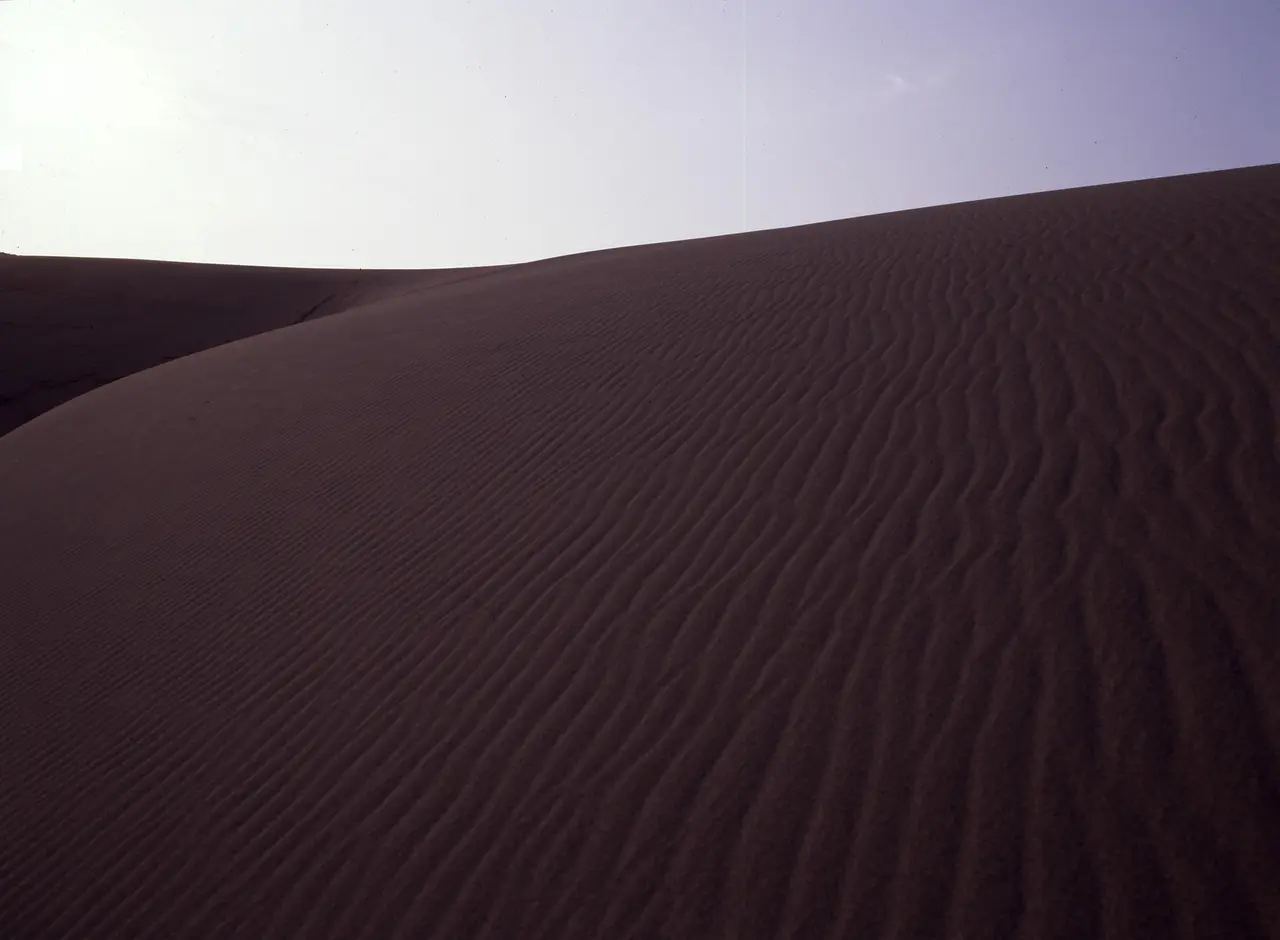
From the entrance, a great hill of sand rises between you and the sea. This dune ridge is called Umanose ("the horse's back"), and most visitors climb to its top to look down at the Sea of Japan on the other side. The slope is steeper than it looks and the sand gives way under your feet, so wear comfortable shoes. You may also see fumon, ripple patterns that the wind draws on the sand's surface.
In summer there is no shade and the sand gets hot. Bring a hat and water, and don't try to run up the slope.
Riding a camel across the dunes

Photo: ©Tottori Pref.
At the dunes you can ride a camel across the sand. Check prices and where to sign up on site.
The Sand Museum: sand sculptures with a new theme every year

Photo: ©Tottori Pref.
The Sand Museum, beside the dunes, exhibits sculptures carved from sand. Under the theme "Traveling Around the World in Sand," each exhibition picks one country or region, and sand sculptors invited from abroad recreate its buildings and historical scenes in sand. Because the exhibition changes every time, the photo above shows an example of a past exhibition, taken in 2013.
The 17th exhibition in 2026 is "Traveling Around the World in Sand: Spain," running until January 3, 2027.
Seasonal highlights: rakkyo flowers in autumn, Sakyu Illusion in winter
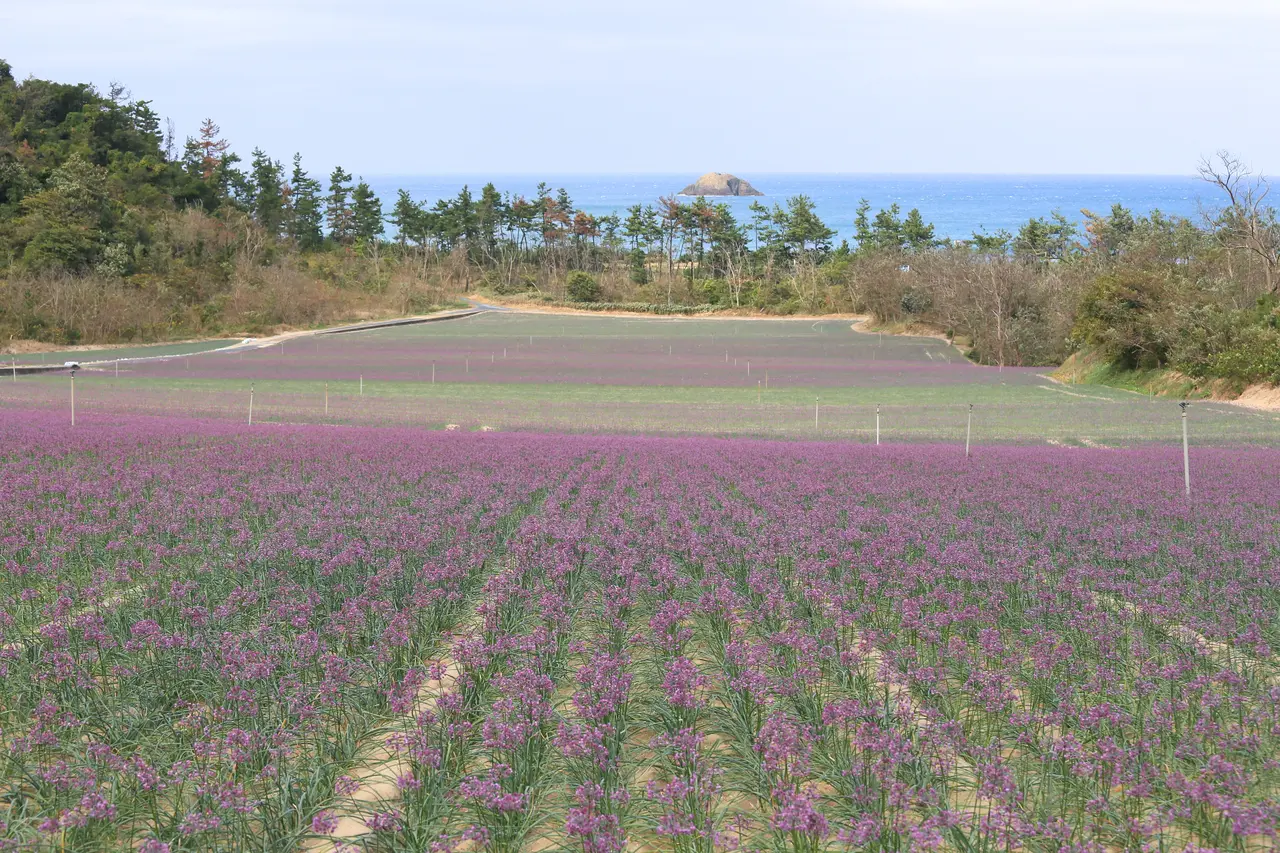
Fukube, in Tottori City right next to the dunes, grows rakkyo, a small Japanese shallot. Rakkyo is harvested in early summer, but it flowers in autumn: from late October to early November in a typical year, the fields are covered in small purple blossoms. See Sand dune rakkyo flower fields. For how rakkyo is eaten, see the Tottori food guide.
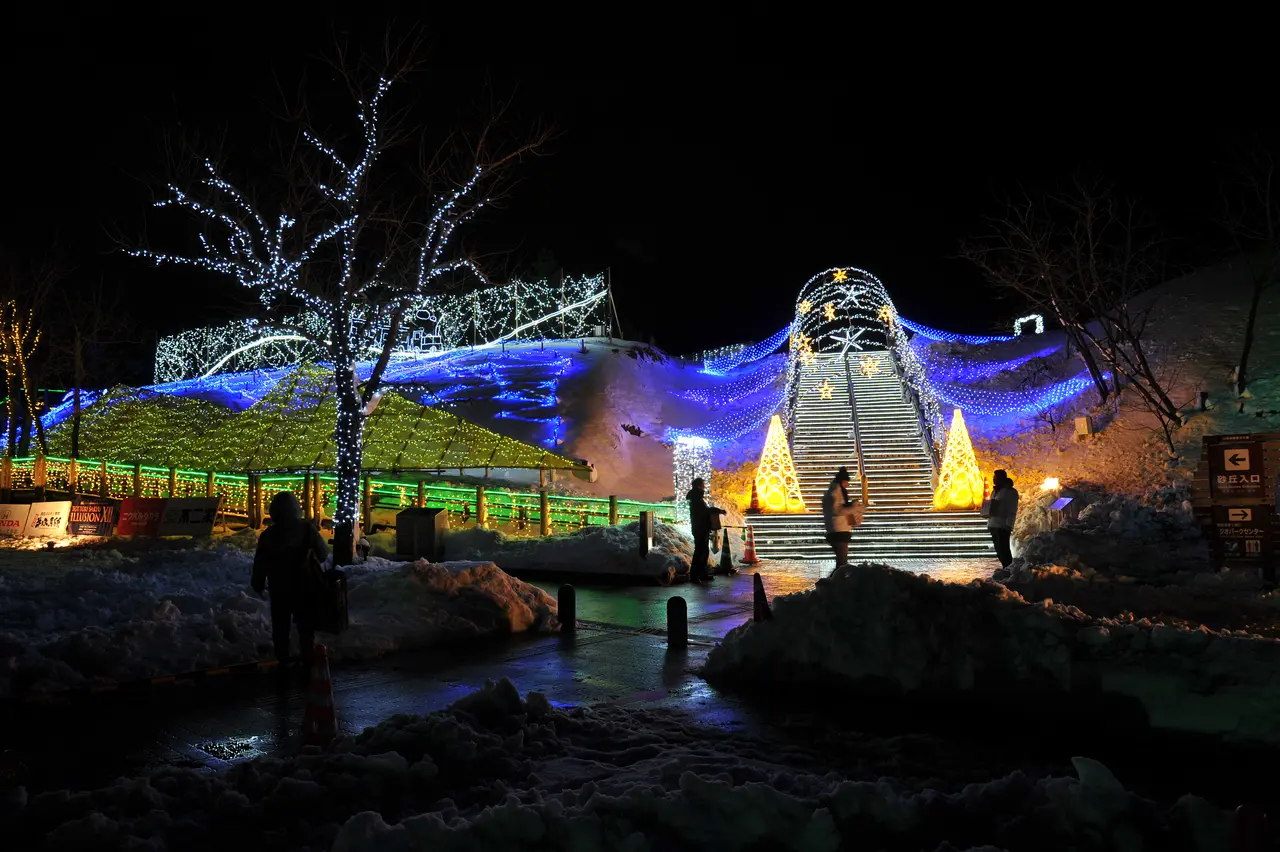
In winter, the "Tottori Sakyu Illusion" lights up the area by the dunes with bulbs and LEDs. In 2026 it runs from November 21 to December 6; the dates change every year.
Uradome Coast: rocky shores by boat and sea kayak
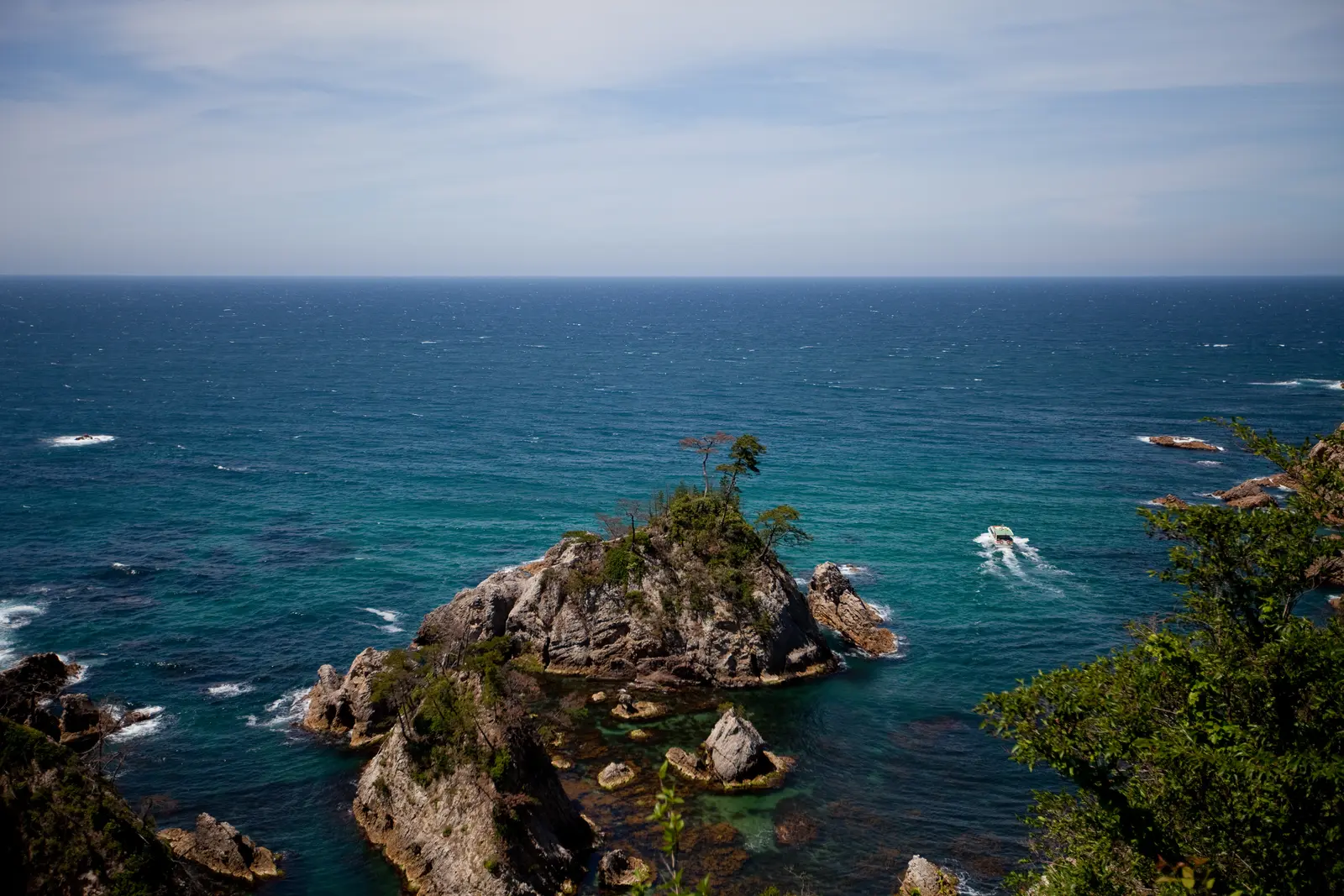
Photo: ©Tottori Pref.
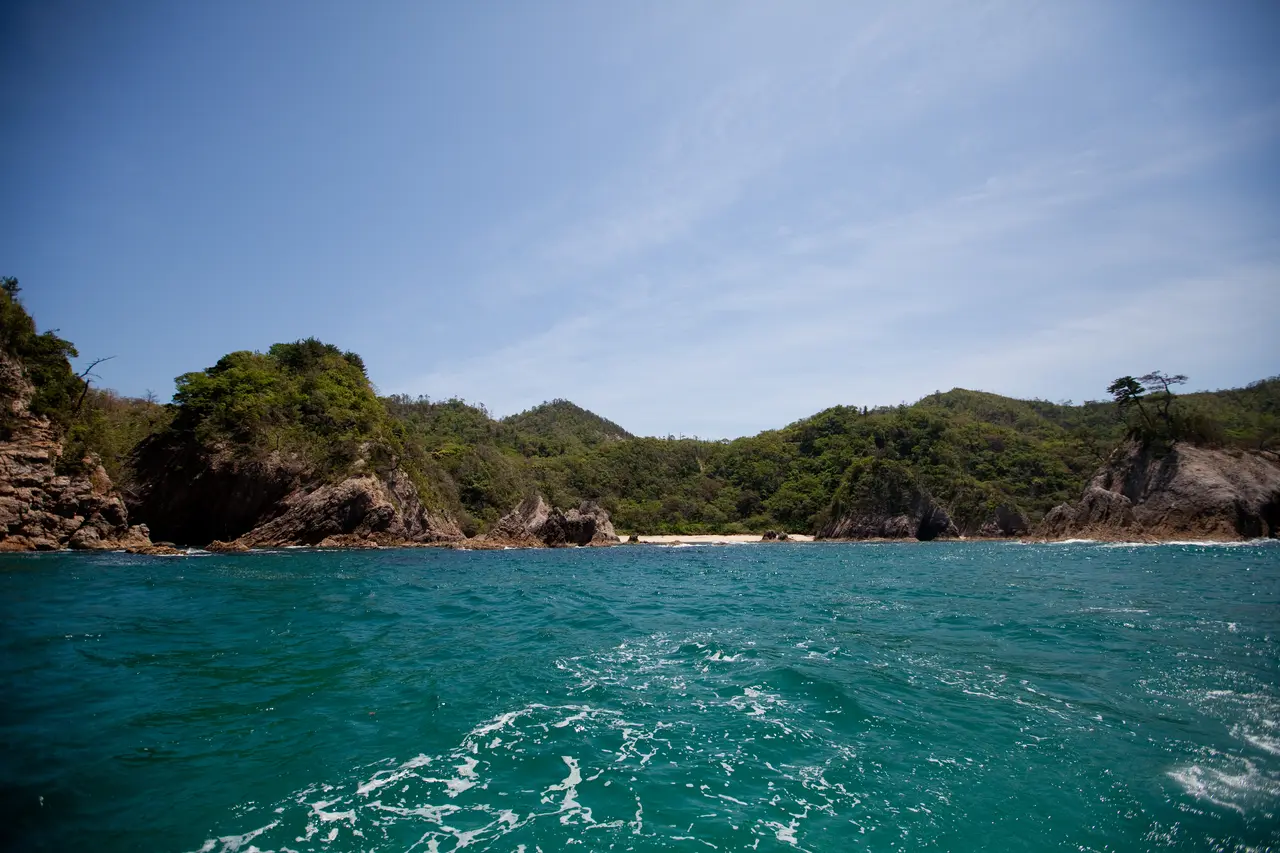
East of the dunes in Iwami Town, Uradome Coast is a shoreline of pale granite rocks and small islands, designated a national Place of Scenic Beauty and Natural Monument. The easiest way to see it from the water is an island-hopping sightseeing boat. If you want to get into small coves and rock arches, sea kayaking tours are also available.
The boats can be canceled in bad weather, so check whether they are running before you go. Near Uradome Coast is Iwai Onsen, described as one of the oldest hot springs in the San'in region, a good place to stay after a day at the dunes (Tottori onsen guide).
Getting there and getting around
From the JR Tottori Station bus terminal, take the Sakyu Line or the Iwami/Iwai Line local bus for about 20 minutes. These buses bound for the Tottori Sand Dunes take you close to the dunes entrance and the Sand Museum. On weekends, holidays and some other days, the Loop Kirin Jishi bus also runs between Tottori City's sights.
- Half day: walk the dunes up to Umanose, then the Sand Museum
- Full day: the dunes and Sand Museum in the morning, a boat trip at Uradome Coast in the afternoon, and a night at Iwai Onsen
For more, see the pages for the Tottori Sand Dunes, the Sand Museum and Uradome Coast. Bus times are on the Tottori Sand Dunes Visitor Center's access page.