
Fukushima Food: Kitakata Ramen, Sauce Katsudon and Joban Seafood
This guide is translated from the Japanese edition. Read the Japanese edition
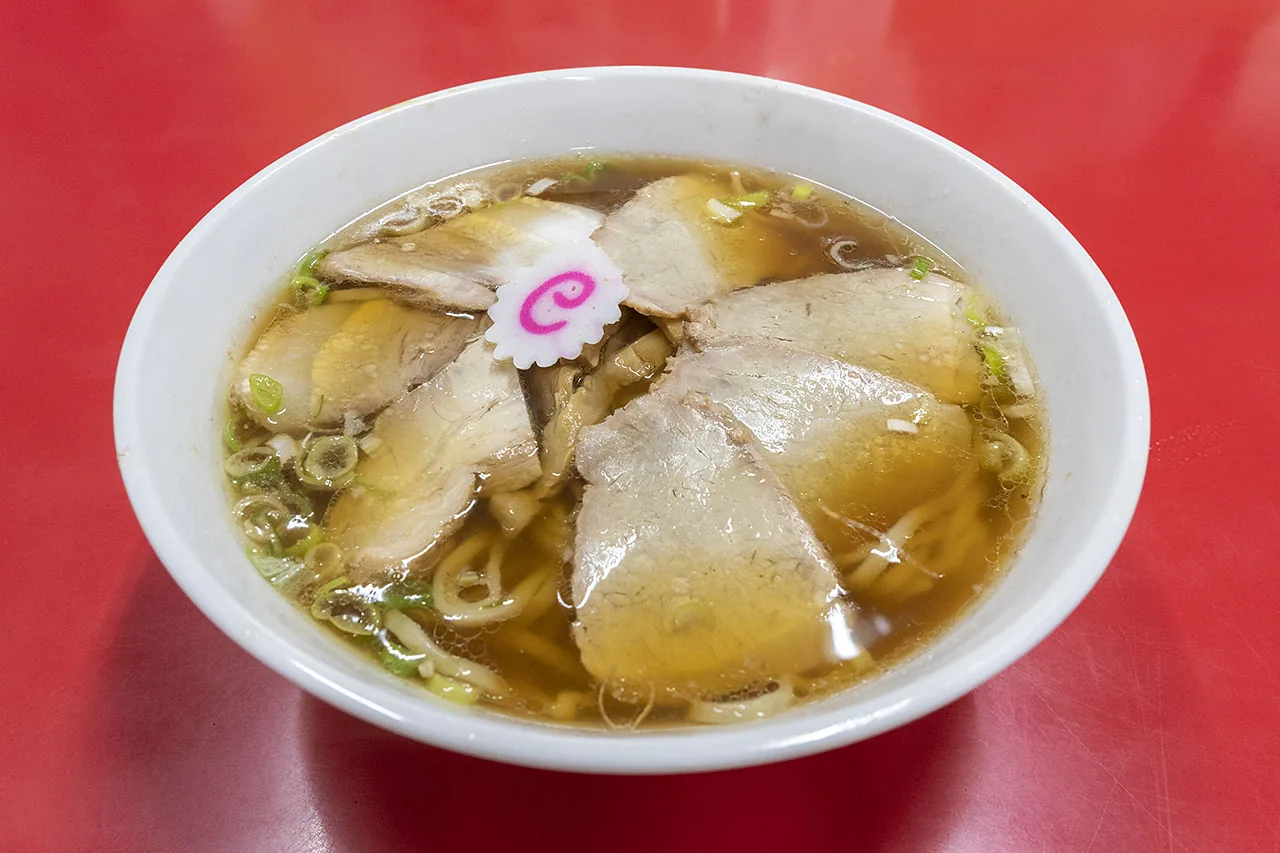
Fukushima food by region: Kitakata ramen eaten for breakfast, Aizu sauce katsudon, Hinoemata mountain cooking and tachi soba, Joban seafood, and Date's winter anpo-gaki.
At 8 a.m. in Kitakata, the smell of ramen broth already drifts along streets lined with old storehouses. Fukushima Prefecture divides clearly into mountains, basins and sea — Aizu in the west, Nakadori in the middle and Hamadori on the Pacific side — and the food changes from one to the next. In the Aizu mountains it is soba and mountain produce; in Nakadori, dried persimmons; in Hamadori, fish landed offshore. Each region has local dishes worth a detour on your way through.
Kitakata Ramen: Flat, Wavy Noodles and a Breakfast Habit
Kitakata City, in the north of the Aizu region, is known as a town of storehouses — and of ramen. Kitakata's noodles are described as "flat, aged, high-hydration noodles": wide, wavy and holding more water than ordinary noodles. Soy sauce broth is the standard, but the stock and flavor differ from shop to shop, and some serve a salt-based version.
What makes Kitakata distinctive is asa-ra, the habit of eating ramen in the morning. Some shops open early, so having a bowl first thing and then walking the storehouse streets lets you make the most of the day.
To reach Kitakata, take the JR Banetsu West Line from Aizu-Wakamatsu Station. The city also maps out cycling routes around the storehouses starting from Kitakata Station. Kitakata's sights are on the Kitakata page.
Aizu Sauce Katsudon: a Sauce-Coated Cutlet over Cabbage
In Aizu, "katsudon" usually means not the egg-topped version but sauce katsudon: rice covered with cabbage and a freshly fried pork cutlet coated in sauce. It has been a local favorite in Aizu since the Taisho era (1912–1926), and Aizu-Wakamatsu has many diners serving it.
Yanaizu, a town along the Tadami River, has its own version, with cabbage, a slice of rolled omelet and a sauce cutlet over the rice. Yanaizu is known as the birthplace of the akabeko red cow, and JR Aizu-Yanaizu Station on the Tadami Line is its gateway. Only a handful of trains stop at Aizu-Yanaizu each day, so if you plan to eat in town, work back from the time of your return train to decide when to sit down and you can eat without rushing.
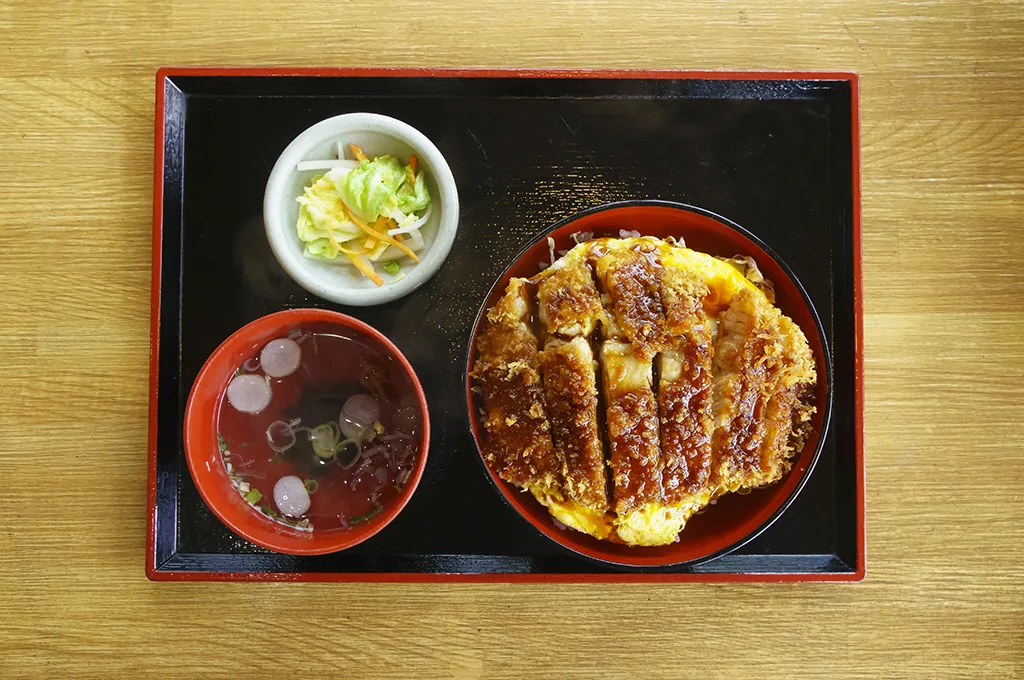
Photo: Ⓒ福島県観光物産交流協会
Hinoemata's Yamodo Cooking: Tachi Soba and Mountain Fare
Hinoemata Village, deep in the mountains of Minami-Aizu at the gateway to Oze, has a local cuisine called yamodo ryori. In the village dialect, yamodo means men who go into the mountains to work. Rice could not be grown at this altitude, and the soba, wild mountain vegetables, mushrooms and iwana char that villagers lived on became the dishes now served to visitors.
The best-known dish is tachi soba. Dough made from buckwheat flour alone, with no binder, is rolled thin, several sheets are stacked, and the noodles are cut with a knife the way one cuts cloth (tatsu), which gives them their name. Hatto, buckwheat flour and glutinous rice kneaded together and eaten with perilla seed, is another village dish, and some inns in the village serve yamodo cooking for dinner.
To reach Hinoemata, take the Aizu Bus Hinoemata Line up the mountain road from Aizu-Tajima Station on the Aizu Railway. There are only a few buses a day, so the realistic plan is to stay at an inn and combine the visit with Oze or the stage of Hinoemata Kabuki. Check the timetable with the Oze Hinoemata Onsen Tourist Association. Village information is on the Hinoemata page.
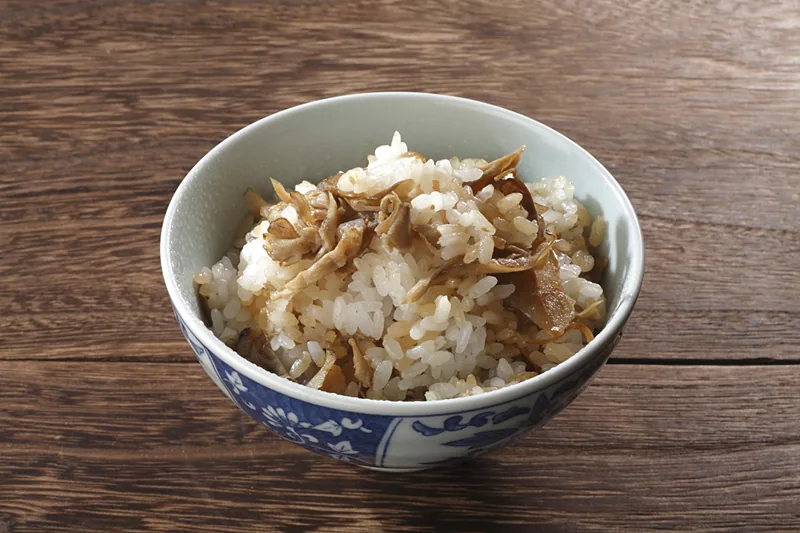
Photo: Ⓒ福島県観光物産交流協会
Hamadori's Joban-mono: Fish from Where the Currents Meet
Off the Pacific-facing Hamadori coast is the shiome, where the Kuroshio Current from the south meets the Oyashio Current from the north. Seafood landed mainly off the coast from Fukushima's Hamadori to Ibaraki is called Joban-mono: flounder and saury in autumn, anglerfish and mehikari (greeneye) in winter, among others. Mehikari is the official fish of Iwaki City.
Around Onahama in Iwaki and Matsukawaura in Soma are eateries serving the local catch, and in Onahama you can also try freshly fried mehikari. The catch changes with the season and the day's landings, so asking what is recommended that day is the way to find what is in season. Onahama is covered on the Onahama page, and how to get around the coast in the Fukushima coast.
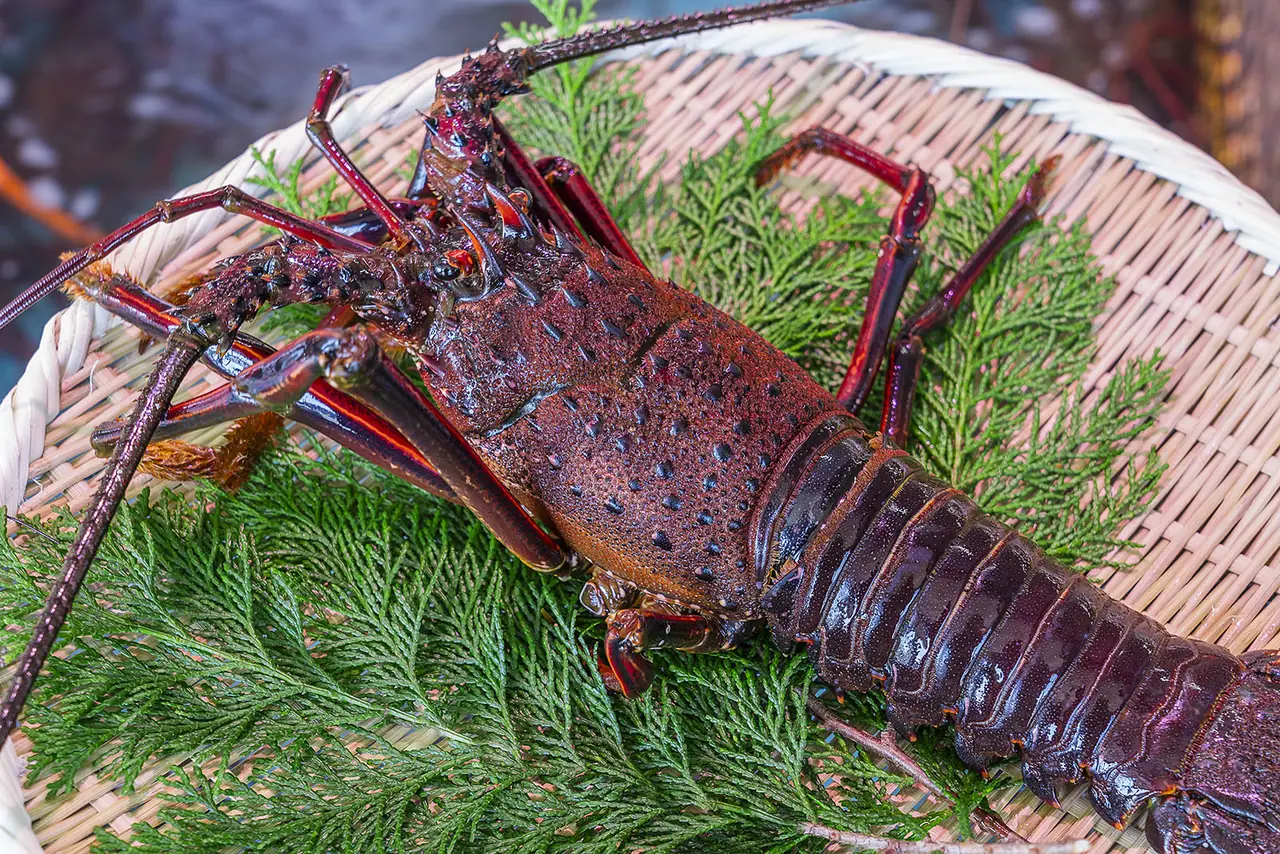
Photo: Ⓒ福島県観光物産交流協会
Date's Anpo-gaki: Soft Dried Persimmons of Winter
Date City, in the north of Nakadori, is known for its winter anpo-gaki. These persimmons are made by peeling astringent fruit, smoking them with sulfur and then drying them slowly; the flesh is a bright orange and the inside stays half-dried, soft and smooth. The Isazawa district of Yanagawa in Date City is the birthplace of anpo-gaki.
"Date no Anpo-gaki" is registered as a Geographical Indication (GI) by the national government, produced in Date City, Kunimi and Koori towns, and parts of Fukushima City, Kawamata Town and Shiroishi City in Miyagi. They are on sale in winter, so if you travel in Fukushima then, keep them in mind as a souvenir.
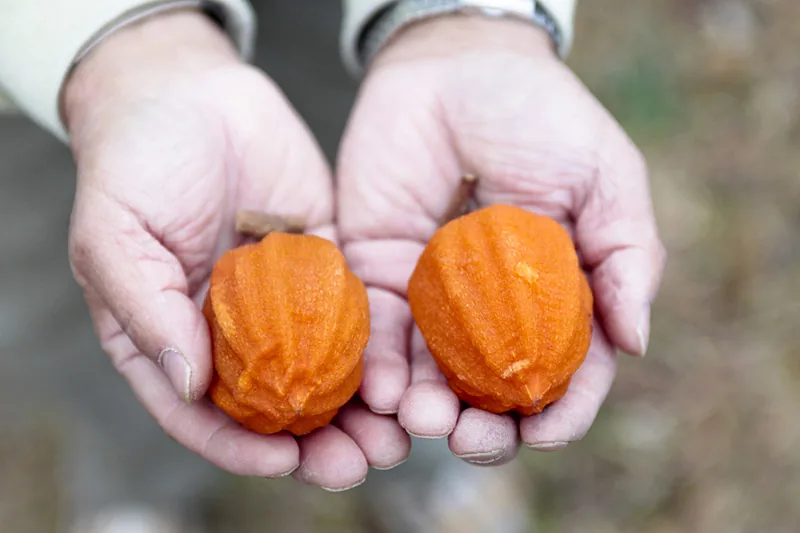
Photo: Ⓒ福島県観光物産交流協会
Fitting Fukushima's Food into Your Trip
Fukushima is a large prefecture, and Kitakata, Hinoemata and Iwaki are all far apart. Choose where to go by what you want to eat, and keep to one region a day so the travel doesn't wear you out.
| Dish | Region | Gateway station | How to fit it in |
|---|---|---|---|
| Kitakata ramen | Aizu (Kitakata) | Kitakata Station | Banetsu West Line from Aizu-Wakamatsu; for breakfast |
| Sauce katsudon | Aizu (Aizu-Wakamatsu, Yanaizu) | Aizu-Wakamatsu / Aizu-Yanaizu stations | With sightseeing in Aizu-Wakamatsu or a Tadami Line trip |
| Yamodo cooking | Minami-Aizu (Hinoemata) | Aizu-Tajima Station | Bus into the mountains; stay overnight |
| Joban-mono | Hamadori (Iwaki, Soma) | Izumi / Soma stations | Joban Line; lunch near the ports |
| Anpo-gaki | Nakadori (Date) | Fukushima Station | In winter, as a souvenir |
Shirakawa's hand-made ramen is covered in things to do in Shirakawa.