Things to Do in Shirakawa, Fukushima: Komine Castle, Nanko Park
This guide is translated from the Japanese edition. Read the Japanese edition
Things to do in Shirakawa, Fukushima: Komine Castle by the station, Sadanobu's Nanko Park, the ancient Shirakawa Barrier, hand-made ramen and the daruma market.
Step out of the ticket gates at JR Shirakawa Station and look north: a white three-story turret stands just beyond the tracks. Shirakawa is a castle town at the southern tip of Fukushima Prefecture, close to the border with Tochigi. In ancient times a barrier checkpoint stood here at the gateway to Michinoku, the far north, and in the Edo period the town prospered as the seat of the Shirakawa domain. Shin-Shirakawa Station is about 1 hour 20 minutes from Tokyo on the Tohoku Shinkansen, so the town works as a first stop on a trip through Tohoku or as a short day trip. The sights lie in three directions — the castle by the station, a large pond park south of the center and the barrier site out in the countryside — so how far you want to go decides how you get around.
Shirakawa Komine Castle: a Wooden Turret Just North of the Station
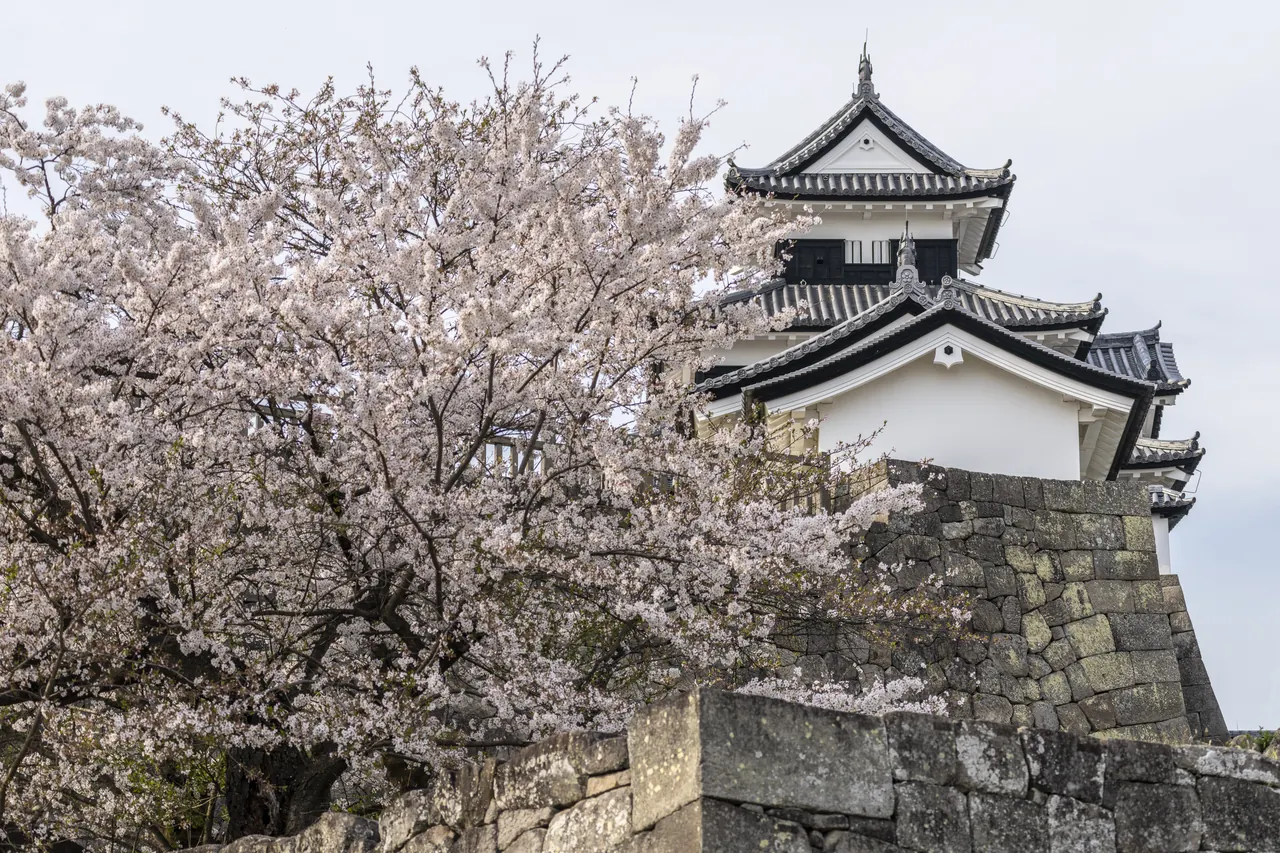
Shirakawa Komine Castle lines up its stone walls on the north side of Shirakawa Station. The castle took its present form in 1632, when Niwa Nagashige completed it after four years of work: a hill-and-plain castle with the main bailey wrapped by the second and third baileys.
Most of the buildings were lost in fighting during the Boshin War at the end of the shogunate. The three-story turret was rebuilt in 1991 and the Mae-gomon Gate in 1994, both in wood and based on sources such as the "Shirakawa-jo Oyagura Ezu," a drawing of the castle's turrets from 1808. Inside the turret, the thick beams and steep stairs show what a timber-built castle feels like.
In the Great East Japan Earthquake of 2011, the stone walls collapsed in 10 places. Each fallen stone was numbered and set back in its original spot by checking photos taken before the earthquake, and the repairs were completed in 2019. The Komine Castle History Museum on the grounds covers the castle's history and the rebuilding of the walls.
The castle is a few minutes' walk from Shirakawa Station. Some paths may be closed for gate restoration work, so follow the signs on site. Check opening hours and admission for the turret and museum on the Shirakawa City website before you go.
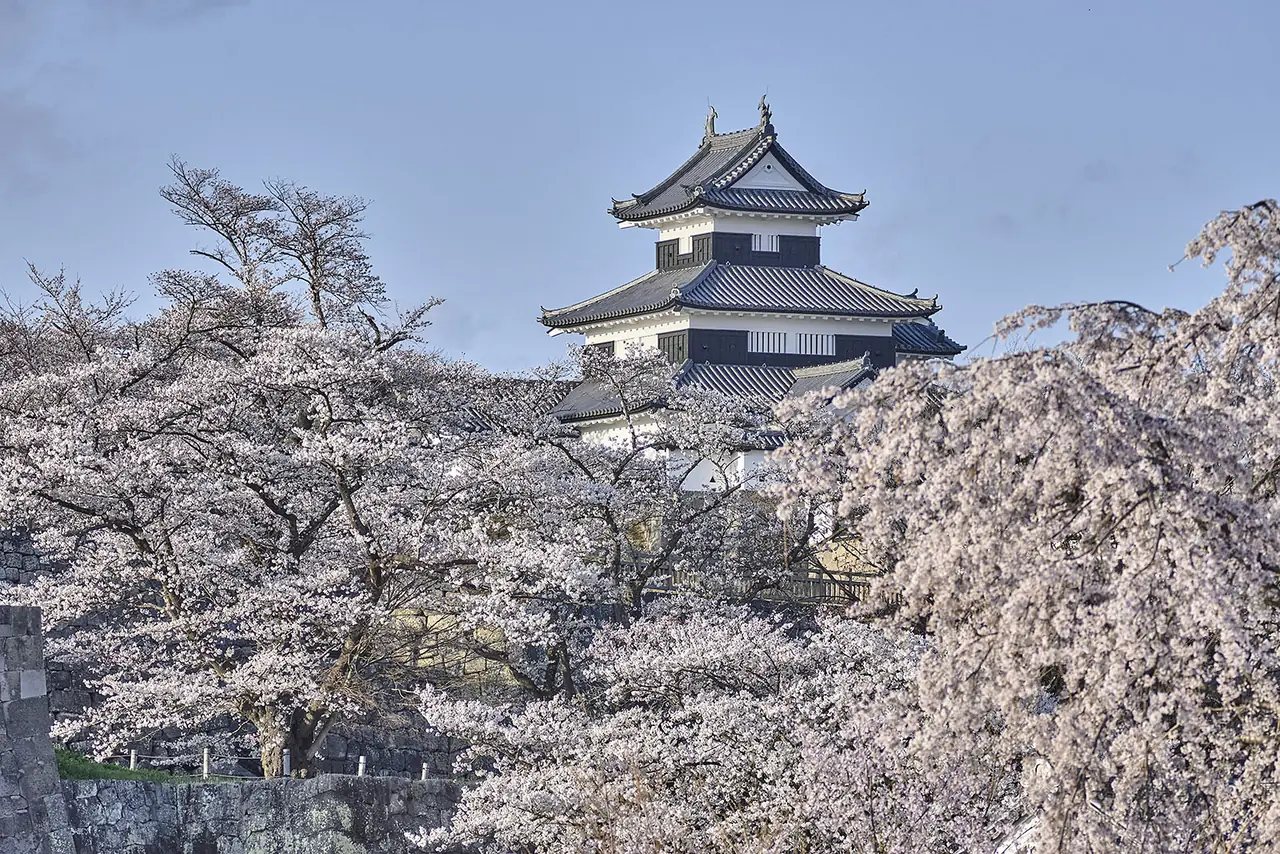
Photo: Ⓒ福島県観光物産交流協会
Nanko Park: Matsudaira Sadanobu's Park "for Samurai and Commoners Alike"
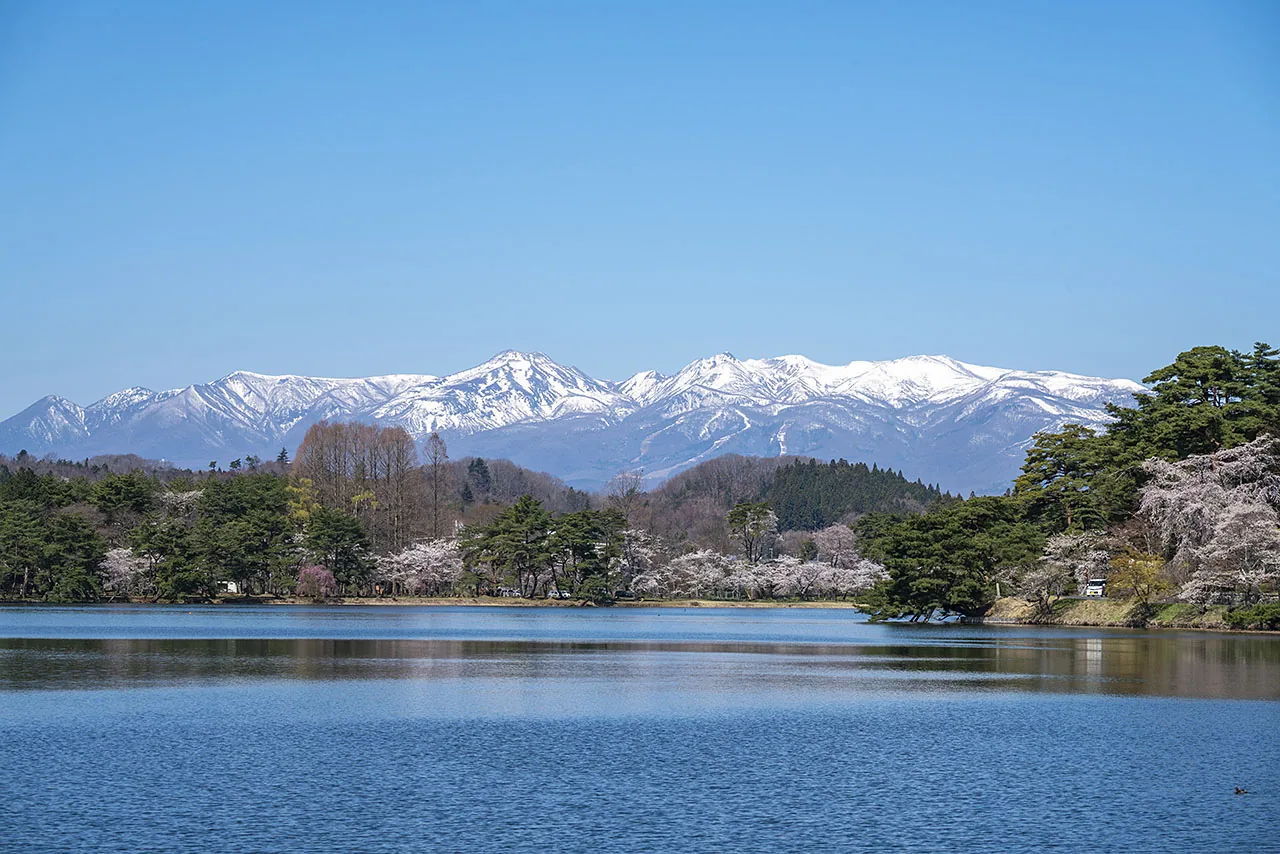
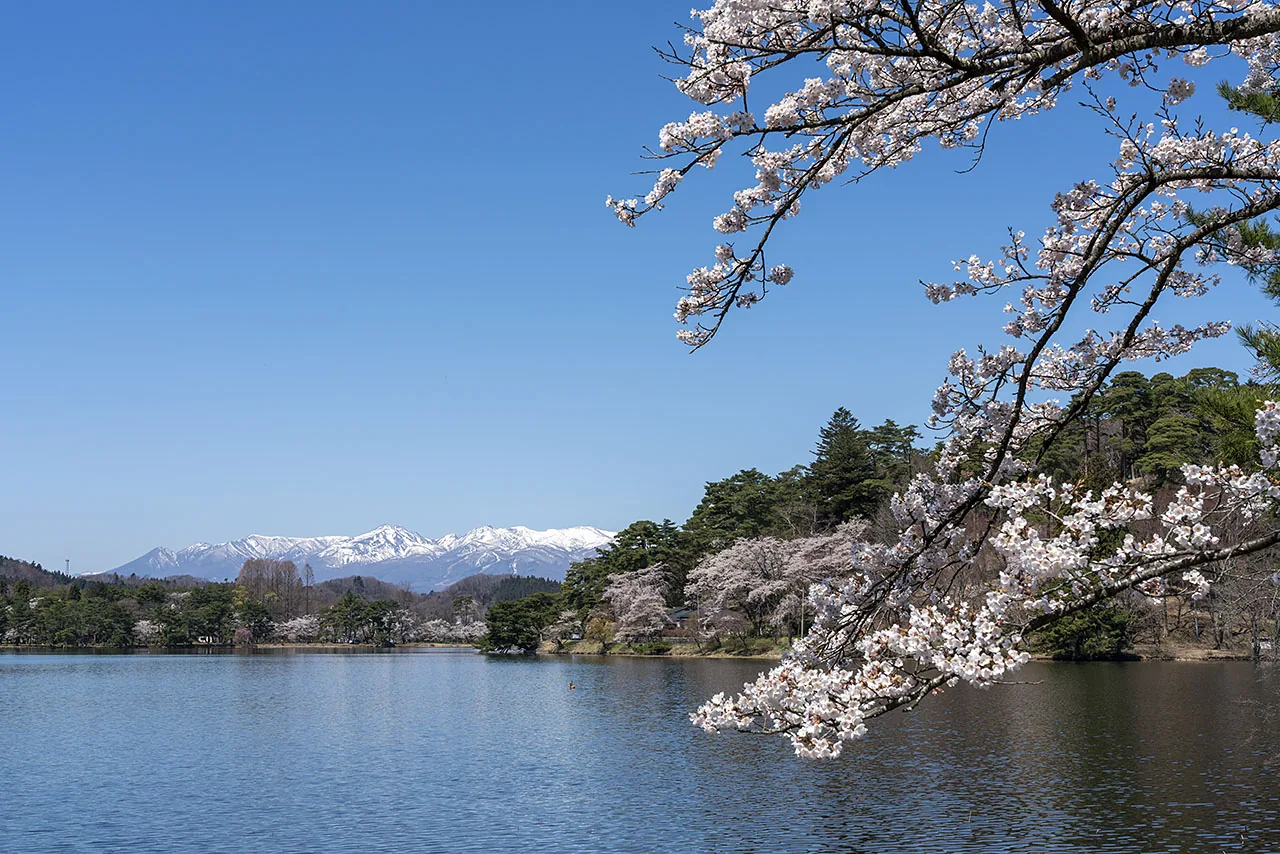
Nanko Park, south of the town center, was created in 1801 by Matsudaira Sadanobu, lord of the Shirakawa domain. Earth was dug out of a marsh to build embankments, forming a large pond, Nanko. The park was opened under the idea of shimin kyoraku — a place everyone could enjoy regardless of rank — and with no gates or fences, it is counted among the oldest public parks in Japan. It was designated a national Historic Site and Place of Scenic Beauty in 1924.
The pond was not only for the view: it supplied water to newly opened rice fields nearby and served as a place where domain samurai trained in swimming. A walking path circles the water, with cherry blossoms in spring and autumn leaves reflected on the surface in fall. The Suirakuen Japanese garden also sits by the pond (check its hours and admission on the official site).
To get there, take a JR bus bound for Tanagura from Shin-Shirakawa Station for about 10 minutes, get off at Nanko Koen and walk a short way. Buses are infrequent, so look up the return times first.
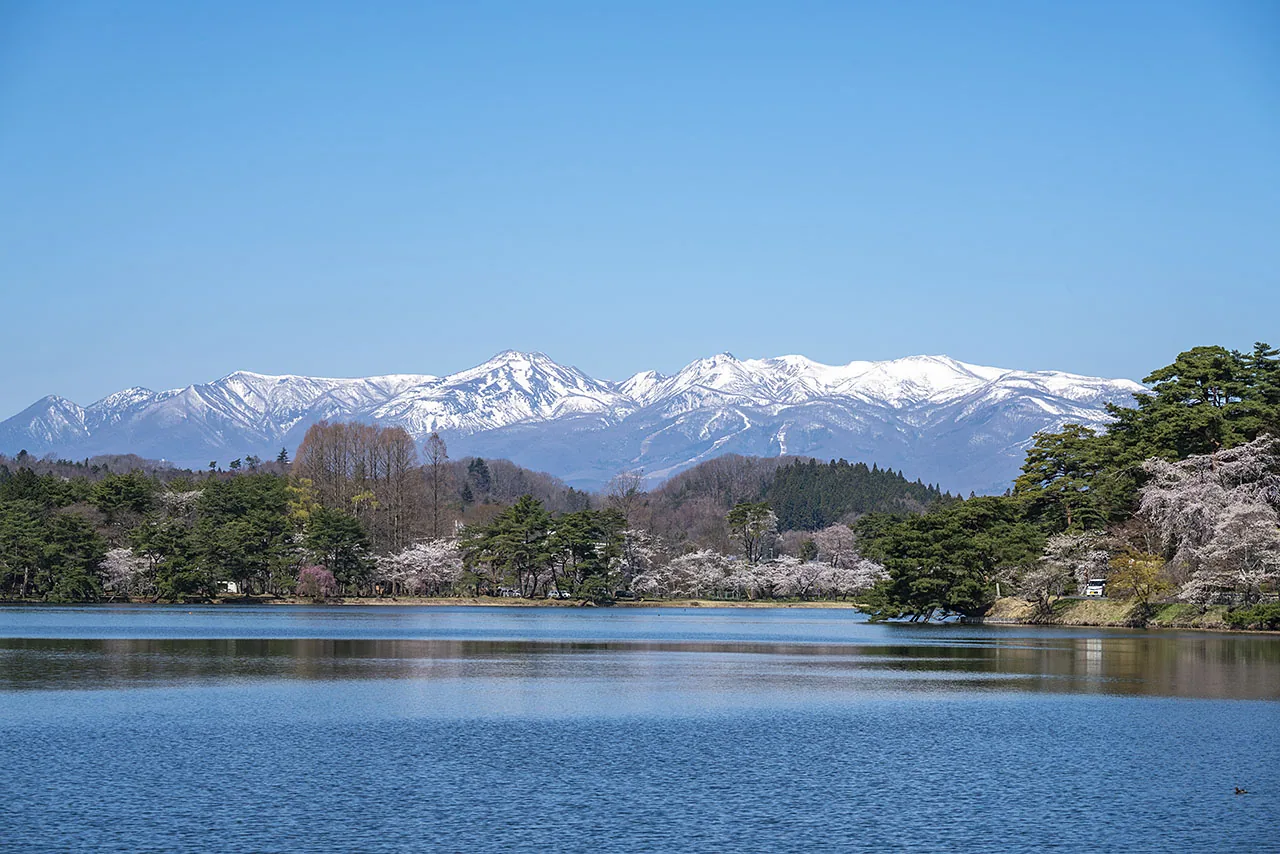
Photo: Ⓒ福島県観光物産交流協会
Shirakawa Barrier Site: the Gateway to Michinoku That Basho Visited
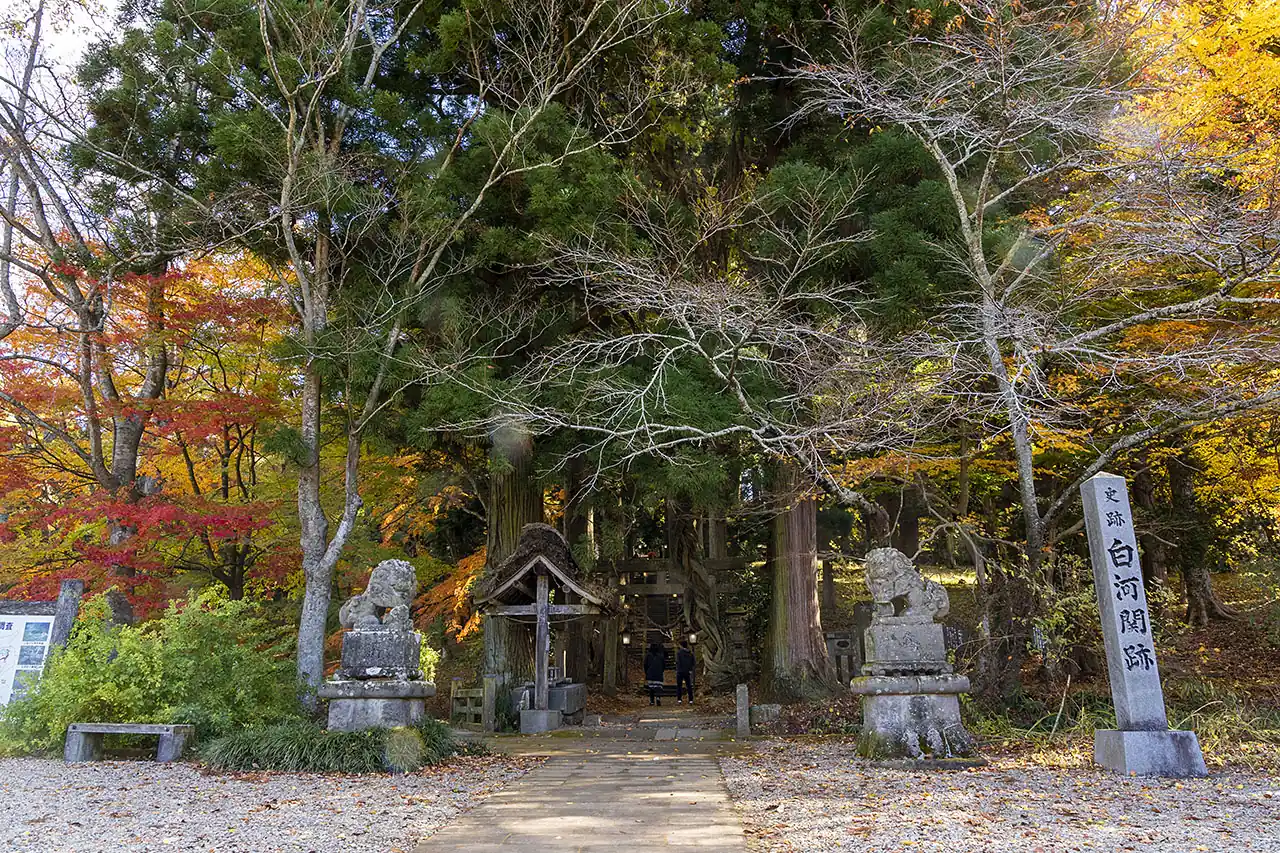
The Shirakawa Barrier Site is the site of an ancient checkpoint in the woods of Hatajuku, southeast of the city. It is counted as one of the "Three Ancient Barriers of Oshu" along with Nakoso and Nezugaseki, and has appeared in waka poems since the Heian period. Excavations starting in 1959 uncovered rows of fence posts and gate remains, and the site was designated a national Historic Site in 1966.
At its center stands Shirakawa Shrine; climb the approach lined with old cedars and you reach a quiet precinct. In the Edo period the poet Matsuo Basho came here on the journey he recorded in "The Narrow Road to the Deep North," and statues of Basho and his companion Sora stand in the neighboring Shirakawa-no-Seki no Mori Park.
Local buses bound for Shirakawa-no-Seki run from Shirakawa Station, but there are only a few a day. By car it is about 30 minutes from Shirakawa IC on the Tohoku Expressway. The approach through the woods is especially lovely in fresh spring green and autumn color.
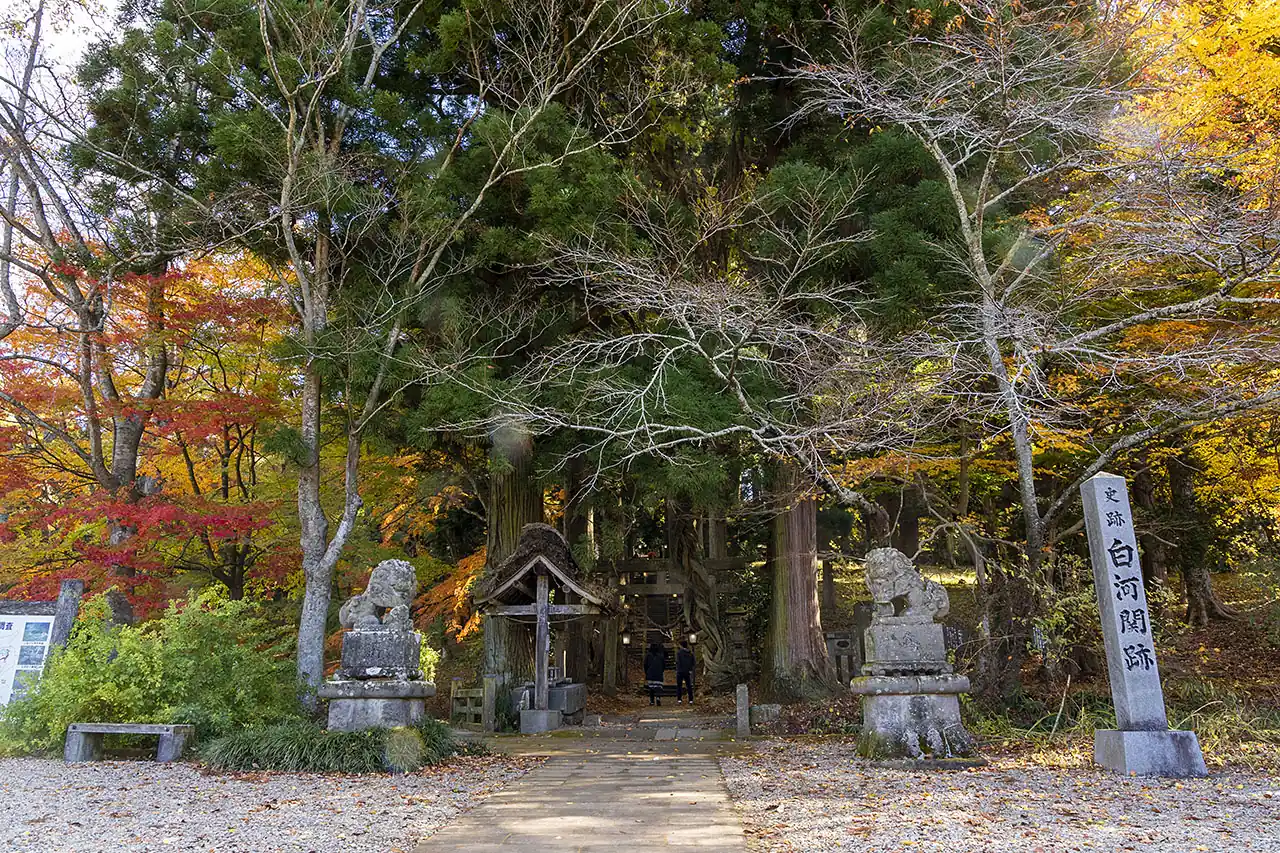
Photo: Ⓒ福島県観光物産交流協会
Shirakawa Ramen: Hand-Made Wavy Noodles in Soy Sauce Broth
Shirakawa is a ramen town known for hand-made noodles. The classic bowl pairs medium-thick wavy noodles made by hand with a clear soy sauce broth made from chicken bones and other ingredients, and many shops top it with chashu pork that is grilled and then simmered. Shops are spread around the city and near Shin-Shirakawa Station, and lines form at popular ones around lunchtime.
Some shops close as soon as their noodles run out. Going early in the lunch hour, or having a second shop in mind, saves disappointment.
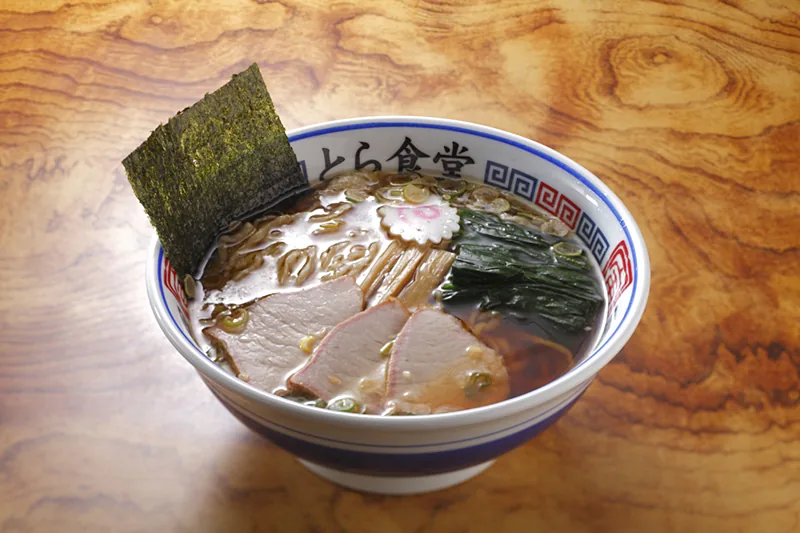
Photo: Ⓒ福島県観光物産交流協会
Shirakawa Daruma: a Good-Luck Charm Painted with Cranes and Turtles
Shirakawa daruma are among Fukushima's best-known folk toys, with a crane, a turtle, pine, bamboo and plum painted on the face. Matsudaira Sadanobu is said to have had the painter Tani Buncho design the pattern; the eyebrows represent a crane and the beard a turtle.
Every February 11, stalls line the main streets of the city center for the Shirakawa Daruma Market, crowded with people buying daruma of every size and other lucky charms. Fukushima's other folk toys are covered in Fukushima folk toys.
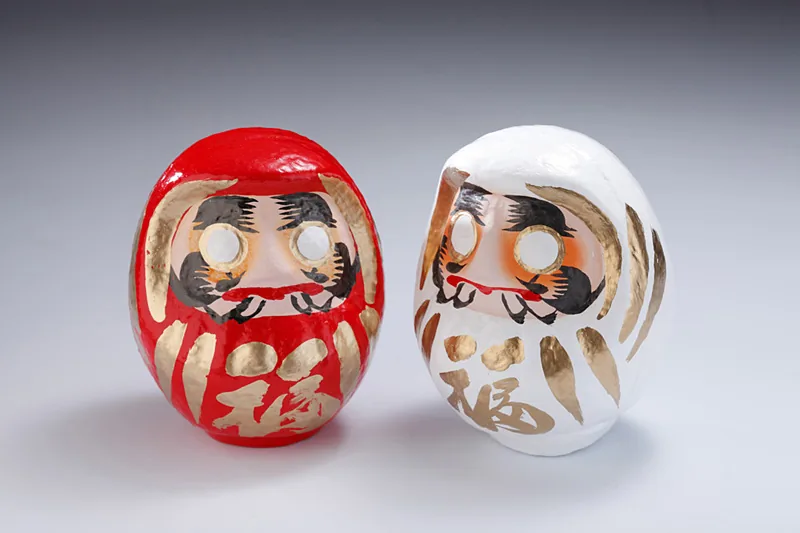
Photo: Ⓒ福島県観光物産交流協会
Getting Around Shirakawa
Shirakawa has two gateway stations. Shin-Shirakawa, where the Tohoku Shinkansen stops, and Shirakawa, the conventional-line station in the town center, are one stop apart on the JR Tohoku Line. Not every shinkansen stops at Shin-Shirakawa, so check the timetable for stopping stations.
| Destination | Start from | Getting there |
|---|---|---|
| Shirakawa Komine Castle | Shirakawa Station | A few minutes on foot |
| Nanko Park | Shin-Shirakawa Station | About 10 minutes by JR bus, then a short walk |
| Shirakawa Barrier Site | Shirakawa Station | Local bus (infrequent) / about 30 minutes by car from Shirakawa IC |
For a half day, an easy order is to take the bus from Shin-Shirakawa to Nanko Park, then ride the local train to Shirakawa Station for the castle and a ramen lunch. If you also want the barrier site, either plan around the bus times or rent a car near Shin-Shirakawa Station; that way all three fit comfortably into one day.
The sights are listed on the Shirakawa page. For the latest visitor information, see the Shirakawa City website.