Kanazawa Craft Experiences: Gold Leaf, Kaga Yuzen, Wagashi, Tea
This guide is translated from the Japanese edition. Read the Japanese edition
Hands-on traditional culture in Kanazawa: gold leaf, Kaga Yuzen dyeing, wagashi making for the tea ceremony and matcha, with where to try each and booking tips.
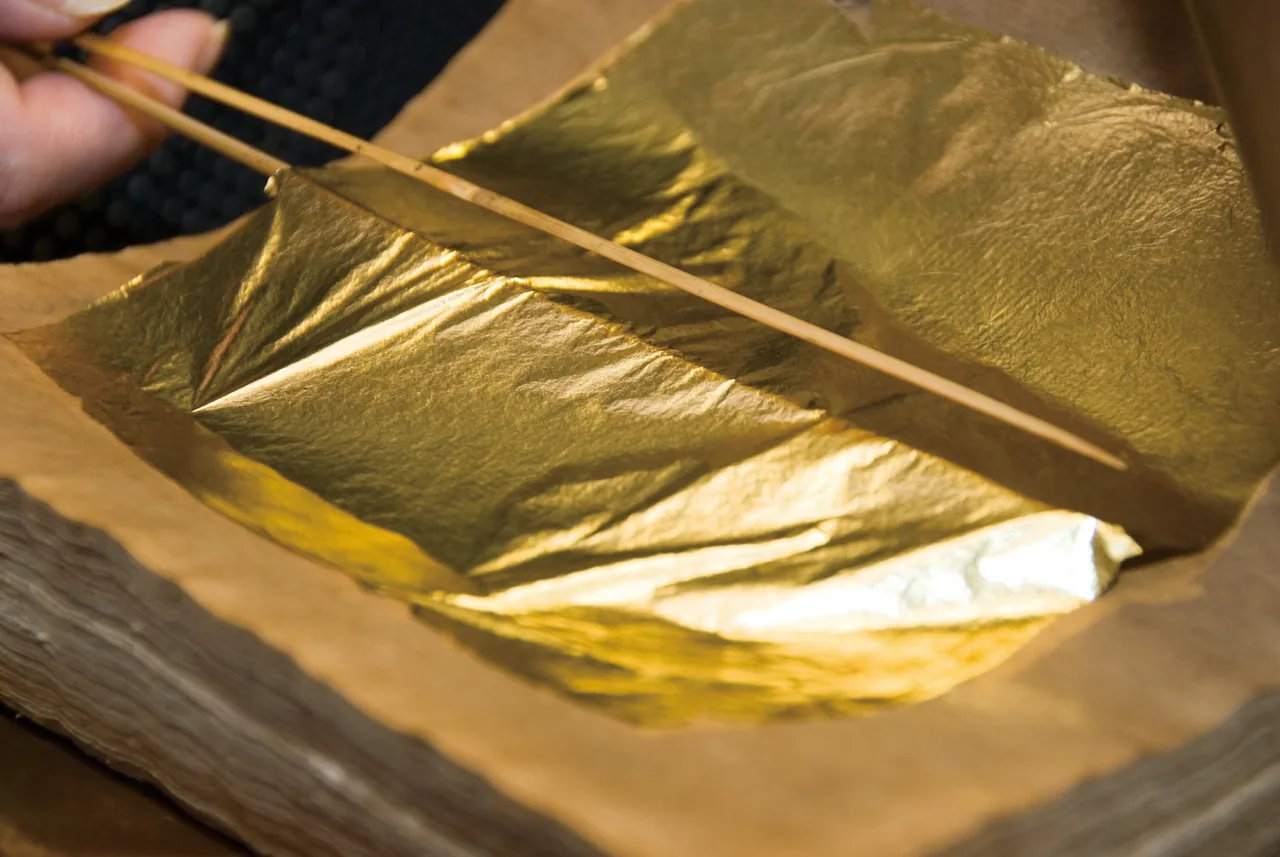
Lifted on bamboo chopsticks, a sheet of gold leaf is so thin that light shows through it. In Kanazawa, which flourished as the castle town of the Kaga Domain, crafts and culture such as gold leaf, Kaga Yuzen dyeing, wagashi (Japanese sweets) and the tea ceremony are still very much alive. There are plenty of places where visitors can try them with their own hands, and the shorter sessions take about an hour, after which you can take home what you made as a souvenir.
Kanazawa gold leaf: over 99% of Japan's gold leaf is made here
According to the Kanazawa City Tourism Association, more than 99% of the gold leaf produced in Japan is made in Kanazawa. Kanazawa gold leaf is made by beating gold between sheets of washi paper until it is thin enough to see through. It is used to decorate crafts, and around town you'll also see everyday goods and even food topped with gold leaf.
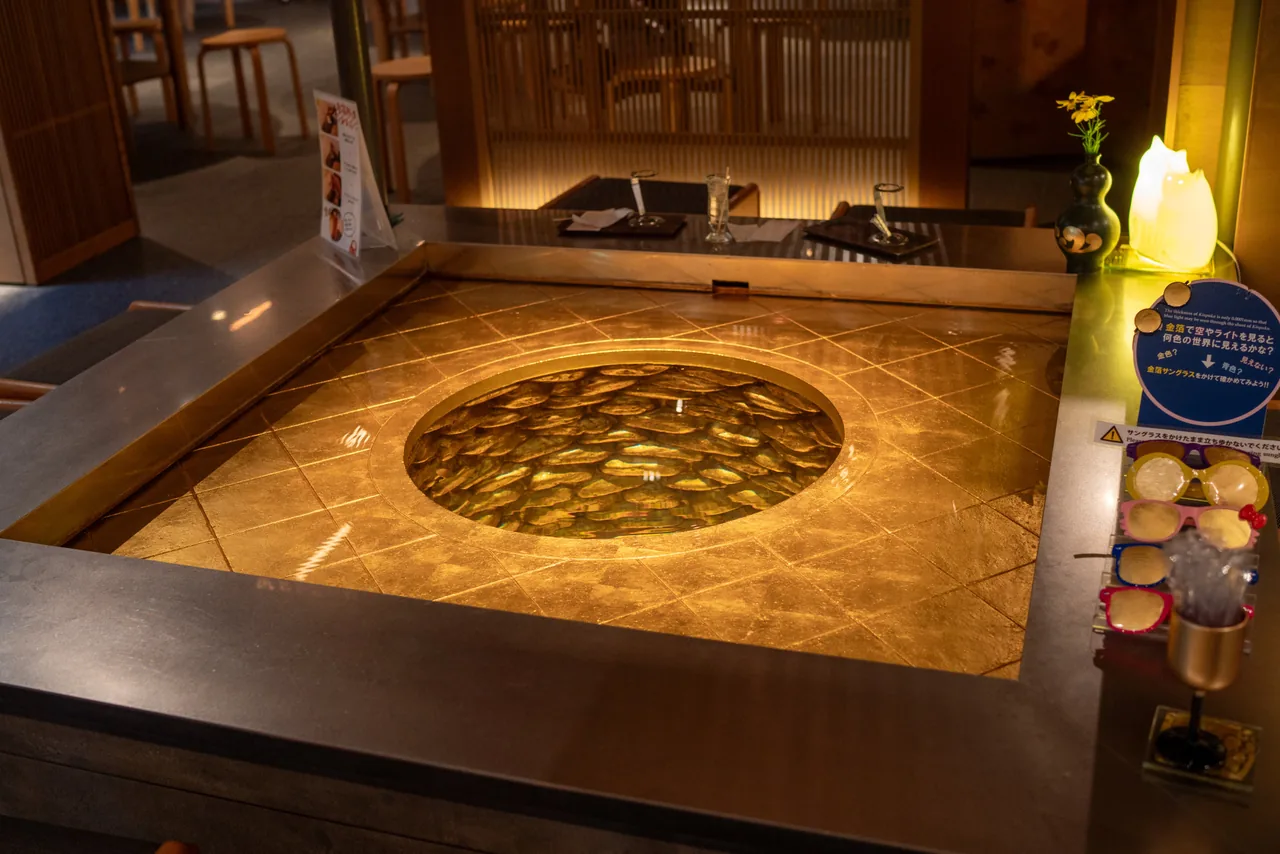
Photo: ©石川県観光連盟
To learn how gold leaf is made, visit the Kanazawa Yasue Gold Leaf Museum near the Higashi Chaya District. It displays the tools and process samples used in gold leaf making, along with art and craft works that use gold leaf.
The most popular hands-on activity is applying gold leaf. At places such as Kinpakuya Sakuda Main Store (金箔屋さくだ 本店) near the Higashi Chaya District, you can decorate chopsticks, round plates, small boxes and more with a gold leaf pattern of your own design. You mask the item to match your pattern, lay the leaf over it and press it down, then peel off the mask to leave the pattern behind. The leaf is so thin that you handle it with tools rather than your fingers.
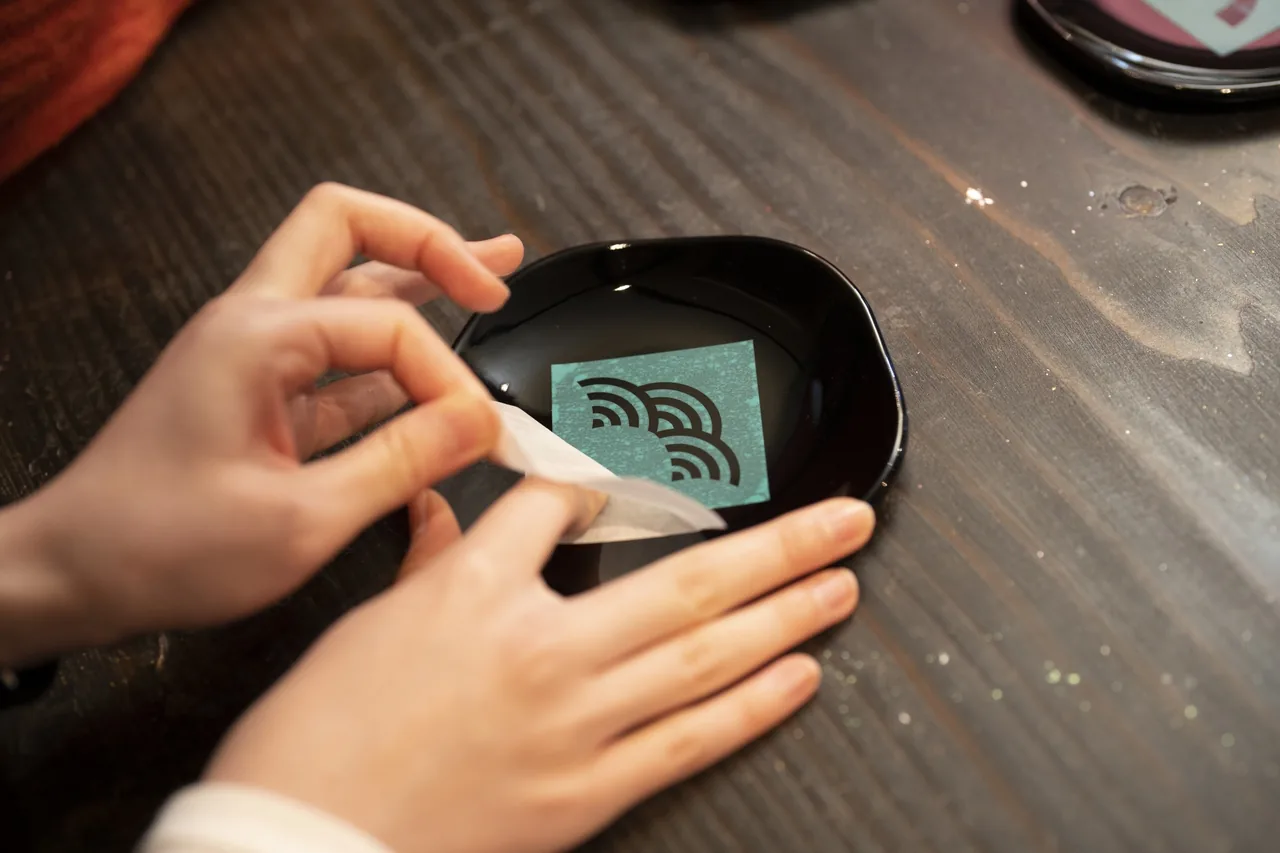
Photo: ©石川県観光連盟
Kaga Yuzen: kimono dyeing in the five Kaga colors
Kaga Yuzen is a style of kimono dyeing handed down mainly in Kanazawa. Its five colors, crimson (enji), indigo, ocher, grass green and ancient purple, are called the Kaga gosai (five Kaga colors) and form the basis of its palette.
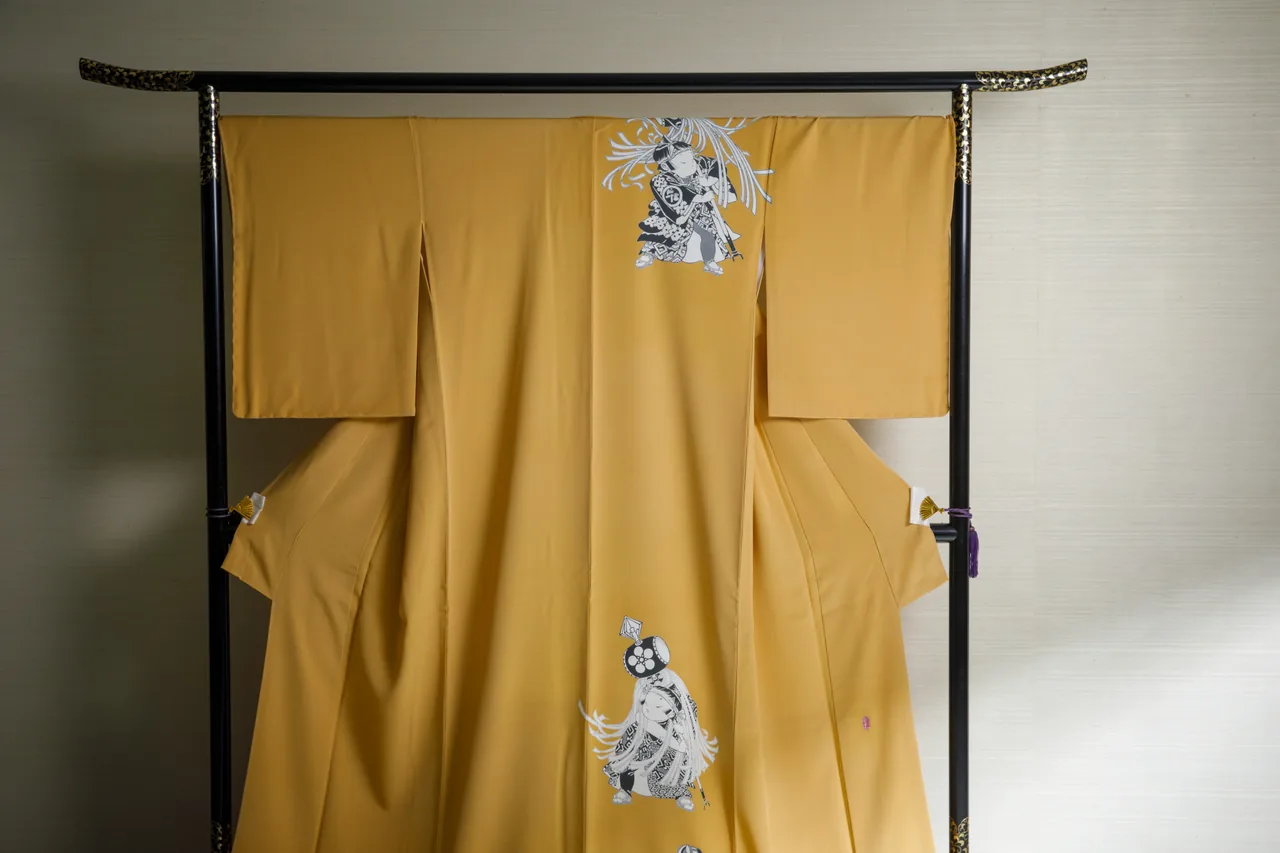
Photo: ©石川県観光連盟
Kaga Yuzen Kaikan in Kanazawa exhibits Kaga Yuzen works, and in its hands-on corner you can try Yuzen dyeing yourself, brushing color onto a handkerchief or other cloth. Check the Kaga Yuzen Kaikan website for what the session involves, how long it takes and how you receive the finished piece.
Wagashi making: shaping sweets for the tea ceremony
Kanazawa is a city where wagashi culture grew up together with the tea ceremony. Jonamagashi, fresh sweets shaped like seasonal flowers and scenery, are also served at tea gatherings.
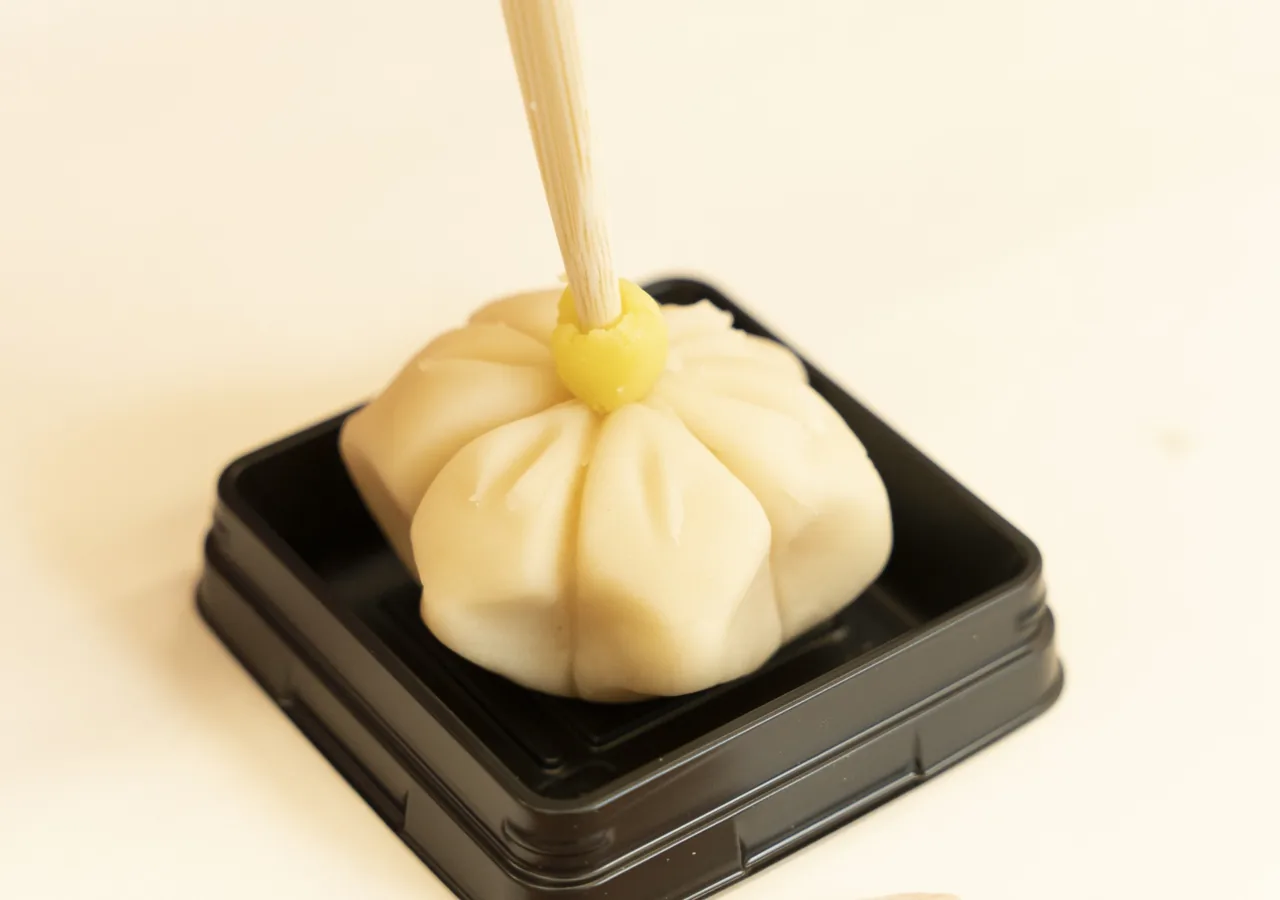
Photo: ©石川県観光連盟
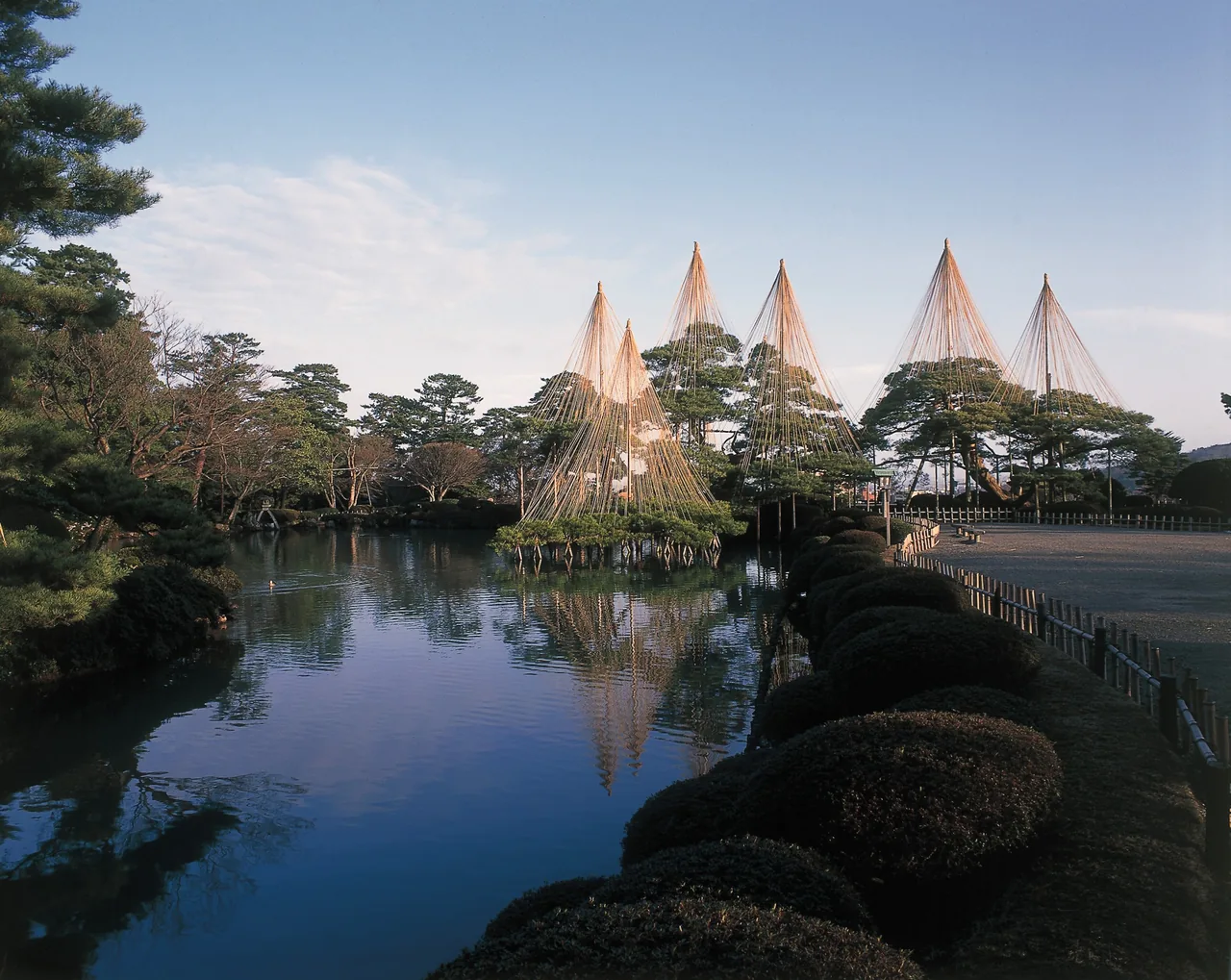
At the Ishikawa Kanko Bussankan (Ishikawa Prefectural Tourism and Products Center), close to Kenrokuen's Katsurazaka entrance, a wagashi craftsman shows you how to make wagashi for the tea ceremony (reservation required; same-day reservations accepted). You can take your sweets home or enjoy them inside with matcha. The session takes about 30 to 40 minutes, so it fits easily before or after a visit to Kenrokuen.
You can also try it at a wagashi shop. Koshiyama Kanseido, founded in 1888, offers sessions where a craftsman teaches you to make jonamagashi. Morihachi, which once made sweets for the Kaga Domain, lets you try making rakugan by packing mixture into wooden molds and tapping it out. Rakugan is a dry sweet that is also served at tea gatherings. Both require reservations, so check dates on the Kanazawa City Tourism Association's activity pages and similar sources. For more on Kanazawa's wagashi themselves, see our guide to Kanazawa wagashi and street food rules.
Tea ceremony: a tradition prized by the Kaga Domain
The Maeda family who ruled the Kaga Domain valued the tea ceremony for generations, and Maeda Toshiie, the founder of the domain, studied tea under Sen no Rikyu. The domain later welcomed Senso Soshitsu of the Urasenke school to Kanazawa. Tea is still widely practiced in Kanazawa today, from the Urasenke school to schools with ties to the Kaga Domain, and tea gatherings are still held. The growth of wagashi culture in Kanazawa is closely tied to this tea tradition. There are places all over the city where visitors can taste matcha or learn tea etiquette.
For a casual bowl of matcha, Shiguretei teahouse inside Kenrokuen serves matcha and a sweet with a view of the garden. If you want to learn the basics, such as how to whisk tea, handle the bowl and bow, choose a tea ceremony experience, such as those held around the Higashi Chaya District. Depending on the session, some cover both thick and thin tea, and some use the ryurei style, in which you sit on chairs. If kneeling on the floor worries you, check whether a session is ryurei style before booking.
Which experience should you choose?
The main traditional experiences in Kanazawa, where to try them and nearby sights are listed below. Choose to fit your sightseeing plans.
| Experience | Main places | Nearby sights |
|---|---|---|
| Gold leaf application | Kinpakuya Sakuda Main Store | Higashi Chaya District |
| Kaga Yuzen dyeing | Kaga Yuzen Kaikan | Kenrokuen |
| Wagashi making | Ishikawa Kanko Bussankan, Koshiyama Kanseido, Morihachi (rakugan) | Kenrokuen (Ishikawa Kanko Bussankan) |
| Matcha and tea ceremony | Shiguretei in Kenrokuen; tea ceremony experiences around the Higashi Chaya District and elsewhere | Kenrokuen, Higashi Chaya District |
Booking and planning tips
- Most experiences require a reservation. Book early once your dates are fixed.
- Fees, length and reception hours differ by place and can change. Check each venue's official website.
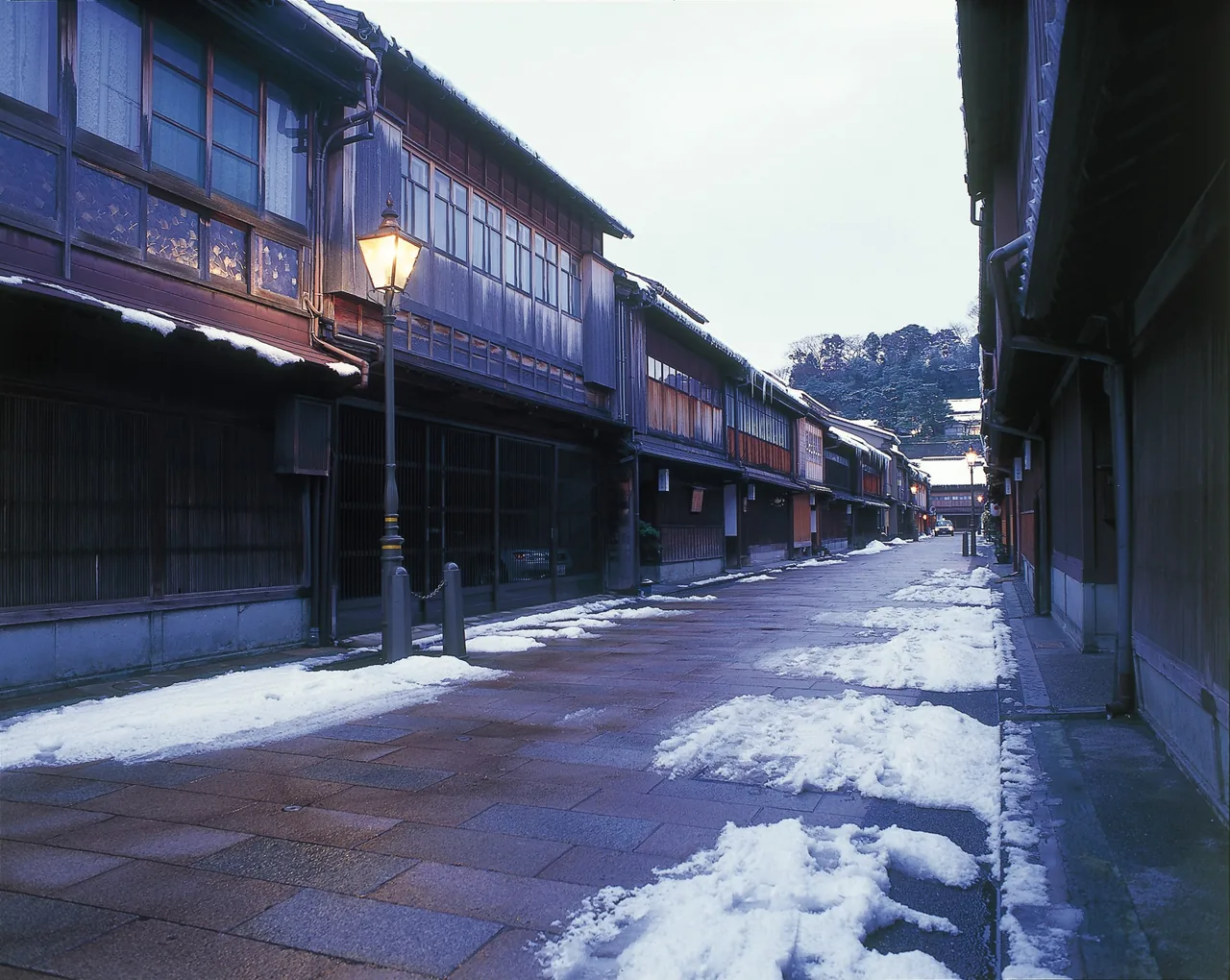
- Gold leaf shops and the Kanazawa Yasue Gold Leaf Museum are near the Higashi Chaya District, and the Ishikawa Kanko Bussankan is near Kenrokuen. Try gold leaf on the day you walk the Higashi Chaya District and wagashi making on the day you visit Kenrokuen, and you'll cut down on travel.
On the Kanazawa City Tourism Association's official website, you can search for and book experiences in gold leaf, Yuzen, wagashi, tea and more. If you'd like to walk the teahouse streets before or after, see our guide to Kanazawa's chaya districts.