Kure and Okunoshima: Yamato Museum, Tetsu no Kujira and Takehara
This guide is translated from the Japanese edition. Read the Japanese edition
Kure and Okunoshima: the Yamato Museum reopened in April 2026, the Tetsu no Kujira submarine museum, Kure Port, Okunoshima's war history and Takehara's old streets.
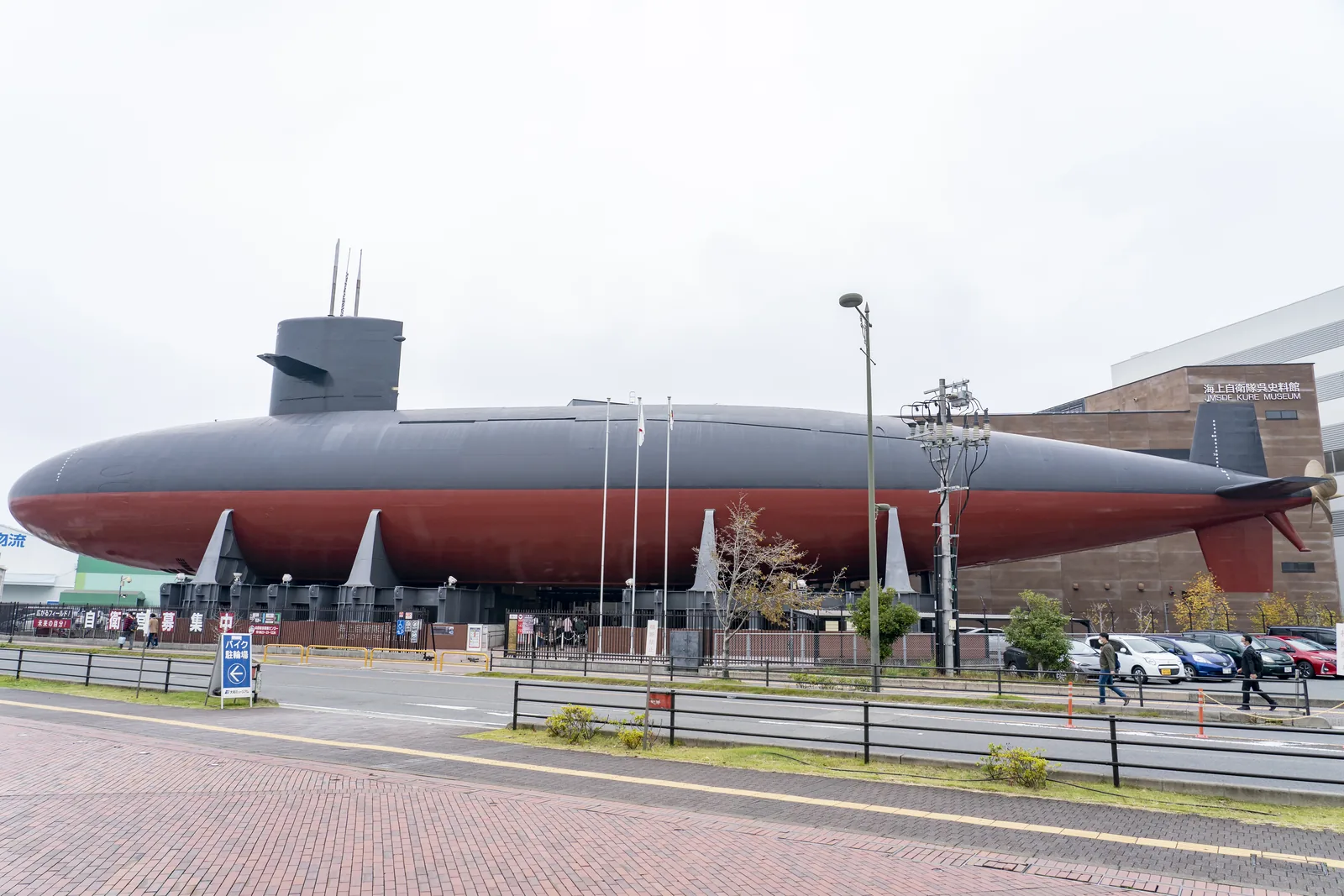
Beside a road right by the harbor, a real submarine sits on dry land. Kure, east of Hiroshima City, grew as a naval port from the Meiji era, and it is still a port city where you can see shipyard cranes and Self-Defense Force vessels. Facing the harbor are the Yamato Museum, which tells Kure's history and technology centered on the battleship Yamato, and the submarine museum Tetsu no Kujira. Head east from Kure and you reach Okunoshima, an island marked by the history of war, and Takehara, where old streets survive.
Yamato Museum: reopened in April 2026
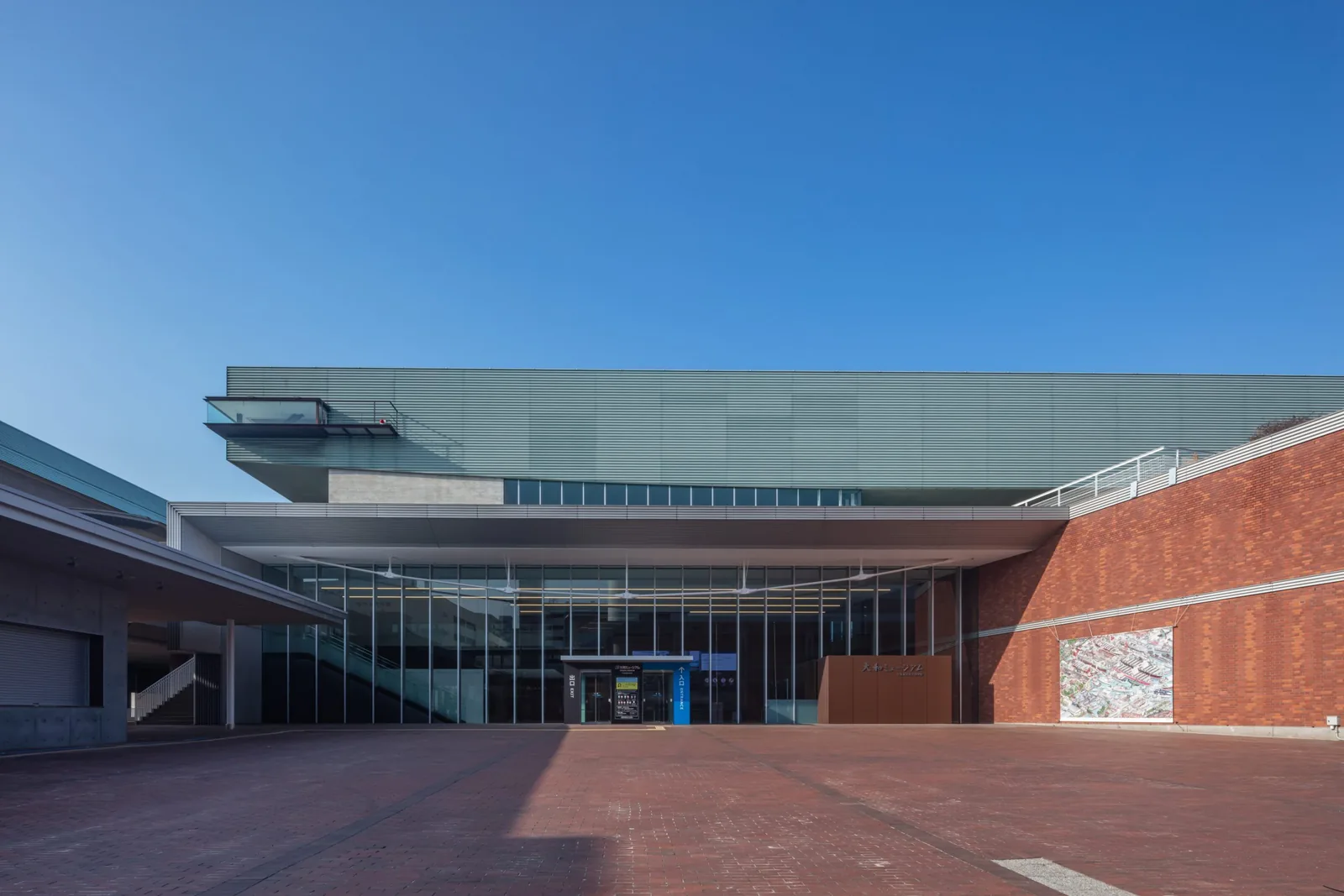
Photo: Yamato Museum
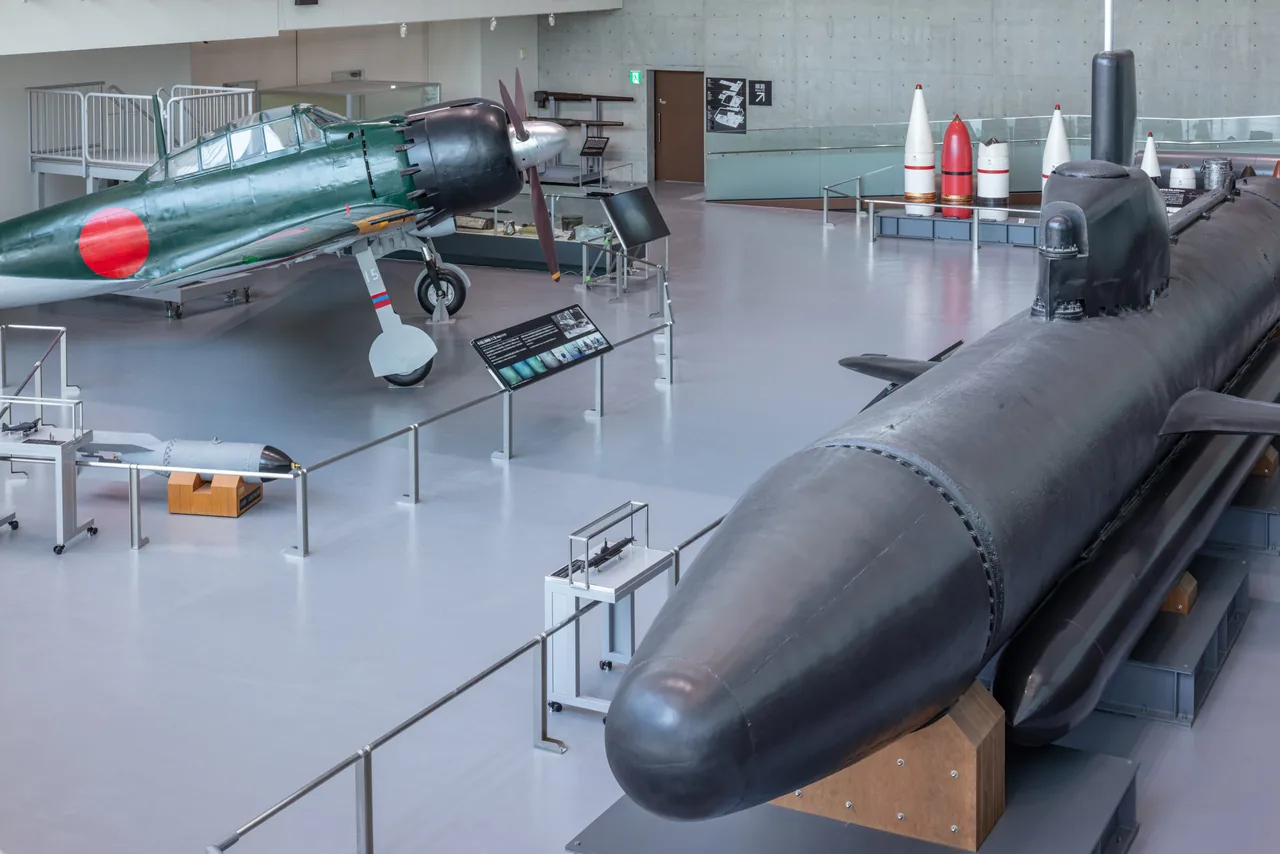
The Yamato Museum (Kure Maritime Museum) tells the history of Kure and of the shipbuilding technology behind vessels built here, starting with the battleship Yamato. It closed on February 17, 2025 for its first major renovation since opening, and reopened on April 23, 2026.
The renovation added about 300 exhibits, and the science and technology gallery on the third floor was completely renewed.
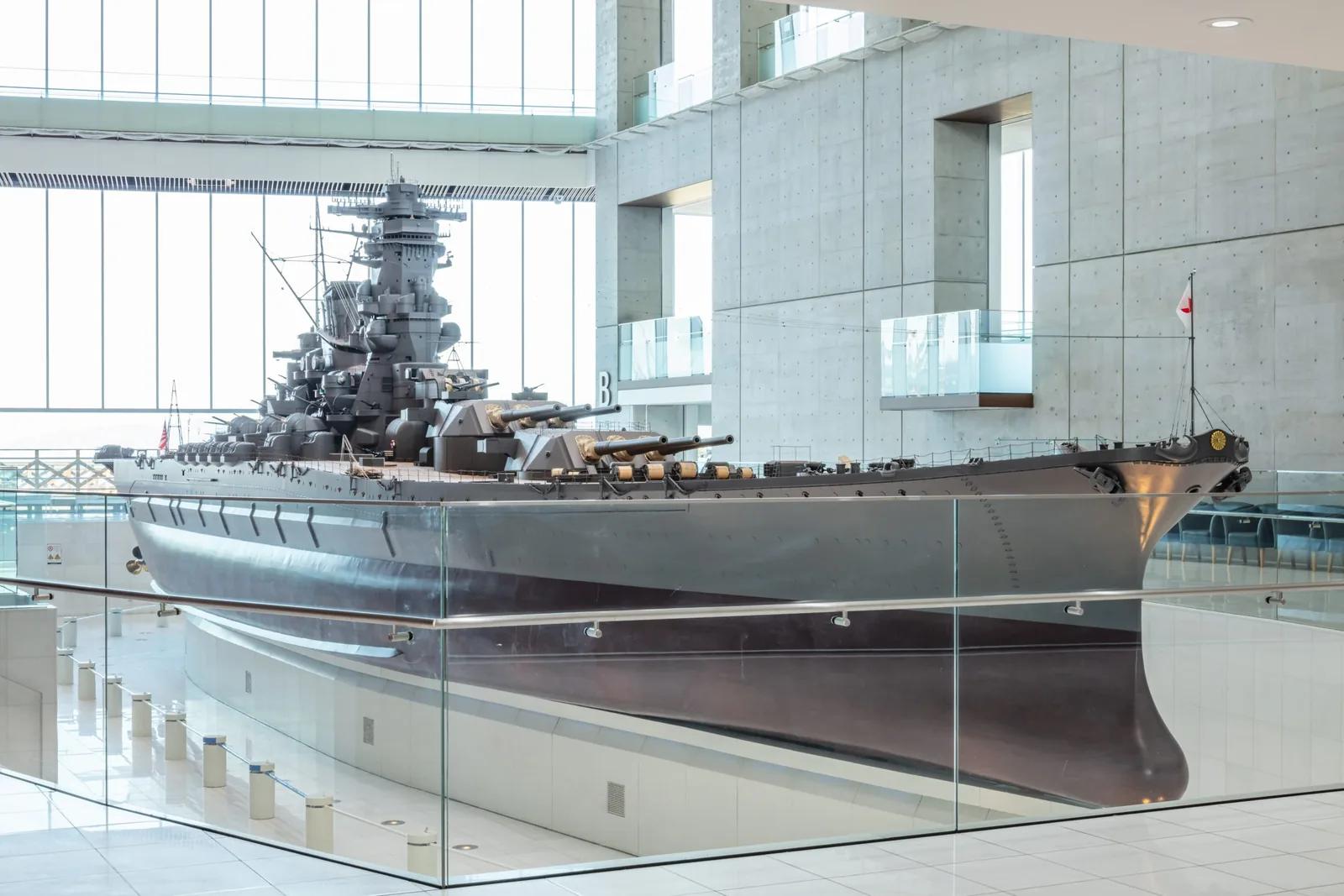
Photo: Yamato Museum
At the heart of the museum is a 1/10-scale model of the battleship Yamato. For the reopening, parts of the model were revised based on the latest surveys and research.
Check opening hours, fees and crowd information on the official website before you go.
Tetsu no Kujira: a submarine on land
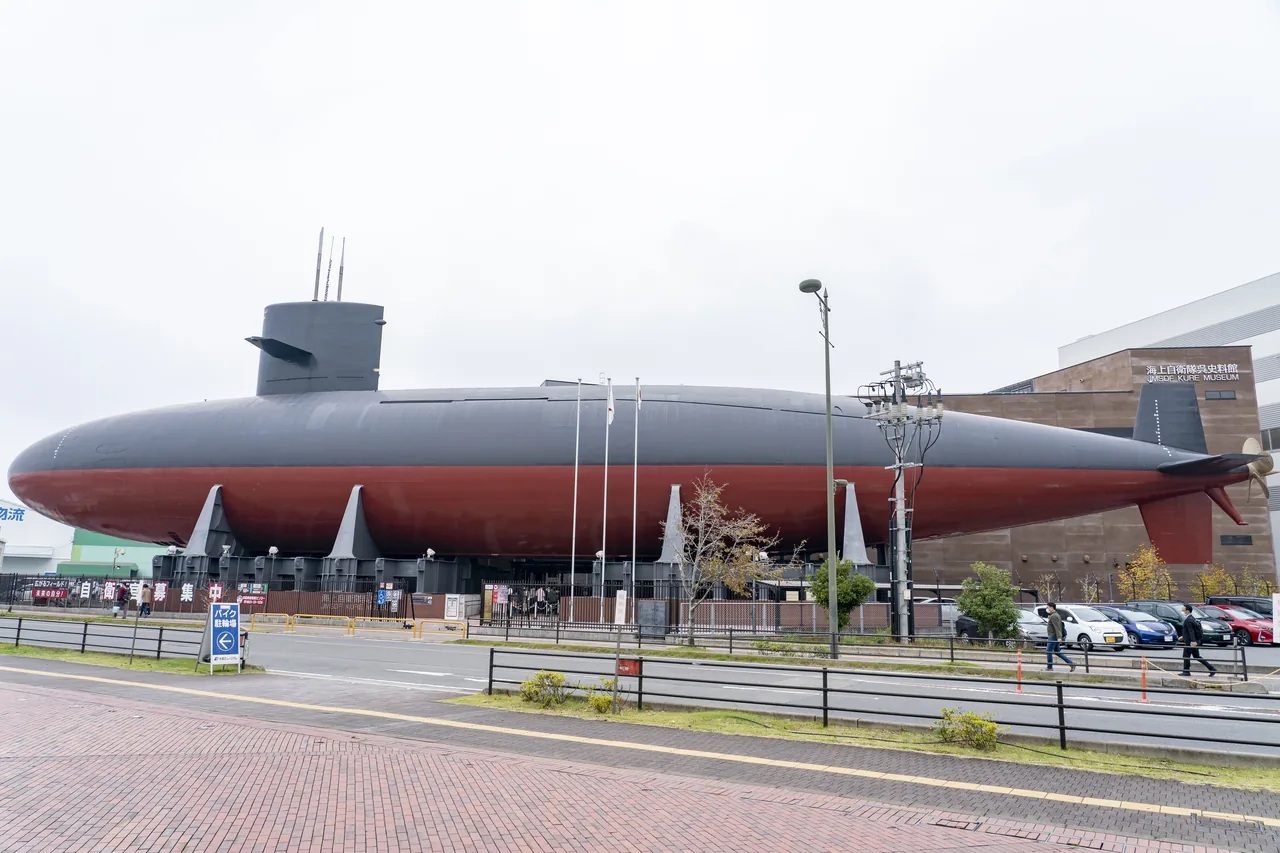
Just steps from the Yamato Museum is the JMSDF Kure Museum, nicknamed "Tetsu no Kujira" (Iron Whale). The large submarine beside the building is the landmark, and inside the museum covers the history of the Japan Maritime Self-Defense Force, minesweeping (clearing naval mines from the sea) and submarines.
It is a short walk from the Yamato Museum, so you can visit the two one after the other. Check opening days in the official information.
Kure Port: watching the ships
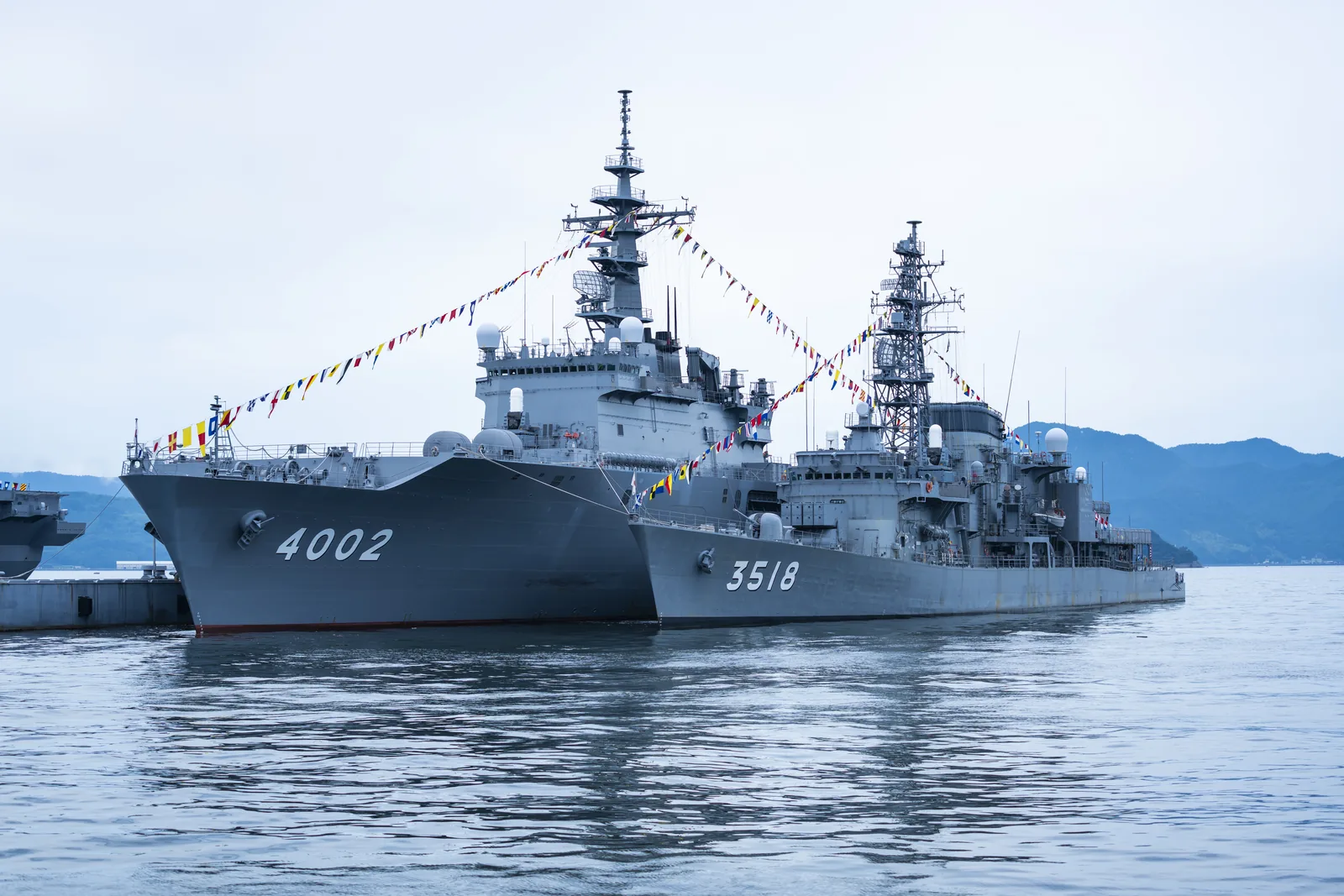
Photo: Hiroshima Tourism Association
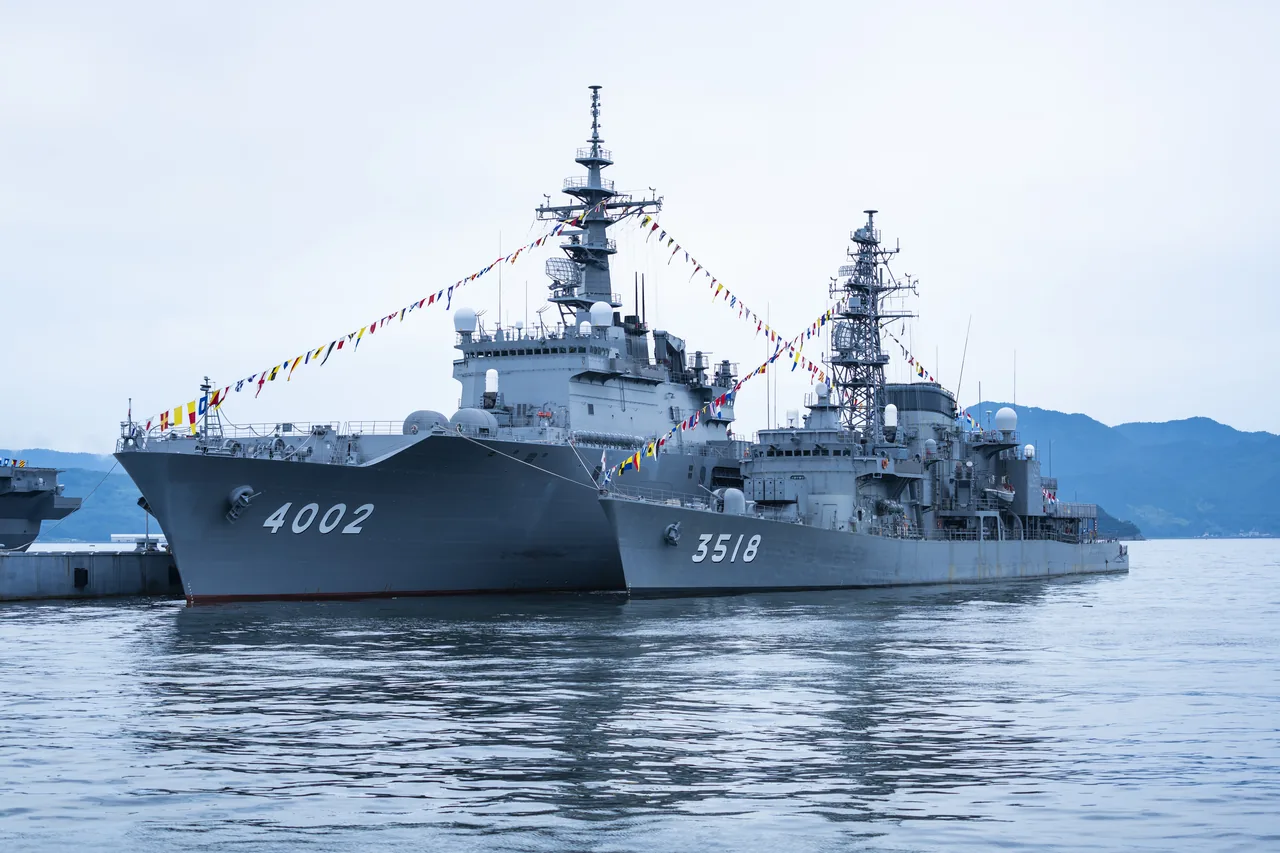
Around Kure Port you can see Maritime Self-Defense Force vessels moored at the quays and the big cranes of the shipyards. Walking along the waterfront, you get a sense of what this former naval port is like today.
Self-Defense Force facilities are closed to the public except on designated open days. When taking photos, follow the signs on site and do not enter restricted areas.
Okunoshima: an island that tells the history of war
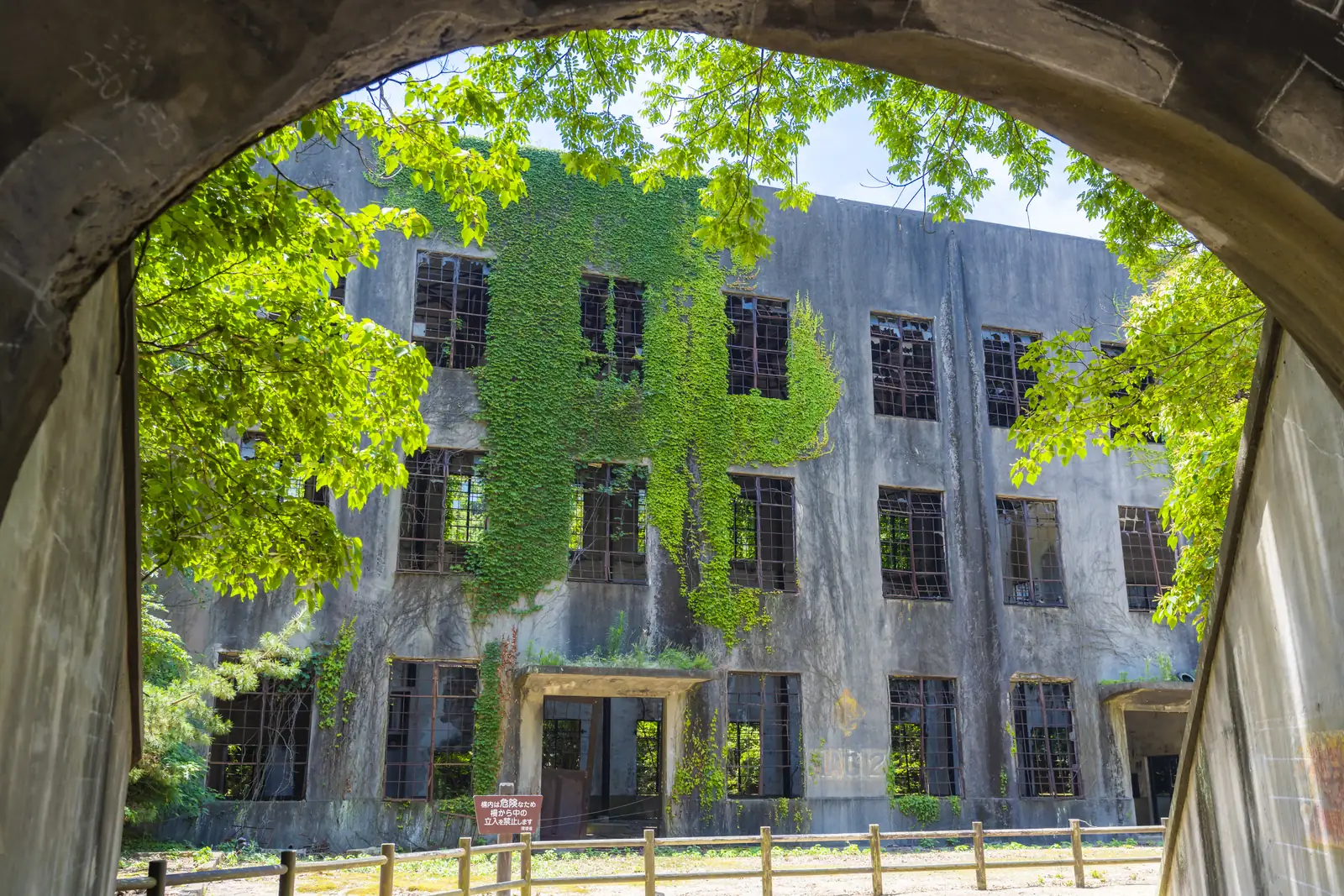
Photo: Hiroshima Tourism Association
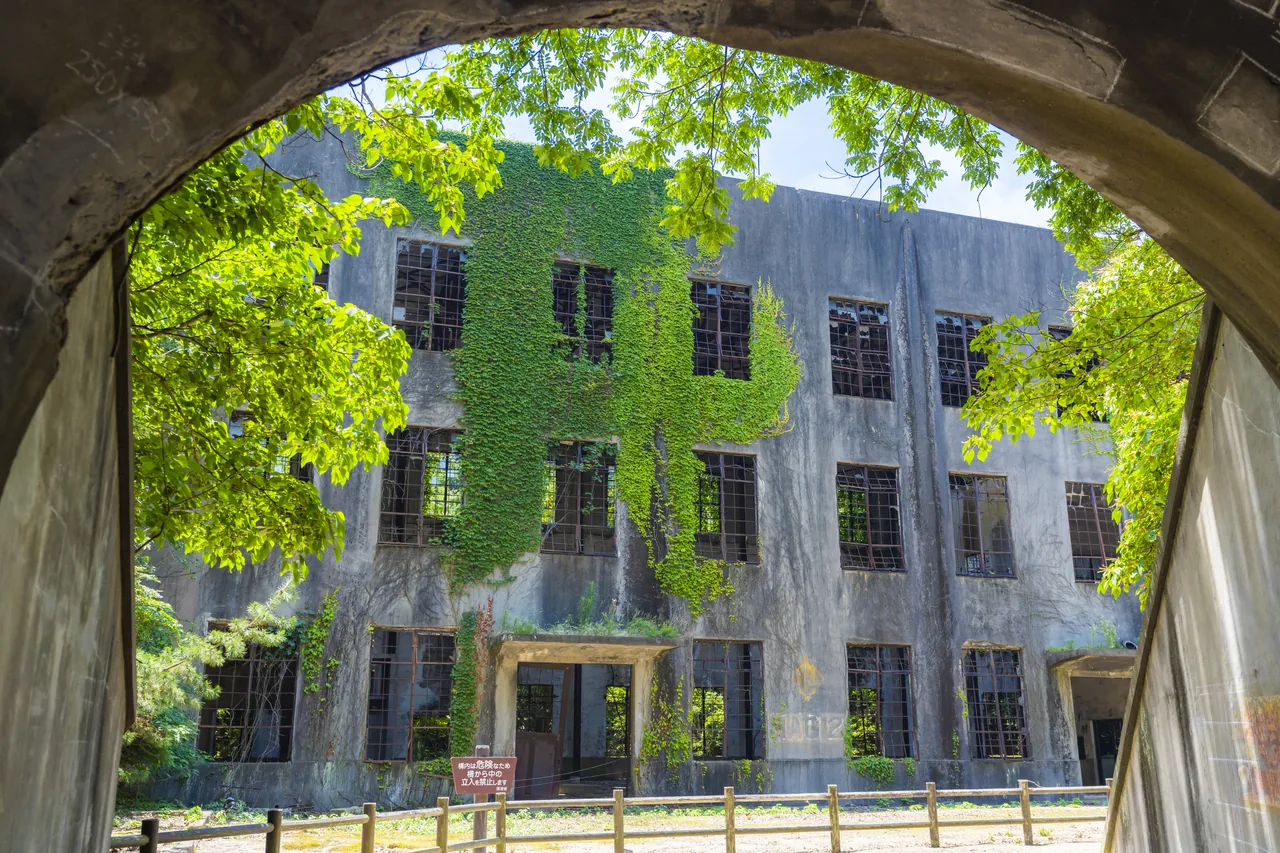
Okunoshima, off the coast of Takehara City, is an island where poison gas was manufactured during the war. Ruins of buildings from that time remain on the island, still covered in ivy. The island's museum tells of the poison gas production and the harm suffered by the people who worked there.
Today Okunoshima is also known for its many feral rabbits, and plenty of visitors come to see them. Even so, standing in front of the ruins means facing the history this island carries. Do not enter ruins where access is restricted by fences or similar barriers; view them from outside.
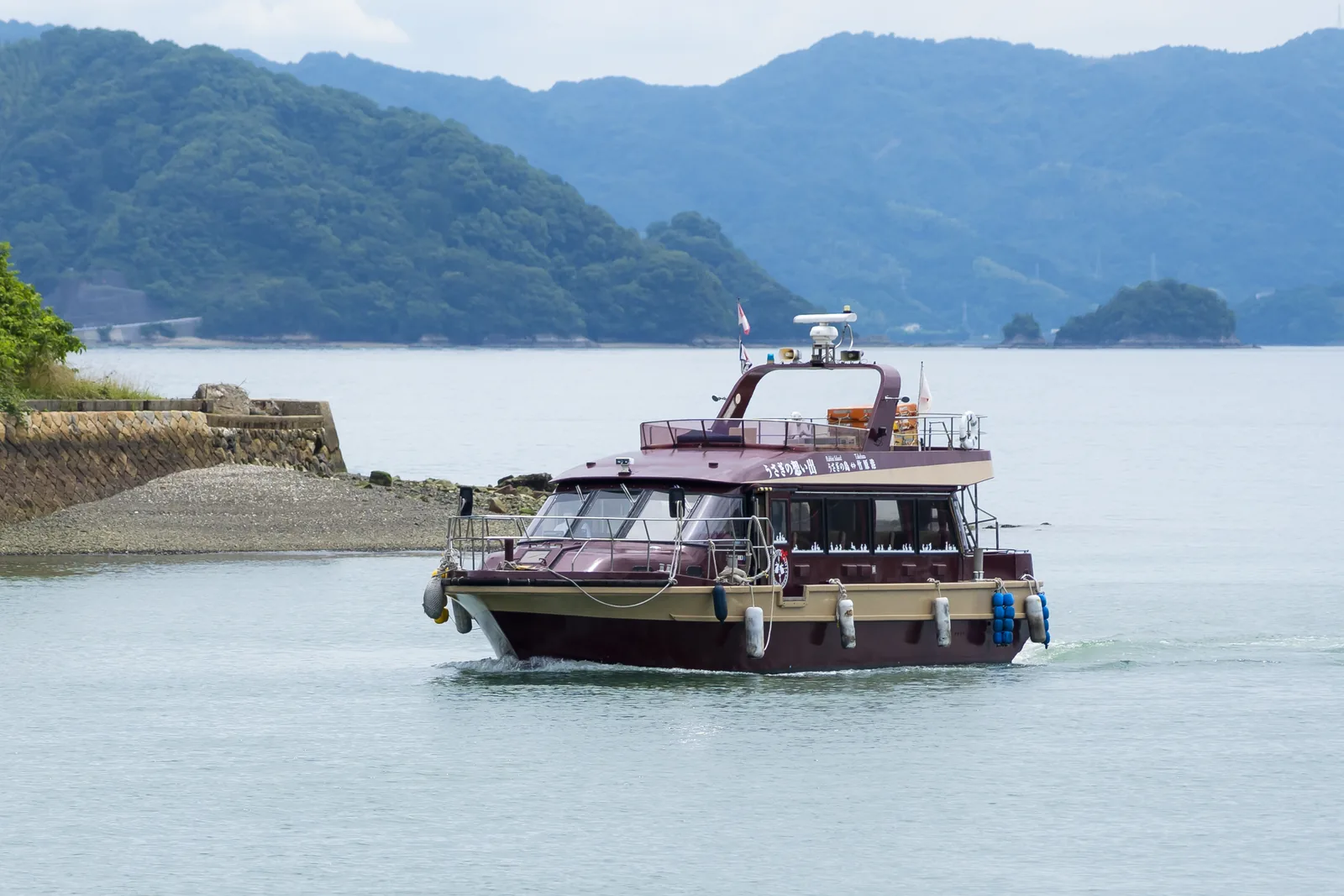
Photo: Hiroshima Tourism Association
Okunoshima is reached by boat from Tadanoumi Port in Takehara City. Sailing times can change with the season, so check them together with the time of the return boat.
Takehara's old streets: a town built on salt and sake
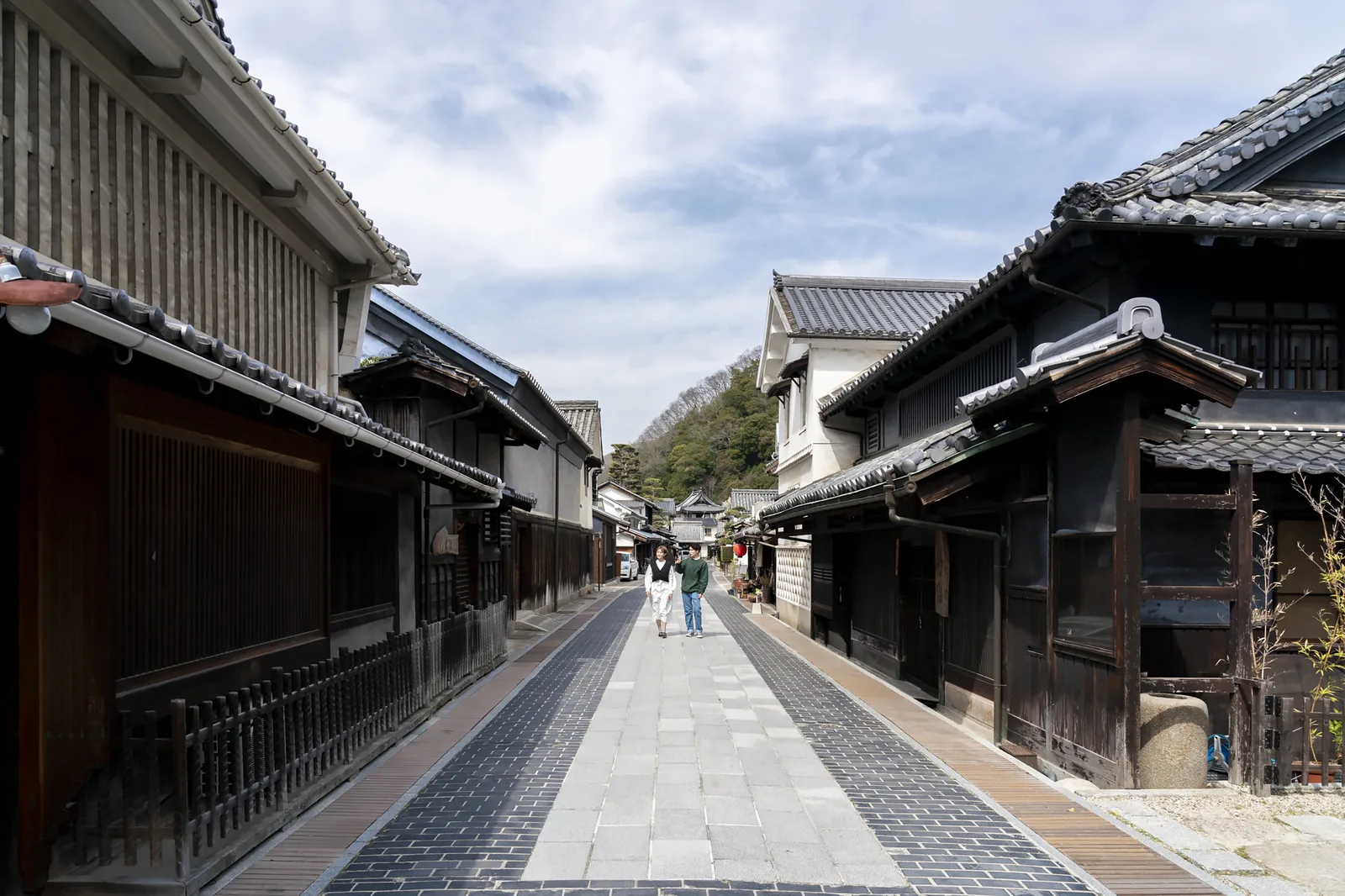
Photo: Hiroshima Tourism Association
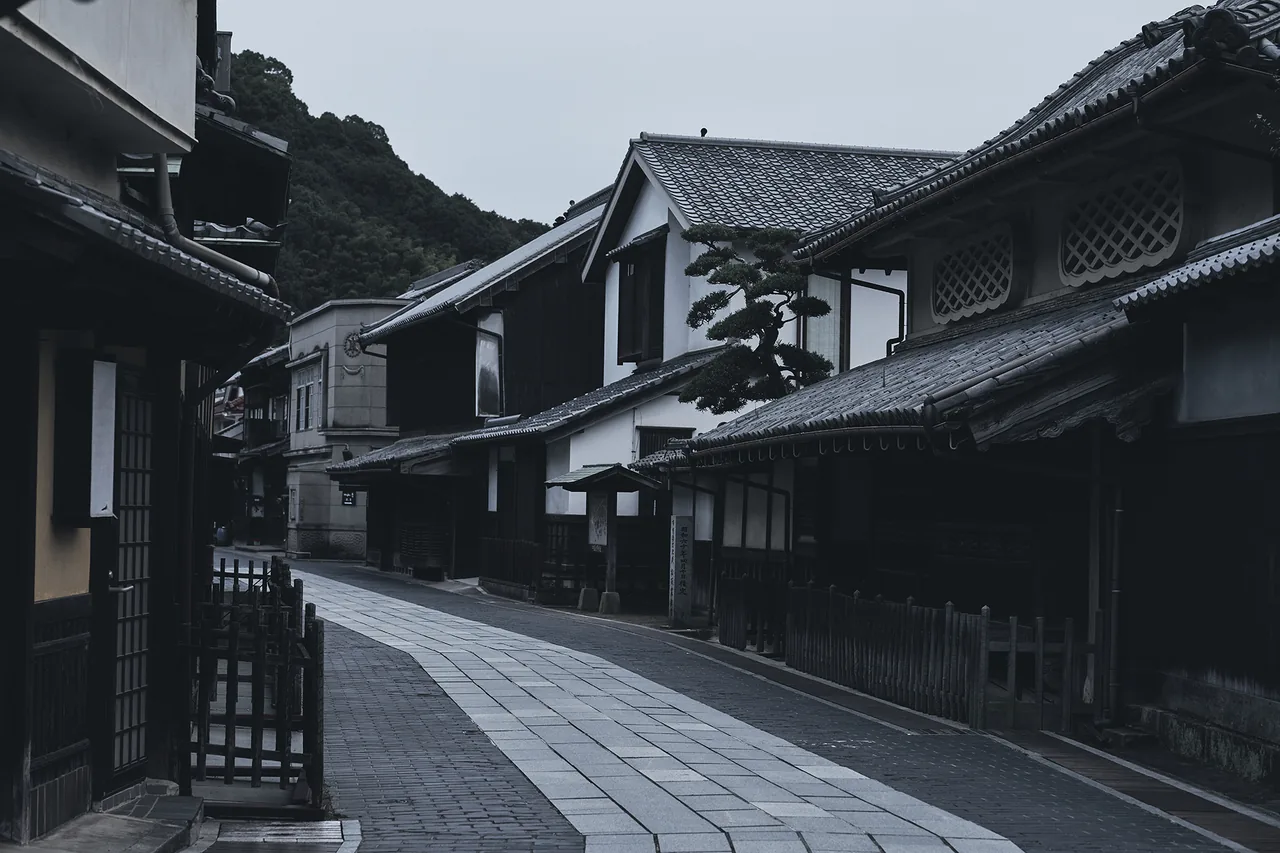
Takehara City, home to Tadanoumi where the boats to Okunoshima leave, preserves the streets of a town that prospered from salt making in the Edo period and later became known for sake brewing. The paved streets lined with latticed windows and tiled-roof townhouses are protected as a historic preservation district.
Takehara and Tadanoumi, where the boats to Okunoshima leave from, are both stations on the JR Kure Line. The line runs along the coast linking Kure, Takehara and Mihara, so you can visit the museums in Kure and then head to Takehara, or spend a day on Takehara's old streets and Okunoshima.
For details, see the Yamato Museum, Tetsu no Kujira, Okunoshima and Takehara historic district pages. Peace Memorial Park in Hiroshima City is covered in Visiting Hiroshima Peace Memorial Park and the Atomic Bomb Dome.