
Muroto Things to Do: Cape Muroto, Aki and Kochi's East Coast
This guide is translated from the Japanese edition. Read the Japanese edition
Kochi's east coast from Ryugado Cave to Aki and Cape Muroto: the Nora-dokei clock tower, Monet's Garden, Muroto School Aquarium and the geopark coast, by train and bus.
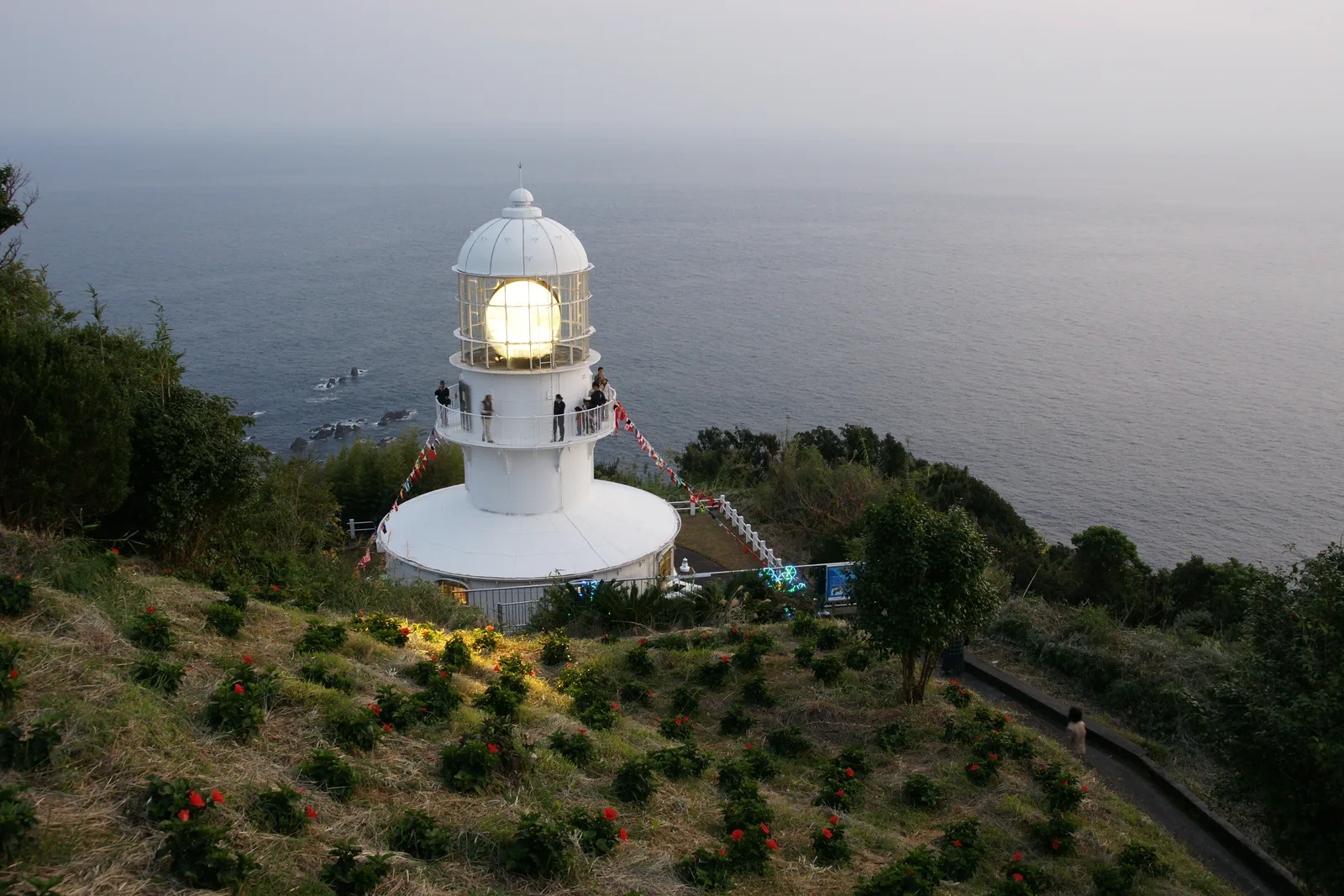
On the hill at Cape Muroto, the white lighthouse has its light on. Beyond it, the Pacific stretches so far that its line with the sky blurs. The coast runs east from Kochi City along Tosa Bay to Cape Muroto. Along it are sights of very different kinds: a limestone cave, Ekin's theater paintings, a town with a clock tower, Monet's Garden and an aquarium in an old school. Most of them can be reached by combining stations on the Gomen-Nahari Line with buses.
How do you get around Kochi's east coast?
The backbone of travel along the coast is the Tosa Kuroshio Railway Gomen-Nahari Line, which runs along Tosa Bay from Gomen Station on the JR Dosan Line to Nahari Station. Some trains run through from JR Kochi Station, and a rapid train takes about 50 minutes from Kochi Station to Aki Station. Beyond Nahari toward Muroto, change to a Kochi Tobu Kotsu bus.
By car, it is about 1 hour 40 minutes from Nankoku IC on the Kochi Expressway to Cape Muroto. Some sights around Aki and Kitagawa are away from the stations, so check rental bicycles and bus times in advance to make the day easier.
Ryugado Cave and Ekingura in Akaoka
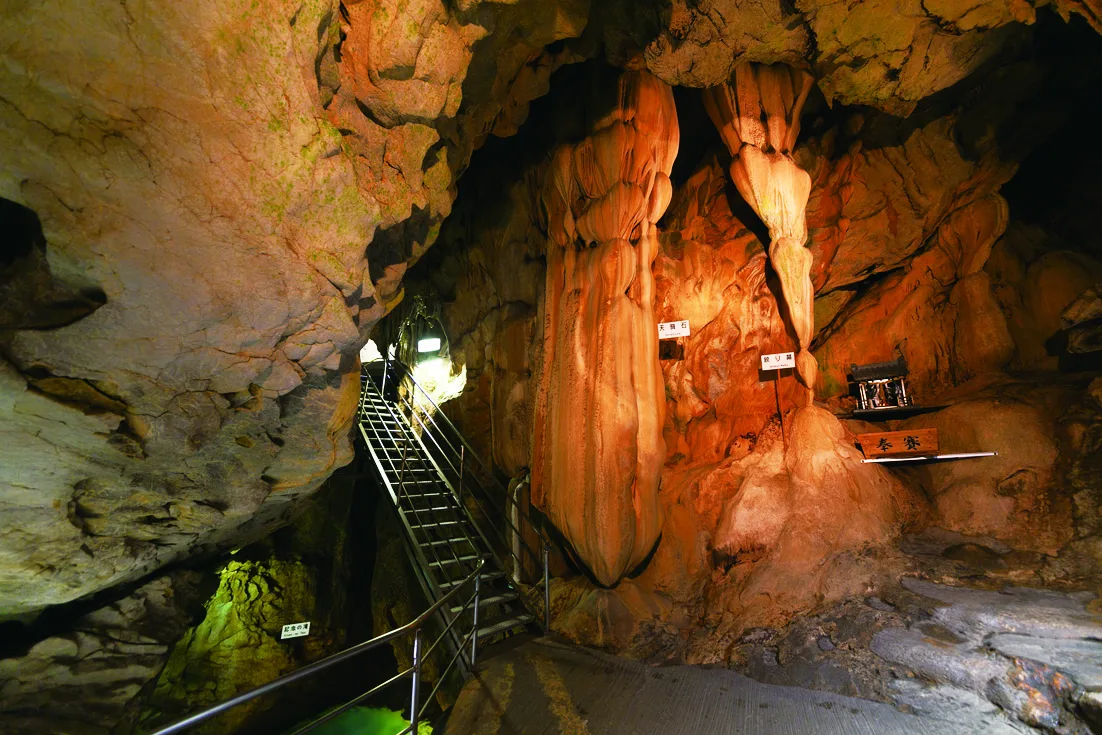
Before heading to the coast, stop at Ryugado Cave in the hills of Kami City. Of the roughly 4 km limestone cave, about 1 km is the sightseeing course, which takes about 40 minutes on foot and needs no reservation. Inside are traces of people who lived here in the Yayoi period, and the "Kami no Tsubo," a clay pot wrapped in limestone deposits that has become part of the cave. The cave was designated both a Natural Monument and a Historic Site in 1934. It is about 20 minutes by Tosaden Kotsu bus from Tosa-Yamada Station on the JR Dosan Line.
画像提供:(公財)高知県観光コンベンション協会
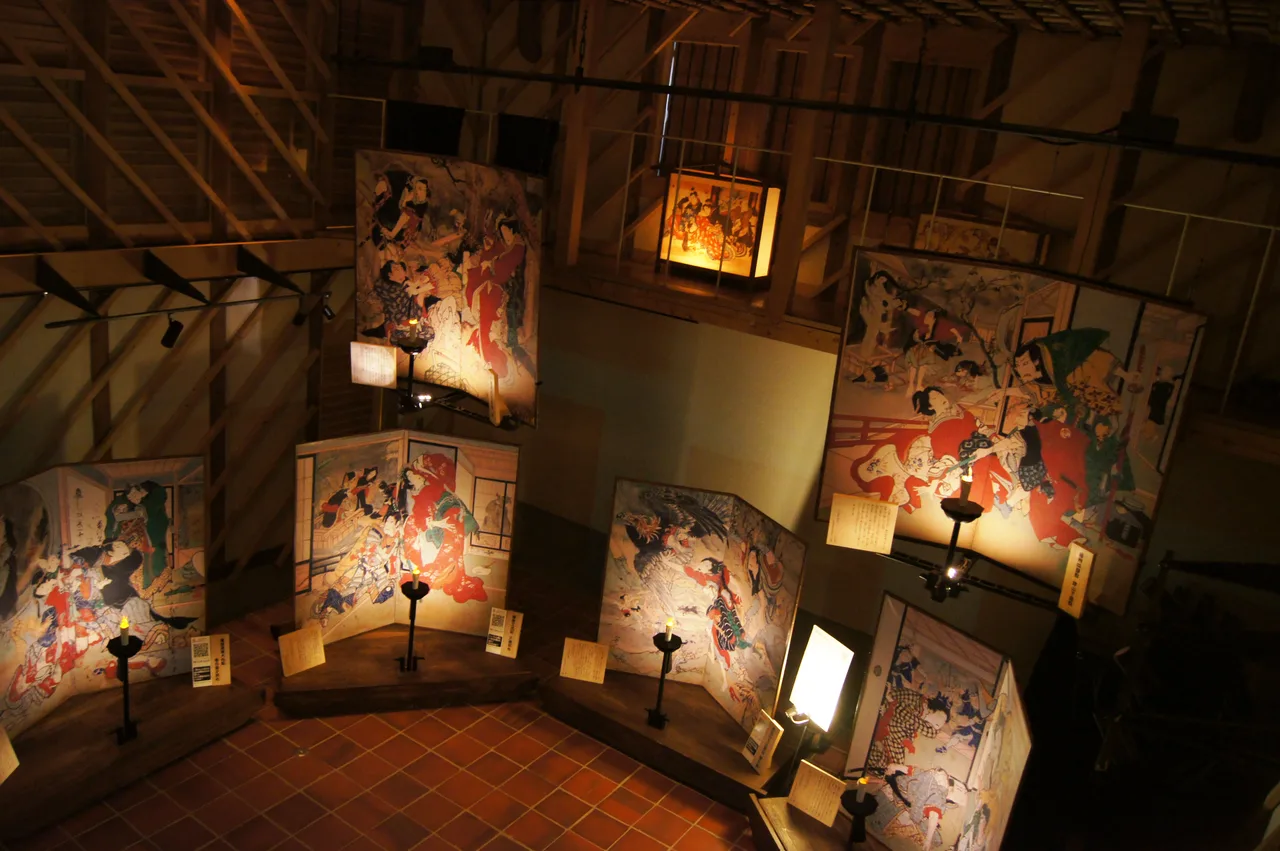
Ekingura in Akaoka, Konan City, preserves the work of Kinzo, a theater painter of late-Edo Tosa known as "Ekin." It houses 23 painted folding screens of kabuki scenes that remain in Akaoka, and in the dim interior the screens stand under soft lights. During the Tosa Akaoka Ekin Festival on the third Saturday and Sunday of July each year, the screens are set out under the eaves of the shopping street at night. It is about 10 minutes on foot from Akaoka Station on the Gomen-Nahari Line.
画像提供:(公財)高知県観光コンベンション協会
Aki: the Nora-dokei clock tower and the samurai district
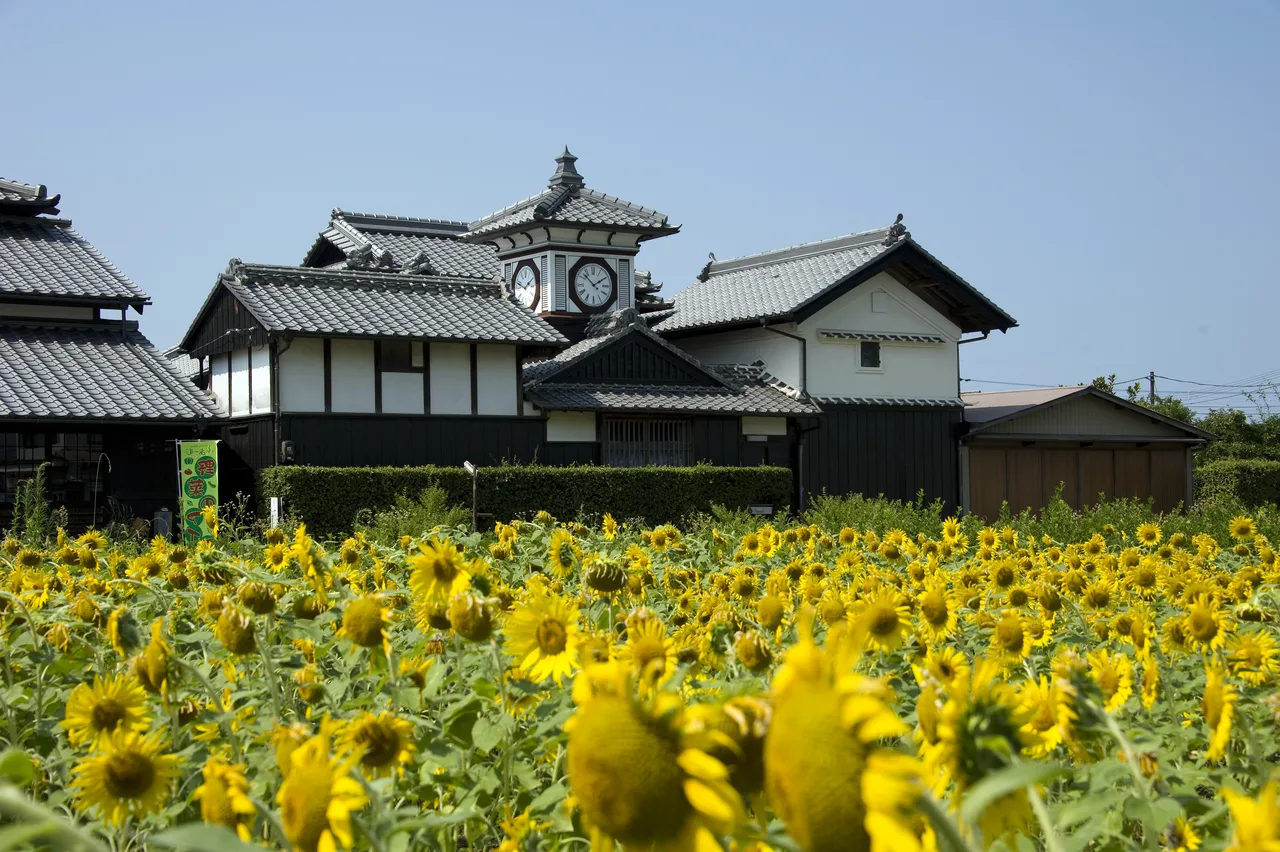
The Nora-dokei, standing among the fields of Doi in Aki City, is a tile-roofed house topped with a clock tower. In the mid-Meiji period, the landowner Hatanaka Genma taught himself how clocks work and built it. It is still a private home, so you can only see it from outside.
画像提供:(公財)高知県観光コンベンション協会
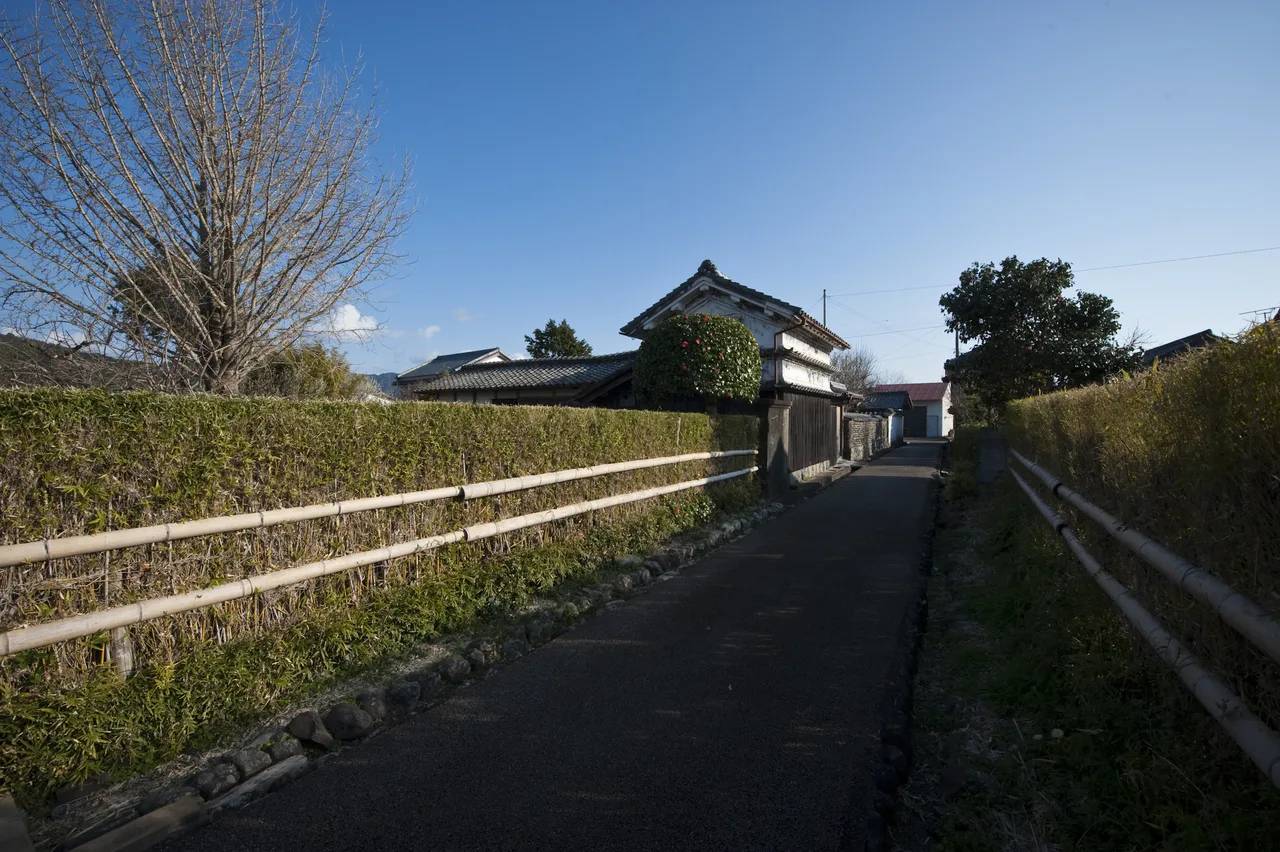
Near the clock tower lies Doi Kachu, a samurai district shaped by the Goto family, senior retainers of the Tosa domain, who had their residence here. Hedges of doyodake bamboo and ubamegashi oak, clipped to an even height, line both sides of the lanes, and the Nomura House in the district is open to the public. It is about 30 minutes on foot from Aki Station, so a rental bicycle or a bus to "Noradokei-mae" makes it easier.
画像提供:(公財)高知県観光コンベンション協会
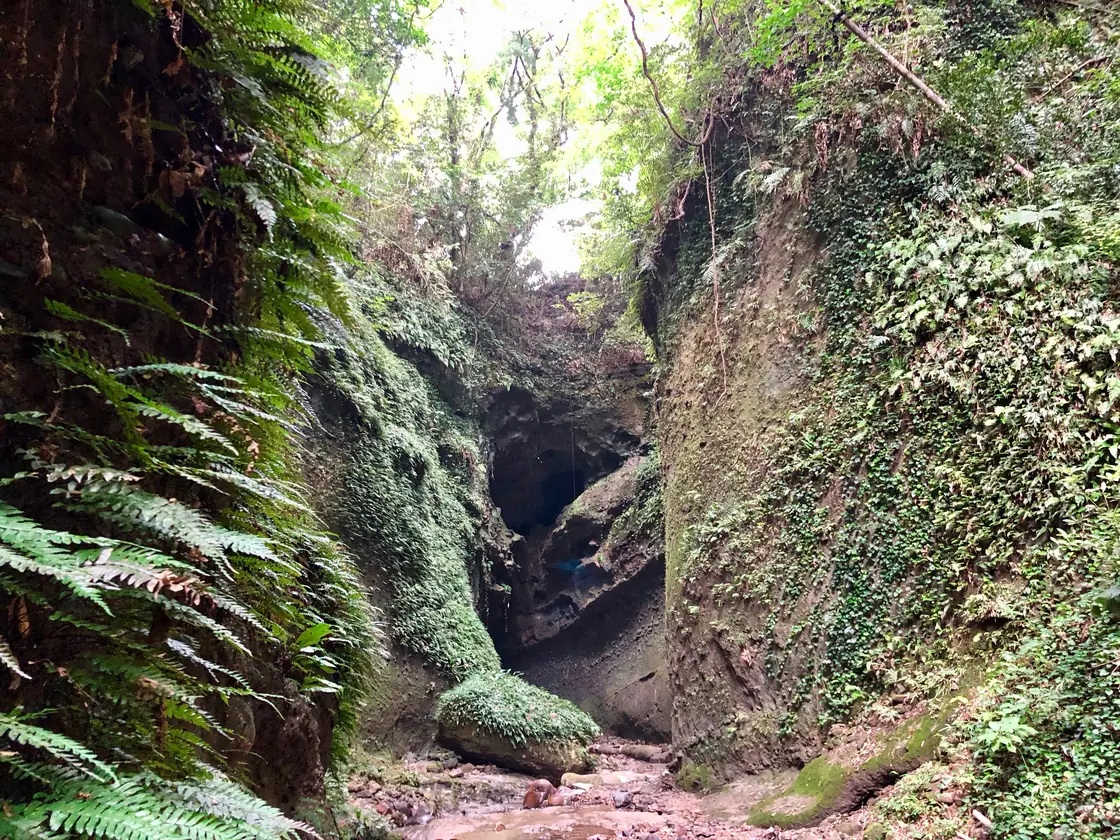
Aki City has one more stop: Ioki Cave, about 7 minutes on foot from Ioki Station. Walk through a sea cave about 40 m long carved by the waves, and you come out into a valley whose cliffs are covered in ferns. The floor of the cave is wet, so wear shoes with good grip.
Tano and Kitagawa: Okagoten and Monet's Garden
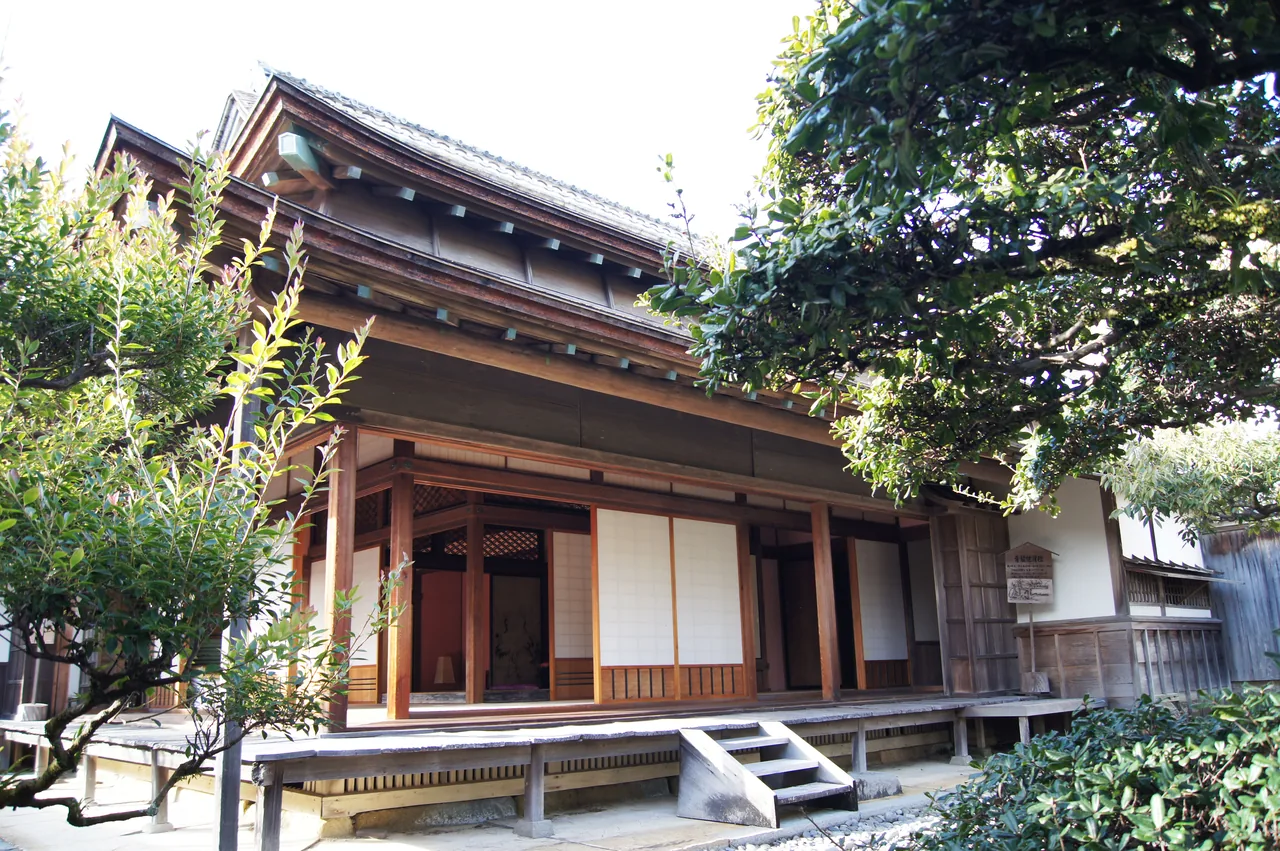
Okagoten in Tano Town is the residence the wealthy Oka merchant family built in 1844; the lords of Tosa stayed here when traveling through the eastern part of the domain. It is about 7 minutes on foot from Tano Station.
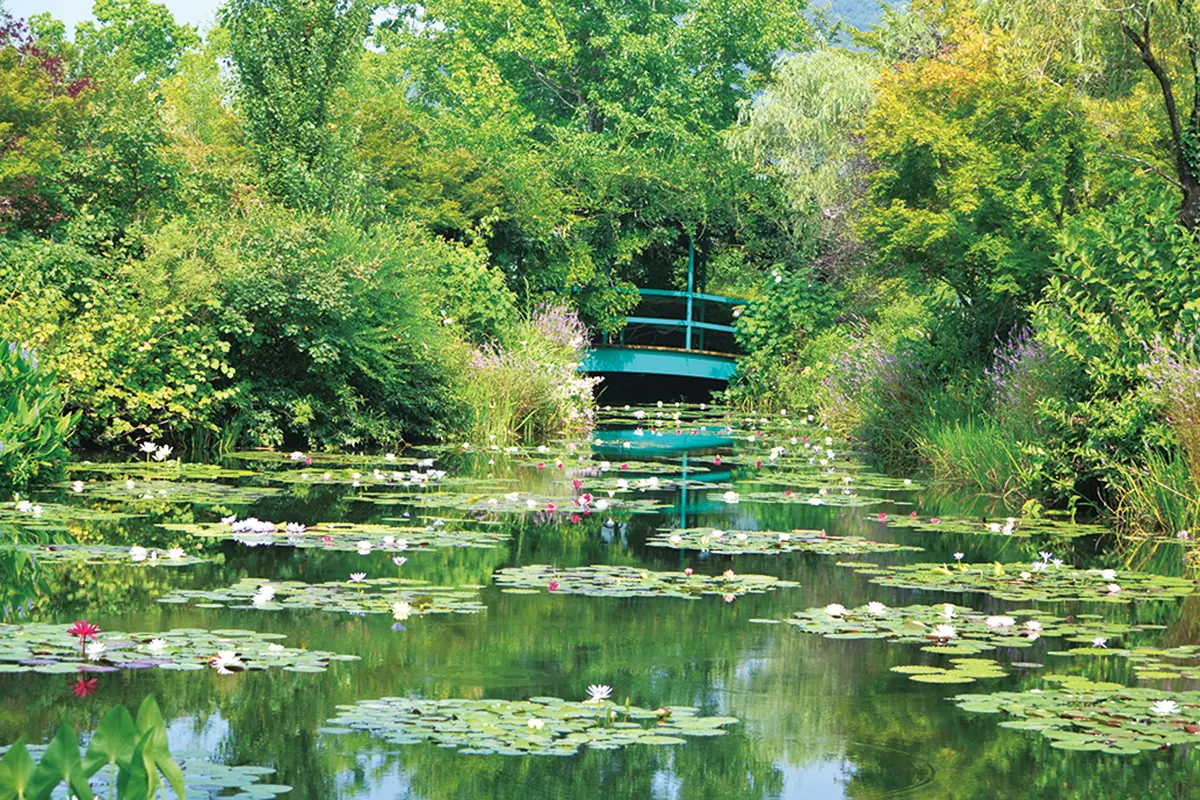
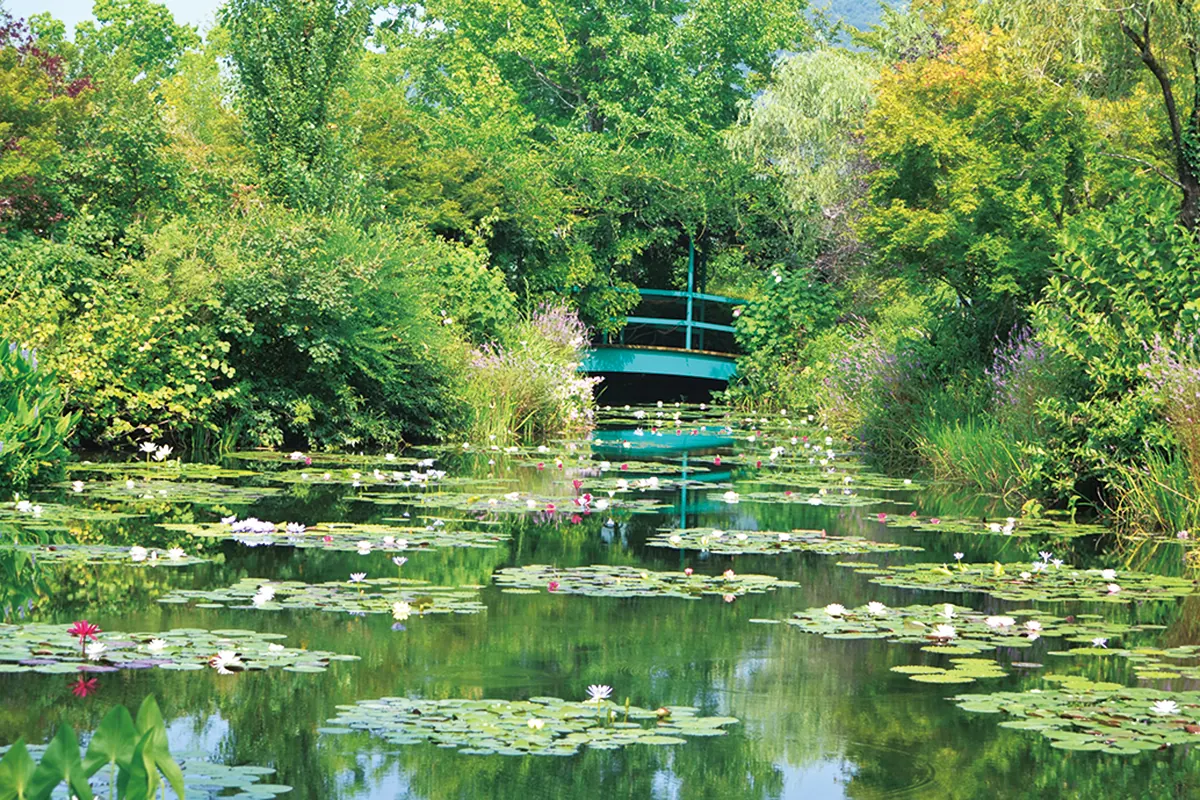
Inland from Nahari Station, Kitagawa Village is home to Monet's Garden Marmottan in Kitagawa Village, modeled on the garden the Impressionist painter Claude Monet created at Giverny. Opened in 2000, it has three gardens: the "Water Garden," with a green arched bridge over a water-lily pond, the "Flower Garden" and the "Bordighera Garden." In summer, the Water Garden even has the blue water lilies Monet wished to grow. Because of renovation work on the Water Garden, parts of the garden have been closed off since November 1, 2026, and the whole garden will be closed from December 1, 2026, to March 12, 2027 (it reopens on March 13, 2027). It is about 10 minutes by car from Nahari Station. There are buses toward Kitagawa, but they run infrequently, so check the times on the official website.
画像提供:(公財)高知県観光コンベンション協会
Kitagawa is also the birthplace of Nakaoka Shintaro, who worked with Sakamoto Ryoma to bring about the Satsuma-Choshu Alliance.
Muroto: the school aquarium and Cape Muroto
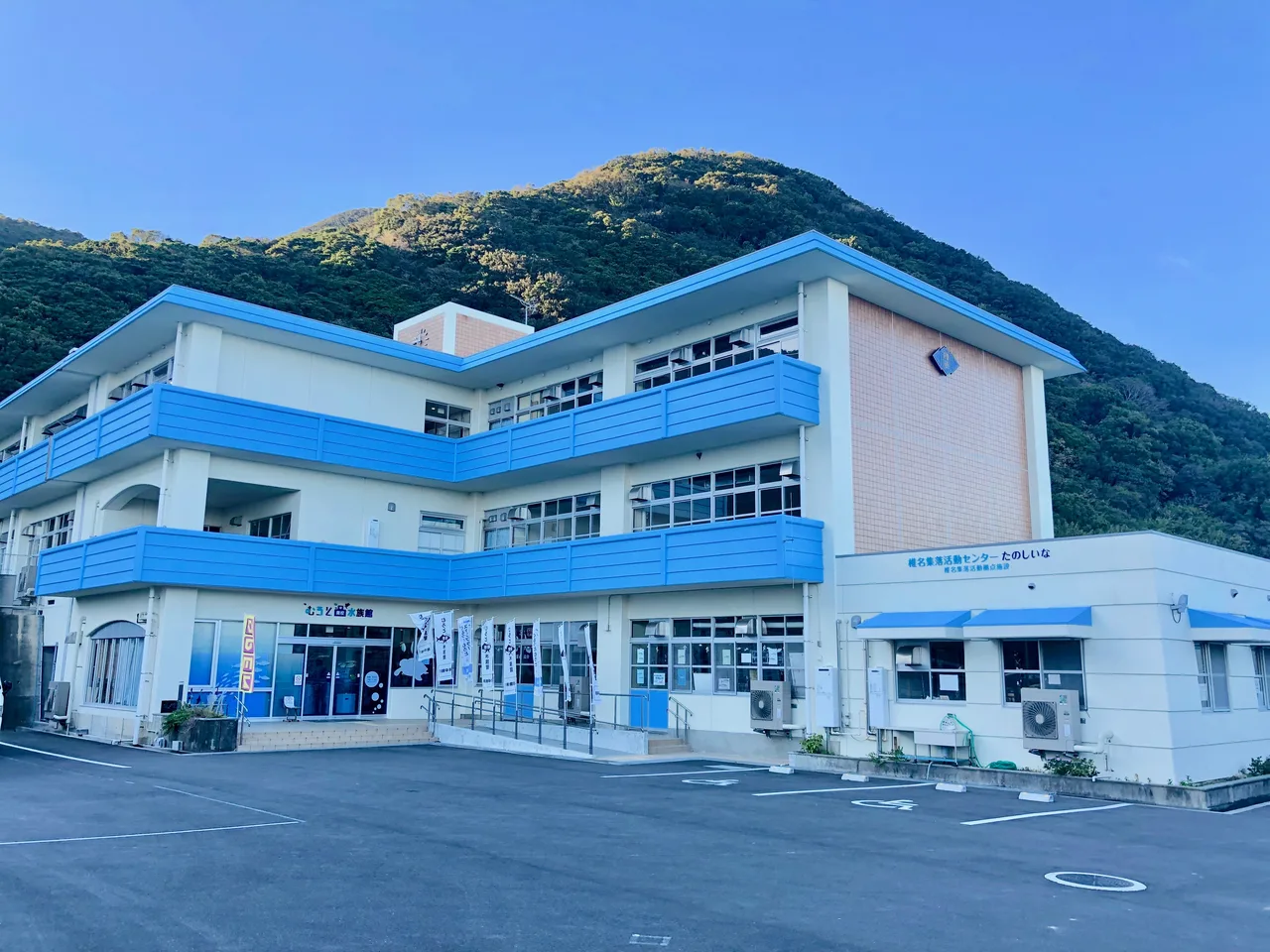
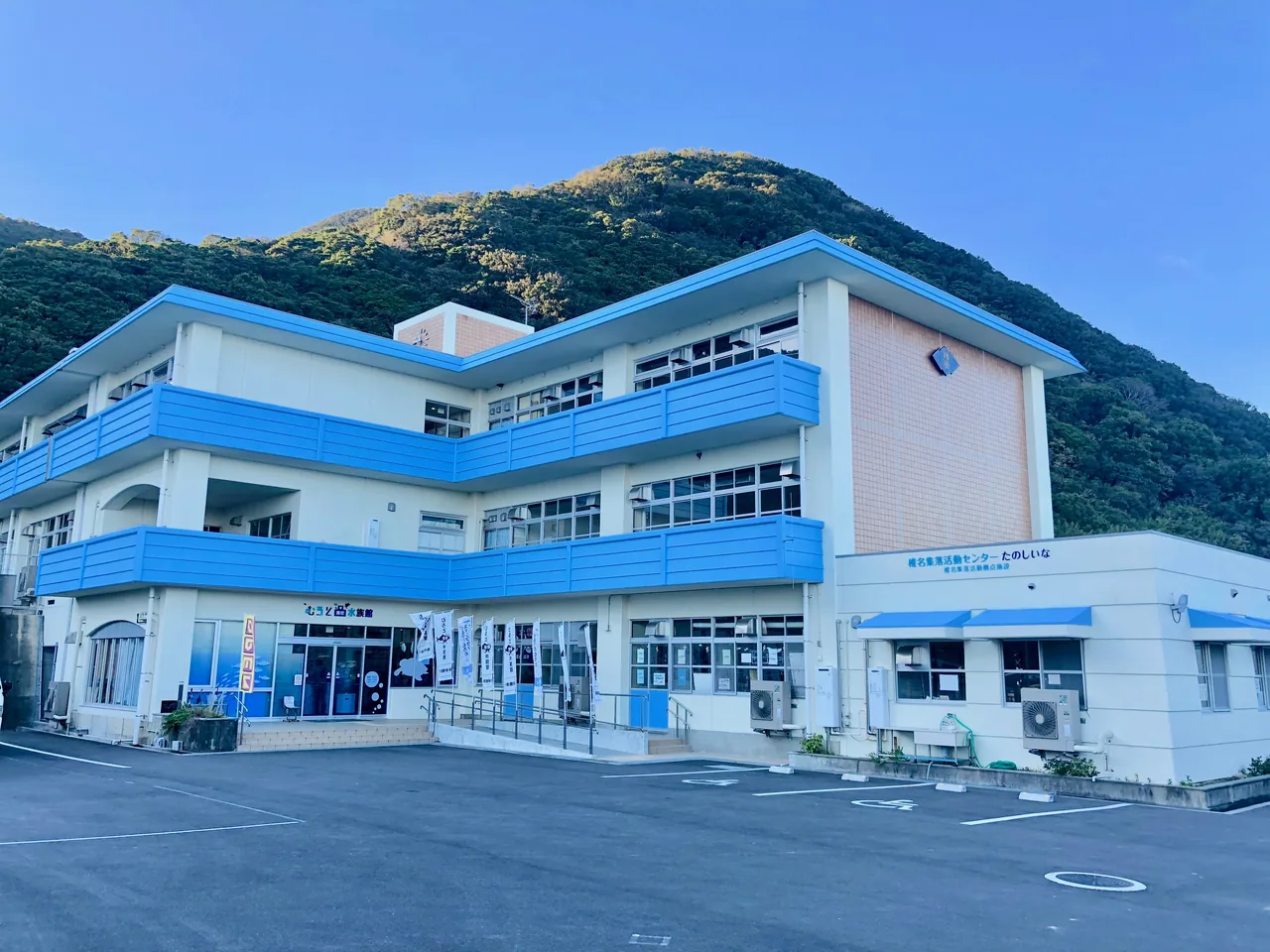
The Muroto School Aquarium in Muroto City opened in 2018 in the renovated buildings of the former Shiina Elementary School, which had closed. Sea turtles and fish caught in local set nets live in an outdoor pool and in tanks in the classrooms. The fun part is how it uses school fixtures such as vaulting boxes and washbasins for exhibits, and at the touch pool made from the washbasins you can touch spiny lobsters and other sea creatures. It is 1 minute on foot from the "Muroto Haiko Suizokukan-mae" stop on the Kochi Tobu Kotsu bus.
画像提供:(公財)高知県観光コンベンション協会
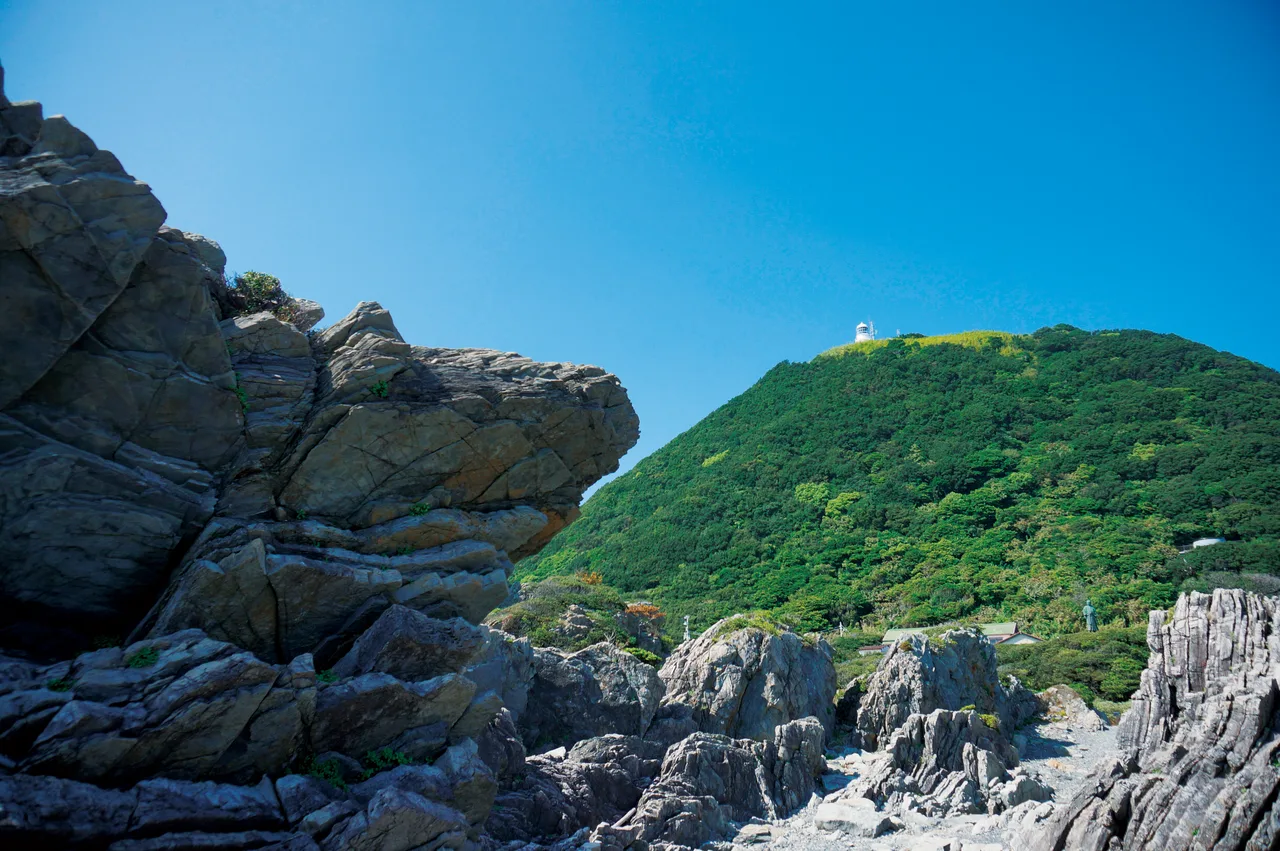
The area around Cape Muroto is part of the Muroto Geopark, which was certified as a Global Geopark in 2011 and is now a UNESCO Global Geopark. Along the shore, the Ransho Promenade runs about 2.6 km from the Nakaoka Shintaro statue to the statue of the young Kobo Daishi, leading through subtropical plants and between wave-carved rocks. On the way is Mikurodo, a cave where Kobo Daishi (Kukai) is said to have trained. The path runs along a rocky shore, so wear comfortable walking shoes.
画像提供:(公財)高知県観光コンベンション協会
The Cape Muroto Lighthouse on the hill above was built in 1899, and its lens, 2.6 m across, is among the largest in Japan. On the Lighthouse Festival, held on the Saturday and Sunday closest to November 1 each year, you can go inside. Take the bus from Nahari Station to "Muroto Misaki," and the promenade is right there.
Muroto's three pilgrimage temples
Muroto has the first three of the Shikoku pilgrimage temples in Tosa. Temple 24, Hotsumisaki-ji, is on the same hill as the lighthouse; Temple 25, Shinsho-ji, sits at the top of steps overlooking Murotsu Port; and Temple 26, Kongocho-ji, is on Cape Gyodo, northwest of Cape Muroto. Highlights and access for the temples are in our feature "Shikoku Pilgrimage in Kochi."
You can also check the sights of Cape Muroto on Muroto City's page "Cape Muroto" (in Japanese). For places linked to Sakamoto Ryoma, who lived through the end of the Edo period alongside Nakaoka Shintaro, see our feature "Sakamoto Ryoma and John Manjiro Sites in Kochi."
Places in this guide
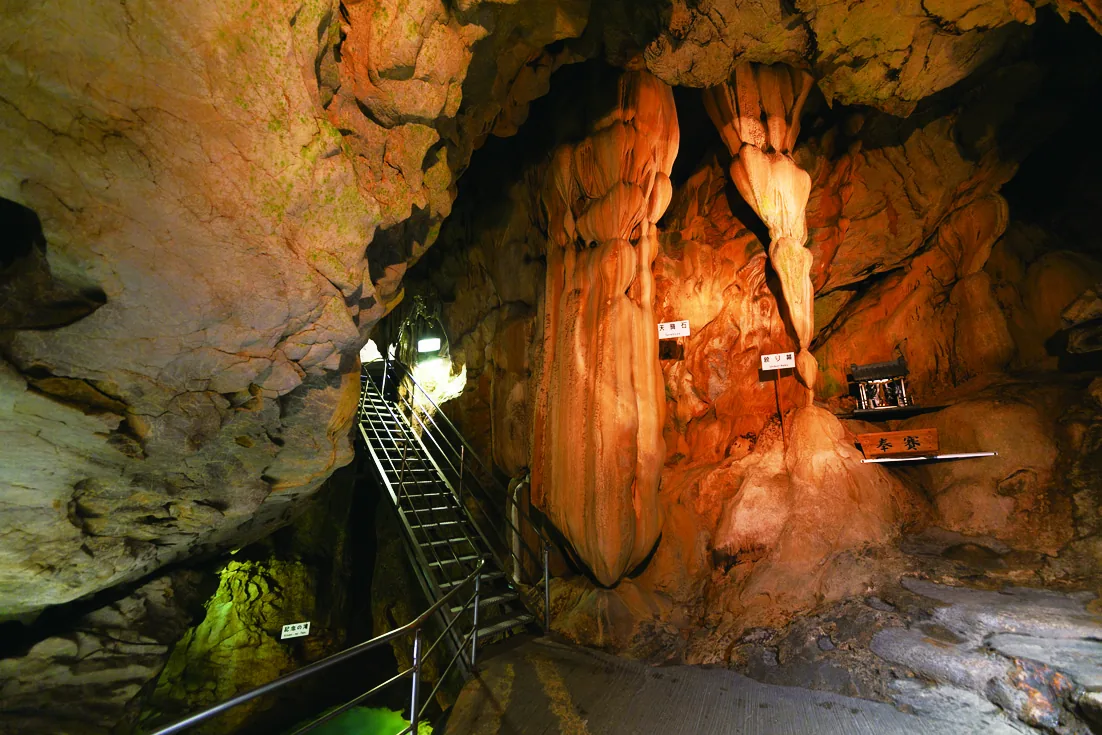
Ryugado Cave
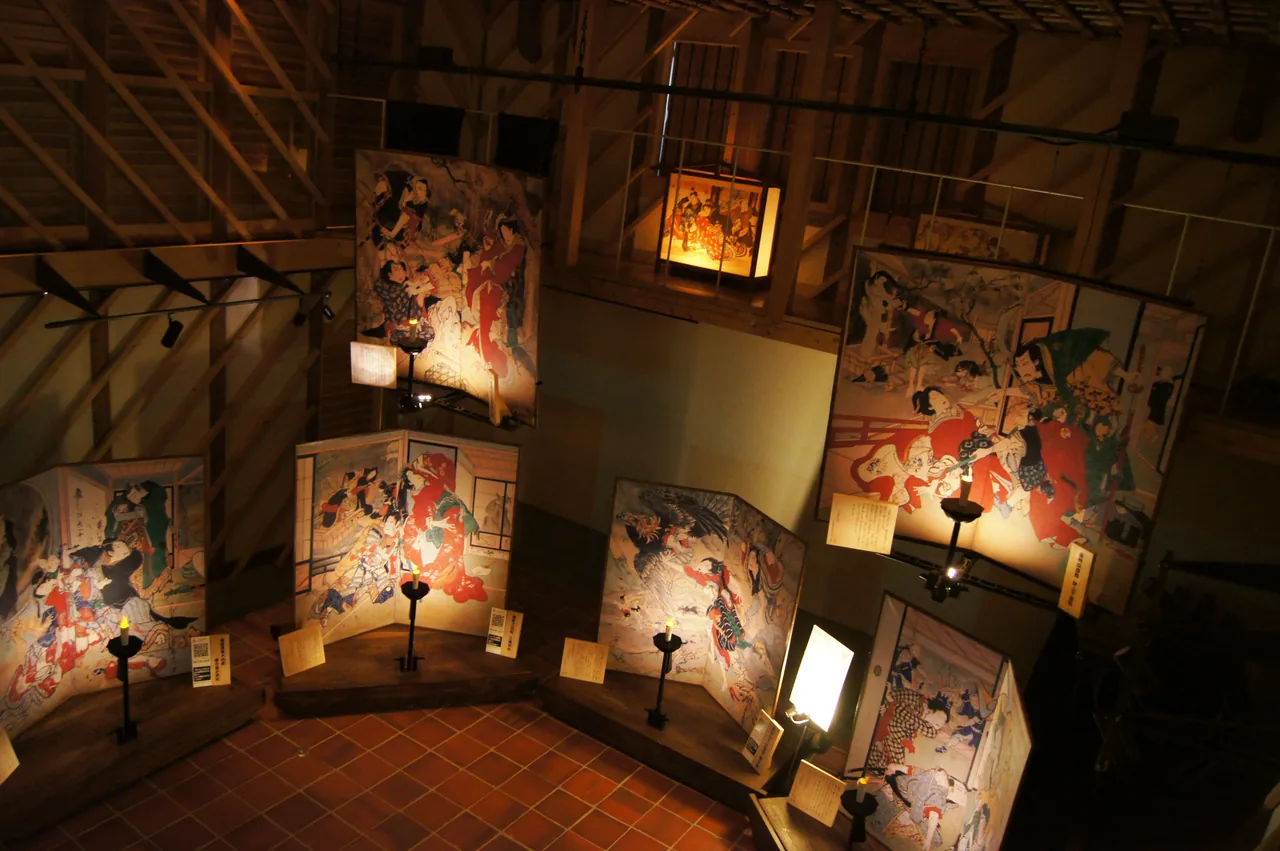
Ekingura (Ekin Museum)
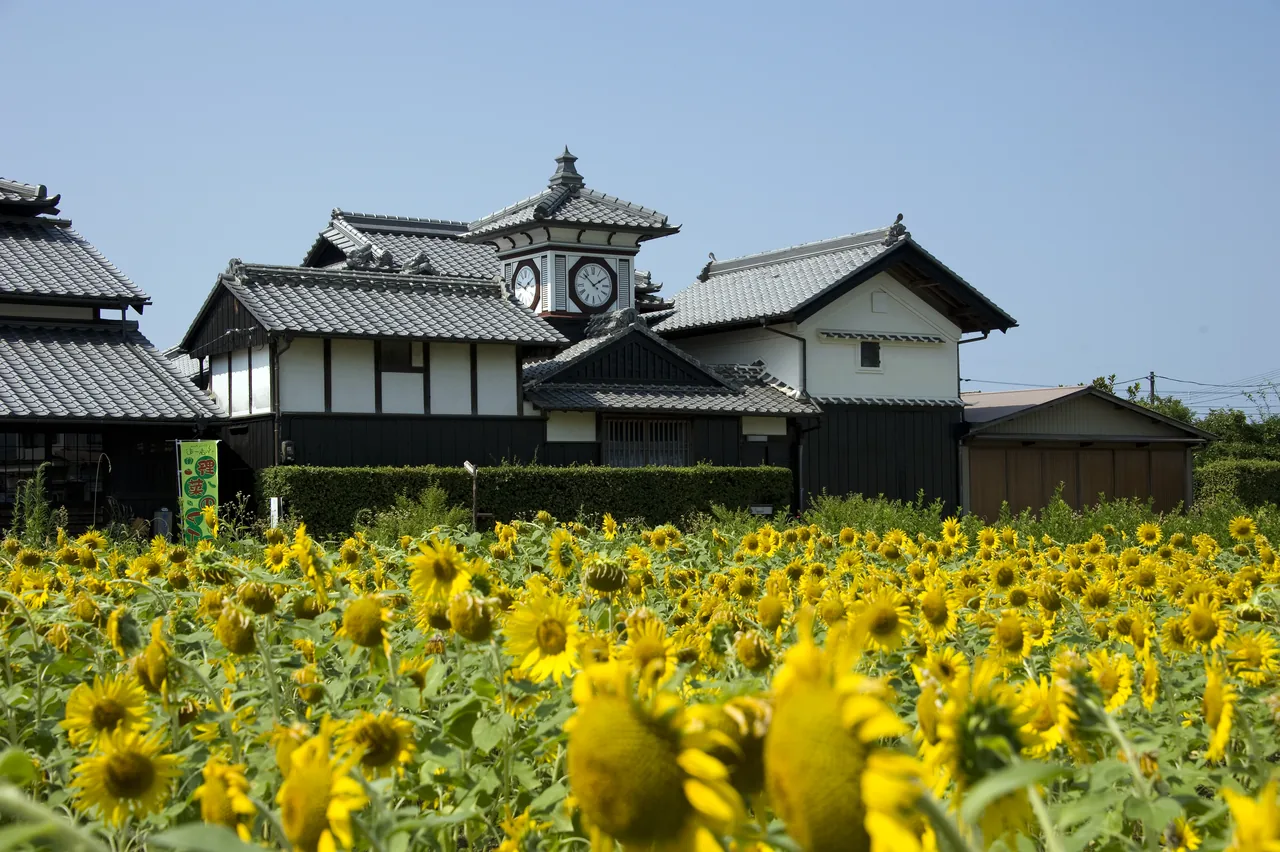
Nora-dokei Clock Tower
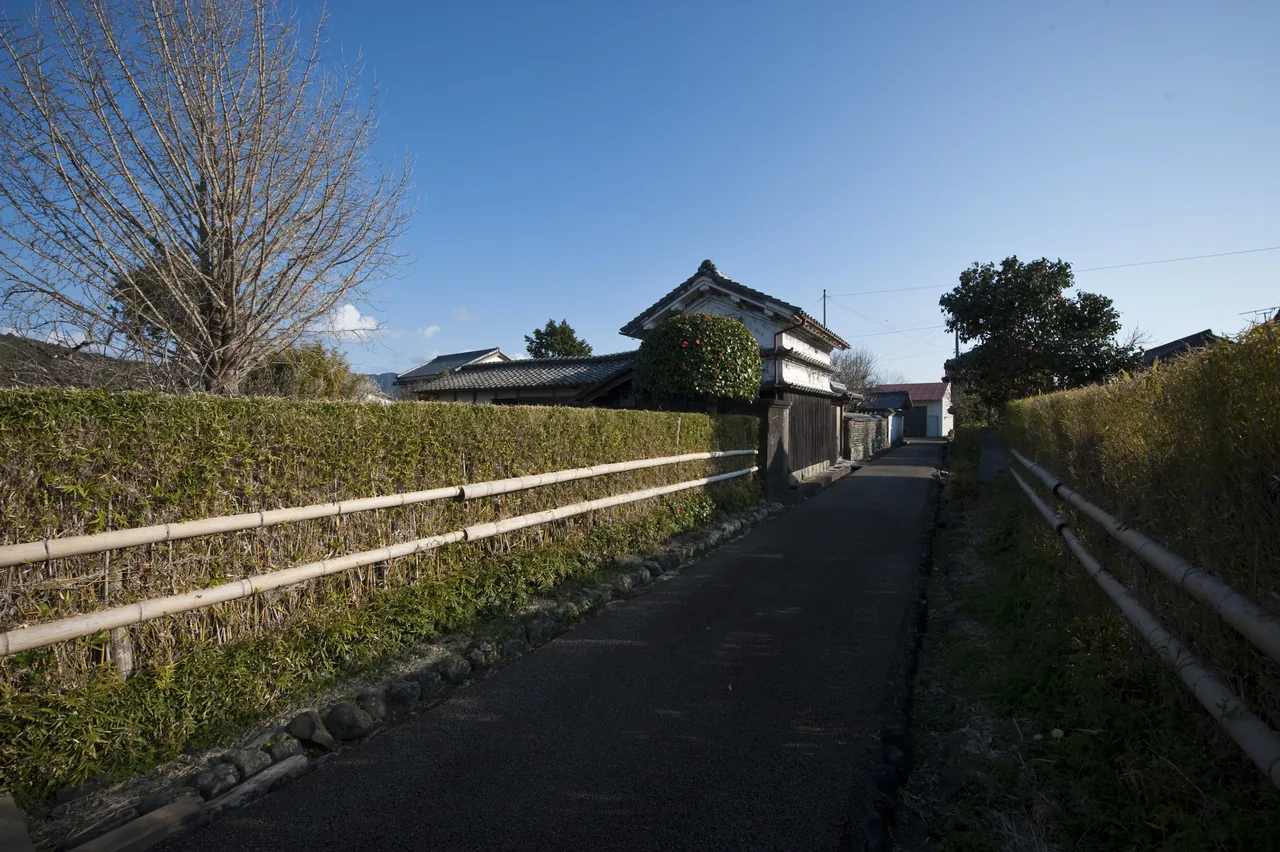
Doi Kachu Samurai District
Ioki Cave
Okagoten
Monet's Garden Marmottan in Kitagawa Village
Muroto School Aquarium (Muroto Haiko Suizokukan)
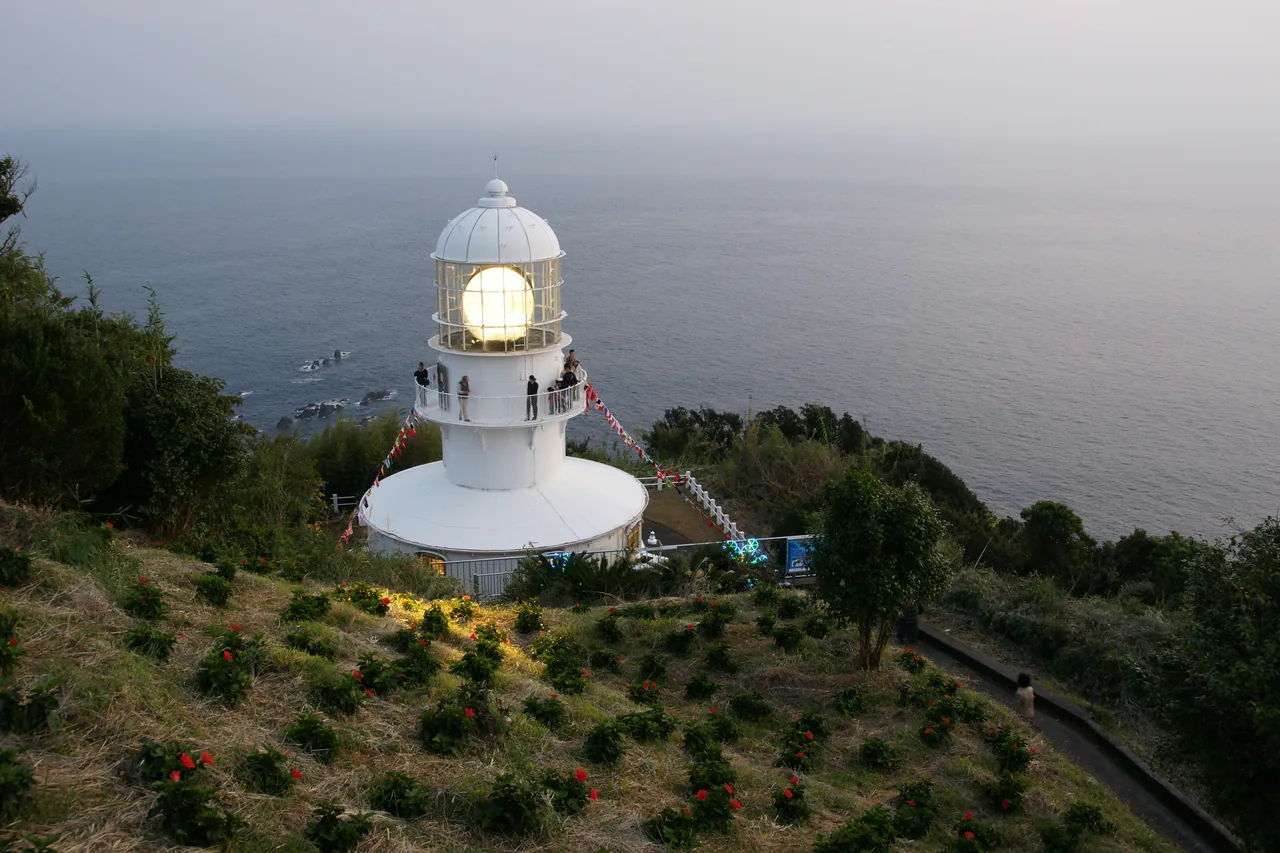
Cape Muroto
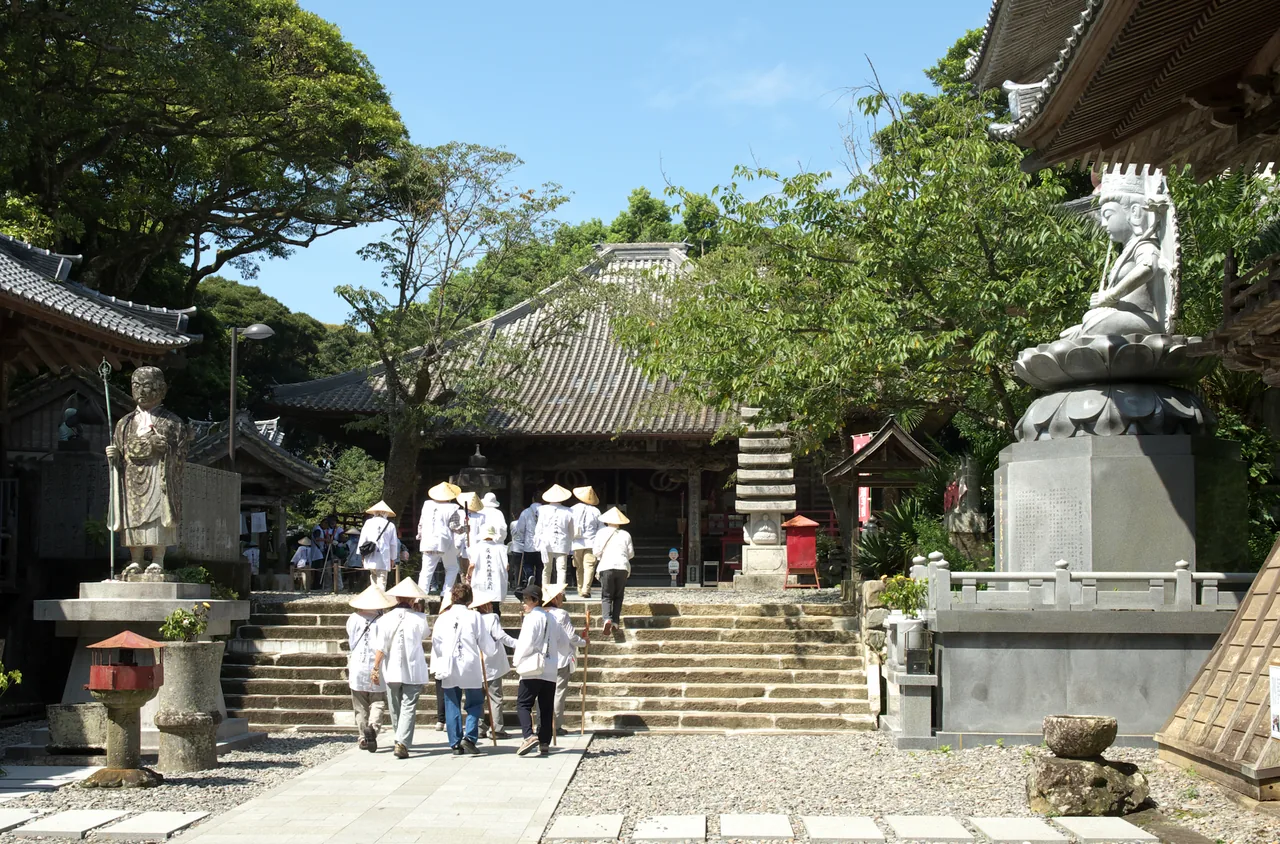
Hotsumisaki-ji Temple (Temple 24 of the Shikoku Pilgrimage)
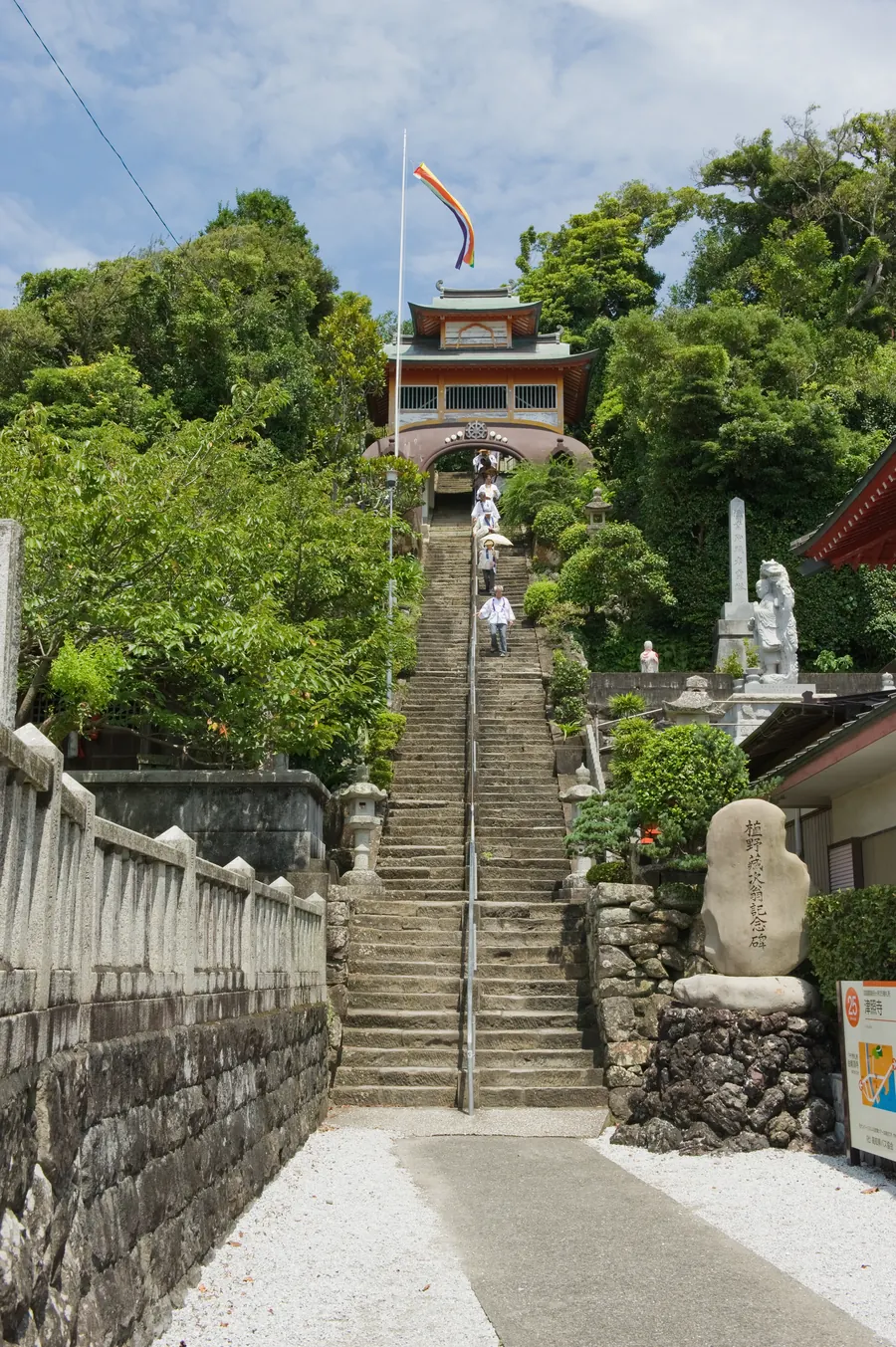
Shinsho-ji Temple (Temple 25 of the Shikoku Pilgrimage)
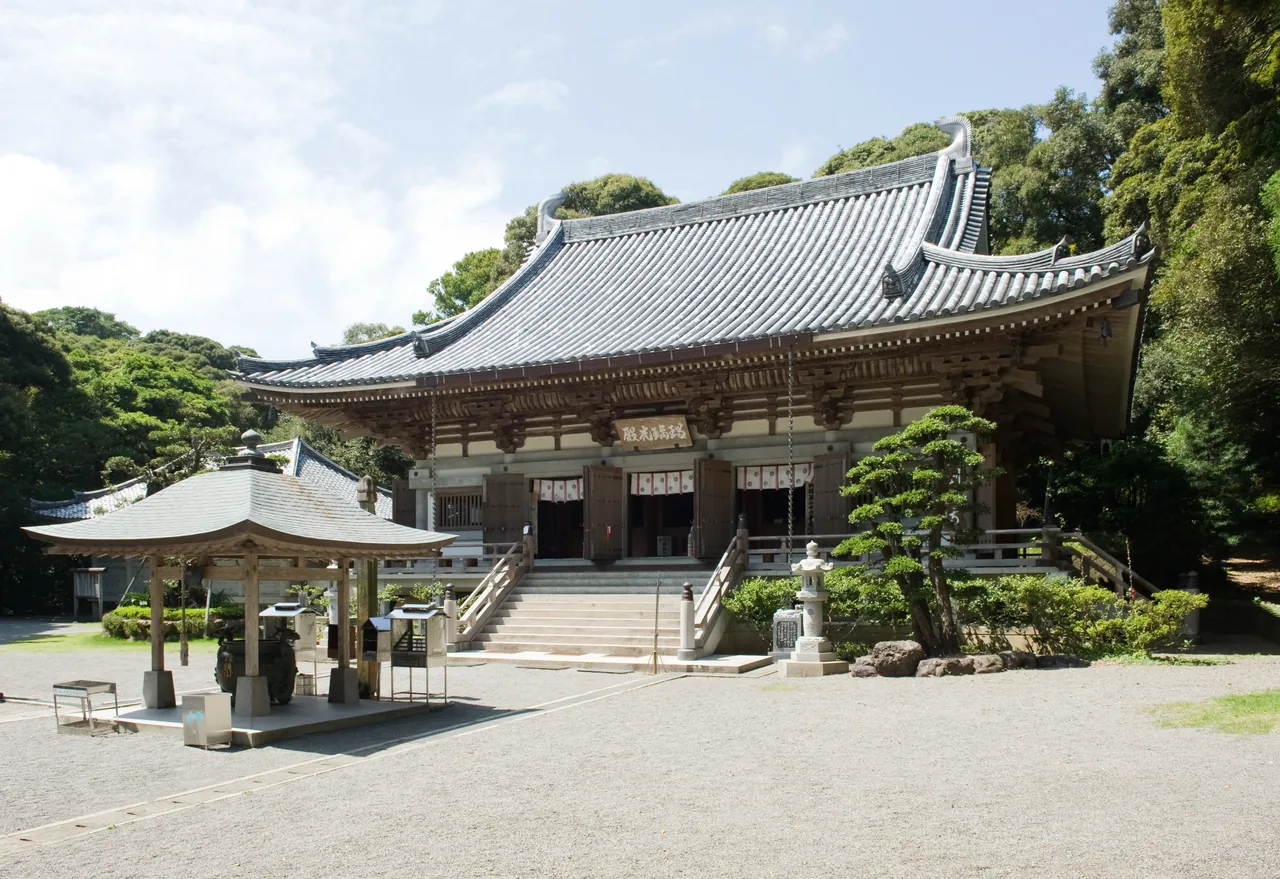
Kongocho-ji Temple (Temple 26 of the Shikoku Pilgrimage)