
Shikoku Pilgrimage in Kochi: The 16 Tosa Temples and How to Visit
This guide is translated from the Japanese edition. Read the Japanese edition
Temples 24 to 39 of the Shikoku pilgrimage in Kochi, from Hotsumisaki-ji to Chikurin-ji and Kongofuku-ji, with tips on the long stretches and travel by train and bus.
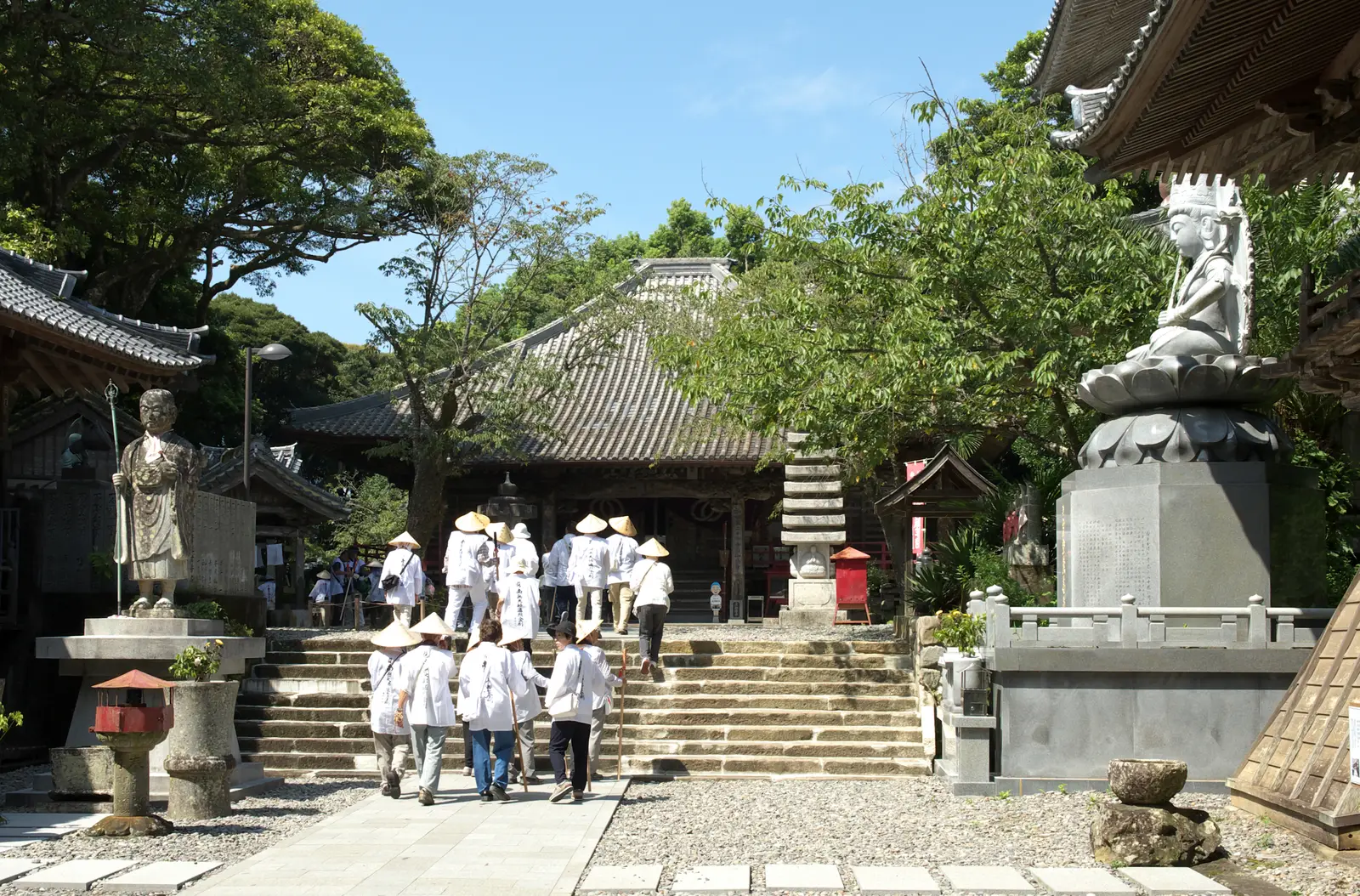
On the hill at Cape Muroto, a group in white robes and sedge hats slowly climbs the stone steps of Hotsumisaki-ji Temple. Of the Shikoku 88-temple pilgrimage, 16 temples, Nos. 24 to 39, are in Kochi Prefecture (the old province of Tosa). The route runs west from Cape Muroto along Tosa Bay, rounds Cape Ashizuri at Shikoku's southern tip and ends in Sukumo, near the border with Ehime. The temples are far apart, so if you are traveling by train and bus, decide which services you will take before you set out.
Why the Tosa temples are called the "dojo of ascetic training"
Shikoku's four prefectures are likened to stages of a pilgrim's practice. Tokushima (Awa) is the "dojo of awakening," and Kochi (Tosa) is the "dojo of ascetic training." According to Kochi Prefecture, Tosa has relatively few temples but long distances between them, which is why it came to be called the dojo of ascetic training.
The best-known long stretch runs from Iwamoto-ji, Temple 37 in Shimanto Town, to Kongofuku-ji, Temple 38 at Cape Ashizuri. The distance is said to be more than 80 km. It is considered the longest gap between any two temples on the 88-temple route. The way from Yakuo-ji, Temple 23 in Tokushima, to Hotsumisaki-ji, Temple 24, is also a long road along the coast. Whether you walk or ride trains and buses, expect to visit only a limited number of temples a day.
How to pray at the temples and the basics of the pilgrimage are covered in our feature "Shikoku Pilgrimage in Tokushima." You can visit without pilgrim clothing, and it is fine to visit just one temple.
Three temples at Cape Muroto: Nos. 24 to 26
Temple 24, Hotsumisaki-ji: the first temple in Tosa
Hotsumisaki-ji stands on the hill at the very tip of Cape Muroto and is the first temple in Tosa. Tradition says Kobo Daishi (Kukai) founded it in 807, and the principal image is Kokuzo Bosatsu. It is also called Higashi-dera, the "East Temple," as a counterpart to Kongocho-ji, Temple 26, the "West Temple" farther west along the cape. On the shore below is Mikurodo, a cave where Kobo Daishi is said to have trained, and the Cape Muroto Lighthouse stands on the same hilltop.
Temple 25, Shinsho-ji: up the steps from the harbor town
Shinsho-ji sits on a small hill overlooking Murotsu Port in Muroto. Its principal image, a Jizo Bosatsu, is known as "Kajitori Jizo," the helmsman Jizo: in 1602, the story goes, a large monk appeared and took the helm of the ship of Yamauchi Kazutoyo, lord of Tosa, when it was caught in a storm. A straight flight of stone steps leads from the harbor town up to the main hall. Cars cannot enter the grounds.
Temple 26, Kongocho-ji: the "West Temple" on Cape Gyodo
Kongocho-ji is on Cape Gyodo, reached by following the coast northwest from Cape Muroto. Its principal image, Yakushi Nyorai, is a hidden Buddha shown only from December 31 to January 8 each year. In the grounds are the "Ichiryu Manbai" pot, where rice cooked by Kobo Daishi is said to have multiplied ten-thousandfold and saved people from hunger, and a memorial tower for whales, fitting for an old whaling town.
画像提供:(公財)高知県観光コンベンション協会
From Aki to Kochi City and Tosa City: Nos. 27 to 35
Temple 27, Konomine-ji: the steep "straight up" slope
At Konomine-ji in Yasuda Town, the main hall stands about 450 m up a mountainside. The steep approach to the Nio Gate is nicknamed "straight up" and has long been known as one of the hardest climbs for walking pilgrims. A road now runs close to the temple. From Tonohama Station on the Tosa Kuroshio Railway, it is about 1 hour 30 minutes on foot.
Temples 28 to 30: Nankoku and Ichinomiya in Kochi City
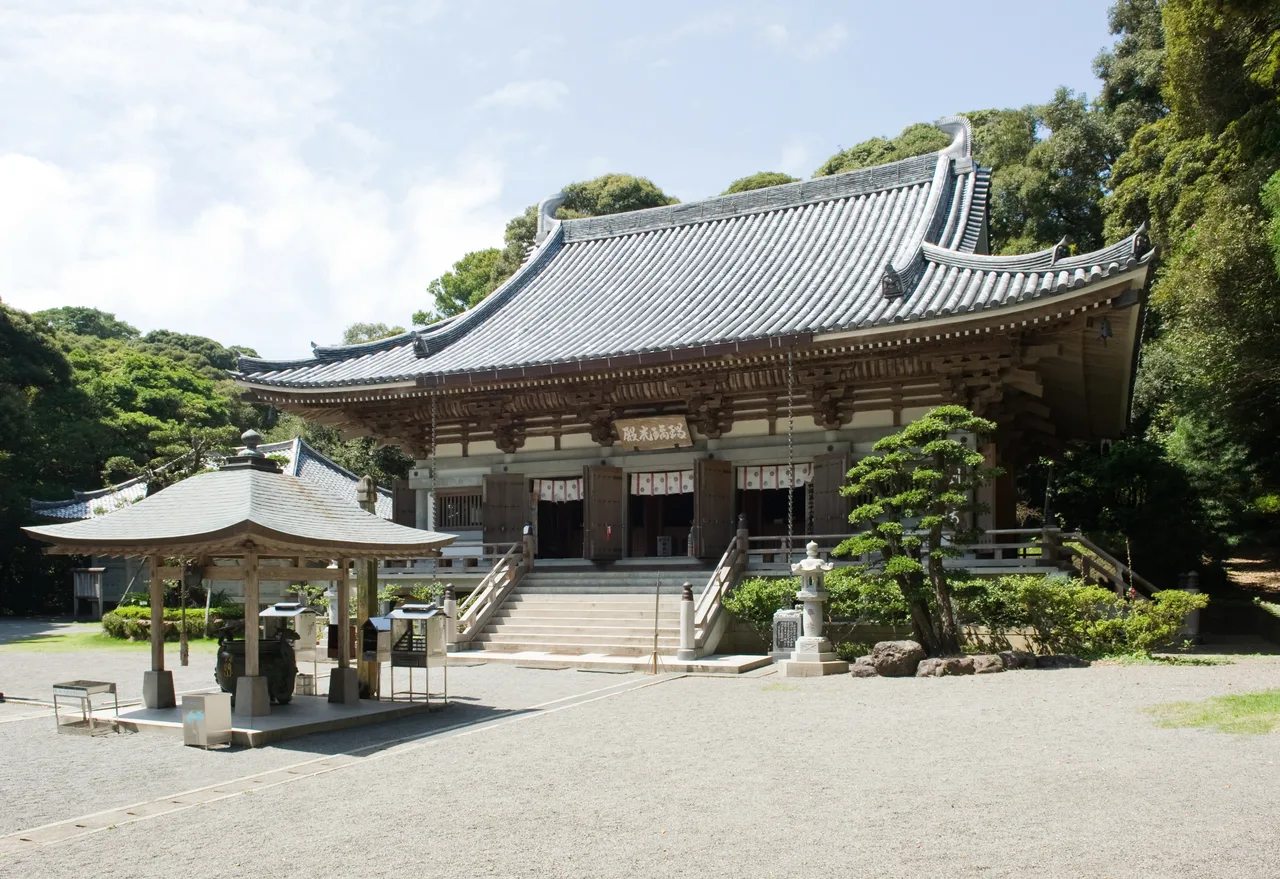
At Dainichi-ji in Konan City, the principal image, Dainichi Nyorai, is an Important Cultural Property. Kokubun-ji in Nankoku was the provincial temple of Tosa; its shingle-roofed main hall was rebuilt by Chosokabe Motochika in 1558, and the grounds are a National Historic Site. The first temple inside Kochi City is Zenraku-ji. It was once the temple attached to Tosa Shrine, the leading shrine of Tosa, and you can visit both together.
Temple 31, Chikurin-ji: Monju Bosatsu on Mt. Godai
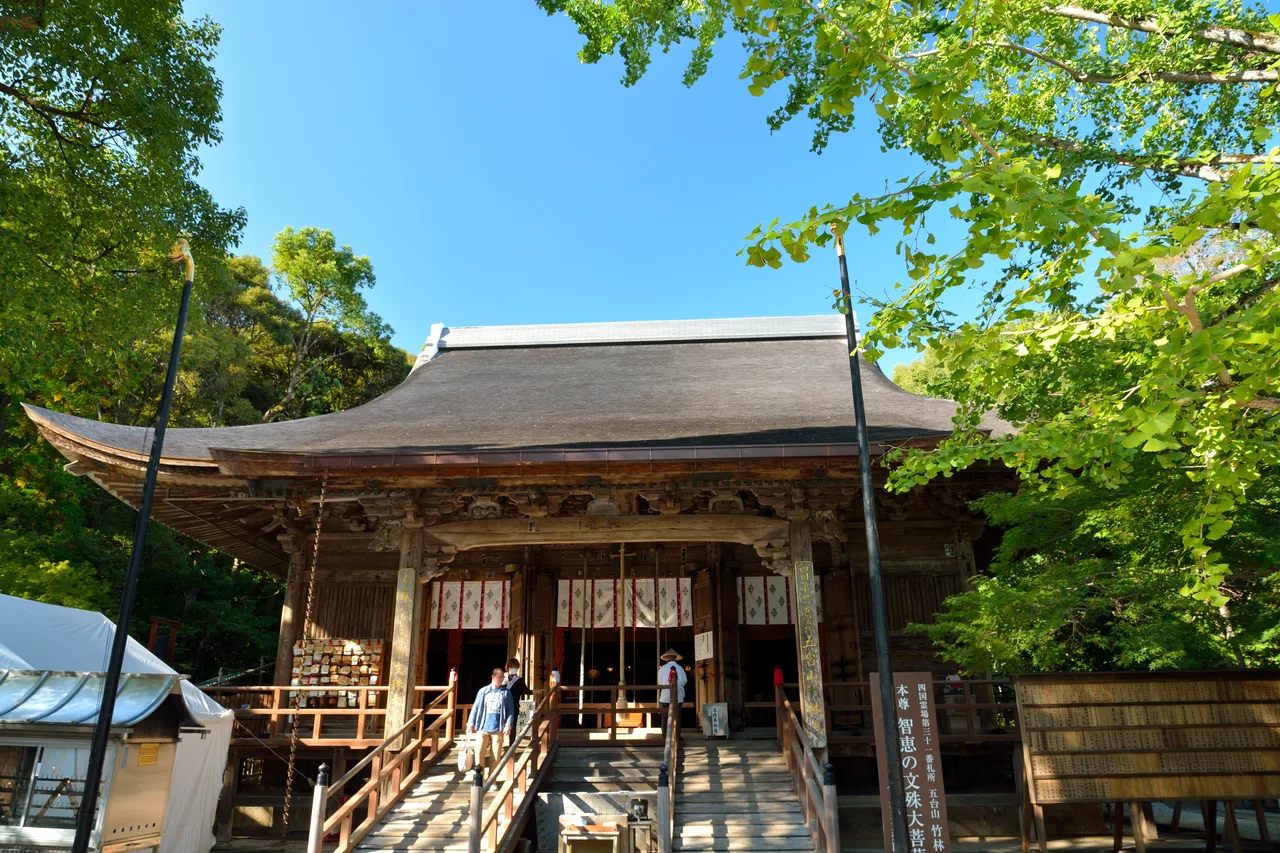
Chikurin-ji, at the top of Mt. Godai in Kochi City, is the only temple of the 88 whose principal image is Monju Bosatsu. From the grounds you can look out over the city and Urado Bay. Its garden, thought to date from the early Edo period, is a National Place of Scenic Beauty, and a five-story pagoda completed in 1980 also stands here. The Makino Botanical Garden is on the same mountain, so you can see both.
画像提供:(公財)高知県観光コンベンション協会
Temples 32 to 34: temples near the sea
Temple 32, Zenjibu-ji, stands on a peak near the sea in the Toichi district of Nankoku. Temple 33, Sekkei-ji, is in Nagahama, about 2 km northeast of Katsurahama Beach, and is known as the family temple of Chosokabe Motochika. Statues by the sculptors Unkei and Tankei are Important Cultural Properties. Temple 34, Tanema-ji, is in the Haruno area of Kochi City; its name is said to come from Kobo Daishi sowing the seeds of five grains here.
Temple 35, Kiyotaki-ji: Yakushi Nyorai at the top of a hill road
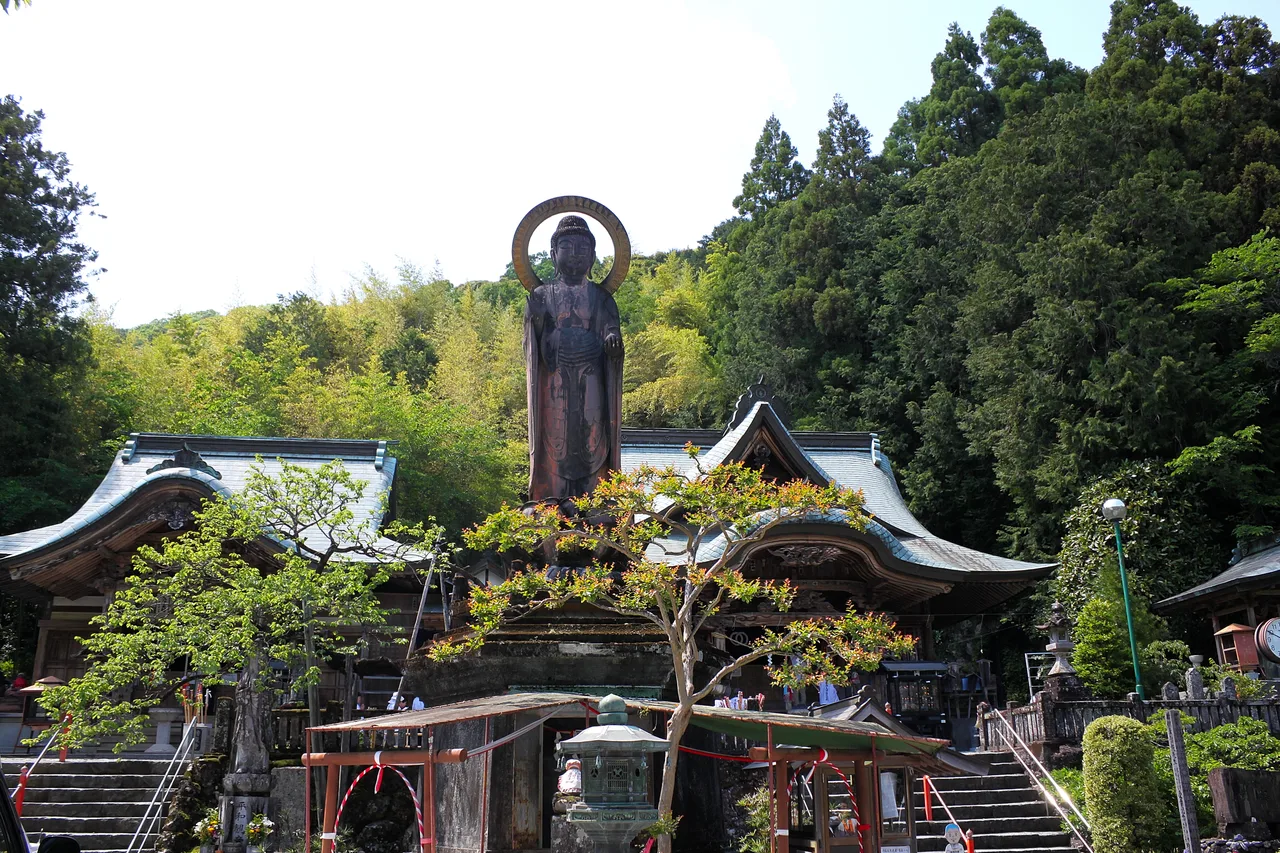
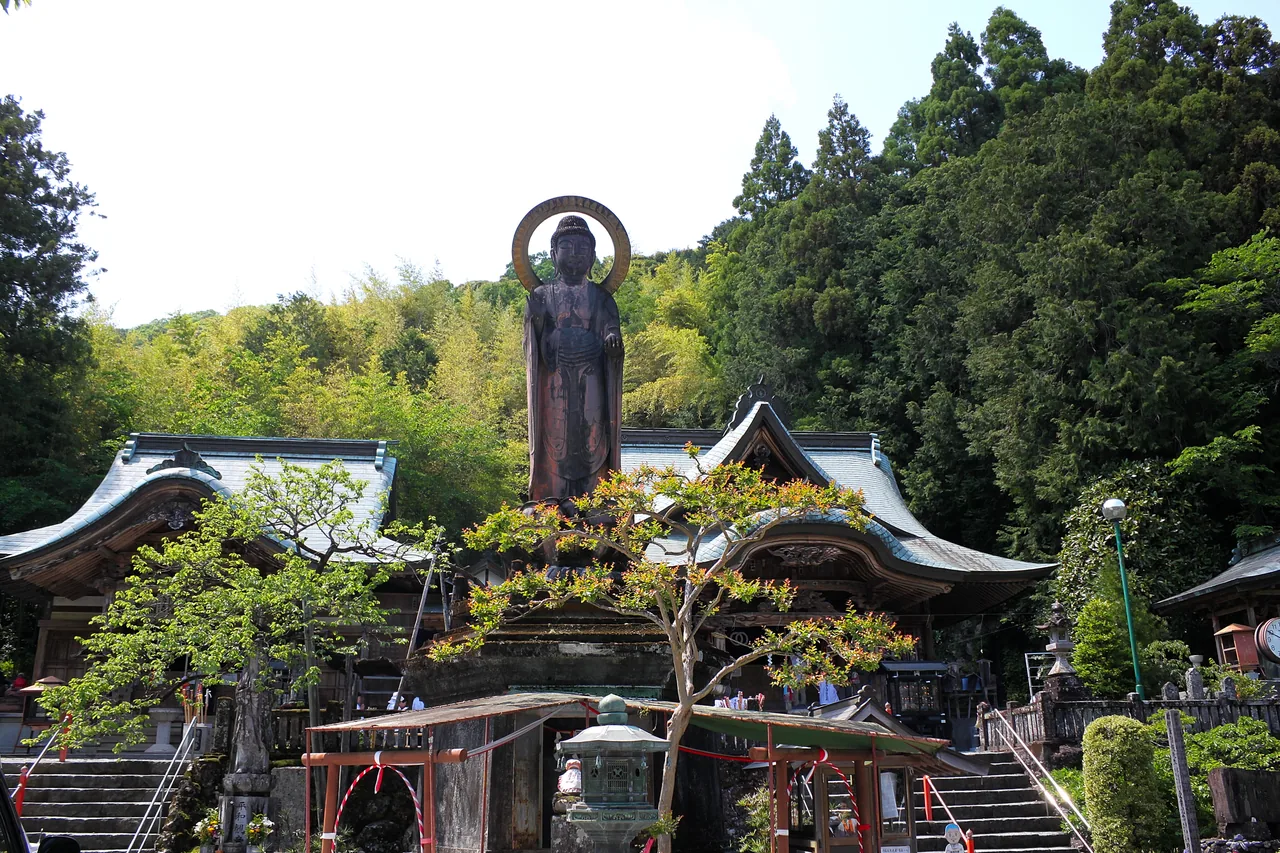
Kiyotaki-ji in the Takaoka area of Tosa City sits at the top of a narrow hill road. The standing statue of Yakushi Nyorai, the principal image, is an Important Cultural Property, and a large outdoor statue of Yakushi Nyorai stands in the grounds. The road up is narrow, so watch for oncoming cars if you drive.
画像提供:(公財)高知県観光コンベンション協会
From Usa to Cape Ashizuri and Sukumo: Nos. 36 to 39
Temple 36, Shoryu-ji: about 170 steps and a three-story pagoda
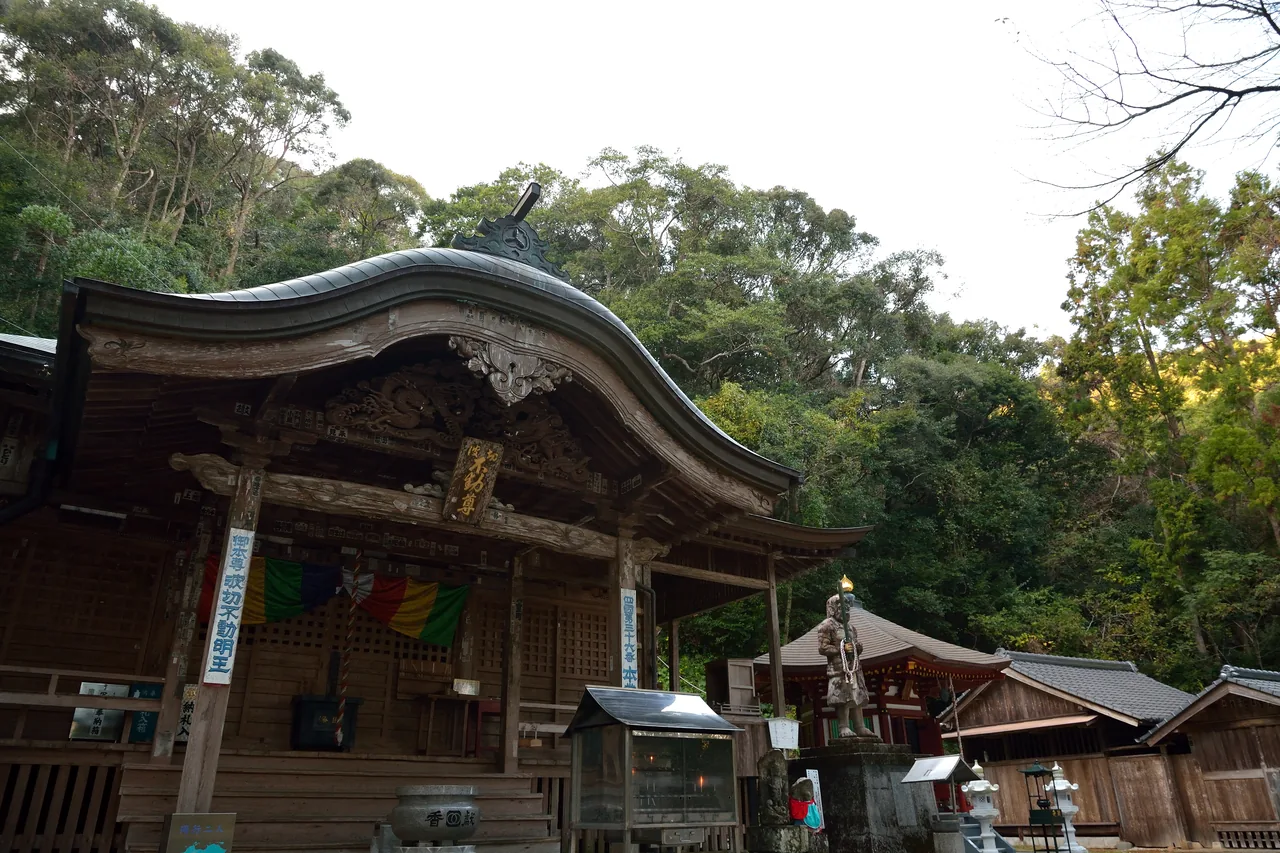
Shoryu-ji in Usa, Tosa City, is said to have been founded where a tokko, an esoteric Buddhist ritual tool thrown by Kobo Daishi, was found caught in a pine tree. Its principal image, Namikiri Fudo Myoo, has long been worshipped by people praying for safety at sea. About 170 stone steps lead up to the main hall, with a vermilion three-story pagoda partway up.
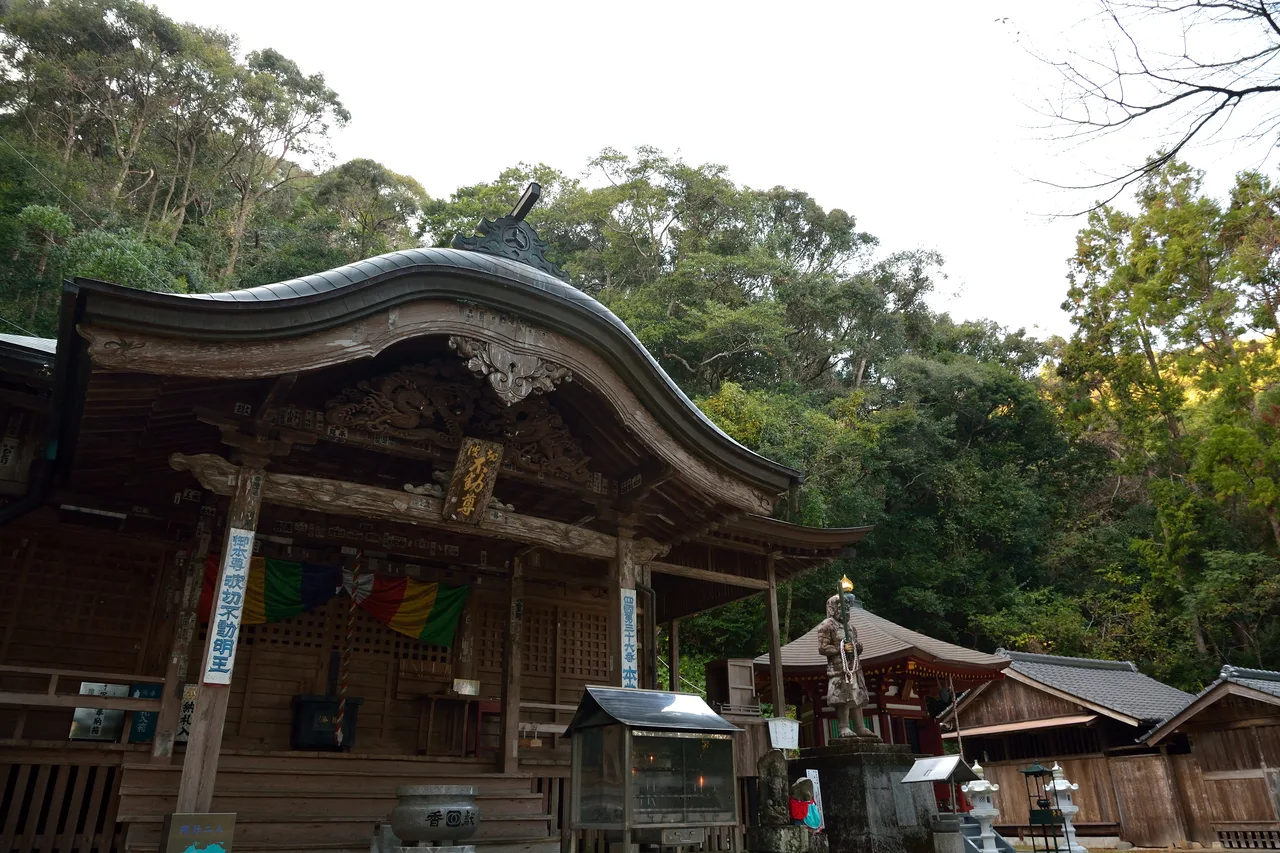
画像提供:(公財)高知県観光コンベンション協会
Temple 37, Iwamoto-ji: 575 painted ceiling panels
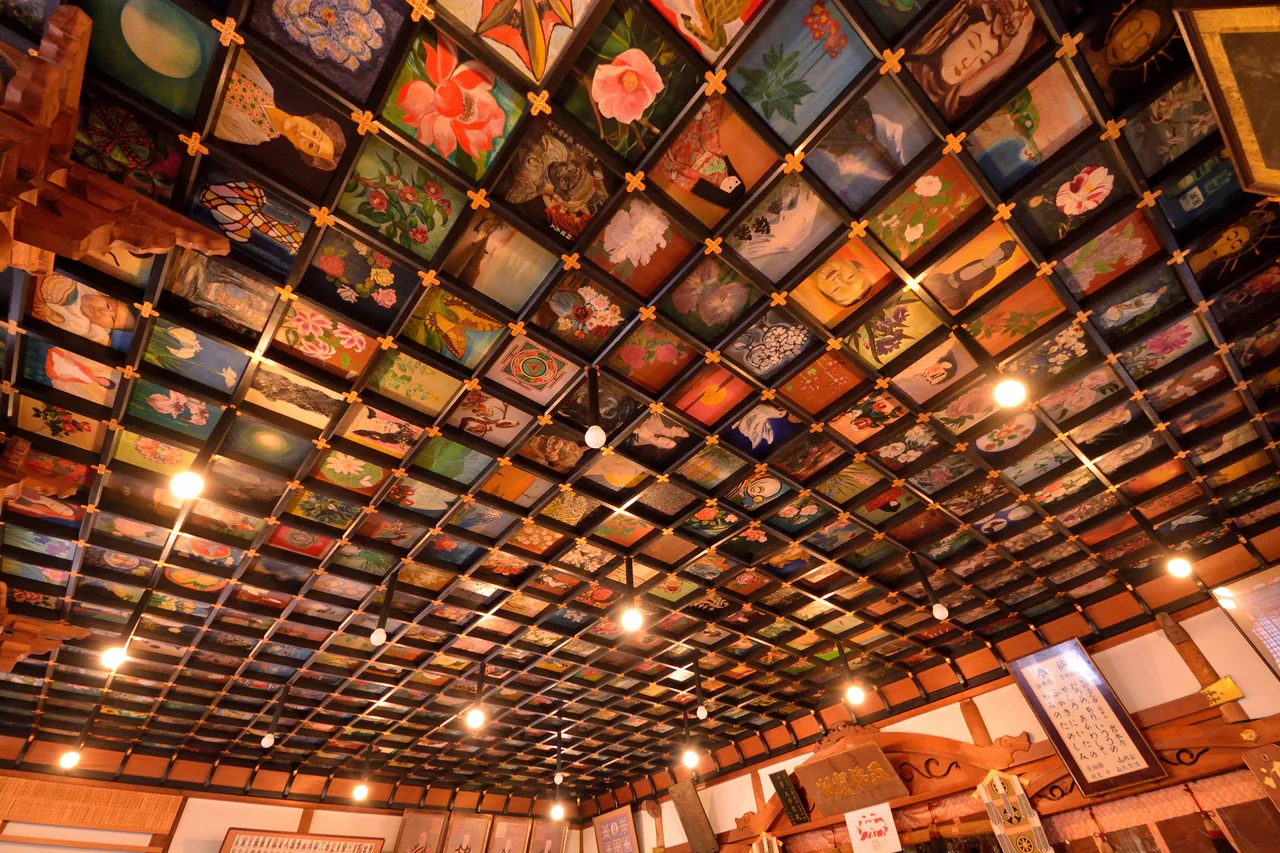
Iwamoto-ji is in the middle of Kubokawa in Shimanto Town, about 10 minutes on foot from Kubokawa Station on the JR Dosan Line. It has five principal images: Fudo Myoo, Kannon Bosatsu, Amida Nyorai, Yakushi Nyorai and Jizo Bosatsu. The ceiling of the main hall holds 575 painted panels by about 400 people, with flowers and Buddhist figures, and even a picture of Marilyn Monroe. From here to Kongofuku-ji is the longest stretch of the pilgrimage.
Temple 38, Kongofuku-ji: the temple at Shikoku's southern tip
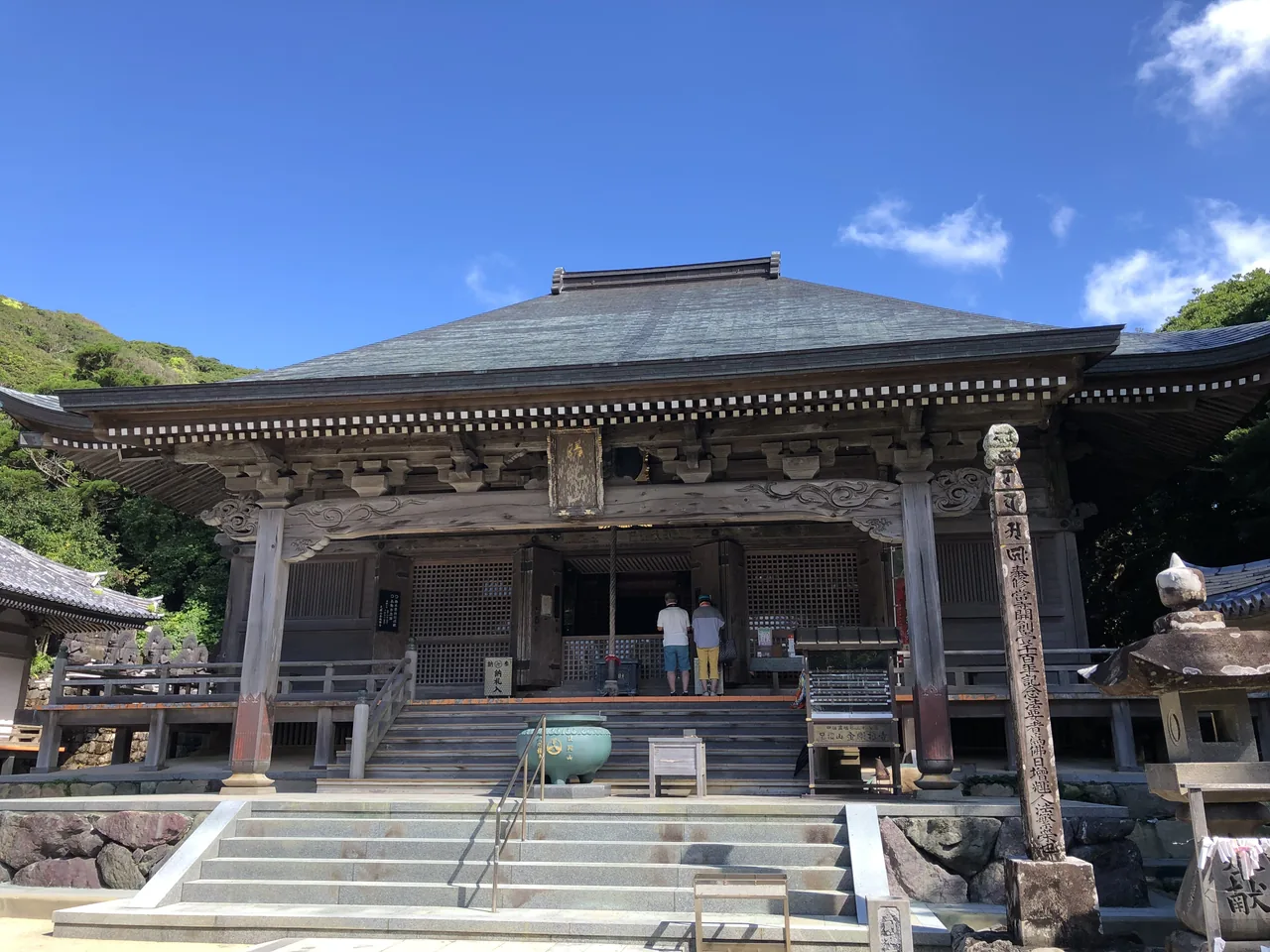
Kongofuku-ji stands right by Cape Ashizuri, the southernmost point of Shikoku. Tradition says Kobo Daishi founded it in 822 at the request of Emperor Saga, with a three-faced Senju Kannon as the principal image, and a two-story Tahoto pagoda stands in the grounds. Along the cape's walking path are the "Seven Wonders of Ashizuri," linked to the temple, and you can walk around them together with the observation deck and lighthouse.
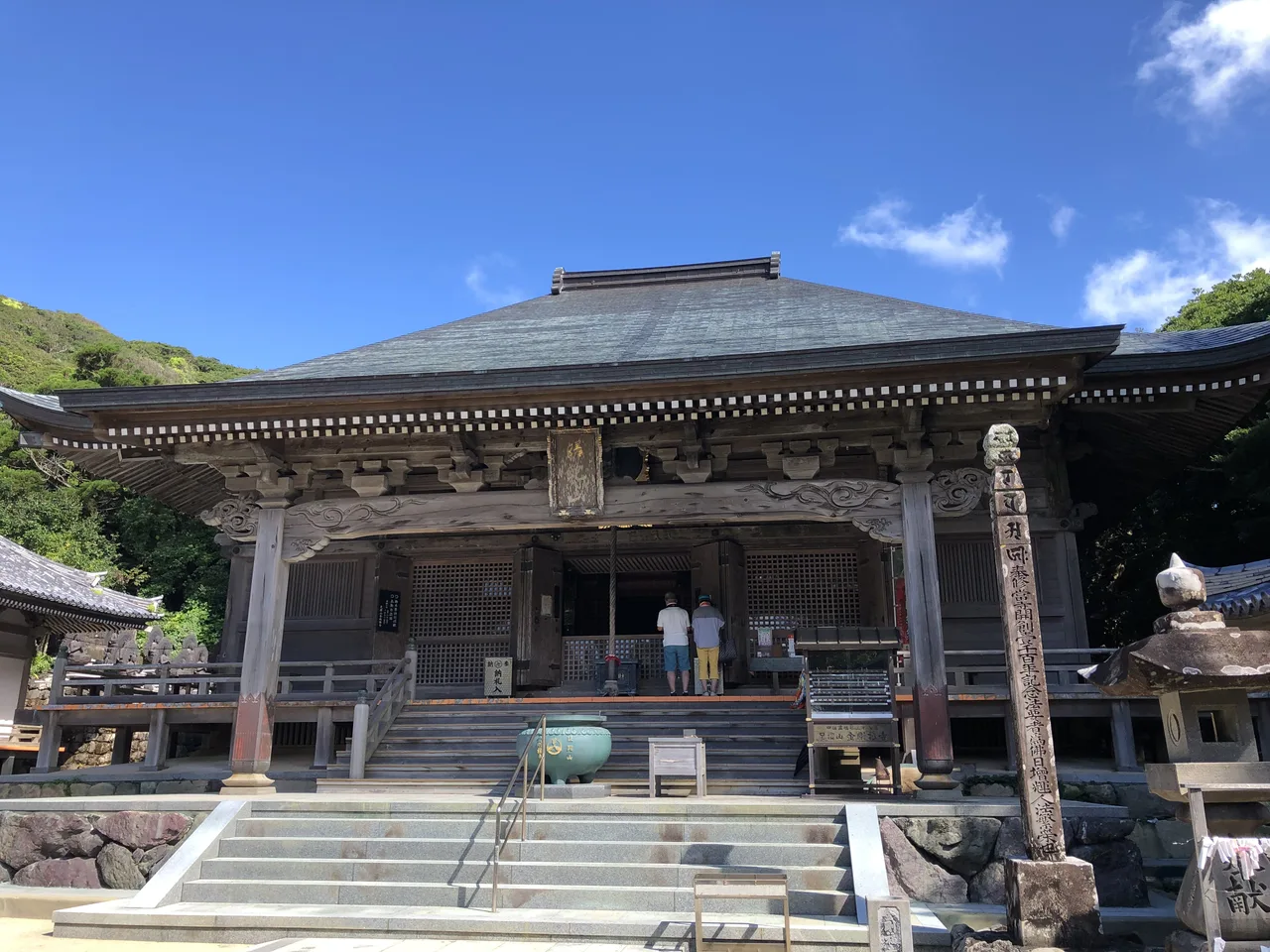
画像提供:(公財)高知県観光コンベンション協会
Temple 39, Enko-ji: the last temple in Tosa
West of Cape Ashizuri, the Tosa section ends at Temple 39, Enko-ji, in Sukumo City. Its temple bell, inscribed with the year 911, is an Important Cultural Property, and a legend tells of a red turtle that appeared carrying the bell on its back. From Temple 40 onward, the temples are in Ehime Prefecture.
Getting around by train and bus
The Tosa temples are strung out along a long coastline, so without a car, the practical approach is to combine trains and buses and split the route over several days.
- The three Muroto temples: From Nahari Station on the Tosa Kuroshio Railway Gomen-Nahari Line, take a Kochi Tobu Kotsu bus bound for Cape Muroto or Kannoura. Shinsho-ji is about 10 minutes on foot from "Muroto," Hotsumisaki-ji about 25 minutes from "Skyline Noboriguchi," and Kongocho-ji about 45 minutes from "元橋"
- Konan, Nankoku and Kochi City: Dainichi-ji is about 20 minutes on foot from Noichi Station on the Gomen-Nahari Line, and Zenraku-ji about 20 minutes from Tosa-Ichinomiya Station on the JR Dosan Line. Chikurin-ji is about 30 minutes from JR Kochi Station on the MY Yu Bus. For Sekkei-ji, take a Tosaden Kotsu bus to "Nagahama"
- Tosa City: For Shoryu-ji, take a Tosa City Dragon Bus from JR Ino Station on a run that goes via "Ryu." Kiyotaki-ji is about 20 minutes by taxi from Ino Station
- Shimanto Town and Cape Ashizuri: Iwamoto-ji is about 10 minutes on foot from Kubokawa Station. For Kongofuku-ji, take the Kochi Seinan Kotsu bus for Cape Ashizuri from Nakamura Station on the Tosa Kuroshio Railway Nakamura Line, about 1 hour 45 minutes to the last stop, "Ashizuri Misaki," right by the temple
Some rural bus routes have only a few runs a day. Decide which buses you will take first, and plan to arrive while the temple offices that write the stamp books are open. The tourism site Kochi Tabi Net also lists each temple on its "Shikoku 88 Temples" page. Temples 1 to 23 in Tokushima are covered in "Shikoku Pilgrimage in Tokushima," and Temples 66 to 88 in Kagawa in "Shikoku Pilgrimage in Kagawa."
Places in this guide
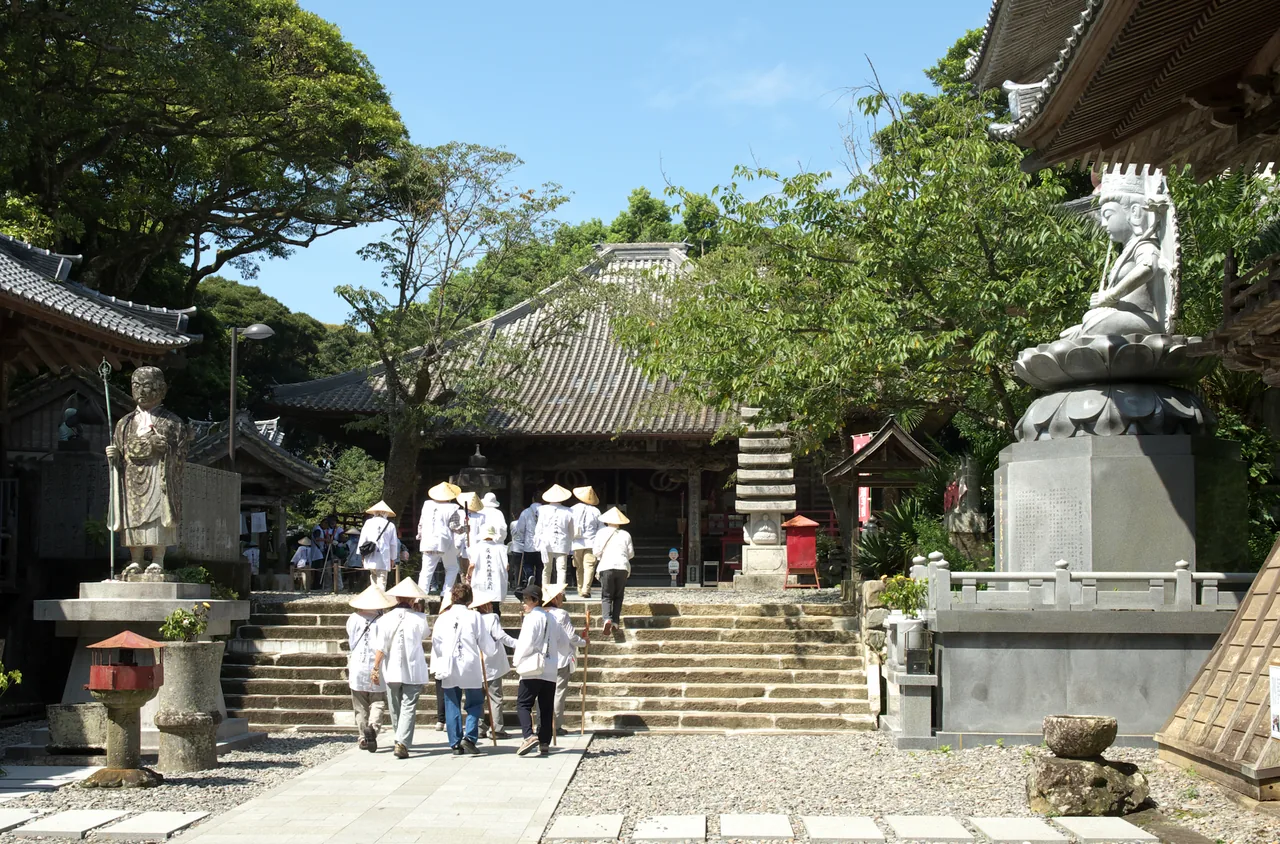
Hotsumisaki-ji Temple (Temple 24 of the Shikoku Pilgrimage)
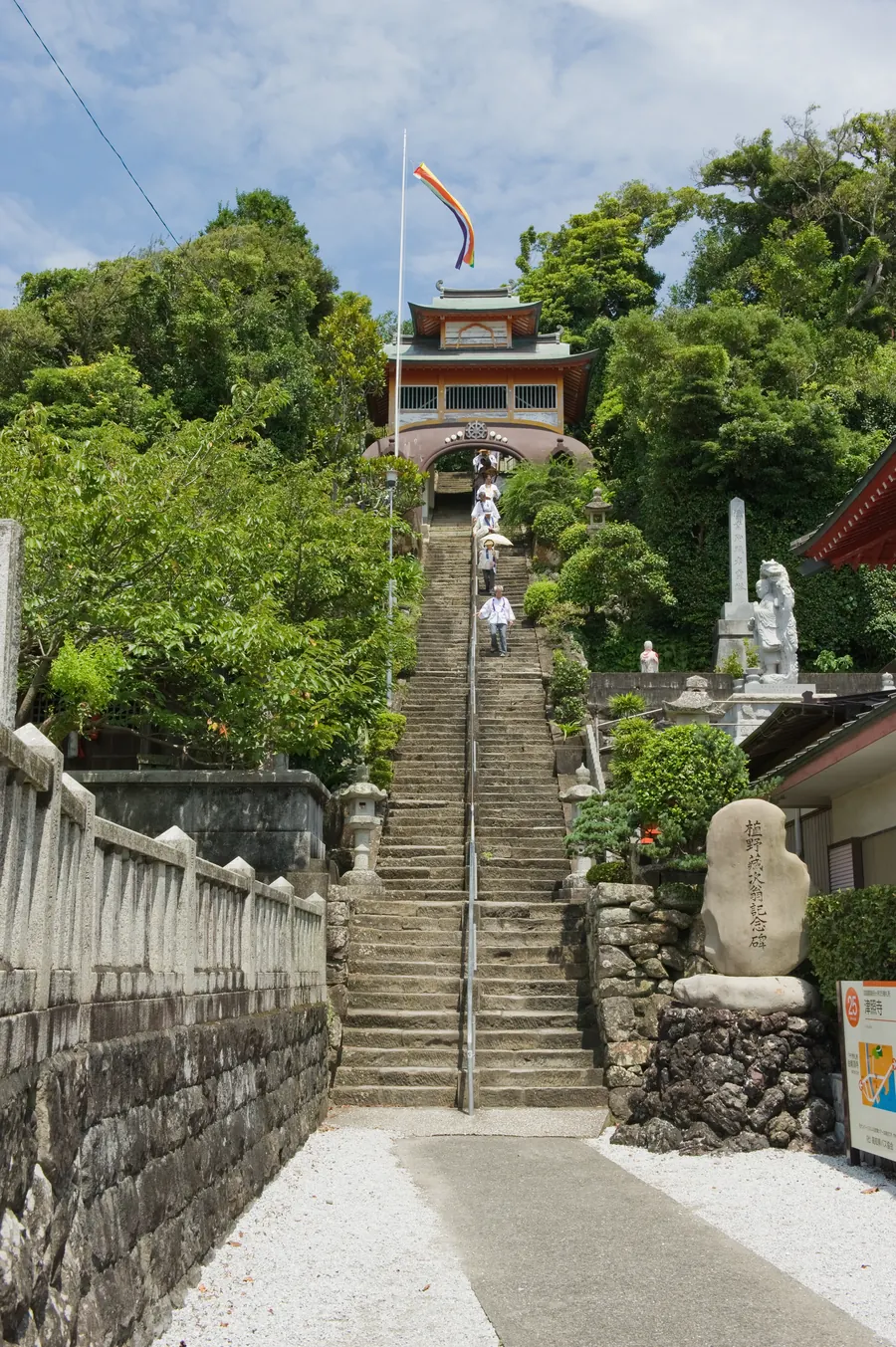
Shinsho-ji Temple (Temple 25 of the Shikoku Pilgrimage)
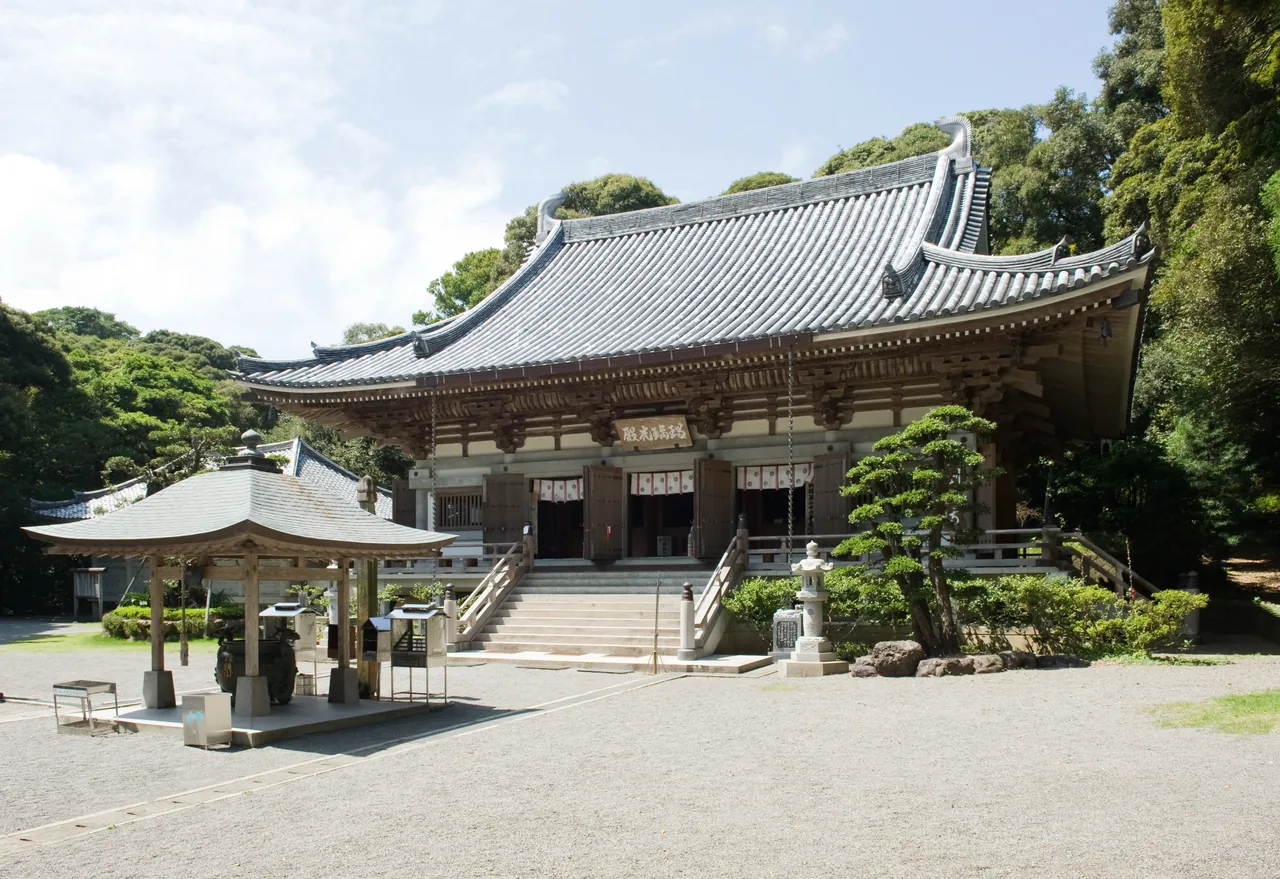
Kongocho-ji Temple (Temple 26 of the Shikoku Pilgrimage)
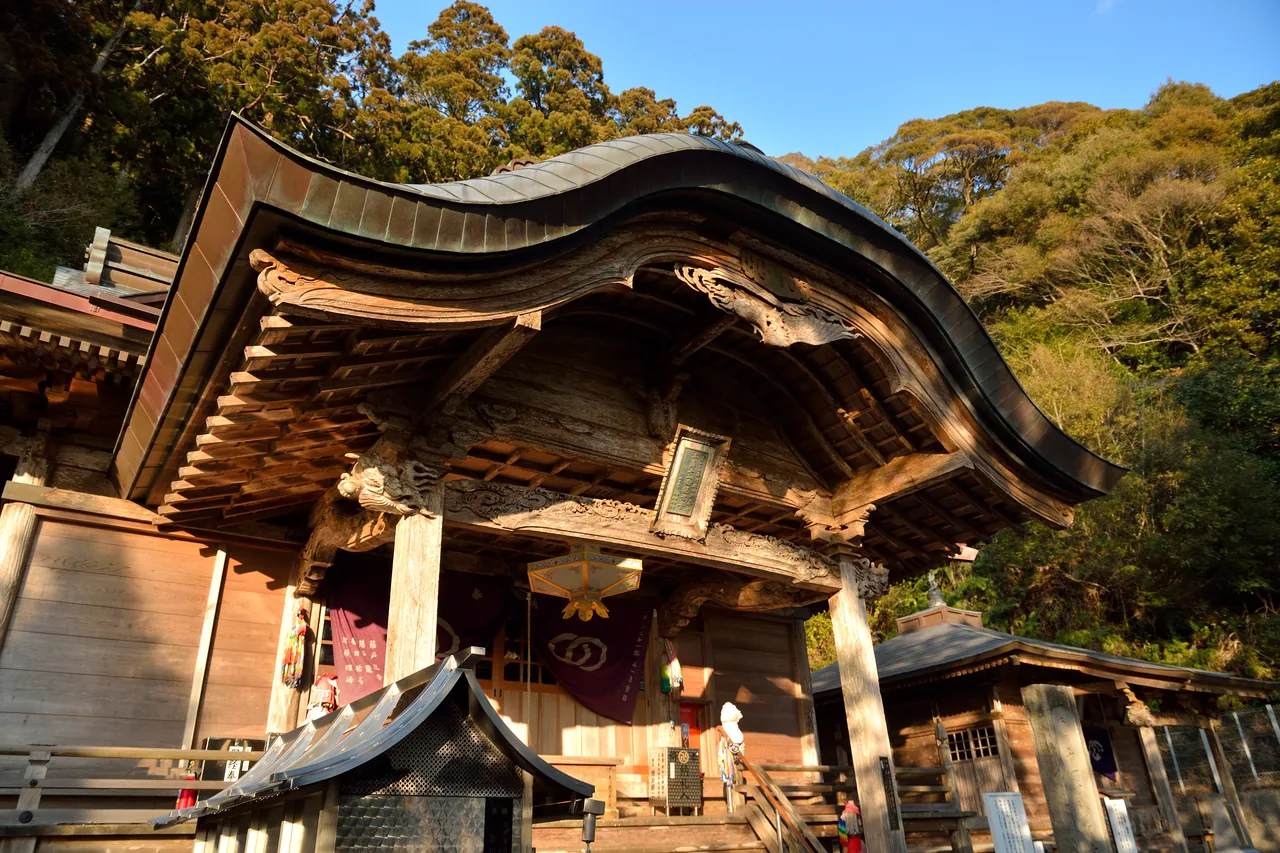
Konomine-ji Temple (Temple 27 of the Shikoku Pilgrimage)
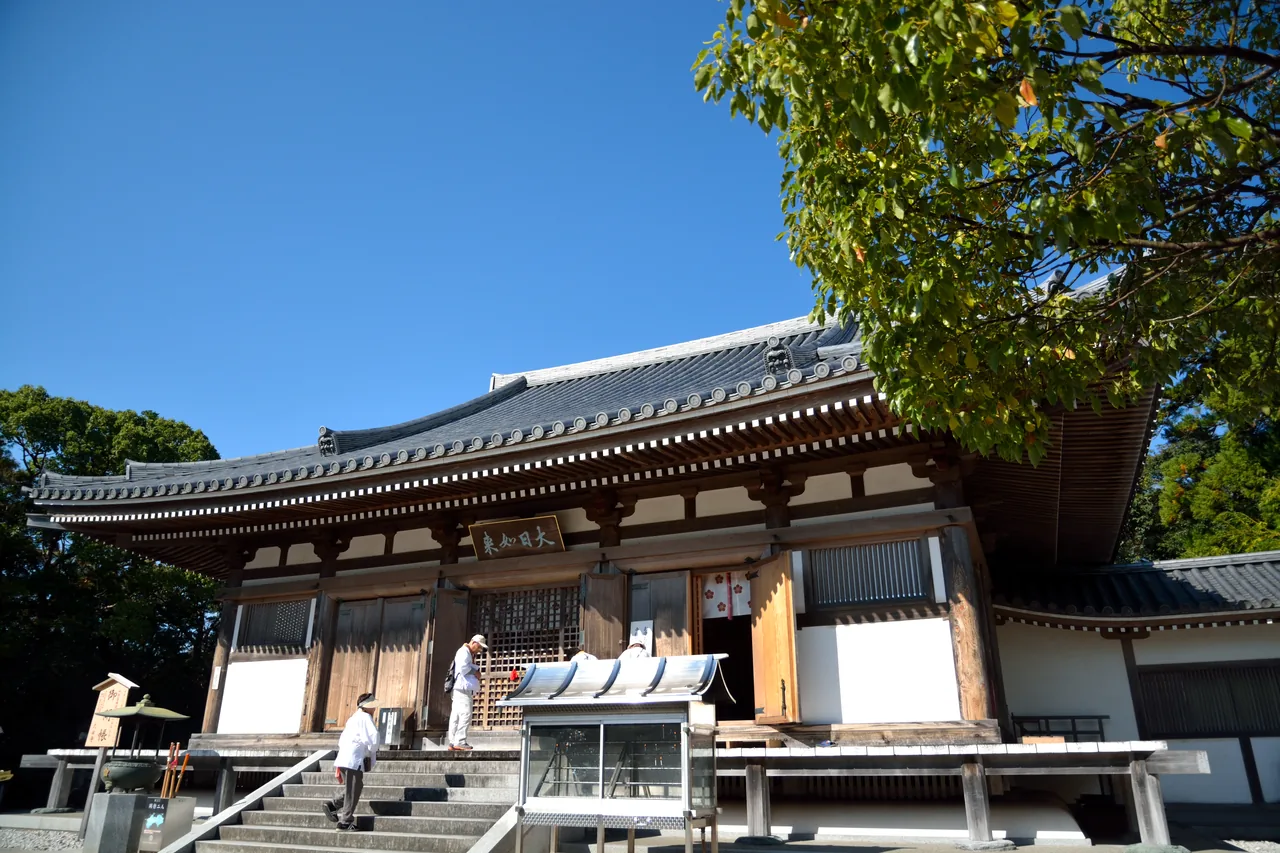
Dainichi-ji Temple (Temple 28 of the Shikoku Pilgrimage)
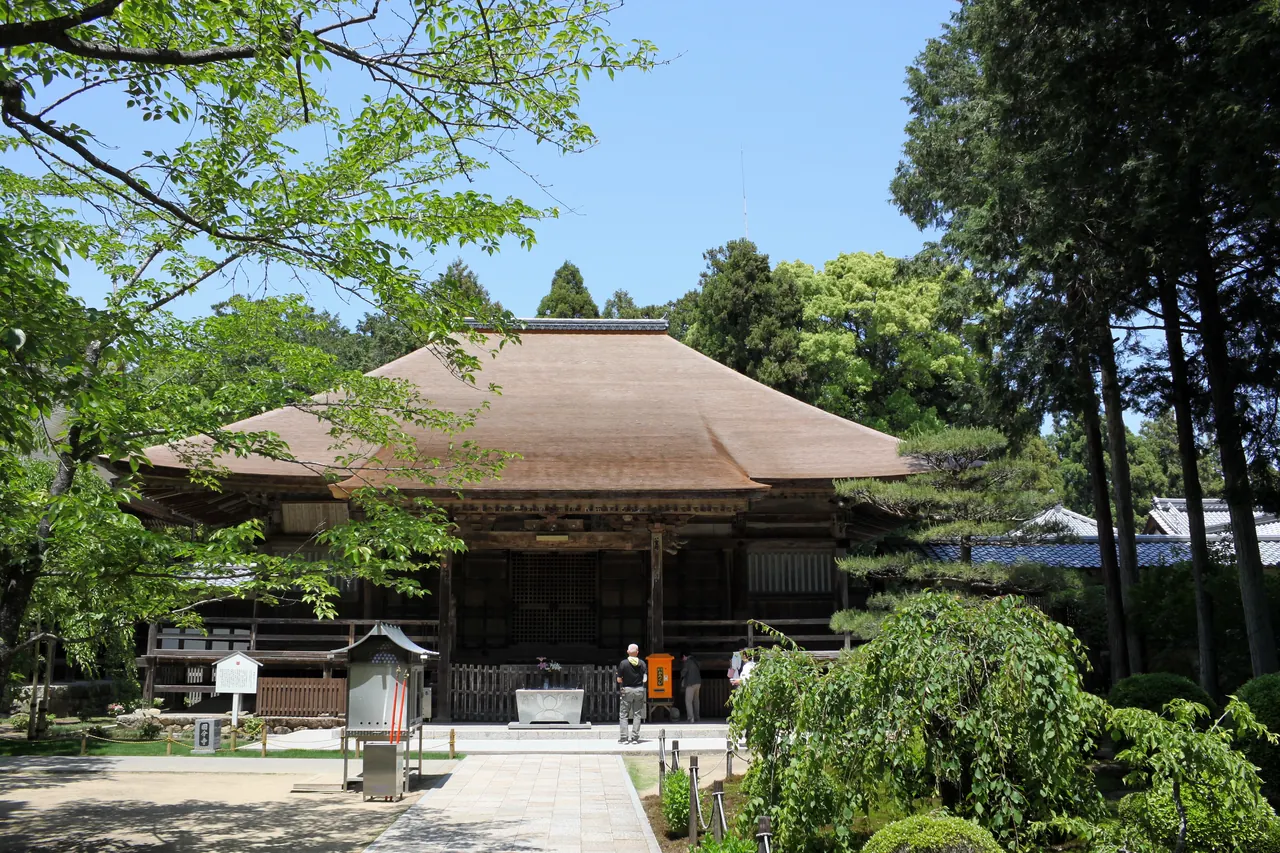
Kokubun-ji Temple, Tosa (Temple 29 of the Shikoku Pilgrimage)
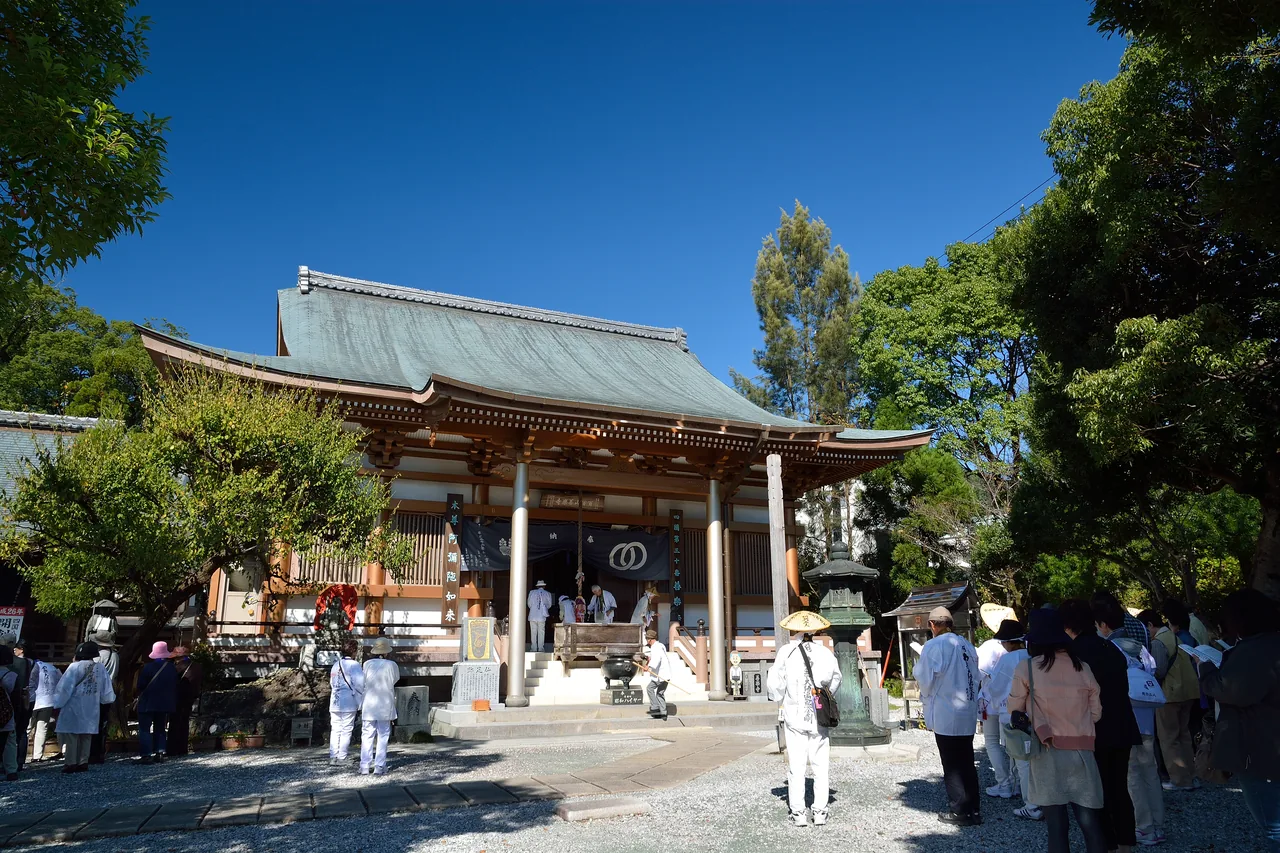
Zenraku-ji Temple (Temple 30 of the Shikoku Pilgrimage)
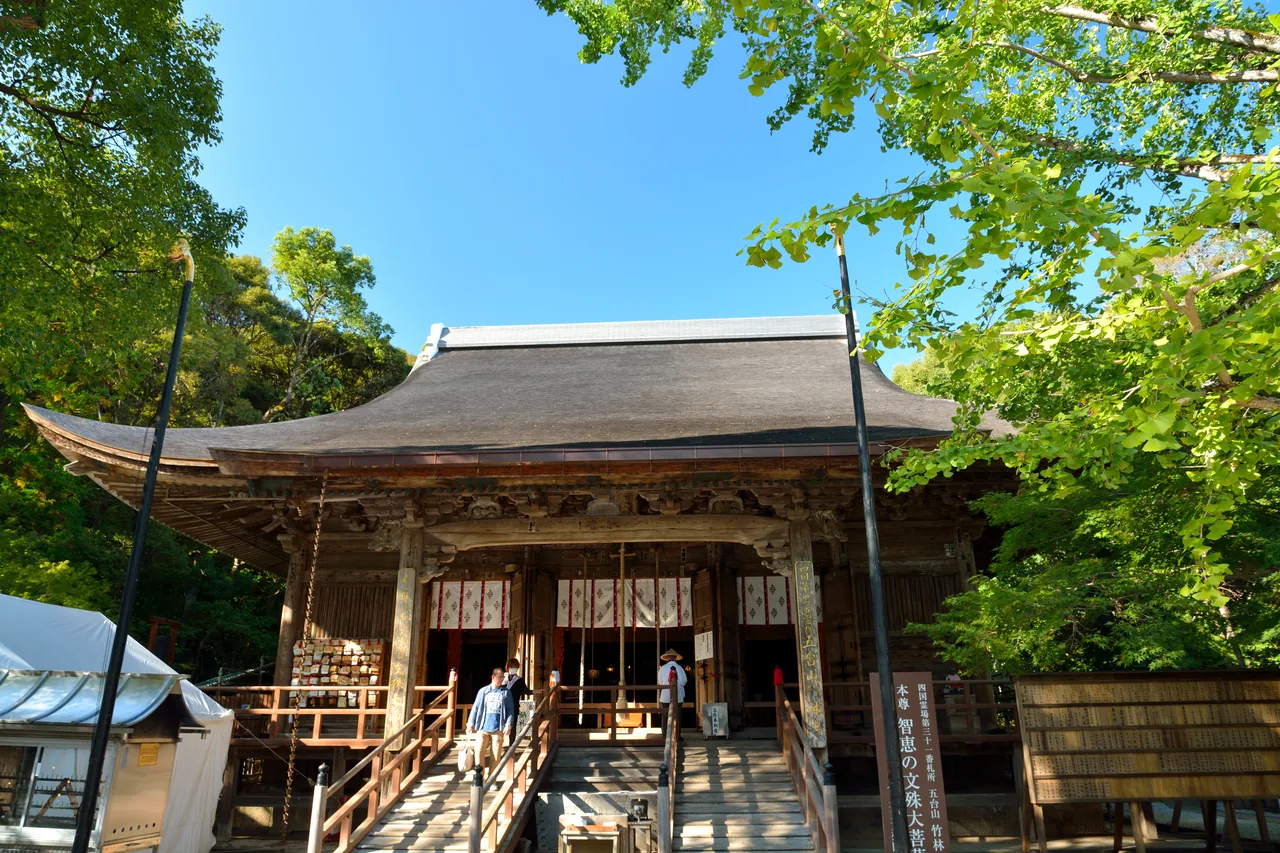
Chikurin-ji Temple (Temple 31 of the Shikoku Pilgrimage)
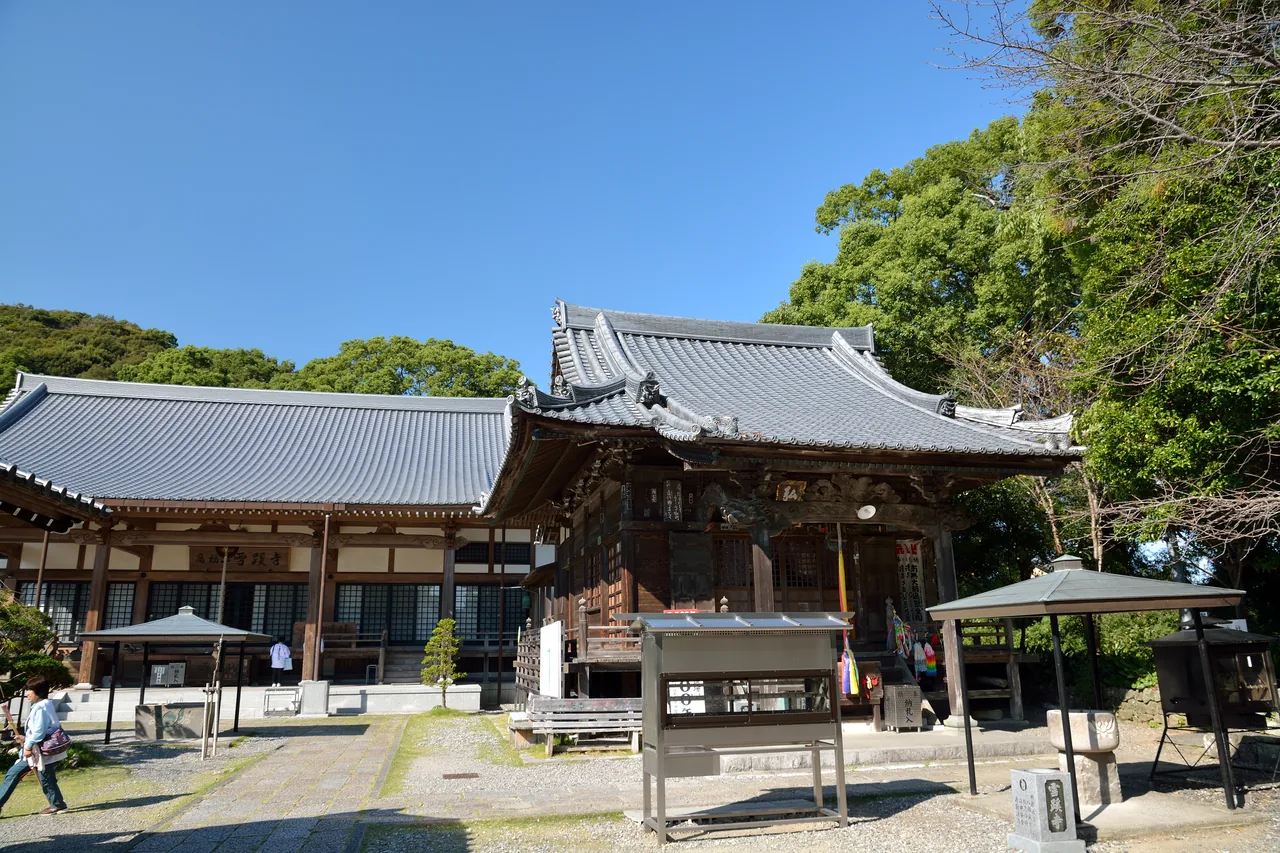
Sekkei-ji Temple (Temple 33 of the Shikoku Pilgrimage)
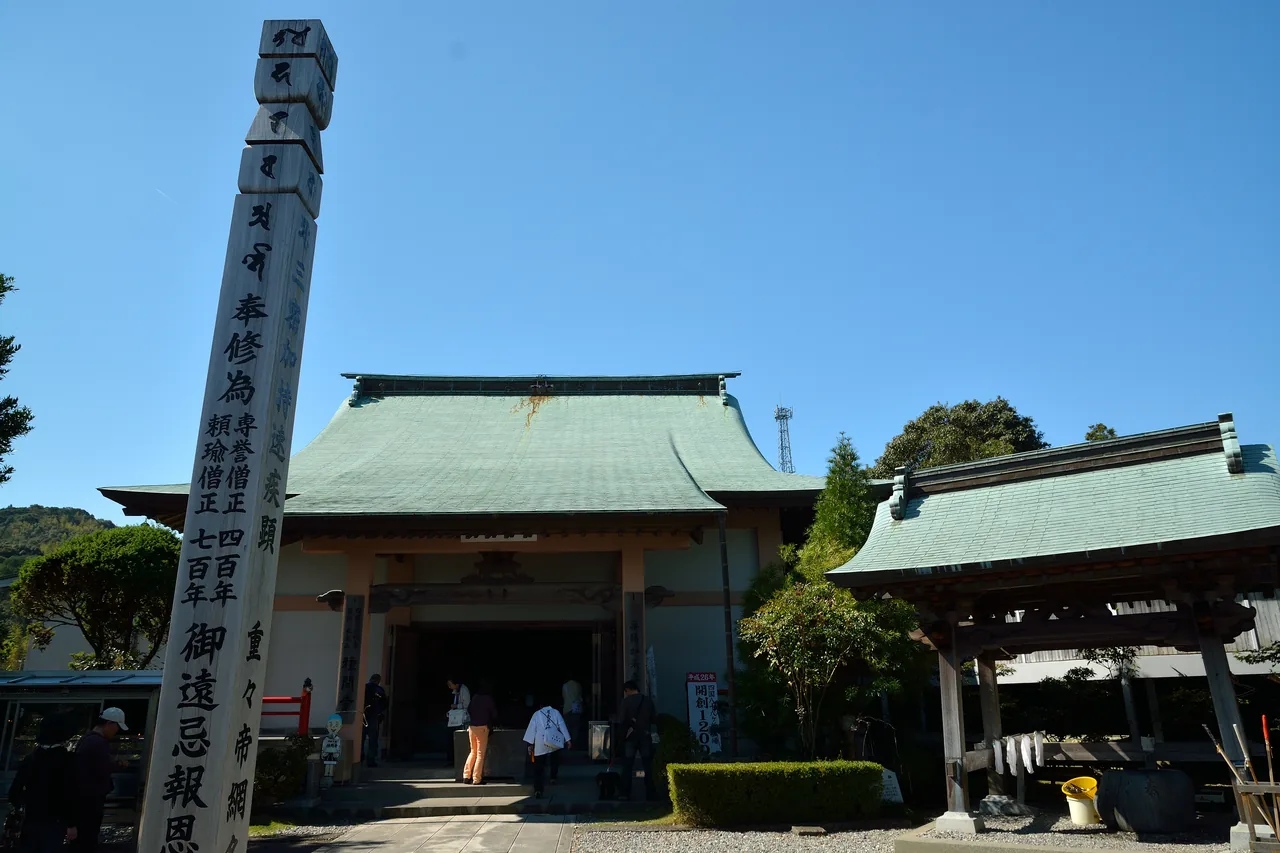
Tanema-ji Temple (Temple 34 of the Shikoku Pilgrimage)
Kiyotaki-ji Temple (Temple 35 of the Shikoku Pilgrimage)
Shoryu-ji Temple (Temple 36 of the Shikoku Pilgrimage)
Iwamoto-ji Temple (Temple 37 of the Shikoku Pilgrimage)
Kongofuku-ji Temple (Temple 38 of the Shikoku Pilgrimage)