Sakamoto Ryoma in Kochi: Ryoma and John Manjiro Sites to Visit
This guide is translated from the Japanese edition. Read the Japanese edition
Kochi sites linked to Sakamoto Ryoma and John Manjiro: Ryoma's birthplace museum, Kochi Castle, the statue at Katsurahama and the John Manjiro Museum near Cape Ashizuri.
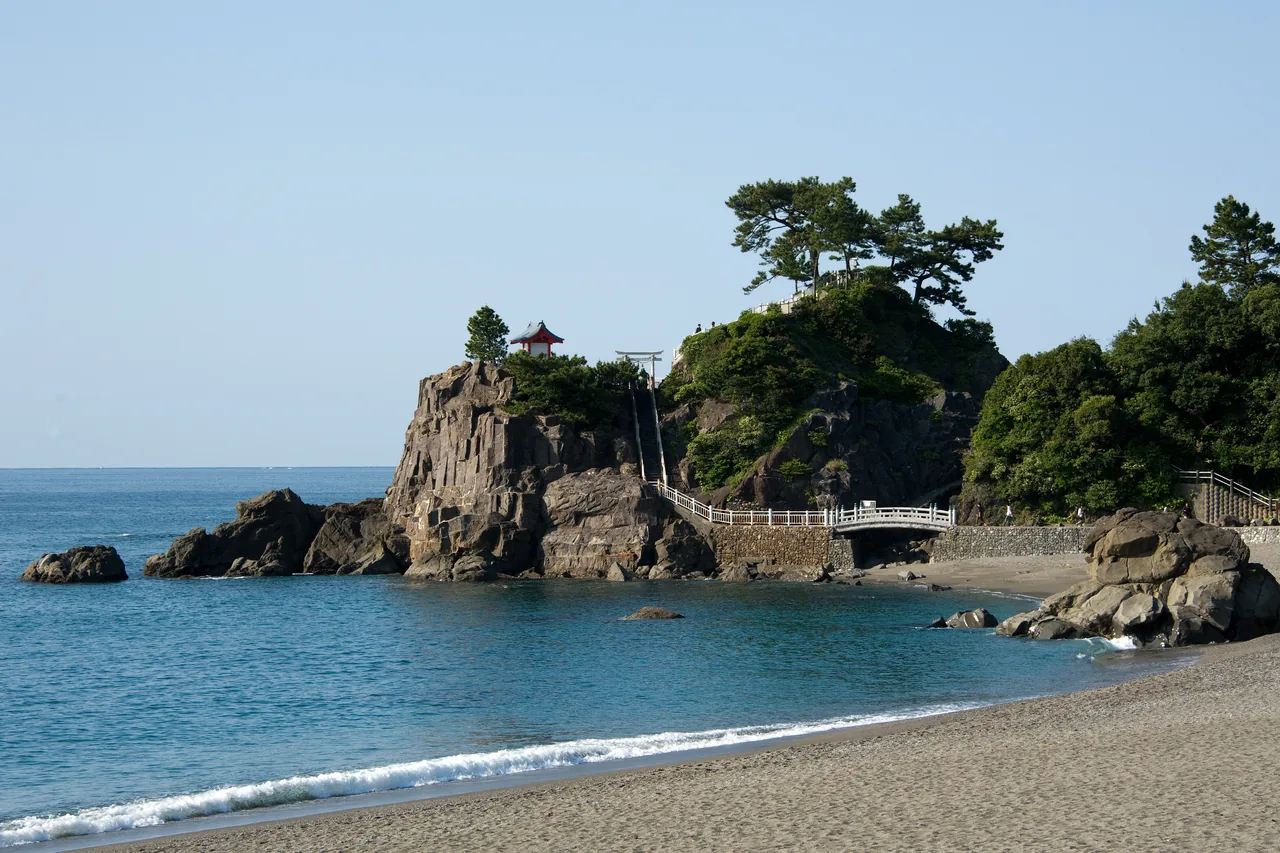
On a headland at Katsurahama Beach, a bronze statue of Sakamoto Ryoma stands facing the Pacific. Ryoma looked to the world beyond the sea, and John Manjiro actually saw it. Both were born in Tosa, today's Kochi Prefecture, at the end of the Edo period, and the places linked to them are split between central Kochi City and Ashizuri at the far west of the prefecture. You can reach all of them by streetcar, train and bus.
Ryoma and Manjiro, two men of Tosa
Sakamoto Ryoma was born in 1835 on Honcho-suji in the castle town of Kochi (today's Kamimachi, Kochi City), the second son of a goshi, a rural samurai family. In 1861 he joined the Tosa Loyalist Party, and after leaving the Tosa domain without permission the next year, he studied under Katsu Kaishu, founded the trading company Kameyama Shachu and helped bring about the Satsuma-Choshu Alliance and the return of power to the emperor. On November 15, 1867, he was attacked with Nakaoka Shintaro at the Omiya inn in Kyoto and died at 33.
John Manjiro (Nakahama Manjiro) was born in 1827 to a fishing family in Nakanohama, now part of Tosashimizu City. In 1841, at 14, he went out fishing from Usa with his companions, was shipwrecked, washed up on the uninhabited island of Torishima, spent 143 days there and was rescued by the American whaling ship John Howland. In America he studied English, mathematics and navigation, and in 1851 he landed in Ryukyu (today's Okinawa) and returned to Japan. Around the time of Commodore Perry's arrival he was taken into the service of the shogunate, and in 1860 he crossed the Pacific on the Kanrin Maru.
The link between the two was Kawada Shoryo, a Tosa painter. Put in charge of questioning Manjiro after his return, Shoryo recorded what he heard in a book, Hyoson Kiryaku. Ryoma later visited Shoryo, heard about the world overseas and, it is said, became more interested in the sea.
Kamimachi: the town where Ryoma grew up
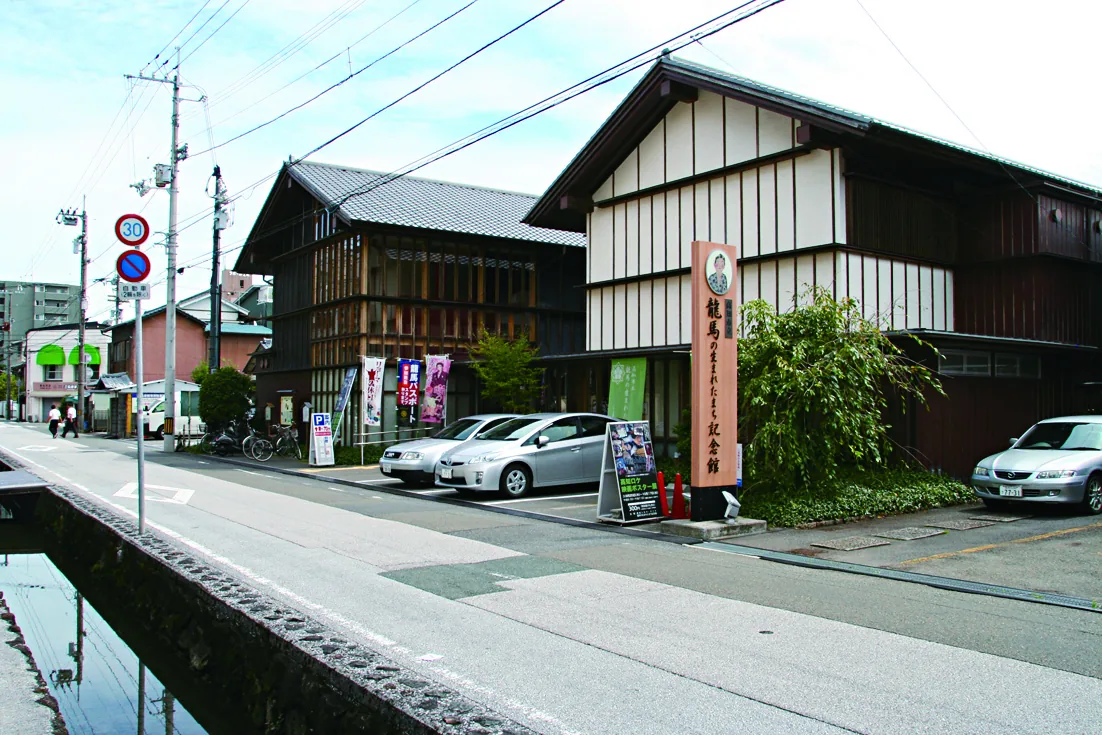
Ryoma was born in part of the castle town that is now Kamimachi 1-chome. A stone monument marks his birthplace.
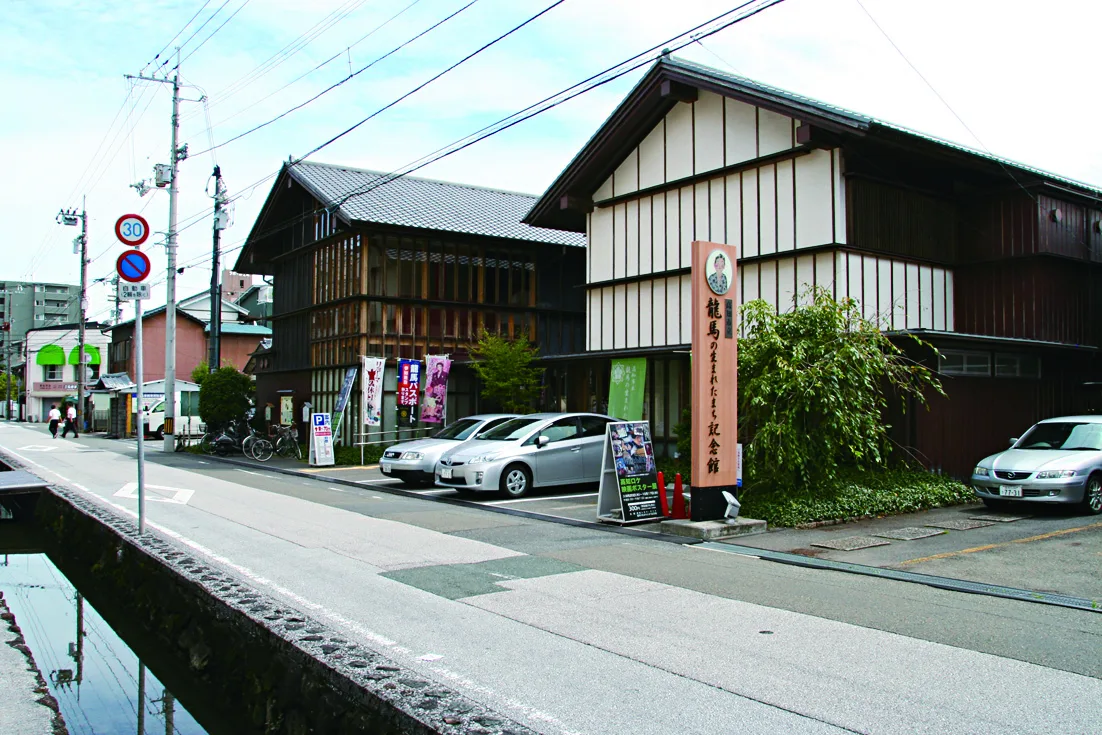
Nearby, Ryoma's Birthplace Memorial Museum uses models, video and audio to show Ryoma's boyhood and youth before he left Tosa, along with his family, the people around him and the history of Kamimachi. Afterward, take a walk along the streets of Kamimachi where he lived. Get off the Tosaden Kotsu streetcar at "Kamimachi 1-chome" and walk about 3 minutes.
画像提供:(公財)高知県観光コンベンション協会
Kochi Castle: the castle of the Tosa domain
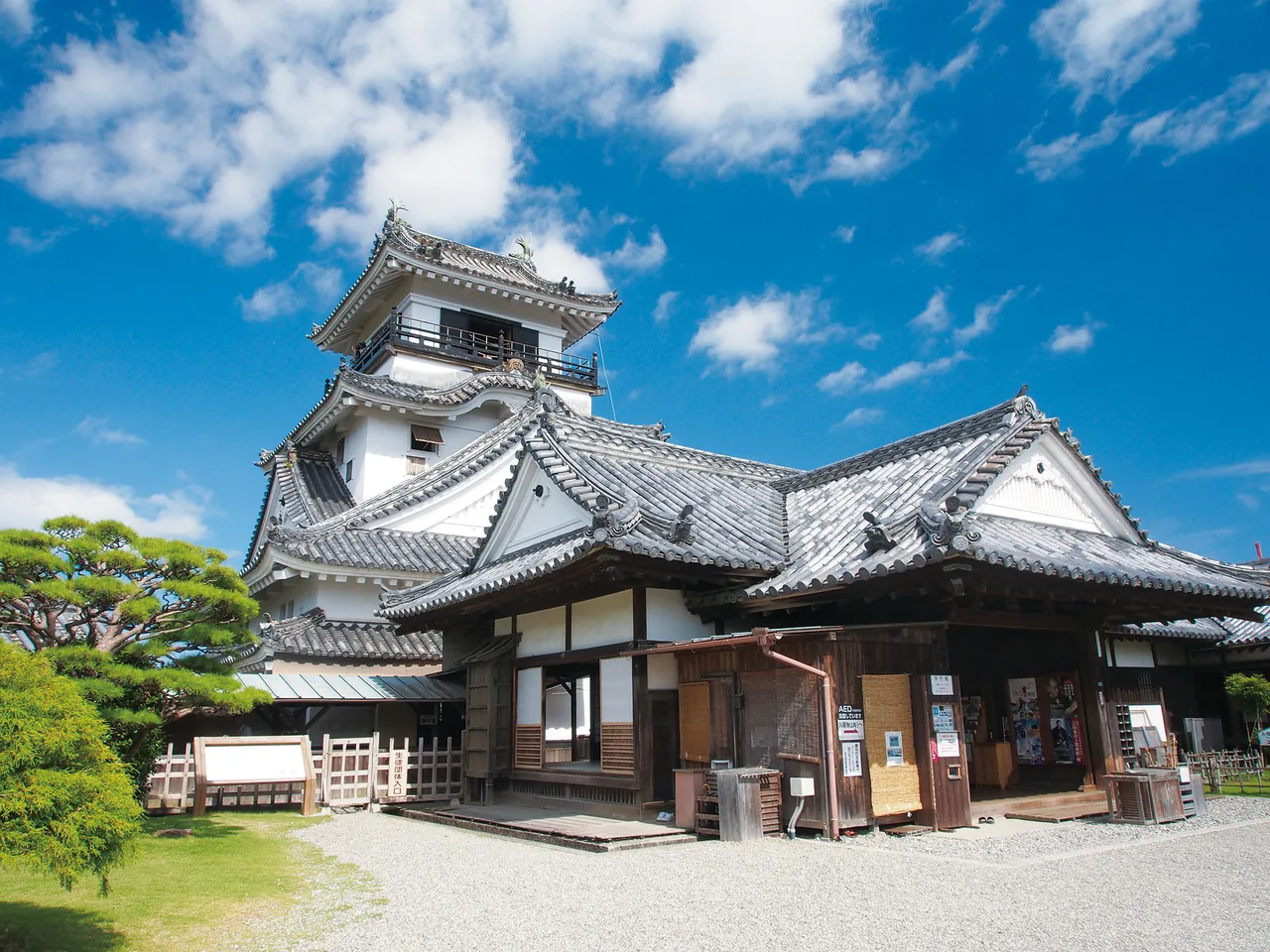
Kochi Castle, reachable from Kamimachi by streetcar, was built by Yamauchi Kazutoyo, the first lord of the Tosa domain. It is one of only 12 castles in Japan that keep an Edo-period keep, and the only castle in Japan where all the buildings of the main enclosure survive, including the Honmaru Palace besides the keep. Fifteen buildings are Important Cultural Properties. You can go inside the keep and the Honmaru Palace. The castle entrance, the Otemon Gate, is a short walk from the "Kochijo-mae" streetcar stop, and from there stone steps climb to the keep.
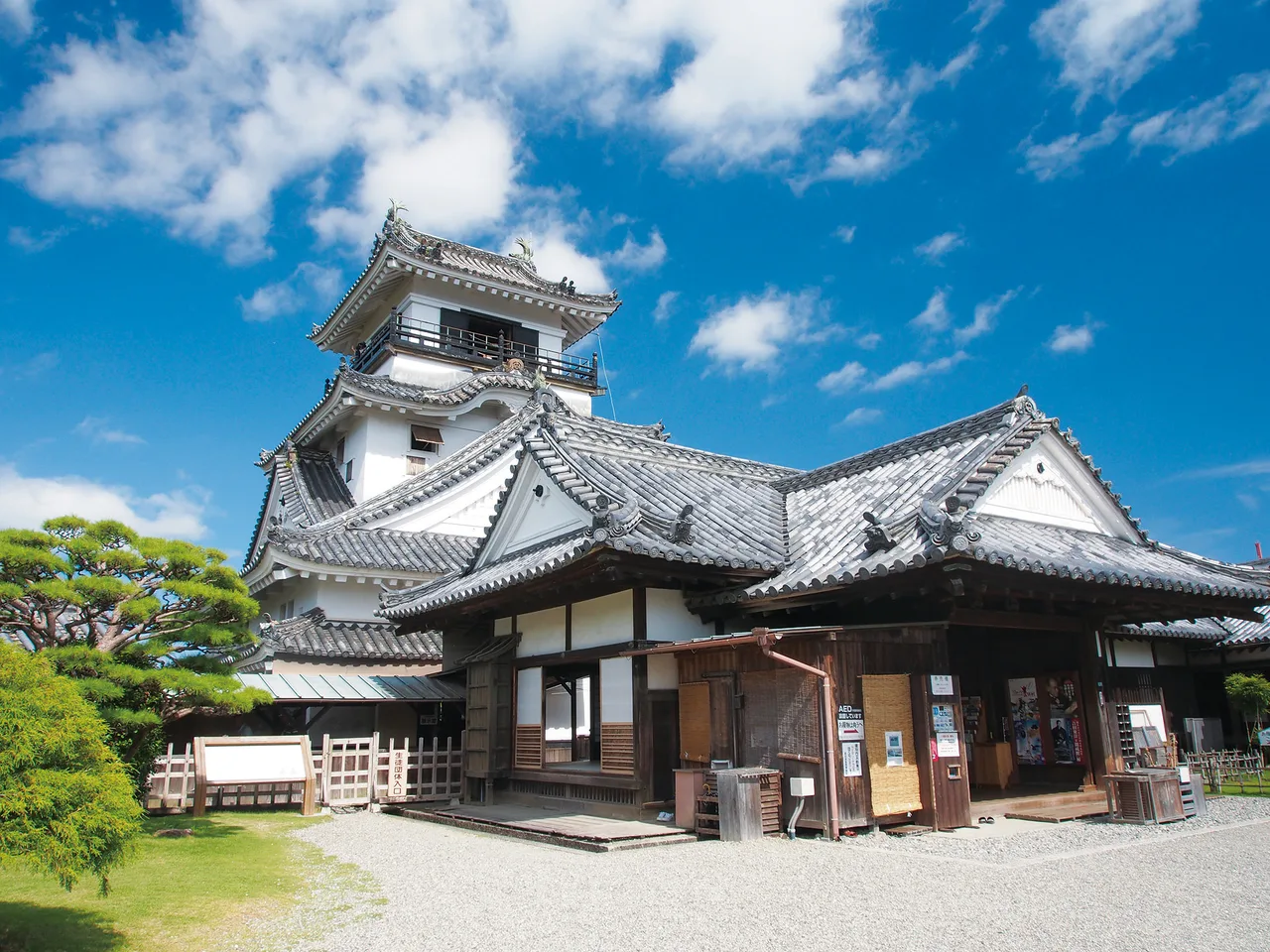
画像提供:(公財)高知県観光コンベンション協会
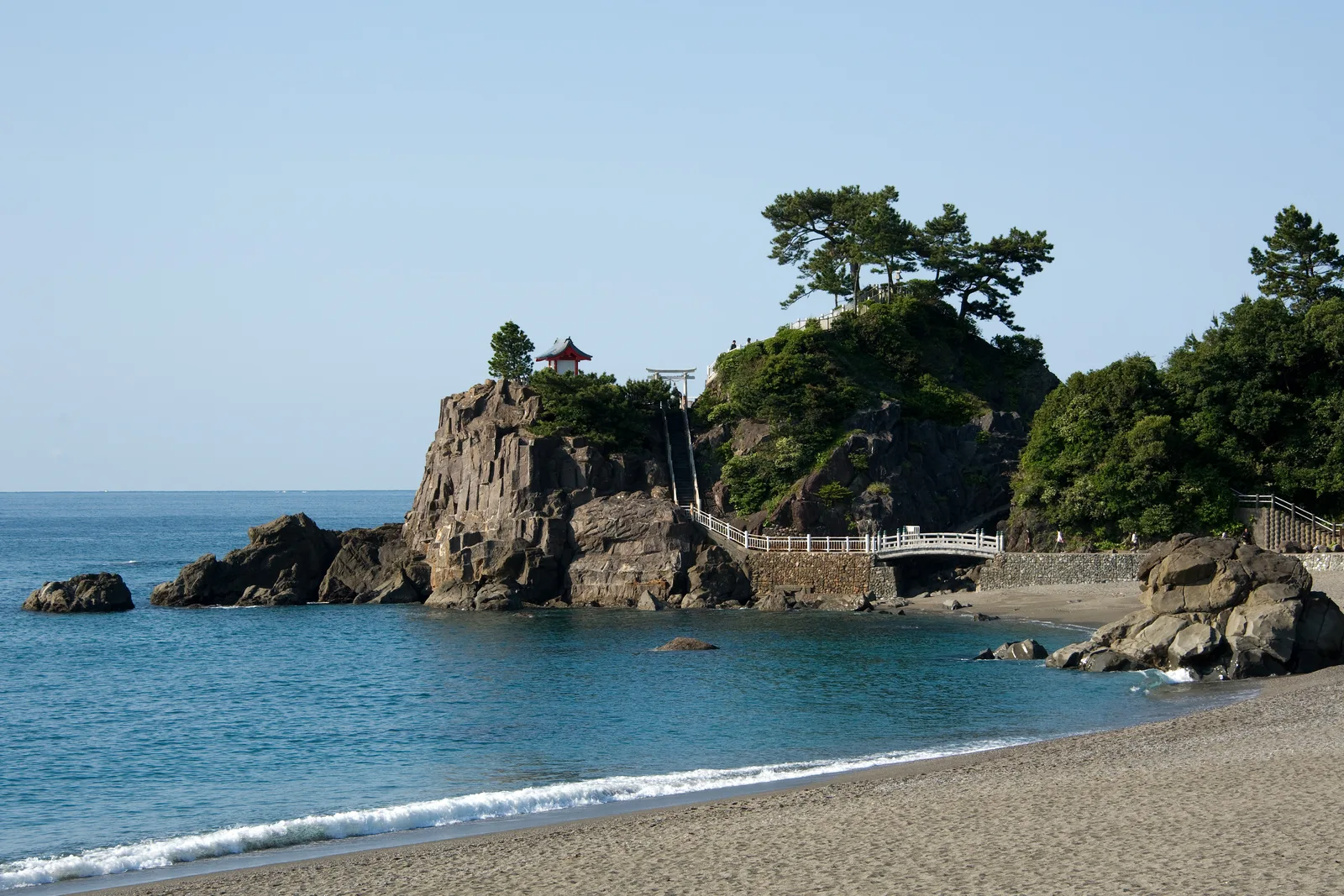
Katsurahama: Ryoma's statue looking out to the Pacific
Katsurahama, in the south of Kochi City, is a curving beach framed by green pines and rocky headlands. The Ryoma statue on Cape Ryuzu is 5.3 m tall, or 13.5 m including its pedestal. Young people from Kochi Prefecture raised money to build it, and it was unveiled on May 27, 1928. Beyond the pines around the statue, the Pacific spreads out.
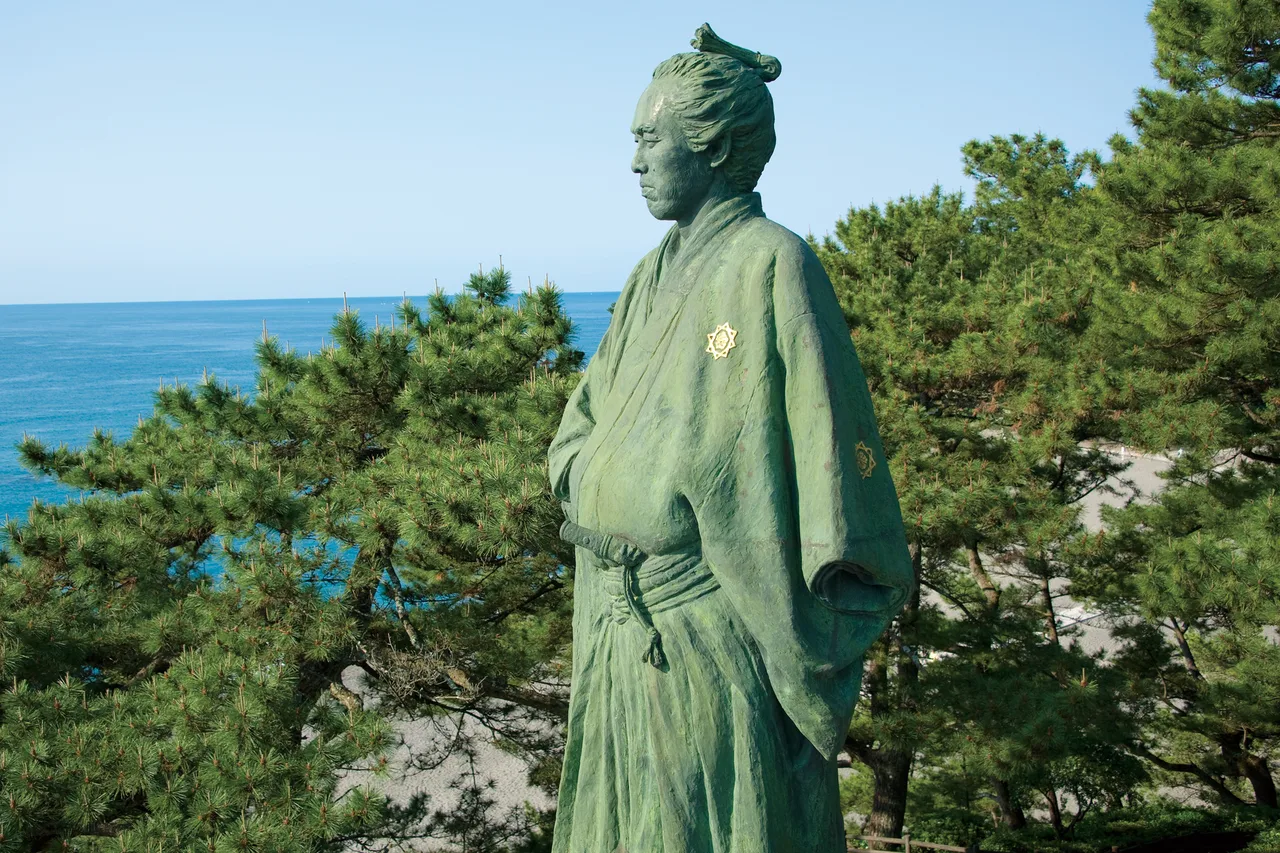
画像提供:(公財)高知県観光コンベンション協会
On the high ground above the beach is the Sakamoto Ryoma Memorial Museum, run by Kochi Prefecture, where you can learn much more about Ryoma. By bus, get off at "Ryoma Kinenkan-mae" and walk about 2 minutes. A path leads down from the museum to the beach in just under 10 minutes, but it goes down steep steps, and the climb back up from the beach takes 10 minutes or more.
The waves at Katsurahama are rough and the water gets deep suddenly, so be careful: Kochi City urges visitors never to go near the water's edge.
Seizan Bunko in Sakawa: writings of the loyalists
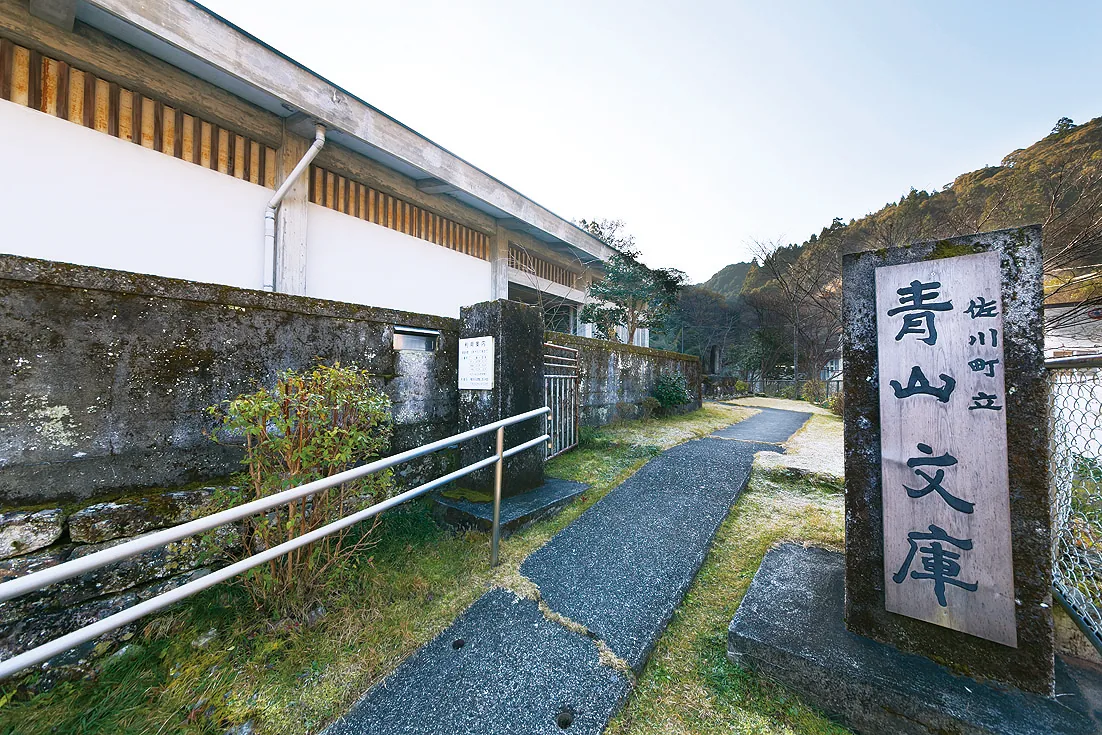
West of Kochi City, about 6 minutes on foot from Sakawa Station on the JR Dosan Line, the Sakawa Town Seizan Bunko Museum holds letters by Sakamoto Ryoma, a waka poem by Katsu Kaishu and calligraphy by Nakaoka Shintaro and Saigo Takamori, among other items. The core of the collection is writings and belongings of the loyalists gathered by Tanaka Mitsuaki, who joined the Tosa Loyalist Party and later served as Minister of the Imperial Household.
Ashizuri: John Manjiro's home ground
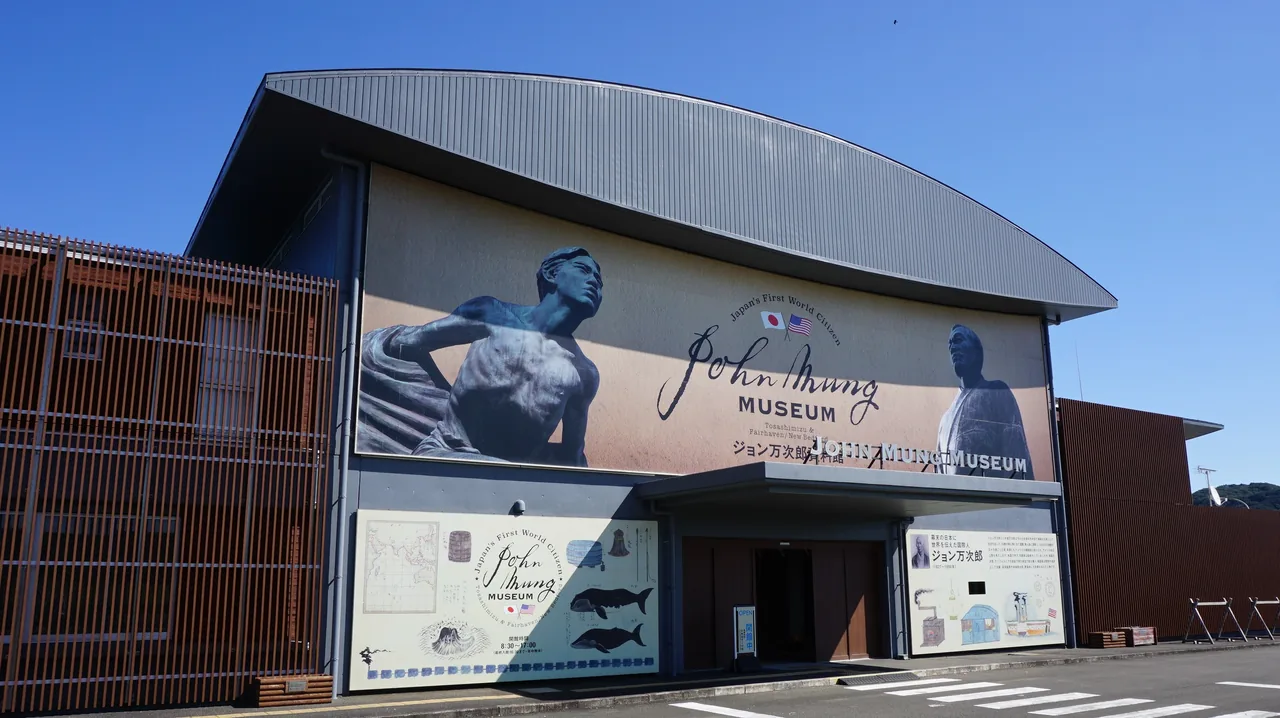
Nakanohama, where Manjiro was born, is in Tosashimizu City near the southwestern tip of Shikoku. At the John Manjiro Museum, inside the Umi-no-Eki Ashizuri complex near Cape Ashizuri, route maps, dioramas and videos trace his story from the shipwreck to his life in America and his work after returning. There is a spot for photos in front of a whaling boat, and a statue of the young Manjiro stands in the square outside.
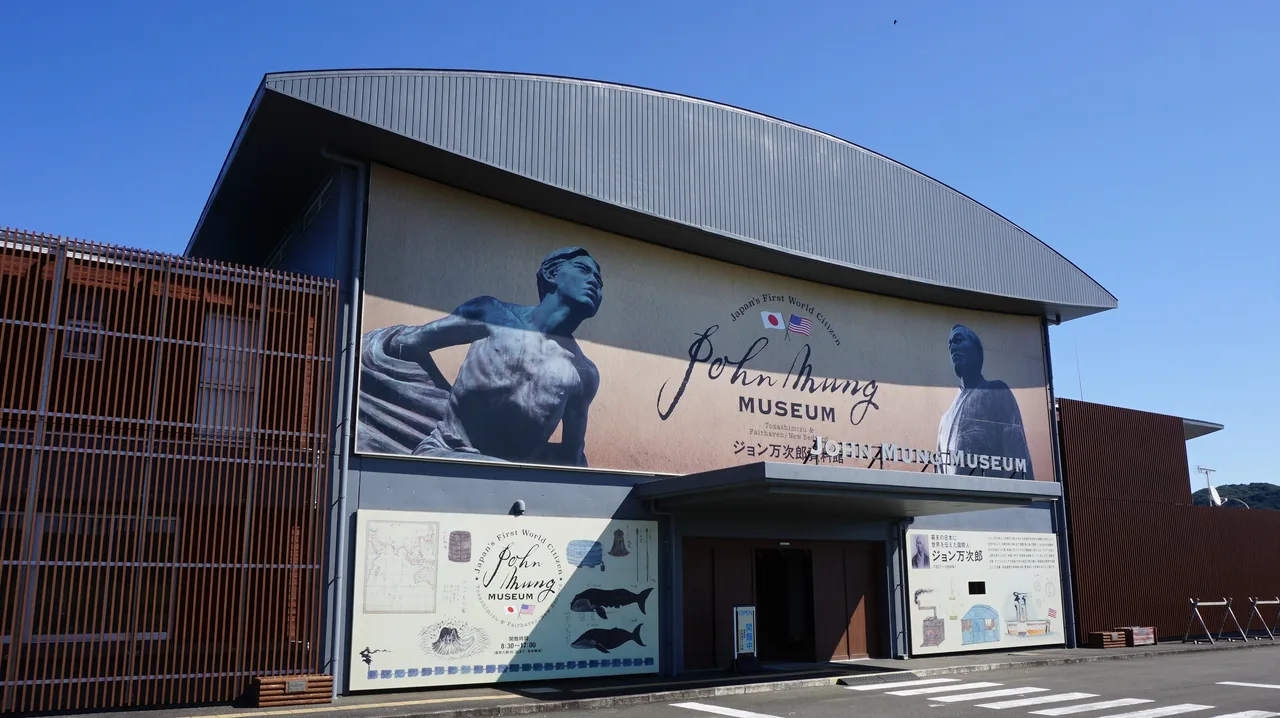
画像提供:(公財)高知県観光コンベンション協会
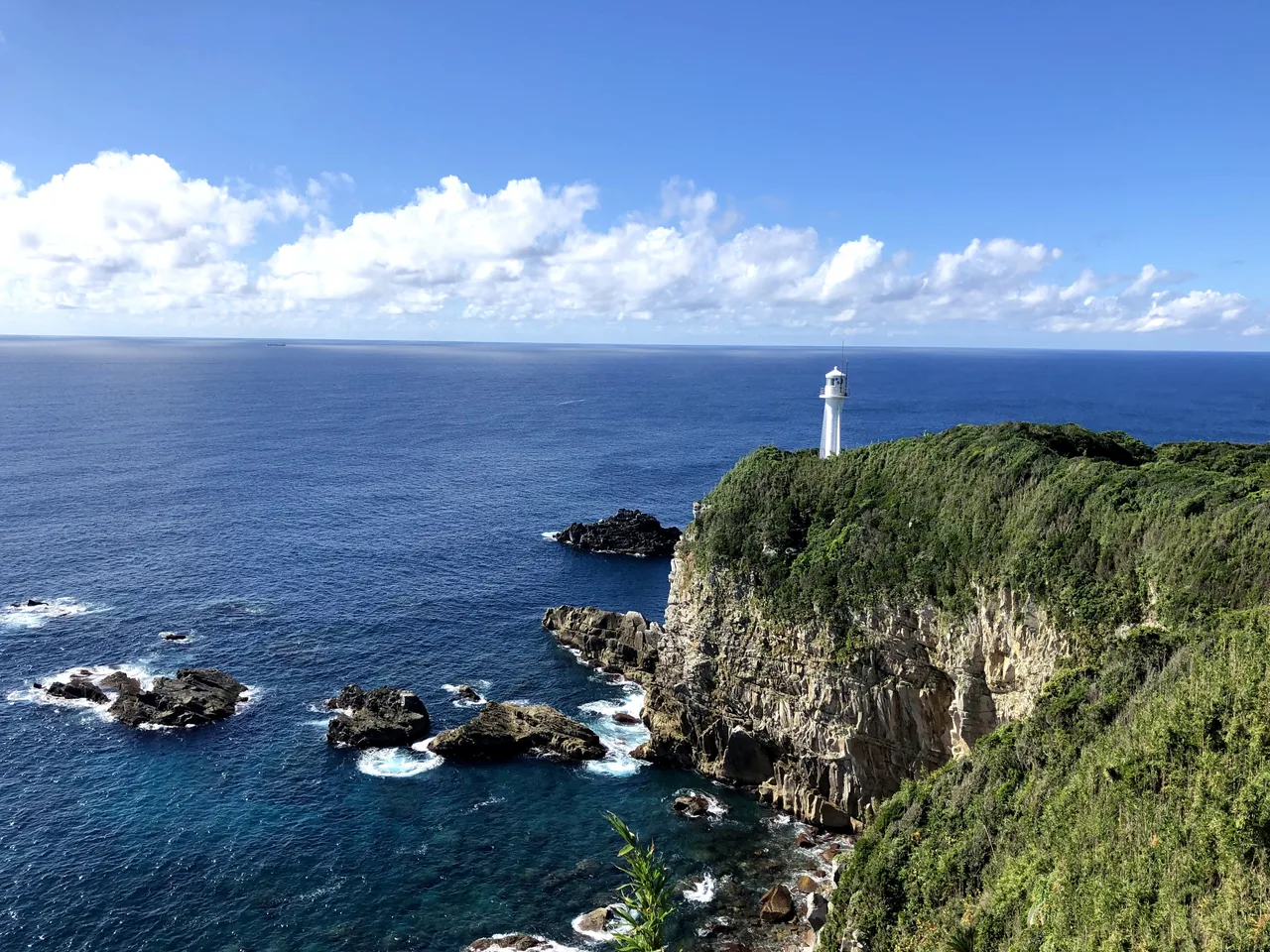
At the entrance to the walking path at Cape Ashizuri is a bronze statue of Manjiro put up in 1968. He holds a compass and a set square and faces toward America across the Pacific. Kongofuku-ji, Temple 38 of the Shikoku pilgrimage, is also right by the cape (see our feature "Shikoku Pilgrimage in Kochi").
Getting around: Kochi City and Ashizuri on separate days
The Ryoma sites in Kochi City can be covered by streetcar and bus.
- Kamimachi and Kochi Castle: Both are on the Tosaden Kotsu streetcar line. Get off at "Kamimachi 1-chome" for the museum and "Kochijo-mae" for the castle
- Katsurahama: From JR Kochi Station or Harimayabashi, take a Tosaden Kotsu bus bound for Katsurahama, about 30 minutes. The MY Yu Bus goes from Kochi Station via Mt. Godai in about 50 minutes
- Ashizuri: From Nakamura Station on the Tosa Kuroshio Railway Nakamura Line, the Kochi Seinan Kotsu bus to Cape Ashizuri takes about 1 hour 45 minutes. For the museum, take the bus for Cape Ashizuri from Nakamura Station to "Shimizu Plaza Paru-mae," change to a bus for Sukumo, get off at "Yoro" and walk about 5 minutes
Ashizuri is far from Kochi City, too far to see both in a day trip. Stay a night in Ashizuri and give yourself a day to walk the cape path and visit the museum at an easy pace. Nakaoka Shintaro, who was attacked in Kyoto together with Ryoma, was born in Kitagawa Village in eastern Kochi, and a statue of him stands at Cape Muroto as well (see our feature "Muroto, Aki and Kochi's East Coast").