Myoko Kogen: Imori Pond, Naena Falls, Hiking and Tsubame Onsen
This guide is translated from the Japanese edition. Read the Japanese edition
Myoko Kogen in Niigata by season, from Imori Pond and 55 m Naena Falls to the Koya Pond marshes, Tsubame Onsen's free bath, the Sky Cable and skiing.
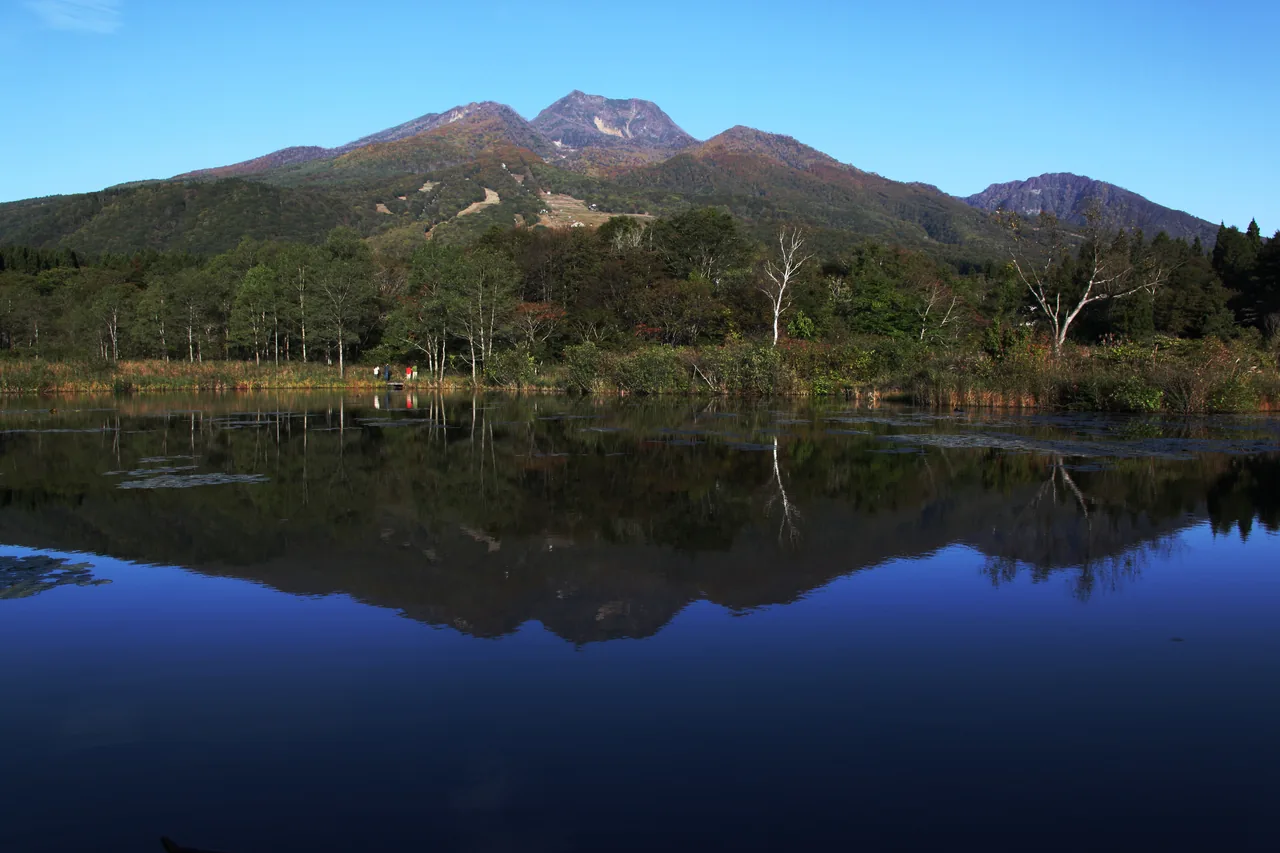
On a clear morning, Mt. Myoko appears upside down on the surface of Imori Pond. Myoko Kogen is a highland on the southwestern edge of Niigata Prefecture, on the border with Nagano, surrounded by the peaks of Myoko-Togakushi Renzan National Park. The pond and waterfall at the foot of the mountains are easy walks; from summer to autumn some visitors climb to marshes above 2,000 m, and in winter the skiers arrive. What you can reach changes a great deal with the season, so plan around when you travel.
Getting to Myoko Kogen
The rail gateway is Myoko-Kogen Station on the Echigo Tokimeki Railway's Myoko Haneuma Line. From Tokyo, take the Hokuriku Shinkansen to Joetsumyoko Station and change to the Myoko Haneuma Line. From Nagano Station, the Shinano Railway Kita-Shinano Line runs to Myoko-Kogen Station.
Imori Pond, Naena Falls and the ski areas are some distance from the station, so you will need a local bus or a taxi. Some bus routes run only in certain seasons, and Myoko City and the Myoko Tourism Bureau publish the timetables. If you want to cover several spots at the foot of the mountains, a rental car is the most flexible option.
Imori Pond: Mt. Myoko's reflection and spring skunk cabbage
Imori Pond (Imoriike) is a small pond in Ikenotaira Onsen. On a still, sunny day, 2,454 m Mt. Myoko is mirrored on the water, a view known as "Sakasa Myoko". A path of about 15 minutes loops around the pond, so you can take in the view from different angles.
In spring, after the snow melts, white skunk cabbage blooms along the shore. The timing shifts with each winter's snowfall, but it is usually from late April into May. In autumn the trees around the pond turn color, and you can photograph the foliage with Mt. Myoko behind it.
Right next to the pond is the Ministry of the Environment's Myoko Kogen Visitor Center, with exhibits on the national park's nature and on the lives of the people who live alongside the mountains. Stopping here before a hike or walk is a good way to find out what is in season.
Naena Falls: the 55 m "Earthquake Falls"
Naena Falls (Naena-taki) drops into the Seki River on the Niigata–Nagano border and is one of Japan's Top 100 Waterfalls. The falls are about 55 m high, and the roar of the water earned them the nickname "Jishin-daki", the earthquake falls.
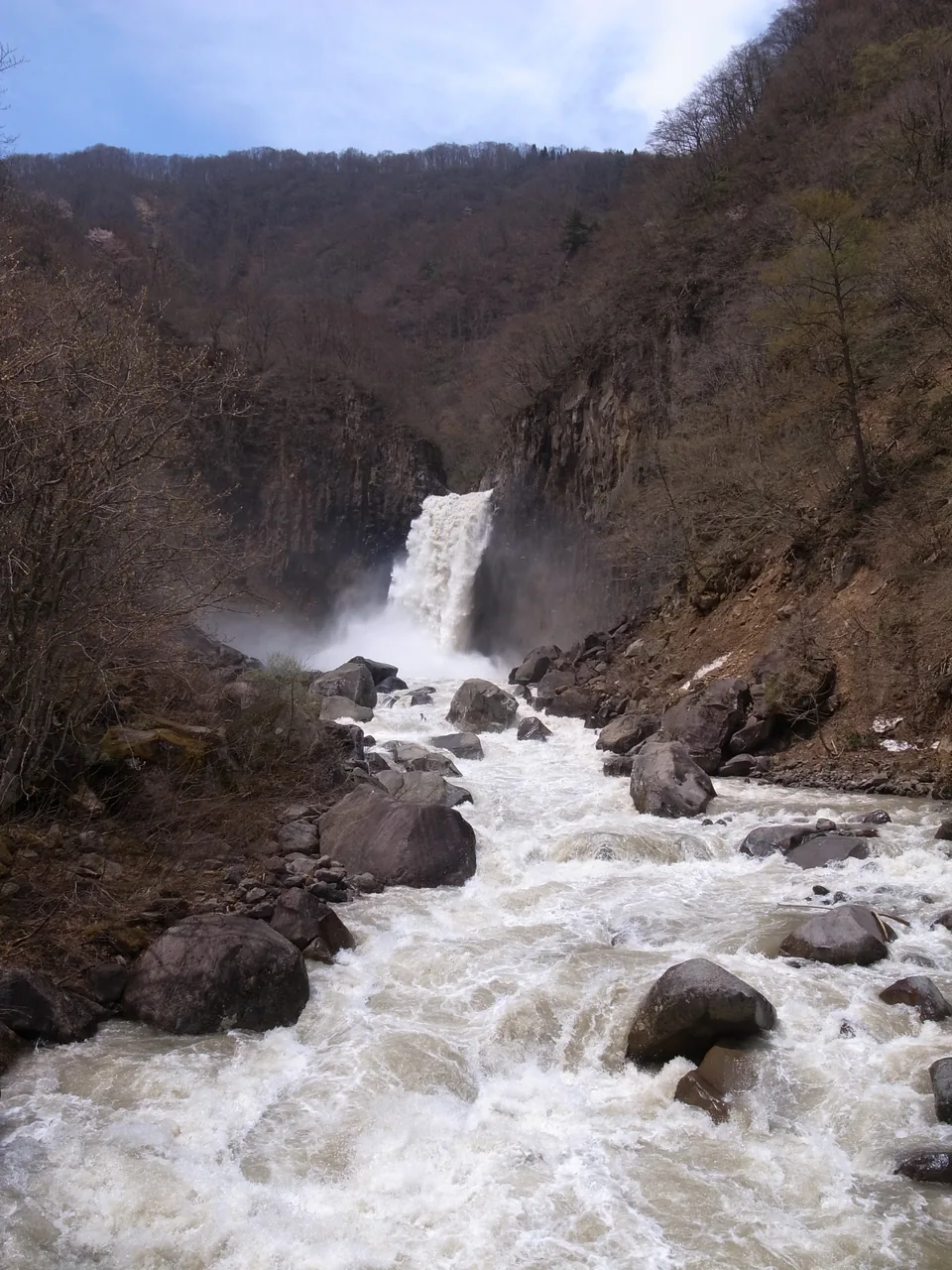
From the parking area to the viewpoint in front of the falls is about a 15-minute walk along a riverside path. There are steps and gravel stretches, so wear shoes that grip. The water is at its strongest during the spring snowmelt, while in autumn the white falls drop through colored leaves.
The path is closed in winter because of the deep snow. If you are going in spring or late autumn, check with the Myoko Tourism Bureau whether it is open.
Koya Pond and Tengu no Niwa: marshes at 2,100 m (summer to autumn hiking)
On the flanks of Mt. Hiuchi (2,462 m), at around 2,100 m, lie the high moorlands of Koya Pond (Koyaike) and Tengu no Niwa. In summer they fill with alpine plants such as cotton grass; in autumn the grasses turn gold and red, and at Tengu no Niwa Mt. Hiuchi is sometimes reflected in the small marsh pools.
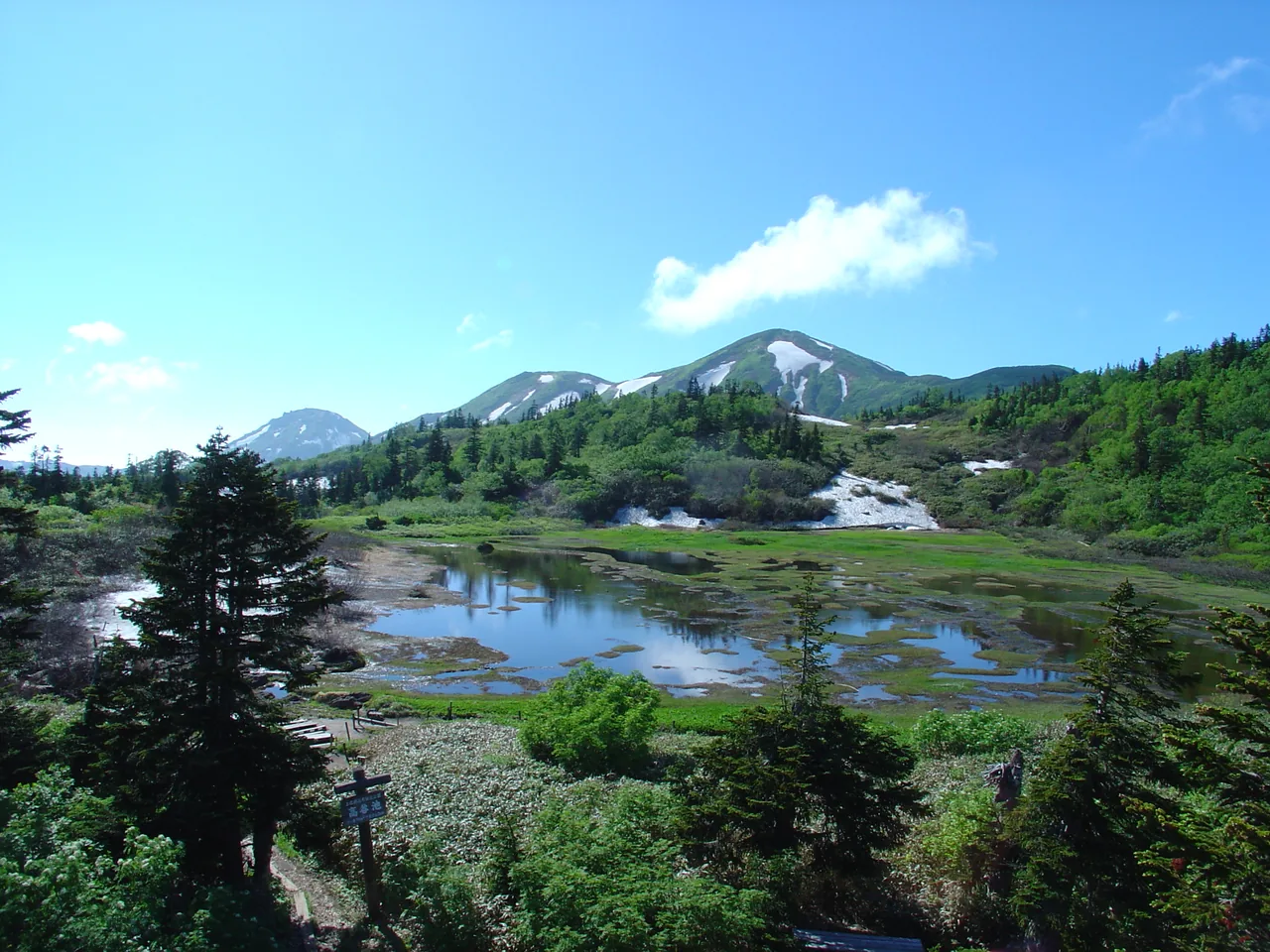
No road goes up here; this is a place you reach on foot. The usual route starts at the Sasagamine trailhead, and even one way to Koya Pond takes several hours. Beside the pond stands the Koyaike Hut, and many hikers stay overnight and continue to the summit of Mt. Hiuchi.
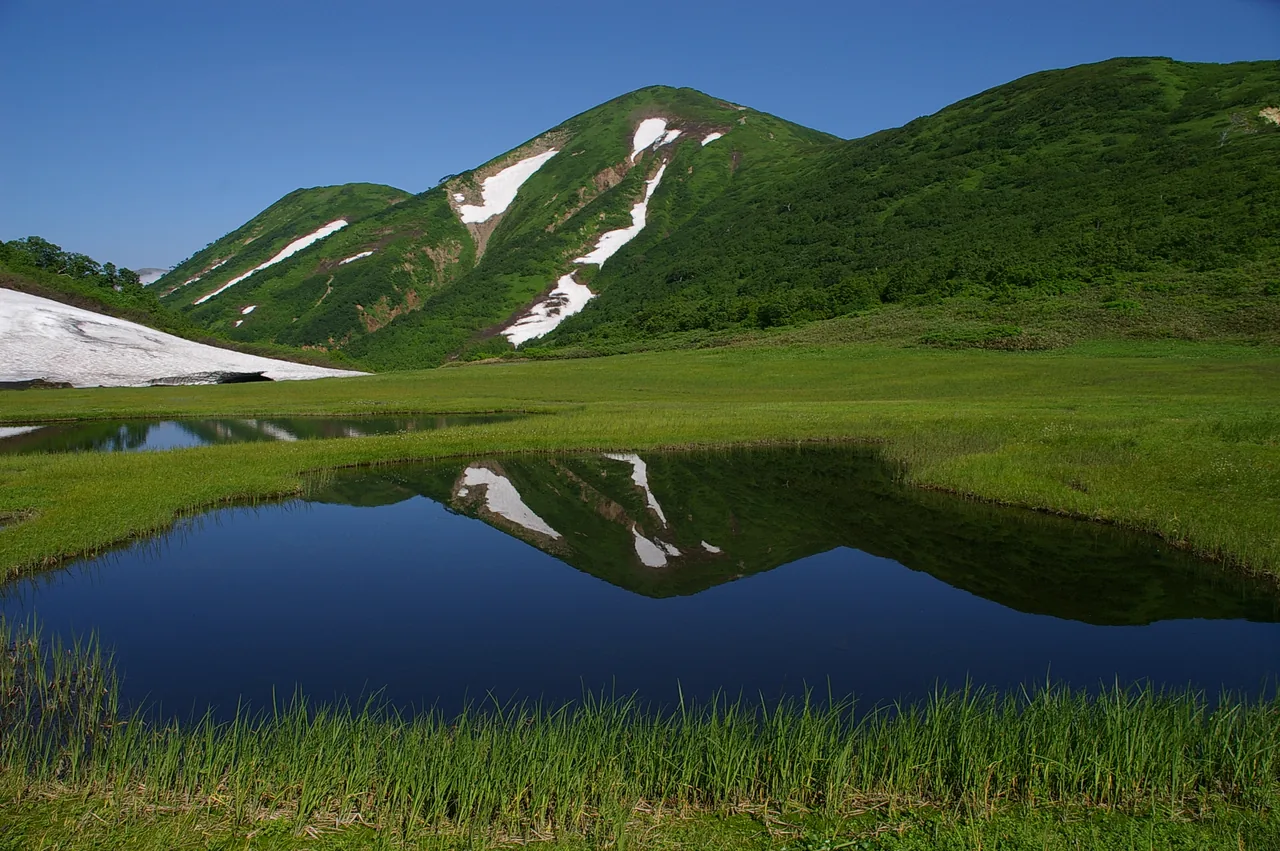
- When: from the snowmelt in summer until the autumn colors. Because of the altitude, snow falls here by the end of autumn.
- Gear: hiking boots, rain gear, warm layers, food and water. Even in summer it gets cold up high.
- Protecting the marsh: stay on the boardwalks and leave the plants where they are.
- Planning: on a day hike, start early in the morning and turn back if the weather looks like it will turn. If you plan to stay at the hut, check in advance whether you need to book.
If you have little hiking experience, the walks to Imori Pond and Naena Falls offer plenty to see on their own.
Ogon no Yu at Tsubame Onsen: a free outdoor bath in the mountains
High on the slopes of Mt. Myoko, beyond Seki Onsen, Tsubame Onsen is a small hot spring village with a handful of inns stacked on the hillside. It is known for its milky water, and about five minutes' walk from the village is Ogon no Yu, an outdoor bath that is free to use. The rock-lined pools are separated for men and women and surrounded by trees, so you soak in fresh mountain air.

Ogon no Yu is closed in winter while the snow lies and opens from spring to autumn. There are also times when you cannot bathe because of cleaning. There is no lighting, so go while it is light. The Myoko Tourism Bureau posts whether it is open.
A city bus runs to Tsubame Onsen from Sekiyama Station on the Myoko Haneuma Line. For how to bathe, see Japanese onsen etiquette, and for other hot spring towns in the prefecture, see our Niigata onsen guide.
Up to the viewpoints on the Myoko Kogen Sky Cable
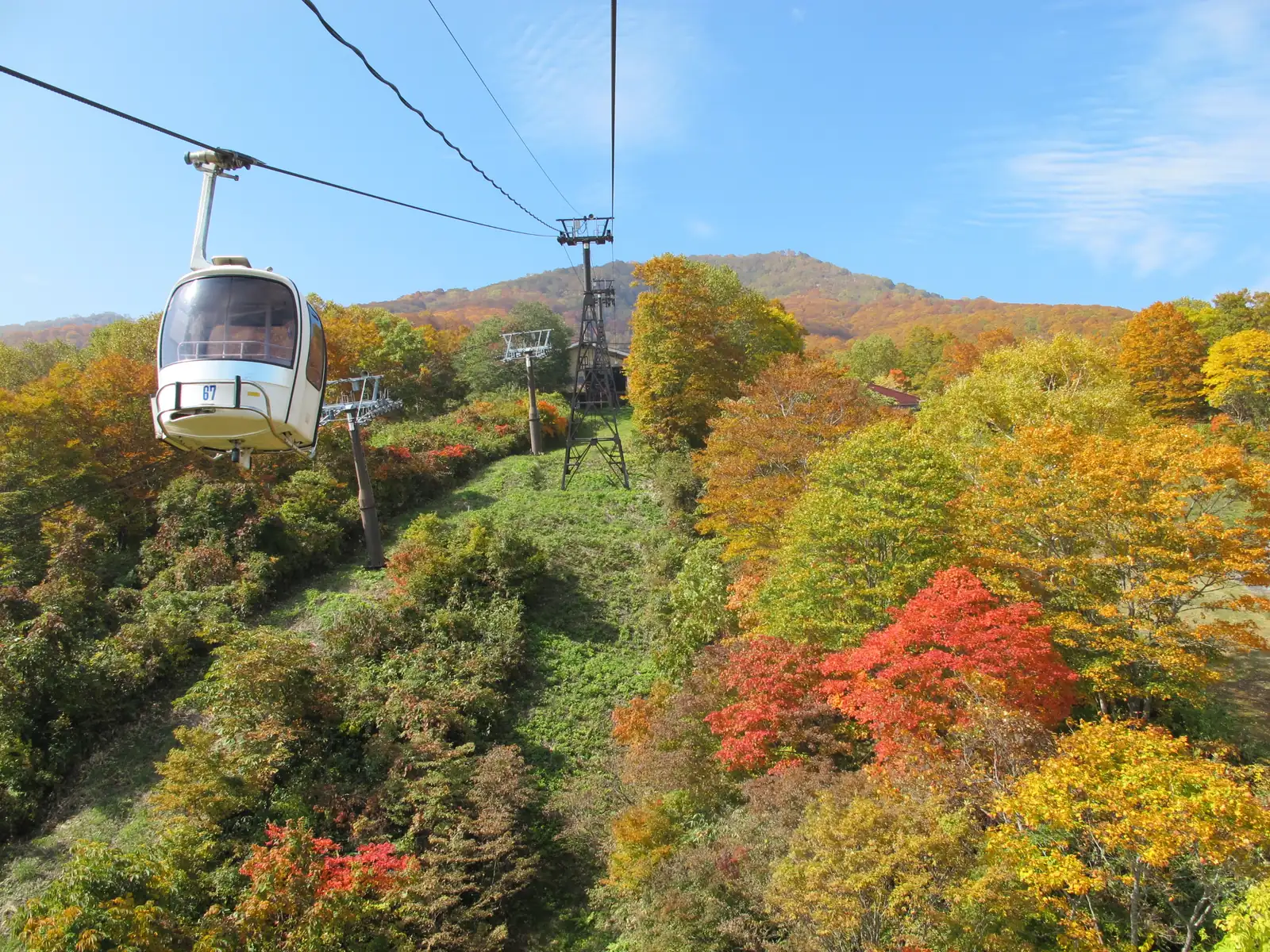
The Myoko Kogen Sky Cable at Akakura Kanko Resort is a gondola that climbs from the base to a summit station at about 1,300 m. In winter it carries skiers, and it also runs in the green season from summer into autumn. Walking trails around the summit station lead through beech woods to lookouts, and on a clear day you can see as far as Lake Nojiri and the mountains of northern Nagano.
Operating dates and hours change from year to year, and it stops in strong winds, so check Akakura Kanko Resort's official website before heading out.
Myoko Kogen in winter: a snowy ski resort
Myoko Kogen gets heavy snow, and in winter the whole area becomes a ski resort. Akakura Onsen, Akakura Kanko, Ikenotaira Onsen, Myoko Suginohara and other ski areas sit close together, several of them right next to hot spring villages, so you can soak after a day on the slopes. Each resort's official website lists operating dates and lift tickets.
In winter Imori Pond is buried in snow, and the Naena Falls path, Ogon no Yu at Tsubame Onsen and the high marshes are out of reach. Think of it as two different trips: snow and hot springs in winter, ponds, waterfalls and marshes the rest of the year.
The Ministry of the Environment's Myoko-Togakushi Renzan National Park page introduces the park's main sights and nature.