Niigata Onsen Guide: Tsukioka, Matsunoyama, Tsubame, Yuzawa
This guide is translated from the Japanese edition. Read the Japanese edition
Choosing a Niigata onsen town: Tsukioka's emerald sulfur water, medicinal Matsunoyama, Tsubame's free mountain bath and Echigo-Yuzawa by the Shinkansen.
Niigata Prefecture is full of hot springs. From the plains along the Sea of Japan to the mountains on the borders with Nagano and Gunma, onsen with water of different colors and smells are scattered across the prefecture. Even on a one-night onsen trip, the town you choose shapes the whole experience. The four with the most distinctive water, and the easiest to fit into a trip, are these.
How to choose a Niigata onsen: four towns compared
First, the main differences.
| Onsen town | Where | The water | Best for |
|---|---|---|---|
| Tsukioka Onsen | Shibata (northeast of Niigata City) | Sulfur spring that looks green | Combining with sightseeing in Niigata City |
| Matsunoyama Onsen | Mountains of Tokamachi | Very salty water | A slow stay among satoyama villages and rice terraces |
| Tsubame Onsen | Mountainside in Myoko | Milky water, free outdoor bath | Combining with nature in Myoko Kogen (spring to autumn) |
| Echigo-Yuzawa Onsen | Yuzawa, by the Shinkansen station | Onsen town within walking distance of the station | Close to Tokyo; skiing in winter |
The number and size of inns varies a lot from town to town, so the easiest way to find a place to stay is through each town's tourist association or inn association.
Tsukioka Onsen: sulfur springs that glow emerald green
Tsukioka Onsen is in Shibata, the city bordering Niigata City to the northeast. The hot water is said to have first gushed from a well drilled in search of oil in the Taisho era, which makes it a relatively young onsen town by Niigata standards.
The water has a strong smell of sulfur and looks emerald green in the bath. The town has foot baths and a spot where you can drink from the source, and it is compact enough to stroll around in a yukata.
By rail, take the shuttle bus from Toyosaka Station on the JR Hakushin Line, about 20 minutes. At some times of year there is also a direct bus from Niigata Station. Buses are infrequent and timetables change, so check with Shibata City or Tsukioka Onsen's tourist information before you travel. It works well as an overnight stop combined with Niigata City or a sake brewery tour.
Matsunoyama Onsen: one of Japan's three great medicinal hot springs
Matsunoyama Onsen, in the mountains of Tokamachi, is counted with Kusatsu Onsen in Gunma and Arima Onsen in Hyogo as one of Japan's "three great medicinal hot springs". The water is very salty and is explained as ancient seawater that became trapped underground. It is said to keep you warm long after you get out of the bath.
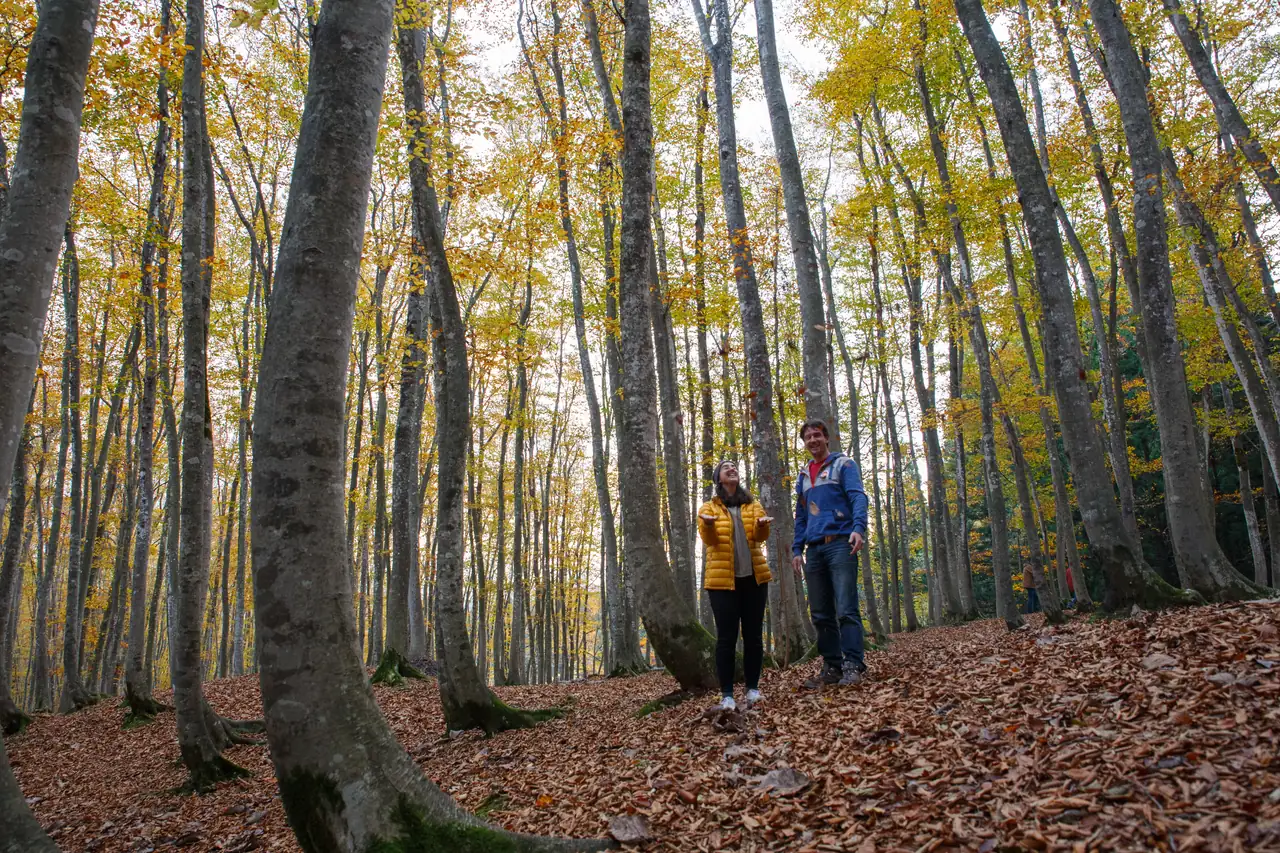
The onsen town is small and quiet, surrounded by mountains. Nearby are satoyama landscapes such as the Bijin-bayashi beech forest and the Hoshitoge rice terraces, so you can stay at the onsen and walk the countryside in the morning and evening. In winter the snow here is very deep; if you drive, you need to be used to driving on snow.
By public transport, take a local bus to the onsen from Matsudai Station on the Hokuetsu Express Hokuhoku Line. Buses are limited, so check beforehand, including whether your inn offers pickup.
Tsubame Onsen: a free outdoor bath on Mt. Myoko
Tsubame Onsen in Myoko Kogen is a small hot spring village halfway up Mt. Myoko. It is known for its milky water, and at the far end of the village is Ogon no Yu, an outdoor bath that is free to use. The rock-lined pools are separated for men and women, and you soak surrounded by trees.
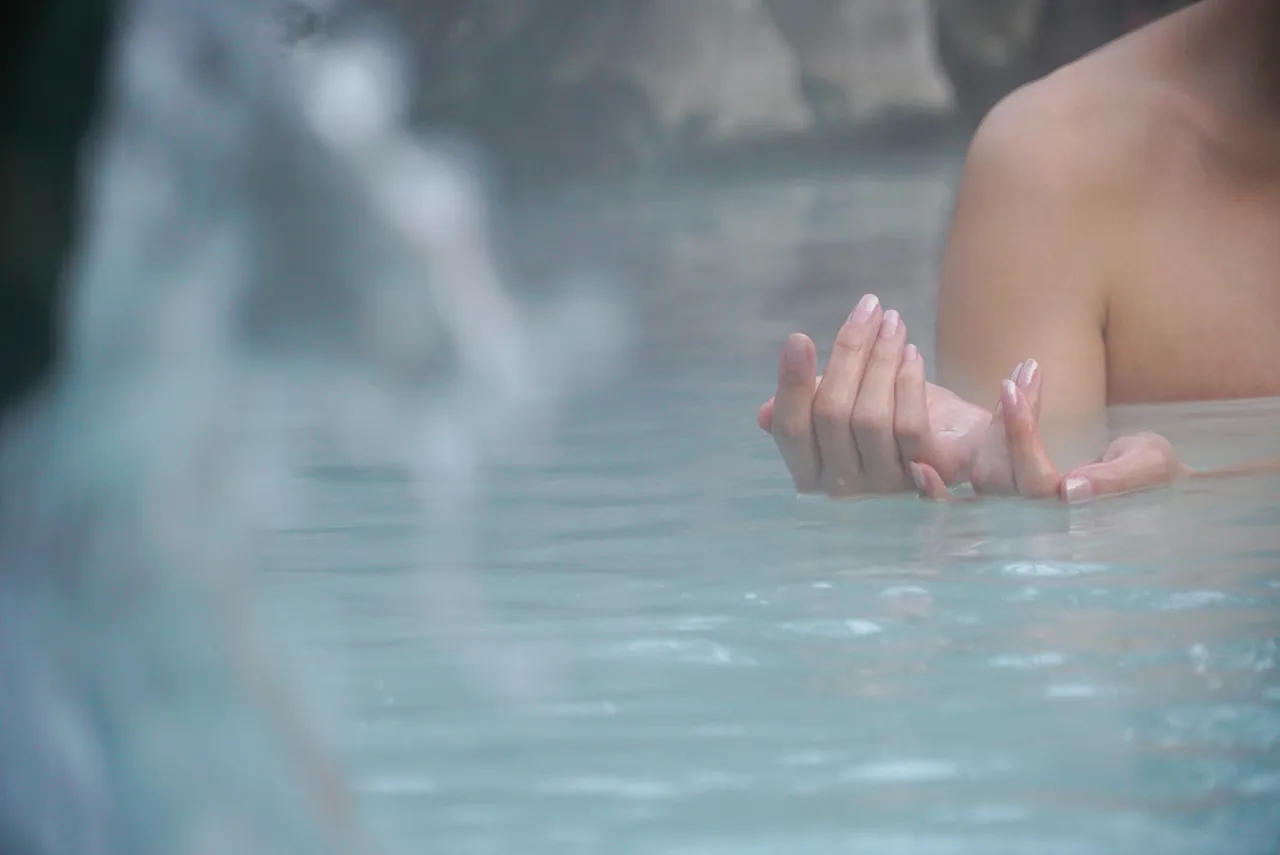
The outdoor bath is closed in winter while snow lies, and there are times when you cannot bathe because of cleaning. It is open from spring to autumn, and since there is no lighting, go while it is light. For a route that combines it with Imori Pond and Naena Falls, see our Myoko Kogen guide.
Echigo-Yuzawa Onsen: an onsen town by the Shinkansen station
Echigo-Yuzawa Onsen spreads around Echigo-Yuzawa Station on the Joetsu Shinkansen. Since you can get there directly from Tokyo by Shinkansen, it is one of the easiest Niigata onsen to reach. It is also known as the setting of Yasunari Kawabata's novel Snow Country.
There are several public bathhouses in town that you can use as a day visitor, so you can enjoy the hot springs without staying overnight. In winter the surrounding mountains become ski slopes, some of them close to the station, so a day of skiing followed by a soak is easy to arrange. Check Yuzawa Town's tourist information for the locations and opening of the public baths.
Onsen etiquette to know before you go
Bathing at a Niigata onsen works the same way as anywhere else in Japan.
- Undress completely in the changing room and take only a small towel into the bathing area.
- Before getting into the bath, rinse with hot water and wash at the washing area.
- Keep your towel out of the bath water, and tie up long hair.
- Don't swim in the bath or talk loudly.
- Pat yourself roughly dry before going back into the changing room.
Whether people with tattoos can bathe varies by facility, so check before you book an inn or bathhouse. For more, see How to bathe at a Japanese onsen or sento.
Outdoor baths in the mountains, like Ogon no Yu at Tsubame Onsen, have basic changing areas and may have nowhere to wash. At places like these, wash at your inn or a nearby bathhouse first, or rinse off with bath water and then get in quietly.
Which onsen for which season
- Winter (December–March): the season for soaking outdoors while snow falls. Echigo-Yuzawa pairs easily with skiing, and Matsunoyama offers the quiet of snowbound satoyama. Tsubame Onsen's outdoor bath is closed.
- Spring (April–May): snowmelt in the villages and fresh green in the mountains. Tsubame Onsen's outdoor bath opens once the snow has gone.
- Summer (June–August): high-altitude Tsubame Onsen and Myoko Kogen stay cooler than the lowlands.
- Autumn (September–November): foliage season, with color around mountain onsen such as Tsubame and Matsunoyama.
You can find more of Niigata's sights on our Niigata sights search.