Niigata City Things to Do: Bandai Bridge, Furumachi, Port History
This guide is translated from the Japanese edition. Read the Japanese edition
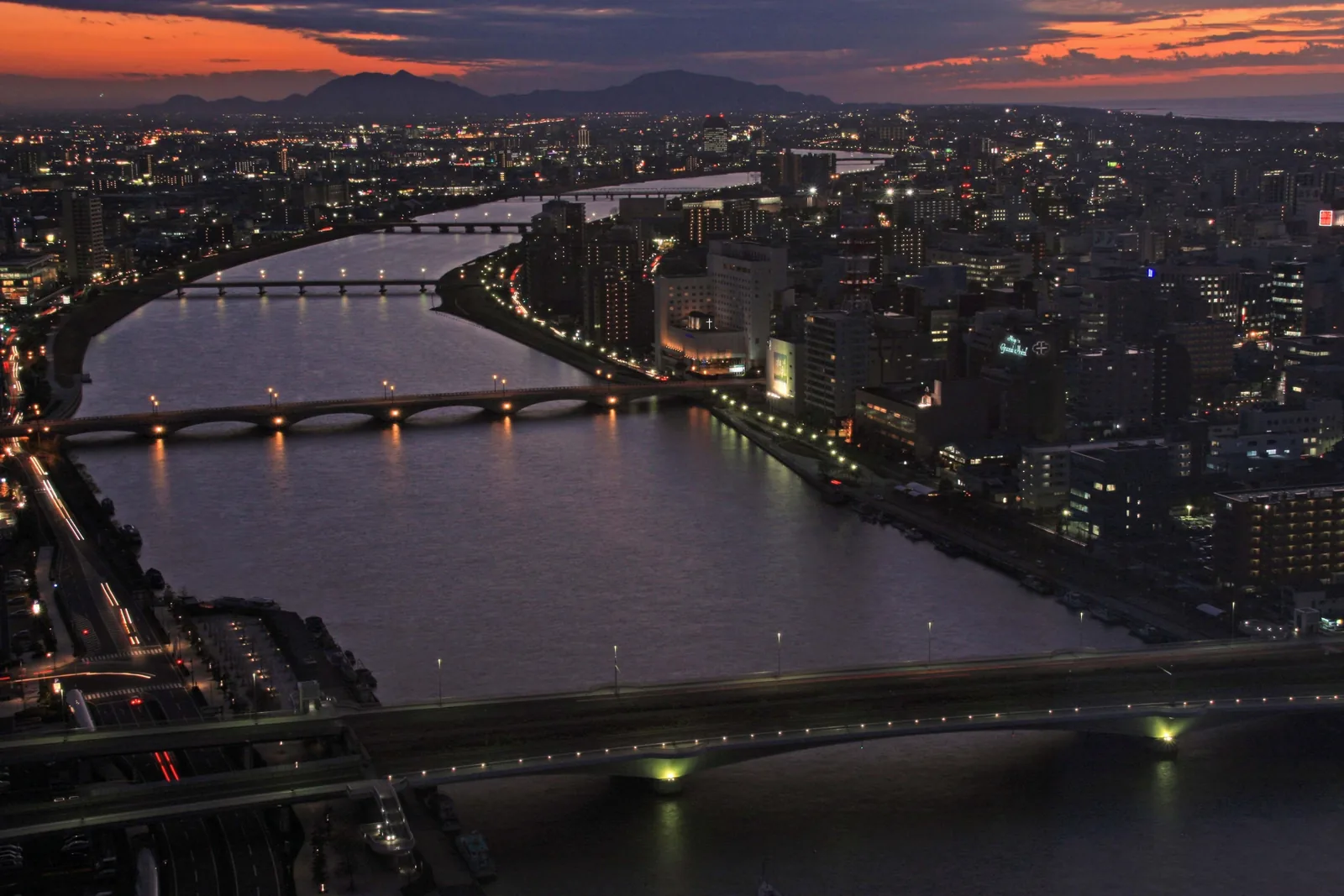
A first walk around Niigata City: Bandai Bridge, the Toki Messe observation deck, the geigi culture of Furumachi, the old customs house at Minatopia and Nuttari Terrace.
Leave Niigata Station by the Bandai exit and walk north, and before long the wide Shinano River opens up in front of you. Niigata City is a port town that grew up at the mouth of this river. In the Edo period it prospered as a port of call for the Kitamaebune trading ships, and under the 1858 Treaty of Amity and Commerce it was chosen as one of Japan's five treaty ports. Cross the river from the station to Furumachi and carry on toward the river mouth, and you can trace the port's story in order: a stone-faced arch bridge, a high-rise observation deck, an old geisha district and a Meiji-era customs house. Everything is within walking distance of the station or on the sightseeing loop bus, so even a first visit can cover it all in a day.
Nuttari Terrace: a morning stroll east of the station
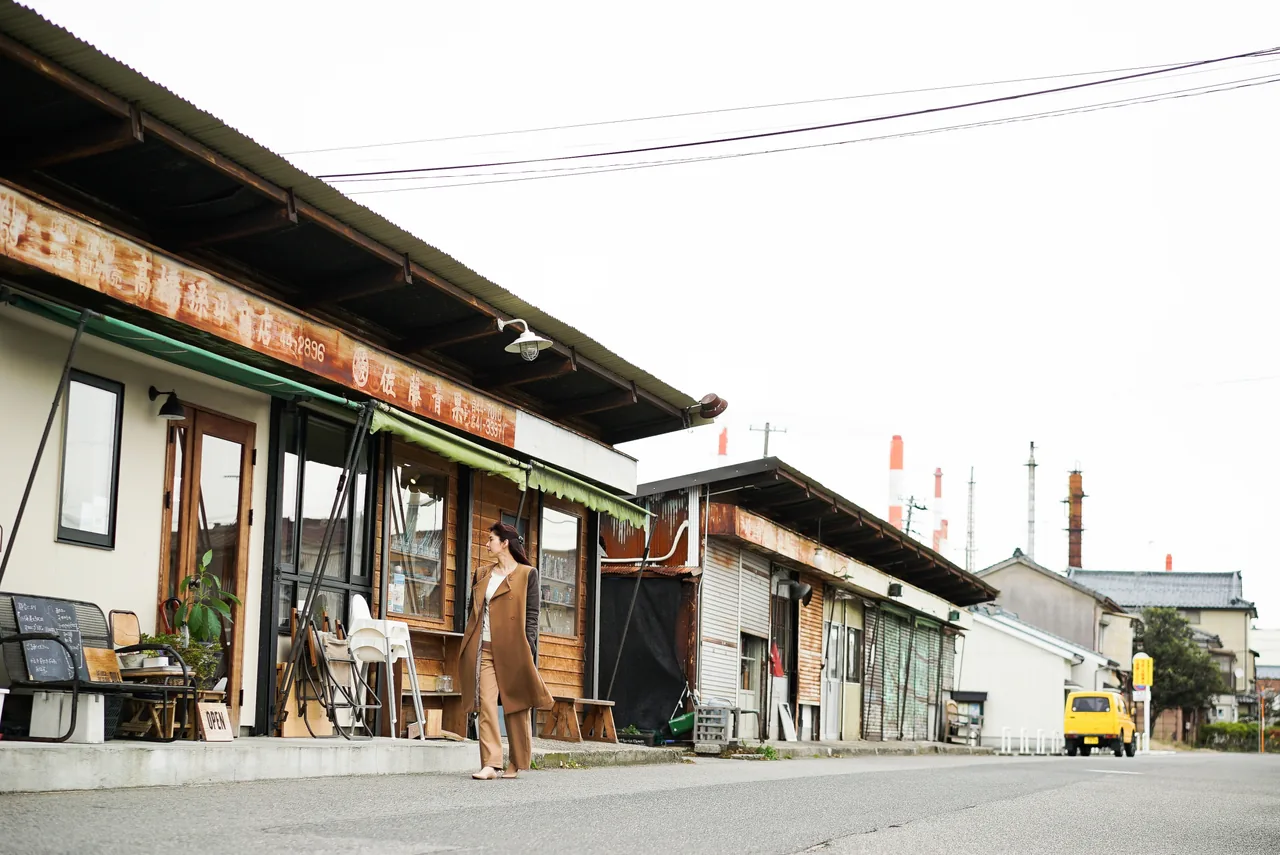
In the Nuttari neighborhood northeast of Niigata Station, Nuttari Terrace is a shopping street in the converted row houses of an old market. New shops began moving into the shuttered lanes of the former Nuttari Market around 2015, and today cafés, small restaurants, gift shops and pottery and glass studios line the single-story row houses. It's about a 20-minute walk from the station; by local bus, the nearest stop is Nuttari Yotsukado.
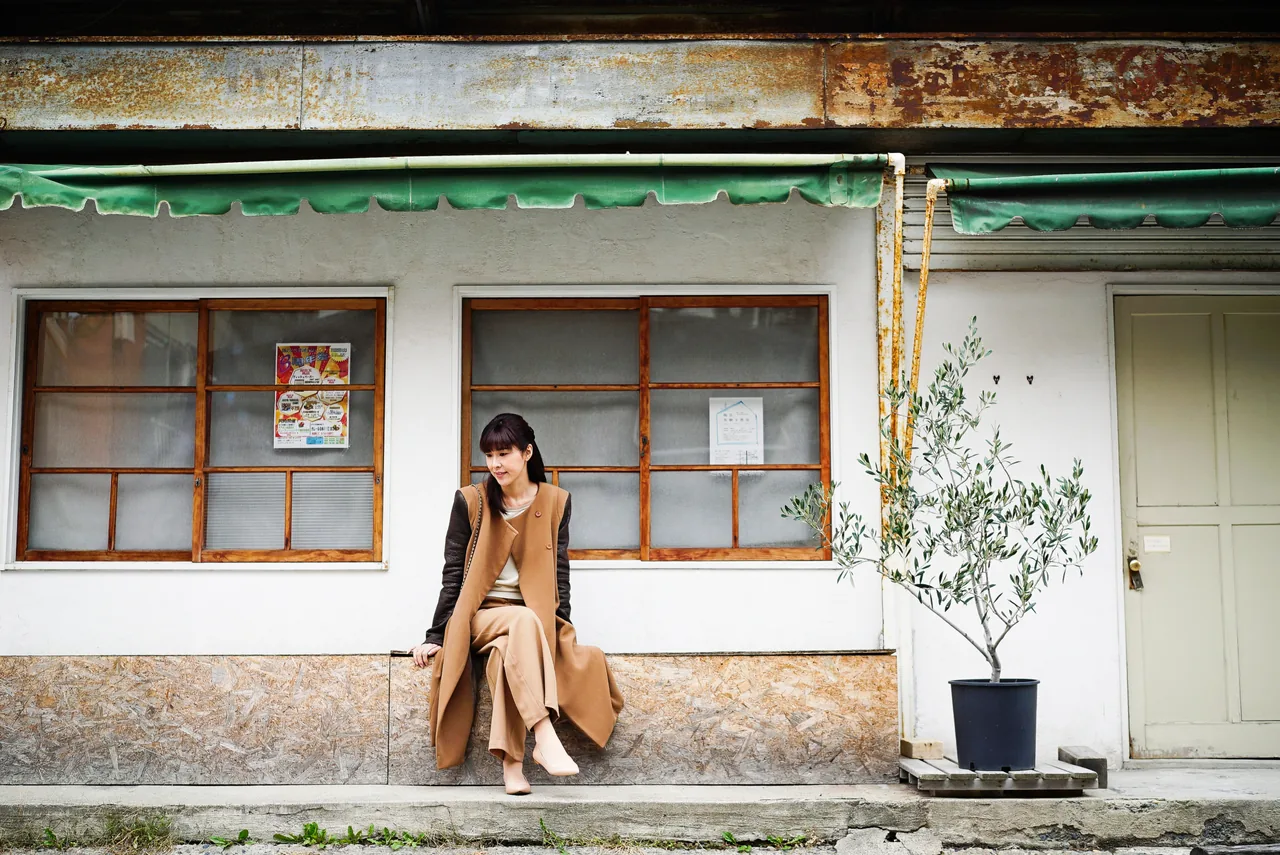
Each shop keeps its own days and hours, and some close on weekdays. If there's a shop you want to visit, check its opening days before you go.
Crossing the Shinano River on Bandai Bridge
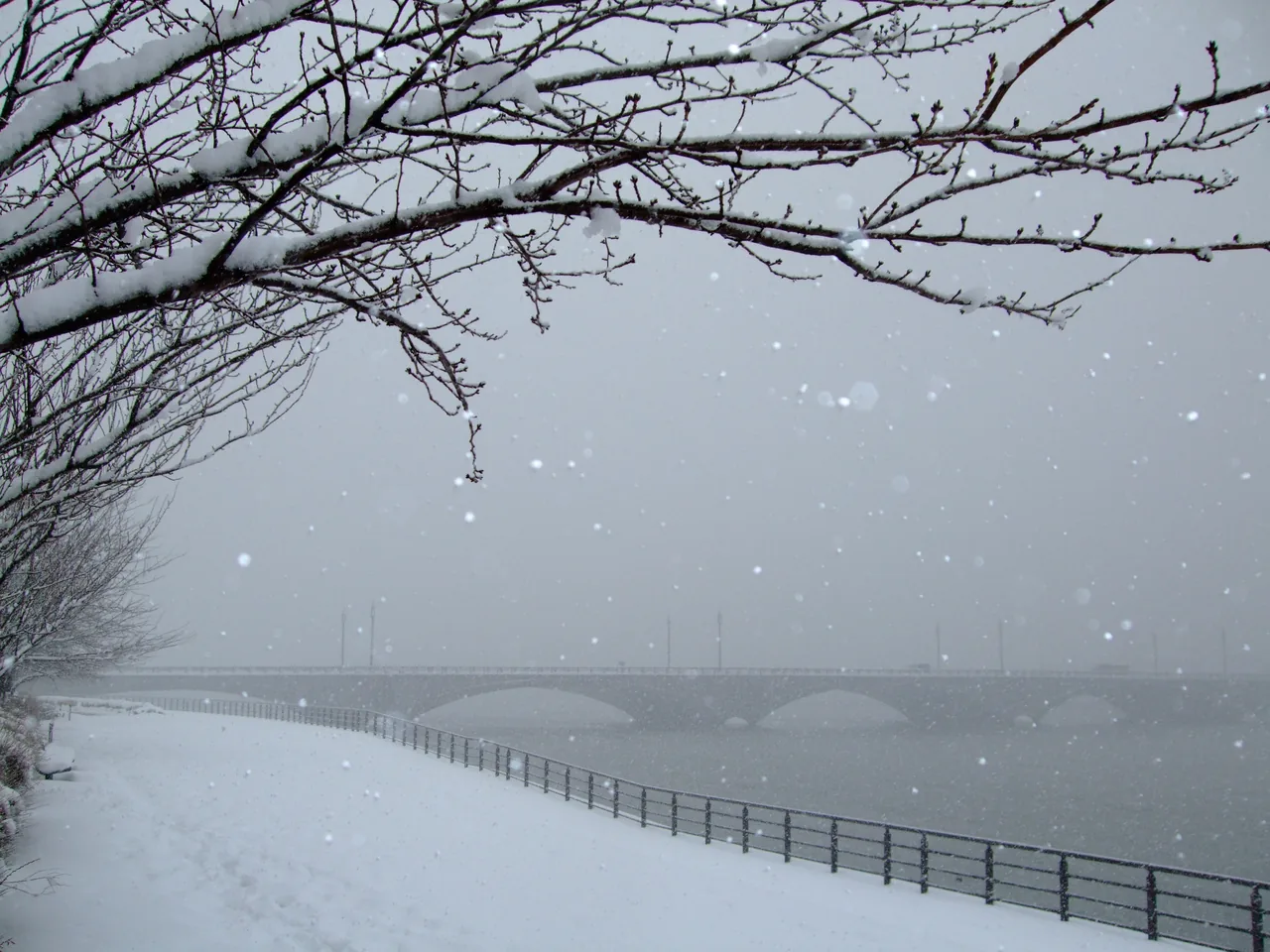
From the station's Bandai exit, head north through the shopping streets of Bandai and you reach the Shinano River. Bandai Bridge, which spans it here, is the symbol of Niigata City. The present bridge, the third on this site, was completed in 1929: a reinforced-concrete bridge of six linked arches, 306.9 m long. Its sides are clad in granite, its arches came through the 1964 Niigata Earthquake almost unscathed, and it was designated a national Important Cultural Property in 2004.
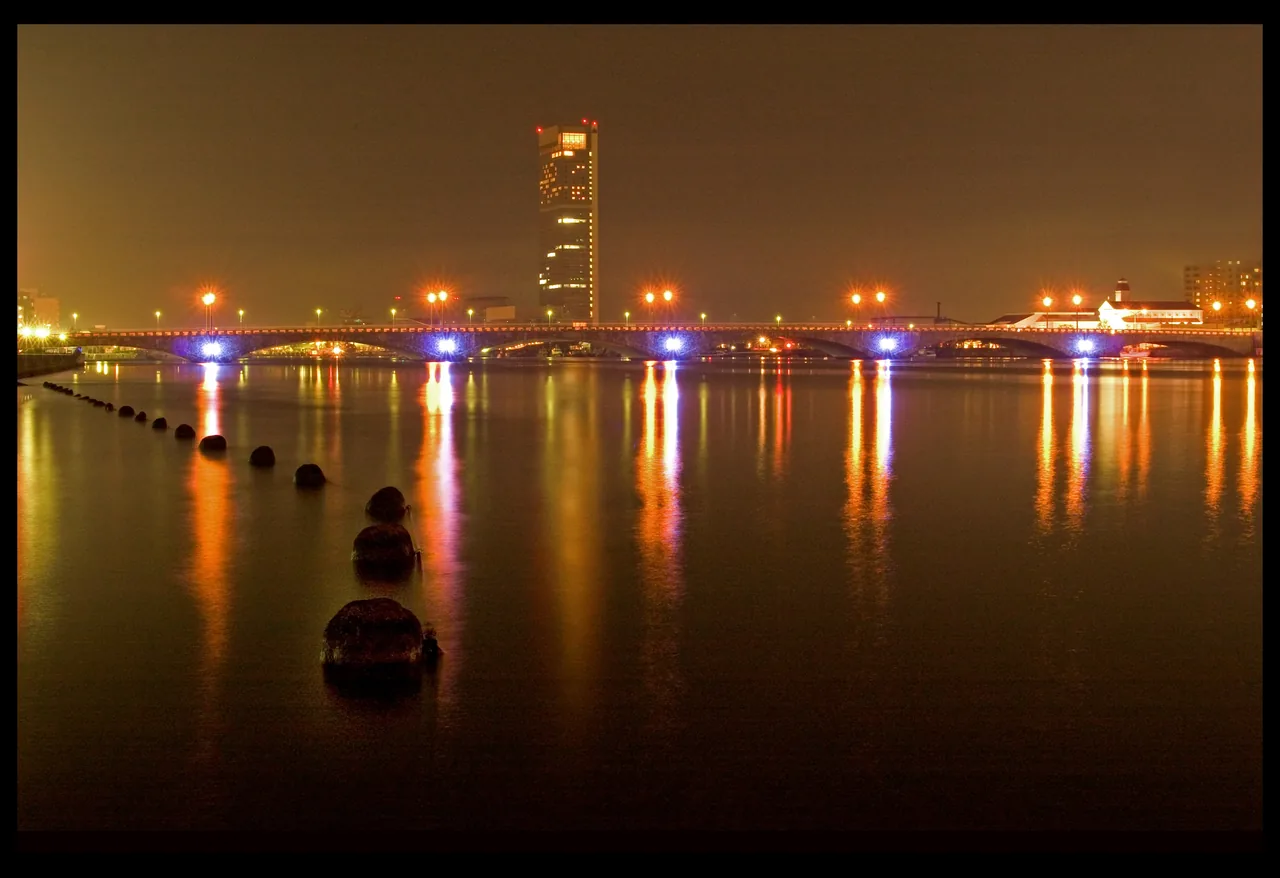
The Yasuragi-tei promenade, a grassy riverbank with a walking path, runs along both banks. Go down to the water's edge and look from the side to see the full run of six arches.
Looking out over the city and the Sea of Japan from Toki Messe
From the foot of Bandai Bridge, look downstream and you'll see a tall building on Bandaijima island near the river mouth. This is the Bandaijima Building, joined to the Toki Messe convention center, and on its 31st floor is the observation deck, the Befco Bakauke Observation Room.
From the deck you can see Bandai Bridge, which you've just crossed, the Shinano River, the city and the Sea of Japan. On clear days the outline of Sado Island floats on the horizon. Go up after dark and you'll see the city lights too. Toki Messe also houses the Niigata Bandaijima Art Museum, and right next door is the ferry terminal for Sado. Opening hours can change by season, so check the Toki Messe official website.
Walking Furumachi: the geisha district and Furumachi geigi
Across Bandai Bridge to the west is Furumachi, the old heart of the city. Furumachi has been a hanamachi, a geisha district, since the Edo period: in the ryotei restaurants of this port town, enriched by the Kitamaebune trade, geigi (as geisha are called in Niigata) entertained guests with song and dance. In the early Showa era there are said to have been more than 300 Furumachi geigi.
As their numbers fell, local companies put up the money in 1987 to found Ryuto Shinko, a company that trains geigi as its employees. Today there are 18 Furumachi geigi (as of fiscal 2025), and they keep up their training in Ichiyama-ryu Japanese dance, song and shamisen, and perform at ryotei banquets. Niigata City protects the streetscape around Furumachi 8-bancho and 9-bancho as the "Furumachi Kagai District," where historic buildings such as the ryotei Nabejaya, founded in 1846, still stand.
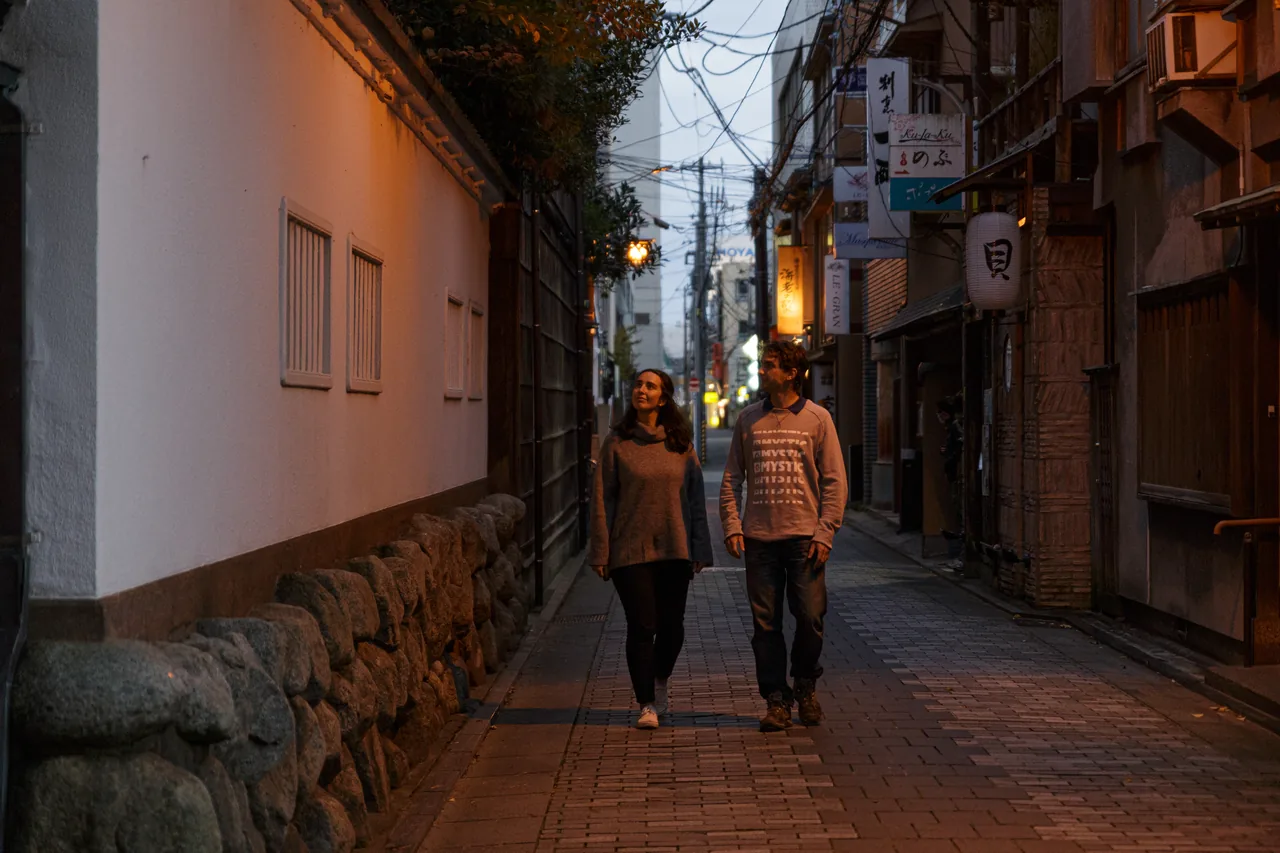
The streets of the geisha district are a quiet area of ryotei and private homes. If you see geigi on their way to an engagement, don't stop them or take photos without permission; step aside and let them pass. Events that let visitors experience ozashiki (banquet) culture are sometimes held, so if you're interested, check Niigata City's tourism information.
Port history at Hakusan Park, the Prefectural Government Memorial Hall and Minatopia
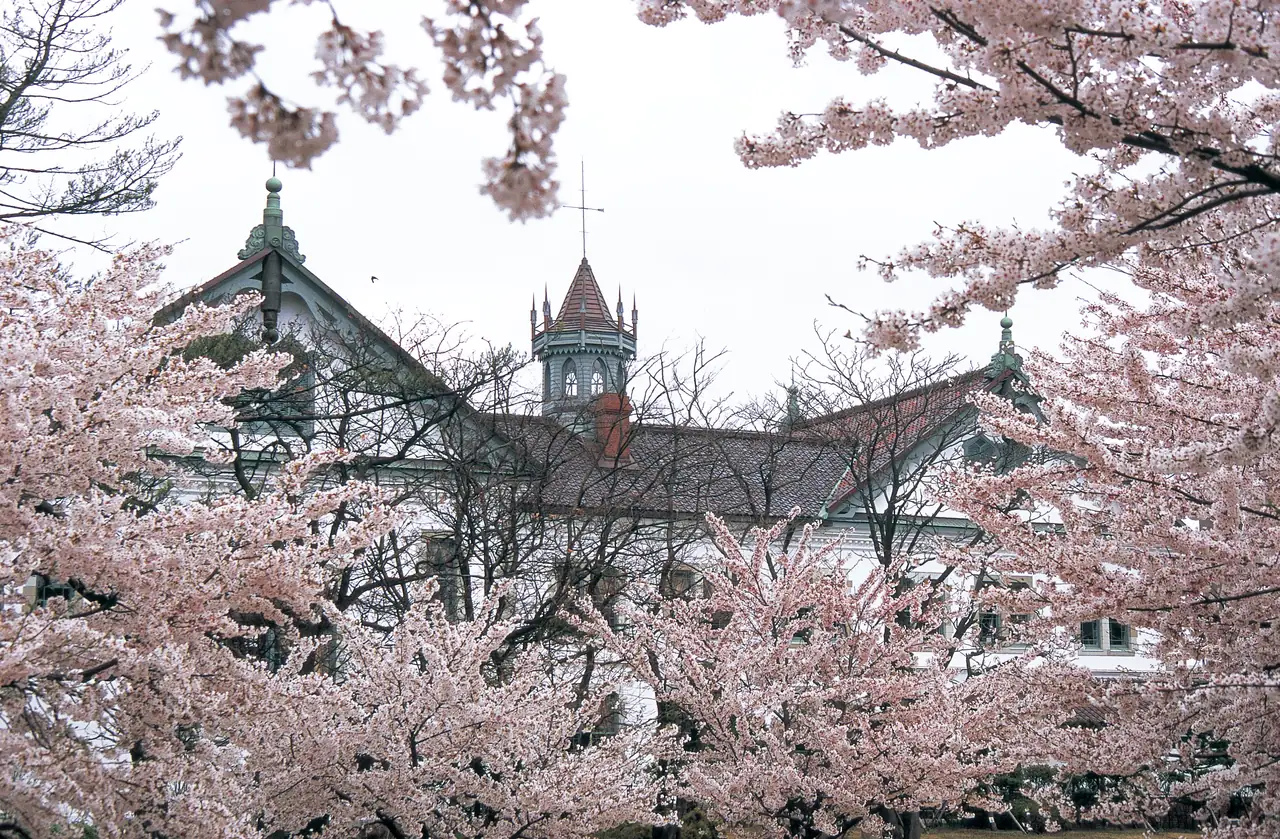
Head upstream along the Shinano River from Furumachi to reach Hakusan Park, a national Place of Scenic Beauty, with the Niigata Prefectural Government Memorial Hall beside it. Built in 1883 as the Niigata Prefectural Assembly hall, it served as the assembly chamber until 1932 and was designated a national Important Cultural Property in 1969. However, it is closed from 1 December 2022 to 31 March 2028, with repair and earthquake-proofing work under way since April 2023, so check Niigata Prefecture's announcements for the latest information.
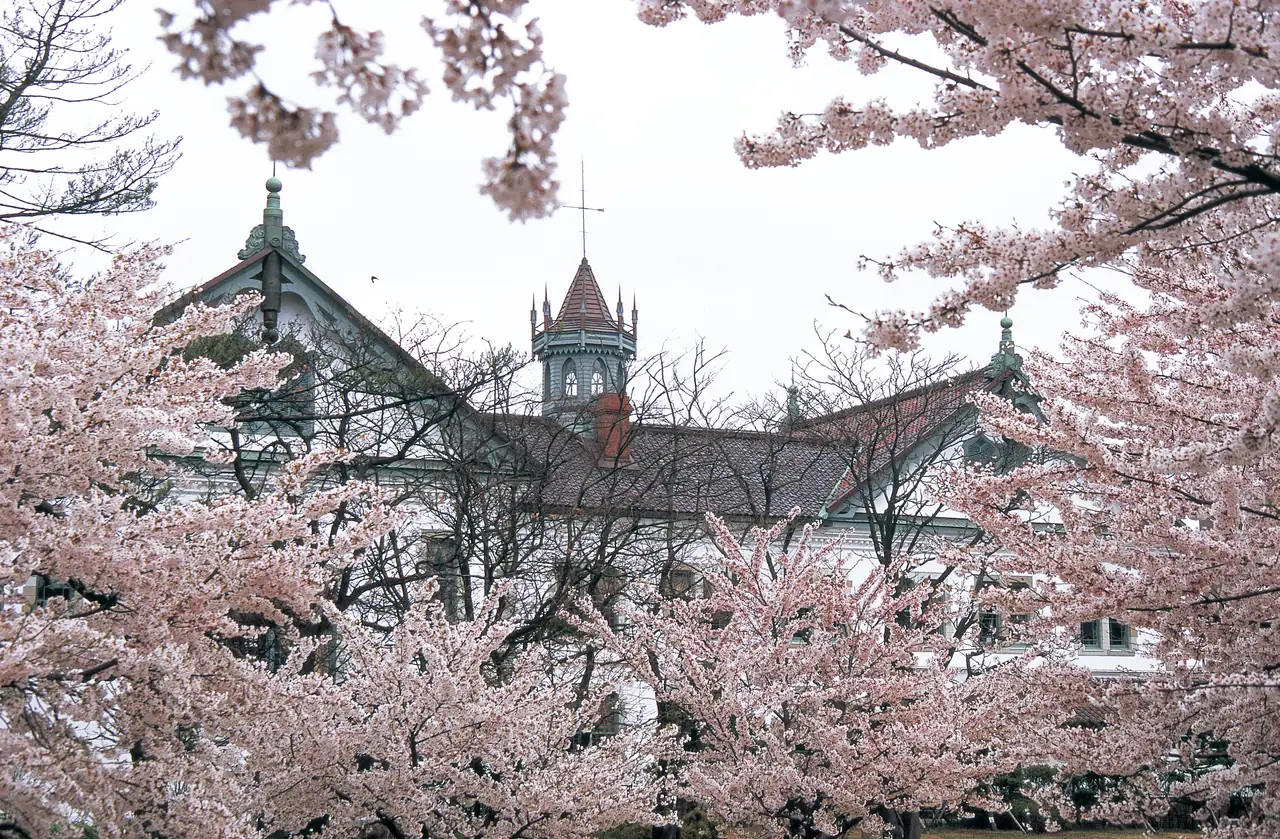
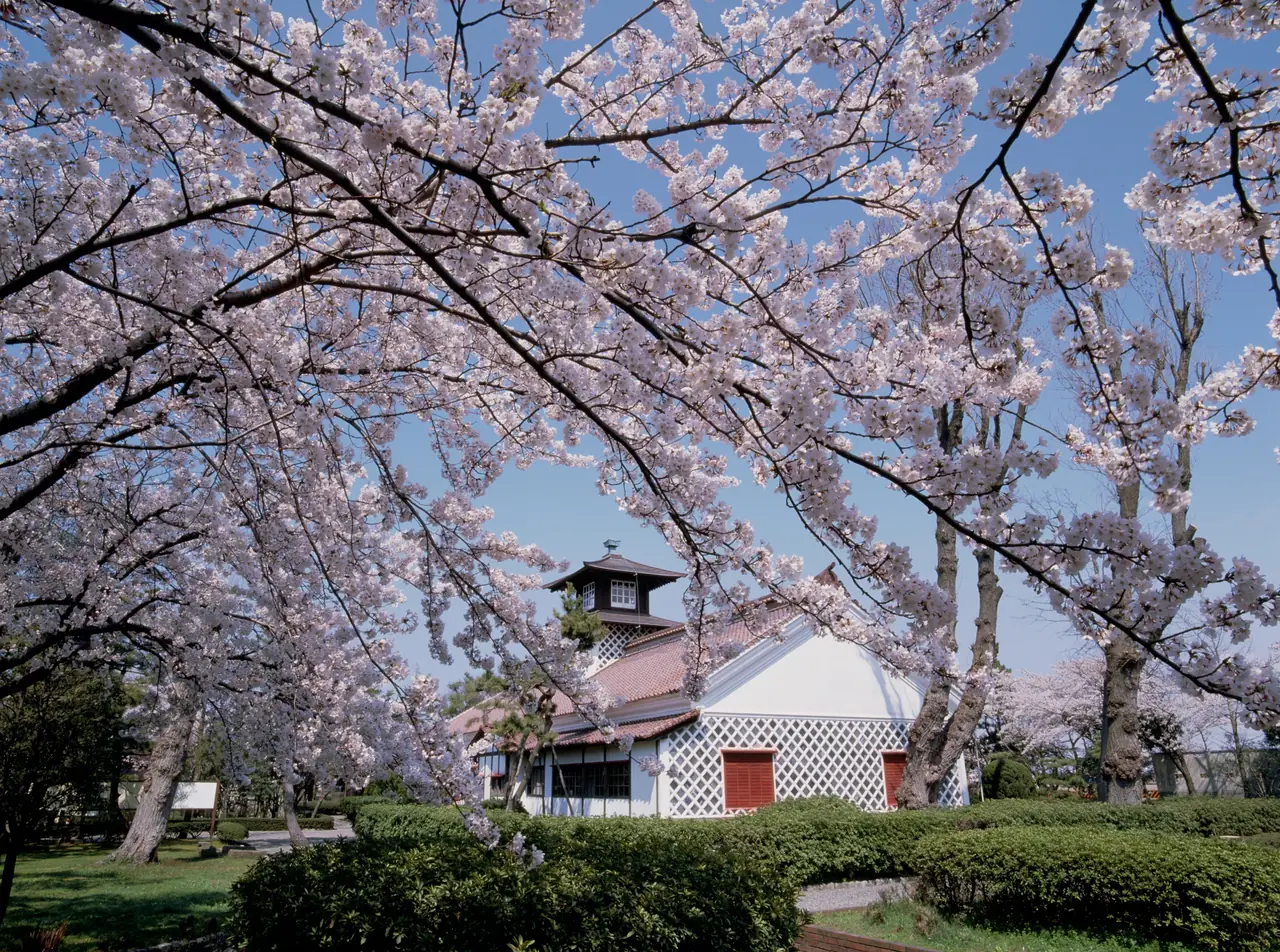
Head the other way from Furumachi, toward the river mouth, and you come to the Niigata City History Museum, known as Minatopia. Its main building was designed to evoke the second Niigata City Hall, and it covers the history of Niigata's growth as a port. The main building is scheduled to be closed for air-conditioning work from 1 September 2026 until the end of June 2027; check the museum's official site for the latest information. On the same grounds stands the Former Niigata Customs House, completed in 1869. Of the five treaty ports, it is the only one where the original customs house (unjosho) from the time of the port's opening survives, and it is a nationally designated Historic Site and Important Cultural Property. It's a wooden building in the giyofu (Japanese-Western) style, with a tiled roof topped by a small central tower.
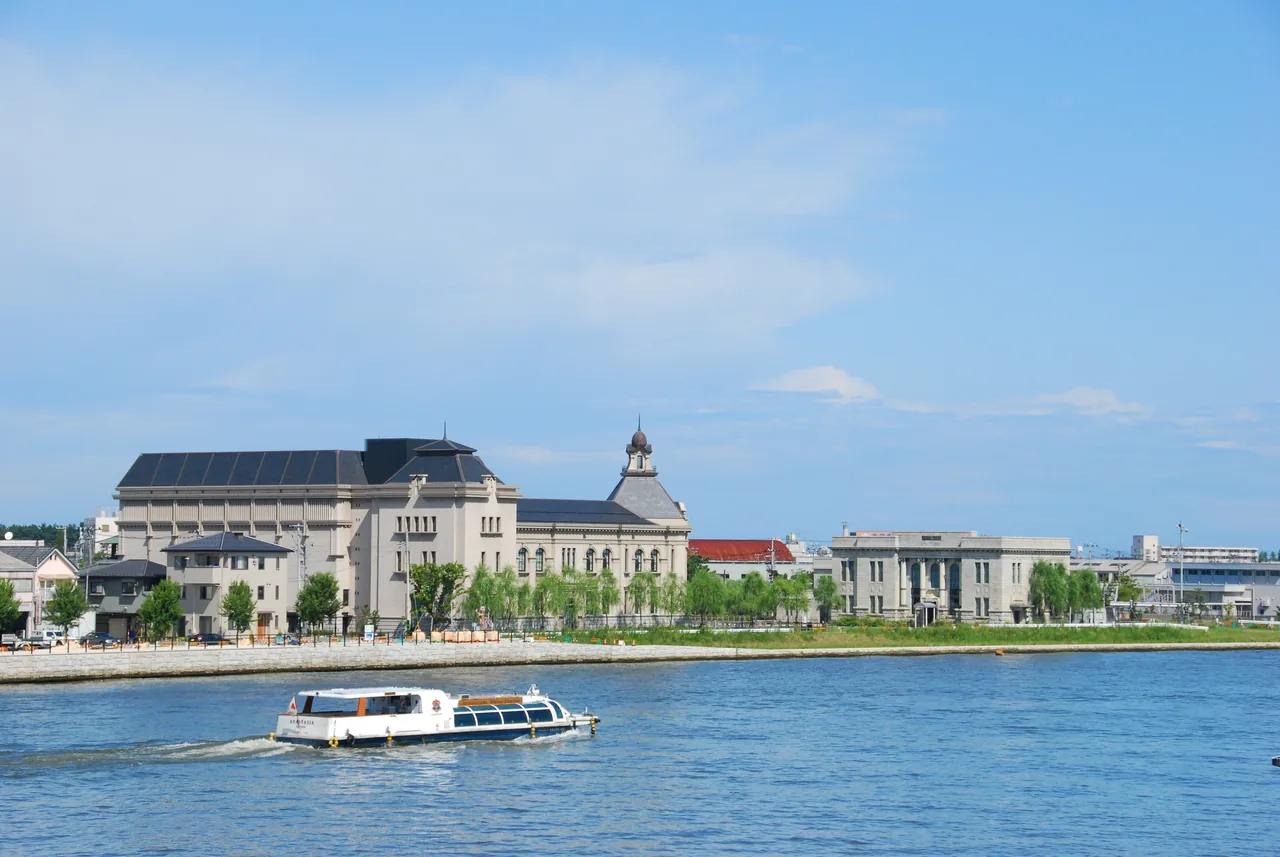
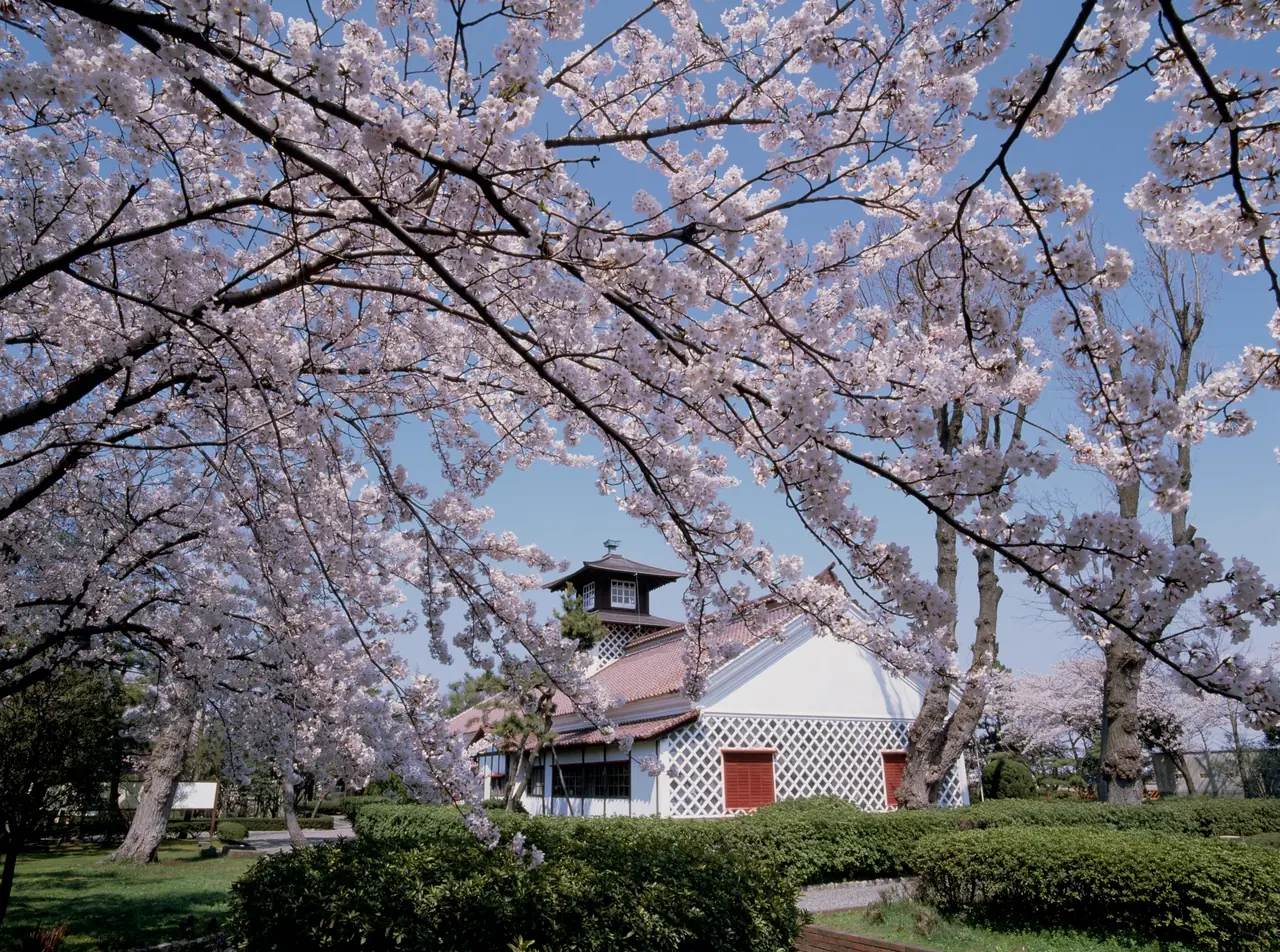
To reach Minatopia, take the Niigata City Sightseeing Loop Bus from Niigata Station Bus Terminal, under the elevated tracks of the station, and get off at Rekishi Hakubutsukan-mae, right in front. The loop bus also passes Hakusan Park, so if your feet are tired you can hop on partway.
A one-day route
For a first visit to Niigata City, this order shows you both the old and the new:
- Morning: browse the cafés and studios of Nuttari Terrace
- Late morning: walk through Bandai to Bandai Bridge and take in the view from the Toki Messe observation deck
- Midday: cross Bandai Bridge for lunch in Furumachi, then walk the streets of the geisha district
- Afternoon: take the loop bus from Hakusan Park to Minatopia and see the Former Niigata Customs House
For information on Niigata's sights and the loop bus, see the Niigata City official website. If you're staying in the city, the next day you could take a day trip to Yahiko or catch the ferry for a trip to Sado Island.