Shizuoka Autumn Leaves: Mt. Fuji, Shuzenji, Sumatakyo and Temples
This guide is translated from the Japanese edition. Read the Japanese edition
Shizuoka autumn leaves by peak timing: Mt. Fuji's slopes in late October, Sumatakyo, Shuzenji and Oguni Shrine in November, Atami Baien into December.
By the end of October the maples on the slopes of Mt. Fuji are already red, while the leaves at Atami Baien, near the sea, are at their best from late November to early December. Shizuoka Prefecture spans a huge range of altitudes, so the timing of the autumn color can differ by more than a month from place to place. That also makes it easy to match a spot to your travel dates.
When do the leaves change in Shizuoka?
As a rough guide: the high slopes of Mt. Fuji turn in late October, the mountains up the Oi River in early to mid-November, and the lowlands of Izu and Enshu (western Shizuoka) from late November to early December. At Atami Baien, the color lasts into early December.
| Rough timing | Spot | Area |
|---|---|---|
| Late October | Nishiusuzuka (Fujisan Skyline) | Southwest slopes of Mt. Fuji |
| Early to mid-November | Sumatakyo and the Yume no Tsuribashi bridge | Upper Oi River (Kawanehon) |
| Mid-November to early December | Shuzenji | Izu |
| Late November to early December | Oguni Shrine, Yusan-ji Temple, Gyokuro no Sato | Enshu and central Shizuoka |
| Late November to early December | Atami Baien | Atami |
The color shifts earlier or later depending on each year's temperatures. Check the foliage reports from local tourism associations before you go.
Mt. Fuji's slopes: Nishiusuzuka and Shiraito Falls
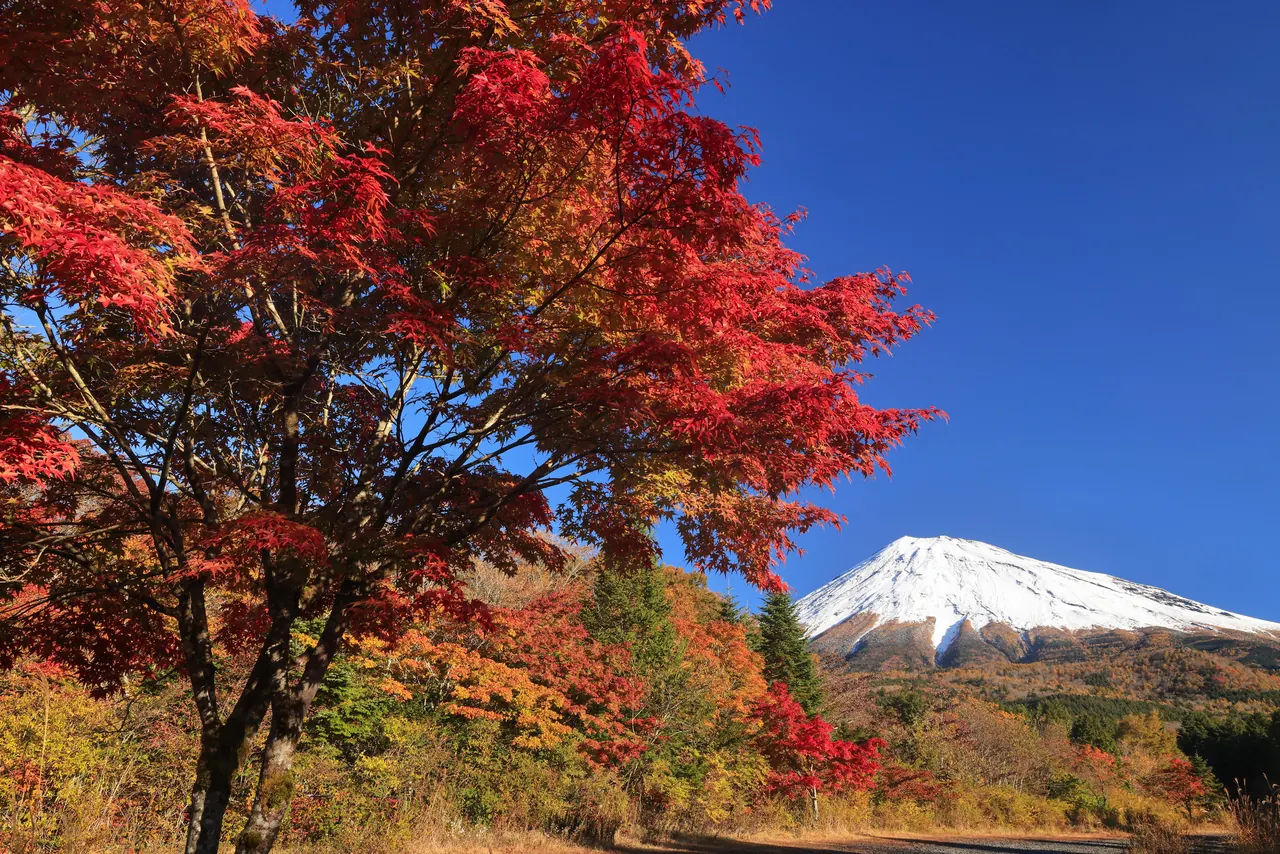
Autumn reaches the southwest slopes of Mt. Fuji first. Nishiusuzuka, a parking area and the surrounding forest at about 1,200 m on the Fujisan Skyline road, starts turning about a month earlier than the lowlands. Peak color usually comes around October 20–25. With luck, you'll see the summit dusted with its first snow beyond the red maples. Public transport doesn't really reach it, so plan to drive. It's much colder than at the foot of the mountain, so bring an extra layer.
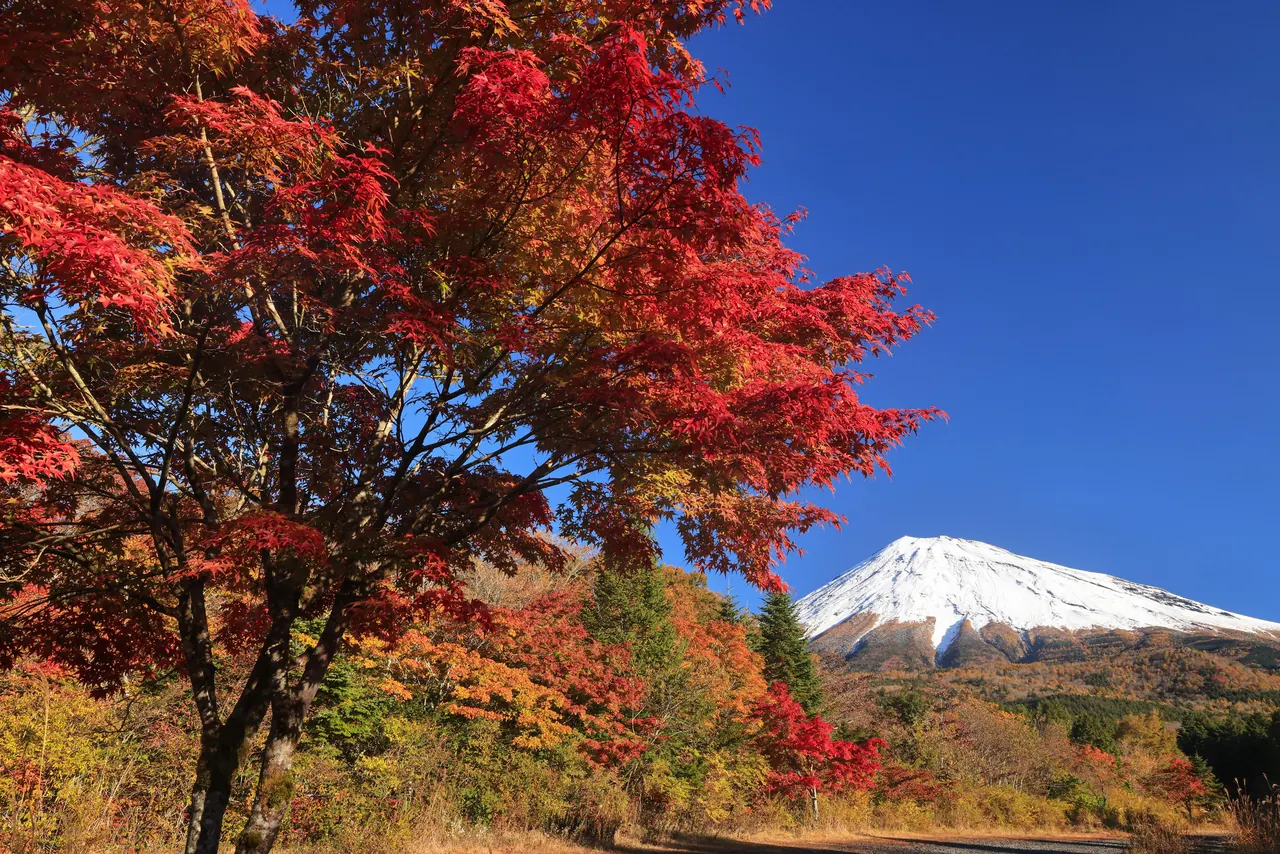
Photo: copyright© Shizuoka Prefectural Tourism Association.
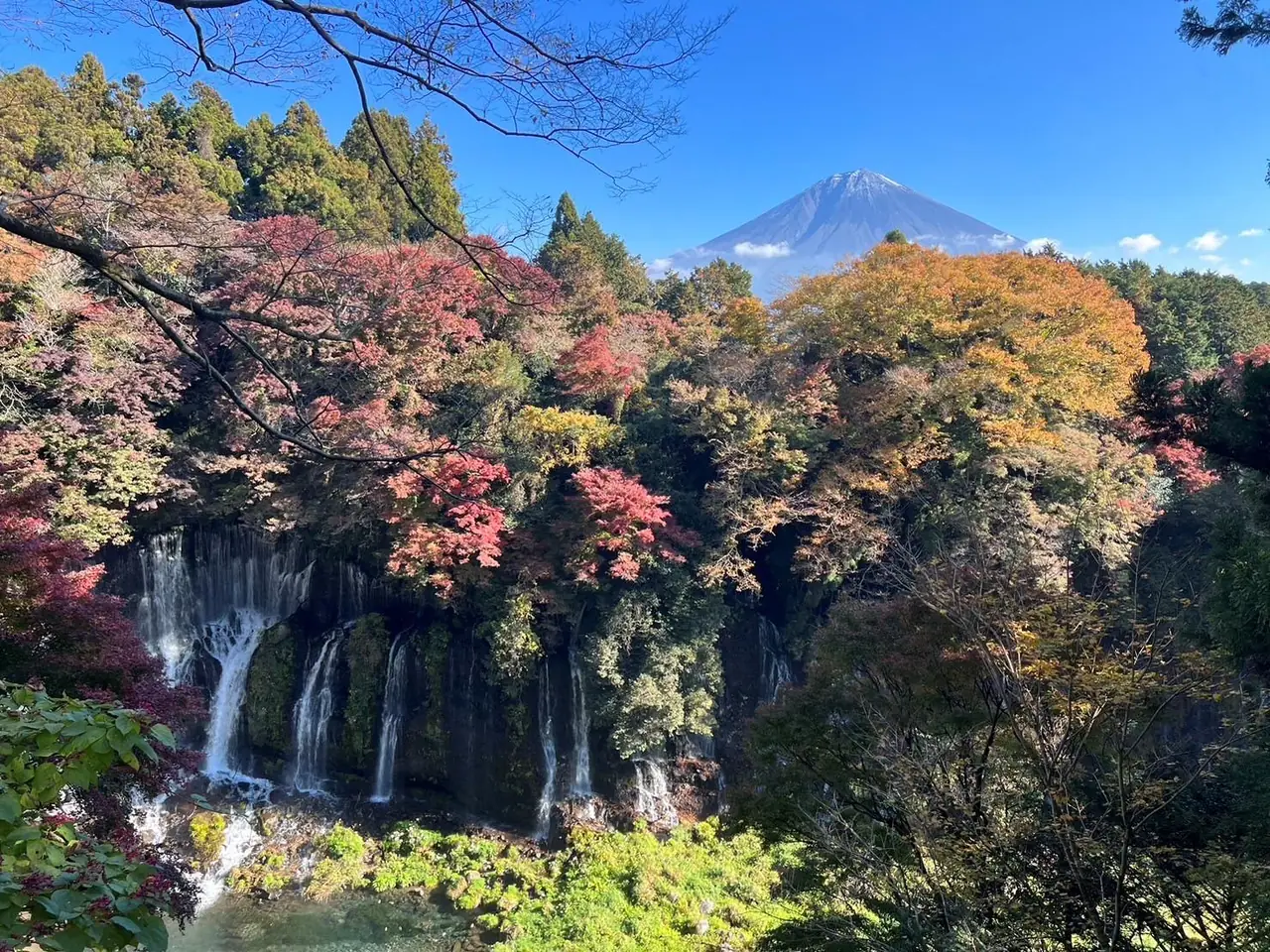
Down in Fujinomiya City, Shiraito Falls spill from a cliff 20 m high and 150 m wide in hundreds of threads of Mt. Fuji spring water. In autumn the trees above the falls change color, and on clear days you can see Fuji's summit over the leaves. It's about 30 minutes by bus from Fujinomiya Station on the JR Minobu Line. The falls are part of the "Mt. Fuji" World Heritage Site, so pairing them with Fujisan Hongu Sengen Taisha shrine makes an easy day.
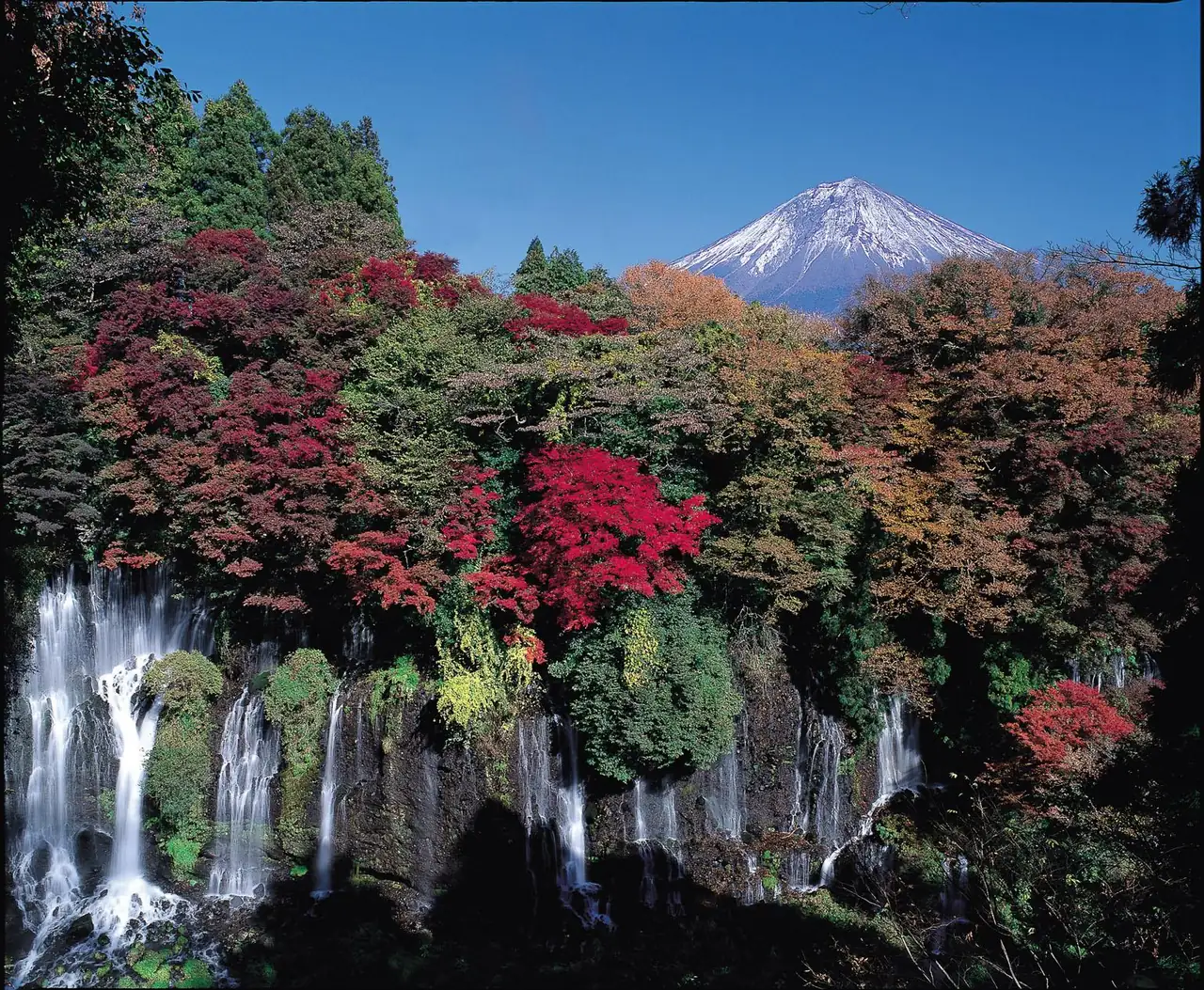
Photo: copyright© Shizuoka Prefectural Tourism Association.
Izu: Shuzenji's red bridge, Lake Ippeki and Atami Baien
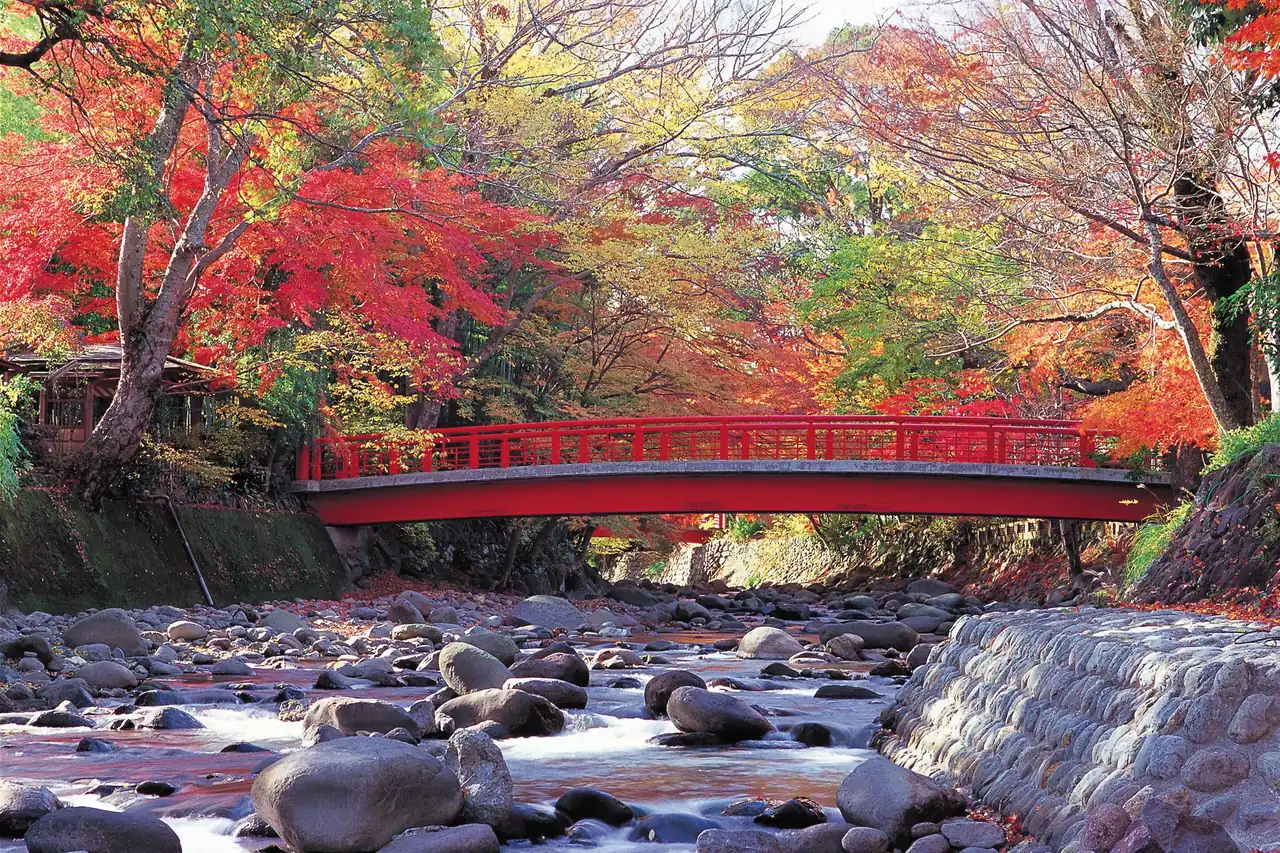
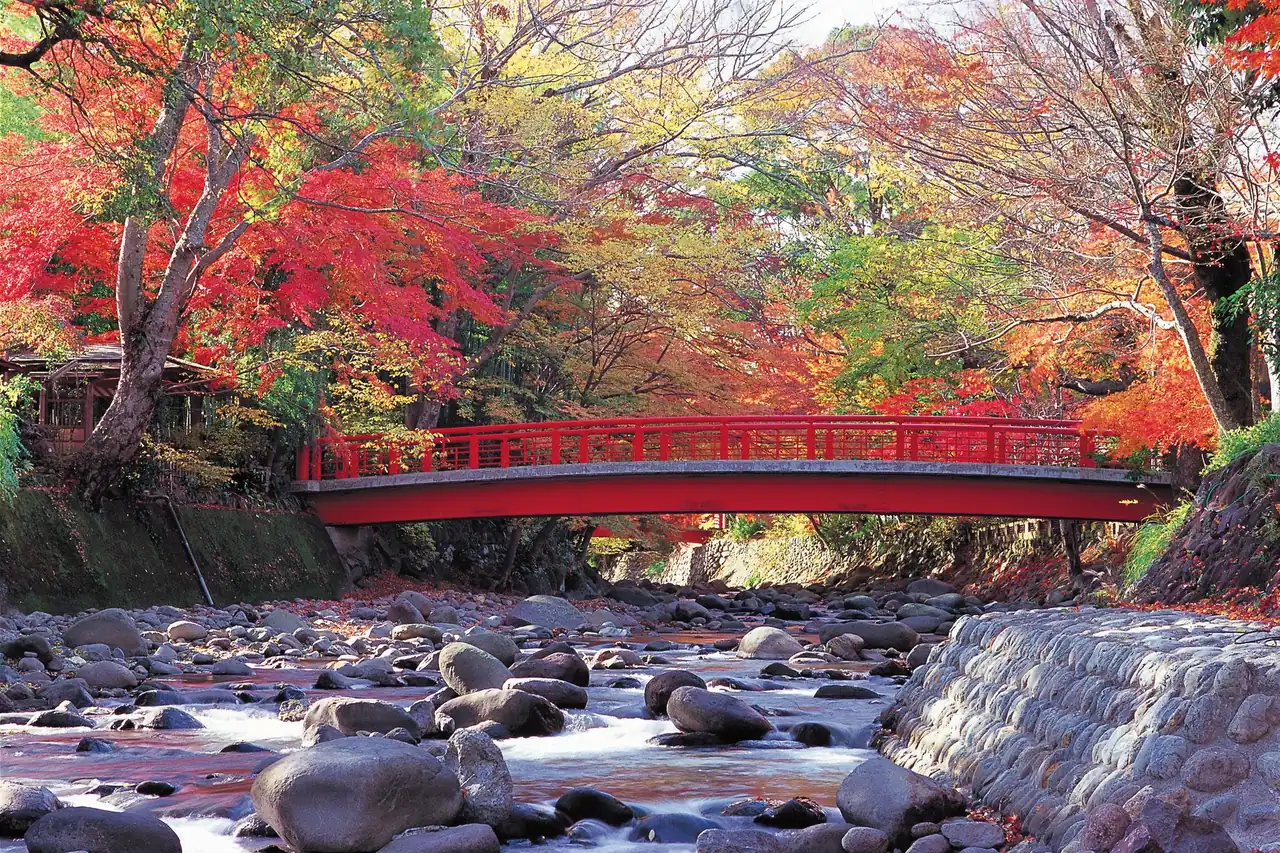
Shuzenji Onsen, in the middle of the Izu Peninsula, is Izu's best-known foliage spot. When the maples along the Katsura River turn, they frame the vermilion Katsura Bridge near the Bamboo Forest Path, and the hot spring town is at its busiest. A little away from the town, Shuzenji Nature Park has a "maple forest" of about 1,000 trees, with a festival held during peak season. Buses take 7 to 8 minutes from Shuzenji Station on the Izuhakone Railway to the hot spring town.
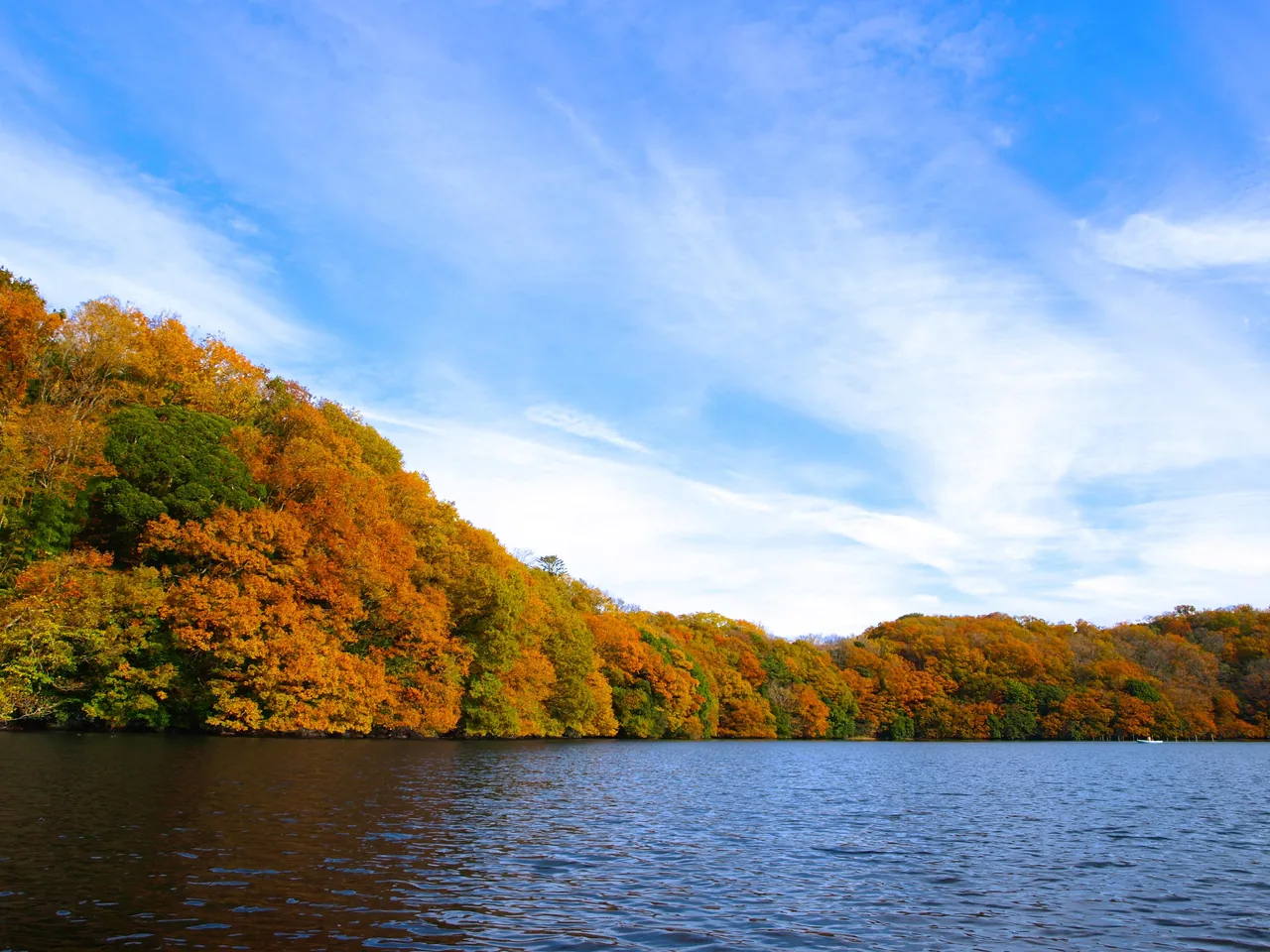
Lake Ippeki in Ito City is a lake about 4 km around that formed in a volcanic crater. In autumn the trees on its shore change color, and the path around the lake shows the leaves reflected on the water. Parts of the path are sometimes closed so you can't walk all the way around, so check Ito City's tourism website before you go. Buses bound for Izu Shaboten Zoo run from JR Ito Station via Lake Ippeki.
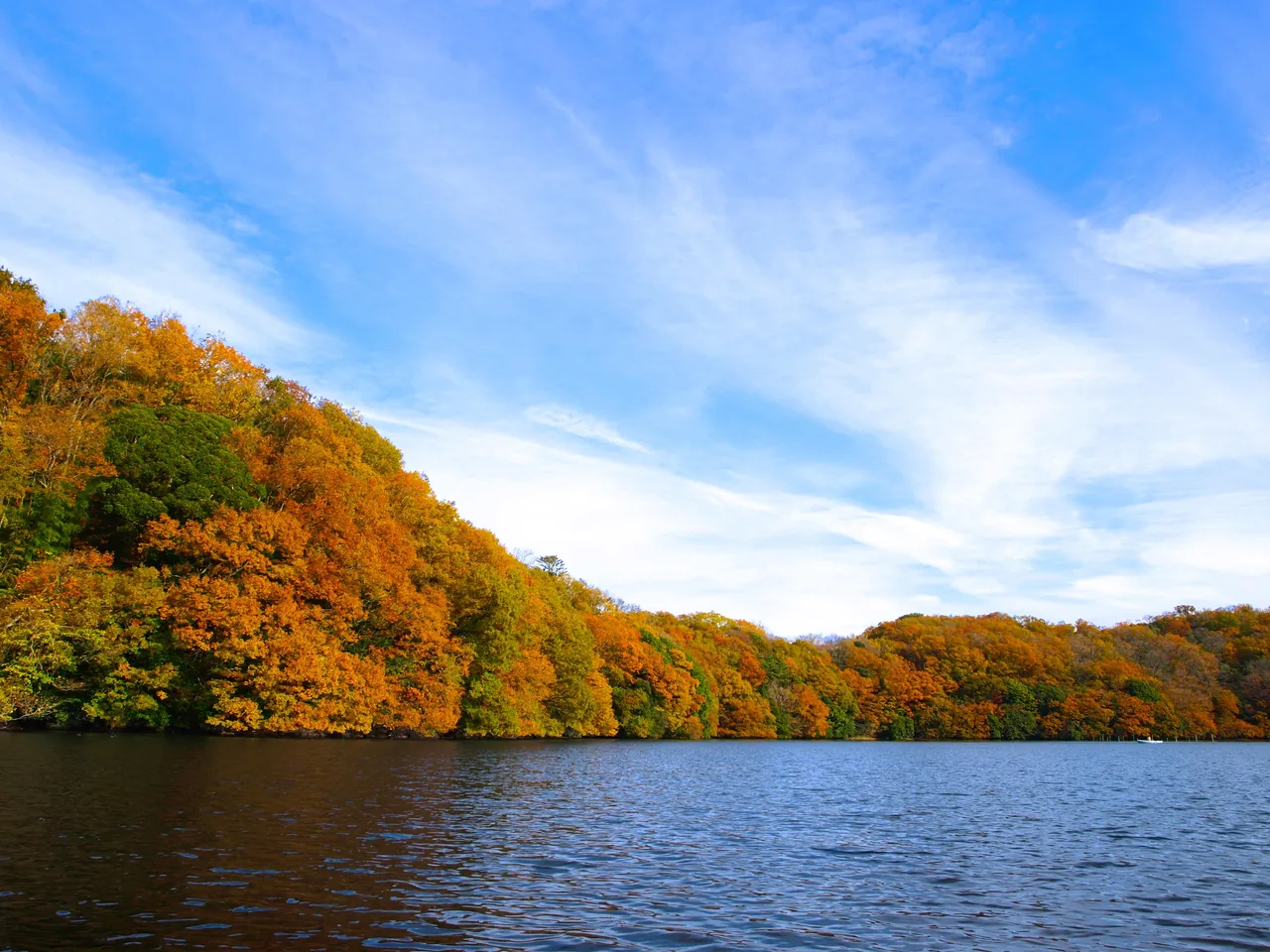
Photo: copyright© Shizuoka Prefectural Tourism Association.
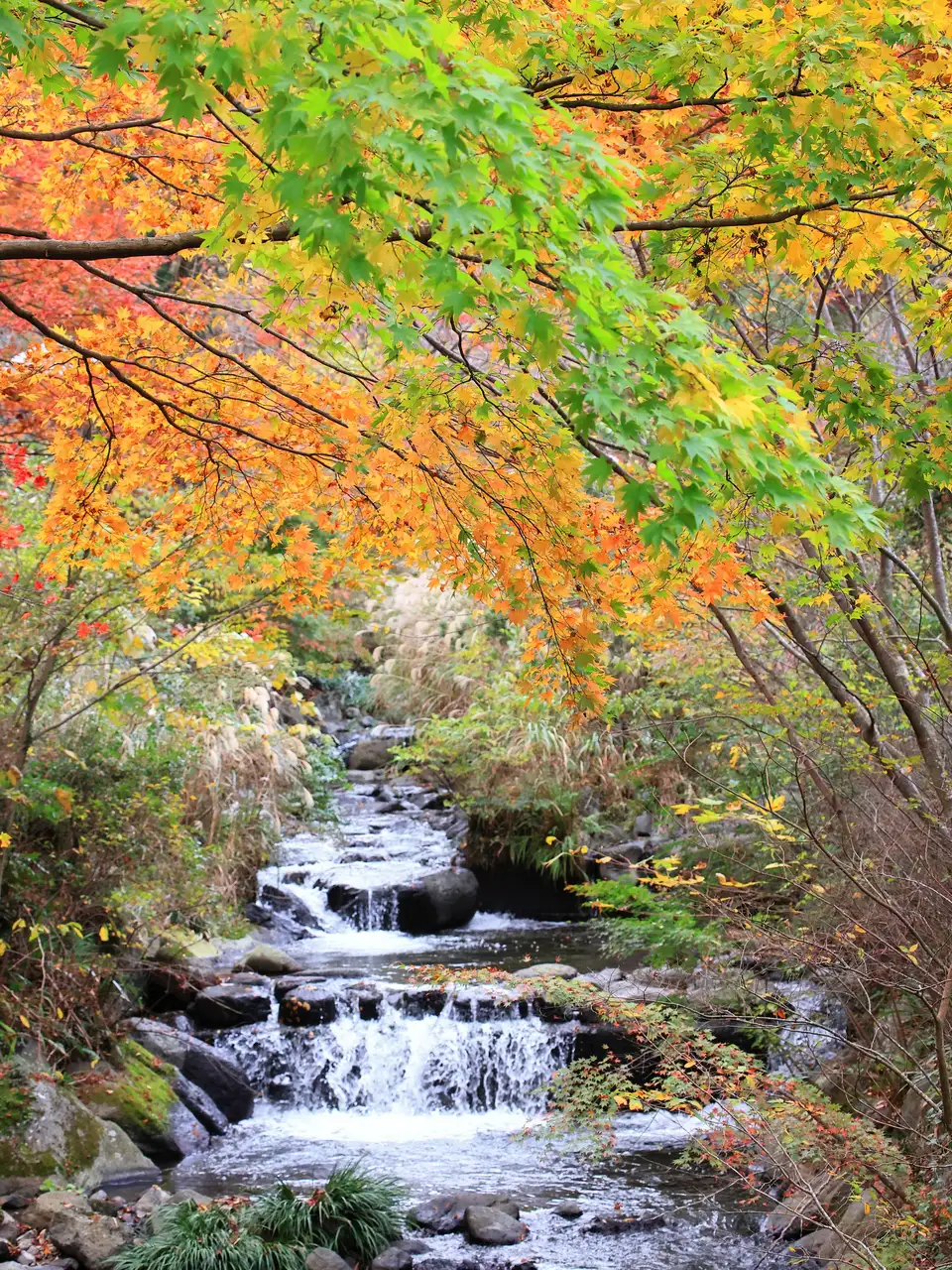
Atami Baien, famous for its plum blossoms, hosts the Atami Baien Autumn Leaves Festival every year from mid-November to early December. The garden has about 380 maples, and you can see small waterfalls and red leaves up close along the stream. In 2026 the festival runs from November 14 to December 6, with the leaves lit up from 4:30 pm to 9 pm every day. It's about a 10-minute walk from Kinomiya Station on the JR Ito Line, or about 15 minutes by bus from Atami Station.
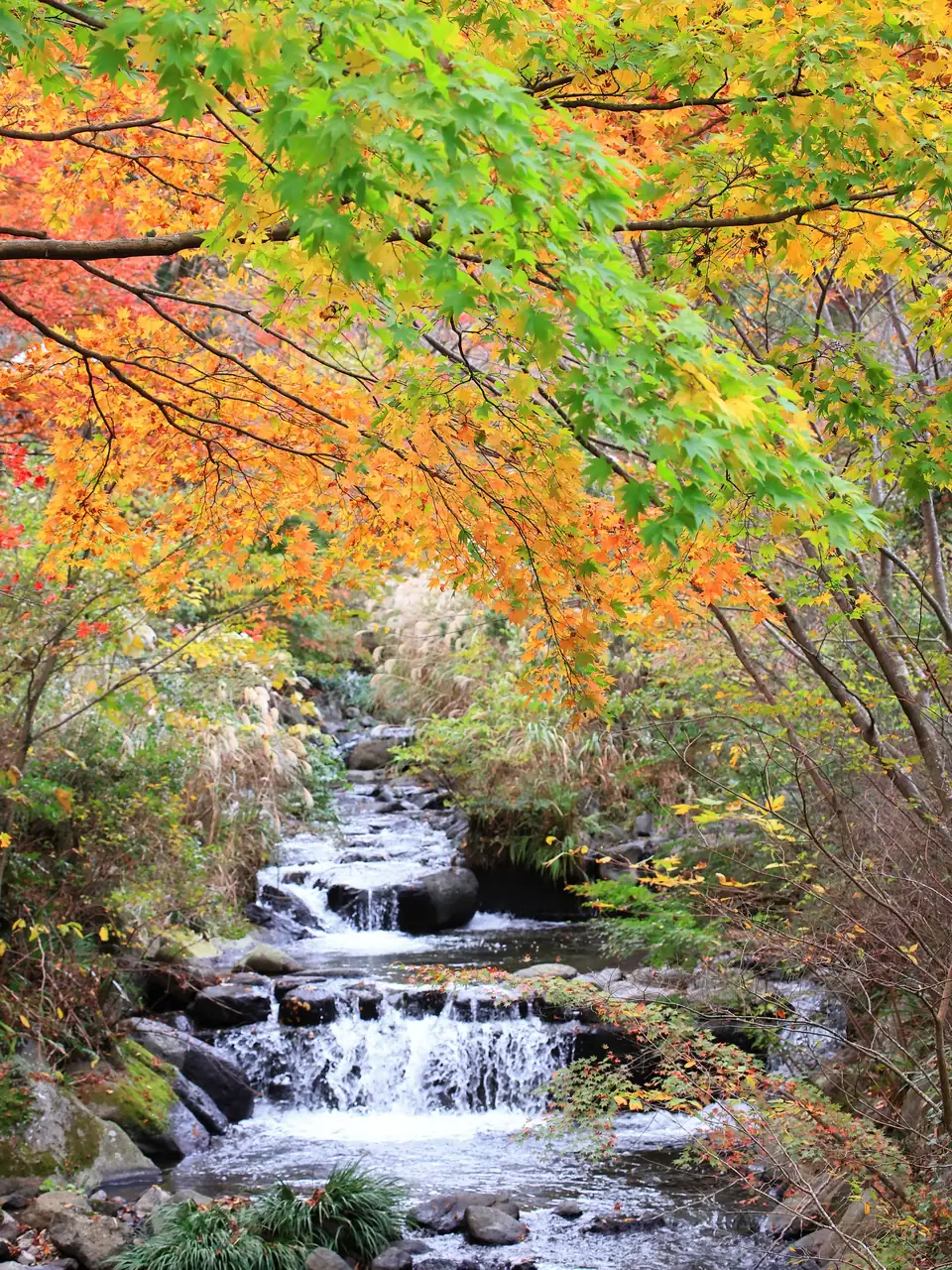
Photo: copyright© Shizuoka Prefectural Tourism Association.
Deep in the Oi River valley: Sumatakyo's Yume no Tsuribashi
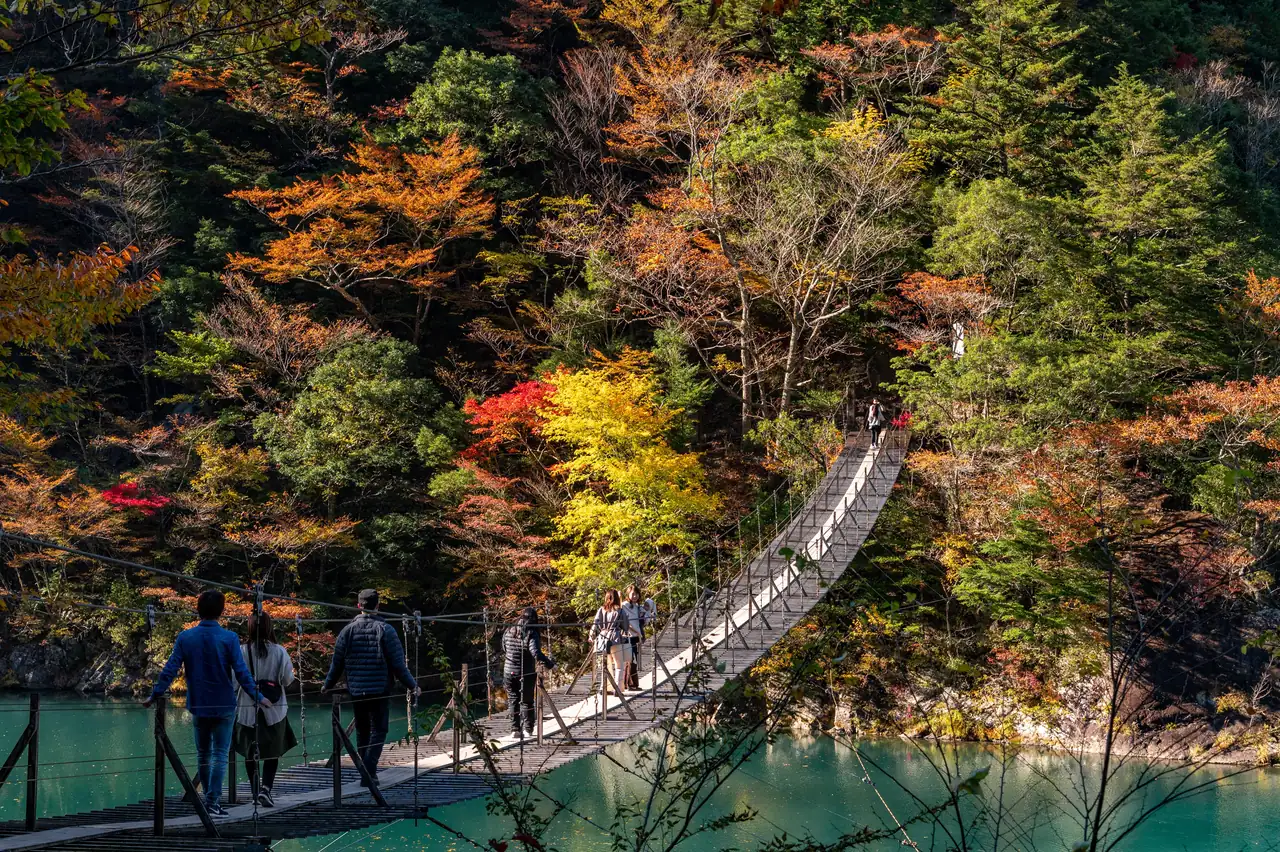
The Yume no Tsuribashi ("Dream Suspension Bridge") at Sumatakyo, far up the Oi River in Kawanehon Town, is a footbridge over an emerald-colored reservoir. In foliage season the mountains around the lake turn red and yellow, and it draws its biggest crowds of the year. Peak color is usually early to mid-November.
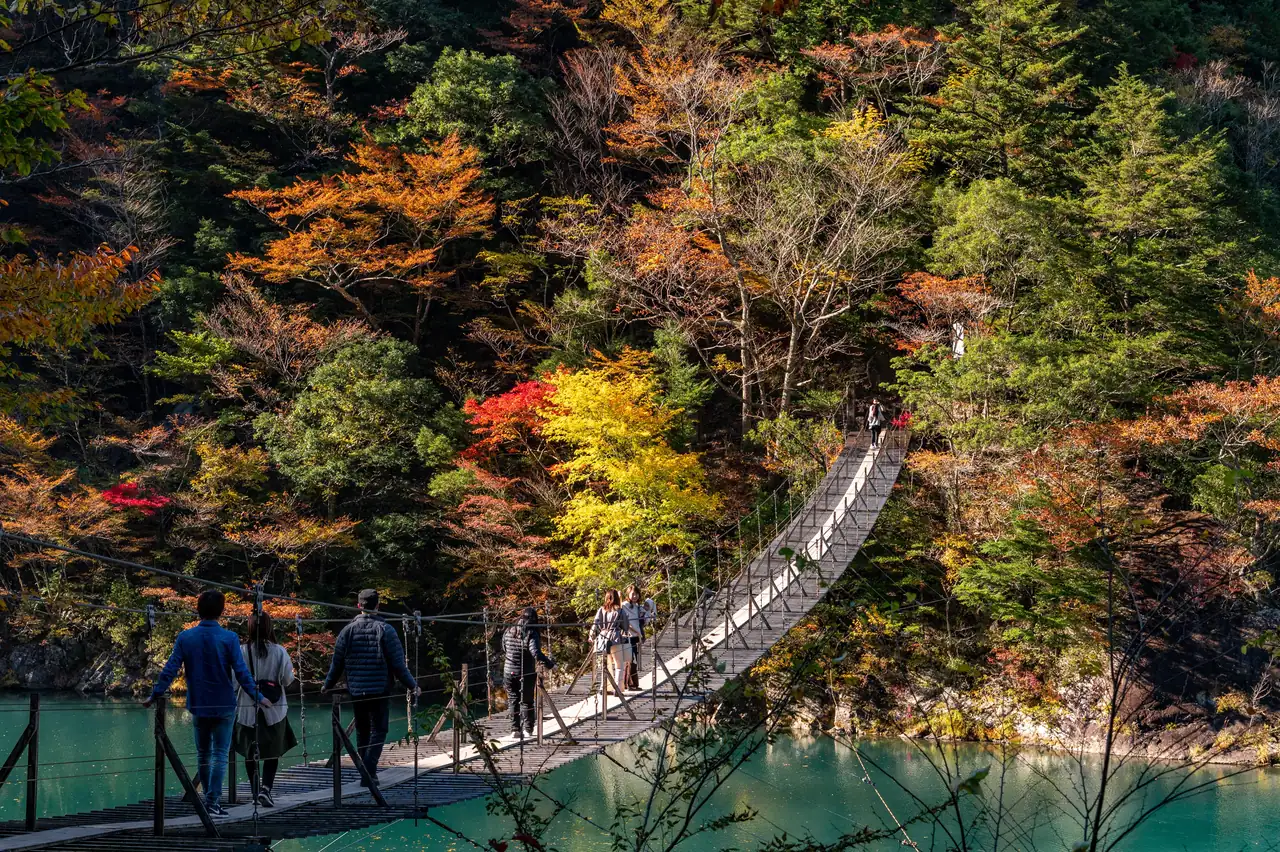
Photo: copyright© Shizuoka Prefectural Tourism Association.
Only 10 people can be on the bridge at once, and it becomes one-way when crowded. At the height of the season the wait to cross can reach about two hours, so aim to arrive in the morning. Local buses take about 40 minutes from Senzu Station on the Oigawa Railway to Sumatakyo Onsen. As of October 2026, the Oigawa Railway main line is suspended between Kawane-Onsen-Sasamado and Senzu, so check how to get to Senzu Station on the Oigawa Railway website before you go. Beyond the hot spring village, cars aren't allowed; from the car park, the trail to the bridge takes about 30–40 minutes each way. A steep climb of 304 steps waits on the far side, so wear comfortable shoes.
Enshu and central Shizuoka: Oguni Shrine, Yusan-ji and Gyokuro no Sato
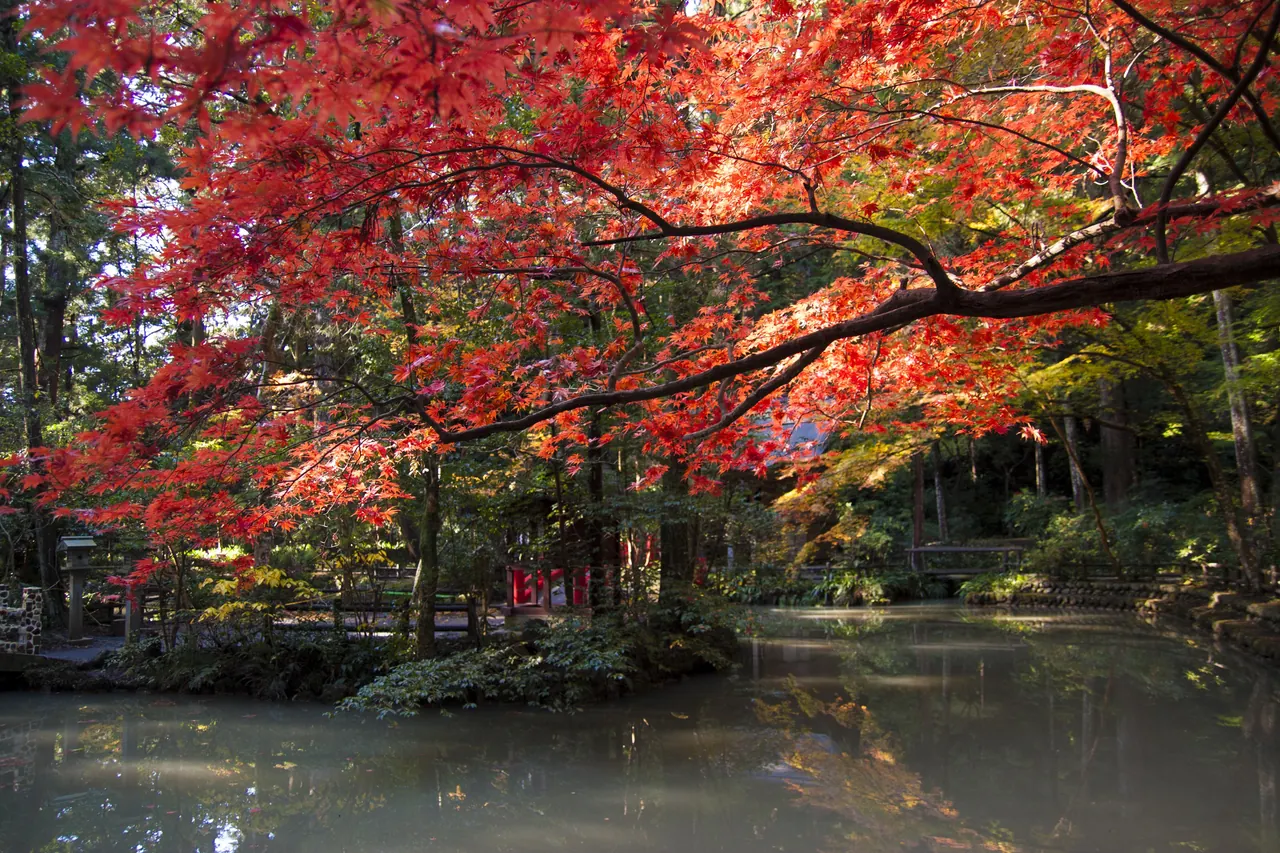
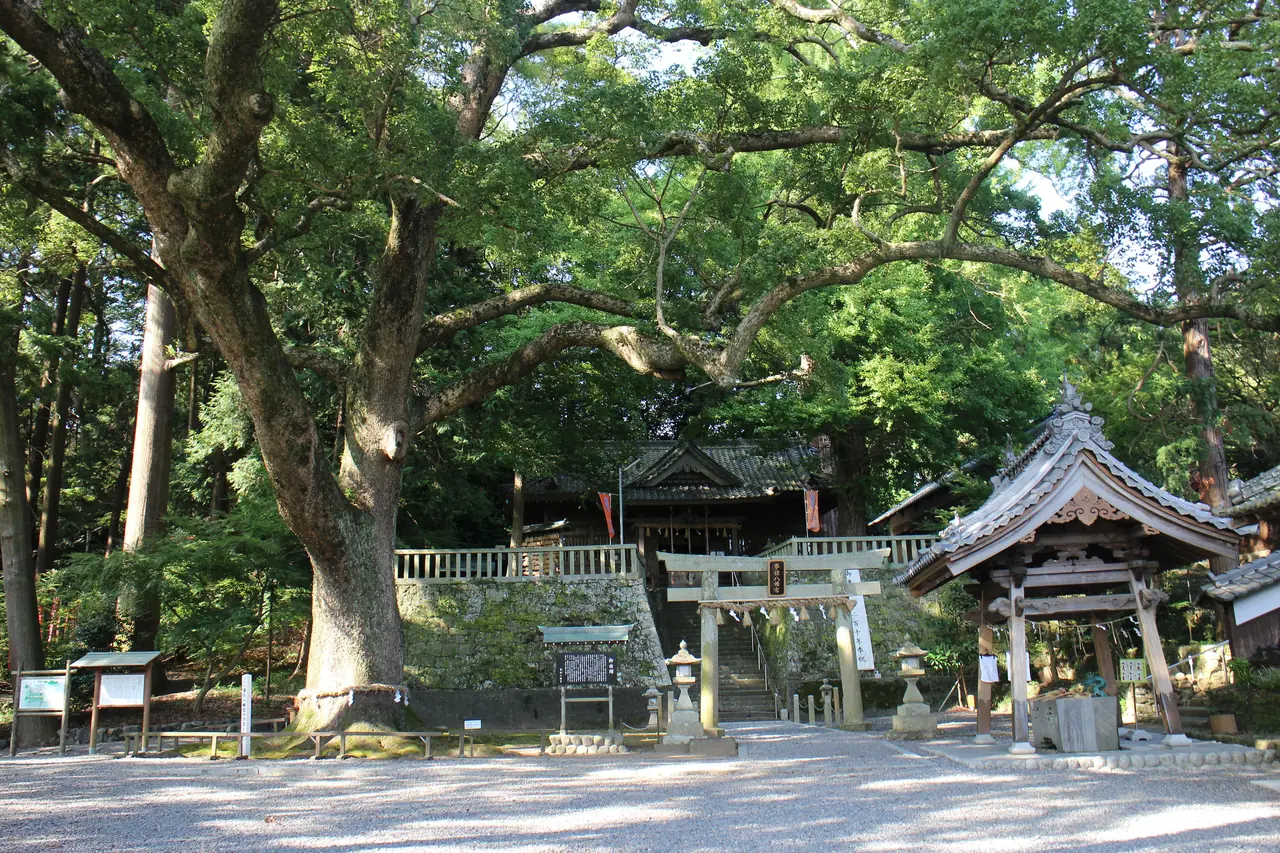
In western Shizuoka, known as Enshu, the highlights are shrine and temple grounds. Oguni Shrine in Mori Town is the Ichinomiya (highest-ranking shrine) of the old Totomi Province, and the Miya River flows through its cedar and cypress forest. When the maples along the river turn, the red leaves are mirrored on the water. Peak color is usually from late November to early December. You can get there on the "Kaiun Line" local bus from JR Fukuroi Station or Enshu-Mori Station on the Tenryu Hamanako Railroad. It gets crowded in foliage season, and traffic restrictions are sometimes in place.
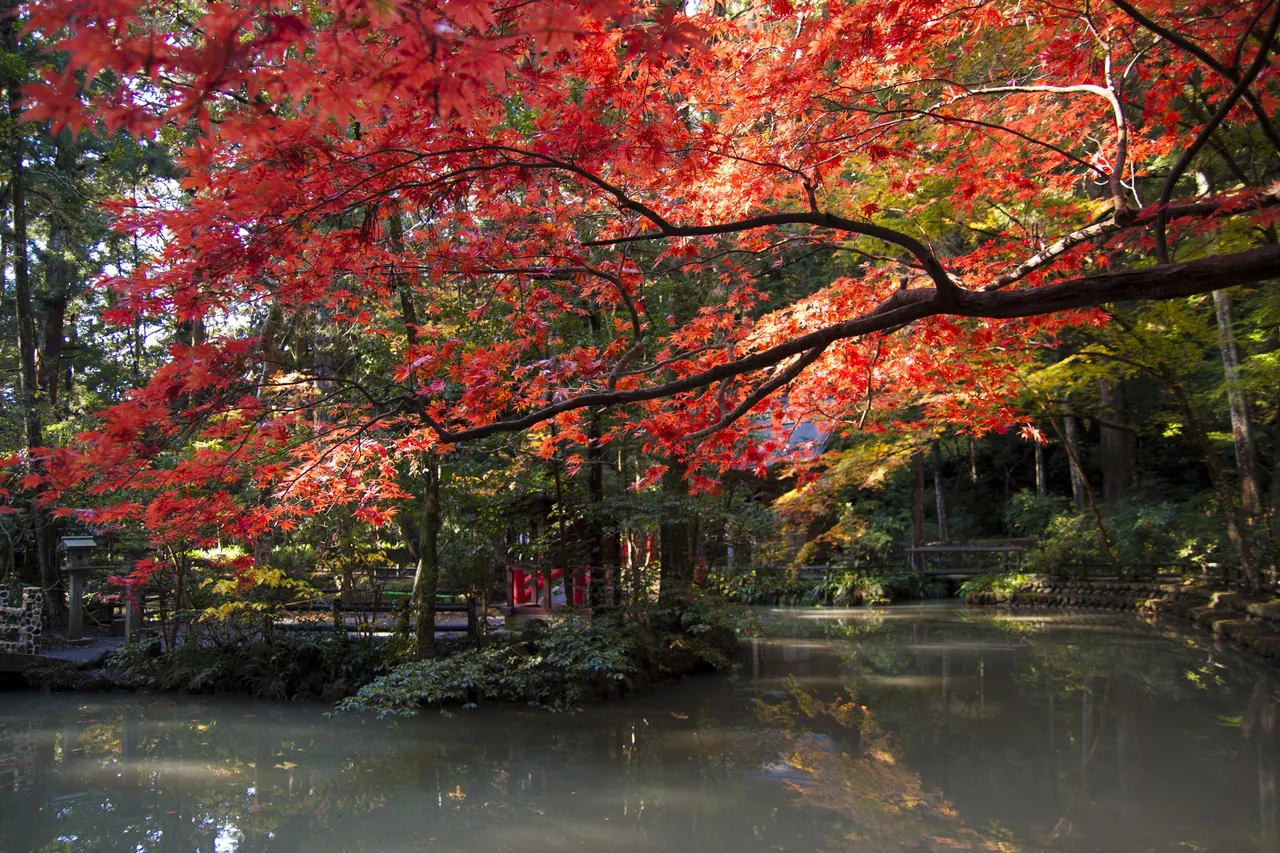
Photo: copyright© Shizuoka Prefectural Tourism Association.
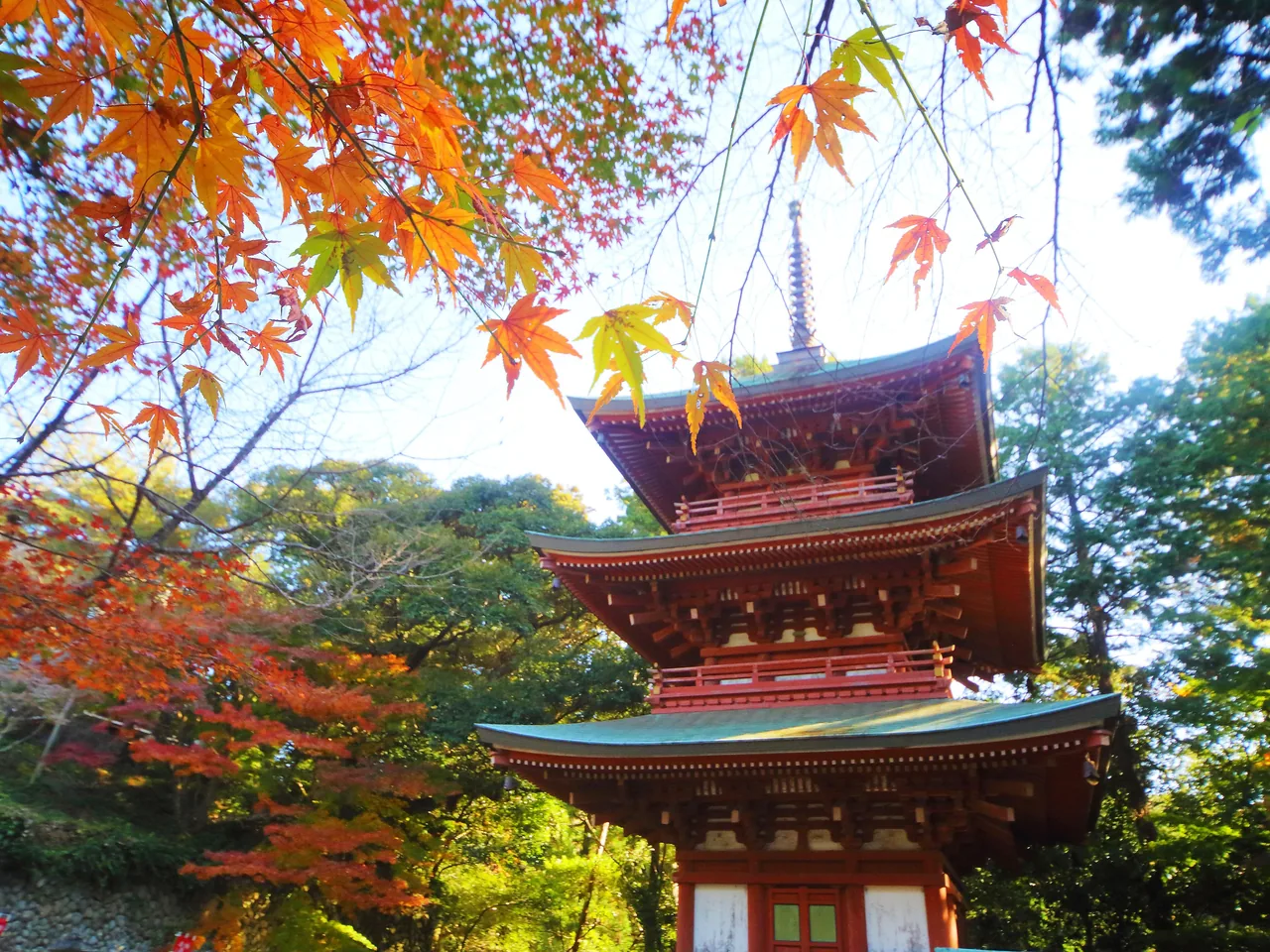
Yusan-ji Temple in Fukuroi City is a Shingon temple known as a sacred mountain for the eyes. Its vermilion three-story pagoda, deep in the grounds, is an Important Cultural Property, and looking up at it through the colored maples is the temple's signature autumn view. The approach involves stone steps and mountain paths. It's about 10 minutes by car from JR Fukuroi Station.
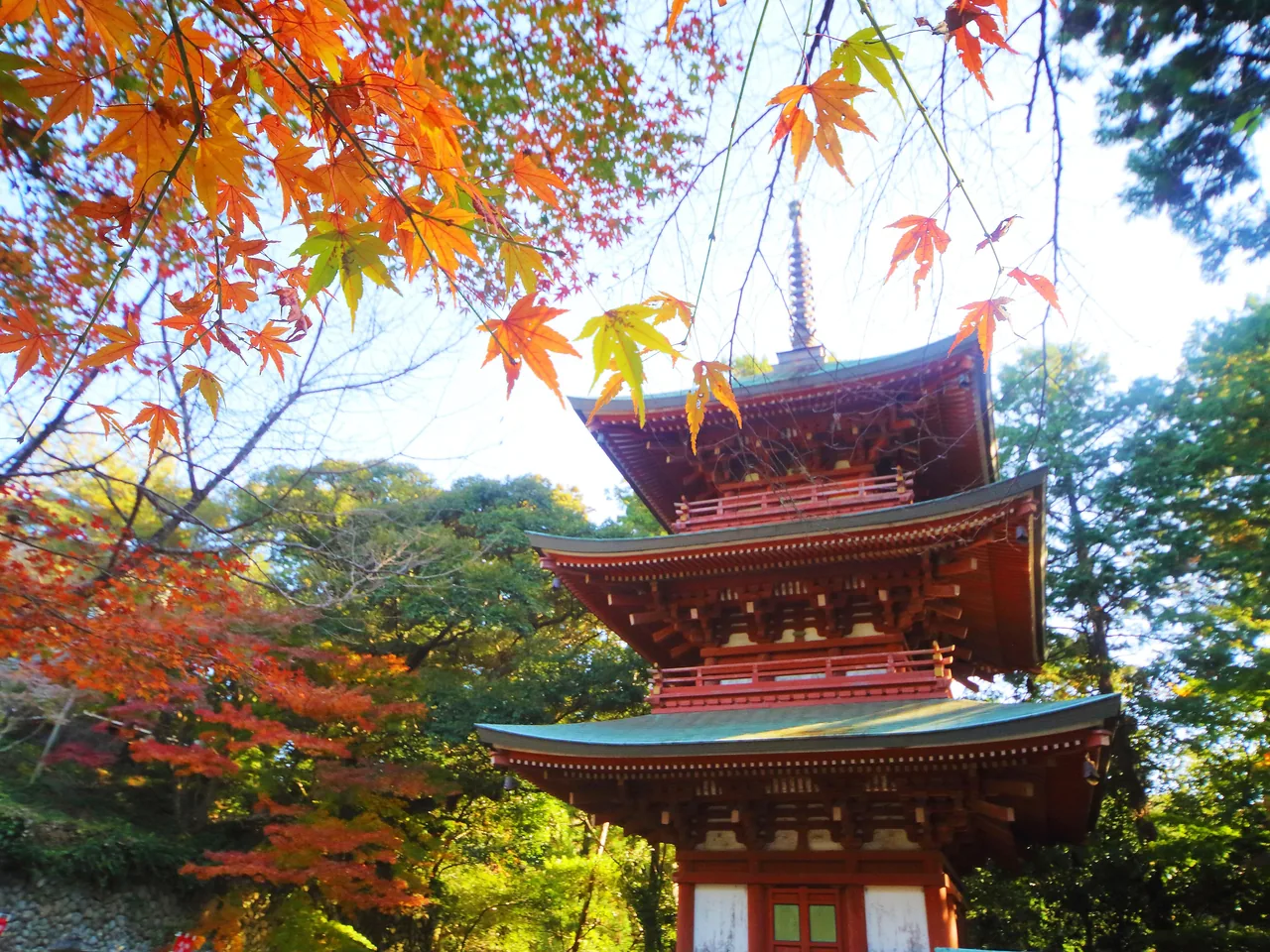
Photo: copyright© Shizuoka Prefectural Tourism Association.
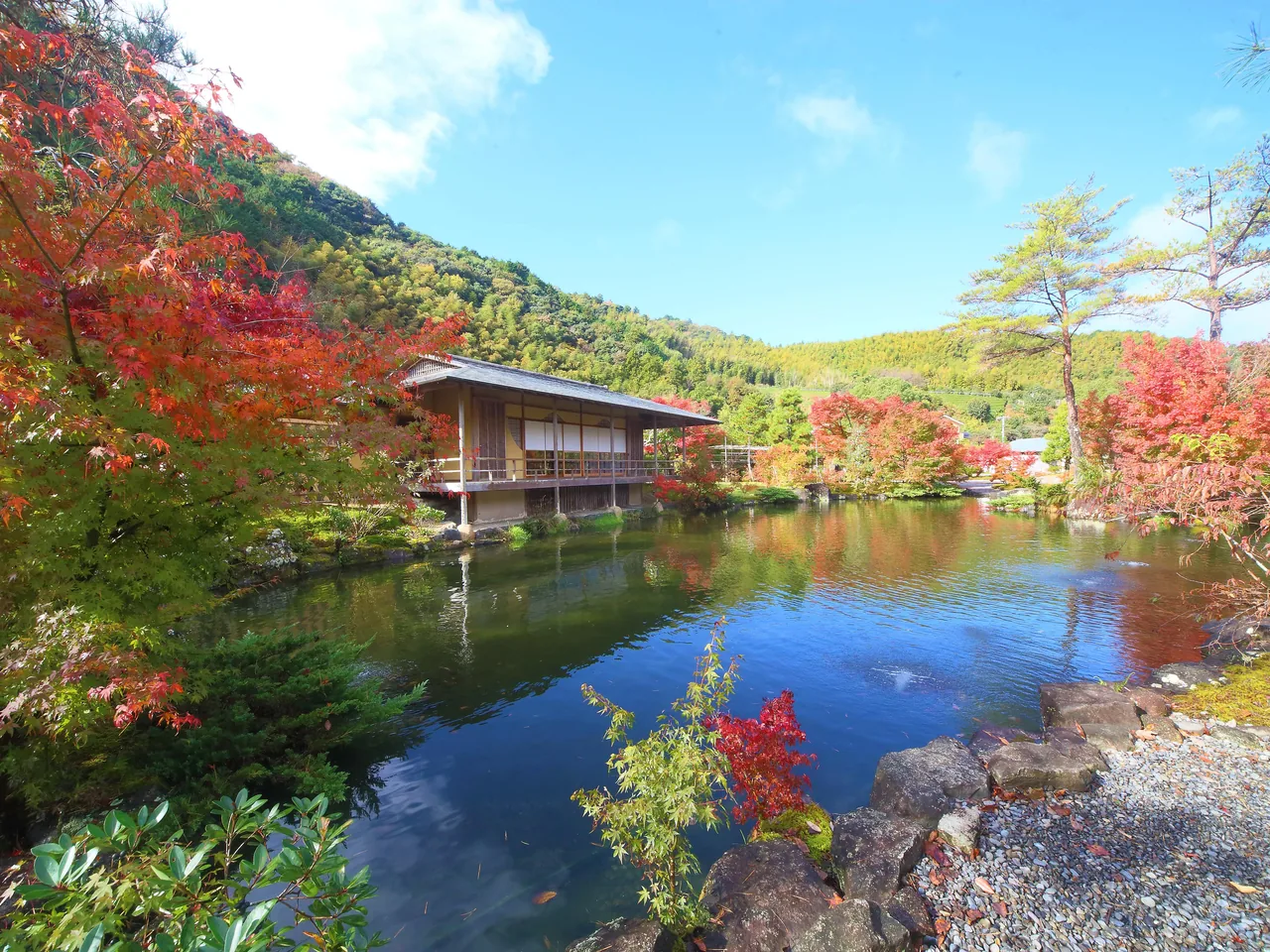
Gyokuro no Sato in Okabe, Fujieda City, is a roadside station with a Japanese garden, a pond and a teahouse. In autumn the garden's maples are reflected in the pond, and you can sip gyokuro tea in the Hyogetsutei teahouse while looking out over the leaves. It's about 6 km by car from the Fujieda-Okabe IC on the Shin-Tomei Expressway.
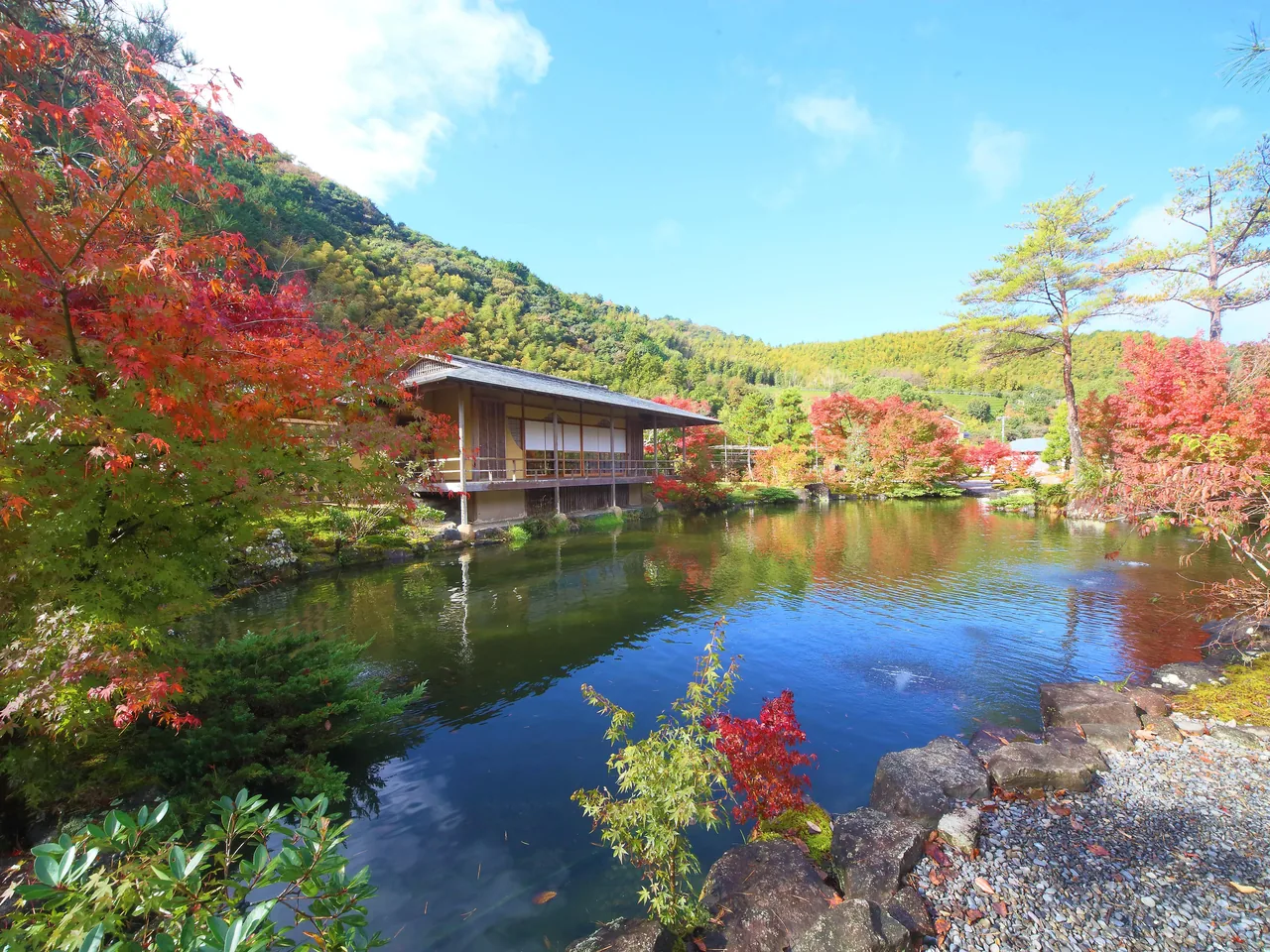
Photo: copyright© Shizuoka Prefectural Tourism Association.
Kotonomama Hachimangu Shrine, on the old Tokaido road in Kakegawa City, is an ancient shrine long believed to grant wishes exactly as they are spoken. In autumn the trees along the approach beyond its moss-covered stone torii gate turn yellow and red, a lovely contrast with the green moss.
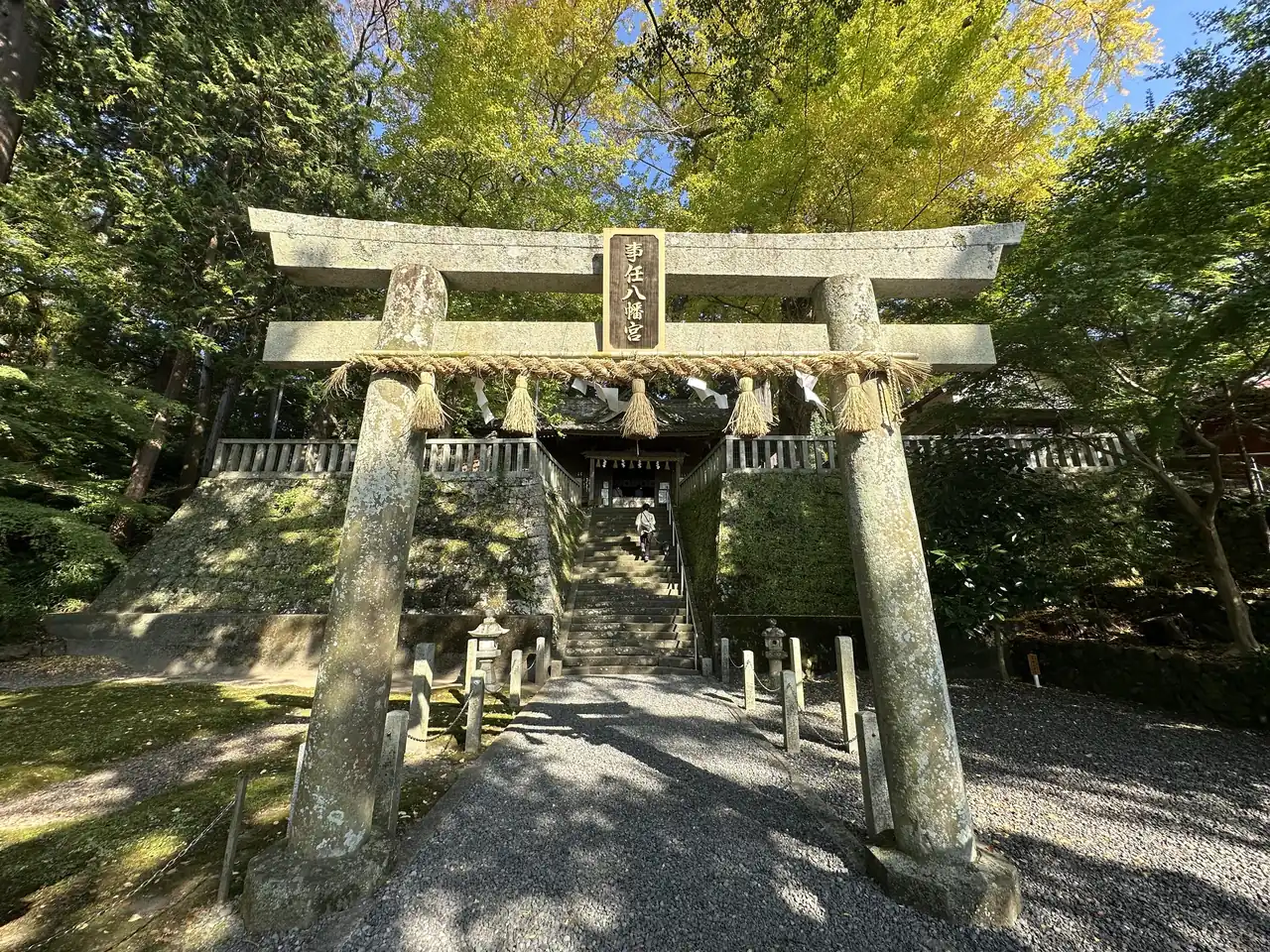
Photo: copyright© Shizuoka Prefectural Tourism Association.
How to beat the foliage crowds
Foliage spots are busiest around midday on peak-season weekends. At places with limited parking, such as Sumatakyo and Oguni Shrine, simply arriving early can cut your wait considerably. Where parking is scarce during the festival, as at Atami Baien, the train and bus are the safer choice.
- Mountain spots such as Sumatakyo and Nishiusuzuka are colder than the lowlands. Bring a jacket
- Wear comfortable shoes for temples and shrines with many steps and trails (Yusan-ji, Kotonomama Hachimangu)
- Mt. Fuji is clearest in the crisp morning air. Visit Nishiusuzuka and Shiraito Falls before noon
The autumn color in Izu and Enshu fits neatly into a day of hot springs or temple visits. For Shuzenji's hot spring town, see our Shizuoka onsen guide; if Fuji views are your priority, try Shizuoka's best Mt. Fuji viewpoints.