Shizuoka Onsen Guide: Shuzenji, Atagawa, Kurami and Kawane
This guide is translated from the Japanese edition. Read the Japanese edition
Choosing a Shizuoka onsen: Shuzenji's bamboo path, steaming Atagawa, quiet Kurami in Kakegawa and Kawane by the Oigawa Railway, with access and bathing tips.
Step off the train at Izu-Atagawa Station on the Izu Kyuko Line and white steam is shooting up right in front of the platform. Shizuoka has hot springs all over, especially on the Izu Peninsula: big resort towns overlooking the sea, old riverside onsen towns, and quiet mountain valleys with just a few inns.
Shuzenji Onsen: an old town of river and bamboo
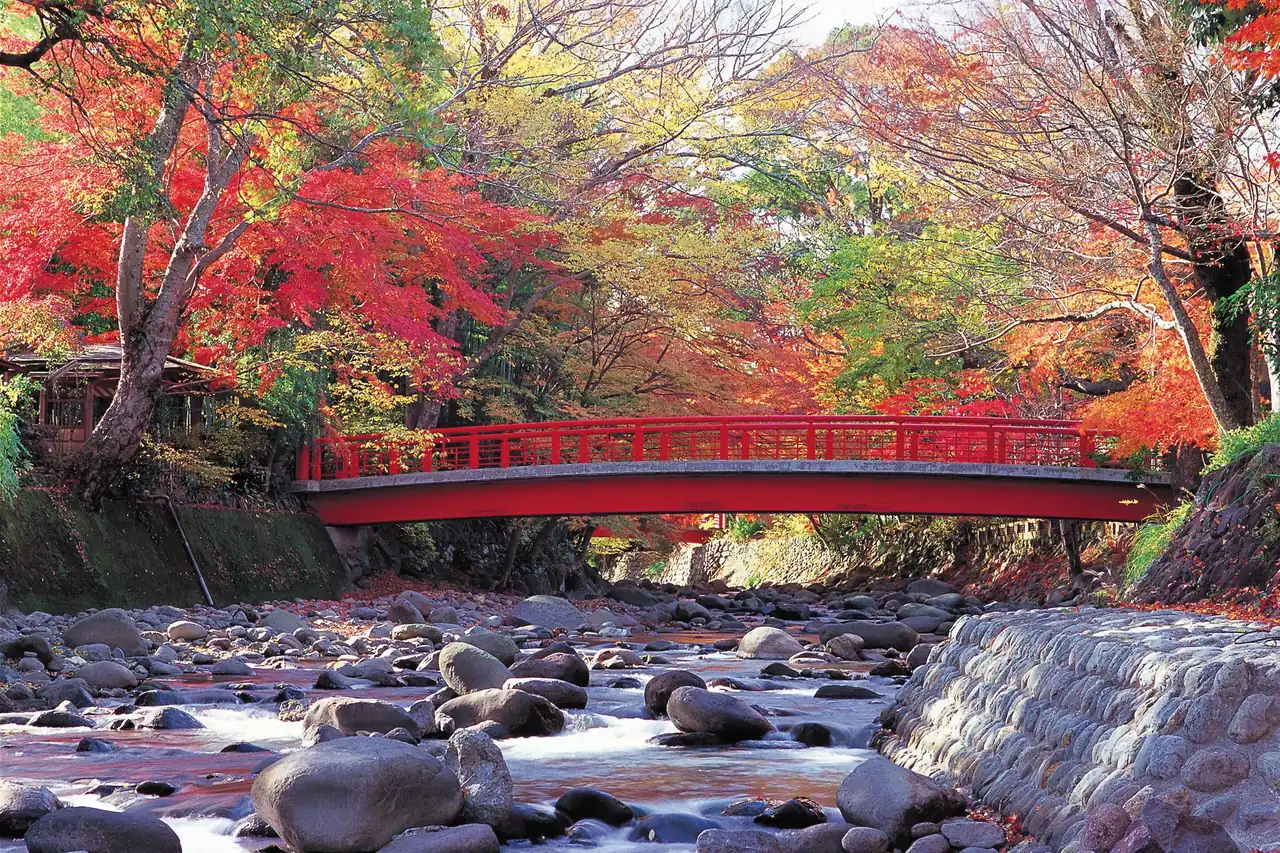
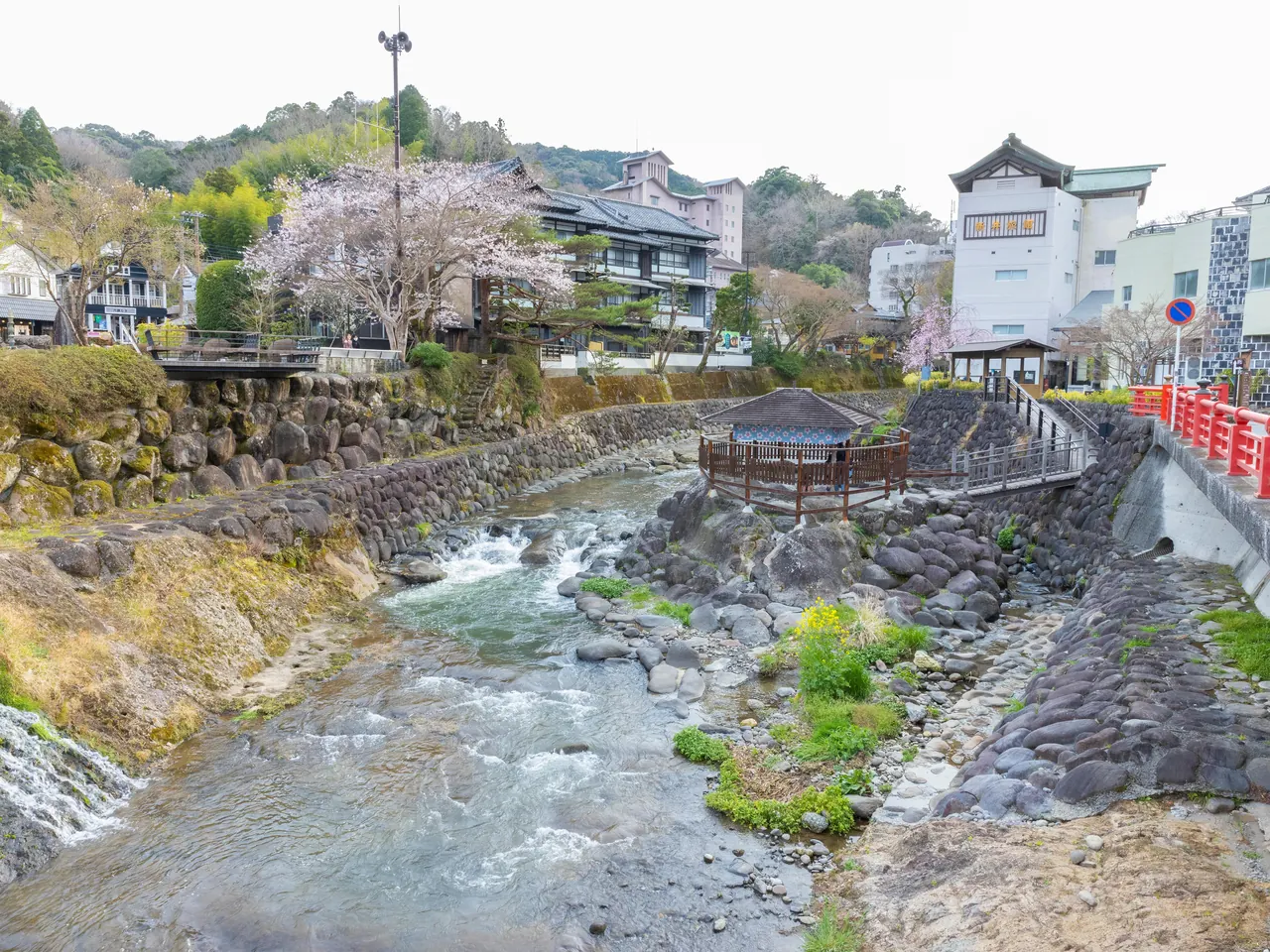
Shuzenji Onsen, in Izu City in the middle of the peninsula, is a hot spring town of inns lining the Katsura River. It grew up as the temple town of Shuzenji, which gave it its name, and is considered one of the oldest hot springs in Izu.
In the middle of town, Tokko-no-yu springs from rocks in the Katsura River. Legend says the monk Kobo Daishi struck the rock with a tokko, a Buddhist ritual implement, and hot water gushed out. Along the river runs the bamboo grove path, a stone-paved lane between straight bamboo stalks, with lanterns lit in the evening.
It's under 10 minutes by bus from Shuzenji Station at the end of the Izuhakone Railway, and the Izuhakone Railway from Mishima Station to Shuzenji takes about 40 minutes, so a day trip from Tokyo is possible.
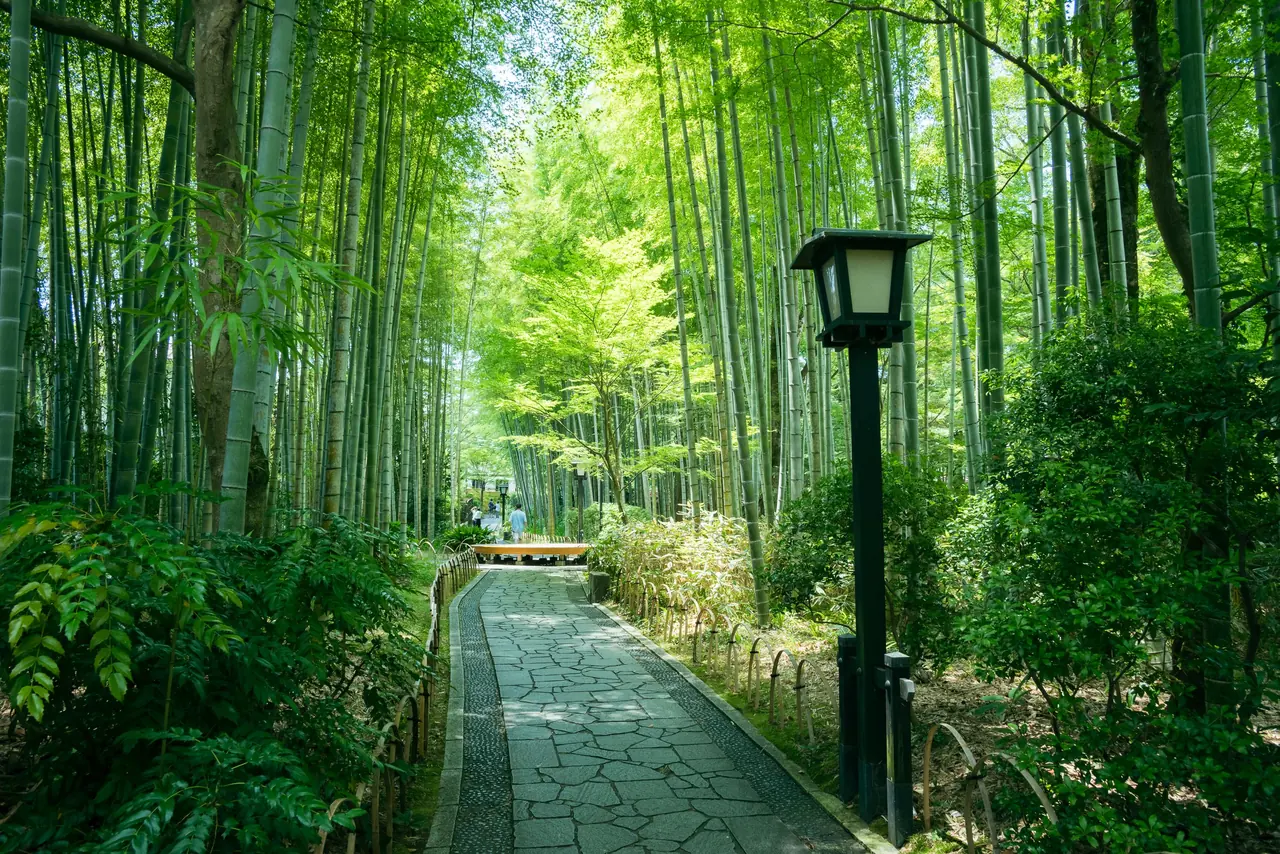
Photo: copyright© Shizuoka Prefectural Tourism Association.
Atagawa Onsen: steam at the station in East Izu
Atagawa Onsen in Higashiizu, on the peninsula's east coast, has inns built on the slopes above the sea. Next to Izu-Atagawa Station stands a tower venting steam from a hot spring source, visible from the train window.
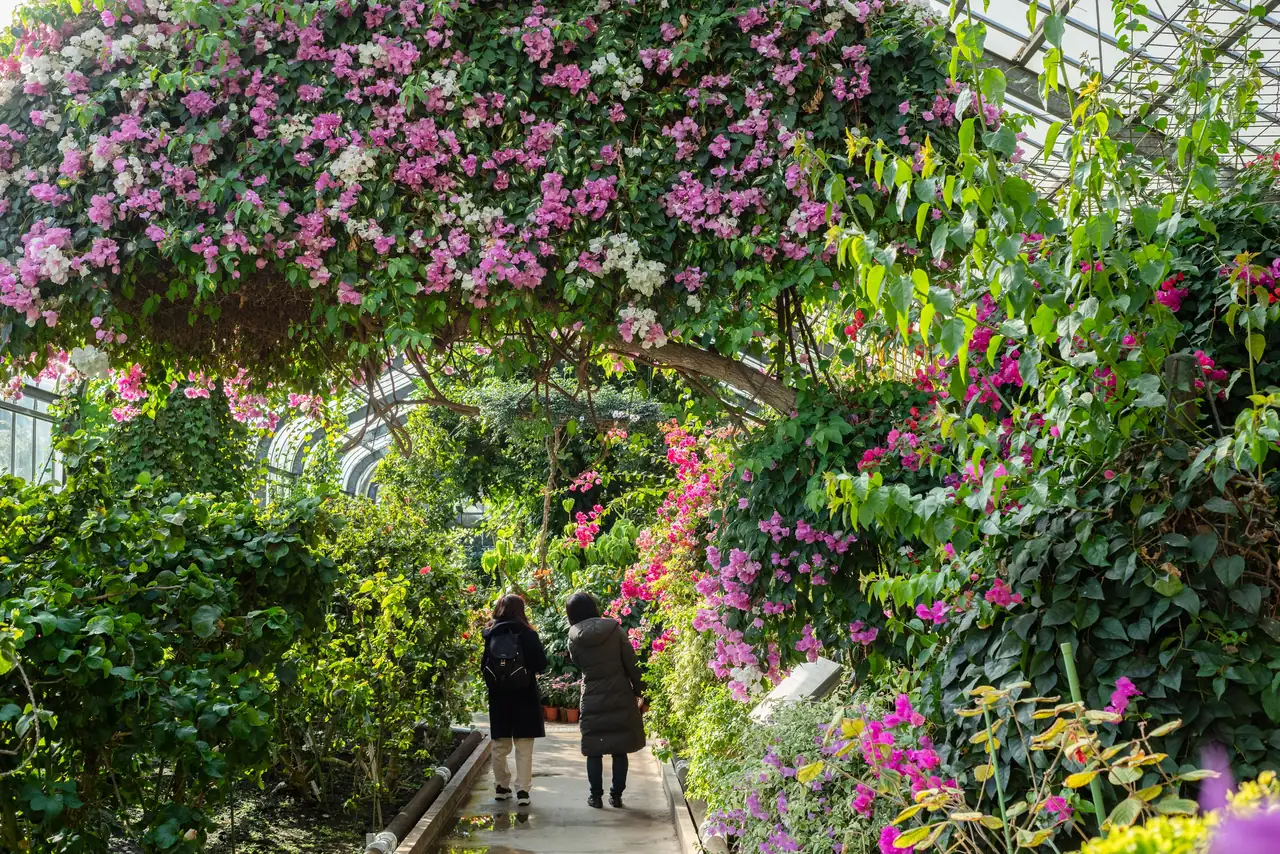
Right by the station, Atagawa Tropical & Alligator Garden uses hot spring heat to raise crocodiles and tropical plants. From Tokyo, the Odoriko limited express runs to Izu-Atagawa Station without a change. Like much of East Izu, many inns here have rooms and open-air baths facing the sunrise over Sagami Bay.
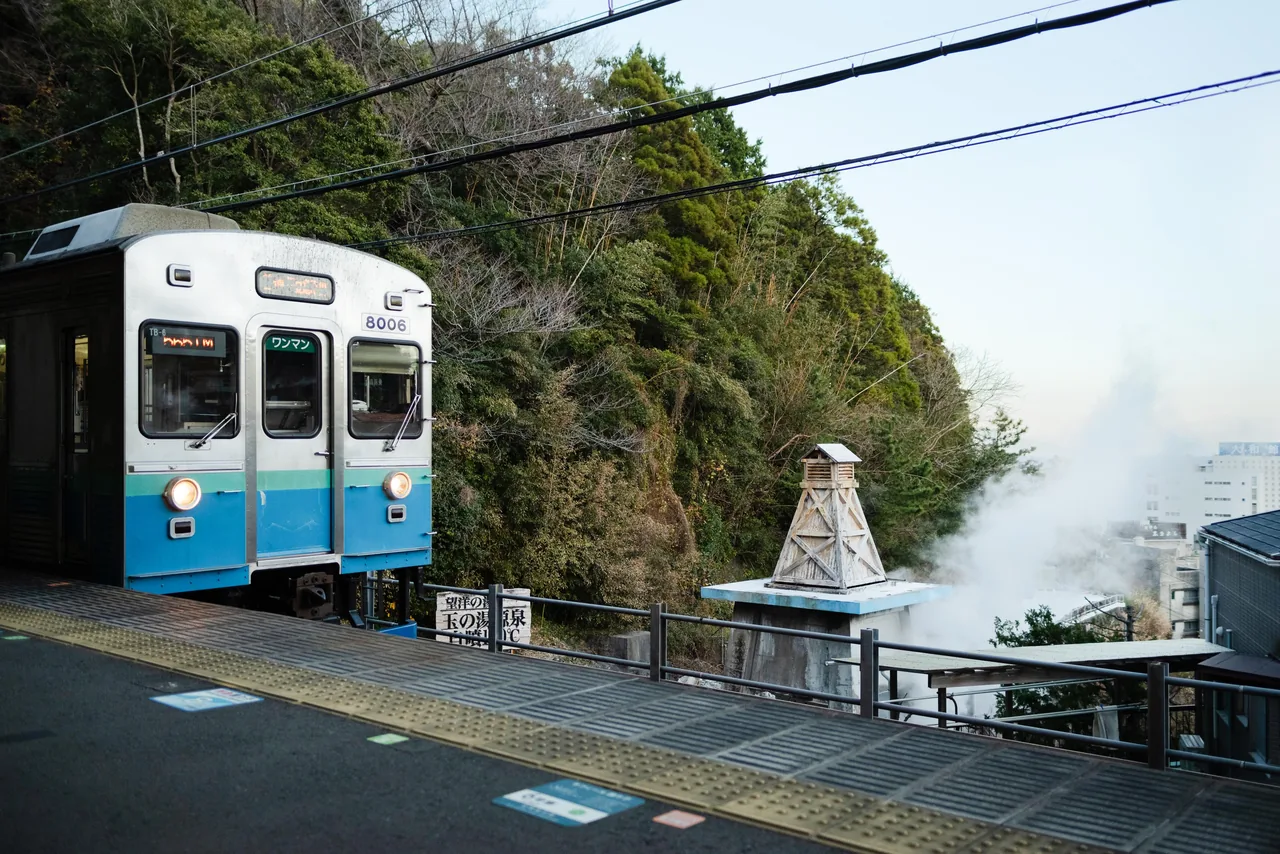
Photo: copyright© Shizuoka Prefectural Tourism Association.
Kurami Onsen: a small spring in the Kakegawa hills
Izu isn't the only place for onsen in Shizuoka. Kurami Onsen, in the hills of northern Kakegawa, is a tiny hot spring with just a few inns along a river. Its baths are surrounded by bamboo and trees, and it's a quiet place to unwind. It's about 15 to 20 minutes by car from Kakegawa Station (local buses also run), an easy stop after Kakegawa Castle or the tea fields (Shizuoka green tea and tea fields).
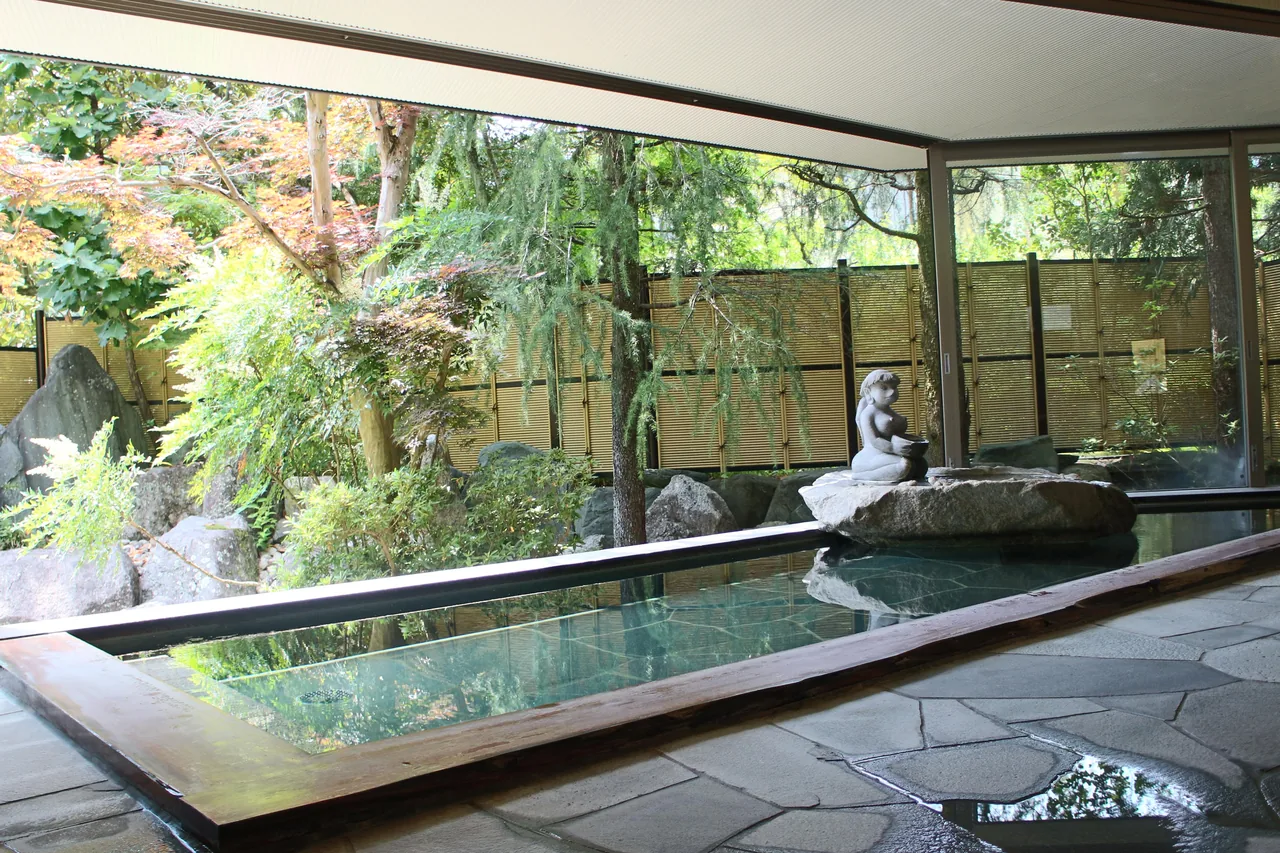
Photo: copyright© Shizuoka Prefectural Tourism Association.
Kawane Onsen: watch the Oigawa Railway steam train from the bath
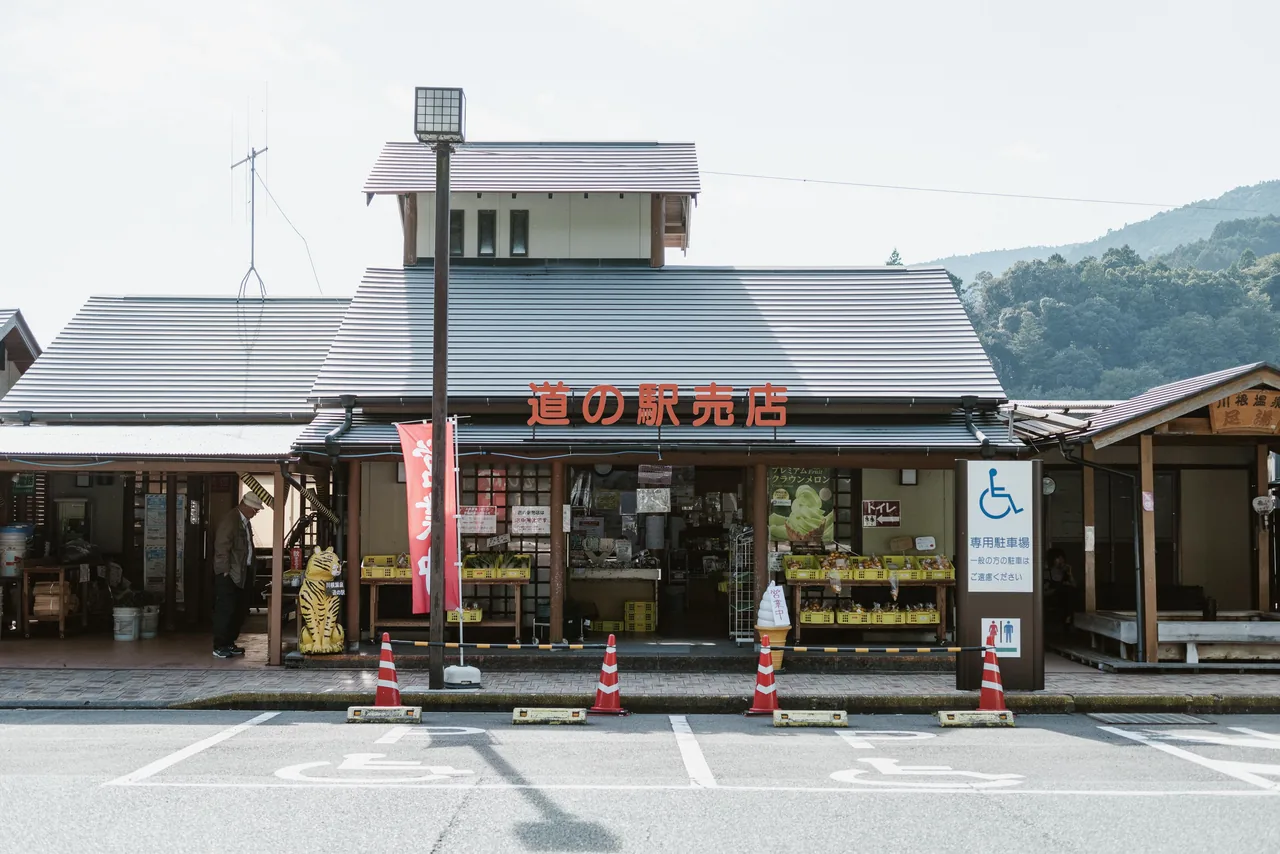
Kawane Onsen Fureai-no-Izumi, beside the Oi River in Shimada, is a day-use hot spring that doubles as a roadside station, with a shop selling local tea and vegetables. The Oigawa Railway bridge passes right in front of the outdoor bath, so if the timing is right you can watch an SL (steam locomotive) cross from the water.
It's about a 5-minute walk from Kawane-Onsen-Sasamado Station on the Oigawa Railway. Check SL operating days and times on the Oigawa Railway's official site. How to ride the railway is in Shizuoka's scenic railways.
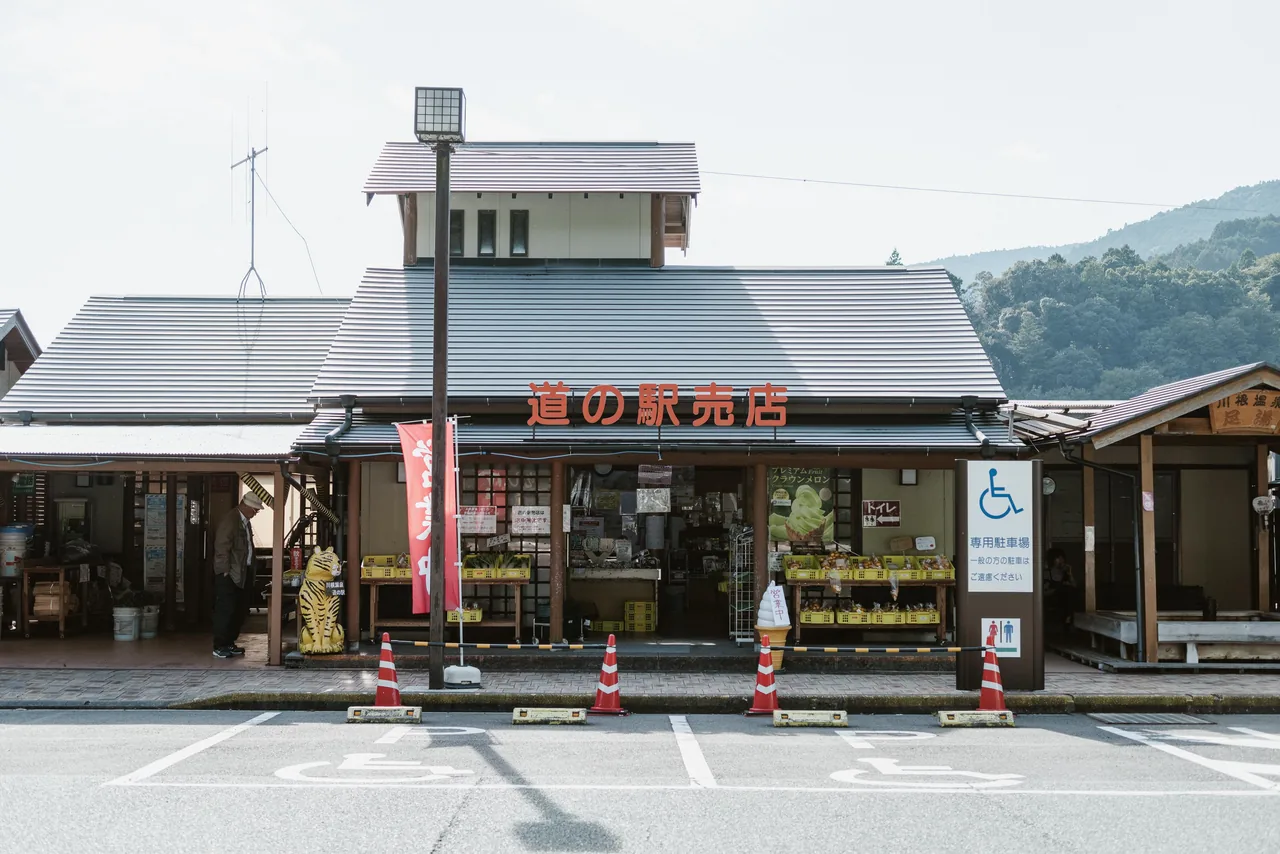
Photo: copyright© Shizuoka Prefectural Tourism Association.
Onsen town treats: onsen manju and foot baths
On onsen-town streets you'll often see shops selling freshly steamed onsen manju. They're buns of thin dough wrapped around sweet bean paste, small enough to eat in a bite or two, an ideal snack for strolling.
Onsen towns such as Shuzenji and Atagawa also have foot baths where you can soak just your feet with your clothes on. Even on a day trip without an overnight stay, you get a taste of the onsen-town atmosphere.
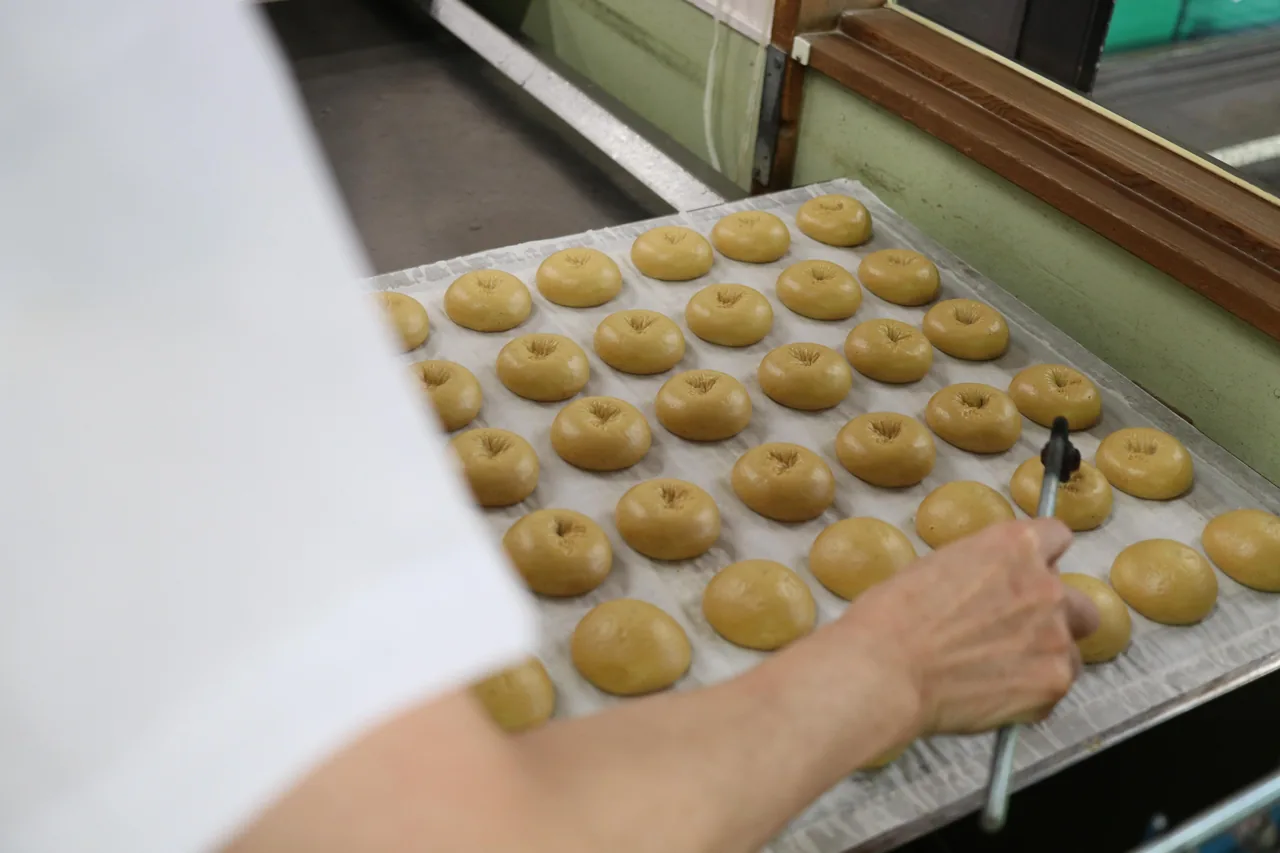
Photo: copyright© Shizuoka Prefectural Tourism Association.
Before you bathe
- Bring a towel: Day-use hot springs may charge for towels.
- Wash before you get in: Towels don't go in the bath.
- Tattoos: Policies differ by facility, so check ahead. Choosing an inn with a private bath is another option.
- Prices and hours vary: Facilities have closing days too, so check the official site before you go.
Rinsing off before you get in, what to do with your towel and other bathing basics are in Japanese onsen and sento etiquette. To combine hot springs with Izu's sea, see the Izu Peninsula travel guide.