Shizuoka Green Tea and Tea Fields: Makinohara, Kakegawa, Gyokuro
This guide is translated from the Japanese edition. Read the Japanese edition
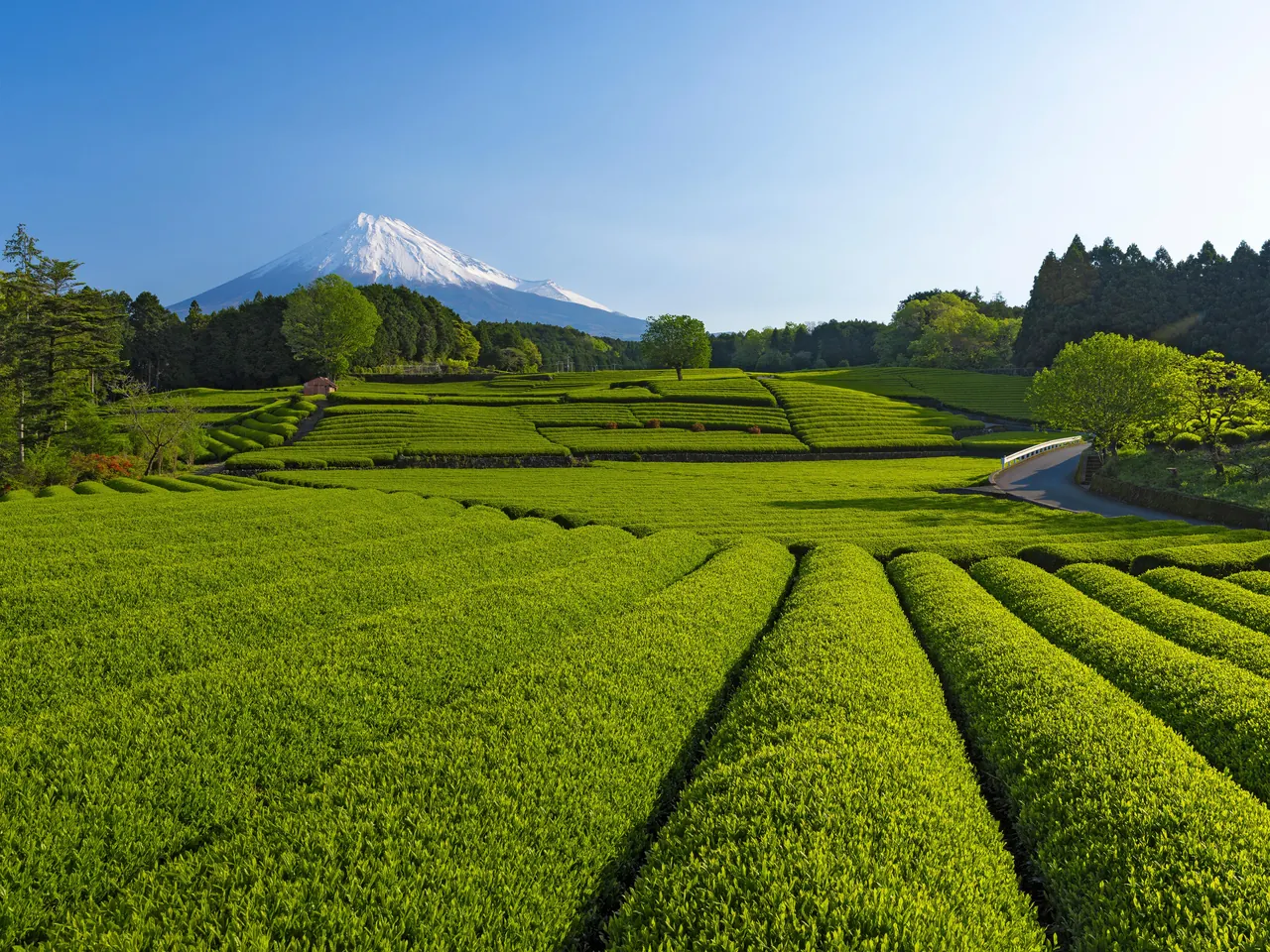
Shizuoka tea fields and green tea: tea picking in Makinohara, GIAHS chagusaba farming in Kakegawa, gyokuro at Gyokuro no Sato, and Fuji views from Nihondaira.
Ride the Tokaido Shinkansen from Shizuoka to Kakegawa and the hills on both sides are lined with neatly clipped rows of tea bushes. Shizuoka is one of Japan's major tea regions, and from huge plantations on flat plateaus to small fields clinging to mountain slopes, both the scenery and the taste change from area to area.
When to go: the new-tea season and the color of the fields
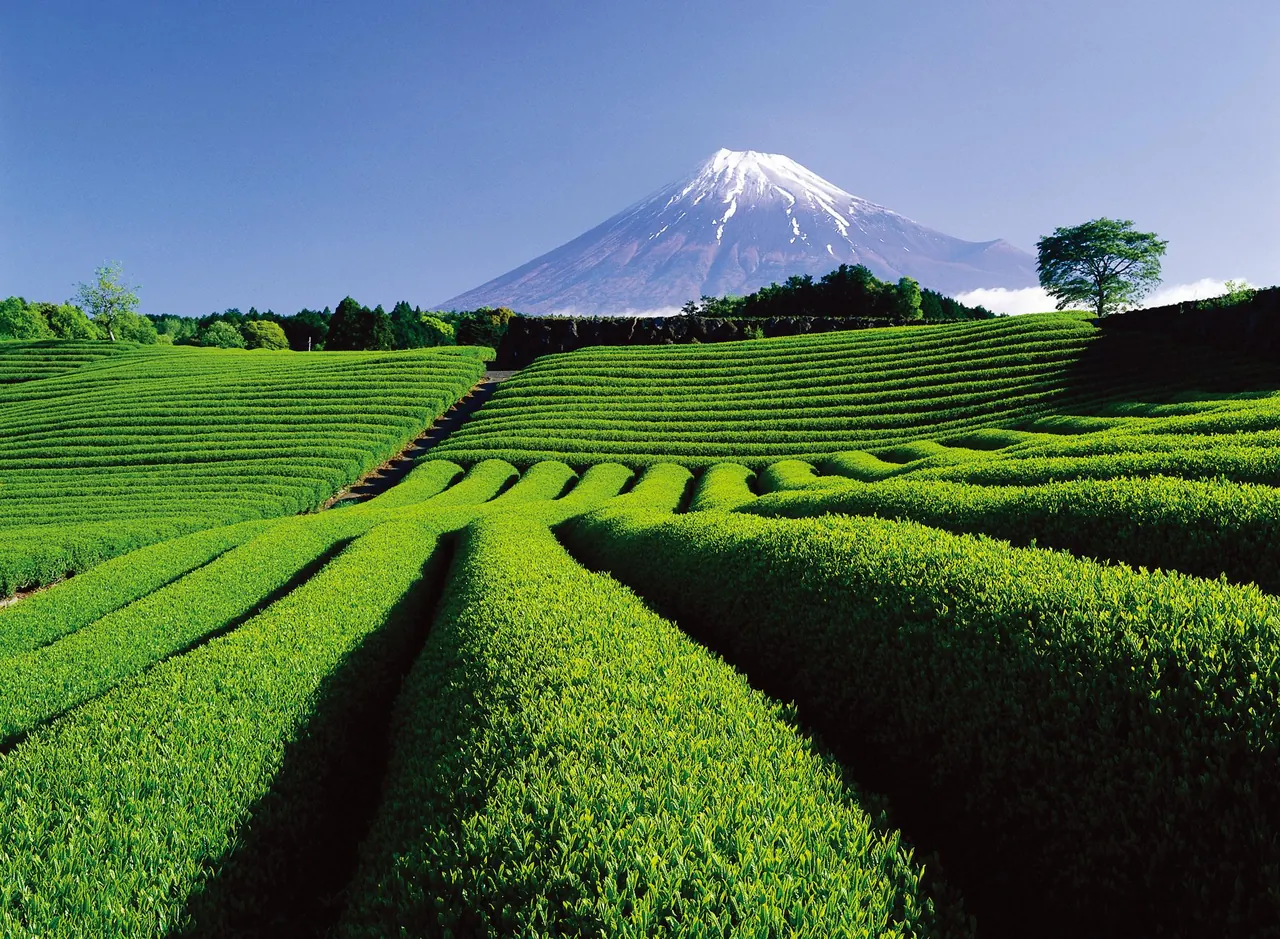
The fields are greenest during ichibancha, the first flush of the year, from late April into May. Bright yellow-green shoots grow above the clipped rows, and "shincha" (new tea) flags go up outside shops. After picking, the rows are trimmed flat, and the second flush appears in summer. In winter the fields turn deep green, and on clear days they line up with snowy Mt Fuji.
Sencha is the everyday tea in Shizuoka. Fukamushi-cha, steamed longer to soften the bitterness, is made widely in central and western areas such as Kakegawa and Makinohara. Gyokuro, grown in shade, is rich in umami and brewed slowly with a little water.
Makinohara Plateau: a giant plantation and tea picking
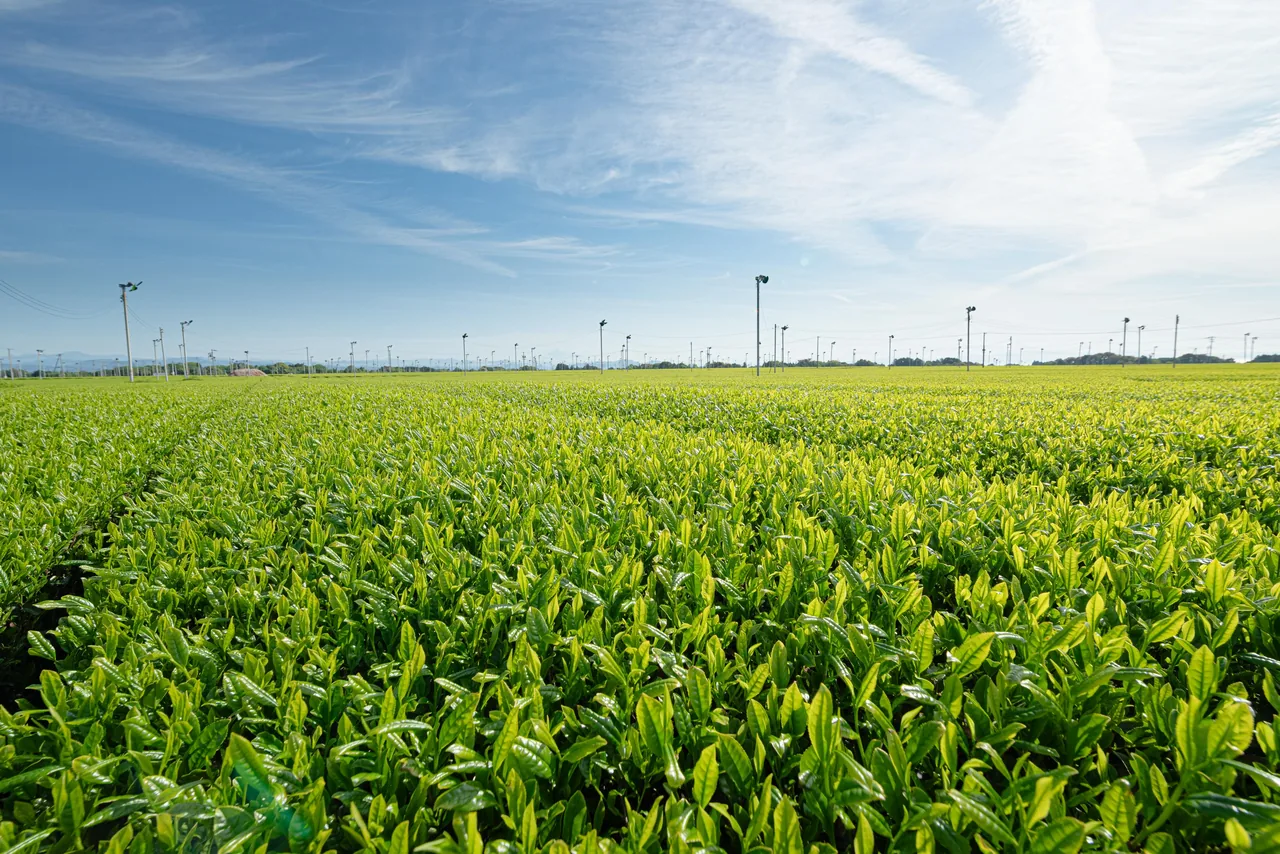
West of the Oi River, the Makinohara Plateau is covered by the vast Makinohara tea plantation. Rows stretching across the flat tableland are on a completely different scale from mountain tea fields.
At Greenpia Makinohara on the plateau, you can try tea picking. You put on a tea-picker's outfit, walk into the field and pick the new shoots by hand. You can take the leaves home, and the factory next door shows how tea is made. Picking runs during a season from spring to autumn on set days and times, so check the official site before going. From the nearest station, JR Kanaya, it's about 20 minutes by taxi.

Photo: copyright© Shizuoka Prefectural Tourism Association.
Kakegawa: chagusaba farming, a World Agricultural Heritage system
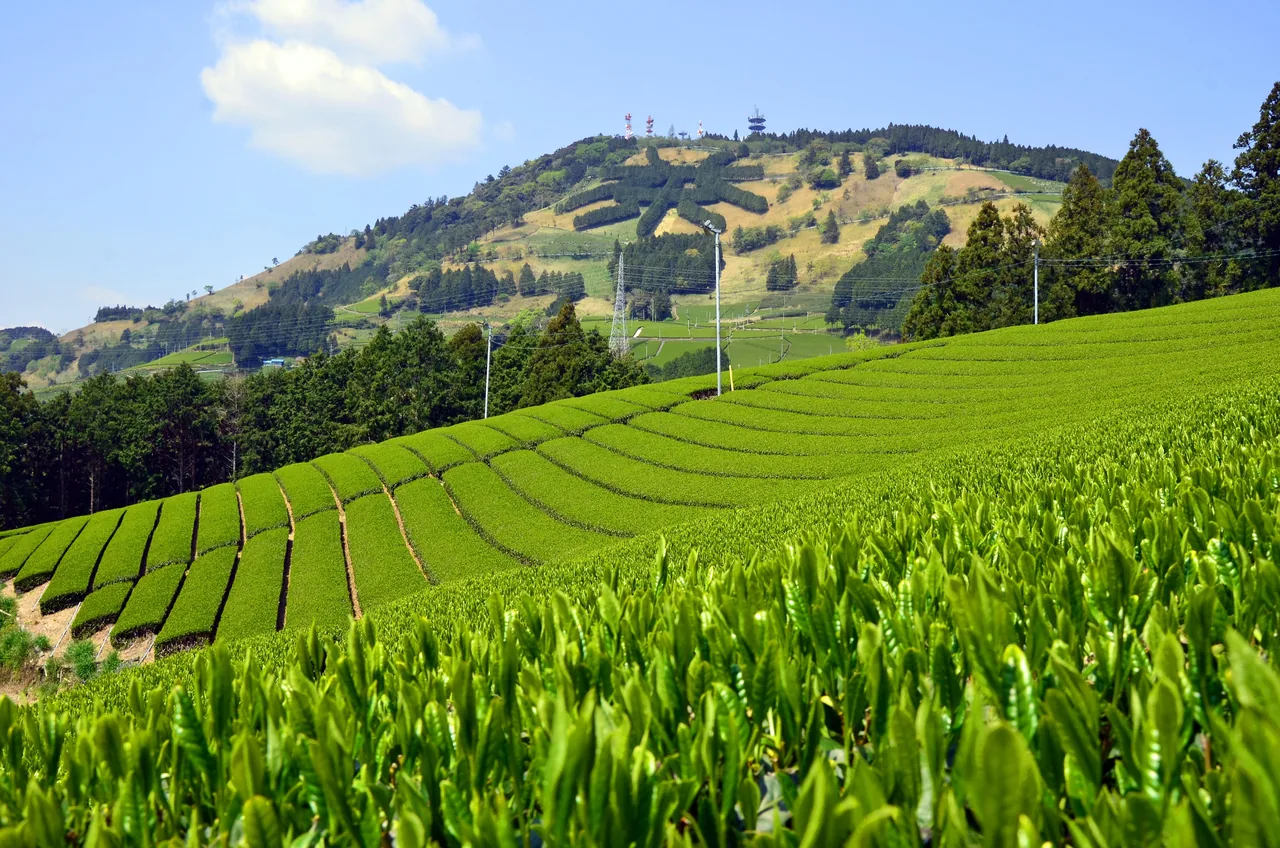
In Kakegawa and nearby areas of central-western Shizuoka, farmers still practice chagusaba farming: they cut silver grass and bamboo grass from grasslands around the tea fields (chagusaba) and lay it between the rows. The grass keeps the soil from drying out or washing away in the rain and gradually becomes fertilizer. Because the grasslands survive, plants and creatures that have disappeared elsewhere still live here. In 2013 the system was recognized as a Globally Important Agricultural Heritage System by the UN Food and Agriculture Organization (FAO). The area covers Kakegawa, Kikugawa, Shimada, Makinohara and Kawanehon.
In the Higashiyama district of Kakegawa, the character for tea, 茶, appears on the slope of Mt Awagatake, with tea fields spreading below (Higashiyama tea fields).
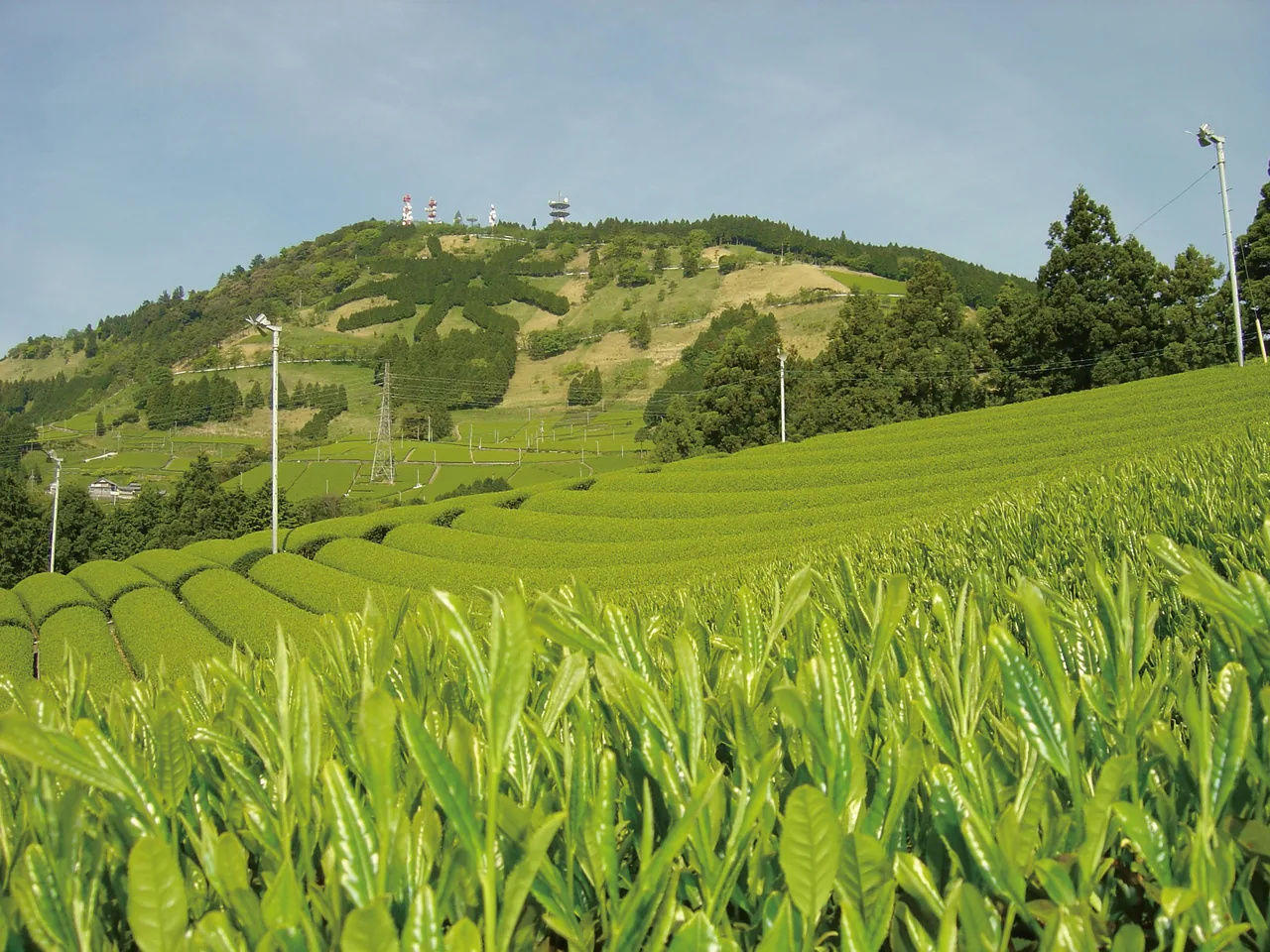
Photo: copyright© Shizuoka Prefectural Tourism Association.
Gyokuro no Sato, Fujieda: gyokuro by a garden
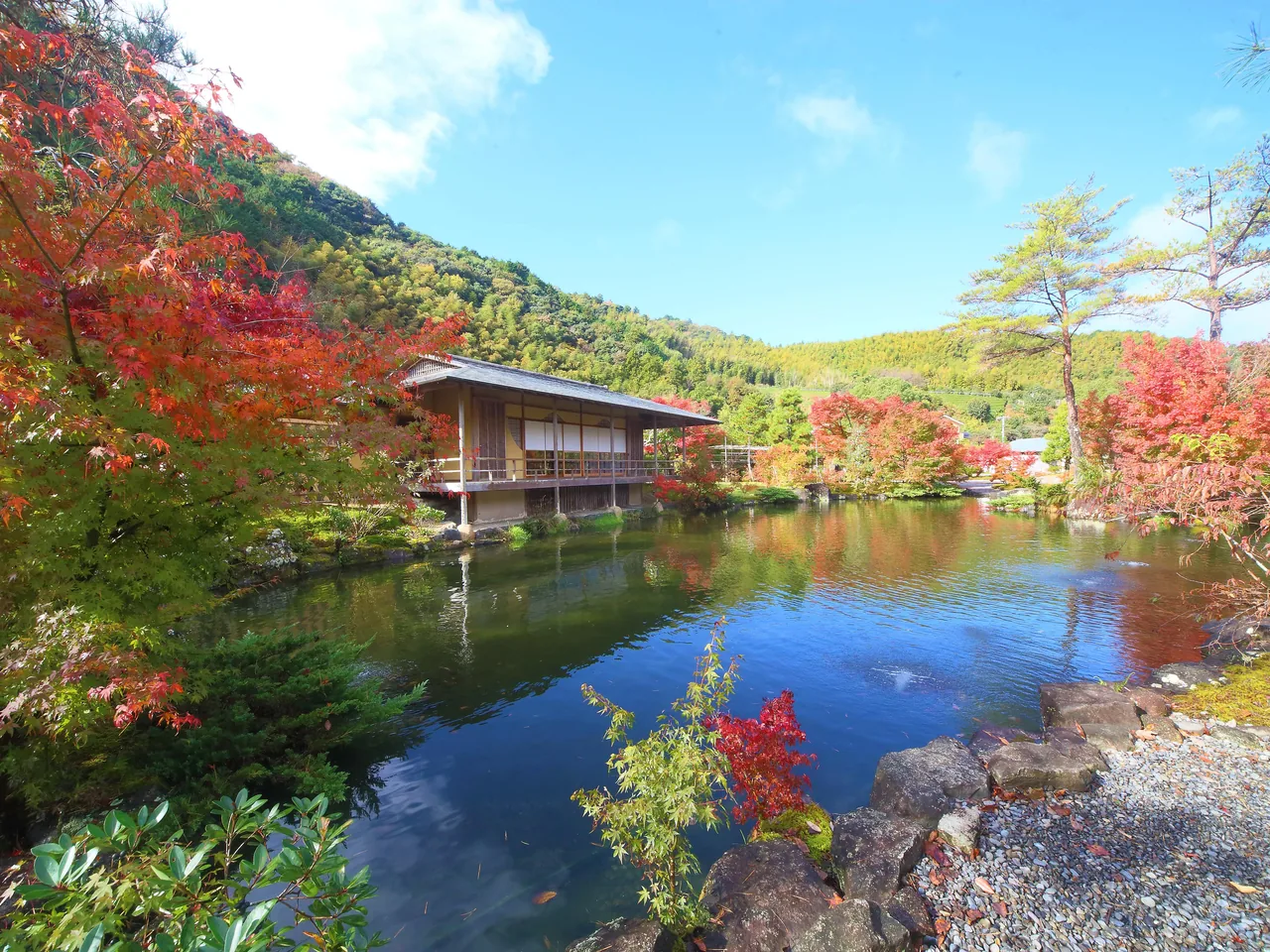
The Asahina area of Okabe in Fujieda City is a gyokuro-growing district. At Gyokuro no Sato, the tea house Hyogetsutei faces a Japanese garden with a pond, where you can have gyokuro or matcha with sweets.
Gyokuro is served a little differently. A small amount of hot water is poured over the leaves, and you drink the first infusion while holding the leaves back with the lid. After a few more infusions, you finish by eating the leaves with ponzu. The maples in the garden turn red in autumn. It's about 40 minutes by car from Shizuoka Station.
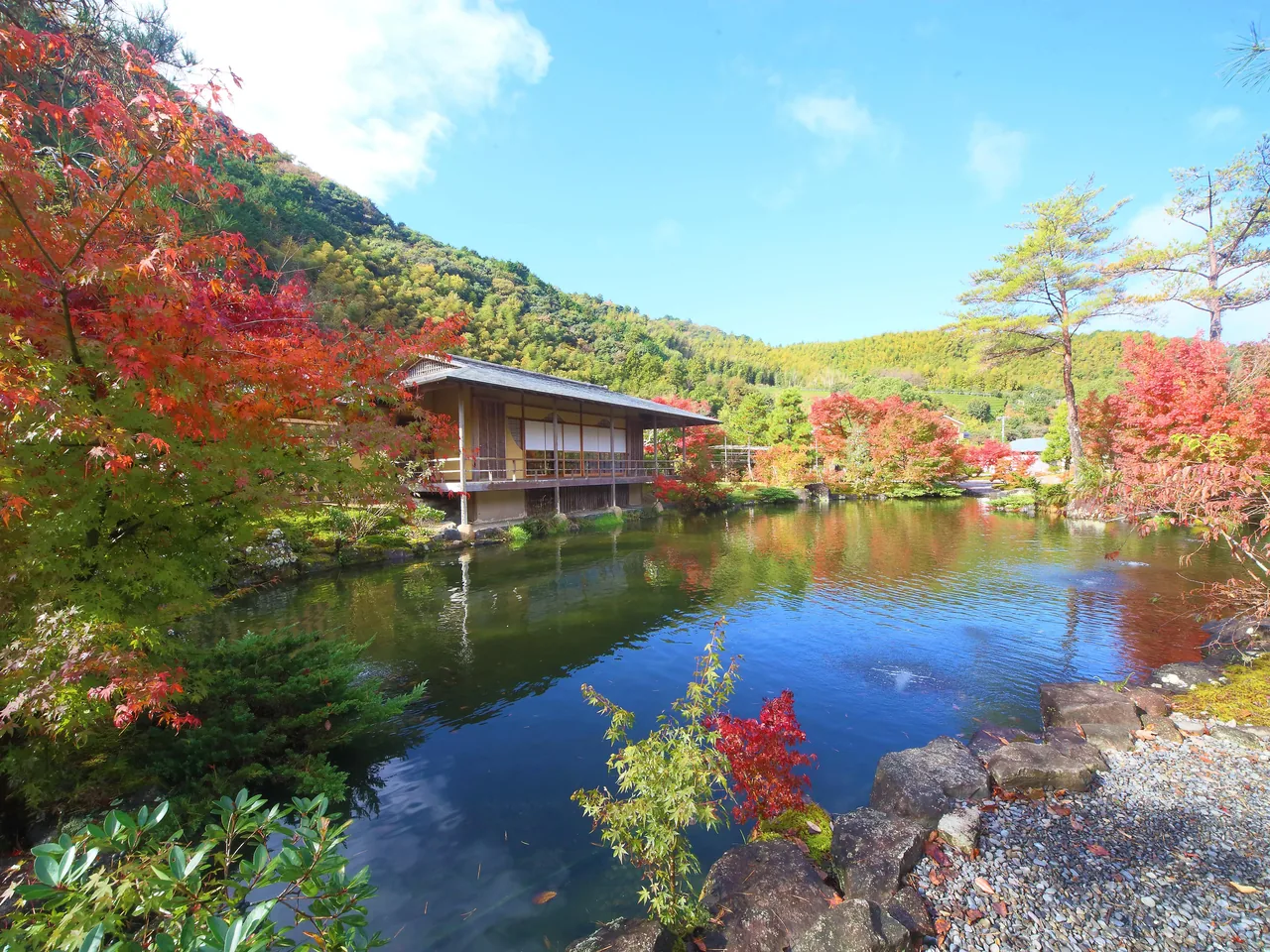
Photo: copyright© Shizuoka Prefectural Tourism Association.
Tea fields and Mt Fuji: Nihondaira, Obuchi Sasaba and Kawane
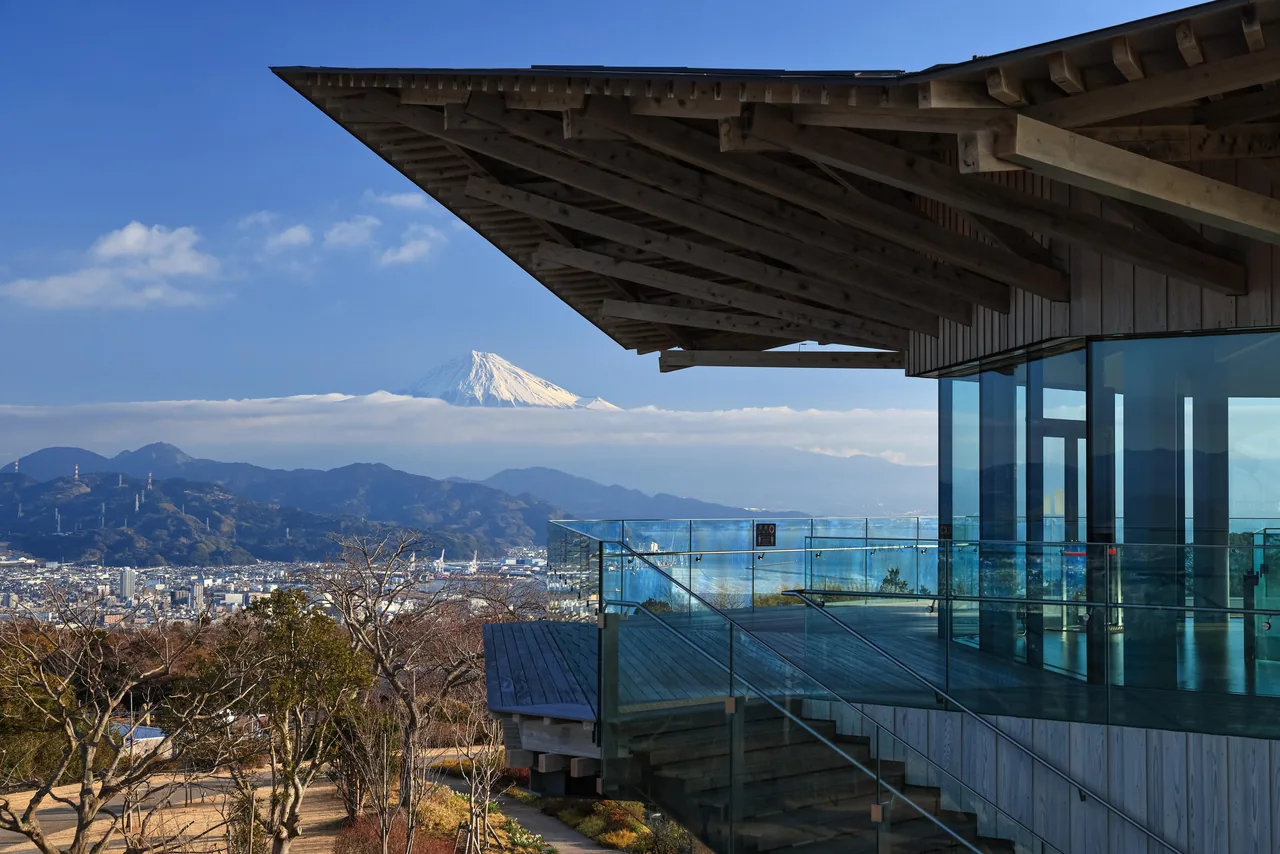
Nihondaira in Shizuoka City looks out over tea-covered hills to the city and Mt Fuji. At the top is the Nihondaira Yume Terrace observation building, which you can combine with the tea-field views.
For tea fields with Fuji right behind them, Obuchi Sasaba in Fuji City is also well known; timing and access are in Mt Fuji viewpoints in Shizuoka.
Upriver on the Oi River, Kawanehon is home to Kawane tea. At Orokubo, about 660 m up in the south of the town, terraced tea fields climb the mountain slopes. Days and nights differ sharply in temperature here, and mist is common. Riding the Oigawa Railway toward Senzu, you can also see tea fields along the river from the train.
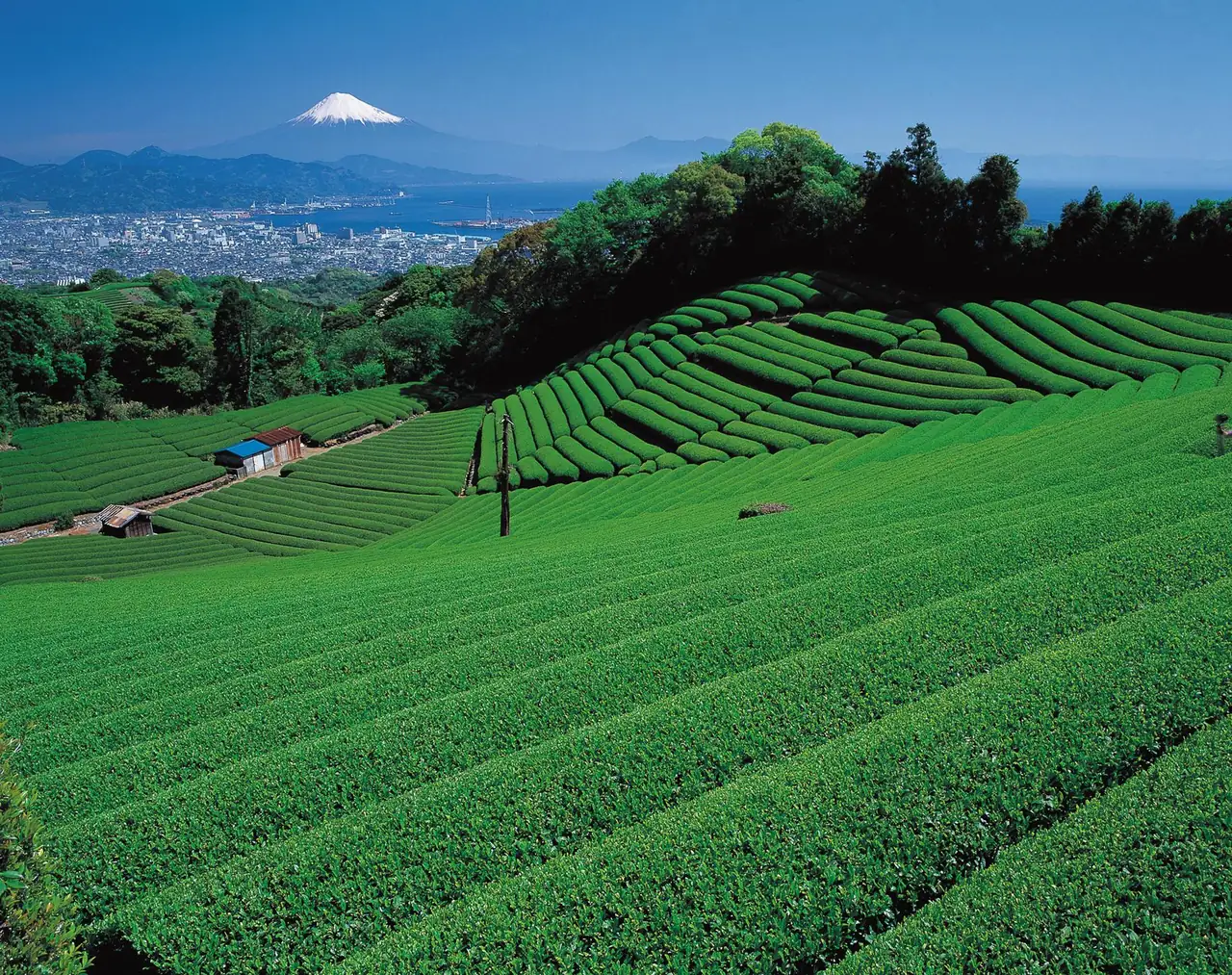
Photo: copyright© Shizuoka Prefectural Tourism Association.
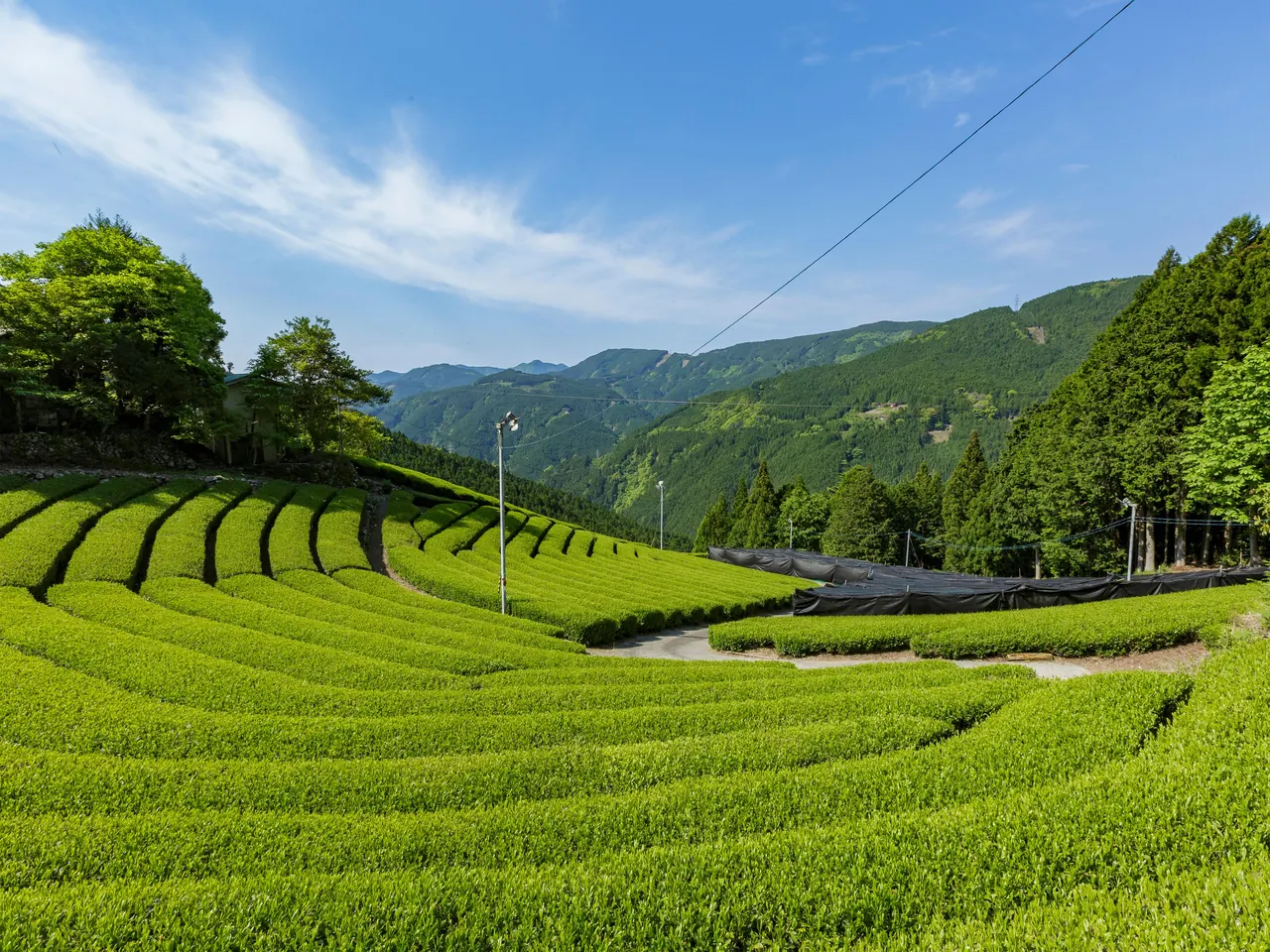
Photo: copyright© Shizuoka Prefectural Tourism Association.
Visiting tea fields: a few rules
- Stay out of the fields: Most tea fields are private farmland. Outside of experience programs, look from the road.
- Watch for farm vehicles: The roads are narrow and busy with work vehicles in the new-tea season. Don't park on the road.
- A car helps: Tea fields are mostly on hills and mountains away from stations, and buses are infrequent.
- Buying tea: Farm shops near the fields and souvenir stores at stations sell tea by growing area.
To pair tea with local food, see our Shizuoka food guide. The chagusaba method, where grass cut around the fields is spread over the tea rows, is explained on the Chagusaba in Shizuoka (GIAHS) site.