Shizuoka Food Guide: Sakura Shrimp, Shirasu, Oden, Eel and Gyoza
This guide is translated from the Japanese edition. Read the Japanese edition
Shizuoka food by season and town: Suruga Bay sakura shrimp, raw shirasu, black-broth oden, Fujinomiya yakisoba, Hamamatsu eel and gyoza, and Chojiya tororo soup.
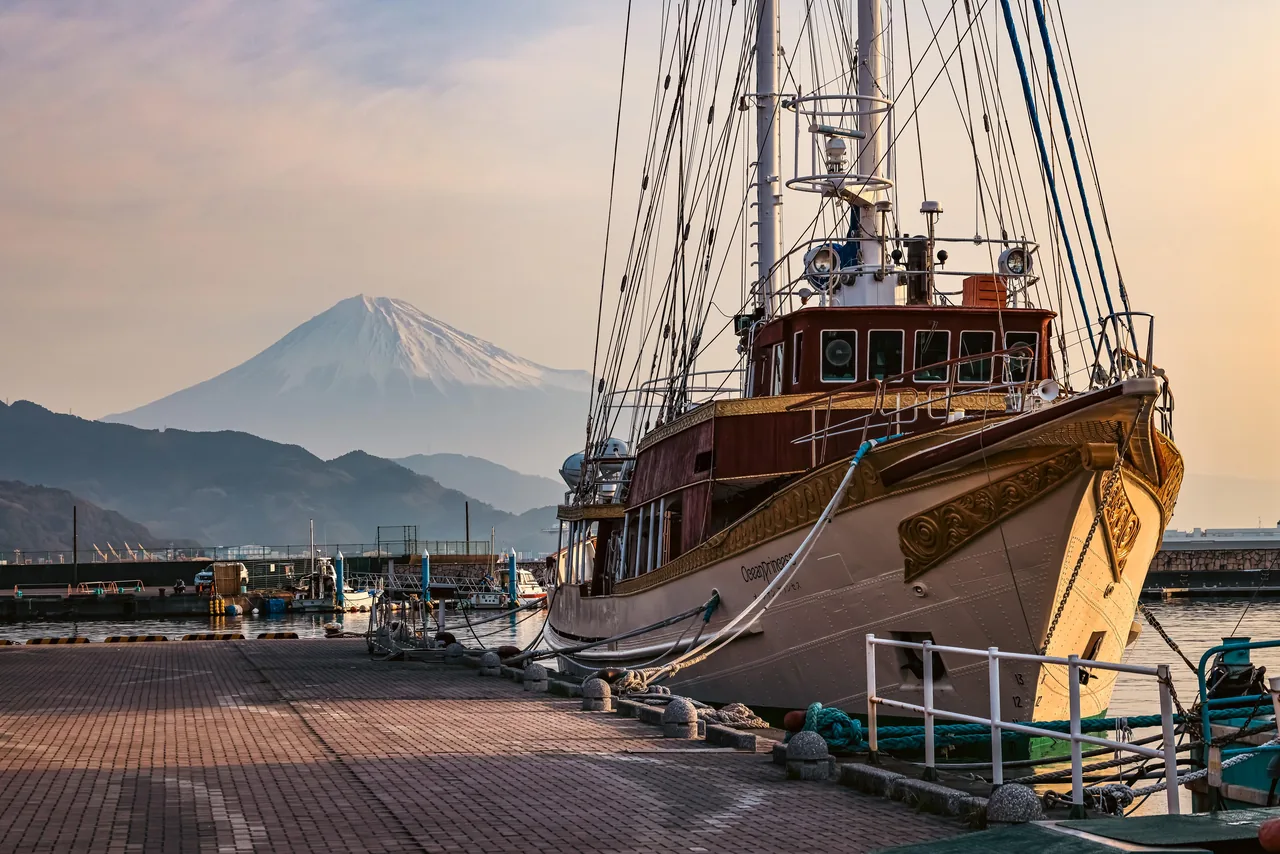
Shizuoka stretches a long way east to west and faces Suruga Bay, the Enshu-nada sea and Lake Hamana. Most of its specialties come from the water, and what you eat changes completely between Izu in the east and Hamamatsu in the west.
Sakura shrimp and shirasu: Suruga Bay in spring and autumn
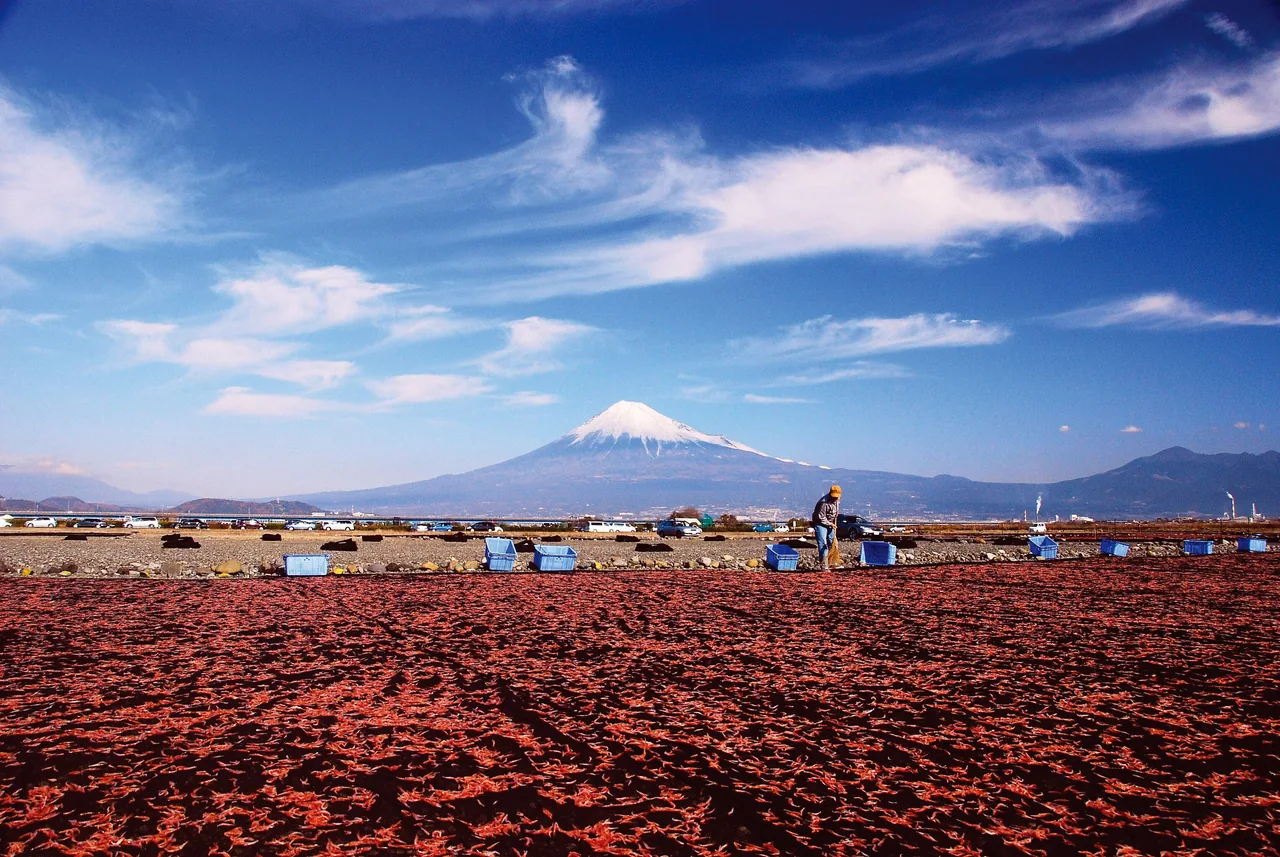
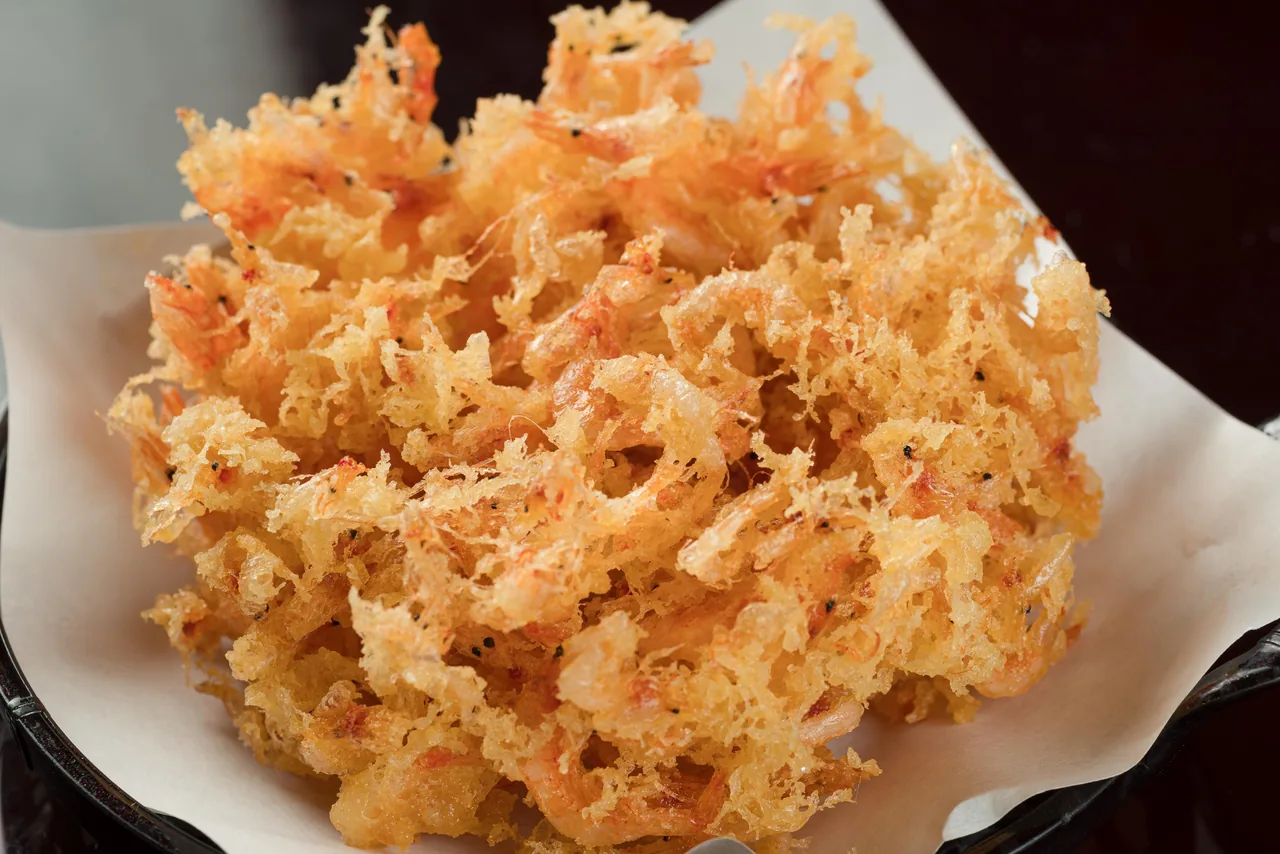
Sakura shrimp (sakura ebi) are tiny shrimp about 4 cm long, and Suruga Bay is the only place in Japan where they are fished commercially. There are two seasons, spring (roughly late March to early June) and autumn (roughly late October to December), with a break over the summer spawning period. Most of the catch is landed at Yui Port in Shizuoka City's Shimizu Ward.
The classic ways to eat them are kakiage, a crisp fritter piled with shrimp, and rice bowls topped with boiled or raw shrimp. Drive through Yui or Kambara in season and you may see pink shrimp spread out to dry on the shore (Sun-drying sakura shrimp in Yui and Kambara). Catches have dropped sharply since around 2018, though, so raw sakura shrimp may not be on the menu every day or at every restaurant.
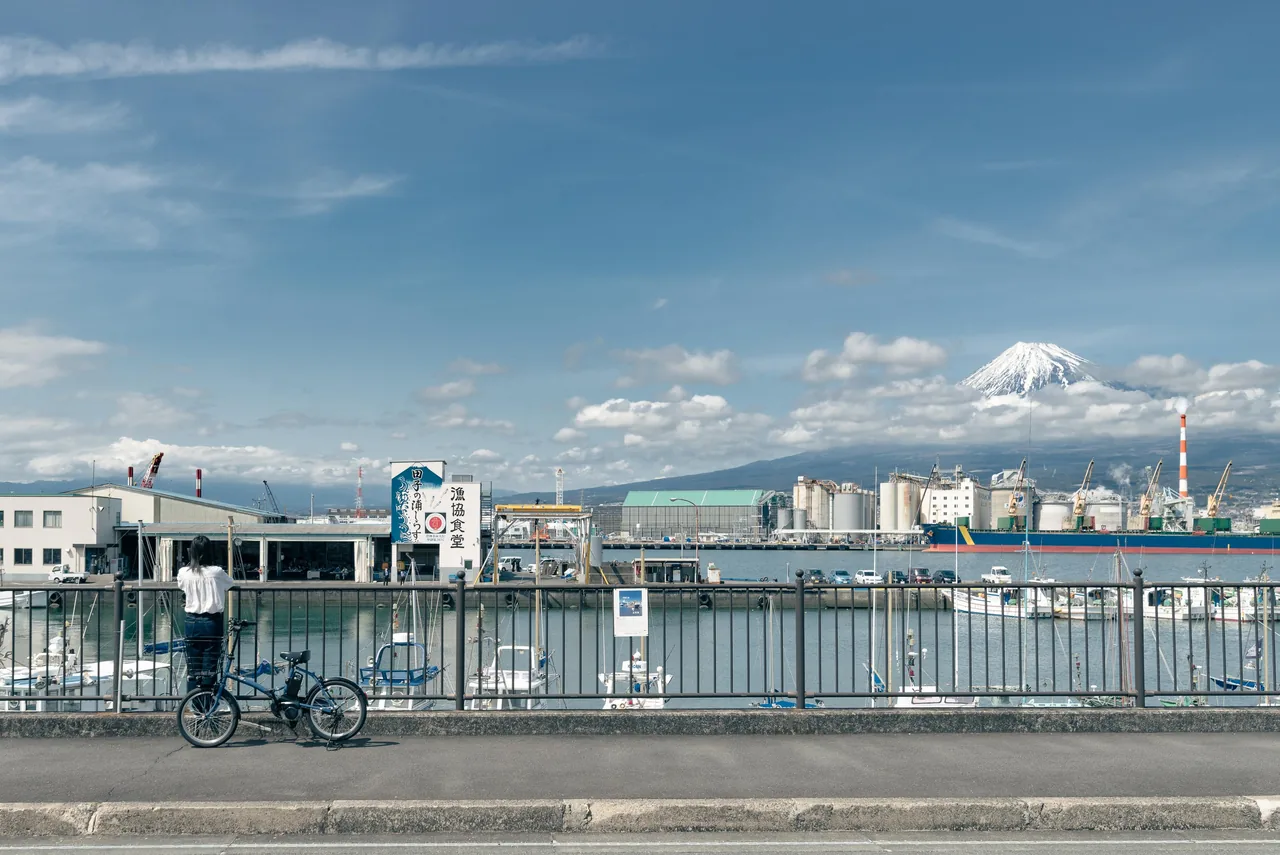
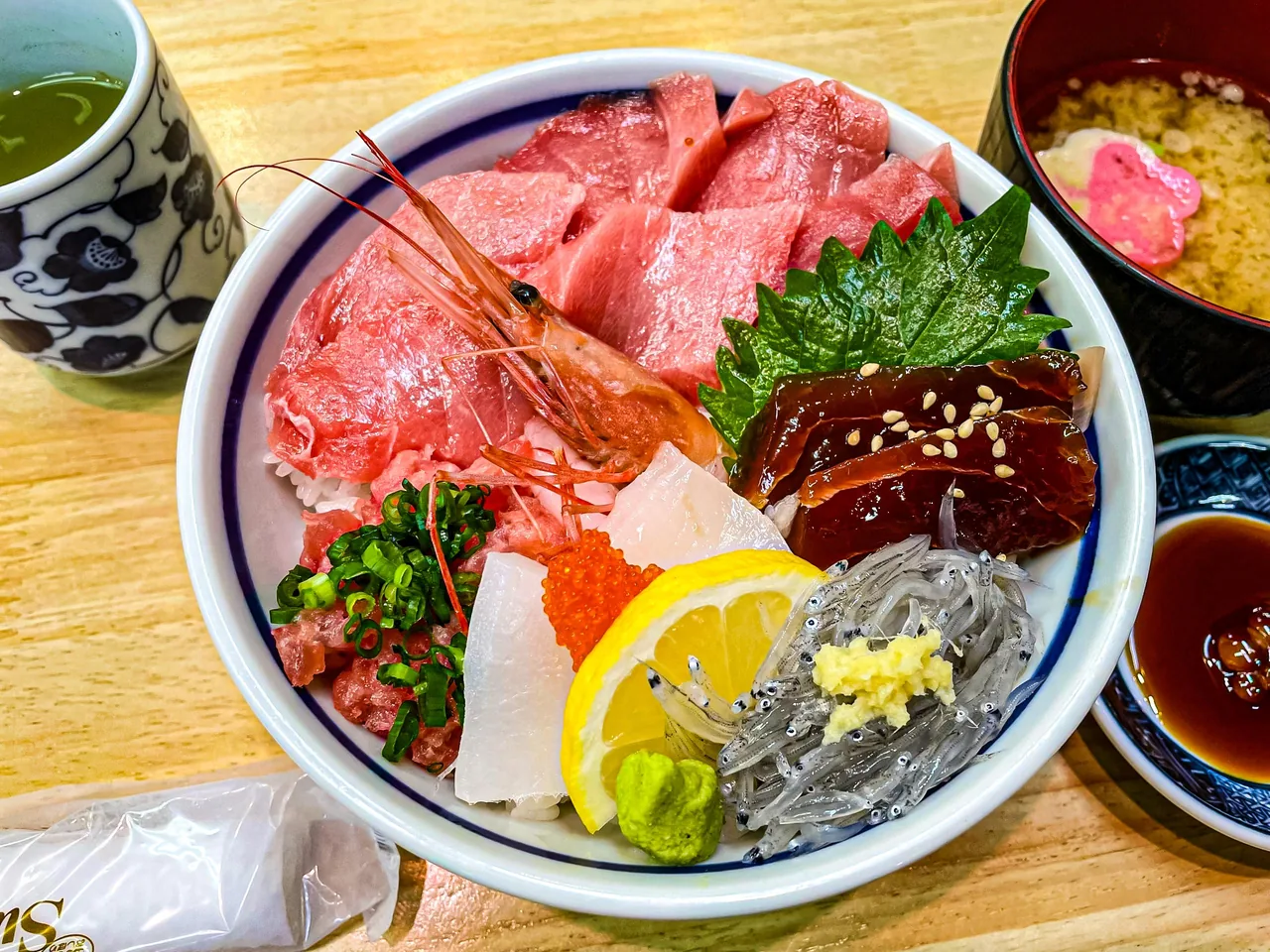
Shirasu are the fry of sardines and similar fish. "Tagonoura shirasu", landed at Tagonoura Port in Fuji City, is registered as a Geographical Indication (GI) product in Japan. Raw shirasu loses its freshness quickly and is meant to be eaten on the day it's landed. The port has a fishermen's cooperative restaurant serving bowls of raw shirasu and boiled kamaage shirasu. When the sea is rough and boats stay in, there's no raw shirasu, so check whether the boats went out before you go.
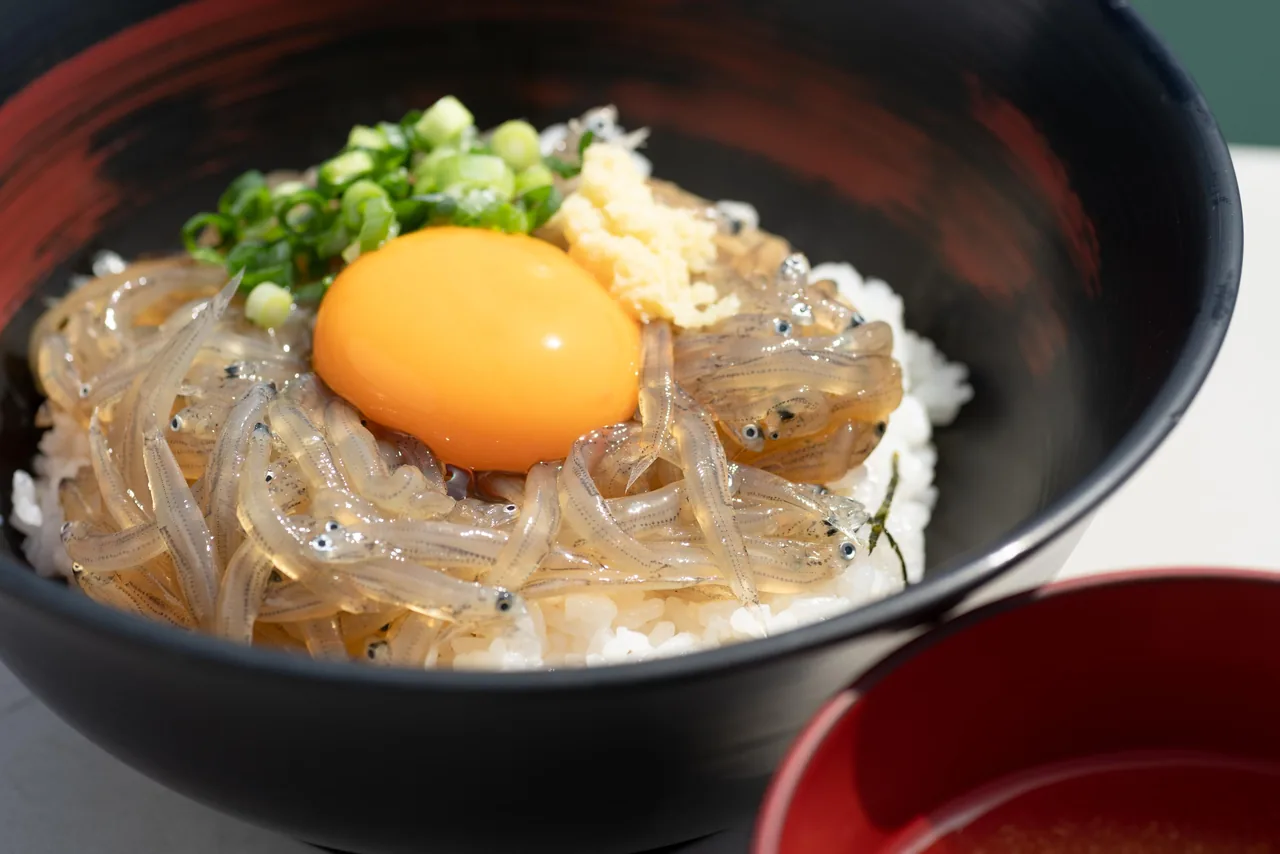
Photo: copyright© Shizuoka Prefectural Tourism Association.
Fish from the harbor towns: kinmedai, giant spider crab and sushi
Shimoda Port, at the southern tip of the Izu Peninsula, lands one of the largest catches of kinmedai (splendid alfonsino) in Japan. Kinmedai simmered in a sweet soy sauce (nitsuke) is a staple at Shimoda's diners and inns.
Heda, in Numazu on the west side of Izu, is known for takaashigani, the Japanese spider crab. It's among the largest crabs in the world, several meters across with its legs spread, and lives deep in Suruga Bay, the deepest bay in Japan. The fishing season runs from about September to May.
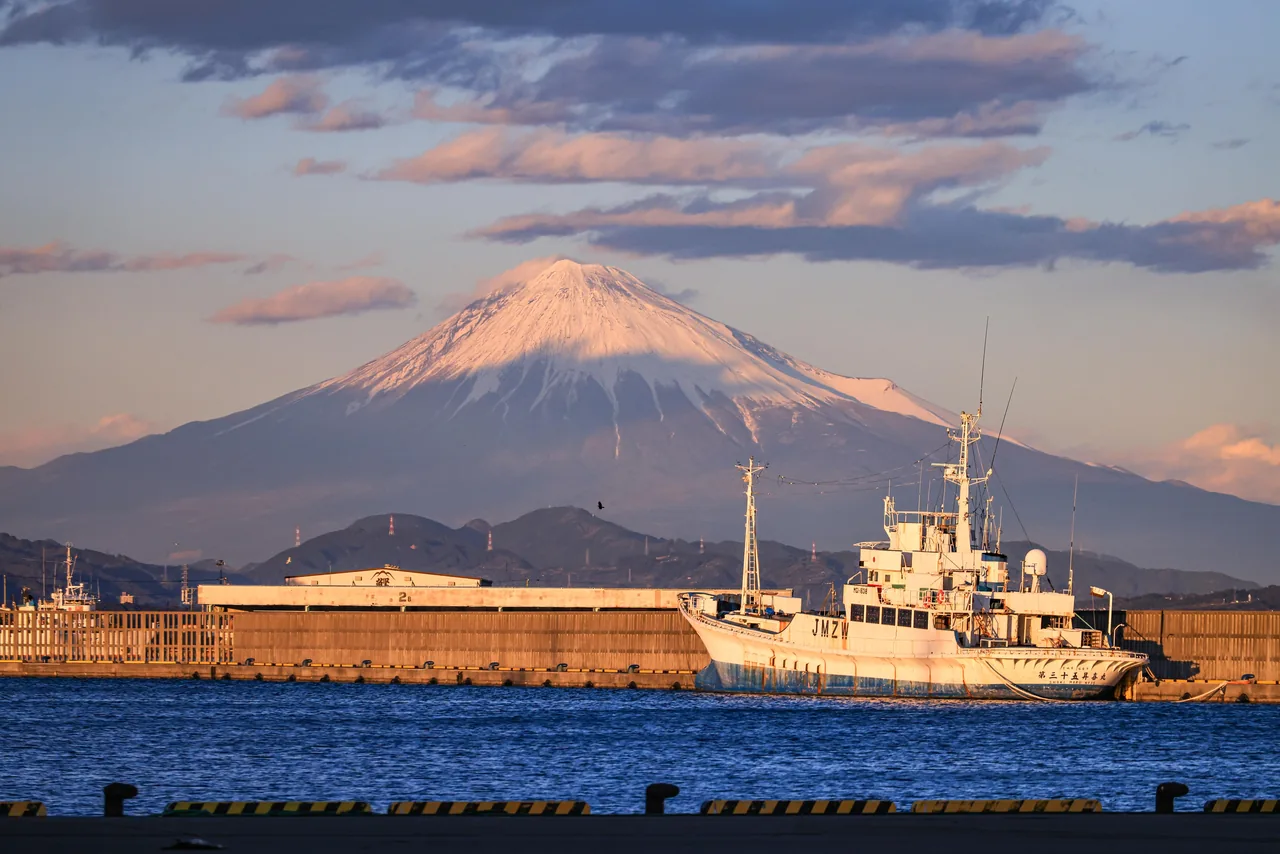
Yaizu and Shimizu, on Suruga Bay, are fishing ports known for landing tuna and skipjack. Sushi and seafood-bowl restaurants cluster around them, so you can try local Suruga Bay fish and deep-sea tuna in one meal. Near Yaizu Port is Yaizu Fish Center, a row of seafood shops.
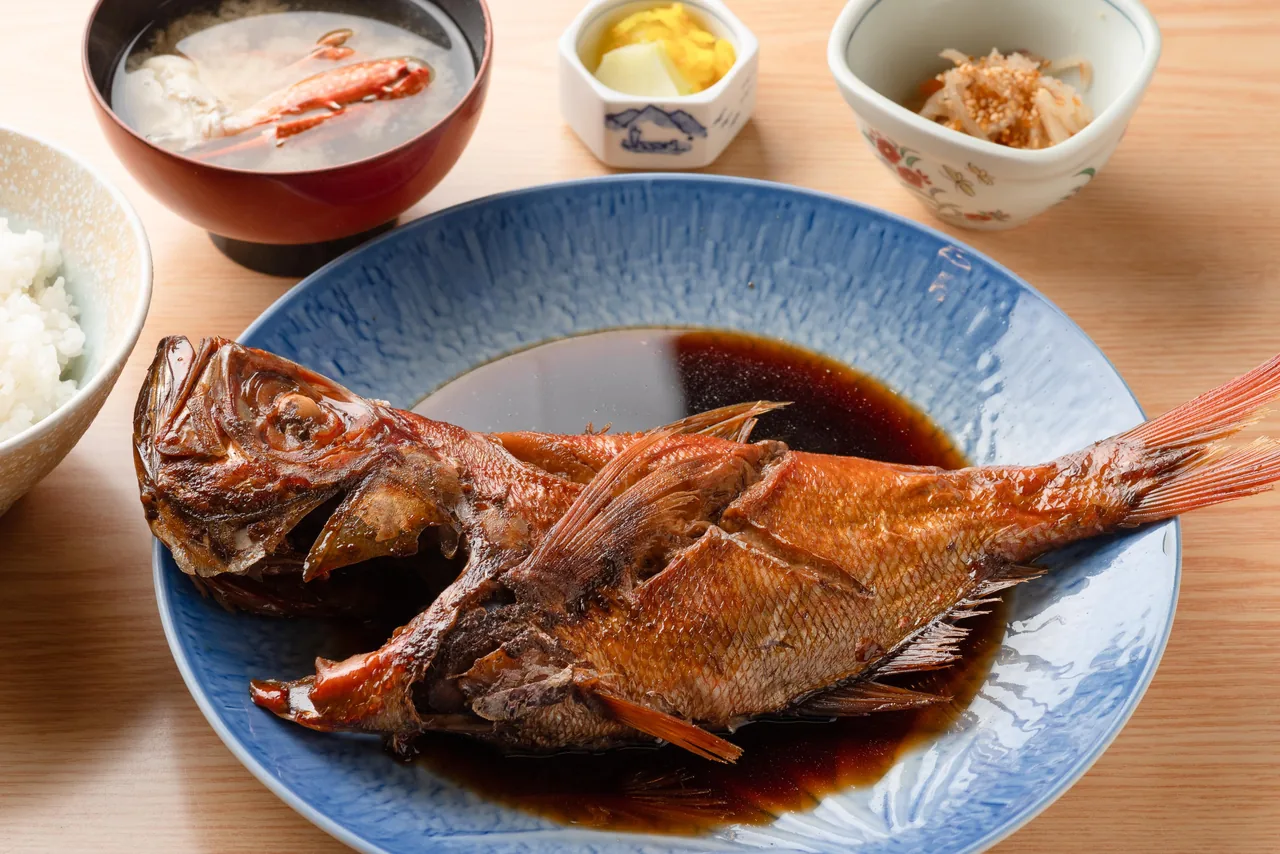
Photo: copyright© Shizuoka Prefectural Tourism Association.
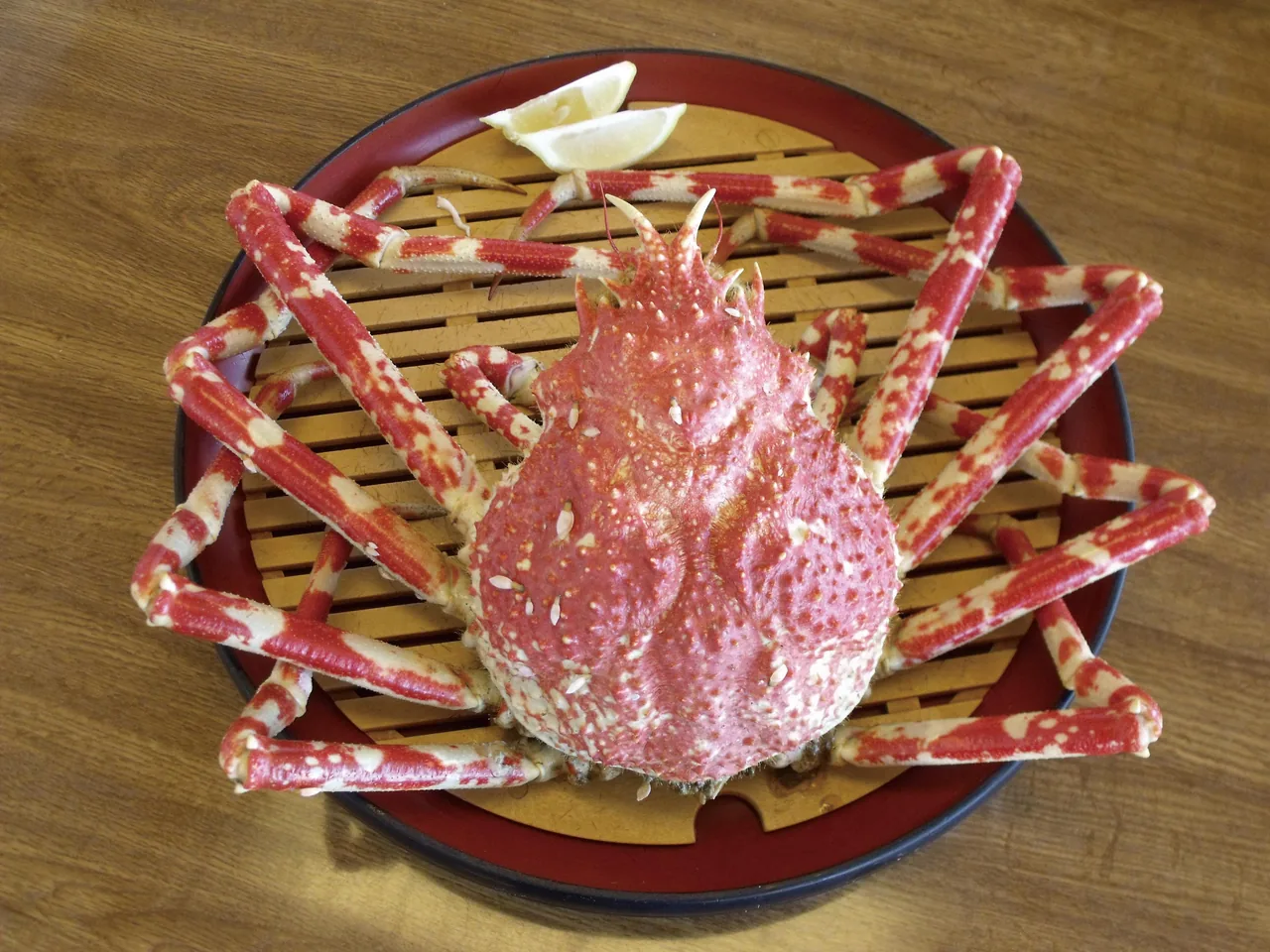
Photo: copyright© Shizuoka Prefectural Tourism Association.
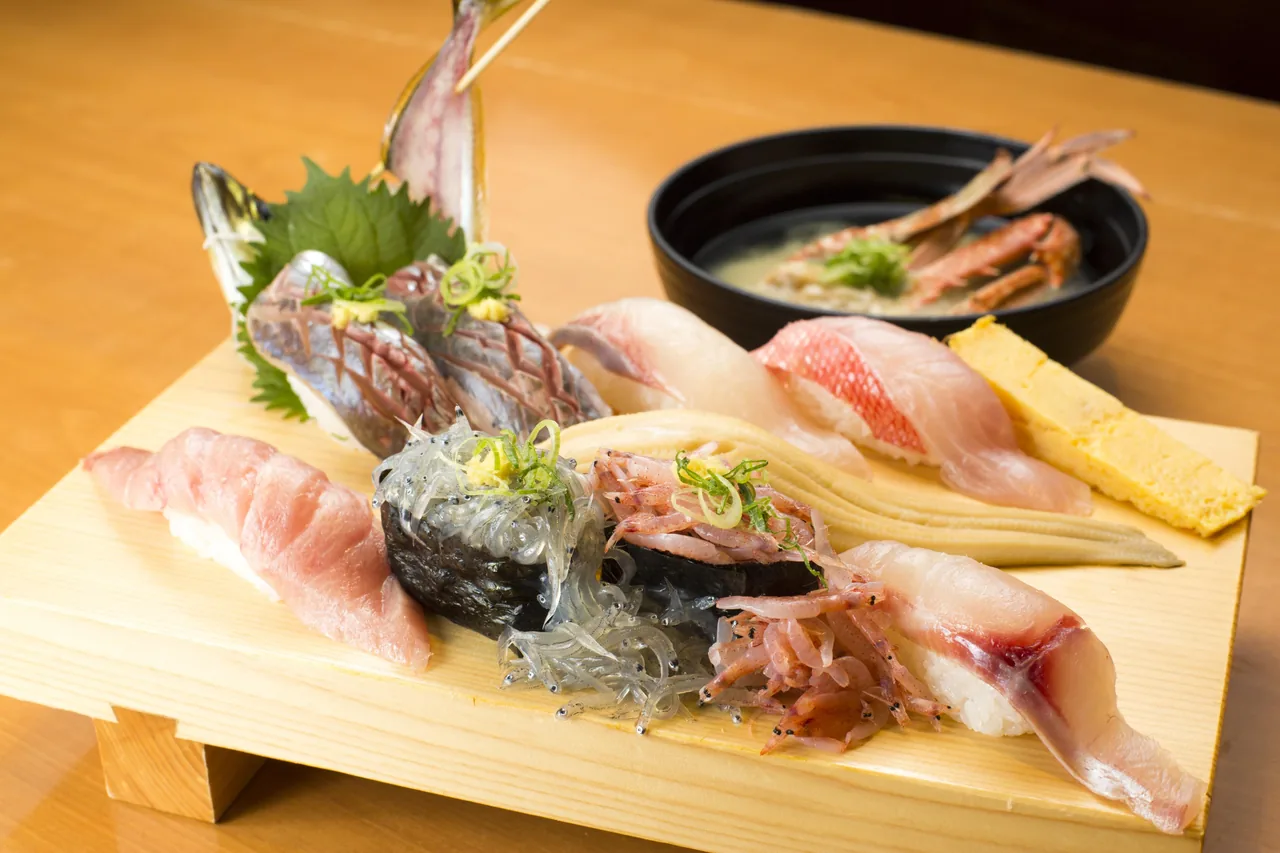
Photo: copyright© Shizuoka Prefectural Tourism Association.
Shizuoka oden and Fujinomiya yakisoba: food in town
Shizuoka oden is simmered in a dark, almost black broth. Stock made from beef tendon and other ingredients is seasoned with soy sauce, and every item is on a skewer. Before eating, you sprinkle it with dashi powder (ground dried fish) and aonori seaweed. Around Shizuoka Station you'll find oden at everything from old-fashioned snack shops to izakaya.
Fujinomiya yakisoba is the fried noodle dish of Fujinomiya City. The steamed noodles from local noodle makers are firmer than usual, they're fried with nikukasu (the crispy bits left after rendering lard), and finished with sardine powder. Shops cluster in the shrine town around Fujisan Hongu Sengen Taisha, so many people eat it after visiting the shrine.
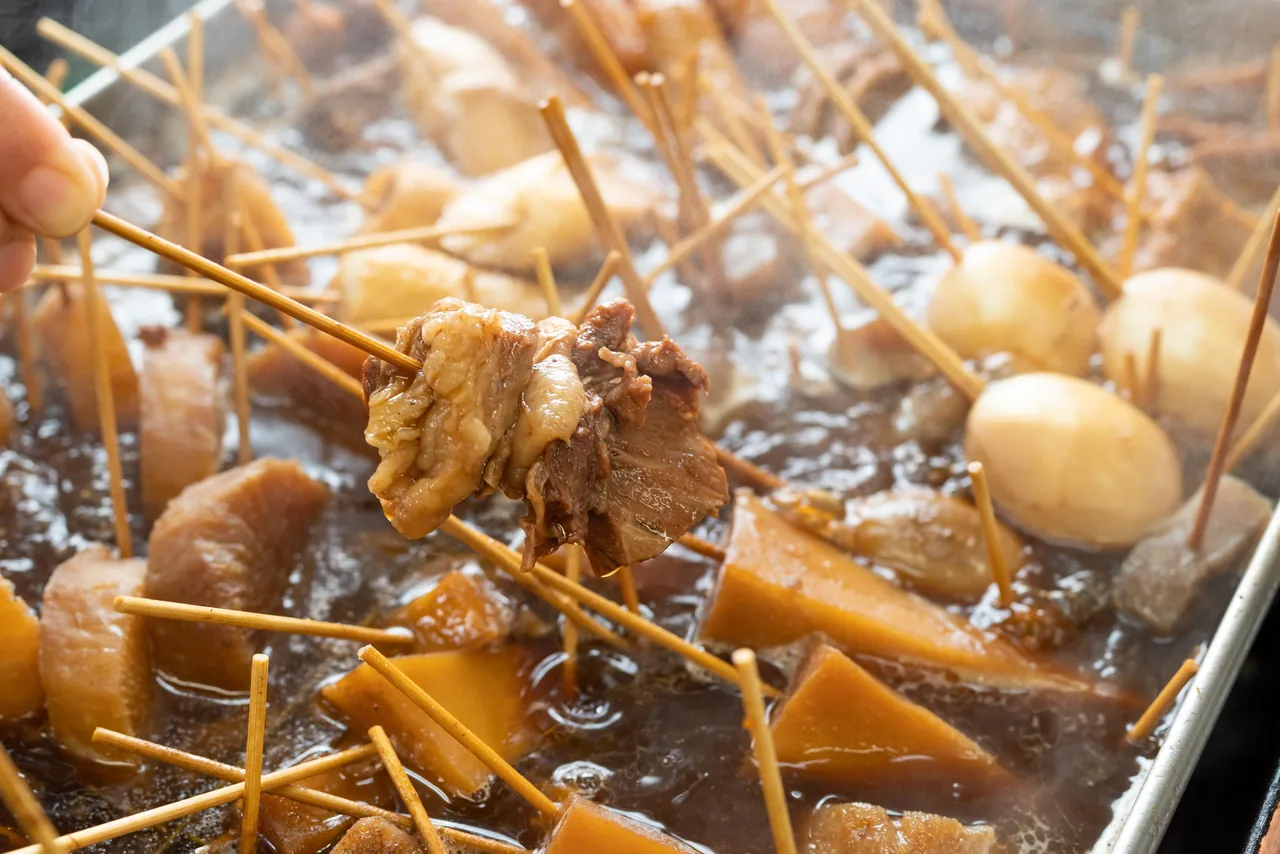
Photo: copyright© Shizuoka Prefectural Tourism Association.
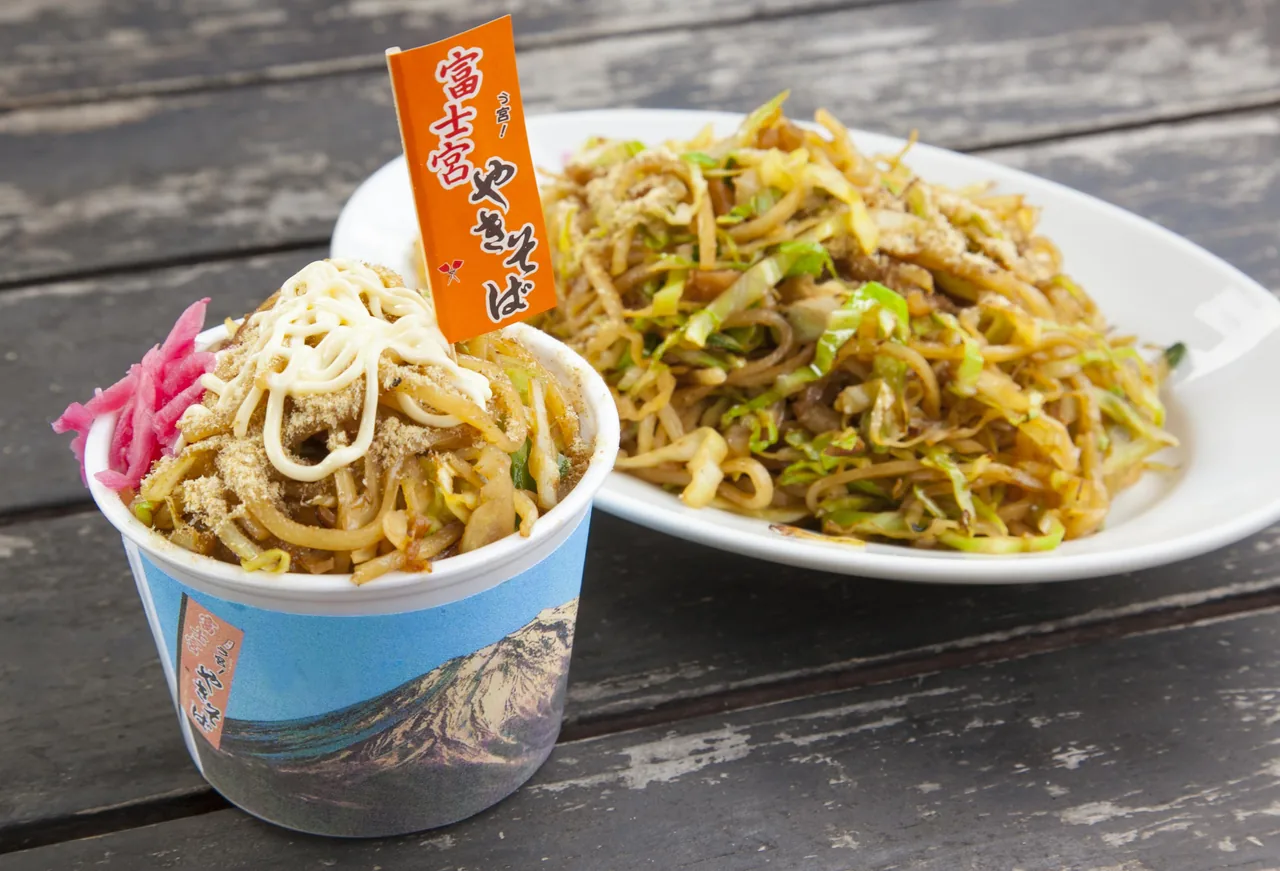
Photo: copyright© Shizuoka Prefectural Tourism Association.
Hamamatsu: eel, Hamamatsu gyoza and oysters from Lake Hamana
Hamamatsu is said to be where eel farming began in Japan, on Lake Hamana, more than 100 years ago. The city has many eel restaurants, and the standard order is unaju, grilled eel over rice in a lacquered box. Popular places have lines at lunchtime, so arrive at opening or pick a restaurant that takes reservations.
Hamamatsu gyoza are pan-fried in a circle with boiled bean sprouts piled in the middle. The filling is heavy on cabbage, so they're light. Specialist shops gather around Hamamatsu Station.
In winter there are also oysters from Arai in Kosai City, on the west shore of Lake Hamana. Sold under the name "Purimaru", they're raised for about a year and a half, moved around the lake as they grow. In winter, oyster huts open where you grill them yourself. Numbers are limited, so booking ahead is a good idea.
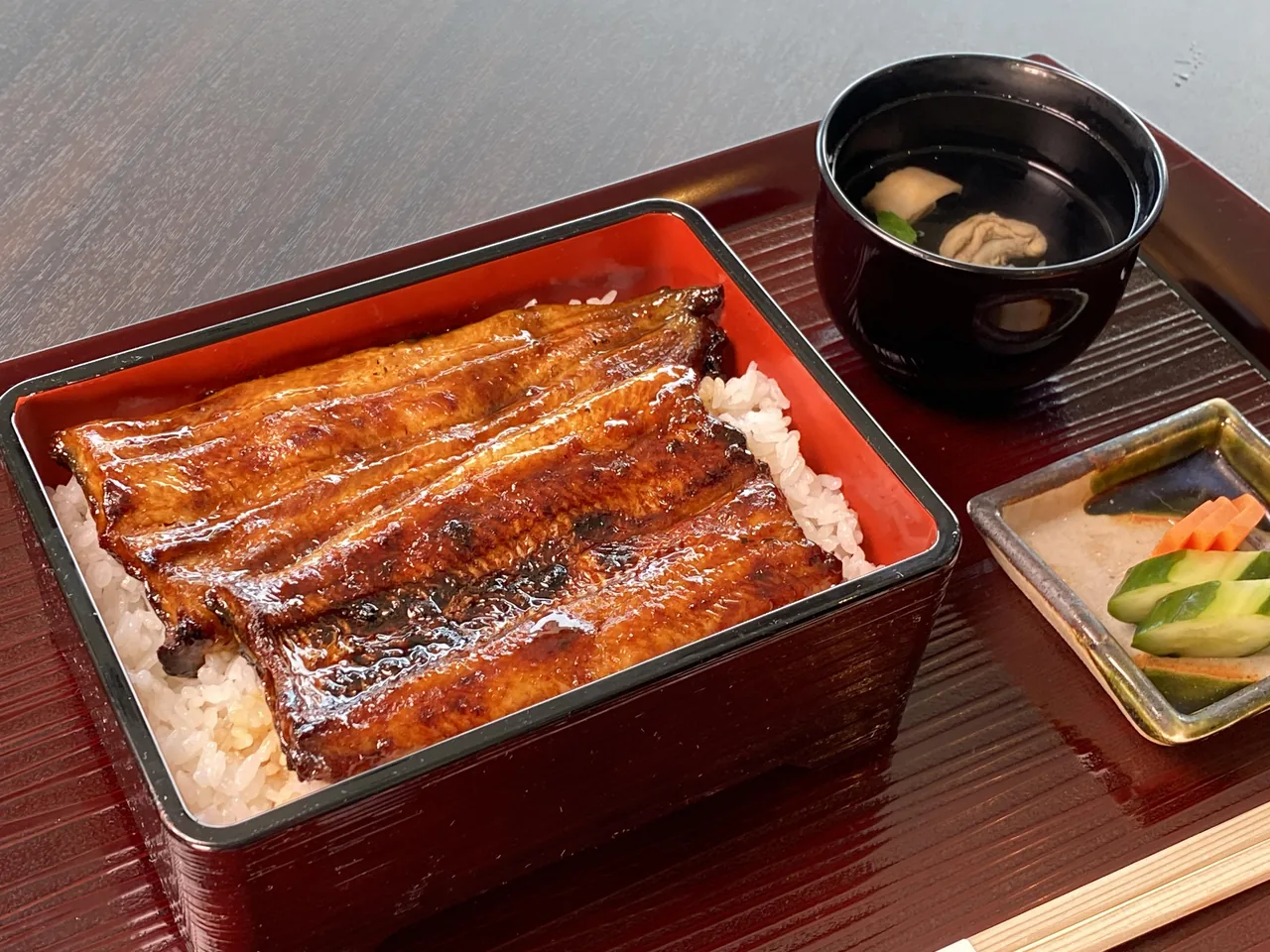
Photo: copyright© Shizuoka Prefectural Tourism Association.
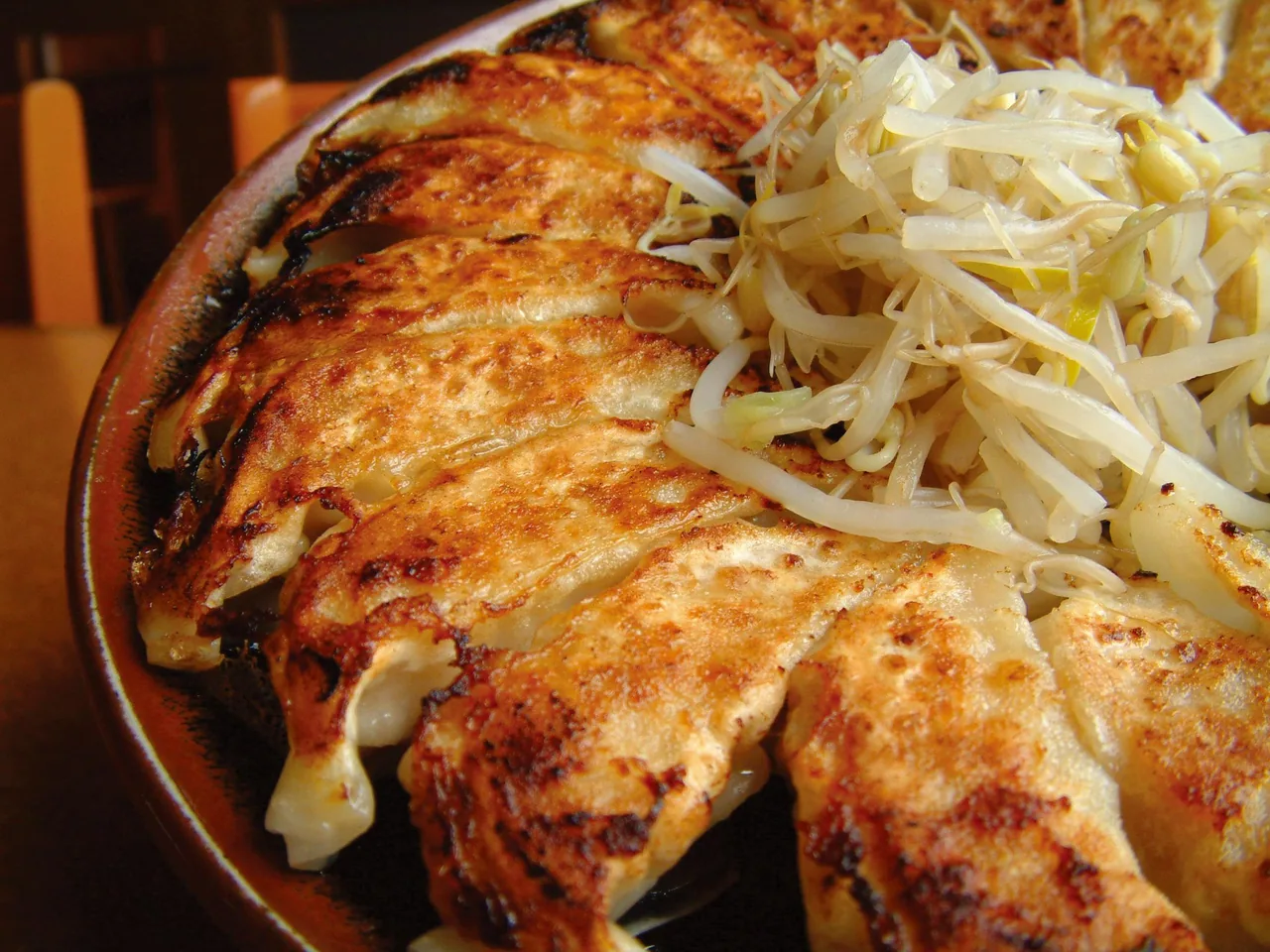
Photo: copyright© Shizuoka Prefectural Tourism Association.
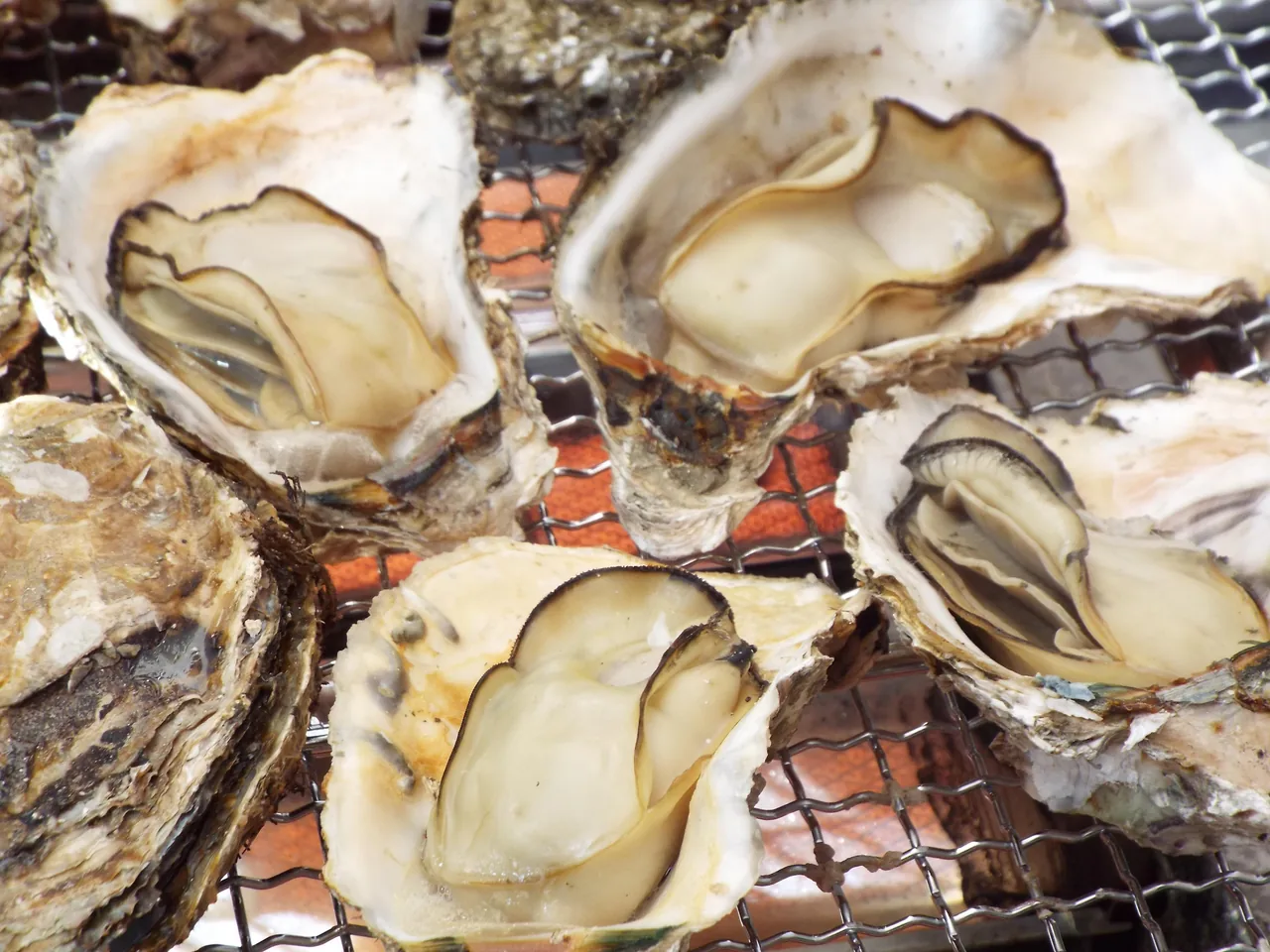
Photo: copyright© Shizuoka Prefectural Tourism Association.
Tororo soup at Chojiya: a taste of the old Tokaido
Mariko, in Shizuoka City's Suruga Ward, was the 20th of the Fifty-three Stations of the Tokaido road. Chojiya here is a tororo soup restaurant said to date from 1596, and Utagawa Hiroshige's "Mariko" print in his Fifty-three Stations of the Tokaido series shows travelers eating tororo at this very shop.
Tororo-jiru is grated wild yam (jinenjo) thinned with miso-seasoned stock and poured over barley rice. You eat it inside the thatched-roof building, which also displays materials related to the Tokaido. Buses run from Shizuoka Station. For the other post towns and mountain passes, see Old Tokaido post towns and passes.
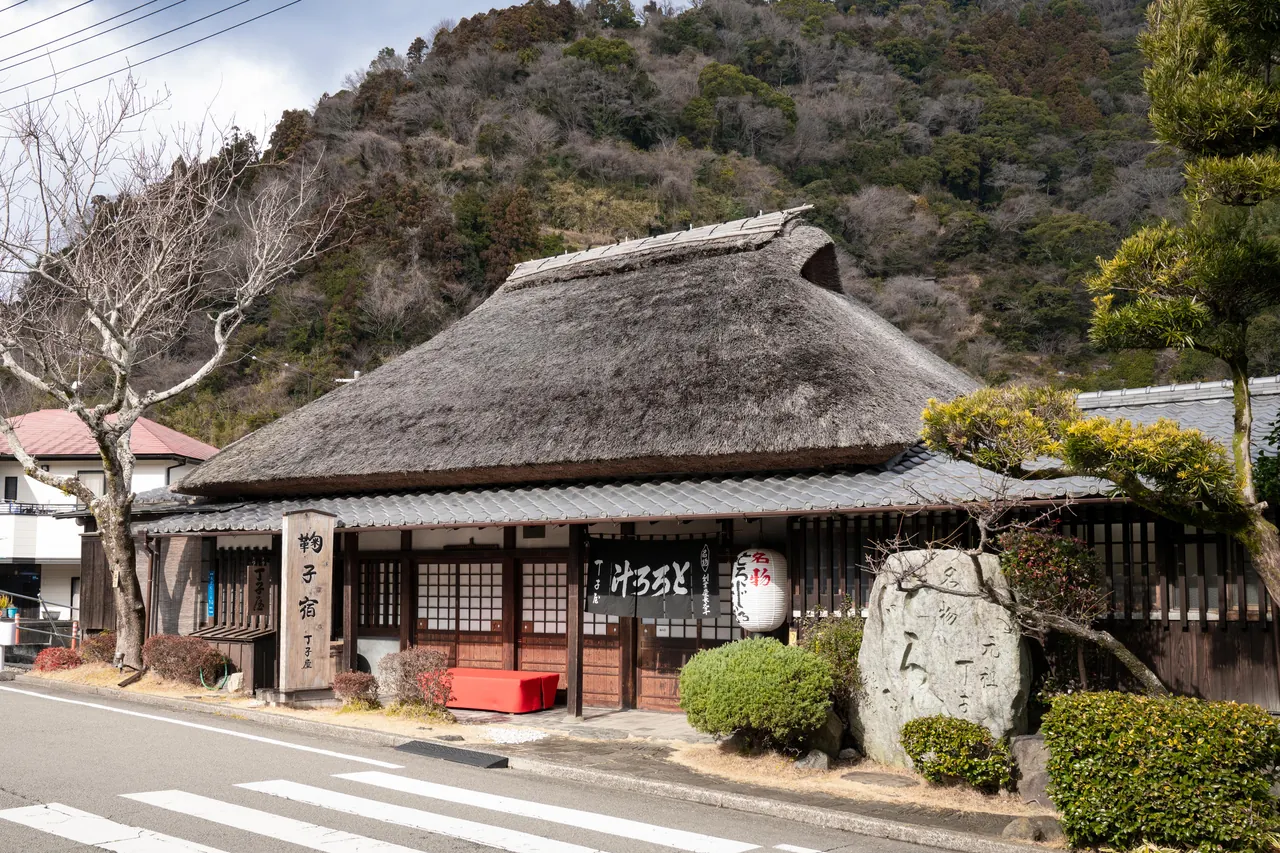
Photo: copyright© Shizuoka Prefectural Tourism Association.
Before you go
- Check the season: Sakura shrimp in spring and autumn, spider crab from autumn to spring, Arai oysters in winter. Out of season, they may not be served.
- Raw fish depends on the catch: Raw shirasu and raw sakura shrimp aren't served on days with no fishing.
- Payment: Port canteens and small shops may be cash only.
- Green tea goes with everything: Shizuoka is tea country, and restaurants often serve it. For tea fields, see Shizuoka green tea and tea fields.
How to order, use ticket machines and pay at Japanese restaurants is explained in Japanese restaurant etiquette. The details of Tagonoura shirasu's Geographical Indication are in the GI register.