Mt Fuji Viewpoints in Shizuoka: Tea Fields, Lakes and the Coast
This guide is translated from the Japanese edition. Read the Japanese edition
Where to see Mt Fuji in Shizuoka: Obuchi Sasaba tea fields, Diamond Fuji at Lake Tanuki, Asagiri Highland and the west Izu coast, with timing and transport.
On the Shinkansen, Mt Fuji fills the window around Shin-Fuji Station as soon as you cross into Shizuoka. Unlike the Fuji Five Lakes on the Yamanashi side, Shizuoka frames the mountain with tea fields, rice terraces and the waters of Suruga Bay. The easiest way to pick among Mt Fuji viewpoints in Shizuoka is by what lies in front of the mountain: tea fields, lakes, highlands or the sea.
Mt Fuji hides behind clouds easily. Clear winter mornings give the best odds; on summer afternoons it's common not to see the summit at all. The farther away you are, the more the weather matters, so check the forecast and a few live cameras the night before.
Tea fields and Fuji: Obuchi Sasaba and Yoshiwara in Shimizu
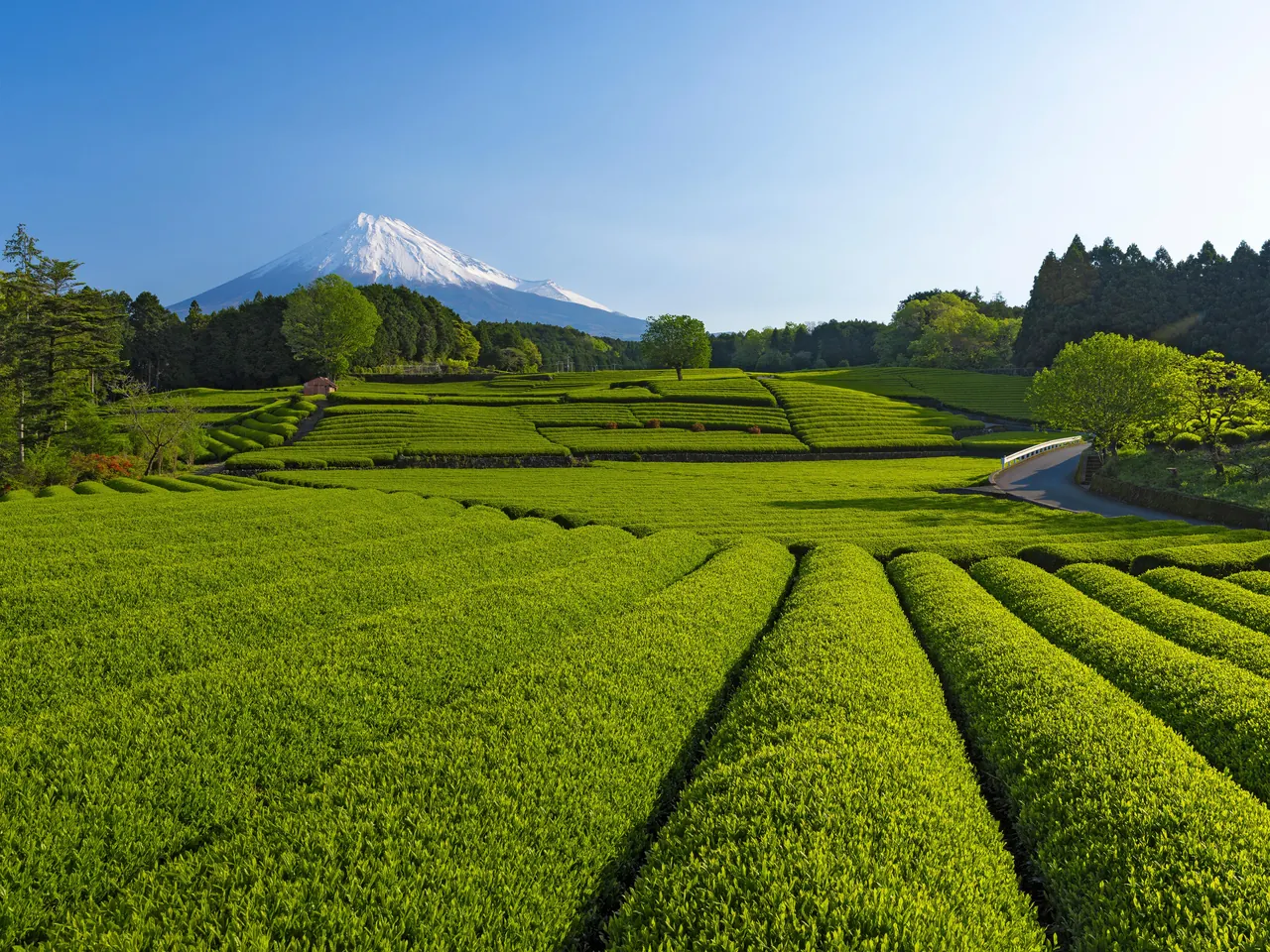
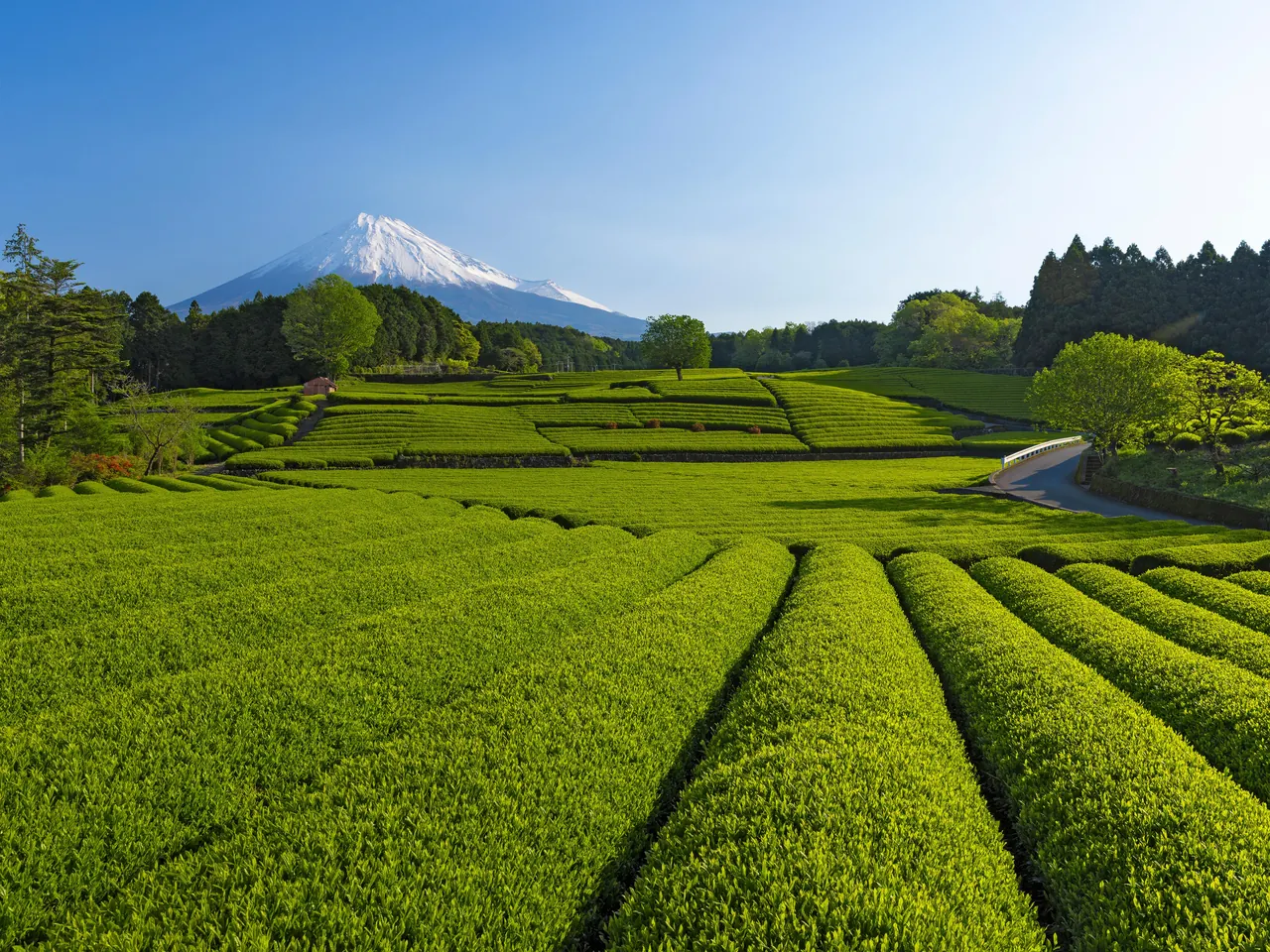
Obuchi Sasaba, in the north of Fuji City, is where tea rows roll downhill toward a towering Mt Fuji. The fields cover about 2 hectares, and a single tree standing among them makes a handy landmark. The green is deepest in early to mid-May, when the first-flush shoots are up and before picking begins.
The fields are private farmland. Stay out of the rows and view them from the designated spots by the road. By bus, get off at Sobina-shita and walk about 1.2 km; a taxi from Shin-Fuji Station takes 25 to 30 minutes.
Yoshiwara, in Shizuoka City's Shimizu Ward, is a hilly tea-growing district. On cold mornings a sea of clouds can settle in the valleys, with a sunrise-pink Fuji floating above it. You need to arrive before dawn on mountain roads, so this one is for drivers.
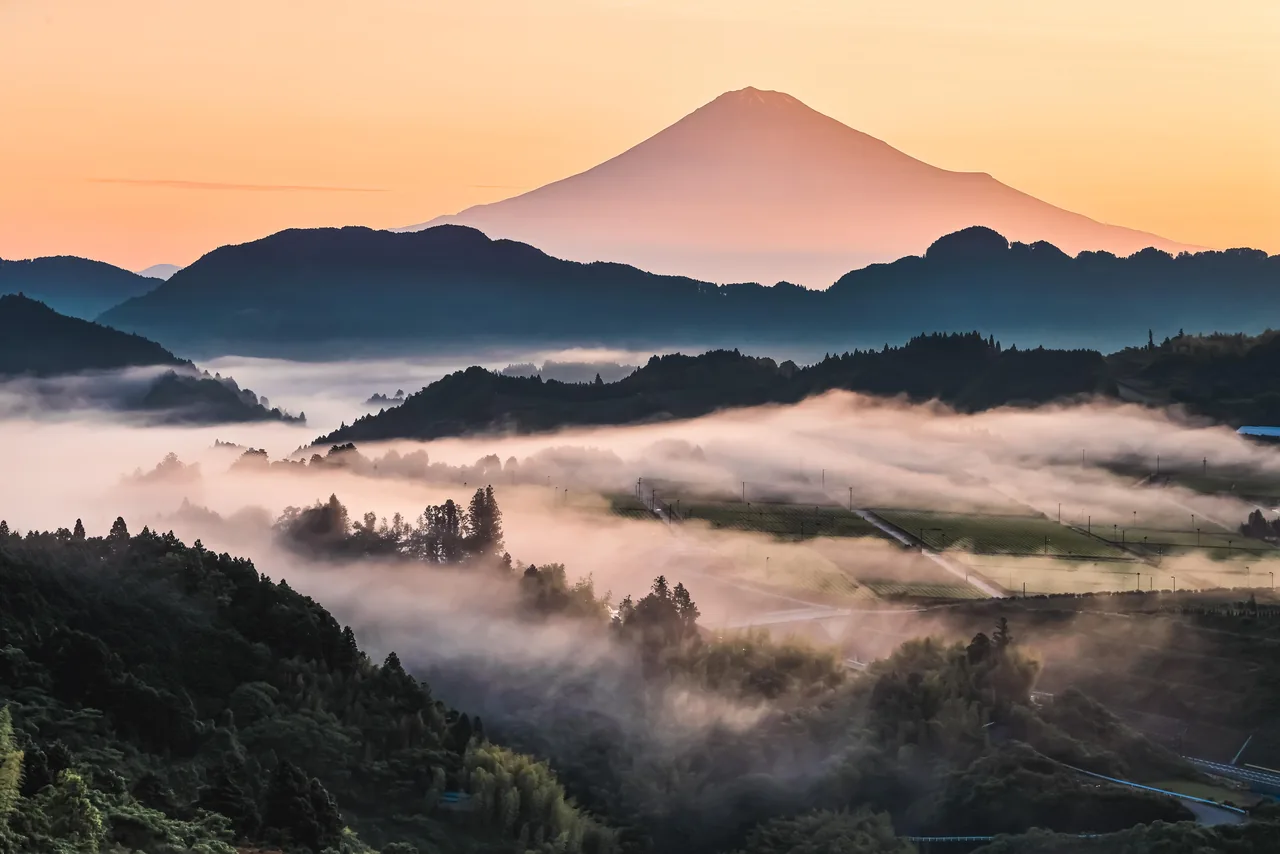
Photo: copyright© Shizuoka Prefectural Tourism Association.
Fuji in the water: Diamond Fuji at Lake Tanuki
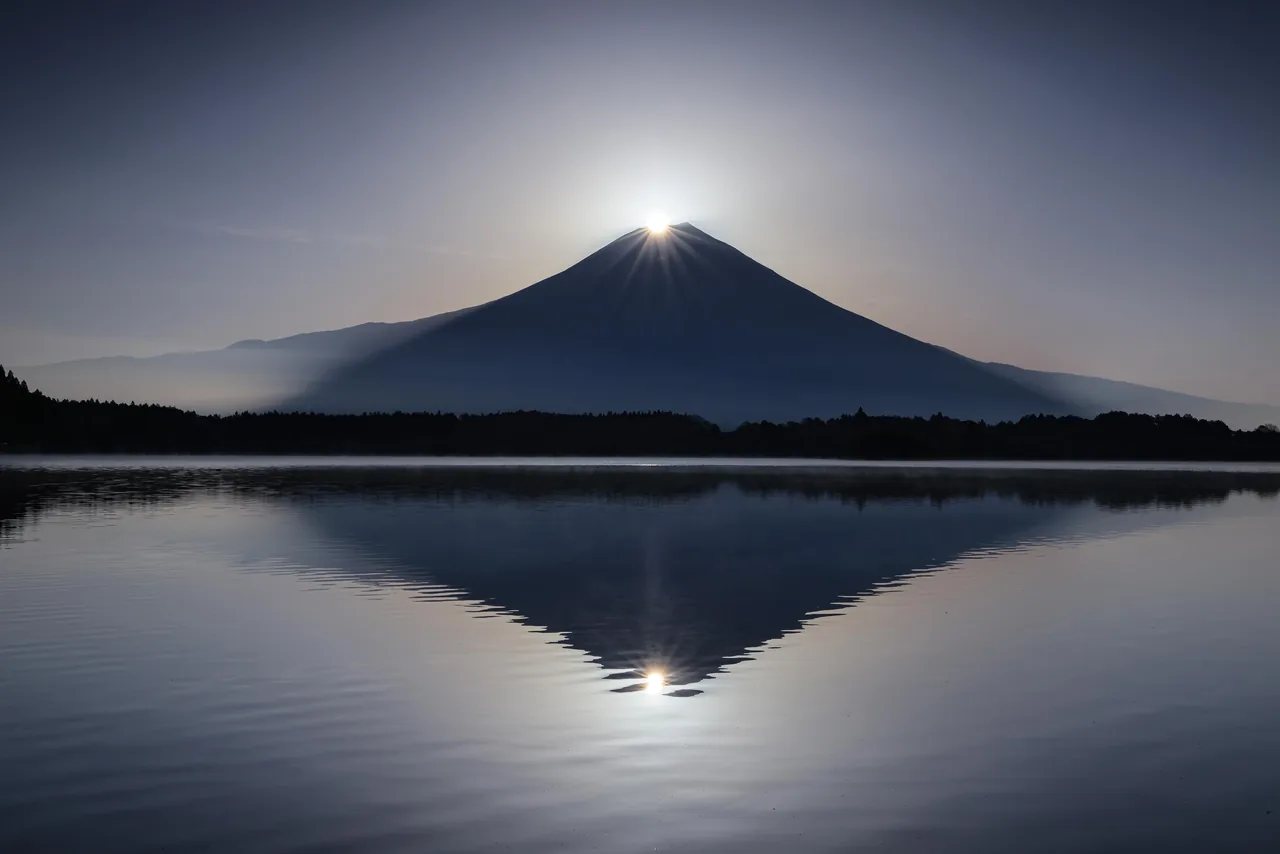
Lake Tanuki, on the Asagiri Plateau in Fujinomiya, is a man-made lake created in 1935. From its north shore, Mt Fuji is reflected upside down on the water.
The lake is famous for "Diamond Fuji", when the sun rises right over the summit. At Lake Tanuki it happens early in the morning for about a week either side of April 20 and August 20. On windless mornings the sun on the peak and its reflection line up as a "Double Diamond Fuji". Tripods start lining the shore before dawn in these weeks, so claim your spot early.
The bus from Fujinomiya Station on the JR Minobu Line takes about 45 minutes. There's a campground on the shore, which makes waiting for the morning light much easier.
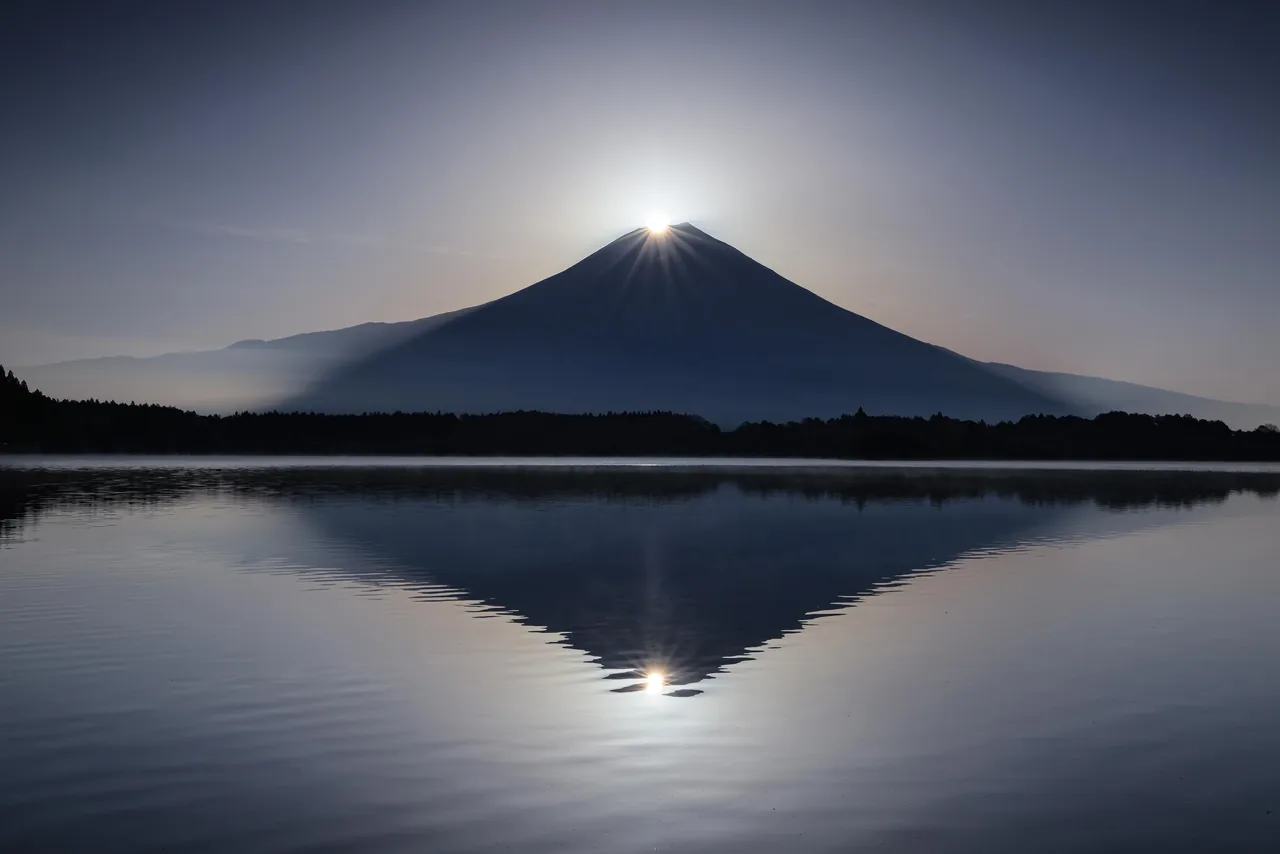
Photo: copyright© Shizuoka Prefectural Tourism Association.
Highlands and rice terraces: Asagiri, Yuno and Nishiusuzuka
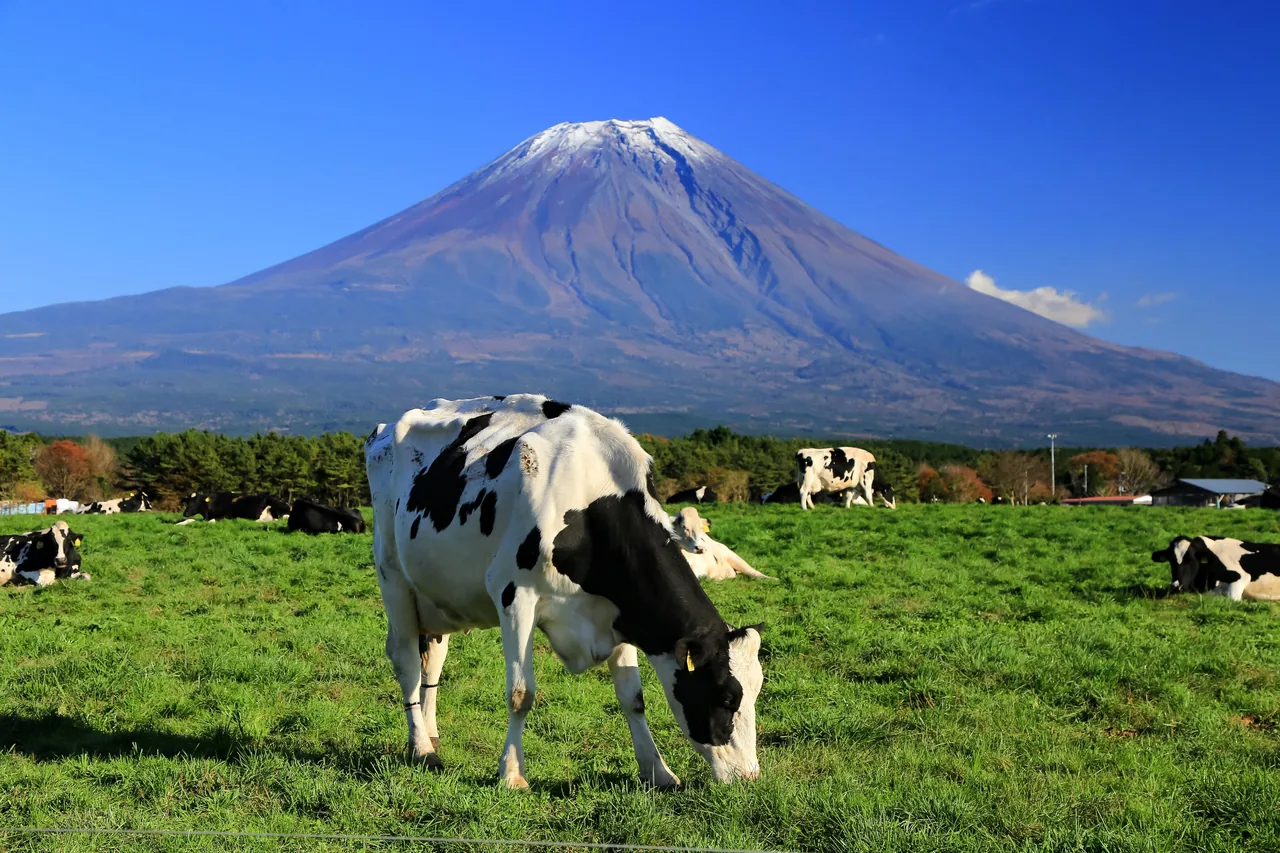
North of Lake Tanuki, Asagiri Highland is a flat plateau between Mt Fuji and the Tenshi Mountains. Dairy cows graze the pastures, and on clear days the western slopes of Fuji spread out behind them. It's also a paragliding spot with Fuji as the backdrop.
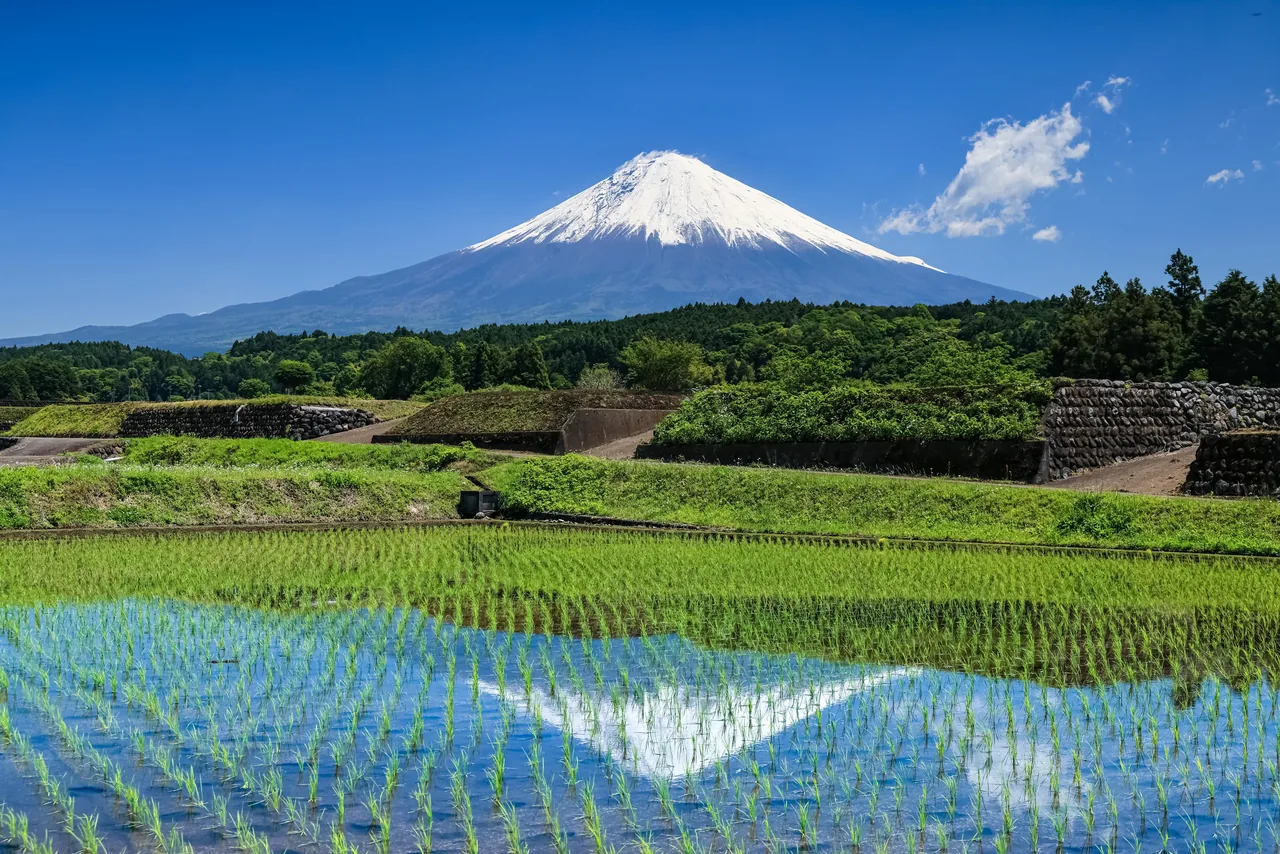
At the Yuno rice terraces along the Shiba River in southwest Fujinomiya, Fuji is mirrored in the flooded paddies around planting time. The terraces are working farmland, so stay off the levees and keep clear of anyone working.
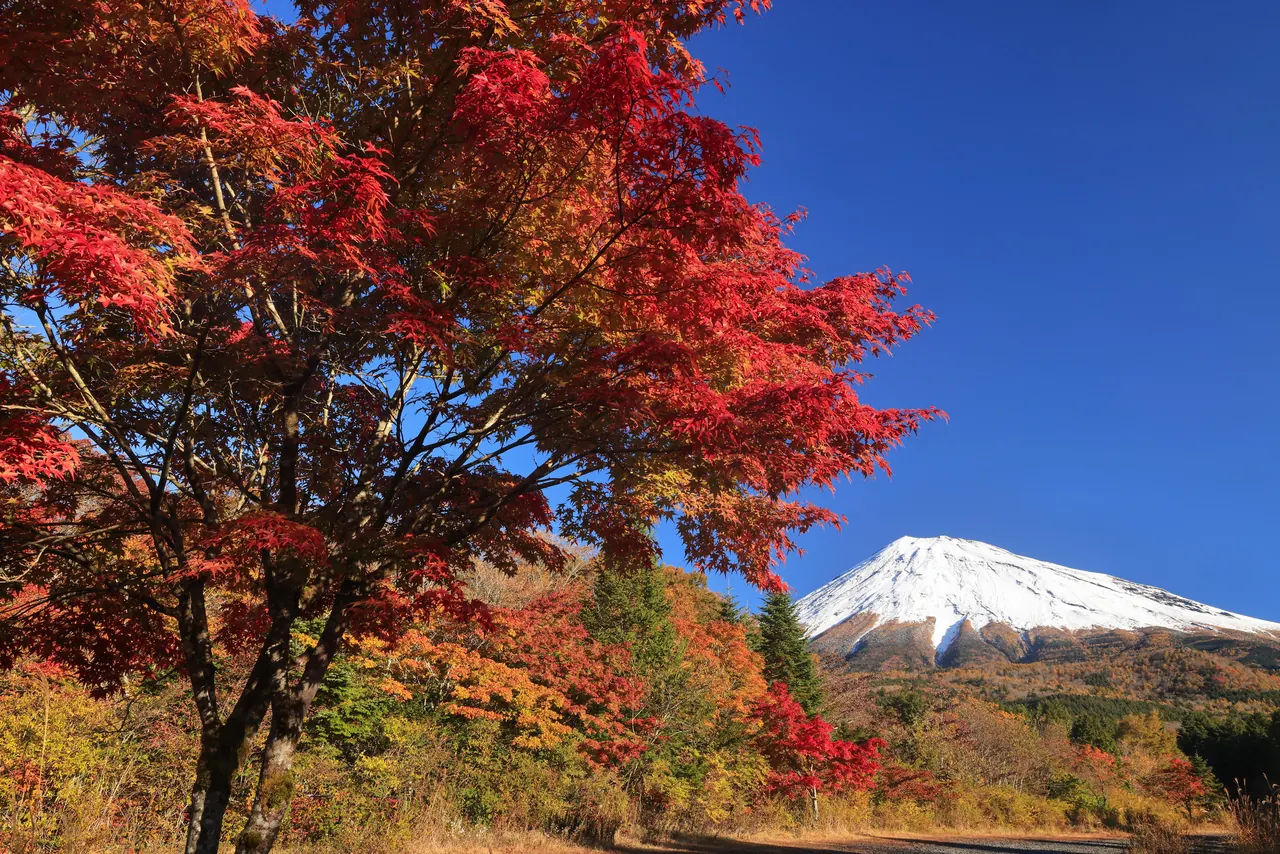
In autumn, head to Nishiusuzuka on the southwest flank of the mountain, where red maples and the snowy summit share one view.
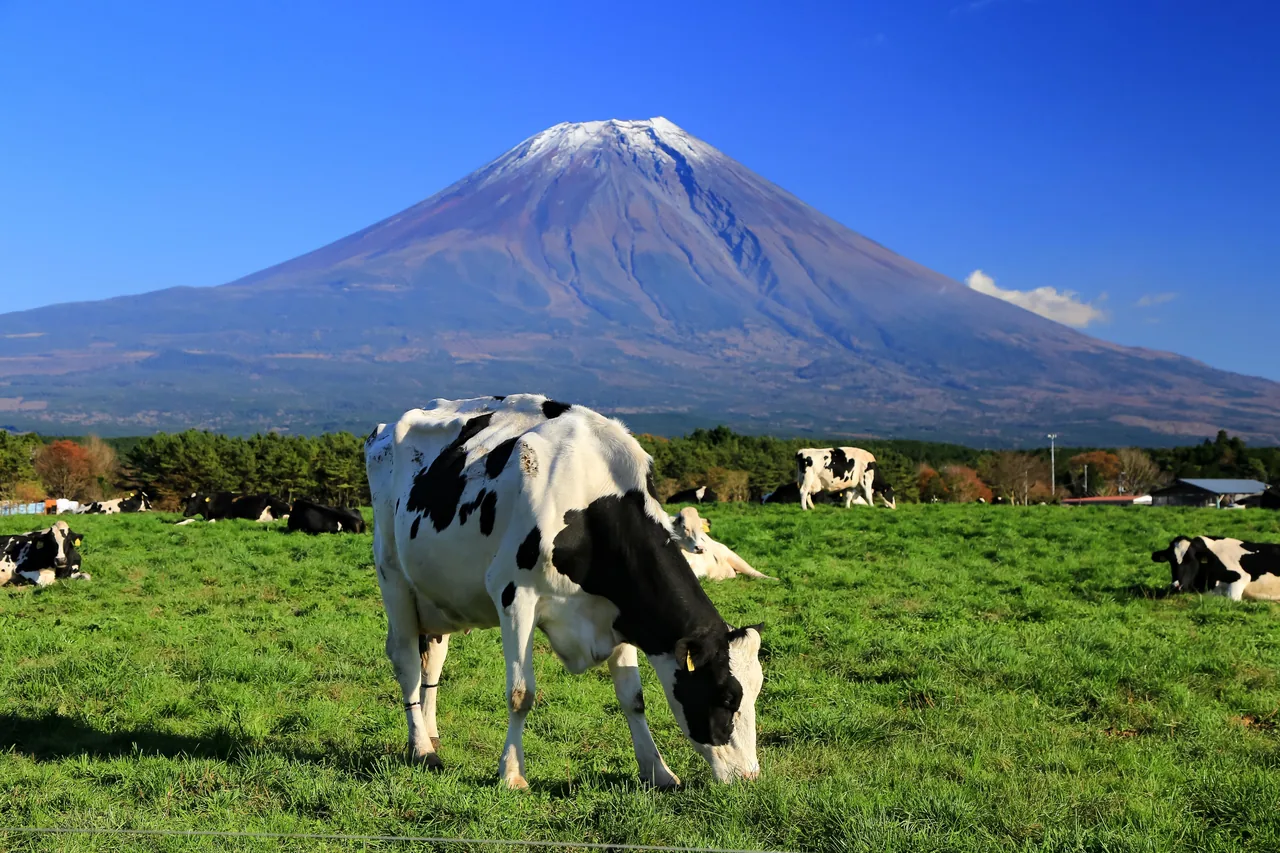
Photo: copyright© Shizuoka Prefectural Tourism Association.
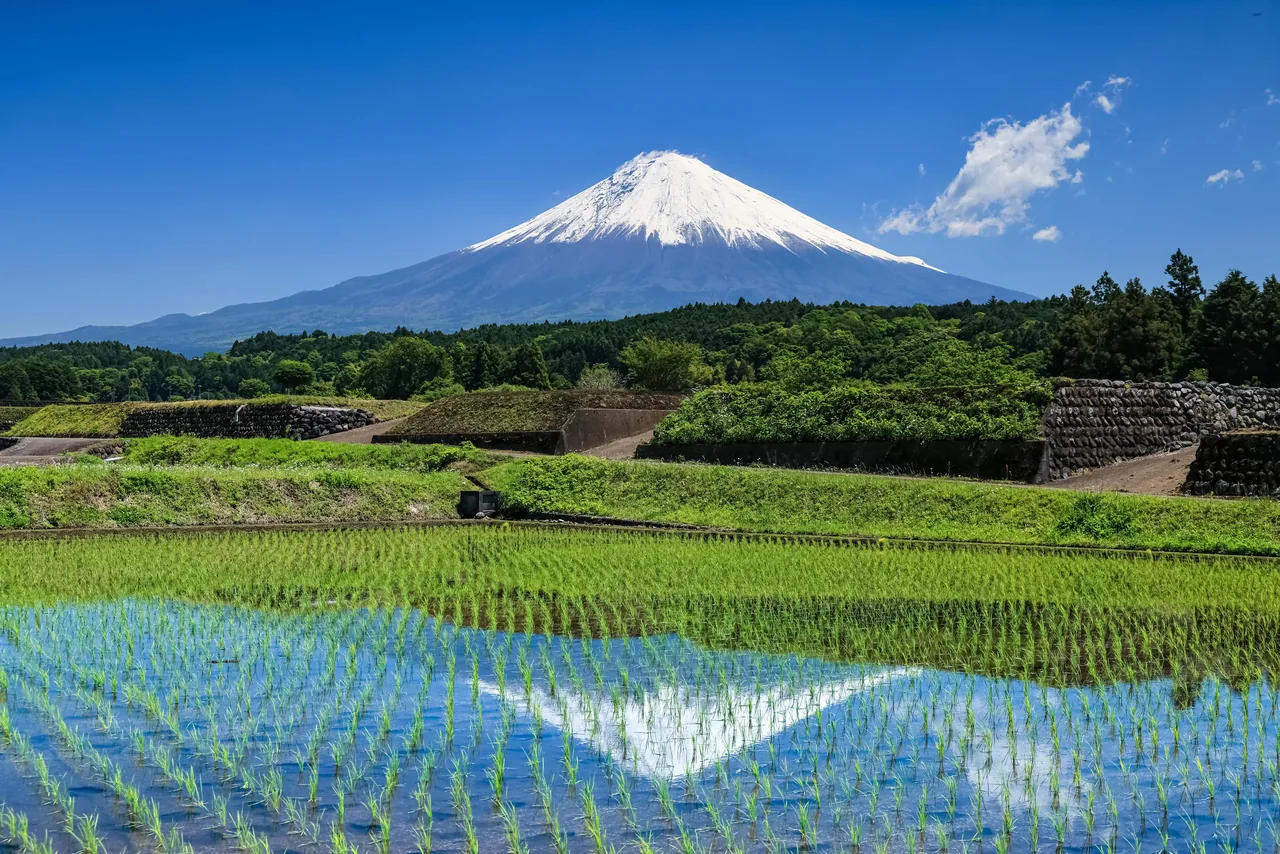
Photo: copyright© Shizuoka Prefectural Tourism Association.
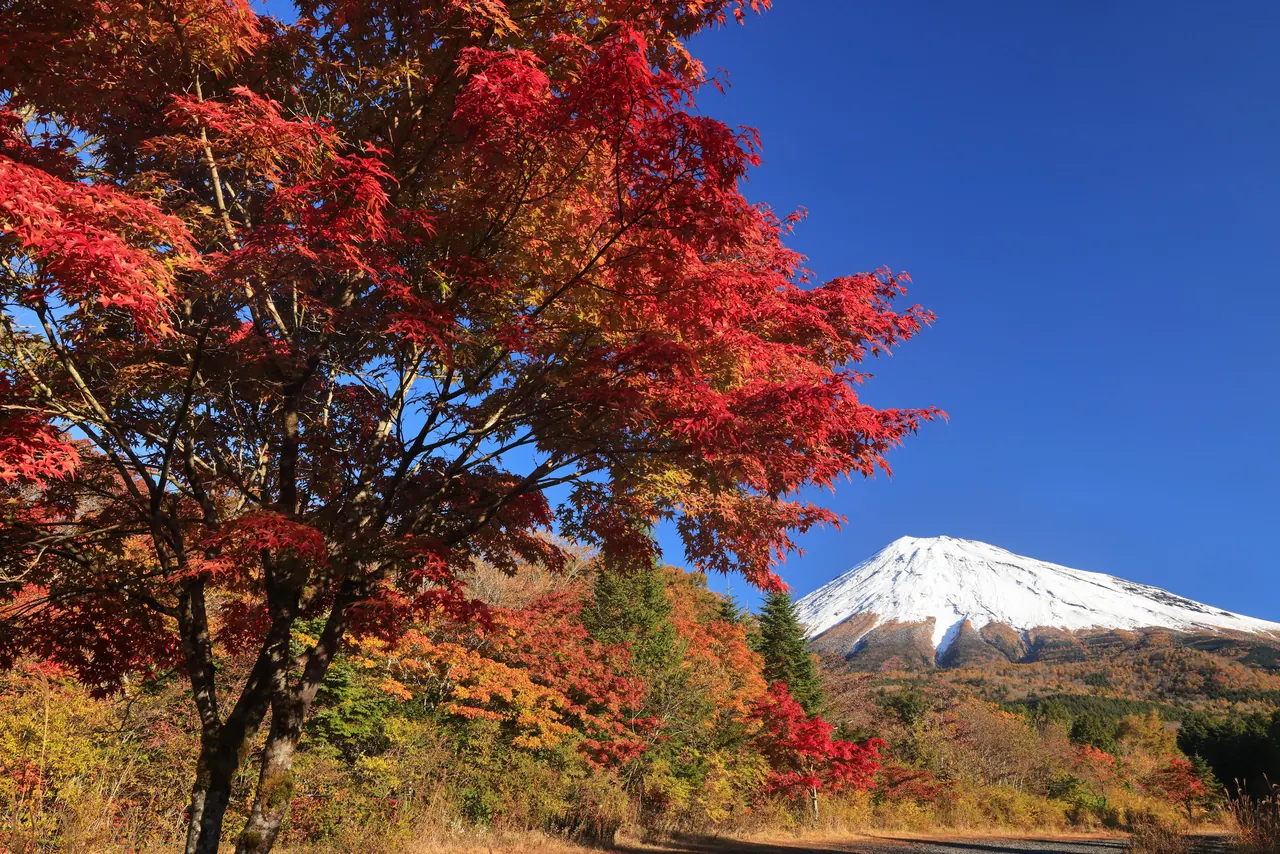
Photo: copyright© Shizuoka Prefectural Tourism Association.
From a mountaintop: Jukkoku Pass
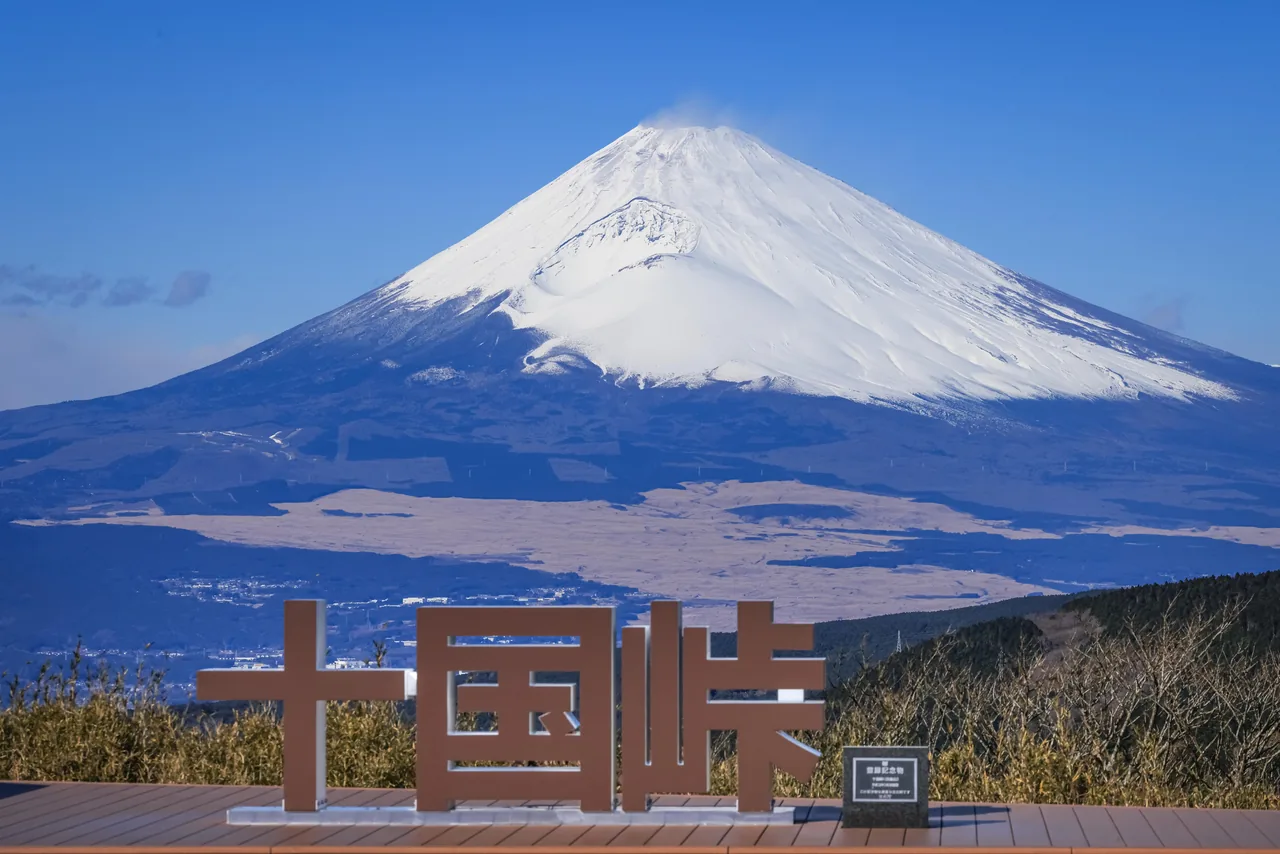
Jukkoku Pass, between Atami and Hakone, takes its name ("ten provinces") from the old claim that ten provinces could be seen from the top. A cable car runs up to the summit viewpoint in about 3 minutes. On a clear day Mt Fuji stands right in front of you, with Suruga Bay, Sagami Bay and the Southern Alps around it.
The bus from Atami Station takes about 40 minutes, so it's an easy stop on the way between Hakone and Atami. For Hakone itself, see our Hakone day trip guide.
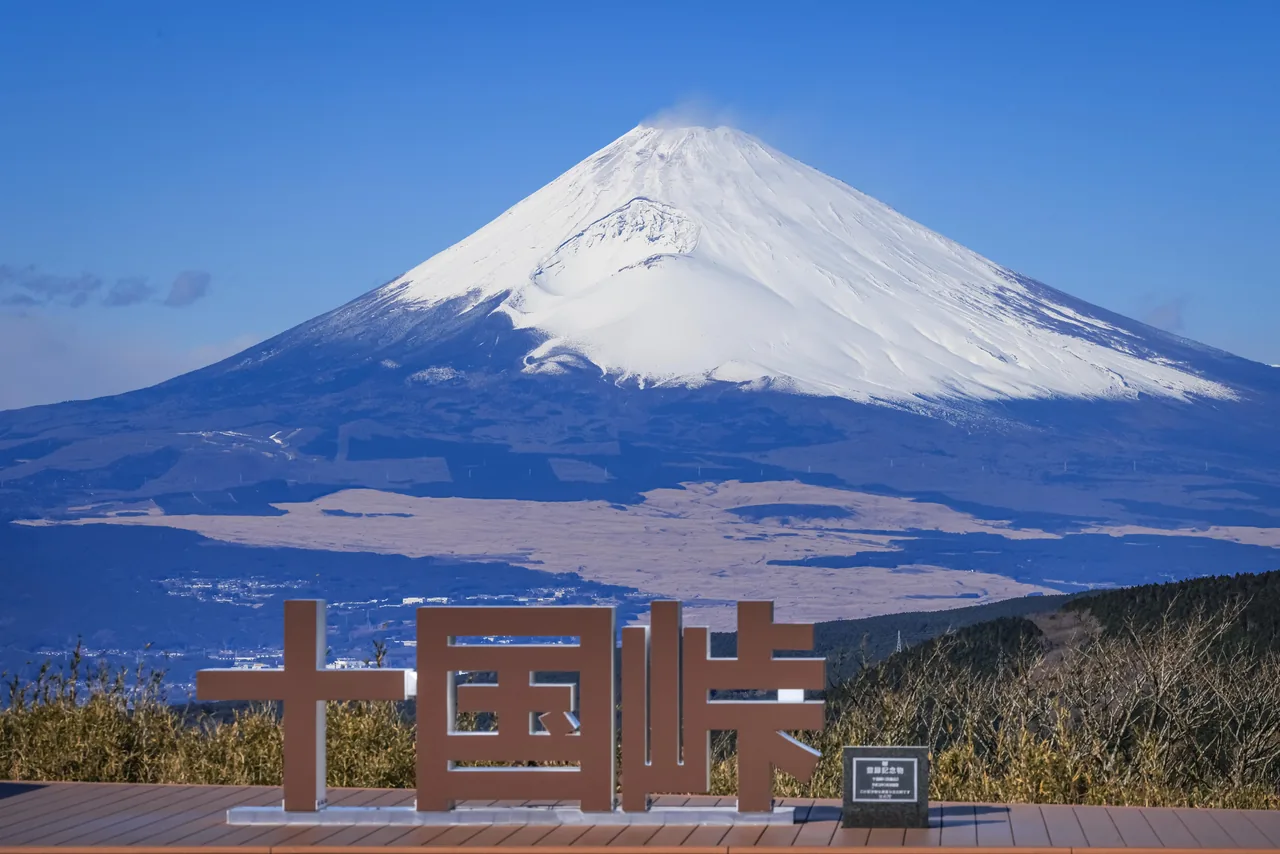
Photo: copyright© Shizuoka Prefectural Tourism Association.
Fuji across the sea: Osezaki, Kumomi Coast and Omaezaki Port
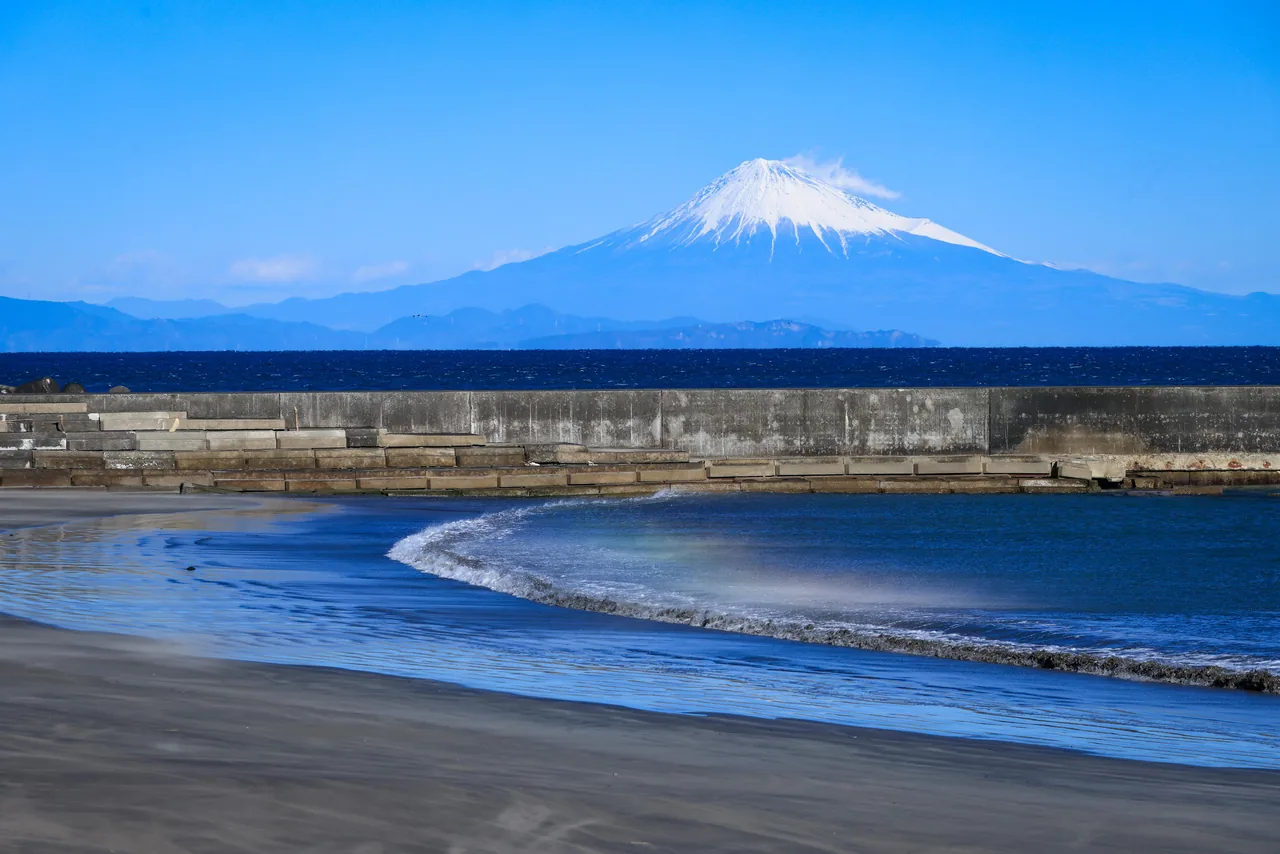
From the west coast of the Izu Peninsula, Mt Fuji rises across Suruga Bay.
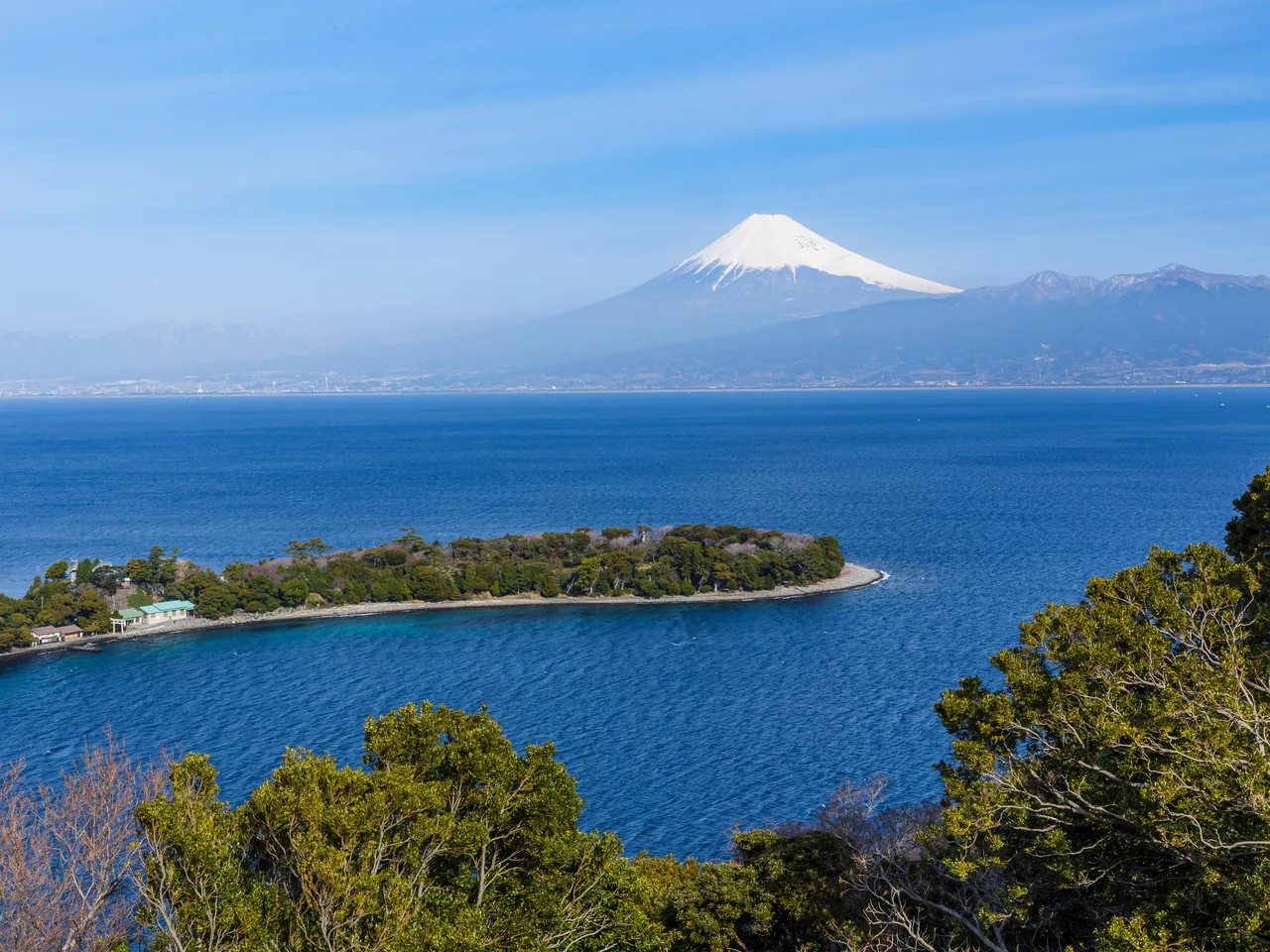
Osezaki in Numazu is a narrow cape that juts about 1 km into the bay. It's covered with a juniper forest, and near the tip are Ose Shrine and Kamiike, a freshwater pond right beside the sea. From the base of the cape you get a clean view of Fuji across the water. It's also a well-known diving spot, busy with divers on weekends.
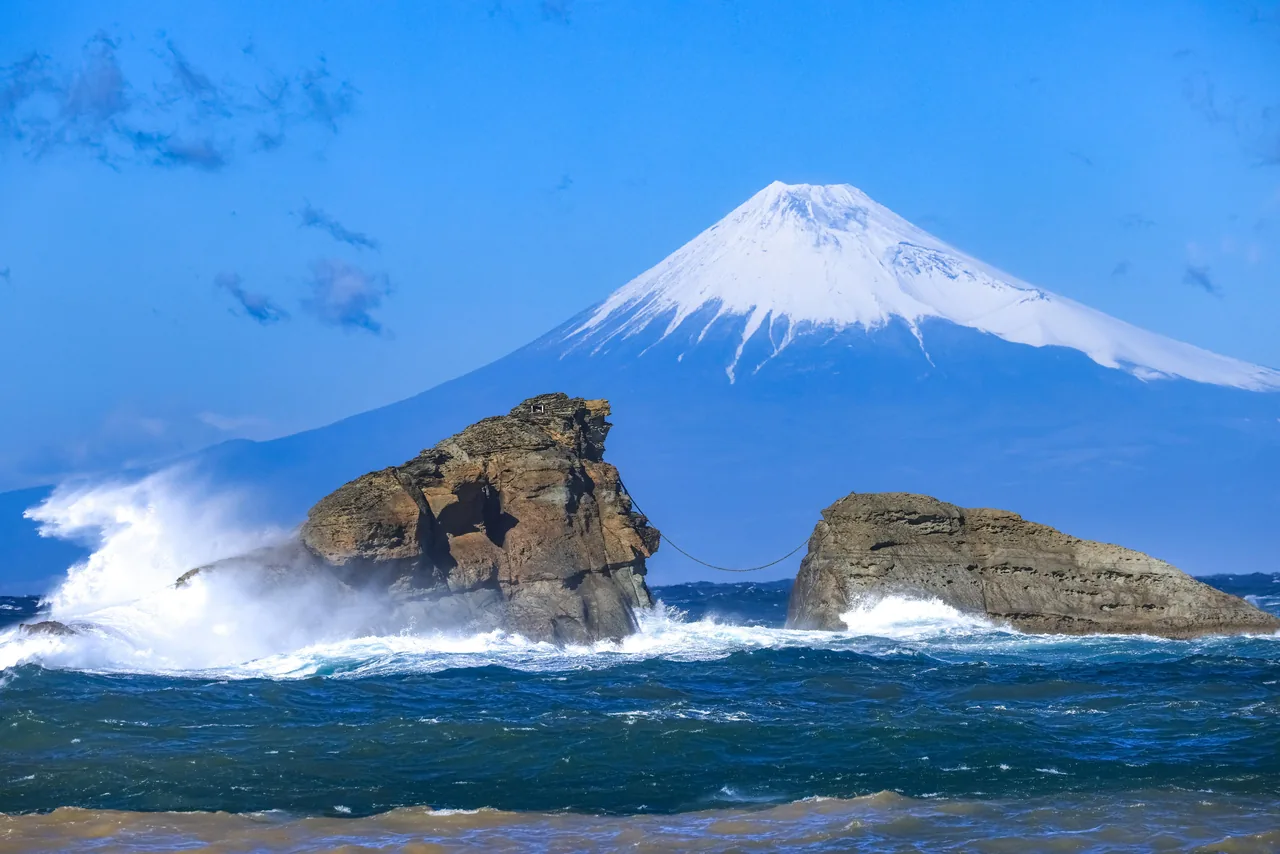
Kumomi Coast in Matsuzaki is where you see Fuji over rocks rising from the sea. It's said to be the southernmost point on the Izu Peninsula with a view of the whole mountain. Next to the beach, Mt Eboshi (162 m) has a Sengen shrine at the top of a long stone stairway, with a higher view over the sea and Fuji. The west Izu coast is also known for sunsets, so consider timing your visit for late afternoon.
Farther west, Omaezaki Port in Omaezaki City also looks across Suruga Bay to Fuji on clear days.
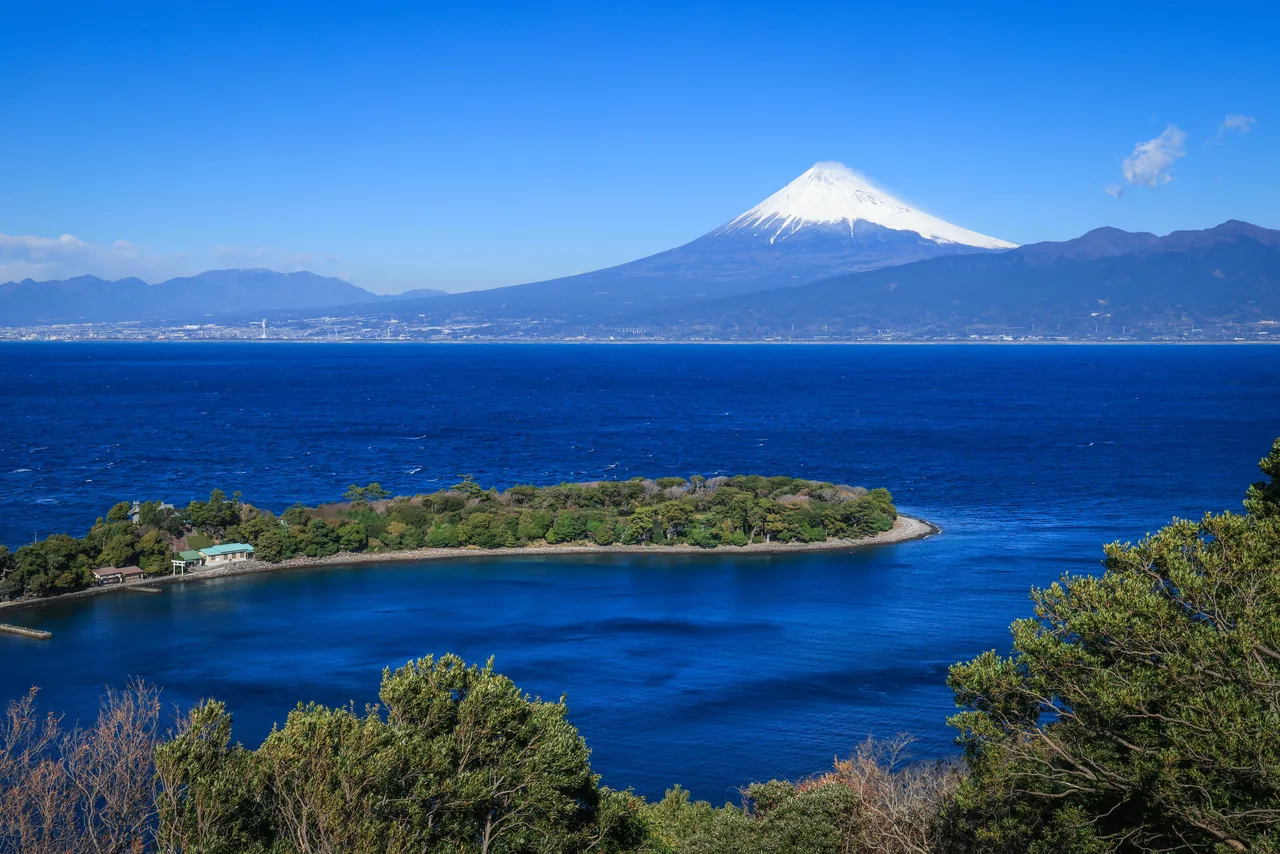
Photo: copyright© Shizuoka Prefectural Tourism Association.
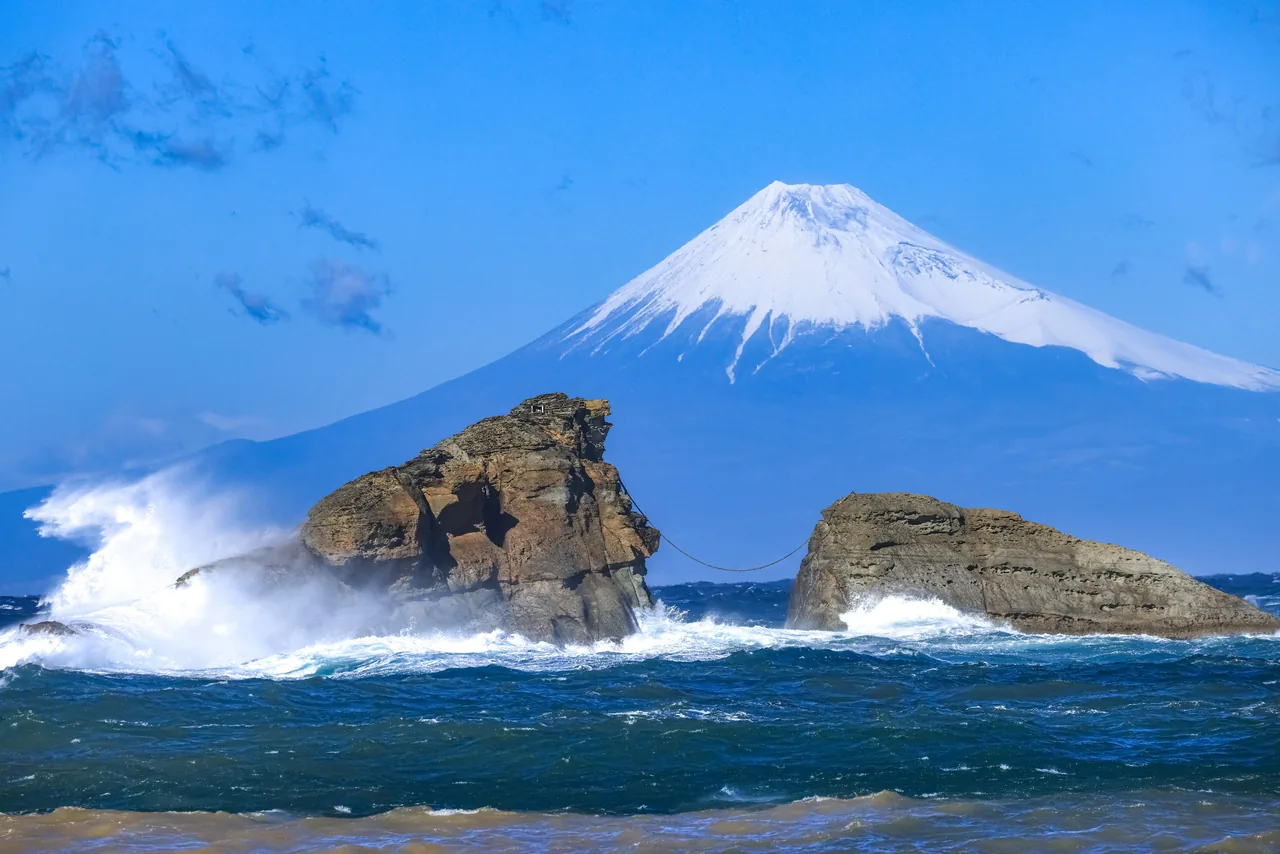
Photo: copyright© Shizuoka Prefectural Tourism Association.
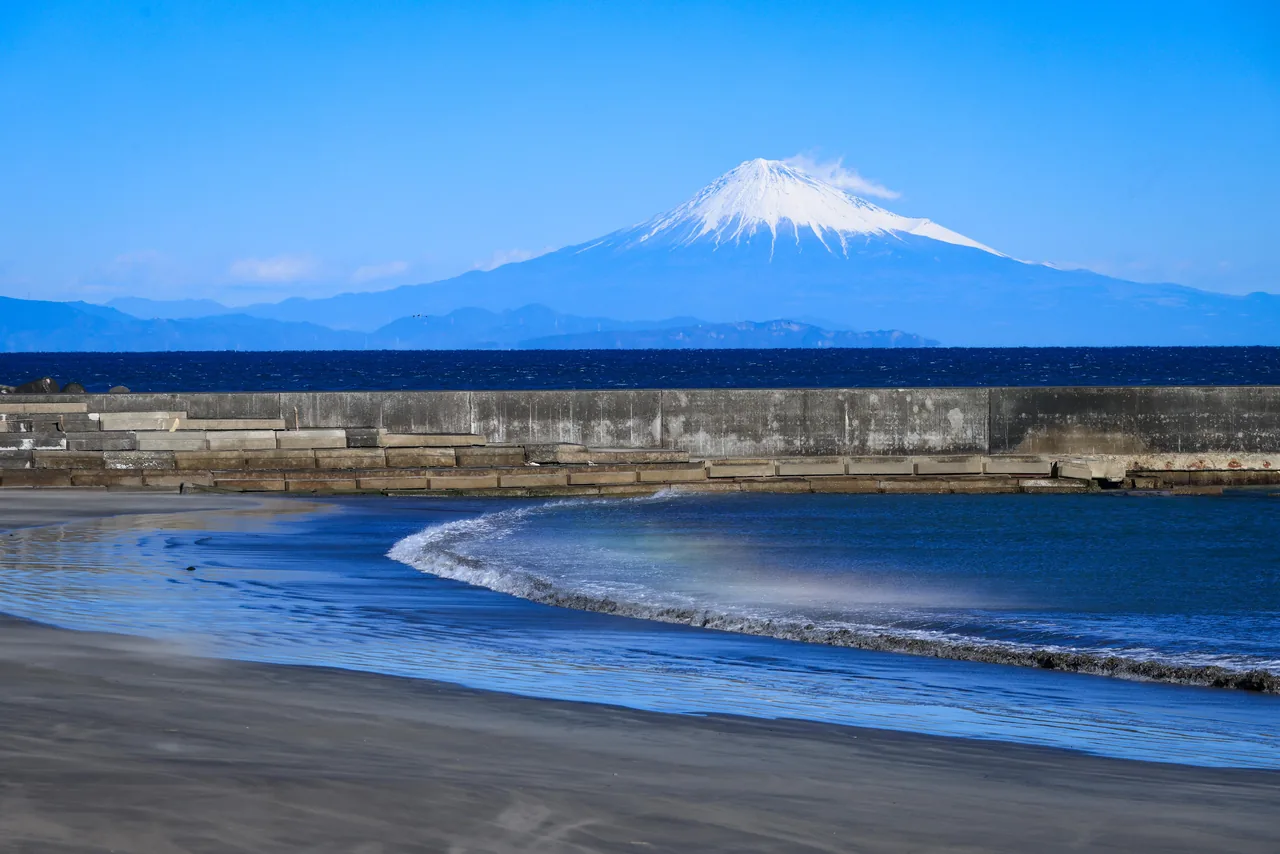
Photo: copyright© Shizuoka Prefectural Tourism Association.
Getting around: without a car, start from Fujinomiya or Shin-Fuji
| Spot | Base | How |
|---|---|---|
| Obuchi Sasaba | Shin-Fuji Station | Taxi, 25–30 min; or bus to Sobina-shita and walk about 1.2 km |
| Lake Tanuki, Asagiri Highland | Fujinomiya Station | Bus, about 45 min (Lake Tanuki) |
| Jukkoku Pass | Atami Station | Bus, about 40 min, then cable car about 3 min |
| Osezaki, Kumomi Coast | Numazu, Shuzenji and others | Few buses; a car is easier |
Around Fujinomiya (Lake Tanuki, Asagiri, Yuno, Nishiusuzuka) you can cover everything in a day with a rental car. To combine the views with the shrines and Shiraito Falls at the foot of the mountain, see Mt Fuji World Heritage sites in Shizuoka. Roads along the west Izu coast are winding and buses are limited, so leave plenty of time. For the Fujinomiya area, the Fujinomiya Tourism Association website has more visitor information.