Mt Fuji World Heritage Sites in Shizuoka: Shrines, Falls and Miho
This guide is translated from the Japanese edition. Read the Japanese edition
Shizuoka parts of the Mt Fuji World Heritage Site: Fujisan Hongu Sengen Taisha, Yamamiya Sengen Shrine, Shiraito Falls, Miho no Matsubara and the Centre.
In 2013 Mt Fuji was inscribed on the World Heritage List as "Fujisan, sacred place and source of artistic inspiration". The listing isn't just the mountain. Shrines and springs at its foot, waterfalls, and even a pine-lined beach far from the summit are included as "component parts" that tell the story of how people worshipped and painted Fuji. The main sites on the Shizuoka side can be followed in order from central Fujinomiya, and even without climbing, you come away understanding Fuji as a sacred mountain. If you plan to climb to the summit in summer, see Climbing Mt Fuji from Shizuoka.
Fujisan Hongu Sengen Taisha: head shrine of the Sengen shrines
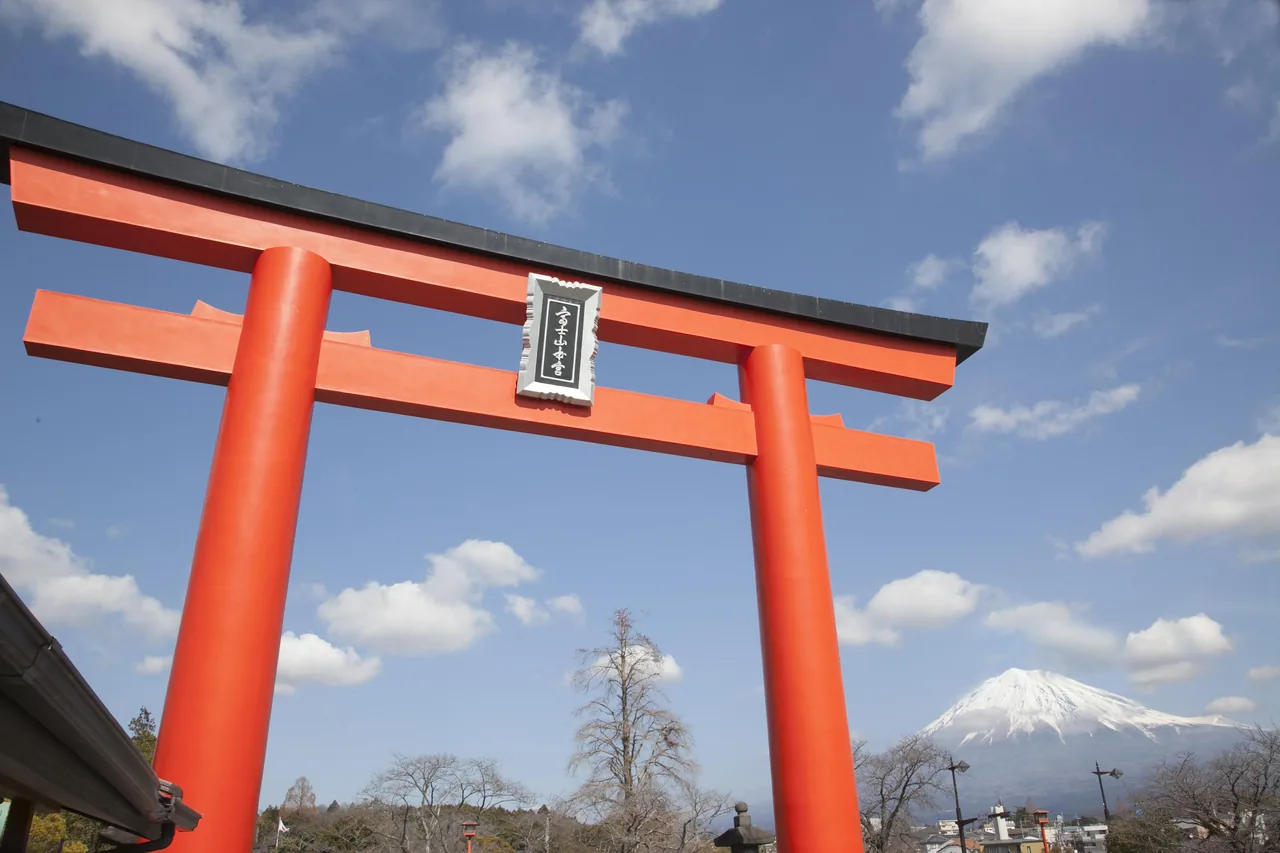
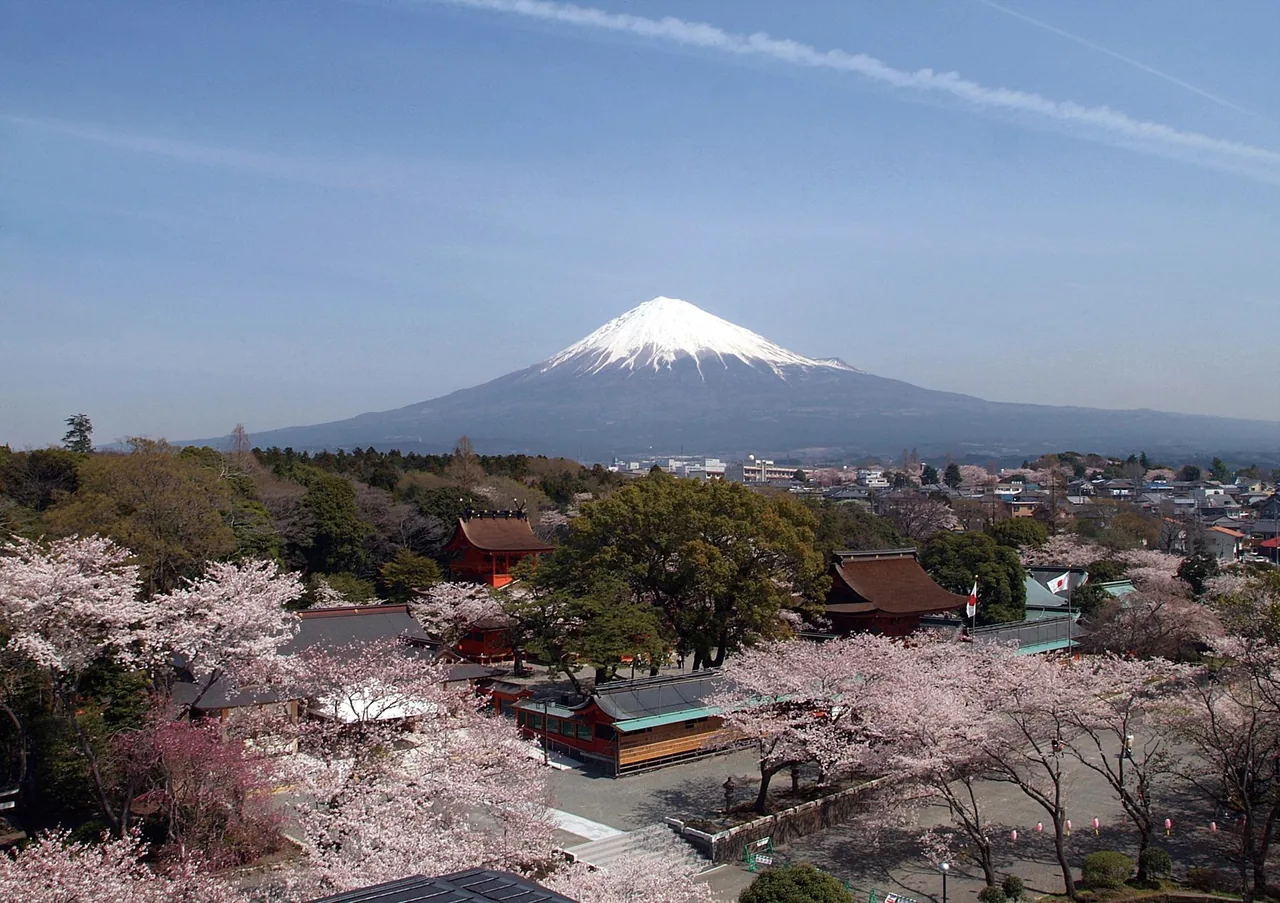
About a 10-minute walk from Fujinomiya Station on the JR Minobu Line, Fujisan Hongu Sengen Taisha is regarded as the head shrine of the more than 1,300 Sengen shrines across Japan. Work on the current main hall began in 1604 with a donation from Tokugawa Ieyasu and, by tradition, was completed in 1606; it is a National Important Cultural Property. Its two-story, tower-like roof gives it a distinctive shape.
On the east side of the grounds, Wakutama Pond is fed by Mt Fuji's snowmelt, which wells up after traveling underground; it's a National Special Natural Monument. The water stays cold and clear year-round and flows straight out into the Kanda River. You can't enter the pond without permission, so view it from the bank. In spring the shrine's cherry trees bloom, framing Fuji behind them.
Shops serving Fujinomiya yakisoba line the street in front of the shrine (Shizuoka food guide).
Mt Fuji World Heritage Centre: an upside-down Fuji
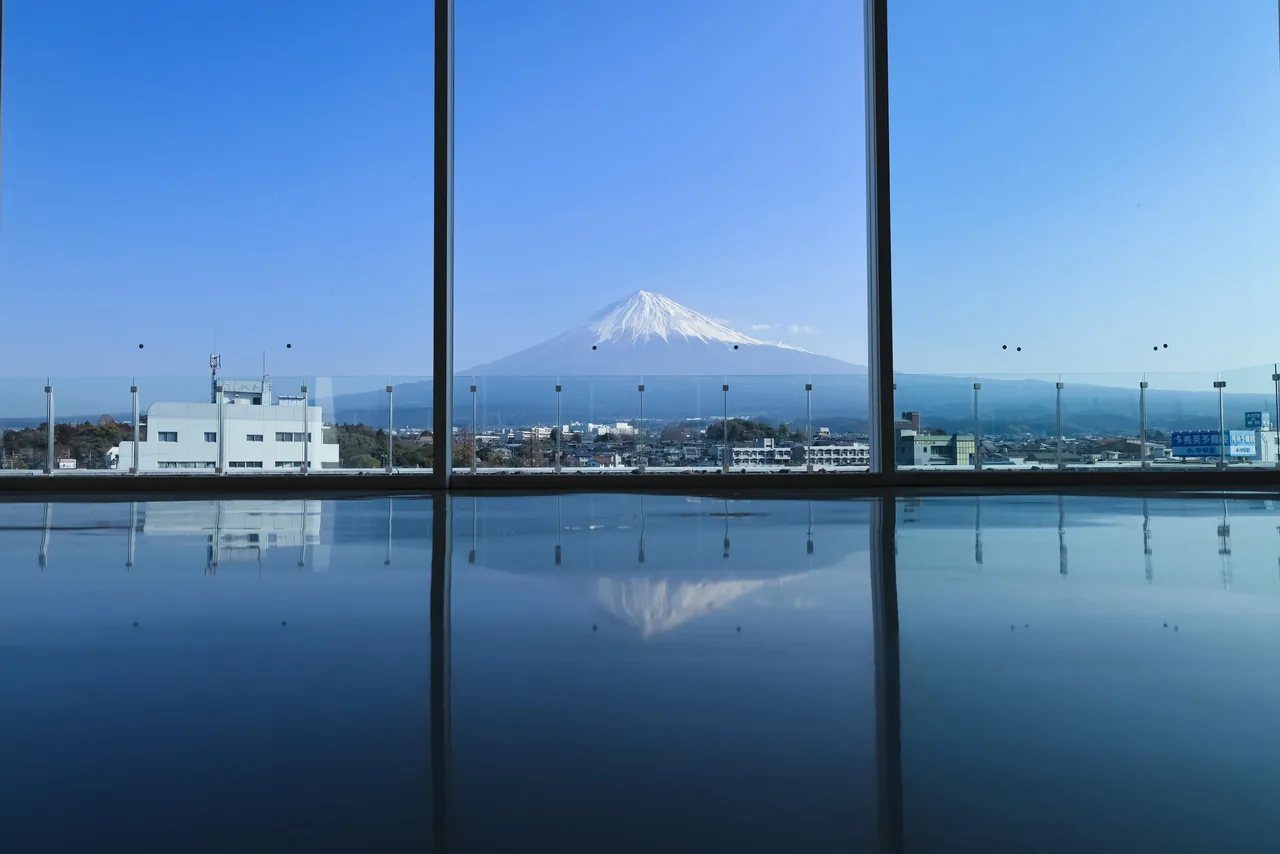
About 5 minutes on foot from the shrine, the Mt Fuji World Heritage Centre, Shizuoka opened in December 2017. Designed by architect Shigeru Ban, its inverted cone is covered in a wooden lattice, and its reflection in the pool in front forms the shape of Mt Fuji.
Inside, a 193-meter spiral ramp runs from the 1st to the 5th floor, so walking up feels like climbing the mountain. Large windows on the top floor frame the real Fuji straight ahead. The exhibits cover Fuji's nature and its links with faith and art. Starting here gives you the big picture, which makes the shrines and falls easier to understand afterward.
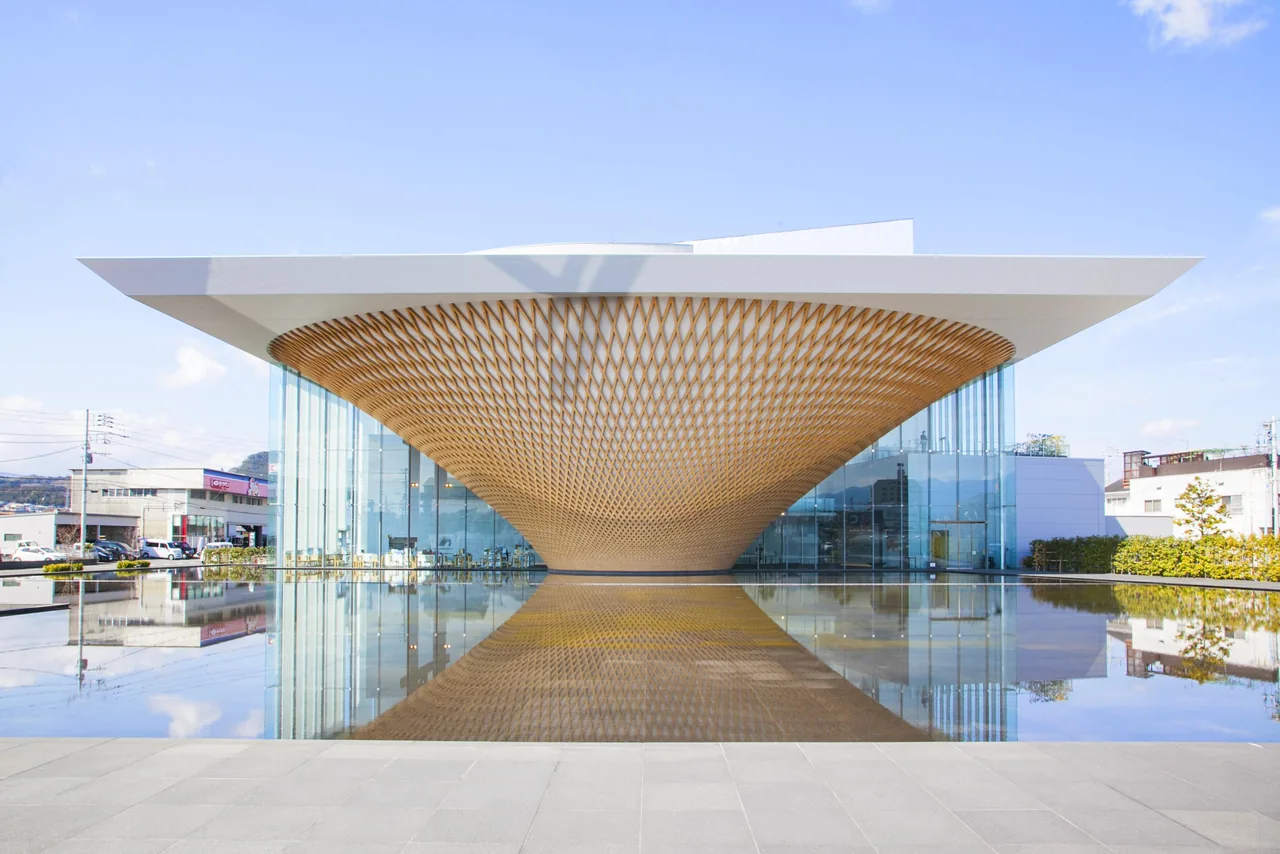
Photo: copyright© Shizuoka Prefectural Tourism Association.
Yamamiya Sengen Shrine: no main hall, just the mountain
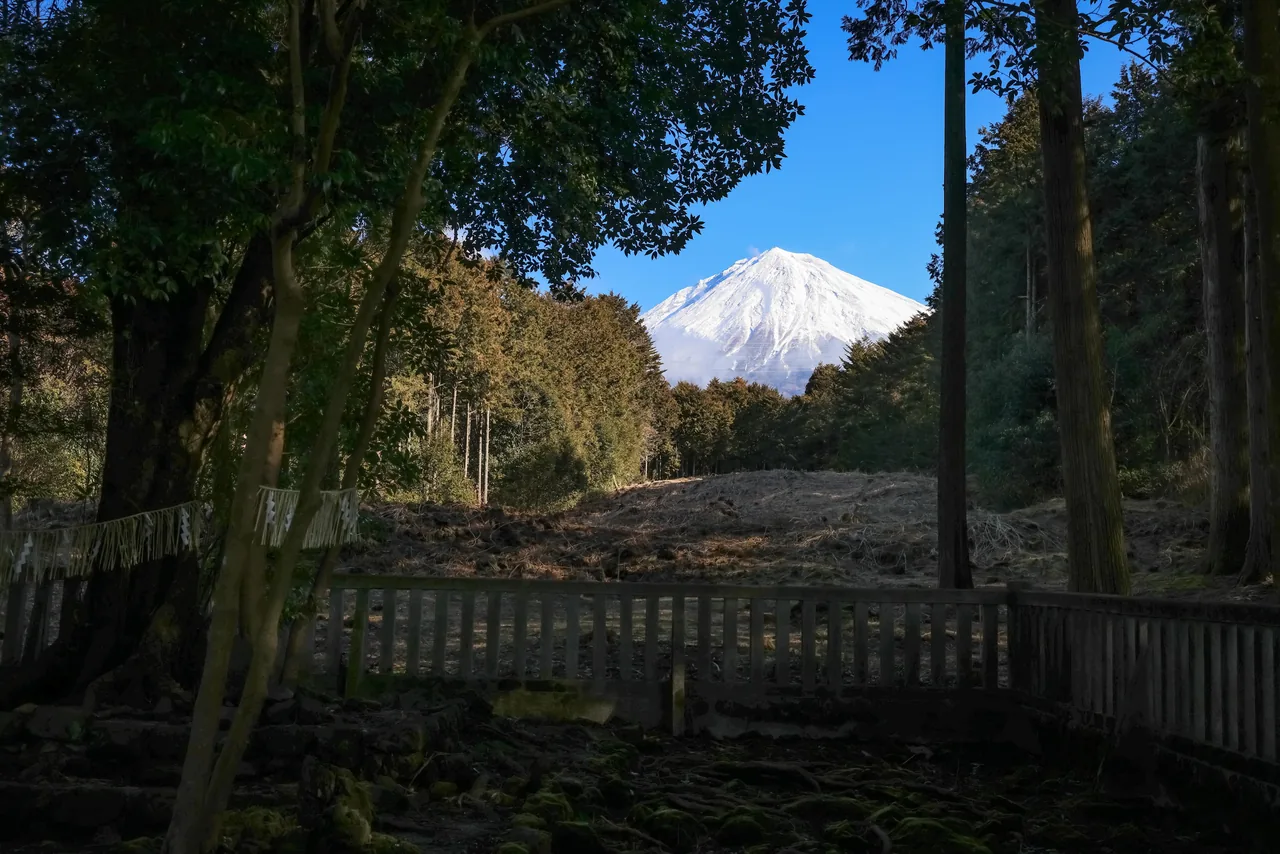
Yamamiya Sengen Shrine in northern Fujinomiya has no main hall. It preserves an ancient form of worship in which Fuji itself is venerated from a yohaisho, an open worship site surrounded by trees. It's considered the forerunner of Fujisan Hongu Sengen Taisha, and the deity is said to have been moved to the present Taisha site in 806.
With no buildings, what you see is stone steps, trees and Fuji between the trunks. Compared with the busy Taisha it's quiet, and it makes clear that Fuji was worshipped as a mountain, not a building.
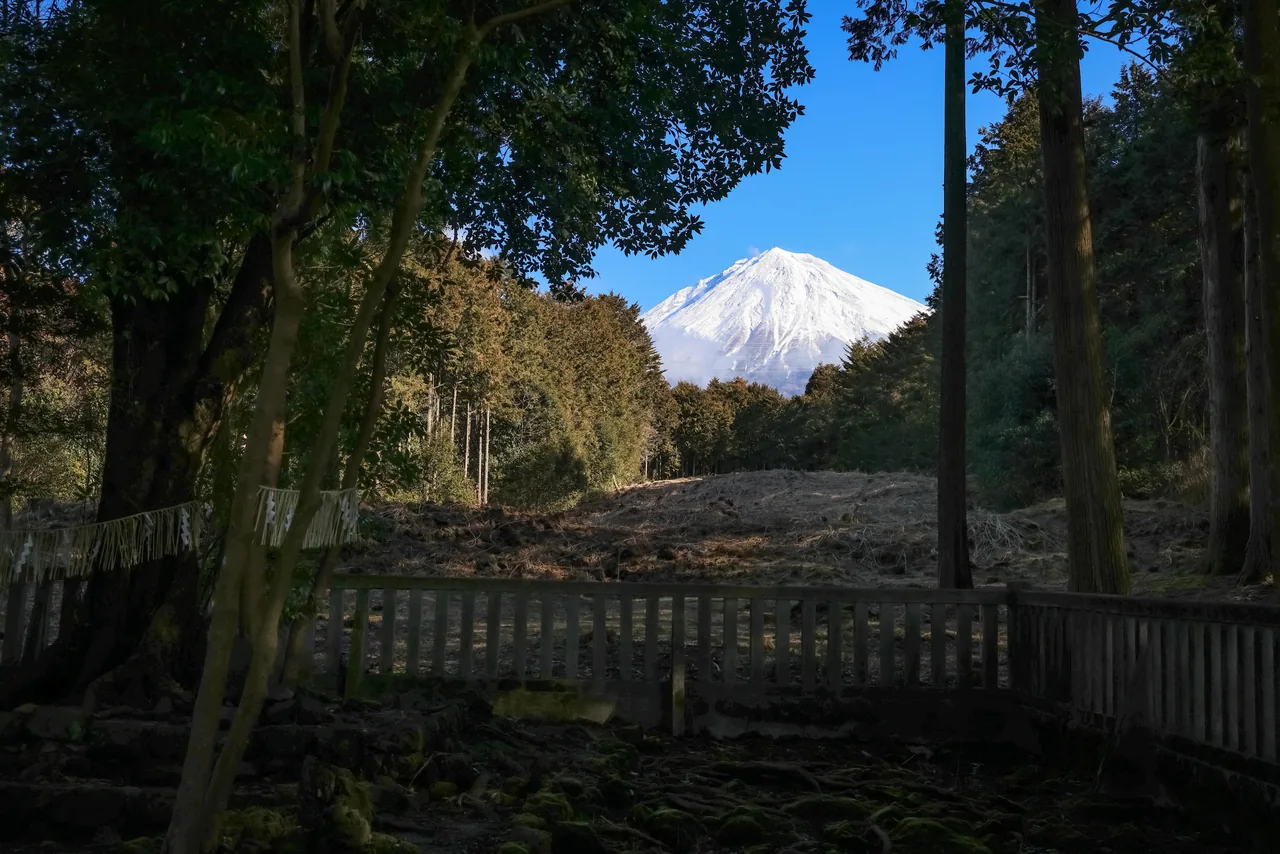
Photo: copyright© Shizuoka Prefectural Tourism Association.
Shiraito Falls: Fuji's spring water pouring from a cliff
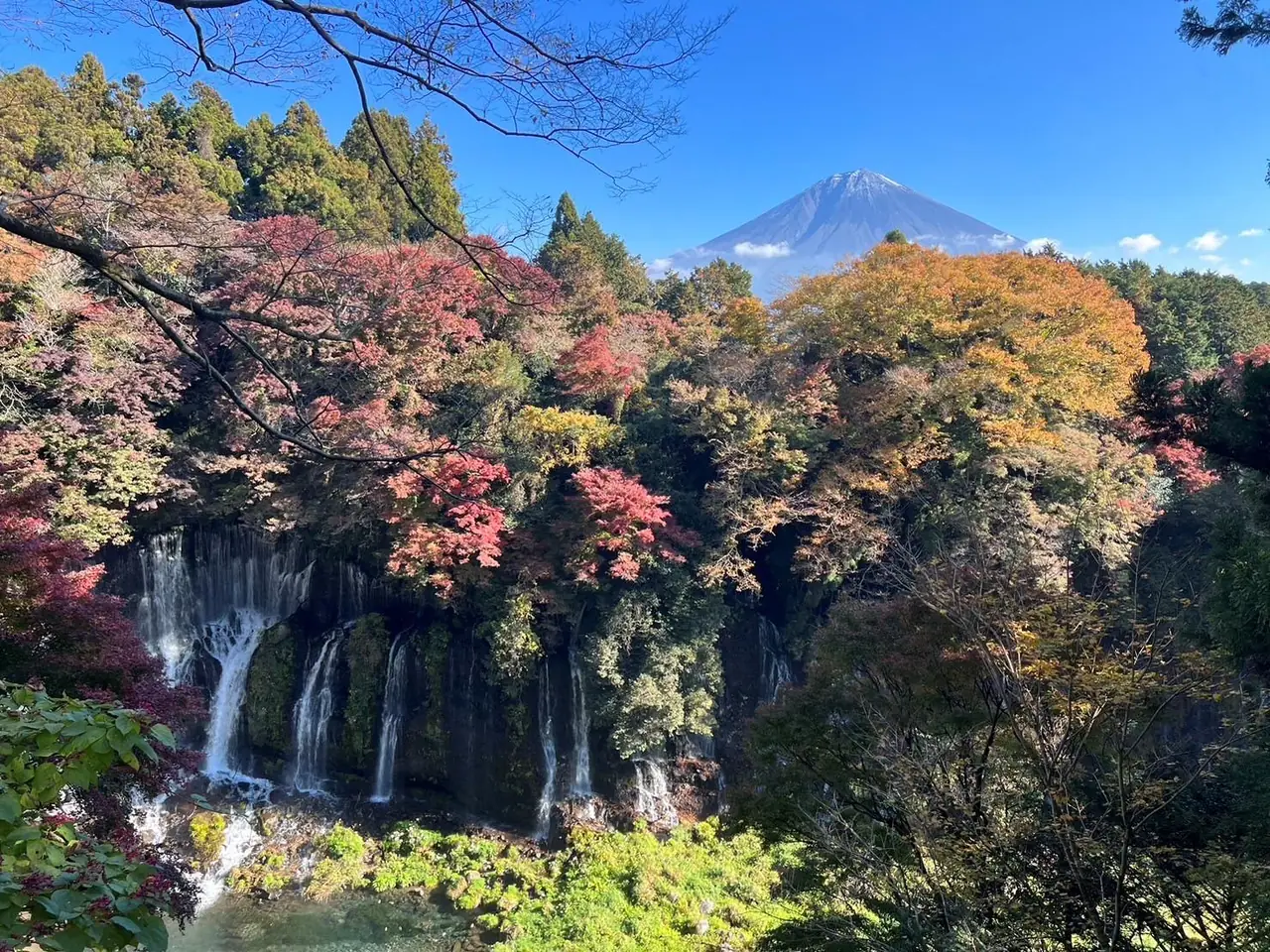
Shiraito Falls, northwest of Fujinomiya, spills in countless thin streams like white threads (shiraito) from a cliff about 20 m high and about 150 m wide. Most of the water is rain and snow from Mt Fuji that has seeped underground and emerges from the rock face, so it forms differently from a waterfall fed by a river from upstream.
A path leads down close to the basin. The powerful Otodome Falls is right nearby. In autumn the surrounding trees change color, so you see foliage and falls together. Buses run from Fujinomiya Station.
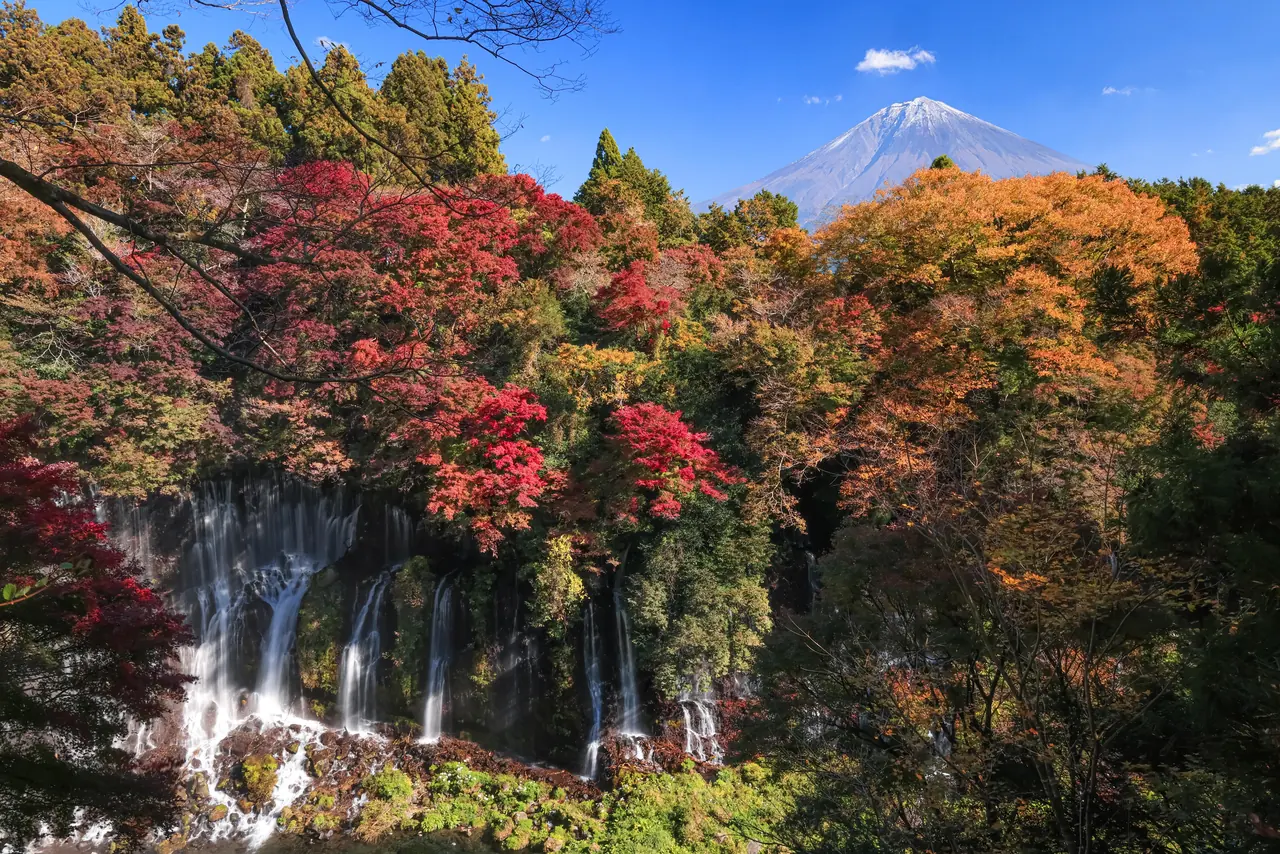
Photo: copyright© Shizuoka Prefectural Tourism Association.
Miho no Matsubara: Fuji across the sea and the pines
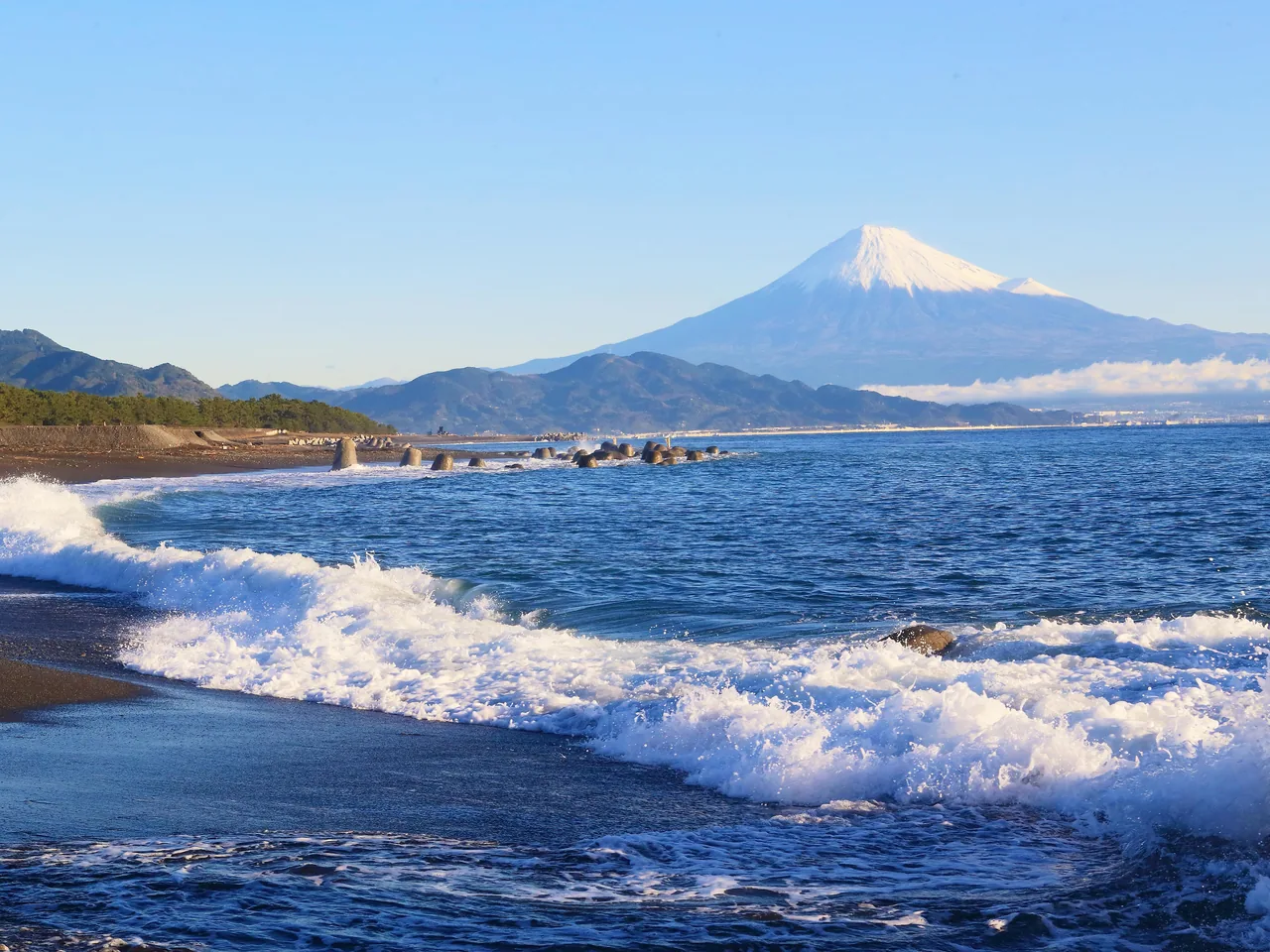
Miho no Matsubara in Shizuoka City's Shimizu Ward is a pine grove along a beach on Suruga Bay. It's far from the summit, but it was included because the view of Fuji over the sea and pines has been the subject of poems and ukiyo-e prints for centuries. It's also known as the setting of the Hagoromo legend, in which a celestial maiden hangs her feathered robe on a pine branch.
For Fuji from the beach, aim for clear mornings from autumn to winter. In spring and summer, haze often hides it.
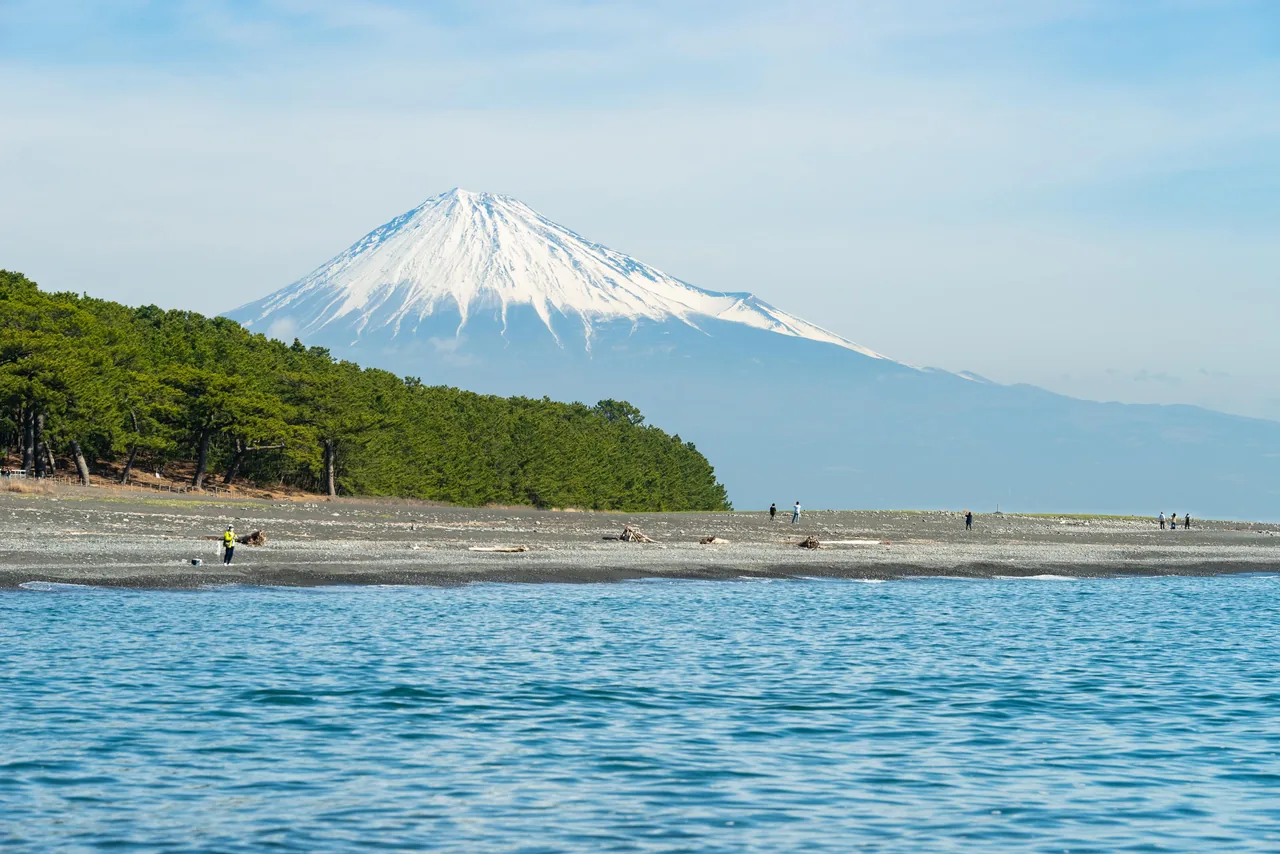
Photo: copyright© Shizuoka Prefectural Tourism Association.
Suggested order
The Taisha and the World Heritage Centre in Fujinomiya are within walking distance of each other. Yamamiya Sengen Shrine and Shiraito Falls are in the north of the city; go by bus, taxi or rental car. Miho no Matsubara is in Shizuoka City, so make it a separate day or drive over from Fujinomiya.
- Walk from Fujinomiya Station to the Taisha and see Wakutama Pond after your visit
- Get the big picture at the World Heritage Centre
- Head north to Yamamiya Sengen Shrine and Shiraito Falls
- On another day, Miho no Matsubara (from Shizuoka or Shimizu Station)
Lake Tanuki, Asagiri Highland and other places to view the mountain are in Mt Fuji viewpoints in Shizuoka. For getting to the sites in Fujinomiya, the Fujinomiya Tourism Association website has access information.