Climbing Mt. Fuji from Shizuoka: Fujinomiya, Gotemba, Subashiri
This guide is translated from the Japanese edition. Read the Japanese edition
Compare the Fujinomiya, Subashiri and Gotemba trails up Mt. Fuji, plus the 2026 season, the 4,000-yen fee, pre-learning, night entry rules and shuttle buses.
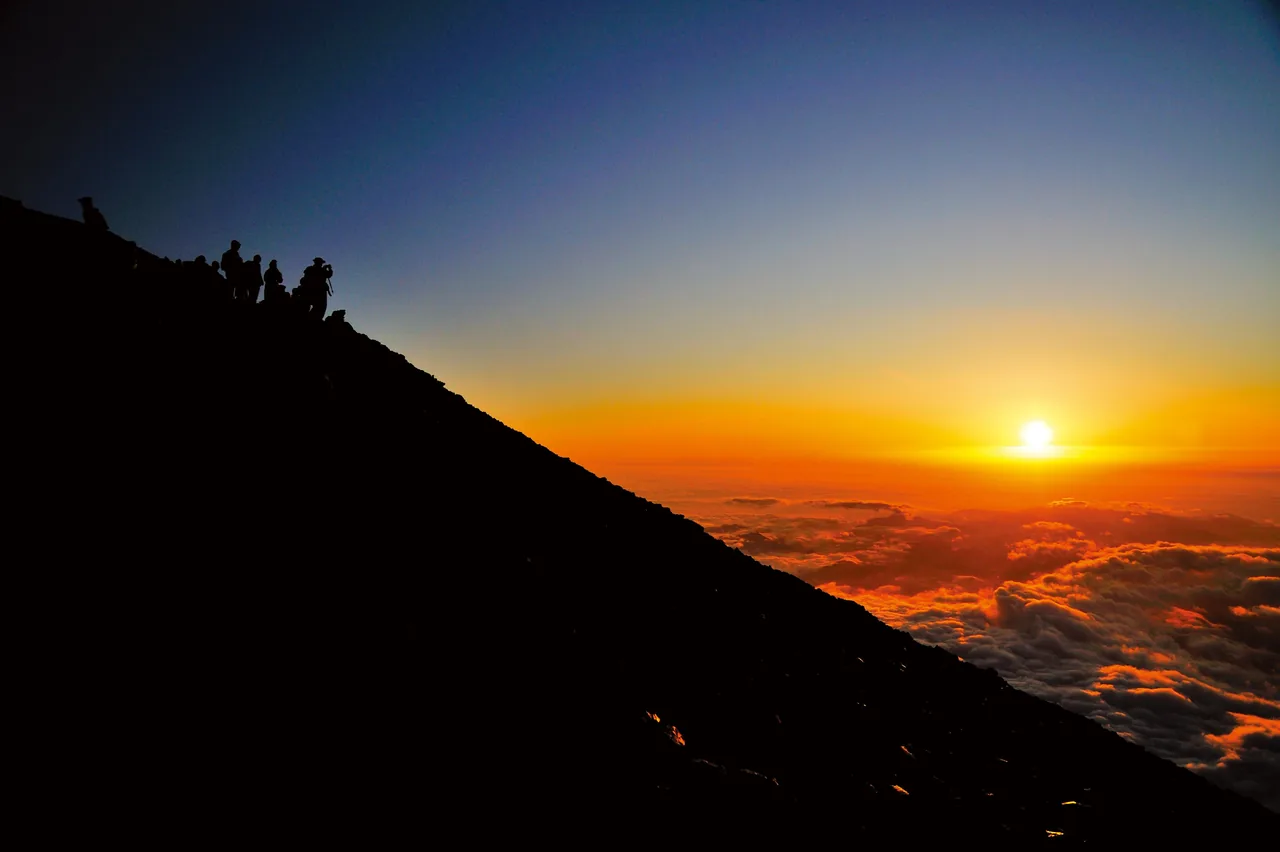
Before dawn near the summit, headlamps form a long line up the trail as climbers wait for the sun to rise over a sea of clouds. Mt. Fuji has four climbing trails, and three of them, the Fujinomiya, Gotemba and Subashiri trails, start on the Shizuoka side. Climbing from Shizuoka means a few things to take care of first, including paying an entry fee and completing an online pre-learning module.
Comparing the three Shizuoka trails
The three trails start from 5th Stations at very different heights.
| Trail | 5th Station elevation |
|---|---|
| Fujinomiya Trail | About 2,400 m |
| Subashiri Trail | About 2,000 m |
| Gotemba Trail | About 1,440 m |
For the distance and time of each trail, check the Official Website for Mt. Fuji Climbing.
The Fujinomiya Trail starts from the highest 5th Station and has the shortest distance to the top. In exchange, it's steep and rocky most of the way. It's the busiest trail on the Shizuoka side. The Subashiri Trail climbs through forest from its 5th Station and joins the Yoshida Trail from Yamanashi around the 8th Station. The Gotemba Trail has the biggest elevation gain and takes the longest, which is why it sees the fewest climbers of all four trails.
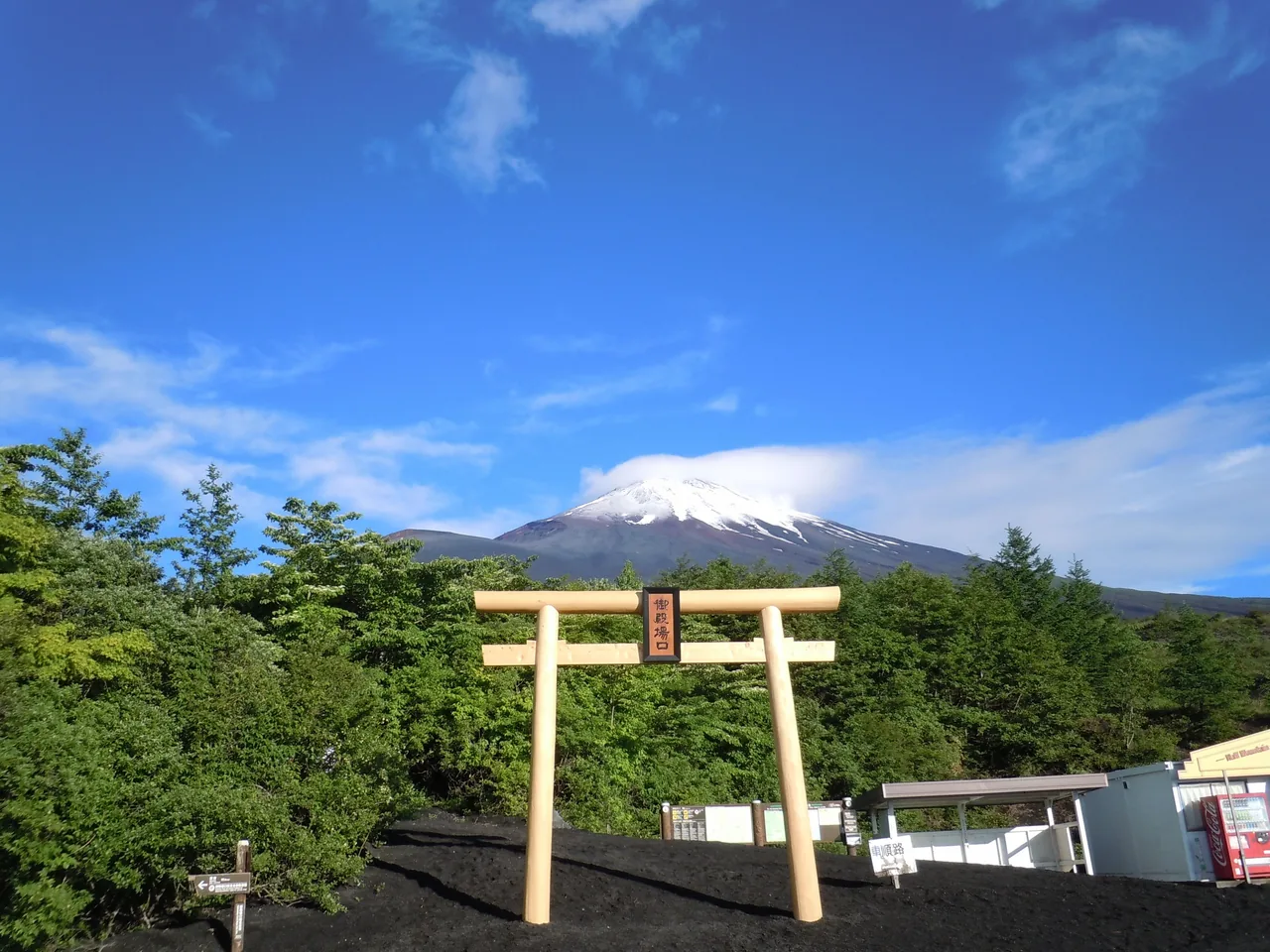
Photo: copyright© Shizuoka Prefectural Tourism Association.
For first-timers, the usual plan is to stay a night in a mountain hut and head for the summit the next morning. On every trail it gets cold near the top even in midsummer, so always pack warm layers and rain gear.
When can you climb? The 2026 season
The Shizuoka trails are open for only about two months in summer. In 2026 the Subashiri Trail opened on July 1 and the Fujinomiya and Gotemba trails on July 10, all closing on September 10. Opening can be delayed by lingering snow.
The 2027 dates are usually announced by Shizuoka Prefecture in spring. Outside the season the trails are closed, and winter Fuji, covered in snow and ice, is dangerous even for experienced mountaineers.
What to do before climbing from Shizuoka
Since 2025, the three Shizuoka trails have managed entry with the following rules.
- Entry fee: 4,000 yen per person, per climb
- Pre-learning: complete an online module on the rules and manners for protecting Mt. Fuji and climbing safely
- Climbing certificate: show the certificate you receive through Shizuoka Prefecture's advance registration at the 5th Station of your trail
- Night entry: if you start climbing between 2 pm and 3 am, you must have a mountain hut booking
"Bullet climbing," hiking through the night without a hut stay to catch sunrise at the summit, has long been discouraged because it puts heavy strain on the body and leads to accidents. The night entry rule is meant to curb it. Registration steps can change from year to year, so check Shizuoka Prefecture's Mt. Fuji climbing information for the latest.
Getting to the 5th Stations and private car restrictions
During the summer climbing season, private cars are banned on the roads up to the 5th Stations. In 2026 the Fujisan Skyline to the Fujinomiya 5th Station was closed to private cars from July 10 to September 10, and the Fuji Azami Line to the Subashiri 5th Station from July 1 to September 10.
During these periods, you park at the foot of the mountain and switch to a shuttle bus or taxi. Mizugatsuka Park, used as the transfer point for the Fujinomiya Trail, sits at about 1,450 m on Fuji's southeast slope, with the mountain and the Hoei Crater right in front of you. Local buses also run to Mizugatsuka Park from JR Mishima Station.
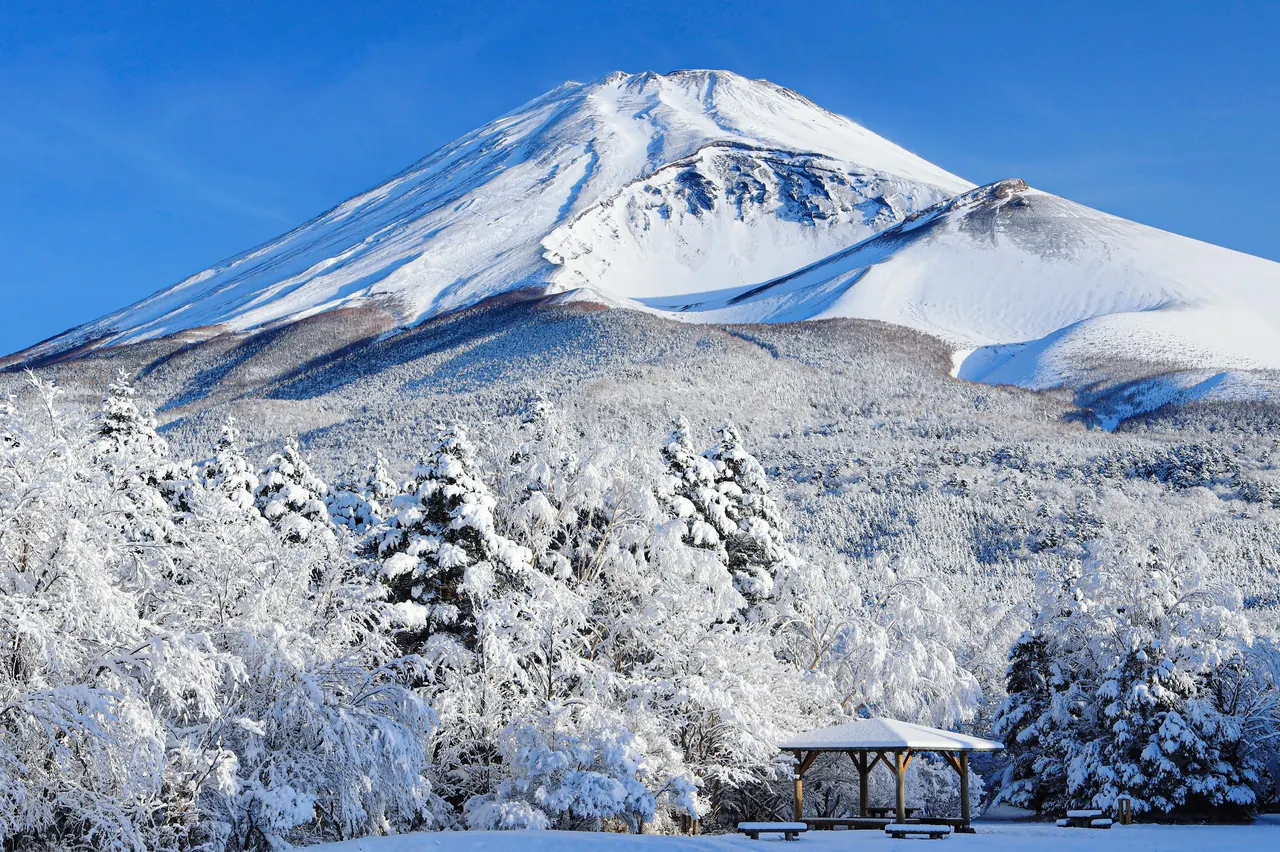
Photo: copyright© Shizuoka Prefectural Tourism Association.
Enjoying Fuji without summiting: Hoei Crater and Kofuji
Even without the stamina or time to reach the summit, there are good walks around the 5th Stations. The Hoei Crater, gaping on Fuji's southeast flank, was formed by the Hoei eruption of 1707. A walking trail runs toward it from the Fujinomiya 5th Station, bringing you close to rugged slopes of red and black lava.
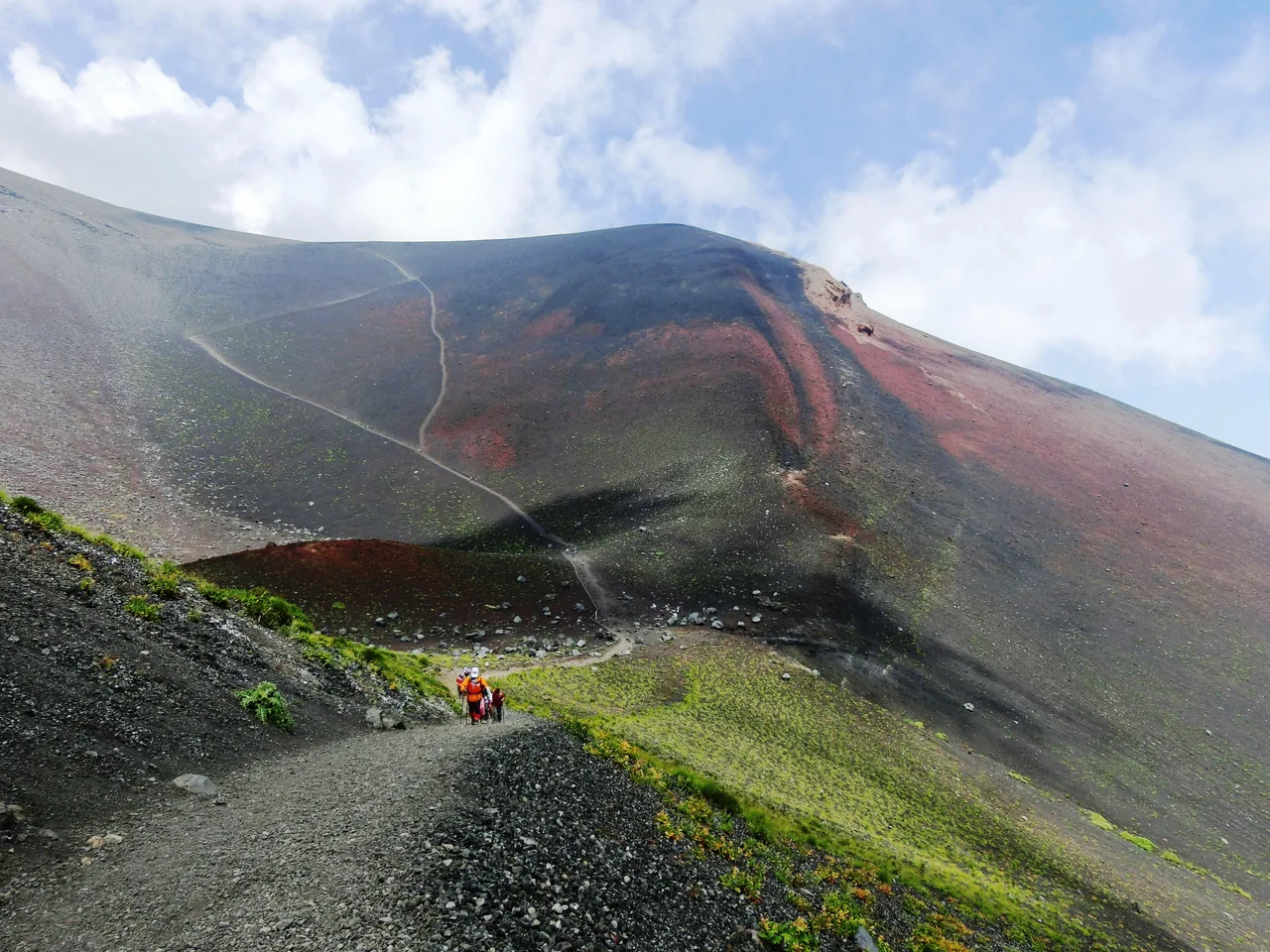
Photo: copyright© Shizuoka Prefectural Tourism Association.
From the Subashiri 5th Station, a path through the forest leads to Kofuji ("Little Fuji"), a parasitic cone of Mt. Fuji. From the lava clearing at its top you look straight up at Fuji's summit. Both spots are around 2,000 m, so bring a jacket even in summer.
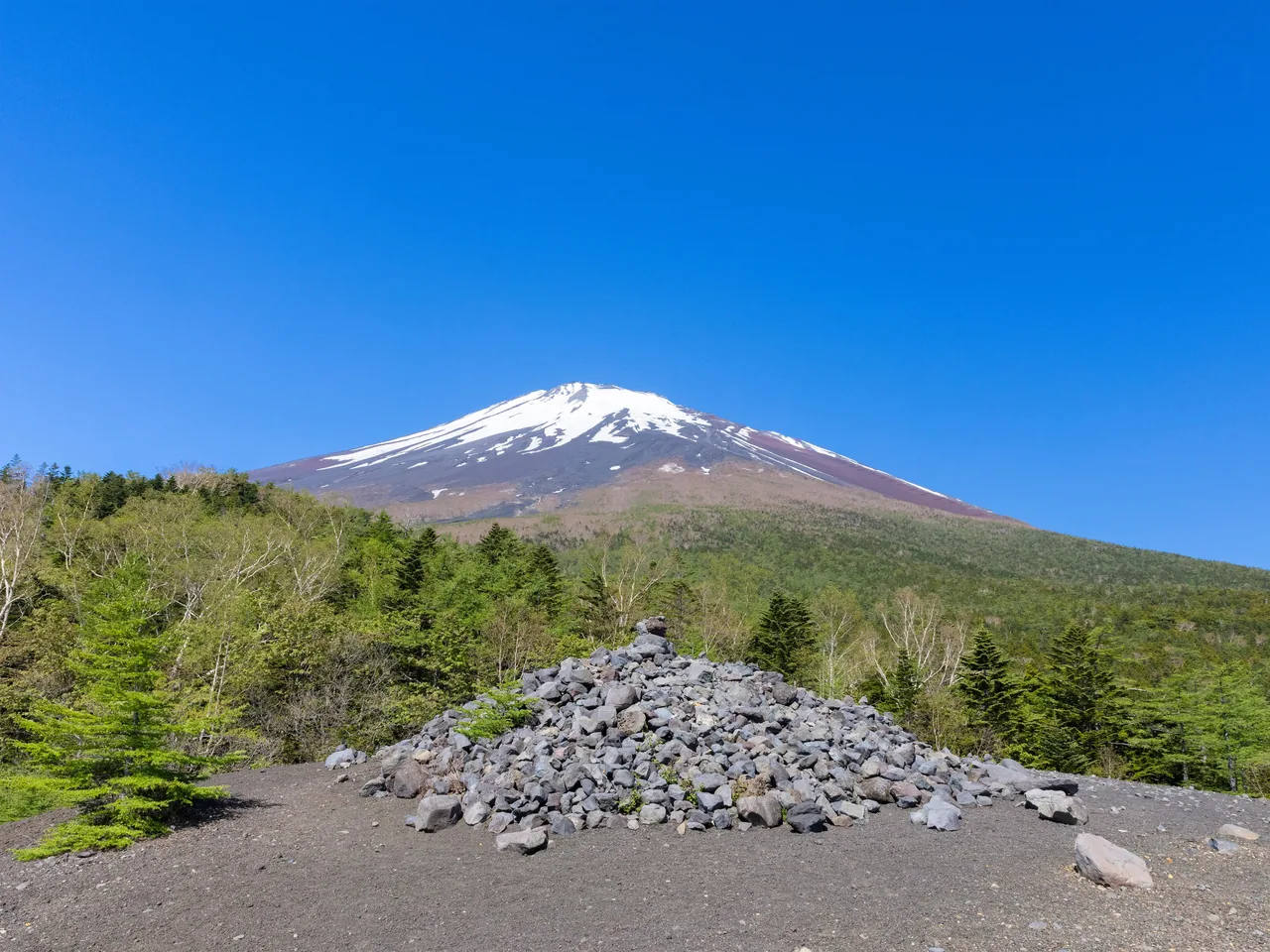
Photo: copyright© Shizuoka Prefectural Tourism Association.
Where to stop before or after the climb
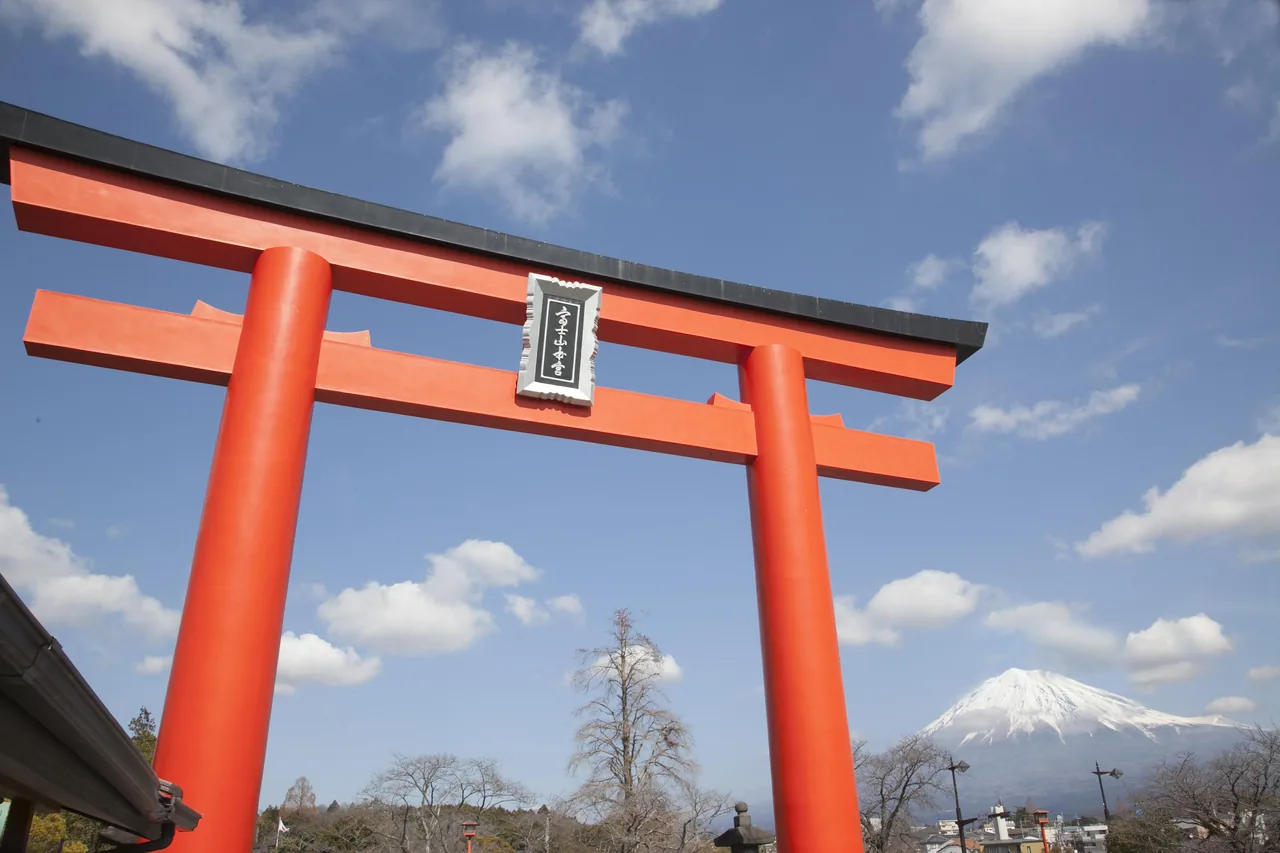
Many climbers on the Fujinomiya Trail stop at Fujisan Hongu Sengen Taisha at the foot of the mountain. The shrine's inner sanctuary sits on the summit, and it's one of the components of the "Mt. Fuji" World Heritage Site. The heritage sites at the foot of the mountain, such as Shiraito Falls and Miho no Matsubara, are in Mt. Fuji World Heritage sites on the Shizuoka side, and places to admire Fuji without climbing it are in Shizuoka's best Mt. Fuji viewpoints.
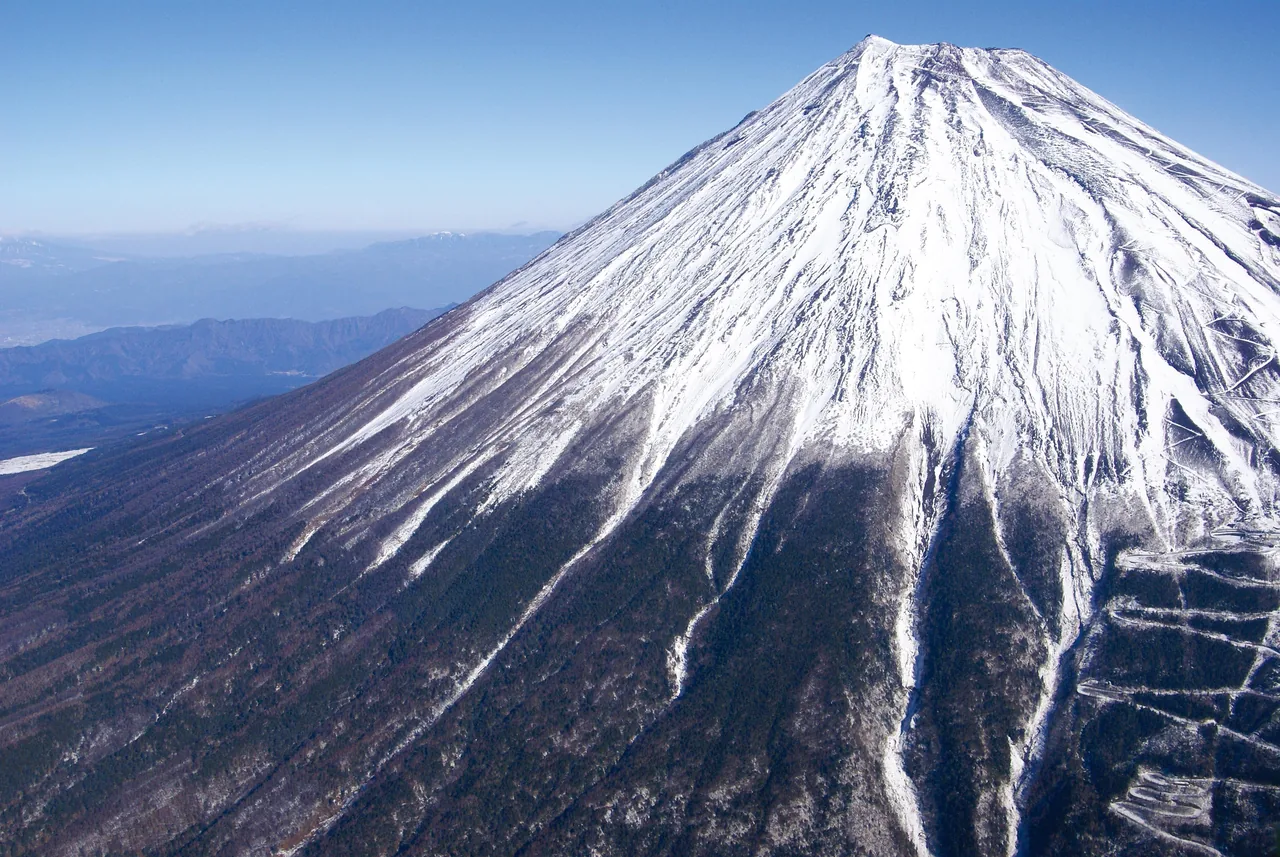
Photo: copyright© Shizuoka Prefectural Tourism Association.
Before you plan, check the latest on fees, registration and the season on the Official Website for Mt. Fuji Climbing and Shizuoka Prefecture's information.