
Tokyo Food Guide: What to Eat, From Edomae Sushi to Monjayaki
This guide is translated from the Japanese edition. Read the Japanese edition
A Tokyo food guide to what to eat and where: Edomae sushi, tempura, monjayaki, chanko-nabe, sukiyaki, ramen and sweets, plus how to order, bookings and cash.
At a sushi counter, the chef sets down a piece he has just shaped. In a Tsukishima side street, a ring of cabbage steams on the griddle. Many of the dishes worth eating in Tokyo grew out of the food stalls of old Edo and the life of the shitamachi, the old downtown. Know which neighborhood each one belongs to, and how to order and eat it, and even an unfamiliar restaurant becomes easy. Start with this quick map of dishes and districts.
| Dish | Neighborhood |
|---|---|
| Edomae sushi | Tsukiji and Toyosu |
| Monjayaki | Tsukishima |
| Chanko-nabe | Ryogoku |
| Sukiyaki | Across Tokyo |
| Fukagawa-meshi | Monzen-nakacho, Kiyosumi-shirakawa, Morishita |
| Yakitori | Shinjuku West Exit; under the tracks at Yurakucho and Shimbashi |
Edomae sushi: ordering and eating at the counter
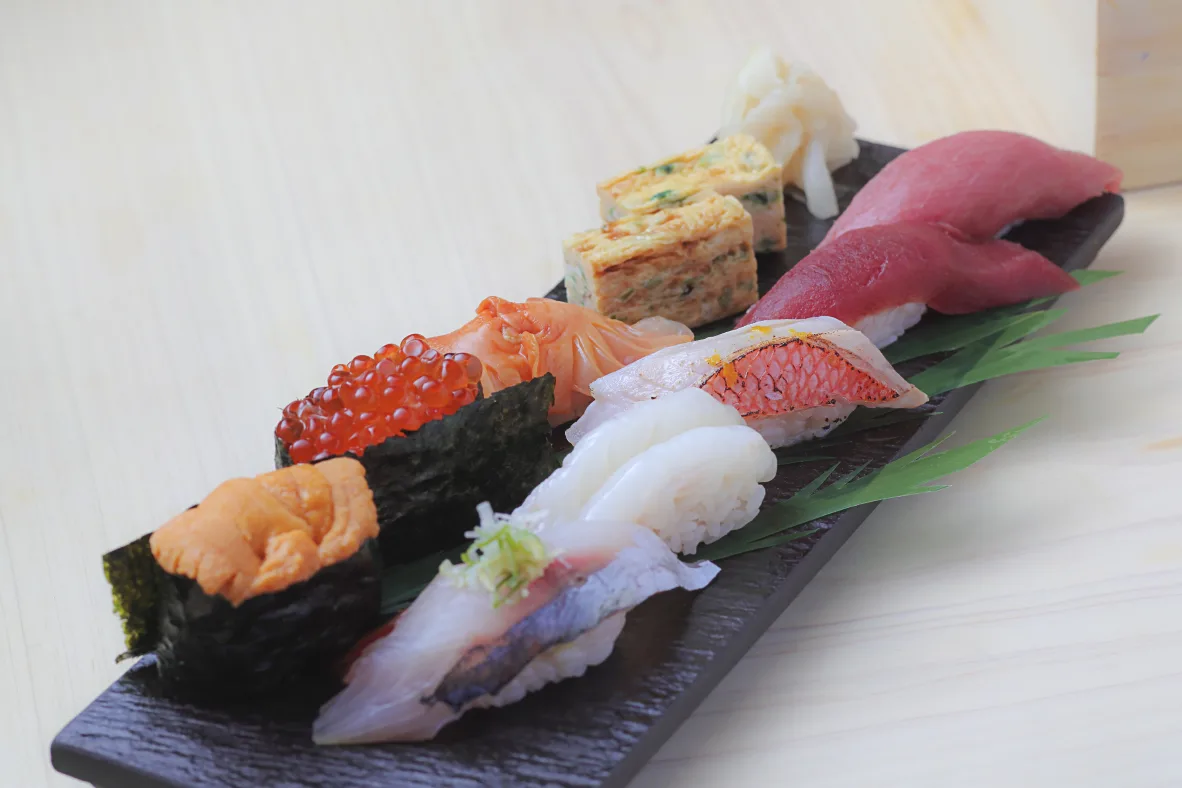
Nigiri sushi became an easy, everyday stall food in the late Edo period. What makes sushi "Edomae" is the work done on the toppings before they reach you: gizzard shad (kohada) cured in vinegar, conger eel (anago) simmered, tuna marinated in soy sauce. Each step draws out the flavor of the fish.
At a counter, the chef often brushes each piece with nikiri, a soy-based glaze, before serving. If so, eat it as it is, with no extra soy sauce. When you do add soy, dip the fish side lightly, not the rice. Each piece is meant to be eaten in one bite, and using your fingers is as acceptable as chopsticks. Order the toppings you like one by one, or leave it to the chef with omakase. Mention anything you don't eat, and any allergies, at the start.
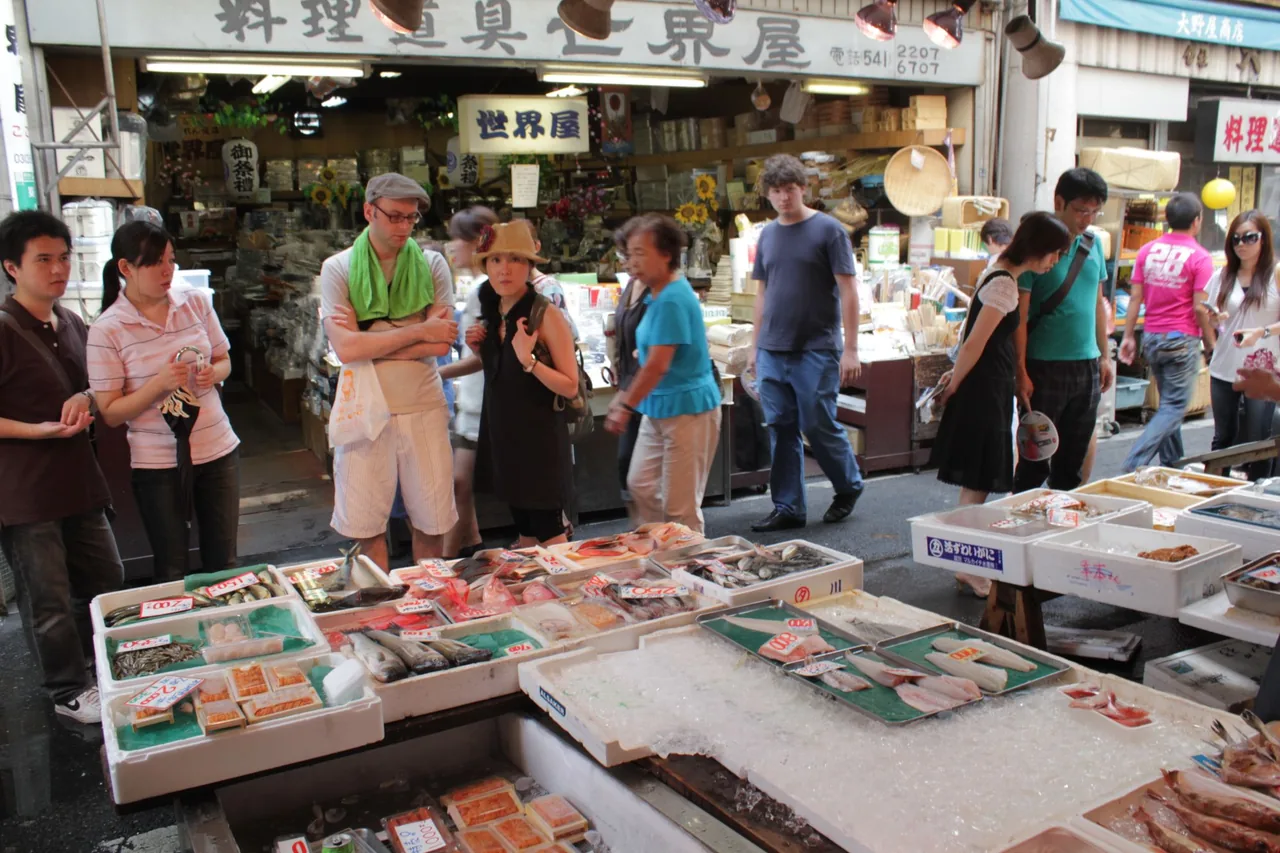
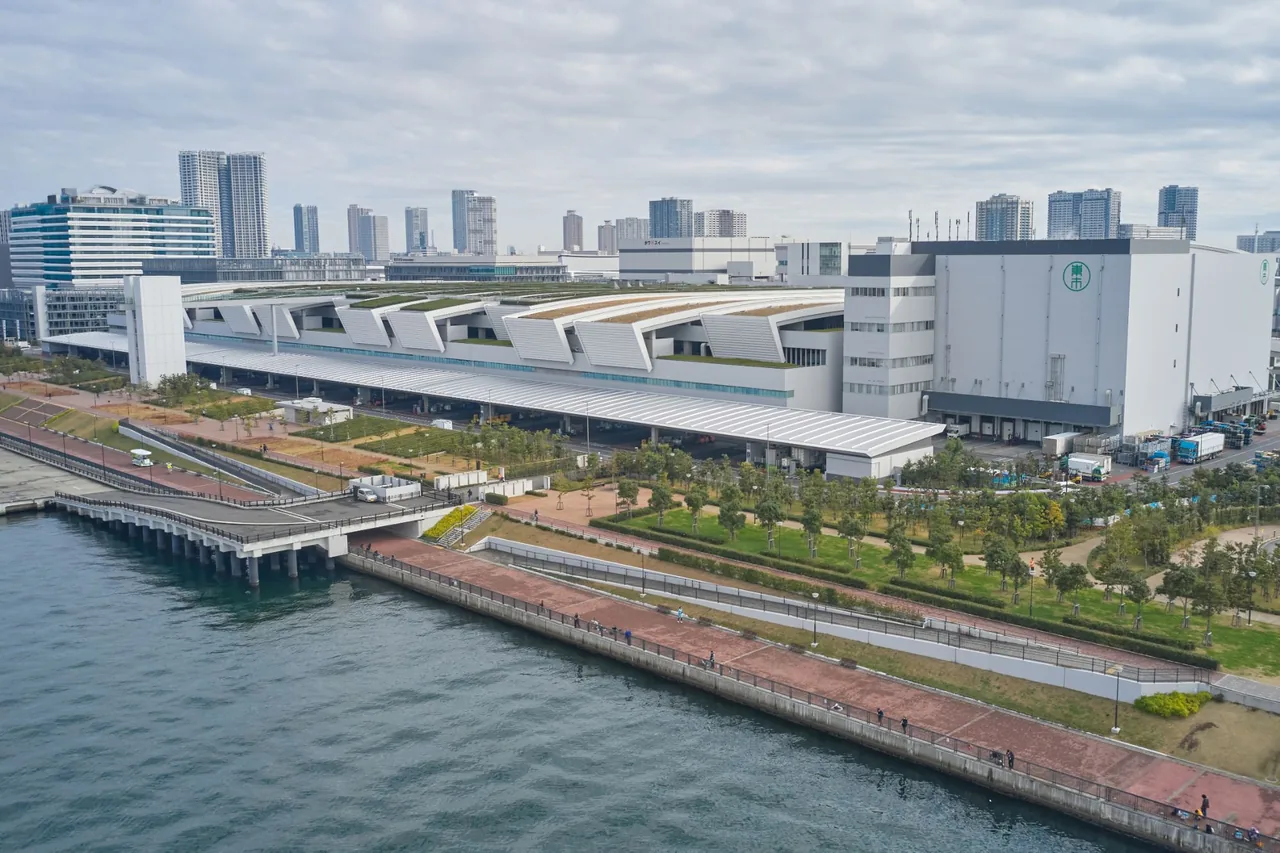
For sushi in the morning, look to the restaurants at Tsukiji Outer Market or Toyosu Market. For how to get around Tsukiji, see Breakfast at Tsukiji Outer Market.
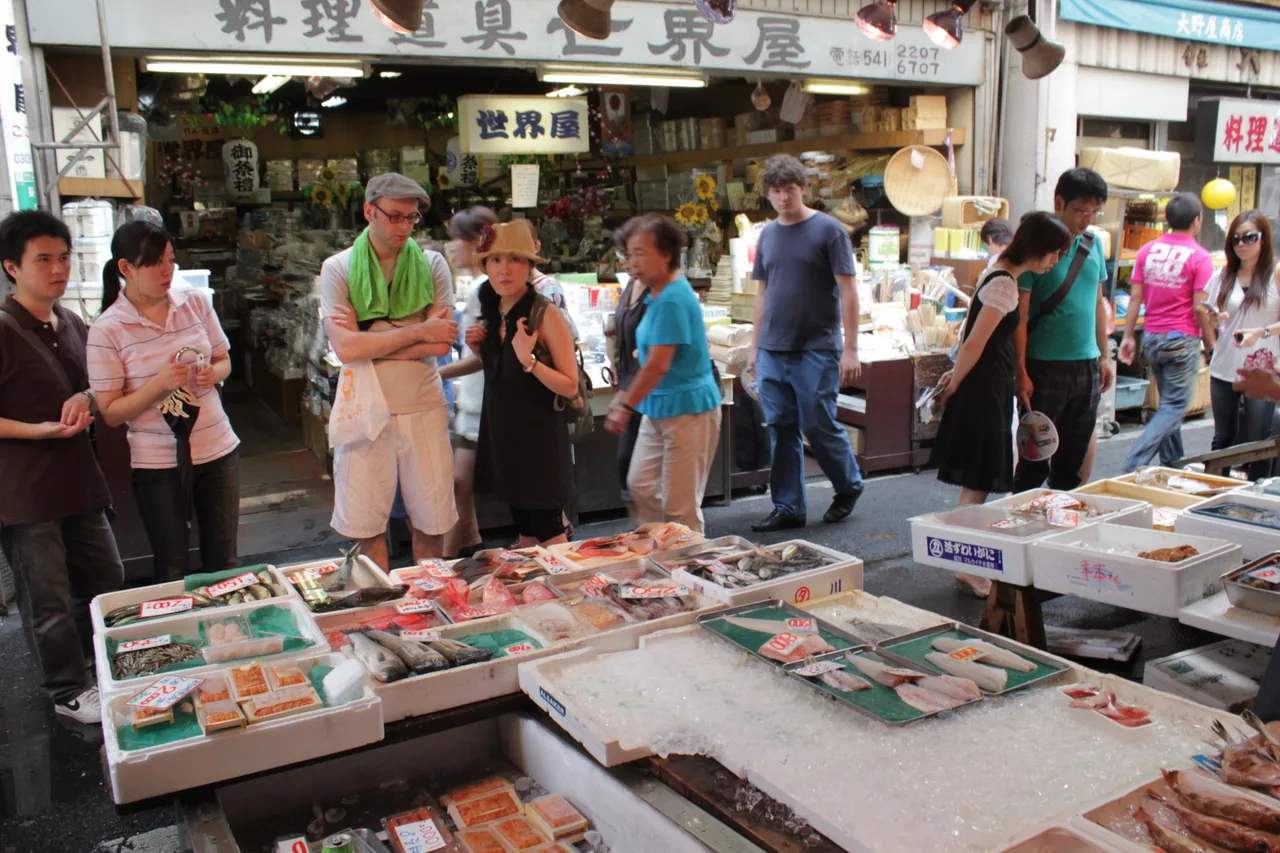
Photo: © TCVB
Tempura: one piece at a time, straight from the oil
Tempura, too, spread through Edo as stand-up stall food. Edo-style tempura is seafood coated in batter and fried in sesame oil, and the original way to enjoy it is to eat each piece the moment it's done.
At a tempura counter, pieces are placed on your plate one by one as they come out of the oil. Eating them before they cool is the main rule, so keep photos quick. Season with tentsuyu dipping sauce or salt; the chef may suggest which suits each ingredient.
Monjayaki: cook it yourself in Tsukishima
Monjayaki is a downtown Tokyo dish of flour batter, thinned with water or dashi, cooked on a griddle. In Tsukishima, Chuo City, a street of monjayaki restaurants starts right outside Exit 7 of Tsukishima Station on the Tokyo Metro Yurakucho Line and Toei Oedo Line.
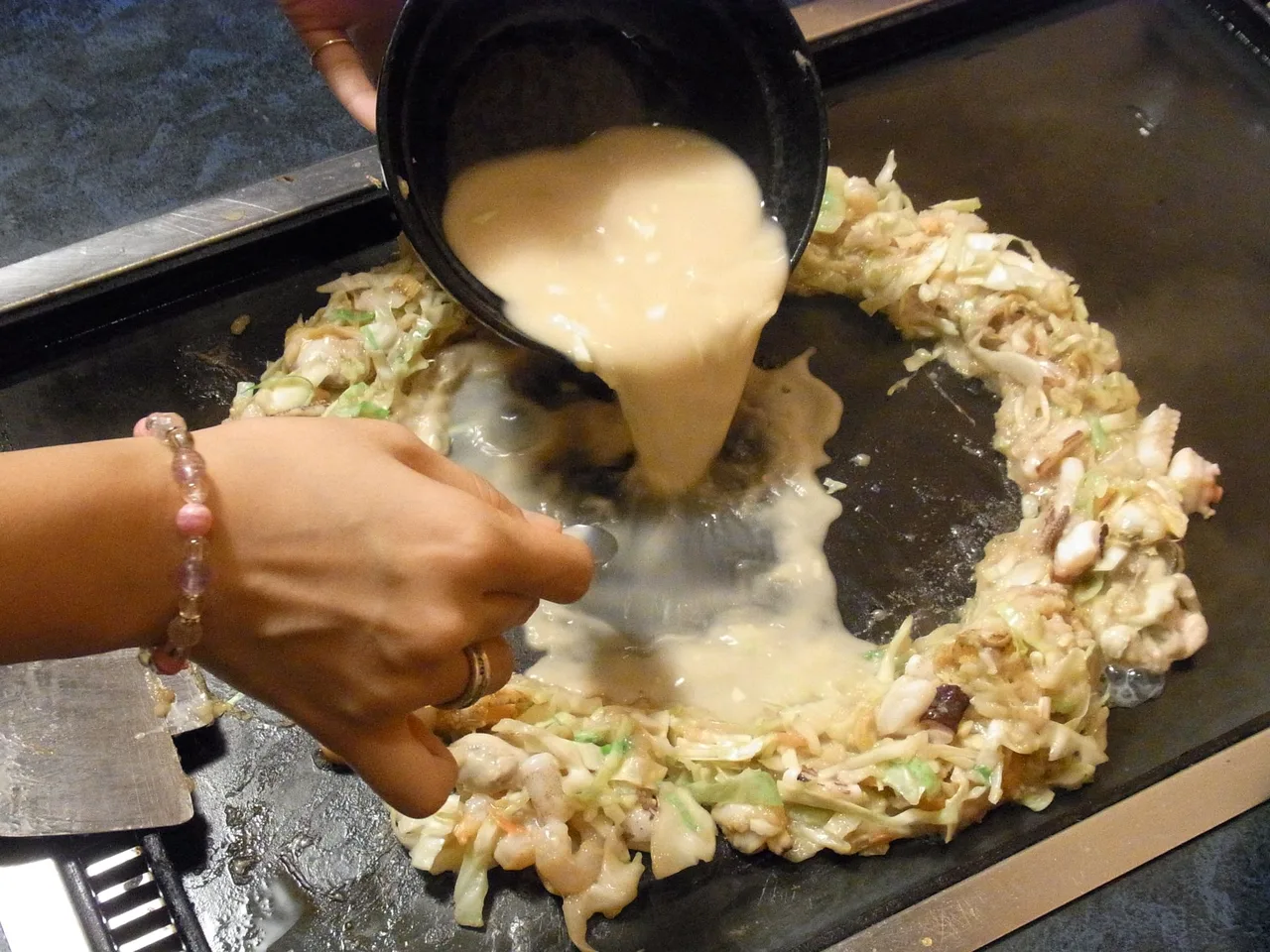
Photo: © TCVB
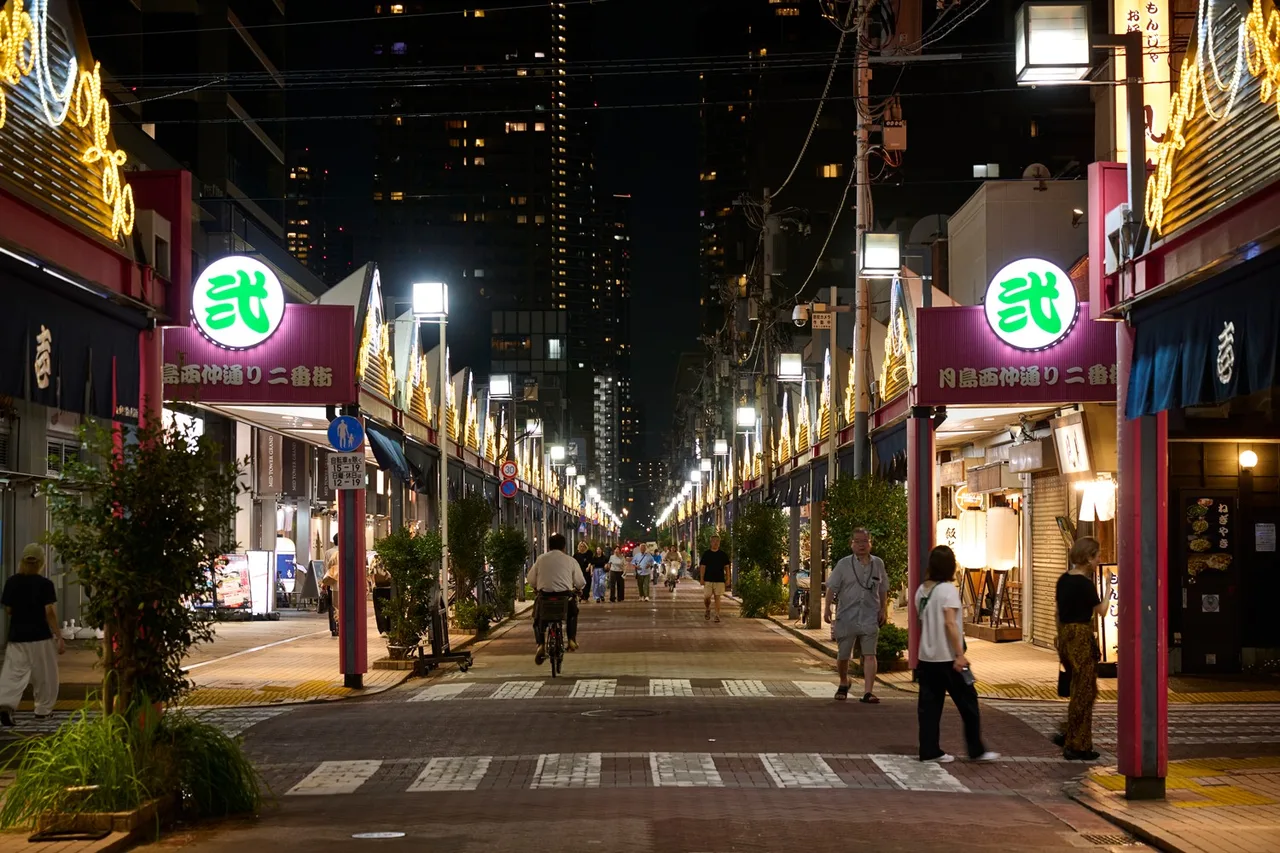
Photo: © TCVB
Here's how it goes. At most places, the batter and toppings arrive together in one bowl.
- Tip only the solid ingredients (cabbage and so on) onto the griddle and stir-fry them, chopping with your spatula
- Once the cabbage softens, shape it into a ring like a doughnut (the "bank")
- Pour the rest of the batter into the middle; when it thickens, mix everything together and spread it thin
- Press small bites against the griddle with a mini spatula (hagashi) and eat them slightly crisped
If you're unsure, ask the staff. Some restaurants will show you how, and some post the steps on the table. The Tsukishima Monja Promotion Association's official site has a video on how to cook it; watching it once before you go saves fumbling at the griddle.
Chanko-nabe: in Ryogoku, the sumo district
Chanko is the name for the food sumo wrestlers eat in their stables. Chanko-nabe is a hotpot of chicken, vegetables and more simmered in dashi or chicken-bone broth, seasoned with soy sauce, miso, salt or something else depending on the restaurant.
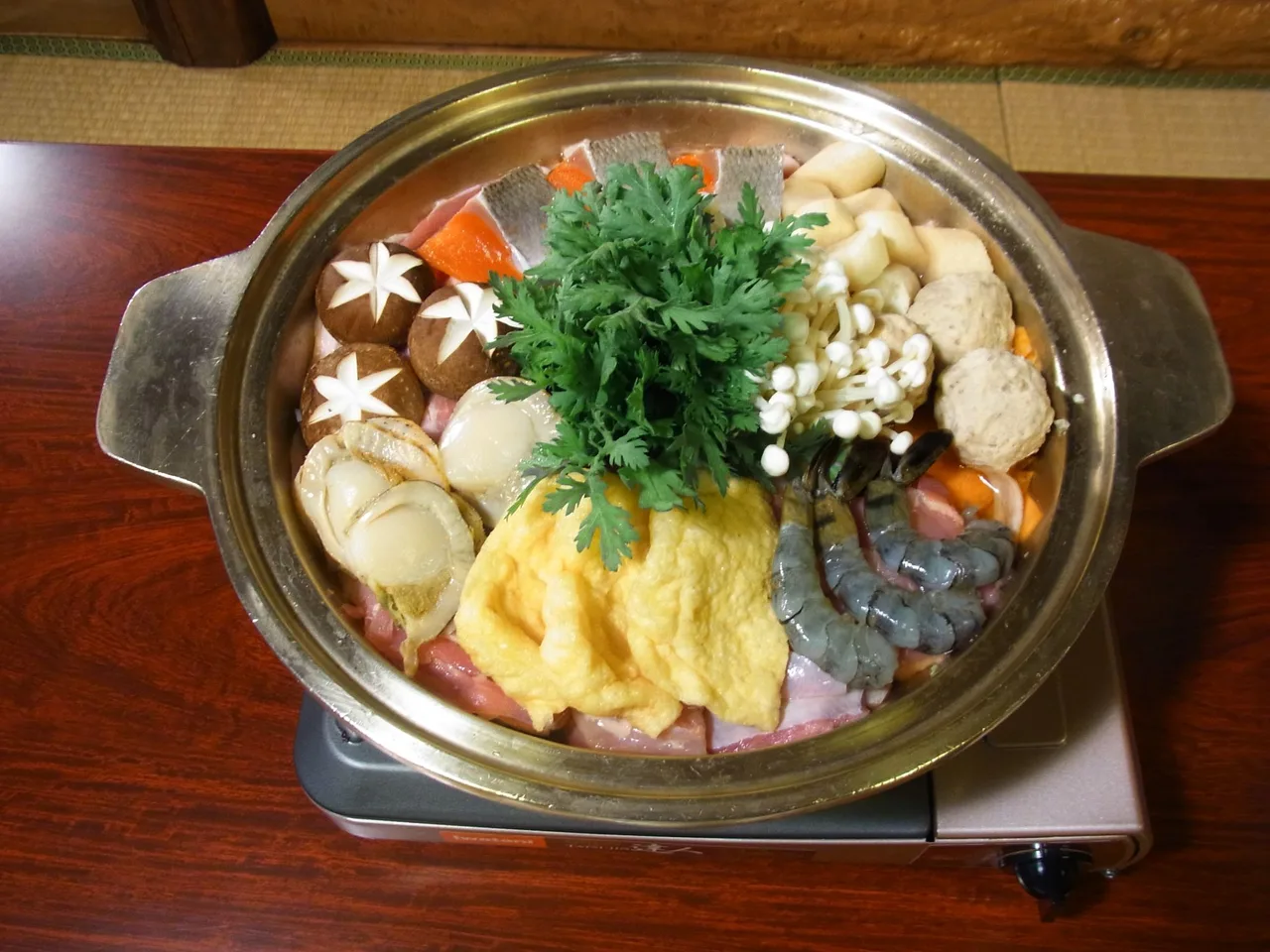
Photo: © TCVB
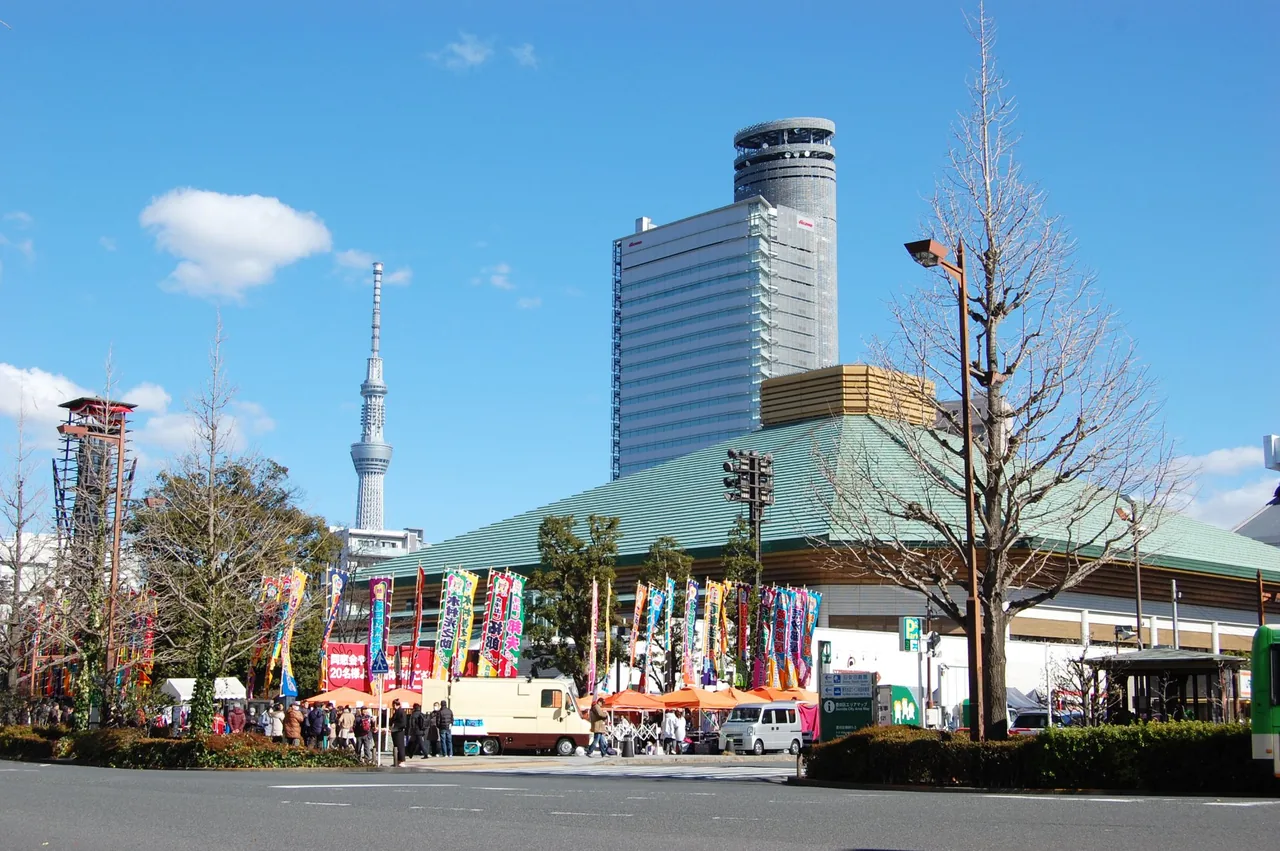
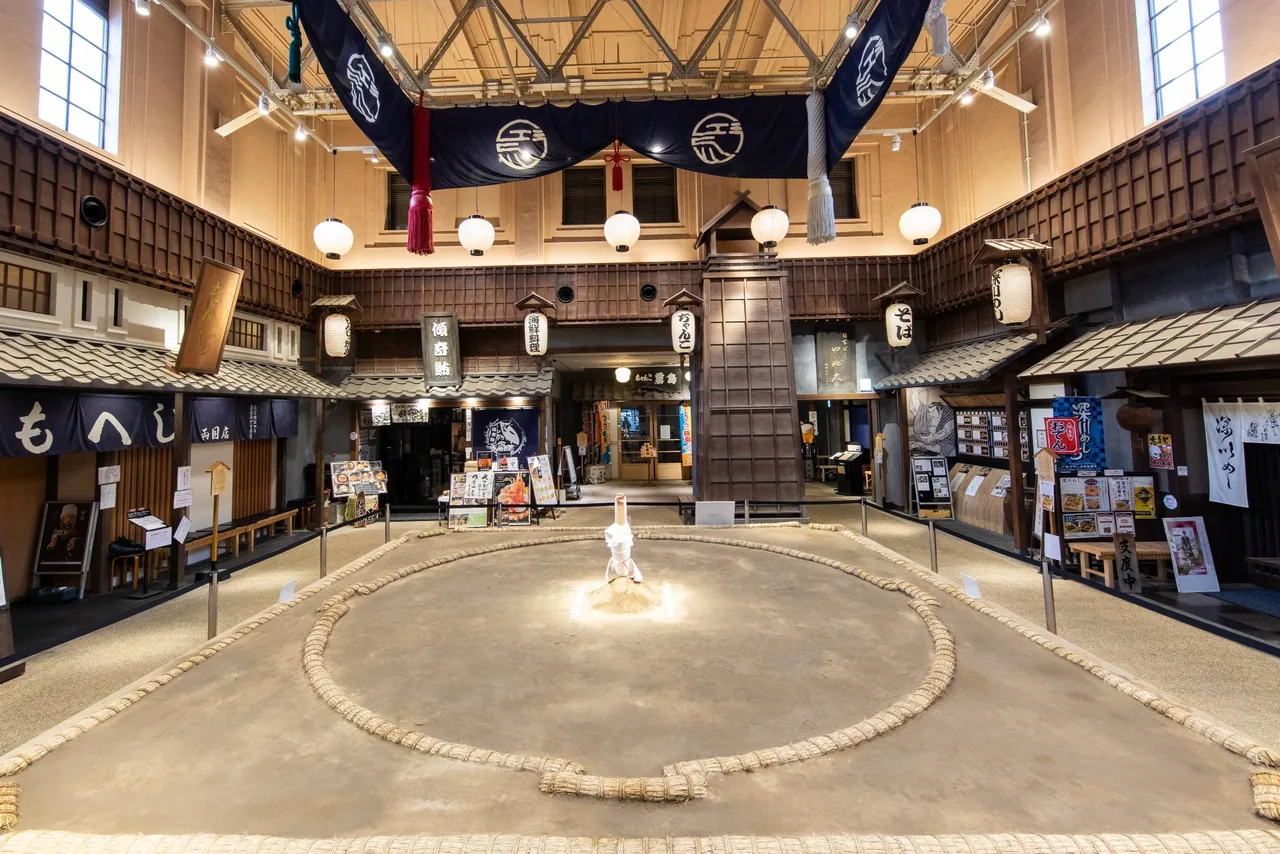
Chanko restaurants cluster in Ryogoku, home of Ryogoku Kokugikan. The Tokyo grand sumo tournaments are held there every January, May and September, and the neighborhood is busy during those months. Ryogoku Edo Noren, directly connected to the West Exit of JR Ryogoku Station, also has a chanko restaurant.
The pot is meant to be shared, but some restaurants offer single-serving pots. If you're traveling alone, ask before you order.
Sukiyaki: the Kanto way, with warishita and beaten egg
Sukiyaki is beef cooked with leeks, shungiku greens, grilled tofu and more in warishita, a sauce of soy sauce, sugar and sake. When eating beef caught on in the Meiji era, gyunabe (beef hotpot) restaurants multiplied in Tokyo. Some Tokyo sukiyaki restaurants dating back to the Meiji era are still in business.
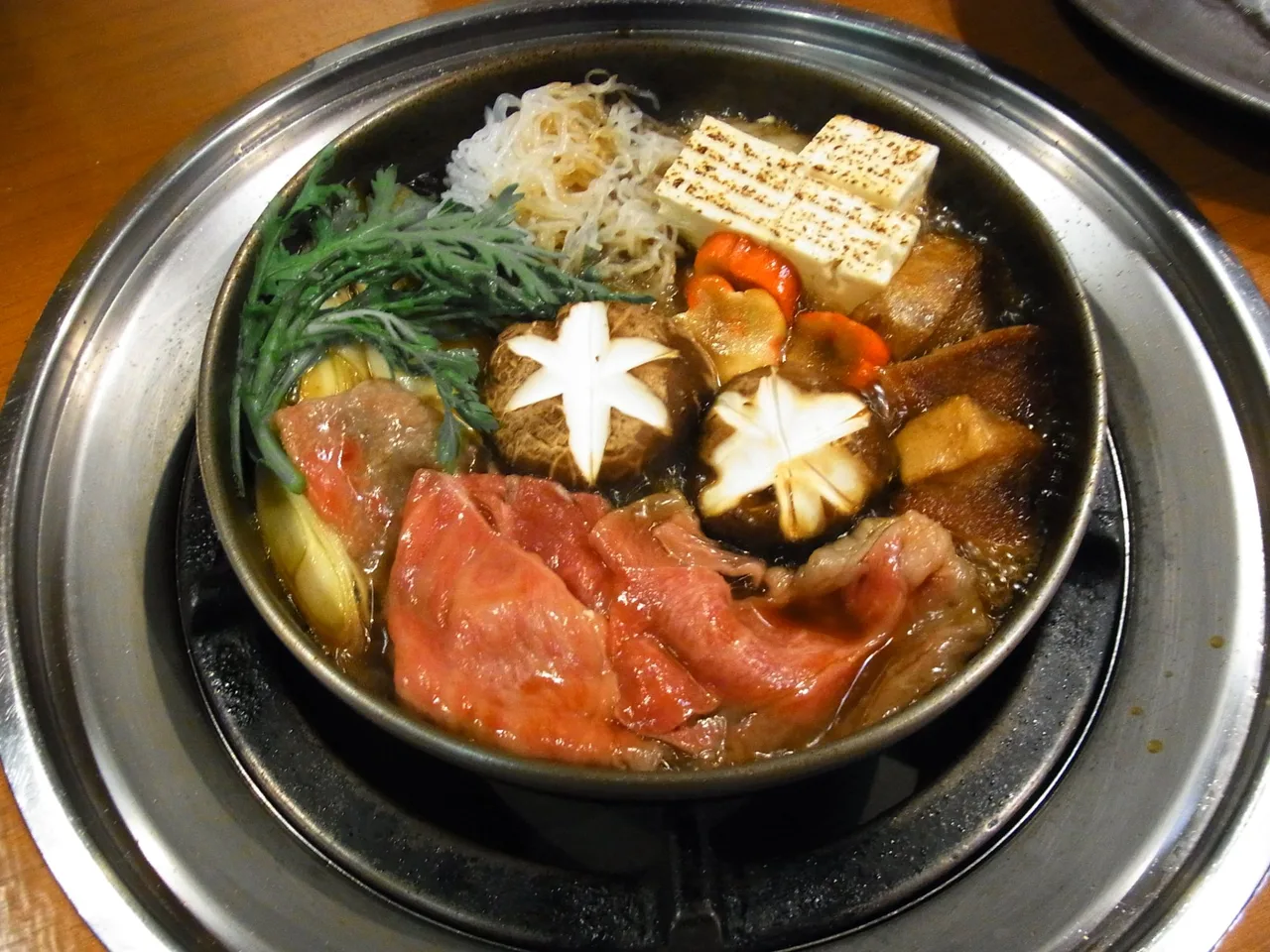
Photo: © TCVB
In the Kanto style, you bring the warishita to a boil in the pan, then add the meat and vegetables to simmer. You dip each cooked piece in beaten raw egg. If you'd rather not eat raw egg, say so when you order. Most of these restaurants are built around set courses, so it's safest to book.
Fukagawa-meshi: clam rice in Monzen-nakacho and Kiyosumi-shirakawa
Fukagawa-meshi is a rice dish made with asari clams, once eaten by fishermen in Fukagawa, Koto City. It comes in two forms: bukkake, where clams and leeks simmered in miso are poured over rice, and takikomi, where the clams are cooked together with the rice.
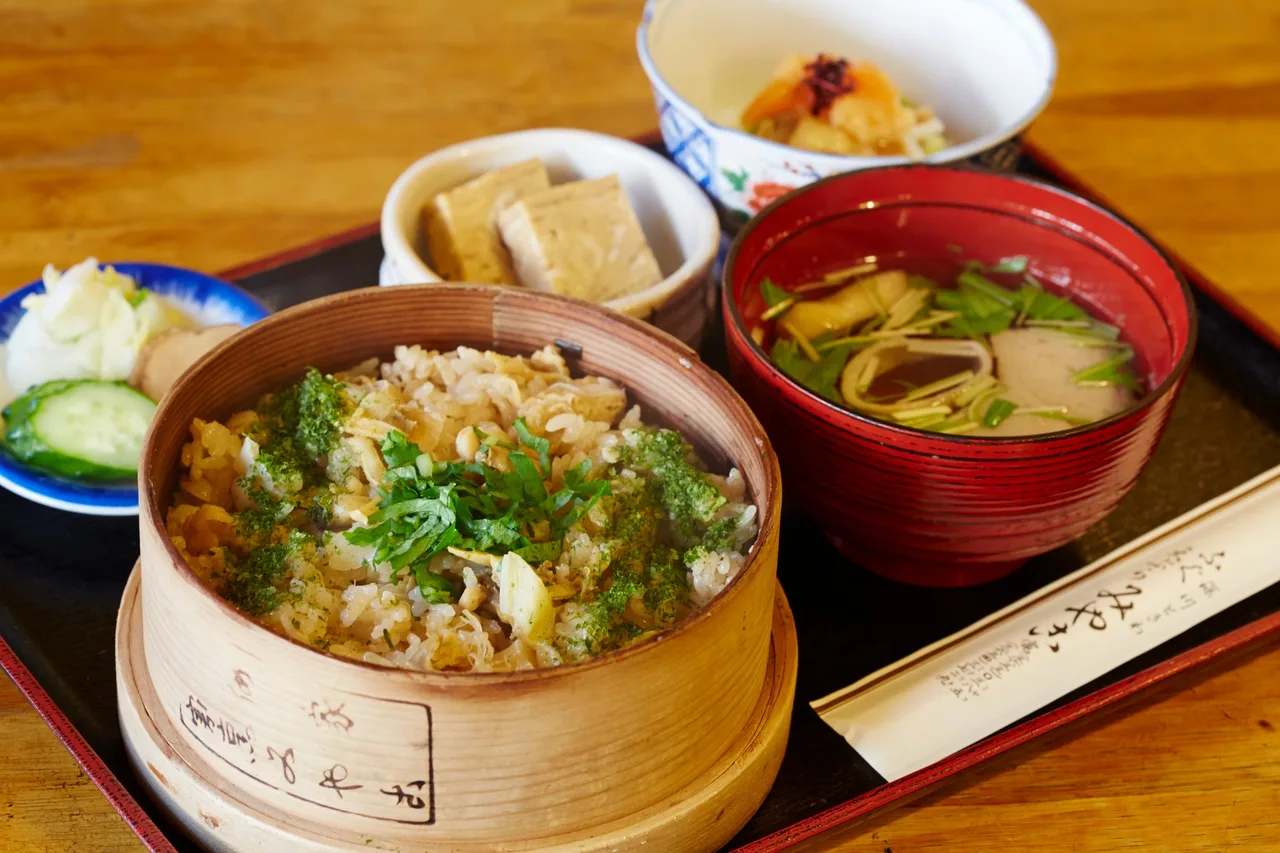
Photo: © TCVB
Restaurants serving it are scattered around stations such as Monzen-nakacho, Kiyosumi-shirakawa and Morishita. Each restaurant serves its own style, and some let you try both. The Koto City Tourism Association site has a list of restaurants serving fukagawa-meshi, searchable by area.
Yakitori and ramen: alley nights and a bowl of shoyu
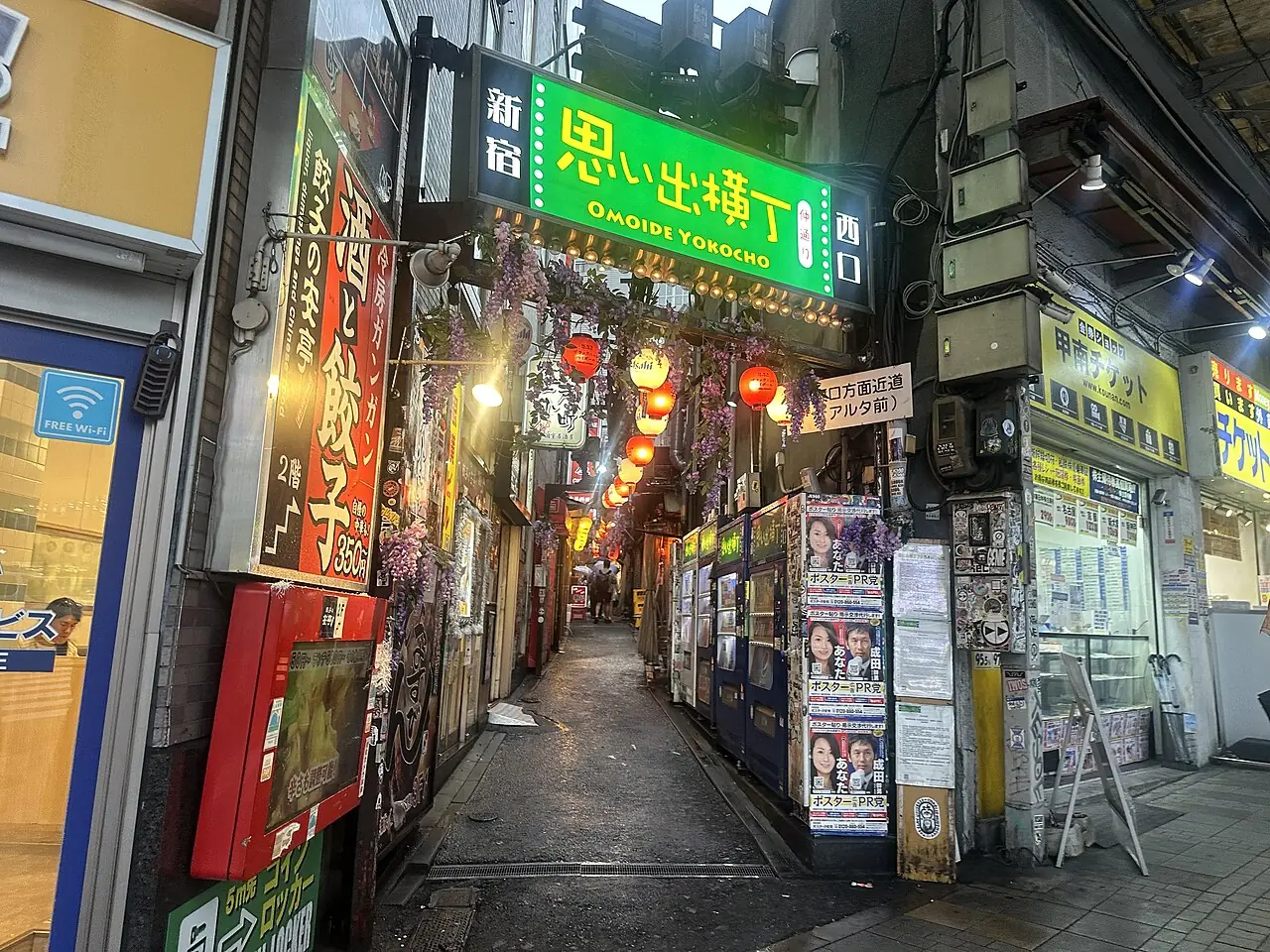
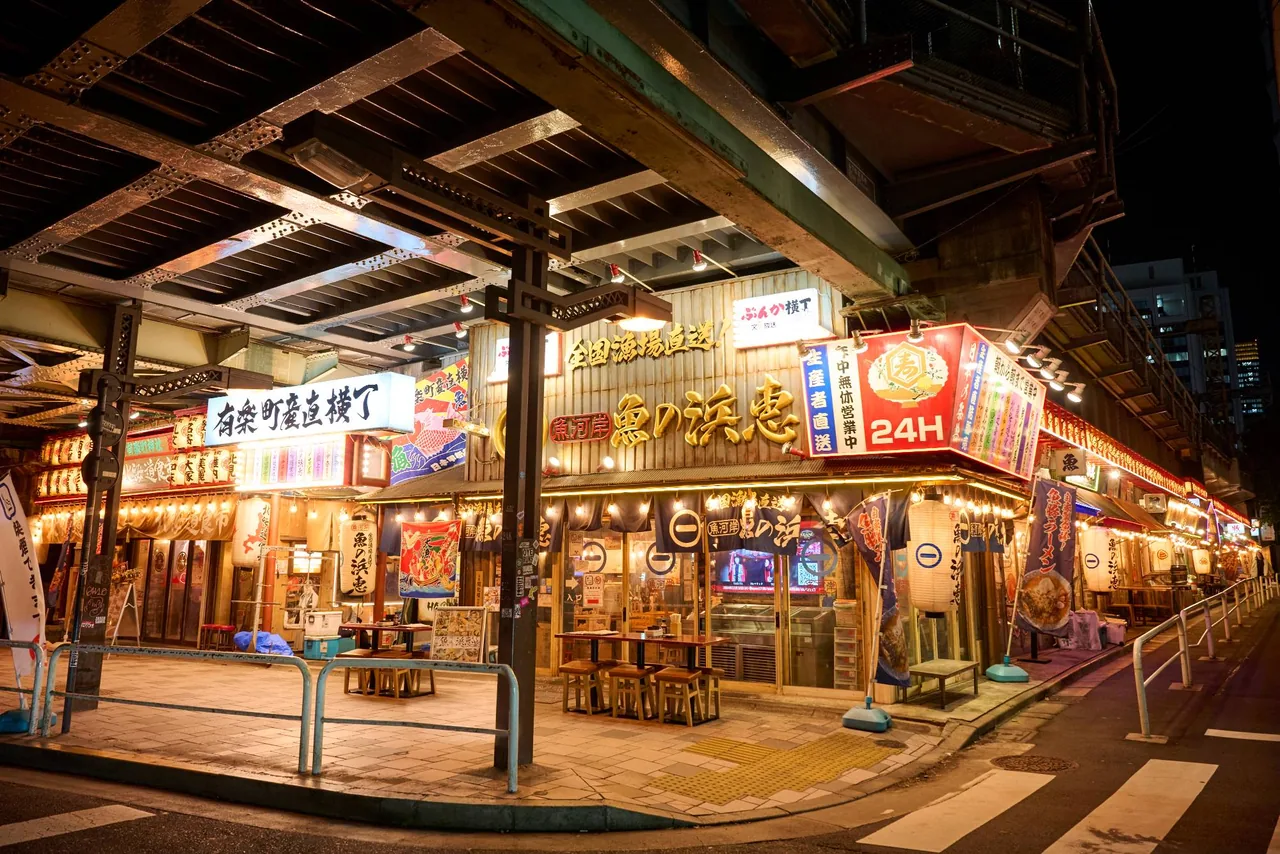
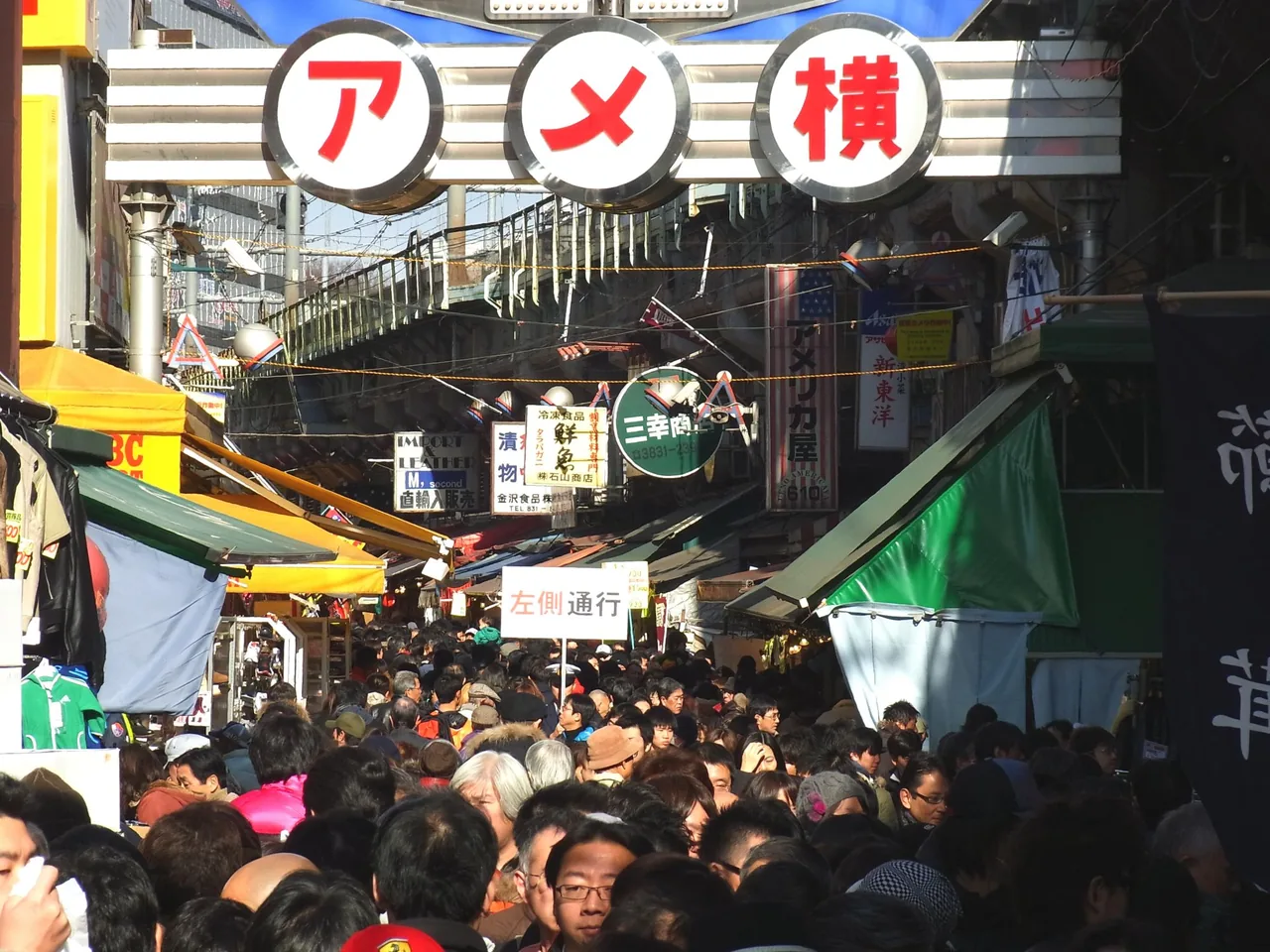
Yakitori is chicken meat and offal on skewers, grilled over charcoal or another heat source. Small yakitori bars and izakaya crowd together at Omoide Yokocho by the West Exit of Shinjuku Station, and at Yurakucho Gado-shita, the arches under the tracks from Yurakucho Station toward Shimbashi. You usually choose between tare (a sweet soy glaze) and shio (salt). Many places have only a few seats and their own way of taking orders, so check the sign out front before you go in. Ameyoko in Ueno also has casual izakaya and diners.
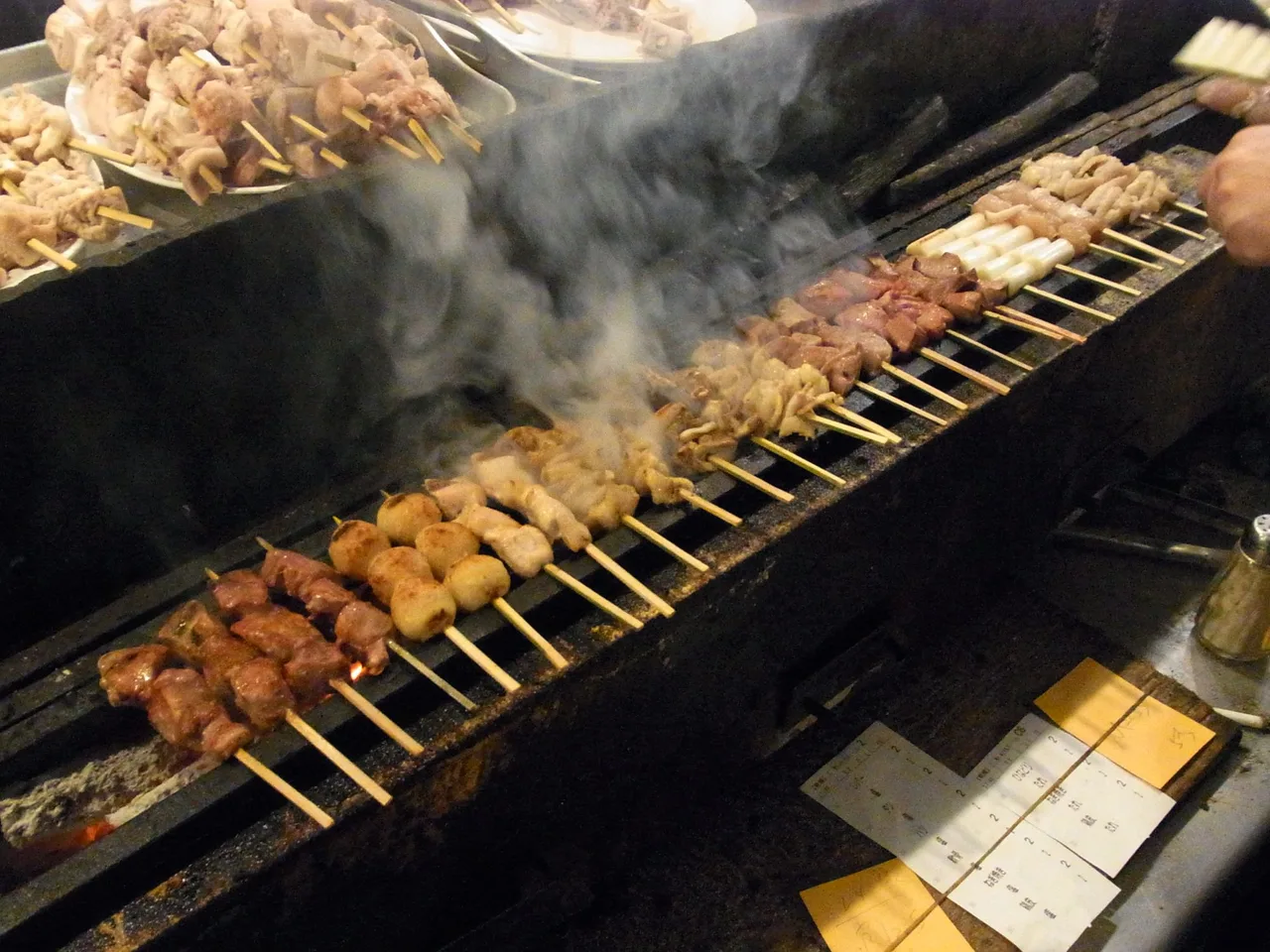
Photo: © TCVB
The long-loved Tokyo ramen is a bowl of clear, soy-sauce-flavored soup, often listed on menus as chuka soba. At many ramen shops you buy a meal ticket from a machine by the door before taking a seat, so having coins and bills ready helps. How the ticket machines work is covered in Japanese restaurant etiquette.
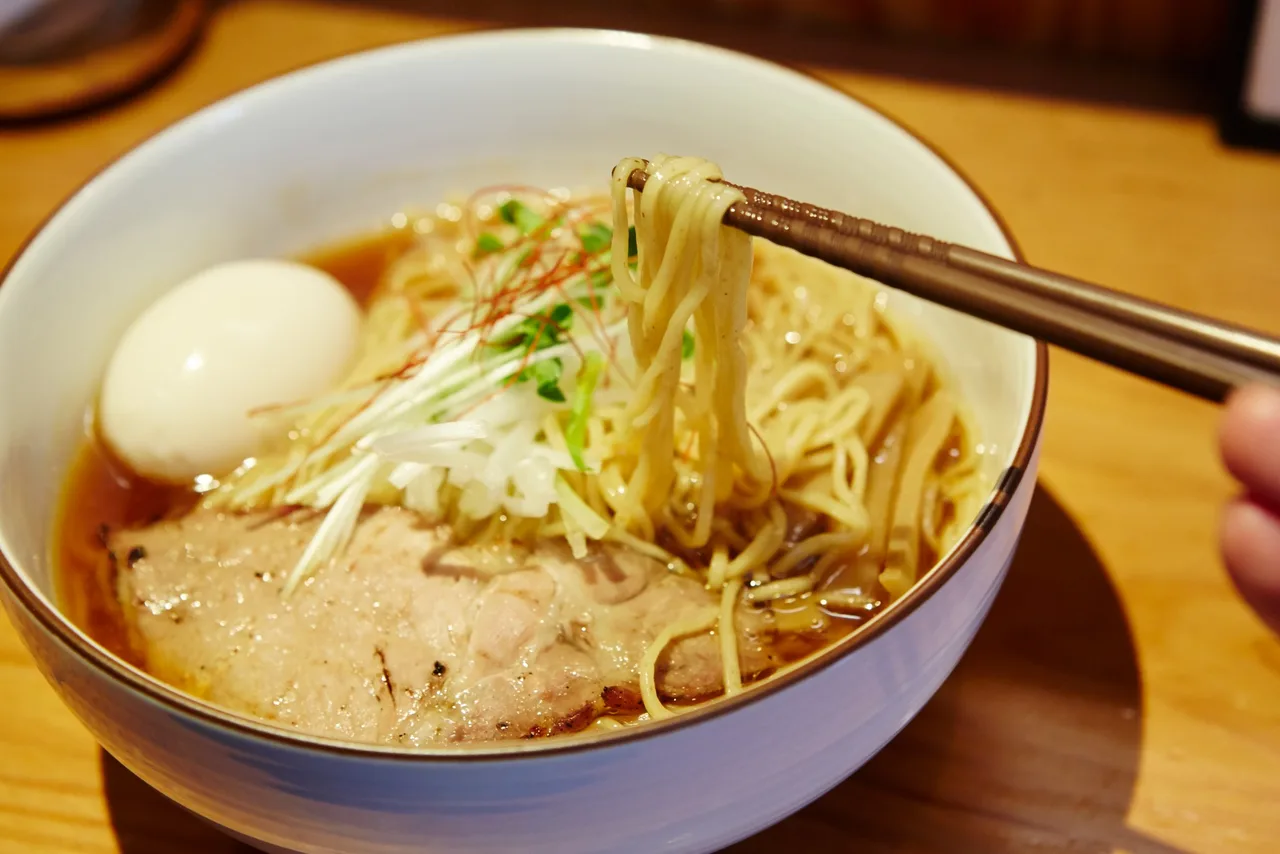
Photo: © TCVB
Wagashi and kakigori: a sweet break from walking
The Japanese sweets Tokyo has long loved are mostly the kind you hold in your hand, like dorayaki and daifuku. Daifuku is said to have been born in Edo. Nerikiri, shaped like seasonal flowers, are best enjoyed with matcha at a kanmidokoro, a traditional sweets café. Shelf life varies a lot: many fresh sweets (namagashi) are meant to be eaten the same day, so ask at the shop before buying them as gifts.
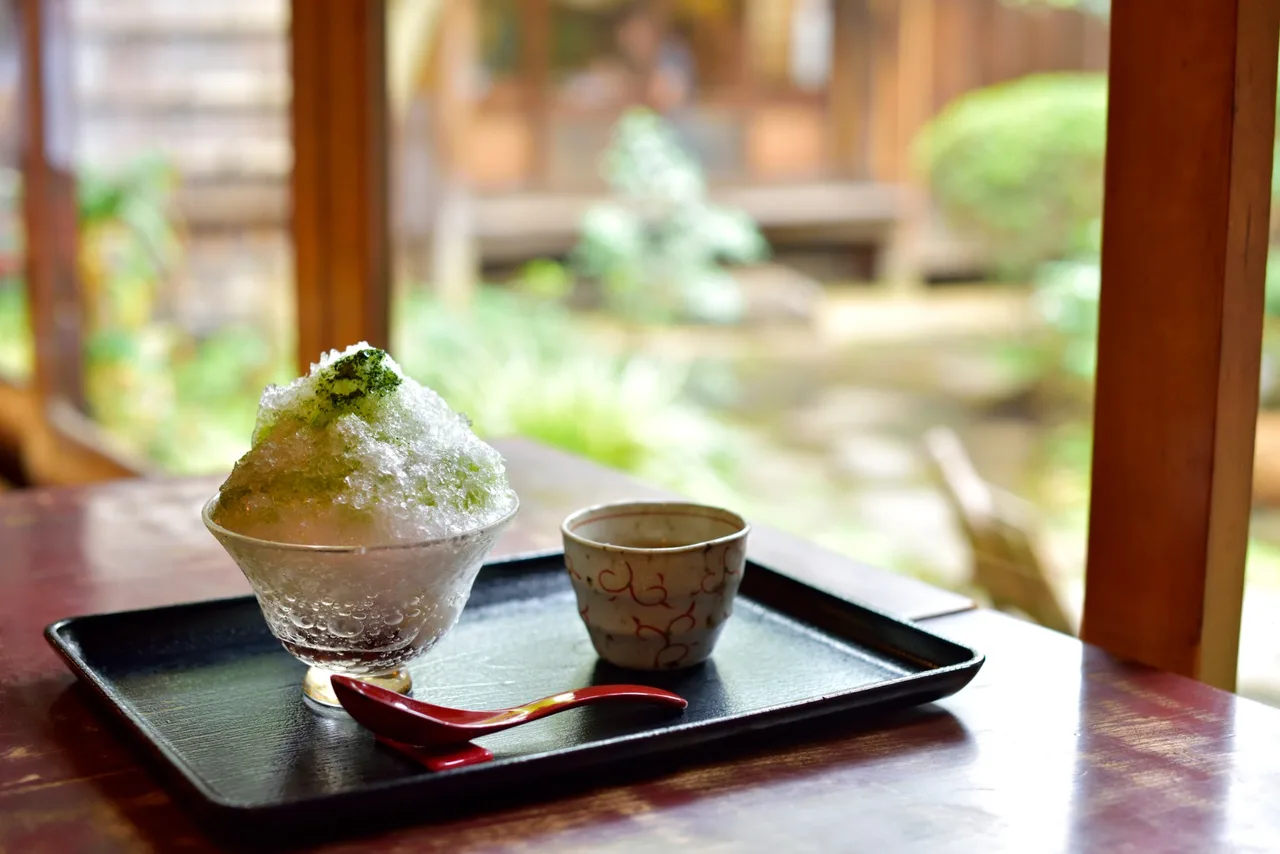
Photo: © TCVB
In summer, kakigori shaved ice appears at sweets cafés and coffee shops. Toppings range from matcha and sweet azuki beans to fruit syrups, and popular places can have lines. Hot afternoons are the busiest, so going right at opening cuts the wait.
Bookings, cash and counter seats: before you go
- Bookings: Many counter sushi and tempura restaurants and sukiyaki specialists take reservations only, and seats are limited. Once you've picked a place, check how to book early on. Monjayaki, yakitori and ramen places mostly take walk-ins.
- Payment: More and more restaurants accept cards and e-money, but small places are sometimes cash only. See the Japan payment guide to get ready.
- Counter seats: The best seats in the house, right in front of the chef. Skip strong perfume, and leave large bags at the entrance or at your feet. If you want to photograph the cooking, ask first.
- Tipping: There's no tipping at restaurants in Japan. A "gochisosama deshita" (thank you for the meal) after paying is all that's needed.
For more on where Tokyo's local dishes come from, see the Ministry of Agriculture, Forestry and Fisheries' Our Regional Cuisines: Tokyo (in Japanese). Dates for the Tokyo sumo tournaments are on the Japan Sumo Association's annual schedule.
Places in this guide
Hotels nearbyPR
See prices and availability for hotels in Tokyo and book on our partner Trip.com.
See hotels in Tokyo on Trip.com