
Tsubame-Sanjo Factory Tours: Knives, Nail Clippers and Chopsticks
This guide is translated from the Japanese edition. Read the Japanese edition
Tsubame-Sanjo factory tours in Niigata: the metalworking history museum, SUWADA and Tojiro open factories, Marunao chopsticks and the autumn Factory Festival.
In the middle of Niigata Prefecture, the neighbouring cities of Tsubame and Sanjo along the Shinano River form a metalworking district known together as Tsubame-Sanjo. A large share of Japan's kitchen knives, nail clippers, cutlery and pots come out of factories here, and in recent years more of them have opened part of their floors to visitors as "open factories". You watch craftspeople forge steel and grind blades from behind glass or a railing, then buy the finished pieces in the shop next door. Some factories need no reservation, which makes the area well worth a trip if you are interested in Japanese craftsmanship.
What is Tsubame-Sanjo? A metal town that began with hand-forged nails
Metalworking in Tsubame goes back to the making of traditional Japanese nails (wakugi) in the early Edo period. Files, kiseru tobacco pipes, yatate portable writing sets and tsuiki copperware, in which vessels are hammered out of a single copper sheet, followed, and production of metal Western cutlery began at the end of the Meiji period. Neighbouring Sanjo also became a busy nail-making town in the Edo period and is known today for blades and carpentry tools.
Tsubame-Sanjo Station on the Joetsu Shinkansen sits right on the border between the two cities. The factories in this article, however, are scattered well away from the station and are not within walking distance. Use a rental car or taxis, and plan on two or three places a day.
Tsubame Industrial Materials Museum: start with the history
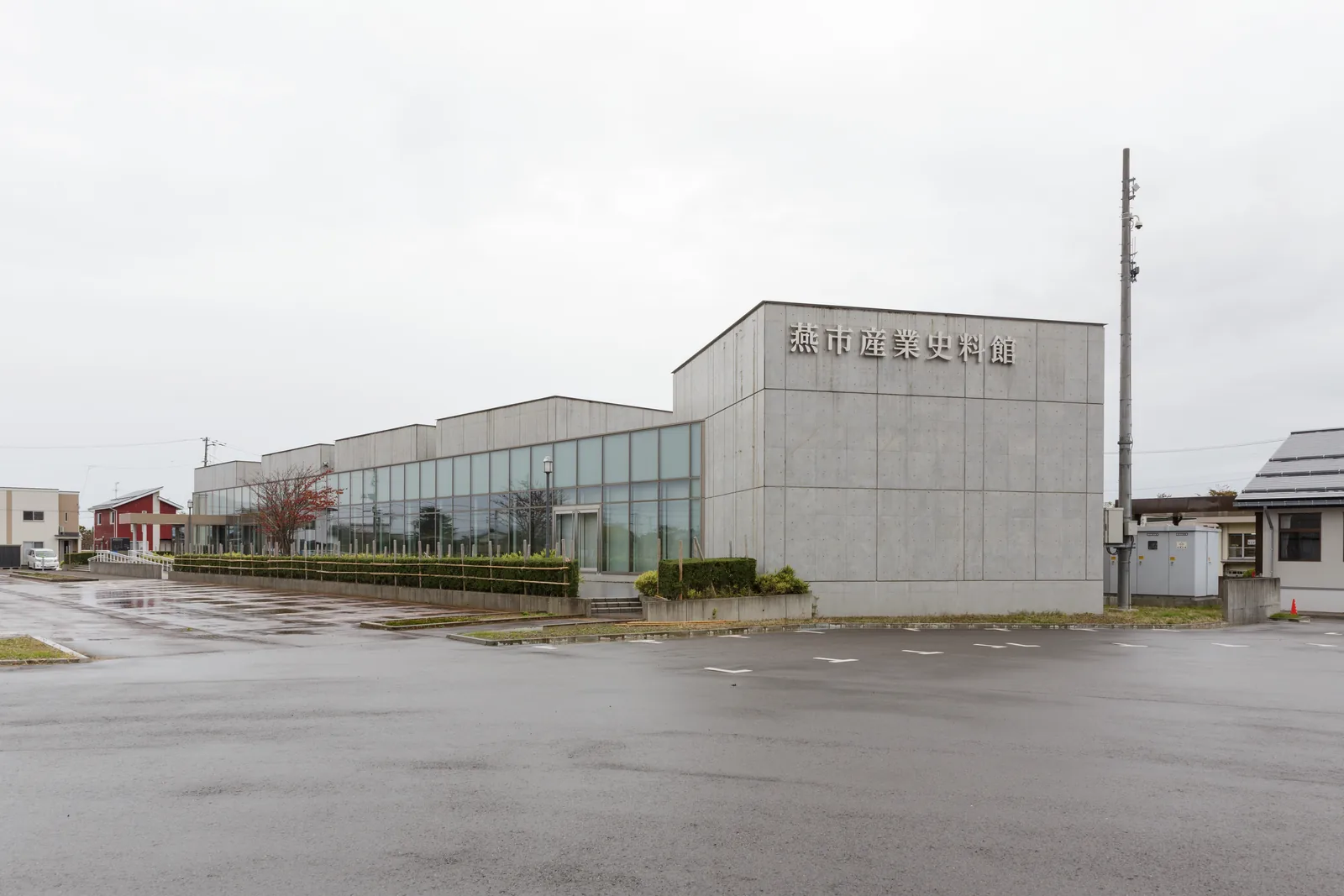
Before the factories, stop at the Tsubame Industrial Materials Museum, run by Tsubame City. The main building traces local metalworking from hand-forged nails to tsuiki copperware, files, kiseru pipes and metal engraving, with tools and reconstructed workshops, plus a gallery of work by metal artists. Displays on the history of cutlery and on today's products using new materials and techniques make the processes you will see in the factories much easier to follow.
In the hands-on workshop building you can try tsuchime-ire, hammering a textured pattern into a copper tumbler or similar piece. A museum shop opened in 2025. Check opening days and workshop details on the Tsubame Industrial Materials Museum website.
SUWADA OPEN FACTORY: nail clippers finished by hand
Suwada Seisakusho (SUWADA) in Sanjo is known for its nipper-style nail clippers, whose blades meet like pincers. Part of the factory is open as the SUWADA OPEN FACTORY, and individual visitors can tour it without a reservation (groups of 10 or more must book).
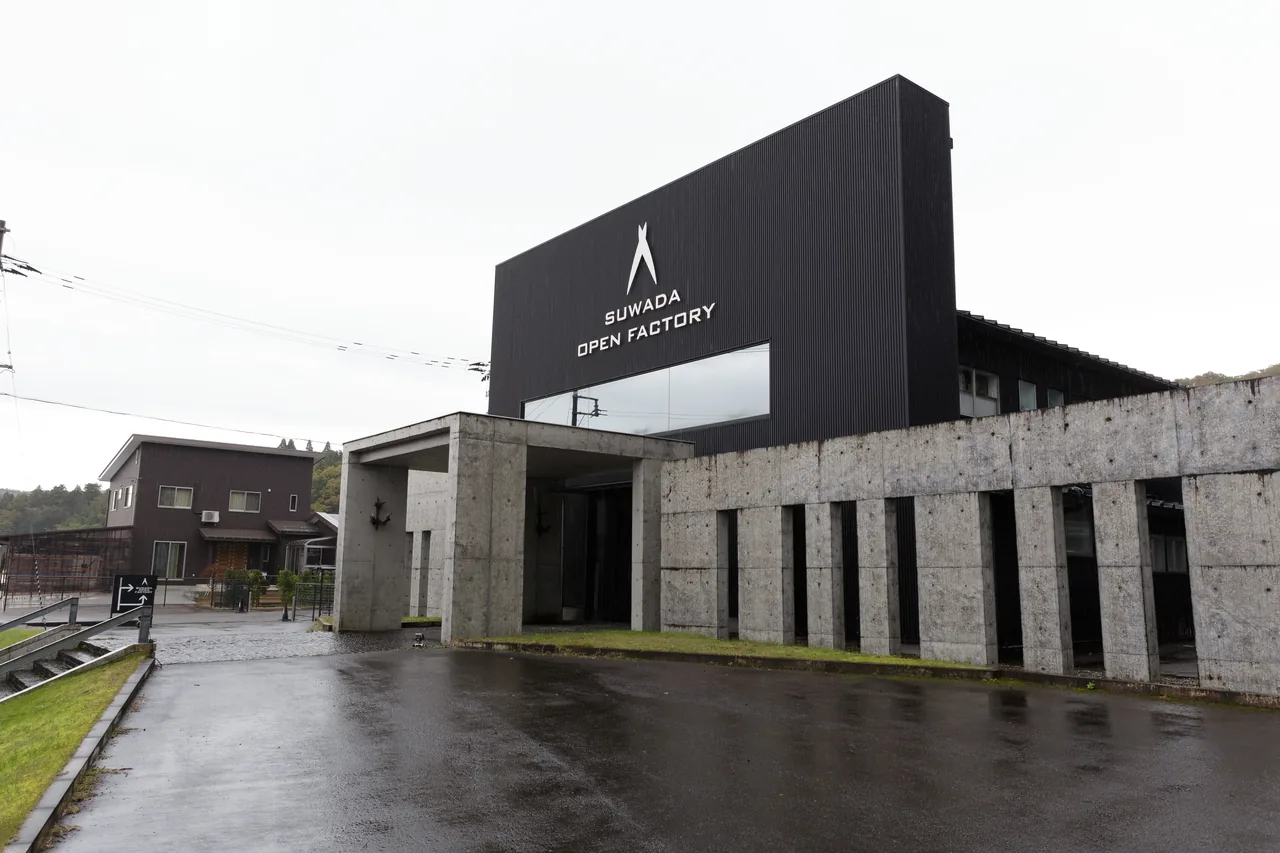
From the visitor walkway you can see craftspeople take each clipper by hand from forging through to finishing. According to SUWADA, forging mostly happens in the afternoon, so come after lunch if you want to see the sparks; some machines may not be running depending on production. Besides the shop, the site has a restaurant and a café, so a tour and a meal fit easily into one stop. Visitor information is on SUWADA's website.
Tojiro Open Factory: watch a kitchen knife take shape
Tojiro in Tsubame is a kitchen knife maker. The Tojiro Open Factory at its headquarters is free to visit without a reservation and won a Good Design Award in 2018.
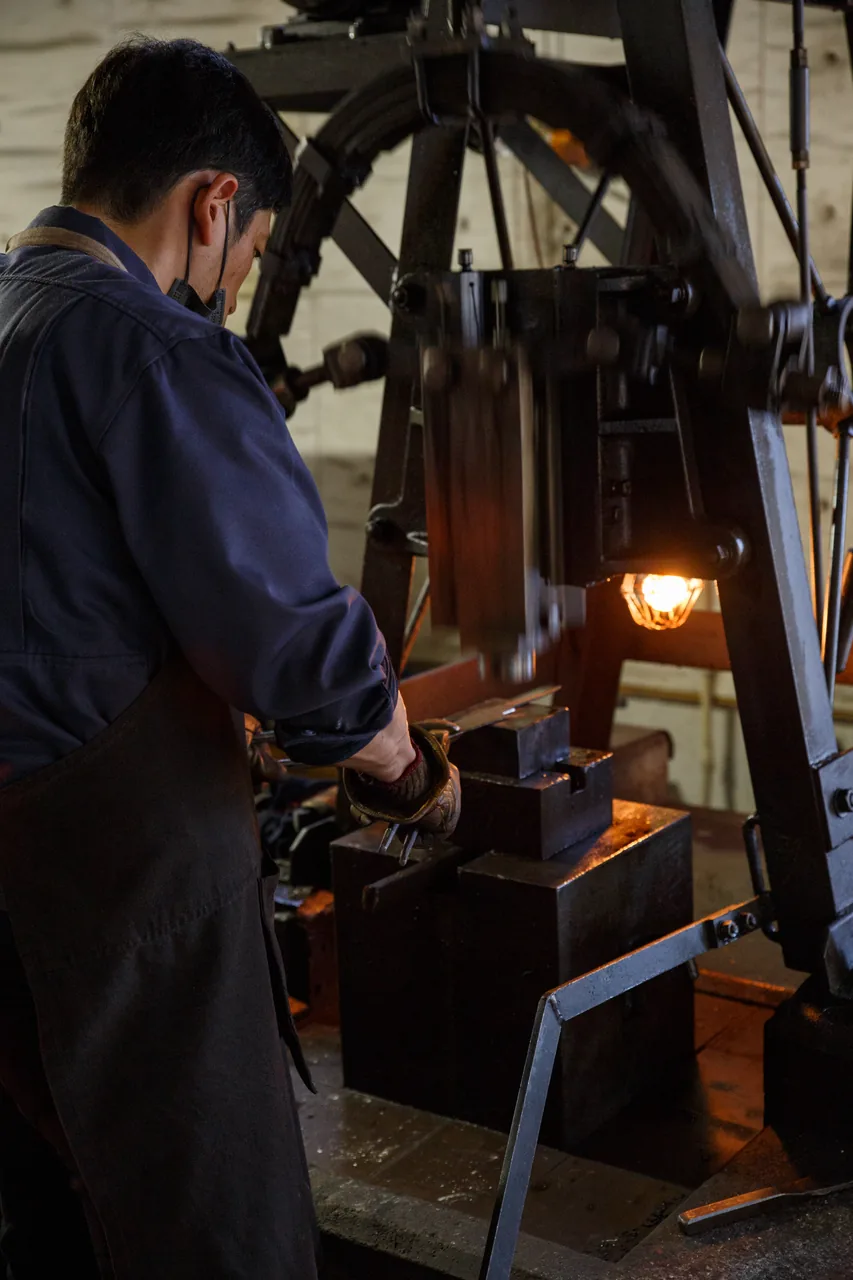
Only a railing separates the walkway from the work floor, so you can watch processes such as blanking, grinding and welding up close. The factory stops at certain times, such as the lunch break, when only the attached Knife Gallery is open, and it is closed on national holidays. Guided tours with a staff member (about an hour) must be booked in advance and cannot be reserved on the day. Details are on Tojiro's open factory page.
Marunao: chopsticks carved from hardwood
Marunao in Sanjo is known for chopsticks carved from ebony and other hard woods. Its headquarters in Yata, Sanjo, has a workshop and a company shop where you can pick up and compare finely tapered tips and octagonal or sixteen-sided chopsticks.
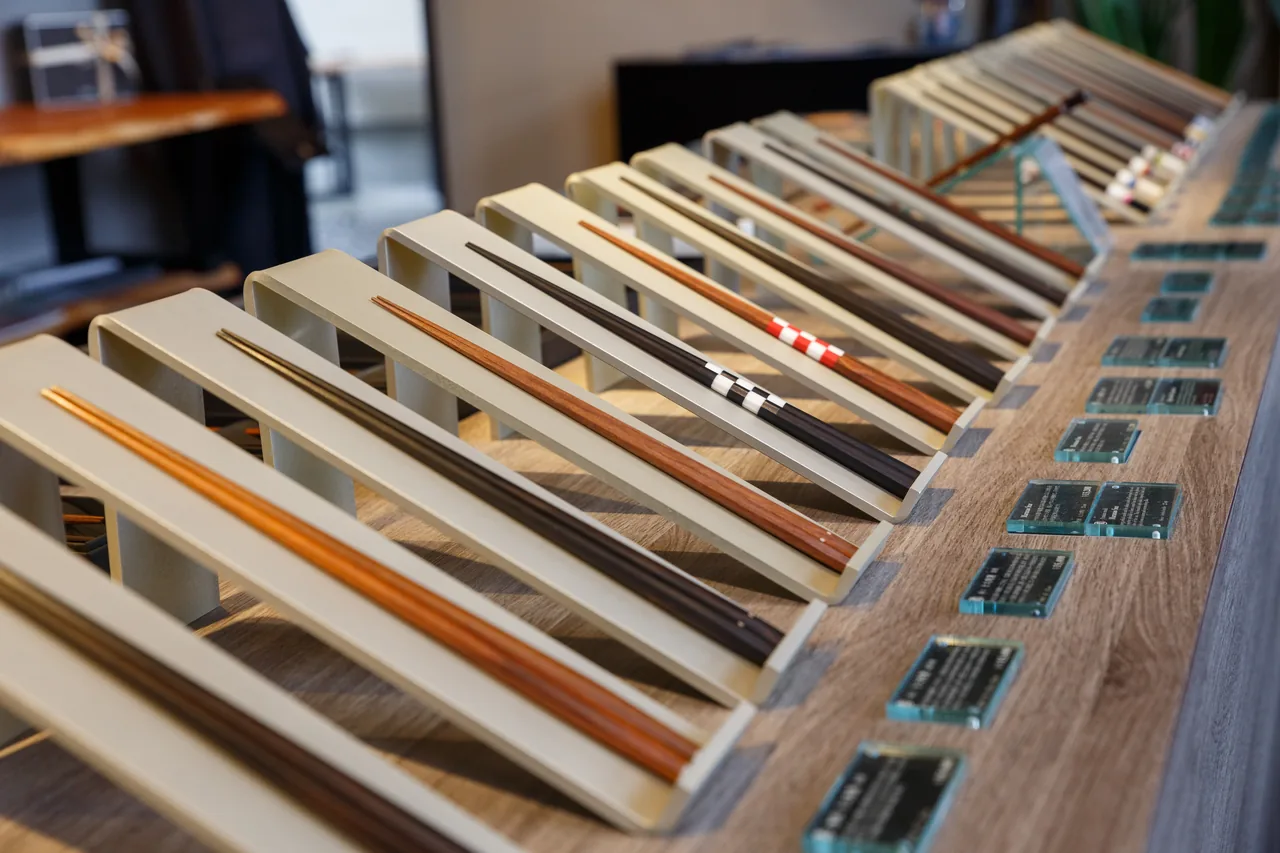
Chopstick-making workshops have been held at the headquarters during the Factory Festival and at other times. Dates vary, so check the news on Marunao's website. Between metal factories, it makes a good stop for a shop devoted to wooden tableware.
The autumn Tsubame-Sanjo Factory Festival
Every autumn, factories across Tsubame-Sanjo throw open their doors for the Tsubame-Sanjo Factory Festival (Kouba no Saiten). In 2026 it ran from 1 to 4 October, with many factories and workshops taking part, including factories that do not normally accept visitors. Factories held workshops and limited sales, and the organisers ran free official tours with their staff (advance booking required).
Timing your visit to the festival lets you see many factories at once, but opening hours differ by factory and some programmes need a reservation. The next dates and participants are announced on the Factory Festival website.
Tips for factory visits
- Shoes: factory floors can have oil or metal dust on them. Wear flat, comfortable shoes.
- Photos: each factory sets its own rules on where you can take pictures. Follow the signs and staff.
- Shopping: knives cannot go in your carry-on. If you are flying home, pack them in checked baggage.
- Craftspeople at work: watch quietly from the walkway; don't step onto the work floor or interrupt someone mid-task.
If you are combining Tsubame-Sanjo with a walk around Niigata City, see Niigata City things to do; for the region's local dishes, see the Niigata food guide.