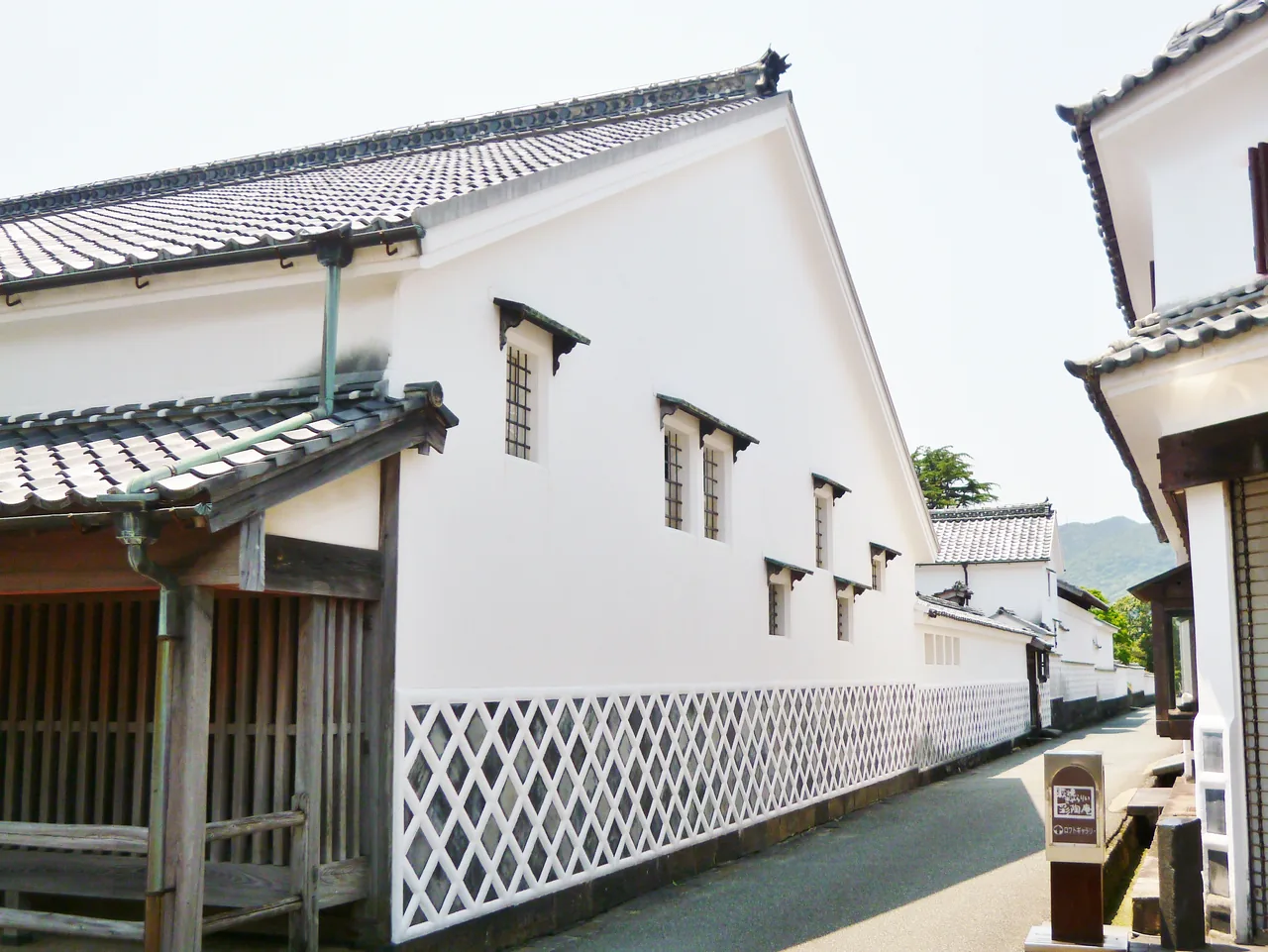
Yamaguchi Food Guide: Fugu, Kawara Soba and Iwakuni Sushi
This guide is translated from the Japanese edition. Read the Japanese edition
Yamaguchi food explained: fugu (fuku in Shimonoseki), kawara soba on a hot roof tile, layered Iwakuni sushi, weekend sushi at Karato Market and Hagi's natsumikan.
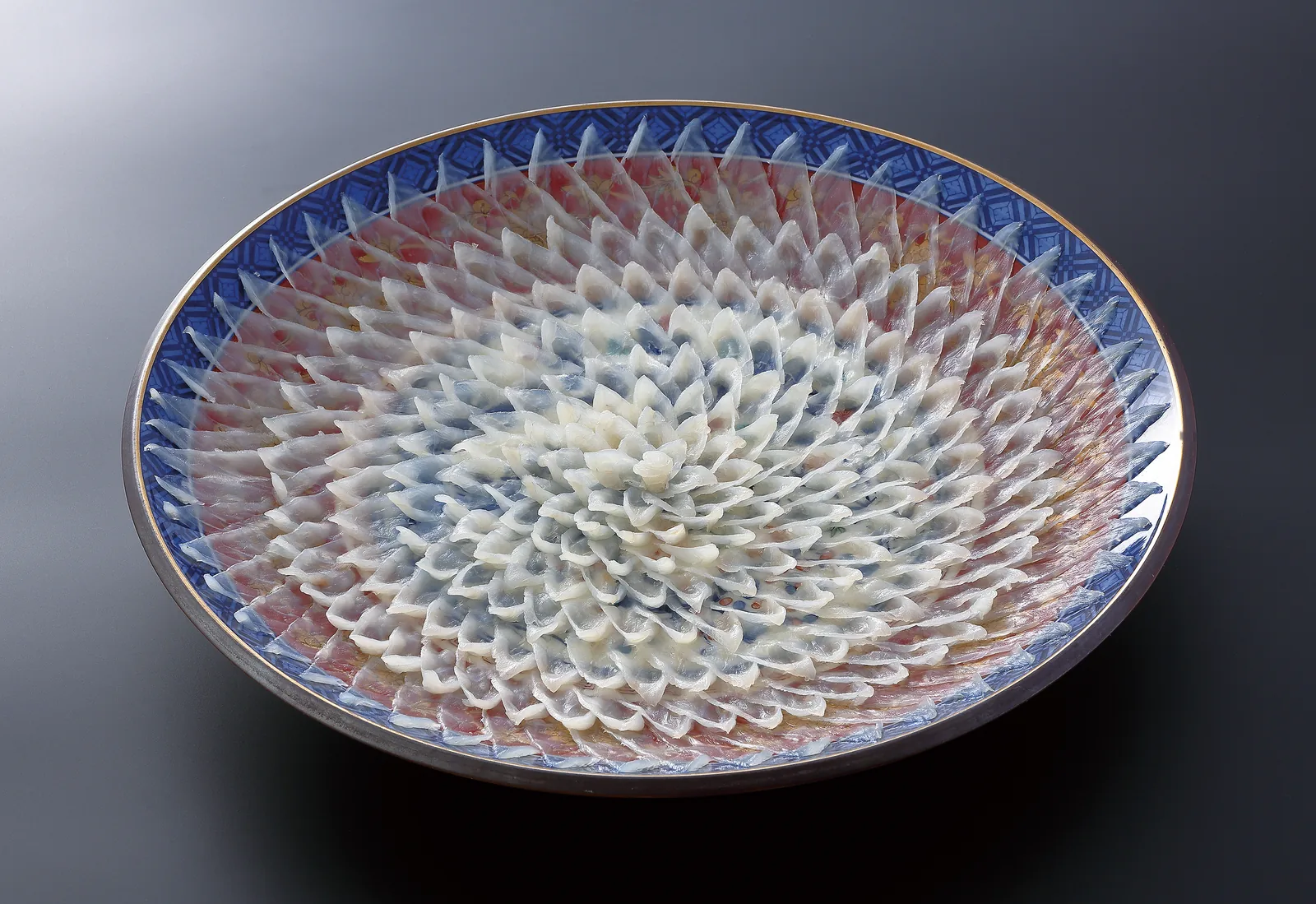
Thin slices of fugu sashimi fanned out like petals across a large platter, so thin that the pattern of the plate shows through: a classic sight in Shimonoseki restaurants. Yamaguchi Prefecture sits at the western tip of Honshu and faces both the Sea of Japan and the Seto Inland Sea. Fugu and sushi from the sea, kawara soba born in a hot-spring town, a pressed sushi handed down in a castle town, Hagi's natsumikan citrus: each place has its own specialty, so the trick to eating well in Yamaguchi is to match the food to where you are going.
Fugu is "fuku" in Shimonoseki: sashimi, hot pot and fin sake
In Shimonoseki, fugu (pufferfish) is called "fuku," a name that borrows the word for good fortune. Markets and restaurant menus list dishes such as "fuku-sashi" and "fuku-chiri." Fuku is also Yamaguchi Prefecture's official prefectural fish.
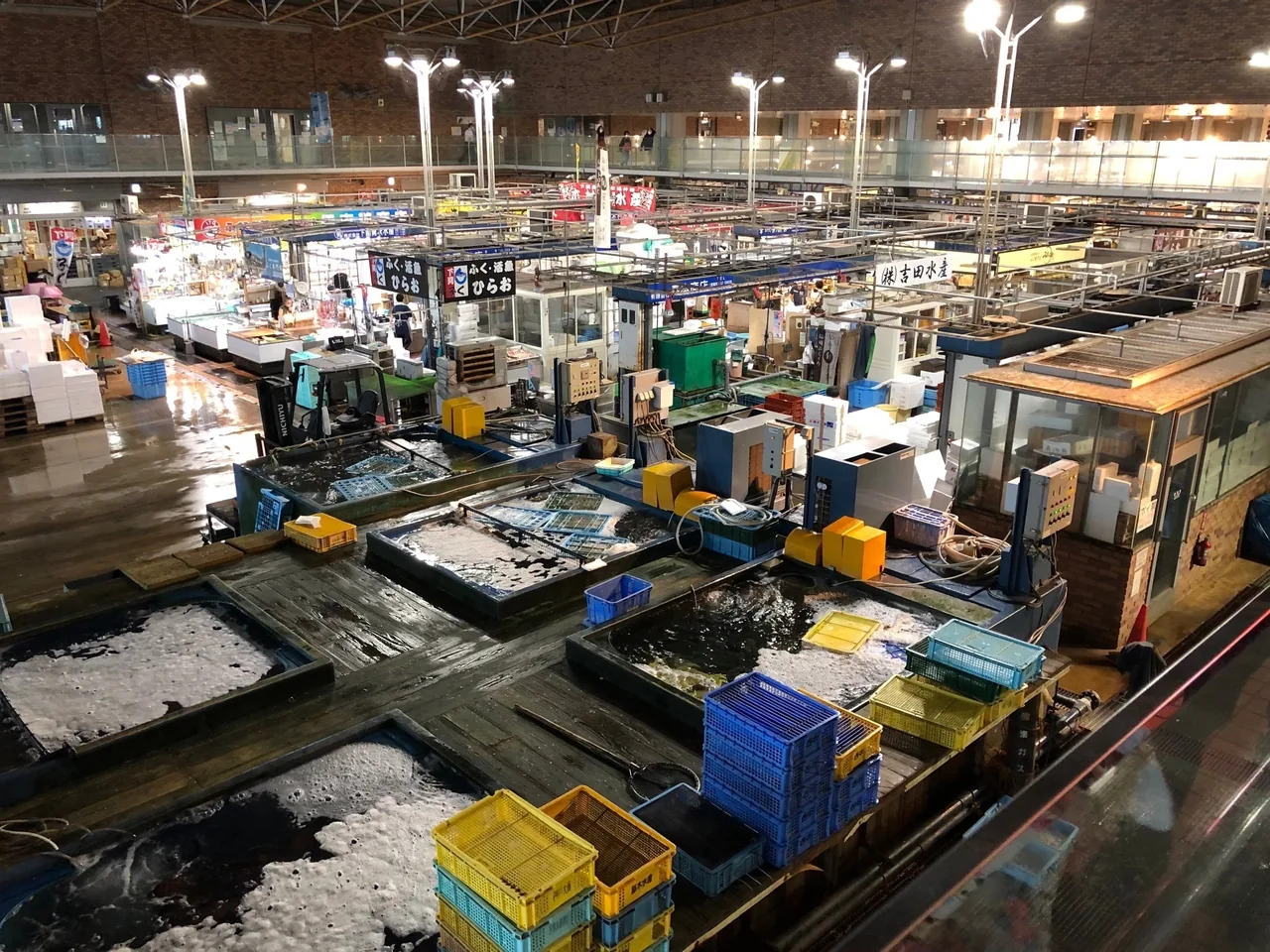
Shimonoseki handles more fuku than anywhere else in Japan, and the city has a wholesale market that specializes in fuku, which is rare in the country. The main dishes you will find at restaurants are:
- Fuku-sashi: sashimi of thinly sliced fish arranged on a large platter
- Fuku-chiri: a hot pot of fuku and vegetables
- Karaage and shirako: deep-fried fuku and milt, ordered alongside the sashimi or hot pot
- Hirezake: hot sake with fuku fins steeped in it
A full fuku course at a specialist restaurant is expensive. For a more casual taste, pick a fuku nigiri at the Karato Market sushi stalls (see below). Shimonoseki's travel information is gathered on the official Shimonoseki tourism site.
Kawara soba: green-tea noodles sizzling on a hot tile
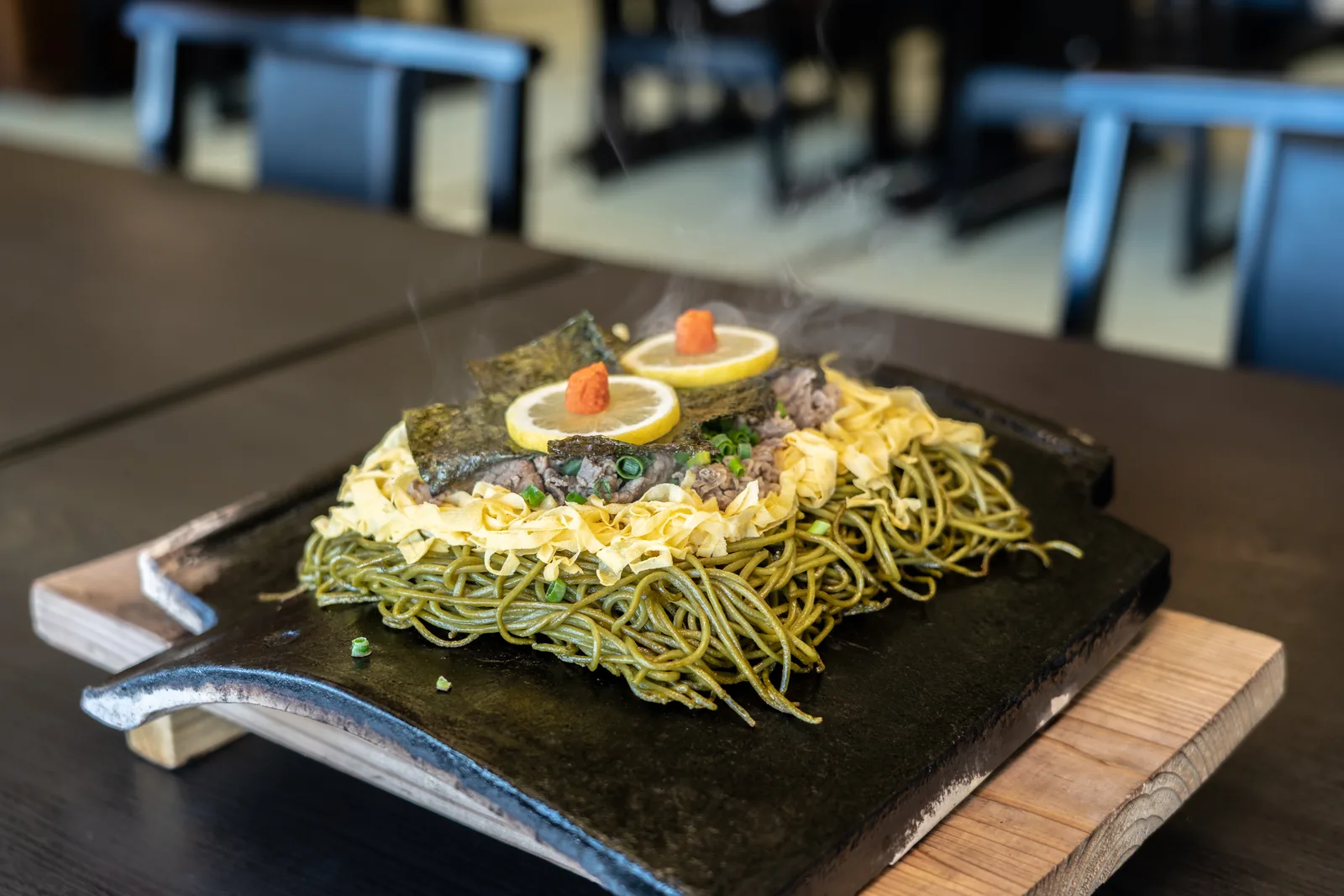
Photo: (c) Yamaguchi Prefectural Tourism Federation
Kawara soba is green-tea soba served on a heated roof tile (kawara), topped with thin strips of omelet, beef, nori, lemon and grated daikon with chili. You dip the noodles in a broth. The dish is said to have been created by the founder of Ganso Kawara Soba Takase, a restaurant at Kawatana Onsen in northern Shimonoseki, and today it is eaten at restaurants and in homes across Yamaguchi Prefecture.
While the tile is hot, the noodles touching it crisp up. Start with the soft noodles on top and work down to the toasted ones underneath to enjoy the change in texture. The tile arrives very hot, so keep your hands off it.
Iwakuni sushi: the layered pressed sushi of a castle town
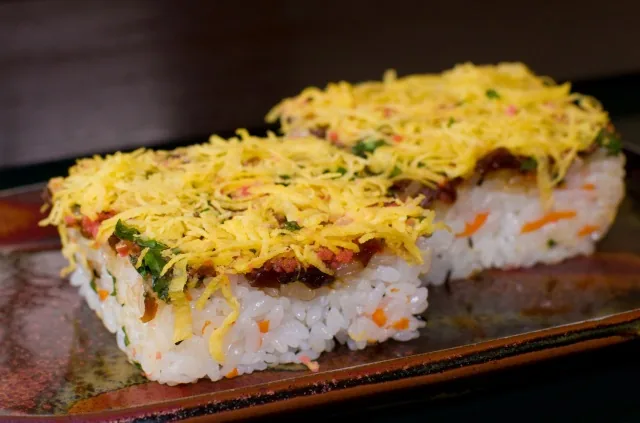
Photo: (c) Yamaguchi Prefectural Tourism Federation
Iwakuni, famous for the Kintaikyo Bridge, has its own pressed sushi called Iwakuni sushi. Vinegared rice and toppings are stacked in many layers in a wooden mold, pressed firm and cut into pieces, with a generous layer of shredded egg on top. It has long been made for festivals and celebrations.
The fillings often include lotus root, a local specialty. Iwakuni has grown lotus root since the Edo period. Iwakuni lotus root has nine holes, and it is said to resemble the Kikkawa family crest (kuyo-mon, nine circles). Iwakuni sushi is also called "tonosama-zushi," the lord's sushi, from a story that it was presented to the Kikkawa lord of the domain, who was delighted with it. Fillings and seasoning vary a little from shop to shop.
Sushi at Karato Market: the weekend-only Ikiiki Bakangai
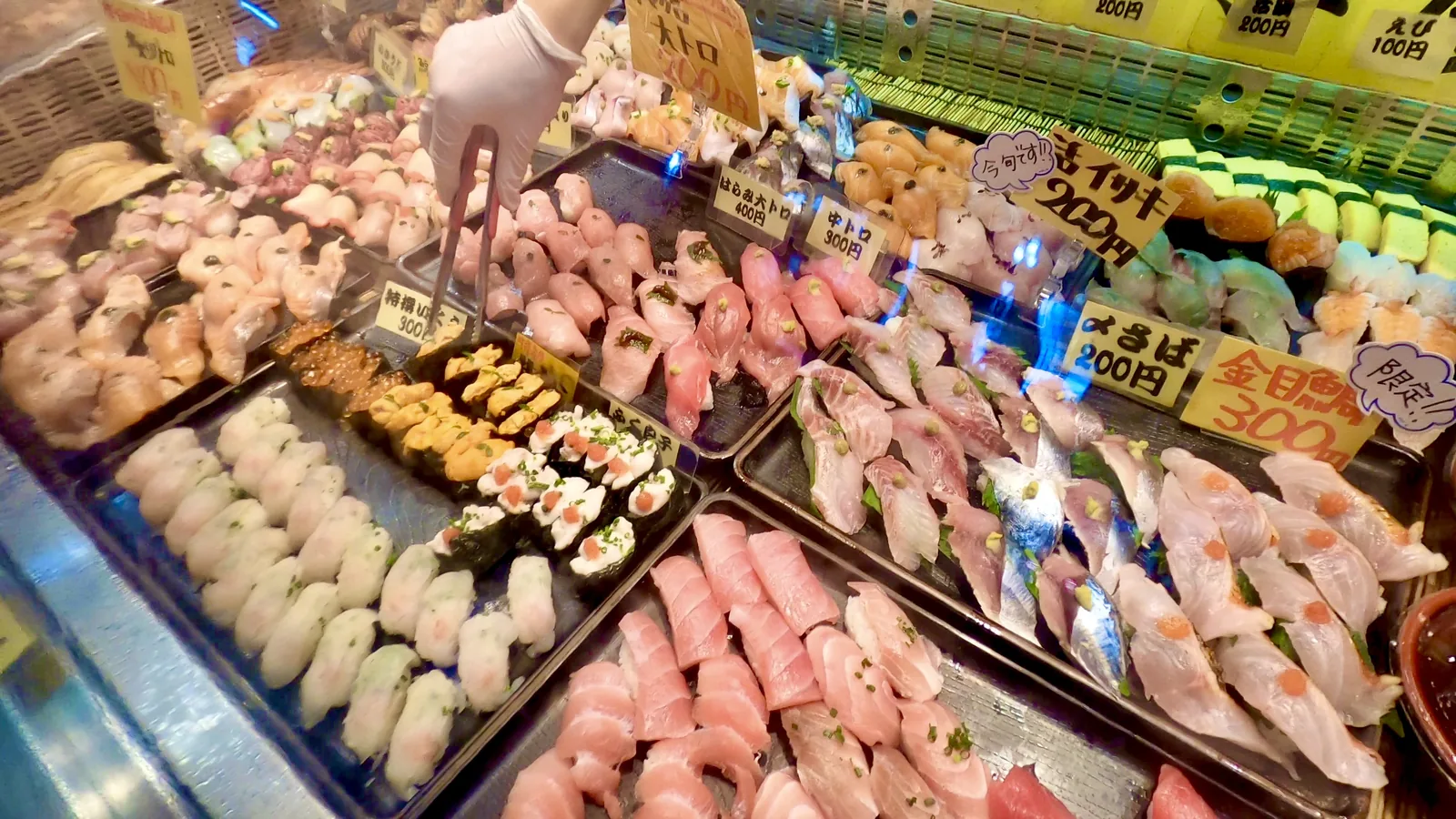
Photo: (c) Yamaguchi Prefectural Tourism Federation
Karato Market, on the Kanmon Strait, is known as a fuku market and also handles plenty of sea bream and yellowtail. On Fridays, Saturdays, Sundays and public holidays, stalls selling sushi and seafood bowls fill the market floor for "Ikiiki Bakangai" (it is not held Monday to Thursday).
You choose the nigiri you want, and local touches such as fuku nigiri are on offer. It gets crowded around lunchtime, and stalls close when they run out, so going early is the safer bet. Check the dates and hours on the official Karato Market website.
To continue from the market to Akama Shrine and Ganryujima Island, see our Shimonoseki travel guide.
Hagi's natsumikan: a fruit that spread from samurai gardens
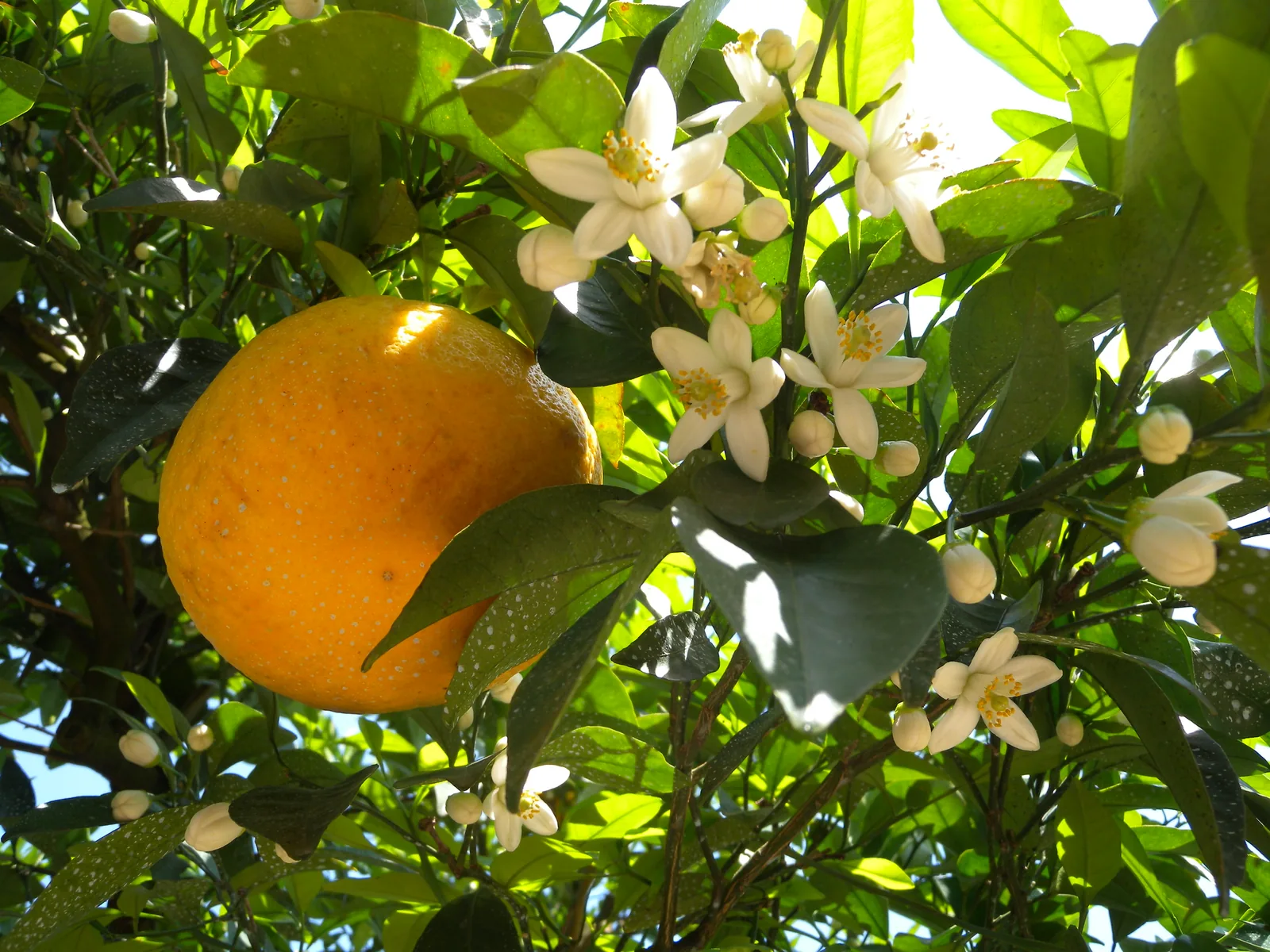
Photo: (c) Yamaguchi Prefectural Tourism Federation
Walk through Hagi's old castle town and you will see yellow natsumikan fruit hanging over the earthen walls. After the Meiji era began, Hagi's samurai families lost their income. To help them, Obata Takamasa, a former retainer of the Hagi domain, encouraged them to plant natsumikan in the empty land of their residences, and commercial cultivation began in 1876 (Meiji 9). 2026 marked its 150th anniversary.
The tree said to be the original natsumikan stands in Ohibi, in Nagato City just west of Hagi, and is designated a historic site and natural monument. The white natsumikan blossom is Yamaguchi's prefectural flower, and it blooms around May.
Souvenir shops in Hagi sell sweets, juice and other products made with natsumikan. For walking the castle town, see Hagi castle town and Meiji Restoration sites.
Where to eat what
Yamaguchi's specialties are spread across the prefecture. Match them to your route like this:
| Area | What to try |
|---|---|
| Shimonoseki (Karato) | Fuku dishes, Karato Market sushi |
| Kawatana Onsen (northern Shimonoseki) | Kawara soba |
| Iwakuni (around Kintaikyo Bridge) | Iwakuni sushi |
| Hagi (castle town) | Natsumikan sweets and juice |
Shimonoseki faces Mojiko in Fukuoka Prefecture across the Kanmon Strait, so it also works as a day trip from Fukuoka. For more of the prefecture, see Yamaguchi's scenic spots.