Hagi Castle Town Guide: Shoka Sonjuku, Castle Ruins, Tokoji
This guide is translated from the Japanese edition. Read the Japanese edition
Hagi castle town guide: samurai streets with namako walls, Shoka Sonjuku, Hagi Castle ruins, the Mori graves at Tokoji, Mt. Kasayama and Hagi's World Heritage sites.
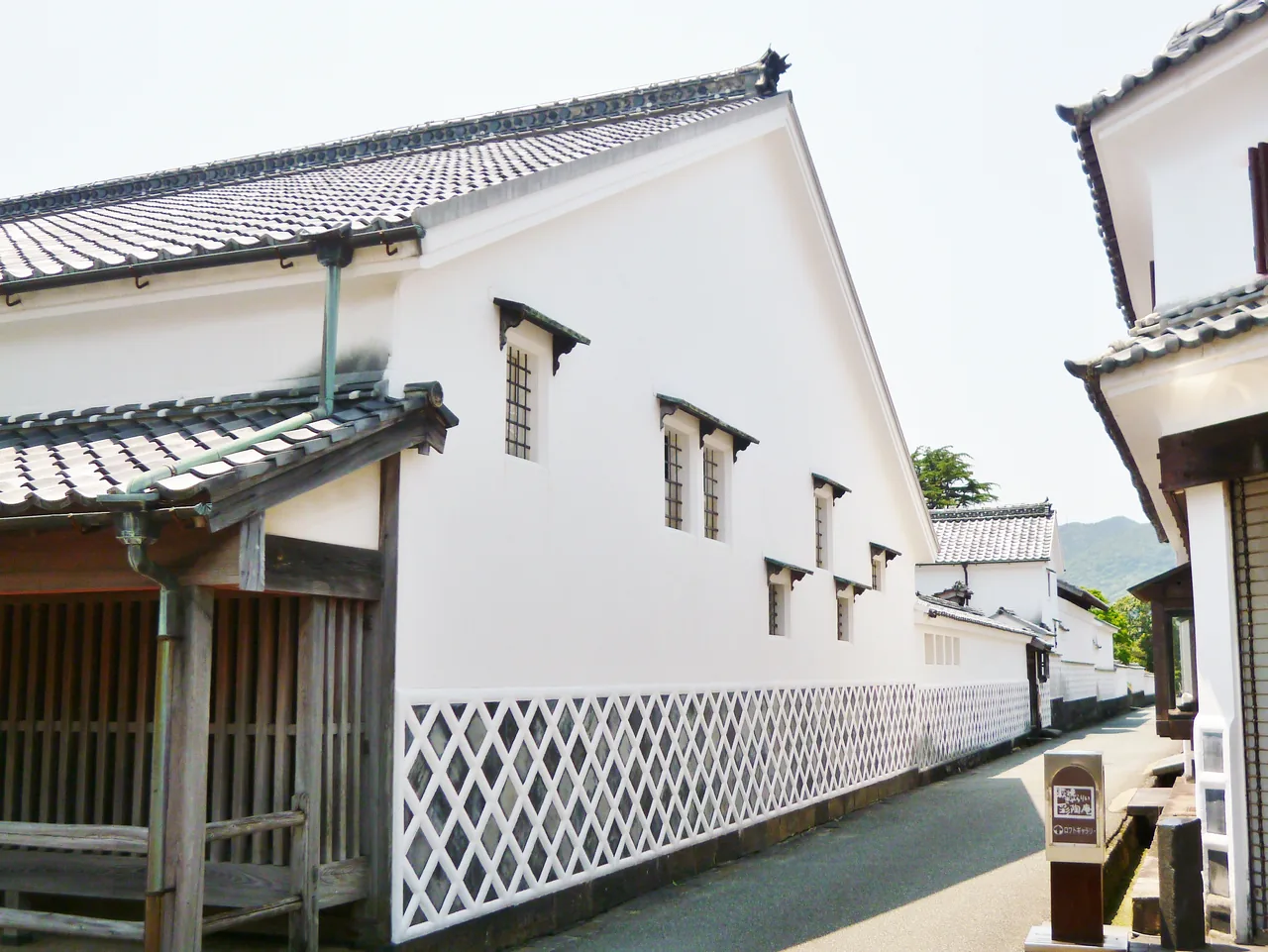
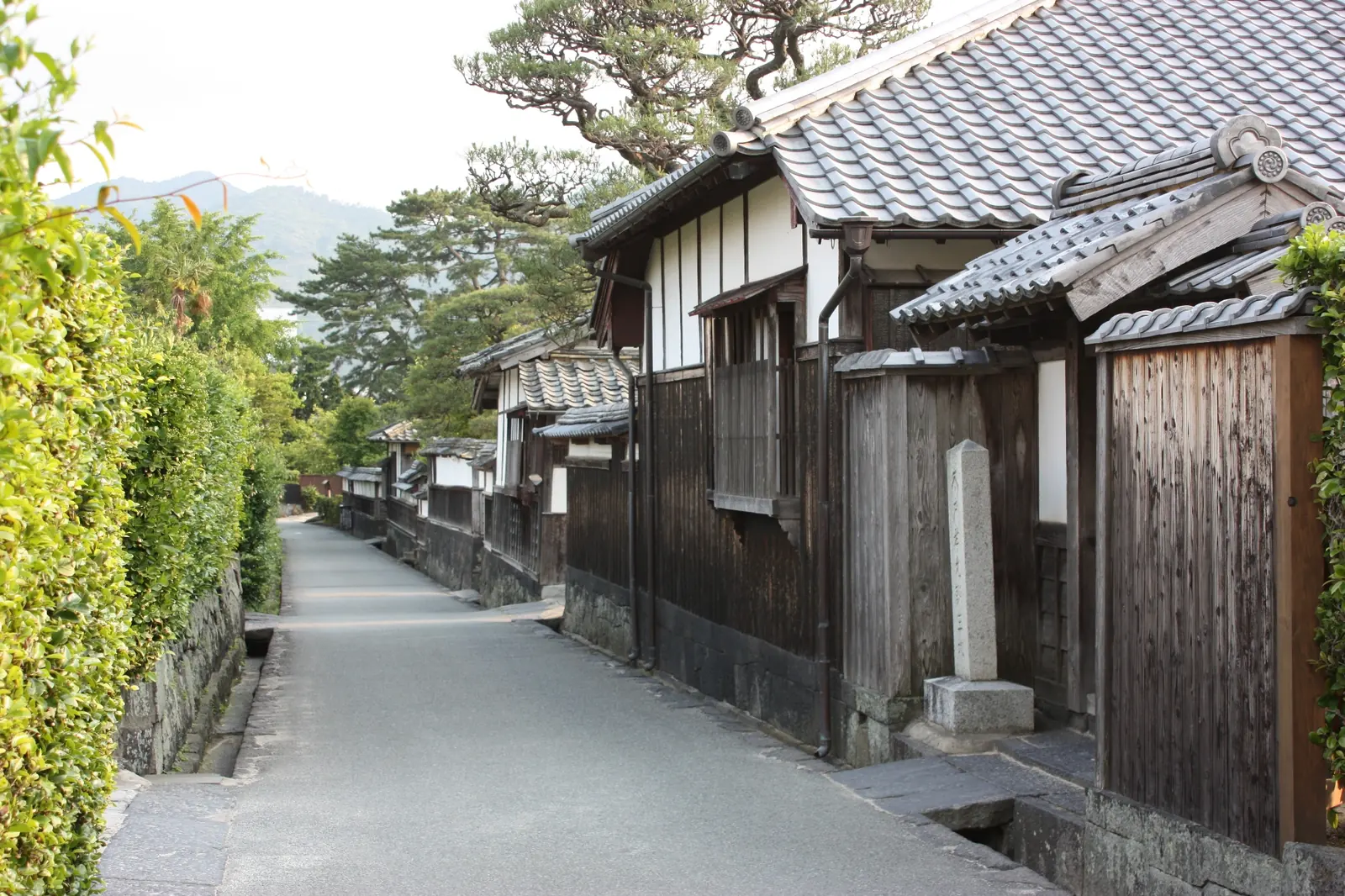
Narrow lanes lined with white storehouses in namako-wall patterns and residences behind black wooden fences, natsumikan fruit peeking over the earthen walls. Hagi, on the Sea of Japan, was the castle town of the Hagi domain ruled by the Mori family in the Edo period, and its street grid and rows of samurai residences survive today. At the end of the Edo period, the young men who drove the Meiji Restoration came from this town. The sights divide into the west side of town, with the castle ruins and samurai residences, and the east side across the Matsumoto River, with the sites linked to the Restoration.
Hagi's World Heritage: the Sites of Japan's Meiji Industrial Revolution
Hagi has five component parts of the World Heritage Site "Sites of Japan's Meiji Industrial Revolution: Iron and Steel, Shipbuilding and Coal Mining."
| Component | What it is |
|---|---|
| Hagi Castle Town | Three areas: the Hagi Castle ruins, the former district of high-ranking samurai residences, and the former merchants' quarter |
| Shoka Sonjuku Academy | The private school where Yoshida Shoin taught |
| Hagi Reverberatory Furnace | The remains of a trial reverberatory furnace, built to melt iron for casting cannons |
| Ebisugahana Shipyard | The remains of a shipyard where the Hagi domain built a Western-style sailing ship |
| Ohitayama Tatara Iron Works | The remains of tatara, Japan's traditional ironmaking |
Hagi Castle Town and Shoka Sonjuku can be visited on a walk around town. The reverberatory furnace and Ebisugahana Shipyard lie on the east side of town across the Matsumoto River (the Chinto district), while the Ohitayama iron works are in the mountains far from town, so fit them in according to your time and transport.
Hagi castle town: namako walls and zigzag lanes
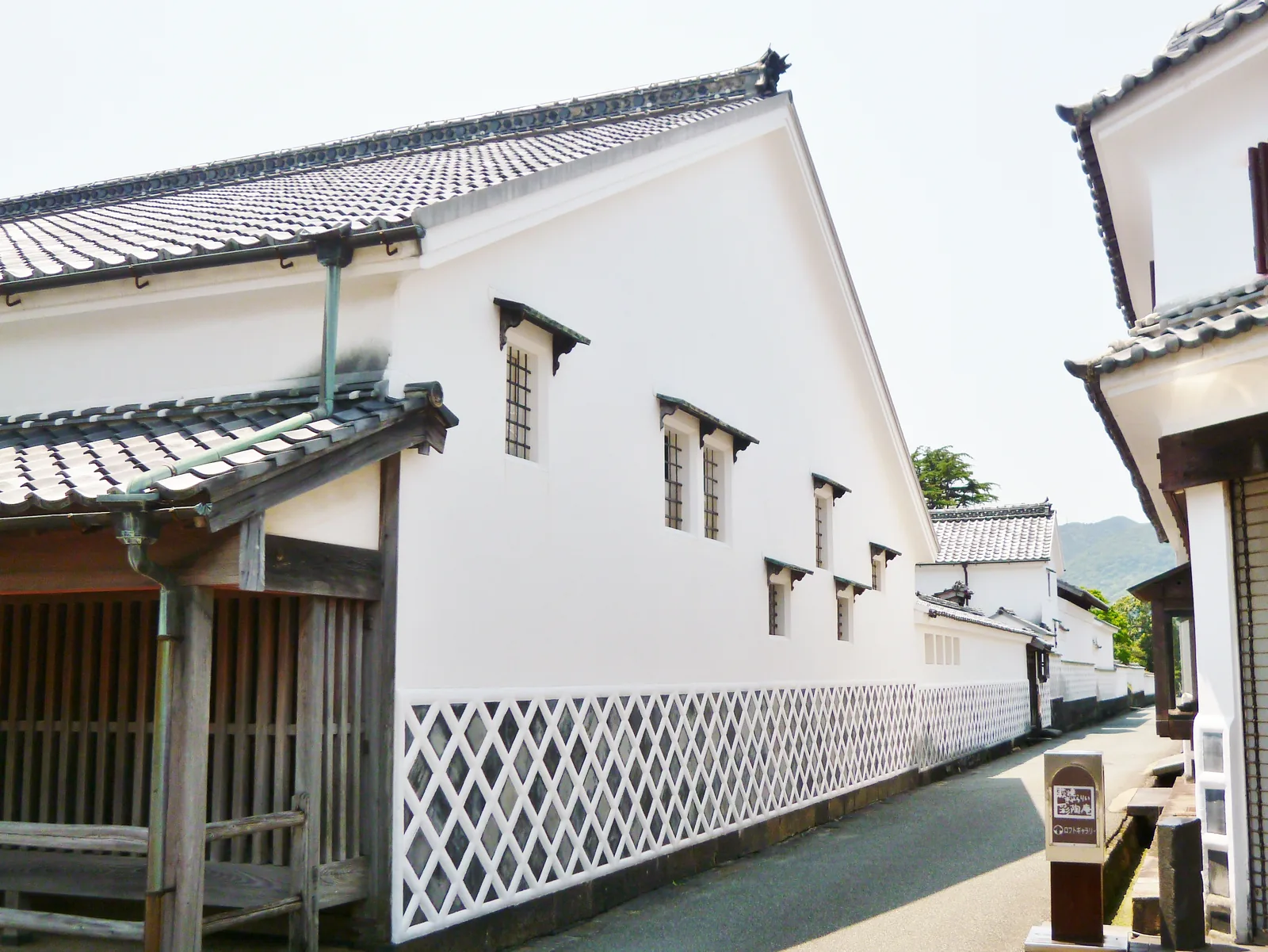
Photo: (c) Yamaguchi Prefectural Tourism Federation
Hagi castle town spreads east of the castle ruins. Kikuya-yokocho Lane, which runs past the Kikuya merchant house, is lined with namako walls in a black-and-white lattice pattern, and narrow streets such as Edoya-yokocho also keep their old houses.
In Hiyako and Horiuchi, on the west side of the castle town, there are kaimagari: lanes bent at right angles. Enclosed by tall earthen walls on both sides and built so you cannot see ahead, they bring you suddenly to corners that look like dead ends.
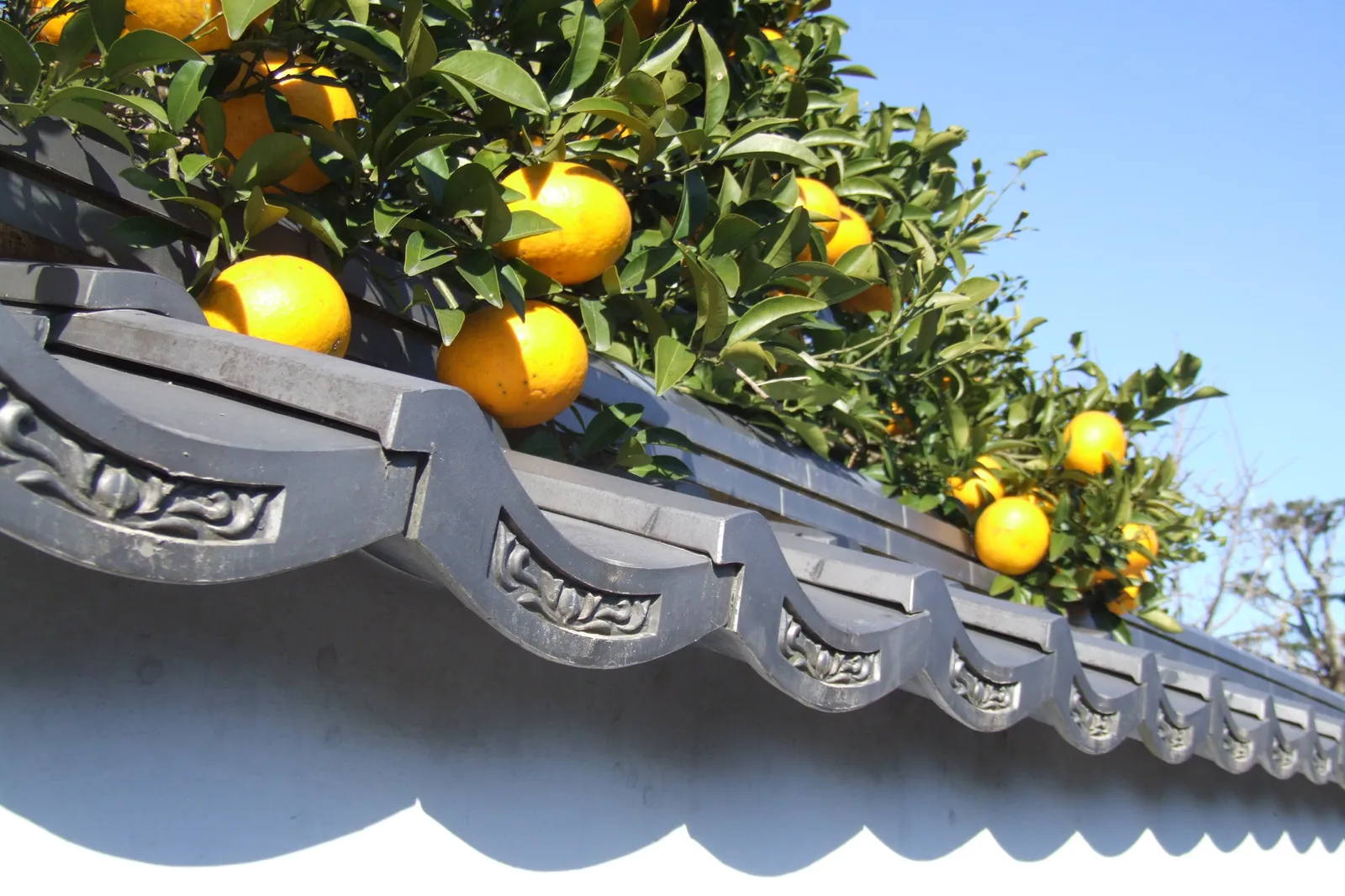
Photo: (c) Yamaguchi Prefectural Tourism Federation
So many gardens and walls have natsumikan trees because, after the Meiji era began, Obata Takamasa, a former retainer of the Hagi domain, promoted natsumikan growing to help samurai families who had lost their income. Commercial cultivation began in 1876 (Meiji 9), and 2026 marked its 150th anniversary. The white blossoms open around May. Natsumikan also appears in our Yamaguchi food guide.
Hagi Castle ruins: stone walls and a moat below Mt. Shizuki
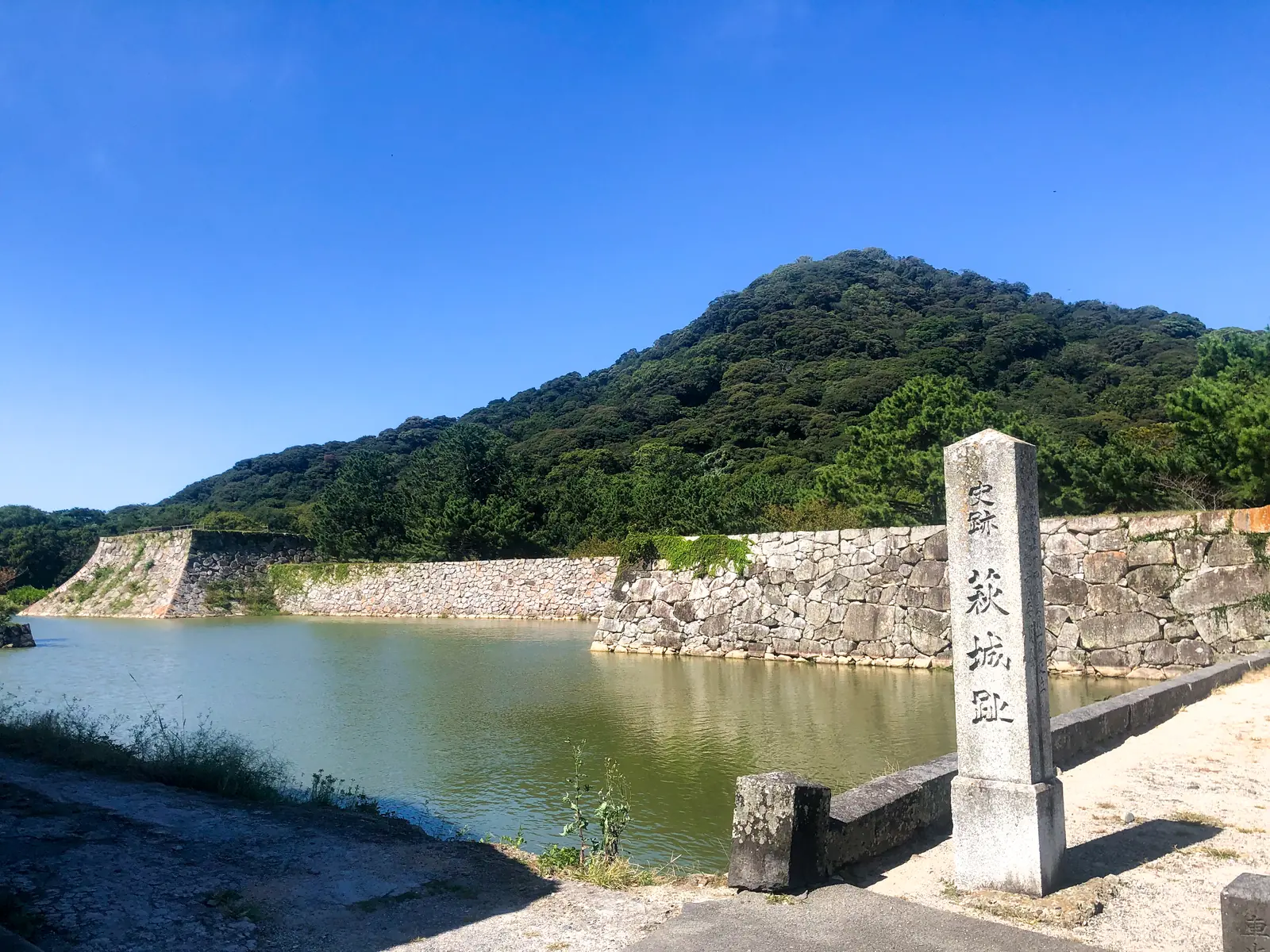
Photo: (c) Yamaguchi Prefectural Tourism Federation
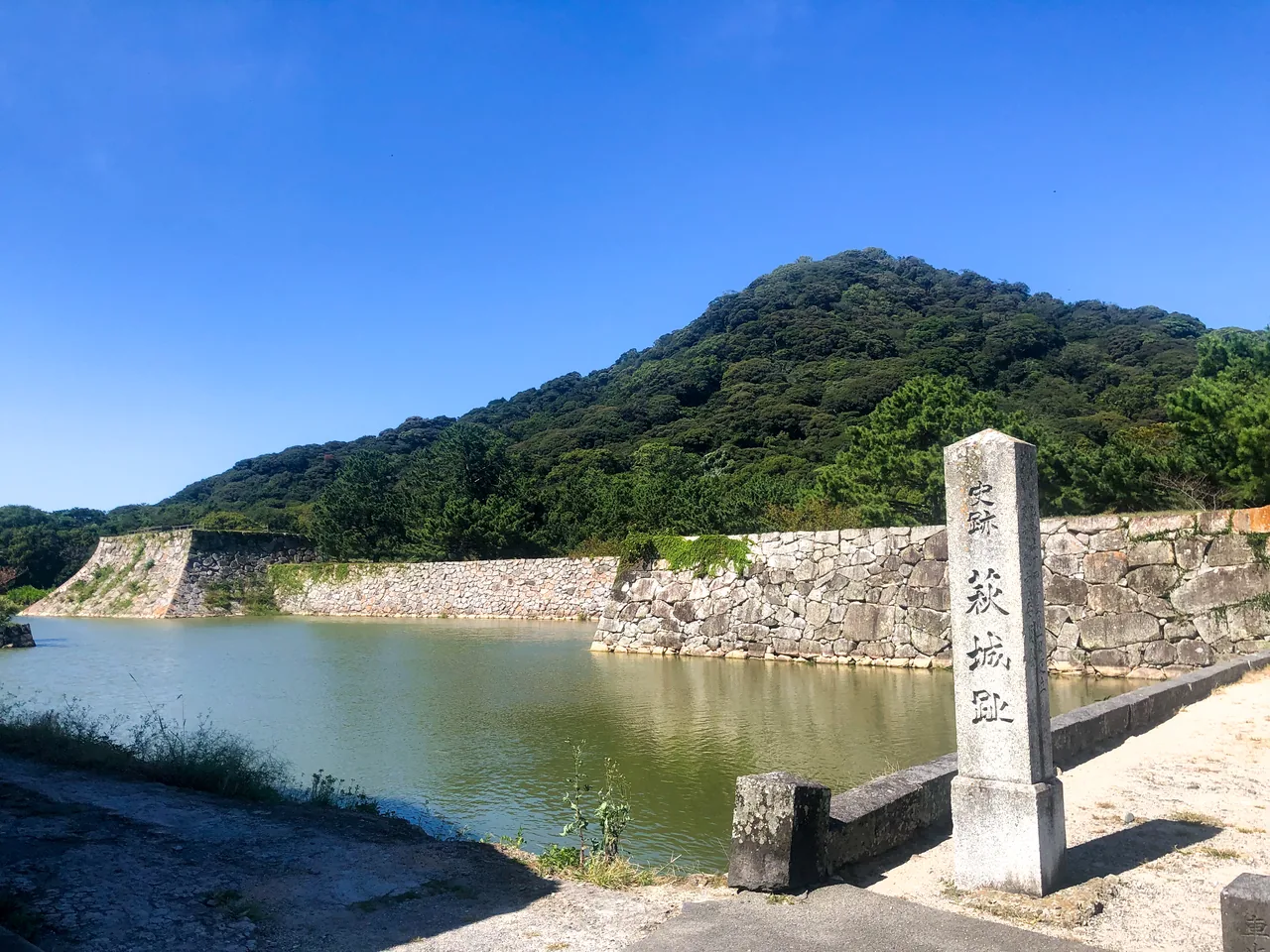
At the western edge of the castle town, at the foot of Mt. Shizuki jutting into the sea, are the Hagi Castle ruins. This was the residence castle of the Mori family of the Hagi domain, but its buildings were torn down after the Meiji era began. Today the stone walls and moat remain, laid out as Shizuki Park.
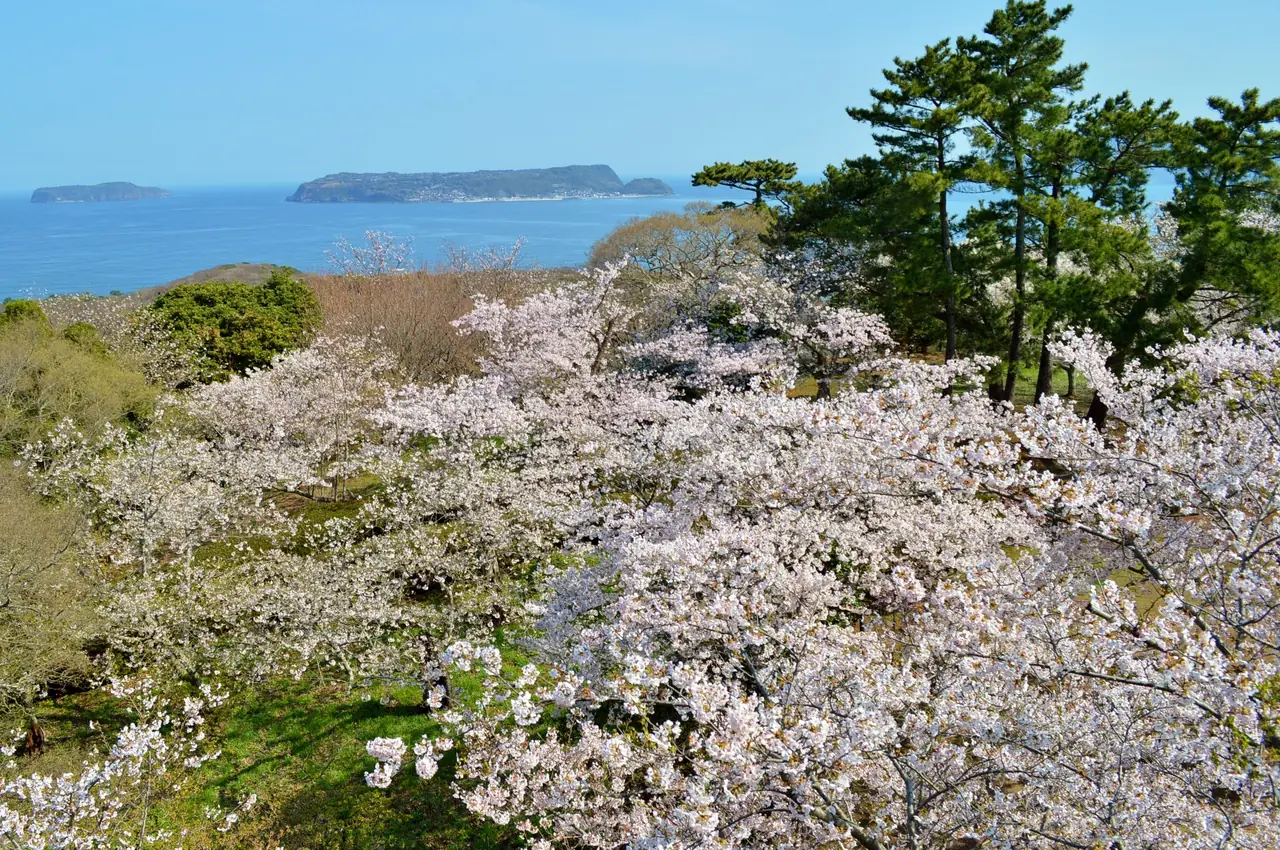
The stone walls and green Mt. Shizuki reflected in the moat make the classic view of the castle ruins. Cherry trees bloom in the park in spring. Walking east from the ruins takes you straight into the samurai streets of the castle town.
Shoka Sonjuku and Shoin Shrine: the small school of the Restoration's leaders
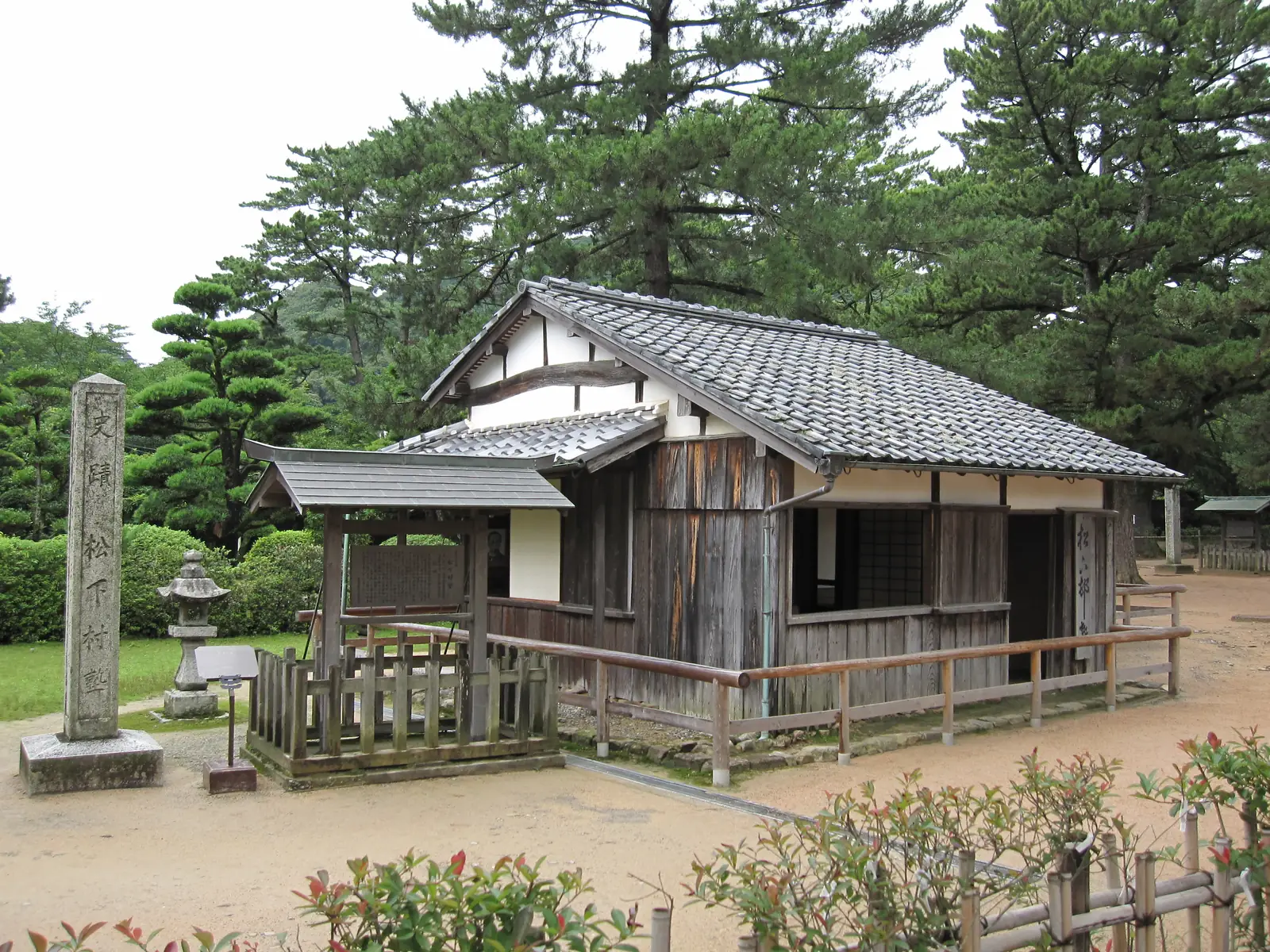
Photo: (c) Yamaguchi Prefectural Tourism Federation
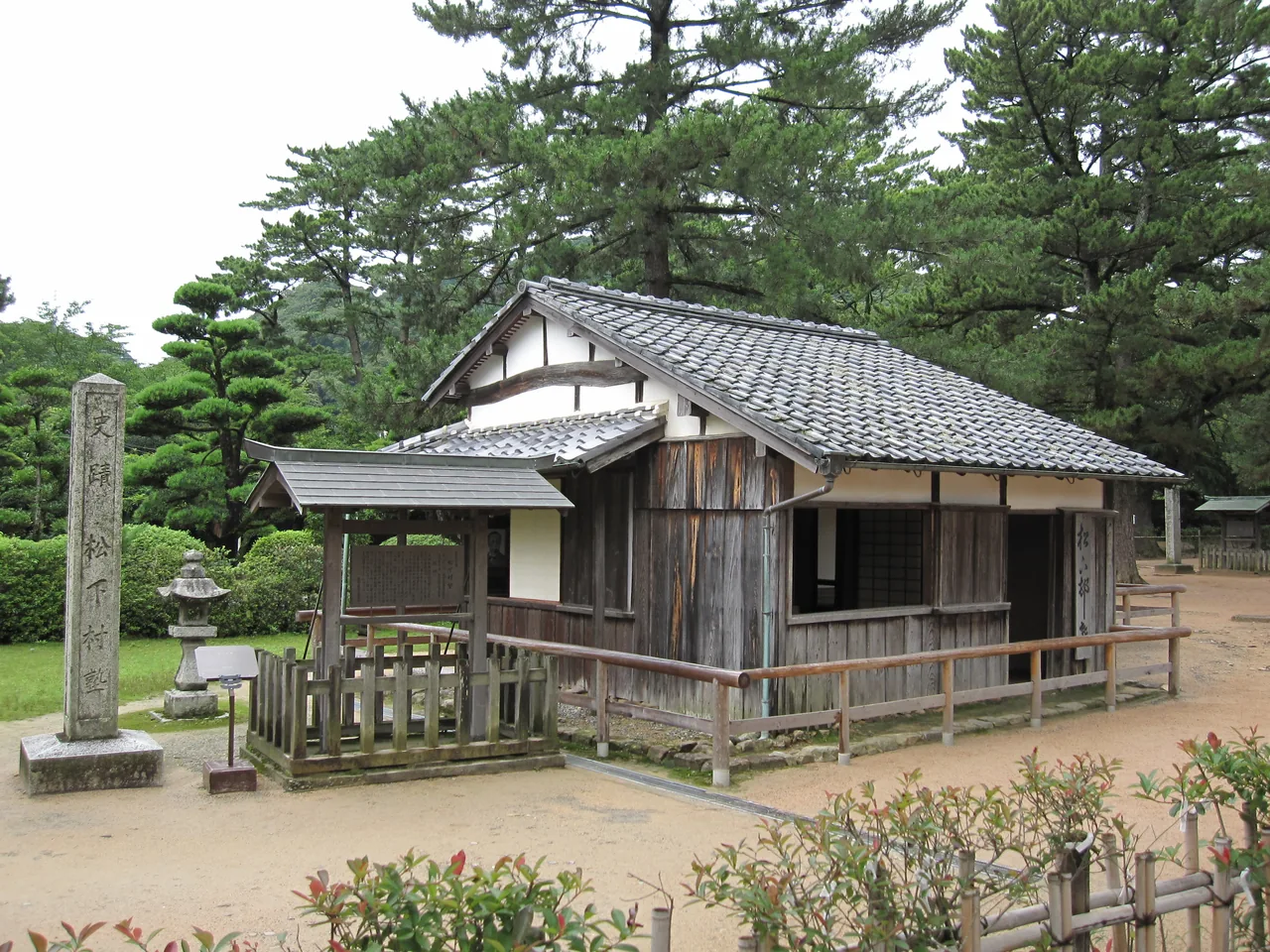
East of the castle town, across the Matsumoto River, stands Shoka Sonjuku. Yoshida Shoin taught at this private school at the end of the Edo period, and its small wooden schoolhouse still stands. Its students included Takasugi Shinsaku and Ito Hirobumi, among others who went on to play leading roles in the Meiji Restoration and the Meiji government.
Shoka Sonjuku stands within the grounds of Shoin Shrine, which enshrines Yoshida Shoin, so you can visit both together.
Tokoji Temple: the Mori family graves lined with stone lanterns
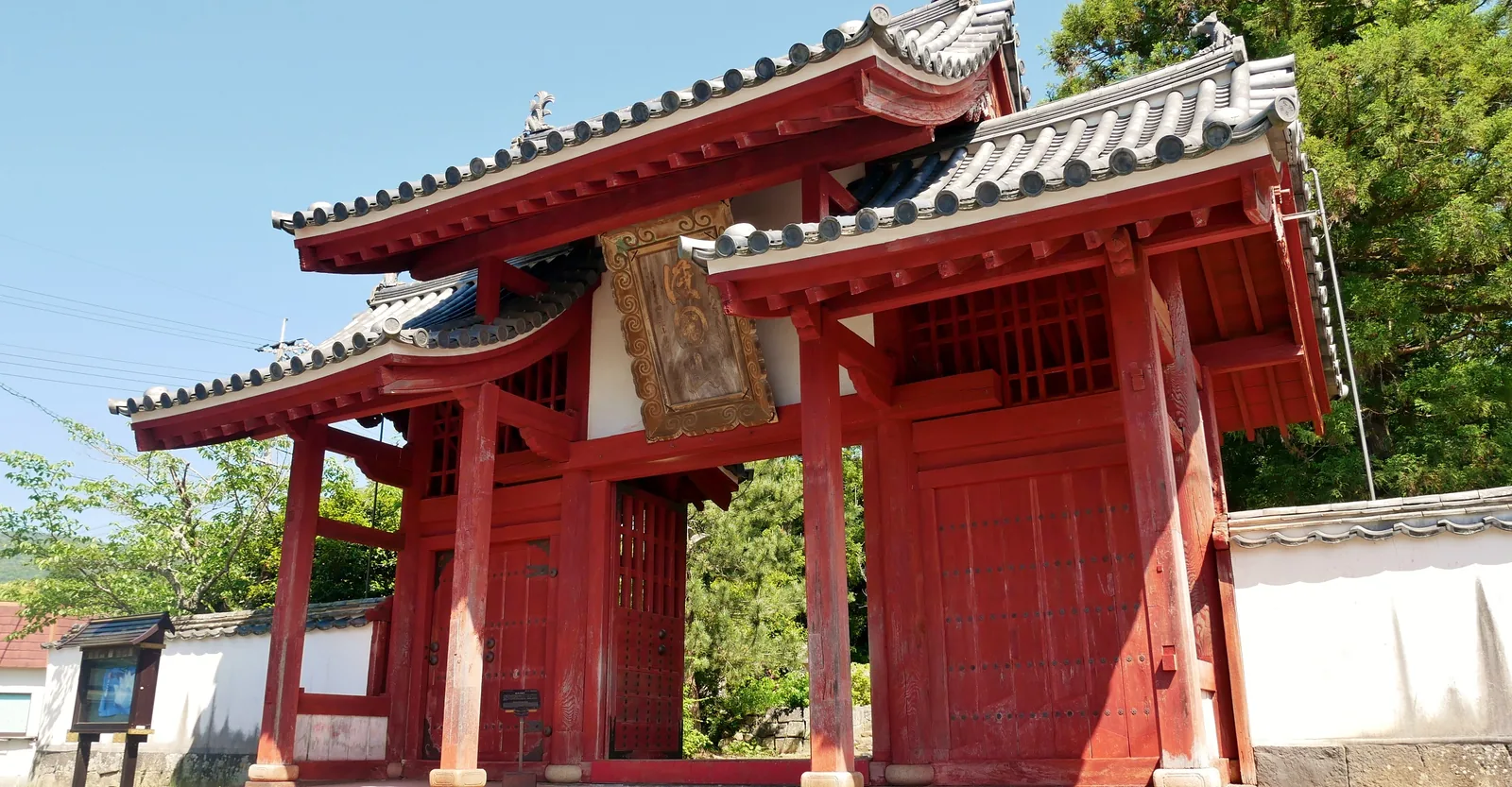
Photo: (c) Yamaguchi Prefectural Tourism Federation
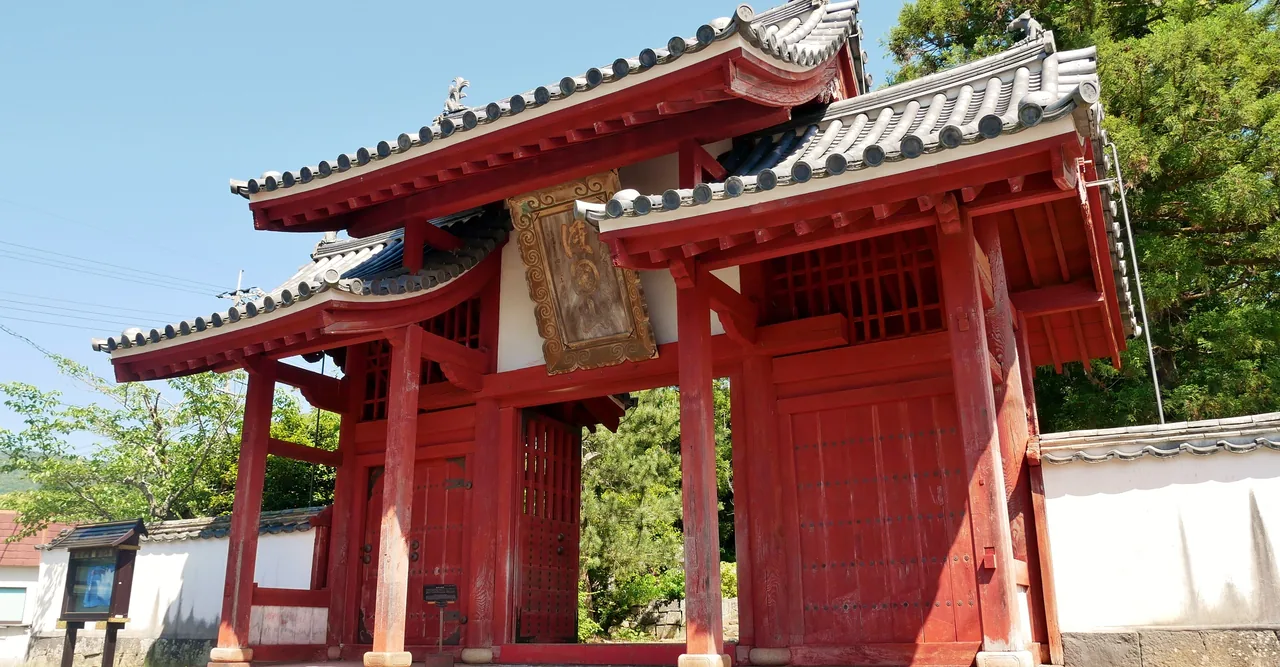
Close to Shoin Shrine, Tokoji Temple is the family temple of the Mori lords of Hagi. Pass through the vermilion main gate and head to the back of the grounds to find the graves of the Mori lords, a quiet space where moss-covered stone lanterns stand in neat rows.
Surrounded by trees, it feels very different from the busier streets of the castle town. Together with Shoka Sonjuku, it makes an easy pair on the east side of Hagi.
Mt. Kasayama: views over Hagi's sea and islands
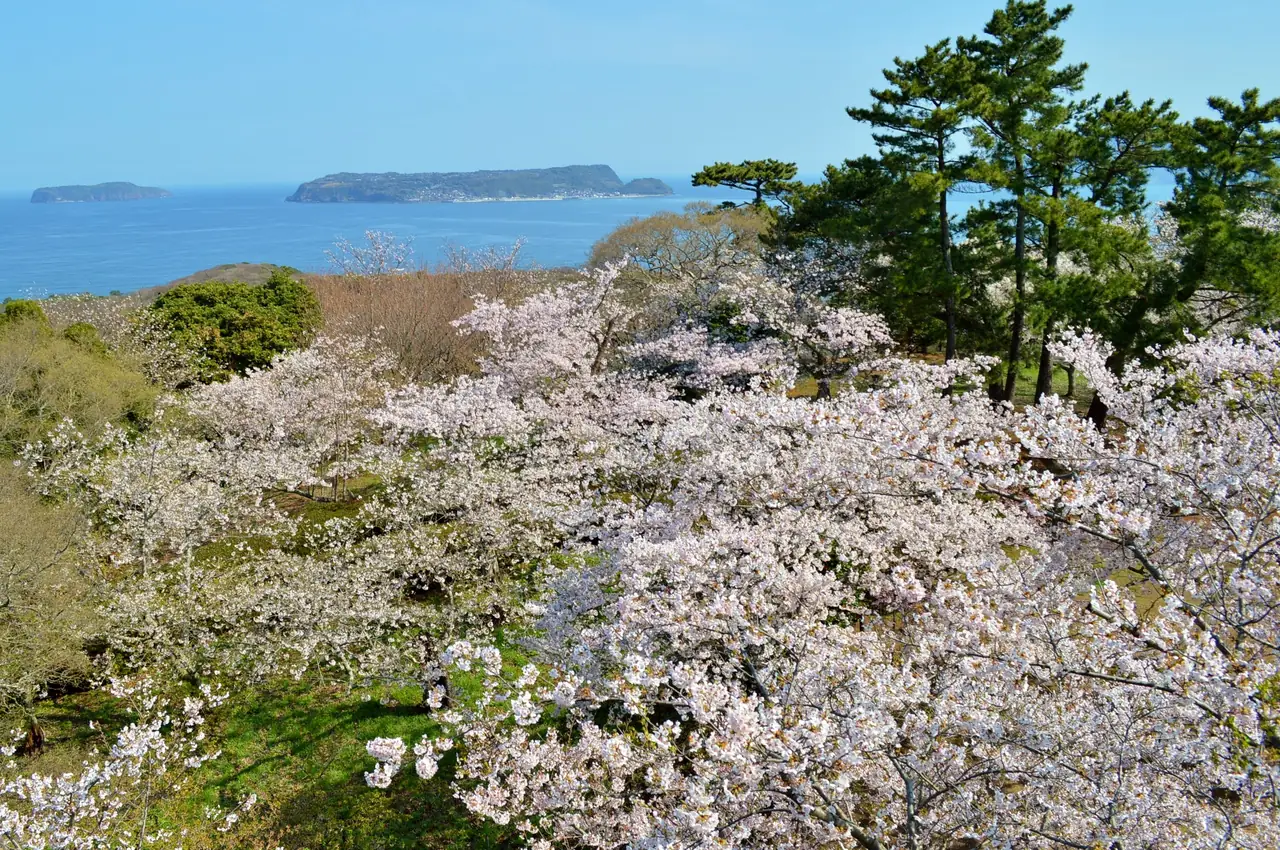
Photo: (c) Yamaguchi Prefectural Tourism Federation
Northeast of central Hagi, Mt. Kasayama is a small volcano jutting into the Sea of Japan. The observation deck at the summit looks out over the Sea of Japan and the islands off Hagi.
At the foot of the mountain you will find the fuketsu, wind holes where cool air blows out from between the rocks, and a camellia grove where the trees grow thickly together. It makes a good extra stop for sea views after the historic sites in town.
Getting around Hagi
Hagi's sights are split between the west side of town, with the castle town and castle ruins, and the east side, with Shoka Sonjuku and Tokoji.
- The west side (castle ruins and castle town) can be explored on foot. Walking east from the ruins through the samurai streets to Kikuya-yokocho is the natural route
- Getting between west and east means crossing the Matsumoto River. Walking takes time, so a city bus or rental bicycle makes it easier
- Mt. Kasayama is about 20 minutes from the center by car, and the road goes right up to the summit, so a car or taxi is the easiest way there
A list of Hagi's sights is on the Hagi page. For the coastal scenery of the Sea of Japan side and Motonosumi Shrine in Nagato, see Yamaguchi's scenic spots.