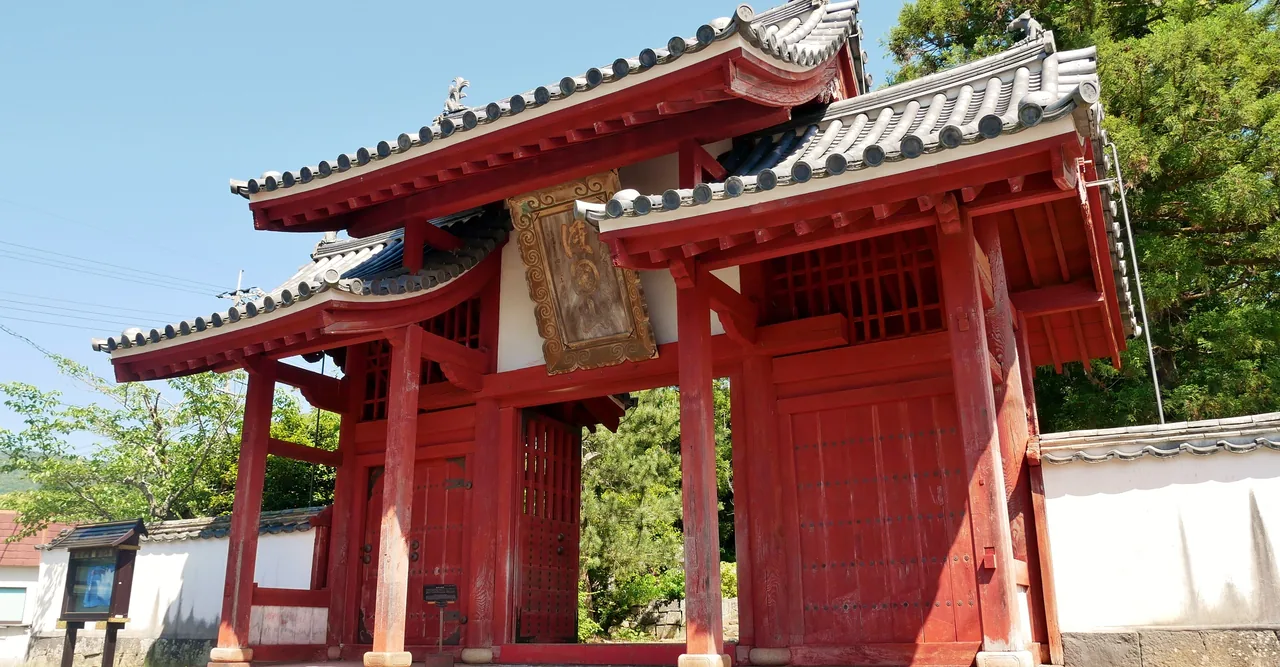
Hagi Itinerary: Castle Ruins, Old Town and Shokasonjuku in a Day
- Hagi Castle Ruins (Shizuki Park)
- Hagi Castle Town
- Shokasonjuku
- Tokoji Temple

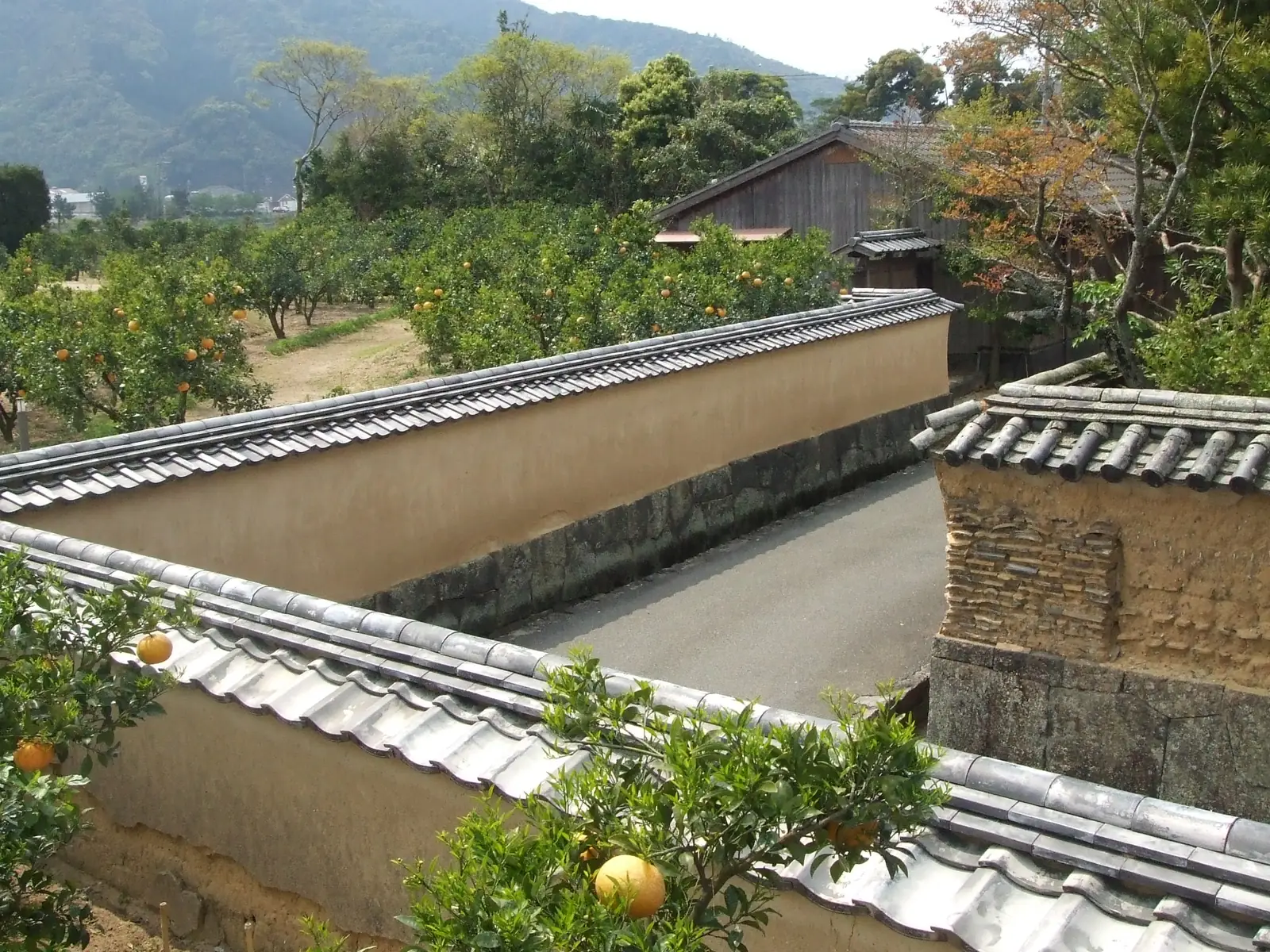
Photo: (c) Yamaguchi Prefectural Tourism Federation
Areas of Yamaguchi
Hagi's castle town, natsumikan peeking over its earthen walls, is part of a World Heritage site. Samurai streets, Shoka Sonjuku, Kasayama and how to get there.
Choose a numbered circle to zoom in there; choose a name to open the area's page.
This page is translated from the Japanese edition. Read the Japanese edition
Hagi is a town in northern Yamaguchi Prefecture, facing the Sea of Japan. Since Mori Terumoto built Hagi Castle in 1604, it has been laid out as the castle town of the Hagi domain, and its Edo-period street plan survives well to this day. In 2015, the castle ruins, the former upper-class samurai district including Horiuchi, where senior retainers had their residences, and the former merchant district became "Hagi Castle Town," a component of the World Cultural Heritage site "Sites of Japan's Meiji Industrial Revolution."
Walking the samurai streets, you see yellow natsumikan (summer oranges) peeking over white walls, namako walls and earthen walls. In 1876 (Meiji 9), natsumikan growing was promoted to help samurai families who had lost their stipends, and the earthen walls of the samurai residences sheltered the wind-sensitive trees. Shoka Sonjuku, the academy of the late-Edo thinker Yoshida Shoin, is also in Hagi, so you can follow both the castle town and the sites of the Meiji Restoration.
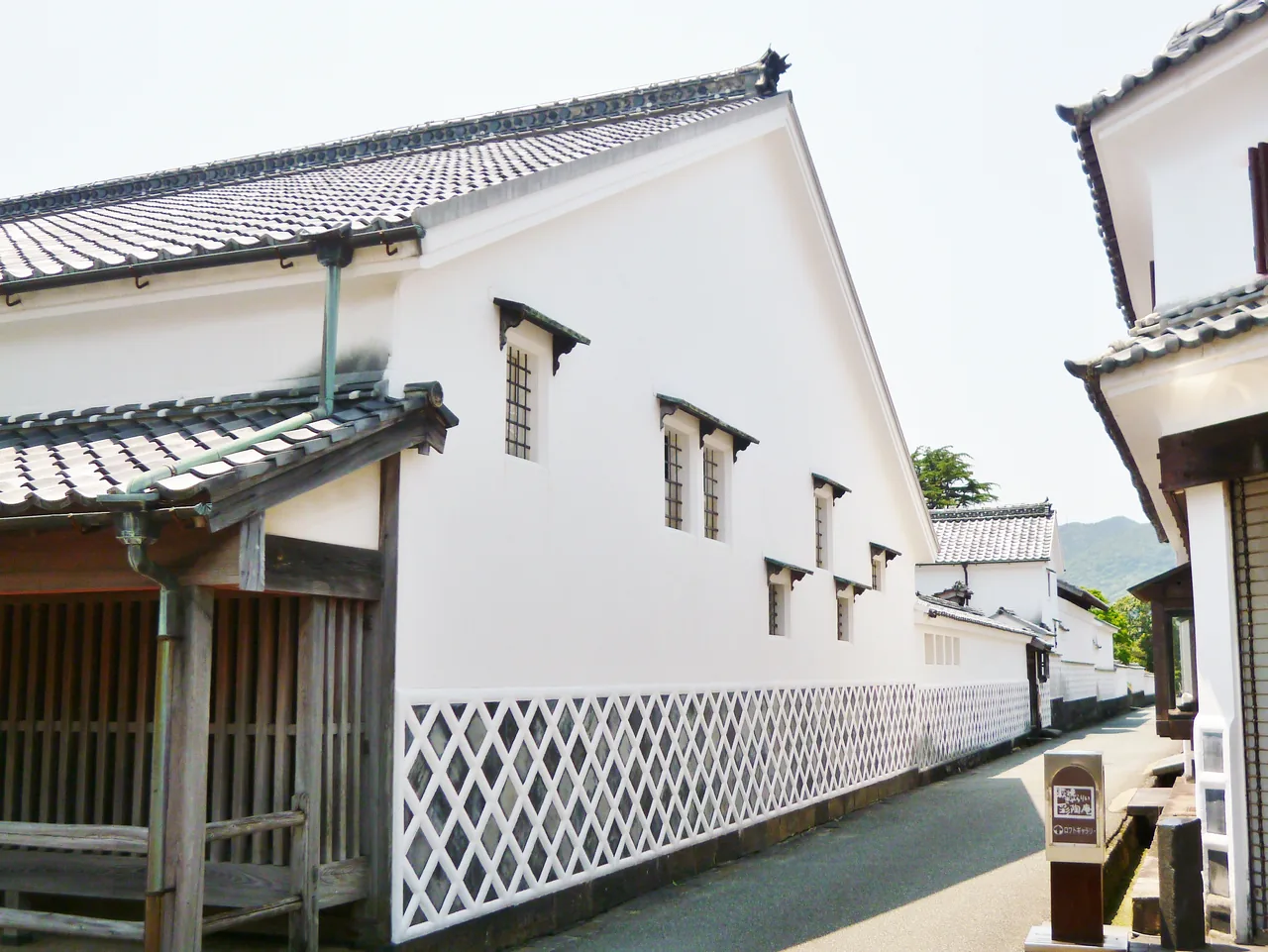
A castle town made up of the samurai districts of Horiuchi and Hiyako and the former merchant district home to the Kikuya House. In Horiuchi, namako walls with a lattice of white plaster run on either side of the front gate of the Kuchiba House. In Hiyako, a kagimagari survives: a lane enclosed by tall earthen walls on both sides and bent at right angles. In the merchant district, three lanes, Kikuya Yokocho, Iseya Yokocho and Edoya Yokocho, run out beside the Kikuya House. See Hagi Castle Town.
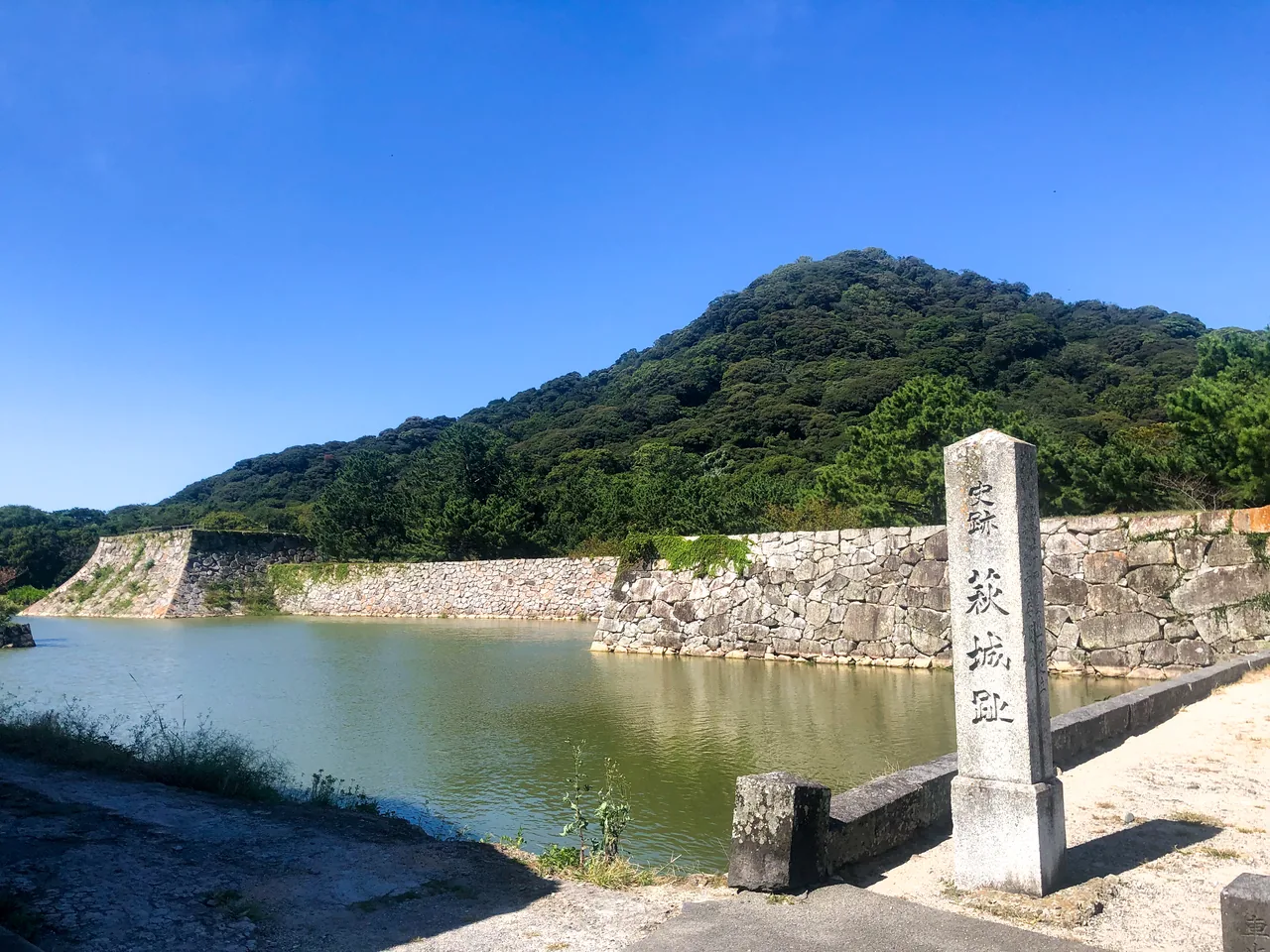
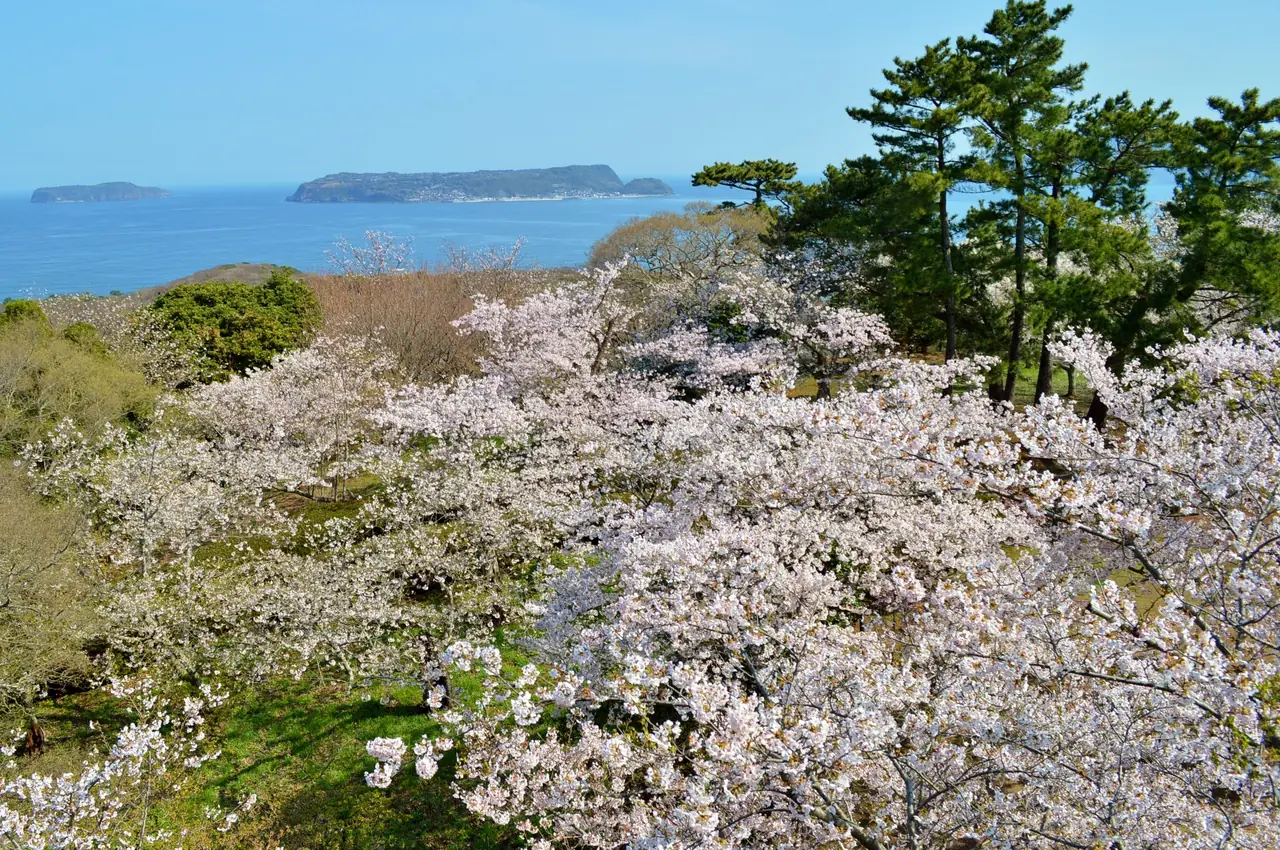
The site of a hill-and-plain castle backed by 143 m Mt. Shizuki. For about 260 years, until it was abandoned at the Meiji Restoration, it was the seat of 13 generations of the Mori clan. The keep and turrets were all dismantled in 1874, and today the moat and stone walls keep their original form. Part of the former main enclosure is laid out as Shizuki Park, a well-known cherry blossom spot in spring. See Hagi Castle Ruins (Shizuki Park).
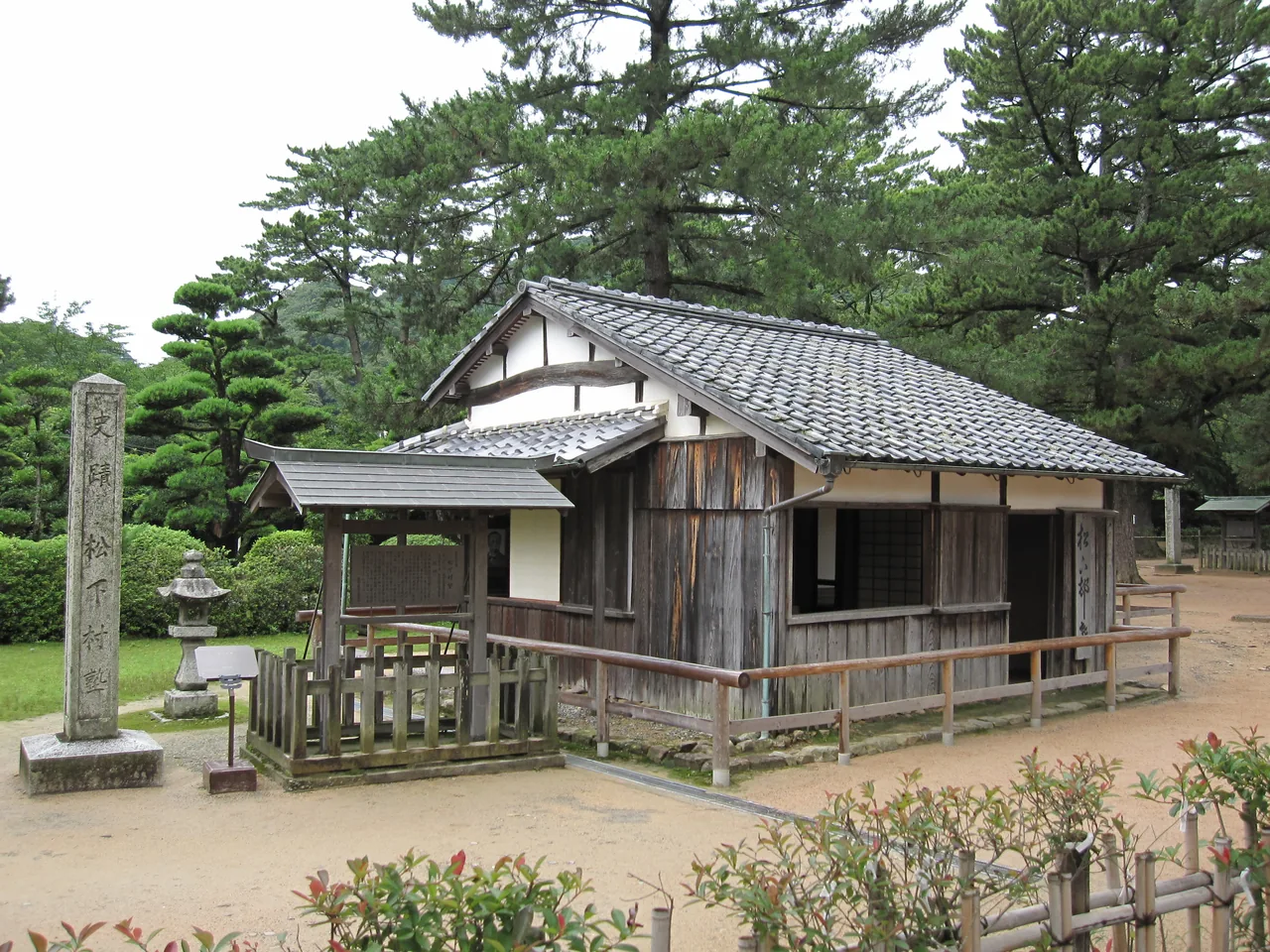
The private school Yoshida Shoin ran in 1857–58. The students of its small wooden schoolhouse included Takasugi Shinsaku and Ito Hirobumi, figures who went on to drive the Meiji Restoration and modern Japan. The schoolhouse stands in the grounds of Shoin Shrine, dedicated to Shoin, and the former Sugi family house, where Shoin lived under house arrest, is nearby. See Shoka Sonjuku Academy.
An Obaku Zen temple founded in the Genroku era by Mori Yoshinari, the third lord of the Hagi domain. Behind the main hall lie the graves of the odd-numbered lords, with some 500 stone lanterns lined up before them. Every August during Obon, the Hagi Mantoe is held and the stone lanterns are lit. See Tokoji Temple.
A small 112 m volcano jutting into the Sea of Japan northeast of central Hagi. At the summit are a crater and an observation deck that looks out over the islands off Hagi. At its foot are fuketsu, wind holes that blow cold air even in summer, and a camellia grove where yabu-tsubaki bloom in early spring. See Kasayama.
Hagi's souvenir shops are lined with sweets and juices made from natsumikan. The white natsumikan blossom is Yamaguchi's prefectural flower, and it blooms around May.
Hagi-yaki pottery is the other classic Hagi souvenir. Hagi-yaki began in the Edo period as the official kiln of the Mori family, and kilns and galleries are scattered around town, where you can pick out a piece to remember your trip. How to eat the local specialties and the history of natsumikan are also covered in Yamaguchi food specialties.
Hagi's sights split between the west side of town, with the castle ruins and castle town, and the east side, with Shoka Sonjuku and Tokoji. The west side is walkable: the natural order is from the castle ruins through the Horiuchi samurai district and the kagimagari of Hiyako to the merchant-district lanes. Between west and east you cross the Matsumoto River, so the loop bus or a rental bicycle makes it easier. Kasayama is about 20 minutes by car from central Hagi, so a car or taxi is the easy option.
The order for walking the castle town and the World Heritage sites are covered in detail in Hagi castle town and Meiji Restoration sites. From Hagi, follow the coast northeast to Susa, head southwest to Nagato-Yumoto Onsen, or go south to Akiyoshidai & Akiyoshido Cave.