Yamaguchi City Half-Day: Rurikoji Pagoda to Yuda Onsen
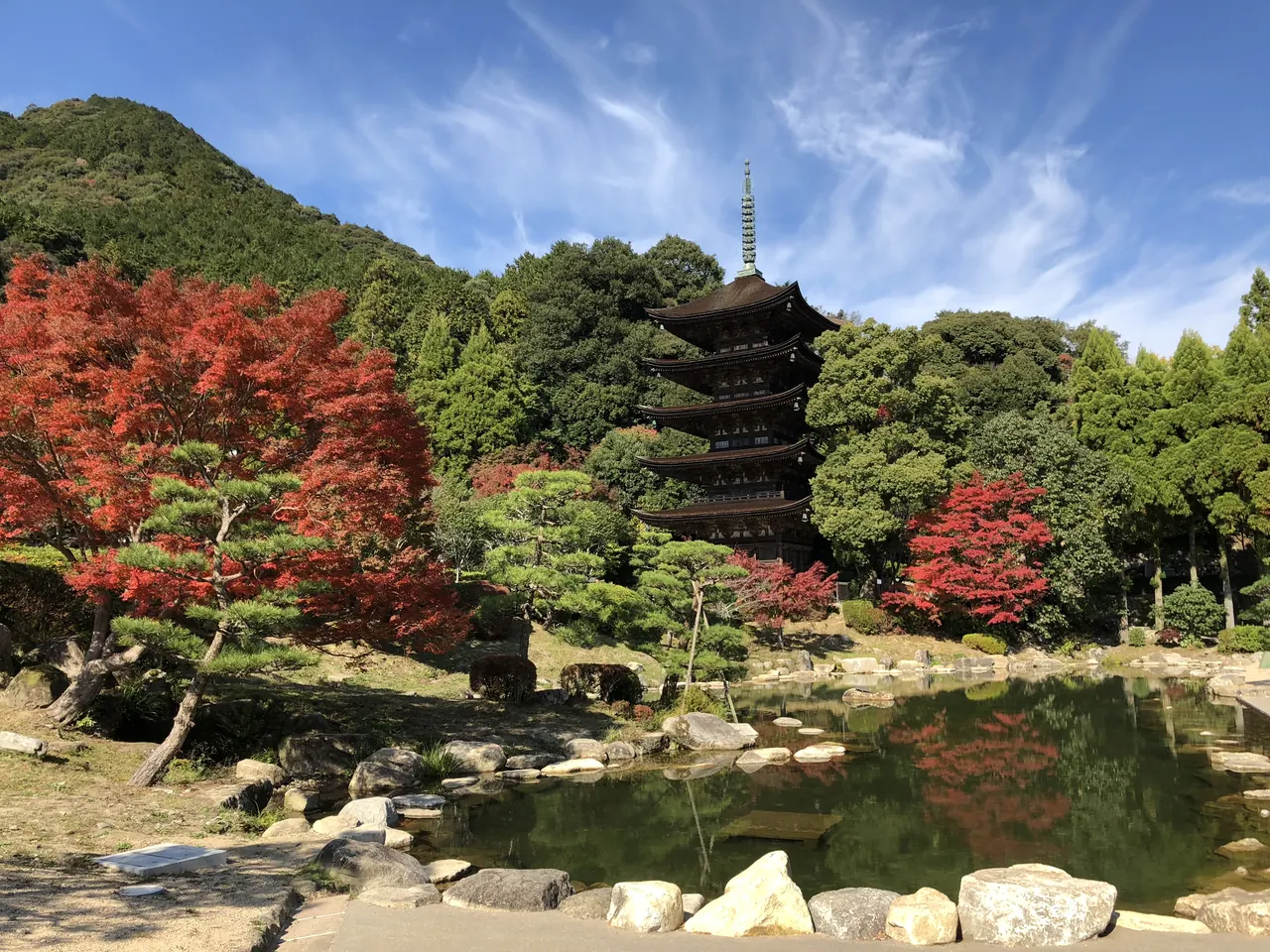
- Rurikoji Five-Story Pagoda
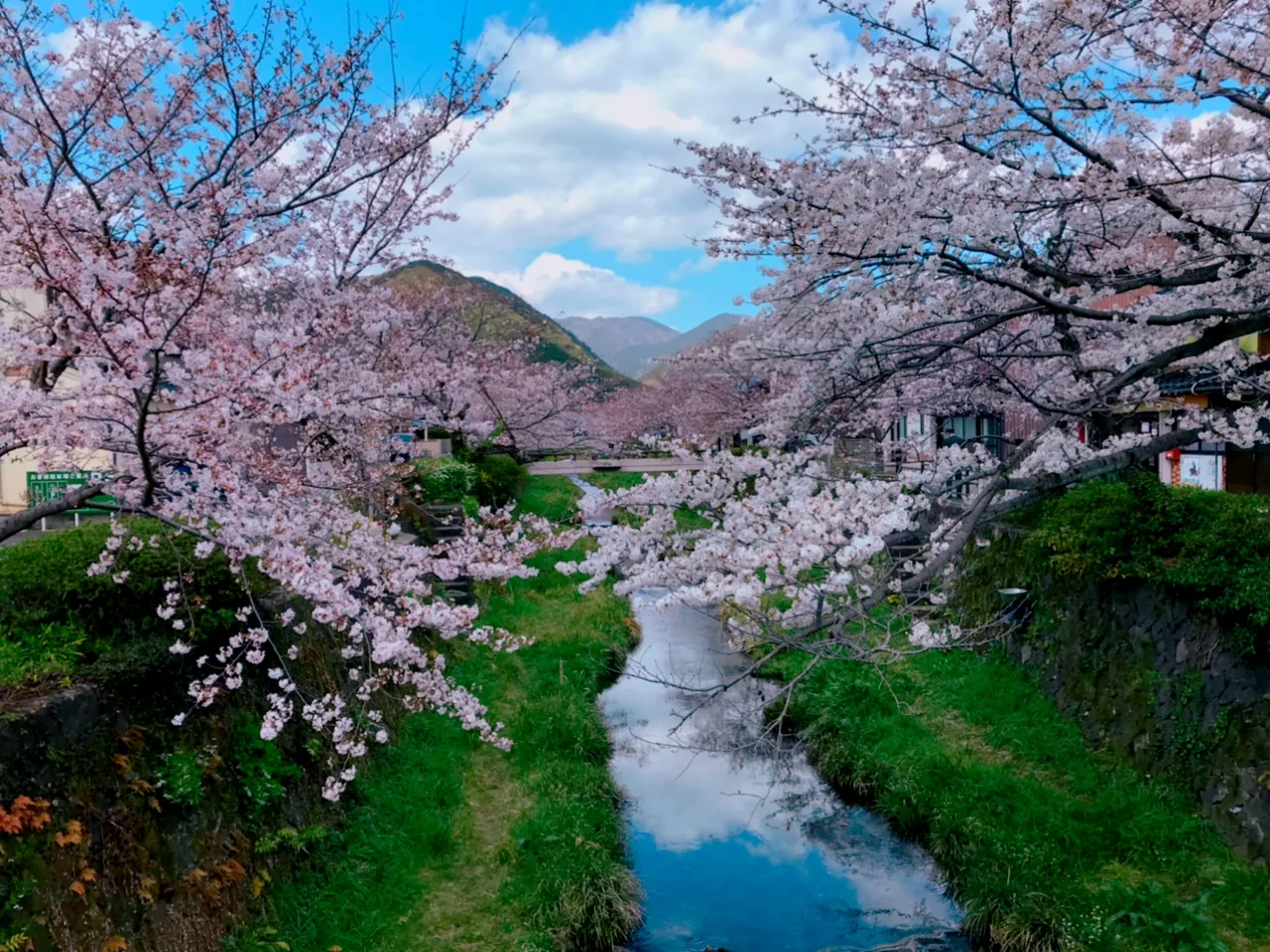
- Ichinosaka River
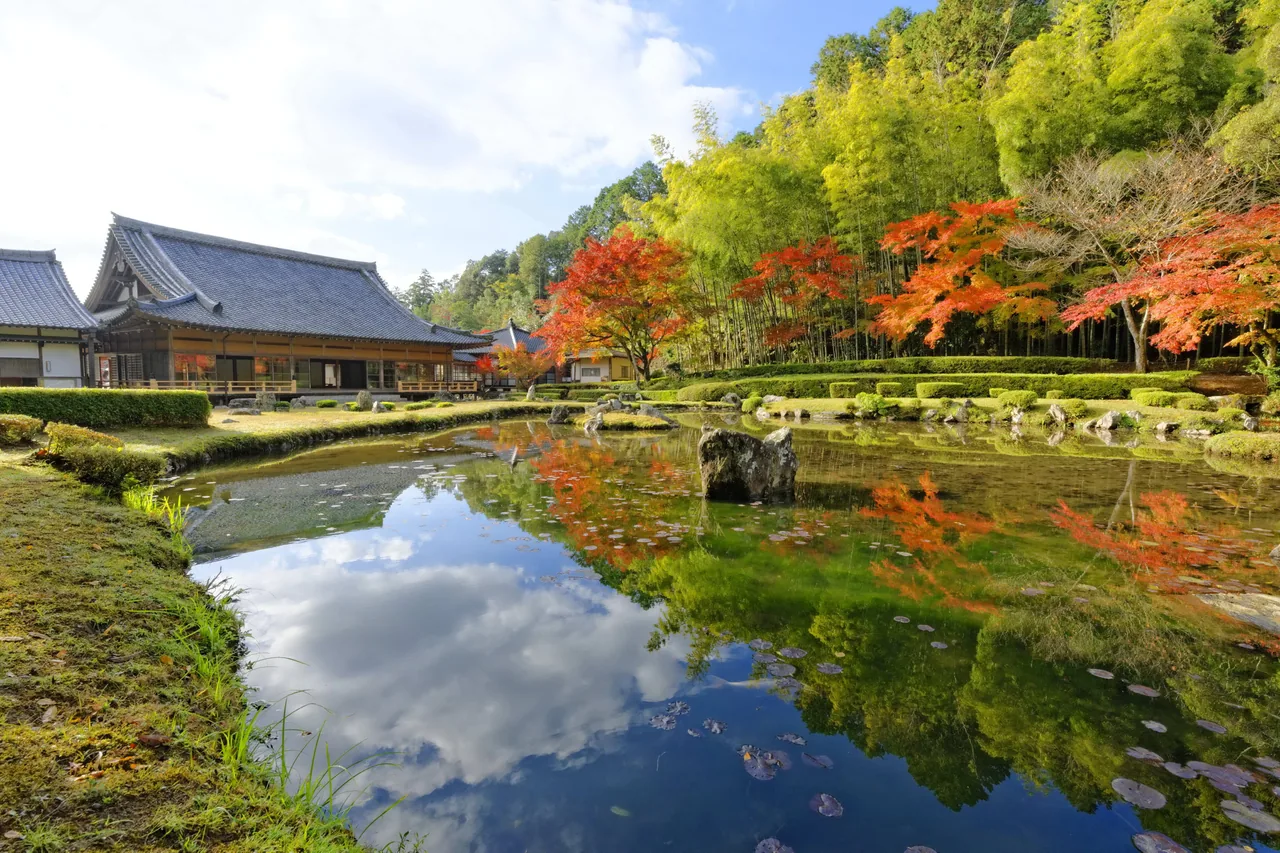
- Joeiji Temple Sesshu Garden
- Yuda Onsen

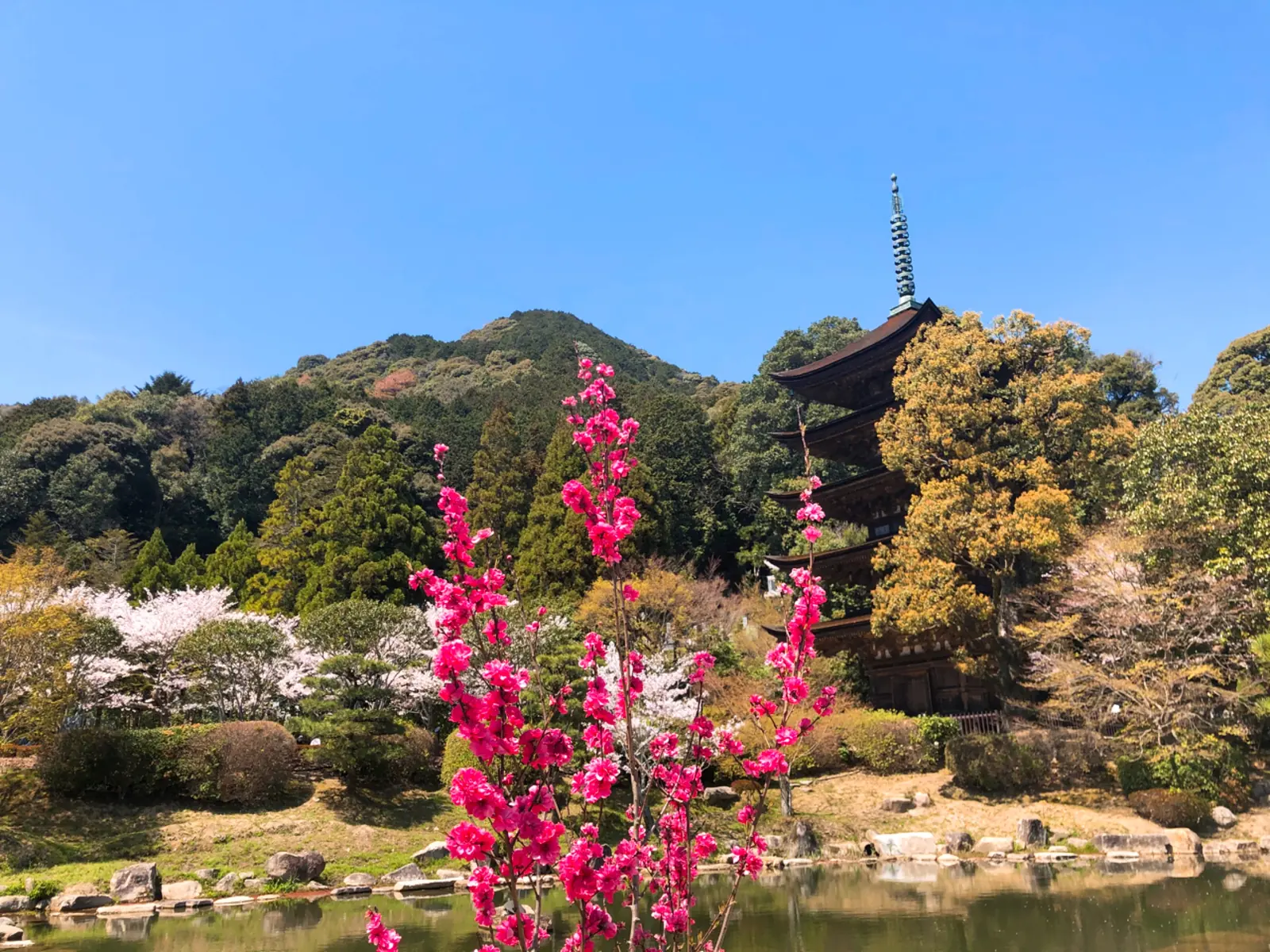
Photo: (c) Yamaguchi Prefectural Tourism Federation
Areas of Yamaguchi
Rurikoji's National Treasure pagoda, the cherry-lined Ichinosaka River, Xavier Memorial Church, Sesshu's garden and Yuda Onsen, with routes from Shin-Yamaguchi.
This page is translated from the Japanese edition. Read the Japanese edition
Yamaguchi City, the prefectural capital, lies near the middle of Yamaguchi Prefecture. In the Muromachi period, under the Ouchi clan who ruled here, its culture flourished so much that Yamaguchi was called the "Kyoto of the West." That era lives on in the National Treasure five-storied pagoda of Rurikoji Temple and in the garden of Joeiji Temple, said to have been made by the painter-monk Sesshu.
In the city center, the Rurikoji pagoda, the cherry-lined Ichinosaka River and Yamaguchi Xavier Memorial Church are all within walking distance of each other. A little further out, Yuda Onsen is a hot spring town inside the city, with footbaths on the street that are easy to drop into. Walking temples and riverbanks by day and staying at the hot spring by night comes naturally here.
The National Treasure five-storied pagoda of Rurikoji Temple stands about 31.2 m tall, with roofs of layered cypress bark. Conservation work, including re-roofing, was completed in December 2025; the large enclosure that covered the pagoda during the work has come down, and you can now see the whole structure. The classic view is across the pond in front of it with the seasonal trees, plum blossoms in early spring and cherry blossoms in spring. See Rurikoji Temple Five-Storied Pagoda.
A small river through central Yamaguchi, with cherry trees along its stone embankments. In spring the trees on both banks reach out over the water and form something like a tunnel of blossoms. On cherry blossom nights the trees are lit up; the period changes from year to year. See Ichinosaka River.
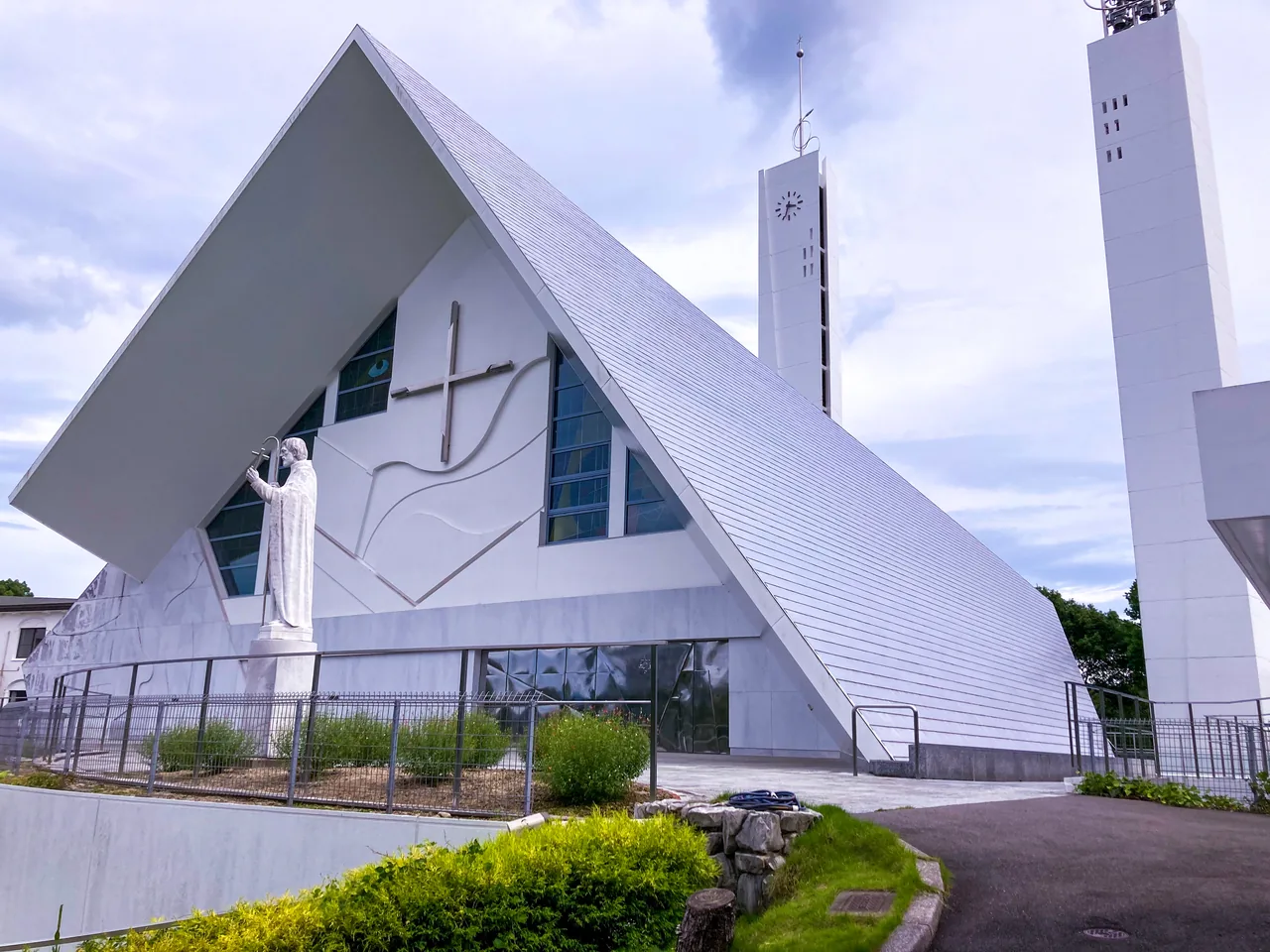
A Catholic church in Kameyama Park in the city center, named after Francis Xavier, who preached in Yamaguchi in the Sengoku period. Look for its large triangular roof and two white towers. On sunny days, light through the stained glass falls in many colors on the white walls and floor inside. It is still a place of worship, so check the official information for the days and hours you can visit. See Yamaguchi Xavier Memorial Church.
The garden of Joeiji Temple in Miyano, in the northeast of the city, said to have been made by Sesshu. Stones large and small are set between lawn and moss around a central pond, and the trees on the hill behind become part of the view. Sit down inside the main hall and the pillars and windows frame the garden like a painting. It is away from the center, so look up how to get there in advance. See Sesshu Garden at Joeiji Temple.
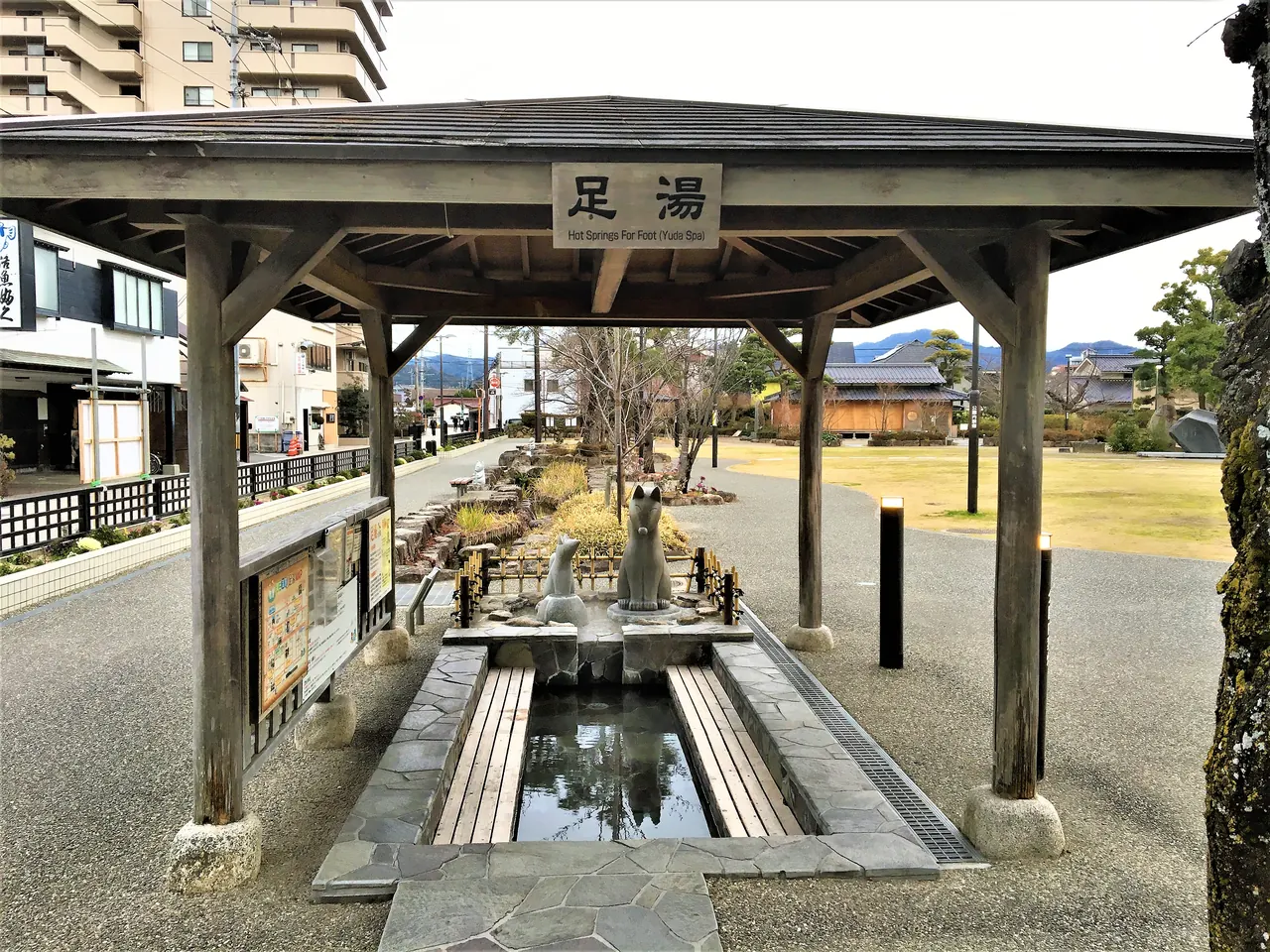
A hot spring town inside the city, lined with hotels and ryokan. Covered footbaths on the street let you try the hot spring water without staying overnight. A huge white fox statue stands in front of JR Yuda-Onsen Station, and the fox is the symbol of the town. See Yuda Onsen.
Among Yamaguchi's local sweets is uiro, said to date back to the Muromachi period, and one of the standard souvenirs from the city. Specialties from elsewhere in the prefecture, such as kawara soba, green tea noodles cooked on a hot roof tile, can also be had at restaurants around Yamaguchi Prefecture. How to eat the local specialties is covered in Yamaguchi food specialties.
Yuda Onsen is a town full of inns, so eating dinner at your inn or finding a place inside the hot spring town keeps your moving around to a minimum.
For a single day, walk from the Rurikoji pagoda in the center along the Ichinosaka River to Yamaguchi Xavier Memorial Church. In the evening, move to Yuda Onsen, soak your feet in a footbath and stay the night in the hot spring town; that order is easy to plan. Fit Joeiji's Sesshu Garden into another half day, or before or after your walk around the center.
Spring is when the cherry trees of the Ichinosaka River and the blossoms at Rurikoji coincide. Stay in the center into the evening for the night illuminations and you can see the blossoms glowing white along the river. From Yamaguchi City, connect to a bus at Shin-Yamaguchi Station for Akiyoshidai & Akiyoshido Cave or for Hagi on the Sea of Japan side.